


Abstract
Background
This is an updated and expanded version of the original Cochrane review, first published in 2014. Postoperative oral intake is traditionally withheld after major abdominal gynaecologic surgery until the return of bowel function. The concern is that early oral intake will result in vomiting and severe paralytic ileus, with subsequent aspiration pneumonia, wound dehiscence, and anastomotic leakage. However, clinical studies suggest that there may be benefits from early postoperative oral intake. Currently, gynaecologic surgery can be performed through various routes: open abdominal, vaginal, laparoscopic, robotic, or a combination. In this version, we included women undergoing major gynaecologic surgery through all of these routes, either alone or in combination.
Objectives
To assess the effects of early versus delayed (traditional) initiation of oral intake of food and fluids after major gynaecologic surgery.
Search methods
On 13 June 2023, we searched the Cochrane Gynaecology and Fertility Group's Specialised Register, CENTRAL, MEDLINE, Embase, the citation lists of relevant publications, and two trial registries. We also contacted experts in the field for any additional studies.
Selection criteria
We included randomised controlled trials (RCTs) that compared the effect of early versus delayed initiation of oral intake of food and fluids after major gynaecologic surgery, performed by abdominal, vaginal, laparoscopic, and robotic approaches. Early feeding was defined as oral intake of fluids or food within 24 hours post‐surgery, regardless of the return of bowel function. Delayed feeding was defined as oral intake after 24 hours post‐surgery, and only after signs of postoperative ileus resolution. Primary outcomes were: postoperative ileus, nausea, vomiting, cramping, abdominal pain, bloating, abdominal distension, need for postoperative nasogastric tube, time to the presence of bowel sounds, time to the first passage of flatus, time to the first passage of stool, time to the start of a regular diet, and length of postoperative hospital stay. Secondary outcomes were: infectious complications, wound complications, deep venous thrombosis, urinary tract infection, pneumonia, satisfaction, and quality of life.
Data collection and analysis
Two review authors independently selected studies, assessed the risk of bias, and extracted the data. We calculated the risk ratio (RR) with a 95% confidence interval (CI) for dichotomous data. We examined continuous data using the mean difference (MD) and a 95% CI. We tested for heterogeneity between the results of different studies using a forest plot of the meta‐analysis, the statistical tests of homogeneity of 2 x 2 tables, and the I² value. We assessed the certainty of the evidence using GRADE methods.
Main results
We included seven randomised controlled trials (RCTs), randomising 902 women.
We are uncertain whether early feeding compared to delayed feeding has an effect on postoperative ileus (RR 0.49, 95% CI 0.21 to 1.16; I² = 0%; 4 studies, 418 women; low‐certainty evidence). We are uncertain whether early feeding affects nausea or vomiting, or both (RR 0.94, 95% CI 0.66 to 1.33; I² = 67%; random‐effects model; 6 studies, 742 women; very low‐certainty evidence); nausea (RR 1.24, 95% CI 0.51 to 3.03; I² = 74%; 3 studies, 453 women; low‐certainty evidence); vomiting (RR 0.83, 95% CI 0.52 to 1.32; I² = 0%; 4 studies, 559 women; low‐certainty evidence), abdominal distension (RR 0.99, 95% CI 0.75 to 1.31; I² = 0%; 4 studies, 559 women; low‐certainty evidence); need for postoperative nasogastric tube placement (RR 0.46, 95% CI 0.14 to 1.55; 3 studies, 453 women; low‐certainty evidence); or time to the presence of bowel sounds (MD ‐0.20 days, 95% CI ‐0.46 to 0.06; I² = 71%; random‐effects model; 3 studies, 477 women; low‐certainty evidence).
There is probably no difference between the two feeding protocols for the onset of flatus (MD ‐0.11 days, 95% CI ‐0.23 to 0.02; I² = 9%; 5 studies, 702 women; moderate‐certainty evidence).
Early feeding probably results in a slight reduction in the time to the first passage of stool (MD ‐0.18 days, 95% CI ‐0.33 to ‐0.04; I² = 0%; 4 studies, 507 women; moderate‐certainty evidence), and may lead to a slightly sooner resumption of a solid diet (MD ‐1.10 days, 95% CI ‐1.79 to ‐0.41; I² = 97%; random‐effects model; 3 studies, 420 women; low‐certainty evidence). Hospital stay may be slightly shorter in the early feeding group (MD ‐0.66 days, 95% CI ‐1.17 to ‐0.15; I² = 77%; random‐effects model; 5 studies, 603 women; low‐certainty evidence).
The effect of the two feeding protocols on febrile morbidity is uncertain (RR 0.96, 95% CI 0.75 to 1.22; I² = 47%; 3 studies, 453 women; low‐certainty evidence). However, infectious complications are probably less common in women with early feeding (RR 0.20, 95% CI 0.05 to 0.73; I² = 0%; 2 studies, 183 women; moderate‐certainty evidence). There may be no difference between the two feeding protocols for wound complications (RR 0.82, 95% CI 0.50 to 1.35; I² = 0%; 4 studies, 474 women; low‐certainty evidence), or pneumonia (RR 0.35, 95% CI 0.07 to 1.73; I² = 0%; 3 studies, 434 women; low‐certainty evidence).
Two studies measured participant satisfaction and quality of life. One study found satisfaction was probably higher in the early feeding group, while the other study found no difference. Neither study found a significant difference between the groups for quality of life (P > 0.05).
Authors' conclusions
Despite some uncertainty, there is no evidence to indicate harmful effects of early feeding following major gynaecologic surgery, measured as postoperative ileus, nausea, vomiting, or abdominal distension. The potential benefits of early feeding include a slightly faster initiation of bowel movements, a slightly sooner resumption of a solid diet, a slightly shorter hospital stay, a lower rate of infectious complications, and a higher level of satisfaction.
Keywords: Female, Humans, Bias, Drinking, Eating, Enteral Nutrition, Enteral Nutrition/methods, Gynecologic Surgical Procedures, Gynecologic Surgical Procedures/adverse effects, Intestinal Pseudo-Obstruction, Intestinal Pseudo-Obstruction/etiology, Length of Stay, Postoperative Care, Postoperative Care/methods, Postoperative Complications, Postoperative Complications/etiology, Postoperative Complications/prevention & control, Postoperative Nausea and Vomiting, Postoperative Nausea and Vomiting/epidemiology, Postoperative Nausea and Vomiting/etiology, Randomized Controlled Trials as Topic, Time Factors
Plain language summary
Is it better to eat food early or wait for at least 24 hours after major gynaecologic surgery?
Key messages
‐ The evidence suggests that early eating and drinking after gynaecologic surgery is probably safe.
‐ Early eating and drinking may facilitate the return of bowel function, reduce the length of hospital stay, and promote women's satisfaction.
Should physicians delay food and drink for women after gynaecologic surgery?
Physicians often delay giving food and drink to women after abdominal surgery, and sometimes after laparoscopic or vaginal gynaecologic surgery, until bowel function returns (typically 24 hours after surgery). By delaying oral intake, the surgeons hope to reduce the risk of complications, such as vomiting, disruptions of the digestive system, and leakage or reopening of the wound. However, it has been suggested that some women recover more quickly if food is introduced earlier.
What did we want to find out?
We wanted to find out if eating food early was associated with nausea, vomiting, bloating, abdominal distension, the need for a nasogastric tube after surgery, infectious complications, wound complications, urinary tract infection, pneumonia, and deep venous thrombosis (blood clots).
We also wanted to find out if early feeding was better than delayed feeding for improving the recovery of bowel function, as represented by the time to first: bowel sound, gas, stool, the start of a regular diet, and the length of hospital stay. In addition, women's satisfaction and quality of life were compared between the two feeding schedules.
What did we do?
We searched for studies that looked at early feeding compared with delayed feeding after major gynaecologic surgery, which may be done using an abdominal, vaginal, or laparoscopic approach. We defined early feeding as having fluids or food within 24 hours of surgery. We defined delayed feeding as having fluids or food 24 hours or more after surgery, and only if there were bowel sounds, the passage of gas or stool, and a feeling of hunger. We compared and summarised the results of the studies and rated our confidence in the evidence, based on factors, such as study methods and sizes.
What did we find?
We found seven studies that involved 902 women who underwent major gynaecologic surgery.
‐ Early feeding may offer some benefits to women. It probably leads to a slightly faster resumption of bowel movements and may result in women starting a solid diet sooner. It might also contribute to a slightly shorter hospital stay.
‐ Despite these potential advantages associated with early feeding, there was no difference between the women who received early or late feeding on the time to the first passage of gas.
‐ The effects of early feeding compared to delayed feeding are uncertain for these post‐surgical outcomes: the occurrence of nausea and vomiting, and abdominal distension.
What are the limitations of the evidence?
This review has some limitations that make the findings less certain. We had some uncertainty about most of the evidence. The main problem was that the studies were not 'blinded'. This means that the women and researchers knew who was getting early or delayed feeding. This knowledge could influence how the women reported their symptoms or satisfaction, potentially skewing the results. In addition, the studies were not consistent with each other, which makes it harder to draw firm conclusions. And finally, some studies had very few participants or recorded very few events, which makes their results less reliable.
How up‐to‐date is this evidence?
We updated the previous Cochrane review of randomised controlled trials of early and delayed feeding after abdominal gynaecologic surgery. In this update, we also considered women who underwent surgery through vaginal, laparoscopic, and robotic approaches. The evidence is up‐to‐date to June 2023.
Summary of findings
Summary of findings 1. Early compared to delayed oral fluids and food for women following major gynaecologic surgery.
| Outcomes | Anticipated absolute effects* (95% CI) | Relative effect (95% CI) | № of participants (studies) | Certainty of the evidence (GRADE) | Comments | |
| Risk with delayed oral fluids and food | Risk with early fluids and food | |||||
| Early compared to delayed oral fluids and food for women following major gynaecologic surgery | ||||||
| Patient or population: women following major gynaecologic surgery Setting: hospitals in North America, Italy, and Thailand Intervention: early oral fluids and food (within 24 hours of surgery) Comparison: delayed oral fluids and food (after 24 hours of surgery, and once bowel function returned) | ||||||
| Postoperative ileus | Study population | RR 0.49 (0.21 to 1.16) | 418 (4 RCTs) | ⊕⊕⊝⊝ Lowa,b | We are uncertain of the effect of early feeding on postoperative ileus. | |
| 70 per 1000 | 34 per 1000 (15 to 81) | |||||
|
Nausea or vomiting, or both (random‐effects model) |
Study population | RR 0.94 (0.66 to 1.33) | 742 (6 RCTs) | ⊕⊝⊝⊝ Very lowb,c,d | We are uncertain whether early feeding increases nausea or vomiting, or both. | |
| 361 per 1000 | 339 per 1000 (238 to 480) | |||||
| Abdominal distension | Study population | RR 0.99 (0.75 to 1.31) | 559 (4 RCTs) | ⊕⊕⊝⊝ Lowb,c | We are uncertain of the effect of early feeding on abdominal distension. | |
| 241 per 1000 | 239 per 1000 (181 to 316) | |||||
| Time to the first passage of flatusmeasured in days | MD 0.11 lower (0.23 lower to 0.02 higher) | ‐ | 702 (5 RCTs) | ⊕⊕⊕⊝ Moderatec | Early feeding probably results in little to no difference in time to the first passage of flatus. | |
|
Time to the first passage of stool measured in days |
MD 0.18 lower (0.33 lower to 0.04 lower) | ‐ | 507 (4 RCTs) | ⊕⊕⊕⊝ Moderatec | Early feeding probably results in a slight reduction in time to the first passage of stool. | |
|
Time to the first solid diet (random‐effects model) measured in days |
MD 1.1 lower (1.79 lower to 0.41 lower) | ‐ | 420 (3 RCTs) | ⊕⊕⊝⊝ Lowd,e | Early feeding may result in a slight reduction in time to the first solid diet. | |
|
Hospital stay (random‐effects model) measured in days |
MD 0.66 lower (1.17 lower to 0.15 lower) | ‐ | 603 (5 RCTs) | ⊕⊕⊝⊝ Lowd,e | Early feeding may result in a slight reduction in hospital stay. | |
| *The risk in the intervention group (and its 95% confidence interval) is based on the assumed risk in the comparison group and the relative effect of the intervention (and its 95% CI). CI: confidence interval; OR: odds ratio; RR: risk ratio | ||||||
| GRADE Working Group grades of evidence High certainty: we are very confident that the true effect lies close to that of the estimate of the effect. Moderate certainty: we are moderately confident in the effect estimate; the true effect is likely to be close to the estimate of the effect, but there is a possibility that it is substantially different. Low certainty: our confidence in the effect estimate is limited; the true effect may be substantially different from the estimate of the effect. Very low certainty: we have very little confidence in the effect estimate; the true effect is likely to be substantially different from the estimate of effect. | ||||||
aDowngraded one level for risk of bias: performance bias in all 4 studies, detection bias and selection bias in one study each bDowngraded one level for imprecision: the number of events (< 400) does not meet the optimal information size for a dichotomous outcome, and the confidence intervals are consistent with both an appreciable benefit and appreciable harm cDowngraded one level for risk of bias: performance bias in all studies, and detection bias in one study dDowngraded one level for inconsistency: the proportion of the variability in effect estimates that is due to true heterogeneity rather than chance is important (I² > 65%) eFor the studies contributing data, all were at high risk of performance bias; downgraded one level
Background
This review is an updated and expanded version of the Cochrane review, 'Early versus delayed oral fluids and food for reducing complications after major abdominal gynaecologic surgery' (Charoenkwan 2014). This update includes the effects of different postoperative oral feeding schedules on the recovery of women undergoing major gynaecologic surgery through any routes, including open abdominal, vaginal, laparoscopic, robotic, or a combination.
Description of the condition
Surgery plays a significant role in treating various benign and malignant gynaecologic disorders, such as uterine fibroids, adenomyosis, endometriosis, ovarian cyst, cervical cancer, uterine cancer, and ovarian cancer. In this regard, hysterectomy and removal of ovarian cysts or ovarian tumours are commonly performed procedures. Women, especially those with cancer, frequently undergo multiple procedures during surgery. Currently, gynaecologic surgery can be accomplished through various routes: open abdominal, vaginal, laparoscopic, robotic, or a combination. Laparoscopic surgery has recently played a significant role in treating various benign and malignant gynaecologic disorders, including uterine fibroids, endometriosis, benign ovarian tumours, and endometrial cancer, because it accelerates early recovery, and results in less postoperative pain and a shorter hospital stay. However, abdominal surgery is still preferred for cervical cancer, ovarian cancer, or other benign diseases involving sizeable ovarian cysts or a large uterus (Aarts 2015; Garry 2004; Ramirez 2018).
There is a widespread belief that intestinal stasis (paralytic ileus), a temporary inhibition of bowel motility, follows all open abdominal surgery and also some cases of vaginal or laparoscopic surgery. The exact cause of this clinical phenomenon is unknown. However, proposed mechanisms include intestinal muscular inflammation (Kalff 1998; Luckey 2003; Türler 2002), sympathetic inhibitory effects (Foxx‐Orenstein 2016; Luckey 2003), and neurohumoral peptides (Cullen 1994; Luckey 2003; Martínez 1997; Zittel 1998). Risk factors of postoperative ileus, regardless of the route of surgery, include prolonged operative time, lower gastrointestinal surgery, intra‐abdominal inflammation, perioperative complications, and perioperative opioid use (Antosh 2013; Artinyan 2008; Chang 2002; Hollenbeck 2005). Gynaecologists have traditionally withheld postoperative oral intake until the return of bowel function, as evidenced by the presence of bowel sounds; passing of flatus, or stool, or both; and a feeling of hunger. There has been concern that early oral intake would result in vomiting and severe paralytic ileus with subsequent aspiration pneumonia, wound dehiscence (break down), and anastomotic leakage (leakage of surgically‐created connections between parts of the intestine (Fanning 2001)). This belief has become surgical dogma, unsupported by scientific evidence.
Description of the intervention
The practice of delayed postoperative oral intake has been challenged by evidence from several gastrointestinal physiologic studies examining the intestine's contractile activity. Following surgery, gastric emptying and small intestinal absorptive capacity resume on the first postoperative day, while colonic activity typically returns within 72 hours after surgery (Foxx‐Orenstein 2016). These data suggest that postoperative ileus may not occur as a paralysis of the entire bowel with the complete absence of any functional contractile activity, as is conventionally assumed (Pearl 1998). If postoperative ileus occurs, it is usually transient and not clinically significant. It is also known that typically the stomach and pancreas secrete one to two litres of fluid daily, readily absorbed in the small intestine (Bufo 1994). Therefore, women without a nasogastric tube after surgery tolerate high volumes of fluid even though nothing is given orally. In addition, studies demonstrate that physical signs suggestive of resolution of postoperative ileus are not well correlated with the incidence of nausea and vomiting (Bufo 1994; Nachlas 1972). Based on these findings, withholding oral intake until the signs of resolution of postoperative ileus is not an evidence‐based practice, and may also be unnecessary.
How the intervention might work
Several clinical benefits of giving food and fluids soon after surgery have been proposed in the literature. Following surgery, optimal nutritional status and maintenance of bowel function contribute significantly to wound healing (Deitch 1991; Windsor 1988). It has also been suggested that early oral intake may be an effective option to prevent postoperative stress ulcers, as it helps to maintain the strength of bowel mucosa. In people receiving early oral intake, the risk of sepsis is reduced, because there is decreased bacterial colonisation and reduced migration through defects in the bowel mucosa into the blood circulation (Deitch 1991). Furthermore, an improved sense of well‐being was observed in people who ate sooner (Schilder 1997). This psychological aspect contributes considerably to the entire postoperative recovery process. Cost‐effectiveness is another potential advantage of an early feeding scheme, as those who begin eating sooner tend to have a shorter hospital stay.
Evidence from general surgical studies (Reissman 1995; Singh 1998), and systematic reviews on women undergoing caesarean delivery (Guo 2015; Huang 2016; Mangesi 2002), have shown that early oral intake is safe and does not result in any significant increase in complications. Early oral feeding after a caesarean is associated with specific benefits, including faster recovery of gastrointestinal functions, shorter duration of and less need for intravenous fluid, shorter hospital stay, and shorter time to first breastfeeding (Guo 2015). Another systematic review on feeding after gastrointestinal surgery confirmed that there is no clear benefit in keeping people 'nil by mouth', and that early feeding might be beneficial (Lewis 2001). Data from a meta‐analysis of perioperative nutrition for women with ovarian cancer also supported the safety of early oral fluid intake, even after extensive surgery involving bowel resection (Billson 2013).
Why it is important to do this review
Given the unique course of gynaecologic diseases and distinctive operative characteristics, a systematic review that addresses the effects of early versus delayed (traditional) feeding on postoperative recovery and complications in this population is directly relevant and much needed. Because of the popularity of alternative routes of surgery, including vaginal, laparoscopic, and robotic, we expanded the scope of this updated version of the review from one that dealt exclusively with open abdominal surgery to one that also incorporated studies that examined the effect of feeding schedules following these alternative procedures, to provide a broader perspective on this critical dilemma encountered daily by clinicians.
Objectives
To assess the effects of early versus delayed (traditional) initiation of oral intake of food and fluids after major gynaecologic surgery.
Methods
Criteria for considering studies for this review
Types of studies
We included randomised controlled trials (RCTs) that compared the effect of early versus delayed initiation of oral intake of food and fluids after major gynaecologic surgery, regardless of route, on clinically meaningful postoperative outcomes.
We excluded quasi‐randomised controlled trials. We did not accept studies with significant violations of allocation procedure and exclusions after allocation.
Types of participants
The study participants were women who had undergone major gynaecologic surgery through open abdominal, vaginal, laparoscopic, or robotic routes. We also included participants who had laparoscopic adnexal surgery and laparoscopic or robotic‐assisted vaginal hysterectomy (the combined procedure).
Major gynaecologic surgery excluded any operations performed mainly for tubal sterilisation.
Types of interventions
Main intervention
Early postoperative oral intake of fluids and food.
We defined early postoperative oral intake as an oral intake of fluids or food within the first 24 hours after surgery, regardless of the presence or absence of the signs that indicate the return of bowel function.
Comparison intervention
Delayed postoperative oral intake of fluids and food.
We defined delayed postoperative oral intake as the introduction of oral fluids or food after the first 24 hours following surgery, and only after clinical signs of resolution of postoperative ileus were evident − most commonly the presence of bowel sounds, passing flatus or stool, and a feeling of hunger.
We included participants who only had ice chips or sips of water within the first 24 hours after surgery until clinical signs of resolution of postoperative ileus in the delayed group.
Types of outcome measures
We recorded the following outcomes if the information was available.
Development of symptoms and signs of postoperative ileus (dichotomous data)
postoperative ileus, as defined in the included studies
nausea, vomiting, or nausea and vomiting, as reported in the included studies
cramping, abdominal pain, bloating, abdominal distension, need for postoperative nasogastric tube
Time interval (continuous data)
time to the presence of bowel sounds, time to the first passage of flatus, time to the first passage of stool, time to the start of a regular diet, length of postoperative hospital stay
Other major postoperative complications (dichotomous data)
infectious complications, wound complications, deep venous thrombosis, urinary tract infection, pneumonia
Search methods for identification of studies
In consultation with the Cochrane Gynaecology and Fertility Group Information Specialist, we searched for all published and unpublished RCTs on early versus delayed oral feeding after major gynaecologic surgery, without language restriction.
Electronic searches
We searched the following electronic databases to find reports of relevant RCTs:
Cochrane Gynaecology and Fertility Group (CGF)'s Specialised Register, ProCite platform (searched 13 June 2023; Appendix 1);
CENTRAL via the Cochrane Register of Studies Online (CRSO) Web platform (searched 13 June 2023; Appendix 2); CENTRAL now also contains records from two trial registries; clinicaltrials.gov (www.clinicaltrials.gov), and the World Health Organization International Clinical Trials Registry Platform (trialsearch.who.int); and CINAHL (Cumulative Index to Nursing and Allied Health Literature);
MEDLINE (R), Epub Ahead of Print, In Process & Other Non‐Indexed Citations, Ovid platform (1946 to 13 June 2023; Appendix 3);
Embase Ovid (1980 to 13 June 2023; Appendix 4).
We combined the MEDLINE search with the Cochrane highly sensitive search strategy for identifying randomised trials, which appears in the Cochrane Handbook of Systematic Reviews of Interventions (Lefebvre 2022). The Embase search was combined with trial filters developed by the Scottish Intercollegiate Guidelines Network (SIGN; https://www.sign.ac.uk/what-we-do/methodology/search-filters/).
Searching other resources
We checked the citation lists of relevant publications, systematic reviews, review articles, and abstracts of scientific meetings, and included references for any additional studies. We also initiated personal communications with experts, specialists in the field, and the authors of relevant publications to identify unpublished studies.
Data collection and analysis
Selection of studies
Two review authors independently undertook study selection, screening the titles and abstracts of reports found through the search. We discarded clearly ineligible reports, but the aim was to be overly inclusive rather than risk losing relevant studies. Two review authors independently examined the full‐text articles of potentially relevant reports, and assessed whether they met the inclusion criteria, resolving disagreements by discussion. We sought further information from the study authors when papers contained insufficient information to decide eligibility.
Data extraction and management
Two review authors independently extracted information using the pro forma designed by the CGF Group, resolving discrepancies by discussion. For each included trial, we collected data on the study location, study methods (as per risk of bias criteria), participants (age range, eligibility criteria, route of operation), the nature of the interventions, and data relating to the review outcomes. When possible, we sought missing data from the study authors.
Assessment of risk of bias in included studies
The two review authors independently assessed the risk of bias, with discrepancies resolved by discussion. We explored the risk of bias in the included studies using the Cochrane RoB 1 tool for randomised trials (Higgins 2011). The domains of bias assessed included: selection (random sequence generation and allocation concealment), performance (blinding of participants and personnel), detection (blinding of outcome assessors), attrition (incomplete outcome data), and selective reporting.
We present the risk of bias assessments for the included studies in the risk of bias section of the Characteristics of included studies tables, which provide a context for discussing the reliability of the results.
Measures of treatment effect
For dichotomous data, we expressed results for each study as a risk ratio (RR) with a 95% confidence interval (CI). We described results from each study as a mean difference (MD) with a 95% CI for continuous data. Meta‐analytic methods for continuous data assume that the underlying distribution of the measurements is normal. Hence, we reported skewed data separately, as the median and range with non‐parametric tests of significance.
Unit of analysis issues
The primary analysis was by the individual woman randomised.
Dealing with missing data
We analysed the data on an intention‐to‐treat basis when possible, and sought missing data by contacting investigators from the original trials. If data were still unobtainable, we planned to undertake imputation of individual values for the primary outcomes only.
Assessment of heterogeneity
We examined heterogeneity (variation) between results from different studies by inspecting the forest plot of a meta‐analysis for variation in effects. We also considered formal statistical tests, such as tests of homogeneity of 2 x 2 tables and the I² statistic, in conjunction with graphical approaches, to determine between‐study differences (Higgins 2003).
When there was substantial unexplained heterogeneity between studies (I2 > 50%), we used the random‐effects model, and compared pooled results from the fixed‐effect and random‐effects models.
Assessment of reporting biases
For the included studies for which the study protocols were published on www.clinicaltrials.gov, we compared the planned and the reported outcomes to examine their consistency.
Data synthesis
If the studies were sufficiently similar, we combined the data for meta‐analysis with Review Manager software, using a fixed‐effect model (RevMan Web 2022). If there was substantial unexplained heterogeneity (I2 > 50%), we used the random‐effects model.
For each outcome, we displayed the beneficial effect associated with early feeding graphically in the meta‐analyses to the left of the centre line, and the detrimental effect to the right of the centre line.
Subgroup analysis and investigation of heterogeneity
We did not plan any subgroup analyses.
Sensitivity analysis
We planned to undertake a sensitivity analysis to see whether excluding trials at high risk of bias affected the results; these included trials at high risk of selection bias.
Summary of findings and assessment of the certainty of the evidence
We prepared a summary of findings table for the comparison between early and delayed feeding schedules using GRADEpro GDT software and Cochrane methods (GRADEpro GDT; Schünemann 2022). We included the overall certainty of the body of evidence for the main review outcomes: postoperative ileus; nausea or vomiting, or both; abdominal distension; time to the passage of flatus; time to the first passage of stool; time to the first solid diet; and hospital stay. We assessed the certainty of the evidence using GRADE criteria: risk of bias, consistency of effect, imprecision, indirectness, and publication bias. At least two review authors independently made judgements about the certainty of the evidence (high, moderate, low, or very low). Disagreements were resolved by discussion. All judgements were justified, documented, and incorporated into the reporting of results for each outcome.
Results
Description of studies
Results of the search
At the time of the original review, published in 2007, we identified and reviewed the full‐text report of 13 trials providing data comparing different feeding schedules or bowel management strategies following gynaecologic surgery (Amatyakul 2001; Cutillo 1999; Delaney 2005; Fanning 1999; Finan 1995; Griffenberg 1997; Kraus 2000; MacMillan 2000; Pearl 1998; Pearl 2002; Schilder 1997; Steed 2002; Taguchi 2001). Three randomised controlled studies (RCTs), two published (Pearl 1998; Steed 2002), and one unpublished study (Amatyakul 2001), met the inclusion criteria and were included in the final analysis. Ten studies failed to meet the inclusion criteria for reasons outlined in the Characteristics of excluded studies table.
For the 2014 version of this review, we identified and reviewed the full‐text report of another five potentially eligible studies (Fanning 2011; Feng 2008; Minig 2009a; Minig 2009b; Terzioglu 2013). Two studies met the inclusion criteria, and were included in the updated analyses (Minig 2009a; Minig 2009b).
For this updated, 2024 version of the review, we identified and assessed the full‐text reports of three more potentially eligible studies (Baker 2015; Balayla 2015; MacMillan 2000).
Baker 2015 examined moderately to severely malnourished women with suspected advanced epithelial ovarian cancer, and compared intraoperative nasojejunal tube placement followed by enteral feeding, not early versus delayed feeding schedule.
Balayla 2015 was a randomised controlled trial that included women who had either open abdominal or vaginal surgery. Of the 61 women in the early feeding group, 18 (29.5%) had open abdominal surgery, and 43 (70.4%) received vaginal‐based procedures. Of the 58 women in the delayed feeding group, 23 (39.6%) underwent open abdominal surgery, and 35 (60.3%) received vaginal procedures. A statistically significant difference between the early and delayed feeding groups regarding the surgical approach was not reached. We added this study to the current review and obtained original data from the study authors.
Due to the expanded scope of the current review update to consider all routes of major gynaecologic surgery, a study that was excluded from the previous versions was included in this update (MacMillan 2000). This randomised controlled study examined women who underwent major gynaecologic surgery for benign indications through open abdominal, vaginal, or combined routes. The vaginal and open abdominal operations were equally distributed in the early and late feeding groups (48% vaginal and 52% abdominal).
Therefore, we only included Balayla 2015 and MacMillan 2000 in this update.
We did not identify any ongoing studies, and none are awaiting classification.
See the study flow diagram (Figure 1), the Characteristics of included studies table, and the Characteristics of excluded studies table.
1.

PRISMA flow diagram for study selection
During the editorial process, we updated the search of the electronic databases, including the CGF's Specialised Register, CENTRAL, MEDLINE, and Embase (1 January 2022 to 13 June 2023). We did not identify any additional eligible studies.
Included studies
Study design and setting
All seven included studies were parallel‐design randomised controlled trials.
Participants
This updated version includes a total of 902 women, an increase from the previous total of 631 women. The sample sizes of the included studies were: 106 (Amatyakul 2001), 121 (Balayla 2015), 150 (MacMillan 2000), 51 (Minig 2009a), 167 (Minig 2009b), 200 (Pearl 1998), and 107 (Steed 2002).
Each study was conducted in a single university‐based hospital. The countries represented were the United States (MacMillan 2000; Pearl 1998), Canada (Balayla 2015; Steed 2002), Italy (Minig 2009a; Minig 2009b), and Thailand (Amatyakul 2001). Three studies included women with gynaecologic cancers (gynaecologic oncology (Minig 2009a; Minig 2009b; Pearl 1998)).
The majority of women had gynaecologic cancers in Steed 2002. In Balayla 2015, participants had surgery for benign or early malignant gynaecologic diseases. Almost all (95%) women in Amatyakul 2001 had benign or pre‐invasive gynaecological diagnoses. MacMillan 2000 focused only on women with benign gynaecologic conditions.
The women in Amatyakul 2001 (mean age: 40.8 years in the early group, 41.1 years in the delayed group) and Balayla 2015 (mean age: 45.8 years in the early group, 45.5 years in the delayed group) were younger than those in Pearl 1998 (mean age: 56.5 years in the early group, 57.7 years in delayed group), Steed 2002 (mean age: 50.0 years in the early group, 52.0 years in delayed group), Minig 2009a (median age: 54 years in the early group, 58 years in delayed group), and Minig 2009b (mean age: 54 years in the early group, 57 years in delayed group). MacMillan 2000 did not report participants' age.
Body mass index (BMI) was reported in Steed 2002 (mean BMI: 28.5 kg/m² in early group, 28.7 kg/m² in delayed group), Minig 2009a (median BMI: 23.0 kg/m2 in early group, 24.0 kg/m2 in delayed group), and Minig 2009b (mean BMI: 25.0 kg/m2 in both groups).
In three studies, baseline characteristics of the women were comparable between the two groups (Amatyakul 2001; Minig 2009b; Pearl 1998). In Steed 2002, significantly more women in the early group received epidural analgesia for pain treatment. However, there was no effect on the primary outcome of the feeding regimen and length of hospital stay when this potential confounder was factored into the final statistical analysis model. In Minig 2009a, estimated operative blood loss was significantly higher in the delayed feeding group (median blood loss: 800 mL versus 300 mL). In MacMillan 2000, endometriosis as an indication for surgery was significantly more common in the early feeding group (10% versus 1%). However, there were no differences in the types of procedures, or the proportion of vaginal and abdominal operations between the study groups. In Balayla 2015, participants in the delayed feeding group were more likely to be postmenopausal (17.2% versus 8.2%), to be active smokers (43.1% versus 26.2%), and suffer from chronic diseases (22.4% versus 4.9%). Participants in the early feeding group had a higher prevalence of chronic pelvic pain (40.9% versus 27.5%).
Interventions
The definitions of early and delayed feeding schedules varied among the included studies.
For the early feeding group, the diet schedule applied in five studies proceeded faster than the early feeding regimens used in the other two studies.
In Amatyakul 2001, women started on a soft diet on the morning of the first postoperative day and proceeded to a regular solid diet on the second postoperative day. In Minig 2009a and Minig 2009b, women were offered liquids (mineral water (still), tea, chamomile infusion, or apple juice) during the first 24 hours. If there was no nausea and vomiting, a regular diet of boiled or grilled beef, chicken, or fish was started on day one, and continued for the entire hospital stay. In Balayla 2015, a clear liquid diet was started within six hours of completing the surgery. Subsequently, the women were allowed to proceed with a solid diet as tolerated. Similarly, in MacMillan 2000, a low‐residue diet was offered within six hours of arrival at the postoperative ward. In the remaining two studies, the participants began a clear liquid diet on the first postoperative day and then advanced to a regular diet as tolerated.
For the delayed feeding group, the schedule used in Amatyakul 2001 was slightly more conservative than others. After signs of the return of bowel function, women were allowed to have only sips of water before advancing to a liquid diet on the evening of the same day. In contrast, in other studies, women started on a liquid diet after the presence of bowel sounds.
The criteria for a return of bowel function were similar in all studies.
Outcomes
Steed 2002 reported the incidence of postoperative ileus, defined as more than two episodes of vomiting of at least 100 mL each within a 24‐hour period, with associated abdominal distension and no bowel sounds. MacMillan 2000 defined postoperative ileus as hypoactive bowel sounds, abdominal distension, and non‐passage of flatus or bowel movements, with or without nausea or vomiting, after the first postoperative day.
The other studies indirectly assessed the occurrence of postoperative ileus through the incidence of related postoperative gastrointestinal morbidity. Pearl 1998 reported the incidence of nausea, vomiting, abdominal distension, and use of a nasogastric tube. Amatyakul 2001 reported the incidence of vomiting and abdominal distension. Minig 2009a and Minig 2009b reported the intensity of abdominal pain and the presence of nausea and emesis. MacMillan 2000 reported the incidence of gastrointestinal symptoms, including nausea, vomiting, cramping, and abdominal distension. Balayla 2015 compared the incidence of nausea, vomiting, and abdominal bloating.
Time to the presence of bowel sounds was reported in Minig 2009a, Minig 2009b, and Pearl 1998. Time to the first passage of flatus, and time to the start or tolerance of solid food was reported in Amatyakul 2001, Minig 2009a, Minig 2009b, and Pearl 1998. Amatyakul 2001, Minig 2009a, and Minig 2009b reported time to the first passage of stool. Balayla 2015 and MacMillan 2000 reported time to the first passage of flatus and bowel movement.
The length of postoperative hospital stay was reported as a mean in Amatyakul 2001, Balayla 2015, Minig 2009a, Minig 2009b, and Pearl 1998. However, these data were reported as a median in Steed 2002, because of the skewed distribution.
The outcomes of the four studies that assessed wound complications varied: Pearl 1998 reported overall wound complications, while Minig 2009a, Minig 2009b, and Steed 2002 reported wound infection. Meta‐analysis results for these different wound complication outcomes should be interpreted cautiously.
Excluded studies
At the time of the original 2007 version of this review, we excluded Schilder 1997 because of its quasi‐randomised design. We considered three RCTs to be closely relevant, but we excluded them because of the unmatched interventions and comparisons (Cutillo 1999; MacMillan 2000; Pearl 2002). The remaining six studies reported comparisons that were not within the scope of the review (Delaney 2005; Fanning 1999; Finan 1995; Griffenberg 1997; Kraus 2000; Taguchi 2001).
We excluded three studies from the 2014 version of this review because of the unmatched study design, unmatched interventions, and unmatched comparison with our inclusion criteria (Fanning 2011; Feng 2008; Terzioglu 2013).
For this updated version, we excluded Baker 2015, which compared two interventions, rather than the early versus delayed feeding schedule.
See Characteristics of excluded studies for further details.
Risk of bias in included studies
See: risk of bias graph (Figure 2), and risk of bias summary (Figure 3).
2.

Risk of bias graph: review authors' judgements about each risk of bias item presented as percentages across all included studies.
3.

Risk of bias summary: review authors' judgements about each risk of bias item for each included study
Allocation
The methods of random sequence generation were appropriate in all seven included studies. Four studies used computer‐generated sequences (Minig 2009a; Minig 2009b; Pearl 1998; Steed 2002). Amatyakul 2001, Balayla 2015, and MacMillan 2000 used a random number table.
Randomisation was performed by using sequentially numbered, sealed, opaque assignment envelopes according to the random number list generated by a computer (Pearl 1998), by a random number table (Amatyakul 2001; Balayla 2015), or by a web‐based Tenalea randomisation system (Minig 2009a; Minig 2009b).
In MacMillan 2000, surgeons called a research nurse who assigned women to early or late feeding groups using a random number table. It was unclear whether the research nurse was involved with participant recruitment. In Steed 2002, there appeared to be no concealment of allocation, given the fact that the clinic nurses performed randomisation according to an open random number list generated by a computer. In Balayla 2015, Pearl 1998, and Steed 2002; randomisation was completed before the start of the operation. In four studies, women were randomised at the end of the procedure (Amatyakul 2001; MacMillan 2000; Minig 2009a; Minig 2009b).
Allocation concealment appeared adequate in six studies (Amatyakul 2001; Balayla 2015; MacMillan 2000; Minig 2009a; Minig 2009b; Pearl 1998).
Blinding
Because of the nature of this research question, women and attending physicians were not blinded to the intervention received in any of the studies. Therefore, all were at high risk of performance bias.
The outcome assessors in Steed 2002 were blinded, so the risk of detection bias was low. In Amatyakul 2001, Balayla 2015, Minig 2009a, Minig 2009b, and Pearl 1998, the outcome assessors were aware of participants' study allocation (information from the study authors). However, the influence of the lack of blinding on study outcomes is unclear. In MacMillan 2000, the outcomes were mainly assessed by the caretaking team and the participants, both of whom were aware of the feeding schedule allocation. The lack of blinding to study outcomes could influence the study outcomes, and we rated it as a high risk of bias in this domain.
Incomplete outcome data
The follow‐up rate of women in the included studies was: 100% in Amatyakul 2001, 98.4% in Balayla 2015, 92.7% in MacMillan 2000, 86% in Minig 2009b, 78% in Minig 2009a, 97.5% in Pearl 1998, and 90% in Steed 2002. In Amatyakul 2001 and MacMillan 2000, a full intention‐to‐treat analysis was undertaken. The other studies that reported participant withdrawals used available case analyses.
Selective reporting
In Minig 2009a and Minig 2009b, the study protocols were published on www.clinicaltrials.gov, and the reported outcomes corresponded with those listed in the registered protocols. Therefore, we judged that these studies were at low risk of reporting bias. The protocols of the other studies were not published in a protocol registry. However, the report included the expected outcomes. We deemed the risk of reporting bias in these studies to be unclear.
Other potential sources of bias
A power analysis was performed in all trials. With the numbers of women recruited, there was a reasonable probability of detecting a significant effect (should one exist) in Amatyakul 2001, Balayla 2015, MacMillan 2000, Minig 2009a, Minig 2009b, and Steed 2002, but not in Pearl 1998.
Effects of interventions
See: Table 1
The number of studies contributing usable data for meta‐analyses ranged from two to six, depending on the outcome (Table 1). The two newly included studies included participants who received either open abdominal or vaginal approaches (Balayla 2015; MacMillan 2000). For Balayla 2015, we obtained original data from the study authors. The data were combined in the meta‐analysis and contributed to the outcomes: nausea or vomiting, or both, nausea, vomiting, abdominal distension, postoperative placement of nasogastric tube, time to the first passage of flatus, time to the first passage of stool, time to the first solid diet, hospital stay, and febrile morbidity. MacMillan 2000 contributed data to the outcomes: postoperative ileus, nausea or vomiting, or both, nausea, vomiting, abdominal distension, postoperative placement of nasogastric tube, time to the presence of bowel sounds, time to the first passage of flatus, time to the first passage of stool, and febrile morbidity.
Primary outcomes
Postoperative ileus
We are uncertain whether early feeding compared to delayed feeding has an effect on postoperative ileus (risk ratio (RR) 0.49, 95% confidence interval (CI) 0.21 to 1.16; I² = 0%; 4 studies, 418 women; low‐certainty evidence; Analysis 1.1). Evidence suggests that in women with a 7% chance of developing postoperative ileus with delayed oral feeding, the chance of developing postoperative ileus with early feeding will be between 1.5% and 8.1%.
1.1. Analysis.

Comparison 1: Early versus delayed oral fluids and food after major abdominal gynaecologic surgery, Outcome 1: Postoperative ileus
Nausea or vomiting, or both
When we consider specifically the presence of nausea or vomiting, or both, we are uncertain whether early feeding compared to delayed feeding affects this outcome (RR 0.94, 95% CI 0.66 to 1.33; I² = 67%, random‐effects model; 6 studies, 742 women; very‐low‐certainty evidence; Analysis 1.2). Evidence suggests that in women with a 36% chance of developing nausea, vomiting, or both with delayed oral feeding, the chance of developing such symptoms with early feeding will be between 24% and 48%.
1.2. Analysis.
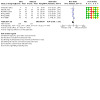
Comparison 1: Early versus delayed oral fluids and food after major abdominal gynaecologic surgery, Outcome 2: Nausea or vomiting, or both (random‐effects model)
Considering each symptom separately, we are uncertain of the effect of early commencement of oral fluids and food on nausea (RR 1.24, 95% CI 0.51 to 3.03; I² = 74%; 3 studies, 453 women; low‐certainty evidence; Analysis 1.3). We are also uncertain whether early feeding compared to delayed feeding affects vomiting alone (RR 0.83, 95% CI 0.52 to 1.32; I² = 0%; 4 studies, 559 women; low‐certainty evidence; Analysis 1.4).
1.3. Analysis.

Comparison 1: Early versus delayed oral fluids and food after major abdominal gynaecologic surgery, Outcome 3: Nausea (random‐effects model)
1.4. Analysis.

Comparison 1: Early versus delayed oral fluids and food after major abdominal gynaecologic surgery, Outcome 4: Vomiting
Abdominal distension
We are uncertain whether early feeding compared to delayed feeding has an effect on abdominal distension (RR 0.99, 95% CI 0.75 to 1.31; I² = 0%; 4 studies, 559 women; low‐certainty evidence; Analysis 1.5), or the need for postoperative nasogastric tube (RR 0.46, 95% CI 0.14 to 1.55; 3 studies, 453 women; low‐certainty evidence; Analysis 1.6).
1.5. Analysis.

Comparison 1: Early versus delayed oral fluids and food after major abdominal gynaecologic surgery, Outcome 5: Abdominal distension
1.6. Analysis.

Comparison 1: Early versus delayed oral fluids and food after major abdominal gynaecologic surgery, Outcome 6: Postoperative placement of nasogastric tube
Time to recovery of bowel function
We are uncertain of the effect of early feeding on the time to the presence of bowel sounds (mean difference (MD) ‐0.20 days, 95% CI ‐0.46 to 0.06; I² = 71%, random‐effects model; 3 studies, 477 women; low‐certainty evidence; Analysis 1.7).
1.7. Analysis.

Comparison 1: Early versus delayed oral fluids and food after major abdominal gynaecologic surgery, Outcome 7: Time to the presence of bowel sounds (random‐effects model)
There is probably no difference between the two feeding protocols for the onset of flatus (MD ‐0.11 days, 95% CI ‐0.23 to 0.02; I² = 9%; 5 studies, 702 women; moderate‐certainty evidence; Analysis 1.8).
1.8. Analysis.

Comparison 1: Early versus delayed oral fluids and food after major abdominal gynaecologic surgery, Outcome 8: Time to the first passage of flatus
Early feeding probably results in a slight reduction in time to the first passage of stool (MD ‐0.18 days, 95% CI ‐0.33 to ‐0.04; I² = 0%; 4 studies, 507 women; moderate‐certainty evidence; Analysis 1.9). Minig 2009a reported time to the first passage of stool as a median (5.0 days in the early feeding group and 5.5 days in the delayed feeding group).
1.9. Analysis.

Comparison 1: Early versus delayed oral fluids and food after major abdominal gynaecologic surgery, Outcome 9: Time to the first passage of stool
Women in the early feeding group may resume a solid diet slightly sooner (MD ‐1.10 days, 95% CI ‐1.79 to ‐0.41; I² = 97%, random‐effects model; 3 studies, 420 women; low‐certainty evidence; Analysis 1.10).
1.10. Analysis.

Comparison 1: Early versus delayed oral fluids and food after major abdominal gynaecologic surgery, Outcome 10: Time to the first solid diet (random‐effects model)
Hospital stay
Hospital stay may be slightly shorter in the early feeding group (MD ‐0.66 days, 95% CI ‐1.17 to ‐0.15; I² = 77%, random‐effects model; 5 studies, 603 women; low‐certainty evidence; Analysis 1.11). Shorter hospital stay for the early postoperative feeding group was also evident in the study that reported length of hospital stay in median days (‐2 days, 4.0 days in the early feeding group and 6.0 days in the delayed feeding group (Steed 2002)).
1.11. Analysis.

Comparison 1: Early versus delayed oral fluids and food after major abdominal gynaecologic surgery, Outcome 11: Hospital stay (random‐effects model)
Secondary outcomes
Other postoperative complications
We are uncertain of the effect of the two feeding protocols on febrile morbidity (RR 0.96, 95% CI 0.75 to 1.22; I² = 47%; 3 studies, 453 women; low‐certainty evidence; Analysis 1.12). However, infectious complications are probably less common in women with early feeding (RR 0.20, 95% CI 0.05 to 0.73; I² = 0%; 2 studies, 183 women; moderate‐certainty evidence; Analysis 1.13).
1.12. Analysis.

Comparison 1: Early versus delayed oral fluids and food after major abdominal gynaecologic surgery, Outcome 12: Febrile morbidity
1.13. Analysis.

Comparison 1: Early versus delayed oral fluids and food after major abdominal gynaecologic surgery, Outcome 13: Infectious complications
There is probably no difference between the two study groups for wound complications (RR 0.82, 95% CI 0.50 to 1.35; I² = 0%; 4 studies, 474 women; low‐certainty evidence; Analysis 1.14), and there may be no difference between groups for pneumonia (RR 0.35, 95% CI 0.07 to 1.73; I² = 0%; 3 studies, 434 women; low‐certainty evidence; Analysis 1.15).
1.14. Analysis.
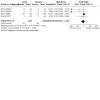
Comparison 1: Early versus delayed oral fluids and food after major abdominal gynaecologic surgery, Outcome 14: Wound complications
1.15. Analysis.
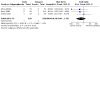
Comparison 1: Early versus delayed oral fluids and food after major abdominal gynaecologic surgery, Outcome 15: Pneumonia
Satisfaction and health‐related quality of life
Two studies measured participant satisfaction and quality of life outcomes related to different postoperative feeding schedules (Minig 2009a; Minig 2009b).
Satisfaction was assessed before hospital discharge on a visual analogue scale (VAS). In Minig 2009b, the satisfaction score was probably higher in the early feeding group (MD 11.10, 95% CI 6.68 to 15.52; 143 women; moderate‐certainty evidence; Analysis 1.17). In Minig 2009a, the satisfaction score was reported as a median (Q₁ ‐ Q₃). The VAS scores were 80 (80 to 90) in the early feeding group and 75 (60 to 90) in the delayed feeding group (P = 0.07). For women who had delayed feeding, 65% (Minig 2009a), and 58% (Minig 2009b) wished they could have eaten sooner.
1.17. Analysis.

Comparison 1: Early versus delayed oral fluids and food after major abdominal gynaecologic surgery, Outcome 17: Satisfaction
Quality of life was assessed 30 days after surgery with validated questionnaires designed by the European Organization for Research and Treatment of Cancer (EORTC) to measure overall health status in people with cancer in general (EORTC QLQ‐C30), and those with ovarian cancer (EORTC QLQ‐OV28). The questionnaires focus on global function, physical function, cognitive function, social function, cancer‐related symptoms, and financial impact. There was no statistically significant difference between the two study groups in the health‐related quality of life domain.
Sensitivity analysis
The sensitivity analysis, excluding one trial at high risk of selection bias, was undertaken for postoperative ileus, wound complications, and pneumonia (Steed 2002). We observed no difference in conclusions between the initial and sensitivity analyses for these outcomes (Table 2).
1. Sensitivity analysis excluding one study with a high risk of selection bias (Steed 2002).
| Outcomes |
Initial analysis Risk ratio (95% CI) |
Sensitivity analysis Risk ratio (95% CI) |
| Postoperative ileus; Analysis 1.1 |
0.49 (0.21 to 1.16) | 0.39 (0.11 to 1.45) |
| Wound complications; Analysis 1.14 |
0.82 (0.50 to 1.35) | 0.84 (0.50 to 1.40) |
| Pneumonia; Analysis 1.15 |
0.35 (0.07 to 1.73) | 0.21 (0.03 to 1.80) |
CI: confidence interval
For the outcomes with substantial heterogeneity (I2 > 50%), including nausea or vomiting, or both, time to the presence of bowel sounds, time to the first solid diet, and hospital stay, we compared the results from the fixed‐effect and random‐effects models to examine whether there was a difference in conclusion. The difference between the models' conclusions was only found in the time to the presence of bowel sounds (Table 3).
2. Comparison of random‐effects and fixed‐effect models for outcomes with substantial heterogeneity (I2 > 50%).
| Outcomes |
I2 (%) |
Random‐effects model RR (95% CI) |
Fixed‐effect model RR (95% CI) |
| Nausea or vomiting, or both; Analysis 1.2 |
67 | 0.94 (0.66 to 1.33) | 0.99 (0.82 to 1.19) |
| Nausea; Analysis 1.3 | 74 | 1.24 (0.51 to 3.03) | 1.34 (0.95 to 1.89) |
| Outcomes |
I2 (%) |
Random‐effects model MD (95% CI) |
Fixed‐effect model MD (95% CI) |
| Time to the presence of bowel sounds; Analysis 1.7 | 71 | ‐0.20 (‐0.46 to 0.06) * | ‐0.14 (‐0.28 to ‐0.01) * |
| Time to the first solid diet; Analysis 1.10 | 97 | ‐1.10 (‐1.79 to ‐0.41) | ‐0.87 (‐0.98 to ‐0.76) |
| Hospital stay; Analysis 1.11 | 77 | ‐0.66 (‐1.17 to ‐0.15) | ‐0.40 (‐0.59 to ‐0.20) |
* Different conclusion between random‐effects and fixed‐effect models
CI: confidence interval; MD: mean difference; RR: risk ratio
Discussion
Summary of main results
Postoperative gastrointestinal function
There is no clear evidence to determine whether early feeding compared to delayed feeding affects postoperative ileus; nausea, vomiting, or both; abdominal distension; or the need for the postoperative placement of a nasogastric tube. Early feeding probably leads to a slightly shorter time to the first passage of stool, despite no difference in time to the first passage of flatus. Early feeding may result in a faster resumption of a solid diet, and a shorter hospital stay. However, we are uncertain of the effect of early feeding on time to the presence of bowel sounds.
Postoperative complications
Infectious complications are probably less common in women with early feeding. There is probably no difference between the two feeding protocols for wound complications or pneumonia. However, there was no clear evidence to determine the effect of the two feeding protocols on febrile morbidity.
Satisfaction and quality of life
Women who had early feeding probably had significantly higher satisfaction scores. Of note, most women who had delayed feeding wished to eat sooner. There is probably no significant difference in health‐related quality of life between the two study groups, assessed 30 days after surgery.
Overall completeness and applicability of evidence
Two studies contributed data to the most important outcomes of the review, including postoperative ileus, symptoms of nausea or vomiting, or both, time to the presence of bowel sounds, time to the passage of flatus, time to the passage of stool, hospital stay, infectious complications, wound complications, pneumonia, and satisfaction (183 women analysed; Minig 2009a; Minig 2009b). These studies improved the power of the meta‐analysis to detect the difference between study groups for some outcomes.
The newly included studies contributed further data to the meta‐analysis of postoperative ileus; nausea or vomiting, or both; nausea; vomiting; abdominal distension; postoperative placement of the nasogastric tube; time to the presence of bowel sounds; time to the first passage of flatus; time to the first passage of stool; time to the first solid diet; hospital stay; and febrile morbidity outcomes (Balayla 2015; MacMillan 2000). For these women, we estimated the effect of early feeding on nausea or vomiting, time to recovery of bowel function (presence of bowel sound, the passage of flatus, passage of stool, resumption of diet), hospital stay, postoperative complications (infectious complications, febrile morbidity, wound complications, pneumonia), satisfaction, and quality of life with low‐to‐moderate‐certainty evidence.
Early feeding is generally safe, with potential benefits of faster recovery of bowel function, shorter hospital stay, and higher satisfaction. This information would readily apply to women undergoing major abdominal gynaecologic surgery for benign or malignant conditions, and to healthcare professionals taking care of them. The updated 2019 Guideline for Perioperative Care in Gynaecologic/Oncology by the Enhanced Recovery After Surgery (ERAS) Society recommends a regular diet within the first 24 hours after gynaecologic/oncology surgery (Nelson 2019).
Although the definitions of postoperative ileus provided by the included studies were similar in principle, they varied in the exact detail. This issue could lead to significant heterogeneity and misclassification. A systematic review and global survey recommended that the definition of prolonged postoperative ileus should include two or more of the following five criteria on, or after postoperative day four: (1) nausea or vomiting, (2) inability to tolerate an oral diet over last 24 hours, (3) absence of flatus over last 24 hours, (4) abdominal distension, (5) radiologic confirmation. This standardised definition should be considered for future trials addressing this or related issues to facilitate objective comparisons of interventions (Vather 2013).
We found that an accurate measurement of the exact onset of bowel sounds is not straightforward, and is impractical. Of the three included studies that contributed data on postoperative recovery of bowel sounds, only MacMillan 2000 specifically described how this was assessed (MacMillan 2000; Minig 2009b; Pearl 1998). MacMillan 2000 assessed bowel sounds in the morning and in the evening, and recorded them as occurring on a specific postoperative day. Therefore, we think that the resumption of bowel sounds is not a reliable marker for postoperative recovery of gastrointestinal function.
It should be noted that the difference between study groups on rare complications might not be detected, given the total number of participants in all the included studies. Also, there were no data on other outcomes that may be of interest, such as costs and other physiological benefits of early feeding, e.g. the effects on fluid and electrolyte balance, and wound healing. These data would be helpful to add information for women undergoing surgery, and physicians deciding on individualised postoperative feeding approaches.
Quality of the evidence
The seven included studies were randomised controlled trials with study groups directly relevant to the review question, and provided consistent outcome data. The allocation methods were generally appropriate. The follow‐up was acceptable. There were insufficient studies to assess the risk of publication bias. However, the main methodological concern was the lack of blinding. Because of the context and nature of the studies, it was not possible to blind study participants, and it was difficult or impractical to blind the attending physicians. Therefore, performance bias may have affected all these studies. The lack of blinding could influence some major outcomes (e.g. subjective intestinal morbidities, hospital stay, participants' satisfaction, and quality of life). In addition, outcome assessors were clearly blinded in only one of the included studies. This raises a concern about detection bias. However, the influence of the lack of blinding of the outcome assessors on study outcomes is unclear. These concerns led to the downgrading of the evidence for these risks of bias for all main outcomes, illustrated in Table 1. The serious imprecision (either small numbers of events for dichotomous outcomes or small numbers of participants for continuous outcomes, with the confidence interval showing no effect) and inconsistency (substantial heterogeneity indicated by the high I2) resulted in further downgrading of the certainty of the evidence for postoperative ileus; nausea, vomiting, or both; abdominal distension; time to the first solid diet; and hospital stay.
Potential biases in the review process
This review addressed an important clinical question with a clearly defined population, intervention, and outcomes. We were able to include directly relevant studies with randomised controlled designs. We contacted study authors directly for information on relevant studies and individual study methodology. We explored the risk of bias in the included studies using the Cochrane RoB 1 assessment tool, which assesses each domain explicitly. We tabulated the results of the included studies. The studies' results that contributed to the pooled analyses appeared similar for most outcomes. In the presence of substantial heterogeneity, we used a random‐effects model for the meta‐analyses.
Agreements and disagreements with other studies or reviews
We did not identify other systematic reviews on this topic.
In a randomised study comparing early oral feeding and nasogastric decompression followed by feeding at the first passage of flatus in women undergoing major surgery for gynaecologic malignancies, early oral feeding was associated with a faster resolution of postoperative ileus, a quicker return to a regular diet, an earlier passage of stool, and a shorter postoperative hospital stay (Cutillo 1999). The rates of nausea and vomiting were comparable in both groups. Nearly 90% of women who had a nasogastric tube inserted reported discomfort related to difficulty swallowing and nasal soreness.
The safety and benefits of early feeding for bowel recovery following major abdominal gynaecologic surgery were supported by a closely relevant study, which we excluded from this review (Schilder 1997). Schilder 1997 was a quasi‐randomised study that compared early commencement of a clear liquid diet on postoperative day one to delayed feeding until the return of bowel function in women with gynaecologic oncology diagnoses. Those with early feeding tolerated the solid diet earlier (1.88 days versus 2.72 days, P < 0.0001), and had shorter hospital stays (3.12 days versus 4.02 days, P = 0.008). The incidence of emesis was higher in the early feeding group, but did not translate to significant adverse outcomes.
Authors' conclusions
Implications for practice.
Despite some uncertainties, there is no evidence to indicate harmful effects of early feeding following major gynaecologic surgery in regard to postoperative ileus, nausea, vomiting, or abdominal distension. The potential benefits of early feeding include a slightly faster initiation of bowel movements, a slightly sooner resumption of a solid diet, a slightly shorter hospital stay, a lower rate of infectious complications, and higher satisfaction.
Implications for research.
Further methodologically sound studies that examine cost‐effectiveness, participant satisfaction and preference, and other physiological changes (fluid and electrolyte balance, tissue response, wound healing) associated with different postoperative feeding approaches in women undergoing major gynaecologic surgery would provide additional meaningful information.
What's new
| Date | Event | Description |
|---|---|---|
| 12 August 2024 | New search has been performed | The literature search was updated, and two new studies added to the analysis (Balayla 2015; MacMillan 2000). |
| 12 August 2024 | New citation required and conclusions have changed | The scope of the review was expanded to cover major gynaecologic surgery performed through any routes, including open abdominal, vaginal, laparoscopic, or robotic routes. |
History
Protocol first published: Issue 4, 2003 Review first published: Issue 4, 2007
| Date | Event | Description |
|---|---|---|
| 10 November 2008 | Amended | Title edited; 'traditional' removed |
| 10 November 2008 | Amended | Converted to new review format. |
| 6 July 2007 | New citation required and conclusions have changed | Substantive amendment |
Acknowledgements
We wish to thank the Cochrane Gynaecology and Fertility Group (CGF) editorial group for their support, and in particular, Marian Showell, Information Specialist for the CGF Group, for developing the search strategies, and Helen Nagels, Managing Editor, for her advice and support.
We also thank Dr Sarah Armstrong, Dr Rachel Robertson, and Ms Katie Stocking for providing referee comments. We would also like to thank the Copy Editor, Victoria Pennick.
Appendices
Appendix 1. Cochrane Gynaecology and Fertility Group Specialised Register search strategy
ProCite platform
Searched on 6 April 2022 and 13 June 2023
Keywords CONTAINS "Food intake" or "early feeding" or "starved state" or "Gut motility" or "fed state" or "bowel function" or "bowel functioning" or "bowel movement" or "bowel sound" or "paralytic ileus" or Title CONTAINS "Food intake" or "early feeding" or "starved state" or "Gut motility" or "fed state" or "bowel function" or "bowel functioning" or "bowel movement" or "bowel sound" or "paralytic ileus"
(67 records)
Appendix 2. CENTRAL via the Cochrane Register of Studies (CRSO) search strategy
Web platform
Searched 13 June 2023
#1 MESH DESCRIPTOR Gynecologic Surgical Procedures EXPLODE ALL TREES 5549
#2 ((gynecol* or gynaecol*) adj6 (surg* or operation*)):TI,AB,KY 4886
#3 ((abdomen* or abdomen*) adj3 (surg* or incision or operation*)):TI,AB,KY 1686
#4 MESH DESCRIPTOR Laparotomy EXPLODE ALL TREES 1075
#5 Laparotom*:TI,AB,KY 3867
#6 minilaparotom*:TI,AB,KY 139
#7 MESH DESCRIPTOR Laparoscopy EXPLODE ALL TREES 7885
#8 Laparoscop*:TI,AB,KY 24658
#9 (Hysterectom* or myomectom* or ectopic* or cystectom*):TI,AB,KY 11689
#10 microlaparoscop*:TI,AB,KY 26
#11 minilaparoscop*:TI,AB,KY 60
#12 (Vagin* adj3 (surg* or route or incision)):TI,AB,KY 1147
#13 MESH DESCRIPTOR Robotics EXPLODE ALL TREES 1613
#14 MESH DESCRIPTOR Surgery, Computer‐Assisted EXPLODE ALL TREES 1649
#15 (Computer‐Assisted Surg*):TI,AB,KY 269
#16 (da vinci):TI,AB,KY 391
#17 (keyhole adj3 surg*):TI,AB,KY 63
#18 Robot*:TI,AB,KY 6582
#19 (remote surg*):TI,AB,KY 6
#20 (minimal* adj2 invasi*):TI,AB,KY 7808
#21 microsurg*:TI,AB,KY 1392
#22 #1 OR #2 OR #3 OR #4 OR #5 OR #6 OR #7 OR #8 OR #9 OR #10 OR #11 OR #12 OR #13 OR #14 OR #15 OR #16 OR #17 OR #18 OR #19 OR #20 OR #21 54654
#23 MESH DESCRIPTOR Gastrointestinal Motility EXPLODE ALL TREES 3270
#24 MESH DESCRIPTOR Feeding Methods EXPLODE ALL TREES 3952
#25 MESH DESCRIPTOR Intestinal Pseudo‐Obstruction EXPLODE ALL TREES 77
#26 (paralytic ileus):TI,AB,KY 284
#27 (postoperative ileus):TI,AB,KY 744
#28 (intestin* motility):TI,AB,KY 580
#29 (abdom* adj2 disten*):TI,AB,KY 2168
#30 (bowel adj3 (sound* or function* or stasis or motility or move* or flatus)):TI,AB,KY 4845
#31 (postoperati* adj5 (feedi* or food* or eat* or intake)):TI,AB,KY 635
#32 (postoperati* adj5 (drink* or hydrat* or fliud* or oral)):TI,AB,KY 1131
#33 ("nil by mouth"):TI,AB,KY 79
#34 MESH DESCRIPTOR Postoperative Complications EXPLODE ALL TREES 48709
#35 MESH DESCRIPTOR Postoperative Nausea and Vomiting EXPLODE ALL TREES 2816
#36 (Nausea or Vomit*):TI,AB,KY 59963
#37 #23 OR #24 OR #25 OR #26 OR #27 OR #28 OR #29 OR #30 OR #31 OR #32 OR #33 OR #34 OR #35 OR #36 113842
#38 (Early adj5 (intake* or feed* or food* or eat* or oral* or hydrat* or drink* or fluid* or liquid* or water or ice)):TI,AB,KY 2929
#39 (Delay* adj5 (intake* or feed* or food* or eat* or oral* or hydrat* or drink* or fluid* or liquid* or water or ice)):TI,AB,KY 1068
#40 (Traditional* adj5 (intake* or feed* or food* or eat* or oral* or hydrat* or drink* or fluid* or liquid* or water or ice)):TI,AB,KY 935
#41 (Standard* adj5 (intake* or feed* or food* or eat* or oral* or hydrat* or drink* or fluid* or liquid* or water or ice)):TI,AB,KY 5327
#42 MESH DESCRIPTOR Time Factors EXPLODE ALL TREES 72540
#43 (intake* or feed* or food* or eat* or oral* or hydrat* or drink* or fluid* or liquid* or consumption* or water or ice):TI,AB,KY 427328
#44 #42 AND #43 17676
#45 (Late adj5 (intake* or feed* or food* or enteral* or eat* or oral* or hydrat* or drink* or fluid* or liquid* or water or ice)):TI,AB,KY 337
#46 (day one or day two):TI,AB,KY 1929
#47 (Early adj2 enteral*):TI,AB,KY 803
#48 (delay* adj2 enteral*):TI,AB,KY 56
#49 (nasogastric adj2 decompress*):TI,AB,KY 85
#50 (bowel adj2 stimulat*):TI,AB,KY 17
#51 (Postoperati* adj5 (intake* or enteral* or feed* or food* or eat* or oral* or hydrat* or drink* or fluid* or liquid* or water or ice)):TI,AB,KY 2300
#52 (regular diet*):TI,AB,KY 660
#53 ((Time* or timing) adj5 (intake* or enteral* or feed* or food* or eat* or oral* or hydrat* or drink* or fluid* or liquid* or water or ice)):TI,AB,KY 10204
#54 #38 OR #39 OR #40 OR #41 OR #44 OR #45 OR #46 OR #47 OR #48 OR #49 OR #50 OR #51 OR #52 OR #53 39988
#55 #22 AND #37 AND #54 952
Appendix 3. MEDLINE search strategy
Ovid platform
Searched from 1946 to 13 June 2023
1 exp Gynecologic Surgical Procedures/ (91436) 2 ((gynecol* or gynaecol*) adj6 (surg* or operation*)).tw. (16788) 3 ((abdomen* or abdomen*) adj3 (surg* or incision or operation*)).tw. (1631) 4 exp Laparotomy/ (20207) 5 Laparotom*.tw. (54583) 6 minilaparotom*.tw. (1088) 7 exp Laparoscopy/ (116853) 8 Laparoscop*.tw. (150049) 9 exp Hysterectomy, Vaginal/ or exp Hysterectomy/ (33735) 10 (Hysterectom* or myomectom* or ectopic* or cystectom*).tw. (146296) 11 exp Uterine Myomectomy/ (1377) 12 microlaparoscop*.tw. (147) 13 minilaparoscop*.tw. (236) 14 (Vagin* adj3 (surg* or route or incision)).tw. (4274) 15 exp Robotics/ (40279) 16 exp Surgery, Computer‐Assisted/ (37766) 17 Computer‐Assisted Surg*.tw. (1350) 18 da vinci.tw. (3853) 19 (keyhole adj3 surg$).tw. (212) 20 Robot*.tw. (68283) 21 remote surg*.tw. (179) 22 (minimal* adj2 invasi*).tw. (93295) 23 microsurg*.tw. (29555) 24 or/1‐14 (417957) 25 or/15‐23 (204606) 26 exp Gastrointestinal Motility/ (38717) 27 exp Feeding Methods/ (47926) 28 exp Intestinal Pseudo‐Obstruction/ (3114) 29 paralytic ileus.tw. (1359) 30 postoperative ileus.tw. (2093) 31 intestine* motility.tw. (93) 32 (abdom* adj2 disten*).tw. (9223) 33 (bowel adj3 (sound* or function* or stasis or motility or move* or flatus)).tw. (12949) 34 (postoperati* adj5 (feedi* or food* or eat* or intake)).tw. (2887) 35 (postoperati* adj5 (drink* or hydrat* or fliud* or oral)).tw. (3680) 36 "nil by mouth".tw. (234) 37 exp Postoperative Complications/ (610210) 38 exp "Postoperative Nausea and Vomiting"/ (4611) 39 (Nausea or Vomit*).tw. (108070) 40 or/26‐39 (806211) 41 (Early adj5 (intake* or feed* or food* or eat* or oral* or hydrat* or drink* or fluid* or liquid* or consumption* or water or ice)).tw. (27441) 42 (Delay* adj5 (intake* or feed* or food* or eat* or oral* or hydrat* or drink* or liquid* or fluid* or consumption* or water or ice)).tw. (10884) 43 (traditional adj5 (intake* or feed* or food* or eat* or oral* or hydrat* or drink* or liquid* or fluid* or consumption* or water or ice)).tw. (11678) 44 (standard adj5 (intake* or feed* or food* or eat* or oral* or hydrat* or drink* or liquid* or fluid* or consumption* or water or ice)).tw. (20253) 45 exp Time Factors/ and (intake* or feed* or food* or eat* or oral* or hydrat* or drink* or fluid* or liquid* or consumption* or water or ice).tw. (159908) 46 (Late adj5 (intake* or feed* or food* or enteral* or eat* or oral* or hydrat* or drink* or fluid* or liquid* or consumption* or water or ice)).tw. (4723) 47 day one.tw. (3994) 48 day two.tw. (1862) 49 (Early adj2 enteral*).tw. (1684) 50 (delay* adj2 enteral*).tw. (156) 51 (nasogastric adj2 decompress*).tw. (310) 52 (bowel adj2 stimulat*).tw. (148) 53 (Postoperati* adj5 (intake* or enteral* or feed* or food* or eat* or oral* or hydrat* or drink* or fluid* or liquid* or consumption* or water or ice)).tw. (14141) 54 regular diet*.tw. (2904) 55 ((Time* or timing) adj5 (intake* or enteral* or feed* or food* or eat* or oral* or hydrat* or drink* or fluid* or liquid* or consumption* or water or ice)).tw. (98751) 56 or/41‐55 (333067) 57 24 or 25 (588594) 58 40 and 56 and 57 (4026) 59 randomized controlled trial.pt. (594131) 60 controlled clinical trial.pt. (95328) 61 randomized.ab. (605928) 62 randomised.ab. (119607) 63 placebo.tw. (245324) 64 clinical trials as topic.sh. (200990) 65 randomly.ab. (409925) 66 trial.ti. (286561) 67 (crossover or cross‐over or cross over).tw. (98138) 68 or/59‐67 (1608414) 69 exp animals/ not humans.sh. (5128609) 70 68 not 69 (1481229) 71 58 and 70 (1348)
Appendix 4. Embase search strategy
Ovid platform
Searched from 1980 to 13 June 2023
1 exp gynecologic surgery/ (176965) 2 ((gynecol* or gynaecol*) adj6 (surg* or operation*)).tw. (25648) 3 ((abdomen* or abdomen*) adj3 (surg* or incision or operation*)).tw. (2155) 4 exp laparotomy/ (94330) 5 Laparotom*.tw. (74401) 6 minilaparotom*.tw. (1403) 7 exp laparoscopy/ or exp hand assisted laparoscopy/ (193753) 8 Laparoscop*.tw. (244143) 9 hysterectomy/ or vaginal hysterectomy/ or abdominal hysterectomy/ or radical hysterectomy/ (83483) 10 (Hysterectom* or myomectom* or ectopic* or cystectom*).tw. (204013) 11 exp myomectomy/ (8960) 12 microlaparoscop*.tw. (203) 13 (Vagin* adj3 (surg* or route or incision)).tw. (7548) 14 exp robotics/ (47338) 15 exp computer assisted surgery/ (36776) 16 Computer‐Assisted Surg*.tw. (1600) 17 da vinci.tw. (7205) 18 (keyhole adj3 surg*).tw. (274) 19 Robot*.tw. (102148) 20 remote surg*.tw. (228) 21 (minimal* adj2 invasi*).tw. (143203) 22 microsurg*.tw. (35305) 23 minilaparoscop*.tw. (391) 24 or/1‐23 (870091) 25 exp gastrointestinal motility/ (31363) 26 exp food intake/ (398776) 27 exp intestine pseudoobstruction/ (2745) 28 paralytic ileus.tw. (1807) 29 postoperative ileus.tw. (3114) 30 intestin* motility.tw. (4260) 31 (abdom* adj2 disten*).tw. (16460) 32 (bowel adj3 (sound* or function* or stasis or motility or move* or flatus)).tw. (23610) 33 (postoperati* adj5 (feedi* or food* or eat* or intake)).tw. (3938) 34 (postoperati* adj5 (drink* or hydrat* or fliud* or oral)).tw. (5019) 35 "nil by mouth".tw. (585) 36 exp postoperative complication/ (803659) 37 exp "postoperative nausea and vomiting"/ (13312) 38 (Nausea or Vomit*).tw. (188672) 39 or/25‐38 (1417132) 40 (Early adj5 (intake* or feed* or food* or eat* or oral* or hydrat* or drink* or fluid* or liquid* or consumption* or water or ice)).tw. (35406) 41 (Delay* adj5 (intake* or feed* or food* or eat* or oral* or hydrat* or drink* or liquid* or fluid* or consumption* or water or ice)).tw. (13233) 42 (traditional adj5 (intake* or feed* or food* or eat* or oral* or hydrat* or drink* or liquid* or fluid* or consumption* or water or ice)).tw. (13959) 43 (standard adj5 (intake* or feed* or food* or eat* or oral* or hydrat* or drink* or liquid* or fluid* or consumption* or water or ice)).tw. (28558) 44 exp time factor/ and (intake* or feed* or food* or eat* or oral* or hydrat* or drink* or fluid* or liquid* or consumption* or water or ice).tw. (7213) 45 (Late adj5 (intake* or feed* or food* or enteral* or eat* or oral* or hydrat* or drink* or fluid* or liquid* or consumption* or water or ice)).tw. (5711) 46 (Day* adj1 (one or two)).tw. (103679) 47 (Early adj2 enteral*).tw. (2563) 48 (delay* adj2 enteral*).tw. (220) 49 (nasogastric adj2 decompress*).tw. (541) 50 (bowel adj2 stimulat*).tw. (233) 51 (Postoperati* adj5 (intake* or enteral* or feed* or food* or eat* or oral* or hydrat* or drink* or fluid* or liquid* or consumption* or water or ice)).mp. [mp=title, abstract, heading word, drug trade name, original title, device manufacturer, drug manufacturer, device trade name, keyword heading word, floating subheading word, candidate term word] (20364) 52 regular diet*.tw. (4632) 53 ((Time* or timing) adj5 (intake* or enteral* or feed* or food* or eat* or oral* or hydrat* or drink* or fluid* or liquid* or consumption* or water or ice)).tw. (124178) 54 or/40‐53 (342661) 55 24 and 39 and 54 (8614) 56 Clinical Trial/ (1066656) 57 Randomized Controlled Trial/ (783073) 58 controlled clinical trial/ (469396) 59 multicenter study/ (378464) 60 Phase 3 clinical trial/ (69832) 61 Phase 4 clinical trial/ (5463) 62 exp randomization/ (99368) 63 Single Blind Procedure/ (51929) 64 Double Blind Procedure/ (207828) 65 Crossover Procedure/ (75240) 66 Placebo/ (389857) 67 Randomi?ed controlled trial$.tw. (327167) 68 Rct.tw. (53762) 69 (random$ adj2 allocat$).tw. (54383) 70 Single blind$.tw. (31482) 71 Double blind$.tw. (238355) 72 ((treble or triple) adj blind$).tw. (1878) 73 placebo$.tw. (362558) 74 prospective study/ (878860) 75 or/56‐74 (2926588) 76 case study/ (98773) 77 case report.tw. (524583) 78 abstract report/ or letter/ (1272185) 79 Editorial.pt. (767853) 80 Letter.pt. (1275112) 81 Note.pt. (943248) 82 or/76‐81 (3661376) 83 75 not 82 (2785226) 84 55 and 83 (2505)
Data and analyses
Comparison 1. Early versus delayed oral fluids and food after major abdominal gynaecologic surgery.
| Outcome or subgroup title | No. of studies | No. of participants | Statistical method | Effect size |
|---|---|---|---|---|
| 1.1 Postoperative ileus | 4 | 418 | Risk Ratio (M‐H, Fixed, 95% CI) | 0.49 [0.21, 1.16] |
| 1.2 Nausea or vomiting, or both (random‐effects model) | 6 | 742 | Risk Ratio (M‐H, Random, 95% CI) | 0.94 [0.66, 1.33] |
| 1.3 Nausea (random‐effects model) | 3 | 453 | Risk Ratio (M‐H, Random, 95% CI) | 1.24 [0.51, 3.03] |
| 1.4 Vomiting | 4 | 559 | Risk Ratio (M‐H, Fixed, 95% CI) | 0.83 [0.52, 1.32] |
| 1.5 Abdominal distension | 4 | 559 | Risk Ratio (M‐H, Fixed, 95% CI) | 0.99 [0.75, 1.31] |
| 1.6 Postoperative placement of nasogastric tube | 3 | 453 | Risk Ratio (M‐H, Fixed, 95% CI) | 0.46 [0.14, 1.55] |
| 1.7 Time to the presence of bowel sounds (random‐effects model) | 3 | 477 | Mean Difference (IV, Random, 95% CI) | ‐0.20 [‐0.46, 0.06] |
| 1.8 Time to the first passage of flatus | 5 | 702 | Mean Difference (IV, Fixed, 95% CI) | ‐0.11 [‐0.23, 0.02] |
| 1.9 Time to the first passage of stool | 4 | 507 | Mean Difference (IV, Fixed, 95% CI) | ‐0.18 [‐0.33, ‐0.04] |
| 1.10 Time to the first solid diet (random‐effects model) | 3 | 420 | Mean Difference (IV, Random, 95% CI) | ‐1.10 [‐1.79, ‐0.41] |
| 1.11 Hospital stay (random‐effects model) | 5 | 603 | Mean Difference (IV, Random, 95% CI) | ‐0.66 [‐1.17, ‐0.15] |
| 1.12 Febrile morbidity | 3 | 453 | Risk Ratio (M‐H, Fixed, 95% CI) | 0.96 [0.75, 1.22] |
| 1.13 Infectious complications | 2 | 183 | Risk Ratio (M‐H, Fixed, 95% CI) | 0.20 [0.05, 0.73] |
| 1.14 Wound complications | 4 | 474 | Risk Ratio (M‐H, Fixed, 95% CI) | 0.82 [0.50, 1.35] |
| 1.15 Pneumonia | 3 | 434 | Risk Ratio (M‐H, Fixed, 95% CI) | 0.35 [0.07, 1.73] |
| 1.17 Satisfaction | 1 | Mean Difference (IV, Fixed, 95% CI) | Subtotals only |
Characteristics of studies
Characteristics of included studies [ordered by study ID]
Amatyakul 2001.
| Study characteristics | ||
| Methods | A prospective randomised controlled study in a single institution. Participants were randomised by using consecutively‐numbered, sealed, opaque envelopes according to the list generated from a random number table. Power calculation was performed a priori. Number of participants randomised: 106 Number of participants analysed: 106 (53 in the early group, 53 in the delayed feeding group) Analysis: full intention‐to‐treat analysis |
|
| Participants | Inclusion criteria: women scheduled for major abdominal gynaecologic surgery; mean age: 40.8 years (early group), 41.1 years (delayed feeding group) No significant difference in baseline characteristics between the two groups including age, weight, prior abdominal surgery, procedure, type of anaesthesia, operative time, estimated blood loss, and need for blood transfusion. Location: Chiang Mai University hospital, Chiang Mai, Thailand Enrolment period: September 1998 to January 1999 Exclusion criteria: pregnancy, postoperative intensive care unit admission, endotracheal or nasogastric intubations in the immediate postoperative period, coincidental bowel surgery (excluding appendectomy), history of gastrointestinal diseases or gastrointestinal surgery (excluding appendectomy), history of pelvic or abdominal radiation, preoperative diagnosis of bowel obstruction or preoperative vomiting, preoperative bowel preparation, and history of peritonitis |
|
| Interventions | Early group: participants were allowed to have sips of water within 8 hours of surgery. They started on a soft diet on the morning of the 1st postoperative day and proceeded to a regular solid diet on the 2nd postoperative day Delayed feeding group: participants received nothing by mouth until at least 2 of the following signs of return of bowel function were present: 1) presence of bowel sounds; 2) passage of stool or flatus; 3) subjective hunger, in the morning of the first postoperative day. They were then allowed to have sips of water, and advanced to a liquid diet in the evening of the same day. Participants were given a soft diet in the morning of the 2nd postoperative day and started on a regular solid diet on the 3rd postoperative day. Discharge criteria included the tolerance of a solid diet, passing flatus, and the discontinuance of intravenous fluids and medications. Participants were not required to have a bowel movement. |
|
| Outcomes | Hospital stay Gastrointestinal information Morbidity (vomiting, abdominal distension) Postoperative intervals (presence of bowel sounds, passage of flatus, passage of stool, start of regular diet) | |
| Notes | Funding source: self‐funded Conflicts of interest: none |
|
| Risk of bias | ||
| Bias | Authors' judgement | Support for judgement |
| Random sequence generation (selection bias) | Low risk | Quote: "Patients were randomised by using consecutively numbered, sealed, opaque envelopes according to the list generated from a random number table." Comment: random number table |
| Allocation concealment (selection bias) | Low risk | Quote: "Patients were randomised by using consecutively numbered, sealed, opaque envelopes according to the list generated from a random number table." Comment: sequentially numbered, opaque, sealed envelopes |
| Blinding of participants and personnel (performance bias) All outcomes | High risk | Comment: because of the study's context, the participants could not be blinded. The physicians taking care of the participants were aware of their study allocation (information from the study's author). It is possible that some outcomes (hospital stay and subjective intestinal morbidities) were influenced by the lack of blinding. |
| Blinding of outcome assessment (detection bias) All outcomes | Unclear risk | Comment: the outcome assessors were aware of participants' study allocation (information from the study's author). However, the influence of the lack of blinding on study outcomes is unclear. |
| Incomplete outcome data (attrition bias) All outcomes | Low risk | Comment: there were no missing outcome data. |
| Selective reporting (reporting bias) | Unclear risk | Comment: the study protocol was not published in a protocol registry. However, the report included expected outcomes. |
Balayla 2015.
| Study characteristics | ||
| Methods | A prospective randomised controlled study in a single institution. Power calculation was performed a priori. Number of participants randomised: 121, no outcome data for two participants Number of participants analysed: 119 (61 in the early group, 58 in the delayed feeding group) Analysis: intention‐to‐treat analysis |
|
| Participants | Inclusion criteria: women scheduled for elective gynaecologic surgery for benign or early malignant disease using either an open abdominal or a vaginal approach* Location: CHUM St‐Luc Hospital, Montreal, Quebec, Canada Enrolment period: June 2000 to July 2001 Exclusion criteria: a history of extensive abdomino‐pelvic surgery for malignancy, inflammatory disease or obstruction, all prior interventions requiring extensive lysis of adhesions, known inflammatory bowel disease requiring special diets and nutritional support, requiring chronic nasogastric or parenteral feeding, and biochemical evidence of pregnancy |
|
| Interventions | Early group: a clear liquid diet was started within six hours of completing surgery. Then, the patient was allowed to proceed with a solid diet as tolerated. Diet was begun regardless of the presence or absence of peristalsis, passage of flatus, or bowel movements. Delayed feeding group: patients remained on nil‐by‐mouth until the morning after surgery, and were only permitted small quantities of oral fluid for rinsing of the mouth. Then, a liquid diet started on the first postoperative morning after medical evaluation, and progressed to a solid diet on the second postoperative day. Discharge criteria included documentation of the passage of flatus and/or bowel movements. Following surgery, all patients were encouraged to have early mobilisation and adequate analgesia. Intravenous administration of an antiemetic (metoclopramide) and a histamine H2‐receptor antagonist (famotidine) was given as necessary. |
|
| Outcomes | Mean duration of hospital stay Re‐admission rate Development of ileus, including nausea, vomiting, and abdominal bloating Mean times to declaration of appetite, passage of flatus and bowel movements |
|
| Notes | * Both patients who had either open abdominal or vaginal procedures were assessed together within the allocated groups. For 61 patients in the early feeding group, 18 (29.5%) patients had vaginal and 43 (70.4%) patients had open abdominal procedures. For 58 patients in the delayed feeding group, 23 (39.6%) patients had vaginal and 35 (60.3%) patients had open abdominal procedures. The statistically significant difference between the early and delayed feeding groups with regard to the surgical approach was not reached. | |
| Risk of bias | ||
| Bias | Authors' judgement | Support for judgement |
| Random sequence generation (selection bias) | Low risk | Quote: "participants were randomized to one of two groups following a 1:1 allocation ratio, with previously sealed envelopes assigned on a random basis until full distribution was accomplished." Comment: the random sequence was generated by random number table (information from the study's author). |
| Allocation concealment (selection bias) | Low risk | Quote: "participants were randomized to one of two groups following a 1:1 allocation ratio, with previously sealed envelopes assigned on a random basis until full distribution was accomplished." |
| Blinding of participants and personnel (performance bias) All outcomes | High risk | Comment: because of the study's context, the participants could not be blinded. The physicians taking care of the participants were aware of their study allocation (information from the study's author). It is possible that some outcomes were influenced by the lack of blinding. |
| Blinding of outcome assessment (detection bias) All outcomes | Unclear risk | Comment: the primary outcome assessors were aware of participants' study allocation (information from the study's author). However, the influence of the lack of blinding on study outcomes is unclear. |
| Incomplete outcome data (attrition bias) All outcomes | Low risk | Quote: "We did not have outcome data for two participants." Comment: the number of missing outcome data was small. |
| Selective reporting (reporting bias) | Unclear risk | Comment: the study protocol was not published in a protocol registry. However, the report included expected outcomes. |
MacMillan 2000.
| Study characteristics | ||
| Methods | A prospective randomised controlled study in a single institution. Power calculation was performed a priori. Number of participants randomised: 150 Number of participants analysed: 139 (67 in the early group, 72 in the delayed feeding group), 10 women were excluded because the postoperative gastrointestinal symptoms questionnaire or the food diary were not distributed. One woman was excluded due to postoperative pathological diagnosis of ovarian cancer. Analysis: available case analysis |
|
| Participants | Inclusion criteria: women who underwent major gynaecologic surgery for benign indications through open abdominal, vaginal, or combined routes Location: University of New Mexico Hospital, New Mexico, USA Enrolment period: October 1997 to April 1999 Exclusion criteria: history of malignancy, inflammatory bowel disease/obstruction, current or past surgeries involving extensive lysis of adhesions of the bowel, and having laparoscopic surgery only |
|
| Interventions | Early group: a low‐residue diet was offered within six hours of arrival on the ward. Delayed feeding group: only ice chips were given in the immediate postoperative period with advancement to clear liquids when normal bowel sounds were detected. A regular diet was offered after passage of flatus or bowel movements. Oral or rectal bowel stimulants were not given after surgery. Discharge criteria included normal postoperative course and regular diet tolerance. |
|
| Outcomes | Postoperative ileus (hypoactive bowel sounds, abdominal distension, and non‐passage of flatus or bowel movements with or without nausea or vomiting after the first postoperative day) Gastrointestinal symptoms (nausea, vomiting, cramping, distension) Desire for oral feeding First day of flatus passage or bowel movement Postoperative pain (McGill Pain Scale (0 to 5) Postoperative complications (febrile morbidity, reoperation, blood transfusion) |
|
| Notes | The types of procedures performed in each group were not different. The vaginal and abdominal surgeries were equally distributed in each group (48% vaginal and 52% abdominal). Indications for surgery were similar between the study groups except higher proportion of endometriosis in the early group (10% vs. 1%). There was no difference between the groups with regard to anaesthesia used. |
|
| Risk of bias | ||
| Bias | Authors' judgement | Support for judgement |
| Random sequence generation (selection bias) | Low risk | Quote: "After completion of surgery, surgeons called a research nurse who assigned patients to early or late feeding groups using a random number table with pseudorandomization and disquised block length of six with 1:1 ratio." Comment: the random sequence was generated by a random number table. |
| Allocation concealment (selection bias) | Unclear risk | Quote: "After completion of surgery, surgeons called a research nurse who assigned patients to early or late feeding groups using a random number table..." Comment: it was unclear whether the research nurse was involved with participants recruitment. |
| Blinding of participants and personnel (performance bias) All outcomes | High risk | Quote: "Surgeons were not masked to feeding groups after surgery." Comment: because of the study's context, the participants could not be blinded. The physicians taking care of the participants were aware of their study allocation. It is possible that some outcomes were influenced by the lack of blinding. |
| Blinding of outcome assessment (detection bias) All outcomes | High risk | Quote: "On postoperative day 1 and discharge day, women rated their pain using the McGill Pain Scale (0 –5). On the day of discharge, they answered questions about nausea, vomiting, cramping, distension, desire for oral feeding, and first day of flatus passage or bowel movement." Comment: the outcomes were mainly assessed by the caretaking team and the patients. Both are aware of the feeding schedule allocation. The lack of blinding to study outcomes could influence the study outcomes. |
| Incomplete outcome data (attrition bias) All outcomes | Low risk | Quote: "Ten women were excluded because the postoperative gastrointestinal symptoms questionnaire or the food diary were not distributed. One woman was excluded due to postoperative pathological diagnosis of ovarian cancer." Comment: reasons for missing outcome data unlikely to be related to true outcome |
| Selective reporting (reporting bias) | Unclear risk | Comment: the study protocol was not published in a protocol registry. However, the report included expected outcomes. |
Minig 2009a.
| Study characteristics | ||
| Methods | A prospective randomised controlled study in a single institution. Power calculation was performed a priori. Number of participants randomised: 51 (27 in the early group, 24 in the delayed feeding group) Number of participants analysed: 40 (18 in the early group, 22 in the delayed feeding group) Analysis: available case analysis |
|
| Participants | Inclusion criteria: gynaecologic oncology patients aged 18 ‐ 75 years, undergoing laparotomy with associated intestinal resection; median age: 54 years (early group), 58 years (delayed feeding group). No significant difference in patient characteristics and surgical variables between the two groups except for a higher estimated blood loss in the delayed feeding group (median 800 ml vs. 300 ml). Location: European Institute of Oncology (IEO), Milan, Italy Enrolment period: January 1, 2007 to March 15, 2008 Exclusion criteria: preoperative (infections, intestinal obstruction, severe malnutrition, American Society of Anesthesiologists score ≥ 4), intraoperative (total or anterior pelvic exenteration, surgery without bowel resection), postoperative (admission to the intensive care unit for > 24 hours, final histopathologic diagnosis revealing nongynaecologic disease) |
|
| Interventions | Early group: participants were offered liquids, mineral water (no gas), tea, chamomile infusion, or apple juice during the first 24 hours. If no nausea and vomiting, a regular diet of boiled or grilled beef, chicken, or fish was given starting on day 1 and continued for the entire hospital stay Delayed feeding group: participants received nothing by mouth until the presence of bowel sound and the passage of flatus. Then, if no nausea and vomiting, an oral liquid diet was given for 24 hours. If well tolerated, a semisolid diet was given for 1 day before proceeding to regular diet Discharge criteria included the tolerance of a regular diet for at least 24 hours with recovery of bowel function, normal clinical parameters and physical examination All participants underwent bowel preparation and preoperative antibiotics' prophylaxis. In addition, a nasogastric tube was placed in all participants during surgery and was removed after the surgery finished. Postoperative analgesia was given via epidural catheter for 3 days (ropivacaine and fentanyl) or as intravascular continuous administration of ketorolac and tramadol in those without an epidural catheter. |
|
| Outcomes | Hospital stay Recovery of bowel activity (time to first passage of gas and stool, time to tolerance of a solid diet) Intestinal morbidities (presence of ileus, intensity of abdominal pain, presence of nausea and vomiting) Other morbidities (wound infection, abdominal abscess, pneumonia, urinary tract infection, bacteraemia, wound dehiscence, marked postoperative bleeding, anastomotic leak, respiratory failure, cardiovascular instability, renal dysfunction, thromboembolic complications) Participants' satisfaction level and quality of life Analgesic and antiemetic drug requirements |
|
| Notes | Funding source: not reported Conflicts of interest: not reported |
|
| Risk of bias | ||
| Bias | Authors' judgement | Support for judgement |
| Random sequence generation (selection bias) | Low risk | Quote: "patients were randomized using the web‐based TENALEA randomization system (https://it.tenalea.net/ieo)." Comment: computer‐generated sequence |
| Allocation concealment (selection bias) | Low risk | Quote: "patients were randomized using the web‐based TENALEA randomization system (https://it.tenalea.net/ieo)." Comment: central web‐based allocation |
| Blinding of participants and personnel (performance bias) All outcomes | High risk | Comment: because of the study's context, the participants could not be blinded. The physicians taking care of the participants were aware of their study allocation (information from the study's author). It is possible that some outcomes (hospital stay, subjective intestinal morbidities, participants' satisfaction level and quality of life) were influenced by the lack of blinding. |
| Blinding of outcome assessment (detection bias) All outcomes | Unclear risk | Comment: nursing staff, the primary outcome assessors, were aware of participants' study allocation (information from the study's author). However, the influence of the lack of blinding on study outcomes is unclear. |
| Incomplete outcome data (attrition bias) All outcomes | Low risk | Quote: "11 were subsequently excluded (after randomisation) due to postoperative evidence of nongynecologic malignancy (n=3) and admission to ICU for more than 24 h (n=8)." Comment: reasons for missing outcome data unlikely to be related to true outcome. Also, the missing outcome data were balanced in numbers across intervention groups, with similar reasons for missing data across groups. |
| Selective reporting (reporting bias) | Low risk | Comment: the study protocol was published in www.clinicaltrials.gov. The reported outcomes corresponded to those listed in the registered protocol. |
Minig 2009b.
| Study characteristics | ||
| Methods | A prospective randomised controlled study in a single institution. Power calculation was performed a priori. Number of participants randomised: 167 (83 in the early group, 84 in the delayed feeding group) Number of participants analysed: 143 (71 in the early group, 72 in the delayed feeding group). In each group, 12 women were excluded after randomisation because of benign gynaecologic pathology, non‐gynaecologic pathology, and admission to the ICU for > 24 hours. Analysis: available case analysis |
|
| Participants | Inclusion criteria: gyneacologic oncology patients aged 18 to 75 years, undergoing laparotomy; mean age: 54 years (early group), 57 years (delayed feeding group). The majority of participants had ovarian malignancy, 59% in the early group and 57% in the delayed feeding group. pelvic and aortic lymphadenectomy were performed in > 70% and in almost 50% of participants, respectively. No significant difference in participant characteristics between the two groups. Location: European Institute of Oncology (IEO), Milan, Italy Enrolment period: January 1, 2007 to November 15, 2007 Exclusion criteria: preoperative (infections, intestinal obstruction, severe malnutrition, American Society of Anesthesiologists score ≥ 4), intraoperative (total or anterior pelvic exenteration, bowel resection), postoperative (admission to the intensive care unit for > 24 h, final histopathologic diagnosis revealing benign or non‐gynaecologic disease) |
|
| Interventions | Early group: participants were offered liquids, mineral water (no gas), tea, chamomile infusion, or apple juice during the first 24 hours. If no nausea and vomiting, a regular diet of boiled or grilled beef, chicken, or fish was given starting on day 1 and continued for the entire hospital stay. Delayed feeding group: participants received nothing by mouth until the presence of bowel sound and the passage of flatus. Then, if no nausea and vomiting, an oral liquid diet was given for 24 hours. If well tolerated, a semisolid diet was given for 1 day before proceeding to a regular diet. Discharge criteria included the tolerance of a regular diet for at least 24 hours with recovery of bowel function, normal clinical parameters and physical examination. All participants underwent bowel preparation and preoperative antibiotics' prophylaxis. In addition, a nasogastric tube was placed in all participants during surgery and was removed after the surgery finished. All participants received general anaesthesia. Postoperative analgesia was given via epidural catheter for 3 days (ropivacaine and fentanyl) or as intravascular continuous administration of ketorolac and tramadol in those without an epidural catheter. |
|
| Outcomes | Hospital stay Recovery of bowel activity (time to first passage of gas and stool, time to tolerance for solid diet) Intestinal morbidities (presence of ileus, intensity of abdominal pain, presence of nausea and vomiting) Other morbidities (wound infection, abdominal abscess, pneumonia, urinary tract infection, bacteraemia, wound dehiscence, marked postoperative bleeding, anastomotic leak, respiratory failure, cardiovascular instability, renal dysfunction, thromboembolic complications) Participants' satisfaction level and quality of life Analgesic and antiemetic drug requirements |
|
| Notes | Funding source: not reported Conflicts of interest: not reported |
|
| Risk of bias | ||
| Bias | Authors' judgement | Support for judgement |
| Random sequence generation (selection bias) | Low risk | Quote: "patients were randomized by means of the Web‐based Tenalea randomization system (https://it.tenalea.net/ieo)." Comment: computer‐generated sequence |
| Allocation concealment (selection bias) | Low risk | Quote: "patients were randomized by means of the Web‐based Tenalea randomization system (https://it.tenalea.net/ieo)." Comment: central web‐based allocation |
| Blinding of participants and personnel (performance bias) All outcomes | High risk | Comment: because of the study's context, the participants could not be blinded. The physicians taking care of the participants were aware of their study allocation (information from the study's author). It is possible that some outcomes (hospital stay, subjective intestinal morbidities, participants' satisfaction level and quality of life) were influenced by the lack of blinding. |
| Blinding of outcome assessment (detection bias) All outcomes | Unclear risk | Comment: nursing staff, the primary outcome assessors, were aware of participants' study allocation (information from the study's author). However, the influence of the lack of blinding on study outcomes is unclear. |
| Incomplete outcome data (attrition bias) All outcomes | Low risk | Quote: "Twenty‐four patients (12 for each group) were subsequently excluded as a result of benign gynecologic pathology, nongynecologic pathology, and admission to the intensive care unit for > 24 h." Comment: reasons for missing outcome data unlikely to be related to true outcome. Also, the missing outcome data were balanced in numbers across intervention groups, with similar reasons for missing data across groups. |
| Selective reporting (reporting bias) | Low risk | Comment: the study protocol was published on www.clinicaltrials.gov. The reported outcomes corresponded to those listed in the registered protocol. |
Pearl 1998.
| Study characteristics | ||
| Methods | A prospective randomised controlled study in a single institution. Power calculation was performed a priori. Number of participants randomised: 200 (95 in the early group, 105 in the delayed feeding group) Number of participants analysed: 195 (92 in the early group, 103 in the delayed feeding group); 5 participants were not measurable because of inoperable bowel obstructions and received gastrostomy tubes: (3 participants; 2 in the early group, 1 in the delayed feeding group) or died of multi‐organ system failure within 36 hours of surgery (1 in each group) Analysis: available case analysis |
|
| Participants | Inclusion criteria: all gynaecologic oncology patients undergoing non‐laparoscopic intra‐abdominal surgery Mean age: 56.5 years (early group), 57.7 years (delayed feeding group) Underlying diagnosis: cervical cancer 8.7%, ovarian cancer 30.4%, uterine cancer 38.0%, benign 22.8% (early group); cervical cancer 13.6%, ovarian cancer 33.9%, uterine cancer 24.3%, benign 28.1% (delayed feeding group) No significant difference in baseline characteristics between the 2 groups including age, disease and surgical procedure distribution, operating time, and estimated blood loss Location: State University of New York at Stony Brook, Stony Brook, New York, USA Enrolment period: February 1996 to March 1997 Exclusion criteria were not specified. |
|
| Interventions | Early group: participants began a clear liquid diet on the 1st postoperative day and then advanced to a regular diet as tolerated. Delayed feeding group: Participants received nothing by mouth until return of bowel function (defined as the passage of flatus in the absence of vomiting or abdominal distension), then began a clear liquid diet, and advanced to a regular diet as tolerated. All participants had an orogastric tube placed intraoperatively and removed at the completion of surgery. Participants in either group who were unable to tolerate their diet were given nothing by mouth and received intravenous hydration until resolution of their symptoms, at which time they were restarted on a clear liquid diet and advanced as tolerated. A nasogastric tube was placed for intractable nausea, vomiting, or symptomatic abdominal distension. Standard criteria for discharge were used for all study participants. |
|
| Outcomes | Gastrointestinal information
Morbidity (nausea, vomiting, abdominal distension, nasogastric tube use/duration)
Diet tolerance on 1st attempt of clear liquid and regular diet/ time to tolerance
Postoperative intervals (presence of bowel sounds, passage of flatus, start of clear liquid diet, start of regular diet) Other morbidities (febrile morbidity, pneumonia, wound complications, atelectasis) Hospital stay |
|
| Notes | Funding source: not reported Conflicts of interest: not reported |
|
| Risk of bias | ||
| Bias | Authors' judgement | Support for judgement |
| Random sequence generation (selection bias) | Low risk | Quote: "patients were randomized using a computer‐generated random number list." Comment: computer‐generated sequence |
| Allocation concealment (selection bias) | Low risk | Comment: sequentially numbered, opaque, sealed envelopes |
| Blinding of participants and personnel (performance bias) All outcomes | High risk | Comment: because of the study's context, the participants could not be blinded. The physicians taking care of the participants were aware of their study allocation. It is possible that some outcomes (hospital stay and subjective intestinal morbidities) were influenced by the lack of blinding. |
| Blinding of outcome assessment (detection bias) All outcomes | Unclear risk | Comment: the outcome assessors were not blinded (information from the study's author). |
| Incomplete outcome data (attrition bias) All outcomes | Low risk | Quote: "Five patients were nonevaluable, three in the early feeding group and two in the delayed feeding group. Of these, one patient in each group died of multiorgan system failure within 36 hours of surgery. The remaining patients had inoperable bowel obstructions, received gastrostomy tubes, and were placed on hospice care." Comment: reasons for missing outcome data unlikely to be related to true outcome. Also, the missing outcome data were balanced in numbers across groups, with similar reasons for missing data. |
| Selective reporting (reporting bias) | Unclear risk | Comment: the study protocol was not published in a protocol registry. However, the report included expected outcomes. |
Steed 2002.
| Study characteristics | ||
| Methods | A prospective randomised controlled study in a single institution. Participants were randomised by the clinic nurses according to a computer‐generated random number list. Power calculation was performed a priori. Number of participants randomised: 107 Number of participants analysed: 96 (47 in the early group, 49 in the delayed feeding group); 7 women were excluded because of intraoperative injury of the gastrointestinal tract, and 4 were excluded because of self withdrawal. Analysis: available case analysis |
|
| Participants | Inclusion criteria: gynaecologic oncology and uro‐gynaecology patients undergoing laparotomy; mean age: 50 years (early group), 52 years (delayed feeding group) Underlying diagnosis of malignancy: 63.0% (early group), 54.0% (delayed feeding group) No significant difference in baseline characteristics between the 2 groups including age, body mass index (BMI), race, malignancy, bowel preparation, procedure, type of incision, operating time, blood loss, need for blood transfusion, and placement of a suprapubic catheter. However, there were significantly more women in early group who received epidural analgesia for pain treatment (55% vs 37%). Location: Royal Alexandra hospital, Edmonton, Alberta, Canada Enrolment period: October 2000 to June 2001 Exclusion criteria: pregnancy, postoperative intensive care unit admission, endotracheal or nasogastric intubations in the immediate postoperative period, perioperative hyperalimentation, history of gastrointestinal surgery (excluding appendectomy) or bowel obstruction, history of pelvic or abdominal radiation, and history of peritonitis |
|
| Interventions | Early group: participants received clear fluids on the 1st postoperative day. After 500 ml of clear fluids was tolerated, a regular solid diet was given. Delayed feeding group: participants received nothing by mouth until at least 2 of the following signs of return of bowel function were present: 1) presence of bowel sounds; 2) passage of stool or flatus; 3) subjective hunger. They then started on clear fluids, and advanced to a regular diet in a stepwise fashion. If there was evidence of ileus (defined as > 2 episodes of emesis of at least 100 ml each within a 24‐hour time period, with associated abdominal distension and no bowel sounds), participants were treated with restriction of oral intake, intravenous fluids, and nasogastric suction, if necessary. Discharge criteria included the tolerance of a solid diet, passing flatus, and the discontinuance of intravenous fluids and medications. Participants were not required to have a bowel movement. |
|
| Outcomes | Hospital stay Gastrointestinal information Morbidity (incidence and episodes of postoperative ileus) Time to tolerance of a solid diet Other morbidities (wound infection, deep venous thrombosis, urinary tract infection, pneumonia, pulmonary oedema) |
|
| Notes | Funding source: not reported Conflicts of interest: not reported |
|
| Risk of bias | ||
| Bias | Authors' judgement | Support for judgement |
| Random sequence generation (selection bias) | Low risk | Quote: "patients were prospectively randomized with a computer‐generated random number list." Comment: computer‐generated sequence |
| Allocation concealment (selection bias) | High risk | Comment: open random number list |
| Blinding of participants and personnel (performance bias) All outcomes | High risk | Comment: because of the study's context, the participants could not be blinded. The physicians taking care of the participants were aware of their study allocation. It is possible that some outcomes (hospital stay and subjective intestinal morbidities) were influenced by the lack of blinding. |
| Blinding of outcome assessment (detection bias) All outcomes | Low risk | Comment: the outcome assessors were blinded. |
| Incomplete outcome data (attrition bias) All outcomes | Low risk | Quote: "Seven women were excluded because of intraoperative injury of the gastrointestinal tract, and 4 patients were excluded because of self‐withdrawal." Comment: reasons for missing outcome data unlikely to be related to true outcome. |
| Selective reporting (reporting bias) | Unclear risk | Comment: the study protocol was not published in a protocol registry. However, the report included expected outcomes. |
Characteristics of excluded studies [ordered by study ID]
| Study | Reason for exclusion |
|---|---|
| Baker 2015 | This study examined moderately to severely malnourished patients with suspected advanced epithelial ovarian cancer and compared intraoperative nasojejunal tube placement followed by enteral feeding until adequate oral intake to the control group that received postoperative diet as tolerated, not early versus delayed feeding schedule. |
| Cutillo 1999 | This study compared early feeding with nasogastric decompression after major gynaecologic oncology surgery, not early versus delayed (traditional) feeding schedule. |
| Delaney 2005 | This study compared different doses of alvimopan and placebo after partial colectomy or simple/radical hysterectomy, not early versus delayed (traditional) feeding schedule. |
| Fanning 1999 | This is a non‐comparative study on effects of aggressive postradical hysterectomy bowel stimulation, which consisted of milk of magnesia and bis colic suppositories. |
| Fanning 2011 | This is a non‐comparative study that examined the effects of immediate postoperative feeding and bowel stimulation in 707 women who had major gynaecologic operations over a 5‐year period. |
| Feng 2008 | This is a randomised controlled study that compared a semi‐liquid diet with clear feeds, both started at 6 hours after major abdominal gynaecological oncology surgery. The types of diet for early feeding were compared, not the timing. |
| Finan 1995 | This study compared administration of water‐soluble, hyperosmolar, radio‐opaque contrast material and conventional management after gynaecologic surgery, not early versus delayed (traditional) feeding schedule. |
| Griffenberg 1997 | This study compared a high‐fibre diet plan or their usual diet after radical hysterectomy, not early versus delayed (traditional) feeding schedule. |
| Kraus 2000 | This is a non‐comparative study on effects of aggressive postradical hysterectomy bowel stimulation with oral 66% sodium phosphate solution. |
| Pearl 2002 | This study compared a regular diet with clear liquid as the first meal after intra‐abdominal gynaecologic oncology surgery, not early versus delayed (traditional) feeding schedule. |
| Schilder 1997 | Although this prospective study compared early versus delayed (traditional) feeding after gynaecological surgery, the design was quasi‐randomisation. |
| Taguchi 2001 | This study compared different doses of ADL 8‐2698, an investigational opioid antagonist and placebo after partial colectomy or simple hysterectomy, not early versus delayed (traditional) feeding schedule. |
| Terzioglu 2013 | This is a randomised controlled study that compared 8 different combinations of postoperative interventions including gum chewing, early oral hydration, and early mobilisation following abdominal gynaecologic surgery. |
Differences between protocol and review
With the approval of the Cochrane Gynaecology and Fertility Group’s editorial team, we expanded the scope of the 2024 review to include women who had major gynaecologic surgery through vaginal, laparoscopic, and robotic routes, in addition to those undergoing open laparotomy, as in the previous versions.
Contributions of authors
Kittipat Charoenkwan: contributed to conceptualisation, took the lead in writing the updated review, selected trials for inclusion, performed independent data extraction, risk of bias assessment, statistical analysis, and interpretation of data.
Chalaithorn Nantasupha: selected articles for inclusion, performed independent data extraction, risk of bias assessment, data interpretation, and contributed to writing.
Tanarat Muangmool: performed independent data extraction, risk of bias assessment, data interpretation, and contributed to writing.
Elizabeth Matovinovic: contributed to conceptualisation, performed data interpretation, and contributed to writing.
Sources of support
Internal sources
-
None, Other
None
External sources
-
None, Other
None
Declarations of interest
Kittipat Charoenkwan: none
Chalaithorn Nantasupha: none
Tanarat Muangmool: none
Elizabeth Matovinovic: none
New search for studies and content updated (conclusions changed)
References
References to studies included in this review
Amatyakul 2001 {unpublished data only}
- Amatyakul P, Suprasert P. Length of hospital stay after major gynecologic operation: a comparison between traditional and early oral feeding. Dissertation thesis for the diploma in Obstetrics and Gynecology, The Royal Thai College of Obstetricians and Gynecologists 2001.
Balayla 2015 {published data only}
- Balayla J, Bujold E, Lapensée L, Mayrand MH, Sansregret A. Early versus delayed postoperative feeding after major gynaecological surgery and its effects on clinical outcomes, patient satisfaction, and length of stay: a randomized controlled trial. Journal of Obstetrics and Gynaecology Canada 2015;37(12):1079-85. [DOI] [PubMed] [Google Scholar]
MacMillan 2000 {published data only}
- MacMillan SL, Kammerer-Doak D, Rogers RG, Parker KM. Early feeding and the incidence of gastrointestinal symptoms after major gynecologic surgery. Obstetrics and Gynecology 2000;96(4):604-8. [DOI] [PubMed] [Google Scholar]
Minig 2009a {published data only}
- Minig L, Biffi R, Zanagnolo V, Attanasio A, Beltrami C, Bocciolone L, et al. Early oral versus "traditional" postoperative feeding in gynecologic oncology patients undergoing intestinal resection: a randomized controlled trial. Annals of Surgical Oncology 2009;16(6):1660-8. [DOI] [PubMed] [Google Scholar]
Minig 2009b {published data only}
- Minig L, Biffi R, Zanagnolo V, Attanasio A, Beltrami C, Bocciolone L, et al. Reduction of postoperative complication rate with the use of early oral feeding in gynecologic oncologic patients undergoing a major surgery: a randomized controlled trial. Annals of Surgical Oncology 2009;16(11):3101-10. [DOI] [PubMed] [Google Scholar]
Pearl 1998 {published data only}
- Pearl ML, Valea FA, Fischer M, Mahler L, Chalas E. A randomized controlled trial of early postoperative feeding in gynecologic oncology patients undergoing intra-abdominal surgery. Obstetrics and Gynecology 1998;92(1):94-7. [DOI] [PubMed] [Google Scholar]
Steed 2002 {published data only}
- Steed HL, Capstick V, Flood C, Schepansky A, Schulz J, Mayes DC. A randomized controlled trial of early versus "traditional" postoperative oral intake after major abdominal gynecologic surgery. American Journal of Obstetrics and Gynecology 2002;186(5):861-5. [DOI] [PubMed] [Google Scholar]
References to studies excluded from this review
Baker 2015 {published data only}
- Baker J, Janda M, Graves N, Bauer J, Banks M, Garrett A, et al. Quality of life after early enteral feeding versus standard care for proven or suspected advanced epithelial ovarian cancer: results from a randomised trial. Gynecologic Oncology 2015;137(3):516-22. [DOI] [PubMed] [Google Scholar]
Cutillo 1999 {published data only}
- Cutillo G, Maneschi F, Franchi M, Giannice R, Scambia G, Benedetti-Panici P. Early feeding compared with nasogastric decompression after major oncologic gynecologic surgery: a randomized study. Obstetrics and Gynecology 1999;93(1):41-5. [DOI] [PubMed] [Google Scholar]
Delaney 2005 {published data only}
- Delaney C, Weese J, Hyman N, Bauer J, Techner L, Gabriel K, et al. Phase III trial of alvimopan, a novel, peripherally acting, Mu opioid antagonist, for postoperative ileus after major abdominal surgery. Diseases of the Colon and Rectum 2005;48(6):1114-29. [DOI] [PubMed] [Google Scholar]
Fanning 1999 {published data only}
- Fanning J, Yu-Brekke S. Prospective trial of aggressive postoperative bowel stimulation following radical hysterectomy. Gynecologic Oncology 1999;73(3):412-4. [DOI] [PubMed] [Google Scholar]
Fanning 2011 {published data only}
- Fanning J, Hojat R. Safety and efficacy of immediate postoperative feeding and bowel stimulation to prevent ileus after major gynecologic surgical procedures. Journal of the American Osteopathic Association 2011;111(8):469-72. [DOI] [PubMed] [Google Scholar]
Feng 2008 {published data only}
- Feng S, Chen L, Wang G, Chen A, Qiu Y. Early oral intake after intra-abdominal gynecological oncology surgery. Cancer Nursing 2008;31(3):209-13. [DOI] [PubMed] [Google Scholar]
Finan 1995 {published data only}
- Finan M, Barton D, Fiorica J, Hoffman M, Roberts W, Gleeson N, et al. Ileus following gynecologic surgery: management with water-soluble hyperosmolar radiocontrast material. Southern Medical Journal 1995;88(5):539-42. [PubMed] [Google Scholar]
Griffenberg 1997 {published data only}
- Griffenberg L, Morris M, Atkinson N, Levenback C. The effect of dietary fiber on bowel function following radical hysterectomy: a randomized trial. Gynecologic Oncology 1997;66(3):417-24. [DOI] [PubMed] [Google Scholar]
Kraus 2000 {published data only}
- Kraus K, Fanning J. Prospective trial of early feeding and bowel stimulation after radical hysterectomy. American Journal of Obstetrics and Gynecology 2000;182(5):996-8. [DOI] [PubMed] [Google Scholar]
Pearl 2002 {published data only}
- Pearl ML, Frandina M, Mahler L, Valea FA, DiSilvestro PA, Chalas E. A randomized controlled trial of a regular diet as the first meal in gynecologic oncology patients undergoing intraabdominal surgery. Obstetrics and Gynecology 2002;100(2):230-4. [DOI] [PubMed] [Google Scholar]
Schilder 1997 {published data only}
- Schilder JM, Hurteau JA, Look KY, Moore DH, Raff G, Stehman FB, et al. A prospective controlled trial of early postoperative oral intake following major abdominal gynecologic surgery. Gynecologic Oncology 1997;67(3):235-40. [DOI] [PubMed] [Google Scholar]
Taguchi 2001 {published data only}
- Taguchi A, Sharma N, Saleem R, Sessler D, Carpenter R, Seyedsadr M, et al. Selective postoperative inhibition of gastrointestinal opioid receptors. New England Journal of Medicine 2001;345(13):935-40. [DOI] [PubMed] [Google Scholar]
Terzioglu 2013 {published data only}
- Terzioglu F, Şimsek S, Karaca K, Sariince N, Altunsoy P, Salman MC. Multimodal interventions (chewing gum, early oral hydration and early mobilisation) on the intestinal motility following abdominal gynaecologic surgery. Journal of Clinical Nursing 2013;22(13-14):1917-25. [DOI] [PubMed] [Google Scholar]
Additional references
Aarts 2015
- Aarts JW, Nieboer TE, Johnson N, Tavender E, Garry R, Mol BW, Kluivers KB. Surgical approach to hysterectomy for benign gynaecological disease. Cochrane Database of Systematic Reviews 2015, Issue 8. Art. No: CD003677. [DOI: 10.1002/14651858.CD003677.pub5] [DOI] [PMC free article] [PubMed] [Google Scholar]
Antosh 2013
- Antosh DD, Grimes CL, Smith AL, Friedman S, McFadden BL, Crisp CC, et al. A case-control study of risk factors for ileus and bowel obstruction following benign gynecologic surgery. International Journal of Gynecology & Obstetrics 2013;122:108-11. [DOI] [PubMed] [Google Scholar]
Artinyan 2008
- Artinyan A, Nunoo-Mensah JW, Balasubramaniam S, Gauderman J, Essani R, Gonzalez-Ruiz C, et al. Prolonged postoperative ileus-definition, risk factors, and predictors after surgery. World Journal of Surgery 2008;32(7):1495-500. [DOI] [PubMed] [Google Scholar]
Billson 2013
- Billson HA, Holland C, Curwell J, Davey VL, Kinsey L, Lawton LJ, et al. Perioperative nutrition interventions for women with ovarian cancer. Cochrane Database of Systematic Reviews 2013, Issue 9. Art. No: CD009884. [DOI: 10.1002/14651858.CD009884.pub2] [DOI] [PMC free article] [PubMed] [Google Scholar]
Bufo 1994
- Bufo AJ, Feldman S, Daniels GA, Lieberman RC. Early postoperative feeding. Disases of the Colon and Rectum 1994;37:1260-5. [DOI] [PubMed] [Google Scholar]
Chang 2002
- Chang SS, Cookson MS, Baumgartner RG, Wells N, Smith JA Jr. Analysis of early complications after radical cystectomy: results of a collaborative care pathway. Journal of Urology 2002;167(5):2012-6. [PubMed] [Google Scholar]
Cullen 1994
- Cullen JJ, Eagon JC, Kelly KA. Gastrointestinal peptide hormones during postoperative ileus. Effect of octreotide. Digestive Diseases and Sciences 1994;39(6):1179-84. [DOI] [PubMed] [Google Scholar]
Deitch 1991
- Deitch EA, Andrassy RJ, Booth FVM, Moore FA. Current concepts in postoperative feeding. Contemporary Surgery 1991;39:37-55. [Google Scholar]
Fanning 2001
- Fanning J, Andrews S. Early postoperative feeding after major gynecologic surgery: evidence-based scientific medicine. American Journal of Obstetrics and Gynecology 2001;185(1):1-4. [DOI] [PubMed] [Google Scholar]
Foxx‐Orenstein 2016
- Foxx-Orenstein AE. Ileus and pseudo-obstruction. In: Feldman M, Friedman LS, Brandt LJ, editors(s). Sleisenger and Fordtran's Gastrointestinal and Liver Disease. 10th edition. Philadelphia: Saunders, 2016:2172-95. [Google Scholar]
Garry 2004
- Garry R, Fountain J, Mason S, Hawe J, Napp V, Abbott J, et al. The evaluate study: two parallel randomised trials, one comparing laparoscopic with abdominal hysterectomy, the other comparing laparoscopic with vaginal hysterectomy.. BMJ 2004;328(7432):129. [DOI] [PMC free article] [PubMed] [Google Scholar]
GRADEpro GDT [Computer program]
- GRADEpro GDT. Version accessed 2022. Hamilton (ON): McMaster University (developed by Evidence Prime), 2022. Available from www. gradepro.org.
Guo 2015
- Guo J, Long S, Li H, Luo J, Han D, He T. Early versus delayed oral feeding for patients after cesarean. International Journal of Gynaecology and Obstetrics 2015;128(2):100-5. [DOI] [PubMed] [Google Scholar]
Higgins 2003
- Higgins JPT, Thompson SG, Deeks JJ, Altman DG. Measuring inconsistency in meta-analyses. BMJ 2003;327(7414):557-60. [DOI] [PMC free article] [PubMed] [Google Scholar]
Higgins 2011
- Higgins JPT, Altman DG, Gøtzsche PC, Jüni P, Moher D, Oxman AD, et al. The Cochrane Collaboration's tool for assessing risk of bias in randomised trials. BMJ 2011;343:d5928. [DOI] [PMC free article] [PubMed] [Google Scholar]
Hollenbeck 2005
- Hollenbeck BK, Miller DC, Taub D, Dunn RL, Khuri SF, Henderson WG, et al. Identifying risk factors for potentially avoidable complications following radical cystectomy. Journal of Urology 2005;174:1231-7. [DOI] [PubMed] [Google Scholar]
Huang 2016
- Huang H, Wang H, He M. Early oral feeding compared with delayed oral feeding after cesarean section: a meta-analysis. Journal of Maternal-Fetal & Neonatal Medicine 2016;29(3):423-9. [DOI] [PubMed] [Google Scholar]
Kalff 1998
- Kalff JC, Schraut WH, Simmons RL, Bauer AJ. Surgical manipulation of the gut elicits an intestinal muscularis inflammatory response resulting in postsurgical ileus. Annals of Surgery 1998;228(5):652-63. [DOI] [PMC free article] [PubMed] [Google Scholar]
Lefebvre 2022
- Lefebvre C, Glanville J, Briscoe S, Featherstone R, Littlewood A, Marshall C, et al. Chapter 4: Searching for and selecting studies. In: Higgins JPT, Thomas J, Chandler J, Cumpston M, Li T, Page MJ, et al, editor(s). Cochrane Handbook for Systematic Reviews of Interventions Version 6.3 (updated February 2022). Cochrane, 2022. Available from https://training.cochrane.org/handbook/archive/v6.3/chapter-04.
Lewis 2001
- Lewis SJ, Egger M, Sylvester PA, Thomas S. Early enteral feeding versus "nil by mouth" after gastrointestinal surgery: systematic review and meta-analysis of controlled trials. BMJ 2001;323(7316):773-6. [DOI] [PMC free article] [PubMed] [Google Scholar]
Luckey 2003
- Luckey A, Livingston E, Taché Y. Mechanisms and treatment of postoperative ileus. Archives of Surgery 2003;138(2):206-14. [DOI] [PubMed] [Google Scholar]
Mangesi 2002
- Mangesi L, Hofmeyr GJ. Early compared with delayed oral fluids and food after caesarean section. Cochrane Database of Systematic Reviews 2002, Issue 3. Art. No: CD003516. [DOI: 10.1002/14651858.CD003516] [DOI] [PMC free article] [PubMed] [Google Scholar]
Martínez 1997
- Martínez V, Rivier J, Wang L, Taché Y. Central injection of a new corticotropin-releasing factor (CRF) antagonist, astressin, blocks CRF- and stress-related alterations of gastric and colonic motor function. Journal of Pharmacology and Experimental Therapeutics 1997;280(2):754-60. [PubMed] [Google Scholar]
Nachlas 1972
- Nachlas MM, Younis MT, Roda CP, Wityk JJ. Gastrointestinal motility studies as a guide to postoperative management. Annals of Surgery 1972;175(4):510-22. [DOI] [PMC free article] [PubMed] [Google Scholar]
Nelson 2019
- Nelson G, Bakkum-Gamez J, Kalogera E, Glaser G, Altman A, Meyer LA, et al. Guidelines for perioperative care in gynecologic/oncology: Enhanced Recovery After Surgery (ERAS) Society recommendations—2019 update. International Journal of Gynecological Cancer 2019;29(4):651-68. [DOI] [PubMed] [Google Scholar]
Ramirez 2018
- Ramirez PT, Frumovitz M, Pareja R, Lopez A, Vieira M, Ribeiro R, et al. Minimally invasive versus abdominal radical hysterectomy for cervical cancer. New England Journal of Medicine 2018;379(20):1895-904. [DOI] [PubMed] [Google Scholar]
Reissman 1995
- Reissman P, Teoh TA, Cohen SM, Weiss EG, Nogueras JJ, Wexner SD. Is early oral feeding safe after elective colorectal surgery? Annals of Surgery 1995;222(1):73-7. [DOI] [PMC free article] [PubMed] [Google Scholar]
RevMan Web 2022 [Computer program]
- Review Manager Web (RevMan Web). Version 6.3.1. The Cochrane Collaboration, 2022. Available at revman.cochrane.org.
Schünemann 2022
- Schünemann HJ, Higgins JPT, Vist GE, Glasziou P, Akl EA, Skoetz N, et al. Chapter 14: Completing ‘Summary of findings’ tables and grading the certainty of the evidence. In: Higgins JPT, Thomas J, Chandler J, Cumpston M, Li T, Page MJ, et al, editor(s). Cochrane Handbook for Systematic Reviews of Interventions Version 6.3 (updated February 2022). Cochrane, 2022. Available from training.cochrane.org/handbook/archive/v6.3.
Singh 1998
- Singh G, Ram RP, Khanna SK. Early postoperative enteral feeding in patients with nontraumatic intestinal perforation and peritonitis. Journal of the American College of Surgeons 1998;187(2):142-6. [DOI] [PubMed] [Google Scholar]
Türler 2002
- Türler A, Moore BA, Pezzone MA, Overhaus M, Kalff JC, Bauer AJ. Colonic postoperative inflammatory ileus in the rat. Annals of Surgery 2002;236(1):56-66. [DOI] [PMC free article] [PubMed] [Google Scholar]
Vather 2013
- Vather R, Trivedi S, Bissett I. Defining postoperative ileus: results of a systematic review and global survey. Journal of Gastrointestinal Surgery 2013;17:962-72. [DOI] [PubMed] [Google Scholar]
Windsor 1988
- Windsor JA, Knight GS, Hill GL. Wound healing response in surgical patients: recent food intake is more important than nutritional status. British Journal of Surgery 1988;75(2):135-7. [DOI] [PubMed] [Google Scholar]
Zittel 1998
- Zittel TT, Lloyd KC, Rothenhöfer I, Wong H, Walsh JH, Raybould HE. Calcitonin gene-related peptide and spinal afferents partly mediate postoperative colonic ileus in the rat. Surgery 1998;123(5):518-27. [DOI] [PubMed] [Google Scholar]
References to other published versions of this review
Charoenkwan 2003
- Charoenkwan K, Phillipson G, Tongsong T. Early versus delayed (traditional) oral fluids and food for reducing complications after major abdominal gynaecologic surgery. Cochrane Database of Systematic Reviews 2003, Issue 4. Art. No: CD004508. [DOI: 10.1002/14651858.CD004508] [DOI] [PubMed] [Google Scholar]
Charoenkwan 2007
- Charoenkwan K, Phillipson G, Vutyavanich T. Early versus delayed oral fluids and food for reducing complications after major abdominal gynaecologic surgery. Cochrane Database of Systematic Reviews 2007, Issue 4. Art. No: CD004508. [DOI: 10.1002/14651858.CD004508.pub3] [DOI] [PubMed] [Google Scholar]
Charoenkwan 2014
- Charoenkwan K, Matovinovic E. Early versus delayed oral fluids and food for reducing complications after major abdominal gynaecologic surgery. Cochrane Database of Systematic Reviews 2014, Issue 12. Art. No: CD004508. [DOI: 10.1002/14651858.CD004508.pub4] [DOI] [PMC free article] [PubMed] [Google Scholar]