


Abstract
Background
Around one‐third of older adults aged 65 years or older who live in the community fall each year. Interventions to prevent falls can be designed to target the whole community, rather than selected individuals. These population‐level interventions may be facilitated by different healthcare, social care, and community‐level agencies. They aim to tackle the determinants that lead to risk of falling in older people, and include components such as community‐wide polices for vitamin D supplementation for older adults, reducing fall hazards in the community or people's homes, or providing public health information or implementation of public health programmes that reduce fall risk (e.g. low‐cost or free gym membership for older adults to encourage increased physical activity).
Objectives
To review and synthesise the current evidence on the effects of population‐based interventions for preventing falls and fall‐related injuries in older people. We defined population‐based interventions as community‐wide initiatives to change the underlying societal, cultural, or environmental conditions increasing the risk of falling.
Search methods
We searched CENTRAL, MEDLINE, Embase, three other databases, and two trials registers in December 2020, and conducted a top‐up search of CENTRAL, MEDLINE, and Embase in January 2023.
Selection criteria
We included randomised controlled trials (RCTs), cluster RCTs, trials with stepped‐wedge designs, and controlled non‐randomised studies evaluating population‐level interventions for preventing falls and fall‐related injuries in adults ≥ 60 years of age. Population‐based interventions target entire communities. We excluded studies only targeting people at high risk of falling or with specific comorbidities, or residents living in institutionalised settings.
Data collection and analysis
We used standard methodological procedures expected by Cochrane, and used GRADE to assess the certainty of the evidence. We prioritised seven outcomes: rate of falls, number of fallers, number of people experiencing one or more fall‐related injuries, number of people experiencing one or more fall‐related fracture, number of people requiring hospital admission for one or more falls, adverse events, and economic analysis of interventions. Other outcomes of interest were: number of people experiencing one or more falls requiring medical attention, health‐related quality of life, fall‐related mortality, and concerns about falling.
Main results
We included nine studies: two cluster RCTs and seven non‐randomised trials (of which five were controlled before‐and‐after studies (CBAs), and two were controlled interrupted time series (CITS)). The numbers of older adults in intervention and control regions ranged from 1200 to 137,000 older residents in seven studies. The other two studies reported only total population size rather than numbers of older adults (67,300 and 172,500 residents). Most studies used hospital record systems to collect outcome data, but three only used questionnaire data in a random sample of residents; one study used both methods of data collection. The studies lasted between 14 months and eight years.
We used Prevention of Falls Network Europe (ProFaNE) taxonomy to classify the types of interventions. All studies evaluated multicomponent falls prevention interventions. One study (n = 4542) also included a medication and nutrition intervention. We did not pool data owing to lack of consistency in study designs.
Medication or nutrition
Older people in the intervention area were offered free‐of‐charge daily supplements of calcium carbonate and vitamin D3. Although female residents exposed to this falls prevention programme had fewer fall‐related hospital admissions (with no evidence of a difference for male residents) compared to a control area, we were unsure of this finding because the certainty of evidence was very low. This cluster RCT included high and unclear risks of bias in several domains, and we could not determine levels of imprecision in the effect estimate reported by study authors. Because this evidence is of very low certainty, we have not included quantitative results here. This study reported none of our other review outcomes.
Multicomponent interventions
Types of interventions included components of exercise, environment modification (home; community; public spaces), staff training, and knowledge and education. Studies included some or all of these components in their programme design.
The effectiveness of multicomponent falls prevention interventions for all reported outcomes is uncertain. The two cluster RCTs included high or unclear risk of bias, and we had no reasons to upgrade the certainty of evidence from the non‐randomised trial designs (which started as low‐certainty evidence). We also noted possible imprecision in some effect estimates and inconsistent findings between studies. Given the very low‐certainty evidence for all outcomes, we have not reported quantitative findings here.
One cluster RCT reported lower rates of falls in the intervention area than the control area, with fewer people in the intervention area having one or more falls and fall‐related injuries, but with little or no difference in the number of people having one or more fall‐related fractures. In another cluster RCT (a multi‐arm study), study authors reported no evidence of a difference in the number of female or male residents with falls leading to hospital admission after either a multicomponent intervention ("environmental and health programme") or a combination of this programme and the calcium and vitamin D3 programme (above).
One CBA reported no difference in rate of falls between intervention and control group areas, and another CBA reported no difference in rate of falls inside or outside the home. Two CBAs found no evidence of a difference in the number of fallers, and another CBA found no evidence of a difference in fall‐related injuries. One CITS found no evidence of a difference in the number of people having one or more fall‐related fractures.
No studies reported adverse events.
Authors' conclusions
Given the very low‐certainty evidence, we are unsure whether population‐based multicomponent or nutrition and medication interventions are effective at reducing falls and fall‐related injuries in older adults. Methodologically robust cluster RCTs with sufficiently large communities and numbers of clusters are needed. Establishing a rate of sampling for population‐based studies would help in determining the size of communities to include. Interventions should be described in detail to allow investigation of effectiveness of individual components of multicomponent interventions; using the ProFaNE taxonomy for this would improve consistency between studies.
Keywords: Aged; Female; Humans; Male; Middle Aged; Accidental Falls; Accidental Falls/prevention & control; Cholecalciferol; Controlled Before-After Studies; Dietary Supplements; Fractures, Bone; Fractures, Bone/prevention & control
Plain language summary
Are population‐based interventions (those aimed at entire communities rather than individuals) helpful in preventing falls and fall‐related injuries in older people?
Key messages:
• We are unsure whether approaches to falls prevention that target the whole community reduce falls and fall‐related injuries.
• Future studies should be well‐designed and use up‐to‐date descriptions of their interventions. Ideally, studies should be carried out in several communities (rather than just two study communities), each with large populations, and types of older people living in the study communities should be representative of the country in which the study took place.
Why is it important to try to prevent falls?
Falls in older people are very common. Approximately one‐third of people 65 years of age or older fall each year, and some older people may have several falls each year. Falls in older people can be very serious and may lead to broken bones and treatment in hospital. A bad fall may seriously affect someone's quality of life and possibly lead to a long recovery. Because falls in older people may need treatment in hospital, including surgery for broken bones, they also cost healthcare services large amounts of money. Finding ways to prevent falls will benefit older people as well as reduce the burden of falls in healthcare services.
What are population‐based approaches to falls prevention?
Approaches to prevent falls in older adults are usually aimed at people who are at an increased risk of falling. People at increased risk may have already had at least one fall or may have other conditions that increase their risk of falling (such as problems with walking or moving around or balance). Population‐based approaches are different because they are aimed at entire communities rather than individuals. Examples of population‐based fall prevention approaches include public health initiatives aimed at informing the public about the benefits of physical activities (e.g. strength and balance exercises); visiting all older people at home to help them identify and reduce fall risks; or local councils improving public walkways and lighting in towns or cities.
What did we want to find out?
We wanted to find out how effective population‐based approaches are in preventing falls or fall‐related injuries in older adults.
What did we do?
We searched for studies that compared falls and fall‐related injuries in communities that used falls prevention approaches in their whole community (i.e. population‐based approaches) compared to communities that received no intervention. We compared and summarised the results of these studies, and rated our confidence in the evidence based on factors such as study methods and sizes.
What did we find?
We found nine studies targeting participants aged at least 60 years of age from communities across eight different countries. Study communities ranged in size. Most studies reported the number of older residents, which ranged from 1200 to nearly 137,000 older residents. Other studies only reported the size of the whole population in the study communities, which ranged from 67,300 to 172,500 residents. Studies lasted between 14 months and eight years. Approaches generally involved multiple components such as exercise, education, or reducing fall hazards in the home (such as adding grab rails or non‐slip mats) or reducing fall hazards in the community (improving pavements and street lighting). One study also looked at the benefit of a free‐of‐charge daily supplement of calcium and vitamin D.
Main results
We are unsure whether offering calcium or vitamin D supplements to all older people in the community reduces the number of people who need hospital treatment for falls.
We are also unsure whether population‐based approaches that have multiple components reduce the number of falls or the number of people who have one or more falls. We are also unsure whether these approaches make any difference to the number of people with fall‐related broken bones, or if they reduce the number of people with fall‐related injuries or fall‐related hospital admissions. Furthermore, we are uncertain whether these approaches provided savings to the healthcare service.
What are the limitations of the evidence?
We are not confident in the evidence because in some of the included studies communities were not randomly chosen to receive the falls prevention approaches. This is a common design for population‐based studies, but it can mean that there are differences between communities that might affect the results. Studies did not provide enough information to judge whether they were well‐conducted. In addition, the findings often differed between studies, and we could not identify the reason for this.
How up‐to‐date is this evidence?
The evidence is current to January 2023.
Summary of findings
Summary of findings 1. Medication or nutrition fall prevention interventions versus control: evidence from RCTs.
|
Population: community‐dwelling older adults ≥ 65 years of age Settings: communities Intervention: free‐of‐charge daily supplement of calcium carbonate and vitamin D3 Comparison: no falls prevention intervention | ||||
| Outcomes | Impact of the intervention | Number of participants (studies) | Certainty of the evidence (GRADE) | Comments |
| Rate of falls | Not estimable | ‐ | ‐ | No studies reported this outcome. |
| Number of fallers | Not estimable | ‐ | ‐ | No studies reported this outcome. |
| Number of people experiencing 1 or more fall‐related injuries | Not estimable | ‐ | ‐ | No studies reported this outcome. |
| Number of people experiencing 1 or more fall‐related fractures | Not estimable | ‐ | ‐ | No studies reported this outcome. |
|
Number of people experiencing 1 or more falls resulting in hospital admission Measured using Danish Hospital Registration Database Follow‐up: fall data collected during 42‐month study period |
Female residents exposed to a "Calcium and Vitamin D" falls prevention programme had fewer fall‐related hospital admissions than female residents in the control area (RR 0.89; P < 0.10). For male residents, there was no evidence of a difference between the intervention and control areas (RR 1.08).a |
4542 (1 cluster RCT) | Very lowb | |
| Number of people who experienced 1 or more adverse events | Not estimable | ‐ | ‐ | No studies reported this outcome. |
| Economic analysis | Not estimable | ‐ | ‐ | No studies reported this outcome. |
| Abbreviations: RCT: randomised controlled trial; RR: risk ratio | ||||
| GRADE Working Group grades of evidence High certainty: we are very confident that the true effect lies close to that of the estimate of the effect. Moderate certainty: we are moderately confident in the effect estimate: the true effect is likely to be close to the estimate of the effect, but there is a possibility that it is substantially different. Low certainty: our confidence in the effect estimate is limited: the true effect may be substantially different from the estimate of the effect. Very low certainty: we have very little confidence in the effect estimate: the true effect is likely to be substantially different from the estimate of effect. | ||||
aData as reported in the study report. These data were reported separately for female and male residents, and were reported without confidence intervals. In addition, no P value was reported with the effect estimate for male residents. bWe downgraded by two levels owing to very serious risk of bias (high and unclear risk of bias). We also downgraded by one level for imprecision because the effect estimates were reported without confidence intervals, and we were unable to determine the degree of imprecision in the data (particularly for male residents).
Summary of findings 2. Multicomponent fall prevention interventions versus control: evidence from RCTs.
|
Population: community‐dwelling older adults at least 60 years of age Settings: communities Intervention: multicomponent falls prevention interventions (details of components in each study are described in footnotes) Comparison: no falls prevention intervention | ||||
| Outcome | Impact of the intervention (findings as reported by study authors, unless specified otherwise) | Number of participants (studies) | Certainty of the evidence (GRADE) | Comments |
|
Rate of falls Measured using questionnaire data (self‐reported) Follow‐up: end of study follow‐up at 18 months |
In a cluster RCT,a the rate of falls was lower in the intervention area than in the control area (RaR 0.356, 95% CI 0.253 to 0.501). | 1422 (1 cluster RCT) | ⊕⊝⊝⊝ Very lowb |
|
|
Number of fallers Measured using questionnaire data (self‐reported) Follow‐up: end of study follow‐up at 18 months |
In a cluster RCT,a fewer people had falls in the intervention area than in the control area (RR 0.34, 95% CI 0.19 to 0.62).c | 1422d (1 cluster RCT) | ⊕⊝⊝⊝ Very lowe |
|
|
Number of people experiencing 1 or more fall‐related injuries Measured using questionnaire data (self‐reported) Follow‐up: end of study follow‐up at 18 months |
In a cluster RCT,a fewer people had injurious falls in the intervention area than in the control area (RR 0.39, 95% CI 0.20 to 0.77).c | 1422d (1 cluster RCT) | ⊕⊝⊝⊝ Very lowe |
|
|
Number of people experiencing 1 or more fall‐related fractures Measured using questionnaire data (self‐reported) Follow‐up: end of study follow‐up at 18 months |
In a cluster RCT,a there was no evidence of a difference between the intervention and control group areas in fall‐related fractures (RR 0.55, 95% CI 0.17 to 1.85).c | 1422d (1 cluster RCT) | ⊕⊕⊝⊝ Very lowe |
|
|
Number of people experiencing 1 or more falls resulting in hospital admission Measured using hospital records Follow‐up: falls data collected during 42‐month study period |
In a cluster RCTf evaluating an "Environment and Health" programme, there was no evidence of a difference between the intervention and control areas in number of females (RR 0.96) or males (RR 1.07) with falls leading to hospital admission. In the same cluster RCT, evaluating this intervention in combination with a nutrition and medication intervention ("Calcium and Vitamin D" programme), there was also no evidence of a difference between the intervention and control areas for females (RR 0.90) and males (RR 1.14). | 7179 (1 cluster RCT) | ⊕⊝⊝⊝ Very lowg |
|
| Adverse events | ‐ | ‐ | ‐ | No studies reported this outcome. |
| Cost‐effectiveness (economic analysis) | ‐ | ‐ | ‐ | No studies reported this outcome. |
| Abbreviations: CI: confidence interval; RaR: rate ratio; RCT: randomised controlled trial; RR: risk ratio | ||||
| GRADE Working Group grades of evidence High certainty: we are very confident that the true effect lies close to that of the estimate of the effect. Moderate certainty: we are moderately confident in the effect estimate: the true effect is likely to be close to the estimate of the effect, but there is a possibility that it is substantially different. Low certainty: our confidence in the effect estimate is limited: the true effect may be substantially different from the estimate of the effect. Very low certainty: we have very little confidence in the effect estimate: the true effect is likely to be substantially different from the estimate of effect. | ||||
aInterventions in this study included: education programme (to reduce risk of falls, and including information on diet and exercise); home hazard assessment; modification of community settings (removing obstacles on pavements, roads, lawns; installing handrails). bDowngraded two levels for very serious risk of bias, and one level for imprecision because we could not be certain whether the effect estimate included an adjustment for clustering (and therefore may represent an overestimation of the true effect). cCalculated using Review Manager 2020 from data in the study report (Review Manager 2020). dIncluded data from a sample of the whole target population. To account for clustering, we calculated effect sample sizes to use in our analysis. eDowngraded two levels for very serious risk of bias, and one level for imprecision because the sample size for this population‐level study was small. fInterventions included: an "Environmental and Health Program" with home safety inspection, ways to avoid falls, health and dietary correction; a "Calcium and Vitamin D Program" in which residents were offered free‐of‐charge daily supplements; or a combination of both programmes. gWe downgraded by two levels for very serious risk of bias because this cluster RCT had high and unclear risk of bias. We also downgraded by one level for imprecision because we could not determine the level of imprecision in these data, which were reported without CIs and may not have been adjusted for the clustering effect.
Summary of findings 3. Multicomponent fall prevention interventions versus control: evidence from non‐randomised trials.
|
Population: community‐dwelling older adults at least 60 years of age Settings: communities Intervention: multicomponent falls prevention interventions (details of components in each study are described in footnotes) Comparison: no falls prevention intervention | ||||
| Outcome | Impact of the intervention (findings as reported by study authors, unless specified otherwise) | Number of participants (studies) | Certainty of the evidence (GRADE) | Comments |
|
Rate of falls Measured using questionnaire data (self‐reported) or hospital records Follow‐up: falls data collected during study periods ranging from 14 months to 4 years |
In a CBA,a the reduction in rate of falls in the intervention group was not statistically significant (0.066 falls/person/year; P = 0.14). In another CBA,b there was no evidence of a difference in rate of falls inside the home (RaR 1.07, 95% CI 0.39 to 2.99) or outside the home (RaR 0.91, 95% CI 0.61 to 1.37).c |
4197d (2 non‐randomised trials) | ⊕⊝⊝⊝ Very lowe |
|
|
Number of fallers Measured using questionnaire data (self‐reported) Follow‐up: falls data collected during study periods ranging from 2 to 4 years |
In a CBA,a there was no evidence of a difference between the intervention and control areas in the number of fallers (OR 0.95, 95% CI 0.79 to 1.15). In another CBA,f there was no evidence of a difference between the intervention and control areas in the number of fallers (RR 1.03, 95% CI 0.81 to 1.31).c |
3047d (2 non‐randomised trials) | ⊕⊝⊝⊝ Very lowe |
|
|
Number of people experiencing 1 or more fall‐related injuries Measured using healthcare centre records Follow‐up: falls data collected during study period (5 years) |
In a CBA,g there was no evidence of a difference between the intervention and control areas in the number of people having injurious falls (OR 0.89, 95% CI 0.77 to 1.03). | 67,300h (1 non‐randomised trial) | ⊕⊝⊝⊝ Very lowe |
|
|
Number of people experiencing 1 or more fall‐related fractures Measured using hospital injury record system Follow‐up: falls data collected during 18‐month study period |
In a CITS,i there was no evidence of a difference in the number of fractures that were prevented as a result of the intervention (14% prevented fractures in intervention group, 95% CI 9% more fractures to 37% fewer fractures). | 24,365 (1 non‐randomised trial) | ⊕⊝⊝⊝ Very lowj |
|
|
Number of people experiencing 1 or more falls resulting in hospital admission Measured using hospital records Follow‐up: falls data collected during 42‐month study period |
‐ | ‐ | ‐ | No studies reported direct evidence for this outcome. |
| Adverse events | ‐ | ‐ | ‐ | No studies reported this outcome. |
|
Cost‐effectiveness (economic analysis) Measured using healthcare records Follow‐up: falls data collected during study periods ranging from 4 to 8 years |
A CBAa reported a cost‐benefit in favour of the intervention with savings for avoided hospital admissions and indirect/direct costs (SCR 87.18, 95% CI 84.6 to 89.8). Another CBAk reported cost reductions in favour of the intervention for hospital admissions (16.1%), hospital bed‐days (16.7%), and operations related to falls (35.1%). |
163,683 (2 non‐randomised trials) | ⊕⊝⊝⊝ Very lowl |
|
| CBA: controlled before‐and‐after study (a non‐randomised trial design); CI: confidence interval; CITS: controlled interrupted time‐series (a non‐randomised trial design); OR: odds ratio; RaR: rate ratio; RR: risk ratio; SCR: standardised cost ratio | ||||
| GRADE Working Group grades of evidence High certainty: we are very confident that the true effect lies close to that of the estimate of the effect. Moderate certainty: we are moderately confident in the effect estimate: the true effect is likely to be close to the estimate of the effect, but there is a possibility that it is substantially different. Low certainty: our confidence in the effect estimate is limited: the true effect may be substantially different from the estimate of the effect. Very low certainty: we have very little confidence in the effect estimate: the true effect is likely to be substantially different from the estimate of effect. | ||||
aInterventions included: footwear, vision, physical activity, balance and gait, medication use, chronic conditions, plus home and public environmental hazards modification. bInterventions included: traffic safety, balance training, physical activity, home safety hazard modification, home modification, safe pavement (removing obstacles from pavements in the community), and medication use. cCalculated using Review Manager 2020 from data in the study report (Review Manager 2020). dIncluded data from a sample of the whole target population. eThere were no reasons to upgrade the certainty of the evidence from the non‐randomised trials. In addition, we downgraded the certainty of the evidence for imprecision. We also noted that the findings were inconsistent with the findings from the randomised controlled trial‐derived evidence. fInterventions included: an educational programme, government involvement with architectural consultations, exercise programmes, risk assessment, dietary and medicine guidance, and prevention of falls risk at home. gInterventions included: elimination of environment hazards (e.g. improvements to roads, pavements, street lighting); behavioural safety education and information programmes; injury prevention features in local media; availability of safety products; home modifications; and exercise support. hWhole population rather than target population of people aged ≥ 65 years. iInterventions included: information on fall risk factors, and identifying and modifying hazards in the home and surrounding areas. Interventions aimed to reduce physical hazards, age‐debilitating illnesses, psychiatric illnesses, improper use of medication, diet insufficiency, and physical inactivity. jThere were no reasons to upgrade the certainty of the evidence from the non‐randomised trials. In addition, we downgraded the certainty of the evidence for imprecision. kInterventions included: identifying and remedy of home hazards, promoting environmental safety, health, diet, and lifestyle, and reduction in isolation and inactivity; pensioners providing skilled low‐cost services to improve physical environments in other older people's homes; availability of safety items including spiking of boots for icy pavements. lThere were no reasons to upgrade the certainty of the evidence from these non‐randomised trials. In addition, we downgraded by one level for indirectness. Although the population and interventions were eligible for this review, we believe the time at which these studies were conducted meant that economic analyses are less reliable because of other changes in the healthcare settings, and this may impact the directness of these results.
Background
Description of the condition
Falls represent a global public health concern, with nearly 700,000 accidental deaths globally every year, and are the second‐leading cause of mortality caused by unintentional injury after road traffic injuries (World Health Organization 2021). People aged 60 years and older represent the majority of fall‐related mortality cases (World Health Organization 2021). There is no agreed age cut‐off to determine older people; usually a cut‐off of 60 years and older or 65 years and older is used.
A fall can be defined as “an unexpected event in which the participant comes to rest on the ground, floor or lower level” (Lamb 2005). Physiological, cognitive, and environmental risk factors are responsible for an increased risk of falls and fall‐related injuries in older people (Becker 2017). Risk factors include socio‐demographic factors (such as age or sex), psychological factors (cognitive impairment, depression, concerns about falling, etc.), medical conditions (number of comorbidities, Parkinson’s, stroke, etc.), medication use (total number of medications, and types of medication, e.g. antiepileptics, sedatives, antihypertensive), and mobility and sensory issues (history of falls, walking aid use, gait problems, disability, vision or hearing impairment, physical inactivity, etc.) (Kinney 2004; Uusi‐Rasi 2017). Cognitive risk factors are related to deficits in executive function (e.g. slower processing speed and reaction times) (Welmer 2017). Environmental factors include poor footwear, inappropriate lighting, and uneven surfaces (Clemson 2019).
Nearly one‐third of community‐dwelling people aged 65 years and over experience a fall every year (World Health Organization 2007), with an estimated 30% to 50% annual risk in older people living in long‐term care institutions. Fall severity can be minor with short‐term consequences such as bruising and abrasions, or have long‐term consequences for the health of the person; more severe cases may lead to death (Gillespie 2012). In about a quarter of cases, a fall results in the older person either seeking medical help or restricting their activities for at least a day, or both (Bergen 2016). About 10% of falls lead to fractures, dislocations, or concussions (Kelsey 2012). In 2017, nearly 17 million years of life were lost from falls (James 2017). Falls account for two‐thirds of deaths associated with unintentional injuries in older people (Rubenstein 2006).
Furthermore, falls are associated with reduced physical functioning, loss of independence, and concerns about future falls, which can lead to reduced physical activity and social engagement (Frieson 2018; Gillespie 2012). Reduced levels of physical activity can negatively affect an individual’s strength and balance, increasing fall risk (Deandrea 2010). Reduced social engagement can lead to depression and poor quality of life (Delbaere 2010).
Serious injury in older people is a major risk factor for hospitalisation and long‐term care (World Health Organization 2021), representing an economic burden for national healthcare systems. For example, falls cost the UK National Health Service approximately GBP 2.3 billion per year (NICE 2013), whilst medical costs attributable to falls are approximately USD 50 billion in the USA (Florence 2018). Overall, it is estimated that high‐income countries spend about 1% of their healthcare budgets on falls (Montero‐Odasso 2022). Consequently, falls represent a serious public health problem, particularly in the context of an ageing population.
Description of the intervention
Interventions targeting falls prevention and fall‐related injuries usually target individuals with known susceptibility to modifiable risk factors or having a history of falls (Gillespie 2012), that is people identified as being at medium or high risk of falling. These fall prevention interventions usually include one or more of the following components: exercise (e.g. strength, balance, general physical activity); medication (e.g. vitamin D supplementation, medication review); medical intervention (e.g. cataract surgery, management of urinary incontinence, fluid or nutrition therapy); environmental intervention (e.g. home adaptation, mobility aids); psycho‐social intervention (e.g. cognitive behavioural therapy, home care services); and educational intervention (e.g. written material, videos, lectures) (Hopewell 2018). Falls prevention interventions that target individuals can be more readily evaluated through randomised controlled trials, and existing evidence supports their effectiveness in at‐risk groups (Gillespie 2012; Hopewell 2018; Sherrington 2019).
Population‐based interventions differ from approaches to falls prevention for individuals at medium or higher risk of falling. We conceptualise population‐based interventions based on both the Prevention of Falls Network Europe (ProFaNE) taxonomy, and the work of Geoffrey Rose (Rose 1985). ProFaNE defines population‐based interventions as "approaches in which the entire population of older people are targeted” (Lamb 2005). In this review, we have expanded on this definition by drawing on Rose 1985, who defined population‐based approaches in public health as those prioritising the change of determinants leading to the distribution of risk in specific populations, a distribution influenced by contextual conditions.
Falls prevention strategies in population‐based interventions may include:
government policies targeting vitamin D supplementation that might apply to entire states, regions, or municipalities;
local councils or local government providing general recommendations or maintenance programmes (at the population level) for hazard reduction in homes (e.g. good lighting; non‐slip surfaces) or in public places (e.g. care and maintenance of public walkways; railings on steps) for villages, towns, and cities;
public health initiatives providing communities with information or access to interventions (e.g. strength and balance exercise), irrespective of risk status and without assessment of individual risk (e.g. leaflet campaign targeting an entire city that provides general information on the importance of strength and balance training and details of accredited local training programmes); or
implementation of public health programmes enabling fall prevention behaviours, such as engaging in physical activity at the UK Chief Medical Officers’ recommended levels (e.g. all gyms in a town providing free membership for people over 60) (Department of Health and Social Care 2019; McClure 2010; Skelton 2005).
An effective intervention should focus on changing these conditions instead of targeting the risk profiles of individuals, as in the latter case, preventative measures for falls may reduce the impact on already vulnerable individuals. There is often a misconception that population‐based means interventions aiming to impact on the individual factors of a large number of people (Frohlich 2014). However, population‐based interventions should attempt, through programmes and policies, to change the underlying social, cultural, or environmental conditions of risk for the whole population (e.g. smoking bans in public places or promoting exercise). Population‐based interventions can therefore be seen as ecological interventions, rather than interventions delivered at the individual level to a large number of people. The size or scope of the population, or community (these terms are used interchangeably for the purposes of this review), depends on the type of intervention, and could aim at a large catchment population within a geographic location, or entire villages, towns, cities, regions, or, indeed, countries. To understand how interventions are implemented, it is useful to follow a standard reporting procedure (Campbell 2018).
A population‐based intervention can include shared ownership of the problem (falls and fall‐related injury) and its solution (preventing falls and fall‐related injuries). Interventions may therefore include experts and community members in determining the priorities and appropriate interventions. It should acknowledge the causal link between social and organisational structures, and any multicomponent strategy should optimise community involvement (McClure 2005; Moller 1991).
A central requirement for population‐based interventions is that the focus of the intervention is on the community rather than the individual. However, this presents some challenges, as there are examples of nationwide intervention studies using the individual as the unit of randomisation, yet still aiming to cover an entire cohort (e.g. aged 50 years and over) across several states (Le Boff 2020). The use of randomised controlled trial (RCT) designs in programme evaluation is often precluded due to difficulties with blinding and ensuring that members of a control group are not exposed to intervention material (Kempton 2000). Instead, separate communities, towns, cities, or regions with comparable demographic attributes, can be used as intervention and control areas in assessing programme effectiveness. Cluster RCTs – ideally, using multiple separate communities in each cluster – can be used to test the effectiveness of population‐based interventions (Hussey 2007), as well as stepped‐wedge designs, where all identified clusters begin as control areas, before one by one at random each cluster is switched to be an intervention area at set time points, until all clusters are intervention areas.
How the intervention might work
Through programmes and policies, population‐based interventions attempt to change the social and environmental contexts influencing health (Fuller 2012). To be included in a population‐based programme, an intervention should have demonstrated effectiveness, and have been tested by means of an RCT as a single measure, and should address a key risk factor for falls (Campbell 2010). For example, evidence suggests that vitamin D supplementation effectively reduces the rate of falls in people with insufficient levels of vitamin D (Gillespie 2012). There is further evidence that when vitamin D is associated with calcium, it helps reduce the risk of fracture in older people (Avenell 2014). Government provision of vitamin D and calcium intake for whole regions or communities may therefore have an impact on the rates of falls and fracture risk.
Population‐based interventions utilise an 'upstream' approach to reduce risk factors for falls across the whole population, before they manifest as proximal risk factors requiring clinical interventions (McClure 2010). Population‐based interventions thus work by reducing risk exposure in the cohorts of people within the setting being investigated. It is an approach that differs notably from interventions targeting specific individuals identified as being at risk of falling when the intervention is delivered to one person at a time (Hawe 2012). As selective approaches target mainly high‐risk individuals, a complementary approach which includes a non‐selective population‐based intervention is advisable, as it supports a tailored and appropriate implementation of a recommended intervention (Skelton 2005), through involving a wider range of individuals at the societal level, including those at low (but not at no) risk of falling (McClure 2010). A complementary approach may thus help reach the whole community, or a large proportion of it.
Why it is important to do this review
The current state of evidence on the effectiveness of population‐based approaches for preventing falls and fall‐related injuries is scant. To our knowledge, no systematic review to determine whether population‐based approaches are effective for falls prevention has been conducted to date. A Cochrane Review of population‐based interventions for the prevention of fall‐related injuries was published in 2005 (McClure 2005); though the authors reported consistency in the reduction of fall‐related injuries across six prospective controlled community studies, they concluded that no relevant RCTs had been carried out at the time.
For this reason, and because of the development of Cochrane methodology since 2005, updated work using new methods to assess the effectiveness of population‐based approaches for the prevention of fall‐related injury (and with the addition to include fall incidence) is needed. Since the 2005 review, study designs, such as stepped‐wedge designs (a cluster‐cross‐over randomised trial where clusters transition between control and intervention conditions at different time points, the order of which is determined using a random process), have been increasingly employed as they provide evidence comparable with other randomised designs (Haines 2018). We therefore conducted a review of population‐based controlled studies to update and extend the McClure 2005 review using more recent studies and report on the effectiveness of population‐based strategies in falls prevention.
Objectives
To review and synthesise the current evidence on the effects of population‐based interventions for preventing falls and fall‐related injuries in older people. We defined population‐based interventions as community‐wide initiatives to change the underlying societal, cultural, or environmental conditions increasing the risk of falling.
Methods
Criteria for considering studies for this review
Types of studies
We included randomised controlled trials (RCTs), cluster RCTs, stepped‐wedge designs, and non‐RCTs that evaluated the effects of population‐based falls prevention interventions in entire communities or large parts of communities.
For non‐randomised controlled trials, we used Reeves 2017 to describe the studies against their design features. We excluded before‐after studies and interrupted time series studies without a control group, and any study using historic controls.
We excluded studies using the individual as a unit of randomisation rather than communities.
We initially planned to include only studies with at least two intervention sites and two control sites, to improve population diversity (such as social, economic, and other demographic factors) amongst the study populations. However, we identified some non‐randomised study designs with single intervention and control sites but with large geographical areas that we expected to be diverse. In addition, we could not always determine the diversity of the populations in the included studies, therefore we included all studies, regardless of the number of intervention sites, that otherwise met the review inclusion criteria.
Types of participants
We included community‐dwelling older adults at least 60 years of age. We defined the term 'community' as any type of geographic location (e.g. villages, towns, cities, regions) or large catchment population within a geographic location. Given that this was a population‐level review, we expected that participants may be living independently in the community or residing in institutions (e.g. residential care homes, assisted care facilities, sheltered housing, retirement communities, or hospitals). We included studies in which the target population lived both independently or in institutions, but we excluded studies that only targeted older people living in institutions, as these participants would not be representative of the whole community.
We also excluded studies of participants selected according to a specific disease, condition, or risk status. We therefore excluded studies that only targeted individuals with a history of falling, who were at risk of falling due to the presence of intrinsic risk factors other than age.
Types of interventions
We included population‐based interventions targeting entire communities (or a large part of a community) that aimed to reduce the incidence of falls, fall‐related injuries, or both, in older people compared with no intervention or usual care (control). We defined population‐based interventions as community‐wide initiatives to change the underlying societal, cultural, or environmental conditions increasing the risk of falling. The control included communities, towns, cities, or regions with comparable demographic attributes to the intervention that received no intervention (or usual care), or a delayed intervention providing a comparison group for a fixed period of time. We excluded studies that included an active falls prevention component in the control group.
We categorised the components of interventions in the individual studies into comparison groups (intervention versus control). Although we based these groupings on those in the Cochrane Review by Hopewell 2018 and the ProFaNE taxonomy (Lamb 2011), we modified and condensed the components into fewer categories to fit with anticipated population‐level designs. The six broad groupings in this review were:
exercise and physical activity: interventions based on evidence‐based falls prevention exercises, such as strength and balance or Tai chi (Sherrington 2019), or physical activity generally (e.g. community‐based falls prevention exercise classes or free gym membership for older people);
medication or nutrition: interventions providing a medical or nutritional intervention to the entire community (e.g. vitamin D and calcium supplementation);
environmental: interventions involving local councils or governments providing general recommendations or maintenance programmes to entire communities for falls hazard reduction in homes or public places (e.g. targeting the care and maintenance of public walkways);
educational: interventions informing the community about risk factors and consequences of falls, or ways to prevent falls. These could be communicated through a mix of strategies (e.g. television, radio, social media, poster or leaflet campaigns with general information on falls prevention);
other initiatives: not already included in the above groupings and that align with our inclusion criteria; and
multicomponent interventions including more than one of the previous intervention types.
We also planned to further subcategorise these intervention groupings where we noted sufficient differences between the interventions in the included studies. For example, in the environmental grouping, we would have treated home hazard reduction as distinct from public health hazard reduction.
Types of outcome measures
Primary outcomes
Our primary outcomes were similar to Sherrington 2019.
Rate of falls (number of falls; falls per person‐year).
Number of fallers (number of people experiencing one or more falls).
Number of people experiencing one or more fall‐related injuries. Given the considerable heterogeneity in the definitions of injurious falls in the literature, we reported study authors’ definition of injurious falls alongside outcome data (Schwenk 2012).
Secondary outcomes
Number of people experiencing one or more fall‐related fractures.
Number of people experiencing one or more falls resulting in hospital admission.
Number of people experiencing one or more falls requiring medical attention.
Health‐related quality of life (HRQoL), measured using a validated scale.
Fall‐related mortality.
Concerns about falling, measured using a validated scale such as the Falls Efficacy Scale International (FES‐I), Yardley 2005, or short FES‐I, Kempen 2008.
Number of people experiencing one or more adverse events (e.g. increased falls or fall‐related injuries, heart attack, or death). We expected these data to vary according to the type of intervention.
Other outcomes:
For the economic analysis, we also extracted health economic data on cost utility and cost‐effectiveness in any economic analyses reported by study authors.
Search methods for identification of studies
Electronic searches
We searched the following electronic databases: the Cochrane Bone, Joint and Muscle Trauma Group Specialised Register (10 December 2020), the Cochrane Central Register of Controlled Trials (CENTRAL) via the Cochrane Register of Studies (CRS‐Web 10 December 2020 Issue 12), MEDLINE (Ovid MEDLINE(R) and Epub Ahead of Print, In‐Process & Other Non‐Indexed Citations, Daily and Versions(R) 1946 to 9 December 2020), Embase (Ovid 1980 to 10 December 2020), Cumulative Index to Nursing and Allied Health Literature (CINAHL) (EBSCO 1982 to 10 December 2020), and PsycINFO (Ovid 1967 to 9 December 2020). We also conducted a top‐up search of CENTRAL, MEDLINE, and Embase on 20 January 2023. There were no limitations based on language or publication status.
In MEDLINE, we combined the subject‐specific terms with the sensitivity‐maximising version of the Cochrane Highly Sensitive Search Strategy for identifying randomised trials (Lefebvre 2019). See Appendix 1 for search strategies.
We also searched the following trial registries for ongoing and recently completed studies: the World Health Organization International Clinical Trials Registry Platform (WHO ICTRP) (trialsearch.who.int/Default.aspx) (15 December 2020) and ClinicalTrials.gov (clinicaltrials.gov/) (16 December 2020).
Searching other resources
We checked the reference lists of included studies and of other systematic reviews identified from the database searches, including McClure 2005, and contacted researchers in the field to identify any ongoing and unpublished studies.
Data collection and analysis
Selection of studies
Due to a large volume of search results in the first database search (December 2020), we adopted a modified screening process as agreed upon with the Cochrane editorial team (Cochrane Bone, Joint and Muscle Trauma). Each of three review authors (LM, JS, and AG), working independently, was provided with a random set of records and engaged in a preliminary screening to eliminate results based on the record title. A senior review author (CT) checked the first 250 screening decisions to ensure agreement. After this preliminary screening, two review authors independently screened the selected titles and abstracts for relevance. Two review authors (AB, YY or CT) independently assessed the full‐text records for eligibility. We resolved any disagreements through initial discussion and then with a third review author if disagreement persisted.
In a top‐up search in January 2023, two review authors (SL and MP) used a standard procedure for screening results. For this search, two review authors (SL and MP) independently screened all titles and abstracts, reaching consensus through discussion. The two review authors then independently assessed full‐text records for eligibility and reached consensus through discussion with other review authors (LM, AB, CT).
We contacted study authors for more information when necessary. We recorded the reasons for excluding studies, and illustrated the selection process using a PRISMA flowchart.
Data extraction and management
Two review authors independently extracted data from the included studies using a predefined data extraction form. We were guided by previous reviews and protocols on falls interventions for data extraction (Clemson 2019; Sherrington 2019), and made adjustments for population‐based interventions. We extracted the following data.
General information: study authors; year of publication; date of data extraction; study objectives.
Study details: design; location; setting; population size; inclusion and exclusion criteria; comparability of control and intervention groups or sites; study dates, duration and length of follow‐up; funding source.
Characteristics of population: population composition by age, sex, ethnicity, residential status (e.g. living independently in the community, residential care homes, assisted care facilities, sheltered housing, elder or retirement communities), and socio‐economic status.
Interventions: experimental and control interventions; timing of intervention; mode of delivery; and information on uptake and adherence, when available.
Outcomes: review outcome descriptions, quantitative data including methods of analysis and adjustment for clustering or confounders.
Other details: relevant additional information specific to the study.
We resolved any disagreements through discussion between review authors. We contacted the authors of the included studies to request additional information when necessary.
Assessment of risk of bias in included studies
Two review authors independently conducted risk of bias assessment using tools appropriate to the study design. We resolved any disagreements through discussion.
For RCTs, we planned to use the Cochrane RoB 1 tool (Higgins 2011), which incorporates the following domains.
Sequence generation (selection bias)
Allocation concealment (selection bias)
Blinding of participants and personnel (performance bias)
Blinding of outcome assessors (detection bias)
Incomplete outcome data (attrition bias)
Selective reporting (reporting bias)
Other risk of bias
For consistency with other falls prevention reviews in this Cochrane Library series, we also assessed the risk of recall bias (in which we assessed any biases related to the ascertaining of falls).
For cluster RCTs, we assessed the following domains, as described in Chapter 16 of the Cochrane Handbook for Systematic Reviews of Interventions (Higgins 2011), in addition to those described above.
Risk of additional bias relating to recruitment
Baseline imbalance
Loss of clusters
Incorrect analysis
Comparability with individually randomised trials
For non‐randomised trials, we used the Effective Public Health and Practice Project (EPHPP) tool (EPHPP 2010), as recommended by Cochrane Public Health, and adapted it for specific confounders as appropriate. We assessed risk of bias based on the following domains.
Selection bias
Study design
Confounders (group differences prior to intervention: age; sex; ethnicity; residential status; socioeconomic status; and health status)
Blinding
Data collection methods
Withdrawals and dropouts
Intervention integrity
Analyses
We created the overall (or global) risk of bias assessment following EPHPP guidance and rated studies as strong, moderate, or weak (EPHPP Quality Assessment Dictionary). We note that this global rating does not include evaluation of the following domains: intervention integrity or analyses. We conducted the assessment at the study level, and based outcome‐specific questions in the tool on the rate of falls; if a study did not report rate of falls, we based outcome‐specific questions on the next outcome in the order as listed in Types of outcome measures.
For stepped‐wedge designs (for which we found no studies), we planned to adapt the EPHPP tool to assess the following (Eldridge 2016): bias arising from the randomisation process; bias arising from identification or recruitment of individual participants within clusters; bias due to deviations from intended interventions; analytical biases; and chance imbalance. We also planned to extend this tool to assess the additional risk of contamination across treatment conditions in stepped‐wedge designs (e.g. the intervention condition may take longer to embed in practice than planned, or there may be a delayed assessment of outcome in a sample that had long exposure to the intervention condition).
Measures of treatment effect
For the rate of falls, we reported rate ratios (RaR) with 95% confidence intervals (CIs). The rate of falls measures falls per person‐year (the total number of falls per unit of person‐time that falls were monitored). For number of fallers, people with injurious falls or fall‐related fractures, fall‐related hospital admission, or fall‐related mortality, we aimed to report risk ratios (RR) and 95% CIs. If these were not available (or no data were available to allow us to calculate RRs), we reported effect sizes as described by the study authors (e.g. using odds ratios (OR) or P values). If study authors reported rate data for other outcomes (such as for hospital admission), rather than for number of people who had at least one fall leading to hospital admission, we included these data in the review but noted that this was not our intended outcome measure. If both adjusted and unadjusted RaRs were reported, we used the unadjusted estimate unless the adjustment was for clustering. We used the calculator in Review Manager 5 to calculate effect estimates from individual studies (Review Manager 2020), guided by the Cochrane Handbook when calculating standard errors for rate ratios and when calculating effective sample sizes in cluster randomised trials (Higgins 2021).
For continuous outcomes (HRQoL and concerns about falling), we planned to report the mean difference (MD) with 95% CIs, or the standardised mean difference (SMD) in the event that we pooled data for outcomes measured with different tools.
Unit of analysis issues
Unless cluster RCTs reported effect estimates that had been adjusted for clustering by study authors, we adjusted for clustering in any analyses that we performed as guided by Chapter 23 of the Cochrane Handbook (Higgins 2021). We used an intracluster correlation coefficient (ICC) of 0.01 for this calculation (Smeeth 2002). We did not conduct meta‐analysis, and therefore did not need to make any adjustments to the control group data in multi‐arm studies. In addition, there were no unit of analysis issues related to the reporting of outcomes at different follow‐up times in the included studies.
Dealing with missing data
We contacted study authors for additional information when required, including to support decision‐making about inclusion criteria. Whilst we planned to explore missing data in sensitivity analysis, this was no longer relevant as we did not conduct meta‐analysis. In addition, no studies included continuous data, and plans to calculate missing standard deviations were not relevant in this review.
Assessment of heterogeneity
We assessed clinical and methodological heterogeneity to determine the feasibility of combining study results. Had pooling of data been appropriate, we would have assessed the statistical heterogeneity between studies using the Chi2 test and the I2 statistic as described in the Cochrane Handbook (Higgins 2021).
Assessment of reporting biases
Because we did not combine studies in analyses and there were too few studies, we did not investigate the possibility of reporting biases through funnel plots. Instead, we assessed the risk of selective reporting bias as part of the risk of bias assessment. We planned to compare pre‐published protocols or clinical trials registration documents with published reports of the completed studies with regard to the reporting of outcome data.
Data synthesis
We tabulated a detailed description of each study alongside their key characteristics. We based our decisions on whether to pool data on the comparability of interventions and settings described in the included studies, as well as the type of available quantitative data within the study reports. As the studies were heterogeneous, we did not pool any data in the review.
We were guided by Campbell 2019 when narratively reporting the review findings. In the presentation of data, we stratified the results according to the categories of interventions in Types of interventions. We then presented outcome data according to study design, always firstly reporting studies at lower risk of bias (i.e. cluster RCTs) before reporting studies at higher risk of bias (i.e. non‐randomised trials).
Subgroup analysis and investigation of heterogeneity
Although we planned to formally explore the effect of participant characteristics (age, gender, ethnicity, residential status, and socioeconomic status) on the review findings, we were unable to do this because we did not pool data.
Sensitivity analysis
We planned to explore the impact of study design, missing data, the inclusion of unpublished data, the inclusion of studies at high risk of bias, the choice of statistical model for pooling, and the effect of different ICCs for adjustment of sample sizes in cluster RCTs. We did not pool any data in the review, which precluded sensitivity analysis.
Summary of findings and assessment of the certainty of the evidence
We prepared summary of findings tables for each category of interventions, and included data from RCTs and non‐randomised trials in separate tables. We therefore presented summary of findings tables for:
medication or nutrition interventions (evidence derived from RCTs);
multicomponent interventions (evidence derived from RCTs); and
multicomponent interventions (evidence derived from non‐randomised trials).
In the event that robust data were available from more than one study for these categories, we described the intervention components in the footnotes of the summary of findings table. Some studies reported outcomes using measures that did not precisely meet our outcome criteria (e.g. rate of events rather than number of people experiencing one or more events). Whilst we reported these data in the Effects of interventions section for completeness, we did not include these data in the summary of findings tables. Similarly, if studies reported a breakdown of data according to subgroups (such as participant age) in addition to the overall group, we included these data in the Effects of interventions section but not the summary of findings tables.
We used the GRADE approach to assess the certainty of the evidence as it relates to the primary and secondary outcomes listed in Types of outcome measures (Schünemann 2020). The rating of high certainty is reserved for a body of evidence based on RCTs. We downgraded the certainty of the evidence to moderate, low, or very low depending on the presence and extent of five factors: study limitations, inconsistency of effect, imprecision, indirectness, and publication bias. All non‐randomised trials start as low‐certainty evidence. There were rare circumstances in which we considered upgrading the evidence from non‐randomised trials to moderate certainty. These included: a large, estimated effect (e.g. RR > 2 or RR < 0.5) in the absence of plausible confounders, or a very large effect (e.g. RR > 5 or RR < 0.2) in studies with no major threats to validity; the presence of a dose‐response gradient; or the presence of plausible biases that may lead to an underestimation of an apparent effect.
We reported the certainty of the evidence in the summary of findings tables for the following outcomes.
Rate of falls.
Number of fallers.
Number of people experiencing one or more fall‐related injuries.
Number of people experiencing one or more fall‐related fractures.
Number of people experiencing one or more falls resulting in hospital admission.
Adverse events.
Economic analysis.
Results
Description of studies
Results of the search
We screened a total of 44,707 records from the following databases: Cochrane Bone, Joint and Muscle Trauma Group Specialised Register (146), CENTRAL (4321), MEDLINE (9767), Embase (16,379), CINAHL (5793), PsycINFO (2361), the WHO ICTRP (2830), and ClinicalTrials.gov (2910). We also identified four reports from handsearches and searches of reference lists. After removal of duplicates, we screened 30,206 records. We excluded 30,030 records based on title and abstract and obtained the full texts of the remaining 176 records. We excluded 155 full‐text articles, and described 13 of these studies (with 18 records) in detail in the review. We categorised one study (with one record) as awaiting classification (Characteristics of studies awaiting classification) and found one ongoing study (Characteristics of ongoing studies). We included nine studies (with 19 records). For a detailed description of our screening process, see Figure 1.
1.
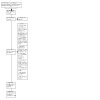
Study flow diagram.
We contacted the contact authors of 10 trials either to find out additional information to support decision‐making or to support data extraction (Barker 2016; Clegg 2018; Guse 2015; Ivers 2020; Kempton 2000; Lindqvist 2001; Paul 2021; Poulstrup 2000; Rapp 2022; Robson 2003); see below.
Included studies
For details of the nine included studies, see Characteristics of included studies.
We contacted the authors of three included studies to request additional information regarding study participants' adherence to interventions, dropout rates, and numbers lost at follow‐up (Kempton 2000; Lindqvist 2001; Poulstrup 2000). Only Poulstrup 2000 provided additional information; most information was either not available or was insufficient to use in our analysis.
Study design
Two studies were cluster RCTs (Larsen 2005; Xia 2009). The remaining studies were non‐randomised (or quasi‐experimental) studies. Using characteristics from the study reports and guidance from Reeves 2017, we categorised these non‐randomised studies as controlled before‐and‐after (CBA) studies, Kempton 2000; Lindqvist 2001; Pujiula Blanch 2010; Wijlhuizen 2007; Ytterstad 1996, and controlled interrupted time‐series (CITS) studies, Poulstrup 2000; Svanström 1996.
Allocation to the intervention or control group was at a population level in all studies. Study investigators selected geographical regions in which people were exposed to the intervention, and this was compared with control group regions in which participants had no exposure to the intervention.
In the cluster RCTs, geographical regions were allocated randomly to the intervention or control groups:
Larsen 2005: a municipality was divided into four blocks, with blocks randomly allocated to one of three intervention groups or a control group;
Xia 2009: four communities were randomly allocated to an intervention or control group, with two communities in each group.
In the non‐randomised studies, control groups were mostly selected because population characteristics were comparable to the intervention group.
Kempton 2000: the control group was matched based on geography, demography, and climatic factors, and was remote enough not to be influenced by the study intervention in the single study region.
Pujiula Blanch 2010: the intervention and the control group areas were in the same area of the city. In this study, the reason for selecting the control group was not specified, although the decision to allocate the intervention to one area was made after collection of baseline data from a random sample of the population in each community.
Lindqvist 2001: the control group was a neighbouring municipality in the same county as the municipality that was selected as the intervention region. In this study, the reason for selecting the control group was not specified, but the study authors note baseline characteristics for the number of people who were urban‐living residents, gainfully employed, and their average income as a percentage of the national mean; these characteristics were comparable between the control and intervention regions.
Poulstrup 2000: five municipalities were selected as the intervention group, and four municipalities acted as control. Demographic and social characteristics were accounted for when selecting control group regions, as well as other potential confounders (such as fluoride water content, general practitioner prescribing habits, and distances to casualty wards or hospitals). Regions were geographically separate to avoid any overspill effect.
Svanström 1996: an area was selected for the intervention, and baseline and outcome data were compared with the county in which the area belonged as well as with the whole country. We included this study in the review but note that the larger populations in the control groups (county and country) inevitably also included participants from the smaller intervention area.
Wijlhuizen 2007: a community was selected for the intervention and was compared with a control group of two other communities. The control communities were suggested by the Area Health Authority based on their knowledge of the general population characteristics and were geographically separate from the intervention community.
Ytterstad 1996: a municipality was selected for the intervention and was compared with six neighbouring municipalities as well as a larger city. The study authors acknowledge that a spill‐over effect of the intervention was possible when comparing with the neighbouring municipalities, and note that the choice of city was also not ideal because it was larger and had some baseline differences in fracture rates. The study authors note that the mean age variations of residents in the selected regions were similar.
The included studies were carried out in seven countries: Australia (Kempton 2000), China (Xia 2009), Denmark (Larsen 2005; Poulstrup 2000), the Netherlands (Wijlhuizen 2007), Norway (Ytterstad 1996), Spain (Pujiula Blanch 2010), and Sweden (Lindqvist 2001; Svanström 1996).
Participants
Target populations and their matched controls were limited to residents who were > 60 years old (Kempton 2000; Xia 2009), ≥ 66 years (Larsen 2005), ≥ 70 years (Pujiula Blanch 2010), or ≥ 65 years in the remaining studies.
It was not feasible to provide a total target population size for all included studies because two studies only reported the size of the whole population rather than the target population (Lindqvist 2001; Ytterstad 1996). However, the total target population in the other seven studies (i.e. the number of intervention and control group residents that met the target age requirement) was approximately 254,004. We have reported an approximate total target population size because exact population sizes were not described in two studies (Wijlhuizen 2007 reported population sizes for the control groups to the nearest 1000, and Xia 2009 reported approximate population sizes for both intervention and control groups). Svanström 1996 included both county and country as the control; in this total population, we used population numbers at county level. In these seven studies, the target population size exposed to an intervention for preventing falls was approximately 115,320 older adult residents. The smallest intervention region of the target population had approximately 1800 older adult residents (Xia 2009), and the largest had 79,425 older adult residents (Kempton 2000). The control groups in these seven studies included approximately 136,978 older adult residents. We included county‐level population numbers for Svanström 1996. The smallest and largest regions for the control group region was in Pujiula Blanch 2010 (1212 older residents), and the largest control group region was in Kempton 2000 (61,758 older adult residents).
Total population sizes (i.e. the number of residents of any age) in Lindqvist 2001 were 41,000 residents in the intervention group and 25,900 residents in the control group. In Ytterstad 1996, these numbers were 22,500 residents and 135,000 residents, respectively.
A summary of the study designs, locations, and participant information is provided in Table 4.
1. Included studies: study design, location, and trial size.
| Study ID | Study designa | Country | Communities | Target population | Total population size or total size of target group (intervention + control) | Sample sizeb |
| Kempton 2000 | CBA | Australia | Intervention: North Coast of New South Wales Control: Queensland Sunshine Coast |
Community‐dwelling, ≥ 60 years of age | Total target group: 141,183 Intervention: 79,425 Control: 61,758 |
2445 |
| Larsen 2005 | Cluster RCT | Denmark | 3 intervention groups: each in 1 block within Randers municipality Control: 1 block within Randers municipality |
Community‐dwelling, ≥ 66 years of age | Total target group: 9605 Intervention Block 1 ("Environmental and Health Program": 2532) Intervention Block 2 ("Calcium and Vitamin D Program"): 2426 Intervention Block 3 (both programmes): 2531 Control Block 4: 2116 |
N/A |
| Lindqvist 2001 | CBA | Sweden | Intervention: Motala (municipality in Östergötland County) Control: Mjölby (municipality in Östergötland County) |
≥ 65 years of age | Total whole population (before intervention): 67,300 Intervention whole population (before intervention): 41,000 Control whole population (before intervention): 25,900 |
N/A |
| Poulstrup 2000 | CITS | Denmark | Intervention: 5 municipalities of County Council of Vijle Control: 4 municipalities of County Council of Vijle |
Community‐dwelling, ≥ 65 years of age | Total target group: 26,221 Intervention: 12,905 Control: 11,460 |
N/A |
| Pujiula Blanch 2010 | CBA | Spain | Intervention: Salt (health district in Girona) Control: Girona‐4 (health district in Girona) |
≥ 70 years of age | Total target group: 3727 Intervention: 2515 Control: 1212 |
602 |
| Svanström 1996 | CITS | Sweden | Intervention: Lidköping (municipality in Skaraborg County) Control: Skaraborg County, and whole of Sweden |
≥ 65 years of age | Total target group (first study year): 1,173,698 Intervention (first study year): 6817 Control (first study year): 50,052 (Skaraborg County); 1,116,829 (Sweden) |
N/A |
| Wijlhuizen 2007 | CBA | Netherlands | Intervention: Sneek (in Area Health Authority of Fryslân) Control: Harlingen and Heerenveen (2 communities within Area Health Authority of Fryslân) |
≥ 65 years of age, living independently | Total target group: 12,769 Intervention: 4369 Control: 8400c |
1752 |
| Xia 2009 | Cluster RCT | China | Intervention: 2 residential communities, Shanghai Control: 2 residential communities, Shanghai |
≥ 60 years of age | Total target group: 3600c Intervention: 1800c Control: 1800c |
1422 |
| Ytterstad 1996 | CBA | Norway | Intervention: Harstad Control: 6 municipalities ("close to Harstad"), and Trondheim |
≥ 65 years of age | Total whole population: 172,500 Intervention whole population: 22,500 Control whole population: 15,000 (6 municipalities); 135,000 (Trondheim) |
N/A |
CBA: controlled before‐and‐after study (non‐randomised study design); CITS: controlled interrupted time‐series study (non‐randomised study design); N/A: not applicable; RCT: randomised controlled trial
aClassification using Reeves 2017 as a guide. bSample of target population who were contacted in telephone or questionnaire surveys for some or all outcome data. In some studies, data were collected for all residents, and there were no sample data in these studies. cApproximate values, as reported in the study report.
Interventions
Larsen 2005 was a four‐arm study with three intervention arms (two distinct interventions, and one that was a combination of these two interventions) and one control arm. The remaining studies had one intervention group and either one control group, Kempton 2000; Lindqvist 2001; Poulstrup 2000; Pujiula Blanch 2010; Wijlhuizen 2007, or two control groups, Svanström 1996; Ytterstad 1996.
The interventions in most studies included multiple components. We categorised these interventions according to the primary intervention modality. One multi‐arm study included interventions that fit into more than one of these categories (Larsen 2005).
Exercise and physical activity only: we included no studies with this primary intervention modality.
Medication or nutrition: one study evaluated the effectiveness of free‐of‐charge daily supplements in the "Calcium and Vitamin D Program" (Larsen 2005).
Environmental only: we included no studies with this primary intervention modality.
Educational: we included no studies with this primary intervention modality.
Other initiatives: we included no studies with other initiatives.
Multicomponent population‐based interventions: all nine studies included multicomponent interventions. According to the ProFaNE taxonomy (Lamb 2011), components broadly included exercise, medication, environment (home and community‐level), social environment (staff training), and knowledge/education.
Kempton 2000: interventions included an information campaign and exercise classes. The intervention addressed footwear, vision, physical activity, balance and gait, medication use, chronic conditions, plus home and public environmental hazards. This intervention is also known as "Stay on Your Feet (SOYF)". It was delivered in a community setting including participants' homes and other locations within the community. General practitioners and healthcare workers were trained to deliver the intervention. Other components of the intervention were delivered through local media, including TV, radio, and newspapers.
Larsen 2005: interventions included home safety inspection, ways to avoid falls, health and dietary correction in the "Environment and Health Program"; a free‐of‐charge daily supplement of 1000 mg calcium carbonate and 400 international units vitamin D3 in the "Calcium and Vitamin D Program"; or a combination of the "Environment and Health Program" and the "Calcium and Vitamin D Program". The safety inspections were delivered by trained community nurses.
Lindqvist 2001: interventions included elimination of hazards in the environment (e.g. improvements to roads, pavements, street lighting), behavioural safety education and information programmes, injury prevention features in local media, availability of safety products, home modifications, and exercise support. This intervention is also known as "WHO Safe Community" programme. Some components of the intervention were delivered by staff at social care facilities who were given additional training. Other components of the intervention were delivered through injury prevention features in local media, and safety products displayed in public places.
Poulstrup 2000: interventions included information on risk factors, and identifying and correcting hazards in the home and surrounding areas. Interventions aimed to reduce physical hazards, age‐debilitating illnesses, psychiatric illnesses, improper use of medication, diet insufficiency, and physical inactivity. Interventions were delivered through mailed leaflets, talks in clubs for older people and at welfare centres, and home visits.
Pujiula Blanch 2010: interventions included an educational programme, government involvement with architectural consultations, exercise programmes, risk assessment, dietary and medicine guidance, and risk prevention at home. Interventions were delivered through pamphlets, media, and conferences as well as home visits and community settings.
Svanström 1996: interventions included an educational programme targeting health hazards and how to reduce risk, changes regarding traffic environment (street lights control, new cycle paths), two newspaper articles that advertised updates on preventive work and increased awareness on how to target risk factors. This intervention is also known as "Lidkōping Accident Prevention Programme". Interventions were delivered to groups and individuals.
Wijlhuizen 2007: interventions included information and education (home safety, physical activity, safe medication use, traffic safety), training and exercise (home safety training for professionals and volunteers working in home care, balance training course, traffic safety when riding bikes), and modifications to the environment (modifications in the home, removing obstacles from pavements). Interventions were delivered through media sources (leaflets, posters, newspaper articles), presentations, training courses, home visits, and technical assistance.
Xia 2009: interventions included an education programme (to reduce risk of falls, and including information on diet and exercise), home hazard assessment, modification of community settings (removing obstacles on pavements, roads, lawns; installing handrails). Interventions were delivered by a multidisciplinary group including individuals from local government, the community health centre, and other members of the community. Education programmes were delivered to groups and individuals.
Ytterstad 1996: interventions included home visits to identify and remedy home hazards, to promote safety in the environment, a healthy diet and lifestyle and reduction in isolation and inactivity; introduction of a pensioners' services in which pensioners could provide skilled low‐cost services to improve physical environments in others' homes; availability of safety items including spiking of boots for icy pavements. Interventions were delivered through community meetings, promotion in the media, home visits, and involvement of voluntary organisations working with older people.
The duration of the intervention ranged from 14 months, in Wijlhuizen 2007, to eight years, in Ytterstad 1996. A summary of the interventions, the site of intervention delivery, and the people who delivered the interventions is provided in Table 5.
2. Included studies: intervention characteristics.
| Study ID | Type of intervention | Duration of intervention (study dates) | Main sites of delivery |
Interventions delivered by |
| Kempton 2000 |
Multicomponent interventions Footwear, vision, physical activity, balance and gait, medication use, chronic conditions, plus home and public environmental hazards |
4 years (1992 to 1995) Baseline data collection in 1991 |
Community setting (in participants' homes, organisations and other locations in the community) | General practitioners and healthcare workers |
| Larsen 2005 |
Medication or nutrition Block 1: Free‐of‐charge daily supplement 1000 mg calcium carbonate or 400 IU (10 μg) vitamin D3 Multicomponent interventions Block 2: home safety inspection, ways to avoid falls, health and dietary correction Block 3: combined interventions from Block 1 and Block 2 |
42 months (1995 to 1998) Baseline data collection from 1990 to 1994 |
Community setting (in participants' homes, organisations and other locations in the community, including the pharmacy) | Trained community nurses |
| Lindqvist 2001 |
Multicomponent interventions Elimination of environmental hazards (e.g. improvements to roads, pavements, street lighting), behavioural safety education and information programmes, injury prevention features in local media, availability of safety products, home modifications, and exercise support |
5 years (1984 to 1989) Pre‐implementation phase 1983 to 1984 |
Community setting (in participants' homes, organisations and other locations in the community) | Staff in social care facilities were given additional training. |
| Poulstrup 2000 |
Multicomponent interventions Information on fall risk factors, and identifying and correcting hazards in the home and surrounding areas. Interventions aimed to reduce physical hazards, age‐debilitating illnesses, psychiatric illnesses, improper use of medication, diet insufficiency, and physical inactivity |
18 months (1985 to 1988) | Community setting (in participants' homes, organisations and other locations in the community) | General practitioners, district nurses, and home helpers |
| Pujiula Blanch 2010 |
Multicomponent interventions Educational programme through information pamphlets, media, and conferences; government involvement with architectural consultations; exercise programmes, risk assessment, dietary and medicine guidance, and prevention of fall risks at home |
2 years (2001 to 2003) | Community setting (in participants' homes, organisations and other locations in the community) | Primary care team, including professionals and "individuals" |
| Svanström 1996 |
Multicomponent interventions Educational programme targeting health hazards and how to reduce risk, environmental changes regarding traffic environment (streetlights control, new cycle paths), 2 newspaper articles which advertised updates on preventive work and increased awareness on how to target risk factors |
7 years (1985 to 1992; gradual implementation over each year) Baseline data collection in 1987 |
Community setting (in participants' homes, organisations and other locations in the community) | District nurse, policymakers, home visitors, service apartment personnel |
| Wijlhuizen 2007 |
Multicomponent interventions Traffic safety, balance training, physical activity, home safety hazard, home modification, safe pavement (removing obstacles from pavements in the community), and medication use |
14 months (1999 to 2002) Baseline data during 10 months of 1999. Final data in 10 months after 14‐month intervention period |
Community setting (in participants' homes, organisations and other locations in the community) | Professionals (types not specified) Trained volunteer peer consultants |
| Xia 2009 |
Multicomponent interventions Education programme (to reduce risk of falls, and including information on diet and exercise), home hazard assessment, modification of community settings (removing obstacles on pavements, roads, lawns; handrails) |
18 months (2006 to 2007) | Community setting (in participants' homes, organisations and other locations in the community) | A multidisciplinary group including individuals from local government, the community health centre, and other members of the community |
| Ytterstad 1996 |
Multicomponent interventions Identifying and remedy of home hazards, promote environmental safety, health, diet, and lifestyle and reduction in isolation and inactivity; pensioners providing skilled low‐cost services to improve physical environments in others' homes; availability of safety items including spiking of boots for icy pavements |
8 years (1985 to 1993; intervention was mostly delivered in the latter 5 years of study period) | Community setting (in participants' homes, organisations and other locations in the community) | An injury prevention group comprising representatives from a hospital and several public and private organisations, including "health personnel" Nurses, nurse‐aides, and other home helpers. Physiotherapists. Peer‐support (older people offering skilled work to other older people or delivery of spiked boots) |
IU: international unit
Outcomes
No studies reported data for the number of people experiencing one or more falls requiring medical attention, HRQoL, fall‐related mortality, concerns about falling, or adverse events. However, data for all other outcomes were available from at least one included study.
Most studies used hospital or healthcare record systems in the selected regions to collect data, therefore the outcome data from these studies included the whole target population.
Three studies only used the results from questionnaires or telephone surveys to collect data (Pujiula Blanch 2010; Wijlhuizen 2007; Xia 2009), and one study reported findings from both hospital records and telephone surveys (Kempton 2000). The outcome data from these four studies therefore included a subsection of the whole population; data from these sources were available for 3451 participants who were exposed to the intervention and 2770 participants in the control group regions.
Funding sources
Six studies received funding from national or regional sources (e.g. funding from healthcare or government organisations), and we judged that these funding sources were likely to be independent of the study investigation (Kempton 2000; Larsen 2005; Lindqvist 2001; Wijlhuizen 2007; Xia 2009; Ytterstad 1996). Three studies did not report the funding source (Poulstrup 2000; Pujiula Blanch 2010; Svanström 1996).
Excluded studies
We contacted the authors of five studies for additional information to support our decision‐making process (Barker 2016; Clegg 2018; Paul 2021; Rapp 2022; Robson 2003); we did not receive a reply from the study authors of Robson 2003, but believed we had sufficient information to exclude this study.
We excluded 154 articles at full‐text review. We have reported details on the exclusion of 13 key studies (see Characteristics of excluded studies). We excluded four studies because the interventions targeted individually allocated participants rather than whole communities (Barker 2016; Le Boff 2020; Robson 2003; Scronce 2021), and an additional study that targeted a subset of the whole community from general healthcare practices (Bruce 2016). We excluded Mazza 2021 because it did not include a comparative (control) community as a reference, and Lin 2006 because the comparison groups all had active components. We excluded five studies because the interventions were designed to target only older people who were at higher risk of falling (Guse 2015; Iliffe 2014; Paul 2021); had a fragility fracture (Rapp 2022); or were described as home bound (Clegg 2018). We excluded Johnston 2019 because it was the wrong type of intervention (screening people for risk of falling), which was not population‐wide and included no control group.
Ongoing studies
We identified one ongoing trial (Ivers 2020). We contacted the study authors to ask whether the study has been completed. The trial has experienced delays due to the COVID‐19 pandemic, and the study authors advised that findings will not be available for a number of years. This trial aims to assess the effectiveness of a weekly exercise and discussion programme aimed at preventing falls (Ironbark: Standing Strong and Tall programme) in older Australian Aboriginal people. See Characteristics of ongoing studies.
Studies awaiting classification
We could not source the full text for Bos 2021, and did not have sufficient information to judge its eligibility.
Risk of bias in included studies
Risk of bias in cluster RCTs
See Figure 2.
2.
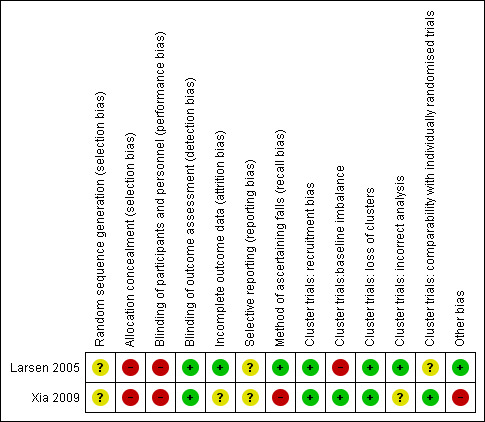
Risk of bias summary: review authors' judgements about each risk of bias item for each included cluster RCT.
Both cluster RCTs reported insufficient methods used to randomise areas to the intervention and control groups, and we judged the studies to have an unclear risk of selection bias for sequence generation. However, because the number of clusters relative to the number of intervention groups was small in both studies, we judged risk of bias for allocation concealment to be high.
We judged performance bias to be high in both studies because it is not possible to blind any healthcare professionals involved in the delivery of the interventions. Outcome data were collected from hospital record systems in Larsen 2005 and from participant questionnaires in Xia 2009, therefore we judged both studies to have a low risk of detection bias.
We judged risk of attrition bias to be low in Larsen 2005. However, risk of attrition bias was unclear in Xia 2009 because only a sample of the participants were used to collect outcome data. Neither study reported a protocol or clinical trials registration, and we could not adequately determine risk of selective reporting bias.
We thought that there was a high risk of other bias in Xia 2009 because the study communities were geographically close to one another such that a spill‐over effect was possible. We also judged Xia 2009 to have a high risk of recall bias, as study investigators used a self‐report method for ascertaining falls.
For the risk of bias assessment specific to the cluster RCT design, we judged Larsen 2005 to have a high risk of baseline imbalance, as study authors reported that there were statistically significant baseline differences between study group participants regarding age and marital status. In addition, we could not be certain whether the environmental and health interventions programme was comparable to individually randomised trials because the study authors did not report this information. Owing to unclear reporting in Xia 2009, we could not determine whether correct analysis methods had been used. However, we judged risk of additional bias relating to recruitment and loss of clusters for the two cluster RCTs to be low.
Risk of bias in non‐randomised studies
Using the EPHPP tool, we judged the overall methodological quality of the non‐randomised studies in this review to be weak in six studies, Kempton 2000; Poulstrup 2000; Pujiula Blanch 2010; Svanström 1996; Wijlhuizen 2007; Ytterstad 1996, and moderate in one study, Lindqvist 2001; see Table 6. A detailed assessment is provided in Appendix 2.
3. Summary and global rating of quality assessment for non‐randomised studies.
| Study ID | Selection bias | Study design | Confounders | Blinding | Data collection method | Withdrawals and dropouts | Overall |
| Kempton 2000 | MODERATE | MODERATE | MODERATE | WEAK | WEAK | MODERATE | WEAK |
| Lindqvist 2001 | MODERATE | MODERATE | STRONG | WEAK | MODERATE | MODERATE | MODERATE |
| Poulstrup 2000 | MODERATE | MODERATE | MODERATE | WEAK | WEAK | MODERATE | WEAK |
| Pujiula Blanch 2010 | MODERATE | MODERATE | WEAK | WEAK | WEAK | MODERATE | WEAK |
| Svanström 1996 | MODERATE | MODERATE | WEAK | WEAK | STRONG | MODERATE | WEAK |
| Wijlhuizen 2007 | MODERATE | MODERATE | MODERATE | WEAK | WEAK | WEAK | WEAK |
| Ytterstad 1996 | MODERATE | MODERATE | WEAK | WEAK | STRONG | MODERATE | WEAK |
We judged it very likely that all seven non‐randomised studies selected participants that were likely to be representative of the target population.
In three studies, we could not tell if there were important differences because the study authors did not report sufficient information about population characteristics (Pujiula Blanch 2010; Svanström 1996; Ytterstad 1996). One study reported that groups were similar in sex, employment status, income, and urban residency (Lindqvist 2001). Three studies noted that there were important differences between groups prior to the intervention (Kempton 2000; Poulstrup 2000; Wijlhuizen 2007).
No studies explained whether participants were aware that their community was involved in a falls prevention intervention trial, and similarly it was often unknown if outcome assessors were aware that they were collecting data from an intervention or control group area. Three studies used self‐reported methods to collect outcome data, and we judged that these methods were weak. Other studies used hospital record systems, which we expected to be reliable (Svanström 1996; Ytterstad 1996), or a separate injury record system (Lindqvist 2001; Poulstrup 2000), and Lindqvist 2001 stated that this system had been previously used and was expected to be reliable.
For the three studies that collected data from a sample of residents in the whole intervention areas, withdrawals and dropouts were adequately reported in Kempton 2000 and Wijlhuizen 2007, but not in Pujiula Blanch 2010. The sample of residents in Wijlhuizen 2007 was approximately 30% of the whole intervention area population, with a drop of less than 20% for data collection. In Kempton 2000, the sample of residents was between 60% and 79%, with very little participant dropout. However, the information in Pujiula Blanch 2010 was unclear, and we could not determine the total population sizes. Nevertheless, we noted that the sample sizes were unequal, with 11% of a large sample (or the whole population) providing outcome data in the intervention area and 26% of a large sample in the control area.
Regarding intervention integrity, although some studies identified the reach of certain intervention components, we could not tell how many people received all the interventions to which their community had been exposed. It was also unclear whether any attempts were made to measure the consistency of intervention delivery. We expected that a spill‐over effect was likely in two studies (Kempton 2000; Ytterstad 1996), and possible in another two studies despite lack of detail in the study reports (Lindqvist 2001; Pujiula Blanch 2010); spill‐over was likely or possible because the intervention and control group areas were neighbouring or geographically close to one another.
In all seven studies, the community was the unit of allocation, and the individual was the unit of analysis. We judged that the statistical methods in each study were appropriate for their study design and that analysis was conducted according to the intervention allocation status rather than the actual intervention received.
Effects of interventions
See: Table 1; Table 2; Table 3
We have reported here the effects of interventions according to the types of interventions in the included studies.
Medication or nutrition interventions
Only one study (a cluster RCT) included an intervention (a "Calcium and Vitamin D" falls prevention programme) that fit within the ProFaNE classification (Larsen 2005). See Table 1. Data were available for only one outcome from this study. No outcome data were available for: rate of falls, number of fallers, number of people who experienced one or more fall‐related injuries, number of people experiencing one or more fall‐related fractures, number of people experiencing one or more falls requiring medical attention, HRQoL, fall‐related mortality, concerns about falling, adverse events, or an economic analysis of the intervention.
Number of people experiencing one or more falls resulting in hospital admission
Whilst Larsen 2005 reported falls leading to hospital admission, we could not be certain whether the data accounted for people having more than one fall. As this study report also included risk ratios that were calculated to account for age and marital status, we selected these data for the review. We note, however, that study authors did not indicate whether these data were adjusted for the clustering effect in this study design, therefore we advise caution in the interpretation of these data. Data were reported separately according to sex using the intention‐to‐treat principle. In this study, female residents who were exposed to a "Calcium and Vitamin D" falls prevention programme had fewer fall‐related hospital admissions than female residents in the control area (RR 0.89; P < 0.10). The study authors reported that there was no evidence of a difference when male residents were exposed to this intervention (RR 1.08). Data were reported without confidence intervals, and no P value was reported with the effect estimate for male residents. These data were collected from the Danish Hospital Registration Database over a 42‐month period; the population size exposed only to the calcium and vitamin D3 programme or in the control group was 4542 residents.
We judged the certainty of this evidence to be very low. We downgraded by two levels owing to very serious risk of bias (high and unclear risk of bias in several domains). We also downgraded by one level for imprecision because the effect estimates were reported without CIs, and we were unable to determine the level of imprecision in the data (particularly for male residents).
Multicomponent interventions
All nine studies included fall prevention interventions that have multiple components. For evidence from RCTs, see Table 2. For evidence from non‐randomised trials, see Table 3. No studies in this comparison group measured or reported outcome data for: number of people experiencing one or more falls requiring medical attention, HRQoL, fall‐related mortality, concerns about falling, or adverse events.
Rate of falls
One cluster RCT, Xia 2009, and three non‐randomised trials, Kempton 2000; Pujiula Blanch 2010; Wijlhuizen 2007, reported rate of falls; we did not include data for Pujiula Blanch 2010 in the summary of findings table.
Xia 2009 reported a lower incidence rate ratio of falls for people exposed to a multicomponent falls prevention intervention compared with a control group (rate ratio (RaR) 0.356, 95% CI 0.253 to 0.501). The intervention exposure time was 18 months, and data were collected from a sample of 723 people in the intervention area and 699 people in the control area. We judged the certainty of the evidence to be very low. We downgraded by two levels for very serious risk of bias because the study included high and unclear risk of bias. We also downgraded by one level for imprecision because we could not be certain whether the rate ratio reported in this study included an adjustment for clustering, we therefore we advise caution in the interpretation of these data. See Table 2.
Kempton 2000 reported that the reduction in rate of falls for people exposed to the "Stay on Your Feet" (SOYF) falls prevention programme was not statistically significant when compared to rate of falls in the control area (reduction of 0.066 falls/person/year; P = 0.14). This analysis was adjusted for age and sex, and data were collected at the end of a four‐year study period from survey responses from 2445 residents who were a representative sample of residents in the intervention and control group areas.
For Wijlhuizen 2007, we used P values and other data reported in the study report to calculate rate of falls. These data were reported separately for falls inside and outside the home. We found no evidence of a difference between residents exposed to a multicomponent falls prevention intervention and residents in the control areas in rate of falls inside the home (RaR 1.07, 95% CI 0.39 to 2.99; Analysis 1.1) and rate of falls outside the home (RaR 0.91, 95% CI 0.61 to 1.37; Analysis 1.1). We used postintervention data per 1000 persons per year in this analysis, collected over a 10‐month period after the end of the 14 month‐long study, and note that these effect estimates do not account for possible confounders.
1.1. Analysis.
Comparison 1: Multicomponent falls prevention interventions versus control, Outcome 1: Rate of falls (postintervention data per 1000 persons per year)
The certainty of the evidence for rate of falls derived from non‐randomised trials was very low. There were no reasons to upgrade the certainty of the evidence. In addition, we downgraded the certainty of the evidence for imprecision in the effect estimate. We also observed inconsistency with the findings from the RCT‐derived evidence, above. See Table 3.
Pujiula Blanch 2010 reported that people had 1.56 falls per year in the intervention group and 1.65 falls per year in the control group; these data were collected at the end of a two‐year study period. We did not know the number of falls in each group and could not calculate a standard error for these data in order to report a RaR of falls. These data were incomplete, and were not included in our summary of findings table. In addition, we could not account for the possible differences between participants at baseline. This study used a non‐randomised trial design (CBA), and there were no reasons to upgrade the certainty of the evidence, which we judged to be very low. As well as downgrading for study design, we also downgraded by one level for imprecision because these data were collected from a small sample size of only 402 residents; we also noted that the sample size in the control group represented a larger percentage of the whole population than the sample size in the intervention area.
Number of fallers
One cluster RCT, Xia 2009, and three non‐randomised trials, Kempton 2000; Pujiula Blanch 2010; Wijlhuizen 2007, reported data about fallers; we did not include data for Wijlhuizen 2007 in the summary of findings table.
Xia 2009 reported the number of people who had one fall and the number of people who had at least two falls during a 12‐month period; we used these data to calculate the number of people who had at least one fall. This cluster RCT used data from a sample of residents in the intervention and control group areas. To account for the clustering effect, we adjusted the sample size from 723 to 159 participants in the intervention group and from 699 to 154 participants in the control group; we used the same formula to adjust the number of events in each group. We found that there were fewer fallers amongst residents exposed to a multicomponent falls prevention intervention (RR 0.34, 95% CI 0.19 to 0.62; very low‐certainty evidence; Analysis 1.2). We downgraded the evidence by two levels for serious risk of bias because the study included high and unclear risk of bias, and one level for imprecision because the sample size for this population‐level study was small.
1.2. Analysis.
Comparison 1: Multicomponent falls prevention interventions versus control, Outcome 2: Number of fallers
Kempton 2000 reported no evidence of a difference in the number of people who fell at least once between residents exposed to the SOYF falls prevention programme and residents in the control area (odds ratio (OR) 0.95, 95% CI 0.79 to 1.15). This logistic regression analysis accounted for age and sex of residents and included data from 2445 residents who were a representative sample of residents in the intervention and control group areas.
In Pujiula Blanch 2010, there was no evidence of a difference in the number of people who fell (RR 1.03, 95% CI 0.81 to 1.31; Analysis 1.2). This study collected information from a sample of 602 people living in the intervention and control group areas that was collected at the end of a two‐year study period. In our analysis of the data reported in Pujiula Blanch 2010, we did not account for possible differences between participants at baseline, and we advise caution in the interpretation of these data.
We downgraded the certainty of the evidence derived from these non‐randomised trials to very low. There were no reasons to upgrade the certainty of the evidence for these non‐randomised trial designs (CBAs), and we downgraded one level for imprecision because the effect estimates included the possibility of benefit and no benefit. In addition, we noted inconsistency with the findings from the RCT‐derived evidence that we could not explain. See Table 3.
For Wijlhuizen 2007, we used data reported in the study report to calculate the rate of fallers rather than the number of fallers. We found no evidence of a difference between residents exposed to a multicomponent falls prevention intervention and residents in the control areas in rate of people having more than one fall inside the home (RaR 1.21, 95% CI 0.75 to 1.96; Analysis 1.3) and outside the home (RaR 0.79, 95% CI 0.51 to 1.21; Analysis 1.3). Again, we used the postintervention data per 1000 persons per year having at least one fall, collected over a 10‐month period after the end of the 14 month‐long study, and our effect estimates do not account for possible confounders. This study used a non‐randomised trial design (CBA), and there were no reasons to upgrade the certainty of the evidence, which we judged to be very low. We also downgraded the certainty of the evidence by one level for indirectness because these data provided indirect evidence for this outcome; for this reason we did not include this information in the summary of findings table.
1.3. Analysis.
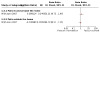
Comparison 1: Multicomponent falls prevention interventions versus control, Outcome 3: Number of fallers (postintervention data per 1000 persons per year)
Number of people experiencing one or more fall‐related injuries
One cluster RCT, Xia 2009, and one non‐randomised trial, Lindqvist 2001, reported data on the number of people experiencing one or more fall‐related injuries.
Xia 2009 reported fall‐related injury data, although we note that this study presented no definition of injurious falls. Based on the information in the study report, we could not be certain if these data were the number of people who had one fall‐related injury or the number of people who had at least one fall‐related injury. We used the adjusted sample sizes as described above, as well as adjusting the number of events in each group for this outcome, in order to account for the clustering effect in this study design. We found that people had fewer fall‐related injuries when exposed to a multicomponent falls prevention intervention (RR 0.39, 95% CI 0.20 to 0.77; very low‐certainty evidence; Analysis 1.4). We downgraded the certainty of the evidence by two levels for serious risk of bias because the study included high and unclear risk of bias, and one level for imprecision because the sample size for this population‐level study was small. See Table 2.
1.4. Analysis.
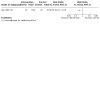
Comparison 1: Multicomponent falls prevention interventions versus control, Outcome 4: Number of people who experienced 1 or more fall‐related injuries
Lindqvist 2001 reported no evidence of a difference in the number of people who experienced a fall‐related injury after being exposed to the "Safe Community" falls prevention intervention (OR 0.89, 95% CI 0.77 to 1.03); these data were collected at the end of a five‐year study period. The study authors also report data for different age groups; we have included these data in Appendix 3. We noted a reduction in fall‐related injuries for people aged 75 to 79 years of age (OR 0.71, 95% CI 0.52 to 0.99), but little or no difference in effect for other age groups. Fall‐related injury data for the control group were not specifically reported, but the study authors state that there was no evidence of a change in total morbidity rates (which included injuries other than fall‐related injuries). Again, this study did not present a definition of injurious falls. We downgraded the certainty of the evidence to very low. There were no reasons to upgrade the certainty of the evidence for this non‐randomised trial design (CBA), and we downgraded one level for imprecision because the effect estimate (for all age groups) included the possibility of benefit and no benefit. In addition, we noted inconsistency with the findings from the RCT‐derived evidence that we could not explain. See Table 3.
Number of people experiencing one or more fall‐related fractures
One cluster RCT, Xia 2009, and three non‐randomised trials, Poulstrup 2000; Svanström 1996; Ytterstad 1996, reported data on fall‐related fractures; we did not include data from Svanström 1996 and Ytterstad 1996 in the summary of findings table.
Xia 2009 reported fall‐related fracture data. Based on the information in the study report, we could not be certain if these data were the number of people who had one fall‐related fracture or the number of people who had at least one fall‐related fracture. We used the adjusted sample sizes as described above, as well as the number of events in each group for this outcome, in order to account for the clustering effect in this study design. We found no evidence of a difference in fall‐related fractures, but we could not be certain whether the imprecision in this effect estimate was driven by the small sample size in this adjusted analysis (RR 0.55, 95% CI 0.17 to 1.85; very low‐certainty evidence; Analysis 1.5). We downgraded the certainty of the evidence by two levels for serious risk of bias because the study included high and unclear risk of bias, and one level for imprecision. See Table 2.
1.5. Analysis.
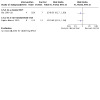
Comparison 1: Multicomponent falls prevention interventions versus control, Outcome 5: Number of people who experienced 1 or more fall‐related fractures
Poulstrup 2000 reported little or no difference in the number of fractures that were prevented during the 18‐month follow‐up time period between the regions that received a multicomponent falls prevention intervention and the control regions (14% prevented fractures, 95% CI −9% to 37%; 1 study; 24,365 participants). These data represented all fracture types reported in a separate injury register at the involved hospitals and represent the number of fractures rather than the number of people who experienced one or more fall‐related fractures. The effect estimate was calculated using logistic regression analysis controlling for age, gender, and marital status. We downgraded the certainty of the evidence to very low. There were no reasons to upgrade the certainty of the evidence for this non‐randomised trial design (CBA), and we downgraded one level for imprecision because the effect estimate included the possibility of benefit and no benefit. See Table 3.
Poulstrup 2000 also reported data for lower extremity fractures. The study authors reported little or no difference between groups for lower extremity fractures in men (0.1% prevented fractures, 95% CI −0.4% to 0.6%). However, the study authors noted that the multicomponent falls prevention intervention prevented more lower extremity fractures in women (46% prevented fractures, 95% CI 8% to 84%). It is likely that this large difference in prevented fractures for women influenced the overall effect for lower extremity fractures (33% prevented fractures, 95% CI 3% to 63%).
Svanström 1996 reported incidence rates of fall‐related femoral fractures per 1000 residents rather than the number of people who had fall‐related fractures. For completeness, we included these data in the review, and calculated rate ratios using the incidence rate and population data for male and female residents; data were reported separately by sex in the study report. We found that there was no evidence of a difference in fall‐related femoral fractures according to whether female residents (RaR 0.91, 95% CI 0.70 to 1.17; Analysis 1.6) or male residents (RaR 0.66, 95% CI 0.40 to 1.11; Analysis 1.6) were exposed to the Lidköping Accident Prevention programme. Data were collected from hospital discharge records, and included 6970 residents exposed to the falls prevention programme and 51,036 residents in the whole county (control group); these data were collected during a seven‐year study period. Although we did not calculate comparative data for the whole of Sweden, the study authors similarly reported no evidence of a difference in incidence rates of femoral fractures. This study used a non‐randomised trial design (CBA), and there were no reasons to upgrade the certainty of the evidence, which we judged to be very low. We also downgraded the certainty of the evidence by one level for indirectness because these data provided indirect evidence for this outcome, and we noted that the control group included residents from the intervention area. Because this was indirect evidence for this outcome, we did not include it in the summary of findings table.
1.6. Analysis.
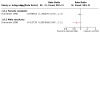
Comparison 1: Multicomponent falls prevention interventions versus control, Outcome 6: Rate of fall‐related femoral fractures
Ytterstad 1996 similarly reported incidence rates of fall‐related fractures per 1000 residents rather than the number of people who had fall‐related fractures. For completeness, we also included these data in the review. We calculated rate ratios using data from the study report for all residents in the area exposed to the fall prevention intervention. The postintervention rate of fall‐related fractures was lower than pre‐intervention rates (RaR 1.17, 95% CI 1.00 to 1.38; Analysis 1.7). These data were collected from an injury database at emergency departments in the intervention area with a population of 14,850 residents 65 years of age or older at the postintervention time point (after five years). Fall‐related fracture data were not reported for the control group area. This study used a non‐randomised trial design (CBA), and there were no reasons to upgrade the certainty of the evidence, which we judged to be very low. We also downgraded the certainty of the evidence by one level for indirectness because these data provided indirect evidence for this outcome; for this reason we did not include it in the summary of findings table.
1.7. Analysis.
Comparison 1: Multicomponent falls prevention interventions versus control, Outcome 7: Rate of fall‐related fractures (any type of fracture)
Number of people experiencing one or more falls resulting in hospital admission
One cluster RCT, Larsen 2005, and one non‐randomised trial, Kempton 2000, reported data for falls resulting in hospital admission. We did not include data for Kempton 2000 in the summary of findings table.
Whilst Larsen 2005 reported falls leading to hospital admission, we could not be certain whether the data accounted for people having more than one fall. As this study report also included risk ratios that were calculated to account for age and marital status, we selected these data for the review. However, we note that the study authors did not indicate whether these data were adjusted for the clustering effect, and therefore we advise caution in the interpretation of these data. Data were reported separately according to sex, using the intention‐to‐treat principle, and reported RRs did not include 95% CIs. In this study, there was no evidence of a difference when either female or male residents were exposed to an "Environmental and Health Program" (RR 0.96 and RR 1.07, respectively), or when female or male residents were exposed to both the "Environmental and Health Program" and the "Calcium and Vitamin D Program" (RR 0.90 and RR 1.14, respectively). These data were collected from the Danish Hospital Registration Database after a 42‐month period; the population size exposed to these two intervention programmes or in the control group was 7179 residents. We judged the certainty of the evidence to be very low. We downgraded the evidence by two levels for very serious risk of bias because this cluster RCT had high and unclear risk of bias. We also downgraded by one level for imprecision because we could not determine the level of imprecision in these data, which were reported without CIs, and may not have been adjusted for the clustering effect. See Table 2.
Kempton 2000 reported the rate of fall‐related hospital admissions rather than the number of people who had at least one fall‐related hospital admission. For completeness, we have included these data in the review. The study authors reported a reduction in hospital admissions amongst residents who were exposed to the SOYF falls prevention programme (RaR 0.80, 95% CI 0.76 to 0.84). These data were collected from hospital admission records at the end of a four‐year study period in the intervention and control group areas (with an estimated population of 141,183 residents). This rate ratio accounted for differences in resident age and was described as a conservative estimate, as data were incomplete for the final year of follow‐up. This study used a non‐randomised trial design (CBA), and there were no reasons to upgrade the certainty of the evidence, which we judged to be very low. We also downgraded the certainty of the evidence by one level for indirectness because these data provided indirect evidence for this outcome; for this reason we did not include it in the summary of findings table.
Cost‐effectiveness of interventions
Two non‐randomised trials reported data on cost‐effectiveness (Kempton 2000; Ytterstad 1996).
Kempton 2000 conducted a cost‐benefit evaluation for the SOYF intervention, which was delivered between 1992 and 1996. The cost‐benefit analysis used two estimates of savings, first comparing the cost of hospital admissions in the intervention area against a control area of similar demographic characteristics, then comparing hospital use in the intervention region with the state of New South Wales as a whole. The programme's estimated total direct costs were AUD 781,829. The methods yielded overall net benefits from AUD 5.4 million (for avoided hospital admissions) to AUD 16.9 million (for all avoided direct/indirect costs). The average overall benefit‐cost ratio for the programme was 20.6:1. In 1996, the standardised cost ratio (SCR) was (SCR 87.18, 95% CI 84.6 to 89.8).
Ytterstad 1996 analysed the short‐term hospital costs for fall‐related fractures in private homes using eight years of hospital data up to July 1985 in the intervention area in Norway. The study authors noted rate reductions in the intervention area between baseline and the intervention period for hospital admissions (16.1%), hospital bed‐days (16.7%), and operations related to falls (35.1%).
Both of these studies used non‐randomised trial designs, and there were no reasons to upgrade the certainty of the evidence, which we judged to be very low. We also downgraded the certainty of the evidence by one level for indirectness. Whilst we recognise that the population and interventions were eligible for this review, we believe the time at which these studies were conducted means that economic analyses are less reliable because of other changes in the healthcare settings, and this may impact the directness of these results. See Table 2.
Discussion
Summary of main results
We included nine studies (two cluster RCTs and seven non‐randomised trials); of the seven non‐randomised trials, five were CBA study designs and two were CITS designs. All studies evaluated population‐based falls prevention interventions, and the geographical regions ranged in size from small municipalities (with approximately 1800 people in the intervention area) to cities (with 79,425 residents in the intervention area).
We found studies evaluating two different types of interventions: medication and nutrition (one study) and multicomponent interventions (nine studies).
Medication and nutrition
One multi‐arm study included an intervention in which all people living in the intervention area were offered free‐of‐charge daily supplements of calcium and vitamin D3 (the "Calcium and Vitamin D Program"). We were unsure of the findings in this single study. Although the study authors reported that female residents in the intervention area had fewer fall‐related hospital admissions than those in the control area (who were exposed to no fall prevention interventions), the evidence was of very low certainty. The study authors also reported no evidence of a difference in fall‐related hospital admissions amongst male residents. None of our other review outcomes were reported in this study.
Multicomponent interventions
All of the included studies evaluated multicomponent interventions for falls prevention. We used the ProFaNE taxonomy to categorise the different components of the interventions in this review, and note that components broadly included exercise, medication, environment (home and community‐level), social environment (staff training), knowledge/education. However, each study used different components, and the approach to delivery varied amongst studies.
Again, we were unsure of the findings from these studies because the certainty of the evidence for all outcomes was very low. We did not combine data from studies because of the differences between study designs and the differences in quantitative presentation of data.
For rate of falls, there was very low‐certainty evidence from one cluster RCT (with lower rates in the intervention area) and two CBAs that reported no evidence of a difference in rate of falls between the intervention and control group areas (these data were reported for rate of falls inside and outside the home in one study). There was also very low‐certainty evidence for the number of fallers, again with fewer fallers in the intervention area in a cluster RCT, and no evidence of a difference in the number of fallers in two CBAs. This same cluster RCT also found that fewer people in the intervention area had one or more fall‐related injuries, with no evidence of a difference in another CBA (very low‐certainty evidence). There was very low‐certainty evidence of little or no difference in the number of people having one or more fall‐related fractures (reported in a cluster RCT), with a similar finding in a CITS. In a multi‐arm study, there was very low‐certainty evidence of no difference in the number of female or male residents with falls leading to hospital admission after either a multicomponent intervention ("Environmental and Health Program") or a combination of this programme and the "Calcium and Vitamin D Program". Two CBAs reported an economic analysis, with one study reporting a saving in hospital admissions and indirect and direct costs, and another reporting cost reductions for hospital admissions, hospital bed‐days, and fall‐related operations; savings were in the intervention areas in both studies.
No studies reported adverse events.
Overall completeness and applicability of evidence
We included only population‐based studies in which communities were allocated to a falls prevention intervention or to no intervention. Data were reported in all studies for people who were at least 60 years of age. However, there was generally insufficient information about residents in the intervention area, and we could not easily discern whether populations were similar. For example, it is likely that some communities may include differences in socio‐economic status of residents, as well as differences in mean ages and residential status. Although some studies excluded people who were living in institutional settings, others included the whole population of older adults in their data. In addition, the data in this review are limited to a few countries in which studies were conducted, and there may be geographical differences which impact fall hazards. We were unable to explore these differences and to examine their impact on the findings in this review. We therefore cannot be certain whether these studies are applicable to all populations. It should also be noted that we deliberately excluded studies that targeted people at higher risk of falling, therefore this review does not provide evidence for this specific group.
In addition, intervention characteristics were often dissimilar. Although we considered the ProFaNE taxonomy to identify intervention descriptors (Lamb 2011), the level of detail in study reports was often insufficient. We also note that all of the included studies were published before this taxonomy. As all studies included multicomponent interventions, we could not determine whether one particular intervention element was responsible for any changes in falls data. Understanding the mechanisms by which interventions work is of considerable interest; however, an exploration of this was beyond the scope of this review. All of the included studies were conducted at least 16 years ago; we expect that since then there have likely been changes in public health awareness, as well as environmental health and safety improvements, and community environments. However, we anticipate that many of the interventions are still applicable to many public settings.
Certainty of the evidence
We judged all of the evidence in this review to be of very low certainty. All the evidence for multicomponent interventions included studies that used non‐randomised trial designs and, as agreed a priori, we judged evidence from these studies to be of at least low certainty. We found no reasons to increase (or upgrade) the level of certainty in these non‐randomised trials. Using EPHPP to assess risk of bias in these studies (EPHPP 2010), we judged that most were methodologically weak. In addition, we found that the cluster RCTs also included some high and unclear risk of bias that could have impacted outcome data (risks of recall bias due to methods used to report data, and important baseline differences between intervention and control group communities). We note here that although we assessed the risk of recall bias in this review, findings in Rapp 2014 indicate that recall bias may not impact outcome. We also noted that the findings for most outcomes differed between studies: one cluster RCT noted improved outcomes in the intervention areas which were not replicated in the non‐randomised studies. We were unable to explore these differences, and could not be certain whether they were explained by variations in intervention components or other factors. Because of lack of information in one study (CIs and information about analysis of data with a cluster RCT design), we could not be certain of the level of precision, and therefore downgraded evidence from this study for possible imprecision. We also noted imprecise findings in some evidence in which the intervention included the possibility of benefit and no benefit.
Some studies reported data that did not directly match our review outcome criteria. For completeness, we have reported these data in the review and used GRADE to downgrade the certainty of the evidence for indirectness. However, because other studies reported these data according to our criteria, we did not include these indirect data in our summary of findings table.
We did not assess the risk of publication bias in these studies, and our GRADE judgements do not account for this possibility.
Potential biases in the review process
We included a comprehensive search of the published literature in 2020. Due to limited resources, we focused on running top‐up searches in December 2023 in the three main databases (CENTRAL, MEDLINE, and Embase). We independently assessed study eligibility from full‐text reports, extracted data, and assessed the risk of bias in the included studies before reaching consensus together or with one other review author. During the initial screening process, we made a pragmatic decision (because the searches yielded a large volume of reports) to use a modified screening process, having one review author first rule out obvious excluded studies based on titles alone. Although this was less robust than using two review authors, we conducted sample checking to evaluate eligibility decisions.
We had intended to only include studies if there were at least two intervention sites and two control sites because we thought that this would improve the diversity of populations. However, we found that the size of study sites varied widely between studies and that limiting the review by the number of sites did not address this diversity issue (i.e. a study with several intervention sites may have a small population which is not diverse, whilst a study with a single intervention site may have a large diverse population). We therefore opted in the review to include studies even if they included only one intervention and one control site. Although this was a change to the protocol, we believe that it provided a better summary of the available data for population‐based falls prevention interventions.
We recognise that this review included some decision‐making that could be challenged. For example, we found it difficult to describe the non‐randomised trials in the review, and used Reeves 2017 as a guide to provide transparency. However, we found that even this tool did not easily match some of the study designs in our included studies. We also found that the risk of bias tool for the non‐randomised trials was not a perfect design for population‐level studies in which communities rather than individuals were allocated to groups. Because of the large differences in study designs, we gave additional consideration to our decisions in order to provide consistency across studies; other review authors may reach different risk of bias judgements.
Agreements and disagreements with other studies or reviews
Although there are reviews on falls prevention interventions in older people, these target components of falls prevention interventions when delivered to individuals rather than to whole communities (Clemson 2023; Hopewell 2018; Sherrington 2019). Hopewell 2018 distinguishes between multifactorial and multicomponent interventions: “A multifactorial intervention is one in which the selection of falls prevention interventions (such as exercise, home‐hazard modification or medication review) prescribed or provided to each individual is matched to their risk‐of‐falls profile, which is assessed beforehand. This individually‐tailored intervention means that after receiving an assessment of known risk factors for falling, individuals are likely to received different combinations of interventions: i.e. one person may receive supervised exercise and home‐hazard modification whereas another may receive home‐hazard modification and medication review. Multiple component interventions are those where people receive a fixed combination of two or more fall prevention interventions selected from different categories of intervention (e.g. exercises, medication review, environment/assistive technology)”. Clearly, multifactorial interventions are at odds with how we define population‐based interventions, as they require individualised risk assessments, but for completeness and accuracy of comparison we include them here. We are not aware of any comparable reviews of population‐based falls prevention interventions.
The three Cochrane Reviews found similar results to one another for rate of falls (Clemson 2023; Hopewell 2018; Sherrington 2019). Hopewell 2018 found low‐certainty evidence that multifactorial falls prevention interventions may reduce the rate of falls by 23%, and moderate‐certainty evidence that multiple component interventions probably reduce falls by 26%. Sherrington 2019 assessed the effects of exercise interventions in community‐dwelling older people, and found high‐certainty evidence that exercise interventions of any type reduce the rate of falls by 23%. Clemson 2023 assessed the effects of environmental interventions in community‐dwelling older people and found that eliminating fall hazards in the home probably reduces the rate of falls by 26% (moderate‐certainty evidence).
The level of intervention detail in the studies included in our review prevents direct comparison with these Cochrane Reviews; however, all studies included multicomponent interventions, most of which included environmental components, and some that also included exercise components. One of our included studies also reported a reduction in the rate of falls after a multicomponent intervention, although the effect was much greater (65% reduction in Xia 2009). Other studies included in our review reported no evidence of a difference in the rate of falls, and we could not determine whether this was because of unknown confounders or other methodological issues in these non‐randomised trials, rather than because the interventions were allocated at the population level.
Hopewell 2018 reported little or no difference for multifactorial interventions in the risk of falling (number of fallers), but an 18% reduction in risk of falls for multiple component interventions (moderate‐certainty evidence). Sherrington 2019 reported a 15% risk reduction for one or more falls after exercise interventions (high‐certainty evidence), and Clemson 2023 reported moderate‐certainty evidence of an 11% risk reduction for one or more falls after home fall hazards were modified. In our review, there were inconsistent findings across the included studies. There was a large effect in a cluster RCT (66% reduction) after the intervention, but no evidence of a difference in a non‐randomised trial. For fall‐related fractures, Hopewell 2018 reports a 27% reduction for multifactorial interventions (low‐certainty evidence), which is comparable to the report by Sherrington 2019 of a reduction of 27% after exercise interventions (low‐certainty evidence). However, the very low‐certainty evidence for fall‐related fractures in Hopewell 2018 means that they were uncertain of the effects of multiple component interventions on the risk of fall‐related fractures, and Clemson 2023 found little or no difference in the risk of fall‐related fractures. Likewise, we found no evidence of a difference in fall‐related fractures in a cluster RCT and a non‐randomised trial evaluating multicomponent interventions at a population level.
Overall, the findings in our review are very uncertain, which limits the reliability of any comparisons with the findings in these other Cochrane Reviews.
Authors' conclusions
Implications for practice.
Owing to the very low‐certainty evidence in this review, we are uncertain whether nutrition or medication interventions or multicomponent interventions reduce rate of falls, number of fallers, number of people with fall‐related injuries, fractures or hospital admissions, adverse events, or cost savings. We found no data for other specific falls prevention intervention types (exercise and physical activity; environmental interventions; educational interventions).
Implications for research.
There is often a false dichotomy between all older adults and those who started at risk of falls. As the World Guidelines point out, being at low risk is not at no risk; everyone is at risk of falling (Montero‐Odasso 2022). Population‐based interventions aim at the maintenance and improvement of health, and are directed at a population level, rather than having the individual as the main focus. In this review, interventions for falls prevention were aimed at all members of a population, regardless of risk. Introducing population‐based interventions likely needs to commence at an early age in order to prevent or at least delay the development of risk.
Establishing a unit of analysis or ‘population unit’ is complex for this type of review. It encompasses a variety of settings (e.g. medical practices, hospitals, or entire communities). In our review, we found it difficult to compare studies. Often this was because studies lacked sufficient information about population characteristics, as well as detail about the falls prevention interventions used in the intervention areas. More studies would increase the certainty of the evidence for population‐based falls prevention interventions. We encourage future studies to use the Prevention of Falls Network Europe (ProFaNE) taxonomy when describing study interventions (Lamb 2011); to follow the ProFaNE core outcome measure recommendations (Lamb 2005); and to use clear guidance on the definitions of injurious falls (Schwenk 2012). More intervention detail allows for the investigation of the effectiveness of individual components, particularly for study designs that use multicomponent interventions. In addition, intervention details will allow for better replicability of the interventions for future studies or for other stakeholders and policymakers. Including a large and populated area is likely to better support generalisability of the findings to other populations or communities. For studies that include sampling of residents for the collection of outcome data, large sample sizes would also provide more reliable data. Other review designs may enable exploration of the mechanisms by which interventions work (such as in the work by Boulton 2020), with the potential for primary research to feed into these reviews, and such review designs would also require sufficient intervention details.
We recognise that population‐based studies often lend themselves to using non‐randomised study designs. Studies using these designs should still include efforts to ensure that confounders are accounted for and that designs are methodologically robust. However, we believe that cluster randomised controlled trials are the best study design to evaluate population‐based interventions, and, if done well, are likely to provide more certain evidence than non‐randomised designs. Reporting guidelines should be followed to ensure clarity of design and conduct of studies (CONSORT 2010), including the statement extension for cluster randomised trials (Campbell 2012), and stepped‐wedge designs (Hemming 2018).
We were unable to establish whether the sample of studies was representative of older populations residing in the area being assessed. Establishing a rate of sampling for population‐based studies would support this review. This information could ensure that recruited participants are representative in numbers and socio‐demographics of the entire population for the community/area of interest.
History
Protocol first published: Issue 11, 2020
Acknowledgements
Editorial and peer‐reviewer contributions
This review was supported by the National Institute for Health and Care Research (NIHR) via Cochrane Infrastructure funding to the Cochrane Bone, Joint and Muscle Trauma Group. The views expressed are those of the author(s) and not necessarily those of the NIHR or the Department of Health and Social Care.
The following people conducted the editorial process for this article.
Sign‐off Editor (final editorial decision): Stefano Negrini, Cochrane Rehabilitation, University of Milan, Italy
Managing Editor (selected peer reviewers, provided editorial guidance to authors, edited the article): Liz Bickerdike, Cochrane Central Editorial Service
Editorial Assistant (conducted editorial policy checks, collated peer‐reviewer comments, and supported editorial team): Leticia Rodrigues, Cochrane Central Editorial Service
Copy Editor (copy editing and production): Lisa Winer, Cochrane Central Production Service
Peer reviewers (provided comments and recommended an editorial decision): Nuala Livingstone, Cochrane Evidence Production and Methods Directorate (methods), Valerie Wells Research Associate ‐ Information Scientist MRC/CSO Social and Public Health Sciences Unit School of Health and Wellbeing University of Glasgow (search), Monserrat Conde, Cochrane Campbell Global Ageing Partnership (clinical), and Brian Duncan (consumer). One additional peer reviewer provided clinical peer review but chose not to be publicly acknowledged.
Appendices
Appendix 1. Search strategies
CENTRAL (CRS‐Web)
#1 MESH DESCRIPTOR Accidental Falls AND CENTRAL:TARGET (1527) #2 (fall*):AB,EH,KW,KY,MC,MH,TI,TO AND CENTRAL:TARGET (22794) #3 (injur* or fracture*):AB,EH,KW,KY,MC,MH,TI,TO AND CENTRAL:TARGET (80417) #4 #1 OR #2 OR #3 (100004) #5 MESH DESCRIPTOR Aged EXPLODE ALL AND CENTRAL:TARGET (214506) #6 (old* or elder* or senior* or aged or ag?ing or geriatric* or pensioner*):AB,EH,KW,KY,MC,MH,TI,TO AND CENTRAL:TARGET (606226) #7 #5 OR #6 (606231) #8 MESH DESCRIPTOR Accident Prevention EXPLODE ALL AND CENTRAL:TARGET (4212) #9 MESH DESCRIPTOR Community Health Planning AND CENTRAL:TARGET (50) #10 MESH DESCRIPTOR Community Health Services AND CENTRAL:TARGET (1072) #11 MESH DESCRIPTOR Health Promotion AND CENTRAL:TARGET (6076) #12 MESH DESCRIPTOR Health education AND CENTRAL:TARGET (4065) #13 MESH DESCRIPTOR Public Health AND CENTRAL:TARGET (290) #14 MESH DESCRIPTOR Population Health AND CENTRAL:TARGET (7) #15 ((fall* or communit*) adj5 (strateg* or prevent* or intervention or program* or campaign* or promot* or educat* or safe*)):AB,EH,KW,KY,MC,MH,TI,TO AND CENTRAL:TARGET (17568) #16 #8 OR #9 OR #10 OR #11 OR #12 OR #13 OR #14 OR #15 (30401) #17 #4 AND #7 AND #16 (3666)
MEDLINE (Ovid)
1 Accidental Falls/ (24780) 2 fall*.tw. (212627) 3 (injur* or fracture*).tw. (1024889) 4 or/1‐3 (1214504) 5 exp Aged/ (3172118) 6 (old* or elder* or senior* or aged or ag?ing or geriatric* or pensioner*).tw. (2259090) 7 5 or 6 (4775738) 8 exp Accident Prevention/ (88647) 9 Community Health Planning/ (5146) 10 Community Health Services/ (31901) 11 Health Promotion/ (74887) 12 Health education/ (61049) 13 Public Health/ (83012) 14 Population Health/ (978) 15 ((fall* or communit*) adj5 (strateg* or prevent* or intervention or program* or campaign* or promot* or educat* or safe*)).tw. (70124) 16 or/8‐15 (375615) 17 4 and 7 and 16 (10848) 18 exp animals/ not humans.sh. (4762182) 19 meta analysis.pt. (123141) 20 (systematic review or review).pt. (2770180) 21 observational study.pt. (88958) 22 news.pt. (204099) 23 comment.pt. (881060) 24 editorial.pt. (549112) 25 cochrane database of systematic reviews.jn. (15102) 26 comment on.cm. (881006) 27 review.ti. (504506) 28 (retrospective or cohort or case control or cross sectional or observational or longitudinal stud* or case report* or case series or historic* control* or interrupted time series).ti. (594209) 29 or/18‐28 (9513346) 30 17 not 29 (8540)
Embase (Ovid)
1 falling/ (41839) 2 fall*.tw. (262517) 3 (injur* or fracture*).tw. (1266453) 4 or/1‐3 (1501605) 5 exp aged/ (3030658) 6 (old* or elder* or senior* or aged or ag?ing or geriatric* or pensioner*).tw. (3062314) 7 5 or 6 (5248807) 8 exp accident prevention/ (14677) 9 health care planning/ (94776) 10 community care/ (53166) 11 health promotion/ (99700) 12 health education/ (91396) 13 public health/ (179609) 14 population health/ (3112) 15 ((fall* or communit*) adj5 (strateg* or prevent* or intervention or program* or campaign* or promot* or educat* or safe*)).tw. (88689) 16 or/8‐15 (546932) 17 4 and 7 and 16 (15677) 18 animal/ (1369744) 19 human/ (21248249) 20 18 not 19 (993028) 21 ((meta adj analy*) or metaanalys*).ti. (152339) 22 (systematic adj (review*1 or overview*1)).ti. (167138) 23 review.pt. (2642383) 24 editorial.pt. (668646) 25 note.pt. (831233) 26 cochrane database of systematic reviews.jn. (14672) 27 (retrospective or cohort or case control or cross sectional or observational or longitudinal stud* or case report* or case series or historic* control* or interrupted time series).ti. (765954) 28 or/20‐27 (5944858) 29 17 not 28 (12927)
CINAHL (EBSCO)
S1 MH Accidental Falls (23,274) S2 TI fall* OR AB fall* (57,371) S3 TI ( (injur* or fracture*) ) OR AB ( (injur* or fracture*) ) (273,258) S4 S1 OR S2 OR S3 (372,674) S5 MH aged+ (851,506) S6 TI ( (old* or elder* or senior* or aged or ag?ing or geriatric* or pensioner*) ) OR AB ( (old* or elder* or senior* or aged or ag?ing or geriatric* or pensioner*) ) (532,785) S7 S5 OR S6 (1,153,124) S8 MH Accident Prevention (1,685) S9 MH Community Health Services (22,644) S10 MH health promotion (67,633) S11 MH Health education (28,456) S12 MH Public Health (51,028) S13 MH Population Health (880) S14 TI ( (fall* or communit*) N5 (strateg* or prevent* or intervention or program* or campaign* or promot* or educat* or safe*) ) OR AB ( (fall* or communit*) N5 (strateg* or prevent* or intervention or program* or campaign* or promot* or educat* or safe*) ) (51,301) S15 S8 OR S9 OR S10 OR S11 OR S12 OR S13 OR S14 (195,902) S16 S4 AND S7 AND S15 (7,118) S17 MH animals (89,520) S18 PT Meta analysis (35, 985) S19 PT systematic review OR PT review (420,135) S20 PT Commentary (365,174) S21 PT Editorial (313,415) S22 SO cochrane database of systematic reviews (6,023) S23 CR comment (1,434) S24 TI review (200,548) S25 TI (retrospective or cohort or case control or cross sectional or observational or longitudinal stud* or case report* or case series or historic* control* or interrupted time series) (166,960) S26 S17 OR S18 OR S19 OR S20 OR S21 OR S22 OR S23 OR S24 OR S25 (1,366,566) S27 S16 NOT S26 (5,793)
PsycINFO (Ovid)
1 falls/ (3062) 2 fall*.tw. (50556) 3 (injur* or fracture*).tw. (98833) 4 or/1‐3 (146274) 5 exp Aging/ (75958) 6 (old* or elder* or senior* or aged or ag?ing or geriatric* or pensioner*).tw. (745450) 7 5 or 6 (755051) 8 exp Accident Prevention/ (1563) 9 community services/ (16941) 10 community health/ (3181) 11 health promotion/ (25242) 12 health education/ (13467) 13 public health/ (22182) 14 Population Health/ (680) 15 ((fall* or communit*) adj5 (strateg* or prevent* or intervention or program* or campaign* or promot* or educat* or safe*)).tw. (47563) 16 or/8‐15 (112380) 17 4 and 7 and 16 (2464) 18 ((meta adj analy*) or metaanalys*).ti. (21935) 19 (systematic adj (review*1 or overview*1)).ti. (22275) 20 (retrospective or cohort or case control or cross sectional or observational or longitudinal stud* or case report* or case series or historic* control* or interrupted time series).ti. (55630) 21 18 or 19 or 20 (93813) 22 17 not 21 (2361)
Clinicaltrials.gov
accident prevention OR community health planning OR community health services OR health promotion OR health education OR public health OR population health | falls OR fracture OR injury | Older Adult (2910)
WHO ICTRP
fall* AND prevent* OR fall* AND communit* OR fall* AND promotion OR fall* AND education OR fall* AND public health OR fall* AND population health (838)
fracture* AND prevent* OR fracture* AND communit* OR fracture* AND promotion OR fracture* AND education OR fracture* AND public health OR fracture* AND population health (403)
Injur* AND prevent* OR Injur* AND communit* OR Injur* AND promotion OR Injur* AND education OR Injur* AND public health OR Injur* AND population health (1589)
Appendix 2. Risk of bias for non‐randomised controlled studies (adapted from EPHPP 2010)
| Component ratings | Kempton 2000 | Justification | Lindqvist 2001 | Justification | Poulstrup 2000 | Justification | Pujiula Blanch 2010 | Justification | Svanström 1996 | Justification | Wijlhuizen 2007 | Justification | Ytterstad 1996 | Justification |
| A) SELECTION BIAS | ||||||||||||||
| (Q1) Are the individuals selected to participate in the study likely to be representative of the target population? | 1 | Intended reach to all people aged over 60 years in the selected areas | 1 | Intended reach to all people aged ≥ 65 years | 1 | Participants were identified and selected from all population in the municipalities | 1 | Intended to reach all people ≥ 70 years | 1 | "Priority groups were children/adolescents and the elderly." Also states they are "concentrating on falls in the age‐group 65." | 1 | All inhabitants aged 65 years and older living in the community were invited to participate | 1 | Intended reach to elderly people living in target area |
| 1 Very likely | ||||||||||||||
| 2 Somewhat likely | ||||||||||||||
| 3 Not likely | ||||||||||||||
| 4 Can’t tell | ||||||||||||||
| (Q2) What percentage of selected individuals agreed to participate? | 5 | Not reported | 5 | Not reported | 5 | Not reported | 5 | Not reported | 5 | Not reported | 5 | Not reported | 5 | Not reported |
| 1 80 ‐ 100% agreement | ||||||||||||||
| 2 60 – 79% agreement | ||||||||||||||
| 3 less than 60% agreement | ||||||||||||||
| 4 Not applicable | ||||||||||||||
| 5 Can’t tell | ||||||||||||||
| Componant rating | MODERATE | MODERATE | MODERATE | MODERATE | MODERATE | MODERATE | MODERATE | |||||||
| B) STUDY DESIGN | ||||||||||||||
| Indicate the study design | 3 | Controlled before‐and‐after study | 3 | Controlled before‐and‐after study | 6 | Controlled interrupted time‐series | 3 | Controlled before‐and‐after study | 6 | Controlled interrupted time‐series | 3 | Controlled before‐and‐after study | 3 | Controlled before‐and‐after study |
| 1 Randomized controlled trial | ||||||||||||||
| 2 Controlled clinical trial | ||||||||||||||
| 3 Cohort analytic (two group pre + post) | ||||||||||||||
| 4 Case‐control | ||||||||||||||
| 5 Cohort (one group pre + post (before and after)) | ||||||||||||||
| 6 Interrupted time series | ||||||||||||||
| 7 Other | ||||||||||||||
| 8 Can’t tell | ||||||||||||||
| Was the study described as randomised? If NO, go to Component C. | No | No | No | No | No | No | No | |||||||
| No/Yes | ||||||||||||||
| If Yes, was the method of randomisation described? (See dictionary) | ||||||||||||||
| No/Yes | ||||||||||||||
| If Yes, was the method appropriate? (See dictionary) | ||||||||||||||
| No/ Yes | ||||||||||||||
| Componant rating | MODERATE | MODERATE | MODERATE | MODERATE | MODERATE | MODERATE | MODERATE | |||||||
| C) CONFOUNDERS | ||||||||||||||
| (Q1) Were there important differences between groups prior to the intervention? | 1 | There was no significant difference in gender ratio (χ2 = 0.30, P > 0.05), and only small differences in the age distribution of control and intervention groups (i.e. the control group had 5% more aged 60 to 64 years and 5% less aged 80 to 84 years with χ2 = 10.74, P < 0.001 and χ2 = 6.44, P < 0.02). | 2 | Groups were similar in sex, employment status, income, and whether they are urban residents | 1 | Study authors controlled for: age distribution, gender, marital status, institutional/home‐living. It is not reported whether there were any differences between groups for these factors, and therefore difference is possible. Also noted that there was little or no difference between groups for: residency in town or countryside, flouride content of drinking water, elderly care (private/public), GP prescribing habits of HRT), referall patterns of GPs for fall‐related injuries, distances to hospitals. |
3 | Not reported | 3 | Not reported | 1 | "People from the control communities had, relative to the intervention group, a higher level of educational attainment, lived more often in houses with two or more floors, experienced more difficulty with transfer from chair and less often reported dizziness with falls as a health problem in the past year. The intervention community appeared to be more physical active outside the home. However, the difference was significant only for women (χ = 6.1 (degrees of freedom (df) = 2), p = 0.047) and not for men (χ = 2.5 (df = 2), p = 0.282)" | 3 | Not reported. However, study authors do state that mean age variations were "practically identical." |
| 1 Yes | ||||||||||||||
| 2 No | ||||||||||||||
| 3 Can’t tell | ||||||||||||||
| The following are examples of confounders: | ||||||||||||||
| 1 Race | ||||||||||||||
| 2 Sex | ||||||||||||||
| 3 Marital status/family | ||||||||||||||
| 4 Age | ||||||||||||||
| 5 SES (income or class) | ||||||||||||||
| 6 Education | ||||||||||||||
| 7 Health status | ||||||||||||||
| 8 Pre‐intervention score on outcome measure | ||||||||||||||
| (Q2) If yes, indicate the percentage of relevant confounders that were controlled (either in the design (e.g. stratification, matching) or analysis)? | 2 | Geography (coastal, rural, urban), demography (high proportion of retirees) and climatic factors controlled for in the design. Age and gender differences controlled for in analysis |
N/A | 2 | Age, gender, marital status, and instituational/home‐living were controlled for in the design. Age, gender, marital status were controlled for in the analysis |
4 | 4 | 2 | "Results were adjusted for significant differences in characteristics at baseline of the persons between experimental and control communities...Age adjustment was not needed because no difference in mean age was observed" | 4 | ||||
| 1 80 – 100% (most) | ||||||||||||||
| 2 60 – 79% (some) | ||||||||||||||
| 3 Less than 60% (few or none) | ||||||||||||||
| 4 Can’t Tell | ||||||||||||||
| Componant rating | MODERATE | STRONG | MODERATE | WEAK | WEAK | MODERATE | WEAK | |||||||
| D) BLINDING | ||||||||||||||
| (Q1) Was (were) the outcome assessor(s) aware of the intervention or exposure status of participants? | 3 | Not reported | 3 | Although the research team was composed of evaluators who had not taken part in the implementation, it is not clear if they adequately blinded to the exposure status of participants | 3 | Not reported | 3 | Not reported | 1 | The data is collected retrospectively from records of areas known to have received the intervention | 3 | Not clearly reported | 3 | Not reported |
| 1 Yes | ||||||||||||||
| 2 No | ||||||||||||||
| 3 Can’t tell | ||||||||||||||
| (Q2) Were the study participants aware of the research question? | 3 | It is not reported whether participants were aware that their community was involved in a trial. However, we did not expect knowledge of this information to impact outcome data | 3 | It is not reported whether participants were aware that their community was involved in a trial. However, we did not expect knowledge of this information to impact outcome data | 3 | It is not reported whether participants were aware that their community was involved in a trial. However, we did not expect knowledge of this information to impact outcome data | 3 | It is not reported whether participants were aware that their community was involved in a trial. However, we did not expect knowledge of this information to impact outcome data | 3 | It is not reported whether participants were aware that their community was involved in a trial. However, we did not expect knowledge of this information to impact outcome data | 3 | It is not reported whether participants were aware that their community was involved in a trial. However, we did not expect knowledge of this information to impact outcome data | 3 | It is not reported whether participants were aware that their community was involved in a trial. However, we did not expect knowledge of this information to impact outcome data |
| 1 Yes | ||||||||||||||
| 2 No | ||||||||||||||
| 3 Can’t tell | ||||||||||||||
| Componant rating | WEAK | WEAK | WEAK | WEAK | WEAK | WEAK | WEAK | |||||||
| E) DATA COLLECTION METHODS | ||||||||||||||
| (Q1) Were data collection tools shown to be valid? | 2 | Self‐reported during a telephone interview | 3 | Use of a separate injury register at the hospitals involved | 3 | Use of a separate injury register at the hospitals involved | 2 | Self‐reported through a survey | 1 | Use of data from hospital recording system | 2 | Self‐reported | 1 | Use of data from hospital recording system |
| 1 Yes | ||||||||||||||
| 2 No | ||||||||||||||
| 3 Can’t tell | ||||||||||||||
| Q2) Were data collection tools shown to be reliable? | 2 | Self‐reported | 1 | Registration model was based on previous prevention programmes in Sweden and we therefore judged that it must have been reliable | 3 | Not reported | 2 | Self‐reported | 1 | We assume that reporting of femoral fractures in hospital recording systems was reliable | 2 | Self‐reported | 1 | We assume that hospital records from emergency room admissions were reliable |
| 1 Yes | ||||||||||||||
| 2 No | ||||||||||||||
| 3 Can’t tell | ||||||||||||||
| Componant rating | WEAK | MODERATE | WEAK | WEAK | STRONG | WEAK | STRONG | |||||||
| F) WITHDRAWALS AND DROP‐OUTS | ||||||||||||||
| (Q1) Were withdrawals and drop‐outs reported in terms of numbers and/or reasons per group? | 1 | "Of the 1992 intervention and 1665 control group subjects enrolled into the cohort, 1314 (66.0%) and 1131 (67.9%) were followed up, respectively... Similar reasons for loss to follow‐up in the two groups included refusal, morbidity and mortality." | 4 | 4 | 4 | A sample of residents provided baseline data (329 in intervention group, 379 in control group) and post‐intervention data (292 in intervention group, 310 in control group). Because these samples included different people, losses were not applicable in this study |
4 | 1 | Participant rates in surveys were ‐ Intervention group: 30.6%; control group: 16.9% "A total of 216 people (16%) from the intervention community and 112 people (15%) from the control communities dropped out during the study." |
4 | ||||
| 1 Yes | ||||||||||||||
| 2 No | ||||||||||||||
| 3 Can’t tell | ||||||||||||||
| 4 Not Applicable (i.e. one time surveys or interviews) | ||||||||||||||
| (Q2) Indicate the percentage of participants completing the study. (If the percentage differs by groups, record the lowest). | 2 | 66.0% in the intervention group and 67.9% in the control group | 5 | 5 | 5 | 5 | 3 | Intervention group: 25.7%; Control group: 14.4% | 5 | |||||
| 1 80 ‐100% | ||||||||||||||
| 2 60‐79% | ||||||||||||||
| 3 less than 60% | ||||||||||||||
| 4 Can’t tell | ||||||||||||||
| 5 Not Applicable (i.e. Retrospective case‐control) | ||||||||||||||
| Componant rating | MODERATE | MODERATE | MODERATE | MODERATE | MODERATE | WEAK | MODERATE | |||||||
| G) INTERVENTION INTEGRITY | ||||||||||||||
| (Q1) What percentage of participants received the allocated intervention or exposure of interest? | 2 | From cross‐sectional reach surveys, approximately 68% of people in the intervention group had seen, read or heard about falls prevention | 4 | Not reported | 4 | Not reported | 2 | Approximately 70% of the entire target population engaged in some activity at some point | 4 | Not reported | 4 | Not reported | 4 | Not reported |
| 1 80 ‐100% | ||||||||||||||
| 2 60‐79% | ||||||||||||||
| 3 less than 60% | ||||||||||||||
| 4 Can’t tell | ||||||||||||||
| (Q2) Was the consistency of the intervention measured? | 3 | Not reported | 3 | Not reported | 3 | Not reported | 3 | Not reported | 3 | Not reported | 3 | Not reported | 3 | Not reported |
| 1 Yes | ||||||||||||||
| 2 No | ||||||||||||||
| 3 Can’t tell | ||||||||||||||
| (Q3) Is it likely that subjects received an unintended intervention (contamination or co‐intervention) that may influence the results? | 1 | "cross‐contamination of control communities, partially exposed to intervention material, would still exist". | 3 | Not reported. However, the selected communities were neighbouring thus contamination may have been possible | 2 | Spill‐over effect was reduced by having entire municipalities placed in either control or intervention | 3 | Not reported. However, the selected communities were neighbouring thus contamination may have been possible | 2 | Spill‐over effect was reduced by having entire municipalities placed in either control or intervention. | 3 | Not clearly reported. "Both control communities were located about 25 km from the intervention community." | 1 | "The six municipalities are close to Harstad, making intervention diffusion probable." |
| 1 Yes | ||||||||||||||
| 2 No | ||||||||||||||
| 3 Can’t tell | ||||||||||||||
| H) ANALYSES | ||||||||||||||
| (Q1) Indicate the unit of allocation (circle one) | 1 | Communities North Coast of New South Wales, Australia (a large, rural region | 1 | A municipality was selected to receive the intervention with a neighbouring municipality in the same county acting as control | 1 | Municipality areas (5 in intervention and four in control) | 1 | 2 healthcare districts | 1 | Community in rural Sweden | 1 | Communities in The Netherlands | 1 | 1 city received the intervention which was compared with 6 neighbouring municipalities and another larger city |
| 1. Community. | ||||||||||||||
| 2. organization/institution. | ||||||||||||||
| 3. practice/office | ||||||||||||||
| 4. individual | ||||||||||||||
| (Q2) Indicate the unit of analysis (circle one) | 4 | Individual | 4 | Individual | 4 | Individual | 4 | Individual | 4 | Individual | 4 | Individual | 4 | Individual |
| 1. Community. | ||||||||||||||
| 2. organization/institution. | ||||||||||||||
| 3. practice/office | ||||||||||||||
| 4. individual | ||||||||||||||
| (Q3) Are the statistical methods appropriate for the study design? | 1 | 1 | 1 | 1 | 1 | 1 | 1 | |||||||
| 1 Yes | ||||||||||||||
| 2 No | ||||||||||||||
| 3 Can’t tell | ||||||||||||||
| (Q4) Is the analysis performed by intervention allocation status (i.e. intention to treat) rather than the actual intervention received? | 1 | 1 | 1 | 1 | 1 | 1 | 1 | |||||||
| 1 Yes | ||||||||||||||
| 2 No | ||||||||||||||
| 3 Can’t tell | ||||||||||||||
| GLOBAL RATING | ||||||||||||||
| Overall quality assessment | WEAK | MODERATE | WEAK | WEAK | WEAK | WEAK | WEAK | |||||||
Appendix 3. Fall‐related injury data by population age (Linqvist 2001)
| Age groups | Effective estimate for difference in fall‐related injuries before and after the intervention perioda |
| 65 to 69 years of age | OR 0.77, 95% CI 0.56 to 1.06 |
| 70 to 74 years of age | OR 0.79, 95% CI 0.58 to 1.08 |
| 75 to 79 years of age | OR 0.71, 95% CI 0.52 to 0.99 |
| 80+ years of age | OR 1.11, 95% CI 0.86 to 1.43 |
aAs reported by study authors. CI: confidence interval; OR: odds ratio
Data and analyses
Comparison 1. Multicomponent falls prevention interventions versus control.
| Outcome or subgroup title | No. of studies | No. of participants | Statistical method | Effect size |
|---|---|---|---|---|
| 1.1 Rate of falls (postintervention data per 1000 persons per year) | 1 | Rate Ratio (IV, Fixed, 95% CI) | Totals not selected | |
| 1.1.1 Number of falls in and around the home | 1 | Rate Ratio (IV, Fixed, 95% CI) | Totals not selected | |
| 1.1.2 Number of falls outside the home | 1 | Rate Ratio (IV, Fixed, 95% CI) | Totals not selected | |
| 1.2 Number of fallers | 2 | Risk Ratio (IV, Fixed, 95% CI) | Totals not selected | |
| 1.2.1 In a cluster RCT | 1 | Risk Ratio (IV, Fixed, 95% CI) | Totals not selected | |
| 1.2.2 In a non‐randomised trial | 1 | Risk Ratio (IV, Fixed, 95% CI) | Totals not selected | |
| 1.3 Number of fallers (postintervention data per 1000 persons per year) | 1 | Rate Ratio (IV, Fixed, 95% CI) | Totals not selected | |
| 1.3.1 Falls in and around the home | 1 | Rate Ratio (IV, Fixed, 95% CI) | Totals not selected | |
| 1.3.2 Falls outside the home | 1 | Rate Ratio (IV, Fixed, 95% CI) | Totals not selected | |
| 1.4 Number of people who experienced 1 or more fall‐related injuries | 1 | Risk Ratio (IV, Fixed, 95% CI) | Totals not selected | |
| 1.5 Number of people who experienced 1 or more fall‐related fractures | 2 | Risk Ratio (IV, Fixed, 95% CI) | Totals not selected | |
| 1.5.1 In a cluster RCT | 1 | Risk Ratio (IV, Fixed, 95% CI) | Totals not selected | |
| 1.5.2 In a non‐randomised trial | 1 | Risk Ratio (IV, Fixed, 95% CI) | Totals not selected | |
| 1.6 Rate of fall‐related femoral fractures | 1 | Rate Ratio (IV, Fixed, 95% CI) | Totals not selected | |
| 1.6.1 Female residents | 1 | Rate Ratio (IV, Fixed, 95% CI) | Totals not selected | |
| 1.6.2 Male residents | 1 | Rate Ratio (IV, Fixed, 95% CI) | Totals not selected | |
| 1.7 Rate of fall‐related fractures (any type of fracture) | 1 | Rate Ratio (IV, Fixed, 95% CI) | Totals not selected |
Characteristics of studies
Characteristics of included studies [ordered by study ID]
Kempton 2000.
| Study characteristics | ||
| Methods |
Study design: CBA with outcome data collected using repeat cross‐sectional surveys Unit of allocation: community. Intervention allocated to the North Coast of NSW population; control allocated to the Queensland Sunshine Coast. Non‐randomised allocation. The intervention area was selected because the proportion and growth rate of the older population exceeded national averages; the control area was selected "to match the intervention area in terms of geography (coastal, rural region with urban centres), demography (high proportion of retirees) and climatic factors, yet to be remote enough not to be influenced by the SOYF intervention, and not to have any systematic falls prevention interventions in place. The control area health service agreed to stay intervention‐free for the 5‐year SOYF programme period". Region and country: North Coast of NSW and the Queensland Sunshine Coast, Australia |
|
| Participants |
Total target population exposed to intervention and control: in 1992, total population estimation: 141,183 (intervention: 79,425; control: 61,758) Target population: non‐institutionalised, older people aged 60 years and over Sample population: participants in the study regions were randomly selected from telephone number lists to act as cohort representatives.
Baseline characteristics Intervention group (whole target population)
Control group (whole target population)
|
|
| Interventions |
Study duration and dates: 4 years (1992 to 1995). Baseline data collected in 1991. Intervention:
Control:
|
|
| Outcomes |
Outcomes included in the review: rate of falls, number of people who had a fall, fall‐related hospital admissions Other outcomes: changed attitudes towards falls prevention, changes in behaviour, falls awareness. The study report includes a cost analysis. Time of follow‐up: at the end of 4‐year programme period Data were collected from: participant surveys using cross‐sectional, random sample telephone surveys (in the intervention area only) and from hospital records |
|
| Notes |
Funding source: the New South Wales Health Department and the National Health and Medical Research Council funded evaluation of the programme Note: because this study used a non‐randomised design, we used the EPHPP tool to assess bias; see Appendix 2. |
|
Larsen 2005.
| Study characteristics | ||
| Methods |
Study design: cluster RCT Unit of allocation: community. Randers Municipality. The municipality was divided into 4 blocks, and the blocks were randomly allocated to 3 different fall prevention programmes or to no intervention. Each block comprised 2 to 3 social service centres which were combined within each block to balance register‐based information on social status, income, and housing between the blocks. Region and country: Randers Municipality, Denmark |
|
| Participants |
Total population exposed to intervention and control: 9605 Target population: community‐dwelling residents aged ≥ 66 years identified through the Danish Central Population Registry. Older people living in nursing homes, severely impaired persons living in sheltered homes, and those living with dementia were excluded. Sample population: N/A Baseline characteristics (whole target population) Overall
Intervention group – Block 1 ("Environment and Health Program")
Intervention group – Block 2 ("Calcium and Vitamin D Program")
Intervention group – Block 3 (combined programme of Block 1 and Block 2)
Control group
|
|
| Interventions |
Study duration and dates: January 1995 to June 1998 (42 months). The period from 1990 to 1994 was used to assess comparability between groups with respect to falls before intervention. The period from January 1995 to June 1998 (42 months) was the actual intervention period. Data from the Danish Hospital Registration Database and the Danish Central Population Registry were collected from 1990 to 1994 to assess comparability between groups before intervention period. Intervention: Block 1 (“Environment and Health Program")
Block 2 (“Calcium and Vitamin D Program")
Block 3 (“Both Programs")
Control
Note:
|
|
| Outcomes |
Outcomes included in the review: falls leading to hospitalisation (study authors described the approach used to analyse data as the "intention‐to‐prevent" principle) Other outcomes: none Time of follow‐up: data collected during study period up to 1998 Data were collected from: Danish Hospital Registration Database |
|
| Notes | Funding source: The Danish Osteoporosis Association, Local Health Service in the city of Randers, Randers Central Hospital, Aarhus County, Pharmacy Association of 1991, Danish Health Foundation, and pharmaceutical company Nycomed DAK supported this study. | |
| Risk of bias | ||
| Bias | Authors' judgement | Support for judgement |
| Random sequence generation (selection bias) | Unclear risk | Blocks were allocated at random to three different fall prevention programs, or no intervention. No additional details. |
| Allocation concealment (selection bias) | High risk | Not reported. Because this study had four communities allocated to four intervention groups, we expected that it would be difficult to conceal allocation during the selection process. |
| Blinding of participants and personnel (performance bias) All outcomes | High risk | It is not possible to blind personnel to treatment. It is likely that participants were not aware that their community was taking part in a trial. |
| Blinding of outcome assessment (detection bias) All outcomes | Low risk | It is unlikely that outcome assessors (those who assessed participants' fall status and recorded it within a hospital record system) would be influenced by any knowledge of the fall prevention interventions within their communities. |
| Incomplete outcome data (attrition bias) All outcomes | Low risk | Outcome data included the whole population within study groups. |
| Selective reporting (reporting bias) | Unclear risk | No protocol or clinical trial registration and it was therefore not possible to assess risk of selective reporting bias. |
| Method of ascertaining falls (recall bias) All outcomes | Low risk | Data collected from Danish Hospital Registration Database and Danish Central Population Registry. |
| Cluster trials: recruitment bias | Low risk | All participants within an intervention group were offered the intervention. |
| Cluster trials: baseline imbalance | High risk | Study authors report that there were statistically significant baseline differences between study group participants in relation to age and marital status. |
| Cluster trials: loss of clusters | Low risk | No loss of clusters. |
| Cluster trials: incorrect analysis | Low risk | Appropriate analysis. |
| Cluster trials: comparability with individually randomised trials | Unclear risk | The Vitamin D and Calcium supplementation was supported by evidence from RCTs, and findings in this study were compatible with other evidence. However, there is insufficient information about the 'environmental and health programme' and we cannot determine if it has been previously evaluated in RCTs. |
| Other bias | Low risk | No other sources of bias detected. |
Lindqvist 2001.
| Study characteristics | ||
| Methods |
Study design: CBA Unit of allocation: community. A municipality was selected to receive the intervention with a neighbouring municipality in the same county acting as control. No information is reported to indicate why the municipality was chosen for the intervention. Region and country: Motala (intervention municipality) and Mjőlby (control municipality) in Õstergőtland county, Sweden |
|
| Participants |
Total population exposed to intervention and control: not reported for target population. Total whole population was 67,300 residents in 1984 and 67,800 residents in 1989. Intervention area whole population: 41,400 residents in 1984 and 41,700 residents in 1989. Control area whole population: 25,900 residents in 1984 and 26,100 residents in 1989. Target population: older adults, ≥ 65 years of age Sample population: N/A Baseline characteristics Intervention group for whole population
Control group for whole population
|
|
| Interventions |
Study duration and dates: pre‐implementation study period 1 October 1983 to 30 September 1984, post‐implementation period 1 January 1989 to 31 December 1989 Intervention:
Control:
|
|
| Outcomes |
Outcomes included in the review: fall‐related injuries Other outcomes: other injuries (not fall‐related), injuries to different body areas Time of follow‐up: end of the intervention period (5 years after pre‐implementation data collection) Data were collected from: healthcare centre records |
|
| Notes |
Funding sources: supported by grants from the Swedish National Institute of Public Health and the Õstergőtland County Council Note: because this study used a non‐randomised design, we used the EPHPP tool to assess bias; see Appendix 2. |
|
Poulstrup 2000.
| Study characteristics | ||
| Methods |
Study design: CITS Unit of allocation: community. 9 municipalities in 1 county were allocated to either the intervention (5 municipalities) or control (4 municipalities). Allocation was decided by the researchers, who ensured that municipalities were sufficiently distanced from one another to avoid a spill‐over effect. Reasons for matching these municipalities were not reported. Region and country: County Council of Vejle, Denmark |
|
| Participants |
Total target population exposed to intervention and control: 26,221 Target population: community‐dwelling elderly people aged ≥ 65 years Sample population: institutionalised older people were excluded from the intervention because they were regarded a priori as being in optimal conditions regarding risks of falling and, as such, not the target of the intervention. This reduced the total population to 24,365. Intervention: 12,905; control: 11,460 Baseline characteristics (whole target population) Overall
Intervention group
Control group
|
|
| Interventions |
Study duration and dates: 18 months (72 weeks) during the period 1985 to 1988 Intervention:
Control:
|
|
| Outcomes |
Outcomes included in the review: number of prevented fractures (included as data for fracture‐related falls) Other outcomes: incidences of injury diagnoses (per 1000) Time of follow‐up: 18 months after the intervention (endpoint) Data were collected from: separate injury registration at the hospitals in the intervention and control group municipalities |
|
| Notes |
Funding source: not reported Note: we contacted study authors, who confirmed that data are no longer available due to length of time since study ended. Note: because this study used a non‐randomised design, we used the EPHPP tool to assess bias; see Appendix 2. |
|
Pujiula Blanch 2010.
| Study characteristics | ||
| Methods |
Study design: CBA Unit of allocation: community. 2 health districts were allocated to either the intervention (1 area) or control (1 area). Allocation was decided by researchers. Region and country: Salt and Girona‐4, Girona, Spain |
|
| Participants |
Total target population exposed to intervention and control: 3727 (intervention group: 2515; control group: 1212) Target population: older people aged ≥ 70 years Sample population: 2 randomised samples. Total: 602 (intervention: 292; control: 310) Baseline characteristics (target population) Baseline characteristics not reported. |
|
| Interventions |
Study duration and dates: 2 years' duration initiated on 1 September 2001 Intervention:
Control:
|
|
| Outcomes |
Outcomes included in the review: rate of falls; number of people who have had a fall in the last year; need for medical attention due to a fall; injuries due to fall; hospitalisation due to fall Other outcomes: number of people who have had more than 1 fall; days of admission; total disability; days of temporary disability Time of follow‐up: at 2 years Data were collected from: a survey, carried out either at a health centre, at the patient's home, or through a telephone call Note: we did not report data for medical‐attention falls, injurious falls, and hospitalisation due to falls because we could determine how the samples were derived. We also noted an upward trend in these data between pre‐ and postintervention data collection in the control group that was not explained, which we judged to be at very high risk of impacting the data. |
|
| Notes |
Funding source: not reported Notes:
|
|
Svanström 1996.
| Study characteristics | ||
| Methods |
Study design: CITS Unit of allocation: community. 3 areas were allocated to either the intervention (1 municipality) or control (1 county and the rest of the country). No randomisation. Lidköping (intervention area) had been a control group area in an earlier comparison with Falköping. After this earlier programme, an Accident and Injury Prevention group was set up in Lidköping. Study authors reported no additional information about how or why Lidköping was selected. Region and country: Skaraborg County (now disestablished), Sweden |
|
| Participants |
Total target population exposed to intervention and control:
Target population: older people aged ≥ 65 years Sample population: N/A Baseline characteristics (target population) Intervention group
Control area (Skaraborg County)
Control area (whole of Sweden)
|
|
| Interventions |
Study duration and dates: gradual implementation of intervention components from 1985 onwards. Baseline falls data collected in 1987. Final date of study data collection in 1992 Intervention:
Control:
|
|
| Outcomes |
Outcomes included in the review: falls leading to femoral fracture Other outcomes: none Time of follow‐up: immediately after intervention ended Data were collected from: data collected using a Hospital Discharge Register |
|
| Notes |
Funding source: not reported Note: because this study used a non‐randomised design, we used the EPHPP tool to assess bias; see Appendix 2. |
|
Wijlhuizen 2007.
| Study characteristics | ||
| Methods |
Study design: CBA Unit of allocation: community. 3 municipalities were allocated to either the intervention (1 municipality) or control (2 municipalities). Allocation was decided by decisions of others (not specified; we assume the researchers and local health authority); the local health authority suggested the control communities based on their knowledge of general characteristics. Both control communities were located about 25 km from the intervention community. Region and country: Fryslân, the Netherlands |
|
| Participants |
Total target population exposed to intervention and control: approximately 12,769. Intervention group (Sneek): 4369 participants; control group (Harlingen and Heerenveen): approximately 8400 participants Target population: older people aged ≥ 65 years living independently in Sneek Sample population: all participants in the intervention group region (4369 participants) were contacted via questionnaire and asked to participate. All participants in the intervention group region were exposed to the intervention with no randomisation. A random sample of participants in the control group regions (4381 participants selected from the civilian's registry office) were contacted and asked to participate. Total sample agreeing to participate in data collection: 2080 (intervention community n = 1338; control community n = 742). Total sample analysed: 1752 (intervention community n = 1122; control community n = 630). Reasons for dropouts were not reported. Baseline characteristics (analysed sample population) Intervention group
Control group
|
|
| Interventions |
Study duration and dates: 14 months (56 weeks) during the time period between 1999 and 2002. Pre‐registration started in 1999 and lasted for 10 months, after which the intervention was started. Intervention:
Control:
|
|
| Outcomes |
Outcomes included in the review: rate of falls and number of fallers Other outcomes: none Time of follow‐up: 1 follow‐up (right after the 14‐month intervention there was a follow‐up assessment lasting 10 months) Data were collected from: participating individuals were contacted by telephone each month and responded to an interactive voice response computer. If participants reported a fall, they were then telephoned personally by a study investigator. |
|
| Notes |
Funding source: The Netherlands Health Research and Development Council (ZonMw), The Hague, and the Province of Friesland, Leeuwarden in the Netherlands Note: because this study used a non‐randomised design, we used the EPHPP tool to assess bias; see Appendix 2. |
|
Xia 2009.
| Study characteristics | ||
| Methods |
Study design: cluster RCT Unit of allocation: community. 4 residential communities were randomised to either the intervention (2 communities) or the control (2 communities). These communities were comparable in economy, size, and other aspects. Region and country: Shanghai, China |
|
| Participants |
Total target population exposed to intervention and control: 3600 participants ("Each community had about 900 older adults") Target population: people aged ≥ 60 years. Those unable to walk without the assistance of another person, unable to answer the interview questions, or living in a nursing home were excluded. Sample population: everyone in the intervention group was exposed to the intervention. Participants from the intervention and control groups were randomly selected from a list of all residents to complete evaluation questions. Before the intervention, 2310 participants took part in evaluation (1316 in the intervention group and 994 in the control group). After the intervention, a total of 1422 participants took part (723 in the intervention group; 699 in the control group). Participants that took part in the before and after evaluations were not necessarily the same people. Baseline characteristics (sample population before intervention) Intervention group
Control group
|
|
| Interventions |
Study duration and dates: 18 months (72 weeks) during the time period between January 2006 and September 2007 Intervention:
Control:
|
|
| Outcomes |
Outcomes included in the review: rate of falls, number of fallers; incidence of fall‐related injury Other outcomes: knowledge, attitude, and behaviours towards falls and fall prevention Time of follow‐up: after 18 months into the intervention (right after the intervention). Lost at follow‐up: intervention: 45.07%; control: 29.68%. No information on why lost at follow‐up provided. Data were collected from: trained interviewers administering questionnaires |
|
| Notes | Funding source: The Health Bureau of Changning District, Shanghai, China | |
| Risk of bias | ||
| Bias | Authors' judgement | Support for judgement |
| Random sequence generation (selection bias) | Unclear risk | Four communities were randomised to either intervention or control but the randomisation process was not described. |
| Allocation concealment (selection bias) | High risk | Not reported. Because this study had only four communities allocated to two intervention groups, we expected that it would be difficult to conceal allocation during the selection process. |
| Blinding of participants and personnel (performance bias) All outcomes | High risk | It is not possible to blind personnel to intervention groups. However, it is likely that participants were not aware that their community was taking part in a trial. |
| Blinding of outcome assessment (detection bias) All outcomes | Low risk | Outcome data are collected through questionnaires completed by a random sample of people within the selected populations. Although participants may not be aware that their community was taking part in a trial, we did not expect knowledge of trial allocation to influence participants' reporting of outcome data. |
| Incomplete outcome data (attrition bias) All outcomes | Unclear risk | Because outcome data are only reported for a sample of the population, it is not possible to report on attrition. We noted that a different sample of participants reported outcome data than those that provided baseline data and study authors do not explain why a much smaller sample size is used to collect outcome data; however, this does not constitute attrition. |
| Selective reporting (reporting bias) | Unclear risk | No protocol or clinical trial registration and it was therefore not possible to assess risk of selective reporting bias. |
| Method of ascertaining falls (recall bias) All outcomes | High risk | Self‐reported by participants for the previous 12 months, it may be difficult to recall such information. |
| Cluster trials: recruitment bias | Low risk | All participants were offered the intervention after clusters were allocated to intervention groups. |
| Cluster trials: baseline imbalance | Low risk | Study authors reported that most baseline characteristics were comparable between groups with the exception of 'fall‐prevention measures' (such as wearing non‐slip shoes) for which more people in the control group had adopted these measures. |
| Cluster trials: loss of clusters | Low risk | No loss of clusters. |
| Cluster trials: incorrect analysis | Unclear risk | It is not clear whether study authors adjusted for clustering in their reported effect sizes. Where possible, we used data in tables and calculated effective sample sizes to account for clustering. |
| Cluster trials: comparability with individually randomised trials | Low risk | Study authors report that the findings in the trial were comparable to that in an RCT. |
| Other bias | High risk | There may be a spill over effect as it is not clear if communities were randomised into different arms and how distant these communities were from each other. |
Ytterstad 1996.
| Study characteristics | ||
| Methods |
Study design: CBA Unit of allocation: community. 8 communities were allocated to either intervention (1 city) or control (1 city and 6 municipalities). Rationale for allocation was not reported. Region and country: Harstad (intervention); Trondheim and 6 municipalities around Harstad (control), Norway |
|
| Participants |
Total population exposed to intervention and control (note: this is whole population rather than target population): 172,500. Harstad: 22,500 (intervention); Trondheim: 135,000; 6 municipalities: 15,000 (control). This is the total population of the communities, not the target population. Target population: people ≥ 65 years of age Sample population: N/A No baseline characteristics reported. Mean age variations were "practically identical". |
|
| Interventions |
Study duration and dates: 1 July 1985 to 30 June 1993. There was hardly any intervention during the first 3 years (Period 1). The intervention was delivered in the following 5 years (Period 2). Intervention:
Control:
|
|
| Outcomes |
Outcomes included in the review: fall‐related fractures, changes in short‐term hospital costs Other outcomes: fractures from all causes Time of follow‐up: end of Period 1 (3 years); during Period 2 (5 years) Data were collected from: hospital records from emergency room admissions |
|
| Notes |
Funding sources: The Norwegian Research Council for Science and the Humanities Note: because this study used a non‐randomised design, we used the EPHPP tool to assess bias; see Appendix 2. |
|
CBA: controlled before‐and‐after study; CITS: controlled interrupted time‐series study; EPHPP: Effective Public Health Practice Project; GP: general practitioner; HRQoL: health‐related quality of life; IPG: injury prevention group; IU: international units; M/F: male/female; n: number of participants; N/A: not applicable; NSW: New South Wales; OR: odds ratio; RCT: randomised controlled trial; SD: standard deviation; SOYF: Stay On Your Feet; WHO: World Health Organization
Characteristics of excluded studies [ordered by study ID]
| Study | Reason for exclusion |
|---|---|
| Barker 2016 | RCT, comparing daily dose of 100 mg enteric‐coated low‐dose aspirin versus enteric‐coated placebo tablet, given to 16,703 community‐dwelling people aged 70 years or older across southeastern Australia. To evaluate the occurrence of any fractures and serious falls resulting in hospital admission. We excluded this study because participants were the unit of randomisation. |
| Bruce 2016 | This study is a 3‐armed, pragmatic, cluster RCT, conducted within primary care in England, UK. 63 general practices were randomised to deliver 1 of 3 falls prevention interventions: (1) advice only; (2) advice with exercise; or (3) advice with multifactorial falls prevention. We excluded this study because it only targeted a subset of each community via general practices. In addition, interventions were targeted specifically at people who were at higher risk of falling. |
| Clegg 2018 | Study describing an intervention specifically targeting homebound older adults. We excluded this study because it was not designed as a population‐level study. We contacted the study authors, who provided us with additional information about related publications. |
| Guse 2015 | Cluster RCT evaluating the effectiveness of the Stepping On programme in Wisconsin, USA. We excluded this study because the Stepping On programme is designed to include people who are at higher risk of falling (e.g. because they have already experienced ≥ fall). |
| Iliffe 2014 | The aim of this study was to evaluate the impact of 2 exercise promotion programmes on physical activity in people aged ≥ 65 years in England, UK. The design was a pragmatic, 3‐armed parallel design, cluster RCT of class‐based exercise (Falls Management Exercise programme), home‐based exercise (Otago Exercise Programme), and usual care amongst older people (aged ≥ 65 years) in primary care. We excluded this study as it did not meet our definition of a population‐based intervention (i.e. individuals, rather than whole communities, were recruited through GP practices). |
| Johnston 2019 | Evaluation of the Stopping Elderly Accidents, Deaths, and Injuries (STEADI) initiative in New York, USA. Sample size of 12,346 people ≥ 65 years of age. STEADI tools were used during primary care visits to assess fall risk, which may lead to further referrals to fall prevention services. Outcome data collected from emergency department and hospital records. We excluded this study because it was the wrong type of intervention (screening for fall risk), which was not population‐wide. In addition, there was no control group. |
| Le Boff 2020 | Double‐blind, placebo‐controlled RCT including 25,871 adults in the USA, randomly assigned from November 2011 to March 2014 and treated for 5.3 years (median). Men age 50 years or older and women 55 years or older (mean age 67.1 years) without cancer or cardiovascular disease at baseline participated in this study. Interventions included vitamin D3 and/or omega‐3 fatty acids or respective placebos in a 2 × 2 factorial design. We excluded this study as it did not meet our definition of a population‐based intervention (i.e. recruited individuals rather than entire communities). |
| Lin 2006 | Non‐randomised controlled trial in which participants received a Tai chi intervention with educational information about exercise, walking aids, and environmental improvements or just educational information. The information was delivered through leaflets left in public spaces. Allocation to the intervention was at the population level: 2 villages in Taichung County, China were allocated to Tai chi, and 4 villages to educational information only. We excluded this study because the study did not include a 'no intervention or usual care' control group. |
| Mazza 2021 | Falls prevention programme (A Matter of Balance) across North Carolina, USA, with evaluation over a 5‐year period. Exercise programme for 8 weeks (1 session per week for 8 weeks, or 2 sessions a week for 4 weeks) aims to reduce concerns about falling, increase activity levels, and minimise fall hazards. Pre‐ and postintervention surveys were available for 4296 participants. We excluded this study because there was no control group. In addition, it was not clear if the intervention was offered to the whole population or to a subset of people. |
| Paul 2021 | Stepped‐wedge study design in which communities in New South Wales, Australia, were introduced to the Stepping On programme for the prevention of falls in residents who were ≥ 65 years of age. Data were collected from June 2009 to December 2015, with 10,096 participants taking part. We contacted the study authors, who confirmed that only people at risk of falls were included in the study, therefore we excluded this study. |
| Rapp 2022 | Cluster RCT; 47 districts in Germany received intervention (9408 participants) and 139 districts received the control (27,318 participants). Falls prevention intervention included falls prevention exercise classes, examination of bone health (DEXA scan), and consultation about safety in the living environment. Also known as OFRA (osteoporotic fracture prevention programme in rural areas) study. We excluded this study because included participants had a prior fragility fracture and were thus assessed as being at high risk of falling. |
| Robson 2003 | RCT in urban and rural areas of Alberta, Canada. Falls prevention intervention ("Steady As You Go") that included a multifactorial, risk‐abatement approach, as well as a cognitive‐behavioural and environmental focus. The target population included relatively healthy and mobile, community‐dwelling seniors. We attempted to contact the study authors for further information and to ask if they could supply the full‐text report, which we could not access, but received no reply. Because we believed that this study was based on the Otago model, which targets individuals rather than whole populations, and because the sample size was only 600 participants, we assumed that randomisation was at the participant level. |
| Scronce 2021 | Retrospective analysis over 8 years of a community‐based implementation of the Otago Exercise Programme as part of a fall prevention programme (CHAMP) in 2 counties in North Carolina, USA (population size 32,307 residents ≥ 60 years of age). Self‐referral and initial visit to CHAMP. We excluded this study because it did not appear to include the whole population, and there was no control group. |
CHAMP: Community Health and Mobility Partnership; DEXA: dual energy x‐ray absorptiometry; GP: general practitioner; RCT: randomised controlled trial
Characteristics of studies awaiting classification [ordered by study ID]
Bos 2021.
| Methods | Unknown |
| Participants | Unknown |
| Interventions | Unknown |
| Outcomes | Unknown |
| Notes | We were unable to source the full text of this study and therefore could not determine its eligibility. |
Characteristics of ongoing studies [ordered by study ID]
Ivers 2020.
| Study name | Healthy ageing among older Aboriginal people: the Ironbark study protocol for a cluster randomised controlled trial |
| Methods | Cluster RCT |
| Participants | Aboriginal people ≥ 45 years of age in 3 Australian states |
| Interventions | The Ironbark: Standing Strong and Tall programme |
| Outcomes | Primary outcome: fall rates over 12 months, measured using weekly self‐reported data |
| Starting date | 2020 |
| Contact information | rebecca.ivers@unsw.edu.au |
| Notes | We contacted the study authors, who confirmed that the trial is still ongoing, with delays caused by the COVID‐19 pandemic. Clinical trials registration: ACTRN12619000349145. It is possible that the ages of participants in this study will be outside the scope of our inclusion criteria; we await publication of the completed study to assess. |
RCT: randomised controlled trial
Differences between protocol and review
We made the following post hoc changes to the review.
Types of studies:
We specified that we would use Reeves 2017 as a guide when describing non‐randomised trials.
For additional clarity, we explained that we would exclude studies in which the individual was the unit of randomisation. In these studies, only part of the community would have been exposed to the intervention.
We re‐evaluated our decision to limit the review to studies with at least two intervention and control sites. During study screening, we found large population‐level studies that had only one intervention and control site, and we believed that these would provide equally valuable data as smaller studies that had more intervention and control sites.
Types of interventions: in the protocol, we stated that we planned to check whether the specific falls prevention interventions were supported by evidence‐based evaluation by checking relevant Cochrane Reviews. However, we did not complete this task because we were not aware of any Cochrane Reviews (other than this review and an earlier version of this review) that evaluated specific types of population‐based falls prevention interventions.
Types of outcomes: we changed the wording of the secondary outcome previously described as 'fear of falling' to 'concerns about falling' to recognise a change in nomenclature (Ellmers 2023).
Selection of studies: because the review included a broad range of study designs, there was a large volume of search results to screen. In the initial search (December 2020), we used a modified approach to screening that had been agreed upon in advance with the Cochrane Bone, Joint and Muscle Trauma Group.
Assessment of risk of bias in included studies: we did not assess each domain at the outcome level for the cluster randomised controlled trials as indicated in the protocol. However, we considered outcome‐level information when assessing bias in the relevant domains.
Assessment of reporting biases: we did not use funnel plots as planned because we did not combine data and there were too few studies. We attempted to assess the risk of reporting bias from study protocols or clinical trials registrations.
Data synthesis: we did not present an additional table of study designs and results because we believed that this information was adequately presented in the summary of findings tables.
Contributions of authors
SL (systematic reviewer): co‐ordinated the work and progress of the review (from January 2023 to publication), sifted and identified included studies, extracted study data, interpreted the findings, and drafted the review.
LM (systematic reviewer): wrote the protocol, conducted initial screening of studies, drafted the review, and approved the final draft.
MP (systematic reviewer): sifted and identified included studies, extracted study data, interpreted the findings, and drafted the review.
AB (systematic reviewer): co‐ordinated the work and progress of the review (up to January 2023), sifted and identified included studies, extracted study data, drafted the review, and approved the final draft.
YY (systematic reviewer): sifted and identified included studies, extracted study data, reviewed and approved the final draft.
AG (systematic reviewer): sifted and identified included studies, extracted study data, reviewed and approved the final draft.
JS (systematic reviewer): sifted and identified included studies, extracted study data, reviewed and approved the final draft.
EB (content expert): reviewed and approved the final draft.
MG (statistician): reviewed and approved the final draft.
AS (content expert): reviewed and approved the final draft.
KR (content expert): reviewed and approved the final draft.
DM (content expert): reviewed and approved the final draft.
RM (content expert): reviewed and approved the final draft.
CT (guarantor and content expert): conceived the review and co‐wrote the protocol. Contributed to screening and other decision‐making processes. Interpreted the findings, and reviewed and approved the final draft.
Sources of support
Internal sources
-
University of Manchester, UK
Support in the form of salary for Alessandro Bosco, Elisabeth Boulton, Matthew Gittins, Ashley Gluchowski, Lisa McGarrigle, Jana Sremanakova, Yang Yang and Chris Todd
-
Robert‐Bosch‐Hospital, Germany
Support in the form of salary for Kilian Rapp
-
University of Queensland, Australia
Support in the form of salary for Anneliese Spinks
-
West Sussex County Council, UK
Support in the form of salary for Daniel MacIntyre
-
University of New England, Australia
Support in the form of salary for Roderick McClure
-
Queen Mary University of London, UK
Support in the form of salary for Sharon Lewis and Michael Pritchard
External sources
-
National Institute for Health and Care Research (NIHR), UK
This work was supported by Professor Chris Todd’s NIHR Senior Investigator Award (Reference NIHR200299). Lisa McGarrigle is an NIHR research fellow. Todd is a co‐investigator and Bosco, Gluchowski, and Yang are (part) funded by the National Institute for Health and Care Research, Applied Research Collaboration‐Greater Manchester (NIHR200174).
This paper presents independent research funded by the National Institute for Health and Care Research. The views expressed are those of the authors and not necessarily those of the NHS, the NIHR, the Department of Health and Social Care, or its partner organisations.
-
NIHR, UK
Cochrane Infrastructure funding to the Cochrane Bone, Joint and Muscle Trauma Group up to 31 March 2023
-
NIHR, UK
This work acknowledges the support of the National Institute for Health Research Barts Biomedical Research Centre (NIHR203330).
Declarations of interest
SL is a former Deputy Co‐ordinating Editor of the Cochrane Bone, Joint and Muscle Trauma Group; she was not involved in the editorial process for this review, and has declared that she has no conflict of interest.
LM is a member of the Fear of Falling group for the World Guidelines for Falls Prevention and Management.
MP has declared that they have no conflict of interest.
AB has declared that they have no conflict of interest.
YY has declared that they have no conflict of interest.
AG has declared that they have no conflict of interest.
JS has declared that they have no conflict of interest.
EB has declared that they have no conflict of interest.
MG has declared that they have no conflict of interest.
AS has declared that they have no conflict of interest.
KR is Medical Director in the Department of Clinical Gerontology, Robert‐Bosch Hospital, Stuttgart, Germany. KR reports consultancy fees and other fees from Amgen Independent Contractor; personal payment.
DM is a Consultant in Public Health with West Sussex County Council. They are also a member of a steering group of the National Falls Prevention Coordination Group.
RM reports employment at Health Decision Support; personal payment. RM reports ownership of stocks in Ramsay Health Care Ltd; personal payment.
CT reports receipt of grants from the National Institute for Health Research and the World Health Organization. CT also reports that he has a fiduciary role within Public Health England and the Task Force of Global Guidelines for Falls in Older People.
New
References
References to studies included in this review
Kempton 2000 {published data only}
- Beard J, Rowell D, Scott D, Beurden E, Barnett L, Hughes K, et al. Economic analysis of a community-based falls prevention program. Journal of the Royal Institute of Public Health 2006;120:742-51. [DOI] [PubMed] [Google Scholar]
- Garner E, Kempton A, Beurden E. Strategies to prevent falls: the Stay on Your Feet program. Health Promotion Journal of Australia 1996;6:37-43. [Google Scholar]
- Kempton A, Beurden E, Sladden T, Garner E, Beard J. Older people can stay on their feet: final results of a community-based falls prevention programme. Health Promotion International 2000;15(1):27-33. [Google Scholar]
- Beurden E, Kempton A, Sladden T, Garner E. Designing an evaluation for a multiple-strategy community intervention: the North Coast Stay on Your Feet program. Australian and New Zealand Journal of Public Health 1998;22:115-19. [DOI] [PubMed] [Google Scholar]
Larsen 2005 {published data only}
- Larsen ER, Mosekilde L, Foldspang A. Determinants of acceptance of a community-based program for the prevention of falls and fractures among the elderly. Preventive Medicine 2001;33:115-9. [DOI: 10.1006/pmed.2001.0859] [DOI] [PubMed] [Google Scholar]
- Larsen ER, Mosekilde L, Foldspang A. Vitamin D and Calcium supplementation prevents osteoporotic fractures in elderly community dwelling residents: a pragmatic population-based 3-year intervention study. Journal of Bone and Mineral Research 2004;19:370-8. [DOI: 10.1359/JBMR.0301240] [DOI] [PubMed] [Google Scholar]
- Larsen ER, Mosekilde L, Foldspang A. Vitamin D and calcium supplementation prevents severe falls in elderly community-dwelling women: a pragmatic population-based 3-year intervention study. Aging Clinical Experimental Research 2005;17(2):125-32. [DOI] [PubMed] [Google Scholar]
Lindqvist 2001 {published data only}
- Lindqvist KT, Timpka T, Schelp L. Evaluation of an inter-organizational prevention program against injuries among the elderly in a WHO Safe Community. Public Health 2001;115(5):308-16. [PMID: ] [DOI] [PubMed] [Google Scholar]
Poulstrup 2000 {published data only}
- Poulstrup A, Jeune B. Prevention of fall injuries requiring hospital treatment among community-dwelling elderly. European Journal of Public Health 2000;10(1):45-50. [Google Scholar]
Pujiula Blanch 2010 {published data only}
- Pujiula Blanch M, Sabaté MQ, Revuelta EA, Blanes RR, Monfort RC, Grupo APOC ABS Salt. Final results of a multifactorial and community intervention study for the prevention of falls in the elderly [Resultados finales de un estudio de intervención multifactorial y comunitario para la prevención de caídas en ancianos]. Atención Primaria 2010;42(4):211-7. [DOI: 10.1016/j.aprim.2009.07.004] [DOI] [PMC free article] [PubMed] [Google Scholar]
- Pujiula Blanch M, Grupo APOC ABS Salt. Effectiveness of a multifactorial intervention to prevent falls among elderly people in a community [Efectividad de una intervención multifactorial para la prevención de las caídas en ancianos de una comunidad]. Atención Primaria 2001;28(6):431-6. [DOI] [PMC free article] [PubMed] [Google Scholar]
Svanström 1996 {published data only}
- Schelp L, Svanström L. A model for registration and mapping of accident cases in health care. Scandinavian Journal of Primary Health Care 1987;5(2):91-9. [DOI: 10.3109/02813438709013983] [DOI] [PubMed] [Google Scholar]
- Schelp L, Svanström L. One-year incidence of occupational accidents in a rural Swedish municipality. Scandinavian Journal of Social Medicine 1986;14:197-204. [DOI] [PubMed] [Google Scholar]
- Schelp L. Community intervention and changes in accident pattern in a rural Swedish municipality. Health Promotion 1987;2(2):109-25. [Google Scholar]
- Schelp L. The role of organizations in community participation – prevention of accidental injuries in a rural Swedish municipality. Social Science Medicine 1988;26(11):1087-93. [DOI] [PubMed] [Google Scholar]
- Svanström L, Ader M, Schelp L, Lindstrom A. Preventing femoral fractures among elderly: the community safety approach. Safety Science 1996;21(3):239-46. [Google Scholar]
Wijlhuizen 2007 {published data only}
- Wijlhuizen GJ, du Bois P, Dommelen P, Hopman-Rock M. Effect evaluation of a multifactor community intervention to reduce falls among older persons. International Journal of Injury Control and Safety Promotion 2007;14(1):25-33. [DOI] [PubMed] [Google Scholar]
Xia 2009 {published data only}
- Xia QH, Jiang Y, Niu CJ, Tang CX, Xia ZL. Effectiveness of a community-based multifaceted fall-prevention intervention in active and independent older Chinese adults. Injury Prevention 2009;15(4):248-51. [DOI] [PMC free article] [PubMed] [Google Scholar]
Ytterstad 1996 {published data only}
- Ytterstad B. The Harstad injury prevention study: community based prevention of fall-fractures in the elderly evaluated by means of a hospital based injury recording system in Norway. Journal of Epidemiology and Community Health 1996;50(5):551-8. [PMID: ] [DOI] [PMC free article] [PubMed] [Google Scholar]
References to studies excluded from this review
Barker 2016 {published data only}
- Barker AL, McNeil JJ, Seeman E, Ward SA, Sanders KM, Khosla S, et al. A randomised controlled trial of low-dose aspirin for the prevention of fractures in healthy older people: protocol for the ASPREE-Fracture substudy. Injury Prevention 2016;22:297-301. [DOI] [PMC free article] [PubMed] [Google Scholar]
- Barker AL, Morello R, Thao LTP, Seeman E, Ward SA, Sanders KM, et al. Daily low-dose aspirin and risk of serious falls and fractures in healthy older people: a substudy of the ASPREE randomized clinical trial. JAMA Internal Medicine 2022;82(12):1289-97. [PMID: ] [DOI] [PMC free article] [PubMed] [Google Scholar]
Bruce 2016 {published data only}
- Bruce J, Hossain A, Lall R, Withers EJ, Finnegan S, Underwood M, et al. Fall prevention interventions in primary care to reduce fractures and falls in people aged 70 years and over: the PreFIT three-arm cluster RCT. Health Technology Assessment 2021;25(34):1-114. [PMID: ] [DOI] [PMC free article] [PubMed] [Google Scholar]
- Bruce J, Lall R, Withers EJ, Finnegan S, Underwood M, Hulme C, et al. A cluster randomised controlled trial of advice, exercise or multifactorial assessment to prevent falls and fractures in community-dwelling older adults: protocol for the prevention of falls injury trial (PreFIT). BMJ 2016;6:e009362. [DOI: 10.1136/ bmjopen-2015-009362] [DOI] [PMC free article] [PubMed] [Google Scholar]
Clegg 2018 {published data only}
- Clegg A, Piernik-Yoder B. Assessing outcomes and falls-risk reduction for homebound older adults through a home evaluation intervention. The American Journal of Occupational Therapy 2018;72:1. [Google Scholar]
Guse 2015 {published data only}
- Guse CE, Peterson DJ, Christiansen AL, Mahoney J, Laud P, Layde PM. Translating a fall prevention intervention into practice: a randomized community trial. American Journal of Public Health 2015;105(7):1475-81. [DOI] [PMC free article] [PubMed] [Google Scholar]
Iliffe 2014 {published data only}
- Iliffe S, Kendrick D, Morris R, Masud T, Gage H, Skelton D, et al. Multicentre cluster randomised trial comparing a community group exercise programme and home-based exercise with usual care for people aged 65 years and over in primary care. Health Technology Assessment 2014;18(49):vii-xxvii, 1. [DOI] [PMC free article] [PubMed] [Google Scholar]
Johnston 2019 {published data only}
- Johnston YA, Bergen G, Bauer M, Parker EM, Wentworth L, McFadden M, et al. Implementation of the Stopping Elderly Accidents, Deaths, and Injuries Initiative in primary care: an outcome evaluation. The Gerontologist 2019;59(6):1182-91. [PMID: ] [DOI] [PMC free article] [PubMed] [Google Scholar]
Le Boff 2020 {published data only}
- Le Boff M, Chou S, Murata E, Cook M, Mora S, Lee IM, et al. Effects of vitamin D on the risk of falls in the Vitamin D and OmegA-3 TriaL (VITAL). Journal of Bone and Mineral Research 2019;34(1):19. [Google Scholar]
- Le Boff MS, Murata EM, Cook NR, Cawthon P, Chou SH, Kotler G, et al. VITamin D and OmegA-3 TriaL (VITAL): effects of vitamin D supplements on risk of falls in the US population. Journal of Clinical Endocrinology and Metabolism 2020;105(9):2929-38. [DOI] [PMC free article] [PubMed] [Google Scholar]
Lin 2006 {published data only}
- Lin MR, Hwang HF, Wang YW, Chang SH, Wolf SL. Community-based tai chi and its effect on injurious falls, balance, gait, and fear of falling in older people. Physical Therapy 2006;86(9):1189-201. [DOI] [PubMed] [Google Scholar]
Mazza 2021 {published data only}
- Mazza NZ, Bailey E, Lanou AJ, Miller N. A statewide approach to falls prevention: widespread implementation of A Matter of Balance in North Carolina, 2014-2019. Journal of Applied Gerontology 2021;40(11):1447-54. [PMID: ] [DOI] [PubMed] [Google Scholar]
Paul 2021 {published data only}
- Paul SS, Li Q, Harvey L, Carroll T, Priddis A, Tiedemann A, et al. Scale-up of the Stepping On fall prevention program amongst older adults in NSW: program reach and fall-related health service use. Health Promotion Journal of Australia 2021;32(Suppl 2):391-8. [PMID: ] [DOI] [PubMed] [Google Scholar]
Rapp 2022 {published data only}
- Konnopka C, Büchele G, Rothenbacher D, Roigk P, Rapp K, König HH. Health-economic evaluation of the German Osteporotic Fracture Prevention Program in Rural Areas (OFRA): mobility and falls prevention classes, examination of bone health, and consultation on safety in the living environment. Journal of General Internal Medicine 2023;38:641–7. [PMID: ] [DOI] [PMC free article] [PubMed] [Google Scholar]
- Rapp K, Lamb S, Roigk P, Becker C, Schulz C, Konig NH, et al. Effect of an osteoporotic fracture prevention program on fracture incidence in routine care. A cluster-randomized trial. European Geriatric Medicine 2021;12(Suppl 1):S239. [DOI] [PMC free article] [PubMed] [Google Scholar]
- Rapp K, Lamb SE, Roigk P, Becker C, Konnopka C, König HH, et al. Effect of an osteoporotic fracture prevention program on fracture incidence in routine care: a cluster-randomized trial. BMC Medicine 2022;20(1):49. [PMID: ] [DOI] [PMC free article] [PubMed] [Google Scholar]
Robson 2003 {published data only}
- Robson E, Edwards J, Gallagher E, Baker D. Steady As You Go (SAYGO): a falls-prevention program for seniors living in the community. Canadian Journal on Aging 2003;22(2):207-16. [Google Scholar]
Scronce 2021 {published data only}
- Scronce G, Zhang W, Smith ML, McCulloch KL, Mercer VS. Effectiveness of a novel implementation of the Otago Exercise Program in rural Appalachia. Journal of Geriatric Physical Therapy 2021;44(4):198-209. [PMID: ] [DOI] [PubMed] [Google Scholar]
References to studies awaiting assessment
Bos 2021 {published data only}
- Bos E, Jansen F. Pharmacist helps prevent the elderly from falling due to medication use: healthcare providers create 16 videos with information about fall prevention. Pharmaceutisch Weekblad 2021;156(36):18-9. [Google Scholar]
References to ongoing studies
Ivers 2020 {published data only}
- Ivers R, Coombes J, Sherrington C, Mackean T, Tiedemann A, Hill A-M, et al. Healthy ageing among older Aboriginal people: the Ironbark study protocol for a cluster randomised controlled trial. Injury Prevention 2020;26:581-7. [DOI: 10.1136/injuryprev-2020-043915] [DOI] [PubMed] [Google Scholar]
Additional references
Avenell 2014
- Avenell A, Mak JC, O'Connell D. Vitamin D and vitamin D analogues for preventing fractures in post-menopausal women and older men. Cochrane Database of Systematic Reviews 2014, Issue 4. Art. No: CD000227. [DOI: 10.1002/14651858.CD000227.pub4] [DOI] [PMC free article] [PubMed] [Google Scholar]
Becker 2017
- Becker C, Woo J, Todd C. Chapter 50: Falls. In: Michel JB, Beattie BL, Martin F, Walston J, editors(s). Oxford Textbook of Geriatric Medicine. 3rd edition. Oxford: Oxford University Press, 2017. [DOI: 10.1093/med/9780198701590.003.0050] [DOI] [Google Scholar]
Bergen 2016
- Bergen G, Stevens MR, Burns ER. Falls and fall injuries among adults aged ≥65 years – United States, 2014. MMWR. Morbidity and Mortality Weekly Report 2016;65:993-8. [PMID: ] [DOI] [PubMed] [Google Scholar]
Boulton 2020
- Boulton E, Kneale D, Stansfield C, Heron P, Sutcliffe K, Hayanga B, et al. Rapid systematic review of systematic reviews: what befriending, social support and low intensity psychosocial interventions, delivered remotely, are effective in reducing social isolation and loneliness among older adults? How do they work? [version 1; peer review: 2 approved with reservations]. F1000Research 2020 2020;9:1368. [Google Scholar]
Campbell 2010
- Campbell AJ, Robertson MC. Comprehensive approach to fall prevention on a national level: New Zealand. Clinics in Geriatric Medicine 2010;26(4):719-31. [DOI] [PubMed] [Google Scholar]
Campbell 2012
- Campbell MK, Piaggio G, Elbourne DR, Altman DG. Consort 2010 statement: extension to cluster randomised trials. BMJ 2012;345:e5661. [PMID: ] [DOI] [PubMed] [Google Scholar]
Campbell 2018
- Campbell M, Katikireddi SV, Hoffmann T, Armstrong R, Waters E, Craig P. TIDieR-PHP: a reporting guideline for population health and policy interventions. BMJ 2018;361:k1079. [PMID: ] [DOI] [PMC free article] [PubMed] [Google Scholar]
Campbell 2019
- Campbell M, McKenzie JE, Sowden A, Katikireddi SV, Brennan SE, Ellis S, et al. Synthesis without meta-analysis (SWiM) in systematic reviews: reporting guideline. BMJ 2019;368:l6890. [DOI] [PMC free article] [PubMed] [Google Scholar]
Clemson 2019
- Clemson L, Stark S, Pighills AC, Torgerson DJ, Sherrington C, Lamb SE. Environmental interventions for preventing falls in older people living in the community. Cochrane Database of Systematic Reviews 2019, Issue 2. Art. No: CD013258. [DOI: 10.1002/14651858.CD013258] [DOI] [PMC free article] [PubMed] [Google Scholar]
Clemson 2023
- Clemson L, Stark S, Pighills AC, Fairhall NJ, Lamb SE, Ali J, et al. Environmental interventions for preventing falls in older people living in the community. Cochrane Database of Systematic Reviews 2023, Issue 3. Art. No: CD013258. [DOI: 10.1002/14651858.CD013258.pub2] [DOI] [PMC free article] [PubMed] [Google Scholar]
CONSORT 2010
- Equator Network. CONSORT 2010 Statement: updated guidelines for reporting parallel group randomised trials. www.equator-network.org/reporting-guidelines/consort/ (accessed 12 May 2023).
Deandrea 2010
- Deandrea S, Lucenteforte E, Bravi F, Foschi R, La Vecchia C, Negri E. Risk factors for falls in community-dwelling older people: a systematic review and meta-analysis. Epidemiology 2010;21:658-68. [DOI: 10.1097/EDE.0b013e3181e89905] [DOI] [PubMed] [Google Scholar]
Delbaere 2010
- Delbaere K, Close JC, Brodaty H, Sachdev P, Lord SR. Determinants of disparities between perceived and physiological risk of falling among elderly people: cohort study. BMJ 2010;341:c4165. [DOI] [PMC free article] [PubMed] [Google Scholar]
Department of Health and Social Care 2019
- Department of Health and Social Care. UK Chief Medical Officers’ physical activity guideline. www.gov.uk/government/publications/physical-activity-guidelines-uk-chief-medical-officers-report (accessed 30 March 2020).
Eldridge 2016
- Eldridge S, Campbell M, Campbell M, Drahota-Towns A, Giraudeau B, Higgins J, et al. Revised Cochrane risk of bias tool for randomized trials (RoB 2.0): additional considerations for cluster-randomized trials. methods.cochrane.org/risk-bias-2 2016.
Ellmers 2023
- Ellmers T, Freiberger E, Hauer K, Hogan D, McGarrigle L, Lim ML, et al, The World Falls Guidelines Working Group on Concerns about Falling. Why should clinical practitioners ask about their patients’ concerns about falling? Age and Ageing 2023;52(4):afad057. [DOI: 10.1093/ageing/afad057] [DOI] [PubMed] [Google Scholar]
EPHPP 2010
- Effective Public Health Practice Project. Quality assessment tool for quantitative studies. mersc106759181.files.wordpress.com/2018/02/quality-assessment-tool_2010.pdf (accessed 13 March 2023).
EPHPP Quality Assessment Dictionary
- Effective Public Health Practice Project (EPHPP). Quality assessment dictionary 2017. mersc106759181.files.wordpress.com/2018/02/qualilty-assessment-dictionary_2017.pdf (accessed 13 March 2023).
Florence 2018
- Florence CS, Bergen G, Atherly A, Burns E, Stevens J, Drake C. Medical costs of fatal and nonfatal falls in older adults. Journal of the American Geriatrics Society 2018;66(4):693-8. [PMID: ] [DOI] [PMC free article] [PubMed] [Google Scholar]
Frieson 2018
- Frieson CW, Tan MP, Ory MG, Smith ML. Editorial: evidence-based practices to reduce falls and fall-related injuries among older adults. Frontiers in Public Health 2018;6:222. [DOI] [PMC free article] [PubMed] [Google Scholar]
Frohlich 2014
- Frohlich KL. Commentary: what is a population-based intervention? Returning to Geoffrey Rose. International Journal of Epidemiology 2014;43(4):1292-3. [DOI] [PMC free article] [PubMed] [Google Scholar]
Fuller 2012
- Fuller D, Potvin L. Context by treatment interactions as the primary object of study in cluster randomized controlled trials of population health interventions. International Journal of Public Health 2012;57(3):633-6. [DOI] [PubMed] [Google Scholar]
Gillespie 2012
- Gillespie LD, Robertson MC, Gillespie WJ, Sherrington C, Gates S, Clemson LM, et al. Interventions for preventing falls in older people living in the community. Cochrane Database of Systematic Reviews 2012, Issue 9. Art. No: CD007146. [DOI: 10.1002/14651858.CD007146.pub3] [DOI] [PMC free article] [PubMed] [Google Scholar]
Haines 2018
- Haines TP, Hemming K. Stepped-wedge cluster-randomised trials: level of evidence, feasibility and reporting. Journal of Physiotherapy 2018;64(1):63-6. [DOI] [PubMed] [Google Scholar]
Hawe 2012
- Hawe P, Di Ruggiero E, Cohen E. Frequently asked questions about population health intervention research. Canadian Journal of Public Health 2012;103(6):e468-71. [DOI] [PMC free article] [PubMed] [Google Scholar]
Hemming 2018
- Hemming K, Taljaard M, McKenzie JE, Hooper R, Copas A, Thompson JA, et al. Reporting of stepped wedge cluster randomised trials: extension of the CONSORT 2010 statement with explanation and elaboration. BMJ 2018;363:k1614. [PMID: ] [DOI] [PMC free article] [PubMed] [Google Scholar]
Higgins 2011
- Higgins JP, Altman DG, Gøtzsche PC, Jüni P, Moher D, Oxman AD, et al. The Cochrane Collaboration’s tool for assessing risk of bias in randomised trials. BMJ 2011;343:d5928. [DOI] [PMC free article] [PubMed] [Google Scholar]
Higgins 2021
- Higgins JP, Thomas J, Chandler J, Cumpston M, Li T, Page MJ, Welch VA, editor(s). Cochrane Handbook for Systematic Reviews of Interventions Version 6.2 (updated February 2021). Cochrane, 2021. Available from training.cochrane.org/handbook/archive/v6.2.
Hopewell 2018
- Hopewell S, Adedire O, Copsey BJ, Boniface GJ, Sherrington C, Clemson L, et al. Multifactorial and multiple component interventions for preventing falls in older people living in the community. Cochrane Database of Systematic Reviews 2018, Issue 7. Art. No: CD012221. [DOI: 10.1002/14651858.CD012221.pub2] [DOI] [PMC free article] [PubMed] [Google Scholar]
Hussey 2007
- Hussey MA, Hughes JP. Design and analysis of stepped wedge cluster randomized trials. Contemporary Clinical Trials 2007;28(2):182-91. [DOI] [PubMed] [Google Scholar]
James 2017
- James SL, Lucchesi LR, Bisignano C, Castle CD, Dingels ZV, Fox JT, et al. The global burden of falls: global, regional and national estimates of morbidity and mortality from the Global Burden of Disease Study 2017. Injury Prevention 2020;26(Suppl 1):i3-11. [DOI] [PMC free article] [PubMed] [Google Scholar]
Kelsey 2012
- Kelsey JL, Procter-Gray E, Hannan MT, Li W. Heterogeneity of falls among older adults: implications for public health prevention. American Journal of Public Health 2012;102:2149-56. [PMID: ] [DOI] [PMC free article] [PubMed] [Google Scholar]
Kempen 2008
- Kempen GIJM, Zijlstra GAR, Haastregt JCM, Beyer N, Hauer K, Yardley L, et al. The Short FES-I: a shortened version of the Falls Efficacy Scale-International to assess fear of falling. Age & Ageing 2008;37(1):45-50. [DOI: 10.1093/ageing/afm157] [DOI] [PubMed] [Google Scholar]
Kinney 2004
- Kinney JM. Nutritional frailty, sarcopenia and falls in the elderly. Current Opinion in Clinical Nutrition & Metabolic Care 2004;7(1):15. [DOI] [PubMed] [Google Scholar]
Lamb 2005
- Lamb SE, Jørstad-Stein EC, Hauer K, Becker C, Prevention of Falls Network Europe and Outcomes Consensus Group. Development of a common outcome data set for fall injury prevention trials: the Prevention of Falls Network Europe consensus. Journal of the American Geriatrics Society 2005;53(9):1618-22. [DOI] [PubMed] [Google Scholar]
Lamb 2011
- Lamb SE, Becker C, Gillespie LD, Smith JL, Finnegan S, Potter R, et al. Reporting of complex interventions in clinical trials: development of a taxonomy to classify and describe fall-prevention interventions. Trials 2011;12:125. [DOI] [PMC free article] [PubMed] [Google Scholar]
Lefebvre 2019
- Lefebvre C, Glanville J, Briscoe S, Littlewood A, Marshall C, Metzendorf MI, et al. Chapter 4: Searching for and selecting studies. In: Higgins JPT, Thomas J, Chandler J, Cumpston M, Li T, Page MJ, et al (editors). In: Cochrane Handbook for Systematic Reviews of Interventions version 6.0 (updated July 2019). Cochrane, 2019. Available from training.cochrane.org/handbook/archive/v6.
McClure 2005
- McClure RJ, Turner C, Peel N, Spinks A, Eakin E, Hughes K. Population-based interventions for the prevention of fall-related injuries in older people. Cochrane Database of Systematic Reviews 2005, Issue 1. Art. No: CD004441. [DOI: 10.1002/14651858.CD004441.pub2] [DOI] [PMC free article] [PubMed] [Google Scholar]
McClure 2010
- McClure RJ, Hughes K, Ren C, McKenzie K, Dietrich U, Vardon P, et al. The population approach to falls injury prevention in older people: findings of a two community trial. BMC Public Health 2010;10(1):79. [DOI] [PMC free article] [PubMed] [Google Scholar]
Moller 1991
- Moller J. Community‐based interventions: an emerging dimension of injury control models. Health Promotion Journal of Australia 1991;1:51-4. [Google Scholar]
Montero‐Odasso 2022
- Montero-Odasso M, Velde N, Martin FC, Petrovic M, Tan MP, Ryg J, et al, Task Force on Global Guidelines for Falls in Older Adults. World guidelines for falls prevention and management for older adults: a global initiative. Age and Ageing 2022;51(9):afac205. [PMID: ] [DOI] [PMC free article] [PubMed] [Google Scholar]
NICE 2013
- National Institute for Health and Care Excellence. Falls in older people: assessing risk and prevention (NICE Clinical Guidelines No. 161). www.nice.org.uk/guidance/cg161 (accessed 24 November 2023) 2013. [PubMed]
Rapp 2014
- Rapp K, Freiberger E, Todd C, Klenk J, Becker C, Denkinger M, et al. Fall incidence in Germany. Results of two population-based studies, and comparison of retrospective and prospective falls data collection methods. BMC Geriatrics 2014;14(105):1-8. [PMID: ] [DOI] [PMC free article] [PubMed] [Google Scholar]
Reeves 2017
- Reeves BC, Wells GA, Waddington H. Quasi-experimental study designs series – paper 5: a checklist for classifying studies evaluating the effects on health interventions – a taxonomy without labels. Journal of Clinical Epidemiology 2017;89:30-42. [DOI] [PMC free article] [PubMed] [Google Scholar]
Review Manager 2020 [Computer program]
- Review Manager 5 (RevMan 5). Version 5.4. Copenhagen: The Cochrane Collaboration, 2020.
Rose 1985
- Rose G. Sick individuals and sick populations. International Journal of Epidemiology 1985;30:32-8. [DOI] [PubMed] [Google Scholar]
Rubenstein 2006
- Rubenstein LZ. Falls in older people: epidemiology, risk factors and strategies for prevention. Age and Ageing 2006;35(suppl 2):ii37-41. [DOI] [PubMed] [Google Scholar]
Schwenk 2012
- Schwenk M, Lauenroth A, Stock C, Moreno RR, Oster P, McHugh G, et al. Definitions and methods of measuring and reporting on injurious falls in randomised controlled fall prevention trials: a systematic review. BMC Medical Research Methodology 2012;12:50. [DOI: 10.1186/1471-2288-12-50] [DOI] [PMC free article] [PubMed] [Google Scholar]
Schünemann 2020
- Schünemann HJ, Higgins JP, Vist GE, Glasziou P, Akl EA, Skoetz N, et al. Chapter 14: Completing ‘Summary of findings’ tables and grading the certainty of the evidence. In: Higgins JP, Thomas J, Chandler J, Cumpston M, Li T, Page MJ, et al (editors). Cochrane Handbook for Systematic Reviews of Interventions version 6.1 (updated September 2020). Cochrane, 2020. Available from training.cochrane.org/handbook/archive/v6.1.
Sherrington 2019
- Sherrington C, Fairhall NJ, Wallbank GK, Tiedemann A, Michaleff ZA, Howard K, et al. Exercise for preventing falls in older people living in the community. Cochrane Database of Systematic Reviews 2019, Issue 1. Art. No: CD012424. [DOI: 10.1002/14651858.CD012424.pub2] [DOI] [PMC free article] [PubMed] [Google Scholar]
Skelton 2005
- Skelton DA, Todd CJ. Thoughts on effective falls prevention intervention on a population basis. Journal of Public Health 2005;13(4):196-202. [Google Scholar]
Smeeth 2002
- Smeeth L, Ng ES. Intraclass correlation coefficients for cluster randomized trials in primary care: data from the MRC trial of the assessment and management of older people in the community. Controlled Clinical Trials 2002;23(4):409-21. [DOI] [PubMed] [Google Scholar]
Uusi‐Rasi 2017
- Uusi-Rasi K, Patil R, Karinkanta S, Kannus P, Tokola K, Lamberg-Allardt C, et al. A 2-year follow-up after a 2-year RCT with vitamin D and exercise: effects on falls, injurious falls and physical functioning among older women. Journals of Gerontology. Series A, Biological Sciences and Medical Sciences 2017;72(9):1239-45. [DOI] [PMC free article] [PubMed] [Google Scholar]
Welmer 2017
- Welmer AK, Rizzuto D, Laukka EJ, Johnell K, Fratiglioni L. Cognitive and physical function in relation to the risk of injurious falls in older adults: a population-based study. Journals of Gerontology. Series A, Biological Sciences and Medical Sciences 2017;72(5):669-75. [DOI] [PubMed] [Google Scholar]
World Health Organization 2007
- World Health Organization. WHO global report on falls prevention in older age. extranet.who.int/agefriendlyworld/wp-content/uploads/2014/06/WHo-Global-report-on-falls-prevention-in-older-age.pdf. [ISBN: 978924156353 6] [ISSN: 9241563532]
World Health Organization 2021
- World Health Organization. Falls: key facts. www.who.int/news-room/fact-sheets/detail/falls 2021.
Yardley 2005
- Yardley L, Beyer N, Hauer K, Kempen G, Piot-Ziegler C, Todd C. Development and initial validation of the Falls Efficacy Scale-International (FES-I). Age and Ageing 2005;34(6):614-9. [DOI] [PubMed] [Google Scholar]
References to other published versions of this review
McGarrigle 2020
- McGarrigle L, Boulton E, Sremanakova J, Gittins M, Rapp K, Spinks A, et al. Population‐based interventions for preventing falls and fall‐related injuries in older people. Cochrane Database of Systematic Reviews 2020, Issue 11. Art. No: CD013789. [DOI: 10.1002/14651858.CD013789] [DOI] [PMC free article] [PubMed] [Google Scholar]