



Abstract
Preeclampsia is a syndrome with multiple etiologies. The diagnosis can be made without proteinuria in the presence of dysfunction of at least 1 organ associated with hypertension. The common pathophysiological pathway includes endothelial cell activation, intravascular inflammation, and syncytiotrophoblast stress. There is evidence to support, among others, immunologic causes of preeclampsia. Unlike defense immunology, reproductive immunology is not based on immunologic recognition systems of self/non-self and missing-self but on immunotolerance and maternal–fetal cellular interactions. The main mechanisms of immune escape from fetal to maternal immunity at the maternal–fetal interface are a reduction in the expression of major histocompatibility complex molecules by trophoblast cells, the presence of complement regulators, increased production of indoleamine 2,3-dioxygenase, activation of regulatory T cells, and an increase in immune checkpoints. These immune protections are more similar to the immune responses observed in tumor biology than in allograft biology. The role of immune and nonimmune decidual cells is critical for the regulation of trophoblast invasion and vascular remodeling of the uterine spiral arteries. Regulatory T cells have been found to play an important role in suppressing the effectiveness of other T cells and contributing to local immunotolerance. Decidual natural killer cells have a cytokine profile that is favored by the presence of HLA-G and HLA-E and contributes to vascular remodeling. Studies on the evolution of mammals show that HLA-E, HLA-G, and HLA-C1/C2, which are expressed by trophoblasts and their cognate receptors on decidual natural killer cells, are necessary for the development of a hemochorial placenta with vascular remodeling. The activation or inhibition of decidual natural killer cells depends on the different possible combinations between killer cell immunoglobulin-like receptors, expressed by uterine natural killer cells, and the HLA-C1/C2 antigens, expressed by trophoblasts. Polarization of decidual macrophages in phenotype 2 and decidualization of stromal cells are also essential for high-quality vascular remodeling. Knowledge of the various immunologic mechanisms required for adequate vascular remodeling and their dysfunction in case of preeclampsia opens new avenues of research to identify novel biological markers or therapeutic targets to predict or prevent the onset of preeclampsia.
Key words: coevolution of the KIR receptors and their cognate antigens, decidual cells, decidual macrophage, decidual natural killer cells, defense immunology, endometrial stromal cells, fetal HLA-C antigens, hemochorial placenta, immunologic aspects, immunologic escape mechanisms, immunologic protection mechanisms of a transplant, immunologic protection mechanisms of a tumor process, mammal phylogeny, mechanisms of immunologic fetal escape, preeclampsia, regulation of extravillous trophoblast invasion, regulatory T cells, reproductive immunology, uterine KIR receptors, vascular remodeling of the uterine spiral arteries
AJOG Global Reports at a Glance.
Why was this study conducted?
Preeclampsia is a syndrome with multiple etiologies, including immunologic etiologies. The immunologic aspects of preeclampsia are interesting to address because immunologic mechanisms involved in reproductive immunology are different from those involved in defense immunology and are more similar to those observed in tumor biology than in allograft biology.
Key findings
The role of decidual immune cells such as regulatory T cells, natural killer cells, macrophages, and decidual nonimmune cells such as stromal cells is critical for the regulation of trophoblast invasion and vascular remodeling. Dysfunction of these cells or of their interaction with trophoblastic cells, or decreased expression of immune checkpoints such as HLA-G, can lead to a defect in placental vascularization and preeclampsia.
What does this add to what is known?
Knowledge of the various immunologic mechanisms responsible for preeclampsia opens new avenues of research.
Introduction
The predominant disorders observed during pregnancy, referred to as the “Great Obstetrical Syndromes,” are not a single condition but are usually the result of multiple etiologic factors.1 Nevertheless, certain “Great Obstetrical Syndromes” such as premature labor with intact membranes, premature rupture of membranes (PROM), preterm PROM (PPROM), red cell alloimmunization, alloimmune thrombocytopenia, alloimmune neutropenia, repeated miscarriages, fetal death, fetal growth restriction (FGR), placental abruption, and preeclampsia may be due to immunologic dysfunction between the mother and the fetus.2, 3, 4, 5, 6, 7, 8, 9, 10, 11 Among these, placental abruption, FGR, preeclampsia, and more recently fetal death, preterm labor, PPROM, and late spontaneous abortion have been found to be associated with an additional dysfunction corresponding to a placental defect characterized by maternal vascular malperfusion (MVM) with impairment of spiral artery remodeling.12, 13, 14, 15 This review will specifically focus on preeclampsia, which involves both immunologic and placental dysfunction with impairment of spiral artery remodeling. However, we must first note the most current definitions and describe the pathophysiological approach to preeclampsia. This includes identifying the risk factors and underlying etiologies that promote its onset and the epidemiologic arguments in favor of an immunologic origin of certain cases of preeclampsia. In particular, it is important to understand that the immunologic mechanisms used in reproductive immunology are different from those observed in the immune system of defense, and that the immunologic mechanisms that allow the fetus to escape from the maternal immune system are more similar to the interactions between a tumor and its host than to the immune responses following a transplant. We will then describe the role of maternal decidual cells at the maternal–fetal interface in the regulation of extravillous trophoblast (EVT) invasion, vascular remodeling of uterine spiral arteries, fetal growth, and onset of preeclampsia. This approach can open a new field of investigation to identify biological markers or therapeutic targets to predict or prevent preeclampsia of immunologic origin.
Definitions of Preeclampsia
The definition of preeclampsia has changed in the past few years, resulting in a broader definition than the more restrictive traditional definition that was based on the presence of hypertension and proteinuria.16 Professional societies have recently suggested that because of the multisystemic involvement, a diagnosis of preeclampsia can be made in the absence of proteinuria.17, 18, 19, 20, 21, 22, 23, 24 In the early 21st century, the Australasian Society for the Study of Hypertension in Pregnancy (ASSHP) was the first to propose a definition that no longer required the presence of proteinuria for the diagnosis of preeclampsia, followed by the American College of Obstetricians and Gynecologists (ACOG) in 2013 and the International Society for the Study of Hypertension in Pregnancy (ISSHP) in 2014. The latter 2 guidelines were similar, except that the ISSHP considered uteroplacental dysfunction such as FGR for the diagnosis, whereas the ACOG did not. Conversely, ACOG included pulmonary edema in the diagnosis, which the ISSHP did not. Other differences were minor (platelet count and liver enzyme cutoffs). The National Institute for Health and Care Excellence (NICE) guidelines for hypertension and pregnancy also followed suit.23 The ASSHP, ISSHP, and ACOG guidelines were updated in 2014, 2018, and 2019, respectively, but with very few changes.16 In 2021, angiogenic imbalance was added to the definition of preeclampsia as a marker of uteroplacental dysfunction by the ISSHP. The most recent updated definitions used by the main societies and their changes over time are summarized in Tables 1 and 2.16
Table 1.
Current diagnostic criteria for preeclampsia according to the Australasian Society for the Study of Hypertension and Pregnancy17,24 and the International Society for the Study of Hypertension in Pregnancy19,20,22
| Societies | ASSHP,17,24 derived from 2000, updated in 2014 | ISSHP,19,20,22 derived from 2014, updated in 2021 |
|---|---|---|
| Diagnostic criteria | A diagnosis of preeclampsia can be made when hypertension occurs after 20 wk of gestation and is accompanied by ≥1 of the following signs of organ involvement: (1) renal involvement: significant proteinuria—a spot urine protein/creatinine ratio ≥30 mg/mmol, serum or plasma creatinine >90 μmol/L, oliguria <80 mL/4 h (urate is not included as a diagnostic feature); (2) hematologic involvement: thrombocytopenia <100,000/µL, hemolysis: schistocytes or red cell fragments on blood film, raised bilirubin, raised lactate dehydrogenase >600 IU/L, decreased haptoglobin, disseminated intravascular coagulation; (3) liver involvement: raised serum transaminases, severe epigastric and/or right upper quadrant pain; (4) neurologic involvement: convulsions (eclampsia), hyperreflexia with sustained clonus, persistent, new headache, persistent visual disturbances (photopsia, scotomata, cortical blindness, posterior reversible encephalopathy syndrome, and retinal vasospasm), stroke, pulmonary edema; (5) fetal growth restriction |
Preeclampsia de novo is gestational hypertension accompanied by ≥1 of the following new-onset conditions at ≥20 wk of gestation: 1. Proteinuria 2. Other maternal end-organ dysfunction, including: Neurologic complications (eg, eclampsia, altered mental status, blindness, stroke, clonus, severe headaches, or persistent visual scotomata) Pulmonary edema Hematologic complications (eg, platelet count <150,000/mL, DIC, hemolysis) AKI (such as creatinine ≥90 mmol/L or 1 mg/dL) Liver involvement (eg, elevated transaminases such as ALT or AST >40 IU/L with or without right upper quadrant or epigastric abdominal pain) Uteroplacental dysfunction (eg, placental abruption, angiogenic imbalance, fetal growth restriction, abnormal umbilical artery Doppler waveform analysis, or intrauterine fetal death) Preeclampsia on chronic hypertension Among women with chronic hypertension, development of new proteinuria, another maternal organ dysfunction(s), or evidence of uteroplacental dysfunction (as above) |
AKI, acute kidney injury; ALT, alanine aminotransferase; ASSHP, Australasian Society for the Study of Hypertension and Pregnancy; AST, aspartate aminotransferase; DIC, disseminated intravascular coagulation; ISSHP, International Society for the Study of Hypertension in Pregnancy.
Boulanger. Immunologic aspects of preeclampsia. Am J Obstet Gynecol Glob Rep 2024.
Table 2.
Current diagnostic criteria for preeclampsia according to the American College of Obstetricians and Gynecologists18,21 and the National Institute for Health and Care Excellence23
| Societies | ACOG,18,21 derived from 2013, updated in 2000 | NICE,23 2019 |
|---|---|---|
| Diagnostic criteria | Blood pressure Systolic blood pressure of ≥140 mm Hg or diastolic blood pressure of ≥90 mm Hg on 2 occasions at least 4 h apart after 20 wk of gestation in a woman with a previously normal blood pressure Systolic blood pressure of ≥160 mm Hg or diastolic blood pressure of ≥110 mm Hg (severe hypertension can be confirmed within a short interval [min] to facilitate timely antihypertensive therapy) Proteinuria ≥300 mg per 24 h urine collection (or this amount extrapolated from a timed collection) or Protein/creatinine ratio of ≥0.3 mg/dL or dipstick reading of 2+ (used only if other quantitative methods not available), or in the absence of proteinuria, new onset of hypertension with the new onset of any of the following: Thrombocytopenia: platelet count <100,000 x 109/L; Renal insufficiency: serum creatinine concentration >1.1 mg/dL or a doubling of the serum creatinine concentration in the absence of other renal disease; Impaired liver function: elevated blood concentration of liver transaminases to twice the normal concentration Pulmonary edema New-onset headache unresponsive to medication and not accounted for by alternative diagnosis or visual symptoms |
Preeclampsia New onset of hypertension (>140 mm Hg systolic or >90 mm Hg diastolic) after 20 wk of pregnancy and the coexistence of ≥1 of the following new-onset conditions:
|
ACOG, American College of Obstetricians and Gynecologists; NICE, National Institute for Health and Care Excellence.
Boulanger. Immunologic aspects of preeclampsia. Am J Obstet Gynecol Glob Rep 2024.
Pathophysiology, Etiology, and Risk Factors in Preeclampsia
Preeclampsia has multiple pathophysiologies, etiologies, and risk factors, and it is difficult to identify a common pathophysiological mechanism to link all these elements to the clinical manifestation of this syndrome.
Preeclampsia was initially classified into 2 subgroups, based on histologic, clinical, biological, hemodynamic, and epidemiologic findings. These 2 subgroups were referred to as early- (<34 weeks) and late-onset (≥34 weeks) preeclampsia, according to the gestational age at diagnosis or delivery. The histologic lesions of the placenta from MVM and FGR are indeed more frequent in early preeclampsia, and extraction of the fetus and placenta before 34 weeks of gestation increases the risk of neonatal morbimortality.15,25, 26, 27, 28, 29, 30 Unlike late preeclampsia, the hemodynamic state in early preeclampsia is characterized by peripheral vasoconstriction with no increase in cardiac output.31 Diagnostic angiogenic biomarkers have different cutoffs in early and late preeclampsia.32, 33, 34 Preventive treatment with aspirin has been found to be more effective in preterm preeclampsia than in term preeclampsia, suggesting a different underlying pathophysiology between these 2 entities.35, 36, 37, 38 Epidemiologic data initially suggested that, as observed in type 1 and type 2 diabetes, the origin of the early and late onset syndromes was immunologic and metabolic, respectively.39, 40, 41 However, this classification has been seriously challenged in other studies showing that cardiovascular risk factors were significantly associated with early-onset preeclampsia.42, 43, 44, 45, 46, 47, 48, 49, 50 Furthermore, results obtained with preventive aspirin treatment are not completely consistent with a clear-cut separation between early and late preeclampsia because no difference was found in efficiency for the 2 types of preeclampsia.38 If there are still arguments to distinguish early from late preeclampsia, the 34-week cutoff seems to be arbitrary and to rely more on fetal maturation and the consequences of a delivery before or after this date than on the pathophysiological process of preeclampsia. A single underlying pathophysiology from the angiogenic biomarkers was also recently questioned in a study that showed that preeclampsia at term could be itself classified into 2 clusters, one with an abnormal and another with a normal angiogenic profile. This suggests a heterogeneity within term preeclampsia and a more complex underlying pathophysiology than that based on angiogenic biomarkers alone.51
Another question regarding the pathogenic mechanism of preeclampsia involves the true primary disorder of this disease. Numerous findings have resulted in a consensus that placental disorder, mainly characterized by uteroplacental ischemia secondary to impairment of vascular remodeling, is the first abnormality in the pathogenesis of preeclampsia. However, emerging evidence suggests that a cardiovascular disorder is probably the first abnormality causing placental ischemia and the onset of preeclampsia.52 As stated by Tanner et al,16 both are probably true, and it is the extent of each process that leads to different prognoses.
Because of the unresolved questions, these classifications have been replaced by a less stringent pathophysiological approach that considers that all risk and etiologic factors use a common pathway that involves, more or less significantly, endothelial cell activation, intravascular inflammation, and syncytiotrophoblast stress.53 The etiologies and risk factors that have been found to be associated with the onset of preeclampsia, with or without a causal link, and according or not to a pathophysiological mechanism, are listed in Table 3.54
Table 3.
Main etiologies and risk factors that favor or are associated with the onset of preeclampsia
| Uteroplacental ischemia secondary to impairment of uterine artery remodeling Related to shallow trophoblast invasion Uteroplacental ischemia secondary to villitis of unknown etiology associated with fibrin deposition and maternal T cell infiltration. Related to a breakdown of maternal–fetal immune tolerance. |
| Uteroplacental ischemia secondary to maternal cardiovascular disorders Related to cardiovascular risk factors (diabetes, metabolic syndrome, obesity, hypertension, chronic renal disease…). Related to intravascular inflammation with maternal infection such as periodontal disease, urinary tract infection, SARS-CoV-2 infection, maternal intestinal dysbiosis. |
| Other etiologies Molar pregnancy (hydatidiform mole) Fetal disease: trisomy 13, Mirror syndrome, twin-to-twin transfusion syndrome Autoimmune disease such as antiphospholipid syndrome, antibodies against the angiotensin II receptor Placental aging (overcrowded villous contributing to intervillous hypoxia) Endocrine disorders such as hyperparathyroidism, secondary hypertension (Cushing syndrome, aldosteronism, pheochromocytoma, paraganglioma...) Nulliparity, longer interpregnancy interval (>5 y), assisted reproduction Previous intrauterine growth restriction, preeclampsia, placental abruption |
Boulanger. Immunologic aspects of preeclampsia. Am J Obstet Gynecol Glob Rep 2024.
Arguments in Favor of an Immunologic Origin of Preeclampsia
A large body of epidemiologic evidence shows that preeclampsia has immunologic characteristics.
An immunogenetic memory is suggested by an increased risk of preeclampsia in case of preexisting preeclampsia, with a risk that increases from 4.1% during the first pregnancy to 14.7% for a second pregnancy following a first pregnancy complicated by preeclampsia and 31.9% for a third pregnancy in the case of 2 successive previous pregnancies complicated by preeclampsia.55,56
An immunologic specificity is suggested by variations in the incidence of preeclampsia and FGR depending on the partner. If a woman with multiple normal pregnancies changes partners, there is a 30% increase in the risk of preeclampsia. Conversely, if a woman who has had preeclampsia changes partners, there is a 30% reduction in the risk of later preeclampsia.57, 58, 59, 60, 61
Finally, an immunologic tolerance by desensitization of the uterine mucosa to the antigens present in the partner's sperm is suggested by a higher frequency of preeclampsia in primiparous women, with a risk of 4.1% during the first pregnancy and 1.7% during subsequent pregnancies in case of a normal first pregnancy. It is also suggested by a decrease in the risk of preeclampsia in case of an increase in the duration of sexual cohabitation before the first conception.62, 63, 64, 65, 66 The lack of previous sensitization to the partner's sperm may also explain the greater risk of preeclampsia during in vitro fertilization (IVF) with sperm donation.67, 68, 69 Moreover, the risk of gestational hypertensive disorder and preeclampsia is significantly higher in assisted medical procreation with oocyte donations than in IVF using autologous oocytes, probably because these situations involve a real allograft.70,71
Immunologic Concepts of Self, Non-Self, and Missing-Self
The immune defense system maintains the biological cohesion of each organism by recognizing the non-self from self-cells and destroying them, and by recognizing and destroying missing-self cells. T lymphocytes do not recognize and destroy cells that express either a major histocompatibility complex (MHC) that is different from that of the organism or a non-self-antigen presented by the MHC of self. Natural killer (NK) cells identify and destroy cells that do not express the MHC molecule. This mechanism of recognition is important to protect a living organism against foreign pathogens and cancer cells (Glossary includes further explanation of the concepts of recognition of self from non-self and missing-self).
Unlike immune defense, the aim of reproductive immunology is to favor, in the self, the development of a new biological organism, different from itself. This new organism corresponds to a semiallograft or even to a real transplant in cases of medically assisted reproduction by heterologous oocyte donation or with a surrogate mother. In this respect, it has been shown that placentas from IVF using donor oocytes have a significant increase in lesions associated with chronic inflammation compared with those from IVF using nondonor oocytes. This suggests a greater risk of maternal–fetal tolerance breakdown due to maternal T-cell infiltration of the villous tree during IVF gestation from donor oocytes.53,72 Furthermore, an increase in the incidence of preeclampsia has also been observed during pregnancies with oocyte donors compared with those with autologous oocytes.73,74 The mechanisms of protection in reproductive immunology are therefore different from those of immune defense. T lymphocytes are usually not activated because villous trophoblasts in contact with maternal blood cells do not express any MHC antigens, and the EVTs in contact with the cells of the uterine decidua do not express class I A and B and class II MHC molecules. Unlike circulating peripheral blood NK cells, uterine NK cells in contact with EVTs have a cytokinetic rather than a cytotoxic function. They are not activated by the “missing-self” in contact with trophoblasts, but by other mechanisms involving the interactions between their receptors and the HLA (human leukocyte antigen)-C, G and E ligands expressed by EVT. The activation of uterine or decidual NK cells leads to the production of angiogenic factors such as VEGF and PlGF, which stimulate angiogenesis, and chemokines IL-8 and IP-10, which contribute to trophoblast invasion through their receptors CXCR1 and CXCR3.71 These 2 processes promote adequate vascular remodeling of uterine spiral arteries, whereas their inhibition favors intrauterine growth retardation (IUGR) with early preeclampsia.75,76 The different mechanisms used by the immune defense system and reproductive immunology are presented in Table 4.
Table 4.
Difference in recognition mechanisms between the immunologic defense system of a living organism and that of reproduction during normal pregnancy and early preeclampsia
| Immunologic concepts | Immunologic system of defense | Immunologic system of reproduction |
|---|---|---|
| Immunologic concept of self and non-self | Recognition of “non-self” by T lymphocytes due to: The expression by foreign cells of class I A, B MHC and class II DP, DQ, DR MHC different from those of the self, leading to the destruction or the rejection of these cells The non-self antigens presentation by the MHC of self |
Absence of recognition of “non-self” by T lymphocytes at the maternal–fetal interface because of the absence of expression of class I A and B MHC and class II DP, DQ, DR MHC by trophoblasts |
| Immunologic concept of self and missing-self | Cytotoxic phenotype of circulating NK cells | Cytokinetic phenotype also called regulatory phenotype for “helping cellular cooperation” of uterine NK cells |
| Recognition of “missing-self” by NK cells, leading to the destruction of infected cells, tumor cells, or cells having a different biological identity | Recognition by uterine NK cells of HLA-G, C, E ligands expressed by trophoblasts leading to or not leading to cellular cooperation with adequate vascular remodeling |
MHC, major histocompatibility complex; NK, natural killer.
Boulanger. Immunologic aspects of preeclampsia. Am J Obstet Gynecol Glob Rep 2024.
Mechanisms of Protection of the Fetus From the Immune System of the Mother
A decrease in the expression of the MHC antigens by extravillous and villous trophoblast
During pregnancy, the syncytiotrophoblasts that are in contact with maternal blood do not express any MHC antigens. EVT, which interacts with uterine decidual cells, expresses only classic polymorphic HLA-C class Ia and nonclassic nonpolymorphic HLA-G and HLA-E class Ib antigens.77, 78, 79, 80, 81 Thus, there is no activation or infiltration of T lymphocytes (Glossary includes further explanation about the function of MHC class I). The restricted expression of polymorphic HLA class I to HLA-C on EVT suggests that HLA-C is more specifically involved in immune reproduction in humans, whereas HLA-A and HLA-B appear to be more specifically involved in rejection immunity and in the defense against infections and tumor processes. The highly polymorphic classic MHC class I, which includes HLA-A, HLA-B, and HLA-C, has several implications. In immune defense, the antigenic difference between the HLA class I protein of donors and recipients contributes to the adverse alloreactive immune response in patients transplanted with allogeneic organs or tissues. In immune reproduction, the highly polymorphic HLA-C molecule expressed by EVT and its interaction with the highly polymorphic KIR (killer-cell immunoglobulin-like receptors) expressed by maternal NK cell allows many combinations and the possibility of a mismatch between the mother and the fetus (highly diversified interaction). Conversely, the nonclassic MHC class Ib includes the ancestral ligands HLA-E, HLA-F, and HLA-G, and is monomorphic. This means it has a low amount of polymorphism. The number of combinations between the receptors of maternal NK cells and the nonclassic HLA class Ib expressed by EVT is therefore lower and the risk of a mismatch is less important (highly conserved interaction).
Protective mechanisms against complement activation
The presence of membrane regulatory proteins at the villous and EVT level is also important to prevent complement activation.82, 83, 84 A deficit in these regulatory proteins induced abortion in 100% of mice because of complement system activation and placental inflammation.85 In humans, certain recurrent spontaneous abortions associated with placental deposits of C3 may also be due to dysfunction of these membrane regulatory proteins.86
Overexpression of IDO at the maternal–fetal interface
IDO (indoleamine 2,3-dioxygenase) overexpression at the maternal–fetal interface is another important mechanism of maternal–fetal immunotolerance.87 In a similar way, its overexpression by the tumor microenvironment (TME) promotes tumoral immune escape in numerous tumors.87, 88, 89 IDO negatively affects the activity, proliferation, and survival of T lymphocytes, mainly by inducing deprivation of tryptophan. IDO also has an indirect immunosuppressive effect by triggering regulatory T (T reg) cells (Figure 1). Its importance is evidenced by IDO inhibition in mice leading to rejection of semiallogenic mice conceptus by T lymphocyte cells.90
Figure 1.

CTLA-4–IDO–tryptophan pathway at the maternal–fetal interface
APC, antigen-presenting cell; CD4, lymphocyte CD4 T (induced expression of CTLA-4) or T regulatory cell (constitutive expression of CTLA-4); CMH, complex major histocompatibility; Treg, regulatory T cell.
Boulanger. Immunologic aspects of preeclampsia. Am J Obstet Gynecol Glob Rep 2024.
Immunologic similarities between tumor and placenta in pregnancy
The placenta and solid tumors share similarities in relation to the process of cellular invasion and the microenvironment.91 Indeed, tumor cells and trophoblast cells are both supported by a favorable microenvironment that allows cellular invasion, angiogenesis, and immunotolerance and thus immunologic escape from the host.92 Decidua and TME have the same type of immune cells such as NK cells, T cells, T reg cells, macrophages, as well as nonimmune cells such as decidual stromal cells and cancer-associated fibroblasts. In this microenvironment, both tumor and trophoblast cells can express HLA-G, which interacts with NK cells to decrease their toxicity. These cells can also secrete immunosuppressive factors such as IDO, which inhibits T cell activity, promotes the local recruitment of T reg cells with their immunosuppressive function, and decrease polymorphic CMH Class I and II antigens expression to evade the host immune system.
An increase in immunosuppressive molecules and immune checkpoints
Trophoblast tissue also produces numerous other immunosuppressive molecules and immune checkpoints; for example, PDL-1 and HLA-G, which suppresses T-lymphocyte activation and blocks the cytolytic activity of NK cells, respectively (Glossary includes an explanation about immune checkpoints).93, 94, 95, 96 CTLA-4 (cytotoxic T-lymphocyte associated protein 4), which is an immune checkpoint expressed constitutively on T reg cells and after activation on conventional CD4 T cells, inhibits the cytotoxic T-cell activity (Glossary includes further information on CTLA-4 and the function of T reg cells). Its expression is mainly increased at the maternal–fetal interface on T reg cells, allowing them to carry out their immunosuppressive action.97,98 T reg cells have been found to play a key role in the implementation of immunotolerance in healthy pregnancies and preeclampsia. Clinical studies have shown that the circulating T reg cells and the T Reg cells in placental bed biopsy samples were lower in preeclamptic pregnancies than in healthy pregnancies.99,100 It has also been suggested that T reg cells contribute to the tolerance memory in paternally derived fetal antigens during the first pregnancy and help retain this memory for subsequent pregnancies.101 Experimental animal studies of rat models with reduced uterine perfusion pressure (RUPP) have reproduced the features of preeclampsia and shown that transfer of T reg cells from rats with normal pregnancies into RUPP rats reduced hypertension, suggesting that T reg cells can attenuate preeclampsia.102 Conversely, T reg cell depletion in early pregnancy increases uterine artery vascular resistance, suggesting that it plays a role in regulating uterine artery function.103 In women, preeclampsia may be the result of a decrease in the number of clonal T reg cells related to paternally derived fetal antigens and an increase in the number of clonal CD8 T related to paternally derived fetal antigens without PD-1 expression (Figure 2).104, 105, 106 When this imbalance in T reg cells and CD8 T cells causes the onset of preeclampsia, it is observed during late pregnancy, whereas in case of miscarriage this imbalance is observed during early pregnancy.105
Figure 2.

Proportion of regulatory T cells and cytotoxic CD8 cells in the decidua of healthy pregnancy and preeclampsia
In preeclampsia, the number of cytotoxic CD8 cells without expression of PD-1 increased, whereas the number of T Reg cells decreased. In healthy pregnancy, the number of non-cytotoxic CD8 cells with expression of PD-1 increased, whereas the number of T Reg cells also increased.
APC, antigen-presenting cell; CMH, complex major histocompatibility; CTLA-4, cytotoxic T-lymphocyte associated protein 4; EVT, extravillous trophoblast; PD-1, programmed cell death protein-1; PDL-1, programmed cell death ligand-1; T Reg, regulatory T cell.
Boulanger. Immunologic aspects of preeclampsia. Am J Obstet Gynecol Glob Rep 2024.
Immunologic Similarities and Differences Between the Placenta, the Tumor, and the Transplant
Similarities and differences in the tissue expression of class I and class II major histocompatibility complex
During pregnancy, the fetal antigens of the polymorphic MHC class I and II are not expressed by syncytiotrophoblasts. Only the fetal antigens HLA-C of the polymorphic MHC class Ia and the antigens HLA-E, F, and G of the monomorphic MHC class Ib are expressed on the EVT. This decrease in fetal HLA antigens strongly limits the risk of fetal rejection with lymphocyte infiltration by the maternal host. However, maternal immunity is not reduced. Vaccination-induced antibody production is preserved, and pregnancy-induced anti-rhesus and anti HLA antibody production is maintained.107 Thus, although maternal HLA sensitization is not stopped, it is insufficient to induce maternal antifetal rejection. However, chronic inflammatory placental lesions of unknown etiologies such as villitis of unknown etiology or chronic chorioamnionitis may occur and correspond to a breakdown in tolerance with features of maternal antifetal rejection.108 This semiallograft rejection may be T cell or antibody-mediated. Histopathologic lesions of cell-mediated rejection are characterized by maternal CD8 T cell infiltration. The histopathologic lesions of antibody-mediated rejection are characterized by complement activation with C4d deposition, and are usually associated with maternal HLA sensitization and fetal HLA-specific antibodies.108 The battleground for these maternal antifetal rejections are the villous tree and the chorionic plate, which are both in contact with maternal blood.108
Similarities and differences in the control of the invasion process and in the presence of an immunosuppressive microenvironment
The second place where the maternal cells are in contact with fetal tissue is the decidua, which is not infiltrated by T lymphocytes but by uterine NK cells that interact with MHC HLA-C, HLA-E, and HLA-G class I antigens expressed by EVT. Numerous points of the immunologic interaction between EVT cells and decidual cells observed in the placenta, such as process invasion, immunotolerance, and vascular formation, can be compared with the immunologic interaction between tumor cells and the TME. The placenta and tumors both have a favorable microenvironment represented by the decidua in pregnancy and the TME in tumors. These microenvironments control trophoblast cell invasion and tumor cell invasion in pregnancy and cancer, respectively. However, in pregnancy, this invasive process is tightly controlled in time and space, whereas tumor cell invasion is uncontrolled, chaotic, and harmful. During pregnancy, defective decidualization may result in 2 adverse outcomes called placenta accreta and IUGR with or without preeclampsia. Placenta accreta is the result of a defect in decidual control with excess trophoblast cell invasion, whereas IUGR or preeclampsia is a result of excess decidual control resulting in shallow trophoblast cell invasion. The differences between excessive decidual control of trophoblast cell invasion in preeclampsia and the lack of control of tumor cell invasion by the TME in cancer suggest that preeclamptic decidua target factors could be investigated to help inhibit tumor cell invasion for cancer treatment.91,92 The decidual microenvironment in the placenta and TME in the tumor both allow immunologic escape from the host immune system by creating similar localized immunotolerance with decreased MHC class I and II antigen expression and increased T reg cells, immune checkpoints, and IDO production.92 This process of escape is the opposite to that observed during a transplant, where infiltration and cell rejection by T lymphocytes due to the presence of MHC antigens are prevented by immunosuppressive treatments of the recipient.109
Similarities and differences in angiogenesis and vascular formation
The third similarity between the placenta and a tumor is blood vessel formation and angiogenesis. Blood vessel formation is represented by vascular mimicry corresponding to a vascular remodeling process made up of tumor cell-lined vasculature in cancer and trophoblast cell-lined vasculature in the placenta, both of which replace endothelium-lined vasculature. Blood vessel formation and angiogenesis are both stimulated by a hypoxic environment that activates the hypoxia-inducible factor. It is interesting to note that cancer treatment, such as monoclonal antibodies against VEGF that are used to stop neovascularization, induces a preeclamptic syndrome while in pregnancy, preeclampsia is promoted by anti-angiogenic factors secreted by stressed trophoblastic cells during MVM. The immunologic similarities and differences of the EVT cells of the placenta, the tumor, and transplant are presented in Figure 3.
Figure 3.

Immunologic similarities and differences between a placenta, a tumor, and a transplant
APC, antigen-presenting cell, DSA, donor-specific antigen; MHC, major histocompatibility complex; NK, natural killer; TME, tumor microenvironment.
Boulanger. Immunologic aspects of preeclampsia. Am J Obstet Gynecol Glob Rep 2024.
Role of the Different Decidual Cells in the Regulation of Extravillous Trophoblast Invasion and Vascular Remodeling
Decidual cells that are in direct contact with EVT are composed of 60% nonimmune stromal cells and 40% immune cells. The immune cells are composed of 10% T lymphocytes, 20% macrophages, and 70% uterine NK cells, which are also called decidual NK cells.110
T lymphocytes and regulatory T cells
Decidual T lymphocytes are composed of 40% auxiliary CD4 T lymphocytes and 60% cytotoxic CD8 T lymphocytes. The T reg cell subset of CD4 T cells plays an important role in immune tolerance during pregnancy by inhibiting activation of other T cells.111 T reg cells are subdivided in 2 subtypes: natural (nTreg) or thymus T reg cells (tTreg) and peripheral (pTreg) or induced T reg cells (iTreg). Thymus T reg cells are generated in the thymus. They are involved in the immune tolerance of self-antigens and in the prevention of autoimmune diseases. Peripheral T reg (pTreg) cells are drawn from conventional and naïve CD4 T lymphocytes and are generated on the periphery outside the thymus, where they are in contact with foreign antigens such as food antigens in the gut, neoantigens in the tumor, and paternal antigens derived from the fetus in the uterus at the maternal–fetal interface. The generation of peripheral T reg cells in the uterus is critical for the correct development of the pregnancy, as shown in one experimental study where inhibition of peripheral T reg cell generation led to increased embryo resorption and defective placental vascular remodeling.112, 113, 114 There are 3 subclasses in the phylogeny of mammalian reproduction and placental development: monotremes such as the duck-billed platypus, which are oviparous; metatherians or marsupials such as the kangaroos, which have a very short development of the conceptus inside the uterus (up to the embryonic stage); and eutherians, such as humans or great apes, with a more complex placenta allowing prolonged development of the conceptus inside the uterus.115 Rudensky's team has shown that unlike eutherian mammals, the intronic enhancer CNS-1, which is essential for the generation of peripheral T reg cells, is not present in marsupials such as kangaroos.113 This lack of CNS-1 could explain why these animals cannot continue pregnancy in the uterus and must place their conceptus in the ventral pocket at the embryonic stage to continue development. T reg cells that are generated by the paternal antigens of the fetus observed in animals could also explain the immunotolerance and decrease in the incidence of preeclampsia in multiparous women or in women with a long period of sexual cohabitation before conception.62, 63, 64, 65, 66 Moreover, women who develop preeclampsia have fewer decidual T reg cells than women with a normal pregnancy.100 Maternal decidual CD8 T cells are also present at the maternal–fetal interface along with memory CD8 cells that recognize fetal antigens. Decidual CD8 lymphocytes present a tolerance toward fetal antigens, favored by the immunosuppressive decidual microenvironment and T reg cells, but retain the capacity to respond to proinflammatory events such as infections.106,116,117
Decidual natural killer cells
Specificity of decidual natural killer cells compared with circulating natural killer cells
NK cells express the activating receptors of the natural cytotoxicity receptor family, which recognize stress molecules expressed on target cells, and the lectin receptor family, which can be either inhibitory (CD94 NKG2A) or activating (CD94 NKG2C and NKG2D). They also express LILR (leukocyte immunoglobulin-like receptors) and inhibitory or activating polymorphic KIR, which recognize HLA-A, B, and C antigens from class I MHC.118
Circulating NK cells are cytotoxic and mostly involved in defense immunology. They destroy cells that do not express class I MHC via their KIR receptors and according to the “missing-self” mechanism. The targeted cells include those infected with a virus or another intracellular pathogen, tumor cells, or foreign cells that do not express host class I MHC.119
Unlike circulating NK cells, decidual NK cells are involved in reproductive immunology and vascular remodeling. They have a cytokinetic profile that is favored by the absence of exposition to class I A and B immunizing antigens, by the local tissue environment at the maternal–fetal interface, and by the interaction with HLA-E and HLA-G expressed by EVT. Recognition of the HLA-G antigen by KIRDL4 and LILRB1 receptors and the HLA-E antigen by the CD94/NKG2A receptor helps decrease the cytotoxicity of decidual NK cells.120 Activation of decidual NK cells leads to production of IFN-g (interferon gamma) and proangiogenic factors that promote trophoblast invasion and placental angiogenesis. Cytokinetic activation or inhibition of decidual cells depends on the combination of KIR receptors and the polymorphic HLA-C antigens expressed by EVT.
Therefore, NK cells play a dual role by providing immunologic protection from infection so that the individual can reach the age of procreation and perpetuate the species, and by supporting reproduction by promoting adequate placental vascularization (Figure 4).
Figure 4.

Interactions between NK cell and target cell in peripheral circulation and decidual microenvironment with the balance between activating and inhibitory receptors that determines the NK cell activity corresponding to cytotoxicity for circulating NK cells and to the production of cytokines for decidual NK cells
LILR, leukocyte immunoglobulin-like receptor; MHC, major histocompatibility complex; NCR, natural cytotoxicity receptor.
Boulanger. Immunologic aspects of preeclampsia. Am J Obstet Gynecol Glob Rep 2024.
Coevolution of KIR receptors and their cognate ligands in primate mammalian phylogeny and its consequences on placentation in humans
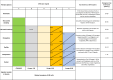
Placental mammals or eutherians are the only mammals with various degrees of chorionic invasion in the uterine lining.121 Rodents, chiropterans, insectivores, and primates such as humans are the only placental mammals with a hemochorial placenta defined by deep invasion of EVT and direct contact between chorionic villi and maternal blood. The depth of EVT invasion and vascular remodeling of the uterine spiral arteries in primate mammalian phylogeny depend on the coevolution of the ligands expressed by EVT and their cognate receptors expressed on decidual NK cells.122,123 In lower primates such as the lemurs of Madagascar, the trophoblast does not penetrate the uterine lining because there are no NK cells.124,125 In Old- and New-World monkeys, the HLA-E antigen is present and interacts with the non-KIR receptor CD94/NKG2A, which is an inhibitory receptor. The HLA-G, HLA-A, and HLA-B antigens are only expressed in Old-World monkeys. HLA-C1 is only expressed in orangutans, whereas HLA-C1 and HLA-C2 are only expressed in great apes including the gorilla, chimpanzee, and humans. At the same time, KIR maturation is observed in humans with rearrangement of the KIR into A and B haplotypes.118 HLA-C, but not HLA-A and HLA-B, is expressed in the trophoblast in humans. The coevolution of KIR receptors and their cognate ligands in the primate mammal phylogeny is illustrated in Table 5. The main interactions between receptors expressed by decidual NK cells and HLA class I ligands expressed by EVT cells at the maternal–fetal interface in humans, with their effects on decidual NK cells, are represented in Figure 5.
Table 5.
Coevolution of fetus major histocompatibility complex class I ligands and their cognate mother's KIR receptors on natural killer cells, and the consequences on placentation in different species of primates118
 |
Adapted from Parham et al, Phil Trans R Soc B 2012.
MHC, major histocompatibility complex; NK, natural killer.
Boulanger. Immunologic aspects of preeclampsia. Am J Obstet Gynecol Glob Rep 2024.
Figure 5.

Interactions between receptors expressed by decidual NK cells and HLA class I ligands expressed by extravillous trophoblast cells at the maternal–fetal interface in human with their effects on decidual NK cells
LILR, leukocyte immunoglobulin-like receptor; NK, natural killer.
Boulanger. Immunologic aspects of preeclampsia. Am J Obstet Gynecol Glob Rep 2024.
Consequences of the different combinations of uterine KIR receptors and fetal HLA-C antigens on vascular remodeling, fetal growth, and the risk of preeclampsia
KIR receptors located on uterine NK cells are organized into Group A and B KIR haplotypes. Group A KIR haplotypes are composed mainly of genes that encode inhibitory KIR receptors. KIR B haplotypes include genes that encode both inhibitory and activating KIR receptors. The HLA-C antigens expressed by fetal trophoblasts are subdivided in 2 subsets, HLA-C1 and HLA-C2. A study performed in a population of pregnant women in the United Kingdom showed that combinations associating the maternal homozygote haplotype AA with the homozygote fetal antigenic couple HLA-C2/HLA-C2 or the heterozygote couple HLA-C2/HLA-C1 were accompanied by a significant increase in the risk of preeclampsia, compared with KIR BB or KIR AB maternal combinations with HLA-C1 or HLA-C2.126 The combination of the AA haplotype with HLA-C2 is accompanied by a link between HLA-C2 and the highly inhibitory KIR2DL1 receptor, which could explain the inhibition of uterine NK cells and defective vascular remodeling. Conversely, the combination of the B haplotype with HLA-C2 is accompanied by a link between HLA-C2 and the highly activating receptor KIR2DS1, leading to activation of uterine NK cells that promote an increase in birthweight.127 The activating effect of the KIR2DS1/HLA-C2 association is greater than the inhibitory effect of KIR2DL1/HLA-C2 (Figure 6127; Table 6). The strong correlation between the occurrence of the AA haplotype/HLA-C2 combination and preeclampsia that was found in this British study was not confirmed in other populations, in particular, Japanese, Ugandan, and Danish populations.126, 127, 128 These contradictory results could be related to allelic KIR variations in different ethnic groups. In particular, certain sub-Saharan populations have an increased frequency of both the AA haplotype and HLA-C2 genotype, which could explain the greater frequency of obstetrical complications such as FGR and early preeclampsia in this population.127
Figure 6.

Estimation of the risk of early preeclampsia based on the combinations between uterine KIR receptors and fetal HLA-C1 and HLA-C2 antigens
Adapted from Moffett et al.127
NK, natural killer.
Boulanger. Immunologic aspects of preeclampsia. Am J Obstet Gynecol Glob Rep 2024.
Table 6.
Risk of natural killer cell inhibition and onset of preeclampsia depending on the different combinations between mother's KIR haplotypes on decidual natural killer cell and HLA-C subtypes expressed by extravillous trophoblast cell
| Combinations between mother's KIR haplotypes from NK cell and HLA-C from trophoblast cell | Fetus HLA-C subtypes |
|||
|---|---|---|---|---|
| HLA-C1/HLA-C1 | HLA-C1/HLA-C2 | HLA-C2/HLA-C2 | ||
| Mother's KIR haplotype A and B | Haplotype AA | Good | At risk | At risk |
| Haplotype AB | Good | Good | Good | |
| Haplotype BB | Good | Good | Good | |
KIR haplotype A encodes for 2 inhibitory KIRs named 2DL3 and 2DL1 that can be linked to HLA-C1 and HLA-C2, respectively. KIR haplotype B encodes for 1 inhibitory KIR named 2DL2 that can be linked to HLA-C1 and 1 activating KIR named 2DS1 that can be linked to HLA-C2. The bond between HLA-C2 and KIR2DL2 on haplotype A is highly inhibitory; therefore, combination between mother's homozygous haplotype A and fetal homozygous HLA-C2/HLA-C2 or heterozygous HLA-C2/HLA-C1 is at risk of generating decidual NK cell inactivation and the onset of preeclampsia. Combination between mother's homozygous haplotype B and fetal HLA-C1/HLA-C1, HLA-C1/HLA-C2, or HLA-C2/HLA-C2 is not at risk of onset of preeclampsia because there are no highly inhibitory bonds. In the case of a combination between mother's heterozygous haplotype A/B, the activator link of HLA-C2 with KIR2DS1 is superior to the inhibitory link of HLA-C2 with KIR2DL1. There is therefore no inactivation of NK cells with these combinations.
NK, natural killer.
Boulanger. Immunologic aspects of preeclampsia. Am J Obstet Gynecol Glob Rep 2024.
Role of HLA-G at the maternal–fetal interface
The HLA-G antigen, expressed by EVT, contributes to inhibition of cytolytic NK cell activity.129,130 The HLA-G antigen is an immune checkpoint protein, and its expression is considered to indicate a poor prognosis for certain cancers.131 Specific combinations of single nucleotide polymorphisms located in the untranslated region that regulate HLA-G expression have been found to be more prevalent in cases of preeclampsia. This could be associated with a decrease in HLA-G trophoblast expression.132 The presence of HLA-G also promotes expression of HLA-E, which binds to the inhibitory receptor CD94/NKG2A on the NK cell, inhibiting its cytolytic activity. HLA-G-induced tolerance also occurs by a process of trogocytosis, corresponding to HLA-G membrane transfer between trophoblasts and decidual NK cells as well as other decidual cells.133 Membrane-bound and soluble HLA-G fixation on the receptors of NK cells, T cells, B cells, and macrophages leads to their inhibition and promotes an immunotolerant microenvironment. Several studies have also shown that circulating soluble HLA-G concentrations, which could be a surrogate marker for trophoblast HLA-G membrane expression, were significantly decreased in preeclampsia compared with normal pregnancies.134, 135, 136, 137, 138, 139, 140, 141
Decidual macrophages
Decidual macrophages are the main antigen-presenting cells. During implantation, M1 phenotype inflammatory macrophages are predominant. During trophoblast invasion and vascular remodeling, polarization toward an M2 phenotype gradually appears, promoting immunotolerance with the production of IDO, IL-6, IL-10, and HLA-G, the development of homeostasis, and tissue repair. This M2 polarization is predominant until the end of pregnancy, when an inflammatory process again occurs for delivery.142 Any disturbance of this polarization increases the risk of IUGR, preeclampsia, and premature delivery.143
Endometrial stromal cells
Endometrial stromal cells are fibroblast cells that become decidual stromal cells in response to the hormonal stimuli that occur during the menstrual cycle. Decidual stromal cells promote the recruitment of NK cells through the production of various cytokines and contribute to the immunotolerant microenvironment at the maternal–fetal interface by the production of IDO, PDL-1, HLA-G, and TGF-β.144 Adequate decidualization is essential for implantation and vascular remodeling. Its impairment is associated with increased risk of IUGR and preeclampsia and can therefore be considered a risk factor for preeclampsia.145, 146, 147, 148 Transcriptional studies of the basal decidua at the end of pregnancy, of the trophoblast by histologic sampling performed at 11.5 weeks of gestation, or of decidua during the menstrual cycle, show a differential expression of numerous genes that could be involved in preeclampsia compared with normal pregnancy.145 Potential preconception surrogate markers of preeclampsia such as annexin A2 have been identified with this approach.149
Conclusion and Future Research
Preeclampsia is a syndrome that may have multiple etiologies, and there is a body of evidence that strongly suggests that its origin is, in part, immunologic. Reproductive immunology must be approached differently than defense immunology because during pregnancy, the immunologic system of the host must cooperate with a semiallogenic or an allogeneic biological organism and promote its development through the maternal–fetal interface with the placenta. Thus, the immunologic interaction between decidual cells and EVT and the mechanisms that control trophoblast invasion for adequate vascular remodeling of the uterine spiral arteries are different from those observed during immune defense and transplant rejection and more similar to the immunologic escape phenomena observed between a tumor and its host. Several studies have shown that peripheral generation of regulatory cells is essential to create immunotolerance at the maternal–fetal interface. Combinations of the KIR receptors of decidual NK cells and the polymorphic HLA-C antigens expressed on EVT have been found to be critical in the regulation of trophoblast invasion. The expression of the monomorphic HLA-G antigen on EVT also plays a key role in the cytolytic inhibition of decidual NK cells. An adequate decidual macrophage phenotype conditions trophoblast invasion as well as the quality of decidualization. The onset of preeclampsia can be caused by the disturbance of one of these mechanisms, and they must be thoroughly examined to identify potential biological markers or therapeutic targets to predict or prevent the onset of preeclampsia. In the future, T reg cell injection could be beneficial in women at high risk of recurrent preeclampsia. Genotyping of both parents during medically assisted reproduction could also be performed to prevent the risk of preeclampsia, particularly in cases of maternal homozygous phenotype KIR-AA and fetal heterozygous HLA-C2/HLA-C1 or homozygous HLA-C2/HLA-C2 phenotype. Unlike cancer, where immunologic therapeutics are used against the immune checkpoint to restore the immunogenicity of the host against the tumor, the search for drugs that can promote the expression of immune checkpoint molecules such as CTLA-4, HLA-G, and PDL-1 could be beneficial in restoring immune tolerance at the maternal–fetal interface and promoting the vascular remodeling of spiral arteries by adequate trophoblastic invasion. Finally, the evaluation of the quality of decidualization by transcriptional analysis of decidual cells during the menstrual cycle of women at risk of preeclampsia could also identify new therapeutic targets for decidualization resistance and the onset of preeclampsia.
Glossary
PROM: premature rupture of membranes
PPROM: preterm premature rupture of membranes
MVM: maternal vascular malperfusion
FGR: fetal growth restriction
EVT: extravillous trophoblast
ASSHP: Australasian Society for the Study of Hypertension in Pregnancy
ACOG: American College of Obstetricians and Gynecologists
ISSHP: International Society for the Study of Hypertension in Pregnancy
NICE: National Institute for Health and Care Excellence
NK: natural killer
MHC: major histocompatibility complex
IVF: in vitro fertilization
IUGR: intrauterine growth retardation
IDO: indoleamine 2,3-dioxygenase
KIR: killer-cell immunoglobulin-like receptor
RUPP: reduced uterine perfusion pressure
HLA: human leukocyte antigen
TME: tumor microenvironment
NCR: natural cytotoxic receptor
LILR: leukocyte immunoglobulin-like receptors
CTLA-4 (cytotoxic T-Lymphocyte associated protein 4) is a protein receptor located on the cellular membrane of the CD4 T cell that functions as an immune checkpoint, which allows for the moderation of the immune response. It is constitutively expressed on regulatory T cells and after activation on conventional CD4 T cells. It inhibits the T cell activity as a switch by binding to the ligands CD 80 and CD 86 expressed on antigen-presenting cells, such as macrophages or dendritic cells.
Function of MHC class I: MHC class I molecules are glycoproteins that are expressed on the cell surface of all nucleated cells in the body. Their function is to display peptides, which are derived from normal cellular protein turnover to cytotoxic T cells CD8. When the cell is normal, it expresses normal protein turnover on its MHC class I and cytotoxic T cells are not activated. When the cell is infected by a virus, a foreign antigen is expressed by the MHC class I and recognized by the cytotoxic T cells CD8 and killed. When the cell is affected, a reduction of the MHC class I can be observed to evade the cytotoxic T cell CD8 response. The absence of MHC class I expression corresponds to a missing-self that activates NK cell cytotoxicity. In humans, the HLA-A and HLA-B of the MHC class I and their interaction with KIR of NK cells are involved in the immune defense system, whereas the HLA-C of the MHC class I and its interaction with KIR are involved in reproductive immunology.
Immune checkpoints are a normal part of our immune system. Their functions serve to prevent excessive immune response. Immune checkpoints occur when there is an interaction between an immune cell, such as a CD4 or CD8 T lymphocyte or an NK cell, and another cell, and when the immune cell binds to a partner protein with its immune checkpoint protein. This binding sends a message to the immune cells to switch off their activity. The most well-known immune check points are PD-1, and CTLA-4. Immune checkpoints inhibitors are treatments that block this binding.
Missing-self: This concept involves NK cells that are programed to kill all the cells in the body that do not express their biological identity, represented by the expression of the antigen and the MHC class I of the host. When a cell does not give a signal of its identity, it is considered to be an enemy until proven otherwise.
Regulatory T cells: Formerly known as suppressor T cells. They are a subtype of CD4 T cells that prevent excessive reaction of other effective T cells to maintain tolerance. Regulatory T cells are divided into natural T regulatory cells (derived from the thymus), which are involved in the prevention of excessive reactions to self-antigens and autoimmune disease, and induced T regulatory cells (derived from naïve conventional CD4+ T cells), which are generated by foreign antigens such as food antigens in the gut, fetal antigens expressed by the trophoblast, alloantigens expressed by the transplant, and neoantigens expressed by tumors.
Self and non-self recognition: This concept involves T cells that are educated and selected in the thymus during the fetal period to recognize adequately (not too strongly or weakly) only the cells of the body that express antigens and CMH class I or II of its own identity. This process is called thymic education. When the recognition of the antigen and the CMH molecule by T cells is too highly activated, the T cell is eliminated by apoptosis (negative selection). When the T cells recognize adequately the antigens restrained to the CMH molecule, they are selected (positive selection). When the T cells do not recognize the antigen and the CMH expressed by the cell of the body, they are also eliminated. Thus, the T cells (CD4 for CMH class II and CD8 for CMH class I) are selected in the thymus to recognize adequately only the antigen expressed by the cells of the body restrained to the CMH of self.
CRediT authorship contribution statement
Henri Boulanger: Writing – review & editing, Writing – original draft, Conceptualization. Stéphane Bounan: Supervision. Amel Mahdhi: Supervision. Dominique Drouin: Supervision. Salima Ahriz-Saksi: Visualization. Fabien Guimiot: Supervision. Nathalie Rouas-Freiss: Supervision.
Footnotes
The authors report no conflict of interest.
The authors report no funding for this study.
Patient consent was not required because no personal information or details were included.
References
- 1.Romero R. Prenatal medicine: the child is the father of the man. 1996. J Matern Fetal Neonatal Med. 2009;22:636–639. doi: 10.1080/14767050902784171. [DOI] [PubMed] [Google Scholar]
- 2.Kim CJ, Romero R, Kusanovic JP, et al. The frequency, clinical significance, and pathological features of chronic chorioamnionitis: a lesion associated with spontaneous preterm birth. Mod Pathol. 2010;23:1000–1011. doi: 10.1038/modpathol.2010.73. [DOI] [PMC free article] [PubMed] [Google Scholar]
- 3.Lee J, Romero R, Xu Y, et al. Detection of anti-HLA antibodies in maternal blood in the second trimester to identify patients at risk of antibody-mediated maternal anti-fetal rejection and spontaneous preterm delivery. Am J Reprod Immunol. 2013;70:162–175. doi: 10.1111/aji.12141. [DOI] [PMC free article] [PubMed] [Google Scholar]
- 4.Castleman JS, Kilby MD. Red cell alloimmunization: a 2020 update. Prenat Diagn. 2020;40:1099–1108. doi: 10.1002/pd.5674. [DOI] [PubMed] [Google Scholar]
- 5.Peterson JA, McFarland JG, Curtis BR, Aster RH. Neonatal alloimmune thrombocytopenia: pathogenesis, diagnosis and management. Br J Haematol. 2013;161:3–14. doi: 10.1111/bjh.12235. [DOI] [PMC free article] [PubMed] [Google Scholar]
- 6.Espinoza JP, Caradeux J, Norwitz ER, Illanes SE. Fetal and neonatal alloimmune thrombocytopenia. Rev Obstet Gynecol. 2013;6:e15–e21. [PMC free article] [PubMed] [Google Scholar]
- 7.Cattaneo A, Liguori M, Trombetta E, et al. Neonatal alloimmune neutropenia: diagnosis and management of 31 Italian patients. Blood Transfus. 2023;21:227–234. doi: 10.2450/2022.0088-22. [DOI] [PMC free article] [PubMed] [Google Scholar]
- 8.Browne T, Dearman RJ, Poles A. Human neutrophil antigens: nature, clinical significance and detection. Int J Immunogenet. 2021;48:145–156. doi: 10.1111/iji.12514. [DOI] [PubMed] [Google Scholar]
- 9.Lannaman K, Romero R, Chaiworapongsa T, et al. Fetal death: an extreme manifestation of maternal anti-fetal rejection. J Perinat Med. 2017;45:851–868. doi: 10.1515/jpm-2017-0073. [DOI] [PMC free article] [PubMed] [Google Scholar]
- 10.Lee J, Romero R, Dong Z, et al. Unexplained fetal death has a biological signature of maternal anti-fetal rejection: chronic chorioamnionitis and alloimmune anti-human leucocyte antigen antibodies. Histopathology. 2011;59:928–938. doi: 10.1111/j.1365-2559.2011.04038.x. [DOI] [PMC free article] [PubMed] [Google Scholar]
- 11.Benachi A, Rabant M, Martinovic J, et al. Chronic histiocytic intervillositis: manifestation of placental alloantibody-mediated rejection. Am J Obstet Gynecol. 2021;225:662. doi: 10.1016/j.ajog.2021.06.051. e1–11. [DOI] [PubMed] [Google Scholar]
- 12.Friedman AM, Cleary KL. Prediction and prevention of ischemic placental disease. Semin Perinatol. 2014;38:177–182. doi: 10.1053/j.semperi.2014.03.002. [DOI] [PubMed] [Google Scholar]
- 13.Brosens I, Pijnenborg R, Vercruysse L, Romero R. The “Great Obstetrical Syndromes” are associated with disorders of deep placentation. Am J Obstet Gynecol. 2011;204:193–201. doi: 10.1016/j.ajog.2010.08.009. [DOI] [PMC free article] [PubMed] [Google Scholar]
- 14.Kim YM, Bujold E, Chaiworapongsa T, et al. Failure of physiologic transformation of the spiral arteries in patients with preterm labor and intact membranes. Am J Obstet Gynecol. 2003;189:1063–1069. doi: 10.1067/s0002-9378(03)00838-x. [DOI] [PubMed] [Google Scholar]
- 15.Khong TY, Mooney EE, Ariel I, et al. Sampling and definitions of placental lesions: Amsterdam placental workshop group consensus statement. Arch Pathol Lab Med. 2016;140:698–713. doi: 10.5858/arpa.2015-0225-CC. [DOI] [PubMed] [Google Scholar]
- 16.Tanner MS, Davey MA, Mol BW, Rolnik DL. The evolution of the diagnostic criteria of preeclampsia-eclampsia. Am J Obstet Gynecol. 2022;226:S835–S843. doi: 10.1016/j.ajog.2021.11.1371. [DOI] [PubMed] [Google Scholar]
- 17.Brown MA, Hague WM, Higgins J, et al. The detection, investigation and management of hypertension in pregnancy: full consensus statement. Aust N Z J Obstet Gynaecol. 2000;40:139–155. doi: 10.1111/j.1479-828x.2000.tb01137.x. [DOI] [PubMed] [Google Scholar]
- 18.Hypertension in pregnancy Report of the American College of Obstetricians and Gynecologists’ Task Force on Hypertension in Pregnancy. Obstet Gynecol. 2013;122:1122–1131. doi: 10.1097/01.AOG.0000437382.03963.88. [DOI] [PubMed] [Google Scholar]
- 19.Tranquilli AL, Dekker G, Magee L, et al. The classification, diagnosis and management of the hypertensive disorders of pregnancy: a revised statement from the ISSHP. Pregnancy Hypertens. 2014;4:97–104. doi: 10.1016/j.preghy.2014.02.001. [DOI] [PubMed] [Google Scholar]
- 20.Brown MA, Magee LA, Kenny LC, et al. Hypertensive disorders of pregnancy: ISSHP classification, diagnosis, and management recommendations for international practice. Hypertension. 2018;72:24–43. doi: 10.1161/HYPERTENSIONAHA.117.10803. [DOI] [PubMed] [Google Scholar]
- 21.American College of Obstetricians and Gynecologists Gestational hypertension and preeclampsia. ACOG practice bulletin no. 202. Obstet Gynecol; 2019;133:e1–25. doi: 10.1097/AOG.0000000000003018. [DOI] [PubMed] [Google Scholar]
- 22.Magee LA, Brown MA, Hall DR, et al. The 2021 International Society for the Study of Hypertension in Pregnancy classification, diagnosis & management recommendations for international practice. Pregnancy Hypertens. 2022;27:148–169. doi: 10.1016/j.preghy.2021.09.008. [DOI] [PubMed] [Google Scholar]
- 23.Hypertension in pregnancy: diagnosis and management. The National Institute for Health and Care Excellence (NICE). 2019. Available at:https://www.nice.org.uk/guidance/ng133/resources/hypertension-in-pregnancy-diagnosis-and-management-pdf-66141717671365. Accessed 9 September 2023. [PubMed]
- 24.Lowe SA, Bowyer L, Lust K, et al. SOMANZ guidelines for the management of hypertensive disorders of pregnancy 2014. Aust N Z J Obstet Gynaecol. 2015;55:e1–29. doi: 10.1111/ajo.12399. [DOI] [PubMed] [Google Scholar]
- 25.Barton JR, Sibai BM. Prediction and prevention of recurrent preeclampsia. Obstet Gynecol. 2008;112:359–372. doi: 10.1097/AOG.0b013e3181801d56. [DOI] [PubMed] [Google Scholar]
- 26.Staff AC, Fjeldstad HE, Fosheim IK, et al. Failure of physiological transformation and spiral artery atherosis: their roles in preeclampsia. Am J Obstet Gynecol. 2022;226:S895–S906. doi: 10.1016/j.ajog.2020.09.026. [DOI] [PubMed] [Google Scholar]
- 27.Zeek PM, Assali NS. Vascular changes in the decidua associated with eclamptogenic toxemia of pregnancy. Am J Clin Pathol. 1950;20:1099–1109. doi: 10.1093/ajcp/20.12.1099. [DOI] [PubMed] [Google Scholar]
- 28.Brosens I, Renaer M. On the pathogenesis of placental infarcts in pre-eclampsia. J Obstet Gynaecol Br Commonw. 1972;79:794–799. doi: 10.1111/j.1471-0528.1972.tb12922.x. [DOI] [PubMed] [Google Scholar]
- 29.Moldenhauer JS, Stanek J, Warshak C, Khoury J, Sibai B. The frequency and severity of placental findings in women with preeclampsia are gestational age dependent. Am J Obstet Gynecol. 2003;189:1173–1177. doi: 10.1067/s0002-9378(03)00576-3. [DOI] [PubMed] [Google Scholar]
- 30.Ogge G, Chaiworapongsa T, Romero R, et al. Placental lesions associated with maternal underperfusion are more frequent in early-onset than in late-onset preeclampsia. J Perinat Med. 2011;39:641–652. doi: 10.1515/JPM.2011.098. [DOI] [PMC free article] [PubMed] [Google Scholar]
- 31.Masini G, Foo LF, Tay J, et al. Preeclampsia has two phenotypes which require different treatment strategies. Am J Obstet Gynecol. 2022;226:S1006–S1018. doi: 10.1016/j.ajog.2020.10.052. [DOI] [PubMed] [Google Scholar]
- 32.Stepan H, Herraiz I, Schlembach D, et al. Implementation of the sFlt-1/PlGF ratio for prediction and diagnosis of pre-eclampsia in singleton pregnancy: implications for clinical practice. Ultrasound Obstet Gynecol. 2015;45:241–246. doi: 10.1002/uog.14799. [DOI] [PMC free article] [PubMed] [Google Scholar]
- 33.Herraiz I, Llurba E, Verlohren S, Galindo A, Spanish Group for the Study of Angiogenic Markers in Preeclampsia Update on the diagnosis and prognosis of preeclampsia with the aid of the sFlt-1/PlGF ratio in singleton pregnancies. Fetal Diagn Ther. 2018;43:81–89. doi: 10.1159/000477903. [DOI] [PubMed] [Google Scholar]
- 34.Verlohren S, Dröge LA. The diagnostic value of angiogenic and antiangiogenic factors in differential diagnosis of preeclampsia. Am J Obstet Gynecol. 2022;226:S1048–S1058. doi: 10.1016/j.ajog.2020.09.046. [DOI] [PubMed] [Google Scholar]
- 35.Roberge S, Villa P, Nicolaides K, et al. Early administration of low-dose aspirin for the prevention of preterm and term preeclampsia: a systematic review and meta-analysis. Fetal Diagn Ther. 2012;31:141–146. doi: 10.1159/000336662. [DOI] [PubMed] [Google Scholar]
- 36.Bujold E, Roberge S, Lacasse Y, et al. Prevention of preeclampsia and intrauterine growth restriction with aspirin started in early pregnancy: a meta-analysis. Obstet Gynecol. 2010;116:402–414. doi: 10.1097/AOG.0b013e3181e9322a. [DOI] [PubMed] [Google Scholar]
- 37.Bujold E, Roberge S, Nicolaides KH. Low-dose aspirin for prevention of adverse outcomes related to abnormal placentation. Prenat Diagn. 2014;34:642–648. doi: 10.1002/pd.4403. [DOI] [PubMed] [Google Scholar]
- 38.Rolnik DL, Wright D, Poon LC, et al. Aspirin versus placebo in pregnancies at high risk for preterm preeclampsia. N Engl J Med. 2017;377:613–622. doi: 10.1056/NEJMoa1704559. [DOI] [PubMed] [Google Scholar]
- 39.Roberts JM, Rich-Edwards JW, McElrath TF, Garmire L, Myatt L, Global Pregnancy Collaboration Subtypes of preeclampsia: recognition and determining clinical usefulness. Hypertension. 2021;77:1430–1441. doi: 10.1161/HYPERTENSIONAHA.120.14781. [DOI] [PMC free article] [PubMed] [Google Scholar]
- 40.Von Dadelszen P, Magee LA, Roberts JM. Subclassification of preeclampsia. Hypertens Pregnancy. 2003;22:143–148. doi: 10.1081/PRG-120021060. [DOI] [PubMed] [Google Scholar]
- 41.Chaiworapongsa T, Chaemsaithong P, Yeo L, Romero R. Pre-eclampsia part 1: current understanding of its pathophysiology. Nat Rev Nephrol. 2014;10:466–480. doi: 10.1038/nrneph.2014.102. [DOI] [PMC free article] [PubMed] [Google Scholar]
- 42.Veerbeek JHW, Hermes W, Breimer AY, et al. Cardiovascular disease risk factors after early-onset preeclampsia, late-onset preeclampsia, and pregnancy-induced hypertension. Hypertension. 2015;65:600–606. doi: 10.1161/HYPERTENSIONAHA.114.04850. [DOI] [PubMed] [Google Scholar]
- 43.Hooijschuur MCE, Ghossein-Doha C, Kroon AA, et al. Metabolic syndrome and pre-eclampsia. Ultrasound Obstet Gynecol. 2019;54:64–71. doi: 10.1002/uog.20126. [DOI] [PubMed] [Google Scholar]
- 44.Wójtowicz A, Zembala-Szczerba M, Babczyk D, Kołodziejczyk-Pietruszka M, Lewaczyńska O, Huras H. Early- and late-onset preeclampsia: a comprehensive cohort study of laboratory and clinical findings according to the new ISHHP criteria. Int J Hypertens. 2019;2019 doi: 10.1155/2019/4108271. [DOI] [PMC free article] [PubMed] [Google Scholar]
- 45.Aksornphusitaphong A, Phupong V. Risk factors of early and late onset pre-eclampsia. J Obstet Gynaecol Res. 2013;39:627–631. doi: 10.1111/j.1447-0756.2012.02010.x. [DOI] [PubMed] [Google Scholar]
- 46.Lisonkova S, Joseph KS. Incidence of preeclampsia: risk factors and outcomes associated with early- versus late-onset disease. Am J Obstet Gynecol. 2013;209:544. doi: 10.1016/j.ajog.2013.08.019. e1–12. [DOI] [PubMed] [Google Scholar]
- 47.Iacobelli S, Bonsante F, Robillard PY. Comparison of risk factors and perinatal outcomes in early onset and late onset preeclampsia: a cohort based study in Reunion Island. J Reprod Immunol. 2017;123:12–16. doi: 10.1016/j.jri.2017.08.005. [DOI] [PubMed] [Google Scholar]
- 48.Panaitescu AM, Syngelaki A, Prodan N, Akolekar R, Nicolaides KH. Chronic hypertension and adverse pregnancy outcome: a cohort study. Ultrasound Obstet Gynecol. 2017;50:228–235. doi: 10.1002/uog.17493. [DOI] [PubMed] [Google Scholar]
- 49.Panaitescu AM, Baschat AA, Akolekar R, Syngelaki A, Nicolaides KH. Association of chronic hypertension with birth of small-for-gestational-age neonate. Ultrasound Obstet Gynecol. 2017;50:361–366. doi: 10.1002/uog.17553. [DOI] [PubMed] [Google Scholar]
- 50.Panaitescu AM, Akolekar R, Kametas N, Syngelaki A, Nicolaides KH. Impaired placentation in women with chronic hypertension who develop pre-eclampsia. Ultrasound Obstet Gynecol. 2017;50:496–500. doi: 10.1002/uog.17517. [DOI] [PubMed] [Google Scholar]
- 51.Chaiworapongsa T, Romero R, Gotsch F, et al. Preeclampsia at term can be classified into 2 clusters with different clinical characteristics and outcomes based on angiogenic biomarkers in maternal blood. Am J Obstet Gynecol. 2023;228:569. doi: 10.1016/j.ajog.2022.11.001. e1–24. [DOI] [PMC free article] [PubMed] [Google Scholar]
- 52.Melchiorre K, Giorgione V, Thilaganathan B. The placenta and preeclampsia: villain or victim? Am J Obstet Gynecol. 2022;226:S954–S962. doi: 10.1016/j.ajog.2020.10.024. [DOI] [PubMed] [Google Scholar]
- 53.Jung E, Romero R, Yeo L, et al. The etiology of preeclampsia. Am J Obstet Gynecol. 2022;226:S844–S866. doi: 10.1016/j.ajog.2021.11.1356. [DOI] [PMC free article] [PubMed] [Google Scholar]
- 54.Burton GJ, Redman CW, Roberts JM, Moffett A. Pre-eclampsia: pathophysiology and clinical implications. BMJ. 2019;366:l2381. doi: 10.1136/bmj.l2381. [DOI] [PubMed] [Google Scholar]
- 55.Campbell DM, MacGillivray I, Carr-Hill R. Pre-eclampsia in second pregnancy. Br J Obstet Gynaecol. 1985;92:131–140. doi: 10.1111/j.1471-0528.1985.tb01064.x. [DOI] [PubMed] [Google Scholar]
- 56.Hernández-Díaz S, Toh S, Cnattingius S. Risk of pre-eclampsia in first and subsequent pregnancies: prospective cohort study. BMJ. 2009;338:b2255. doi: 10.1136/bmj.b2255. [DOI] [PMC free article] [PubMed] [Google Scholar]
- 57.Feeney JG, Scott JS. Pre-eclampsia and changed paternity. Eur J Obstet Gynecol Reprod Biol. 1980;11:35–38. doi: 10.1016/0028-2243(80)90051-9. [DOI] [PubMed] [Google Scholar]
- 58.Scott JS, Feeney JG. Pre-eclampsia and eclampsia and change of paternity. Br Med J. 1980;281:565–566. doi: 10.1136/bmj.281.6239.565-c. [DOI] [PMC free article] [PubMed] [Google Scholar]
- 59.Lie RT, Rasmussen S, Brunborg H, Gjessing HK, Lie-Nielsen E, Irgens LM. Fetal and maternal contributions to risk of pre-eclampsia: population based study. BMJ. 1998;316:1343–1347. doi: 10.1136/bmj.316.7141.1343. [DOI] [PMC free article] [PubMed] [Google Scholar]
- 60.Need JA. Pre-eclampsia in pregnancies by different fathers: immunological studies. Br Med J. 1975;1:548–549. doi: 10.1136/bmj.1.5957.548. [DOI] [PMC free article] [PubMed] [Google Scholar]
- 61.Li DK, Wi S. Changing paternity and the risk of preeclampsia/eclampsia in the subsequent pregnancy. Am J Epidemiol. 2000;151:57–62. doi: 10.1093/oxfordjournals.aje.a010122. [DOI] [PubMed] [Google Scholar]
- 62.Marti JJ, Herrmann U. Immunogestosis: a new etiologic concept of ”essential” EPH gestosis, with special consideration of the primigravid patient; preliminary report of a clinical study. Am J Obstet Gynecol. 1977;128:489–493. doi: 10.1016/0002-9378(77)90030-8. [DOI] [PubMed] [Google Scholar]
- 63.Klonoff-Cohen HS, Savitz DA, Cefalo RC, McCann MF. An epidemiologic study of contraception and preeclampsia. JAMA. 1989;262:3143–3147. [PubMed] [Google Scholar]
- 64.Robillard PY, Hulsey TC, Périanin J, Janky E, Miri EH, Papiernik E. Association of pregnancy-induced hypertension with duration of sexual cohabitation before conception. Lancet. 1994;344:973–975. doi: 10.1016/s0140-6736(94)91638-1. [DOI] [PubMed] [Google Scholar]
- 65.Robillard PY, Hulsey TC. Association of pregnancy-induced-hypertension, pre-eclampsia, and eclampsia with duration of sexual cohabitation before conception. Lancet. 1996;347:619. doi: 10.1016/s0140-6736(96)91315-x. [DOI] [PubMed] [Google Scholar]
- 66.Skjaerven R, Wilcox AJ, Lie RT. The interval between pregnancies and the risk of preeclampsia. N Engl J Med. 2002;346:33–38. doi: 10.1056/NEJMoa011379. [DOI] [PubMed] [Google Scholar]
- 67.Need JA, Bell B, Meffin E, Jones WR. Pre-eclampsia in pregnancies from donor inseminations. J Reprod Immunol. 1983;5:329–338. doi: 10.1016/0165-0378(83)90242-5. [DOI] [PubMed] [Google Scholar]
- 68.Chih HJ, Elias FTS, Gaudet L, Velez MP. Assisted reproductive technology and hypertensive disorders of pregnancy: systematic review and meta-analyses. BMC Pregnancy Childbirth. 2021;21:449. doi: 10.1186/s12884-021-03938-8. [DOI] [PMC free article] [PubMed] [Google Scholar]
- 69.Singh N, Malhotra N, Mahey R, Saini M, Patel G, Sethi A. Comparing maternal outcomes in spontaneous singleton pregnancies versus in vitro fertilization conception: single-center 10-year cohort study. JBRA Assist Reprod. 2022;26:583–588. doi: 10.5935/1518-0557.20220002. [DOI] [PMC free article] [PubMed] [Google Scholar]
- 70.Rodriguez-Wallberg KA, Berger AS, Fagerberg A, et al. Increased incidence of obstetric and perinatal complications in pregnancies achieved using donor oocytes and single embryo transfer in young and healthy women. A prospective hospital-based matched cohort study. Gynecol Endocrinol. 2019;35:314–319. doi: 10.1080/09513590.2018.1528577. [DOI] [PubMed] [Google Scholar]
- 71.Keukens A, van Wely M, van der Meulen C, Mochtar MH. Pre-eclampsia in pregnancies resulting from oocyte donation, natural conception or IVF: a systematic review and meta-analysis. Hum Reprod. 2022;37:586–599. doi: 10.1093/humrep/deab267. [DOI] [PubMed] [Google Scholar]
- 72.Perni SC, Predanic M, Cho JE, Baergen RN. Placental pathology and pregnancy outcomes in donor and non-donor oocyte in vitro fertilization pregnancies. J Perinat Med. 2005;33:27–32. doi: 10.1515/JPM.2005.004. [DOI] [PubMed] [Google Scholar]
- 73.Blázquez A, García D, Rodríguez A, Vassena R, Figueras F, Vernaeve V. Is oocyte donation a risk factor for preeclampsia? A systematic review and meta-analysis. J Assist Reprod Genet. 2016;33:855–863. doi: 10.1007/s10815-016-0701-9. [DOI] [PMC free article] [PubMed] [Google Scholar]
- 74.Porreco RP, Heyborne KD. Immunogenesis of preeclampsia: lessons from donor gametes. J Matern Fetal Neonatal Med. 2018;31:1220–1226. doi: 10.1080/14767058.2017.1309385. [DOI] [PubMed] [Google Scholar]
- 75.Yagel S. The developmental role of natural killer cells at the fetal-maternal interface. Am J Obstet Gynecol. 2009;201:344–350. doi: 10.1016/j.ajog.2009.02.030. [DOI] [PubMed] [Google Scholar]
- 76.Moffett A, Loke YW. The immunological paradox of pregnancy: a reappraisal. Placenta. 2004;25:1–8. doi: 10.1016/S0143-4004(03)00167-X. [DOI] [PubMed] [Google Scholar]
- 77.Ellis SA, Palmer MS, McMichael AJ. Human trophoblast and the choriocarcinoma cell line BeWo express a truncated HLA class I molecule. J Immunol. 1990;144:731–735. [PubMed] [Google Scholar]
- 78.Kovats S, Main EK, Librach C, Stubblebine M, Fisher SJ, DeMars R. A class I antigen, HLA-G, expressed in human trophoblasts. Science. 1990;248:220–223. doi: 10.1126/science.2326636. [DOI] [PubMed] [Google Scholar]
- 79.Grabowska A, Carter N, Loke YW. Human trophoblast cells in culture express an unusual major histocompatibility complex class I-like antigen. Am J Reprod Immunol. 1990;23:10–18. doi: 10.1111/j.1600-0897.1990.tb00661.x. [DOI] [PubMed] [Google Scholar]
- 80.King A, Allan DS, Bowen M, et al. HLA-E is expressed on trophoblast and interacts with CD94/NKG2 receptors on decidual NK cells. Eur J Immunol. 2000;30:1623–1631. doi: 10.1002/1521-4141(200006)30:6<1623::AID-IMMU1623>3.0.CO;2-M. [DOI] [PubMed] [Google Scholar]
- 81.King A, Burrows TD, Hiby SE, et al. Surface expression of HLA-C antigen by human extravillous trophoblast. Placenta. 2000;21:376–387. doi: 10.1053/plac.1999.0496. [DOI] [PubMed] [Google Scholar]
- 82.Holmes CH, Simpson KL, Wainwright SD, et al. Preferential expression of the complement regulatory protein decay accelerating factor at the fetomaternal interface during human pregnancy. J Immunol. 1990;144:3099–3105. [PubMed] [Google Scholar]
- 83.Morgan BP, Holmes CH. Immunology of reproduction: protecting the placenta. Curr Biol. 2000;10:R381–R383. doi: 10.1016/s0960-9822(00)00476-0. [DOI] [PubMed] [Google Scholar]
- 84.Holmes CH, Simpson KL, Okada H, et al. Complement regulatory proteins at the feto-maternal interface during human placental development: distribution of CD59 by comparison with membrane cofactor protein (CD46) and decay accelerating factor (CD55) Eur J Immunol. 1992;22:1579–1585. doi: 10.1002/eji.1830220635. [DOI] [PubMed] [Google Scholar]
- 85.Xu C, Mao D, Holers VM, Palanca B, Cheng AM, Molina H. A critical role for murine complement regulator crry in fetomaternal tolerance. Science. 2000;287:498–501. doi: 10.1126/science.287.5452.498. [DOI] [PubMed] [Google Scholar]
- 86.Girardi G, Bulla R, Salmon JE, Tedesco F. The complement system in the pathophysiology of pregnancy. Mol Immunol. 2006;43:68–77. doi: 10.1016/j.molimm.2005.06.017. [DOI] [PubMed] [Google Scholar]
- 87.Chang RQ, Li DJ, Li MQ. The role of indoleamine-2,3-dioxygenase in normal and pathological pregnancies. Am J Reprod Immunol. 2018;79:e12786. doi: 10.1111/aji.12786. [DOI] [PubMed] [Google Scholar]
- 88.Prendergast GC, Malachowski WJ, Mondal A, Scherle P, Muller AJ. Indoleamine 2,3-dioxygenase and its therapeutic inhibition in cancer. Int Rev Cell Mol Biol. 2018;336:175–203. doi: 10.1016/bs.ircmb.2017.07.004. [DOI] [PMC free article] [PubMed] [Google Scholar]
- 89.Munn DH, Mellor AL. IDO in the tumor microenvironment: inflammation, counter-regulation, and tolerance. Trends Immunol. 2016;37:193–207. doi: 10.1016/j.it.2016.01.002. [DOI] [PMC free article] [PubMed] [Google Scholar]
- 90.Munn DH, Zhou M, Attwood JT, et al. Prevention of allogeneic fetal rejection by tryptophan catabolism. Science. 1998;281:1191–1193. doi: 10.1126/science.281.5380.1191. [DOI] [PubMed] [Google Scholar]
- 91.Krstic J, Deutsch A, Fuchs J, et al. (Dis)similarities between the Decidual and Tumor Microenvironment. Biomedicines. 2022;10:1065. doi: 10.3390/biomedicines10051065. [DOI] [PMC free article] [PubMed] [Google Scholar]
- 92.Pang H, Lei D, Guo Y, et al. Three categories of similarities between the placenta and cancer that can aid cancer treatment: cells, the microenvironment, and metabolites. Front Oncol. 2022;12 doi: 10.3389/fonc.2022.977618. [DOI] [PMC free article] [PubMed] [Google Scholar]
- 93.Phillips TA, Ni J, Pan G, et al. TRAIL (Apo-2L) and TRAIL receptors in human placentas: implications for immune privilege. J Immunol. 1999;162:6053–6059. [PubMed] [Google Scholar]
- 94.Mariani SM, Krammer PH. Surface expression of TRAIL/Apo-2 ligand in activated mouse T and B cells. Eur J Immunol. 1998;28:1492–1498. doi: 10.1002/(SICI)1521-4141(199805)28:05<1492::AID-IMMU1492>3.0.CO;2-X. [DOI] [PubMed] [Google Scholar]
- 95.Van Parijs L, Abbas AK. Homeostasis and self-tolerance in the immune system: turning lymphocytes off. Science. 1998;280:243–248. doi: 10.1126/science.280.5361.243. [DOI] [PubMed] [Google Scholar]
- 96.Ferreira LMR, Meissner TB, Tilburgs T, Strominger JL. HLA-G: at the interface of maternal-fetal tolerance. Trends Immunol. 2017;38:272–286. doi: 10.1016/j.it.2017.01.009. [DOI] [PubMed] [Google Scholar]
- 97.Miko E, Meggyes M, Doba K, Barakonyi A, Szereday L. Immune checkpoint molecules in reproductive immunology. Front Immunol. 2019;10:846. doi: 10.3389/fimmu.2019.00846. [DOI] [PMC free article] [PubMed] [Google Scholar]
- 98.Zhang YH, Sun HX. Immune checkpoint molecules in pregnancy: focus on regulatory T cells. Eur J Immunol. 2020;50:160–169. doi: 10.1002/eji.201948382. [DOI] [PubMed] [Google Scholar]
- 99.Santner-Nanan B, Peek MJ, Khanam R, et al. Systemic increase in the ratio between Foxp3+ and IL-17-producing CD4+ T cells in healthy pregnancy but not in preeclampsia. J Immunol. 2009;183:7023–7030. doi: 10.4049/jimmunol.0901154. [DOI] [PubMed] [Google Scholar]
- 100.Sasaki Y, Darmochwal-Kolarz D, Suzuki D, et al. Proportion of peripheral blood and decidual CD4+ CD25bright regulatory T cells in pre-eclampsia. Clin Exp Immunol. 2007;149:139–145. doi: 10.1111/j.1365-2249.2007.03397.x. [DOI] [PMC free article] [PubMed] [Google Scholar]
- 101.Tsuda S, Nakashima A, Shima T, Saito S. New paradigm in the role of regulatory T cells during pregnancy. Front Immunol. 2019;10:573. doi: 10.3389/fimmu.2019.00573. [DOI] [PMC free article] [PubMed] [Google Scholar]
- 102.Cornelius DC, Amaral LM, Harmon A, et al. An increased population of regulatory T cells improves the pathophysiology of placental ischemia in a rat model of preeclampsia. Am J Physiol Regul Integr Comp Physiol. 2015;309:R884–R891. doi: 10.1152/ajpregu.00154.2015. [DOI] [PMC free article] [PubMed] [Google Scholar]
- 103.Care AS, Bourque SL, Morton JS, Hjartarson EP, Robertson SA, Davidge ST. Reduction in regulatory T cells in early pregnancy causes uterine artery dysfunction in mice. Hypertension. 2018;72:177–187. doi: 10.1161/HYPERTENSIONAHA.118.10858. [DOI] [PubMed] [Google Scholar]
- 104.Saito S, Tsuda S, Nakashima A. T cell immunity and the etiology and pathogenesis of preeclampsia. J Reprod Immunol. 2023;159 doi: 10.1016/j.jri.2023.104125. [DOI] [PubMed] [Google Scholar]
- 105.Saito S. Reconsideration of the role of regulatory T cells during pregnancy: differential characteristics of regulatory T cells between the maternal-fetal interface and peripheral sites and between early and late pregnancy. Med Princ Pract. 2022;31:403–414. doi: 10.1159/000527336. [DOI] [PMC free article] [PubMed] [Google Scholar]
- 106.Morita K, Tsuda S, Kobayashi E, et al. Analysis of TCR repertoire and PD-1 expression in decidual and peripheral CD8+ T cells reveals distinct immune mechanisms in miscarriage and preeclampsia. Front Immunol. 2020;11:1082. doi: 10.3389/fimmu.2020.01082. [DOI] [PMC free article] [PubMed] [Google Scholar]
- 107.Colucci F, Kieckbusch J. Maternal uterine natural killer cells nurture fetal growth: in medio stat virtus. Trends Mol Med. 2015;21:60–67. doi: 10.1016/j.molmed.2014.12.009. [DOI] [PubMed] [Google Scholar]
- 108.Kim CJ, Romero R, Chaemsaithong P, Kim JS. Chronic inflammation of the placenta: definition, classification, pathogenesis, and clinical significance. Am J Obstet Gynecol. 2015;213:S53–S69. doi: 10.1016/j.ajog.2015.08.041. [DOI] [PMC free article] [PubMed] [Google Scholar]
- 109.Solez K, Axelsen RA, Benediktsson H, et al. International standardization of criteria for the histologic diagnosis of renal allograft rejection: the Banff working classification of kidney transplant pathology. Kidney Int. 1993;44:411–422. doi: 10.1038/ki.1993.259. [DOI] [PubMed] [Google Scholar]
- 110.Bulmer JN, Williams PJ, Lash GE. Immune cells in the placental bed. Int J Dev Biol. 2010;54:281–294. doi: 10.1387/ijdb.082763jb. [DOI] [PubMed] [Google Scholar]
- 111.Yang F, Zheng Q, Jin L. Dynamic function and composition changes of immune cells during normal and pathological pregnancy at the maternal-fetal interface. Front Immunol. 2019;10:2317. doi: 10.3389/fimmu.2019.02317. [DOI] [PMC free article] [PubMed] [Google Scholar]
- 112.Curotto de Lafaille MA, Lafaille JJ. Natural and adaptive foxp3+ regulatory T cells: more of the same or a division of labor? Immunity. 2009;30:626–635. doi: 10.1016/j.immuni.2009.05.002. [DOI] [PubMed] [Google Scholar]
- 113.Samstein RM, Josefowicz SZ, Arvey A, Treuting PM, Rudensky AY. Extrathymic generation of regulatory T cells in placental mammals mitigates maternal-fetal conflict. Cell. 2012;150:29–38. doi: 10.1016/j.cell.2012.05.031. [DOI] [PMC free article] [PubMed] [Google Scholar]
- 114.Chavan AR, Griffith OW, Wagner GP. The inflammation paradox in the evolution of mammalian pregnancy: turning a foe into a friend. Curr Opin Genet Dev. 2017;47:24–32. doi: 10.1016/j.gde.2017.08.004. [DOI] [PubMed] [Google Scholar]
- 115.Moffett A, Loke C. Immunology of placentation in eutherian mammals. Nat Rev Immunol. 2006;6:584–594. doi: 10.1038/nri1897. [DOI] [PubMed] [Google Scholar]
- 116.Liu L, Huang X, Xu C, et al. Decidual CD8+T cells exhibit both residency and tolerance signatures modulated by decidual stromal cells. J Transl Med. 2020;18:221. doi: 10.1186/s12967-020-02371-3. [DOI] [PMC free article] [PubMed] [Google Scholar]
- 117.Van der Zwan A, Bi K, Norwitz ER, et al. Mixed signature of activation and dysfunction allows human decidual CD8+ T cells to provide both tolerance and immunity. Proc Natl Acad Sci U S A. 2018;115:385–390. doi: 10.1073/pnas.1713957115. [DOI] [PMC free article] [PubMed] [Google Scholar]
- 118.Parham P, Norman PJ, Abi-Rached L, Guethlein LA. Human-specific evolution of killer cell immunoglobulin-like receptor recognition of major histocompatibility complex class I molecules. Philos Trans R Soc Lond B Biol Sci. 2012;367:800–811. doi: 10.1098/rstb.2011.0266. [DOI] [PMC free article] [PubMed] [Google Scholar]
- 119.Malmberg KJ, Carlsten M, Björklund A, Sohlberg E, Bryceson YT, Ljunggren HG. Natural killer cell-mediated immunosurveillance of human cancer. Semin Immunol. 2017;31:20–29. doi: 10.1016/j.smim.2017.08.002. [DOI] [PubMed] [Google Scholar]
- 120.Jabrane-Ferrat N. Features of human decidual NK cells in healthy pregnancy and during viral infection. Front Immunol. 2019;10:1397. doi: 10.3389/fimmu.2019.01397. [DOI] [PMC free article] [PubMed] [Google Scholar]
- 121.Furukawa S, Kuroda Y, Sugiyama A. A comparison of the histological structure of the placenta in experimental animals. J Toxicol Pathol. 2014;27:11–18. doi: 10.1293/tox.2013-0060. [DOI] [PMC free article] [PubMed] [Google Scholar]
- 122.Moffett A, Colucci F. Co-evolution of NK receptors and HLA ligands in humans is driven by reproduction. Immunol Rev. 2015;267:283–297. doi: 10.1111/imr.12323. [DOI] [PubMed] [Google Scholar]
- 123.Montiel JF, Kaune H, Maliqueo M. Maternal-fetal unit interactions and eutherian neocortical development and evolution. Front Neuroanat. 2013;7:22. doi: 10.3389/fnana.2013.00022. [DOI] [PMC free article] [PubMed] [Google Scholar]
- 124.Parham P, Moffett A. Variable NK cell receptors and their MHC class I ligands in immunity, reproduction and human evolution. Nat Rev Immunol. 2013;13:133–144. doi: 10.1038/nri3370. [DOI] [PMC free article] [PubMed] [Google Scholar]
- 125.Vilches C, Parham P. KIR: diverse, rapidly evolving receptors of innate and adaptive immunity. Annu Rev Immunol. 2002;20:217–251. doi: 10.1146/annurev.immunol.20.092501.134942. [DOI] [PubMed] [Google Scholar]
- 126.Hiby SE, Walker JJ, O'shaughnessy KM, et al. Combinations of maternal KIR and fetal HLA-C genes influence the risk of preeclampsia and reproductive success. J Exp Med. 2004;200:957–965. doi: 10.1084/jem.20041214. [DOI] [PMC free article] [PubMed] [Google Scholar]
- 127.Moffett A, Hiby SE, Sharkey AM. The role of the maternal immune system in the regulation of human birthweight. Philos Trans R Soc Lond B Biol Sci. 2015;370 doi: 10.1098/rstb.2014.0071. [DOI] [PMC free article] [PubMed] [Google Scholar]
- 128.Yang X, Yang Y, Yuan Y, Liu L, Meng T. The roles of uterine natural killer (NK) cells and KIR/HLA-C combination in the development of preeclampsia: a systematic review. BioMed Res Int. 2020;2020 doi: 10.1155/2020/4808072. [DOI] [PMC free article] [PubMed] [Google Scholar]
- 129.Pazmany L, Mandelboim O, Valés-Gómez M, Davis DM, Reyburn HT, Strominger JL. Protection from natural killer cell-mediated lysis by HLA-G expression on target cells. Science. 1996;274:792–795. doi: 10.1126/science.274.5288.792. [DOI] [PubMed] [Google Scholar]
- 130.Rouas-Freiss N, Gonçalves RM, Menier C, Dausset J, Carosella ED. Direct evidence to support the role of HLA-G in protecting the fetus from maternal uterine natural killer cytolysis. Proc Natl Acad Sci U S A. 1997;94:11520–11525. doi: 10.1073/pnas.94.21.11520. [DOI] [PMC free article] [PubMed] [Google Scholar]
- 131.Curigliano G, Criscitiello C, Gelao L, Goldhirsch A. Molecular pathways: human leukocyte antigen G (HLA-G) Clin Cancer Res. 2013;19:5564–5571. doi: 10.1158/1078-0432.CCR-12-3697. [DOI] [PubMed] [Google Scholar]
- 132.Quach K, Grover SA, Kenigsberg S, Librach CL. A combination of single nucleotide polymorphisms in the 3′untranslated region of HLA-G is associated with preeclampsia. Hum Immunol. 2014;75:1163–1170. doi: 10.1016/j.humimm.2014.10.009. [DOI] [PMC free article] [PubMed] [Google Scholar]
- 133.Rouas-Freiss N, Moreau P, LeMaoult J, Papp B, Tronik-Le Roux D, Carosella ED. Role of the HLA-G immune checkpoint molecule in pregnancy. Hum Immunol. 2021;82:353–361. doi: 10.1016/j.humimm.2021.01.003. [DOI] [PubMed] [Google Scholar]
- 134.Goldman-Wohl DS, Ariel I, Greenfield C, et al. Lack of human leukocyte antigen-G expression in extravillous trophoblasts is associated with pre-eclampsia. Mol Hum Reprod. 2000;6:88–95. doi: 10.1093/molehr/6.1.88. [DOI] [PubMed] [Google Scholar]
- 135.Yie SM, Li LH, Li YM, Librach C. HLA-G protein concentrations in maternal serum and placental tissue are decreased in preeclampsia. Am J Obstet Gynecol. 2004;191:525–529. doi: 10.1016/j.ajog.2004.01.033. [DOI] [PubMed] [Google Scholar]
- 136.Hackmon R, Koifman A, Hyodo H, Glickman H, Sheiner E, Geraghty DE. Reduced third-trimester levels of soluble human leukocyte antigen G protein in severe preeclampsia. Am J Obstet Gynecol. 2007;197:255. doi: 10.1016/j.ajog.2007.06.033. e1–5. [DOI] [PubMed] [Google Scholar]
- 137.Marchal-Bras-Goncalves R, Rouas-Freiss N, Connan F, et al. A soluble HLA-G protein that inhibits natural killer cell-mediated cytotoxicity. Transplant Proc. 2001;33:2355–2359. doi: 10.1016/s0041-1345(01)02020-6. [DOI] [PubMed] [Google Scholar]
- 138.Rokhafrooz S, Ghadiri A, Ghandil P, et al. Association between HLA-G 14bp Gene polymorphism and serum sHLA-G protein concentrations in preeclamptic patients and normal pregnant women. Immunol Invest. 2018;47:558–568. doi: 10.1080/08820139.2018.1467925. [DOI] [PubMed] [Google Scholar]
- 139.Bıyık I. Maternal Serum soluble HLA-G in complicated pregnancies. J Matern Fetal Neonatal Med. 2014;27:381–384. doi: 10.3109/14767058.2013.818126. [DOI] [PubMed] [Google Scholar]
- 140.Darmochwal-Kolarz D, Kolarz B, Rolinski J, Leszczynska-Gorzelak B, Oleszczuk J. The concentrations of soluble HLA-G protein are elevated during mid-gestation and decreased in pre-eclampsia. Folia Histochem Cytobiol. 2012;50:286–291. doi: 10.5603/fhc.2012.0023. [DOI] [PubMed] [Google Scholar]
- 141.He Y, Chen S, Huang H, Chen Q. Association between decreased plasma levels of soluble human leukocyte antigen-G and severe pre-eclampsia. J Perinat Med. 2016;44:283–290. doi: 10.1515/jpm-2015-0062. [DOI] [PubMed] [Google Scholar]
- 142.Xu L, Li Y, Sang Y, Li DJ, Du M. Crosstalk between trophoblasts and decidual immune cells: the cornerstone of maternal-fetal immunotolerance. Front Immunol. 2021;12 doi: 10.3389/fimmu.2021.642392. [DOI] [PMC free article] [PubMed] [Google Scholar]
- 143.Parasar P, Guru N, Nayak NR. Contribution of macrophages to fetomaternal immunological tolerance. Hum Immunol. 2021;82:325–331. doi: 10.1016/j.humimm.2021.02.013. [DOI] [PMC free article] [PubMed] [Google Scholar]
- 144.Erkers T, Nava S, Yosef J, Ringdén O, Kaipe H. Decidual stromal cells promote regulatory T cells and suppress alloreactivity in a cell contact-dependent manner. Stem Cells Dev. 2013;22:2596–2605. doi: 10.1089/scd.2013.0079. [DOI] [PubMed] [Google Scholar]
- 145.Garrido-Gómez T, Castillo-Marco N, Cordero T, Simón C. Decidualization resistance in the origin of preeclampsia. Am J Obstet Gynecol. 2022;226:S886–S894. doi: 10.1016/j.ajog.2020.09.039. [DOI] [PubMed] [Google Scholar]
- 146.Rabaglino MB, Post Uiterweer ED, Jeyabalan A, Hogge WA, Conrad KP. Bioinformatics approach reveals evidence for impaired endometrial maturation before and during early pregnancy in women who developed preeclampsia. Hypertension. 2015;65:421–429. doi: 10.1161/HYPERTENSIONAHA.114.04481. [DOI] [PMC free article] [PubMed] [Google Scholar]
- 147.Conrad KP, Rabaglino MB, Post Uiterweer ED. Emerging role for dysregulated decidualization in the genesis of preeclampsia. Placenta. 2017;60:119–129. doi: 10.1016/j.placenta.2017.06.005. [DOI] [PMC free article] [PubMed] [Google Scholar]
- 148.Garrido-Gomez T, Dominguez F, Quiñonero A, et al. Defective decidualization during and after severe preeclampsia reveals a possible maternal contribution to the etiology. Proc Natl Acad Sci U S A. 2017;114:E8468–E8477. doi: 10.1073/pnas.1706546114. [DOI] [PMC free article] [PubMed] [Google Scholar]
- 149.Garrido-Gomez T, Quiñonero A, Dominguez F, et al. Preeclampsia: a defect in decidualization is associated with deficiency of annexin A2. Am J Obstet Gynecol. 2020;222:376. doi: 10.1016/j.ajog.2019.11.1250. e1–17. [DOI] [PubMed] [Google Scholar]