


Abstract
Background
The risk of cytomegalovirus (CMV) infection in solid organ transplant recipients has resulted in the frequent use of prophylaxis to prevent the clinical syndrome associated with CMV infection. This is an update of a review first published in 2005 and updated in 2008 and 2013.
Objectives
To determine the benefits and harms of antiviral medications to prevent CMV disease and all‐cause death in solid organ transplant recipients.
Search methods
We contacted the information specialist and searched the Cochrane Kidney and Transplant Register of Studies up to 5 February 2024 using search terms relevant to this review. Studies in the Register are identified through searches of CENTRAL, MEDLINE, and EMBASE, conference proceedings, the International Clinical Trials Registry Platform (ICTRP) Search Portal, and ClinicalTrials.gov.
Selection criteria
We included randomised controlled trials (RCTs) and quasi‐RCTs comparing antiviral medications with placebo or no treatment, comparing different antiviral medications or different regimens of the same antiviral medications for CMV prophylaxis in recipients of any solid organ transplant. Studies examining pre‐emptive therapy for CMV infection are studied in a separate review and were excluded from this review.
Data collection and analysis
Two authors independently assessed study eligibility, risk of bias and extracted data. Summary estimates of effect were obtained using a random‐effects model, and results were expressed as risk ratios (RR) and their 95% confidence intervals (CI) for dichotomous outcomes and mean difference (MD) and 95% CI for continuous outcomes. Confidence in the evidence was assessed using the Grading of Recommendations Assessment, Development and Evaluation (GRADE) approach.
Main results
This 2024 update found four new studies, bringing the total number of included studies to 41 (5054 participants). The risk of bias was high or unclear across most studies, with a low risk of bias for sequence generation (12), allocation concealment (12), blinding (11) and selective outcome reporting (9) in fewer studies.
There is high‐certainty evidence that prophylaxis with aciclovir, ganciclovir or valaciclovir compared with placebo or no treatment is more effective in preventing CMV disease (19 studies: RR 0.42, 95% CI 0.34 to 0.52), all‐cause death (17 studies: RR 0.63, 95% CI 0.43 to 0.92), and CMV infection (17 studies: RR 0.61, 95% CI 0.48 to 0.77). There is moderate‐certainty evidence that prophylaxis probably reduces death from CMV disease (7 studies: RR 0.26, 95% CI 0.08 to 0.78). Prophylaxis reduces the risk of herpes simplex and herpes zoster disease, bacterial and protozoal infections but probably makes little to no difference to fungal infection, acute rejection or graft loss. No apparent differences in adverse events with aciclovir, ganciclovir or valaciclovir compared with placebo or no treatment were found.
There is high certainty evidence that ganciclovir, when compared with aciclovir, is more effective in preventing CMV disease (7 studies: RR 0.37, 95% CI 0.23 to 0.60). There may be little to no difference in any outcome between valganciclovir and IV ganciclovir compared with oral ganciclovir (low certainty evidence). The efficacy and adverse effects of valganciclovir or ganciclovir were probably no different to valaciclovir in three studies (moderate certainty evidence). There is moderate certainty evidence that extended duration prophylaxis probably reduces the risk of CMV disease compared with three months of therapy (2 studies: RR 0.20, 95% CI 0.12 to 0.35), with probably little to no difference in rates of adverse events. Low certainty evidence suggests that 450 mg/day valganciclovir compared with 900 mg/day valganciclovir results in little to no difference in all‐cause death, CMV infection, acute rejection, and graft loss (no information on adverse events). Maribavir may increase CMV infection compared with ganciclovir (1 study: RR 1.34, 95% CI: 1.10 to 1.65; moderate certainty evidence); however, little to no difference between the two treatments were found for CMV disease, all‐cause death, acute rejection, and adverse events at six months (low certainty evidence).
Authors' conclusions
Prophylaxis with antiviral medications reduces CMV disease and CMV‐associated death, compared with placebo or no treatment, in solid organ transplant recipients. These data support the continued routine use of antiviral prophylaxis in CMV‐positive recipients and CMV‐negative recipients of CMV‐positive organ transplants.
Keywords: Humans, Acyclovir, Acyclovir/adverse effects, Acyclovir/therapeutic use, Antiviral Agents, Antiviral Agents/adverse effects, Antiviral Agents/therapeutic use, Bias, Cause of Death, Cytomegalovirus Infections, Cytomegalovirus Infections/prevention & control, Ganciclovir, Ganciclovir/adverse effects, Ganciclovir/analogs & derivatives, Ganciclovir/therapeutic use, Organ Transplantation, Organ Transplantation/adverse effects, Postoperative Complications, Postoperative Complications/prevention & control, Randomized Controlled Trials as Topic, Transplant Recipients, Valacyclovir, Valacyclovir/adverse effects, Valacyclovir/therapeutic use, Valganciclovir, Valganciclovir/adverse effects, Valganciclovir/therapeutic use
Plain language summary
What are the benefits of giving regular antiviral medications to prevent cytomegalovirus disease, death and side effects in solid organ transplant recipients
Key messages
‐ In people who have received a solid organ transplant, giving antiviral medications reduces cytomegalovirus (CMV) disease and death from CMV disease, compared with placebo or no treatment.
‐ Longer periods of prophylaxis were found to be more effective than three months of therapy in kidney and lung transplant recipients.
‐ Low‐dose valganciclovir was found to be as effective as the standard dose for preventing CMV in moderate‐risk kidney transplant recipients.
Why use antiviral medication to prevent CMV disease in solid organ transplant recipients?
CMV (a herpes virus) is the most common type of virus in people who have received solid organ transplants(kidney, heart, liver, lung and pancreas). CMV is a major cause of illness and death during the first year after transplantation.
What did we want to find out?
We wanted to look at both the benefits and harms of antiviral medication to prevent CMV disease in people who have received a solid organ transplant.
What did we do?
We searched for all trials that assessed the benefits and harms of randomly allocated antiviral treatment for the prevention of CMV disease in people receiving a solid organ transplant. We compared and summarised the results of the trials and rated our confidence in the information based on factors such as trial methods and sizes.
What did we find?
We included 41 studies involving 5051 people who received a kidney, kidney and pancreas, liver, heart, lung, or heart and lung transplant. We found some antiviral drugs (ganciclovir, valaciclovir and aciclovir) reduced the risk of CMV disease, death due to CMV disease, and clinical disease caused by herpes simplex compared with placebo or no treatment. For CMV disease and death, the benefits of aciclovir, ganciclovir, and valaciclovir were seen across people who received heart, kidney or liver transplants. These benefits occur in both those recipients who had had CMV infection in the past, as well as in those recipients who have not had CMV before but who received a transplant from a donor who had had CMV infection in the past. The benefits occurred at all time points. We found that ganciclovir is more effective than aciclovir and as effective as valganciclovir, which is currently the most commonly used antiviral drug to prevent CMV disease in transplant recipients. Different doses of valganciclovir did not result in a difference in preventing CMV disease.
What are the limitations of the evidence?
Future studies may be required in the seronegative donor‐recipient group depending on the prevalence of CMV disease in this group with newer and more potent immunosuppressive regimens.
More information is required on the efficacy of prophylaxis with different regimens of immunosuppressive regimens used for the prevention and treatment of rejection in different organ transplants.
How up‐to‐date is the evidence?
The evidence is up‐to‐date as of February 2024.
Summary of findings
Summary of findings 1. Antiviral prophylaxis versus placebo or no treatment for preventing cytomegalovirus disease in solid organ transplant recipients.
| Antiviral prophylaxis versus placebo or no treatment for preventing cytomegalovirus disease in solid organ transplant recipients | |||||
|
Patient or population: solid organ transplant recipients
Settings: tertiary hospitals
Intervention: antiviral prophylaxis Comparison: placebo or no treatment | |||||
| Outcomes | Illustrative comparative risks* (95% CI) | Relative effect (95% CI) | No. of participants (RCTs) | Quality of the evidence (GRADE) | |
| Assumed risk | Corresponding risk | ||||
| Placebo/no treatment | Antiviral prophylaxis | ||||
|
CMV disease: all symptomatic CMV disease Follow‐up: 3 to 18 months |
299 per 1000 | 126 per 1000 (102 to 156) | RR 0.42 (0.34 to 0.52) | 1981 (19) | ⊕⊕⊕⊕ high |
|
Death due to CMV disease Follow‐up: 3 to 18 months |
23 per 1000 | 6 per 1000 (2 to 18) | RR 0.26 (0.08 to 0.78) | 1300 (7) | ⊕⊕⊕⊝ moderate1 |
|
All‐cause death Follow‐up: 3 to 18 months |
71 per 1000 | 45 per 1000 (30 to 65) | RR 0.63 (0.43 to 0.92) | 1838 (17) | ⊕⊕⊕⊕ high |
|
CMV infection Follow‐up: 3 to 18 months |
488 per 1000 |
297 per 1000 (234 to 375) |
RR 0.61 (0.48 to 0.77) |
1786 (17) | ⊕⊕⊕⊕ high |
|
Graft loss Follow‐up: 3 to 18 months |
93 per 1000 | 69 per 1000 (44 to 109) | RR 0.74 (0.47 to 1.17) | 825 (10) | ⊕⊕⊕⊝ moderate1 |
|
Acute rejection Follow‐up: 3 to 18 months |
468 per 1000 | 421 per 1000 (365 to 491) | RR 0.90 (0.78 to 1.05) | 1420 (13) | ⊕⊕⊕⊕ high |
|
Leucopenia Follow‐up: 4 to 12 months |
67 per 1000 | 69 per 1000 (45 to 107) | RR 1.03 (0.67 to 1.59) | 1125 (4) | ⊕⊕⊕⊝ moderate1 |
|
Kidney dysfunction Follow‐up: 3 to 12 months |
72 per 1000 | 130 per 1000 (63 to 269) | RR 1.81 (0.88 to 3.73) | 668 (5) | ⊕⊕⊝⊝ low2,3 |
| *The basis for the assumed risk (e.g. the median control group risk across studies) is provided in footnotes. The corresponding risk (and its 95% CI) is based on the assumed risk in the comparison group and the relative effect of the intervention (and its 95% CI) CI: Confidence interval; RR: Risk ratio; CMV: Cytomegalovirus | |||||
| GRADE Working Group grades of evidence High quality: Further research is very unlikely to change our confidence in the estimate of effect. Moderate quality: Further research is likely to have an important impact on our confidence in the estimate of effect and may change the estimate Low quality: Further research is very likely to have an important impact on our confidence in the estimate of effect and is likely to change the estimate Very low quality: We are very uncertain about the estimate | |||||
1 Downgraded one level for imprecision given the small event rate and limited amount of studies
2 Downgraded one level for inconsistency given the substantial heterogeneity (I2 = 40%)
3 Downgraded one level for imprecision given wide CIs around the effect estimate
Summary of findings 2. Ganciclovir versus aciclovir for preventing cytomegalovirus disease in solid organ transplant recipients.
| Ganciclovir versus aciclovir for preventing cytomegalovirus disease in solid organ transplant recipients | |||||
|
Patient or population: solid organ transplant recipients
Settings: tertiary hospitals
Intervention: ganciclovir Comparison: aciclovir | |||||
| Outcomes | Illustrative comparative risks* (95% CI) | Relative effect (95% CI) | No. of participants (RCTs) | Quality of the evidence (GRADE) | |
| Assumed risk | Corresponding risk | ||||
| Aciclovir | Ganciclovir | ||||
|
CMV disease Follow‐up: 4 to 27 months |
177 per 1000 | 66 per 1000 (41 to 106) | RR 0.37 (0.23 to 0.6) | 1113 (7) | ⊕⊕⊕⊕ high |
|
Death due to CMV disease Follow‐up: 4 to 27 months |
10 per 1000 | 3 per 1000 (1 to 15) | RR 0.33 (0.07 to 1.58) | 832 (6) | ⊕⊕⊕⊝ moderate1 |
|
All‐cause death Follow‐up: 4 to 27 months |
103 per 1000 | 117 per 1000 (85 to 163) | RR 1.13 (0.82 to 1.58) | 1138 (8) | ⊕⊕⊕⊝ moderate1 |
|
Acute rejection Follow‐up: 4 to 27 months |
491 per 1000 | 481 per 1000 (427 to 540) | RR 0.98 (0.87 to 1.10) | 1009 (6) | ⊕⊕⊕⊕ high |
|
Graft loss Follow‐up: 6 to 12 months |
148 per 1000 | 81 per 1000 (40 to 167) | RR 0.55 (0.27 to 1.13) | 268 (3) | ⊕⊕⊕⊝ moderate1 |
|
Opportunistic infections: other viral infections Follow‐up: 4 to 12 months |
35 per 1000 | 28 per 1000 (11 to 70) | RR 0.81 (0.32 to 2.01) | 740 (4) | ⊕⊕⊕⊝ moderate1 |
|
Leucopenia Follow‐up: 4 to 12 months |
15 per 1000 | 48 per 1000 (22 to 106) | RR 3.28 (1.48 to 7.25) | 955 (6) | ⊕⊕⊝⊝ low2 |
|
Kidney dysfunction Follow‐up: 4 to 12 months |
425 per 1000 | 406 per 1000 (351 to 465) | RR 0.96 (0.83 to 1.10) | 661 (4) | ⊕⊕⊕⊝ moderate1 |
| *The basis for the assumed risk (e.g. the median control group risk across studies) is provided in footnotes. The corresponding risk (and its 95% CI) is based on the assumed risk in the comparison group and the relative effect of the intervention (and its 95% CI) CI: Confidence interval; RR: Risk ratio; CMV: Cytomegalovirus | |||||
| GRADE Working Group grades of evidence High quality: Further research is very unlikely to change our confidence in the estimate of effect Moderate quality: Further research is likely to have an important impact on our confidence in the estimate of effect and may change the estimate Low quality: Further research is very likely to have an important impact on our confidence in the estimate of effect and is likely to change the estimate Very low quality: We are very uncertain about the estimate | |||||
1 Downgraded one level for imprecision given the small event rate and limited amount of studies
2 Downgraded two levels for imprecision given the small event rate/limited amount of studies and wide CIs around the effect estimate
Summary of findings 3. Valaciclovir versus ganciclovir or valganciclovir for preventing cytomegalovirus disease in solid organ transplant recipients.
| Valaciclovir versus ganciclovir or valganciclovir for preventing cytomegalovirus disease in solid organ transplant recipients | |||||
|
Patient or population: solid organ transplant recipients
Settings: tertiary hospitals
Intervention: valaciclovir Comparison: ganciclovir or valganciclovir | |||||
| Outcomes | Illustrative comparative risks* (95% CI) | Relative effect (95% CI) | No. of participants (RCTs) | Quality of the evidence (GRADE) | |
| Assumed risk | Corresponding risk | ||||
| Ganciclovir or valganciclovir | Valaciclovir | ||||
|
CMV disease Follow‐up: 6 to 36 months |
48 per 1000 | 27 per 1000 (8 to 84) | RR 0.55 (0.17 to 1.74) | 331 (4) | ⊕⊕⊝⊝ low1 |
|
All‐cause death Follow‐up: 6 to 12 months |
15 per 1000 | 29 per 1000 (5 to 182) | RR 1.97 (0.31 to 12.37) | 273 (3) | ⊕⊕⊝⊝ low1 |
|
CMV infection Follow‐up: 6 to 36 months |
218 per 1000 |
286 per 1000 (199 to 415) |
RR 1.31 (0.91 to 1.90) | 331 (4) | ⊕⊕⊝⊝ low1 |
|
Acute rejection Follow‐up: 6 to 12 months |
200 per 1000 | 176 per 1000 (62 to 494) | RR 0.91 (0.22 to 3.73) | 271 (3) | ⊕⊝⊝⊝ very low1,2 |
|
Graft loss Follow‐up: 12 months |
73 per 1000 | 44 per 1000 (13 to 147) | RR 0.61 (0.18 to 2.02) | 190 (2) | ⊕⊕⊝⊝ lowₑ |
|
Leucopenia Follow‐up: 12 months |
284 per 1000 | 210 per 1000 (128 to 352) | RR 0.74 (0.45 to 1.24) | 188 (2) | ⊕⊕⊕⊝ moderate3 |
|
SCr at the end of follow‐up Follow‐up: 6 to 12 months |
The mean SCr was 0.12 lower with valaciclovir (0.36 lower to 0.12 lower) compared to ganciclovir or valganciclovir | ‐ | 271 (3) | ⊕⊕⊕⊝ moderate3 | |
| *The basis for the assumed risk (e.g. the median control group risk across studies) is provided in footnotes. The corresponding risk (and its 95% CI) is based on the assumed risk in the comparison group and the relative effect of the intervention (and its 95% CI) CI: Confidence interval; RR: Risk ratio; CMV: cytomegalovirus; SCr: Serum creatinine | |||||
| GRADE Working Group grades of evidence High quality: Further research is very unlikely to change our confidence in the estimate of effect Moderate quality: Further research is likely to have an important impact on our confidence in the estimate of effect and may change the estimate Low quality: Further research is very likely to have an important impact on our confidence in the estimate of effect and is likely to change the estimate Very low quality: We are very uncertain about the estimate | |||||
1 Downgraded two levels for imprecision given the small event rate/limited amount of studies and the wide CIs around the effect estimate
2 Downgraded one level for inconsistency given the substantial heterogeneity (I2 = 72%)
3 Downgraded one level for imprecision given the small event rate/limited amount of studies
Summary of findings 4. Extended versus short‐duration valganciclovir for preventing cytomegalovirus disease in solid organ transplant recipients.
| Extended versus short‐duration valganciclovir for preventing cytomegalovirus disease in solid organ transplant recipients | |||||
|
Patient or population: solid organ transplant recipients
Settings: tertiary hospitals
Intervention: extended duration (200 to 365 days) Comparison: short duration (90 to 100 days) | |||||
| Outcomes | Illustrative comparative risks* (95% CI) | Relative effect (95% CI) | No. of participants (RCTs) | Quality of the evidence (GRADE) | |
| Assumed risk | Corresponding risk | ||||
| Short‐duration valganciclovir | Extended‐duration valganciclovir | ||||
|
CMV disease Follow‐up: 13 to 24 months |
314 per 1000 | 63 per 1000 (38 to 110) | RR 0.20 (0.12 to 0.35) | 454 (2) | ⊕⊕⊕⊝ moderate1 |
|
All‐cause death Follow‐up: 24 months |
31 per 1000 | 3 per 1000 (0 to 52) | RR 0.09 (0.01 to 1.70) | 319 (1) | ⊕⊕⊝⊝ low2 |
|
CMV syndrome Follow‐up: 13 to 24 months |
310 per 1000 | 121 per 1000 (74 to 198) | RR 0.39 (0.24 to 0.64) | 454 (2) | ⊕⊕⊕⊝ moderate1 |
|
CMV infection Follow‐up: 13 to 24 months |
502 per 1000 | 136 per 1000 (50 to 357) | RR 0.27 (0.10 to 0.71) | 454 (2) | ⊕⊕⊝⊝ low1,3 |
|
Acute rejection Follow‐up: 12 months |
218 per 1000 | 140 per 1000 (94 to 207) | RR 0.64 (0.43 to 0.95) | 454 (2) | ⊕⊕⊕⊝ moderate1 |
|
Opportunistic infections Follow‐up: 13 to 24 months |
343 per 1000 | 244 per 1000 (113 to 539) | RR 0.71 (0.33 to 1.57) | 456 (2) | ⊕⊕⊝⊝ low1,4 |
|
Total treatment‐related adverse effects Follow‐up: 13 to 24 months |
426 per 1000 | 494 per 1000 (413 to 597) | RR 1.16 (0.97 to 1.40) | 456 (2) | ⊕⊕⊕⊝ moderate1 |
| *The basis for the assumed risk (e.g. the median control group risk across studies) is provided in footnotes. The corresponding risk (and its 95% CI) is based on the assumed risk in the comparison group and the relative effect of the intervention (and its 95% CI). **Risks were calculated from pooled risk differences CI: Confidence interval; RR: Risk ratio; CMV: Cytomegalovirus | |||||
| GRADE Working Group grades of evidence High quality: Further research is very unlikely to change our confidence in the estimate of effect Moderate quality: Further research is likely to have an important impact on our confidence in the estimate of effect and may change the estimate Low quality: Further research is very likely to have an important impact on our confidence in the estimate of effect and is likely to change the estimate Very low quality: We are very uncertain about the estimate | |||||
1 Downgraded one level for imprecision given the small event rate/limited amount of studies
2 Downgraded two levels for imprecision given the small event rate/limited amount of studies and the wide CIs around the effect estimate
3 Downgraded one level for inconsistency given the substantial heterogeneity (I2 = 82%)
4 Downgraded one level for inconsistency given the substantial heterogeneity (I2 = 82%)
Summary of findings 5. Low versus standard dose valganciclovir for preventing cytomegalovirus disease in solid organ transplant recipients.
| Low versus standard dose valganciclovir for preventing cytomegalovirus disease in solid organ transplant recipients | |||||
|
Patient or population: solid organ transplant recipients
Settings: tertiary hospitals
Intervention: valganciclovir 450 mg/d Comparison: valganciclovir 900 mg/d | |||||
| Outcomes | Illustrative comparative risks* (95% CI) | Relative effect (95% CI) | No. of participants (RCTs) | Quality of the evidence (GRADE) | |
| Assumed risk | Corresponding risk | ||||
| Valganciclovir 900 mg/d | Valganciclovir 450 mg/d | ||||
|
All‐cause death Follow‐up: 24 months |
20 per 1000 | 4 per 1000 (2 to 84) | RR 0.20 (0.11 to 4.11) | 196 (1) | ⊕⊕⊝⊝ low1 |
|
CMV infection Follow‐up: 24 months |
70 per 1000 | 26 per 1000 (8 to 86) | RR 0.37 (0.11 to 1.22) | 256 (2) | ⊕⊕⊝⊝ low1 |
|
Acute rejection Follow‐up: 24 months |
61 per 1000 | 20 per 1000 (4 to 99) | RR 0.33 (0.07 to 1.61) | 196 (1) | ⊕⊕⊝⊝ low1 |
|
Graft loss Follow‐up: 24 months |
10 per 1000 | 10 per 1000 (1 to 161) | RR 1.00 (0.06 to 15.76) | 196 (1) | ⊕⊕⊝⊝ low1 |
| Opportunistic infection | Not reported | Not reported | ‐ | ‐ | ‐ |
| Adverse events | Not reported | Not reported | ‐ | ‐ | ‐ |
| *The basis for the assumed risk (e.g. the median control group risk across studies) is provided in footnotes. The corresponding risk (and its 95% CI) is based on the assumed risk in the comparison group and the relative effect of the intervention (and its 95% CI). CI: Confidence interval; RR: Risk ratio; CMV: Cytomegalovirus | |||||
| GRADE Working Group grades of evidence High quality: Further research is very unlikely to change our confidence in the estimate of effect Moderate quality: Further research is likely to have an important impact on our confidence in the estimate of effect and may change the estimate Low quality: Further research is very likely to have an important impact on our confidence in the estimate of effect and is likely to change the estimate Very low quality: We are very uncertain about the estimate | |||||
1 Downgraded two levels for imprecision given the small event rate/limited amount of studies and the wide CIs around the effect estimate
Summary of findings 6. Maribavir versus ganciclovir for preventing cytomegalovirus disease in solid organ transplant recipients.
| Maribavir versus ganciclovir for preventing cytomegalovirus disease in solid organ transplant recipients | |||||
|
Patient or population: solid organ transplant recipients
Settings: tertiary hospitals
Intervention: maribavir Comparison: ganciclovir | |||||
| Outcomes | Illustrative comparative risks* (95% CI) | Relative effect (95% CI) | No. of participants (RCTs) | Quality of the evidence (GRADE) | |
| Assumed risk | Corresponding risk | ||||
| Ganciclovir | Maribavir | ||||
|
CMV disease Follow‐up: 6 months |
150 per 1000 | 195 per 1000 (111 to 344) | RR 1.30 (0.74 to 2.29) | 233 (1) | ⊕⊕⊝⊝ low1 |
|
All‐cause death Follow‐up: 6 months |
41 per 1000 | 20 per 1000 (18 to 127) | RR 1.50 (0.55 to 4.11) | 294 (1) | ⊕⊕⊝⊝ low1 |
|
CMV infection Follow‐up: 6 months |
533 per 1000 | 181 per 1000 (53 to 347) | RR 1.34 (1.10 to 1.65) | 233 (1) | ⊕⊕⊕⊝ moderate2 |
|
Acute rejection Follow‐up: 6 months |
147 per 1000 | 12 per 1000 (69 to 90) | RR 0.92 (0.53 to 1.61) | 303 (1) | ⊕⊕⊝⊝ low1 |
| Graft loss | Not reported | Not reported | ‐ | ‐ | ‐ |
| Opportunistic infection | Not reported | Not reported | ‐ | ‐ | ‐ |
|
Adverse events Follow‐up: 6 months |
487 per 1000 | 5 per 1000 (102 to 122) | RR 0.99 (0.79 to 1.25) | 303 (1) | ⊕⊕⊕⊝ moderate2 |
| *The basis for the assumed risk (e.g. the median control group risk across studies) is provided in footnotes. The corresponding risk (and its 95% confidence interval) is based on the assumed risk in the comparison group and the relative effect of the intervention (and its 95% CI). CI: Confidence interval; RR: Risk ratio; CMV: Cytomegalovirus | |||||
| GRADE Working Group grades of evidence High quality: Further research is very unlikely to change our confidence in the estimate of effect Moderate quality: Further research is likely to have an important impact on our confidence in the estimate of effect and may change the estimate Low quality: Further research is very likely to have an important impact on our confidence in the estimate of effect and is likely to change the estimate Very low quality: We are very uncertain about the estimate | |||||
1 Downgraded two levels for imprecision given the small event rate/limited amount of studies and the wide CIs around the effect estimate
2 Downgraded one level for imprecision given the small event rate/limited amount of studies
Background
Description of the condition
Cytomegalovirus (CMV) is the most common virus pathogen in solid organ transplant recipients, being a major cause of morbidity and death during the first six months post‐transplant (Kotton 2013; Razonable 2013). The overall incidence of symptomatic CMV disease in the transplant population ranges from 30% to 50%, with the incidence and severity being highest among lung transplant recipients (Bate 2010; Linden 2000; Zuhair 2019). Without preventive treatment, CMV‐seropositive transplant recipients have a 10% to 20% risk of developing CMV disease (Pascual 2018; Sommerer 2019). Approximately 50% of deaths following lung transplantation are attributed to infection (Hakimi 2017; Hartmann 2006; Michaels 2000; Sagedal 2004). Like all herpes viruses, CMV has the propensity to establish lifelong latency infection in the host after the initial infection has resolved. Therefore, a solid organ transplant recipient may be infected either by exogenous virus or by reactivation of latent virus if they were CMV‐positive pre‐transplant. When the immune system is compromised, a reactivation of a latent infection might occur. Those at highest risk of symptomatic CMV disease are CMV seronegative patients who receive organs from CMV seropositive donors and CMV seropositive patients on heavily immunosuppressive regimens (Fishman 1998; Rubin 2000). CMV may manifest as a non‐specific illness characterised by fever, mononucleosis, leucopenia and thrombocytopenia or as a variety of clinical syndromes, including pneumonitis, hepatitis, encephalitis and focal gastrointestinal disease. In addition, CMV infection causes morbidity in organ recipients through indirect effects on their immune response (Rubin 1989) and is associated with increased risk of allograft injury and rejection (Grattan 1989; Keenan 1991), opportunistic infections (Fishman 1995; Hadley 1995; Van den Berg 1996) and late‐onset malignancies such as Epstein‐Barr virus lymphoproliferative disease (Basgoz 1995).
Description of the intervention
Two main strategies to prevent CMV disease have been adopted: universal prophylaxis of organ recipients with antiviral agents and/or immunoglobulins, or pre‐emptive therapy of organ recipients who develop evidence of asymptomatic CMV infection during screening (Kotton 2018; Rubin 1989). Antiviral medications may be given intravenously (ganciclovir, aciclovir, immunoglobulins) in acute settings but are now more commonly administered daily orally with the availability of the longer‐acting oral preparations valganciclovir and valaciclovir. Prophylaxis is usually administered for three to six months after transplantation, during the time that patients are most at risk of CMV infection and disease. Pre‐emptive therapy relies upon monitoring for CMV infection by pp65 antigenaemia assay or for CMV DNA using quantitative polymerase chain reaction (PCR) with administration of antiviral therapy when CMV infection is diagnosed (Emery 2000). While antivirals are considered effective for the prevention and treatment of CMV infection and disease, they might come at the price of undesirable hematologic adverse events.
How the intervention might work
This review examines the use of prophylaxis to prevent CMV infection and CMV disease. Prophylaxis is usually administered for the first three to six months after transplant when the recipient is at the highest risk of CMV infection. Prevention of CMV disease should reduce the associated morbidity and death. In addition, prophylaxis may reduce the indirect effects of CMV infection, including opportunistic infections, acute rejection and graft loss. Pre‐emptive therapy is the subject of a different review (Owers 2013).
Why it is important to do this review
There remains a lack of consensus on the merits of the various CMV prophylaxis protocols and guidelines available (Fishman 1998; Humar 2009; Kotton 2018). Universal prophylaxis exposes all solid organ transplant recipients to the adverse effects of medications, particularly haematological effects (leucopenia, neutropenia, increased risk of other infections) with valganciclovir and neurological effects with valaciclovir. Valganciclovir is the most commonly used prophylactic drug, yet valaciclovir might be an alternative because of less bone marrow suppression and lower incidence of acute rejections. However, based on epidemiological studies, many recipients without prophylaxis do not develop disease (Humar 2009). CMV prophylaxis is recommended for all kidney transplant recipients except when the donor and recipient both have negative CMV serologies (KDIGO Transplant Working Group 2009). The Transplantation Society International CMV Consensus Group recommend the use of either prophylactic or pre‐emptive treatment for transplant recipients in CMV‐positive donor/CMV‐negative recipient and CMV‐positive recipient transplantations (Kotton 2018). Prophylaxis may also be associated with an increased risk of late‐onset CMV disease occurring after discontinuation of prophylaxis and with the development of resistant organisms (Humar 2009). Antiviral prophylactic treatment might be beneficial for patients with the highest CMV risk, while patients with lower CMV risk might benefit from pre‐emptive monitoring. Therefore, a patient‐tailored approach to trade‐off the efficacy and safety of the available for personalised CMV prevention is needed (Hellemans 2022). The heterogeneity in treatment approaches highlights the need to reach a consensus on the optimal CMV prevention with the available antiviral medication. A systematic review is therefore required to assess the benefits and harms of antiviral prophylaxis in solid organ transplants.
A meta‐analysis of all possible types of CMV prophylactic treatment versus placebo or no treatment was first published in 1998 (Couchoud 1998a) and later updated in 2005 (Hodson 2005b), 2008 (Hodson 2008), and 2013 (Hodson 2013). A wide variety of preventive antiviral approaches, both prophylactic and pre‐emptive, are included in the recent review of Raval 2020, where the head‐to‐head comparison of prophylactic approaches showed no consensus on the optimum dose, duration and route of administration on CMV outcomes. Other reviews have evaluated pre‐emptive therapy in the detection of CMV viraemia (Strippoli 2006a; Strippoli 2006b) and the use of other agents (immunoglobulins, vaccines, interferon) alone or in combination with antiviral medications (Hodson 2007). Both indirect and direct comparisons of pre‐emptive therapy versus prophylactic strategies show equal effectiveness in preventing CMV disease, death, graft loss, and acute rejections but with a higher risk of leukopenia and neutropenia for patients receiving prophylactic treatment caused by a longer antiviral exposure (Florescu 2014; Owers 2013).
The current update includes new data on the prophylactic treatment of CMV in any newly published studies since the last update. The Cochrane review Pre‐emptive therapy for cytomegalovirus viraemia to prevent cytomegalovirus disease in solid organ transplant recipients (Owers 2013) will be updated concomitantly with this review.
Objectives
This review aimed to assess the benefits and harms of all antiviral medications for preventing symptomatic CMV disease in solid organ transplant recipients of all ages, irrespective of CMV serostatus prior to transplantation. The secondary aims were to evaluate the efficacy of antiviral medications in preventing all CMV infections (symptomatic and asymptomatic where CMV is detected only by laboratory investigation) and in decreasing the incidence of acute rejection, graft loss, death (all‐cause death and death due to CMV disease), opportunistic infections, and to evaluate the harms of each antiviral medication.
The review compared studies of antiviral medications with placebo or no treatment and explored comparisons between two or more antiviral agents and/or two different doses or durations of the same antiviral agent. Thirdly, it has compared the treatment effect of each regimen between different solid organs and finally, among the different risk groups (i.e. pre‐existent CMV serostatus and/or level of immunosuppression).
Methods
Criteria for considering studies for this review
Types of studies
We included all randomised controlled trials (RCTs) and quasi‐RCTs (RCTs in which allocation to treatment was obtained by alternation, use of alternate medical records, date of birth or other predictable method). We did not include single‐arm studies or studies without a control arm, and we included all studies regardless of their publication status or language of publication. If available, data for the first period of cross‐over studies were to be included in meta‐analyses; otherwise, cross‐over studies were reported in the text only.
Types of participants
We included studies with participants of all ages, irrespective of CMV serostatus before transplantation, who have undergone at least one solid organ transplant (kidney, liver, lung, heart, pancreas). Bone marrow and other cellular transplants were excluded.
Types of interventions
Interventions included antiviral medications (e.g. aciclovir, maribavir, ganciclovir, valaciclovir, valganciclovir). Comparisons were made between antiviral medications and placebo or no treatment, two different antiviral medications, or two varying doses or durations of an antiviral medication.
Studies of pre‐emptive treatment (i.e. treatment on detection of CMV viraemia), immunoglobulin alone or with antiviral medications, vaccines or interferon were excluded. Treatment regimens for symptomatic CMV disease were excluded as these are the subject of other reviews (Strippoli 2006a; Strippoli 2006b; Hodson 2007).
Types of outcome measures
We did not use the measurement of the outcomes assessed in this review as an eligibility criterion.
Primary outcomes
The primary outcome measures were:
CMV disease (documented CMV infection with clinical symptoms)
All‐cause death.
The study investigators' definition of symptomatic CMV disease was used. This was usually the diagnosis of CMV infection in association with one or more of the following: CMV syndrome (temperature of 38°C or more with no other documented source in association with one or more of atypical lymphocytosis, leucopenia or thrombocytopenia), pneumonitis, focal gastrointestinal disease, liver function abnormality, or encephalitis.
Secondary outcomes
Secondary outcomes included:
CMV infection (symptomatic and asymptomatic)
Death due to CMV disease
Time to CMV disease
Acute rejection
Graft loss
Opportunistic infections
Kidney function at the end of the study
Harms (including adverse events, nephrotoxicity, bone marrow suppression, emergence of resistant CMV strains, late onset of CMV disease).
The study investigators' definition of CMV infection was used. This was usually the isolation of CMV from a cultured specimen from any site, positive histopathology or CMV antigen detection in a tissue specimen, the presence of CMV pp65 antigenaemia, or an elevation in CMV viral load as detected by qualitative or quantitative PCR (as defined by the investigator).
Graft loss was defined as the need for dialysis for kidney transplantation or retransplantation for other organs during the follow‐up period of the study. The study investigators' definition of acute rejection was used. This was either biopsy‐proven or clinical, defined by a rise in serum creatinine (SCr) levels with respect to kidney transplants or response to rejection treatment. The study investigators' definition of kidney function at the end of the study was used and could be measured by SCr or estimated glomerular filtration rate (eGFR). All outcomes were recorded as dichotomous (present/absent), except time to the development of CMV disease and kidney function.
Search methods for identification of studies
We performed a comprehensive search with no restrictions on the language of publication or publication status.
Electronic searches
We searched the Cochrane Kidney and Transplant Register of Studies up to 5 February 2024 through contact with the Information Specialist using search terms relevant to this review. The Register contains studies identified from the following sources.
Monthly searches of the Cochrane Central Register of Controlled Trials (CENTRAL)
Weekly searches of MEDLINE OVID SP
Handsearching of kidney‐related journals and the proceedings of major kidney and transplant conferences
Searching of the current year of EMBASE OVID SP
Weekly current awareness alerts for selected kidney journals
Searches of the International Clinical Trials Registry Platform (ICTRP) Search Portal and ClinicalTrials.gov.
Studies contained in the Register are identified through searches of CENTRAL, MEDLINE, and EMBASE based on the scope of Cochrane Kidney and Transplant. Details of search strategies, as well as a list of handsearched journals, conference proceedings and current awareness alerts, are available on the Cochrane Kidney and Transplant website under CKT Register of Studies.
See Appendix 1 for search terms used in strategies for this review.
Searching other resources
Reference lists of review articles, relevant studies, and clinical practice guidelines.
Letters seeking information about unpublished or incomplete trials to investigators known to be involved in previous studies.
Data collection and analysis
Selection of studies
Two authors independently screened titles and abstracts retrieved from the searches and identified those studies that met the inclusion criteria. This process favoured over‐selection in order to include all relevant studies. The full article was retrieved if uncertainty existed or when the abstract was not available. Any disagreement with article selection was resolved through discussion and consultation through a third review author. We documented reasons for excluding studies in the Characteristics of excluded studies tables. We presented a Preferred Reporting Items for Systematic Reviews and Meta‐analyses (PRISMA) flow diagram showing the process of study selection (Liberati 2009).
Data extraction and management
Two authors independently extracted data from eligible studies using standardised data extraction forms. Studies reported in foreign language journals were translated before data extraction. Participant characteristics (number, age, sex, comorbidities), interventions (type of treatment, dose, duration, co‐interventions) and primary and secondary outcome measures were recorded. Any discrepancies in data extraction were resolved via discussion. Where results of a study were published in more than one article, data from the most complete study, with the longest follow‐up, were extracted from all sources and used in the analysis only once.
We extracted the outcome data relevant to this Cochrane review as needed for the calculation of summary statistics and measures of variance. For dichotomous outcomes, we tried to obtain numbers of events and totals for the population of a 2 x 2 table, as well as summary statistics with corresponding measures of variances. For continuous outcomes, we attempted to obtain means and standard deviation or data necessary to calculate these.
We resolved any data extraction disagreements between the two authors by discussion or, if required, by consultation with a third review author. We provided information, including the trial identified, about potentially relevant ongoing studies in the table Characteristics of ongoing studies.
In the event of duplicate publications, companion documents, or multiple articles of a primary study, we maximised the yield of information by mapping all publications to unique studies and collating all data available. We used the most complete dataset aggregated across all known publications with the longest follow‐up.
Assessment of risk of bias in included studies
The following items were independently assessed by two authors using the risk of bias assessment tool (Higgins 2022) (see Appendix 2). All risk of bias domains were judged as 'low risk', 'high risk', or 'unclear risk', and we evaluated individual bias items as described in the Cochrane Handbook for Systematic Reviews of Interviews (Higgins 2022).
Was there adequate sequence generation (selection bias)?
Was allocation adequately concealed (selection bias)?
-
Was knowledge of the allocated interventions adequately prevented during the study?
Participants and personnel (performance bias)
Outcome assessors (detection bias)
Were incomplete outcome data adequately addressed (attrition bias)?
Are reports of the study free of selective outcome reporting (reporting bias)?
Was the study apparently free of other problems that could put it at risk of bias?
Measures of treatment effect
Dichotomous outcomes were expressed as risk ratios (RR) with 95% confidence intervals (CI). Risk differences (RD) with 95% CI were calculated for adverse effects. Continuous outcomes were calculated as mean differences (MD) with 95% CI.
Unit of analysis issues
The unit of analysis was the individual participant. We did not identify any cross‐over trials. Trials with more than two intervention groups for inclusion in this Cochrane review were handled in accordance with guidance provided in the Cochrane Handbook for Systematic Reviews of Interventions (Higgins 2022).
Dealing with missing data
Study authors were contacted for information on sequence generation, allocation concealments and missing data. Where missing data were few and not thought likely to influence results, the available data were analysed.
Assessment of heterogeneity
We first assessed the heterogeneity by visual inspection of the forest plot. We then quantified statistical heterogeneity using the I² statistic, which describes the percentage of total variation across studies that is due to heterogeneity rather than sampling error (Higgins 2003). The following was used as a guide to the interpretation of I² values.
0% to 40%: might not be important
30% to 60%: may represent moderate heterogeneity
50% to 90%: may represent substantial heterogeneity
75% to 100%: considerable heterogeneity.
The importance of the observed value of I² depends on the magnitude and direction of treatment effects and the strength of evidence for heterogeneity (e.g., a P value from the Chi² test or a CI for I²) (Higgins 2003). We tried to determine possible reasons for heterogeneity by examining individual studies and subgroup characteristics.
Assessment of reporting biases
The study protocols or trial registration of the included studies were assessed for selective outcome reporting.
If we identified 10 or more studies investigating a particular outcome, we assessed small study effects through funnel plots.
Data synthesis
Data were pooled using a random‐effects model to calculate a summary estimate of the effect. For the dichotomous outcomes, we will use the Mantel‐Haenszel method, and for continuous outcomes, the inverse variance method.
Subgroup analysis and investigation of heterogeneity
To explore clinical differences among studies that might be expected to influence the magnitude of the treatment effect for the primary outcomes of CMV disease and all‐cause death, subgroup analysis and univariate meta‐regression were performed using STATA© software (StataCorp LP, Texas, USA) using restricted maximum‐likelihood to estimate the between‐study variance. The potential sources of variability defined a priori were organ transplanted, antiviral medication used, use of immunosuppressive regimen including antibody therapy, treatment duration, donor/recipient CMV status at transplant, the time from transplant that the outcomes were measured, and methodological quality. Multivariate meta‐regression was performed to investigate whether the results were altered after allowing for the differences in drug used, organ transplanted and recipient CMV serostatus at the time of transplantation.
Sensitivity analysis
We planned to conduct sensitivity analyses by restricting the analyses by taking the risk of bias into account and excluding the 'high risk' or 'unclear risk' studies, yet for the majority of the comparison, this was not possible due to no 'low risk' of studies available.
Summary of findings and assessment of the certainty of the evidence
We presented the main results of the review in the Summary of the findings tables. These tables present key information concerning the quality of the evidence, the magnitude of the effects of the interventions examined, and the sum of the available data for the main outcomes (Schünemann 2022a). The Summary of findings tables also include an overall grading of the evidence related to each main outcome using the GRADE (Grades of Recommendation, Assessment, Development and Evaluation) approach (GRADE 2008; GRADE 2011). The GRADE approach defines the quality of a body of evidence as the extent to which one can be confident that an estimate of effect or association is close to the true quantity of specific interest. The quality of a body of evidence involves consideration of within‐trial risk of bias (methodological quality), directness of evidence, heterogeneity, precision of effect estimates and risk of publication bias (Schünemann 2022b). Standard statements, according to the GRADE approach, were used to communicate findings combining size and certainty of effect (Santesso 2020). We presented the following outcomes in the Summary of findings tables.
CMV disease
All‐cause death
CMV infection
Acute rejection
Graft loss
Opportunistic infections
Harms.
Results
Description of studies
The following section contains broad descriptions of the studies considered in this review. For further details on each individual study, please see Characteristics of included studies; Characteristics of excluded studies; Characteristics of studies awaiting classification; Characteristics of ongoing studies.
Results of the search
For this update, we searched the Cochrane Kidney and Transplant Register of Studies u to 5 February 2024 and identified 94 new reports. Four new studies (13 reports) were included, 14 new studies (34 reports) were excluded, and one ongoing study (NCT04225923) was identified. Two new studies (3 reports) are awaiting classification; one recently completed (Limaye 2023), and one is an abstract‐only publication (Verghese 2022). We also identified 43 new reports of existing included and excluded.
We reassessed and reclassified 46 studies. One ongoing study was moved to an existing included study. One excluded study was an additional report of an existing included study, and 44 excluded studies were deleted as they were not RCTs, the wrong population or comparator.
A total of 41 studies were included (219 reports, 5054 participants); 34 were excluded, two are awaiting classification, and there is one ongoing study (Figure 1).
1.

Flow diagram show study selection
Included studies
In the 2024 update, four additional studies were included, with 619 new patients (Ali Ibrahim 2020 Kidney; Halim 2016 Kidney; Prabakaran 2020 Kidney; Winston 2012 Liver).
Halim 2016 Kidney compared valganciclovir 450 mg daily with valganciclovir 900 mg/day for the first six months after kidney transplant.
Winston 2012 Liver compared maribavir (an oral benzimidazole riboside with potent in vitro activity against CMV) 100 mg twice daily with oral ganciclovir 1000 mg three times/day for 14 weeks after liver transplant.
Ali Ibrahim 2020 Kidney compared low‐dose valganciclovir (450 mg/day) with valacyclovir regimen (8 g/day) after kidney transplant.
Prabakaran 2020 Kidney compared low‐dose valganciclovir (900 mg three times/week) with standard dose valganciclovir (900 mg once/day) for recipients of a kidney transplant.
The results of the 2VAL 2010 Kidney study have also been updated, given that additional reports have been available since the 2013 update. One ongoing study has been identified (NCT04225923). A description of the included studies in the previous updates of this review has been noted in Appendix 3.
The 2024 update includes 41 studies (5054 participants). This includes the following comparisons.
Prophylaxis versus placebo or no treatment: 19 studies (Balfour 1989 Kidney; Barkholt 1999 Liver; Gavalda 1997 Liver; Kletzmayr 1996 Kidney; Ahsan 1997 Kidney; Brennan 1997 Kidney; Cohen 1993 Liver; Conti 1995 Kidney; Egan 2002 Heart; Gane 1997 Liver; Hibberd 1995 Kidney; Leray 1995 Kidney; Lowance 1999 Kidney; Macdonald 1995 Heart; Merigan 1992 Heart; Pouteil‐Noble 1996 Kidney; Rondeau 1993 Kidney; Rostaing 1994 Kidney; Saliba 1993 Liver).
Ganciclovir versus aciclovir: eight studies (Badley 1997 Liver; Duncan 1993 Lung; Flechner 1998 Kidney; Martin 1994 Liver; Nakazato 1993 Liver; Rubin 2002 All; Winston 1995 Liver; Winston 2003 Liver).
Ganciclovir/aciclovir versus ganciclovir: one study (Green 1997 Liver).
Valganciclovir versus ganciclovir: one study (Paya 2004 All).
Valaciclovir versus ganciclovir or valganciclovir: five studies (2VAL 2010 Kidney; Ali Ibrahim 2020 Kidney; Pavlopoulou 2005 Kidney; Reischig 2005 Kidney).
Valganciclovir low dose versus standard dose: two studies (Halim 2016 Kidney; Prabakaran 2020 Kidney).
Maribavir versus ganciclovir, including 1 study (Winston 2012 Liver).
Prophylaxis with different regimens of ganciclovir, including three studies (Hertz 1998 Heart/lung; Winston 2004 Liver; Nafar 2005 Kidney)
Prophylaxis with extended durations of valganciclovir, including two studies (IMPACT 2010 Kidney; Palmer 2010 Lung).
Nineteen studies investigated the antiviral medications in kidney transplant recipients (2VAL 2010 Kidney; Ahsan 1997 Kidney; Ali Ibrahim 2020 Kidney; Balfour 1989 Kidney; Brennan 1997 Kidney; Conti 1995 Kidney; Flechner 1998 Kidney; Halim 2016 Kidney; Hibberd 1995 Kidney; IMPACT 2010 Kidney; Kletzmayr 1996 Kidney; Leray 1995 Kidney; Lowance 1999 Kidney; Nafar 2005 Kidney; Pouteil‐Noble 1996 Kidney; Prabakaran 2020 Kidney; Reischig 2005 Kidney; Rondeau 1993 Kidney; Rostaing 1994 Kidney). Liver transplant recipients are included in 13 studies (Badley 1997 Liver; Barkholt 1999 Liver; Cohen 1993 Liver; Gane 1997 Liver; Gavalda 1997 Liver; Green 1997 Liver; Martin 1994 Liver; Nakazato 1993 Liver; Saliba 1993 Liver; Winston 1995 Liver; Winston 2003 Liver; Winston 2004 Liver; Winston 2012 Liver). Lung transplant recipients are included in two studies (Duncan 1993 Lung; Palmer 2010 Lung), and heart transplant recipients in three studies (Egan 2002 Heart; Macdonald 1995 Heart; Merigan 1992 Heart). Finally, Hertz 1998 Heart/lung included both heart and lung transplant recipients; Paya 2004 All included liver, kidney, heart, and kidney‐pancreas recipients, and Rubin 2002 All investigated antiviral medication in kidney, liver or heart transplant recipients.
Excluded studies
A description of the excluded studies in the previous updates of this review has been noted in Appendix 3. In this 2024 update, there are a total of 34 excluded studies. The reasons for exclusion in the current update were: wrong design (4 studies), wrong population (1 study), wrong intervention (pre‐emptive treatment and/or combination of immunoglobin or monoclonal antibodies) (29 studies).
Risk of bias in included studies
Risk of bias ratings for all individual included studies can be found in Characteristics of included studies; Figure 2; Figure 3
2.

Risk of bias graph: review authors' judgements about each risk of bias item presented as percentages across all included studies
3.

Risk of bias summary: review authors' judgements about each risk of bias item for each included study
Allocation
Random sequence generation
The risk of bias was low for sequence generation in 12 studies (2VAL 2010 Kidney; Ahsan 1997 Kidney; Badley 1997 Liver; Balfour 1989 Kidney; Cohen 1993 Liver; Egan 2002 Heart; Flechner 1998 Kidney; Macdonald 1995 Heart; Martin 1994 Liver; Palmer 2010 Lung; Paya 2004 All; Reischig 2005 Kidney); high in one study (Brennan 1997 Kidney); and unclear in the remaining 28 studies.
Allocation concealment
Overall, the risk of bias for allocation concealment was assessed as low risk in 12 studies (2VAL 2010 Kidney; Badley 1997 Liver; Cohen 1993 Liver; Egan 2002 Heart; Flechner 1998 Kidney; IMPACT 2010 Kidney; Palmer 2010 Lung; Paya 2004 All; Pouteil‐Noble 1996 Kidney; Reischig 2005 Kidney; Rubin 2002 All; Saliba 1993 Liver), high in one study (Brennan 1997 Kidney), and unclear in the remaining 28 studies.
Of 19 studies comparing prophylaxis with placebo or no treatment, the risk of bias was low for allocation concealment in four studies (Cohen 1993 Liver; Egan 2002 Heart; Pouteil‐Noble 1996 Kidney; Saliba 1993 Liver); high in one study (Brennan 1997 Kidney) and the information was unclear in 14 studies. Of the 22 studies comparing different medications, allocation concealment bias was low in eight studies (2VAL 2010 Kidney; Badley 1997 Liver; Flechner 1998 Kidney; IMPACT 2010 Kidney; Palmer 2010 Lung; Paya 2004 All; Reischig 2005 Kidney; Rubin 2002 All); and information was not available for 14 studies.
Blinding
Performance bias
Performance bias was assessed as low risk in 11 studies, including seven studies that compared prophylaxis with placebo (Balfour 1989 Kidney; Barkholt 1999 Liver; Gane 1997 Liver; Lowance 1999 Kidney; Macdonald 1995 Heart; Merigan 1992 Heart; Pouteil‐Noble 1996 Kidney), one study comparing different antiviral agents (Paya 2004 All), one study comparing ganciclovir versus maribavir (Winston 2012 Liver), and two studies comparing different durations of valganciclovir (IMPACT 2010 Kidney; Palmer 2010 Lung). The risk of bias was unclear for blinding of participants and investigators in three studies (Ali Ibrahim 2020 Kidney; Egan 2002 Heart; Halim 2016 Kidney). The remaining 27 studies were assessed as being at high risk of performance bias.
Detection bias
The risk of detection bias was low in 10 studies (Balfour 1989 Kidney; Barkholt 1999 Liver; Gane 1997 Liver; IMPACT 2010 Kidney; Lowance 1999 Kidney; Macdonald 1995 Heart; Merigan 1992 Heart; Palmer 2010 Lung; Paya 2004 All; Pouteil‐Noble 1996 Kidney) and unclear in four studies (Ali Ibrahim 2020 Kidney; Egan 2002 Heart; Halim 2016 Kidney; Winston 2012 Liver). The remaining 27 studies were judged to be at high risk of detection bias.
Incomplete outcome data
We identified 37 studies that were considered to be at low risk of attrition bias. Of these, 18 studies compared prophylaxis with placebo or no treatment (Ahsan 1997 Kidney; Balfour 1989 Kidney; Barkholt 1999 Liver; Brennan 1997 Kidney; Cohen 1993 Liver; Conti 1995 Kidney; Egan 2002 Heart; Gane 1997 Liver; Gavalda 1997 Liver; Hibberd 1995 Kidney; Kletzmayr 1996 Kidney; Lowance 1999 Kidney; Macdonald 1995 Heart; Merigan 1992 Heart; Pouteil‐Noble 1996 Kidney; Rondeau 1993 Kidney; Rostaing 1994 Kidney; Saliba 1993 Liver) and 19 studies compared different antiviral medications or regimens (2VAL 2010 Kidney; Badley 1997 Liver; Duncan 1993 Lung; Flechner 1998 Kidney; Green 1997 Liver; Halim 2016 Kidney; Hertz 1998 Heart/lung; IMPACT 2010 Kidney; Martin 1994 Liver; Nakazato 1993 Liver; Palmer 2010 Lung; Pavlopoulou 2005 Kidney; Paya 2004 All; Prabakaran 2020 Kidney; Reischig 2005 Kidney; Rubin 2002 All; Winston 1995 Liver; Winston 2003 Liver; Winston 2004 Liver). Two studies were considered to be at high risk of attrition bias (Nafar 2005 Kidney; Winston 2012 Liver), and two studies were at unclear risk of attrition bias (Ali Ibrahim 2020 Kidney; Leray 1995 Kidney).
Selective reporting
Studies were considered to be at low risk of bias if they reported all the expected outcomes (CMV disease, CMV infection, acute rejection, graft loss, death, opportunistic infections, adverse effects). Nine studies were considered to be at low risk of bias (2VAL 2010 Kidney; Balfour 1989 Kidney; Barkholt 1999 Liver; Egan 2002 Heart; Gane 1997 Liver; IMPACT 2010 Kidney; Paya 2004 All; Prabakaran 2020 Kidney; Winston 1995 Liver), and six studies were considered to be at unclear risk of bias (Ali Ibrahim 2020 Kidney; Halim 2016 Kidney; Leray 1995 Kidney; Pouteil‐Noble 1996 Kidney; Saliba 1993 Liver; Winston 2012 Liver). The remaining 26 studies were considered to be at high risk of bias because they failed to report adequately on one or more outcomes.
Other potential sources of bias
Six studies were considered at low risk of bias as they reported funding from government or university sources (2VAL 2010 Kidney; Badley 1997 Liver; Balfour 1989 Kidney; Halim 2016 Kidney; Reischig 2005 Kidney; Rondeau 1993 Kidney). Fifteen studies were considered to be at high risk of bias because they reported pharmaceutical sponsorship (Barkholt 1999 Liver; Brennan 1997 Kidney; Egan 2002 Heart; Gane 1997 Liver; Hibberd 1995 Kidney; IMPACT 2010 Kidney; Lowance 1999 Kidney; Merigan 1992 Heart; Nakazato 1993 Liver; Palmer 2010 Lung; Paya 2004 All; Rubin 2002 All; Winston 1995 Liver; Winston 2003 Liver; Winston 2012 Liver). In the remaining 20 studies, it was unclear whether pharmaceutical sponsorship existed or what impact it had on the study's conduct.
Effects of interventions
See: Table 1; Table 2; Table 3; Table 4; Table 5; Table 6
Antiviral medication versus placebo or no treatment
We identified 19 studies (1981 analysed patients) that compared antiviral medications with placebo or no treatment. Six studies administered aciclovir (Balfour 1989 Kidney; Barkholt 1999 Liver; Gavalda 1997 Liver; Kletzmayr 1996 Kidney; Rostaing 1994 Kidney; Saliba 1993 Liver); 11 studies administered ganciclovir (Ahsan 1997 Kidney; Brennan 1997 Kidney; Cohen 1993 Liver; Conti 1995 Kidney; Gane 1997 Liver; Hibberd 1995 Kidney; Leray 1995 Kidney; Macdonald 1995 Heart; Merigan 1992 Heart; Pouteil‐Noble 1996 Kidney; Rondeau 1993 Kidney), and two studies administered valaciclovir (Egan 2002 Heart; Lowance 1999 Kidney). Using a funnel plot (Figure 4), no significant publication bias could be demonstrated among studies comparing antiviral medications with placebo or no treatment. There were too few studies comparing ganciclovir and aciclovir to subject the data to a funnel plot.
4.

Funnel plot of 19 trials comparing antiviral medications with placebo or no treatment
See Table 1.
CMV disease
The average risk of CMV disease was 30% (range 11% to 72%). There is high certainty evidence to suggest that prophylaxis with all agents reduced the risk for CMV disease (Analysis 1.1.1 (19 studies, 1981 participants): RR 0.42, 95% CI 0.34 to 0.52; I² = 13%), CMV syndrome (Analysis 1.1.2 (11 studies, 1570 participants): RR 0.41, 95% CI 0.29 to 0.57; I² = 0%) and CMV invasive organ disease (Analysis 1.1.3 (12 studies, 1628 participants): RR 0.34, 95% CI 0.21 to 0.55; I² = 35%) compared with placebo or no treatment. No significant heterogeneity between studies was detected in the effect of prophylaxis on CMV disease, syndrome and invasive organ disease.
1.1. Analysis.

Comparison 1: Antiviral prophylaxis versus placebo or no treatment, Outcome 1: CMV disease
Figure 5 shows the cumulative meta‐analysis demonstrating changes over time for CMV disease. There was a consistent reduction in CMV disease with antiviral prophylaxis from the first study in 1989, with the relative risk remaining stable from 1996 but with a progressive narrowing in CIs.
5.

CMV disease: cumulative meta‐analysis showing change over time
The time to onset of CMV disease was reported in 11 studies. Prophylaxis increased the time from transplant to the onset of CMV disease in nine studies. Different methods of reporting prevented these data from being combined in a meta‐analysis.
Subgroup analyses for CMV disease
Subgroup analyses according to antibody status, antiviral medications, organ transplanted, treatment duration, use of antilymphocyte therapy, time to outcome assessment, study quality and other aspects of study design did not demonstrate any differences in treatment effects. Multivariate meta‐regression showed no difference in CMV disease with high certainty evidence after allowing for potential confounding or effect‐modification by prophylactic drug used, organ transplanted or recipient serostatus in CMV‐positive recipients and CMV‐negative recipients of CMV‐positive donors (See Table 7).
1. Potential sources of variability: CMV disease and all‐cause death.
| Variable | CMV disease | All‐cause death | ||||
| Studies | RR (95% CI) | P value for interaction | Studies | RR (95% CI) | P value for interaction | |
| Antiviral medication | ||||||
| Aciclovir Ganciclovir Valaciclovir |
6 11 2 |
0.45 (0.29 to 0.69) 0.44 (0.34 to 0.58) 0.30 (0.19 to 0.49) |
0.43 | 5 10 2 |
0.67 (0.38 to 1.20) 0.69 (0.29 to 1.65) 0.50 (0.22 to 1.15) |
0.85 |
| Time to outcome assessment | ||||||
| 3 to 6 months 9 to 12 months |
11 8 |
0.46 (0.36 to 0.58) 0.36 (0.22 to 0.58) |
0.37 | 7 10 |
0.63 (0.40 to 0.97) 0.64 (0.31 to 1.33) |
0.83 |
| Recipient CMV status | ||||||
| Positive (donor +ve or ‐ve)a Negative (donor +ve)b |
13 10 |
0.34 (0.24 to 0.50) 0.52 (0.37 to 0.74) |
0.12 | 7 4 |
0.59 (0.30 to 1.18) 1.42 (0.44 to 4.66) |
0.23 |
| Donor CMV statusc | ||||||
| Positive (recipients all +ve) Negative (recipients all +ve) |
5 5 |
0.18 (0.09 to 0.36) 0.33 (0.11 to 0.95) |
0.37 | No data No data |
No data No data |
No data |
| Organ transplanted | ||||||
| Kidney Liver Heart |
11 5 3 |
0.42 (0.31 to 0.57) 0.49 (0.29 to 0.84) 0.39 (0.25 to 0.63) |
0.93 | 10 4 3 |
0.49 (0.24 to 1.00) 0.64 (0.39 to 1.00) 1.82 (0.39 to 8.51) |
0.13 |
| Antibody therapy | ||||||
| Yes No |
11 6 |
0.43 (0.33 to 0.55) 0.47 (0.29 to 0.76) |
0.74 | 10 5 |
0.81 (0.33 to 2.01) 0.63 (0.39 to 1.00) |
0.93 |
| Treatment durationd | ||||||
| 6 weeks or less More than 6 weeks |
7 4 |
0.49 (0.36 to 0.68) 0.33 (0.21 to 0.53) |
0.72 | 6 4 |
0.91 (0.17 to 4.92) 0.62 (0.30 to 1.30) |
0.15 |
| Allocation concealment | ||||||
| Adequate Unclear or inadequate |
4 15 |
0.50 (0.31 to 0.79) 0.41 (0.33 to 0.51) |
0.64 | 3 14 |
0.26 (0.06 to 1.20) 0.67 (0.45 to 0.99) |
0.88 |
| Blinding | ||||||
| Yes No |
5 14 |
0.35 (0.25 to 0.48) 0.47 (0.37 to 0.59) |
0.18 | 5 12 |
0.62 (0.39 to 0.98) 0.65 (0.33 to 1.27) |
0.97 |
| Intention to treat | ||||||
| Yes No |
10 9 |
0.38 (0.30 to 0.48) 0.47 (0.33 to 0.68) |
0.37 | 9 8 |
0.62 (0.40 to 0.98) 0.65 (0.32 to 1.29) |
0.57 |
aStudies in "positive" group included those in which recipients were positive for CMV with donor positive or negative for CMV bStudies in "negative" group included those in which CMV‐negative recipients received CMV‐positive organs cStudies in which recipients were CMV positive and the donors CMV positive (positive group) or negative (CMV negative group) dGanciclovir studies only
CMV disease in patients stratified by antibody status
Subgroup analysis revealed that treatment efficacy in CMV disease did not vary according to recipient serostatus.
Antiviral medication reduced the risk of CMV disease (Analysis 1.2.1 (13 studies, 1348 participants): RR 0.34, 95% CI 0.24 to 0.50; I² = 24%; high certainty evidence) in CMV‐positive recipients (donor positive or negative).
1.2. Analysis.

Comparison 1: Antiviral prophylaxis versus placebo or no treatment, Outcome 2: All symptomatic CMV disease stratified by antibody status
Antiviral medication reduced the risk of CMV disease (Analysis 1.2.2 (10 studies, 423 participants): RR 0.52, 95% CI 0.37 to 0.73; I² = 27%; high certainty evidence) in CMV‐negative recipients of CMV‐positive organs.
It is uncertain whether prophylaxis reduces CMV disease in CMV‐negative recipients of CMV‐negative donors because the certainty of this evidence is very low (Analysis 1.2.3 (4 studies, 38 participants): 1 event in each group).
Subgroup analysis showed with high certainty evidence that treatment efficacy did not vary in CMV‐positive recipients if they received a CMV‐positive organ (Analysis 1.2.4 (5 studies, 276 participants): RR 0.19, 95% CI 0.09 to 0.37; I² = 0%) and with moderate certainty (downgraded for imprecision) evidence probably for CMV‐negative organ (Analysis 1.2.5 (5 studies, 160 participants): RR 0.32, 95% CI 0.11 to 0.95; I² = 0%).
CMV disease in all patients stratified by antiviral medication
Subgroup analysis showed with high certainty evidence that the treatment efficacy did not vary according to antiviral medication. When analysed separately aciclovir (Analysis 1.3.1 (6 studies, 421 participants): RR 0.45, 95% CI 0.29 to 0.69; I² = 8%), ganciclovir (Analysis 1.3.2 (11 studies, 917 participants): RR 0.44, 95% CI 0.34 to 0.58; I² = 23%) and valaciclovir (Analysis 1.3.3 (2 studies, 643 participants): RR 0.30, 95% CI 0.19 to 0.49; I² = 0%) reduced the risk for CMV disease compared with placebo or no treatment.
1.3. Analysis.

Comparison 1: Antiviral prophylaxis versus placebo or no treatment, Outcome 3: CMV disease in all patients by antiviral medication
CMV disease in all patients stratified by transplanted organ
The treatment efficacy on CMV disease did not vary according to organ transplanted. Prophylaxis reduced the risk of CMV disease in kidney transplant recipients (Analysis 1.4.1 (11 studies, 1132 participants): RR 0.42, 95% CI 0.31 to 0.57; I² = 27%; high certainty evidence). Similarly, prophylaxis probably reduces the risk of CMV disease in liver (Analysis 1.4.2 (5 studies, 616 participants): RR 0.49, 95% CI 0.29 to 0.84; I² = 57%; moderate certainty evidence (downgraded for inconsistency)) and heart transplant recipients (Analysis 1.4.3 (3 studies, 232 participants): RR 0.39, 95% CI 0.25 to 0.63; I² = 0%; moderate certainty evidence (downgraded for imprecision)).
1.4. Analysis.

Comparison 1: Antiviral prophylaxis versus placebo or no treatment, Outcome 4: CMV disease for different organ transplants
CMV disease in ganciclovir‐treated patients stratified by treatment duration
In ganciclovir studies, the duration of treatment was arbitrarily divided into less than six weeks and six weeks or more. There was no difference in treatment efficacy (Analysis 1.5) (Test for subgroup differences: Chi² = 1.99, df = 1 (P = 0.16), I² = 49.7%). The effect of duration could not be assessed for other medications, which were generally administered for three months.
1.5. Analysis.

Comparison 1: Antiviral prophylaxis versus placebo or no treatment, Outcome 5: CMV disease and ganciclovir duration
CMV disease in patients stratified for the use of antilymphocyte antibody
Subgroup analysis with high certainty evidence showed no difference in treatment efficacy against CMV disease if the immunosuppressive regimen did (Analysis 1.6.1 (11 studies, 666 participants): RR 0.43, 95% CI 0.33 to 0.55; I² = 0%) or did not (Analysis 1.7.1 (6 studies, 649 participants): RR 0.47, 95% CI 0.29 to 0.76; I² = 47%) include an antilymphocyte antibody given during prophylaxis for induction or rejection.
1.6. Analysis.

Comparison 1: Antiviral prophylaxis versus placebo or no treatment, Outcome 6: CMV disease and ATG therapy and antiviral efficacy
1.7. Analysis.

Comparison 1: Antiviral prophylaxis versus placebo or no treatment, Outcome 7: CMV disease and immunosuppression without ATG induction and antiviral efficacy
All‐cause death
The average all‐cause death rate reported at one year or less post‐transplant in the placebo or no treatment arms of all studies was 7.1% (range 0% to 37%). Prophylaxis reduced all‐cause death (Analysis 1.8.1 (7 studies, 1838 participants): RR 0.63, 95% CI 0.43 to 0.92; I² = 0%; high certainty evidence).
1.8. Analysis.

Comparison 1: Antiviral prophylaxis versus placebo or no treatment, Outcome 8: All‐cause death according to antiviral medication
Figure 6 shows the cumulative meta‐analyses demonstrating change over time for all‐cause death. While the relative risk remained stable, the CIs narrowed progressively, with evidence for a significant reduction in all‐cause death becoming evident with the addition of Lowance 1999 Kidney.
6.

All‐cause death cumulative meta‐analysis showing change over time
Subgroup analyses for all‐cause death
Subgroup analyses according to CMV status, antiviral medications, organ transplanted, treatment duration, use of antilymphocyte therapy, time to outcome assessment, study quality and other aspects of study design did not demonstrate any differences in all‐cause death. Multivariate meta‐regression showed no difference in all‐cause death after allowing for potential confounding or effect‐modification by prophylactic drug used, organ transplanted or recipient serostatus in CMV‐positive recipients and CMV‐negative recipients of CMV‐positive donors (See Table 7).
All‐cause death stratified by CMV status
Antiviral prophylaxis probably makes little or no difference to all‐cause death in CMV‐positive recipients (Analysis 1.9.1 (7 studies, 738 participants): RR 0.59, 95% CI 0.30 to 1.18; I² = 2%; moderate certainty evidence (downgraded for imprecision)) or CMV‐negative recipients of CMV‐positive organs (Analysis 1.9.2 (4 studies, 288 participants): RR 1.42, 95% CI 0.44 to 4.66; I² = 0%; low certainty evidence (downgraded twice for imprecision)). Data were not available to determine if the effects of antiviral medications on all‐cause death differed between CMV‐positive recipients of CMV‐negative and CMV‐positive recipients of CMV‐positive organs.
1.9. Analysis.

Comparison 1: Antiviral prophylaxis versus placebo or no treatment, Outcome 9: All‐cause death according to CMV status
All‐cause death stratified by transplanted organ
All‐cause death was reduced (Analysis 1.10 (17 studies, 1838 participants): RR 0.63, 95% CI 0.43 to 0.92; I² = 0%; high certainty evidence). However, the reduction could not be demonstrated for individual organs because of the small number of events and patients for individual organs.
1.10. Analysis.

Comparison 1: Antiviral prophylaxis versus placebo or no treatment, Outcome 10: All‐cause death for different organ transplants
All‐cause death in ganciclovir‐treated patients stratified by treatment duration
There may be little or no difference in all‐cause death among studies evaluating ganciclovir for six weeks or less or more than six weeks (Analysis 1.11) (Test for subgroup differences: Chi² = 0.17, df = 1 (P = 0.68), I² = 0%).
1.11. Analysis.

Comparison 1: Antiviral prophylaxis versus placebo or no treatment, Outcome 11: All‐cause death and ganciclovir duration
All‐cause death in studies stratified according to the use of antilymphocyte therapy
There may be no difference in all‐cause death whether or not antibody therapy was administered (Analysis 1.12.1; Analysis 1.12.2) (for induction) (Test for subgroup differences: Chi² = 0.26, df = 1 (P = 0.61), I² = 0%).
1.12. Analysis.

Comparison 1: Antiviral prophylaxis versus placebo or no treatment, Outcome 12: All‐cause death with or without ATG therapy and antiviral efficacy
CMV infection
The average risk of CMV infection in the placebo or no treatment arms of all studies was 49% (range 36% to 100%). Prophylaxis probably reduces CMV infection (Analysis 1.13 (17 studies, 1786 participants): RR 0.61, 95% CI 0.48 to 0.77; I² = 76%; moderate certainty evidence (downgraded for inconsistency)). Considerable heterogeneity existed between studies for CMV infection with no explanation apparent, but the summary estimates for individual studies favoured prophylaxis in 15/17 studies.
1.13. Analysis.

Comparison 1: Antiviral prophylaxis versus placebo or no treatment, Outcome 13: CMV infection
Death due to CMV disease
The average death rates in the placebo or no treatment arms due to CMV disease and non‐CMV causes were 2.3% (range 0.3% to 7.4%) and 5.7% (0% to 15.6%), respectively. Prophylaxis reduced the risk of death due to CMV disease (Analysis 1.14.1 (7 studies, 1300 participants): RR 0.26, 95% CI 0.08 to 0.78; I² = 0%; high certainty evidence) but not the risk from non‐CMV causes (Analysis 1.14.2 (7 studies, 1300 participants): RR 0.71, 95% CI 0.44 to 1.17; I² = 0%; moderate certainty evidence (downgraded for imprecision)).
1.14. Analysis.

Comparison 1: Antiviral prophylaxis versus placebo or no treatment, Outcome 14: Death due to CMV disease or other causes
Additional outcomes
For graft loss, acute rejection, invasive fungal infection and post‐transplant lymphoproliferative disease (PTLD), there was low certainty evidence showing little to no differences between antiviral prophylaxis and placebo or no treatment (Analysis 1.15.1; Analysis 1.15.2; Analysis 1.15.4; Analysis 1.15.6).
1.15. Analysis.

Comparison 1: Antiviral prophylaxis versus placebo or no treatment, Outcome 15: Additional outcomes: all medications
Prophylaxis with aciclovir, ganciclovir or valaciclovir reduced the risk for clinical disease caused by herpes simplex and herpes zoster (Analysis 1.15.3 (9 studies, 1483 participants): RR 0.27, 95% CI 0.19 to 0.40; I² = 27%; high certainty evidence). Combining the studies of different medications showed that bacterial (Analysis 1.15.5 (3 studies, 175 participants): RR 0.65, 95% CI 0.44 to 0.96; I² = 0%; moderate certainty evidence (downgraded for imprecision)) and protozoal infections (Analysis 1.15.7 (2 studies, 114 participants): RR 0.31, 95% CI 0.10 to 0.99; I² = 0%; moderate certainty evidence (downgraded for imprecision)) were probably reduced by prophylaxis.
The risk of acute rejection may make little or no difference between studies using biopsy diagnosis (Analysis 1.16.1 (5 studies, 827 participants): RR 0.97, 95% CI 0.71 to 1.32; I² = 62%; low certainty evidence (downgraded for imprecision and inconsistency)) and those using clinical criteria (Analysis 1.16.2 (8 studies, 599 participants): RR 0.91, 95% CI 0.76 to 1.08; I² = 14%; moderate quality evidence (downgraded for imprecision)) (Test for subgroup differences: Chi² = 0.13, df = 1 (P = 0.71), I² = 0%). In one study using valaciclovir with subgroups pre‐specified according to CMV serostatus, prophylaxis reduced the risk of acute rejection in CMV‐negative recipients of CMV‐positive kidneys (Lowance 1999 Kidney) (Analysis 1.17.1 (208 participants): RR 0.51, 95% CI 0.35 to 0.74) compared with CMV‐positive recipients (Analysis 1.17.2 (408 participants): RR 0.84, 95% CI 0.63 to 1.10) (test of interaction Chi² = 4.33; P = 0.04). This difference is responsible for the heterogeneity demonstrated between valaciclovir studies for acute rejection (Analysis 1.17.3 (2 studies, 643 participants): RR 0.81, 95% CI 0.55 to 1.19; I² = 85%; moderate certainty evidence (downgraded for imprecision)).
1.16. Analysis.

Comparison 1: Antiviral prophylaxis versus placebo or no treatment, Outcome 16: Acute rejection according to method of diagnosis
1.17. Analysis.

Comparison 1: Antiviral prophylaxis versus placebo or no treatment, Outcome 17: Valaciclovir: additional outcomes
There were 16 studies that reported data on the adverse effects of medications. Except for six placebo‐controlled studies, we could not determine baseline adjusted effects of medications on leucopenia, kidney function and neurological dysfunction as the numbers of patients with these abnormalities were not reported for the no treatment groups. In one placebo‐controlled study, valaciclovir probably increased the risk for hallucinations (8.5% compared with 0.97%) (Analysis 1.18.9 (616 participants): RR 8.78, 95% CI 2.69 to 28.71; low certainty evidence (downgraded twice for imprecision)). There was low certainty evidence for any difference in neurological dysfunction with aciclovir (Analysis 1.18.3). No differences were identified for leucopenia (Analysis 1.18.1; Analysis 1.18.4; Analysis 1.18.7) or reduced kidney function (Analysis 1.18.2; Analysis 1.18.5; Analysis 1.18.8) with any medication (See Table 8).
1.18. Analysis.

Comparison 1: Antiviral prophylaxis versus placebo or no treatment, Outcome 18: Adverse effects
2. Summary of outcomes for antiviral medication versus placebo/no treatment.
| Outcome | Aciclovir Studies; RR (95% CI) | Ganciclovir Studies; RR (95% CI) | Valaciclovir Studies; RR (95% CI) | All medications Studies; RR (95% CI) |
| Acute rejection | 4; 1.03 (0.78 to 1.36) | 7; 0.92 (0.70 to 1.21) | 2; 0.81 (0.51 to 1.28)a | 13; 0.90 (0.78 to 1.17) |
| Graft loss | 4; 0.77 (0.35 to 1.68) | 6; 0.73 (0.41 to 1.28) | No data | 10; 0.74 (0.47 to 1.17) |
| Herpes simplex or zoster infections | 3; 0.30 (0.14 to 0.62) | 4; 0.25 (0.08 to 0.78) | 2; 0.28 (0.20 to 0.40) | 9; 0.27 (0.19 to 0.40) |
| Post‐transplant lymphoproliferative disease | 1; 2.90 (0.12 to 68.2) | 1; 0.34 (0.01 to 8.33) | No data | 2; 1.01 (0.11 to 9.51) |
| Bacterial infections | 1; 0.67 (0.33 to 1.38) | 1; 0.72 (0.44 to 1.17) | 1; 0.27 (0.07 to 1.05) | 3; 0.65 (0.44 to 0.96) |
| Fungal infections | 1; 1.30 (0.31 to 5.39) | 2; 0.28 (0.07 to 1.12) | No data | 3; 0.58 (0.19 to 1.73) |
| Protozoal infections | No data | 2; 0.31 (0.01 to 0.99) | No data | 2; 0.31 (0.01 to 0.99) |
| Leucopeniaª | No data | 3; 0.99 (0.37 to 2.65) | 1; 1.05 (0.62 to 1.78) | ‐ |
| Creatinine > 200 µmol/Lb | 2; 1.14 (0.27 to 4.70) | 3; 2.36 (0.91 to 6.15) | No data | ‐ |
| Hallucinationsb | 1; 10.6 (0.62 to 183.3) | 1; 1.59 (0.98 to 2.58) | 1; 8.78 (2.69 to 28.7) | ‐ |
aHeterogeneity of study results present
bPlacebo‐controlled RCTs only
Subgroup analyses by methodological quality for CMV disease and all‐cause death
Subgroup analysis, stratifying studies by methodological quality and aspects of study design specified a priori, showed that treatment efficacy to reduce CMV disease and all‐cause death did not change among studies.
Study quality: Studies were divided according to quality assessment (adequate allocation concealment or other, blinding or no blinding, intention‐to‐treat (ITT) analysis carried out or not). On subgroup analysis, no differences in treatment efficacy for CMV disease or all‐cause death could be detected for allocation concealment (Analysis 2.1; Analysis 3.1), blinding (Analysis 2.2; Analysis 3.2), or ITT analysis (Analysis 2.3; Analysis 3.3).
Time of outcome assessment: There may be no difference in treatment efficacy for CMV disease and all‐cause death if the outcome was assessed at three to six months or nine to 12 months (Analysis 2.4; Analysis 3.4).
Study publication date: Studies were arbitrarily divided into those published before 1997 and those published in or after 1997. No difference in treatment efficacy could be demonstrated (Analysis 2.5; Analysis 3.5).
2.1. Analysis.

Comparison 2: Effect of methodological quality on CMV disease in studies of prophylaxis versus placebo or no treatment, Outcome 1: Allocation concealment
3.1. Analysis.

Comparison 3: Effect of methodological quality on all‐cause death in studies of prophylaxis versus placebo or no treatment, Outcome 1: Allocation concealment
2.2. Analysis.

Comparison 2: Effect of methodological quality on CMV disease in studies of prophylaxis versus placebo or no treatment, Outcome 2: Blinding of participants/investigators
3.2. Analysis.
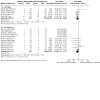
Comparison 3: Effect of methodological quality on all‐cause death in studies of prophylaxis versus placebo or no treatment, Outcome 2: Blinding of participants and investigators
2.3. Analysis.

Comparison 2: Effect of methodological quality on CMV disease in studies of prophylaxis versus placebo or no treatment, Outcome 3: Intention‐to‐treat analysis (ITT)
3.3. Analysis.

Comparison 3: Effect of methodological quality on all‐cause death in studies of prophylaxis versus placebo or no treatment, Outcome 3: Intention‐to‐treat analysis (ITT)
2.4. Analysis.

Comparison 2: Effect of methodological quality on CMV disease in studies of prophylaxis versus placebo or no treatment, Outcome 4: CMV disease by time of outcome assessment
3.4. Analysis.

Comparison 3: Effect of methodological quality on all‐cause death in studies of prophylaxis versus placebo or no treatment, Outcome 4: All‐cause death and time of outcome assessment or trial publication date
2.5. Analysis.

Comparison 2: Effect of methodological quality on CMV disease in studies of prophylaxis versus placebo or no treatment, Outcome 5: CMV disease by trial publication date
3.5. Analysis.

Comparison 3: Effect of methodological quality on all‐cause death in studies of prophylaxis versus placebo or no treatment, Outcome 5: All‐cause death and trial publication date
Publication bias
Publication bias has been assessed for seven outcomes (Analysis 1.1; Analysis 1.2; Analysis 1.3; Analysis 1.4; Analysis 1.6; Analysis 1.10; Analysis 1.13), and no strong conclusion can be drawn (figures not shown).
Ganciclovir versus aciclovir
Eight studies compared ganciclovir with aciclovir (Badley 1997 Liver; Duncan 1993 Lung; Flechner 1998 Kidney; Martin 1994 Liver; Nakazato 1993 Liver; Rubin 2002 All; Winston 1995 Liver; Winston 2003 Liver).
See Table 2.
CMV disease
In head‐to‐head studies, there was high certainty evidence that ganciclovir was more effective than aciclovir in preventing CMV disease (Analysis 4.1.1 (7 studies, 1113 participants) RR 0.37, 95% CI 0.23 to 0.60; I² = 33%) and CMV invasive organ involvement (Analysis 4.1.2 (7 studies (1034 participants): RR 0.28, 95% CI 0.15 to 0.49; I2 = 0%), and may reduce CMV syndrome (Analysis 4.1.3 (6 studies, 1009 participants): RR 0.40, 95% CI 0.16 to 1.02. I2 = 55%; low certainty evidence (downgraded for imprecision and inconsistency) in all recipients. This was consistent in CMV‐positive recipients (Analysis 4.2.1 (5 studies, 722 participants): RR 0.27, 95% CI 0.13 to 0.55; I² = 7%; high certainty evidence) and in CMV‐negative recipients of CMV‐positive organs (Analysis 4.3.1 (5 studies, 246 participants): RR 0.64, 95% CI 0.41 to 0.99; I² = 0%; high certainty evidence). There was insufficient data in CMV‐negative recipients of CMV‐negative donors to determine if a difference in efficacy exists (Analysis 4.4).
4.1. Analysis.

Comparison 4: Ganciclovir versus aciclovir, Outcome 1: CMV disease in all treated patients
4.2. Analysis.

Comparison 4: Ganciclovir versus aciclovir, Outcome 2: CMV disease by antibody +ve recipients
4.3. Analysis.

Comparison 4: Ganciclovir versus aciclovir, Outcome 3: CMV disease by +ve donors / CMV ‐ve recipients
4.4. Analysis.

Comparison 4: Ganciclovir versus aciclovir, Outcome 4: CMV ‐ve donor / CMV ‐ve recipient
On subgroup analysis, differences in efficacy could be demonstrated between studies in which the participants received ganciclovir for three months (Analysis 4.1.5 (4 studies, 703 participants): RR 0.28, 95% CI 0.09 to 0.82; I² = 62%; low certainty evidence (downgraded for imprecision and inconsistency)) and probably in those in which the participants received ganciclovir followed by aciclovir (Analysis 4.1.6 (3 studies, 410 participants): RR 0.38, 95% CI 0.22 to 0.64; I² = 0%; moderate certainty evidence (downgraded for imprecision)). Subgroup analysis demonstrated the efficacy of antiviral medication was not dependent on the organ transplanted for CMV disease (Analysis 4.5.1; Analysis 4.5.2; Analysis 4.5.3).
4.5. Analysis.

Comparison 4: Ganciclovir versus aciclovir, Outcome 5: CMV disease and effect of prophylaxis for different transplanted organs
Death
There was probably little or no difference in the risk of death due to CMV disease (Analysis 4.6.1 (6 studies, 832 participants): RR 0.33, 95% CI 0.07 to 1.58; I² = 0%; moderate certainty evidence (downgraded for imprecision)) or all‐cause death (Analysis 4.6.2 (8 studies, 1138 participants): RR 1.13, 95% CI 0.82 to 1.58; I² = 0%; moderate certainty evidence (downgraded for imprecision)).
4.6. Analysis.
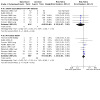
Comparison 4: Ganciclovir versus aciclovir, Outcome 6: Death
CMV infection
Ganciclovir was probably more effective than aciclovir in reducing CMV infection (Analysis 4.7 (6 studies, 815 participants): RR 0.44, 95% CI 0.28 to 0.67; I² = 73%; moderate certainty evidence (downgraded for inconsistency)) in all recipients and probably in CMV‐positive recipients (Analysis 4.8 (5 studies, 522 participants): RR 0.30, 95% CI 0.16 to 0.58; I² = 70%; moderate certainty evidence (downgraded for inconsistency)) but may make little or no difference in CMV‐negative recipients of CMV‐positive organs (Analysis 4.9 (4 studies, 228 participants): RR 0.63, 95% CI 0.36 to 1.09; I² = 58%; low certainty evidence (downgraded for inconsistency and imprecision)) but there was significant heterogeneity among the studies.
4.7. Analysis.

Comparison 4: Ganciclovir versus aciclovir, Outcome 7: CMV infection
4.8. Analysis.

Comparison 4: Ganciclovir versus aciclovir, Outcome 8: CMV infection by antibody +ve recipients
4.9. Analysis.

Comparison 4: Ganciclovir versus aciclovir, Outcome 9: CMV infection by +ve donors / CMV ‐ve recipients
Ganciclovir was probably more effective than aciclovir in reducing CMV infection in kidney (Analysis 4.10.1 (2 studies, 168 participants): RR 0.20, 0.04 to 0.95; I2 = 59%; low certainty evidence (downgraded for inconsistency and imprecision)) and liver transplant recipients (Analysis 4.10.2 (4 studies, 472 participants): RR 0.42, 95% CI 0.25 to 0.73; I2 = 75%; low certainty evidence (downgraded for inconsistency and imprecision); but may make little or no difference in heart or lung transplant recipients (Analysis 4.10.3 (2 studies, 75 participants): RR 0.88, 95% CI 0.50 to 1.55; I2 = 57%; low certainty evidence (downgraded for inconsistency and imprecision)).
4.10. Analysis.

Comparison 4: Ganciclovir versus aciclovir, Outcome 10: CMV infection and effect of prophylaxis for different transplanted organs
Additional outcomes
With moderate certainty evidence, there are probably little to no differences found for acute rejection (Analysis 4.11.1), graft loss (Analysis 4.11.2), other viral infections (Analysis 4.11.3), fungal infections (Analysis 4.11.4), bacterial infections (Analysis 4.11.5), protozoal infections (Analysis 4.11.6), obliterative bronchiolitis in lung transplant recipients (Analysis 4.11.7), kidney dysfunction (Analysis 4.11.9) or neurological dysfunction (Analysis 4.11.10). A maximum of three studies provided outcomes for graft loss, obliterative bronchiolitis, opportunistic infections other than other viral infections and neurological dysfunction.
4.11. Analysis.

Comparison 4: Ganciclovir versus aciclovir, Outcome 11: Additional outcomes
Leucopenia may be more common with ganciclovir compared with aciclovir (Analysis 4.11.8 (6 studies, 955 participants): RR 3.28, 95% CI 1.48 to 7.25; I² = 0%); low certainty evidence (downgraded twice for imprecision).
Ganciclovir then aciclovir versus ganciclovir
Green 1997 Liver compared ganciclovir given for 14 days followed by aciclovir for one year with ganciclovir for 14 days in 48 children who had received liver transplants. Little to no differences in efficacy were demonstrated for CMV disease (Analysis 5.1), all‐cause death (Analysis 5.2), CMV infection (Analysis 5.3) or Epstein‐Barr virus infections (Analysis 5.4) (all low certainty evidence).
5.1. Analysis.

Comparison 5: Ganciclovir then aciclovir versus ganciclovir, Outcome 1: CMV disease in all treated patients
5.2. Analysis.

Comparison 5: Ganciclovir then aciclovir versus ganciclovir, Outcome 2: Death
5.3. Analysis.

Comparison 5: Ganciclovir then aciclovir versus ganciclovir, Outcome 3: CMV infection in all treated patients
5.4. Analysis.

Comparison 5: Ganciclovir then aciclovir versus ganciclovir, Outcome 4: Additional outcomes
Valganciclovir versus ganciclovir
Paya 2004 All compared valganciclovir with ganciclovir in CMV‐negative recipients of CMV‐positive organs and included patients receiving kidney, liver, heart and combined kidney‐pancreas transplants.
CMV disease
Compared to ganciclovir, valganciclovir probably made little to no difference in preventing CMV disease at six months (Analysis 6.1.1) or one‐year post‐transplant (Analysis 6.1.2) (low certainty evidence). Similarly, there was probably little to no difference at six months and one year in the prevention of CMV syndrome (Analysis 6.1.3; Analysis 6.1.4) and CMV invasive organ disease (Analysis 6.1.5; Analysis 6.1.6) (low certainty evidence). Subgroup analysis showed that, at six months, valganciclovir was probably more effective than ganciclovir in kidney transplant recipients (Analysis 6.1.8; 120 participants; RR 0.27, 95% CI 0.01 to 0.75) compared with liver, heart or kidney‐pancreas transplant recipients (Analysis 6.1.7; Analysis 6.1.9; Analysis 6.1.10) (test of interaction Chi² = 6.34; P = 0.01).
6.1. Analysis.

Comparison 6: Valganciclovir versus ganciclovir, Outcome 1: CMV disease in CMV donor +ve / recipient ‐ve
All‐cause death
There may be little or no difference in death due to CMV disease between valganciclovir and ganciclovir (Analysis 6.2.1) (low certainty evidence) and all‐cause death (Analysis 6.2.2) (moderate certainty evidence).
6.2. Analysis.

Comparison 6: Valganciclovir versus ganciclovir, Outcome 2: Death
CMV infection
There may be little or no difference in the prevention of CMV disease at six months and one year between valganciclovir and ganciclovir (Analysis 6.3).
6.3. Analysis.

Comparison 6: Valganciclovir versus ganciclovir, Outcome 3: CMV infection in CMV donor +ve / recipient ‐ve
Additional outcomes
There were probably little or no differences in acute rejection, graft loss and opportunistic infections (Analysis 6.4.1; Analysis 6.4.2; Analysis 6.4.3) (moderate certainty evidence). Neutrophil counts < 1000/mm³ occurred in 13% of patients treated with valganciclovir compared with 8% treated with ganciclovir, but the difference was based on low certainty evidence (Analysis 6.4.7). Similarly, there were probably little to no differences in cessation of medications due to neutropenia, anaemia, thrombocytopenia or tremor (Analysis 6.4.4; Analysis 6.4.5; Analysis 6.4.6; Analysis 6.4.7; Analysis 6.4.8) (moderate certainty evidence).
6.4. Analysis.

Comparison 6: Valganciclovir versus ganciclovir, Outcome 4: Additional outcomes
Valaciclovir versus ganciclovir or valganciclovir
Four studies compared valaciclovir with ganciclovir (Pavlopoulou 2005 Kidney; Reischig 2005 Kidney) or valganciclovir (2VAL 2010 Kidney; Ali Ibrahim 2020 Kidney) in kidney transplant recipients.
See Table 3.
CMV disease
There was probably little or no difference in the risk of CMV disease (Analysis 7.1.1) with valaciclovir compared with ganciclovir or valganciclovir prophylaxis with low certainty evidence. There were probably little or no differences in the risk of CMV disease (Analysis 7.1.2) in CMV‐positive recipients of CMV‐positive or negative transplants on the risk of CMV disease (Analysis 7.1.3) in CMV‐negative recipients of CMV‐positive organs with moderate certainty evidence.
7.1. Analysis.

Comparison 7: Valaciclovir versus ganciclovir or valganciclovir, Outcome 1: CMV disease in all treated patients
All‐cause death
There was probably little or no difference in the risk of all‐cause death; however, the certainty of evidence for this outcome was low (Analysis 7.2.1).
7.2. Analysis.

Comparison 7: Valaciclovir versus ganciclovir or valganciclovir, Outcome 2: Death
CMV infection
There was probably little or no difference in the risk of CMV infection with valaciclovir compared with ganciclovir or valganciclovir prophylaxis with moderate certainty evidence (Analysis 7.3.1). There were probably little or no differences in the risk of CMV infection in CMV‐positive recipients of CMV‐positive or negative transplants (Analysis 7.3.2) or in CMV‐negative recipients of CMV‐positive organs (Analysis 7.3.3) (moderate certainty evidence).
7.3. Analysis.

Comparison 7: Valaciclovir versus ganciclovir or valganciclovir, Outcome 3: CMV infection
Additional outcomes
The risk of acute rejection may not change with valaciclovir compared with ganciclovir; however, the evidence was very uncertain (Analysis 7.4.1 (3 studies, 271 participants): RR 0.88, 95% CI 0.31 to 2.47; I² = 72%; very low certainty evidence (downgraded for inconsistency and imprecision). However, there was heterogeneity among the three studies, with Reischig 2005 Kidney reporting a significantly reduced risk for acute rejection with valaciclovir (seen in participants with delayed graft function), while the other studies showed no differences between valaciclovir compared with ganciclovir. There was probably little to no difference in the risk of graft loss based on moderate certainty evidence (Analysis 7.4.2). There were probably little to no differences in the risk of leucopenia, thrombocytopenia, anaemia, neurological dysfunction, the need to reduce or cease study medications, other herpes infection, polyomavirus‐associated nephropathy or neutropenia with moderate certainty evidence (Analysis 7.4.3; Analysis 7.4.4; Analysis 7.4.5; Analysis 7.4.6; Analysis 7.4.7; Analysis 7.4.8; Analysis 7.4.11; Analysis 7.4.12). Pavlopoulou 2005 Kidney reported non‐viral infections were probably increased in patients treated with valaciclovir (Analysis 7.4.9 (83 participants): RR 0.59, 95% CI 0.44 to 0.80) due to the increase in urinary tract infections in that group. 2VAL 2010 Kidney reported polyoma viremia increased in patients treated with valganciclovir (Analysis 7.4.10 (119 participants): RR 0.48, 95% CI 0.25 to 0.94) (moderate certainty evidence).
7.4. Analysis.

Comparison 7: Valaciclovir versus ganciclovir or valganciclovir, Outcome 4: Additional outcomes
Kidney function
There was probably little or no difference in kidney function (SCr and calculated GFR) at the end of the study with valaciclovir compared with ganciclovir or valganciclovir based on moderate certainty evidence (Analysis 7.5.1; Analysis 7.5.2) (moderate certainty evidence).
7.5. Analysis.

Comparison 7: Valaciclovir versus ganciclovir or valganciclovir, Outcome 5: Kidney function at end of study
Different regimens of ganciclovir
Hertz 1998 Heart/lung compared daily with three times/week IV ganciclovir in heart‐lung transplant recipients. Winston 2004 Liver and Nafar 2005 Kidney compared oral with IV ganciclovir.
Daily versus three times/week ganciclovir
There were probably little or no differences in CMV disease, CMV syndrome, CMV invasive tissue disease or CMV infection, all‐cause death, and deaths due to CMV disease bacteraemia, bronchiolitis obliterans or leucopenia between the two treatment regimens (Analysis 8.1) (moderate and low certainty evidence).
8.1. Analysis.

Comparison 8: Different ganciclovir regimens, Outcome 1: IV doses given at different frequencies
Oral versus IV ganciclovir
There are probably little to no differences in CMV disease, CMV syndrome, CMV invasive tissue disease or CMV infection, all‐cause death, acute rejection, graft loss, leucopenia and the need to cease medications due to leucopenia (Analysis 8.2) (moderate and low certainty evidence).
8.2. Analysis.

Comparison 8: Different ganciclovir regimens, Outcome 2: Oral versus IV ganciclovir
Extended versus short‐duration valganciclovir
Two studies compared extended durations (definition of extended differed across the studies) of valganciclovir. One study compared 200 days with 100 days in kidney transplant recipients (IMPACT 2010 Kidney), and the other study compared one year with three months in lung transplant recipients (Palmer 2010 Lung). Data included in meta‐analyses from Palmer 2010 Lung were taken from percentages reported in the study as the authors were not able to provide the original data.
See Table 4.
CMV disease
There was high certainty evidence that the risk of CMV disease was reduced at the end of treatment with extended‐duration valbanciclovir (Analysis 9.1.1 (2 studies, 454 participants): RR 0.20, 95% CI 0.12 to 0.35; I² = 0%), at nine months (Analysis 9.1.2 (1 study, 318 participants): RR 0.39, 95% CI 0.25 to 0.60), 12 months (Analysis 9.1.3 (1 study, 318 participants): RR 0.44, 95% CI 0.29 to 0.66) and 24 months (Analysis 9.1.4 (1 study, 318 participants): RR 0.55, 95% CI 0.38 to 0.79).
9.1. Analysis.

Comparison 9: Extended versus short‐duration valganciclovir, Outcome 1: CMV disease
The number of patients with CMV syndrome (Analysis 9.2 (2 studies, 454 participants): RR 0.27, 95% CI 0.10 to 0.71; I² = 12%; high certainty evidence) was also reduced.
9.2. Analysis.

Comparison 9: Extended versus short‐duration valganciclovir, Outcome 2: CMV syndrome
There was little or no difference in the risk for CMV invasive disease at 12 months (Analysis 9.3.1 (2 studies, 454 participants): RR 0.17, 95% CI 0.03 to 1.34; I² = 44%; moderate certainty evidence (downgraded for imprecision)). There were few episodes of CMV invasive disease in kidney transplant recipients, and the numbers probably did not differ at 24 months (Analysis 9.3.2; moderate certainty evidence).
9.3. Analysis.

Comparison 9: Extended versus short‐duration valganciclovir, Outcome 3: CMV invasive disease
All‐cause death
IMPACT 2010 Kidney reported there was probably little to no difference in all‐cause death at either 12 months (Analysis 9.4.1) or 24 months (Analysis 9.4.2) (moderate certainty evidence).
9.4. Analysis.

Comparison 9: Extended versus short‐duration valganciclovir, Outcome 4: All‐cause death
CMV infection
The risk of CMV infection was probably reduced with extended‐duration treatment at the end of treatment (Analysis 9.5.1 (2 studies, 454 participants): RR 0.27, 95% CI 0.10 to 0.71; I² = 82%), at nine months (Analysis 9.5.2 (1 study, 318 participants): RR 0.27, 95% CI 0.10 to 0.71) and at 12 months (Analysis 9.5.3 (1 study, 318 participants): RR 0.73, 95% CI 0.57 to 0.95) (moderate certainty evidence).
9.5. Analysis.

Comparison 9: Extended versus short‐duration valganciclovir, Outcome 5: CMV infection
Other outcomes
There were probably little or no differences in graft loss at 12 months (Analysis 9.6.1; moderate certainty evidence) and 24 months (Analysis 9.6.2; moderate certainty evidence), biopsy‐proven acute rejection at < 100 days (Analysis 9.7.1; moderate certainty evidence), 12 months (Analysis 9.7.2; high certainty evidence) and 24 months (Analysis 9.7.3; high certainty evidence), and in post‐transplant diabetes mellitus (Analysis 9.8.2; moderate certainty evidence).
9.6. Analysis.

Comparison 9: Extended versus short‐duration valganciclovir, Outcome 6: Graft loss
9.7. Analysis.

Comparison 9: Extended versus short‐duration valganciclovir, Outcome 7: Acute rejection
9.8. Analysis.

Comparison 9: Extended versus short‐duration valganciclovir, Outcome 8: Other outcomes
There was considerable heterogeneity (I² = 87%) in the analysis of opportunistic infections (Analysis 9.8.1 (2 studies, 454 participants; RR 0.71, 95% CI 0.33 to 1.57; low certainty evidence). IMPACT 2010 Kidney reported that opportunistic infections were less common among patients treated with extended duration valganciclovir (RR 0.48, 95% CI 0.30 to 0.77), while Palmer 2010 Lung reported no difference (RR 1.02, 95% CI 0.75 to 1.40) (low certainty evidence).
Adverse effects
There was little or no difference between treatment groups for total treatment‐related adverse effects (Analysis 9.9.1) and serious treatment‐related adverse effects (Analysis 9.9.2), based on moderate certainty evidence. Leucopenia was probably more common (Analysis 9.9.3 (1 study, 320 participants): RD 0.12, 95% CI 0.01 to 0.22) and more likely to result in treatment termination (Analysis 9.9.4 (1 study, 320 participants): RD 0.04, 95% CI 0.00 to 0.07) in patients treated for 200 days compared with those treated for 100 days in the IMPACT 2010 Kidney. Termination for any treatment‐related adverse effect did not differ in Palmer 2010 Lung (Analysis 9.9.5). While there was little or no difference in the number of hospitalisations for all adverse effects (Analysis 9.9.7) among treatment groups, there were fewer hospitalisations for CMV disease in patients treated for 200 days (Analysis 9.9.6 (1 study, 418 total hospitalisations): RD ‐0.10, 95% CI ‐0.17 to ‐0.04) in IMPACT 2010 Kidney. There was probably no reduction or increase in CMV mutations, which confer ganciclovir resistance, in participants with positive viral load who were treated for an extended duration compared with those treated for 100 days or three months (Analysis 9.9.8) (moderate certainty evidence).
9.9. Analysis.

Comparison 9: Extended versus short‐duration valganciclovir, Outcome 9: Adverse effects
Low versus standard dose valganciclovir
Two studies compared different valganciclovir regimens: Halim 2016 Kidney compared valganciclovir 450 mg/day with valganciclovir 900 mg/day for CMV prophylaxis in kidney transplant patients for six months, and Prabakaran 2020 Kidney compared low‐dose valganciclovir prophylaxis (900 mg, 3 times/week) versus standard prophylaxis dosing (900 mg/day) for three months in kidney transplant recipients.
See Table 5.
There may be little or no difference in the risks of all‐cause death (Analysis 10.1), CMV infection (Analysis 10.2), acute rejection (Analysis 10.3), or graft loss (Analysis 10.4) (all low certainty evidence).
10.1. Analysis.

Comparison 10: Different valganciclovir regimens, Outcome 1: All‐cause death
10.2. Analysis.

Comparison 10: Different valganciclovir regimens, Outcome 2: CMV infection
10.3. Analysis.

Comparison 10: Different valganciclovir regimens, Outcome 3: Acute rejection
10.4. Analysis.

Comparison 10: Different valganciclovir regimens, Outcome 4: Graft loss
Maribavir versus ganciclovir
Winston 2012 Liver compared 100 mg of maribavir twice/day with 1000 mg oral ganciclovir three times/day for CMV prophylaxis in liver transplant patients for 14 weeks. As maribavir lacks in vitro activity against herpes simplex virus and varicella‐zoster viral, 400 mg of oral acyclovir was given twice/day concomitantly with maribavir.
See Table 6.
There may be little or no differences in efficacy demonstrated for CMV disease (Analysis 11.1), all‐cause death (Analysis 11.2), acute rejection (Analysis 11.4) and adverse events (Analysis 11.5). The event rate of CMV infections may be higher in patients who received maribavir versus ganciclovir (Analysis 11.3 (233 participants): RR 1.34, 95% CI 1.10 to 1.65) (low to moderate certainty evidence).
11.1. Analysis.

Comparison 11: Maribavir versus ganciclovir, Outcome 1: CMV disease
11.2. Analysis.

Comparison 11: Maribavir versus ganciclovir, Outcome 2: All‐cause death
11.4. Analysis.

Comparison 11: Maribavir versus ganciclovir, Outcome 4: Acute rejection
11.5. Analysis.

Comparison 11: Maribavir versus ganciclovir, Outcome 5: Adverse events
11.3. Analysis.

Comparison 11: Maribavir versus ganciclovir, Outcome 3: CMV infection
Discussion
Summary of main results
Antiviral agents compared with placebo or no specific treatment
This systematic review found that the antiviral agents ganciclovir, valaciclovir and aciclovir improve outcomes for solid organ transplant recipients far beyond the primary indication for use. These data support the continued routine use of antiviral prophylaxis in CMV‐positive recipients and in CMV‐negative recipients of CMV‐positive organ transplants. In addition to reducing the risk of CMV disease by 60%, these agents reduced all‐cause death by 40%, predominantly due to reduced death from CMV disease, as well as reducing clinical disease caused by herpes simplex and herpes zoster (70%), bacterial infections (35%), and protozoal infections (70%). The relative benefits of aciclovir, ganciclovir and valaciclovir in relation to CMV disease and death appeared to be consistent among recipients of heart, kidney and liver transplants. These benefits occurred in both CMV‐positive recipients and CMV‐negative recipients of CMV‐positive organs, irrespective of whether immunosuppression included antilymphocyte antibody therapy, and were not dependent on the time of outcome assessment. Although there were no placebo‐controlled RCTs of valganciclovir, Paya 2004 All compared valganciclovir (the prodrug of ganciclovir) and ganciclovir and demonstrated no differences in the risk for CMV disease, all‐cause death and other outcomes, indicating that outcomes demonstrated in this systematic review in placebo or no treatment studies can be extrapolated to valganciclovir.
There was no clear reduction in graft loss or acute rejection, although a small but clinically important benefit has not been excluded. The summary RR for both outcomes favours antiviral agents, but the 95% CIs were relatively wide and consistent, with there being no effect. The exception was in a predefined subgroup in a single study (Lowance 1999 Kidney) in which CMV prophylaxis reduced the risk for biopsy‐proven acute rejection in CMV‐negative recipients of CMV‐positive kidney transplants by 50%.
Based on data from a single large study (Lowance 1999 Kidney), valaciclovir increased the risk for hallucinations. There was no increase in adverse effects with aciclovir or ganciclovir, although the 95% CIs were wide. Very few studies adequately reported harms, so differences in adverse effects between medication and placebo could not be excluded. It is possible that other differences in side effect profiles exist between agents but have not been demonstrated.
Relative efficacy of antiviral medications
Having demonstrated that antiviral agents as a drug class reduced all‐cause death and CMV disease, we then sought to determine which antiviral regimen was the most beneficial. Indirect comparisons demonstrated no difference between antiviral agents administered. In head‐to‐head studies, ganciclovir was more effective than aciclovir in preventing CMV disease, demonstrating the importance of assessing the comparative effects of drugs in direct comparison studies. This difference may be explained by differences in the duration of therapy in the indirect studies. Aciclovir was administered for 84 days or more, but ganciclovir was given for shorter durations (9 to 42 days) in seven of the 11 included ganciclovir studies. Hence, agent and duration were evaluated rather than the agent alone, as in direct comparison studies.
One large study (Paya 2004 All) demonstrated no difference in efficacy between ganciclovir and its prodrug, valganciclovir. Although three small studies demonstrated no difference in efficacy to prevent CMV disease between ganciclovir or valganciclovir and valaciclovir (2VAL 2010 Kidney; Ali Ibrahim 2020 Kidney; Pavlopoulou 2005 Kidney; Reischig 2005 Kidney), the wide CIs of the summary estimate urging moderate certainty evidence. Based on existing study data, aciclovir appears to be inferior to ganciclovir, and no clear superiority has been demonstrated between ganciclovir and valganciclovir or between valaciclovir and ganciclovir/valganciclovir.
Maribavir (100 mg) was safe but not adequate for the prevention of CMV disease in liver transplant recipients at high risk for CMV disease (Winston 2012 Liver). There was no difference between the ganciclovir and maribavir group for the incidence of CMV disease at six months, but the incidence of CMV disease within the period of 100 days after transplantation was lower in the ganciclovir group. A higher dose of maribavir (≥ 400 mg twice/day) was used in a phase 2 trial (Papanicolaou 2018), in which maribavir was active against refractory or resistant CMV infections in transplant recipients. Further studies with higher doses of miribavir may be indicated to see its effect as CMV prophylaxis.
Prophylaxis with low dose valganciclovir
Six months of low‐dose valganciclovir prophylaxis compared to high‐dose valganciclovir for moderate‐risk kidney transplant recipients and high‐dose valganciclovir showed similar effects with probably a better safety profile (Halim 2016 Kidney). However, further studies are needed to confirm this effect.
Prophylaxis with extended durations of valganciclovir
Extended prophylaxis with valganciclovir resulted in reductions in the risks of CMV disease, CMV infection and opportunistic infections with moderate certainty evidence but no differences in other outcomes (acute rejection, all‐cause death, graft loss) with low certainty evidence. Leucopenia was more common with extended duration of prophylaxis, but hospitalisations due to CMV disease were reduced.
Overall completeness and applicability of evidence
Antiviral agents compared with placebo or no specific treatment
Our major findings that CMV antiviral prophylaxis prevents CMV disease and all‐cause death, irrespective of the organ transplanted and CMV serostatus, are strengthened by two features of the data: the consistency of these findings across all studies and the finding that almost all eligible studies reported both major outcomes of interest (lack of outcome reporting bias). We identified 19 eligible studies, and the summary estimate favours antiviral medication for the outcome prevention of CMV disease in 18 studies. Similarly, 17 studies contributed data to the all‐cause death outcome. With fewer events, the play of chance would be expected to be greater, but only two studies (Macdonald 1995 Heart; Merigan 1992 Heart) had point estimates suggesting increased death from CMV prophylaxis. Unlike the outcome of CMV disease, no individual study demonstrated a reduction in all‐cause death with antiviral medication. This was evident only from the meta‐analytic estimate. The overall I² was 12.6% for CMV disease and 0% for all‐cause death, demonstrating very low heterogeneity beyond chance despite the clear differences in patient groups (Characteristics of included studies). Supporting this, as shown in Table 7, no pre‐defined potential source of variability for the effects of antiviral medication was significant, including standard quality items for study conduct and reporting, such as allocation concealment, blinding and intention‐to‐treat. We cannot exclude with any certainty a difference in the magnitude of the effect of antiviral medication in solid organ transplant recipients. However, any difference is likely to be clinically unimportant since data from 19 studies and about 2000 patients were insufficient to demonstrate any difference. In addition, the remarkable consistency in results across all studies suggests any undetected difference would be in magnitude and not direction of effect.
The data were relatively sparse in four areas, and further research is still needed. For the outcome of all‐cause death in heart transplant recipients, there are few relevant studies (2), patients (205) and events (4), making the effects of antiviral medications on heart transplant recipients very uncertain. Both studies had higher death rates in the active arms, but the 95% CIs were very wide, results were consistent with other patient groups (liver and kidney), and the likely pathway for benefit ‐ reduction in CMV disease ‐ is evident in this patient group.
Second, there was very scant data for the CMV‐negative donor to a CMV‐negative recipient group, even though this group is frequently given antiviral agents to prevent CMV disease (Baliga 2004). These patients are almost exclusively not enrolled in studies because of low event rates and low burden of disease. However, there are no studies examining the efficacy of antiviral agents to prevent de novo CMV disease in such CMV‐negative patients.
Third, our conclusions on the other benefits of antiviral medications and the adverse effects of these drugs (Table 8) must be considered more cautiously for reasons of the imprecision of summary estimates and that many eligible studies did not report these outcomes. Therefore, these results may be biased. The direction of bias cannot be determined without obtaining additional data, e.g. individual patient data, from the authors regarding these outcomes. At the same time, based on the included studies, it remains difficult to draw conclusions on drug resistance and dosing strategy.
Fourth, only one study specifically addressed children (Green 1997 Liver). This is despite the fact that children commonly receive prophylaxis with antiviral agents since they are at a high risk of CMV disease. Many are CMV‐negative and receive organs from CMV‐positive donors. Information on the efficacy of prophylaxis with antiviral agents from RCTs of adult transplant recipients has been extrapolated to children. Non‐randomised studies suggest valganciclovir is effective and tolerated in children (Camacho‐Gonzalez 2011).
Relative efficacy of antiviral medications
The data demonstrated that ganciclovir was superior to aciclovir in preventing CMV disease, and aciclovir is no longer used for prophylaxis. A single large study indicated no differences between oral ganciclovir and oral valganciclovir. Clinical practice data from this study have been extrapolated to indicate that oral valganciclovir can substitute for oral ganciclovir, and valganciclovir is now generally the preferred agent for prophylaxis. Oral ganciclovir is no longer marketed.
The data demonstrated little differences between valaciclovir compared with ganciclovir or valganciclovir in terms of CMV disease or infection, all‐cause death, or adverse events based on four studies (2VAL 2010 Kidney; Ali Ibrahim 2020 Kidney; Pavlopoulou 2005 Kidney; Reischig 2005 Kidney). The available studies comparing valganciclovir/ganciclovir with valaciclovir have only enrolled kidney transplant recipients, and it is unclear whether the data can be extrapolated to other transplanted organs.
Prophylaxis with extended durations of valganciclovir
Two studies, one in kidney (318 CMV‐positive recipient/CMV‐negative donor participants) and one in lung transplant recipients (136 CMV‐positive donor/CMV‐negative recipient and donor CMV‐positive or negative donor/CMV‐positive recipient participants), have demonstrated that extended durations of prophylaxis with valganciclovir resulted in a lower risk of CMV disease and infection. Neither study identified an increase in CMV mutations resistant to therapy, but study numbers were likely to be too small to demonstrate any difference. Both studies reported few cases of CMV disease occurring after the end of the extended period of prophylaxis. Further data are required to demonstrate whether the benefits of extended prophylaxis in other organ transplants justify the increased costs and adverse effects.
Quality of the evidence
This review now contains 41 studies. Most studies, including those recently published, did not provide sufficient information to determine whether sequence generation and allocation concealment were at a low risk of bias (Figure 2; Figure 3). It is a matter of concern that there was no blinding of participants, investigators and outcome assessors in almost 75% of studies. The primary outcome of CMV syndrome is a clinical diagnosis supported by a laboratory diagnosis of CMV infection and other information. Therefore, it is possible that CMV syndrome was misdiagnosed in some participants. Studies that lack adequate allocation concealment and blinding may overestimate treatment effects (Moher 1998; Schultz 1995).
The overall certainty of the evidence for studies comparing antiviral medications with placebo or no specific treatment was considered high for some outcomes (CMV disease, all‐cause death, acute rejection, CMV disease in kidney transplant recipients). It was considered moderate for death due to CMV disease, CMV disease in liver or heart transplants and graft loss because of the limited numbers of studies reporting these outcomes (Table 1).
The overall certainty of the evidence for studies comparing ganciclovir and aciclovir was considered high for CMV disease in all patients and for acute rejection. It was considered moderate for all‐cause death, death due to CMV disease and other viral infections, and low for other fungal infections and graft loss because of the limited number of events in the studies in which these outcomes were reported (Table 2).
The overall certainty of the evidence for studies comparing ganciclovir/valganciclovir with aciclovir/valaciclovir was considered low because of the small number of studies with few participants (Table 3).
The overall certainty of the evidence for studies comparing extended duration with three months of therapy was considered high for CMV disease, CMV syndrome, CMV infection and total adverse reactions. It was considered low for invasive CMV disease, acute rejection and opportunistic infections because of the heterogeneity between studies (Table 4).
Potential biases in the review process
Approximately half the studies did not report all important outcomes, so there is a risk of selection bias. In particular, there was limited data on death due to CMV disease, graft loss and other infections.
Agreements and disagreements with other studies or reviews
The results of this review update confirm and expand the findings of five previous systematic reviews (Couchoud 1998a and Couchoud 1998b; Fiddian 2002; Gourishankar 2001; Kalil 2005; Raval 2020), which included 12, 10, 9, 11, and 12 studies, respectively, which compared antiviral medications with placebo or no treatment for preventing of CMV disease. All found that prophylaxis reduced the risk of CMV disease in solid organ transplant recipients. One review (Couchoud 1998a; Couchoud 1998b) found no effect on death (10 studies: RR 0.69, 95% CI 0.41 to 1.18) and a second (Fiddian 2002), which included two studies using immunoglobulin and antiviral agents found that prophylaxis with aciclovir or valaciclovir significantly reduced all‐cause death (1321 patients: OR 0.60, 95% CI 0.40 to 0.90). Similarly, Kalil 2005, including 11 studies, found that prophylaxis with antiviral medications compared with placebo or no specific treatment significantly reduced CMV disease, all‐cause death and opportunistic infections with similar degrees of benefit to those found in our review, although inclusion criteria differed between these two reviews. Eight studies of prophylaxis included in our review were excluded from the analyses of universal prophylaxis in the review by Kalil 2005. The two reviews differed in that our review showed no significant reduction of acute rejection with antiviral prophylaxis, but Kalil 2005 identified a significant reduction in acute rejection with treatment (OR 0.72, 95% CI 0.57 to 0.91) using a fixed‐effect model for the analysis. However, there was some heterogeneity in the analyses of acute rejection in both reviews. Further analyses using a random‐effects model identified that both reviews found no significant differences in the risk of acute rejection between antiviral therapy and placebo or no specific treatment. Both reviews found a significant reduction in acute rejection using a fixed‐effect model. In a more recent systematic review (Raval 2020), the efficacy, safety, and costs of prophylactic CMV treatment options are compared with both no prophylactic treatment and pre‐emptive treatment. Prophylactic treatment showed a reduction in CMV infection incidence irrespective of heterogeneity in the dose, duration, or route of administration of treatment. No differences between treatment arms were found for acute rejection and graft loss, which is similar to the results of our review.
Our systematic review differs from previous reviews in that comparisons of different antiviral medications were included so that conclusions on the comparative effects of agents can be made. In addition, our review included a detailed exploration of potential heterogeneity. The finding of a reduction in all‐cause death is largely explained by a reduced death due to CMV disease, although a reduction in death due to other causes cannot be totally excluded. The latter is biologically plausible because CMV disease leads to an increase in other opportunistic infections in heart and liver transplant recipients (George 1997; Valentine 1999). This is suggestive of a mechanism whereby the prevention of CMV disease may prevent other infective complications that contribute to overall death.
Both prophylaxis and pre‐emptive therapy significantly reduce CMV disease compared with placebo or no specific therapy in solid organ transplant recipients. However, the available evidence base for the prevention of CMV disease with prophylaxis compared with placebo or no specific therapy (19 studies, 1981 participants) is large and of high certainty (GRADE) compared with the low‐certainty data (6 studies, 288 participants) supporting pre‐emptive therapy (Owers 2013). Further studies are required to determine the relative efficacies, adverse effects and costs of pre‐emptive therapy and prophylaxis because currently available data (7 studies, 753 participants), while showing no differences in efficacy though a lower risk of leucopenia with pre‐emptive therapy, demonstrated considerable heterogeneity among studies thus limiting the applicability of these data to patient management (Owers 2013)
Authors' conclusions
Implications for practice.
This systematic review has shown that prophylaxis of CMV‐positive recipients and CMV‐negative recipients of CMV‐positive organs with antiviral medications given for three months post solid organ transplantation reduces the risk of CMV disease and all‐cause death and may reduce the risk of other opportunistic infections. What are the implications of this study for clinical practice? Previous treatment guidelines (Jassal 1998; Van der Bij 2001) recommended CMV prophylaxis for all recipients of solid organ transplants who received immunosuppression with antilymphocyte antibody products and for CMV‐negative recipients of CMV‐positive organs. In liver and heart transplant recipients, prophylaxis was also recommended for all CMV‐positive recipients of solid organ transplants because of the higher risk for CMV disease. Our data suggested that these recommendations for use were too narrow because the benefits for patient survival and the constant relative benefits for preventing CMV disease, irrespective of CMV serostatus, had not been recognised previously.
Recent guidelines recommend that all kidney transplant recipients except donor‐negative/recipient‐negative recipients should receive antiviral prophylaxis for at least three months post‐transplant (KDIGO 2009). Similarly, guidelines from the AST Infectious Diseases Community of Practice (Humar 2009) recommend antiviral prophylaxis for both CMV‐positive recipients and for CMV‐negative recipients of CMV‐positive donors of any solid organ transplant. Consensus guidelines from the Infectious Disease Section of the Transplantation Society (Razonable 2019) recommended antiviral prophylaxis for CMV‐negative recipients of CMV‐positive donor organs. These guidelines considered that either prophylaxis or pre‐emptive therapies could be used in CMV‐positive recipients but noted the lack of data on pre‐emptive therapy in subpopulations, including lung and small bowel transplants. If a pre‐emptive approach is non‐inferior compared with universal prophylaxis, the former might be preferred by clinicians and patients, yet further studies are required to establish the safety and efficacy for all subgroups of patients.
The absolute effects of antiviral medications on the prevention of CMV disease and all‐cause death are shown quantitatively in groups of patients at different baseline risks for these outcomes (Table 9). The primary determinants for CMV disease are the organ transplanted and serostatus, whereas organ transplanted is the most important determinant for all‐cause death. Table 9 shows that benefit exceeds harm for all but the lowest risk groups, assuming equal importance of the outcomes. However, given that the clinical importance of all‐cause death and CMV disease are significantly greater than the adverse effects of medications, most patients and clinicians, when provided with this information, are likely to use CMV prophylaxis with antiviral medications across all risk categories, except in the seronegative donor and recipient groups for whom there are few data. The decision to give CMV prophylaxis for all risk categories could be favoured by one study (Halim 2016 Kidney) added in this update, which showed comparable effectiveness of low‐dose valganciclovir prophylaxis as high‐dose valganciclovir for six months, for moderate risk kidney transplant recipients (CMV‐positive donor/CMV‐positive recipient or CMV‐negative donor/CMV‐positive recipient) with a better safety profile.
Two RCTs (IMPACT 2010 Kidney; Palmer 2010 Lung) have now demonstrated that extended‐duration prophylaxis with valganciclovir in CMV‐positive donor/CMV‐negative recipients of kidney and lung transplants and CMV‐positive recipients of lung transplants reduces the risk of CMV disease compared with three months of therapy, suggesting that extended‐duration prophylaxis should be considered in patients at higher risk of CMV disease (Humar 2009).
3. Effects of antiviral medication on CMV disease and all‐cause death.
| Recipient group | Without prophylaxisa | With prophylaxisb | Number prevented | Number with harmsc |
| CMV disease | ||||
| Kidneyd Kidneyd; livere; heartd Liver, heartd; alle, antibody therapy included in immunosuppressive regimen |
7/100 28/100 59/100 |
3/100 12/100 25/100 |
4/100 16/100 39/100 |
7/100 7/100 7/100 |
| All‐cause death | ||||
| Kidney Liver Heart or lung |
6/100 20/100 24/100 |
4/100 13/100 15/100 |
2/100 7/100 9/100 |
7/100 7/100 7/100 |
aData from references bCalculated from summary estimates of RR (0.42 for prevention of CMV disease, 0.63 for all‐cause death) cBased on proportion of patients, treated with valaciclovir, who developed hallucinations dDonor positive or negative for CMV; recipient negative eDonor positive recipient negative for CMV
Implications for research.
There are no data from RCTs on the efficacy of prophylaxis compared with placebo in lung transplants and few data for heart transplants. However, such studies are no longer ethical based on the demonstration of efficacy in other organ transplants. Future studies may be required in the seronegative donor‐recipient group depending on the prevalence of CMV disease in this group with newer and more potent immunosuppressive regimens. Further studies are required to determine the optimum duration and dosage of medications in different organ transplants. Currently, valganciclovir is most commonly used for prophylaxis. It remains possible that smaller doses than currently recommended may be effective for prophylaxis, as demonstrated for IV ganciclovir (Hertz 1998 Heart/lung) and valganciclovir (Halim 2016 Kidney) 450 mg/day versus valganciclovir 900 mg/day for CMV prophylaxis in kidney transplant patients for six months.
Further studies are required to evaluate the comparative effects, including harms, of antiviral medications in clinical use at present or in the future. More information is also required on the efficacy of prophylaxis with different immunosuppressive regimens used for the prevention and treatment of rejection in different organ transplants.
Overall, prophylaxis did not significantly reduce the risk of acute rejection or graft loss. Further information is required to determine whether prophylaxis can reduce the risk for rejection in particular groups of patients, whether it affects the number or severity of rejection episodes, and whether it reduces graft loss at time periods beyond one year.
Adequately powered and well‐designed RCTs are required to determine the relative efficacies, adverse effects and costs of universal prophylaxis compared to pre‐emptive therapies, particularly in transplant populations at lower risk of CMV disease. There is one ongoing study identified that investigates prophylactic treatments (NCT04225923). Consequently, we will monitor and update the search for this review regularly; however, we do not expect that the findings of this review will change on a short‐term basis.
What's new
| Date | Event | Description |
|---|---|---|
| 3 May 2024 | New citation required and conclusions have changed | New studies included |
| 3 May 2024 | New search has been performed | GRADE quality of evidence assessment included |
History
Protocol first published: Issue 3, 2002 Review first published: Issue 4, 2005
| Date | Event | Description |
|---|---|---|
| 3 January 2013 | New citation required and conclusions have changed | Risk of bias assessment incorporated |
| 3 January 2013 | New search has been performed | New studies included |
| 18 March 2010 | Amended | Contact details updated. |
| 13 May 2009 | Amended | Contact details updated. |
| 13 August 2008 | Amended | Converted to new review format. |
| 7 January 2008 | New citation required and conclusions have changed | Substantive amendment, 6 additional publications identified, 2 new studies included |
| 16 October 2004 | Amended | Title changed. Background, methods edited to reflect limitation of review to prophylaxis with antiviral medication. Quality assessment criteria added. |
Acknowledgements
Mr Peter Barclay, Dr Cheryl Jones, Ms Kathy Kable and Ms Dushanythi Vimalachandra who contributed to the original iteration of this review (Hodson 2005b). They contributed to the design, quality assessment, data collection, entry, analysis and interpretation, and writing of the review.
This review has also been published in the Lancet (Hodson 2005c).
The authors would like to thank all authors who responded to our enquiries about their studies.
The authors wish to thank Ms Narelle Willis, Managing Editor of Cochrane Kidney and Transplant, and Ms Ruth Mitchell and Ms Gail Higgins, Information Specialists of the Cochrane Kidney and Transplant Group, for their help with this study.
The authors wish to thank Dr Cécile Couchoud, who wrote the initial systematic review Cytomegalovirus prophylaxis with antiviral agents for solid organ transplantation (Couchoud 1998a).
We wish to thank the peer reviewers for their comments and feedback during the preparation of this update: Professor William Rawlinson (Director Serology and Virology Division (SAViD), NSW Health Pathology and University of NSW), Raymond Quigley, MD. (Professor of Pediatrics, UTSW Medical Center) and one reviewer who wished to remain anonymous.
Appendices
Appendix 1. Electronic search strategies
| Database | Search terms |
| CENTRAL |
|
| MEDLINE (OVID SP) |
|
| EMBASE (OVID SP) |
|
Appendix 2. Risk of bias assessment tool
| Potential source of bias | Assessment criteria |
|
Random sequence generation Selection bias (biased allocation to interventions) due to inadequate generation of a randomised sequence |
Low risk of bias: Random number table; computer random number generator; coin tossing; shuffling cards or envelopes; throwing dice; drawing of lots; minimization (minimization may be implemented without a random element, and this is considered to be equivalent to being random). |
| High risk of bias: Sequence generated by odd or even date of birth; date (or day) of admission; sequence generated by hospital or clinic record number; allocation by judgement of the clinician; by preference of the participant; based on the results of a laboratory test or a series of tests; by availability of the intervention. | |
| Unclear: Insufficient information about the sequence generation process to permit judgement. | |
|
Allocation concealment Selection bias (biased allocation to interventions) due to inadequate concealment of allocations prior to assignment |
Low risk of bias: Randomisation method described that would not allow investigator/participant to know or influence intervention group before eligible participant entered in the study (e.g. central allocation, including telephone, web‐based, and pharmacy‐controlled, randomisation; sequentially numbered drug containers of identical appearance; sequentially numbered, opaque, sealed envelopes). |
| High risk of bias: Using an open random allocation schedule (e.g. a list of random numbers); assignment envelopes were used without appropriate safeguards (e.g. if envelopes were unsealed or non‐opaque or not sequentially numbered); alternation or rotation; date of birth; case record number; any other explicitly unconcealed procedure. | |
| Unclear: Randomisation stated but no information on method used is available. | |
|
Blinding of participants and personnel Performance bias due to knowledge of the allocated interventions by participants and personnel during the study |
Low risk of bias: No blinding or incomplete blinding, but the review authors judge that the outcome is not likely to be influenced by lack of blinding; blinding of participants and key study personnel ensured, and unlikely that the blinding could have been broken. |
| High risk of bias: No blinding or incomplete blinding, and the outcome is likely to be influenced by lack of blinding; blinding of key study participants and personnel attempted, but likely that the blinding could have been broken, and the outcome is likely to be influenced by lack of blinding. | |
| Unclear: Insufficient information to permit judgement | |
|
Blinding of outcome assessment Detection bias due to knowledge of the allocated interventions by outcome assessors. |
Low risk of bias: No blinding of outcome assessment, but the review authors judge that the outcome measurement is not likely to be influenced by lack of blinding; blinding of outcome assessment ensured, and unlikely that the blinding could have been broken. |
| High risk of bias: No blinding of outcome assessment, and the outcome measurement is likely to be influenced by lack of blinding; blinding of outcome assessment, but likely that the blinding could have been broken, and the outcome measurement is likely to be influenced by lack of blinding. | |
| Unclear: Insufficient information to permit judgement | |
|
Incomplete outcome data Attrition bias due to amount, nature or handling of incomplete outcome data. |
Low risk of bias: No missing outcome data; reasons for missing outcome data unlikely to be related to true outcome (for survival data, censoring unlikely to be introducing bias); missing outcome data balanced in numbers across intervention groups, with similar reasons for missing data across groups; for dichotomous outcome data, the proportion of missing outcomes compared with observed event risk not enough to have a clinically relevant impact on the intervention effect estimate; for continuous outcome data, plausible effect size (difference in means or standardized difference in means) among missing outcomes not enough to have a clinically relevant impact on observed effect size; missing data have been imputed using appropriate methods. |
| High risk of bias: Reason for missing outcome data likely to be related to true outcome, with either imbalance in numbers or reasons for missing data across intervention groups; for dichotomous outcome data, the proportion of missing outcomes compared with observed event risk enough to induce clinically relevant bias in intervention effect estimate; for continuous outcome data, plausible effect size (difference in means or standardized difference in means) among missing outcomes enough to induce clinically relevant bias in observed effect size; ‘as‐treated’ analysis done with substantial departure of the intervention received from that assigned at randomisation; potentially inappropriate application of simple imputation. | |
| Unclear: Insufficient information to permit judgement | |
|
Selective reporting Reporting bias due to selective outcome reporting |
Low risk of bias: The study protocol is available and all of the study’s pre‐specified (primary and secondary) outcomes that are of interest in the review have been reported in the pre‐specified way; the study protocol is not available but it is clear that the published reports include all expected outcomes, including those that were pre‐specified (convincing text of this nature may be uncommon). |
| High risk of bias: Not all of the study’s pre‐specified primary outcomes have been reported; one or more primary outcomes is reported using measurements, analysis methods or subsets of the data (e.g. subscales) that were not pre‐specified; one or more reported primary outcomes were not pre‐specified (unless clear justification for their reporting is provided, such as an unexpected adverse effect); one or more outcomes of interest in the review are reported incompletely so that they cannot be entered in a meta‐analysis; the study report fails to include results for a key outcome that would be expected to have been reported for such a study. | |
| Unclear: Insufficient information to permit judgement | |
|
Other bias Bias due to problems not covered elsewhere in the table |
Low risk of bias: The study appears to be free of other sources of bias. |
| High risk of bias: Had a potential source of bias related to the specific study design used; stopped early due to some data‐dependent process (including a formal‐stopping rule); had extreme baseline imbalance; has been claimed to have been fraudulent; had some other problem. | |
| Unclear: Insufficient information to assess whether an important risk of bias exists; insufficient rationale or evidence that an identified problem will introduce bias. |
Appendix 3. Selection procedure in previous updates
Included studies
In the original review published in 2005, 19 studies compared aciclovir (Balfour 1989 Kidney; Barkholt 1999 Liver; Gavalda 1997 Liver; Kletzmayr 1996 Kidney; Rostaing 1994 Kidney; Saliba 1993 Liver), ganciclovir (Ahsan 1997 Kidney; Brennan 1997 Kidney; Cohen 1993 Liver; Conti 1995 Kidney; Gane 1997 Liver; Hibberd 1995 Kidney; Leray 1995 Kidney; Macdonald 1995 Heart; Merigan 1992 Heart; Pouteil‐Noble 1996 Kidney; Rondeau 1993 Kidney) or valaciclovir (Egan 2002 Heart; Lowance 1999 Kidney) with placebo or no treatment. Fifteen of these 19 studies excluded CMV‐negative recipients of CMV‐negative donors. Eleven studies compared different antiviral medications (Badley 1997 Liver, Duncan 1993 Lung, Flechner 1998 Kidney, Green 1997 Liver, Martin 1994 Liver; Nakazato 1993 Liver; Paya 2004 All; Reischig 2005 Kidney; Rubin 2002 All; Winston 2003 Liver; Winston 1995 Liver); and two studies (Hertz 1998 Heart/lung; Winston 2004 Liver) compared different regimens of ganciclovir administration. Recipients of transplants other than heart, kidney and liver were not included in studies comparing treatment with placebo or no treatment and were investigated in only three comparison studies. Green 1997 Liver specifically included children; the inclusion criteria for the Paya 2004 All and Rubin 2002 All studies indicated that children aged over 12 years could be included; however, the youngest participant in the Rubin 2002 All study was aged 20 years, and the average participant age in the Paya 2004 All study was 45 years. All identified studies were published in English language. The 2005 review included 32 studies (3737 participants) (Figure 1).
In the 2008 update, five additional publications were included. These were an abstract of an included study (Ahsan 1997 Kidney); one publication reported the full results of an included study, and an additional publication assessed one outcome from that study (Reischig 2005 Kidney); and two new studies (Nafar 2005 Kidney; Pavlopoulou 2005 Kidney). Pavlopoulou 2005 Kidney compared valaciclovir with ganciclovir and Nafar 2005 Kidney compared oral with IV ganciclovir. The 2008 update included 34 studies (3850 participants).
In the 2013 update, three additional studies were included (2VAL 2010 Kidney; IMPACT 2010 Kidney; Palmer 2010 Lung). 2VAL 2010 Kidney compared valaciclovir with valganciclovir, but only preliminary results at four months were available; IMPACT 2010 Kidney compared 200 days of oral valganciclovir with 100 days in kidney transplant recipients; and Palmer 2010 Lung compared 12 months of oral valganciclovir with three months in lung transplant recipients. The 2013 update included 37 studies (4342 participants).
Excluded studies
In the 2005 review, we excluded 47 studies after full text review: four were systematic reviews; 10 were narrative reviews; 12 involved ineligible interventions; and 21 were not RCTs.
In the 2008 update, one study was excluded because it compared pre‐emptive therapy with prophylaxis (Khoury 2006 Kidney).
In the 2013 update, 19 additional studies (34 reports) were excluded after reviewing abstracts: six were not RCTs and 13 studies involved an ineligible intervention. We excluded two studies after full text review: Pescovitz 2009 was a pharmacokinetic study and Said 2007 was a sequential study. We also identified four additional reports of three studies that had previously been excluded.
Data and analyses
Comparison 1. Antiviral prophylaxis versus placebo or no treatment.
| Outcome or subgroup title | No. of studies | No. of participants | Statistical method | Effect size |
|---|---|---|---|---|
| 1.1 CMV disease | 19 | Risk Ratio (M‐H, Random, 95% CI) | Subtotals only | |
| 1.1.1 All symptomatic CMV disease | 19 | 1981 | Risk Ratio (M‐H, Random, 95% CI) | 0.42 [0.34, 0.52] |
| 1.1.2 CMV syndrome | 11 | 1570 | Risk Ratio (M‐H, Random, 95% CI) | 0.41 [0.29, 0.57] |
| 1.1.3 CMV organ involvement | 12 | 1628 | Risk Ratio (M‐H, Random, 95% CI) | 0.34 [0.21, 0.55] |
| 1.2 All symptomatic CMV disease stratified by antibody status | 17 | Risk Ratio (M‐H, Random, 95% CI) | Subtotals only | |
| 1.2.1 CMV antibody +ve recipients | 13 | 1348 | Risk Ratio (M‐H, Random, 95% CI) | 0.34 [0.24, 0.50] |
| 1.2.2 CMV +ve donor / CMV ‐ve recipient | 10 | 423 | Risk Ratio (M‐H, Random, 95% CI) | 0.52 [0.37, 0.73] |
| 1.2.3 CMV ‐ve donor / CMV ‐ve recipient | 4 | 38 | Risk Ratio (M‐H, Random, 95% CI) | 1.00 [0.09, 11.03] |
| 1.2.4 CMV +ve donor / CMV +ve recipient | 5 | 276 | Risk Ratio (M‐H, Random, 95% CI) | 0.19 [0.09, 0.37] |
| 1.2.5 CMV ‐ve donor / CMV +ve recipient | 5 | 160 | Risk Ratio (M‐H, Random, 95% CI) | 0.32 [0.11, 0.95] |
| 1.3 CMV disease in all patients by antiviral medication | 19 | 1981 | Risk Ratio (M‐H, Random, 95% CI) | 0.42 [0.34, 0.52] |
| 1.3.1 Aciclovir | 6 | 421 | Risk Ratio (M‐H, Random, 95% CI) | 0.45 [0.29, 0.69] |
| 1.3.2 Ganciclovir | 11 | 917 | Risk Ratio (M‐H, Random, 95% CI) | 0.44 [0.34, 0.58] |
| 1.3.3 Valaciclovir | 2 | 643 | Risk Ratio (M‐H, Random, 95% CI) | 0.30 [0.19, 0.49] |
| 1.4 CMV disease for different organ transplants | 19 | 1980 | Risk Ratio (M‐H, Random, 95% CI) | 0.44 [0.35, 0.55] |
| 1.4.1 Kidney transplant recipients | 11 | 1132 | Risk Ratio (M‐H, Random, 95% CI) | 0.42 [0.31, 0.57] |
| 1.4.2 Liver transplant recipients | 5 | 616 | Risk Ratio (M‐H, Random, 95% CI) | 0.49 [0.29, 0.84] |
| 1.4.3 Heart transplant recipients | 3 | 232 | Risk Ratio (M‐H, Random, 95% CI) | 0.39 [0.25, 0.63] |
| 1.5 CMV disease and ganciclovir duration | 11 | Risk Ratio (M‐H, Random, 95% CI) | Subtotals only | |
| 1.5.1 Six weeks or less | 7 | 478 | Risk Ratio (M‐H, Random, 95% CI) | 0.49 [0.36, 0.68] |
| 1.5.2 More than 6 weeks | 4 | 439 | Risk Ratio (M‐H, Random, 95% CI) | 0.33 [0.21, 0.53] |
| 1.6 CMV disease and ATG therapy and antiviral efficacy | 11 | Risk Ratio (M‐H, Random, 95% CI) | Subtotals only | |
| 1.6.1 CMV disease in all treated patients | 11 | 666 | Risk Ratio (M‐H, Random, 95% CI) | 0.43 [0.33, 0.55] |
| 1.7 CMV disease and immunosuppression without ATG induction and antiviral efficacy | 6 | Risk Ratio (M‐H, Random, 95% CI) | Subtotals only | |
| 1.7.1 CMV disease in all treated patients | 6 | 649 | Risk Ratio (M‐H, Random, 95% CI) | 0.47 [0.29, 0.76] |
| 1.8 All‐cause death according to antiviral medication | 17 | 1838 | Risk Ratio (M‐H, Random, 95% CI) | 0.63 [0.43, 0.92] |
| 1.8.1 Aciclovir | 5 | 301 | Risk Ratio (M‐H, Random, 95% CI) | 0.67 [0.38, 1.20] |
| 1.8.2 Ganciclovir | 10 | 894 | Risk Ratio (M‐H, Random, 95% CI) | 0.69 [0.29, 1.65] |
| 1.8.3 Valaciclovir | 2 | 643 | Risk Ratio (M‐H, Random, 95% CI) | 0.50 [0.22, 1.15] |
| 1.9 All‐cause death according to CMV status | 9 | 1026 | Risk Ratio (M‐H, Random, 95% CI) | 0.74 [0.41, 1.32] |
| 1.9.1 CMV +ve recipients | 7 | 738 | Risk Ratio (M‐H, Random, 95% CI) | 0.59 [0.30, 1.18] |
| 1.9.2 CMV ‐ve recipients of CMV +ve organs | 4 | 288 | Risk Ratio (M‐H, Random, 95% CI) | 1.42 [0.44, 4.66] |
| 1.10 All‐cause death for different organ transplants | 17 | 1838 | Risk Ratio (M‐H, Random, 95% CI) | 0.63 [0.43, 0.92] |
| 1.10.1 Kidney transplant recipients | 10 | 1109 | Risk Ratio (M‐H, Random, 95% CI) | 0.49 [0.24, 1.00] |
| 1.10.2 Liver transplant patients | 4 | 497 | Risk Ratio (M‐H, Random, 95% CI) | 0.63 [0.39, 1.00] |
| 1.10.3 Heart transplant recipients | 3 | 232 | Risk Ratio (M‐H, Random, 95% CI) | 1.82 [0.39, 8.51] |
| 1.11 All‐cause death and ganciclovir duration | 10 | Risk Ratio (M‐H, Random, 95% CI) | Subtotals only | |
| 1.11.1 Six weeks or less | 6 | 455 | Risk Ratio (M‐H, Random, 95% CI) | 0.91 [0.17, 4.92] |
| 1.11.2 More than 6 weeks | 4 | 439 | Risk Ratio (M‐H, Random, 95% CI) | 0.62 [0.30, 1.30] |
| 1.12 All‐cause death with or without ATG therapy and antiviral efficacy | 15 | Risk Ratio (M‐H, Random, 95% CI) | Subtotals only | |
| 1.12.2 With ATG therapy | 10 | 643 | Risk Ratio (M‐H, Random, 95% CI) | 0.82 [0.33, 2.02] |
| 1.12.3 Without ATG therapy | 5 | 529 | Risk Ratio (M‐H, Random, 95% CI) | 0.63 [0.39, 1.00] |
| 1.13 CMV infection | 17 | Risk Ratio (M‐H, Random, 95% CI) | Subtotals only | |
| 1.13.1 Total CMV infection | 17 | 1786 | Risk Ratio (M‐H, Random, 95% CI) | 0.61 [0.48, 0.77] |
| 1.14 Death due to CMV disease or other causes | 7 | Risk Ratio (M‐H, Random, 95% CI) | Subtotals only | |
| 1.14.1 CMV disease | 7 | 1300 | Risk Ratio (M‐H, Random, 95% CI) | 0.26 [0.08, 0.78] |
| 1.14.2 Other causes | 7 | 1300 | Risk Ratio (M‐H, Random, 95% CI) | 0.71 [0.44, 1.17] |
| 1.15 Additional outcomes: all medications | 16 | Risk Ratio (M‐H, Random, 95% CI) | Subtotals only | |
| 1.15.1 Graft loss | 10 | 825 | Risk Ratio (M‐H, Random, 95% CI) | 0.74 [0.47, 1.17] |
| 1.15.2 Acute rejection | 13 | 1420 | Risk Ratio (M‐H, Random, 95% CI) | 0.90 [0.78, 1.05] |
| 1.15.3 Herpes simplex and H. zoster infection | 9 | 1483 | Risk Ratio (M‐H, Random, 95% CI) | 0.27 [0.19, 0.40] |
| 1.15.4 Invasive fungal infection | 3 | 189 | Risk Ratio (M‐H, Random, 95% CI) | 0.58 [0.19, 1.73] |
| 1.15.5 Bacterial infection | 3 | 174 | Risk Ratio (M‐H, Random, 95% CI) | 0.65 [0.44, 0.96] |
| 1.15.6 EBV‐associated PTLD | 2 | 359 | Risk Ratio (M‐H, Random, 95% CI) | 1.01 [0.11, 9.51] |
| 1.15.7 Protozoal infections | 2 | 114 | Risk Ratio (M‐H, Random, 95% CI) | 0.31 [0.10, 0.99] |
| 1.16 Acute rejection according to method of diagnosis | 13 | 1420 | Risk Ratio (M‐H, Random, 95% CI) | 0.90 [0.78, 1.05] |
| 1.16.1 Biopsy‐proven acute rejection | 5 | 821 | Risk Ratio (M‐H, Random, 95% CI) | 0.97 [0.71, 1.32] |
| 1.16.2 Clinical diagnosis of acute rejection or method not stated | 8 | 599 | Risk Ratio (M‐H, Random, 95% CI) | 0.91 [0.76, 1.08] |
| 1.17 Valaciclovir: additional outcomes | 2 | Risk Ratio (M‐H, Random, 95% CI) | Subtotals only | |
| 1.17.1 Acute rejection in donor CMV +ve / recipient CMV ‐ve grafts | 1 | 208 | Risk Ratio (M‐H, Random, 95% CI) | 0.51 [0.35, 0.74] |
| 1.17.2 Acute rejection in CMV +ve recipients | 1 | 408 | Risk Ratio (M‐H, Random, 95% CI) | 0.84 [0.63, 1.10] |
| 1.17.3 Total with acute rejection | 2 | 643 | Risk Ratio (M‐H, Random, 95% CI) | 0.81 [0.55, 1.19] |
| 1.18 Adverse effects | 6 | Risk Ratio (M‐H, Random, 95% CI) | Subtotals only | |
| 1.18.1 Kidney dysfunction with aciclovir | 2 | 159 | Risk Ratio (M‐H, Random, 95% CI) | 1.14 [0.27, 4.70] |
| 1.18.2 Neurological dysfunction with aciclovir | 1 | 55 | Risk Ratio (M‐H, Random, 95% CI) | 10.62 [0.62, 183.26] |
| 1.18.3 Leucopenia with ganciclovir | 3 | 509 | Risk Ratio (M‐H, Random, 95% CI) | 0.99 [0.37, 2.65] |
| 1.18.4 Kidney dysfunction with ganciclovir | 3 | 509 | Risk Ratio (M‐H, Random, 95% CI) | 2.36 [0.91, 6.15] |
| 1.18.5 Neurological dysfunction with ganciclovir | 3 | 509 | Risk Ratio (M‐H, Random, 95% CI) | 1.59 [0.98, 2.58] |
| 1.18.6 Leucopenia with valaciclovir | 1 | 616 | Risk Ratio (M‐H, Random, 95% CI) | 1.05 [0.62, 1.78] |
| 1.18.7 Neurological dysfunction with valaciclovir | 1 | 616 | Risk Ratio (M‐H, Random, 95% CI) | 8.78 [2.69, 28.71] |
| 1.18.8 Leucopenia for all medications | 4 | 1125 | Risk Ratio (M‐H, Random, 95% CI) | 1.03 [0.67, 1.59] |
| 1.18.9 Kidney dysfunction for all medications | 5 | 668 | Risk Ratio (M‐H, Random, 95% CI) | 1.81 [0.88, 3.73] |
Comparison 2. Effect of methodological quality on CMV disease in studies of prophylaxis versus placebo or no treatment.
| Outcome or subgroup title | No. of studies | No. of participants | Statistical method | Effect size |
|---|---|---|---|---|
| 2.1 Allocation concealment | 19 | Risk Ratio (M‐H, Random, 95% CI) | Subtotals only | |
| 2.1.1 Adequate | 4 | 262 | Risk Ratio (M‐H, Random, 95% CI) | 0.50 [0.31, 0.79] |
| 2.1.2 Inadequate/unclear | 15 | 1719 | Risk Ratio (M‐H, Random, 95% CI) | 0.41 [0.33, 0.51] |
| 2.2 Blinding of participants/investigators | 19 | Risk Ratio (M‐H, Random, 95% CI) | Subtotals only | |
| 2.2.1 Blinding | 5 | 1135 | Risk Ratio (M‐H, Random, 95% CI) | 0.35 [0.25, 0.48] |
| 2.2.2 No blinding | 14 | 846 | Risk Ratio (M‐H, Random, 95% CI) | 0.47 [0.37, 0.59] |
| 2.3 Intention‐to‐treat analysis (ITT) | 19 | Risk Ratio (M‐H, Random, 95% CI) | Subtotals only | |
| 2.3.1 ITT undertaken | 10 | 1569 | Risk Ratio (M‐H, Random, 95% CI) | 0.38 [0.30, 0.48] |
| 2.3.2 ITT not undertaken | 9 | 412 | Risk Ratio (M‐H, Random, 95% CI) | 0.47 [0.33, 0.68] |
| 2.4 CMV disease by time of outcome assessment | 19 | Risk Ratio (M‐H, Random, 95% CI) | Subtotals only | |
| 2.4.1 Outcome at 3‐6 months | 11 | 704 | Risk Ratio (M‐H, Random, 95% CI) | 0.46 [0.36, 0.58] |
| 2.4.2 Outcome at 9‐12 months | 8 | 1277 | Risk Ratio (M‐H, Random, 95% CI) | 0.36 [0.22, 0.58] |
| 2.5 CMV disease by trial publication date | 19 | Risk Ratio (M‐H, Random, 95% CI) | Subtotals only | |
| 2.5.1 Trials published before 1997 | 12 | 821 | Risk Ratio (M‐H, Random, 95% CI) | 0.48 [0.37, 0.63] |
| 2.5.2 Trials published in 1997 and later | 7 | 1160 | Risk Ratio (M‐H, Random, 95% CI) | 0.32 [0.24, 0.44] |
Comparison 3. Effect of methodological quality on all‐cause death in studies of prophylaxis versus placebo or no treatment.
| Outcome or subgroup title | No. of studies | No. of participants | Statistical method | Effect size |
|---|---|---|---|---|
| 3.1 Allocation concealment | 17 | Risk Ratio (M‐H, Random, 95% CI) | Subtotals only | |
| 3.1.1 Adequate | 3 | 142 | Risk Ratio (M‐H, Random, 95% CI) | 0.26 [0.06, 1.20] |
| 3.1.2 Inadequate/unclear | 14 | 1695 | Risk Ratio (M‐H, Random, 95% CI) | 0.67 [0.45, 0.99] |
| 3.2 Blinding of participants and investigators | 17 | Risk Ratio (M‐H, Random, 95% CI) | Subtotals only | |
| 3.2.1 Blinding | 5 | 1135 | Risk Ratio (M‐H, Random, 95% CI) | 0.62 [0.39, 0.98] |
| 3.2.2 No blinding | 12 | 702 | Risk Ratio (M‐H, Random, 95% CI) | 0.65 [0.33, 1.27] |
| 3.3 Intention‐to‐treat analysis (ITT) | 17 | Risk Ratio (M‐H, Random, 95% CI) | Subtotals only | |
| 3.3.1 ITT undertaken | 9 | 1448 | Risk Ratio (M‐H, Random, 95% CI) | 0.62 [0.40, 0.98] |
| 3.3.2 ITT not undertaken | 8 | 389 | Risk Ratio (M‐H, Random, 95% CI) | 0.65 [0.32, 1.29] |
| 3.4 All‐cause death and time of outcome assessment or trial publication date | 17 | Risk Ratio (M‐H, Random, 95% CI) | Subtotals only | |
| 3.4.1 Outcome at 4‐6 months | 7 | 468 | Risk Ratio (M‐H, Random, 95% CI) | 0.64 [0.31, 1.33] |
| 3.4.2 Outcome at 9‐12 months | 10 | 1370 | Risk Ratio (M‐H, Random, 95% CI) | 0.63 [0.40, 0.97] |
| 3.5 All‐cause death and trial publication date | 17 | Risk Ratio (M‐H, Random, 95% CI) | Subtotals only | |
| 3.5.1 Outcome in trials published before 1997 | 10 | 678 | Risk Ratio (M‐H, Random, 95% CI) | 0.71 [0.25, 2.08] |
| 3.5.2 Outcome in trials published in 1997 or later | 7 | 1160 | Risk Ratio (M‐H, Random, 95% CI) | 0.62 [0.41, 0.94] |
Comparison 4. Ganciclovir versus aciclovir.
| Outcome or subgroup title | No. of studies | No. of participants | Statistical method | Effect size |
|---|---|---|---|---|
| 4.1 CMV disease in all treated patients | 8 | Risk Ratio (M‐H, Random, 95% CI) | Subtotals only | |
| 4.1.1 CMV disease in all patients | 7 | 1113 | Risk Ratio (M‐H, Random, 95% CI) | 0.37 [0.23, 0.60] |
| 4.1.2 CMV organ involvement | 7 | 1034 | Risk Ratio (M‐H, Random, 95% CI) | 0.28 [0.15, 0.49] |
| 4.1.3 CMV syndrome | 6 | 1009 | Risk Ratio (M‐H, Random, 95% CI) | 0.40 [0.16, 1.02] |
| 4.1.5 CMV disease in patients treated with ganciclovir for 3 months | 4 | 703 | Risk Ratio (M‐H, Random, 95% CI) | 0.28 [0.09, 0.82] |
| 4.1.6 CMV disease in patients treated with ganciclovir for 2‐4 weeks then aciclovir | 3 | 410 | Risk Ratio (M‐H, Random, 95% CI) | 0.38 [0.22, 0.64] |
| 4.2 CMV disease by antibody +ve recipients | 5 | Risk Ratio (M‐H, Random, 95% CI) | Subtotals only | |
| 4.2.1 All symptomatic CMV disease | 5 | 722 | Risk Ratio (M‐H, Random, 95% CI) | 0.27 [0.13, 0.55] |
| 4.3 CMV disease by +ve donors / CMV ‐ve recipients | 5 | Risk Ratio (M‐H, Random, 95% CI) | Subtotals only | |
| 4.3.1 All symptomatic CMV disease | 5 | 246 | Risk Ratio (M‐H, Random, 95% CI) | 0.64 [0.41, 0.99] |
| 4.4 CMV ‐ve donor / CMV ‐ve recipient | 3 | Risk Ratio (M‐H, Random, 95% CI) | Subtotals only | |
| 4.4.1 CMV disease | 3 | 41 | Risk Ratio (M‐H, Random, 95% CI) | 0.45 [0.07, 3.07] |
| 4.5 CMV disease and effect of prophylaxis for different transplanted organs | 7 | Risk Ratio (M‐H, Random, 95% CI) | Subtotals only | |
| 4.5.1 CMV disease in kidney transplant patients | 2 | 168 | Risk Ratio (M‐H, Random, 95% CI) | 0.30 [0.07, 1.35] |
| 4.5.2 CMV disease in liver transplant patients | 5 | 791 | Risk Ratio (M‐H, Random, 95% CI) | 0.37 [0.23, 0.59] |
| 4.5.3 CMV disease in heart or lung transplant patients | 2 | 75 | Risk Ratio (M‐H, Random, 95% CI) | 0.55 [0.10, 3.00] |
| 4.6 Death | 8 | Risk Ratio (M‐H, Random, 95% CI) | Subtotals only | |
| 4.6.1 Death associated with CMV disease | 6 | 832 | Risk Ratio (M‐H, Random, 95% CI) | 0.33 [0.07, 1.58] |
| 4.6.2 All‐cause death | 8 | 1138 | Risk Ratio (M‐H, Random, 95% CI) | 1.13 [0.82, 1.58] |
| 4.7 CMV infection | 6 | Risk Ratio (M‐H, Random, 95% CI) | Subtotals only | |
| 4.7.1 CMV infection | 6 | 815 | Risk Ratio (M‐H, Random, 95% CI) | 0.44 [0.28, 0.67] |
| 4.8 CMV infection by antibody +ve recipients | 5 | Risk Ratio (M‐H, Random, 95% CI) | Subtotals only | |
| 4.8.1 CMV infection | 5 | 522 | Risk Ratio (M‐H, Random, 95% CI) | 0.30 [0.16, 0.58] |
| 4.9 CMV infection by +ve donors / CMV ‐ve recipients | 4 | Risk Ratio (M‐H, Random, 95% CI) | Subtotals only | |
| 4.9.1 CMV infection | 4 | 228 | Risk Ratio (M‐H, Random, 95% CI) | 0.63 [0.36, 1.09] |
| 4.10 CMV infection and effect of prophylaxis for different transplanted organs | 6 | Risk Ratio (M‐H, Random, 95% CI) | Subtotals only | |
| 4.10.1 CMV infection in kidney transplant patients | 2 | 168 | Risk Ratio (M‐H, Random, 95% CI) | 0.20 [0.04, 0.95] |
| 4.10.2 CMV infection in liver transplant patients | 4 | 572 | Risk Ratio (M‐H, Random, 95% CI) | 0.42 [0.25, 0.73] |
| 4.10.3 CMV infection in heart or lung transplant patients | 2 | 75 | Risk Ratio (M‐H, Random, 95% CI) | 0.88 [0.50, 1.55] |
| 4.11 Additional outcomes | 8 | Risk Ratio (M‐H, Random, 95% CI) | Subtotals only | |
| 4.11.1 Acute rejection | 6 | 1009 | Risk Ratio (M‐H, Random, 95% CI) | 0.98 [0.87, 1.10] |
| 4.11.2 Graft loss | 3 | 268 | Risk Ratio (M‐H, Random, 95% CI) | 0.55 [0.27, 1.13] |
| 4.11.3 Other viral infections | 4 | 740 | Risk Ratio (M‐H, Random, 95% CI) | 0.81 [0.32, 2.01] |
| 4.11.4 Invasive fungal infections | 3 | 401 | Risk Ratio (M‐H, Random, 95% CI) | 0.67 [0.40, 1.10] |
| 4.11.5 Bacterial infections | 1 | 167 | Risk Ratio (M‐H, Random, 95% CI) | 1.10 [0.78, 1.53] |
| 4.11.6 Protozoal infections | 1 | 167 | Risk Ratio (M‐H, Random, 95% CI) | 0.34 [0.01, 8.16] |
| 4.11.7 Obliterative bronchiolitis in lung transplant recipients | 1 | 25 | Risk Ratio (M‐H, Random, 95% CI) | 0.81 [0.42, 1.54] |
| 4.11.8 Leucopenia | 6 | 955 | Risk Ratio (M‐H, Random, 95% CI) | 3.28 [1.48, 7.25] |
| 4.11.9 Kidney dysfunction | 4 | 661 | Risk Ratio (M‐H, Random, 95% CI) | 0.96 [0.83, 1.10] |
| 4.11.10 Neurological dysfunction | 2 | 306 | Risk Ratio (M‐H, Random, 95% CI) | 1.01 [0.24, 4.15] |
Comparison 5. Ganciclovir then aciclovir versus ganciclovir.
| Outcome or subgroup title | No. of studies | No. of participants | Statistical method | Effect size |
|---|---|---|---|---|
| 5.1 CMV disease in all treated patients | 1 | Risk Ratio (M‐H, Random, 95% CI) | Subtotals only | |
| 5.1.1 CMV disease | 1 | 48 | Risk Ratio (M‐H, Random, 95% CI) | 3.50 [0.81, 15.16] |
| 5.2 Death | 1 | Risk Ratio (M‐H, Random, 95% CI) | Subtotals only | |
| 5.2.1 All‐cause death | 1 | 48 | Risk Ratio (M‐H, Random, 95% CI) | 5.00 [0.25, 98.96] |
| 5.3 CMV infection in all treated patients | 1 | Risk Ratio (M‐H, Random, 95% CI) | Subtotals only | |
| 5.3.1 CMV infection | 1 | 29 | Risk Ratio (M‐H, Random, 95% CI) | 2.85 [0.57, 14.36] |
| 5.4 Additional outcomes | 1 | Risk Ratio (M‐H, Random, 95% CI) | Subtotals only | |
| 5.4.1 EBV infection | 1 | 48 | Risk Ratio (M‐H, Random, 95% CI) | 1.60 [0.61, 4.19] |
Comparison 6. Valganciclovir versus ganciclovir.
| Outcome or subgroup title | No. of studies | No. of participants | Statistical method | Effect size |
|---|---|---|---|---|
| 6.1 CMV disease in CMV donor +ve / recipient ‐ve | 1 | Risk Ratio (M‐H, Random, 95% CI) | Subtotals only | |
| 6.1.1 CMV disease by 6 months | 1 | 364 | Risk Ratio (M‐H, Random, 95% CI) | 0.80 [0.47, 1.37] |
| 6.1.2 CMV disease by 1 year | 1 | 364 | Risk Ratio (M‐H, Random, 95% CI) | 0.93 [0.59, 1.48] |
| 6.1.3 CMV syndrome by 6 months | 1 | 364 | Risk Ratio (M‐H, Random, 95% CI) | 0.48 [0.23, 1.03] |
| 6.1.4 CMV syndrome by 1 year | 1 | 364 | Risk Ratio (M‐H, Random, 95% CI) | 0.76 [0.39, 1.50] |
| 6.1.5 Tissue invasive CMV disease by 6 months | 1 | 364 | Risk Ratio (M‐H, Random, 95% CI) | 1.48 [0.60, 3.66] |
| 6.1.6 Tissue invasive CMV disease by 1 year | 1 | 364 | Risk Ratio (M‐H, Random, 95% CI) | 1.44 [0.66, 3.14] |
| 6.1.7 CMV disease in liver transplant recipients by 6 months | 1 | 177 | Risk Ratio (M‐H, Random, 95% CI) | 1.57 [0.71, 3.47] |
| 6.1.8 CMV disease in renal transplant recipients by 6 months | 1 | 120 | Risk Ratio (M‐H, Random, 95% CI) | 0.27 [0.10, 0.74] |
| 6.1.9 CMV disease in heart transplant recipients by 6 months | 1 | 56 | Risk Ratio (M‐H, Random, 95% CI) | 0.60 [0.09, 3.95] |
| 6.1.10 CMV disease in renal‐pancreas transplant recipients by 6 months | 1 | 11 | Risk Ratio (M‐H, Random, 95% CI) | 0.39 [0.02, 7.88] |
| 6.1.11 CMV infection by 6 months | 1 | 364 | Risk Ratio (M‐H, Random, 95% CI) | 0.92 [0.71, 1.19] |
| 6.1.12 CMV infection by 1 year | 1 | 364 | Risk Ratio (M‐H, Random, 95% CI) | 0.99 [0.80, 1.24] |
| 6.2 Death | 1 | Risk Ratio (M‐H, Random, 95% CI) | Subtotals only | |
| 6.2.1 Death due to CMV disease | 1 | 364 | Risk Ratio (M‐H, Random, 95% CI) | 0.52 [0.03, 8.29] |
| 6.2.2 All‐cause death | 1 | 364 | Risk Ratio (M‐H, Random, 95% CI) | 0.98 [0.43, 2.25] |
| 6.3 CMV infection in CMV donor +ve / recipient ‐ve | 1 | Risk Ratio (M‐H, Random, 95% CI) | Subtotals only | |
| 6.3.1 CMV infection by 6 months | 1 | 364 | Risk Ratio (M‐H, Random, 95% CI) | 0.92 [0.71, 1.19] |
| 6.3.2 CMV infection by 1 year | 1 | 364 | Risk Ratio (M‐H, Random, 95% CI) | 0.99 [0.80, 1.24] |
| 6.4 Additional outcomes | 1 | Risk Ratio (M‐H, Random, 95% CI) | Subtotals only | |
| 6.4.1 Acute rejection in all recipients | 1 | 364 | Risk Ratio (M‐H, Random, 95% CI) | 0.91 [0.67, 1.22] |
| 6.4.2 Graft loss | 1 | 364 | Risk Ratio (M‐H, Random, 95% CI) | 0.78 [0.13, 4.63] |
| 6.4.3 Opportunistic infections | 1 | 364 | Risk Ratio (M‐H, Random, 95% CI) | 0.86 [0.42, 1.76] |
| 6.4.4 Neutrophil count < 1000/mm³ | 1 | 370 | Risk Ratio (M‐H, Random, 95% CI) | 1.60 [0.81, 3.16] |
| 6.4.5 Medications ceased because of neutropenia | 1 | 370 | Risk Ratio (M‐H, Random, 95% CI) | 0.86 [0.21, 3.54] |
| 6.4.6 Anaemia (< 80 g/L) | 1 | 370 | Risk Ratio (M‐H, Random, 95% CI) | 1.55 [0.68, 3.55] |
| 6.4.7 Thrombocytopenia | 1 | 370 | Risk Ratio (M‐H, Random, 95% CI) | 1.33 [0.88, 2.03] |
| 6.4.8 Tremor | 1 | 370 | Risk Ratio (M‐H, Random, 95% CI) | 1.10 [0.76, 1.57] |
Comparison 7. Valaciclovir versus ganciclovir or valganciclovir.
| Outcome or subgroup title | No. of studies | No. of participants | Statistical method | Effect size |
|---|---|---|---|---|
| 7.1 CMV disease in all treated patients | 4 | Risk Ratio (M‐H, Random, 95% CI) | Subtotals only | |
| 7.1.1 CMV disease | 4 | 331 | Risk Ratio (M‐H, Random, 95% CI) | 0.55 [0.17, 1.74] |
| 7.1.2 CMV disease in donor +ve or ‐ve/recipient +ve | 1 | 63 | Risk Ratio (M‐H, Random, 95% CI) | Not estimable |
| 7.1.3 CMV disease in donor +ve/recipient ‐ve | 1 | 12 | Risk Ratio (M‐H, Random, 95% CI) | 0.33 [0.02, 6.86] |
| 7.2 Death | 3 | Risk Ratio (M‐H, Random, 95% CI) | Subtotals only | |
| 7.2.1 All‐cause death | 3 | 273 | Risk Ratio (M‐H, Random, 95% CI) | 1.97 [0.31, 12.37] |
| 7.3 CMV infection | 4 | Risk Ratio (M‐H, Random, 95% CI) | Subtotals only | |
| 7.3.1 CMV infection | 4 | 331 | Risk Ratio (M‐H, Random, 95% CI) | 1.31 [0.91, 1.90] |
| 7.3.2 CMV infection in donor +ve or ‐ve/recipient +ve | 2 | 171 | Risk Ratio (M‐H, Random, 95% CI) | 1.04 [0.39, 2.82] |
| 7.3.3 CMV infection in donor +ve/recipient ‐ve | 2 | 23 | Risk Ratio (M‐H, Random, 95% CI) | 1.65 [0.85, 3.19] |
| 7.4 Additional outcomes | 3 | Risk Ratio (M‐H, Random, 95% CI) | Subtotals only | |
| 7.4.1 Acute rejection | 3 | 271 | Risk Ratio (M‐H, Random, 95% CI) | 0.88 [0.31, 2.47] |
| 7.4.2 Graft loss | 2 | 190 | Risk Ratio (M‐H, Random, 95% CI) | 0.61 [0.18, 2.02] |
| 7.4.3 Leucopenia | 2 | 188 | Risk Ratio (M‐H, Random, 95% CI) | 0.75 [0.45, 1.24] |
| 7.4.4 Thrombocytopenia | 2 | 188 | Risk Ratio (M‐H, Random, 95% CI) | 0.87 [0.45, 1.69] |
| 7.4.5 Anaemia | 2 | 187 | Risk Ratio (M‐H, Random, 95% CI) | 0.86 [0.31, 2.35] |
| 7.4.6 Neurological dysfunction | 1 | 69 | Risk Ratio (M‐H, Random, 95% CI) | 1.54 [0.62, 3.87] |
| 7.4.7 Dose reduction or cessation for adverse effects | 2 | 188 | Risk Ratio (M‐H, Random, 95% CI) | 0.54 [0.29, 1.02] |
| 7.4.8 Other herpes virus infections | 1 | 83 | Risk Ratio (M‐H, Random, 95% CI) | 1.86 [0.18, 19.73] |
| 7.4.9 Non‐viral infections | 1 | 83 | Risk Ratio (M‐H, Random, 95% CI) | 0.59 [0.44, 0.80] |
| 7.4.10 Polyoma viremia | 1 | 119 | Risk Ratio (M‐H, Random, 95% CI) | 0.48 [0.25, 0.94] |
| 7.4.11 Polyomavirus associated nephropathy | 1 | 119 | Risk Ratio (M‐H, Random, 95% CI) | 0.34 [0.07, 1.61] |
| 7.4.12 Neutropenia | 1 | 119 | Risk Ratio (M‐H, Random, 95% CI) | 0.66 [0.36, 1.20] |
| 7.5 Kidney function at end of study | 3 | Std. Mean Difference (IV, Random, 95% CI) | Subtotals only | |
| 7.5.1 Serum creatinine | 3 | 271 | Std. Mean Difference (IV, Random, 95% CI) | ‐0.12 [‐0.36, 0.12] |
| 7.5.2 Calculated GFR | 2 | 188 | Std. Mean Difference (IV, Random, 95% CI) | 0.21 [‐0.09, 0.52] |
Comparison 8. Different ganciclovir regimens.
| Outcome or subgroup title | No. of studies | No. of participants | Statistical method | Effect size |
|---|---|---|---|---|
| 8.1 IV doses given at different frequencies | 1 | Risk Ratio (M‐H, Random, 95% CI) | Subtotals only | |
| 8.1.1 CMV disease | 1 | 72 | Risk Ratio (M‐H, Random, 95% CI) | 0.58 [0.32, 1.04] |
| 8.1.2 CMV syndrome | 1 | 72 | Risk Ratio (M‐H, Random, 95% CI) | 0.47 [0.09, 2.42] |
| 8.1.3 Invasive CMV disease | 1 | 72 | Risk Ratio (M‐H, Random, 95% CI) | 0.61 [0.30, 1.22] |
| 8.1.4 CMV infection | 1 | 72 | Risk Ratio (M‐H, Random, 95% CI) | 0.64 [0.45, 0.92] |
| 8.1.5 All‐cause death | 1 | 72 | Risk Ratio (M‐H, Random, 95% CI) | 4.26 [0.99, 18.34] |
| 8.1.6 Death due to CMV disease | 1 | 72 | Risk Ratio (M‐H, Random, 95% CI) | 0.19 [0.01, 3.81] |
| 8.1.7 Bacteraemia | 1 | 72 | Risk Ratio (M‐H, Random, 95% CI) | 0.95 [0.34, 2.66] |
| 8.1.8 Bronchiolitis obliterans syndrome | 1 | 72 | Risk Ratio (M‐H, Random, 95% CI) | 0.63 [0.25, 1.59] |
| 8.1.9 Leucopenia | 1 | 72 | Risk Ratio (M‐H, Random, 95% CI) | 4.74 [0.24, 95.33] |
| 8.2 Oral versus IV ganciclovir | 2 | Risk Ratio (M‐H, Random, 95% CI) | Subtotals only | |
| 8.2.1 CMV disease | 2 | 94 | Risk Ratio (M‐H, Random, 95% CI) | 0.57 [0.16, 2.05] |
| 8.2.2 CMV syndrome | 2 | 94 | Risk Ratio (M‐H, Random, 95% CI) | 0.48 [0.11, 2.11] |
| 8.2.3 CMV invasive organ disease | 1 | 64 | Risk Ratio (M‐H, Random, 95% CI) | 1.00 [0.07, 15.30] |
| 8.2.4 CMV infection | 1 | 30 | Risk Ratio (M‐H, Random, 95% CI) | 1.05 [0.41, 2.70] |
| 8.2.5 All‐cause death | 1 | 64 | Risk Ratio (M‐H, Random, 95% CI) | 5.00 [0.62, 40.44] |
| 8.2.6 Acute rejection | 2 | 94 | Risk Ratio (M‐H, Random, 95% CI) | 0.85 [0.45, 1.59] |
| 8.2.7 Graft loss | 1 | 34 | Risk Ratio (M‐H, Random, 95% CI) | 1.00 [0.07, 14.72] |
| 8.2.8 Leucopenia due to ganciclovir | 1 | 64 | Risk Ratio (M‐H, Random, 95% CI) | 0.69 [0.35, 1.39] |
| 8.2.9 Medications ceased due to leucopenia | 1 | 64 | Risk Ratio (M‐H, Random, 95% CI) | 1.00 [0.27, 3.66] |
Comparison 9. Extended versus short‐duration valganciclovir.
| Outcome or subgroup title | No. of studies | No. of participants | Statistical method | Effect size |
|---|---|---|---|---|
| 9.1 CMV disease | 2 | Risk Ratio (M‐H, Random, 95% CI) | Subtotals only | |
| 9.1.1 CMV disease at end of treatment | 2 | 454 | Risk Ratio (M‐H, Random, 95% CI) | 0.20 [0.12, 0.35] |
| 9.1.2 CMV disease at 9 months | 1 | 310 | Risk Ratio (M‐H, Random, 95% CI) | 0.39 [0.25, 0.60] |
| 9.1.3 CMV disease at 12 months | 1 | 318 | Risk Ratio (M‐H, Random, 95% CI) | 0.44 [0.29, 0.66] |
| 9.1.4 CMV disease at 24 months | 1 | 318 | Risk Ratio (M‐H, Random, 95% CI) | 0.55 [0.38, 0.79] |
| 9.2 CMV syndrome | 2 | 454 | Risk Ratio (M‐H, Random, 95% CI) | 0.39 [0.24, 0.64] |
| 9.3 CMV invasive disease | 2 | Risk Ratio (M‐H, Random, 95% CI) | Subtotals only | |
| 9.3.1 Number at 12 months | 2 | 454 | Risk Ratio (M‐H, Random, 95% CI) | 0.17 [0.02, 1.34] |
| 9.3.2 Number at 24 months | 1 | 318 | Risk Ratio (M‐H, Random, 95% CI) | 0.70 [0.12, 4.14] |
| 9.4 All‐cause death | 1 | Risk Ratio (M‐H, Random, 95% CI) | Subtotals only | |
| 9.4.1 Number at 12 months | 1 | 319 | Risk Ratio (M‐H, Random, 95% CI) | 0.15 [0.01, 2.87] |
| 9.4.2 Number at 2 years | 1 | 319 | Risk Ratio (M‐H, Random, 95% CI) | 0.09 [0.01, 1.70] |
| 9.5 CMV infection | 2 | Risk Ratio (M‐H, Random, 95% CI) | Subtotals only | |
| 9.5.1 CMV infection at end of treatment | 2 | 454 | Risk Ratio (M‐H, Random, 95% CI) | 0.27 [0.10, 0.71] |
| 9.5.2 CMV infection at 9 months | 1 | 318 | Risk Ratio (M‐H, Random, 95% CI) | 0.72 [0.56, 0.94] |
| 9.5.3 CMV infection at 12 months | 1 | 318 | Risk Ratio (M‐H, Random, 95% CI) | 0.73 [0.57, 0.95] |
| 9.6 Graft loss | 1 | Risk Ratio (M‐H, Random, 95% CI) | Subtotals only | |
| 9.6.1 Number at 12 months | 1 | 318 | Risk Ratio (M‐H, Random, 95% CI) | 1.05 [0.22, 5.13] |
| 9.6.2 Number at 24 months | 1 | 318 | Risk Ratio (M‐H, Random, 95% CI) | 0.45 [0.12, 1.71] |
| 9.7 Acute rejection | 2 | Risk Ratio (M‐H, Random, 95% CI) | Subtotals only | |
| 9.7.1 Biopsy‐proved acute rejection < 100 days | 1 | 318 | Risk Ratio (M‐H, Random, 95% CI) | 0.70 [0.32, 1.51] |
| 9.7.2 Biopsy‐proven acute rejection at 12 months | 2 | 454 | Risk Ratio (M‐H, Random, 95% CI) | 0.64 [0.43, 0.95] |
| 9.7.3 Biopsy‐proven acute rejection at 24 months | 1 | 318 | Risk Ratio (M‐H, Random, 95% CI) | 0.62 [0.35, 1.08] |
| 9.8 Other outcomes | 2 | Risk Ratio (M‐H, Random, 95% CI) | Subtotals only | |
| 9.8.1 Opportunistic infections | 2 | 456 | Risk Ratio (M‐H, Random, 95% CI) | 0.71 [0.33, 1.57] |
| 9.8.2 Post‐transplant diabetes mellitus | 1 | 244 | Risk Ratio (M‐H, Random, 95% CI) | 1.17 [0.58, 2.36] |
| 9.9 Adverse effects | 2 | Risk Difference (M‐H, Random, 95% CI) | Subtotals only | |
| 9.9.1 Total treatment‐related adverse effects | 2 | 456 | Risk Difference (M‐H, Random, 95% CI) | 0.08 [‐0.01, 0.16] |
| 9.9.2 Treatment‐related serious adverse effects | 2 | 456 | Risk Difference (M‐H, Random, 95% CI) | 0.02 [‐0.02, 0.07] |
| 9.9.3 Leukopenia | 1 | 320 | Risk Difference (M‐H, Random, 95% CI) | 0.12 [0.01, 0.22] |
| 9.9.4 Leucopenia leading to VGCV cessation | 1 | 320 | Risk Difference (M‐H, Random, 95% CI) | 0.04 [0.00, 0.07] |
| 9.9.5 Termination due to treatment related adverse effects | 1 | 136 | Risk Difference (M‐H, Random, 95% CI) | 0.07 [‐0.04, 0.18] |
| 9.9.6 Hospitalisations due to CMV disease | 1 | 418 | Risk Difference (M‐H, Random, 95% CI) | ‐0.10 [‐0.17, ‐0.04] |
| 9.9.7 Hospitalisations due to adverse effects | 1 | 418 | Risk Difference (M‐H, Random, 95% CI) | 0.04 [‐0.05, 0.13] |
| 9.9.8 CMV mutations known to confer ganciclovir resistance | 2 | 208 | Risk Difference (M‐H, Random, 95% CI) | 0.02 [‐0.08, 0.11] |
Comparison 10. Different valganciclovir regimens.
| Outcome or subgroup title | No. of studies | No. of participants | Statistical method | Effect size |
|---|---|---|---|---|
| 10.1 All‐cause death | 1 | 196 | Risk Ratio (M‐H, Random, 95% CI) | 0.20 [0.01, 4.11] |
| 10.2 CMV infection | 2 | 256 | Risk Ratio (M‐H, Random, 95% CI) | 0.37 [0.11, 1.22] |
| 10.3 Acute rejection | 1 | 196 | Risk Ratio (M‐H, Random, 95% CI) | 0.33 [0.07, 1.61] |
| 10.4 Graft loss | 1 | 196 | Risk Ratio (M‐H, Random, 95% CI) | 1.00 [0.06, 15.76] |
Comparison 11. Maribavir versus ganciclovir.
| Outcome or subgroup title | No. of studies | No. of participants | Statistical method | Effect size |
|---|---|---|---|---|
| 11.1 CMV disease | 1 | 233 | Risk Ratio (M‐H, Random, 95% CI) | 1.30 [0.74, 2.29] |
| 11.2 All‐cause death | 1 | 294 | Risk Ratio (M‐H, Random, 95% CI) | 1.50 [0.55, 4.11] |
| 11.3 CMV infection | 1 | 233 | Risk Ratio (M‐H, Random, 95% CI) | 1.34 [1.10, 1.65] |
| 11.4 Acute rejection | 1 | 303 | Risk Ratio (M‐H, Random, 95% CI) | 0.92 [0.53, 1.61] |
| 11.5 Adverse events | 1 | 303 | Risk Ratio (M‐H, Random, 95% CI) | 0.99 [0.79, 1.25] |
Characteristics of studies
Characteristics of included studies [ordered by study ID]
2VAL 2010 Kidney.
| Study characteristics | ||
| Methods | Study design
|
|
| Participants | Study characteristics
Treatment group 1: valganciclovir
Treatment group 2: valacyclovir
|
|
| Interventions | Treatment group 1
Treatment group 2
Co‐interventions
|
|
| Outcomes | Outcomes relevant to this review
|
|
| Notes | Additional information
|
|
| Risk of bias | ||
| Bias | Authors' judgement | Support for judgement |
| Random sequence generation (selection bias) | Low risk |
Quote: "Patients were randomized by the transplant physician using a random number table at a 1:1 ratio to valganciclovir or valacyclovir prophylaxis" Random number table is considered an adequate methodology for randomising patients |
| Allocation concealment (selection bias) | Low risk |
Quote: "Sequentially numbered sealed envelopes were used for allocation concealment." Sequentially numbered sealed envelopes is considered an adequate methodology for allocation concealment |
| Blinding of participants and personnel (performance bias) All outcomes | High risk |
Quote: "This was an open‐label, single‐center, randomized study." Open‐label study. Lack of blinding could influence clinical assessment of symptoms of possible CMV disease |
| Blinding of outcome assessment (detection bias) All outcomes | High risk |
Quote: "This was an open‐label, single‐center, randomized study." Open‐label study. Lack of blinding could influence clinical assessment of symptoms of possible CMV disease |
| Incomplete outcome data (attrition bias) All outcomes | Low risk | Four patients excluded but reason unlikely to be related to true outcome |
| Selective reporting (reporting bias) | Low risk |
Quote: "The trial is registered at Australian New Zealand Clinical Trials Registry: ACTRN1260000016033." Trial registration included the same outcomes as the final article. |
| Other bias | Low risk | Grants from Ministry of Health |
Ahsan 1997 Kidney.
| Study characteristics | ||
| Methods | Study design
|
|
| Participants | Study characteristics
Treatment group
Control group
|
|
| Interventions | Treatment group
Control group
Co‐interventions
|
|
| Outcomes | Outcomes relevant to this review
|
|
| Notes | Additional information
|
|
| Risk of bias | ||
| Bias | Authors' judgement | Support for judgement |
| Random sequence generation (selection bias) | Low risk | Computerised generated code with 4 patients in each block |
| Allocation concealment (selection bias) | Unclear risk | Randomisation stated but no information provided |
| Blinding of participants and personnel (performance bias) All outcomes | High risk | Open‐label study. Primary outcome of CMV disease could be influenced by lack of blinding |
| Blinding of outcome assessment (detection bias) All outcomes | High risk | Open‐label study. Primary outcome of CMV disease could be influenced by lack of blinding |
| Incomplete outcome data (attrition bias) All outcomes | Low risk | One patient excluded but reason unlikely to be related to true outcome |
| Selective reporting (reporting bias) | High risk | Incomplete reporting of adverse effects |
| Other bias | Unclear risk | No information about pharmaceutical sponsorship |
Ali Ibrahim 2020 Kidney.
| Study characteristics | ||
| Methods | Study design
|
|
| Participants | Study characteristics
Treatment group
Control group
|
|
| Interventions | Treatment group
Control group
Co‐interventions
|
|
| Outcomes | Outcomes relevant to this review
|
|
| Notes | Additional information
|
|
| Risk of bias | ||
| Bias | Authors' judgement | Support for judgement |
| Random sequence generation (selection bias) | Unclear risk | No description on the random sequence generation |
| Allocation concealment (selection bias) | Unclear risk | No description on the allocation concealment |
| Blinding of participants and personnel (performance bias) All outcomes | Unclear risk | No description on the blinding of participants or personnel |
| Blinding of outcome assessment (detection bias) All outcomes | Unclear risk | No description on the blinding of outcome assessment |
| Incomplete outcome data (attrition bias) All outcomes | Unclear risk | No description on missing data or patients lost to follow‐up |
| Selective reporting (reporting bias) | Unclear risk | No protocol or trial registry identified |
| Other bias | Unclear risk | No information about pharmaceutical sponsorship |
Badley 1997 Liver.
| Study characteristics | ||
| Methods | Study design
|
|
| Participants | Study characteristics
Treatment group
Control group
|
|
| Interventions | Treatment group
Control group
Co‐interventions
|
|
| Outcomes | Outcomes relevant to this review
|
|
| Notes | Additional information
|
|
| Risk of bias | ||
| Bias | Authors' judgement | Support for judgement |
| Random sequence generation (selection bias) | Low risk | Quote: "Block randomisation scheme was used to generate a series of 150 randomly selected treatment assignments for each transplant centre" |
| Allocation concealment (selection bias) | Low risk | Patient randomisation and all statistical analyses were performed at coordinating centre |
| Blinding of participants and personnel (performance bias) All outcomes | High risk | Medications schedules differ between intervention groups. Assessment of primary outcome of CMV disease could be influenced by lack of blinding |
| Blinding of outcome assessment (detection bias) All outcomes | High risk | Medications schedules differ between intervention groups. Primary outcome of CMV disease could be influenced by lack of blinding |
| Incomplete outcome data (attrition bias) All outcomes | Low risk | Three patients excluded but exclusions unlikely to be related to outcomes |
| Selective reporting (reporting bias) | High risk | No graft loss reported |
| Other bias | Low risk | Study carried out under NIH contracts |
Balfour 1989 Kidney.
| Study characteristics | ||
| Methods | Study design
|
|
| Participants | Study characteristics
Treatment group
Control group
|
|
| Interventions | Treatment group
Control group
Co‐interventions
|
|
| Outcomes | Outcomes relevant to this review
|
|
| Notes | Additional information
|
|
| Risk of bias | ||
| Bias | Authors' judgement | Support for judgement |
| Random sequence generation (selection bias) | Low risk | Randomisation scheme generated by computer program |
| Allocation concealment (selection bias) | Unclear risk | No information provided |
| Blinding of participants and personnel (performance bias) All outcomes | Low risk | Placebo‐controlled study. Placebo tablets identical in appearance to acyclovir |
| Blinding of outcome assessment (detection bias) All outcomes | Low risk | Placebo‐controlled study. Placebo tablets identical in appearance to acyclovir |
| Incomplete outcome data (attrition bias) All outcomes | Low risk | 14 patients (6 intervention, 8 placebo) excluded but reasons unlikely to be related to true outcome |
| Selective reporting (reporting bias) | Low risk | All expected outcomes reported |
| Other bias | Low risk | Report partial support from NIH, Minnesota Medical Foundation and Burroughs Wellcome |
Barkholt 1999 Liver.
| Study characteristics | ||
| Methods | Study design
|
|
| Participants | Study characteristics
Treatment group
Control group
|
|
| Interventions | Treatment group
Control group
Co‐interventions
|
|
| Outcomes | Outcomes relevant to this review
|
|
| Notes | Additional information
|
|
| Risk of bias | ||
| Bias | Authors' judgement | Support for judgement |
| Random sequence generation (selection bias) | Unclear risk | No information provided |
| Allocation concealment (selection bias) | Unclear risk | No information provided |
| Blinding of participants and personnel (performance bias) All outcomes | Low risk | Placebo‐controlled study |
| Blinding of outcome assessment (detection bias) All outcomes | Low risk | Placebo‐controlled study; patients with verified CMV infection were withdrawn from study drug without breaking the code |
| Incomplete outcome data (attrition bias) All outcomes | Low risk | 5 excluded (3 given acyclovir outside study; 2 under 6 years) but reasons unlikely to be related to true outcome |
| Selective reporting (reporting bias) | Low risk | All expected outcomes reported |
| Other bias | High risk | Supported by Wellcome Research Laboratories |
Brennan 1997 Kidney.
| Study characteristics | ||
| Methods | Study design
|
|
| Participants | Study characteristics
Treatment group
Control group
|
|
| Interventions | Treatment group
Control group
Co‐interventions
|
|
| Outcomes | Outcomes relevant to this review
|
|
| Notes | Additional information
|
|
| Risk of bias | ||
| Bias | Authors' judgement | Support for judgement |
| Random sequence generation (selection bias) | High risk | Odd and even numbers according to last digit of medical record number. Information obtained from authors |
| Allocation concealment (selection bias) | High risk | Odd and even numbers according to last digit of medical record number. Information obtained from authors |
| Blinding of participants and personnel (performance bias) All outcomes | High risk | Medications differ between intervention groups. Primary outcome of CMV disease could be influenced by lack of blinding |
| Blinding of outcome assessment (detection bias) All outcomes | High risk | Medications differ between intervention groups. Primary outcome of CMV disease could be influenced by lack of blinding |
| Incomplete outcome data (attrition bias) All outcomes | Low risk | No missing data on primary outcome |
| Selective reporting (reporting bias) | High risk | Incomplete outcome reporting. No report of graft loss |
| Other bias | High risk | Hoffman‐La Roche Laboratory pharmaceutical sponsorship |
Cohen 1993 Liver.
| Study characteristics | ||
| Methods | Study design
|
|
| Participants | Study characteristics
Treatment group
Control group
|
|
| Interventions | Treatment group
Control group
Co‐interventions
|
|
| Outcomes | Outcomes relevant to this review
|
|
| Notes | Additional information
|
|
| Risk of bias | ||
| Bias | Authors' judgement | Support for judgement |
| Random sequence generation (selection bias) | Low risk | Quote: "65 patients were randomised in a distribution determined by random numbers" |
| Allocation concealment (selection bias) | Low risk | Information obtained from authors that method used would not allow investigator/participant to know allocation before participant entered study |
| Blinding of participants and personnel (performance bias) All outcomes | High risk | Open‐label study; primary outcome of CMV disease could be influenced by lack of blinding |
| Blinding of outcome assessment (detection bias) All outcomes | High risk | Open‐label study; primary outcome of CMV disease could be influenced by lack of blinding |
| Incomplete outcome data (attrition bias) All outcomes | Low risk | All patients completed follow‐up |
| Selective reporting (reporting bias) | High risk | Incomplete reporting of outcomes. No or limited report on other infections or adverse effects |
| Other bias | Unclear risk | No report on pharmaceutical sponsorship |
Conti 1995 Kidney.
| Study characteristics | ||
| Methods | Study design
|
|
| Participants | Study characteristics
Treatment group
Control group
|
|
| Interventions | Treatment group
Control group
Co‐interventions
|
|
| Outcomes | Outcomes relevant to this review
|
|
| Notes | Additional information
|
|
| Risk of bias | ||
| Bias | Authors' judgement | Support for judgement |
| Random sequence generation (selection bias) | Unclear risk | Quote: "Patients were randomly assigned" but method of sequence generation not stated |
| Allocation concealment (selection bias) | Unclear risk | Quote: "Patients were randomly assigned" but no information provided on method used |
| Blinding of participants and personnel (performance bias) All outcomes | High risk | Participants in control group received no specific intervention. Primary outcome of CMV disease could be influenced by lack of blinding |
| Blinding of outcome assessment (detection bias) All outcomes | High risk | Participants in control group received no specific intervention. Primary outcome of CMV disease could be influenced by lack of blinding |
| Incomplete outcome data (attrition bias) All outcomes | Low risk | All patients evaluated |
| Selective reporting (reporting bias) | High risk | Incomplete reporting of outcomes. No report or limited reporting of CMV infection/adverse effects |
| Other bias | Unclear risk | Supported in part by grant from National Kidney Foundation. No report on pharmaceutical sponsorship |
Duncan 1993 Lung.
| Study characteristics | ||
| Methods | Study design
|
|
| Participants | Study design
Treatment group
Control group
|
|
| Interventions | Treatment group
Control group
Co‐interventions
|
|
| Outcomes | Outcomes relevant to this review
|
|
| Notes | Additional information
|
|
| Risk of bias | ||
| Bias | Authors' judgement | Support for judgement |
| Random sequence generation (selection bias) | Unclear risk | No information provided other than that patients were stratified according to CMV serostatus and type of transplant |
| Allocation concealment (selection bias) | Unclear risk | Said to be "randomly assigned" but no other information provided |
| Blinding of participants and personnel (performance bias) All outcomes | High risk | Medications differ between intervention groups. Primary outcome of CMV disease could be influenced by lack of blinding |
| Blinding of outcome assessment (detection bias) All outcomes | High risk | Medications differ between intervention groups. Primary outcome of CMV disease could be influenced by lack of blinding |
| Incomplete outcome data (attrition bias) All outcomes | Low risk | Consecutive lung transplant recipients randomised. Results from all reported |
| Selective reporting (reporting bias) | High risk | Incomplete outcome reporting. No or limited reporting of CMV disease, acute rejection, opportunistic infections |
| Other bias | Unclear risk | No report of pharmaceutical sponsorship |
Egan 2002 Heart.
| Study characteristics | ||
| Methods | Study design
|
|
| Participants | Study characteristics
Treatment group
Control group
|
|
| Interventions | Treatment group
Control group
Co‐interventions
|
|
| Outcomes | Outcomes relevant to this review
|
|
| Notes | Additional information
|
|
| Risk of bias | ||
| Bias | Authors' judgement | Support for judgement |
| Random sequence generation (selection bias) | Low risk | Quote: "Computer generated randomization schedule (block size 4)" |
| Allocation concealment (selection bias) | Low risk | Quote: "Allocation by opening sealed envelopes corresponding to patient number in sequence" |
| Blinding of participants and personnel (performance bias) All outcomes | Unclear risk | Control group given low dose acyclovir to "maintain double blind by effective prophylaxis of herpes simplex outbreaks" but no information that acyclovir and valacyclovir tablets were indistinguishable |
| Blinding of outcome assessment (detection bias) All outcomes | Unclear risk | Control group given low dose acyclovir to "maintain double blind by effective prophylaxis of herpes simplex outbreaks" but no information that acyclovir and valacyclovir tablets were indistinguishable |
| Incomplete outcome data (attrition bias) All outcomes | Low risk | All enrolled patients were included in the analysis including 2 patients randomised in error |
| Selective reporting (reporting bias) | Low risk | All expected outcomes reported |
| Other bias | High risk | Funding provided by Glaxo Wellcome Research and Development |
Flechner 1998 Kidney.
| Study characteristics | ||
| Methods | Study design
|
|
| Participants | Study characteristics
Treatment group
Control group
|
|
| Interventions | Treatment group
Control group
Co‐interventions
|
|
| Outcomes | Outcomes relevant to this review
|
|
| Notes | Additional information
|
|
| Risk of bias | ||
| Bias | Authors' judgement | Support for judgement |
| Random sequence generation (selection bias) | Low risk | Computer generated list. Information provided by authors |
| Allocation concealment (selection bias) | Low risk | Central research coordinator |
| Blinding of participants and personnel (performance bias) All outcomes | High risk | Medications differ between intervention groups. Primary outcome of CMV disease could be influenced by lack of blinding |
| Blinding of outcome assessment (detection bias) All outcomes | High risk | Medications differ between intervention groups. Primary outcome of CMV disease could be influenced by lack of blinding |
| Incomplete outcome data (attrition bias) All outcomes | Low risk | All participants were followed to death/graft loss or June 1998 |
| Selective reporting (reporting bias) | High risk | Incomplete outcome reporting. No report of graft loss |
| Other bias | Unclear risk | No information provided about pharmaceutical sponsorship |
Gane 1997 Liver.
| Study characteristics | ||
| Methods | Study design
|
|
| Participants | Study characteristics
Treatment group
Control group
|
|
| Interventions | Treatment group
Control group
Co‐interventions
|
|
| Outcomes | Outcomes relevant to this review
|
|
| Notes | Additional information
|
|
| Risk of bias | ||
| Bias | Authors' judgement | Support for judgement |
| Random sequence generation (selection bias) | Unclear risk | No information provided |
| Allocation concealment (selection bias) | Unclear risk | "Randomised trial" but no further information provided |
| Blinding of participants and personnel (performance bias) All outcomes | Low risk | Matching placebo capsules |
| Blinding of outcome assessment (detection bias) All outcomes | Low risk | Matching placebo capsules |
| Incomplete outcome data (attrition bias) All outcomes | Low risk | Complete 12 month data available on all participants |
| Selective reporting (reporting bias) | Low risk | All expected outcomes reported |
| Other bias | High risk | Grant support from Roche Global Development |
Gavalda 1997 Liver.
| Study characteristics | ||
| Methods | Study design
|
|
| Participants | Study characteristics
Treatment group
Control group
|
|
| Interventions | Treatment group
Control group
Co‐interventions
|
|
| Outcomes | Outcomes relevant to this review
|
|
| Notes | Additional information
|
|
| Risk of bias | ||
| Bias | Authors' judgement | Support for judgement |
| Random sequence generation (selection bias) | Unclear risk | No information provided |
| Allocation concealment (selection bias) | Unclear risk | "Randomized study" but no other information provided |
| Blinding of participants and personnel (performance bias) All outcomes | High risk | Control group received no medication. Primary outcome of CMV disease could be influenced by lack of blinding |
| Blinding of outcome assessment (detection bias) All outcomes | High risk | Control group received no medication. Primary outcome of CMV disease could be influenced by lack of blinding |
| Incomplete outcome data (attrition bias) All outcomes | Low risk | Consecutive adult recipients enrolled. 7 did not complete study. All included in analysis |
| Selective reporting (reporting bias) | High risk | Incomplete outcome reporting. No or limited reporting of acute rejection, adverse effects |
| Other bias | Unclear risk | No information provided on pharmaceutical sponsorship |
Green 1997 Liver.
| Study characteristics | ||
| Methods | Study design
|
|
| Participants | Study characteristics
Treatment group
Control group
|
|
| Interventions | Treatment group
Control group
Co‐interventions
|
|
| Outcomes | Outcomes relevant to this review
|
|
| Notes | Additional information
|
|
| Risk of bias | ||
| Bias | Authors' judgement | Support for judgement |
| Random sequence generation (selection bias) | Unclear risk | Stratified according to donor/recipient serostatus. Method not reported |
| Allocation concealment (selection bias) | Unclear risk | "A randomized trial" but no further information provided |
| Blinding of participants and personnel (performance bias) All outcomes | High risk | Control group received no medication after initial two weeks of ganciclovir therapy. Primary outcome of CMV disease could be influenced by lack of blinding |
| Blinding of outcome assessment (detection bias) All outcomes | High risk | Control group received no medication after initial two weeks of ganciclovir therapy. Primary outcome of CMV disease could be influenced by lack of blinding |
| Incomplete outcome data (attrition bias) All outcomes | Low risk | All patients enrolled in study were included in analysis |
| Selective reporting (reporting bias) | High risk | Incomplete reporting of outcomes. No or limited reporting of acute rejection, graft loss, adverse effects |
| Other bias | Unclear risk | Study ended following interim analysis which showed no benefit of prolonged course of acyclovir and families requesting that their children receive acyclovir rather than enter trial. No information provided on pharmaceutical sponsorship |
Halim 2016 Kidney.
| Study characteristics | ||
| Methods | Study design
|
|
| Participants | Study characteristics
Treatment group
Control group
|
|
| Interventions | Treatment group
Control group
Co‐interventions
|
|
| Outcomes | Outcomes relevant to this review
|
|
| Notes | Additional information
|
|
| Risk of bias | ||
| Bias | Authors' judgement | Support for judgement |
| Random sequence generation (selection bias) | Unclear risk |
Quote: "Patients were sequentially randomized (1:1) using the simple randomization method" No clear description of the random sequence generation has been provided |
| Allocation concealment (selection bias) | Unclear risk | No clear description of the allocation concealment has been provided |
| Blinding of participants and personnel (performance bias) All outcomes | Unclear risk | No clear description of the blinding of participants and personnel has been provided |
| Blinding of outcome assessment (detection bias) All outcomes | Unclear risk | No clear description of the blinding of participants and personnel has been provided |
| Incomplete outcome data (attrition bias) All outcomes | Low risk |
Quote: "Our intent‐to‐treat population included 201 patients. Of these, 196 were included in the final analysis as intermediate‐risk patients (98 in each group) after exclusion of high‐risk patients (n = 5 patients)." All patients were included in the intention‐to‐treat analysis and very little missing patients |
| Selective reporting (reporting bias) | Unclear risk | No registration or protocol identified to assess selective reporting |
| Other bias | Low risk | No other sources of bias detected |
Hertz 1998 Heart/lung.
| Study characteristics | ||
| Methods | Study design
|
|
| Participants | Study characteristics
Treatment group
Control group
|
|
| Interventions | Treatment group
Control group
Co‐interventions
|
|
| Outcomes | Outcomes relevant to this review
|
|
| Notes | Additional information
|
|
| Risk of bias | ||
| Bias | Authors' judgement | Support for judgement |
| Random sequence generation (selection bias) | Unclear risk | No information provided |
| Allocation concealment (selection bias) | Unclear risk | "Randomized trial" in title but no information provided |
| Blinding of participants and personnel (performance bias) All outcomes | High risk | Different interventions given to groups. Primary outcome of CMV disease could be influenced by lack of blinding |
| Blinding of outcome assessment (detection bias) All outcomes | High risk | Different interventions given to groups. Primary outcome of CMV disease could be influenced by lack of blinding |
| Incomplete outcome data (attrition bias) All outcomes | Low risk | One patient unable to complete therapy but included in analyses |
| Selective reporting (reporting bias) | High risk | Incomplete outcome reporting. No or limited reporting of graft loss, adverse effects |
| Other bias | Unclear risk | No information provided about pharmaceutical sponsorship |
Hibberd 1995 Kidney.
| Study characteristics | ||
| Methods | Study design
|
|
| Participants | Study characteristics
Treatment group
Control group
|
|
| Interventions | Treatment group
Control group
Co‐interventions
|
|
| Outcomes | Outcomes relevant to this review
|
|
| Notes | Additional information
|
|
| Risk of bias | ||
| Bias | Authors' judgement | Support for judgement |
| Random sequence generation (selection bias) | Unclear risk | Quote: "Separate randomization lists for each center" but no other information available |
| Allocation concealment (selection bias) | Unclear risk | Quote: "Patients were randomly assigned" but no other information available |
| Blinding of participants and personnel (performance bias) All outcomes | High risk |
Quote: "Investigators at each site knew which patients received the study drug" Primary outcome of CMV disease could be influenced by lack of blinding |
| Blinding of outcome assessment (detection bias) All outcomes | High risk |
Quote: "Investigators at each site knew which patients received the study drug" Primary outcome of CMV disease could be influenced by lack of blinding |
| Incomplete outcome data (attrition bias) All outcomes | Low risk | All participants included in the analyses |
| Selective reporting (reporting bias) | High risk | Incomplete outcome reporting. No or limited reporting of acute rejection, adverse effects |
| Other bias | High risk | Supported in part by a grant from Ortho Pharmaceutical Corporation. Ganciclovir provided by Syntex Laboratories Inc |
IMPACT 2010 Kidney.
| Study characteristics | ||
| Methods | Study design
|
|
| Participants | Study characteristics
Treatment group 1
Treatment group 2
|
|
| Interventions | Treatment group 1
Treatment group 2
Co‐interventions
|
|
| Outcomes | Outcomes relevant to this review
|
|
| Notes | Additional information
|
|
| Risk of bias | ||
| Bias | Authors' judgement | Support for judgement |
| Random sequence generation (selection bias) | Unclear risk |
Quote: "Patients randomized sequentially in a 1:1 ratio at each study centre in the order in which they were enrolled" No other information provided |
| Allocation concealment (selection bias) | Low risk | Central randomisation |
| Blinding of participants and personnel (performance bias) All outcomes | Low risk | Double blind. Placebo and active drug "were indistinguishable" |
| Blinding of outcome assessment (detection bias) All outcomes | Low risk | Quote: "Study investigators, site staff and sponsors were fully blinded to treatment allocation until after analysis of the primary endpoint" |
| Incomplete outcome data (attrition bias) All outcomes | Low risk | ITT analysis. Patients excluded who did not receive at least one dose of medication but only 8 patients excluded and numbers unlikely to influence true outcome |
| Selective reporting (reporting bias) | Low risk | All expected outcomes reported |
| Other bias | High risk | Funded by F Hoffman‐La‐Roche. Medical writers funded by sponsors. "There is an agreement between the Principal Investigators and the Sponsor that restricts the principal investigators' rights to discuss or publish trial results after the trial is completed" |
Kletzmayr 1996 Kidney.
| Study characteristics | ||
| Methods | Study design
|
|
| Participants | Study characteristics
Treatment group
Control group
|
|
| Interventions | Treatment group
Control group
Co‐interventions
|
|
| Outcomes | Outcomes relevant to this review
|
|
| Notes | Additional information
|
|
| Risk of bias | ||
| Bias | Authors' judgement | Support for judgement |
| Random sequence generation (selection bias) | Unclear risk |
Quote: "Patients randomized... in a 2:1 ratio" No information on sequence generation provided |
| Allocation concealment (selection bias) | Unclear risk |
Quote: "Patients were randomly assigned" No information provided on method |
| Blinding of participants and personnel (performance bias) All outcomes | High risk | Control group received no specific treatment. Primary outcome of CMV disease could be influenced by lack of blinding |
| Blinding of outcome assessment (detection bias) All outcomes | High risk | Control group received no specific treatment. Primary outcome of CMV disease could be influenced by lack of blinding |
| Incomplete outcome data (attrition bias) All outcomes | Low risk | 4/36 excluded from analysis |
| Selective reporting (reporting bias) | High risk | Incomplete outcome reporting. No or limited reporting of opportunistic infections/adverse effects |
| Other bias | Unclear risk | No information provided on pharmaceutical sponsorship |
Leray 1995 Kidney.
| Study characteristics | ||
| Methods | Study design
|
|
| Participants | Study characteristics
Treatment group
Control group
|
|
| Interventions | Treatment group
Control group
Co‐interventions
|
|
| Outcomes | Outcomes relevant to this review
|
|
| Notes | Additional information
|
|
| Risk of bias | ||
| Bias | Authors' judgement | Support for judgement |
| Random sequence generation (selection bias) | Unclear risk | No information provided |
| Allocation concealment (selection bias) | Unclear risk | Quote: "On day 14 patients were randomized". No other information provided |
| Blinding of participants and personnel (performance bias) All outcomes | High risk | Control group received no specific therapy. Primary outcome of CMV disease could be influenced by lack of blinding |
| Blinding of outcome assessment (detection bias) All outcomes | High risk | Control group received no specific therapy. Primary outcome of CMV disease could be influenced by lack of blinding |
| Incomplete outcome data (attrition bias) All outcomes | Unclear risk | Unclear if any patients were excluded from analysis |
| Selective reporting (reporting bias) | Unclear risk | Abstract only available |
| Other bias | Unclear risk | No information provided on sponsorship |
Lowance 1999 Kidney.
| Study characteristics | ||
| Methods | Study design
|
|
| Participants | Study characteristics
Treatment group
Control group
|
|
| Interventions | Treatment group
Control group
Co‐interventions
|
|
| Outcomes | Outcomes relevant to this review
|
|
| Notes | Additional information
|
|
| Risk of bias | ||
| Bias | Authors' judgement | Support for judgement |
| Random sequence generation (selection bias) | Unclear risk | Quote: "Randomly assigned in 1:1 ratio according to study site". No other information provided |
| Allocation concealment (selection bias) | Unclear risk | "Randomly assigned" but method of allocation unstated |
| Blinding of participants and personnel (performance bias) All outcomes | Low risk | Matching placebo tablets |
| Blinding of outcome assessment (detection bias) All outcomes | Low risk | Matching placebo tablets |
| Incomplete outcome data (attrition bias) All outcomes | Low risk | All patients included in intention to treat analysis |
| Selective reporting (reporting bias) | High risk | Not all expected outcomes reported. No graft loss data reported |
| Other bias | High risk | Supported by Glaxo Wellcome. Employees included as authors |
Macdonald 1995 Heart.
| Study characteristics | ||
| Methods | Study design
|
|
| Participants | Study characteristics
Treatment group
Control group
|
|
| Interventions | Treatment group
Control group
Co‐interventions
|
|
| Outcomes | Outcomes relevant to this review
|
|
| Notes | Additional information
|
|
| Risk of bias | ||
| Bias | Authors' judgement | Support for judgement |
| Random sequence generation (selection bias) | Low risk | Table of random numbers. Separate randomisation sequences were used according to serostatus |
| Allocation concealment (selection bias) | Unclear risk | Method of allocation not stated |
| Blinding of participants and personnel (performance bias) All outcomes | Low risk | Matching placebo administered to control group |
| Blinding of outcome assessment (detection bias) All outcomes | Low risk | Matching placebo administered to control group |
| Incomplete outcome data (attrition bias) All outcomes | Low risk | Consecutive patients enrolled and all included in analysis |
| Selective reporting (reporting bias) | High risk | Incomplete outcome reporting. No report of graft loss |
| Other bias | Unclear risk | No report on pharmaceutical sponsorship |
Martin 1994 Liver.
| Study characteristics | ||
| Methods | Study design
|
|
| Participants | Study characteristics
Treatment group
Control group
|
|
| Interventions | Treatment group
Control group
Co‐interventions
|
|
| Outcomes | Outcomes relevant to this review
|
|
| Notes | Additional information
|
|
| Risk of bias | ||
| Bias | Authors' judgement | Support for judgement |
| Random sequence generation (selection bias) | Low risk | Quote: "Fixed block randomization scheme (block size = 4)" |
| Allocation concealment (selection bias) | Unclear risk | No information provided on allocation |
| Blinding of participants and personnel (performance bias) All outcomes | High risk | Groups received different medications by different routes. Primary outcome of CMV disease could be influenced by lack of blinding |
| Blinding of outcome assessment (detection bias) All outcomes | High risk | Groups received different medications by different routes. Primary outcome of CMV disease could be influenced by lack of blinding |
| Incomplete outcome data (attrition bias) All outcomes | Low risk | 4/143. Missing outcome data unlikely to be related to true outcome |
| Selective reporting (reporting bias) | High risk | Did not report opportunistic infections |
| Other bias | Unclear risk | No information on pharmaceutical sponsorship provided |
Merigan 1992 Heart.
| Study characteristics | ||
| Methods | Study design
|
|
| Participants | Study characteristics
Treatment group
Control group
|
|
| Interventions | Treatment group
Control group
Co‐interventions
|
|
| Outcomes | Outcomes relevant to this review
|
|
| Notes | Additional information
|
|
| Risk of bias | ||
| Bias | Authors' judgement | Support for judgement |
| Random sequence generation (selection bias) | Unclear risk |
Quote: "Stratified at randomization according to their CMV serostatus" Otherwise no information provided |
| Allocation concealment (selection bias) | Unclear risk | Patients were "... randomly assigned". No information provided on allocation |
| Blinding of participants and personnel (performance bias) All outcomes | Low risk | Patients in control group received infusions of placebo medication |
| Blinding of outcome assessment (detection bias) All outcomes | Low risk | Patients in control group received infusions of placebo medication |
| Incomplete outcome data (attrition bias) All outcomes | Low risk | All patients included in analysis |
| Selective reporting (reporting bias) | High risk | Incomplete outcome reporting. No report of graft loss |
| Other bias | High risk | Supported by Public Health Service grant and by grant from Syntex Corporation (employees included as authors) |
Nafar 2005 Kidney.
| Study characteristics | ||
| Methods | Study design
|
|
| Participants | Study characteristics
Treatment group
Control group
|
|
| Interventions | Treatment group
Control group
Co‐interventions
|
|
| Outcomes | Outcomes relevant to this review
|
|
| Notes | Additional information
|
|
| Risk of bias | ||
| Bias | Authors' judgement | Support for judgement |
| Random sequence generation (selection bias) | Unclear risk | No information available |
| Allocation concealment (selection bias) | Unclear risk | "Randomized prospective trial" in title but no other information provided |
| Blinding of participants and personnel (performance bias) All outcomes | High risk | Different interventions given to groups. Primary outcome of CMV disease could be influenced by lack of blinding |
| Blinding of outcome assessment (detection bias) All outcomes | High risk | Different interventions given to groups. Primary outcome of CMV disease could be influenced by lack of blinding |
| Incomplete outcome data (attrition bias) All outcomes | High risk | 4/34 excluded. 3 excluded from IV ganciclovir arm |
| Selective reporting (reporting bias) | High risk | Drug toxicity and side effects not reported |
| Other bias | Unclear risk | No information provided on pharmaceutical sponsorship |
Nakazato 1993 Liver.
| Study characteristics | ||
| Methods | Study design
|
|
| Participants | Study characteristics
Treatment group
Control group
|
|
| Interventions | Treatment group
Control group
Co‐interventions
|
|
| Outcomes | Outcomes relevant to this review
|
|
| Notes | Additional information
|
|
| Risk of bias | ||
| Bias | Authors' judgement | Support for judgement |
| Random sequence generation (selection bias) | Unclear risk | No information provided |
| Allocation concealment (selection bias) | Unclear risk | Quote: "Preliminary report of a randomized trial..." in title. Otherwise no information provided |
| Blinding of participants and personnel (performance bias) All outcomes | High risk | Different interventions given to groups. Primary outcome of CMV disease could be influenced by lack of blinding |
| Blinding of outcome assessment (detection bias) All outcomes | High risk | Different interventions given to groups. Primary outcome of CMV disease could be influenced by lack of blinding |
| Incomplete outcome data (attrition bias) All outcomes | Low risk | All patients included in analyses |
| Selective reporting (reporting bias) | High risk | No CMV infection or adverse effects reported |
| Other bias | High risk | Supported in part by Sandoz Pharmaceuticals |
Palmer 2010 Lung.
| Study characteristics | ||
| Methods | Study design
|
|
| Participants | Study characteristics
Treatment group 1
Treatment group 2
|
|
| Interventions | Treatment group 1
Treatment group 2
Co‐interventions
|
|
| Outcomes | Outcomes relevant to this review
|
|
| Notes | Additional information
|
|
| Risk of bias | ||
| Bias | Authors' judgement | Support for judgement |
| Random sequence generation (selection bias) | Low risk | Randomised 1.1 stratified by site at 3 months. Computer‐generated randomised list managed centrally |
| Allocation concealment (selection bias) | Low risk | Randomised at 3 months. Independent pharmacist dispensed medically centrally |
| Blinding of participants and personnel (performance bias) All outcomes | Low risk | Placebo‐controlled study |
| Blinding of outcome assessment (detection bias) All outcomes | Low risk | Bronchoscopies performed by investigators blinded to treatment group |
| Incomplete outcome data (attrition bias) All outcomes | Low risk | All patients included in analysis |
| Selective reporting (reporting bias) | High risk | Incomplete reporting of outcomes. Reports of deaths only available for one institution |
| Other bias | High risk | Funded by Roche Pharmaceuticals. All data analyses performed at Duke Clinical Research Institute |
Pavlopoulou 2005 Kidney.
| Study characteristics | ||
| Methods | Study design
|
|
| Participants | Study characteristics
Treatment group
Control group
|
|
| Interventions | Treatment group
Control group
Co‐interventions
|
|
| Outcomes | Outcomes relevant to this review
|
|
| Notes | Additional information
|
|
| Risk of bias | ||
| Bias | Authors' judgement | Support for judgement |
| Random sequence generation (selection bias) | Unclear risk | Assigned randomly in 1:1 ratio but no other information provided |
| Allocation concealment (selection bias) | Unclear risk | No information provided |
| Blinding of participants and personnel (performance bias) All outcomes | High risk | Open‐label study. Different interventions given to groups. Primary outcome of CMV disease could be influenced by lack of blinding |
| Blinding of outcome assessment (detection bias) All outcomes | High risk | Open‐label study. Different interventions given to groups. Primary outcome of CMV disease could be influenced by lack of blinding |
| Incomplete outcome data (attrition bias) All outcomes | Low risk | All patients included in analyses |
| Selective reporting (reporting bias) | High risk | Incomplete outcome reporting. Limited reporting of adverse effects |
| Other bias | Unclear risk | No information provided on pharmaceutical sponsorship |
Paya 2004 All.
| Study characteristics | ||
| Methods | Study design
|
|
| Participants | Study characteristics
Treatment group
Control group
|
|
| Interventions | Treatment group
Control group
Co‐interventions
|
|
| Outcomes | Outcomes relevant to this review
|
|
| Notes | Additional information
|
|
| Risk of bias | ||
| Bias | Authors' judgement | Support for judgement |
| Random sequence generation (selection bias) | Low risk | Stratified according to organ transplanted and assigned in 2:1 ratio at each centre |
| Allocation concealment (selection bias) | Low risk | Quote: "Treatment randomization numbers were assigned by telephone via a central randomization center" |
| Blinding of participants and personnel (performance bias) All outcomes | Low risk | Double‐dummy. Placebo tablets given to both groups |
| Blinding of outcome assessment (detection bias) All outcomes | Low risk | End points adjudicated by independent (of sponsor and study) blinded Endpoint Committee |
| Incomplete outcome data (attrition bias) All outcomes | Low risk | ITT population included 364/372 patients. Safety 370/372. Reasons for missing outcomes data unlikely to be related to true outcome |
| Selective reporting (reporting bias) | Low risk | Expected outcomes all reported |
| Other bias | High risk | Study funded by Hoffman‐La Roche |
Pouteil‐Noble 1996 Kidney.
| Study characteristics | ||
| Methods | Study design
|
|
| Participants | Study characteristics
Treatment group
Control group
|
|
| Interventions | Treatment group
Control group
Co‐interventions
|
|
| Outcomes | Outcomes relevant to this review
|
|
| Notes | Additional information
|
|
| Risk of bias | ||
| Bias | Authors' judgement | Support for judgement |
| Random sequence generation (selection bias) | Unclear risk | No information provided except stratification for CMV serostatus |
| Allocation concealment (selection bias) | Low risk | Adequate allocation (information received from authors) |
| Blinding of participants and personnel (performance bias) All outcomes | Low risk | Control group received placebo |
| Blinding of outcome assessment (detection bias) All outcomes | Low risk | Control group received placebo |
| Incomplete outcome data (attrition bias) All outcomes | Low risk | All patients included in analyses |
| Selective reporting (reporting bias) | Unclear risk | Abstract only |
| Other bias | Unclear risk | Work supported by Wellcome Laboratories and Hospices Civils de Lyon |
Prabakaran 2020 Kidney.
| Study characteristics | ||
| Methods | Study design
|
|
| Participants | Study characteristics
Treatment group
Control group
|
|
| Interventions | Treatment group
Control group
Co‐interventions
|
|
| Outcomes | Outcomes relevant to this review
|
|
| Notes | Additional information
|
|
| Risk of bias | ||
| Bias | Authors' judgement | Support for judgement |
| Random sequence generation (selection bias) | Unclear risk | No information reported on randomisation |
| Allocation concealment (selection bias) | Unclear risk | No information reported on allocation concealment |
| Blinding of participants and personnel (performance bias) All outcomes | High risk | Open‐label study |
| Blinding of outcome assessment (detection bias) All outcomes | High risk | Open‐label study |
| Incomplete outcome data (attrition bias) All outcomes | Low risk | No patients lost to follow‐up |
| Selective reporting (reporting bias) | Low risk | No differences identified between trial registry and manuscript |
| Other bias | Unclear risk | No information on funding reported |
Reischig 2005 Kidney.
| Study characteristics | ||
| Methods | Study design
|
|
| Participants | Study characteristics
Treatment group
Control group
|
|
| Interventions | Treatment group
Control group
Co‐interventions
|
|
| Outcomes | Outcomes relevant to this review
|
|
| Notes | Additional information
|
|
| Risk of bias | ||
| Bias | Authors' judgement | Support for judgement |
| Random sequence generation (selection bias) | Low risk | Random number generator used. (Information from authors) |
| Allocation concealment (selection bias) | Low risk | Adequate allocation based on information from authors |
| Blinding of participants and personnel (performance bias) All outcomes | High risk | Different medication schedules in each group. Primary outcome of CMV disease could be influenced by lack of blinding |
| Blinding of outcome assessment (detection bias) All outcomes | High risk | Different medication schedules in each group. Primary outcome of CMV disease could be influenced by lack of blinding |
| Incomplete outcome data (attrition bias) All outcomes | Low risk | Randomised consecutive patients. All patients included in analyses |
| Selective reporting (reporting bias) | High risk | Incomplete outcome reporting. No data of opportunistic infections |
| Other bias | Low risk | Quote: "The study was independent and not funded by any commercial sources" |
Rondeau 1993 Kidney.
| Study characteristics | ||
| Methods | Study design
|
|
| Participants | Study characteristics
Treatment group
Control group
|
|
| Interventions | Treatment group
Control group
Co‐interventions
|
|
| Outcomes | Outcomes relevant to this review
|
|
| Notes | Additional information
|
|
| Risk of bias | ||
| Bias | Authors' judgement | Support for judgement |
| Random sequence generation (selection bias) | Unclear risk | No information available |
| Allocation concealment (selection bias) | Unclear risk | Quote: "On day 14 after transplantation, patients were randomized...". No further information available |
| Blinding of participants and personnel (performance bias) All outcomes | High risk | Control group received no specific therapy. Primary outcome of CMV disease could be influenced by lack of blinding |
| Blinding of outcome assessment (detection bias) All outcomes | High risk | Control group received no specific therapy. Primary outcome of CMV disease could be influenced by lack of blinding |
| Incomplete outcome data (attrition bias) All outcomes | Low risk | All patients included in analyses |
| Selective reporting (reporting bias) | High risk | Incomplete outcome reporting. No or limited reporting of opportunistic infections/adverse effects |
| Other bias | Low risk | Work supported in part by grants from non‐pharmaceutical sources |
Rostaing 1994 Kidney.
| Study characteristics | ||
| Methods | Study design
|
|
| Participants | Study characteristics
Treatment group
Control group
|
|
| Interventions | Treatment group
Control group
Co‐interventions
|
|
| Outcomes | Outcomes relevant to this review
|
|
| Notes | Additional information
|
|
| Risk of bias | ||
| Bias | Authors' judgement | Support for judgement |
| Random sequence generation (selection bias) | Unclear risk | No information available |
| Allocation concealment (selection bias) | Unclear risk | Quote: "The patients were randomized to receive either acyclovir or nothing...", no other information available |
| Blinding of participants and personnel (performance bias) All outcomes | High risk | Control group received no specific therapy. Primary outcome of CMV disease could be influenced by lack of blinding |
| Blinding of outcome assessment (detection bias) All outcomes | High risk | Control group received no specific therapy. Primary outcome of CMV disease could be influenced by lack of blinding |
| Incomplete outcome data (attrition bias) All outcomes | Low risk | All patients included in analysis |
| Selective reporting (reporting bias) | High risk | No data on opportunistic infections or adverse reactions |
| Other bias | Unclear risk | No information provided about pharmaceutical sponsorship |
Rubin 2002 All.
| Study characteristics | ||
| Methods | Study design
|
|
| Participants | Study characteristics
Treatment group
Control group
|
|
| Interventions | Treatment group
Control group
Co‐interventions
|
|
| Outcomes | Outcomes relevant to this review
|
|
| Notes | Additional information
|
|
| Risk of bias | ||
| Bias | Authors' judgement | Support for judgement |
| Random sequence generation (selection bias) | Unclear risk | Stratification for organ transplanted. Central randomisation. Otherwise no information available |
| Allocation concealment (selection bias) | Low risk | Central randomisation |
| Blinding of participants and personnel (performance bias) All outcomes | High risk | Patients received different oral medications. Primary outcome of CMV disease could be influenced by lack of blinding |
| Blinding of outcome assessment (detection bias) All outcomes | High risk | Patients received different oral medications. Primary outcome of CMV disease could be influenced by lack of blinding |
| Incomplete outcome data (attrition bias) All outcomes | Low risk | 11/166 excluded from analyses. Reasons for missing data unlikely to be related to true outcome |
| Selective reporting (reporting bias) | High risk | Incomplete reporting of outcomes. No report of graft loss |
| Other bias | High risk | Funded in part by a grant from F. Hoffman‐LaRoche |
Saliba 1993 Liver.
| Study characteristics | ||
| Methods | Study design
|
|
| Participants | Study characteristics
Treatment group
Control group
|
|
| Interventions | Treatment group
Control group
Co‐interventions
|
|
| Outcomes | Outcomes relevant to this review
|
|
| Notes | Additional information
|
|
| Risk of bias | ||
| Bias | Authors' judgement | Support for judgement |
| Random sequence generation (selection bias) | Unclear risk | No information available |
| Allocation concealment (selection bias) | Low risk | Adequate allocation concealment (information from authors) |
| Blinding of participants and personnel (performance bias) All outcomes | High risk | Control group received no specific therapy. Primary outcome of CMV disease could be influenced by lack of blinding |
| Blinding of outcome assessment (detection bias) All outcomes | High risk | Control group received no specific therapy. Primary outcome of CMV disease could be influenced by lack of blinding |
| Incomplete outcome data (attrition bias) All outcomes | Low risk | Consecutive recruitment. All patients included in analyses |
| Selective reporting (reporting bias) | Unclear risk | Abstract only |
| Other bias | Unclear risk | No information provided on pharmaceutical sponsorship |
Winston 1995 Liver.
| Study characteristics | ||
| Methods | Study design
|
|
| Participants | Study characteristics
Treatment group
Control group
|
|
| Interventions | Treatment group
Control group
Co‐interventions
|
|
| Outcomes | Outcomes relevant to this review
|
|
| Notes | Additional information
|
|
| Risk of bias | ||
| Bias | Authors' judgement | Support for judgement |
| Random sequence generation (selection bias) | Unclear risk | Randomisation stratified according to CMV status but no other information provided |
| Allocation concealment (selection bias) | Unclear risk | No information provided |
| Blinding of participants and personnel (performance bias) All outcomes | High risk | Patients given different medications by different routes. Primary outcome of CMV disease could be influenced by lack of blinding |
| Blinding of outcome assessment (detection bias) All outcomes | High risk | Patients given different medications by different routes. Primary outcome of CMV disease could be influenced by lack of blinding |
| Incomplete outcome data (attrition bias) All outcomes | Low risk | All patients included in analyses |
| Selective reporting (reporting bias) | Low risk | All expected outcomes reported |
| Other bias | High risk | Supported in part by non‐pharmaceutical grants. Ganciclovir from Syntex Research |
Winston 2003 Liver.
| Study characteristics | ||
| Methods | Study design
|
|
| Participants | Study characteristics
Treatment group
Control group
|
|
| Interventions | Treatment group
Control group
Co‐interventions
|
|
| Outcomes | Outcomes relevant to this review
|
|
| Notes | Additional information
|
|
| Risk of bias | ||
| Bias | Authors' judgement | Support for judgement |
| Random sequence generation (selection bias) | Unclear risk | No information provided |
| Allocation concealment (selection bias) | Unclear risk | "Patients were assigned randomly" but no other information available |
| Blinding of participants and personnel (performance bias) All outcomes | High risk | Different interventions given to groups with different dose frequency. Primary outcome of CMV disease could be influenced by lack of blinding |
| Blinding of outcome assessment (detection bias) All outcomes | High risk | Different interventions given to groups with different dose frequency. Primary outcome of CMV disease could be influenced by lack of blinding |
| Incomplete outcome data (attrition bias) All outcomes | Low risk | All patients included in analyses |
| Selective reporting (reporting bias) | High risk | Incomplete reporting of outcomes. No report of CMV infection and graft loss |
| Other bias | High risk | Supported in part by a research grant from Roche Laboratories |
Winston 2004 Liver.
| Study characteristics | ||
| Methods | Study design
|
|
| Participants | Study characteristics
Treatment group
Control group
|
|
| Interventions | Treatment group
Control group
Co‐interventions
|
|
| Outcomes | Outcomes relevant to this review
|
|
| Notes | Additional information
|
|
| Risk of bias | ||
| Bias | Authors' judgement | Support for judgement |
| Random sequence generation (selection bias) | Unclear risk | No information available |
| Allocation concealment (selection bias) | Unclear risk | "Randomized controlled trial" in title but no other information provided |
| Blinding of participants and personnel (performance bias) All outcomes | High risk | Different interventions given to groups. Primary outcome of CMV disease could be influenced by lack of blinding |
| Blinding of outcome assessment (detection bias) All outcomes | High risk | Different interventions given to groups. Primary outcome of CMV disease could be influenced by lack of blinding |
| Incomplete outcome data (attrition bias) All outcomes | Low risk | All patients followed for 1 year or until death |
| Selective reporting (reporting bias) | High risk | Incomplete outcome reporting. No report of CMV infection, graft loss |
| Other bias | Unclear risk | Supported in part by research grant from Roche Laboratories |
Winston 2012 Liver.
| Study characteristics | ||
| Methods | Study design
|
|
| Participants | Study characteristics
Treatment group
Control group
|
|
| Interventions | Treatment group
Control group
Co‐interventions
|
|
| Outcomes | Outcomes relevant to this review
|
|
| Notes | Additional information
|
|
| Risk of bias | ||
| Bias | Authors' judgement | Support for judgement |
| Random sequence generation (selection bias) | Unclear risk |
Quote: "Eligible patients were randomly assigned (1:1) to receive either oral maribavir (100 mg twice daily) with oral acyclovir (400 mg twice daily) or oral ganciclovir alone (1000 mg three times daily)." No clear description of the methods for the random sequence generation |
| Allocation concealment (selection bias) | Unclear risk | No clear description of the methods for the allocation concealment |
| Blinding of participants and personnel (performance bias) All outcomes | Low risk |
Quote: "Allocation was concealed by matching placebo pills for either maribavir and acyclovir or ganciclovir" Identical placebo pills are considered adequate method for blinding participants and personnel |
| Blinding of outcome assessment (detection bias) All outcomes | Unclear risk | No clear description of the blinding of the outcome assessment |
| Incomplete outcome data (attrition bias) All outcomes | High risk |
Quote: "Seventy patients (36 ganciclovir, 34 maribavir) did not meet the criteria for inclusion in the ITT‐M population" 23% of the patient data missing in the intervention arm and control arm for the primary outcome |
| Selective reporting (reporting bias) | Unclear risk | No protocol or registration identified to assess selective reporting |
| Other bias | High risk |
Quote: "All investigators received research funding from ViroPharma to conduct the trial" High risk of bias due to funding of pharmaceutical industry |
AIDS: acquired immunodeficiency syndrome; ALG: antilymphocyte globulin; AKI: acute kidney injury; ATG: antithymocyte globulin; AZA: azathioprine; CD/LD: cadaveric donor/living donor; CMV: cytomegalovirus; CMVIgG: cytomegalovirus gamma G immunoglobulin; CSA: cyclosporin; D/R+: donor CMV positive or negative/recipient CMV positive; D+/R‐: donor CMV positive/recipient CMV negative; D‐/R‐: donor CMV negative/recipient CMV negative; Cr: creatinine; CrCl: creatinine clearance; DNA: deoxyribonucleic acid; GFR: glomerular filtration rate; HIV: human immunovirus; IgG: immunoglobulin G; IgM: immunoglobulin M; IgM 3: immunoglobulin M 3; IL2Ra: interleukin 2 receptor alpha; IQR: interquartile range; ITT: intention‐to‐treat; IV: intravenous; M/F: male/female; MMF: mycophenolate mofetil; OKT‐3: monoclonal anti CD3 antibody; PCR: polymerase chain reaction; RCT: randomised controlled trial; SD: stardard deviation; SEM: standard error of the mean; TAC: tacrolimus; WBC: white blood cell
Characteristics of excluded studies [ordered by study ID]
| Study | Reason for exclusion |
|---|---|
| Basic‐Jukic 2019 | RCT comparing different formulations of the same medication (valganciclovir) |
| Brennan 1997a Kidney | Wrong intervention: pre‐emptive study |
| CYTOCOR 2019 | Wrong intervention: pre‐emptive treatment for 6 months (after 6 months prophylaxis) with immunoguided prophylaxis for 9 months (after 3 months prophylaxis) |
| First 1993a | Wrong study design: pharmacokinetic study |
| Gerna 2008 Liver | Wrong intervention: pre‐emptive treatment compared with prophylaxis |
| Griffiths 2016 | Wrong intervention: pre‐emptive treatment |
| Ishida 2017 | Wrong intervention: combination of 2 monoclonal antibodies |
| Jarque 2020 | Wrong intervention: pre‐emptive treatment |
| Jung 2001 Kidney | Wrong intervention: pre‐emptive treatment |
| Khoury 2006 Kidney | Wrong intervention: pre‐emptive treatment |
| Kiser 2012 | Wrong study design: pharmacokinetic study |
| Kliem 2008 Kidney | Wrong intervention: pre‐emptive treatment |
| Koetz 2001 kidney/Liver | Wrong intervention: pre‐emptive treatment |
| Marker 1980 | Wrong intervention: not prophylaxis of CMV disease |
| Mattes 2004 | Wrong intervention: 2 pre‐emptive treatments |
| Murray 1997 | Wrong intervention: pre‐emptive treatment |
| NCT00566072 | Wrong intervention: compares different methods to encourage compliance |
| Padulles 2016 | Wrong intervention: pre‐emptive treatment |
| Papanicolaou 2018 | Wrong population: hemopoietic stem cell transplant patients |
| Paya 2002 Liver | Wrong intervention: pre‐emptive treatment |
| Pescovitz 2009 | Wrong study design: pharmacokinetic study |
| PROTECT 2010 | Wrong intervention: pre‐emptive treatment versus prophylaxis |
| Queiroga 2003 Kidney | Wrong intervention: pre‐emptive treatment |
| Rayes 2001 Liver | Wrong intervention: pre‐emptive treatment |
| Reischig 2008 Kidney | Wrong intervention: pre‐emptive treatment |
| Sagedal 2003 Kidney | Wrong intervention: pre‐emptive treatment |
| Scott 2011 Liver | Wrong intervention: pre‐emptive treatment |
| Singh 1994 Liver | Wrong intervention: pre‐emptive treatment |
| Singh 2000 Liver | Wrong intervention: pre‐emptive treatment |
| Singh 2019 Liver | Wrong intervention: prophylaxis versus pre‐emptive treatment |
| VICTOR 2007 | Wrong intervention: not prophylaxis |
| Westall 2018 | Wrong intervention: diagnostic tests (CMV specific immune monitoring) |
| Witzke 2012 Kidney | Wrong intervention: pre‐emptive treatment |
| Yang 1998 Kidney | Wrong intervention: pre‐emptive treatment |
RCT: randomised controlled trial
Characteristics of studies awaiting classification [ordered by study ID]
Limaye 2023.
| Methods | Phase III, randomised, double‐blind, active comparator‐controlled study |
| Participants | Inclusion criteria
Exclusion criteria
|
| Interventions | Treatment group 1
Treatment group 1
|
| Outcomes | Planned outcomes
|
| Notes | Actual study start date: 3 May 2018 Actual primary completion date: 5 April 2022 Actual study completion date: 5 April 2022 |
Verghese 2022.
| Methods | Double blinded placebo controlled RCT |
| Participants | Inclusion criteria
Exclusion criteria
|
| Interventions | Treatment group
Control group
|
| Outcomes | Planned outcomes
|
| Notes | Study start date: June 2011 Actual primary completion date: April 2014 Actual study completion date: April 2014 Abstract‐only publication Study was unblinded 2 months following the enrollment of the final donor, when a recipient developed post‐transplant lymphoproliferative disorder with evidence of EBV infection at the single cell level by detection of EBV encoded small nuclear RNA |
CMV: cytomegalovirus; EBV: Epstein‐Barr virus
Characteristics of ongoing studies [ordered by study ID]
NCT04225923.
| Study name | A study for kidney transplant recipients at high‐risk of cytomegalovirus infection |
| Methods | Study design
|
| Participants | Study characteristics
Exclusion criteria
|
| Interventions | Treatment group 1
Treatment group 2
Control group
|
| Outcomes | Planned outcomes
|
| Starting date | 1 June 2020 |
| Contact information | Responsible party: Nobelpharma |
| Notes | Actual primary completion date: 2 November 2022 Actual study completion date: 8 February 2023 |
CMV: cytomegalovirus; HIV: human immunodeficiency virus; RCT: randomised controlled trial
Differences between protocol and review
The previous version of this review was published in 2013 (Hodson 2013). Therefore, to allign this update with the current methodological standards of Cochrane reviews, substantial changes since the last version has been made, including the use of GRADE to assess the certainty of evidence per outcome and reporting of the results / conclusions accordingly. Specific issues are highlighted below.
Two new comparisons added: 1) Comparison 10: Different valganciclovir regimens; 2) Comparison 11: Maribavir versus ganciclovir. Including new SoFs tables.
GRADE: We have reported the results / concluding statements according to the GRADE approach for all results.
Kidney function added as outcome.
Contributions of authors
2024 review update
RV, MM, and EMH contributed to the data extraction, quality assessment, data analysis and rewriting of the review update.
ACW, ML, JCC, and GFMS contributed to editing the draft update and revision of the manuscript.
2013 review update
EMH, ML, ACW and JCC contributed to the data extraction, quality assessment, data analysis and rewriting of the review update.
2008 review update
EMH, ACW, JCC, and GFMS contributed to the data extraction, quality assessment, data analysis and rewriting of the review update.
2005 review
EMH identified and extracted data from included studies, contacted authors, analysed and interpreted the results and wrote the manuscript.
CAJ conceived, designed and developed the protocol and search strategy for the review, identified and extracted data from included studies and participated in revising the manuscript.
ACW analysed and interpreted the results and participated in revising the manuscript.
GFMS checked the analysis and interpretation of the results and participated in revising the manuscript.
PGB and KK identified and extracted data from included studies and participated in revising the manuscript.
DV developed the protocol and search strategy for the review.
JCC conceived, designed and developed the protocol, analysed and interpreted the results and edited the drafting and revision of the manuscript.
Sources of support
Internal sources
No sources of support provided
External sources
No sources of support provided
Declarations of interest
Robin Vernooij: no relevant interests were disclosed
Mini Michael: no relevant interests were disclosed
Maleeka Ladhani: no relevant interests were disclosed
Angela Webster: no relevant interests were disclosed
Giovanni Strippoli: no relevant interests were disclosed
Jonathan Craig: no relevant interests were disclosed
Elisabeth Hodson: no relevant interests were disclosed
New search for studies and content updated (conclusions changed)
References
References to studies included in this review
2VAL 2010 Kidney {published data only}
- Kacer M, Kielberger L, Bouda M, Reischig T. Pharmacoeconomic impact of valganciclovir versus valacyclovir for cytomegalovirus prophylaxis in renal transplant recipients: a randomized controlled trial [abstract no: D2366]. Transplantation 2014;98(Suppl 1):763. [EMBASE: 71546145] [Google Scholar]
- Kacer M, Kielberger L, Bouda M, Reischig T. Valganciclovir versus valacyclovir prophylaxis for prevention of cytomegalovirus: an economic perspective. Transplant Infectious Disease 2015;17(3):334-41. [MEDLINE: ] [DOI] [PubMed] [Google Scholar]
- Reischig T, Jindra P, Hes O, Lysak D, Bouda M. Randomized comparison of valganciclovir and valacyclovir for cytomegalovirus prophylaxis [abstract no: O026]. Transplant International 2013;26(Suppl 2):29. [EMBASE: 71359052] [Google Scholar]
- Reischig T, Jindra P, Hes O, Lysak D, Bouda M. The 2VAL Study: Randomized comparison of valganciclovir vs valacyclovir for cytomegalovirus prophylaxis after renal transplantation [abstract no: LB19]. American Journal of Transplantation 2012;12(Suppl 3):361. [EMBASE: 70747097] [Google Scholar]
- Reischig T, Jindra P, Hes O, Lysak D, Bouda M. The 2VAL study: Randomized comparison of valganciclovir vs. valacyclovir for cytomegalovirus prophylaxis after renal transplantation [abstract no: 1342]. Transplantation 2012;94(Suppl 10S):541. [EMBASE: 71250846] [Google Scholar]
- Reischig T, Kacer M, Hruba P, Hermanova H, Hes O, Lysak D, et al. Less renal allograft fibrosis with valganciclovir prophylaxis for cytomegalovirus compared to high-dose valacyclovir: a parallel group, open-label, randomized controlled trial. BMC Infectious Diseases 2018;18(1):573. [MEDLINE: ] [DOI] [PMC free article] [PubMed] [Google Scholar]
- Reischig T, Kacer M, Hruba P, Lysak D, Jindra P, Hes O, et al. Long-term outcomes of valganciclovir versus valacyclovir for cytomegalovirus prophylaxis in renal transplantation: a parallel group, open-label randomized controlled trial [abstract no: SA-PO482]. Journal of the American Society of Nephrology 2017;28(Abstract Suppl):802-3. [EMBASE: 633698761] [Google Scholar]
- Reischig T, Kacer M, Jindra P, Hes O, Lysak D, Bouda M. Randomized trial of valganciclovir versus valacyclovir prophylaxis for prevention of cytomegalovirus in renal transplantation. Clinical Journal of the American Society of Nephrology: CJASN 2015;10(2):294-304. [MEDLINE: ] [DOI] [PMC free article] [PubMed] [Google Scholar]
- Reischig T, Prucha M, Sedlackova L, Jindra P, Bouda M, Matejovic M. Lymphocyte function during valacyclovir and valganciclovir cytomegalovirus prophylaxis in renal transplant recipients [abstract no: 349]. American Journal of Transplantation 2010;10(Suppl 4):143. [EMBASE: 70463710] [Google Scholar]
- Reischig T, Prucha M, Sedlackova L, Lysak D, Bouda M, Matejovic M. Valganciclovir prophylaxis against cytomegalovirus impairs lymphocyte proliferation and activation in renal transplant recipients. Antiviral Therapy 2011;16(8):1227-35. [MEDLINE: ] [DOI] [PubMed] [Google Scholar]
Ahsan 1997 Kidney {published data only}
- Ahsan N, Holman MJ, Dhilon S, Ream L, Yang HC. Oral ganciclovir (CytoveneR) effectively prevents cytomegalovirus (CMV) infection in renal transplant patients [abstract no: A3406]. Journal of the American Society of Nephrology 1996;7(9):1929. [CENTRAL: CN-00583884] [Google Scholar]
- Ahsan N, Holman MJ, Yang HC. Efficacy of oral ganciclovir in prevention of cytomegalovirus infection in post-kidney transplant patients. Clinical Transplantation 1997;11(6):633-9. [MEDLINE: ] [PubMed] [Google Scholar]
- Ahsan N, Holman MJ, Yang HC. Oral ganciclovir is effective in preventing CMV infection in renal transplant recipients [abstract]. Nephrology 1997;3(Suppl 1):S70. [CENTRAL: CN-00460256] [Google Scholar]
Ali Ibrahim 2020 Kidney {published data only}
- Ali Ibrahim M, Mansour AR, Mohamed El-Okely A, Mohamed Goda T, Hosny Zahran M, Refaie AF, et al. Three-year follow up of cytomegalovirus prophylaxis regimens in renal transplant recipients as an economy-saving strategy: a comparative study [abstract no: SAT-321}. Kidney International Reports 2020;5(3 Suppl):S135. [EMBASE: 2005255599] [Google Scholar]
Badley 1997 Liver {published data only}
- Badley AD, Seaberg EC, Porayko MK, Wiesner RH, Keating MR, Wilhelm MP, et al. Prophylaxis of cytomegalovirus infection in liver transplantation: a randomized trial comparing a combination of ganciclovir and acyclovir to acyclovir. NIDDK Liver Transplantation Database. Transplantation 1997;64(1):66-73. [MEDLINE: ] [DOI] [PubMed] [Google Scholar]
- Kim WR, Badley AD, Wiesner RH, Porayko MK, Seaberg EC, Keating MR, et al. The economic impact of cytomegalovirus infection after liver transplantation. Transplantation 2000;69(3):357-61. [MEDLINE: ] [DOI] [PubMed] [Google Scholar]
- Paya CV, Marin E, Keating M, Dickson R, Porayko M, Wiesner R. Solid organ transplantation: results and implications of acyclovir use in liver transplants. Journal of Medical Virology 1993;Suppl 1:123-7. [MEDLINE: ] [DOI] [PubMed] [Google Scholar]
Balfour 1989 Kidney {published data only}
- Balfour HH Jr, Bean B, Mitchell CD, Sachs GW, Boen JR, Edelman CK. Acyclovir in immunocompromised patients with cytomegalovirus disease. A controlled trial at one institution. American Journal of Medicine 1982;73(1A):241-8. [MEDLINE: ] [DOI] [PubMed] [Google Scholar]
- Balfour HH Jr, Chace BA, Stapleton JT, Simmons RL, Fryd DS. A randomized, placebo-controlled trial of oral acyclovir for the prevention of cytomegalovirus disease in recipients of renal allografts. New England Journal of Medicine 1989;320(21):1381-7. [MEDLINE: ] [DOI] [PubMed] [Google Scholar]
- Balfour HH Jr, Fletcher CV, Dunn D. Prevention of cytomegalovirus disease with oral acyclovir. Transplantation Proceedings 1991;23(2 Suppl 1):17-9. [MEDLINE: ] [PubMed] [Google Scholar]
- Balfour HH Jr. Prevention of cytomegalovirus disease in renal allograft recipients. Scandinavian Journal of Infectious Diseases Supplement 1991;80:88-93. [MEDLINE: ] [PubMed] [Google Scholar]
- Fletcher CV, Englund JA, Edelman CK, Gross CR, Dunn DL, Balfour HH Jr. Pharmacologic basis for high-dose oral acyclovir prophylaxis of cytomegalovirus disease in renal allograft recipients. Antimicrobial Agents & Chemotherapy 1991;35(5):938-43. [MEDLINE: ] [DOI] [PMC free article] [PubMed] [Google Scholar]
Barkholt 1999 Liver {published data only}
- Barkholt L, Lewensohn-Fuchs I, Ericzon BG, Tyden G, Andersson J. High-dose acyclovir prophylaxis reduces cytomegalovirus disease in liver transplant patients. Transplant Infectious Disease 1999;1(2):89-97. [MEDLINE: ] [DOI] [PubMed] [Google Scholar]
Brennan 1997 Kidney {published data only}
- Brennan DC, Garlock KA, Singer GG, Schnitzler MA, Lippmann BJ, Buller RS, et al. Prophylactic oral ganciclovir compared with deferred therapy for control of cytomegalovirus in renal transplant recipients. Transplantation 1997;64(12):1843-6. [MEDLINE: ] [DOI] [PubMed] [Google Scholar]
- Brennan DC, Garlock KA, Singer GG, Schnizler MA, Lippmann BJ, Buller RS, et al. Prophylactic oral ganciclovir prevents cytomegalovirus infection and disease in renal transplant recipients [abstract no: 11]. In: 16th Annual Meeting. American Society of Transplant Physicians (ASTP); 1997 May 10-14; Chicago (ILL). 1997:87. [CENTRAL: CN-00509103]
- Brennan DC, Singer GG, Garlock KA, Schnitzler MA, Storch GA. Prophylactic oral ganciclovir prevents cytomegalovirus disease in renal transplant recipients [abstract no: P490]. Nephrology 1997;3(Suppl 1):S197. [CENTRAL: CN-00460455] [Google Scholar]
- Brennan DC, Storch GA, Singer GG, Lee L, Rueda J, Schnitzler MA. The prevalence of human herpesvirus-7 in renal transplant recipients is unaffected by oral or intravenous ganciclovir. Journal of Infectious Diseases 2000;181(5):1557-61. [MEDLINE: ] [DOI] [PubMed] [Google Scholar]
- Singer GG, Storch GA, Burton KG, Lippmann BJ, Buller RS, Gaudreault-Keener M, et al. Prophylactic oral ganciclovir prevents cytomegalovirus disease in high-risk renal transplant recipients [abstract no: A3469]. Journal of the American Society of Nephrology 1996;7(9):1941. [CENTRAL: CN-00766068] [Google Scholar]
Cohen 1993 Liver {published data only}
- Cohen AT, O'Grady JG, Sutherland S, Sallie R, Tan KC, Williams R. Controlled trial of prophylactic versus therapeutic use of ganciclovir after liver transplantation in adults. Journal of Medical Virology 1993;40(1):5-9. [MEDLINE: ] [DOI] [PubMed] [Google Scholar]
Conti 1995 Kidney {published data only}
- Conti DJ, Freed BM, Singh TP, Gallichio M, Gruber SA, Lempert N. Preemptive ganciclovir therapy in cytomegalovirus-seropositive renal transplants recipients. Archives of Surgery 1995;130(11):1217-22. [MEDLINE: ] [DOI] [PubMed] [Google Scholar]
Duncan 1993 Lung {published data only}
- Duncan SR, Grgurich WF, Iacono AT, Burckart GJ, Yousem SA, Paradis IL, et al. A comparison of ganciclovir and acyclovir to prevent cytomegalovirus after lung transplantation. American Journal of Respiratory & Critical Care Medicine 1994;150(1):146-52. [MEDLINE: ] [DOI] [PubMed] [Google Scholar]
Egan 2002 Heart {published data only}
- Egan JJ, Carroll KB, Yonan N, Woodcock A, Crisp A. Valacyclovir prevention of cytomegalovirus reactivation after heart transplantation: a randomized trial. Journal of Heart & Lung Transplantation 2002;21(4):460-6. [MEDLINE: ] [DOI] [PubMed] [Google Scholar]
Flechner 1998 Kidney {published data only}
- Flechner SM, Avery RK, Fisher R, Mastroianni BA, Papajcik DA, O'Malley KJ, et al. A randomized prospective controlled trial of oral acyclovir versus oral ganciclovir for cytomegalovirus prophylaxis in high-risk kidney transplant recipients. Transplantation 1998;66(12):1682-8. [MEDLINE: ] [DOI] [PubMed] [Google Scholar]
- Flechner SM, O'Malley K, Fisher R, Mastroianni B, Papajcik D, Avery R, et al. A randomized prospective trial of oral acyclovir vs oral ganciclovir for CMV prophylaxis in high risk kidney transplant recipients [abstract no: 739]. Transplantation 1998;65(12):S187. [CENTRAL: CN-00644223] [DOI] [PubMed] [Google Scholar]
Gane 1997 Liver {published data only}
- Gane E, Saliba F, Valdecasas GJ, O'Grady J, Pescovitz MD, Lyman S, et al. Randomised trial of efficacy and safety of oral ganciclovir in the prevention of cytomegalovirus disease in liver-transplant recipients. The Oral Ganciclovir International Transplantation Study Group [Erratum in: Lancet 1998 Feb 7;351(9100):454]. Lancet 1997;350(9093):1729-33. [MEDLINE: ] [DOI] [PubMed] [Google Scholar]
- Pescovitz MD, Pruett TL, Brook B, McGory R, Jung D. Pharmacokinetics of oral ganciclovir in liver transplant recipients [abstract]. In: 15th Annual Meeting. American Society of Transplant Physicians (ASTP); 1996 May 10-14; Chicago (ILL). 1996. [CENTRAL: CN-01657982]
- Saliba F, Bismuth H, Gane E, Valdecasas G, O'Grady J, Behrend M, et al. A randomized double blind versus placebo multicenter study of efficacy and tolerance of oral ganciclovir in the prevention of cytomegalovirus disease in hepatic transplanted patients. Gastroenterologie Clinique et Biologique 1997;21(2 bis):A157. [CENTRAL: CN-00583127] [Google Scholar]
Gavalda 1997 Liver {published data only}
- Gavalda J, Otero J, Murio E, Vargas V, Rossello J, Calico I, et al. Two grams daily of oral acyclovir reduces the incidence of cytomegalovirus disease in CMV-seropositive liver transplant recipients. Transplant International 1997;10(6):462-5. [MEDLINE: ] [DOI] [PubMed] [Google Scholar]
Green 1997 Liver {published data only}
- Green M, Kaufmann M, Wilson J, Reyes J. Comparison of intravenous ganciclovir followed by oral acyclovir with intravenous ganciclovir alone for prevention of cytomegalovirus and Epstein-Barr virus disease after liver transplantation in children. Clinical Infectious Diseases 1997;25(6):1344-9. [MEDLINE: ] [DOI] [PubMed] [Google Scholar]
- Green M, Reyes J, Nour B, Beatty D, Kaufman M, Wilson J, et al. Randomized trial of ganciclovir followed by high-dose oral acyclovir vs ganciclovir alone in the prevention of cytomegalovirus disease in pediatric liver transplant recipients: preliminary analysis. Transplantation Proceedings 1994;26(1):173-4. [MEDLINE: ] [PubMed] [Google Scholar]
Halim 2016 Kidney {published data only}
- Abdel-Halim M, Al-Otaibi T, Gheith O, Adel H, Mosaad A, Abo-Atya H, et al. Efficacy and safety of low dose versus full dose valganciclovir for prevention of cytomegalovirus disease in kidney transplant recipients [abstract no: BO71]. Transplant International 2015;28(Suppl 4):155. [EMBASE: 72111670] [Google Scholar]
- Gheith O, Al-Otaibi T, Halim A, Adel H, Mosaad A, Atteya H, et al. Successful cost effective prevention of cytomegalovirus disease in kidney transplant [abstract no: O02]. Transplant International 2015;28(Suppl 4):1. [EMBASE: 72111247] [Google Scholar]
- Gheith O, Al-Otaibi T, Halim MA, Mansour H, Attia H, Elsayed Z, et al. Successful cost effective prevention of cytomegalovirus disease in kidney transplant recipients using low dose valganciclovir [abstract no: MP689]. Nephrology Dialysis Transplantation 2016;31(Suppl 1):i568. [EMBASE: 72327538] [DOI] [PubMed] [Google Scholar]
- Gheith O, Halim MA, Al-Otaibi T, Mansour H, Mosaad A, Atteya HA, et al. Successful cost-effective prevention of cytomegalovirus disease in kidney transplant recipients using low-dose valganciclovir. Experimental & Clinical Transplantation 2017 Feb;15(Suppl 1):156-63. [MEDLINE: ] [DOI] [PubMed] [Google Scholar]
- Gheith O, Halim MA, Alotaibi T, Nair P, Said T, Nampoory N. Low dose valganciclovir prophylaxis among renal transplants: cost benefit analysis [abstract no: SP774]. Nephrology Dialysis Transplantation 2017;32(Suppl 3):iii410. [EMBASE: 617291198] [Google Scholar]
- Halim M, Al-Otaibi T, Gheith O, Adel H, Mosaad A, Abo-Atteya H, et al. Successful cost effective prevention of cytomegalovirus disease in kidney transplant recipients using low dose valganciclovir [abstract no: FP865]. Nephrology Dialysis Transplantation 2015;30(Suppl 3):iii366. [EMBASE: 72207282] [DOI] [PubMed] [Google Scholar]
- Halim MA, Al-Otaibi T, Gheith O, Adel H, Mosaad A, Abo-Atteya H, et al. Efficacy and safety of low dose versus full dose valganciclovir for prevention of cytomegalovirus disease in kidney transplant recipients [abstract no: SaO030]. Nephrology Dialysis Transplantation 2015;30(Suppl 3):iii36. [EMBASE: 72206358] [Google Scholar]
- Halim MA, Al-Otaibi T, Gheith O, Adel H, Mosaad A, Abu-Atteya H, et al. Efficacy and safety of low dose versus high dose valganciclovir for prevention of cytomegalovirus disease in intermediate risk kidney transplant recipients [abstract no: MP689]. Nephrology Dialysis Transplantation 2016;31(Suppl 1):i568-9. [EMBASE: 72327540] [Google Scholar]
- Halim MA, Al-Otaibi T, Gheith O, Adel H, Mosaad A, Hasaneen AA, et al. Efficacy and safety of low-dose versus standard-dose valganciclovir for prevention of cytomegalovirus disease in intermediate-risk kidney transplant recipients. Experimental & Clinical Transplantation 2016;14(5):526-34. [MEDLINE: ] [DOI] [PubMed] [Google Scholar]
- Halim MA, Gheith OA, Makkeya Y, Nagib AM, Atta AF, Emam M, et al. Extended efficacy of low-dose valganciclovir for prevention of cytomegalovirus disease in intermediate-risk kidney transplant recipients: two-year follow-up. Experimental & Clinical Transplantation 2019;17(3):339-43. [MEDLINE: ] [DOI] [PubMed] [Google Scholar]
Hertz 1998 Heart/lung {published data only}
- Hertz MI, Jordan C, Savik SK, Fox JM, Park S, Bolman RM 3rd, et al. Randomized trial of daily versus three-times-weekly prophylactic ganciclovir after lung and heart-lung transplantation. Journal of Heart & Lung Transplantation 1998;17(9):913-20. [MEDLINE: ] [PubMed] [Google Scholar]
Hibberd 1995 Kidney {published data only}
- Hibberd PL, Tolkoff-Rubin NE, Conti D, Stuart F, Thistlethwaite JR, Neylan JF, et al. Preemptive ganciclovir therapy to prevent cytomegalovirus disease, in cytomegalovirus antibody-positive renal transplant recipients. A randomized controlled trial. Annals of Internal Medicine 1995;123(1):18-26. [MEDLINE: ] [DOI] [PubMed] [Google Scholar]
IMPACT 2010 Kidney {published data only}
- Blumberg E, Hauser I, Gahlemann CG, Berenson KL, Jardine A, Humar A. Cost-effectiveness model to evaluate 200-day vs 100-day valganciclovir (Valcyte®) prophylaxis to reduce CMV disease incidence post-transplant [abstract no: 290]. American Journal of Transplantation 2010;10(Suppl 4):126. [EMBASE: 70463651] [Google Scholar]
- Boivin G, Goyette N, Farhan M, Ives J, Elston R. Incidence of cytomegalovirus UL97 and UL54 amino acid substitutions detected after 100 or 200 days of valganciclovir prophylaxis. Journal of Clinical Virology 2012;53(3):208-13. [MEDLINE: ] [DOI] [PubMed] [Google Scholar]
- Chou S, Marousek G, Boivin G, Goyette N, Farhan M, Ives JA, et al. Recombinant phenotyping of cytomegalovirus sequence variants detected after 200 or 100 days of valganciclovir prophylaxis. Transplantation 2010;90(12):1409-13. [MEDLINE: ] [DOI] [PubMed] [Google Scholar]
- Chou S, Marousek G, Wong V, Boivin G, Goyette N, Farhan M, et al. The IMPACT study: Phenotypic analysis of previously uncharacterized cytomegalovirus UL54 and UL97 amino acid substitutions detected in virus from patients receiving 200 or 100 days of valganciclovir (Valcyte) prophylaxis [abstract no: 1099]. Transplantation 2010;90(Suppl 1):24. [EMBASE: 71531149] [Google Scholar]
- Elston R, Bovin G, Goyette N, Voulgari A, Ives J, Farhan M. The IMPACT Study: genotypic analysis of cytomegalovirus UL54 and UL97 genes derived from patients receiving 100 or 200 days of valganciclovir (Valcyte®) prophylaxis [abstract no: 580]. American Journal of Transplantation 2010;10(Suppl 4):208. [EMBASE: 70463941] [Google Scholar]
- Hauser IA, Lebranchu Y, Blumberg E, Jardine A, Humar A, Peeters P. Incidence & characteristics of leukopenia/neutropenia in renal allograft recipients exposed to 200 vs. 100 days of valganciclovir prophylaxis - A subanalysis of the IMPACT study [abstract no: 1462]. American Journal of Transplantation 2011;11(Suppl 2):455. [EMBASE: 70406515] [Google Scholar]
- Hauser IA, Lebranchu Y, Blumberg E, Jardine A, Humar A, Peeters P. Leukopenia & neutropenia in kidney transplant recipients exposed to 200 vs. 100 days of valganciclovir prophylaxis: A subanalysis of the IMPACT trial [abstract no: RO-165]. Transplant International 2011;24(Suppl 2):175. [EMBASE: 70527694] [Google Scholar]
- Humar A, Lebranchu Y, Vincenti F, Blumberg E, Punch J, Limaye A. Long term results of the IMPACT study: 200 vs 100 days of valganciclovir prophylaxis in kidney recipients [abstract no: 350]. American Journal of Transplantation 2010;10(Suppl 4):143. [EMBASE: 70463711] [Google Scholar]
- Humar A, Lebranchu Y, Vincenti F, Blumberg E, Punch JD, Limaye AP, et al. The IMPACT study: extending valganciclovir prophylaxis in kidney transplant high risk (D+/R-) recipients is associated with long-term benefits [abstract no: 1715]. Transplantation 2010;90(Suppl 1):24. [EMBASE: 71531148] [Google Scholar]
- Humar A, Lebranchu Y, Vincenti F, Blumberg EA, Punch JD, Limaye AP, et al. The efficacy and safety of 200 days valganciclovir cytomegalovirus prophylaxis in high-risk kidney transplant recipients. American Journal of Transplantation 2010;10(5):1228-37. [MEDLINE: ] [DOI] [PubMed] [Google Scholar]
- Humar A, Lebranchu Y, Vincenti F, Punch J, Abramowicz D, Blumberg E, et al. The IMPACT Study: Valganciclovir prophylaxis for until 200 days post-transplant in high risk kidney recipients substantially reduces the incidence of CMV disease [abstract no: 201]. American Journal of Transplantation 2009;9(Suppl 2):248-9. [EMBASE: 70010074] [Google Scholar]
- Humar A, Limaye AP, Blumberg EA, Hauser IA, Vincenti F, Jardine AG, et al. Extended valganciclovir prophylaxis in D+/R- kidney transplant recipients is associated with long-term reduction in cytomegalovirus disease: two-year results of the IMPACT Study. Transplantation 2010;90(12):1427-31. [MEDLINE: ] [DOI] [PubMed] [Google Scholar]
- Humar A, Peeters P, Abramowicz D, Humar A, Lebranchu Y, Hauser I, et al. Response to questions regarding the design and results of the IMPACT trial. American Journal of Transplantation 2011;11(1):177-8. [MEDLINE: ] [DOI] [PubMed] [Google Scholar]
- Jardine A, Papadakis K, Diamantopoulos A. Cost effectiveness of 100 versus 200 days prophylaxis with valganciclovir (Valcyte®) for CMV disease in at risk renal transplant recipients [abstract no: P57]. In: British Transplantation Society (BTS).13th Annual Congress; 2010 Mar 17-19; Kensington, UK. 2010.
- Jardine AG, Hauser IA, Gahlemann C, Berenson K, Blumberg E, Humar A. The IMPACT study: 100-day vs 200-day prophylaxis with valganciclovir (Valcyte) to reduce CMV disease post-transplant is cost-effective within us health care setting [abstract no: 2437]. Transplantation 2010;90(Suppl 1):25. [EMBASE: 71531150] [Google Scholar]
- Jardine AG, Lebranchu Y, Vincenti F, Hauser I, Blumberg E, Punch J, et al. The IMPACT Study: prophylaxis with valganciclovir for up to 200 days post-transplant in high risk kidney recipients significantly reduces the incidence of CMV disease compared to 100 days use followed by placebo [abstract no: O-337]. Transplant International 2009;22(Suppl 2):93. [Google Scholar]
- Kalil AC, Sun J, Florescu DF. IMPACT trial results should not change current standard of care of 100 days for cytomegalovirus prophylaxis. American Journal of Transplantation 2011;11(1):18-21. [MEDLINE: ] [DOI] [PMC free article] [PubMed] [Google Scholar]
- Kawalec P, Holko P, Szkultecka-Debek M, Paszulewicz A, Boratynska M, Glyda M, et al. The evaluation of cost-effectiveness and cost-utility of valganciclovir for the prophylaxis of cytomegalovirus disease to 200 days after kidney transplantation [Ocena kosztowej efektywnosci i kosztowej uzytecznosci stosowania walgancyklowiru w profilaktyce wystapienia choroby cytomegalowirusowej do 200. dnia od przeszczepu nerki]. Polski Merkuriusz Lekarski 2013;34(204):332-8. [MEDLINE: ] [PubMed] [Google Scholar]
- Washington C, Welker H, Farhan M, Humar A. The IMPACT study: Valganciclovir pharmacokinetic parameters do not change when extending prophylaxis from 100 to 200 days [abstract no: 995]. Transplantation 2010;90(Suppl 1):28. [EMBASE: 71531156] [DOI] [PubMed] [Google Scholar]
- Welker H, Farhan M, Humar A, Washington C. Ganciclovir pharmacokinetic parameters do not change when extending valganciclovir cytomegalovirus prophylaxis from 100 to 200 days. Transplantation 2010;90(12):1414-9. [MEDLINE: ] [DOI] [PubMed] [Google Scholar]
Kletzmayr 1996 Kidney {published data only}
- Kletzmayr J, Kotzmann H, Popow-Kraupp T, Kovarik J, Klauser R. Impact of high-dose oral acyclovir prophylaxis on cytomegalovirus (CMV) disease in CMV high-risk renal transplant recipients. Journal of the American Society of Nephrology 1996;7(2):325-30. [MEDLINE: ] [DOI] [PubMed] [Google Scholar]
- Kletzmayr J, Kotzmann H, Popow-Kraupp T, Kovarik J, Klauser R. Oral acyclovir in prevention of CMV disease in high-risk renal transplant recipients [abstract]. In: ISN XIII International Congress of Nephrology; 1995 Jul 2-6; Madrid, Spain. 1995:375. [CENTRAL: CN-00509282]
Leray 1995 Kidney {published data only}
- Leray H, Mourad G, Chong G, Segondy M, Mion C. Prophylactic treatment of cytomegalovirus primary infection with ganciclovir in renal transplant recipients. Transplantation Proceedings 1995;27(4):2448. [MEDLINE: ] [PubMed] [Google Scholar]
Lowance 1999 Kidney {published data only}
- Legendre CM, Norman DJ, Keating MR, Maclaine GD, Grant DM. Valaciclovir prophylaxis of cytomegalovirus infection and disease in renal transplantation: an economic evaluation. Transplantation 2000;70(10):1463-8. [MEDLINE: ] [DOI] [PubMed] [Google Scholar]
- Lowance D, Legendre C, Neumayer H, Norman D, Coggon G, Lee I, et al. Valaciclovir reduces the incidence of cytomegalovirus disease and acute graft rejection in CMV-seronegative recipients of a seropositive cadaveric renal allograft [abstract no: 61]. Transplantation 1998;65(12):S18. [CENTRAL: CN-00776893] [Google Scholar]
- Lowance D, Neumayer HH, Legendre CM, Squifflet JP, Kovarik J, Brennan PJ, et al. Valacyclovir for the prevention of cytomegalovirus disease after renal transplantation. International Valacyclovir Cytomegalovirus Prophylaxis Transplantation Study Group. New England Journal of Medicine 1998;340(19):1462-70. [MEDLINE: ] [DOI] [PubMed] [Google Scholar]
- Squifflet J, Mendez R. Valaciclovir reduces the incidence of cytomegalovirus disease in CMV-seropositive renal allograft recipients [abstract]. In: 16th Annual Meeting. American Society of Transplant Physicians (ASTP); 1997 May 10-14; Chicago (ILL). 1997:87. [CENTRAL: CN-00509489]
Macdonald 1995 Heart {published data only}
- Macdonald PS, Keogh AM, Marshman D, Richens D, Harvison A, Kaan AM, et al. A double-blind placebo-controlled trial of low-dose ganciclovir to prevent cytomegalovirus disease after heart transplantation. Journal of Heart & Lung Transplantation 1995;14(1 Pt 1):32-8. [MEDLINE: ] [PubMed] [Google Scholar]
Martin 1994 Liver {published data only}
- Martin M, Manez R, Linden P, Estores D, Torre-Cisneros J, Kusne S, et al. A prospective randomized trial comparing sequential ganciclovir-high dose acyclovir to high dose acyclovir for prevention of cytomegalovirus disease in adult liver transplant recipients. Transplantation 1994;58(7):779-85. [MEDLINE: ] [DOI] [PMC free article] [PubMed] [Google Scholar]
Merigan 1992 Heart {published data only}
- Merigan TC, Renlund DG, Keay S, Bristow MR, Starnes V, O'Connell JB, et al. A controlled trial of ganciclovir to prevent cytomegalovirus disease after heart transplantation. New England Journal of Medicine 1992;326(18):1182-6. [MEDLINE: ] [DOI] [PubMed] [Google Scholar]
- Valantine HA, Gao SZ, Menon SG, Renlund DG, Hunt SA, Oyer P, et al. Impact of prophylactic immediate posttransplant ganciclovir on development of transplant atherosclerosis: a post hoc analysis of a randomized, placebo-controlled study. Circulation 1999;100(1):61-6. [MEDLINE: ] [DOI] [PubMed] [Google Scholar]
- Wagner JA, Ross H, Hunt S, Gamberg P, Valantine H, Merigan T, et al. Prophylactic ganciclovir treatment reduces cytomegalovirus and fungal infections in orthotopic heart transplant recipients [abstract]. In: 14th Annual Meeting. American Society of Transplant Physicians (ASTP); 1995 May 14-17; Chicago (ILL). 1995.
- Wagner JA, Ross H, Hunt S, Gamberg P, Valantine H, Merigan TC, et al. Prophylactic ganciclovir treatment reduces fungal as well as cytomegalovirus infections after heart transplantation. Transplantation 1995;60(12):1473-7. [MEDLINE: ] [DOI] [PubMed] [Google Scholar]
Nafar 2005 Kidney {published data only}
- Nafar M, Pezeshki ML, Farrokhi F, Einollahi B, Pour-Reza-Gholi F, Firouzan A, et al. A randomized prospective trial of oral versus intravenous ganciclovir for prophylaxis of cytomegalovirus infection and disease in high-risk kidney recipients. Transplantation Proceedings 2005;37(7):3053-5. [MEDLINE: ] [DOI] [PubMed] [Google Scholar]
Nakazato 1993 Liver {published data only}
- Nakazato PZ, Burns W, Moore P, Garcia-Kennedy R, Cox K, Esquivel C. Viral prophylaxis in hepatic transplantation: Preliminary report of a randomized trial of acyclovir and gancyclovir. Transplantation Proceedings 1993;25(2):1935-7. [MEDLINE: ] [PubMed] [Google Scholar]
Palmer 2010 Lung {published data only}
- Finlen Copeland CA, Davis WA, Snyder LD, Banks M, Avery R, Davis RD, et al. Long-term efficacy and safety of 12 months of valganciclovir prophylaxis compared with 3 months after lung transplantation: a single-center, long-term follow-up analysis from a randomized, controlled cytomegalovirus prevention trial. Journal of Heart & Lung Transplantation 2011;30(9):990-6. [MEDLINE: ] [DOI] [PubMed] [Google Scholar]
- Finlen Copeland CA, Davis WA, Snyder LD, Banks M, Avery R, Palmer SM. Reduced lifetime incidence of cytomegalovirus with extended prophylaxis: Long-term follow up from a randomized controlled trial [abstract no: 104]. Journal of Heart & Lung Transplantation 2011;30(4 Suppl 1):S42. [EMBASE: 70383484] [DOI] [PubMed] [Google Scholar]
- Palmer SM, Limaye AP, Banks M, Gallup D, Chapman J, Lawrence EC, et al. Extended valganciclovir prophylaxis to prevent cytomegalovirus after lung transplantation: a randomized, controlled trial. Annals of Internal Medicine 2010;152(12):761-9. [MEDLINE: ] [DOI] [PubMed] [Google Scholar]
Pavlopoulou 2005 Kidney {published data only}
- Pavlopoulou ID, Syriopoulou VP, Chelioti H, Daikos GL, Stamatiades D, Kostakis A, et al. A comparative randomised study of valacyclovir vs. oral ganciclovir for cytomegalovirus prophylaxis in renal transplant recipients. Clinical Microbiology & Infection 2005;11(9):736-43. [MEDLINE: ] [DOI] [PubMed] [Google Scholar]
Paya 2004 All {published data only}
- Boivin G, Goyette N, Gilbert C, Roberts N, Macey K, Paya C, et al. Absence of cytomegalovirus-resistance mutations after valganciclovir prophylaxis, in a prospective multicenter study of solid-organ transplant recipients. Journal of Infectious Diseases 2004;189(9):1615-8. [MEDLINE: ] [DOI] [PubMed] [Google Scholar]
- Freeman RB, Macey K, Paya C, Pescovitz MD, Humar A, Dominquez E, et al. Risk factors for cytomegalovirus (CMV) disease: results from a multicenter randomized trial of valganciclovir (VGC) [abstract no: 932]. American Journal of Transplantation 2003;3(Suppl 5):391. [CENTRAL: CN-00465780] [Google Scholar]
- Humar A, Mazzulli T, Moussa G, Razonable RR, Paya CV, Pescovitz MD, et al. Clinical utility of cytomegalovirus (CMV) serology testing in high-risk CMV D+/R- transplant recipients. American Journal of Transplantation 2005;5(5):1065-70. [MEDLINE: ] [DOI] [PubMed] [Google Scholar]
- Humar A, Paya C, Pescovitz MD, Dominguez E, Washburn K, Blumberg E, et al. Clinical utility of cytomegalovirus (CMV) viral load testing for predicting CMV disease in high risk D+/R- solid organ transplant recipients [abstract no: 1054]. American Journal of Transplantation 2003;3(Suppl 5):421. [CENTRAL: CN-01657546] [DOI] [PubMed] [Google Scholar]
- Paya C, Humar A, Dominguez E, Washburn K, Blumberg E, Alexander B, et al. Efficacy and safety of valganciclovir vs. oral ganciclovir for prevention of cytomegalovirus disease in solid organ transplant recipients. American Journal of Transplantation 2004;4(4):611-20. [MEDLINE: ] [DOI] [PubMed] [Google Scholar]
- Pescovitz M, Paya C, Humar A, Dominguez E, Washburn K, Blumberg E, et al. Valganciclovir for prevention of CMV disease: 12 month follow up of a randomized trial of 364 D+/R- transplant recipients [abstract no: 575]. American Journal of Transplantation 2003;3(Suppl 5):299. [CENTRAL: CN-00465838] [Google Scholar]
- Wiltshire H, Hirankarn S, Farrell C, Paya C, Pescovitz MD, Humar A, et al. Pharmacokinetic profile of ganciclovir after its oral administration and from its prodrug, valganciclovir, in solid organ transplant recipients. Clinical Pharmacokinetics 2005;44(5):495-507. [MEDLINE: ] [DOI] [PubMed] [Google Scholar]
- Wiltshire H, Paya CV, Pescovitz MD, Humar A, Dominguez E, Washburn K, et al. Pharmacodynamics of oral ganciclovir and valganciclovir in solid organ transplant recipients. Transplantation 2005;79(11):1477-83. [MEDLINE: ] [DOI] [PubMed] [Google Scholar]
Pouteil‐Noble 1996 Kidney {published data only}
- Pouteil-Noble C, Megas F, Chapuis F, Bosshard S, Colin C, Hadj-Aissa A, et al. Cytomegalovirus prophylaxis by ganciclovir followed by high-dose acyclovir in renal transplantation: A randomized, controlled trial. Transplantation Proceedings 1996;28(5):2811. [MEDLINE: ] [PubMed] [Google Scholar]
- Pouteil-Noble C, Megas F, Chapuis F, Colul C, Bosshard S, Hadj-Aissa A, et al. Is CMV prophylaxis by ganciclovir-high dose acyclovir worthwhile in renal transplantation? A randomized, controlled, clinical and economical trial [abstract]. In: ISN XIII International Congress of Nephrology; 1995 Jul 2-6; Madrid, Spain. 1995:343. [CENTRAL: CN-00509426]
Prabakaran 2020 Kidney {published data only}
- Prabakaran MR, Gupta KL, Sharma A, Kohli HS, Ramachandran R. Low-dose valganciclovir is as effective as the standard dose prophylaxis for cytomegalovirus in renal transplant recipients [abstract no: SUN-293]. Kidney International Reports 2020;5(3 Suppl):S320-1. [EMBASE: 2005255506] [Google Scholar]
Reischig 2005 Kidney {published and unpublished data}
- Kielberger L, Bouda M, Jindra P, Reischig T. Pharmacoeconomic impact of different regimens to prevent cytomegalovirus infection in renal transplant recipients. Kidney & Blood Pressure Research 2012;35(6):407-16. [MEDLINE: ] [DOI] [PubMed] [Google Scholar]
- Reischig T, Bouda M, Opatrny KJ, Treska V, Jindra P, Svecova M. Oral ganciclovir versus valacyclovir for prophylaxis of cytomegalovirus disease in renal transplant recipients [abstract no: 0355]. In: XIXth International Congress of the Transplantation Society; 2002 Aug 25-30; Miami (FL). 2002. [CENTRAL: CN-00416525] [DOI] [PubMed]
- Reischig T, Jindra P, Mares J, Cechura M, Svecova M, Opatrny KJ, et al. Valacyclovir for cytomegalovirus prophylaxis reduces the risk of acute renal allograft rejection: a randomized comparison with oral ganciclovir and deferred therapy [abstract no: P805]. Transplantation 2004;78(2 Suppl):483-4. [DOI] [PubMed] [Google Scholar]
- Reischig T, Jindra P, Mares J, Opatrny K, Cechura M, Svecova M, et al. Valacyclovir for cytomegalovirus prophylaxis reduces the risk of acute renal allograft rejection. Transplantation 2005;79(3):317-24. [MEDLINE: ] [DOI] [PubMed] [Google Scholar]
- Reischig T, Jindra P, Mares J, Opatrny K Jr, Treska V, Cechura M, et al. Valacyclovir for cytomegalovirus prophylaxis reduces the risk of acute renal allograft rejection: a randomized comparison of oral ganciclovir and valacyclovir [abstract no: 1225]. American Journal of Transplantation 2004;4(Suppl 8):493. [DOI] [PubMed] [Google Scholar]
- Reischig T, Jindra P, Svecova M, Kormunda S, Opatrny K Jr, Treska V. The impact of cytomegalovirus disease and asymptomatic infection on acute renal allograft rejection. Journal of Clinical Virology 2006;36(2):146-51. [MEDLINE: ] [DOI] [PubMed] [Google Scholar]
- Reischig T, Jindra P, Svecova M, Opatrny K, Treska V. The impact of cytomegalovirus disease and asymptomatic infection on acute renal allograft infection [abstract no: 889]. American Journal of Transplantation 2005;5(Suppl 11):382. [CENTRAL: CN-00602052] [Google Scholar]
- Reischig T, Kielberger L, Jindra P. The economic impact of different regimens to prevent cytomegalovirus disease in renal transplant recipients [abstract no: P-740]. Transplant International 2009;22(Suppl 2):279. [Google Scholar]
- Reischig T, Opatrny JK Jr, Treska V, Mares J, Jindra P, Svecova M. Prospective comparison of valacyclovir and oral ganciclovir for prevention of cytomegalovirus disease in high-risk renal transplant recipients. Kidney & Blood Pressure Research 2005;28(4):218-25. [MEDLINE: ] [DOI] [PubMed] [Google Scholar]
- Reischig T, Opatrny K Jr, Bouda M, Treska V, Jindra P, Svecova MT. A randomized prospective controlled trial of oral ganciclovir versus oral valacyclovir for prophylaxis of cytomegalovirus disease after renal transplantation. Transplant International 2002;15(12):615-22. [MEDLINE: ] [DOI] [PubMed] [Google Scholar]
Rondeau 1993 Kidney {published data only}
- Rondeau E, Bourgeon B, Peraldi MN, Lang P, Buisson C, Schulte KM, et al. Effect of prophylactic ganciclovir on cytomegalovirus infection in renal transplant recipients. Nephrology Dialysis Transplantation 1993;8(9):858-62. [MEDLINE: ] [PubMed] [Google Scholar]
- Rondeau E, Bourgeon B, Peraldi MN, Lang P, Buisson C, Schulte KM, et al. Prophylaxis of CMV disease by ganciclovir (DHPG) in seronegative recipients of renal allograft from seropositive donors. Transplant International 1992;5 Suppl 1:S30-1. [PMID: ] [DOI] [PubMed] [Google Scholar]
- Rondeau E, Bourgeon B, Peraldi MN, Lang P, Buisson C, Schulte KM, et al. Prophylaxis of cytomegalovirus infections with ganciclovir in kidney transplant recipients [Prophylaxie des infections a cytomegalovirus par le ganciclovir chez les receveurs de greffe de rein]. Presse Medicale 1992;21(41):1979-80. [MEDLINE: ] [PubMed] [Google Scholar]
Rostaing 1994 Kidney {published data only}
- Rostaing L, Crespin A, Icart J, Lloveras JJ, Durand D, Martinet O, et al. Cytomegalovirus (CMV) prophylaxis by acyclovir in pre-transplant CMV-positive renal transplant recipients. Transplant International 1994;7 Suppl 1:S331-5. [MEDLINE: ] [DOI] [PubMed] [Google Scholar]
Rubin 2002 All {published data only}
- Rubin RH, Kemmerly SA, Conti D, Doran M, Murray BM, Neylan JF, et al. Prevention of primary cytomegalovirus disease in organ transplant recipients with oral ganciclovir or oral acyclovir prophylaxis. Transplant Infectious Disease 2000;2(3):112-7. [MEDLINE: ] [PubMed] [Google Scholar]
Saliba 1993 Liver {published data only}
- Saliba F, Eyraud D, Samuel D, David MF, Arulnaden JL, Dussaix E, et al. Randomized controlled trial of acyclovir for the prevention of cytomegalovirus infection and disease in liver transplant recipients. Transplantation Proceedings 1993;25(1 Pt 2):1444-5. [MEDLINE: ] [PubMed] [Google Scholar]
Winston 1995 Liver {published data only}
- Jurim O, Martin P, Winston DJ, Shackleton C, Holt C, Feller J, et al. Failure of ganciclovir prophylaxis to prevent allograft reinfection following orthotopic liver transplantation for chronic hepatitis B infection. Liver Transplantation & Surgery 1996;2(5):370-4. [MEDLINE: ] [DOI] [PubMed] [Google Scholar]
- Winston DJ, Wirin D, Shaked A, Busuttil RW. Randomised comparison of ganciclovir and high-dose acyclovir for long-term cytomegalovirus prophylaxis in liver-transplant recipients. Lancet 1995;346(8967):69-74. [MEDLINE: ] [DOI] [PubMed] [Google Scholar]
Winston 2003 Liver {published data only}
- Winston DJ, Busuttil RW. Randomized controlled trial of oral ganciclovir versus oral acyclovir after induction with intravenous ganciclovir for long-term prophylaxis of cytomegalovirus disease in cytomegalovirus-seropositive liver transplant recipients. Transplantation 2003;75(2):229-33. [MEDLINE: ] [DOI] [PubMed] [Google Scholar]
Winston 2004 Liver {published data only}
- Winston DJ, Busuttil RW. Randomized controlled trial of sequential intravenous and oral ganciclovir versus prolonged intravenous ganciclovir for long-term prophylaxis of cytomegalovirus disease in high-risk cytomegalovirus-seronegative liver transplant recipients with cytomegalovirus-seropositive donors. Transplantation 2004;77(2):305-8. [MEDLINE: ] [DOI] [PubMed] [Google Scholar]
Winston 2012 Liver {published data only}
- Winston DJ, Saliba F, Blumberg E, Abouljoud M, Garcia-Diaz JB, Goss JA, et al. Efficacy and safety of maribavir dosed at 100 mg orally twice daily for the prevention of cytomegalovirus disease in liver transplant recipients: a randomized, double-blind, multicenter controlled trial [Erratum in: Am J Transplant. 2013 Feb;13(2):529]. American Journal of Transplantation 2012;12(11):3021-30. [MEDLINE: ] [DOI] [PubMed] [Google Scholar]
References to studies excluded from this review
Basic‐Jukic 2019 {published data only}
- Basic-Jukic N, Furic-Cunko V, Hudolin T, Zimak Z, Kirincich J, Kastelan Z. A comparison of different valgancyclovir formulations in the universal 6-month prophylaxis against cmv infection in renal transplant recipients: a randomized single-centre study. Prilozi Makedonska Akademija Na Naukite I Umetnostite Oddelenie Za Medicinski Nauki 2019;40(3):47-55. [MEDLINE: ] [DOI] [PubMed] [Google Scholar]
- Basic-Jukic N, Furic-Cunko V, Hudolin T, Zimak Z, Zeljko K. Comparison of different valgancyclovir formulations in universal 6-months prophylaxis of CMV infection in renal transplant recipients: a randomized single centre study [abstract no: BOS174]. Transplant International 2019;32(Suppl 2):195. [EMBASE: 632117254] [DOI] [PubMed] [Google Scholar]
Brennan 1997a Kidney {published data only}
- Brennan DC, Burton KG, Lippmann BJ, Buller RS, Keener-Gaudreault M, Lowell JA, et al. Control of cytomegalovirus associated morbidity and costs in renal transplant patients using intensive monitoring and preemptive or deferred therapy [abstract]. In: 15th Annual Meeting. American Society of Transplant Physicians (ASTP); 1996 May 10-14; Chicago (ILL). 1996.
- Brennan DC, Garlock KA, Lippmann BA, Buller RS, Gaudreault-Keener M, Lowell JA, et al. Control of cytomegalovirus-associated morbidity in renal transplant patients using intensive monitoring and either preemptive or deferred therapy. Journal of the American Society of Nephrology 1997;8(1):118-25. [MEDLINE: ] [DOI] [PubMed] [Google Scholar]
- Brennan DC, Garlock KA, Lippmann BJ, Buller RS, Gaudreault-Keener M, Lowell JA, et al. Polymerase chain reaction-triggered preemptive or deferred therapy to control cytomegalovirus-associated morbidity and costs in renal transplant patients. Transplantation Proceedings 1997;29(1-2):809-11. [MEDLINE: ] [DOI] [PubMed] [Google Scholar]
- Brennan DC, Storch GA, Singer GG, Lee L, Rueda J, Schnitzler MA. The prevalence of human herpesvirus-7 in renal transplant recipients is unaffected by oral or intravenous ganciclovir. Journal of Infectious Diseases 2000;181(5):1557-61. [MEDLINE: ] [DOI] [PubMed] [Google Scholar]
- Schnitzler MA, Metheney TG, Rueda JF, Woodward RS, Lowell JA, Singer GG, et al. A 3-year follow-up of pre-emptive vs deferred treatment of cytomegalovirus disease in renal transplantation. Clinical Drug Investigation 2000;19(5):367-74. [EMBASE: 30330291] [Google Scholar]
CYTOCOR 2019 {published data only}
- Paez-Vega A, Cantisan S, Vaquero JM, Vidal E, Luque-Pineda A, Lobo-Acosta MA, et al. Efficacy and safety of the combination of reduced duration prophylaxis followed by immuno-guided prophylaxis to prevent cytomegalovirus disease in lung transplant recipients (CYTOCOR STUDY): an open-label, randomised, non-inferiority clinical trial. BMJ Open 2019;9(8):e030648. [MEDLINE: ] [DOI] [PMC free article] [PubMed] [Google Scholar]
First 1993a {published data only}
- First MR, Blum MR, Brennan P, Connors J, Drummer S, Lee I, et al. Pharmacokinetics of 256U87, an acyclovir prodrug in renal transplant patients [abstract]. In: 12th International Congress of Nephrology; 1993 Jun 13-18; Jerusalem, Israel. 1993:168. [CENTRAL: CN-01657470]
Gerna 2008 Liver {published data only}
- Gerna G, Lilleri D, Callegaro A, Goglio A, Cortese S, Stroppa P, et al. Prophylaxis followed by preemptive therapy versus preemptive therapy for prevention of human cytomegalovirus disease in pediatric patients undergoing liver transplantation. Transplantation 2008;86(1):163-6. [MEDLINE: ] [DOI] [PubMed] [Google Scholar]
Griffiths 2016 {published data only}
- Griffiths PD, Rothwell E, Raza M, Wilmore S, Doyle T, Harber M, et al. Randomized controlled trials to define viral load thresholds for cytomegalovirus pre-emptive therapy. PLoS ONE [Electronic Resource] 2016;11(9):e0163722. [MEDLINE: ] [DOI] [PMC free article] [PubMed] [Google Scholar]
Ishida 2017 {published data only}
- Deng R, Wang Y, Maia M, Burgess T, McBride JM, Liao XC, et al. Pharmacokinetics and exposure-response analysis of RG7667, a combination of two anticytomegalovirus monoclonal antibodies, in a phase 2a randomized trial to prevent cytomegalovirus infection in high-risk kidney transplant recipients. Antimicrobial Agents & Chemotherapy 2018;62(2):e01108-17. [MEDLINE: ] [DOI] [PMC free article] [PubMed] [Google Scholar]
- Ishida JH, Patel A, Mehta AK, Gatault P, McBride JM, Burgess T, et al. Phase 2 randomized, double-blind, placebo-controlled trial of RG7667, a combination monoclonal antibody, for prevention of cytomegalovirus infection in high-risk kidney transplant recipients. Antimicrobial Agents & Chemotherapy 2017;61(2):e01794. [MEDLINE: ] [DOI] [PMC free article] [PubMed] [Google Scholar]
Jarque 2020 {published data only}
- Jarque M, Crespo E, Melilli E, Gutierrez A, Moreso F, Guirado L, et al. Cellular immunity to predict the risk of cytomegalovirus infection in kidney transplantation: a prospective, interventional, multicenter clinical trial. Clinical Infectious Diseases 2020;71(9):2375-85. [MEDLINE: ] [DOI] [PubMed] [Google Scholar]
- Jarque M, Melilli E, Gutierez A, Moreso F, Guirado L, Manonelles A, et al. Prospective randomized trial for predicting CMV infection according to baseline CMV-specific T-cell immunity in kidney transplant patients [abstract no: 27]. American Journal of Transplantation 2017;17(Suppl 3):216. [EMBASE: 615705134] [Google Scholar]
Jung 2001 Kidney {published data only}
- Jung C, Engelmann E, Borner K, Offermann G. Preemptive oral ganciclovir therapy versus prophylaxis to prevent symptomatic cytomegalovirus infection after kidney transplantation. Transplantation Proceedings 2001;33(8):3621-3. [MEDLINE: ] [DOI] [PubMed] [Google Scholar]
- Offermann G, Jung C. Preemptive oral ganciclovir therapy versus prophylaxis to prevent symptomatic cytomegalovirus infection after kidney transplantation [abstract no: 1094]. In: A Transplant Odyssey; 2001 Aug 20-23; Istanbul, Turkey. 2001. [DOI] [PubMed]
Khoury 2006 Kidney {published data only}
- Brennan DC, Hardinger KL, Bohl DL, Lockwood M, Torrence S, Schuessler R, et al. Preemptive vs prophylactic valganciclovir for CMV in renal transplantation: early results from a randomized, prospective trial [abstract no: SA-FC009]. Journal of the American Society of Nephrology 2004;15(Oct):23A. [CENTRAL: CN-00583150] [Google Scholar]
- Khoury JA, Storch GA, Bohl DL, Schuessler RM, Torrence SM, Lockwood M, et al. Prophylactic versus preemptive oral valganciclovir for the management of cytomegalovirus infection in adult renal transplant recipients. American Journal of Transplantation 2006;6(9):2134-43. [MEDLINE: ] [DOI] [PubMed] [Google Scholar]
- Spinner ML, Saab G, Casabar E, Bowman LJ, Storch GA, Brennan DC. Impact of prophylactic versus preemptive valganciclovir on long-term renal allograft outcomes. Transplantation 2010;90(4):412-8. [MEDLINE: ] [DOI] [PMC free article] [PubMed] [Google Scholar]
Kiser 2012 {published data only}
- Kiser TH, Fish DN, Zamora MR. Evaluation of valganciclovir pharmacokinetics in lung transplant recipients. Journal of Heart & Lung Transplantation 2012;31(2):159-66. [MEDLINE: ] [DOI] [PubMed] [Google Scholar]
Kliem 2008 Kidney {published data only}
- Kliem V, Fricke L, Wollbrink T, Burg M, Radermacher J, Rohde F. Improvement in long-term renal graft survival due to CMV prophylaxis with oral ganciclovir: results of a randomized clinical trial. American Journal of Transplantation 2008;8(5):975-83. [MEDLINE: ] [DOI] [PubMed] [Google Scholar]
- Radermacher J, Fricke L, Burg M, Mischak H, Rohde F, Kliem V. Influence of prophylactic compared with early ganciclovir treatment on graft survival in renal allograft recipients [abstract no: TH-PO025]. Journal of the American Society of Nephrology 2006;17(Abstracts):111A. [CENTRAL: CN-00653761] [Google Scholar]
Koetz 2001 kidney/Liver {published data only}
- Koetz AC, Delbruch R, Furtwangler A, Hufert FT, Neumann-Haefelin D, Kirste G, et al. Cytomegalovirus pp65 antigen-guided preemptive therapy with ganciclovir in solid organ transplant recipients: a prospective double-blind, placebo-controlled study. Transplantation 2001;72(7):1325-7. [MEDLINE: ] [DOI] [PubMed] [Google Scholar]
Marker 1980 {published data only}
- Marker SC, Howard RJ, Groth KE, Mastri AR, Simmons RL, Balfour HH Jr. A trial of vidarabine for cytomegalovirus infection in renal transplant patients. Archives of Internal Medicine 1980;140(11):1441-4. [MEDLINE: ] [PubMed] [Google Scholar]
Mattes 2004 {published data only}
- Mattes FM, Hainsworth EG, Geretti AM, Nebbia G, Prentice G, Potter M, et al. A randomized, controlled trial comparing ganciclovir to ganciclovir plus foscarnet (each at half dose) for preemptive therapy of cytomegalovirus infection in transplant recipients. Journal of Infectious Diseases 2004;189(8):1355-61. [MEDLINE: ] [DOI] [PubMed] [Google Scholar]
Murray 1997 {published data only}
- Murray B, Venuto R, Stephan R, Blas S, Myers J, Amsterdam D. A randomized trial of preemptive therapy versus conventional prophylaxis and treatment of cytomegalovirus (CMV) infection [abstract]. In: 15th Annual Meeting. American Society of Transplant Physicians (ASTP); 1996 May 10-14; Chicago (ILL). 1996. [CENTRAL: CN-01657987]
- Murray BM, Blas S. Cost comparison of two approaches to the management of CMV infection in renal transplant recipients [abstract no: A3235]. Journal of the American Society of Nephrology 1997;8(Program & Abstracts):695A. [CENTRAL: CN-00446876] [Google Scholar]
NCT00566072 {published data only}
- Devolder I. The influence of intensive education and coaching on compliance for oral ganciclovir in the prophylaxis of CMV: an open randomised trial. www.clinicaltrials.gov/ct2/show/NCT00566072 (first received 3 December 2007).
Padulles 2016 {published data only}
- Padulles A, Colom H, Bestard O, Cruzado JM, Melilli E, Sabe N, et al. Contribution of population pharmacokinetics to dose optimization of ganciclovir/ valganciclovir in solid organ transplant patients [abstract no: O267]. Transplant International 2015;28(Suppl 4):99. [EMBASE: 72111509] [DOI] [PMC free article] [PubMed] [Google Scholar]
- Padulles A, Colom H, Bestard O, Melilli E, Sabe N, Rigo R, et al. Contribution of population pharmacokinetics to dose optimization of ganciclovir-valganciclovir in solid-organ transplant patients. Antimicrobial Agents & Chemotherapy 2016;60(4):1992-2002. [MEDLINE: ] [DOI] [PMC free article] [PubMed] [Google Scholar]
- Padulles A, Colom H, Bestard O, Torras J, Cerezo G, Rigo R, et al. Contribution of population pharmacokinetics to guide ganciclovir/valganciclovir dosage in kidney transplant patients [abstract no: FP812]. Nephrology Dialysis Transplantation 2015;30(Suppl 3):iii348. [EMBASE: 72207229] [Google Scholar]
- Padulles A, Colom H, Caldes A, Cerezo G, Bestard O, Melilli E, et al. Ganciclovir/valganciclovir dose monitoring in solid organ transplanted patients using Bayesian prediction [abstract no: D2362]. Transplantation 2014;98(Suppl 1):762-3. [EMBASE: 71546141] [Google Scholar]
Papanicolaou 2018 {published data only}
- Chou S, Wu J, Song K, Bo T. Novel UL97 drug resistance mutations identified at baseline in a clinical trial of maribavir for resistant or refractory cytomegalovirus infection. Antiviral Research 2019;172:104616. [MEDLINE: ] [DOI] [PMC free article] [PubMed] [Google Scholar]
- Papanicolaou GA, Silveira FP, Langston A, Pereira MR, Avery R, Wijatyk A, et al. Maribavir for treatment of cytomegalovirus (CMV) infections resistant or refractory to ganciclovir or foscarnet in hematopoietic stem cell transplant (SCT) or solid organ transplant (SOT) recipients: a randomized, dose-ranging, double-blind, phase 2 study [abstract no: 78]. Open forum Infectious Diseases 2016;1(Suppl 1). [EMBASE: 627784044] [Google Scholar]
- Papanicolaou GA, Silveira FP, Langston AA, Pereira MR, Avery RK, Uknis M, et al. Maribavir for refractory or resistant cytomegalovirus infections in hematopoietic-cell or solid-organ transplant recipients: a randomized, dose-ranging, double-blind, phase 2 study. Clinical Infectious Diseases 2019;68(8):1255-64. [MEDLINE: ] [DOI] [PMC free article] [PubMed] [Google Scholar]
- Papanicolaou GA, Silveira FP, Langston AA, Pereira MR, Avery RK, Wijatyk A, et al. Maribavir for treatment of cytomegalovirus infections resistant or refractory to ganciclovir or foscarnet in hematopoietic stem cell transplant or solid organ transplant recipients: a randomized, dose-ranging, double-blind, phase 2 study [abstract no: 45]. Biology of Blood & Marrow Transplantation 2017;23(3 Suppl):S51-2. [EMBASE: 619101360] [Google Scholar]
- Pereira M, Silveira F, Papanicolaou G, Langston A, Avery R, Wijatyk A, et al. Maribavir for treatment of cytomegalovirus infections resistant or refractory to ganciclovir or foscarnet in solid organ transplant recipients: a phase 2 study [abstract no: 562]. American Journal of Transplantation 2017;17(Suppl 3):405. [EMBASE: 615705851] [Google Scholar]
Paya 2002 Liver {published data only}
- Paya CV, Wilson JA, Espy MJ, Sia IG, DeBernardi MJ, Smith TF, et al. Preemptive use of oral ganciclovir to prevent cytomegalovirus infection in liver transplant patients: a randomized, placebo-controlled trial. Journal of Infectious Diseases 2002;185(7):854-60. [MEDLINE: ] [DOI] [PubMed] [Google Scholar]
- Razonable RR, Cruijsen H, Brown RA, Wilson JA, Harmsen WS, Wiesner RH, et al. Dynamics of cytomegalovirus replication during preemptive therapy with oral ganciclovir. Journal of Infectious Diseases 2003;187(11):1801-8. [MEDLINE: ] [DOI] [PubMed] [Google Scholar]
Pescovitz 2009 {published data only}
- Pescovitz MD, Bloom R, Pirsch J, Johnson J, Gelone S, Villano S. Pharmacokinetics (PK) and safety of maribavir (MBV) in combination with tacrolimus (TAC) in stable renal transplant recipients [abstract no: 200]. American Journal of Transplantation 2009;9(Suppl 2):248. [EMBASE: 70010073] [DOI] [PubMed] [Google Scholar]
- Pescovitz MD, Bloom R, Pirsch J, Johnson J, Gelone S, Villano SA. A randomized, double-blind, pharmacokinetic study of oral maribavir with tacrolimus in stable renal transplant recipients. American Journal of Transplantation 2009;9(10):2324-30. [MEDLINE: ] [DOI] [PubMed] [Google Scholar]
PROTECT 2010 {published data only}
- Grigioni F, Perciaccante B, Chiereghin A, Lazzarotto T, Potena L, Masetti M, et al. Efficacy and tolerability of strategies to reduce cytomegalovirus infection onset: Insights from the randomized study PROTECT [abstract no: BO408]. Transplant International 2015;28(Suppl 4):266-7. [EMBASE: 72111999] [Google Scholar]
Queiroga 2003 Kidney {published data only}
- Quieroga M, Castro MC, Araujo LM, Alves CF, Kakehashi E, Panutti C, et al. A prospective, randomized controlled trial comparing oral ganciclovir with weekly monitored CMV-antigenemia in renal transplant patients with a high-risk for CMV infection [abstract no: 1403]. American Journal of Transplantation 2003;3(Suppl 5):511. [CENTRAL: CN-00447308] [Google Scholar]
Rayes 2001 Liver {published data only}
- Rayes N, Seehofer D, Oettle H, Schmidt CA, Neuhaus R, Steinmuller T, et al. Prospective randomised trial to assess the value of preemptive oral therapy for CMV-infection after OLT [abstract no: PO989]. In: XVIII International Congress of the Transplantation Society; 2000 Aug 27-Sept 1; Rome, Italy. 2000. [CENTRAL: CN-00416522]
- Rayes N, Seehofer D, Schmidt CA, Oettle H, Muller AR, Steinmuller T, et al. Prospective randomized trial to assess the value of preemptive oral therapy for CMV infection following liver transplantation. Transplantation 2001;72(5):881-5. [MEDLINE: ] [DOI] [PubMed] [Google Scholar]
- Struecker B, Seehofer D, Andreas A, Neuhaus P, Nada R. Impact of CMV viremia after liver transplantation: 15 year results of a prospective, randomized clinical trial [abstract no: D2399]. Transplantation 2014;98(Suppl 1):773. [EMBASE: 71546178] [Google Scholar]
Reischig 2008 Kidney {published data only}
- Kielberger L, Bouda M, Jindra P, Reischig T. Pharmacoeconomic impact of different regimens to prevent cytomegalovirus infection in renal transplant recipients. Kidney & Blood Pressure Research 2012;35(6):407-16. [MEDLINE: ] [DOI] [PubMed] [Google Scholar]
- Reischig T, Hribova P, Jindra P, Hes O, Bouda M, Treska V, et al. Improved long-term renal allograft survival in preemptive valganciclovir therapy compared to valacyclovir prophylaxis for cytomegalovirus: Results of randomized controlled trial [abstract no: 1464]. American Journal of Transplantation 2011;11(Suppl 2):455. [EMBASE: 70406517] [Google Scholar]
- Reischig T, Hribova P, Jindra P, Hes O, Bouda M, Treska V, et al. Improved long-term renal allograft survival in preemptive valganciclovir therapy compared to valacyclovir prophylaxis for cytomegalovirus: results of randomized controlled trial [abstract no: O-145]. Transplant International 2011;24(Suppl 2):40. [EMBASE: 70527222] [Google Scholar]
- Reischig T, Hribova P, Jindra P, Hes O, Bouda M, Treska V, et al. Long-term outcomes of pre-emptive valganciclovir compared with valacyclovir prophylaxis for prevention of cytomegalovirus in renal transplantation. Journal of the American Society of Nephrology 2012;23(9):1588-97. [MEDLINE: ] [DOI] [PMC free article] [PubMed] [Google Scholar]
- Reischig T, Jindra P, Hes O, Svecova M, Klaboch J, Treska V. Valacyclovir prophylaxis versus preemptive valganciclovir therapy to prevent cytomegalovirus disease after renal transplantation. American Journal of Transplantation 2008;8(1):69-77. [MEDLINE: ] [DOI] [PubMed] [Google Scholar]
- Reischig T, Jindra P, Klaboch J, Svecova M, Hes O, Treska V. Valacyclovir prophylaxis for cytomegalovirus is associated with reduced risk of acute renal allograft rejection compared to preemptive valganciclovir therapy [abstract no: P375]. Transplant International 2007;20(Suppl 2):185. [CENTRAL: CN-00758583] [Google Scholar]
- Reischig T, Kielberger L, Jindra P. The economic impact of different regimens to prevent cytomegalovirus disease in renal transplant recipients [abstract no: P-740]. Transplant International 2009;22(Suppl 2):279. [Google Scholar]
- Reischig T, Nemcova J, Vanecek T, Jindra P, Hes O, Bouda M, et al. Cytomegalovirus DNA in renal allograft biopsy specimens in transplant recipients managed by preemptive valganciclovir therapy or valacyclovir prophylaxis [abstract no: SA708]. In: World Congress of Nephrology; 2009 May 22-26; Milan, Italy. 2009.
- Reischig T, Nemcova J, Vanecek T, Jindra P, Hes O, Bouda M, et al. Intragraft cytomegalovirus infection: a randomized trial of valacyclovir prophylaxis versus pre-emptive therapy in renal transplant recipients. Antiviral Therapy 2010;15(1):23-30. [MEDLINE: ] [DOI] [PubMed] [Google Scholar]
- Reischig T, Nemcova J, Vanecek T, Jindra P, Hes O, Bouda M, et al. Preemptive valganciclovir therapy is not associated with increase in cytomegalovirus (CMV) DNA in renal allograft biopsy specimens compared with valacyclovir prophylaxis [abstract no: 373]. Transplantation 2008;86(2S):131. [CENTRAL: CN-00757578] [Google Scholar]
- Reischig T, Nmcov J, Vanek T, Jindra P, Hes O, Bouda M, et al. Cytomegalovirus infection in the graft: Results of a randomised study comparing valacyclovir prophylaxis and preemptive treatment after renal transplantation [abstract no: 24]. Kidney & Blood Pressure Research 2010;33(4):324. [EMBASE: 70448142] [Google Scholar]
- Santos RD, Brennan DC. Randomized trial of pre-emptive or prophylactic valganciclovir therapy for prevention of cytomegalovirus infection in renal transplantation. Journal of the American Society of Nephrology 2012;23(9):1446-8. [MEDLINE: ] [DOI] [PubMed] [Google Scholar]
Sagedal 2003 Kidney {published data only}
- Sagedal S, Nordal KP, Hartmann A, Midvedt K, Foss A, Asberg A, et al. Pre-emptive therapy of CMVpp65 antigen positive renal transplant recipients with oral ganciclovir: a randomized, comparative study. Nephrology Dialysis Transplantation 2003;18(9):1899-908. [MEDLINE: ] [DOI] [PubMed] [Google Scholar]
Scott 2011 Liver {published data only}
- Scott GM, Naing Z, Pavlovic J, Iwasenko JM, Angus P, Jones R, et al. Viral factors influencing the outcome of human cytomegalovirus infection in liver transplant recipients. Journal of Clinical Virology 2011;51(4):229-33. [MEDLINE: ] [DOI] [PubMed] [Google Scholar]
- Scott GM, Naing Z, Pavlovic J, Waliuzzaman ZM, Iwasenko J, Rismanto N, et al. CMV infection and antiviral resistance in a liver transplant cohort followed longitudinally [abstract o: 1945]. Transplantation 2010;90(Suppl 1):668. [EMBASE: 71532382] [Google Scholar]
Singh 1994 Liver {published data only}
- Sing N, Yu VL, Mieles L, Wagener MM, Miner RC, Gayowsky T. High-dose acyclovir compared with short-course preemptive ganciclovir therapy to prevent cytomegalovirus disease in liver transplant recipients. Annals of Internal Medicine 1994;120(5):375-81. [MEDLINE: ] [DOI] [PubMed] [Google Scholar]
Singh 2000 Liver {published data only}
- Singh N, Paterson DL, Gayowsky T, Wagener MM, Marino IR. Cytomegalovirus antigenemia directed pre-emptive prophylaxis with oral versus iv ganciclovir for the prevention of cytomegalovirus disease in liver transplant recipients. Transplantation 2000;70(5):717-22. [MEDLINE: ] [DOI] [PubMed] [Google Scholar]
- Singh N, Yu VL, Gayowski T, Marino IR. CMV antigenemia directed preemptive prophylaxis with oral ganciclovir for the prevention of CMV disease in liver transplant recipients: a prospective, randomised, controlled trial [abstract no: 442]. Transplantation 1998;65(12):S113. [CENTRAL: CN-00764233] [DOI] [PubMed] [Google Scholar]
Singh 2019 Liver {published data only}
- Singh N, Winston D, Razonable RR, Lyon GM, Silveira FP, Wagener M, et al. Preemptive therapy (PET) vs. prophylaxis for prevention of cytomegalovirus (CMV) disease in high-risk donor seropositive/recipient seronegative (D+R-) liver transplant recipients (LTR): A NIH-sponsored, randomized, controlled, multicenter trial [abstract no: LB21]. Open Forum Infectious Diseases 2018;5(Suppl 1):S766. [EMBASE: 629442710] [Google Scholar]
- Singh N, Winston DJ, Razonable RR, Lyon GM, Silveira FP, Wagener MM, et al. Cost-effectiveness of preemptive therapy versus prophylaxis in a randomized clinical trial for the prevention of CMV disease in seronegative liver transplant recipients with seropositive donors. Clinical Infectious Diseases 2020;73(9):e2739-45. [MEDLINE: ] [DOI] [PMC free article] [PubMed] [Google Scholar]
- Singh N, Winston DJ, Razonable RR, Lyon GM, Silveira FP, Wagener MM, et al. Effect of preemptive therapy vs antiviral prophylaxis on cytomegalovirus disease in seronegative liver transplant recipients with seropositive donors: a randomized clinical trial. JAMA 2020;323(14):1378-87. [MEDLINE: ] [DOI] [PMC free article] [PubMed] [Google Scholar]
- Singh N, Winston DJ, Razonable RR, Lyon GM, Silveira FP, Wagener MM, et al. Risk factors for cytomegalovirus viremia following liver transplantation with a seropositive donor and seronegative recipient receiving antiviral therapy. Journal of Infectious Diseases 2021;223(6):1073-7. [MEDLINE: ] [DOI] [PMC free article] [PubMed] [Google Scholar]
- Wagener MM, Winston DJ, Razonable RR, Lyon GM, Silveira FP, Limaye AP, et al. Preemptive therapy is cost effective when compared to prophylaxis in cytomegalovirus donor positive-recipient negative liver transplant recipients [abstract no: 111). American Journal of Transplantation 2019;1(3):461. [EMBASE: 628454976] [Google Scholar]
VICTOR 2007 {published data only}
- Asberg A, Humar A, Jardine AG, Rollag H, Pescovitz MD, Mouas H, et al. Long-term outcomes of CMV disease treatment with valganciclovir versus IV ganciclovir in solid organ transplant recipients. American Journal of Transplantation 2009;9(5):1205-13. [MEDLINE: ] [DOI] [PubMed] [Google Scholar]
- Asberg A, Humar A, Rollag H, Jardine AG, Kumar D, Aukrust P, et al. Lessons learned from a randomized study of oral valganciclovir versus parenteral ganciclovir treatment of cytomegalovirus disease in solid organ transplant recipients: The VICTOR Trial. Clinical Infectious Diseases 2016;62(9):1154-60. [MEDLINE: ] [DOI] [PubMed] [Google Scholar]
- Asberg A, Humar A, Rollag H, Jardine AG, Mouas H, Pescovitz MD, et al. Oral valganciclovir is noninferior to intravenous ganciclovir for the treatment of cytomegalovirus disease in solid organ transplant recipients. American Journal of Transplantation 2007;7(9):2106-13. [MEDLINE: ] [DOI] [PubMed] [Google Scholar]
- Asberg A, Jardine AG, Bignamini AA, Rollag H, Pescovitz MD, Gahlemann CC, et al. Effects of the intensity of immunosuppressive therapy on outcome of treatment for CMV disease in organ transplant recipients. American Journal of Transplantation 2010;10(8):1881-8. [MEDLINE: ] [DOI] [PubMed] [Google Scholar]
- Asberg A, Pescovitz MD, Humar A, Jardine AG, Rollag H, Mouas H, et al. Oral valganciclovir and intravenous ganciclovir results in comparable long-term outcomes in transplant recipients with CMV disease: the VICTOR study [abstract no: 634]. Transplantation 2008;86(2S):222. [CENTRAL: CN-00740534] [Google Scholar]
- Boivin G, Goyette N, Rollag H, Jardine AG, Pescovitz MD, Asberg A, et al. Cytomegalovirus resistance in solid organ transplant recipients treated with intravenous ganciclovir or oral valganciclovir. Antiviral Therapy 2009;14(5):697-704. [MEDLINE: ] [PubMed] [Google Scholar]
- Humar A, Asberg A, Kumar D, Hartmann A, Moussa G, Jardine A, et al. An assessment of herpesvirus co-infections in patients with CMV disease: correlation with clinical and virologic outcomes. American Journal of Transplantation 2009;9(2):374-81. [MEDLINE: ] [DOI] [PubMed] [Google Scholar]
- Manual O, Emery V, Asberg A, Hartmann A, Pescovitz M, Pang X, et al. A prospective study of viral genetic polymorphisms in CMV glycoprotein B and their association with clinical and virologic outcomes in patients with CMV disease: results from the VICTOR Study [abstract no: 632]. Transplantation 2008;86(2S):221. [CENTRAL: CN-00740577] [Google Scholar]
- Manuel O, Asberg A, Pang X, Rollag H, Emery VC, Preiksaitis JK, et al. Impact of genetic polymorphisms in cytomegalovirus glycoprotein B on outcomes in solid-organ transplant recipients with cytomegalovirus disease. Clinical Infectious Diseases 2009;49(8):1160-6. [MEDLINE: ] [DOI] [PubMed] [Google Scholar]
- Pescovitz M, Hartmann A, Humar A, Rollag H, Jardine AG, Bignamini AA, et al. Management of post transplant CMV disease: lessons learned from the VICTOR trial [abstract no: 15]. American Journal of Transplantation 2008;8(Suppl 2):183. [CENTRAL: CN-00653725] [Google Scholar]
- Razonable RR, Yao J, Caliendo A, Do T, Duncan J, Humar A, et al. Virological suppression as measured by the WHO international standard is predictive of CMV disease resolution in transplant recipients [abstract no: 148]. American Journal of Transplantation 2012;12(Suppl 3):70. [EMBASE: 70746095] [Google Scholar]
- Rollag H, Asberg A, Ueland T, Hartmann A, Jardine AG, Humar A, et al. Treatment of cytomegalovirus disease in solid organ transplant recipients: markers of inflammation as predictors of outcome. Transplantation 2012;94(10):1060-5. [MEDLINE: ] [DOI] [PubMed] [Google Scholar]
- Ueland T, Rollag H, Hartmann A, Jardine A, Humar A, Bignamini AA, et al. Increased osteoprotegerin predicts poor virological outcome during anticytomegalovirus therapy in solid organ transplant recipients. Transplantation 2015;99(1):100-5. [MEDLINE: ] [DOI] [PubMed] [Google Scholar]
Westall 2018 {published data only}
- Westall GP, Cristiano Y, Levvey BJ, Whitford H, Paraskeva MA, Paul E, et al. A randomized study of quantiferon-CMV-directed versus fixed-duration valganciclovir prophylaxis to reduce late CMV following lung transplantation. Transplantation 2019;103(5):1005-13. [MEDLINE: ] [DOI] [PubMed] [Google Scholar]
Witzke 2012 Kidney {published data only}
- Witzke O, Hauser IA, Bartels M, Wolf G, Wolters H, Nitschke M. Valganciclovir prophylaxis versus preemptive therapy in cytomegalovirus-positive renal allograft recipients: 1-year results of a randomized clinical trial. Transplantation 2012;93(1):61-8. [MEDLINE: ] [DOI] [PubMed] [Google Scholar]
- Witzke O, Nitschke M, Bartels M, Ott U, Hauser IA. CMV valganciclovir prophylaxis versus preemptive therapy after renal transplantation: one year results of a randomized clinical trial [abstract no: 3273]. Transplantation 2010;90(Suppl 2):186. [EMBASE: 71531461] [Google Scholar]
- Witzke O, Nitschke M, Bartels M, Wolters H, Wolf G, Reinke P, et al. Valganciclovir prophylaxis versus preemptive therapy in cytomegalovirus-positive renal allograft recipients: long-term results after 7 years of a randomized clinical trial. Transplantation 2018;102(5):876-82. [MEDLINE: ] [DOI] [PubMed] [Google Scholar]
- Witzke O. CMV valganciclovir prophylaxis versus preemptive therapy after renal transplantation: Two year results of a randomized clinical trial [abstract no: LB05]. American Journal of Transplantation 2011;11(Suppl 2):210. [EMBASE: 70405637] [Google Scholar]
- Witzke O. CMV valganciclovir prophylaxis versus preemptive therapy after renal transplantation: two year results of a randomized clinical trial [abstract no: P042]. Transplant International 2011;24(Suppl 3):31-2. [EMBASE: 70537366] [Google Scholar]
- Witzke O. CMV valganciclovir prophylaxis vs. preemptive therapy following kidney transplantation: 2-year-data from the VIPP-trial [abstract no: O-146]. Transplant International 2011;24(Suppl 2):40. [EMBASE: 70527223] [Google Scholar]
Yang 1998 Kidney {published data only}
- Yang CW, An HJ, Kim YO, Shin YS, Chang YS, Bang BK. Indication of ganciclovir treatment during early cytomegalovirus (CMV) viremia in CMV seropositive recipients. a longitudinal study of CMV pp65 antigenemia (Ag) assay [abstract no: A3404]. Journal of the American Society of Nephrology 1996;7(9):1928. [CENTRAL: CN-00775192] [Google Scholar]
- Yang CW, Kim YO, Kin YS, Kin SY, Moon IS, Ahn HJ, et al. Clinical course of cytomegalovirus (CMV) viremia with and without ganciclovir treatment in CMV-seropositive kidney transplant recipients. Longitudinal follow-up of CMV pp65 antigenemia assay. American Journal of Nephrology 1998;18(5):373-8. [MEDLINE: ] [DOI] [PubMed] [Google Scholar]
References to studies awaiting assessment
Limaye 2023 {published data only}
- Limaye AP, Budde K, Humar A, Garcia-Diaz J, Carroll RP, Murata Y, et al. Safety and efficacy of letermovir (LET) versus valganciclovir (VGCV) for prevention of cytomegalovirus (CMV) disease in kidney transplant recipients (KTRs): a phase 3 randomized study [abstract no: LB2307]. Open Forum Infectious Diseases 2022;9(Suppl 2):S936. [EMBASE: 640022298] [Google Scholar]
- Limaye AP, Budde K, Humar A, Vincenti F, Kuypers DR, Carroll RP, et al. Letermovir vs valganciclovir for prophylaxis of cytomegalovirus in high-risk kidney transplant recipients: a randomized clinical trial. JAMA 2023;330(1):33‐42. [PMID: ] [DOI] [PMC free article] [PubMed] [Google Scholar]
Verghese 2022 {published data only}
- Verghese PS, Matas A, Chinnakotla S, Evans M, Balfour H Jr. Post-kidney transplant valacyclovir versus valganciclovir for CMV prophylaxis: a randomized controlled trial [abstract no: 51]. American Journal of Transplantation 2022;22(Suppl 3):354. [EMBASE: 639185621] [Google Scholar]
References to ongoing studies
NCT04225923 {published data only}
- NCT04225923. A study for kidney transplant recipients at high-risk of cytomegalovirus infection [A phase 2, randomized, double-blind, placebo-controlled study of NPC-21 for kidney transplant recipients at high-risk of cytomegalovirus infection]. www.clinicaltrials.gov/study/NCT04225923 (first posted 13 January 2020).
Additional references
Baliga 2004
- Baliga RS, Kadambi PV, Javaid B, Harland R, Williams JW, Thistlethwaite JR, et al. A nationwide survey of cytomegalovirus prophylaxis and treatment in the transplant community [abstract]. American Journal of Transplantation 2004;4(Suppl 8):495. [Google Scholar]
Basgoz 1995
- Basgoz N, Preiksaitis J. Post-transplant lymphoproliferative disorder. Infectious Diseases Clinics of North America 1995;9(4):901-23. [MEDLINE: ] [PubMed] [Google Scholar]
Bate 2010
- Bate SL, Dollard SC, Cannon MJ. Cytomegalovirus seroprevalence in the United States: the national health and nutrition examination surveys, 1988-2004. Clinical Infectious Disease 2010;50(11):1439-47. [PMID: ] [DOI] [PMC free article] [PubMed] [Google Scholar]
Camacho‐Gonzalez 2011
- Camacho-Gonzalez AF, Gutman J, Hymes LC, Leong T, Hilinski JA. 24 weeks of valganciclovir prophylaxis in children after renal transplantation: a 4-year experience. Transplantation 2011;91(2):245–50. [MEDLINE: ] [DOI] [PMC free article] [PubMed] [Google Scholar]
Couchoud 1998a
- Couchoud C. Cytomegalovirus prophylaxis with antiviral agents for solid organ transplantation. Cochrane Database of Systematic Reviews 1998, Issue 4. Art. No: CD001320. [DOI: 10.1002/14651858.CD001320.pub2] [DOI] [PubMed] [Google Scholar]
Couchoud 1998b
- Couchoud C, Cucherat M, Haugh M, Pouteil-Noble C. Cytomegalovirus prophylaxis with antiviral agents in solid organ transplantation: a meta-analysis. Transplantation 1998;65(5):641-7. [MEDLINE: ] [DOI] [PubMed] [Google Scholar]
Emery 2000
- Emery VC, Sabin CA, Cope AV, Gor D, Hassan-Walker AF, Griffiths PD. Application of viral-load kinetics to identify patients who develop cytomegalovirus disease after transplantation. Lancet 2000;355(9220):2032-6. [MEDLINE: ] [DOI] [PubMed] [Google Scholar]
Fiddian 2002
- Fiddian P, Sabin CA, Griffiths PD. Valacyclovir provides optimum acyclovir exposure for prevention of cytomegalovirus and related outcomes after organ transplantation. Journal of Infectious Diseases 2002;186 Suppl 1:S110-5. [MEDLINE: ] [DOI] [PubMed] [Google Scholar]
Fishman 1995
- Fishman JA. Pneumocystis carinii and parasitic infections in transplantation. Infectious Disease Clinics of North America 1995;9(4):1005-44. [MEDLINE: ] [PubMed] [Google Scholar]
Fishman 1998
- Fishman JA, Rubin RH. Infection in organ-transplant recipients. New England Journal of Medicine 1998;338(24):1741-51. [MEDLINE: ] [DOI] [PubMed] [Google Scholar]
Florescu 2014
- Florescu DF, Qiu F, Schmidt CM, Kalil AC. A direct and indirect comparison meta-analysis on the efficacy of cytomegalovirus preventive strategies in solid organ transplant. Clinical Infectious Diseases 2014;58(6):785-803. [PMID: ] [DOI] [PubMed] [Google Scholar]
George 1997
- George MJ, Snydman DR, Werner BG, Griffith J, Falagas ME, Dougherty NN, et al. The independent role of cytomegalovirus as a risk factor for invasive fungal disease in orthotopic liver transplant recipients. Boston Center for Liver Transplantation CMVIG-Study Group. Cytogam, MedImmune, Inc. Gaithersburg, Maryland. American Journal of Medicine 1997;103(2):106-13. [MEDLINE: ] [DOI] [PubMed] [Google Scholar]
Gourishankar 2001
- Gourishankar S, Wong W, Dorval M. Meta-analysis of prophylaxis of CMV disease in solid organ transplantation: is Ganciclovir a superior agent to acyclovir? Transplantation Proceedings 2001;33(1-2):1870-2. [MEDLINE: ] [DOI] [PubMed] [Google Scholar]
GRADE 2008
- Guyatt GH, Oxman AD, Vist GE, Kunz R, Falck-Ytter Y, Alonso-Coello P, et al. GRADE: an emerging consensus on rating quality of evidence and strength of recommendations. BMJ 2008;336(7650):924-6. [MEDLINE: ] [DOI] [PMC free article] [PubMed] [Google Scholar]
GRADE 2011
- Guyatt G, Oxman AD, Akl EA, Kunz R, Vist G, Brozek J, et al. GRADE guidelines: 1. Introduction-GRADE evidence profiles and summary of findings tables. Journal of Clinical Epidemiology 2011;64(4):383-94. [MEDLINE: ] [DOI] [PubMed] [Google Scholar]
Grattan 1989
- Grattan MT, Moreno-Cabral CE, Starnes BA, Oyer PE, Stinson EB, Shumway NE. Cytomegalovirus infection is associated with cardiac allograft rejection and atherosclerosis. JAMA 1989;261(24):3561-6. [MEDLINE: ] [PubMed] [Google Scholar]
Hadley 1995
- Hadley S, Karchmer AW. Fungal infections in solid organ transplant recipients. Infectious Disease Clinics of North America 1995;9(4):1045-74. [MEDLINE: ] [PubMed] [Google Scholar]
Hakimi 2017
- Hakimi Z, Aballéa S, Ferchichi S, Scharn M, Odeyemi IA, Toumi M, et al. Burden of cytomegalovirus disease in solid organ transplant recipients: a national matched cohort study in an inpatient setting. Transplant Infectious Disease 2017;19(5):e12732. [PMID: ] [DOI] [PubMed] [Google Scholar]
Hartmann 2006
- Hartmann A, Sagedal S, Hjelmesaeth J. The natural course of cytomegalovirus infection and disease in renal transplant recipients. Transplantation 2006;82(2 Suppl):S15-7. [PMID: ] [DOI] [PubMed] [Google Scholar]
Hellemans 2022
- Hellemans R, Abramowicz D. Cytomegalovirus after kidney transplantation in 2020: moving towards personalized prevention. Nephrology Dialysis Transplantation 2022;37(5):810-16. [PMID: ] [DOI] [PubMed] [Google Scholar]
Higgins 2003
- Higgins JP, Thompson SG, Deeks JJ, Altman DG. Measuring inconsistency in meta-analyses. BMJ 2003;327(7414):557-60. [MEDLINE: ] [DOI] [PMC free article] [PubMed] [Google Scholar]
Higgins 2022
- Higgins JP, Thomas J, Chandler J, Cumpston M, Li T, Page MJ, et a l. Cochrane Handbook for Systematic Reviews of Interventions version 6.3 (updated February 2022). Cochrane, 2022. Available from www.training.cochrane.org/handbook.
Hodson 2007
- Hodson EM, Jones CA, Strippoli GF, Webster AC, Craig JC. Immunoglobulins, vaccines or interferon for preventing cytomegalovirus disease in solid organ transplant recipients. Cochrane Database of Systematic Reviews 2007, Issue 2. Art. No: CD005129. [DOI: 10.1002/14651858.CD005129.pub2] [DOI] [PubMed] [Google Scholar]
Humar 2009
- Humar A, Snydman D. Cytomegalovirus in solid organ transplant recipients. American Journal of Transplantation 2009;9 Suppl 4:S78-86. [EMBASE: 20070700] [DOI] [PubMed] [Google Scholar]
Jassal 1998
- Jassal SV, Roscoe JM, Zaltzman JS, Mazzulli T, Krajden M, Gadawski M, et al. Clinical practice guidelines: prevention of cytomegalovirus disease after renal transplantation. Journal of the American Society of Nephrology 1998;9(9):1697-708. [MEDLINE: ] [DOI] [PubMed] [Google Scholar]
Kalil 2005
- Kalil AC, Levitsky J, Lyden E, Stoner J, Freifeld AG. Meta-analysis: the efficacy of strategies to prevent organ disease by cytomegalovirus in solid organ transplant recipients. Annals of Internal Medicine 2005;143(12):870-80. [MEDLINE: ] [DOI] [PubMed] [Google Scholar]
KDIGO 2009
- Kidney Disease: Improving Global Outcomes (KDIGO) Transplant Work Group. KDIGO clinical practice guideline for the care of kidney transplant recipients. Chapter 13.2: Cytomegalovirus. American Journal of Transplantation 2009;9(Suppl 3):S46-8. [MEDLINE: ] [DOI] [PubMed] [Google Scholar]
KDIGO Transplant Working Group 2009
- Kidney Disease: Improving Global Outcomes (KDIGO) Transplant Work Group. KDIGO clinical practice guideline for the care of kidney transplant recipients. American Journal of Transplantation 2009;9 Suppl 3:S1-155. [PMID: ] [DOI] [PubMed] [Google Scholar]
Keenan 1991
- Keenan RJ, Lega ME, Dummer JS, Paradis IL, Dauber JH, Rabinowich H, et al. Cytomegalovirus serologic status and postoperative infection correlated with risk of developing chronic rejection after pulmonary transplantation. Transplantation 1991;51(2):433-8. [MEDLINE: ] [DOI] [PubMed] [Google Scholar]
Kotton 2013
- Kotton CN, Kumar D, Caliendo AM, Asberg A, Chou S, Danziger-Isakov L, et al. Updated international consensus guidelines on the management of cytomegalovirus in solid-organ transplantation. Transplantation 2013;96(4):333-60. [PMID: ] [DOI] [PubMed] [Google Scholar]
Kotton 2018
- Kotton CN, Kumar D, Caliendo AM, Huprikar S, Chou S, Danziger-Isakov L, et al. The third international consensus guidelines on the management of cytomegalovirus in solid-organ transplantation. Transplantation 2018;102(6):900-31. [PMID: ] [DOI] [PubMed] [Google Scholar]
Liberati 2009
- Liberati A, Altman DG, Tetzlaff J, Mulrow C, Gøtzsche PC, Ioannidis JP, et al. The PRISMA statement for reporting systematic reviews and meta-analyses of studies that evaluate health care interventions: explanation and elaboration. PLoS Medicine / Public Library of Science 2009;6(7):e1000100. [PMID: ] [DOI] [PMC free article] [PubMed] [Google Scholar]
Linden 2000
- Linden PK. Infections in liver transplant recipients. In: Glauser MP, Pizzo PA, editors(s). Management of Infections in Immunocompromised Patients. 1st edition. United Kingdom: WB Saunders, 2000:295-322. [Google Scholar]
Michaels 2000
- Michaels M, Green M. Infections in lung and heart-lung transplant recipients. In: Glauser MP, Pizzo PA, editors(s). Management of Infections in Immunocompromised Patients. 1st edition. United Kingdom: WB Saunders, 2000:363-93. [Google Scholar]
Moher 1998
- Moher D, Pham B, Jones A, Cook DJ, Jadad AR, Moher M, et al. Does quality of reports of randomised trials affect estimates of intervention efficacy reported in meta-analyses? Lancet 1998;352(9128):609-13. [MEDLINE: ] [DOI] [PubMed] [Google Scholar]
Owers 2013
- Owers DS, Webster AC, Strippoli GF, Kable K, Hodson EM. Pre-emptive treatment for cytomegalovirus viraemia to prevent cytomegalovirus disease in solid organ transplant recipients. Cochrane Database of Systematic Reviews 2013, Issue 2. Art. No: CD005133. [DOI: 10.1002/14651858.CD005133.pub3] [DOI] [PMC free article] [PubMed] [Google Scholar]
Pascual 2018
- Pascual J, Berger SP, Witzke O, Tedesco H, Mulgaonkar S, Qazi Y, et al. Everolimus with reduced calcineurin inhibitor exposure in renal transplantation. Journal of the American Society of Nephrology 2018;29(7):1979-91. [PMID: ] [DOI] [PMC free article] [PubMed] [Google Scholar]
Raval 2020
- Raval AD, Kistler K, Tang Y, Murata Y, Snydman DR. Antiviral treatment approaches for cytomegalovirus prevention in kidney transplant recipients: a systematic review of randomized controlled trials. Transplantation Reviews 2020;35(1):100587. [PMID: ] [DOI] [PubMed] [Google Scholar]
Razonable 2013
- Razonable RR, Humar A. Cytomegalovirus in solid organ transplantation. American Journal of Transplantation 2013;13 Suppl 4:93-106. [PMID: ] [DOI] [PubMed] [Google Scholar]
Razonable 2019
- Razonable RR, Humar A. Cytomegalovirus in solid organ transplant recipients-Guidelines of the American Society of Transplantation Infectious Diseases Community of Practice. Clinical Transplantation 2019;33(9):e13512. [PMID: ] [DOI] [PubMed] [Google Scholar]
Rubin 1989
- Rubin RH. The indirect effects of cytomegalovirus infection on the outcome of organ transplantation. JAMA 1989;261(24):3607-9. [MEDLINE: ] [PubMed] [Google Scholar]
Rubin 2000
- Rubin RH, Rosenberg E. Infection in solid organ transplant: an introduction. In: Glauser MP, Pizzo PA, editors(s). Management of Infections in Immunocompromised Patients. 1st edition. United Kingdom: WB Saunders, 2000:246-65. [Google Scholar]
Sagedal 2004
- Sagedal S, Hartmann A, Nordal KP, Osnes K, Leivestad T, Foss A, et al. Impact of early cytomegalovirus infection and disease on long-term recipient and kidney graft survival. Kidney International 2004;66(1):329-37. [PMID: ] [DOI] [PubMed] [Google Scholar]
Santesso 2020
- Santesso N, Glenton C, Dahm P, Garner P, Akl EA, Alper B, et al. GRADE guidelines 26: informative statements to communicate the findings of systematic reviews of interventions. Journal of Clinical Epidemiology 2020;119:126-35. [PMID: ] [DOI] [PubMed] [Google Scholar]
Schultz 1995
- Schulz KF, Chalmers I, Hayes RJ, Altman DG. Empirical evidence of bias. Dimensions of methodological quality associated with estimates of treatment effects in controlled trials. JAMA 1995;273(5):408-12. [MEDLINE: ] [DOI] [PubMed] [Google Scholar]
Schünemann 2022a
- Schünemann HJ, Higgins JP, Vist GE, Glasziou P, Akl EA, Skoetz N, et al. Chapter 14: Completing ‘Summary of findings’ tables and grading the certainty of the evidence. In: Higgins JP, Thomas J, Chandler J, Cumpston M, Li T, Page MJ, Welch VA (editors). Cochrane Handbook for Systematic Reviews of Interventions version 6.3 (updated February 2022). Cochrane, 2022. www.training.cochrane.org/handbook.
Schünemann 2022b
- Schünemann HJ, Vist GE, Higgins JP, Santesso N, Deeks JJ, Glasziou P, et al. Chapter 15: Interpreting results and drawing conclusions. In: Higgins JP, Thomas J, Chandler J, Cumpston M, Li T, Page MJ, Welch VA (editors). Cochrane Handbook for Systematic Reviews of Interventions version 6.3 (updated February 2022). Cochrane, 2022. Available from www.training.cochrane.org/handbook.
Sommerer 2019
- Sommerer C, Suwelack B, Dragun D, Schenker P, Hauser IA, Witzke O, et al. An open-label, randomized trial indicates that everolimus with tacrolimus or cyclosporine is comparable to standard immunosuppression in de novo kidney transplant patients. Kidney International 2019;96(1):231-44. [PMID: ] [DOI] [PubMed] [Google Scholar]
Strippoli 2006a
- Strippoli GFM, Hodson EM, Jones CA, Craig JC. Pre-emptive treatment for cytomegalovirus viraemia to prevent cytomegalovirus disease in solid organ transplant recipients. Cochrane Database of Systematic Reviews 2006, Issue 1. Art. No: CD005133. [DOI: 10.1002/14651858.CD005133.pub2] [DOI] [PubMed] [Google Scholar]
Strippoli 2006b
- Strippoli GF, Hodson EM, Jones CA, Craig JC. Preemptive treatment for cytomegalovirus viraemia to prevent cytomegalovirus disease in solid organ transplant recipients. Transplantation 2006;81(2):139-45. [MEDLINE: ] [DOI] [PubMed] [Google Scholar]
Valentine 1999
- Valantine HA. Role of CMV in transplant coronary artery disease and survival after heart transplantation. Transplant Infectious Disease 1999;1 Suppl 1:25-30. [MEDLINE: ] [PubMed] [Google Scholar]
Van den Berg 1996
- Van den Berg AP, Klompmaker IJ, Haagsma EB, Peeters PM, Meerman L, Verwer R, et al. Evidence for increased rate of bacterial infections in liver transplant patients with cytomegalovirus infection. Clinical Transplantation 1996;10(2):224-31. [MEDLINE: ] [PubMed] [Google Scholar]
Van der Bij 2001
- Van der Bij W, Speich R. Management of cytomegalovirus infection and disease after solid-organ transplantation. Clinical Infectious Diseases 2001;33 Suppl 1:32-7. [MEDLINE: ] [DOI] [PubMed] [Google Scholar]
Zuhair 2019
- Zuhair M, Smit GS, Wallis G, Jabbar F, Smith C, Devleesschauwer B, et al. Estimation of the worldwide seroprevalence of cytomegalovirus: a systematic review and meta-analysis. Reviews in Medical Virology 2019;29(3):e2034. [PMID: ] [DOI] [PubMed] [Google Scholar]
References to other published versions of this review
Hodson 2005a
- Hodson EM, Barclay PG, Craig JC, Jones C, Kable K, Strippoli GF, et al. Antiviral medication for preventing cytomegalovirus disease in solid organ transplant recipients. Cochrane Database of Systematic Reviews 2005, Issue 1. Art. No: CD003774. [DOI: 10.1002/14651858.CD003774] [DOI] [PubMed] [Google Scholar]
Hodson 2005b
- Hodson EM, Barclay PG, Craig JC, Jones C, Kable K, Strippoli GF, et al. Antiviral medications for preventing cytomegalovirus disease in solid organ transplant recipients. Cochrane Database of Systematic Reviews 2005, Issue 4. Art. No: CD003774. [DOI: 10.1002/14651858.CD003774.pub2] [DOI] [PubMed] [Google Scholar]
Hodson 2005c
- Hodson EM, Jones CA, Webster AC, Strippoli GF, Barclay BG, Kable K, et al. Antiviral medications to prevent cytomegalovirus disease and early death in solid-organ transplant recipients: a systematic review of randomised controlled trials. Lancet 2005;365(9477):2105-15. [MEDLINE: ] [DOI] [PubMed] [Google Scholar]
Hodson 2008
- Hodson EM, Craig JC, Strippoli GF, Webster AC. Antiviral medications for preventing cytomegalovirus disease in solid organ transplant recipients. Cochrane Database of Systematic Reviews 2008, Issue 2. Art. No: CD003774. [DOI: 10.1002/14651858.CD003774.pub3] [DOI] [PubMed] [Google Scholar]
Hodson 2013
- Hodson EM, Ladhani M, Webster AC, Strippoli GF, Craig JC. Antiviral medications for preventing cytomegalovirus disease in solid organ transplant recipients. Cochrane Database of Systematic Reviews 2013, Issue 2. Art. No: CD003774. [DOI: 10.1002/14651858.CD003774.pub4] [DOI] [PubMed] [Google Scholar]