


Abstract
Background
Worldwide, there is an increasing incidence of type 2 diabetes mellitus (T2DM). Metformin is still the recommended first‐line glucose‐lowering drug for people with T2DM. Despite this, the effects of metformin on patient‐important outcomes are still not clarified.
Objectives
To assess the effects of metformin monotherapy in adults with T2DM.
Search methods
We based our search on a systematic report from the Agency for Healthcare Research and Quality, and topped‐up the search in CENTRAL, MEDLINE, Embase, WHO ICTRP, and ClinicalTrials.gov. Additionally, we searched the reference lists of included trials and systematic reviews, as well as health technology assessment reports and medical agencies. The date of the last search for all databases was 2 December 2019, except Embase (searched up 28 April 2017).
Selection criteria
We included randomised controlled trials (RCTs) with at least one year's duration comparing metformin monotherapy with no intervention, behaviour changing interventions or other glucose‐lowering drugs in adults with T2DM.
Data collection and analysis
Two review authors read all abstracts and full‐text articles/records, assessed risk of bias, and extracted outcome data independently. We resolved discrepancies by involvement of a third review author. For meta‐analyses we used a random‐effects model with investigation of risk ratios (RRs) for dichotomous outcomes and mean differences (MDs) for continuous outcomes, using 95% confidence intervals (CIs) for effect estimates. We assessed the overall certainty of the evidence by using the GRADE instrument.
Main results
We included 18 RCTs with multiple study arms (N = 10,680). The percentage of participants finishing the trials was approximately 58% in all groups. Treatment duration ranged from one to 10.7 years. We judged no trials to be at low risk of bias on all 'Risk of bias' domains. The main outcomes of interest were all‐cause mortality, serious adverse events (SAEs), health‐related quality of life (HRQoL), cardiovascular mortality (CVM), non‐fatal myocardial infarction (NFMI), non‐fatal stroke (NFS), and end‐stage renal disease (ESRD).
Two trials compared metformin (N = 370) with insulin (N = 454). Neither trial reported on all‐cause mortality, SAE, CVM, NFMI, NFS or ESRD. One trial provided information on HRQoL but did not show a substantial difference between the interventions.
Seven trials compared metformin with sulphonylureas. Four trials reported on all‐cause mortality: in three trials no participant died, and in the remaining trial 31/1454 participants (2.1%) in the metformin group died compared with 31/1441 participants (2.2%) in the sulphonylurea group (very low‐certainty evidence). Three trials reported on SAE: in two trials no SAE occurred (186 participants); in the other trial 331/1454 participants (22.8%) in the metformin group experienced a SAE compared with 308/1441 participants (21.4%) in the sulphonylurea group (very low‐certainty evidence). Two trials reported on CVM: in one trial no CVM was observed and in the other trial 4/1441 participants (0.3%) in the metformin group died of cardiovascular reasons compared with 8/1447 participants (0.6%) in the sulphonylurea group (very low‐certainty evidence). Three trials reported on NFMI: in two trials no NFMI occurred, and in the other trial 21/1454 participants (1.4%) in the metformin group experienced a NFMI compared with 15/1441 participants (1.0%) in the sulphonylurea group (very low‐certainty evidence). One trial reported no NFS occurred (very low‐certainty evidence). No trial reported on HRQoL or ESRD.
Seven trials compared metformin with thiazolidinediones (very low‐certainty evidence for all outcomes). Five trials reported on all‐cause mortality: in two trials no participant died; the overall RR was 0.88, 95% CI 0.55 to 1.39; P = 0.57; 5 trials; 4402 participants). Four trials reported on SAE, the RR was 0,95, 95% CI 0.84 to 1.09; P = 0.49; 3208 participants. Four trials reported on CVM, the RR was 0.71, 95% CI 0.21 to 2.39; P = 0.58; 3211 participants. Three trial reported on NFMI: in two trials no NFMI occurred and in one trial 21/1454 participants (1.4%) in the metformin group experienced a NFMI compared with 25/1456 participants (1.7%) in the thiazolidinedione group. One trial reported no NFS occurred. No trial reported on HRQoL or ESRD.
Three trials compared metformin with dipeptidyl peptidase‐4 inhibitors (one trial each with saxagliptin, sitagliptin, vildagliptin with altogether 1977 participants). There was no substantial difference between the interventions for all‐cause mortality, SAE, CVM, NFMI and NFS (very low‐certainty evidence for all outcomes).
One trial compared metformin with a glucagon‐like peptide‐1 analogue (very low‐certainty evidence for all reported outcomes). There was no substantial difference between the interventions for all‐cause mortality, CVM, NFMI and NFS. One or more SAEs were reported in 16/268 (6.0%) of the participants allocated to metformin compared with 35/539 (6.5%) of the participants allocated to a glucagon‐like peptide‐1 analogue. HRQoL or ESRD were not reported.
One trial compared metformin with meglitinide and two trials compared metformin with no intervention. No deaths or SAEs occurred (very low‐certainty evidence) no other patient‐important outcomes were reported.
No trial compared metformin with placebo or a behaviour changing interventions.
Four ongoing trials with 5824 participants are likely to report one or more of our outcomes of interest and are estimated to be completed between 2018 and 2024. Furthermore, 24 trials with 2369 participants are awaiting assessment.
Authors' conclusions
There is no clear evidence whether metformin monotherapy compared with no intervention, behaviour changing interventions or other glucose‐lowering drugs influences patient‐important outcomes.
Keywords: Adult; Humans; Carbamates; Carbamates/adverse effects; Carbamates/therapeutic use; Cardiovascular Diseases; Cardiovascular Diseases/mortality; Cause of Death; Diabetes Mellitus, Type 2; Diabetes Mellitus, Type 2/drug therapy; Diabetes Mellitus, Type 2/mortality; Dipeptidyl-Peptidase IV Inhibitors; Dipeptidyl-Peptidase IV Inhibitors/adverse effects; Dipeptidyl-Peptidase IV Inhibitors/therapeutic use; Glucagon-Like Peptide 1; Glucagon-Like Peptide 1/analogs & derivatives; Hypoglycemic Agents; Hypoglycemic Agents/adverse effects; Hypoglycemic Agents/therapeutic use; Insulin; Insulin/therapeutic use; Metformin; Metformin/adverse effects; Metformin/therapeutic use; Myocardial Infarction; Myocardial Infarction/epidemiology; Piperidines; Piperidines/adverse effects; Piperidines/therapeutic use; Quality of Life; Randomized Controlled Trials as Topic; Stroke; Stroke/epidemiology; Sulfonylurea Compounds; Sulfonylurea Compounds/adverse effects; Sulfonylurea Compounds/therapeutic use
Plain language summary
Is metformin an effective treatment for adults with type 2 diabetes?
Background Type 2 diabetes is a condition that causes high levels of sugar in the blood. Blood sugar levels are controlled by insulin, a hormone made by the pancreas. Insulin instructs the liver, muscles and fat cells to remove sugar from the blood and store it. When the pancreas does not make enough insulin, or the body does not respond to insulin, too much sugar stays in the blood. Many medicines for treating type 2 diabetes are available. These aim to lower the amount of sugar in the blood and reduce long‐term complications of diabetes. The first medicine that is usually prescribed to people with type 2 diabetes is metformin. Metformin works by reducing the amount of sugar that the liver releases into the blood. It also improves the way the body responds to insulin.
We wanted to find out whether metformin is an effective treatment for type 2 diabetes, and whether it causes any unwanted effects. We also wanted to compare its effects with other antidiabetic medicines, and with diets, exercise or both. The outcomes we were specifically interested in were death, serious unwanted events, health‐related quality of life, death from cardiovascular causes, and non‐fatal complications of diabetes (for example heart attacks, strokes or kidney failure).
What did we look for? We searched medical databases for studies that: — were randomised controlled trials: randomised controlled trials are medical studies where participants are put randomly into one of the treatment groups. This type of study provides the most reliable evidence about whether treatments make a difference; — included people aged 18 years or older, with type 2 diabetes; — compared metformin with: a placebo (fake treatment); no treatment; diet programmes to help people eat well; or another medicine that lowers blood sugar levels; — lasted at least one year.
What did we find? We found 18 studies with multiple study arms including a total of 10,680 participants. The studies lasted between one year and approximately 11 years. They compared metformin with: — insulin injections (two studies); — other medicines that lower blood sugar levels: sulphonylureas (seven studies); thiazolidinediones (seven studies); dipeptidyl peptidase‐4 inhibitors (three studies); a glucagon‐like peptide‐1 analogue (one study); a meglitinide (one study); — no treatment (two studies).
No study compared metformin with a placebo or with diet or exercise programmes.
Key results Almost all studies investigated laboratory measurements of blood sugar control like fasting blood glucose. However, there was few information on patient‐important outcomes such as death, serious unwanted events, health‐related quality of life, death from cardiovascular causes, and non‐fatal complications of diabetes when comparing metformin with other medicines that lower blood sugar levels, placebo or no intervention. The available data did not show any clear benefit or harm of metformin.
Four ongoing studies with 5824 participants will report one or more of our outcomes of interest andwill be completed between 2018 and 2024. Furthermore, 24 studies with 2369 participants could be used in a future update of our review once results are published.
Certainty of the evidence All the studies in this review were poorly conducted. The number of participants in most treatment comparisons was small. Even if studies reported some data we have very little confidence in the results of the comparisons. Future studies may substantially change our findings.
How up to date is this review? This evidence is up to date as of 2 December 2019.
Summary of findings
Summary of findings 1. Summary of findings of metformin monotherapy for adults with type 2 diabetes mellitus: metformin versus insulin.
| Metformin monotherapy compared with insulin for adults with type 2 diabetes | |||||
|
Patient: people with type 2 diabetes Settings: outpatients Intervention: metformin monotherapy Comparison: insulin | |||||
| Outcomes | Insulin | Metformin | No of participants (trials) | Certainty of the evidence (GRADE) | Comments |
| All‐cause mortality | Not reported | ||||
| Serious adverse events | Not reported | ||||
|
Health‐related quality of life (Short Form‐36 version 2 questionnaire) Follow‐up: 1 year |
See comment | 91 (1) | ⊕⊝⊝⊝ very lowa | No substantial difference in mental or physical health‐related quality of life between the intervention groups | |
| Cardiovascular mortality | Not reported | ||||
| Non‐fatal myocardial infarction | Not reported | ||||
| Non‐fatal stroke | Not reported | ||||
| End‐stage renal disease | Not reported | ||||
|
GRADE Working Group grades of evidence High certainty: we are very confident that the true effect lies close to that of the estimate of the effect. Moderate certainty: we are moderately confident in the effect estimate; the true effect is likely to be close to the estimate of the effect, but there is a possibility that it is substantially different. Low certainty: our confidence in the effect estimate is limited; the true effect may be substantially different from the estimate of the effect. Very low certainty: we have very little confidence in the effect estimate; the true effect is likely to be substantially different from the estimate of effect. | |||||
aDowngraded by three levels because of risk of bias and serious imprecision ‐ see Appendix 1.
Summary of findings 2. Summary of findings of metformin monotherapy for adults with type 2 diabetes mellitus: metformin versus sulphonylureas.
| Metformin monotherapy compared with sulphonylureas for adults with type 2 diabetes | |||||
|
Patient: people with type 2 diabetes Settings: outpatients Intervention: metformin monotherapy Comparison: sulphonylureas (glibenclamide/glyburide, gliclazide, glipizide, glimepiride) | |||||
| Outcomes | Sulphonylureas (glibenclamide/glyburide, gliclazide, glipizide, glimepiride) | Metformin | No of participants (trials) | Certainty of the evidence (GRADE) | Comments |
| All‐cause mortality Follow‐up: 1‐4 years | See comment | 3129 (4) | ⊕⊝⊝⊝ very lowa | 3 trials: no participant died (Campbell 1994; Derosa 2004; Erem 2014) 1 trial: 31/1454 participants (2.1%) in the metformin group died vs 31/1441 participants (2.2%) in the sulphonylurea group (Kahn 2006) |
|
| Serious adverse events (SAE) Follow‐up: 1‐4 years | See comment | 3081 (3) | ⊕⊝⊝⊝ very lowa | 2 trials: no SAE occurred (Derosa 2004; Erem 2014) 1 trial: 331/1454 participants (22.8%) in the metformin group experienced a SAE compared with 308/1441 participants (21.4%) in the sulphonylurea group (Kahn 2006) |
|
| Health‐related quality of life | Not reported | ||||
| Cardiovascular mortality (CVM) Follow‐up: 1‐4 years | See comment | 2940 (2) | ⊕⊝⊝⊝ very lowa | 1 trial: no CVM was observed (Erem 2014) 1 trial: 4/1455 participants (0.3%) in the metformin group died of cardiovascular reasons vs 8/1447 participants (0.6%) in the sulphonylurea group (Kahn 2006) | |
| Non‐fatal myocardial infarction (NFMI) Follow‐up: 1‐4 years | See comment | 3047 (3) | ⊕⊝⊝⊝ very lowa | 2 trials: no NFMI occurred (Erem 2014; Yamanouchi 2005) 1 trial: 21/1454 participants (1.4%) in the metformin group experienced a NFMI vs 15/1441 participants (1.0%) in the sulphonylurea group (Kahn 2006) | |
| Non‐fatal stroke (NFS) Follow‐up: 1‐4 years | See comment | 72 (1) | ⊕⊝⊝⊝ very lowa | 1 trial: no NFS occurred (Yamanouchi 2005) | |
| End‐stage renal disease | Not reported | ||||
| CI: confidence interval; NFMI: non‐fatal myocardial infarction; NFS: non‐fatal stroke; SAE: serious adverse event. | |||||
|
GRADE Working Group grades of evidence High certainty: we are very confident that the true effect lies close to that of the estimate of the effect. Moderate certainty: we are moderately confident in the effect estimate; the true effect is likely to be close to the estimate of the effect, but there is a possibility that it is substantially different. Low certainty: our confidence in the effect estimate is limited; the true effect may be substantially different from the estimate of the effect. Very low certainty: we have very little confidence in the effect estimate; the true effect is likely to be substantially different from the estimate of effect. | |||||
aDowngraded by three levels because of risk of bias and serious imprecision ‐ see Appendix 2
Summary of findings 3. Summary of findings of metformin monotherapy for adults with type 2 diabetes mellitus: metformin versus thiazolidinediones.
| Metformin monotherapy compared with thiazolidinediones for adults with type 2 diabetes | ||||||
|
Patient: people with type 2 diabetes Settings: outpatients Intervention: metformin monotherapy Comparison: thiazolidinediones (pioglitazone, rosiglitazone) | ||||||
| Outcomes | Thiazolidinediones (pioglitazone, rosiglitazone) | Metformin monotherapy | Relative effect (95% CI) | No of participants (trials) | Certainty of the evidence (GRADE) | Comments |
|
All‐cause mortality Follow‐up: 1‐4 years |
16 per 1000 | 14 per 1000 (9 to 22) | RR 0.88 (0.55 to 1.39) | 4402 (5) | ⊕⊝⊝⊝ very lowa | 2 trials: no deaths occurred (Erem 2014; Kiyici 2009) 1 trial contributed 65/71 events (91.5%) (Kahn 2006) |
|
Serious adverse events (SAE) Follow‐up: 1‐4 years |
220 per 1000 | 209 per 1000 (184 to 239) | RR 0.95 (0.84 to 1.09) | 3208 (4) | ⊕⊝⊝⊝ very lowa | 2 trials: no SAE occurred (Erem 2014; Kiyici 2009). |
| Health‐related quality of life | Not reported | |||||
|
Cardiovascular mortality (CVM) Follow‐up: 1‐4 years |
3 per 1000 | 2 per 1000 (1 to 7) | RR 0.71 (0.21 to 2.39) | 3211 (4) | ⊕⊝⊝⊝ very lowa | 2 trials: no deaths due to cardiovascular reasons occurred (Erem 2014; Kiyici 2009) |
|
Non‐fatal myocardial infarction (NFMI) Follow‐up: 1‐4 years |
See comment | 3020 (3) | ⊕⊝⊝⊝ very lowa | 2 trials: no NFMI occurred (Erem 2014; Yamanouchi 2005) 1 trial: 21/1454 participants (1.4%) in the metformin group experienced a NFMI vs 25/1456 participants (1.7%) in the thiazolidinedione group | ||
|
Non‐fatal stroke (NFS) Follow‐up: 1‐4 years |
See comment | 72 (1) | ⊕⊝⊝⊝ very lowa | 1 trial: no NFS occurred (Yamanouchi 2005) | ||
| End‐stage renal disease | Not reported | |||||
| CI: confidence interval; NFMI: non‐fatal myocardial infarction; NFS: non‐fatal stroke; RR: risk ratio; SAE: serious adverse event. | ||||||
|
GRADE Working Group grades of evidence High certainty: we are very confident that the true effect lies close to that of the estimate of the effect. Moderate certainty: we are moderately confident in the effect estimate; the true effect is likely to be close to the estimate of the effect, but there is a possibility that it is substantially different. Low certainty: our confidence in the effect estimate is limited; the true effect may be substantially different from the estimate of the effect. Very low certainty: we have very little confidence in the effect estimate; the true effect is likely to be substantially different from the estimate of effect. | ||||||
aDowngraded three levels because of risk of bias and serious imprecision ‐ see Appendix 3.
Summary of findings 4. Summary of findings of metformin monotherapy for adults with type 2 diabetes mellitus: metformin versus dipeptidyl‐peptidase 4 inhibitors.
| Metformin monotherapy compared with dipeptidyl peptidase‐4 inhibitors for adults with type 2 diabetes | |||||
|
Patient: people with type 2 diabetes Settings: outpatients Intervention: metformin monotherapy Comparison: dipeptidyl peptidase‐4 inhibitors (saxagliptin, sitagliptin, vildagliptin) | |||||
| Outcomes | Dipeptidyl peptidase‐4 inhibitors (saxagliptin, sitagliptin, vildagliptin) | Metformin monotherapy | No of participants (trials) | Certainty of the evidence (GRADE) | Comments |
|
All‐cause mortality Follow‐up: 1.5‐2 years |
See comment | 1977 (3) | ⊕⊝⊝⊝ very lowa | 1 trial: 5/328 (1.5%) participants in the metformin group died vs 2/335 (0.6%) participants in the saxagliptin group (Pfützner 2011)
1 trial: 1/364 (0.3%) participants in the metformin group died vs 0/179 in the sitagliptin group (Williams‐Herman 2010) 1 trial: 4/252 (1.6%) participants in the metformin group died vs 3/519 (0.6%) in the vildagliptin group (Schweizer 2007) |
|
|
Serious adverse events (SAE) Follow‐up: 1.5‐2 years |
See comments | 1977 (3) | ⊕⊝⊝⊝ very lowa | 1 trial: 15/328 (4.5%) participants in the metformin group experienced a SAE vs 16/335 (4.8%) participants in the saxagliptin group (Pfützner 2011)
1 trial: 16/364 (4.4%) participants in the metformin group experienced a SAE vs 13/179 (7.2%) participants in the sitagliptin group (Williams‐Herman 2010) 1 trial: 13/252 (5.2%) participants in the metformin group experienced a SAE vs 35/519 (6.7%) participants in the vildagliptin group (Schweizer 2007) |
|
| Health‐related quality of life | Not reported | ||||
|
Cardiovascular mortality (CVM) Follow‐up: 1.5‐2 years |
See comment | 1206 (2) | ⊕⊝⊝⊝ very lowa | 1 trial: no deaths due to cardiovascular reasons occurred (Williams‐Herman 2010). 1 trial: 3/328 (0.9%) participants in the metformin group died due to cardiovascular disease vs 2/335 (0.6%) participants in the saxagliptin group (Pfützner 2011) |
|
|
Non‐fatal myocardial infarction (NFMI) Follow‐up: 1.5‐2 years |
See comment | 543 (1) | ⊕⊝⊝⊝ very lowa | 1 trial: 1/364 (0.3%) participants in the metformin group experienced a NFMI vs 0/179 participants in the sitagliptin group (Williams‐Herman 2010) | |
|
Non‐fatal stroke (NFS) Follow‐up: 1.5‐2 years |
See comment | 543 (1) | ⊕⊝⊝⊝ very lowa | 1 trial: no NFS occurred (Williams‐Herman 2010) | |
| End‐stage renal disease | Not reported | ||||
| NFMI: non‐fatal myocardial infarction; NFS: non‐fatal stroke; SAE: serious adverse event. | |||||
|
GRADE Working Group grades of evidence High certainty: we are very confident that the true effect lies close to that of the estimate of the effect. Moderate certainty: we are moderately confident in the effect estimate; the true effect is likely to be close to the estimate of the effect, but there is a possibility that it is substantially different. Low certainty: our confidence in the effect estimate is limited; the true effect may be substantially different from the estimate of the effect. Very low certainty: we have very little confidence in the effect estimate; the true effect is likely to be substantially different from the estimate of effect. | |||||
aDowngraded three levels because of risk of bias and serious imprecision ‐ see Appendix 4.
Summary of findings 5. Summary of findings of metformin monotherapy for adults with type 2 diabetes mellitus: metformin versus glucagon like peptide‐1 analogues.
| Metformin monotherapy compared with glucagon like peptide‐1 analogues for adults with type 2 diabetes | |||||
|
Patient: people with type 2 diabetes Settings: outpatients Intervention: metformin monotherapy Comparison: glucagon like peptide‐1 analogues (dulaglutide) | |||||
| Outcomes | Glucagon like peptide‐1 analogues (dulaglutide) | Metformin monotherapy | No of participants (trials) | Certainty of the evidence (GRADE) | Comments |
|
All‐cause mortality Follow‐up: 1 year |
See comment | 807 (1) | ⊕⊝⊝⊝ very lowa | 1 trial: no deaths occurred (Umpierrez 2014) | |
|
Serious adverse events (SAE) Follow‐up: 1 year |
See comment | 807 (1) | ⊕⊝⊝⊝ very lowa | 1 trial: 16/268 (6.0%) participants in the metformin group experienced a SAE vs 35/539 (6.5%) participants in the dulaglutide group (Umpierrez 2014) | |
| Health‐related quality of life | Not reported | ||||
|
Cardiovascular mortality (CVM) Follow‐up: 1 year |
See comment | 807 (1) | ⊕⊝⊝⊝ very lowa | 1 trial: no deaths due to cardiovascular reasons occurred (Umpierrez 2014) | |
|
Non‐fatal myocardial infarction (NFMI) Follow‐up: 1 year |
See comment | 807 (1) | ⊕⊝⊝⊝ very lowa | 1 trial: 0/268 participants in the metformin group experienced a NFMI vs 1/539 (0.2%) participants in the dulaglutide group (Umpierrez 2014) | |
|
Non‐fatal stroke (NFS) Follow‐up: 1 year |
See comment | 807 (1) | ⊕⊝⊝⊝ very lowa | 1 trial: 0/268 participants in the metformin group experienced a NFS vs 1/539 (0.2%) participants in the dulaglutide group (Umpierrez 2014) | |
| End‐stage renal disease | Not reported | ||||
| NFMI: non‐fatal myocardial infarction; NFS: non‐fatal stroke; SAE: serious adverse event. | |||||
|
GRADE Working Group grades of evidence High certainty: we are very confident that the true effect lies close to that of the estimate of the effect. Moderate certainty: we are moderately confident in the effect estimate; the true effect is likely to be close to the estimate of the effect, but there is a possibility that it is substantially different. Low certainty: our confidence in the effect estimate is limited; the true effect may be substantially different from the estimate of the effect. Very low certainty: we have very little confidence in the effect estimate; the true effect is likely to be substantially different from the estimate of effect. | |||||
aDowngraded by three levels because of risk of bias and serious imprecision ‐ see Appendix 5.
Summary of findings 6. Summary of findings of metformin monotherapy for adults with type 2 diabetes mellitus: metformin versus meglitinides.
| Metformin monotherapy compared with another glucose‐lowering drug for adults with type 2 diabetes | |||||
|
Patient: people with type 2 diabetes Settings: outpatients Intervention: metformin monotherapy Comparison: meglitinide | |||||
| Outcomes | Metiglinide (repaglinide) | Metformin monotherapy | No of participants (trials) | Certainty of the evidence (GRADE) | Comments |
| All‐cause mortality | Not reported | ||||
| Serious adverse events | See comment | 112 (1) | See comment | 1 trial: no SAE occurred (Derosa 2003) | |
| Health‐related quality of life | Not reported | ||||
| Cardiovascular mortality | Not reported | ||||
| Non‐fatal myocardial infarction | Not reported | ||||
| Non‐fatal stroke | Not reported | ||||
| End‐stage renal disease | Not reported | ||||
|
GRADE Working Group grades of evidence High certainty: we are very confident that the true effect lies close to that of the estimate of the effect. Moderate certainty: we are moderately confident in the effect estimate; the true effect is likely to be close to the estimate of the effect, but there is a possibility that it is substantially different. Low certainty: our confidence in the effect estimate is limited; the true effect may be substantially different from the estimate of the effect. Very low certainty: we have very little confidence in the effect estimate; the true effect is likely to be substantially different from the estimate of effect. | |||||
aDowngraded by three levels because of risk of bias and serious imprecision ‐ see Appendix 6
Background
Description of the condition
According to the International Diabetes Federation (IDF), 382 million people worldwide had diabetes in 2013, and this number is estimated to be 592 million by 2035 (Guariguata 2014). Type 2 diabetes mellitus (T2DM) is a condition characterised by insulin resistance and a relative deficiency of insulin secretion (Triplitt 2015). Long‐term complications of T2DM are microvascular (e.g. nephropathy, retinopathy, neuropathy), as well as macrovascular (e.g. ischaemic heart disease, stroke, and ischaemia of the lower extremities). Mortality is increased among individuals with T2DM compared to people without T2DM. The main cause of the increased mortality is macrovascular disease (Almdal 2004; de Marco 1999; Stamler 1993).
Description of the intervention
People with T2DM are initially advised to follow behaviour changing ('lifestyle') interventions including weight loss and increased physical activity (ADA/EASD 2015). However, over time the majority of people with T2DM will require additional glucose‐lowering pharmacological interventions. Currently, metformin is the recommended first‐line glucose‐lowering drug (ADA/EASD 2009). The pivotal trial underlying the recommendation of metformin as the first‐line glucose‐lowering drug was the UK Prospective Diabetes Study (UKPDS), which compared metformin as monotherapy with chlorpropamide, glyburide and insulin in a subgroup of overweight participants (N = 342 out of a total number of included participants of 4075) (UKPDS 1998). Intensive glycaemic control with metformin decreased the risk of diabetes‐related outcomes compared with other glucose‐lowering agents analysed in one combined group. Metformin is a biguanide originating from the plant Galega officinalis (Witters 2001). Metformin was first described in 1922, and was administered to humans for the first time in France in 1957. In 1972, Canada approved its use for T2DM and later, in 1994, it received approval for use in T2DM by the US Food and Drug Administration (FDA) (Corey 2007).
Adverse effects of metformin
The most common adverse effects of metformin are gastrointestinal disturbances, which are reported in 20% to 30% of people on metformin. However, the gastrointestinal disturbances only rarely necessitate discontinuation of metformin (DeFronzo 1999).
A potential complication of metformin use is lactic acidosis, a rare, but potentially fatal, metabolic condition that can occur whenever substantial tissue hypoxia exists (Kreisberg 1980). Lactic acidosis is characterised by elevated blood lactate concentrations (exceeding 5.0 mmol/L) and decreased blood pH (less than 7.35). The mortality is estimated to be about 50% (Huang 2016). A Cochrane Review did not show that metformin was associated with an increased risk of lactic acidosis or elevated lactate levels when compared to other glucose‐lowering drugs (Salpeter 2010). However, several case reports of lactic acidosis in people receiving metformin have been published subsequently (Kalantar‐Zadeh 2013; Schousboe 2012).
How the intervention might work
The exact mechanism(s) of action of metformin are not clearly elucidated. However, metformin is known to alter carbohydrate metabolism by stimulating glucagon‐like peptide (GLP‐1) secretion which inhibits glucagon secretion leading to suppressed basal hepatic glucose production (gluconeogenesis) (Rena 2017). Other mechanisms include improving insulin sensitivity in the liver and peripheral tissues, as well as increasing insulin‐stimulated glucose uptake and utilisation in peripheral tissues (AHFS 1999). It has been proposed that its prime mode of action is via activation of the 5' adenosine monophosphate‐activated protein kinase (AMPK) enzyme (Cho 2015; Duca 2015).
Why it is important to do this review
A previously published systematic review on sulphonylurea monotherapy versus metformin monotherapy in people with T2DM did not show superiority of metformin monotherapy (Hemmingsen 2014). However, no updated review on metformin monotherapy compared with other glucose‐lowering interventions in people with T2DM exists. In 2005, a Cochrane Review about metformin monotherapy was published (Saenz 2005). However, this systematic review is more than 10 years old and was consequently withdrawn. Therefore, a new systematic review with updated searches and newer methodology is warranted.
Objectives
To assess the effects of metformin monotherapy in adults with type 2 diabetes mellitus.
Methods
Criteria for considering studies for this review
Types of studies
We included randomised controlled trials (RCTs).
Types of participants
Adults (18 years or more) with type 2 diabetes mellitus (T2DM).
Diagnostic criteria for diabetes mellitus
In order to be consistent with changes in the classification of and diagnostic criteria for diabetes mellitus over the years, the diagnosis should be established using the standard criteria valid at the time of trial commencement (for example ADA 2003; ADA 2008; WHO 1998). Ideally, the diagnostic criteria should have been described. We used the trial authors' definition of diabetes mellitus if necessary. We planned to subject diagnostic criteria to a sensitivity analysis.
Types of interventions
We planned to investigate the following comparisons of intervention versus control/comparator.
Intervention
Metformin monotherapy.
Comparisons
Placebo.
No intervention.
Diet.
Other glucose‐lowering drugs.
Concomitant interventions and glycaemic target had to be the same in both the intervention and comparator groups to establish fair comparisons.
If a trial included multiple arms, we included any arm that met the review inclusion criteria. We excluded studies comparing metformin monotherapy with first‐generation sulphonylurea, as this compound is rarely used.
Minimum duration of intervention and follow‐up
We included trials with at least one year's duration, irrespective of the post‐intervention follow‐up. The reason was that we were primarily interested in patient‐important outcomes and not in short‐term biochemical responses.
Summary of specific exclusion criteria
We excluded trials of the following category.
Intervention period less than one year.
Not type 2 diabetes mellitus.
Other comorbidities.
Hypertension and hyperlipidaemia are conditions often associated with type 2 diabetes mellitus, and studies including people with these conditions were not excluded. Studies including people with other medical conditions, e.g. liver failure, were excluded.
Types of outcome measures
We did not exclude a trial if it failed to report one or several of our primary or secondary outcome measures. In cases where none of our primary or secondary outcomes were reported, we included the trial and contacted the corresponding author for supplementary data. If no additional data were available, we planned to provide some basic information in a supplementary table.
We investigated the following outcomes using the methods and time points specified below.
Primary outcomes
All‐cause mortality.
Serious adverse events.
Health‐related quality of life.
Secondary outcomes
Cardiovascular mortality.
Non‐fatal myocardial infarction.
Non‐fatal stroke.
End‐stage renal disease.
Blindness.
Severe hypoglycaemia.
Explorative outcomes
Anthropometric measures.
Glycaemic control.
Lactic acidosis.
Amputation of lower extremity.
Congestive heart failure.
Cardiac revascularisation.
Peripheral revascularisation.
Socioeconomic effects.
Intervention failure.
Method of outcome measurement
All‐cause mortality: defined as death from any cause.
Serious adverse events: defined according to the International Conference on Harmonization Guidelines as, "any event that leads to death, that is life‐threatening, required in‐patient hospitalisation or prolongation of existing hospitalisation, resulted in persistent or significant disability, and any important medical event which may have had jeopardised the patient or required intervention to prevent it" (ICH 1997), or as reported in trials.
Health‐related quality of life: defined as mental and physical quality of life and evaluated by a validated instrument such as Short‐Form 36.
Cardiovascular mortality, non‐fatal myocardial infarction, non‐fatal stroke, blindness: defined as reported in trials.
End‐stage renal disease: defined as dialysis, renal transplantation: defined as reported in trials.
Severe hypoglycaemia: requiring assistance from another person.
Anthropometric measures: defined as weight in kg or body mass index (BMI).
Glycaemic control: defined as glycosylated haemoglobin A1c (HbA1c) or fasting plasma glucose (FPG).
Lactic acidosis: defined as reported in trials.
Amputation of lower extremity: defined as reported in trials.
Congestive heart failure: defined as reported in trials.
Cardiac revascularisation: defined as reported in trials.
Peripheral revascularisation: defined as reported in trials.
Socioeconomic effects: such as direct costs defined as admission/readmission rates, average length of stay, visits to general practitioner, accident/emergency visits; medication consumption; indirect costs defined as resources lost due to illness by the participant or their family member.
Intervention failure: defined as requiring additional treatment.
Timing of outcome measurement
At the end of the intervention period: health‐related quality of life, anthropometric measures, glycaemic control.
Any time after participants were randomised to intervention/comparator groups: all other outcomes.
Search methods for identification of studies
Electronic searches
In 2016, the Agency for Healthcare Research and Quality (AHRQ) published a systematic review and meta‐analysis (Maruthur 2016), based on an extensive AHRQ report (Bolen 2016), in which the authors evaluated the comparative effectiveness and safety of glucose‐lowering interventions for people with T2DM, including metformin monotherapy. This report included a systematic search of several databases up to April 2015 and a further update of the MEDLINE search up to December 2015.
Because the scientific publication output with regard to this review´ topic is immense (metformin is a widely used medication which has been available for several decades), we based the identification of eligible studies on the results of the AHRQ report and topped‐up their search with our own search strategy from 2014 onwards. We placed no restrictions on the language of publication. We searched the following literature databases.
Cochrane Central Register of Controlled Trials (CENTRAL) via the Cochrane Register of Studies Online (CRSO) (searched up to 2 December 2019).
Ovid MEDLINE Ovid (Epub Ahead of Print, In‐Process & Other Non‐Indexed Citations, Ovid MEDLINE(R) Daily and Ovid MEDLINE(R) <1946 to Present> (searched up to 2 December 2019).
Embase Ovid <1974 to 2017 April 27> (searched up to 28 April 2017).
Additionally, we searched the following trials registers from inception onwards.
ClinicalTrials.gov (searched up to 2 December 2019).
World Health Organization International Clinical Trials Registry Platform (ICTRP) (www.who.int/trialsearch/) (searched up to 2 December 2019).
Details of all search strategies are presented in Appendix 7.
Searching other resources
We tried to identify other potentially eligible trials or ancillary publications by searching the reference lists of included trials, systematic reviews of metformin monotherapy and health technology assessment reports. In addition, we contacted authors of included trials to identify any additional information on the retrieved trials and to determine if further trials existed, which we might have missed.
We also searched databases from regulatory agencies (European Medicines Agency (EMA), US Food and Drugs Administration (FDA)) (Hart 2012; Schroll 2015).
We did not use abstracts or conference proceedings for data extraction unless full data were available from trial authors because this information source does not fulfil the CONSORT requirements, which consist of "an evidence‐based, minimum set of recommendations for reporting randomized trials" (CONSORT; Scherer 2007). We listed key data from abstracts in an appendix. We presented information on abstracts or conference proceedings in the 'Characteristics of studies awaiting classification' table.
Data collection and analysis
Selection of studies
Two review authors (FG and AT or LK) independently scanned the abstract, title, or both of every record we retrieved in the literature searches, to determine which trials we should assess further. We obtained the full text of all potentially relevant records. We resolved any disagreements through consensus or by recourse to a third review author (AT or LK). If we could not resolve a disagreement, we categorised the trial as a 'study awaiting classification' and contacted the trial authors for clarification. We presented an adapted PRISMA flow diagram to show the process of trial selection (Liberati 2009). We listed all articles excluded after full‐text assessment in the 'Characteristics of excluded studies' table, and provided the reasons for exclusion.
Data extraction and management
For trials that fulfilled inclusion criteria, two review authors (FG and AT or LK) independently extracted key participant and intervention characteristics. We described interventions according to the 'template for intervention description and replication' (TIDieR) checklist (Hoffmann 2014; Hoffmann 2017). We reported data on efficacy outcomes and adverse events using standardised CMED data extraction sheets. We resolved any disagreements by discussion or, if required, by consultation with a third review author (AT or LK) (for details see Characteristics of included studies; Table 7; Appendix 8; Appendix 9; Appendix 10; Appendix 11; Appendix 12; Appendix 13; Appendix 14; Appendix 15; Appendix 16; Appendix 17; Appendix 18; Appendix 19; Appendix 20; Appendix 1; Appendix 2; Appendix 3; Appendix 4; Appendix 5; Appendix 6;Appendix 21).
1. Overview of trial populations.
| Trial ID (trial design) | Intervention(s) and comparator(s) | Description of power and sample size calculation | Screened/eligible (N) | Randomised (N) | Analysed (N) | Finishing trial (N) | Randomised finishing trial (%) | Follow‐up |
|
Bilezikian 2013 (parallel RCT) |
I: metformin | "Sample size calculation was based on a 30% dropout rate and a SD of 4% for percentage change from baseline in femoral neck, ensuring that the 95% confidence interval will be the mean +‐ 0.9% for each treatment group" | 316 | 112 | 111 | 85 | 75.9 | 52 weeksa |
| C1: rosiglitazone | 114 | 114 | 77 | 67.5 | ||||
| total: | 226 | 225 | 162 | 71.7 | ||||
|
Erem 2014 (parallel RCT) |
I: metformin | — | — | 20 | 19 | 19 | 95.0 | 52 weeks |
| C1: gliclazide | 20 | 19 | 19 | 95.0 | ||||
| C2: pioglitazone | 20 | 19 | 19 | 95.0 | ||||
| total: | 60 | 57 | 57 | 95.0 | ||||
|
Derosa 2009 (parallel RCT) |
I: metformin | "Considering as clinically significant a difference of at least 10% compared with the baseline and an α error of.05, the actual sample size is adequate to obtain a power higher than 0.80 for all variables related to glucose metabolism (HbA1c, FPG, PPG, FPI, PPI, GIR, and TGR)." | — | 67 | — | 60 | 90.0 | 15 months |
| C1: pioglitazone | 69 | — | 60 | 87.0 | ||||
| total: | 136 | — | 120 | 88.2 | ||||
|
Kahn 2006 (parallel RCT) |
I: metformin | "We originally calculated that we would need to enroll 3600 patients to provide the study with a power of 90% to detect a 30% reduction in the risk of treatment failure for rosiglitazone, as compared with metformin and glyburide, at a significance level of P=0.05 (two‐sided, adjusted for two comparisons), assuming an event rate of 0.072 per year for metformin or glyburide and a rate of loss to follow‐up of 0.064 per year in each group. The protocol was amended in March 2002 to increase the number of patients to 4182 and in February 2004, to extend the follow‐up period beyond 4 years, in order to compensate for an overall rate of withdrawal that was greater than anticipated and an overall rate of primary outcome events that was lower than anticipated. The revised power estimate was 83%, assuming a rate of loss to follow‐up of 0.128 per year and a hazard rate for treatment failure of 0.035 per year." | 6676 | 1455 | 1454 | 903 | 62.1 | Median of 4 years (maximum 6.1) |
| C1: rosiglitazone | 1458 | 1456 | 917 | 62.9 | ||||
| C2: glibenclamide | 1447 | 1441 | 807 | 55.8 | ||||
| total: | 4360 | 4351 | 2627 | 60.2 | ||||
|
Schweizer 2007 (parallel RCT) |
I: metformin | "A planned sample size of 660 patients (in 2 : 1 allocation ratio to vildagliptin: metformin) was calculated assuming a 20% drop‐out rate, with 90% power and a one‐sided significance level of 0.025 to detect non‐inferiority of vildagliptin compared with metformin in reducing HbA1c after 52 weeks, with a noninferiority margin of 0.3% and an expected difference between the two treatment groups of 0.0%. Based on health authority feedback, the test of non‐inferiority was amended during the course of the study to utilize a non‐inferiority margin of 0.4%, which increased the statistical power to 99%" | 1606 | 254 (158)b | 249 (158)b | 191 (142)b | 75.2 (55.9)b | 104 weeksc |
| C1: vildagliptin | 526 (305)b | 511 (304)b | 378 (260)b | 71.9 (49.4)b | ||||
| total: | 780 (463)b | 760 (462)b | 569 (402)b | 73.5 (52.7)b | ||||
|
Umpierrez 2014 (parallel RCT) |
I: metformin | "The study was designed with 90% power to detect noninferiority of dulaglutide 1.5 mg versus metformin on HbA1c change from baseline at the 26‐week primary end point with a margin of 0.4%, a SD of 1.3%, and a one‐sided a of 0.025, assuming no true difference between treatments. This corresponds to 251 patients per arm, with an assumed dropout rate of 11%. If noninferiority was met, superiority was assessed using a tree‐gatekeeping approach in which the type I error rate across all treatment comparisons for change from baseline in HbA1c at 26 weeks was strongly controlled at 0.025 (onesided). P values were adjusted so that each can be compared with 0.025 to assess significance while accounting for multiplicity adjustments. The analyses of efficacy and safety were based on the intent‐to‐treat population consisting of all randomized patients who received at least one dose of study treatment." | — | 268 | 268 | 213 | 79.5 | 52 weeks |
| C1: dulaglutide (1.5 mg/week) | 269 | 269 | 220 | 81.8 | ||||
| C2: dulaglutide (0.75 mg/week) | 270 | 270 | 218 | 80.7 | ||||
| total: | 807 | 807 | 651 | 80.7 | ||||
|
Kiyici 2009 (parallel RCT) |
I: metformin | — | — | 16 | 16 | 16 | 100 | 52 weeks |
| C1: rosiglitazone | 19 | 19 | 19 | 100 | ||||
| C2: no intervention | 15 | 15 | 15 | 100 | ||||
| total: | 50 | 50 | 50 | 100 | ||||
|
Pfützner 2011 (parallel RCT) |
I: metformin | "...each comparison was performed at the 0.027 alpha level from Dunnett’s adjustment so that the overall (family‐wise) type I error rate was controlled at the 0.05 significance level." "Based on the primary end‐point, the sample size afforded at least 90% power for both the combination comparisons and the individual components based on the min test by Laska and Meisner for normal case." |
2936 | 328 | 328 | 219 | 66.8 | 76 weeksd |
| C1: saxagliptin | 335 | 335 | 209 | 62.4 | ||||
| total: | 663 | 663 | 428 | 64.6 | ||||
|
Schernthaner 2004 (parallel RCT) |
I: metformin | "A noninferiority design was used in this study. Sample size was based on the study objective to disprove the null hypothesis that pioglitazone was inferior to metformin in terms of reduction in HbA1c. Based on a 5% significance level and a statistical power of 90%, a sample size of 450 patients in each treatment group was required." | 2145 | — (597e) | 597 | 501 | — | 52 weeks |
| C1: pioglitazone | — (597e) | 597 | 499 | — | ||||
| total: | 1199 | 1194 | 1000 | 83.4 | ||||
|
Yamanouchi 2005 (parallel RCT) |
I: metformin | "Our pretrial calculation showed that a two‐sided comparison of the pioglitazone vs. the diet‐alone group in Japanese patients required at least 30 patients per group to detect a difference in mean HbA1c of at least 1% with 5% significance and 95% power" | — | 39 | 37 | 37 | 94.9 | 52 weeks |
| C1: pioglitazone | 38 | 35 | 35 | 92.1 | ||||
| C2: glimepiride | 37 | 34 | 34 | 91.9 | ||||
| total: | 114 | 106 | 106 | 93.0 | ||||
|
Williams‐Herman 2010 (parallel RCT) |
I: metformin (1000 mg/day) | — | 3427 | 182 | — | 95 | 52.2 | 104 weeksf |
| I2: metformin (2000 mg/day) | 182 | — | 80 | 44.0 | ||||
| C1: sitagliptin | 179 | — | 65 | 36.3 | ||||
| total: | 543 | —g | 240 | 44.2 | ||||
| Rahman 2011 (parallel RCT) | I: metformin | — | — | 102 | 102 | — | — | 52 weeks |
| C1: glimepiride | 102 | 102 | — | — | ||||
| total: | 204 | 204 | — | — | ||||
| Campbell 1994 (parallel RCT) | I: metformin | — | — | 24 | 24 | 24 | 100.0 | 52 weeks |
| C1: glipizide | 24 | 24 | 24 | 100.0 | ||||
| total: | 48 | 48 | 48 | 100.0 | ||||
| Derosa 2004 (parallel RCT) | I: metformin | "The power of the study was calculated with a Fisher's exact test, with a 0.050 two‐sided significance alpha level and a 90% power; to detect the difference between a glimepiride group proportion of 0.500 and a metformin group proportion of 0.750 the sample size in each group would be 85." | — | 83 | 75 | 75 | 90.4 | 60 weeks |
| C1: glimepiride | 81 | 73 | 73 | 90.1 | ||||
| total: | 164 | 148 | 148 | 90.2 | ||||
|
UKPDS 34 1998 (parallel RCT) |
I: metformin | "Table 6 gives the likelihood of detecting a 20 % or 25 % reduction of endpoints by improved plasma glucose and blood pressure control. This reduction has been accepted as being a clinically significant gain, particularly as benefits from treatment are likely to be even greater over a longer period of therapy since complications develop over many years. Power calculations assumed 8 % loss to follow‐up and a 4% per annum increased number of events as the cohort ages" | 4209 | 342 | 342 | — | — | 10.7 years |
| C1: glibenclamide | 277 | 277 | — | — | ||||
| C2: insulin | 409 | 409 | — | — | ||||
| total: | 1028 | 1028 | — | — | ||||
| Teupe 1991h (parallel RCT) | I: metformin | — | — | 50 | 25 | 25 | 50.0 | 2 years |
| C1: no intervention | 50 | 29 | 29 | 58.0 | ||||
| total: | 100 | 54 | 54 | 54.0 | ||||
| Onuchin 2010 (parallel RCT) | I: metformin | — | — | 46 | 46 | — | — | 12 months |
| C1: insulin | 45 | 45 | — | — | ||||
| total: | 91 | 91 | — | — | ||||
| Derosa 2003 (parallel RCT) | I: metformin | — | — | 56 | 56 | 49 | 87.5 | 14 months |
| C1: repaglinide | 56 | 56 | 53 | 94.6 | ||||
| total: | 112 | 102 | 102 | 91.1 | ||||
| Grand total | All interventions | 4041i | 2463j | |||||
| All comparators | 6639i | 3732j | ||||||
| All interventions and comparators | 10,680i | 6195j | ||||||
—: denotes not reported aAfter 52 weeks of metformin versus rosiglitazone all participants received open‐label metformin for an additional 24 weeks, which was not of interest to this review bParticipants also completing the 52‐week extension cThe trial consisted of a 52‐week intervention followed by a 52‐week extension period in which participants continued their allocated intervention dThe trial consisted of a 24‐week intervention followed by a 52‐week extension period in which participants continued their allocated intervention eAt least 597 participants were randomised to either arm. It is unclear which arm the remaining 5 participants were randomised to fThe trial consisted of a 24‐week intervention followed by a 30‐week extension period followed by an additional 52‐week extension period in which participants continued their allocated intervention gVariation in number of participants analysed depending on outcome measure hResults are after 2 years of intervention and follow‐up iFor Schweizer 2007 numbers outside parentheses were used, for Schernthaner 2004 numbers in parentheses were used jFor Rahman 2011, UKPDS 34 1998 and Onuchin 2010 no numbers were available and thus not included in calculation
C: comparator; I: intervention; GIR: glucose infusion rate; ITT: intention‐to‐treat; RCT: randomised controlled trial; SD: standard deviation; HbA1c: glycosylated haemoglobin A1c; FPG: fasting plasma glucose; FPI: fasting plasma insulin; PPG: post prandial glucose; PPI: post prandial insulin.
We provided information about potentially relevant ongoing trials, including the trial identifier in the 'Characteristics of ongoing studies' table and in Appendix 13 'Matrix of trial endpoints' (publications and trial documents). We tried to find the protocol of each included trial and reported primary, secondary and other outcomes measured by the study personnel (objectively) in comparison with the data from the publications in Appendix 13.
We emailed all authors of included trials to enquire whether they would be willing to answer questions regarding their trials. We presented the results of this survey in Appendix 20. We then sought relevant missing information on the trial from the primary trial author(s), if required.
Dealing with duplicate and companion publications
In the event of duplicate publications, companion documents, or multiple reports of a primary trial, we maximised the information yield by collating all available data, and we used the most complete data set aggregated across all known publications. We listed duplicate publications, companion documents, multiple reports of a primary trial, and trial documents of included trials (such as trial registry information) as secondary references under the study ID of the included trial. Furthermore, we listed duplicate publications, companion documents, multiple reports of a trial, and trial documents of excluded trials (such as trial registry information) as secondary references under the study ID of the excluded trial.
Data from clinical trials registers
If data from included trials were available as study results in clinical trials registers, such as ClinicalTrials.gov or similar sources, we made full use of this information and extracted the data. If there was also a full publication of the trial, we collated and critically appraised all available data. If an included trial was marked as a completed study in a clinical trials register, but no additional information (study results, publication or both) was available, we added this trial to the table 'Characteristics of studies awaiting classification'.
Assessment of risk of bias in included studies
Three review authors (FG and LK or AT) independently assessed the risk of bias of each included trial. We resolved any disagreements by consensus, or by consultation with a fourth review author (BH). If risk of bias items were insufficiently described to evaluate risk of bias in publications, trial protocols or other sources, we contacted the trial authors for clarification.
We used the Cochrane 'Risk of bias' assessment tool (Higgins 2017), assigning assessments of low, high, or unclear risk of bias (for details, see Appendix 8; Appendix 9). We evaluated individual bias items as described in the Cochrane Handbook for Systematic Reviews of Interventions, according to the criteria and associated categorisations contained therein (Higgins 2017).
Summary assessment of risk of bias
We presented a 'Risk of bias' graph and a 'Risk of bias' summary figure.
We distinguished between self‐reported, investigator‐assessed and adjudicated outcome measures.
We considered the following to be self‐reported outcomes.
Health‐related quality of life.
Severe hypoglycaemia, as reported by participants.
Anthropometric measures, as reported by participants.
Glycaemic control, as reported by participants.
We considered the following outcomes to be investigator‐assessed.
All‐cause mortality.
Serious adverse events.
Cardiovascular mortality.
Non‐fatal myocardial infarction.
Non‐fatal stroke.
End‐stage renal disease.
Blindness.
Amputation of lower extremity.
Cardiac revascularisation.
Peripheral revascularisation.
Severe hypoglycaemia.
Anthropometric measures.
Glycaemic control.
Lactic acidosis.
Amputation of lower extremity.
Congestive heart failure.
Cardiac revascularisation.
Peripheral revascularisation.
Socioeconomic effects.
Risk of bias for a trial across outcomes
Some 'Risk of bias' domains, such as selection bias (sequence generation and allocation sequence concealment), affected the risk of bias across all outcome measures in a trial. In case of high risk of selection bias, we marked all endpoints investigated in the associated trial as being at high risk. Otherwise, we would not perform a summary assessment of the risk of bias across all outcomes for a trial.
Risk of bias for an outcome within a trial and across domains
We assessed the risk of bias for an outcome measure by including all entries relevant to that outcome (i.e. both trial‐level entries and outcome‐specific entries). We considered low risk of bias to denote a low risk of bias for all key domains, unclear risk to denote an unclear risk of bias for one or more key domains and high risk to denote a high risk of bias for one or more key domains.
Risk of bias for an outcome across trials and across domains
These were the main summary assessments that we incorporated into our judgments about the certainty of the evidence in the 'Summary of findings' tables. We defined outcomes as at low risk of bias when most information came from trials at low risk of bias, unclear risk when most information came from trials at low or unclear risk of bias and high risk when a sufficient proportion of information came from trials at high risk of bias.
Measures of treatment effect
When at least two trials were available for a comparison and a given outcome, we expressed dichotomous data as a risk ratio (RR) with 95% confidence interval (CI). We also intended to use odds ratio (OR) with 95% CI if appropriate.For continuous outcomes measured on the same scale (e.g. HbA1c), we estimated the intervention effect using the mean difference (MD) with 95% CI. For continuous outcomes measuring the same underlying concept (e.g. health‐related quality of life) but using different measurement scales, we planned to calculate the standardised mean difference (SMD). The scales measuring health‐related quality of life could go in different directions. In some scales, values would increase with improved health‐related quality of life, whereas in other scales, values would decrease with improved health‐related quality of life. To adjust for the different directions of the scales, we planned to multiply scales that reported better health‐related quality of life using decreasing values by –1. We intended to re‐express the SMDs into the unit of the Short Form‐36 (SF‐36) questionnaire. This would have been done by using standard deviations from a clinical trial in participants with T2DM providing data for a pooled standard deviation for baseline and change from baseline.
If included, we would have expressed time‐to‐event data as hazard ratio (HR) with 95% CI. We would have calculated HRs with the generic inverse variance method with 95% CI.
Unit of analysis issues
We took into account the level at which randomisation occurred, such as cross‐over trials, cluster‐randomised trials, and multiple observations for the same outcome. If more than one comparison from the same trial was eligible for inclusion in the same meta‐analysis, we either combined groups to create a single pair‐wise comparison or appropriately reduced the sample size so that the same participants did not contribute data to the meta‐analysis more than once (splitting the 'shared' group into two or more groups). While the latter approach offers some solution to adjusting the precision of the comparison, it does not account for correlation arising from the same set of participants being in multiple comparisons (Higgins 2011).
We planned to re‐analyse cluster‐RCTs that had not appropriately adjusted for potential clustering of participants within clusters in their analyses. The variance of the intervention effects would be inflated by a design effect. Calculation of a design effect would involve estimation of an intracluster correlation coefficient (ICC). We planned to obtain estimates of ICCs through contact with authors or impute them by using either estimates from other included trials that reported ICCs or external estimates from empirical research (e.g. Bell 2013). We would have examined the impact of clustering using sensitivity analyses.
Dealing with missing data
When possible, we requested missing data from the authors of the included trials. We carefully evaluated data such as screened, randomly assigned participants as well as intention‐to‐treat, and as‐treated and per‐protocol populations. We investigated attrition rates (e.g. dropouts, losses to follow‐up, withdrawals), and we critically appraised issues concerning missing data and use of imputation methods (e.g. last observation carried forward).
In trials where the standard deviation (SD) of the outcome was not available at follow‐up or could not be recreated, we standardised by the average of the pooled baseline standard deviation from those trials in which this information was reported.
In trials where means and SDs were not reported and the method mentioned above, and we did not receive the necessary information from trial authors, we imputed SDs by estimating the mean and variance from the median, range, and the size of the sample (Hozo 2005).
We investigated the impact of imputation on meta‐analyses by performing sensitivity analyses, and we reported per outcome which trials were included with imputed SDs.
Assessment of heterogeneity
In the event of substantial clinical or methodological heterogeneity, we did not report trial results as a pooled effect estimate.
We identified heterogeneity (inconsistency) by visually inspecting the forest plots and by using a standard Chi² test with a significance level of α = 0.1 (Deeks 2017). In view of the low power of this test, we also considered the I² statistic (Higgins 2003), which quantified inconsistency across trials to assess the impact of heterogeneity on the meta‐analysis (Higgins 2002)).
When we found heterogeneity, we attempted to determine the possible reasons for it by examining individual trial and subgroup characteristics.
Assessment of reporting biases
Had we included 10 or more trials investigating a particular outcome, we planned to use funnel plots to assess small‐trial effects. Several explanations could account for funnel plot asymmetry, including true heterogeneity of effect with respect to trial size, poor methodological design (and hence bias of small trials) and publication bias. Therefore, we planned to interpret the results carefully (Sterne 2011).
Data synthesis
We planned to undertake (or display) a meta‐analysis only if we judged participants, interventions, comparisons, and outcomes to be sufficiently similar to ensure an answer that was clinically meaningful. Unless good evidence showed homogeneous effects across trials of different methodological quality, we primarily summarised low risk of bias data using a random‐effects model (Wood 2008). We interpreted random‐effects meta‐analyses with due consideration to the whole distribution of effects and presented a prediction interval (Borenstein 2017a; Borenstein 2017b; Higgins 2009). A prediction interval needs at least three trials to be calculated and specifies a predicted range for the true treatment effect in an individual trial (Riley 2011). For rare events such as event rates below 1%, we planned to use the Peto's odds ratio method, provided that there was no substantial imbalance between intervention and comparator group sizes and intervention effects were not exceptionally large. In addition, we performed statistical analyses according to the statistical guidelines presented in the Cochrane Handbook for Systematic Reviews of Interventions (Deeks 2017; Hoffmann 2017).
Subgroup analysis and investigation of heterogeneity
We expected the following characteristics to introduce clinical heterogeneity, and planned to carry out the following subgroup analyses with investigation of interactions (Altman 2003).
Comparing trials of long duration (two years or longer) to trials of short duration (less than two years).
Comparing trials including exclusively obese participants (defined as BMI ≥ 30) to trials including obese and non‐obese participants.
Comparing trials at low risk of bias to trials at high risk of bias.
Sensitivity analysis
We planned to perform sensitivity analyses to explore the influence of the following factors (when applicable) on effect sizes by restricting analysis to the following.
Published trials.
Very long or large trials to establish the extent to which they dominate the results.
Trials using the following filters: diagnostic criteria, imputation, language of publication, source of funding (industry versus other), or country.
We also tested the robustness of results by repeating the analyses using different measures of effect size (RR, OR, etc) and different statistical models (fixed‐effect and random‐effects models).
Certainty of the evidence
We presented the overall certainty of the evidence for each outcome specified under 'Types of outcome measures: Summary of findings' according to the GRADE approach (Guyatt 2008). The GRADE approach appraises the certainty of a body of evidence based on the extent to which one can be confident that an estimate of effect or association reflects the item being assessed. Two review authors (BH and BR) independently rated the certainty of the evidence for each outcome.
'Summary of findings' table
We presented a summary of the evidence in a 'Summary of findings' table according to the GRADE approach (Guyatt 2008). We included an appendix entitled 'Checklist to aid consistency and reproducibility of GRADE assessments', to help with standardisation of the 'Summary of findings' tables (Meader 2014). Alternatively, we would have used the GRADEpro Guideline Development Tool (GDT) software and presented evidence profile tables as an appendix (GRADEproGDT 2015). We presented results for the outcomes as described in the Types of outcome measures section. If meta‐analysis was not possible, we presented the results in a narrative format in the 'Summary of findings' table. We justified all decisions to downgrade the certainty of the evidence using footnotes and we made comments to aid the reader's understanding of the Cochrane Review where necessary.
We created the 'Summary of findings' table using the methods described in the Cochrane Handbook for Systematic Reviews of Interventions (Higgins 2017; Schünemann 2017), along with Review Manager (RevMan 5.3) table editor (RevMan 2014).
The intervention presented in the 'Summary of findings' table was metformin monotherapy and comparators were placebo, no intervention, behaviour changing interventions and other glucose‐lowering drugs or combinations of glucose‐lowering drugs.
Our 'Summary of findings' tables and conclusions were based on the results of trials with a low risk of bias in all risk of bias domains (Higgins 2017; Lundh 2017; Moher 1998; Savovic 2012; Schulz 1995; Wood 2008). We reported the following outcomes, listed according to priority.
All‐cause mortality.
Serious adverse events.
Health‐related quality of life.
Cardiovascular mortality.
Non‐fatal myocardial infarction.
Non‐fatal stroke.
End‐stage renal disease.
Results
Description of studies
For a detailed description of trials, see the Table 7, 'Characteristics of included studies', 'Characteristics of excluded studies, and 'Characteristics of ongoing studies' sections.
Results of the search
For an overview of trial selection, please see Figure 1.
1.

Trial flow diagram.
Our database searches identified 11,205 records. We excluded the majority of records on the basis of the title and abstract because they clearly did not meet inclusion criteria. We assessed a total of 186 full‐text articles/records for eligibility. Handsearching of reference lists of included trials and systematic reviews/meta‐analyses identified two additional publications/records (Derosa 2003; Wang 2005). After screening, 46 trials published in 74 publications/records met our inclusion criteria. We included a total of 18 completed trials published in 46 publications/records in qualitative synthesis. Among them, we included 14 completed trials published in 38 publications/records in meta‐analyses.
Twenty‐four of the 46 trials that met our inclusion criteria were published exclusively in English. The remaining 22 trials were published either exclusively or partly in other languages; one in Russian (Onuchin 2010), two in French (Campbell 1994; Teupe 1991), 10 in Chinese (ChiCTR‐IOR‐16007720; ChiCTR‐IOR‐17011477; ChiCTR‐IPR‐16009666; ChiCTR‐IPR‐17010811; ChiCTR‐TCH‐10001013; ChiCTR‐TRC‐11001331; ChiCTR1800018825; ChiCTR1900021632; Ma 2015; Zhang 2009) and nine in Japanese (JPRN‐UMIN000000689; JPRN‐UMIN000000771; JPRN‐UMIN000001085; JPRN‐UMIN000001891; JPRN‐UMIN000002099; JPRN‐UMIN000003563; JPRN‐UMIN000006504; JPRN‐UMIN000010624; JPRN‐UMIN000014775).
We excluded 107 studies described in 114 publications. The most frequent reason for exclusion was "intervention less than 1 year" which concerned 28 studies. We identified four potentially relevant ongoing trials (see 'Characteristics of ongoing studies') and 24 trials awaiting assessment (see 'Characteristics of studies awaiting classification'). Most of the studies classified as awaiting classification were clinical trials which were completed, but not yet published.
Handsearching the reference list of a previous Cochrane Review on metformin monotherapy did not provide any additional trials (Saenz 2005).
We did not obtain additional references from contacting authors of included trials, screening references from the MEDLINE (Ovid SP) email alert service or searching databases from the European Medicines Agency. Searching the Food and Drug Aministration (FDA) provided additional information on one of the included trials (Campbell 1994; FDA 1994). It was not explicitly stated that the trial published by Campbell and colleagues and the trial in the FDA report was the same. In the FDA report a trial number was available. No trial number was available from the journal publication. However, we judged this to be the same trial as trial duration, country, intervention, number of participants, mean age and number of included men/women were identical between the two references (Campbell 1994; FDA 1994). Another study was identified from the FDA (trial number MET/D/86/BERGI) (FDA 1994). This study compared metformin with diet and had a two‐year duration. However, it was unclear from the FDA document whether this study was randomised and how many participants were included. We did not identify any published version of this study. Weight was the only reported outcome. Therefore, we excluded this study (FDA 1994).
Included studies
A detailed description of the characteristics of included trials is presented elsewhere (see 'Characteristics of included studies' and Appendix 11; Appendix 12; Appendix 13; Appendix 14; Appendix 15; Appendix 16; Appendix 17; Appendix 18; Appendix 19; Appendix 20; Appendix 21). The following is a succinct overview.
Source of data
All 18 included trials were published in medical journals. One trial had additional information in a FDA document (Campbell 1994).
Seven trials provided a protocol in a trial register (Bilezikian 2013; Kahn 2006; Pfützner 2011; Schweizer 2007; Umpierrez 2014; Williams‐Herman 2010) or in a design paper (UKPDS 34 1998).
We contacted all authors of included trials and trials awaiting assessment by email if contact information was available (see 'Appendix 20'). Most of the references classified as awaiting classification were protocols for randomised clinical trials which were completed several years ago, but no publication could be retrieved. We received additional data for only one included trial (Schweizer 2007). In addition, if important information was lacking on excluded trials, we contacted authors for clarification (see 'Appendix 20').
Comparisons
No trials compared metformin monotherapy with placebo or diet. Two trials compared metformin monotherapy with no intervention (Kiyici 2009; Teupe 1991). Seven trials compared metformin monotherapy with sulphonylureas (Campbell 1994; Derosa 2004; Erem 2014; Kahn 2006; Rahman 2011; UKPDS 34 1998; Yamanouchi 2005). Two trials compared metformin monotherapy with insulin (Onuchin 2010; UKPDS 34 1998). Seven trials compared metformin monotherapy with thiazolidinediones (Bilezikian 2013; Derosa 2009; Erem 2014; Kahn 2006; Kiyici 2009; Schernthaner 2004; Yamanouchi 2005). Three trials compared metformin monotherapy with dipeptidyl peptidase 4‐inhibitors (Pfützner 2011; Schweizer 2007; Williams‐Herman 2010). One trial compared metformin monotherapy with a glucagon‐like peptide 1‐analogue (Umpierrez 2014). One trial compared metformin monotherapy with meglitinides (Derosa 2003).
Three trials had additional comparators that were not of interest to this review (Onuchin 2010; Pfützner 2011; Williams‐Herman 2010). One trial had two separate metformin monotherapy arms with different doses (Williams‐Herman 2010).
Overview of trial populations
For a detailed overview of trial populations, please see Table 7.
Ten trials provided a description of sample size calculation (Bilezikian 2013; Derosa 2004; Derosa 2009; Kahn 2006; Pfützner 2011; Schernthaner 2004; Schweizer 2007; UKPDS 34 1998; Umpierrez 2014; Yamanouchi 2005). Seven trials provided information on the number of screened/eligible participants (Bilezikian 2013; Kahn 2006; Pfützner 2011; Schernthaner 2004; Schweizer 2007; UKPDS 34 1998; Williams‐Herman 2010).
A total of 10,680 participants were randomised to metformin monotherapy (M) or comparator groups. A total of 4041 participants were randomised to metformin monotherapy, and 6639 participants were randomised to comparator groups. The percentage of participants finishing the trial was approximately 58% in all groups (dropout‐rate of 42%), approximately 61% in the metformin monotherapy groups and approximately 56% in the comparator groups. The total number of participants in the trials ranged from 48 participants (Campbell 1994) to 4360 participants (Kahn 2006). The number of participants randomised to the metformin monotherapy group ranged from 24 to 1455 participants, and from 24 to 1458 participants in the comparator groups.
Trial design
All 18 trials were randomised controlled trials (RCTs) with a parallel design.
Two trials compared metformin monotherapy versus no intervention (Kiyici 2009; Teupe 1991). The remaining 16 trials compared metformin monotherapy versus an active control.
Seven trials were multicentre trials (Derosa 2004; Derosa 2009; Kahn 2006; Schernthaner 2004; Schweizer 2007; UKPDS 34 1998; Williams‐Herman 2010). Number of centres ranged from three to 488 centres. Five trials were single‐centre trials (Campbell 1994; Derosa 2003; Erem 2014; Kiyici 2009; Rahman 2011). The remaining six trials did not report the number of centres.
Seven trials did not report in which country they were conducted (Bilezikian 2013; Erem 2014; Kiyici 2009; Onuchin 2010; Pfützner 2011; Schernthaner 2004; Schweizer 2007). Most of the remaining trials were conducted in Europe.
Eight trials were double‐blinded for participants and personnel (Bilezikian 2013; Derosa 2009; Kahn 2006; Pfützner 2011; Schernthaner 2004; Schweizer 2007; Umpierrez 2014; Williams‐Herman 2010). Seven trials had an open‐label design (Campbell 1994; Derosa 2003; Derosa 2004; Erem 2014; Kiyici 2009; Onuchin 2010; UKPDS 34 1998). The remaining three trials did not report blinding status.
Eight trials were blinded for outcome assessors (Bilezikian 2013; Derosa 2009; Kahn 2006; Pfützner 2011; Schernthaner 2004; Schweizer 2007; Umpierrez 2014; Williams‐Herman 2010). The remaining trials did not blind, or report blinding of outcome assessors.
The trials were performed between 1977 and 2012.
Duration of interventions ranged from one year to 10.7 years. Mean and median duration of intervention was approximately 100 weeks and 52 weeks, respectively.
Duration of follow‐up ranged from one year to 10.7 years. Mean and median duration of follow‐up was approximately 100 weeks and 54 weeks, respectively.
Twelve trials had a run‐in period prior to the intervention (Bilezikian 2013; Campbell 1994; Derosa 2003; Derosa 2009; Kahn 2006; Onuchin 2010; Pfützner 2011; Rahman 2011; UKPDS 34 1998; Umpierrez 2014; Williams‐Herman 2010; Yamanouchi 2005).
No trials were terminated early.
Settings
All trials were conducted in outpatient clinics.
Participants
Most participants were White people.
All trials included participants with T2DM. Four trials did not report the duration of T2DM (Derosa 2004; Derosa 2009; Kiyici 2009, Rahman 2011). In the remaining 14 trials, mean and median duration of T2DM was approximately 3.7 years and 3.3 years, respectively.
Two trials included only female participants (Bilezikian 2013; Onuchin 2010). In the remaining trials, the percentage of female participants ranged from 41% to 74%.
Mean age of trial participants ranged from approximately 50.7 years to 64.0 years.
Mean HbA1c at baseline ranged from 6.4% to 11.8%. Mean BMI at baseline ranged from 24.7 kg/m2 to 34 kg/m2.
Three trials did not report cointerventions/comedications used by participants (Kahn 2006; Onuchin 2010; Rahman 2011). In the remaining trials, the most frequent cointervention/comedication was diet and exercise. Four trials reported comorbidities of participants (Derosa 2009; Erem 2014; Kiyici 2009; Onuchin 2010). The most frequent comorbidity was hypertension.
Major exclusion criteria across all trials were type 1 diabetes mellitus, history of cardiovascular disease, renal dysfunction, liver dysfunction, pregnancy/lactating, known allergy towards trial drugs and known substance abuse.
Diagnosis
Eleven trials did not report diagnostic criteria for T2DM. Across the remaining seven trials, several different diagnostic criteria were used: World Health Organization (WHO) 1999 (Onuchin 2010), American Diabetes Association (ADA) 2001 (Derosa 2004), ADA 2006 (Kiyici 2009), ADA 2010 (Erem 2014), European Association for the Study of Diabetes (EASD) 2007 (Derosa 2009) and trial author's definitions: fasting plasma glucose (FPG) greater than 8 mmol/L on two occasions two weeks apart on diet (Campbell 1994) and FPG greater than 6 mmol/L on two occasions (UKPDS 34 1998).
Interventions
All trials randomised participants to a metformin monotherapy arm.
Metformin monotherapy was administered orally as a single intervention arm in all but one of the trials (Schernthaner 2004), where it was administered as two intervention arms in total daily doses of 1000 mg/day and 2000 mg/day, respectively. In the remaining trials, the total daily dose of metformin monotherapy ranged from 750 mg/day to 3000 mg/day, and the average total daily dose was approximately 2050 mg/day.
Second‐generation sulphonylureas were administered orally as glibenclamide in two trials (Kahn 2006; UKPDS 34 1998), where the total daily dose ranged from 15 mg/day to 20 mg/day, and the average total daily dose was 17.5 mg/day; as gliclazide in one trial (Erem 2014), where the total daily dose was 120 mg/day; and as glipizide in one trial where the total daily dose was 30 mg/day (Campbell 1994).
Third‐generation sulphonylureas were administered orally as the comparator arm as glimepiride in three trials (Derosa 2004; Rahman 2011; Yamanouchi 2005), where the total daily dose ranged from 1 mg/day to 8 mg/day, and the average total daily dose was approximately 5 mg/day.
Insulin was administered subcutaneously in two trials (Onuchin 2010; UKPDS 34 1998). In one trial, insulin was administered as a long‐acting insulin in doses of 0.2 to 0.4 International Units (IU)/kg body weight/day in addition to a short‐acting insulin in doses of 1 IU/10 g carbohydrates to 1.5 IU/10 g carbohydrates (Onuchin 2010). In one trial, insulin was primarily administered as a long‐acting insulin, and was supplemented by a short‐acting insulin if the daily dose exceeded 14 IU or the pre‐meal/bed‐time home blood glucose measurements were more than 7 mmol/L.
Thiazolidinediones were administered orally as pioglitazone in four trials (Derosa 2009; Erem 2014; Schernthaner 2004; Yamanouchi 2005), where the total daily dose was 45 mg/day in all trials; and as rosiglitazone in three trials (Bilezikian 2013; Kahn 2006; Kiyici 2009), where the total daily dose ranged from 4 mg/day to 8 mg/day, and the average daily dose was approximately 6.5 mg/day.
Dipeptidyl dipeptidase 4‐inhibitors were administered orally as saxagliptin in one trial (Pfützner 2011), where the total daily dose was 10 mg/day; as sitagliptin in one trial (Williams‐Herman 2010), where the total daily dose was 100 mg/day; and as vildagliptin in one trial (Schweizer 2007), where the total daily dose was 100 mg/day.
Glucagon‐like peptide 1 receptor analogues were administered subcutaneously in one trial in total weekly doses of dulaglutide 0.75 mg/week and 1.5 mg/week, respectively (Umpierrez 2014).
Meglitinides were administered orally as repaglinide in one trial (Derosa 2003), where the total daily dose was 4 mg/day.
'No intervention' was the comparator arm in two trials (Kiyici 2009; Teupe 1991).
We considered the intervention and comparator arms to be adequate in all but three of the trials, due to administering 'no intervention' (Kiyici 2009; Teupe 1991) or administering insufficient doses of metformin (Kiyici 2009; Yamanouchi 2005), both of which did not establish fair comparisons.
Rescue medication was administered as add‐on glibenclamide in two trials (UKPDS 34 1998; Williams‐Herman 2010); unspecified sulphonylurea in one trial (Bilezikian 2013); insulin in one trial (UKPDS 34 1998); pioglitazone in two trials (Pfützner 2011; Schweizer 2007); and an unspecified treatment in one trial (Umpierrez 2014). In one trial (UKPDS 34 1998), rescue medication was administered as add‐on glibenclamide in the metformin arm and could be switched to insulin if hyperglycaemia persisted; continued sulphonylurea or add‐on metformin in the comparator arm receiving sulphonylurea; and more complex insulin regimens in the comparator arm receiving basal insulin. In the remaining 11 trials, rescue medication was not administered.
Three trials administered only diet as a cointervention (Schernthaner 2004; Teupe 1991; UKPDS 34 1998). Six trials did not administer diet nor exercise as a cointervention (Bilezikian 2013; Campbell 1994; Kahn 2006; Onuchin 2010; Rahman 2011; Schweizer 2007). The remaining nine trials administered diet and exercise as cointerventions.
Special cointerventions were administered in one trial (Bilezikian 2013) orally as calcium and vitamin D in daily doses of 500 mg/day to 1000 mg/day and 400 IU/day, respectively.
Outcomes
Eight trials explicitly stated a primary outcome in the publication. Of these trials, five trials were registered in ClinicalTrials.gov (Bilezikian 2013; Kahn 2006; Schweizer 2007; Umpierrez 2014; Williams‐Herman 2010), and the remaining three did not have any available trial documents (Derosa 2004; Schernthaner 2004; Yamanouchi 2005). Nine trials did not state a primary outcome in the publication. Of these trials, one was registered in ClinicalTrials.gov (Pfützner 2011), and the remaining eight did not have any available documents describing the trial protocol (Campbell 1994; Derosa 2003; Derosa 2009; Erem 2014; Kiyici 2009; Onuchin 2010; Rahman 2011; Teupe 1991). One trial had a design article in which it was stated that metformin monotherapy would be compared separately with each sulphonylurea group for outcomes of interest for this review, however, these data were never reported (UKPDS 34 1998).
The most common primary outcome of the included trials was HbA1c.
The total number of explicitly stated outcomes collected in the trials ranged from three (UKPDS 34 1998) to 20 (Derosa 2003). The median number of explicitly stated outcomes in the trials was 11.
All but seven of the trials reported all‐cause mortality (Derosa 2003; Derosa 2009; Onuchin 2010; Rahman 2011; Teupe 1991; UKPDS 34 1998; Yamanouchi 2005). All but seven of the trials reported serious adverse events (Campbell 1994; Derosa 2009; Onuchin 2010; Rahman 2011; Teupe 1991; UKPDS 34 1998; Yamanouchi 2005). All but eight of the trials reported adverse events (Campbell 1994; Derosa 2003; Derosa 2009; Kiyici 2009; Onuchin 2010; Rahman 2011; Teupe 1991; UKPDS 34 1998). Only one trial reported on health‐related quality of life (Onuchin 2010). This trial applied the Short‐form health survey 36 (Appendix 21).
Seven trials reported cardiovascular mortality (Bilezikian 2013; Erem 2014; Kahn 2006; Kiyici 2009; Pfützner 2011; Umpierrez 2014; Williams‐Herman 2010). Five trials reported non‐fatal myocardial infarction (Erem 2014; Kahn 2006; Umpierrez 2014; Williams‐Herman 2010; Yamanouchi 2005). Three trials reported non‐fatal stroke (Umpierrez 2014; Williams‐Herman 2010; Yamanouchi 2005). No trials reported blindness or end‐stage renal disease.
Eight trials reported body weight (Campbell 1994; Erem 2014; Kahn 2006; Rahman 2011; Schweizer 2007; Teupe 1991; Umpierrez 2014; Williams‐Herman 2010). Seven trials reported BMI (Derosa 2004; Erem 2014; Kiyici 2009; Onuchin 2010; Rahman 2011; Umpierrez 2014; Yamanouchi 2005). All but three of the trials reported FPG (Derosa 2009; Onuchin 2010; Teupe 1991). All but three of the trials reported HbA1c (Derosa 2003; Derosa 2009; UKPDS 34 1998). Four trials reported congestive heart failure (Erem 2014; Kahn 2006; Umpierrez 2014; Yamanouchi 2005). Only one trial reported cardiac revascularisation (Yamanouchi 2005). Two trials reported peripheral revascularisation (Kahn 2006; Yamanouchi 2005). Six trials reported intervention failure (Kahn 2006; Pfützner 2011; Teupe 1991; UKPDS 34 1998; Umpierrez 2014; Yamanouchi 2005). No trials reported lactic acidosis, amputation of lower extremity or socioeconomic effects.
All but four of the trials provided a definition of endpoint measurement for at least one of our primary outcomes (Campbell 1994; Erem 2014; Rahman 2011; Teupe 1991) (see Appendix 15).
Excluded studies
We excluded 107 studies described in 114 references after evaluation of the full publication/record.
The main reasons for exclusion were: the duration of the intervention was less than one year (28 records); the study was not a RCT (25 records); the reference was a systematic review/meta‐analysis/HTA report (22 records); the intervention was not of interest to the review (22 records); the population was not of interest to the review (eight records) and the study investigated a non‐approved drug (two records). We identified another study from the FDA (trial number MET/D/86/BERGI) (FDA 1994). This study compared metformin with diet and had a two‐year duration. However, it is unclear from the FDA document whether this study was randomised and how many participants were included. Weight was the only reported outcome. Therefore, we excluded this study (FDA 1994).
In three cases we contacted the authors of the study for clarification and received an answer confirming the exclusion of the study (ChiCTR‐IPR‐17010825; ChiCTR‐TRC‐12002505; ChiCTR‐IOR‐16009296). In three cases we contacted the authors of the study for clarification and did not receive a reply (ChiCTR‐IPR‐17010825; JPRN‐UMIN000004367; Kanazawa 2009). However, after finding additional information on these trials, we were able to exclude them.
For further details, see 'Characteristics of excluded studies'.
Risk of bias in included studies
For details on the risk of bias of the included trials see Characteristics of included studies table.
For an overview of review authors' judgements about each risk of bias item for individual trials and across all trials see Figure 2 and Figure 3.
2.

'Risk of bias' graph: review authors' judgements about each risk of bias item presented as percentages across all included trials (blank cells indicate that the particular outcome was not measured in some trials).
3.

'Risk of bias' summary: review authors' judgements about each risk of bias item for each included trial ((blank cells indicate that the particular outcome was not measured in some trials)
Allocation
We judged seven trials to be of low risk of bias regarding random sequence generation and allocation concealment (Bilezikian 2013; Kahn 2006; Pfützner 2011; Schernthaner 2004; Schweizer 2007; UKPDS 34 1998; Umpierrez 2014). We judged three trials to be of low risk of bias regarding the method of random sequence generation and of unclear risk of bias for method of allocation concealment due to inadequate description of allocation concealment (Derosa 2009; Williams‐Herman 2010; Yamanouchi 2005). We judged the remaining eight trials to be of unclear risk of bias for both the method of random sequence generation and allocation concealment due to the trials only being described as randomised with no further description.
We also evaluated study baseline data to incorporate assessment of baseline imbalance into the risk of selection bias. All trials reported only some of our key prognostic variables. However, we did not identify any important baseline imbalances in the studies. Therefore, all of our original assessments of risk of selection bias remained the same after evaluating study baseline data.
Blinding
Eight trials were double‐blinded for participants and personnel (Bilezikian 2013; Derosa 2009; Kahn 2006; Pfützner 2011; Schernthaner 2004; Schweizer 2007; Umpierrez 2014; Williams‐Herman 2010). No trials were single‐blinded only for participants. Seven trials had an open‐label design (Campbell 1994; Derosa 2003; Derosa 2004; Erem 2014; Kiyici 2009; Onuchin 2010; UKPDS 34 1998). The remaining three trials did not report blinding procedures.
Eight trials were blinded for outcome assessors (Bilezikian 2013; Derosa 2009; Kahn 2006; Pfützner 2011; Schernthaner 2004; Schweizer 2007; Umpierrez 2014; Williams‐Herman 2010). The remaining trials did not blind or did not report blinding of outcome assessors.
Health‐related quality of life was only reported in one trial (Onuchin 2010). This trial was not blinded, and as the outcome is self‐reported, we classified it as high risk of bias. Cardiovascular mortality and non‐fatal stroke were adjudicated outcome measurements in one trial (Umpierrez 2014), and non‐fatal myocardial infarction was an adjudicated outcome measurement in two trials (Kahn 2006; Umpierrez 2014). For all other trials, these and the remaining outcomes were explicitly stated as or assumed to be investigator‐assessed outcomes.
We judged health‐related quality of life to be of high risk of performance and detection bias, since the one study that reported the self‐reported outcome was open‐labelled. For all other outcomes, we judged all trials to be of low risk of performance and detection bias, since we did not judge these investigator‐ or adjudicated‐assessed outcomes to be influenced by a potential lack of blinding.
Incomplete outcome data
Losses to follow‐up were present in 13 trials (Bilezikian 2013; Derosa 2003; Derosa 2004; Derosa 2009; Erem 2014; Kahn 2006; Pfützner 2011; Schernthaner 2004; Schweizer 2007; Teupe 1991; Umpierrez 2014; Williams‐Herman 2010; Yamanouchi 2005), and attrition rates ranged from approximately 44% (Williams‐Herman 2010) to 95% (Erem 2014). Two trials reported no losses to follow‐up (Campbell 1994; Kiyici 2009). Three trials did not describe whether there were losses to follow‐up (Onuchin 2010; Rahman 2011; UKPDS 34 1998).
Intention‐to‐treat analysis was used in seven trials (Bilezikian 2013; Derosa 2003; Kahn 2006; Pfützner 2011; Schweizer 2007; Umpierrez 2014; Williams‐Herman 2010). Of these trials, two trials used last‐observation‐carried forward (Bilezikian 2013; Umpierrez 2014), and the remaining trials did not report on how missing data were handled. Per‐protocol analysis was used in three trials (Derosa 2004; Erem 2014; Yamanouchi 2005). The type of analysis was not reported in the remaining eight trials.
Of the 13 trials in which losses to follow‐up were present, eight trials had a detailed description of reasons for participants’ withdrawal (Bilezikian 2013; Derosa 2003; Derosa 2004; Kahn 2006; Schernthaner 2004; Umpierrez 2014; Williams‐Herman 2010; Yamanouchi 2005). One trial (Schweizer 2007) had a detailed description of participants’ withdrawal in the first 52 weeks of intervention, but no description in the extension period. The remaining trials did not provide a detailed description.
We judged the following outcomes to be of low risk of attrition bias in one or more trials: all‐cause mortality (Bilezikian 2013; Campbell 1994; Derosa 2004; Erem 2014; Kahn 2006; Kiyici 2009; Pfützner 2011; Schernthaner 2004; Schweizer 2007; Umpierrez 2014; Williams‐Herman 2010) and cardiovascular mortality (Bilezikian 2013; Erem 2014; Kahn 2006; Kiyici 2009; Pfützner 2011; Umpierrez 2014; Williams‐Herman 2010). We judged serious adverse events to be of low risk of attrition bias in two trials (Kiyici 2009; Schernthaner 2004) and at high risk in nine trials (Bilezikian 2013; Derosa 2003; Derosa 2004; Erem 2014; Kahn 2006; Pfützner 2011; Schweizer 2007; Umpierrez 2014; Williams‐Herman 2010).
We judged the following outcomes to be of unclear or high risk of attrition bias in one or more trials: health‐related quality of life (Onuchin 2010), non‐fatal myocardial infarction (Erem 2014; Kahn 2006; Umpierrez 2014; Williams‐Herman 2010; Yamanouchi 2005), non‐fatal stroke (Umpierrez 2014; Williams‐Herman 2010; Yamanouchi 2005) and severe hypoglycaemia (Derosa 2003; Derosa 2004; Erem 2014; Kahn 2006; Pfützner 2011; Schweizer 2007; Umpierrez 2014; Williams‐Herman 2010).
The reasons for judging an outcome to be of high risk of attrition bias in a trial included one or more of the following: high dropout rate; dropout rate not balanced between intervention arms; low percentage of participants included in the analysis; inappropriate type of analysis performed (e.g. per protocol); reasons for loss to follow‐up not balanced between intervention arms; inappropriate method of imputing missing data (e.g. last‐observation‐carried‐forward); the proportion of missing outcomes compared with the observed event risk was enough to induce clinically relevant bias in the intervention effect estimate.
Selective reporting
A trial protocol was available for seven trials (Bilezikian 2013; Kahn 2006; Pfützner 2011; Schweizer 2007; Umpierrez 2014; UKPDS 34 1998; Williams‐Herman 2010).
We judged all but three of the trials to be of high risk of reporting bias for one or more outcome of interest for this review (Derosa 2004; Erem 2014; Umpierrez 2014).
We judged the following primary outcomes to be of high risk of selective outcome reporting bias in one or more trials: all‐cause mortality (Derosa 2003; Derosa 2009; Onuchin 2010; Rahman 2011; Teupe 1991; UKPDS 34 1998; Yamanouchi 2005), health‐related quality of life (Kahn 2006; UKPDS 34 1998) and serious adverse events (Derosa 2009; Onuchin 2010; Rahman 2011; Schweizer 2007; Schernthaner 2004; Teupe 1991; UKPDS 34 1998; Yamanouchi 2005).
We judged the following secondary outcomes to be of high risk of selective outcome reporting bias in one or more trials: non‐fatal myocardial infarction (Schweizer 2007; UKPDS 34 1998), cardiovascular mortality, non‐fatal stroke, end‐stage renal disease, blindness (UKPDS 34 1998) and severe hypoglycaemia (Campbell 1994; Derosa 2009; Onuchin 2010; Schweizer 2007; Yamanouchi 2005).
For details on the assessment of risk of reporting bias, see ‘Characteristics of included studies’, Appendix 8; Appendix 9; Appendix 13 and Appendix 14.
Other potential sources of bias
We judged 16 trials to be at unclear risk of funding bias due to either having received grants from a pharmaceutical company or not adequately describing sources of funding (Bilezikian 2013; Campbell 1994; Derosa 2003; Derosa 2004; Derosa 2009; Kahn 2006; Kiyici 2009; Onuchin 2010; Pfützner 2011; Rahman 2011; Schernthaner 2004; Teupe 1991; UKPDS 34 1998; Umpierrez 2014; Williams‐Herman 2010; Yamanouchi 2005). We judged one trial to be at high risk of funding bias due to all authors being employees and stockholders of a pharmaceutical manufacturer funding the study and performing the concept, design, data analysis and write‐up (Schweizer 2007). We judged one trial to be at low risk of funding bias due to having received grants only from a university (Erem 2014).
Effects of interventions
See: Table 1; Table 2; Table 3; Table 4; Table 5; Table 6
For more details please see Table 1; Table 2; Table 3; Table 4; Table 5; Table 6.
Baseline characteristics
For details of baseline characteristics, see Appendix 11 and Appendix 12.
Metformin monotherapy versus placebo
We did not identify any trials comparing metformin monotherapy with placebo.
Metformin monotherapy versus no intervention
We identified two trials comparing metformin monotherapy with no intervention (Kiyici 2009; Teupe 1991). Metformin was administered in doses ranging from 850 mg/day to 1700 mg/day and 'no intervention' did not use any glucose‐lowering drug or placebo. With the exception of HbA1c, subgroup and sensitivity analyses were not possible due to a lack of data.
Primary outcomes
All‐cause mortality
One trial reported all‐cause mortality (Kiyici 2009). In the metformin group, 0/16 participants died compared with 0/15 participants in the no intervention group (very low‐certainty evidence).
Serious adverse events
One trial reported serious adverse events (Kiyici 2009). In the metformin group, 0/16 participants experienced a serious adverse event compared with 0/15 participants in the no intervention group (very low‐certainty evidence).
Health‐related quality of life
Neither of the trials reported health‐related quality of life.
Secondary outcomes
Cardiovascular mortality
One trial reported cardiovascular mortality (Kiyici 2009). In the metformin group, 0/16 participants died of cardiovascular reasons compared with 0/15 participants in the no intervention group (very low‐certainty evidence).
Non‐fatal myocardial infarction, non‐fatal stroke, end‐stage renal disease, blindness, severe hypoglycaemia
Neither of the included trials reported these outcomes.
Explorative outcomes
Anthropometric measures: body mass index (BMI)
One trial reported BMI (Kiyici 2009). In the metformin group, the mean BMI was 30.7 kg/m2 (standard deviation (SD) 3.7) in 16 participants compared with 29.6 kg/m2 (SD 3.2) in 15 participants in the no intervention group.
Anthropometric measures: body weight
One of the trials reported body weight (Teupe 1991). In the metformin group, the mean body weight was 85.1 kg (SD 10) in 25 participants compared with 81.0 kg (SD 11.7) in 29 participants in the no intervention group.
Glycaemic control: fasting plasma glucose (FPG)
One trial reported on FPG (Kiyici 2009). In the metformin group, the mean FPG was 6.4 mmol/L (SD 0.6) in 16 participants compared with 6.6 mmol/L (SD 1.0) in 15 participants in the no intervention group.
Glycaemic control: HbA1c The figures for the confidence intervals have been rounded up, and the number of participants refers only to the ‘No intervention group.
Both of the included trials reported on HbA1c (mean difference (MD) ‐0.1%, 95% confidence interval (CI) ‐0.5 to 0.4; P = 0.81; 2 trials; 85 participants; Analysis 1.1).
1.1. Analysis.

Comparison 1: Metformin vs no intervention, Outcome 1: Glycaemic control: HbA1c
Testing for subgroup differences according to duration of follow‐up did not indicate an interaction (P = 0.67; Analysis 1.2). Testing for subgroup difference according to obesity or presence of selection bias was not possible due to lack of data and both trials having an unclear risk of selection bias.
1.2. Analysis.

Comparison 1: Metformin vs no intervention, Outcome 2: Glycaemic control: HbA1c (subgroup duration of the intervention)
Intervention failure
One trial reported on intervention failure (Teupe 1991). In the metformin group, 0/50 participants experienced intervention failure compared with 4/50 participants (8.0%) in the no intervention group.
Lactic acidosis, amputation of lower extremity, congestive heart failure, cardiac revascularisation, peripheral revascularisation, socioeconomic effects
Neither of the included trials reported these outcomes.
Metformin monotherapy versus diet
We did not identify any trials comparing metformin monotherapy versus diet.
Metformin monotherapy versus insulin
We identified two trials comparing metformin monotherapy with insulin (Onuchin 2010; UKPDS 34 1998). Metformin was administered in doses ranging from 2500 mg/day to 2550 mg/day and insulin was administered in variable doses. One trial reported that 30 participants (8.7%) in the metformin group and 90 participants (30%) in the insulin group did not take the allocated medication either due to refusal of taking the medication or experiencing adverse effects after three years of the intervention (UKPDS 34 1998). Subgroup and sensitivity analyses were not possible due to a lack of data.
Primary outcomes
All‐cause mortality or serious adverse events
Neither of the trials reported all‐cause mortality or serious adverse events.
Health‐related quality of life
One trial reported health‐related quality of life for both mental health and physical health measured using the SF‐36 version 2 questionnaire (Onuchin 2010), for details see Appendix 21. The mean mental health in the metformin group was 36.4 (SD 7.9) in 46 participants compared with 33.9 (SD 8.6) in 45 participants in the insulin group (very low‐certainty evidence). The mean physical health in the metformin group was 38.1 (SD 5.4) in 46 participants compared with 38.1 (SD 5.3) in 45 participants in the insulin group (very low‐certainty evidence).
Secondary outcomes
Severe hypoglycaemia
One trial reported severe hypoglycaemia (UKPDS 34 1998). In the metformin group, 1/342 participants (0.3%) experienced severe hypoglycaemia compared with 1/409 participants (0.2%) in the insulin group. Data were reported after one year of follow‐up. However, it was not clearly described how many participants were included in the analysis. Unfortunately, the UKPDS 34 did not report the number of participants with hypoglycaemia in each of the intervention arms at the end of the follow‐up period.
Cardiovascular mortality, non‐fatal myocardial infarction, non‐fatal stroke, end‐stage renal disease or blindness
Neither of the trials reported these outcomes.
Explorative outcomes
Anthropometric measures: body mass index (BMI)
One trial reported BMI (Onuchin 2010). In the metformin group, the mean BMI was 29.6 kg/m2 (SD 5.2) in 46 participants compared with 32.1 kg/m2 (SD 6.5) in 45 participants in the insulin group.
Glycaemic control: fasting plasma glucose (FPG)
One trial reported FPG (UKPDS 34 1998). In the metformin group, the mean FPG was 7.7 mmol/L (SD 2.1) in 262 participants compared with 7.0 mmol/L (SD 2.1) in 304 participants in the insulin group.
Glycaemic control: HbA1c
One trial reported HbA1c (Onuchin 2010). In the metformin group, the mean HbA1c was 7.1% (SD 0.6) in 46 participants compared with 8.1% (SD 0.9) in 45 participants in the insulin group.
Intervention failure
One trial reported on intervention failure (UKPDS 34 1998). In the metformin group, 25/342 participants (7.3%) experienced intervention failure compared with 38/409 participants (9.3%) in the insulin group. Data were reported after three years of the intervention.
Anthropometric measures: body weight, lactic acidosis, amputation of lower extremity, congestive heart failure, cardiac revascularisation, peripheral revascularisation, socioeconomic effects
Neither of the included trials reported these outcomes.
Metformin monotherapy versus sulphonylureas
We identified seven trials comparing metformin monotherapy with sulphonylureas (Campbell 1994; Derosa 2004; Erem 2014; Kahn 2006; Rahman 2011; UKPDS 34 1998; Yamanouchi 2005). Metformin was administered in doses ranging from 750 mg/day to 3000 mg/day. Sulphonylureas were administered as glibenclamide in two trials (Kahn 2006; UKPDS 34 1998) in doses ranging from 15 mg/day to 20 mg/day; gliclazide in one trial (Erem 2014) in a dose of 120 mg/day; glipizide in one trial (Campbell 1994) in a dose of 30 mg/day; and glimepiride in three trials (Derosa 2004; Rahman 2011; Yamanouchi 2005) in doses ranging from 1 mg/day to 8 mg/day.
Primary outcomes
All‐cause mortality
Four trials (Campbell 1994; Derosa 2004; Erem 2014; Kahn 2006) reported all‐cause mortality (very low‐certainty evidence). Three trials reported that 0/24, 0/75 and 0/19 participants in the metformin group died compared with 0/24, 0/73 and 0/19 participants in the sulphonylurea group, respectively (Campbell 1994; Derosa 2004; Erem 2014). In the remaining trial in the metformin group, 31/1454 participants (2.1%) died compared with 31/1441 participants (2.2%) in the sulphonylurea group (Kahn 2006).
Subgroup and sensitivity analyses were not possible due to a lack of data.
Serious adverse events
Three trials (Derosa 2004; Erem 2014; Kahn 2006) reported serious adverse events (very low‐certainty evidence). Two trials reported that 0/75 and 0/19 participants in the metformin group experienced a serious adverse event compared with 0/73 and 0/19 participants in the sulphonylurea group, respectively (Derosa 2004; Erem 2014). In the remaining trial in the metformin group, 331/1454 participants (22.8%) experienced a serious adverse event compared with 308/1441 participants (21.4%) in the sulphonylurea group (Kahn 2006).
Subgroup and sensitivity analyses were not possible due to a lack of data.
One trial reported that 30 participants (8.7%) in the metformin group and 16 participants (8%) in the sulphonylurea group did not take the allocated medication either due to refusal of taking the medication or experiencing adverse effects after three years of the intervention (UKPDS 34 1998).
Health‐related quality of life
None of the trials reported on this outcome.
Secondary outcomes
Cardiovascular mortality
Two trials (Erem 2014; Kahn 2006) reported cardiovascular mortality (very low‐certainty evidence). One trial reported that 0/19 in the metformin group died of cardiovascular reasons compared with 0/19 in the sulphonylurea group (Erem 2014). In the other trial in the metformin group, 4/1455 participants (0.3%) died of cardiovascular reasons compared with 8/1447 participants (0.6%) in the sulphonylurea group (Kahn 2006).
Subgroup and sensitivity analyses were not possible due to a lack of data.
Non‐fatal myocardial infarction
Three trials (Erem 2014; Kahn 2006; Yamanouchi 2005) reported non‐fatal myocardial infarction (very low‐certainty evidence). Two trials reported that 0/19 and 0/37 in the metformin group experienced a non‐fatal myocardial infarction compared with 0/19 and 0/34 in the sulphonylurea group (Erem 2014; Yamanouchi 2005). In the remaining trial in the metformin group, 21/1454 participants (1.4%) compared with 15/1441 participants (1.0%) in the sulphonylurea group (Kahn 2006).
Subgroup and sensitivity analyses were not possible due to a lack of data.
Non‐fatal stroke
One of the trials (Yamanouchi 2005) reported non‐fatal stroke (very low‐certainty evidence). In the metformin group, 0/37 participants experienced a non‐fatal stroke compared with 0/34 participants in the sulphonylurea group.
Subgroup and sensitivity analyses were not possible due to a lack of data.
Severe hypoglycaemia
Four trials (Derosa 2004; Erem 2014; Kahn 2006; UKPDS 34 1998) reported that a total of 13 participants experienced severe hypoglycaemia: in the metformin group 2/1890 participants (0.1%) experienced severe hypoglycaemia compared with 11/1810 participants (0.6%) in the sulphonylurea group (RR 0.18 in favour of metformin, 95% CI 0.04 to 0.82; P = 0.03; 4 trials; 3700 participants; Analysis 2.1). The 95% prediction interval did not provide a meaningful estimate.
2.1. Analysis.

Comparison 2: Metformin vs sulphonylurea, Outcome 1: Severe hypoglycaemia
For one of the trials data were reported after one year of follow‐up, and the number of participants included in the analysis was not clearly described (UKPDS 34 1998). Unfortunately, the UKPDS 34 did not report the number of participants with hypoglycaemia in each of the intervention arms at the end of the follow‐up period.
Testing for subgroup differences according to duration of follow‐up did not indicate an interaction (P = 0.62; Analysis 2.2). Testing for subgroup differences according to sulphonylurea generation, obesity or presence of selection bias was not possible due to a lack of data.
2.2. Analysis.
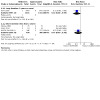
Comparison 2: Metformin vs sulphonylurea, Outcome 2: Severe hypoglycaemia (Subgroup: duration of intervention
Sensitivity analysis showed that restricting analysis to very long or large trials did not substantially affect the effect estimate (RR 0.12, 95% CI 0.02 to 0.99; P = 0.05) (Kahn 2006). Sensitivity analyses based on publication status, language of publication, diagnostic criteria, source of funding and country were not possible. All the trials were published in medical journals, published in English, used different or did not report diagnostic criteria, did not have sufficient data on source of funding and were based in different countries.
End‐stage renal disease or blindness
None of the included trials reported on these outcomes.
Explorative outcomes
Anthropometric measures: body mass index (BMI)
Four trials reported BMI (MD 0.6 kg/m2 in favour of sulphonylureas, 95% CI 0.3 to 0.9; P < 0.001; 4 trials; 461 participants; Analysis 2.3) (Derosa 2004; Erem 2014; Rahman 2011; Yamanouchi 2005).
2.3. Analysis.

Comparison 2: Metformin vs sulphonylurea, Outcome 3: Anthropometric measures: BMI
Testing for subgroup differences according to sulphonylurea generation did not indicate an interaction (P = 0.85; Analysis 2.3). Testing for subgroup differences according to duration of follow‐up, presence of selection bias or obesity was not possible due to a lack of data.
The effect estimate was greatly influenced by the large weight of one trial (Derosa 2004). Sensitivity analysis showed that excluding this trial substantially affected the effect estimate (MD 0.02 kg/m2, 95% CI ‐1.04 to 1.08; P = 0.98; 3 trials; 313 participants). This was most likely due to the slight baseline imbalances in BMI between the metformin and sulphonylurea group coupled with the considerably smaller variance in the results of this trial compared to the other trials in the meta‐analysis. Sensitivity analyses based on very long or large trials, publication status, language of publication, diagnostic criteria, source of funding and country were not possible. All the trials were of short duration (less than two years), published in medical journals, published in English, used different or did not report diagnostic criteria, did not have sufficient data on source of funding, and were based in different countries.
Anthropometric measures: body weight
Four of the trials reported on body weight (MD ‐3.9 kg in favour of metformin, 95% CI ‐5.2 to ‐2.5; P < 0.001; 4 trials; 3185 participants; Analysis 2.4) (Campbell 1994; Erem 2014; Kahn 2006; Rahman 2011). Two of the trials reported the effect size as change from baseline (Campbell 1994; Kahn 2006).
2.4. Analysis.

Comparison 2: Metformin vs sulphonylurea, Outcome 4: Anthropometric measures: body weight
Testing for subgroup differences according to sulphonylurea generation indicated an interaction (P = 0.002; Analysis 2.4). For second‐generation sulphonylurea the effect estimate (MD ‐4.5 kg, 95% CI ‐5.2 to ‐3.9; P < 0.001; 3 trials; 2981 participants) was in favour of metformin. For third‐generation sulphonylurea the effect estimate (MD ‐2.1 kg, 95% CI ‐3.5 to ‐0.6; P = 0.005; 1 trial; 204 participants) was also in favour of metformin. Testing for subgroup differences according to duration of follow‐up did not indicate an interaction (P = 0.42) (Analysis 2.5). Testing for subgroup differences according to presence of selection bias yielded the same subgroups and results as the subgroup analysis according to duration of follow‐up. Testing for subgroup differences according to obesity was not possible due to a lack of data.
2.5. Analysis.

Comparison 2: Metformin vs sulphonylurea, Outcome 5: Anthropometric measures: body weight (duration of intervention)
Sensitivity analysis showed that restricting the analysis to very long or large trials did not substantially affect the effect estimate (MD ‐4.5 kg, 95% CI ‐5.3 to ‐3.7; P < 0.001; 1 trial; 2895 participants) (Kahn 2006). Sensitivity analyses based on publication status, language of publication, diagnostic criteria, source of funding and country were not possible. All the trials were published in medical journals, published in English, used different or did not report diagnostic criteria, did not have sufficient data on source of funding and were based in different countries.
We detected substantial statistical heterogeneity between the trials (P = 0.02, I2 = 69%). This could have been due to different types of comparator used (gliclazide, glipizide, glibenclamide, glimepiride), different doses of metformin (ranging from 2000 mg/day to 3000 mg/day), or different length of follow‐up (ranging from one year to four years) across the trials.
Glycaemic control: fasting plasma glucose (FPG)
All trials reported FPG (random‐effects MD ‐0.23 mmol/L, 95% CI ‐0.54 to 0.07; P = 0.13; fixed‐effect MD ‐0.27 mmol/L in favour of metformin, 95% CI ‐0.41 to ‐0.14; P < 0.001; 7 trials; 3878 participants; Analysis 2.6). One of the trials reported data after three years of follow‐up (UKPDS 34 1998). One trial reported FPG in both a published paper and a FDA document (Campbell 1994). In the publication, a total of 48 participants were included in the analysis. In the FDA report only 43 participants were included in the analysis. In the data from the FDA report, a larger reduction in FPG with glipizide was reported than reported in the published paper (2.8 mmol/L versus 3.2 mmol/L). In the FDA report it was concluded that metformin and glipizide were equally effective. In the published paper it was concluded that metformin gave greater reduction in FPG (Campbell 1994).
2.6. Analysis.

Comparison 2: Metformin vs sulphonylurea, Outcome 6: Glycaemic control: FPG
Testing for subgroup differences according to sulphonylurea generation did not indicate an interaction (P = 0.17; Analysis 2.6). Testing for subgroup differences according to duration of follow‐up did not indicate an interaction (P = 0.21; Analysis 2.7). Testing for subgroup differences according to presence of selection bias yielded the same subgroups and results as the subgroup analysis according to duration of follow‐up. Testing for subgroup differences according to obesity was not possible due to a lack of data.
2.7. Analysis.

Comparison 2: Metformin vs sulphonylurea, Outcome 7: Glycaemic control: FPG (Subgroup: duration of the intervention)
Sensitivity analysis showed that restricting analysis to very long or large trials did not substantially affect the effect estimate (MD ‐0.35 mmol/L in favour of metformin, 95% CI ‐0.51 to ‐0.19; P < 0.001; 1 trial; 2895 participants) (Kahn 2006). Sensitivity analyses based on publication status, language of publication, diagnostic criteria, source of funding and country were not possible. All the trials were published in medical journals, published in English, used different or did not report diagnostic criteria, did not have sufficient data on source of funding, and were based in different countries.
We detected substantial statistical heterogeneity (P = 0.01, I2 = 65%). This could have been due to different types of comparator used (gliclazide, glipizide, glibenclamide, glimepiride), different doses of intervention (ranging from 750 mg/day to 3000 mg/day), or comparator (ranging from 15 mg/day to 20 mg/day for glibenclamide and ranging from 2 mg/day to 8 mg/day for glimepiride) or different length of follow‐up (ranging from one year to four years) across the trials.
Glycaemic control: HbA1c
Six trials reported HbA1c (random‐effects MD ‐0.2%, 95% CI ‐0.5 to 0.02; P = 0.08; fixed‐effect MD ‐0.2% in favour of metformin, 95% CI ‐0.3 to ‐0.1; P < 0.001; 6 trials; 3404 participants; Analysis 2.8) (Campbell 1994; Derosa 2004; Erem 2014; Kahn 2006; Rahman 2011; Yamanouchi 2005).
2.8. Analysis.

Comparison 2: Metformin vs sulphonylurea, Outcome 8: Glycaemic control: HbA1c
One trial reported HbA1c in both a published paper and a FDA document (Campbell 1994). In the publication, a total of 48 participants were included in the analysis. In the FDA report only 43 participants were included in the analysis. In the FDA report it was concluded that there was a greater reduction in HbA1c with metformin, although this was not statistically significant. SD and number of participants in each intervention arm were not reported (Campbell 1994).
Testing for subgroup differences according to sulphonylurea generation indicated an interaction (P = 0.02; Analysis 2.8). For second‐generation sulphonylurea the effect estimate (MD ‐0.5%, 95% CI ‐0.9 to ‐0.1; P = 0.01; 3 trials; 2981 participants) was in favour of metformin. For third‐generation sulphonylurea the effect estimate (MD 0.1%, 95% CI ‐0.2 to 0.3; P = 0.64; 3 trials; 423 participants) was not in favour of either intervention. However, the CIs overlapped to a small degree indicating doubtful subgroup differences.
Testing for subgroup differences according to duration of follow‐up did not indicate an interaction (P = 0.98; Analysis 2.9). Testing for subgroup differences according to presence of selection bias yielded the same subgroups and results as the subgroup analysis according to duration of follow‐up. Testing for subgroup differences according to obesity was not possible due to a lack of data.
2.9. Analysis.

Comparison 2: Metformin vs sulphonylurea, Outcome 9: Glycaemic control: HbA1c (Subgroup: duration of the intervention)
Sensitivity analysis showed that restricting analysis to very long or large trials substantially affected the effect estimate (MD ‐0.24 in favour of metformin, 95% CI ‐0.35 to ‐0.13; P < 0.0001; 1 trials; 2895 participants) (Kahn 2006). Sensitivity analyses based on publication status, language of publication, diagnostic criteria, source of funding and country were not possible, since all the trials were published in medical journals, published in English, used different or did not report diagnostic criteria, did not have sufficient data on source of funding, and were based in different countries.
Congestive heart failure
Three trials reported congestive heart failure (Erem 2014; Kahn 2006; Yamanouchi 2005). However, two trials reported that 0/19 and 0/37 participants in the metformin group experienced congestive heart failure compared with 0/19 and 0/34 participants in the sulphonylurea group, respectively (Erem 2014; Yamanouchi 2005). In the remaining trial, 19/1454 participants (1.3%) in the metformin group experienced congestive heart failure compared with 9/1441 participants (0.6%) in the sulphonylurea group (Kahn 2006).
Subgroup and sensitivity analyses were not possible due to a lack of data.
Cardiac revascularisation
Yamanouchi 2005 reported cardiac revascularisation. In the metformin group, 0/37 participants experienced cardiac revascularisation compared with 0/34 participants in the sulphonylurea group.
Subgroup and sensitivity analyses were not possible due to a lack of data.
Peripheral revascularisation
Two trials reported peripheral revascularisation (Kahn 2006; Yamanouchi 2005). Yamanouchi 2005 reported that in the metformin group 0/37 participants experienced peripheral revascularisation compared with 0/34 in the sulphonylurea group. In the remaining trial, 27/1454 participants (1.9%) in the metformin group experienced peripheral revascularisation compared with 31/1441 participants (2.2%) in the sulphonylurea group (Kahn 2006).
Subgroup and sensitivity analyses were not possible due to a lack of data.
Intervention failure
Three trials reported that a total of 576 participants experienced intervention failure: in the metformin group 233/1835 participants (12.7%) experienced intervention failure compared with 343/1755 participants (19.5%) in the sulphonylurea group (RR 0.66 in favour of metformin, 95% CI 0.57 to 0.77; P < 0.001; 3 trials; 3590 participants; Analysis 2.10) (Kahn 2006; UKPDS 34 1998; Yamanouchi 2005) . In one trial (UKPDS 34 1998), data were reported after three years of follow‐up. In one trial the analysis included withdrawals that were excluded from the other analyses from the trial (Yamanouchi 2005).
2.10. Analysis.

Comparison 2: Metformin vs sulphonylurea, Outcome 10: Intervention failure
Testing for subgroup differences according to sulphonylurea generation did not indicate an interaction (P = 0.36; Analysis 2.10). Testing for subgroup differences according to duration of follow‐up or presence of selection bias yielded the same subgroups and results as the subgroup analysis according to sulphonylurea generation (Analysis 2.11). Testing for subgroup differences according to obesity was not possible due to a lack of data.
2.11. Analysis.

Comparison 2: Metformin vs sulphonylurea, Outcome 11: Intervention failure (Subgroup: duration of the intervention
Sensitivity analysis showed that restricting analysis to very long or large trials did not substantially affect the effect estimate (RR 0.66, 95% CI 0.56 to 0.77; P < 0.001; 1 trial; 2895 participants) (Kahn 2006). Sensitivity analyses based on publication status, language of publication, diagnostic criteria, source of funding and country were not possible. All the trials were published in medical journals, published in English, used different or did not report diagnostic criteria, did not have sufficient data on source of funding and were based in different countries.
Lactic acidosis, amputation of lower extremity, socioeconomic effects
None of the included trials reported these outcomes.
Metformin monotherapy versus thiazolidinediones
We identified seven trials comparing metformin monotherapy versus thiazolidinediones (Bilezikian 2013; Derosa 2009; Erem 2014; Kahn 2006; Kiyici 2009; Schernthaner 2004; Yamanouchi 2005). Metformin was administered in doses ranging from 750 mg/day to 3000 mg/day. Thiazolidinediones were administered as pioglitazone in four trials (Derosa 2009; Erem 2014; Schernthaner 2004; Yamanouchi 2005) in doses of 45 mg/day and as rosiglitazone in three trials (Bilezikian 2013; Kahn 2006; Kiyici 2009) in doses ranging from 4 mg/day to 8 mg/day.
Primary outcomes
All‐cause mortality
Five trials (Bilezikian 2013; Erem 2014; Kahn 2006; Kiyici 2009; Schernthaner 2004) reported that a total of 71 participants died: in the metformin group 33/2197 participants (1.5%) died compared with 38/2205 participants (1.7%) in the thiazolidinedione group (RR 0.88, 95% CI 0.55 to 1.39; P = 0.57; 5 trials; 4402 participants; very low‐certainty evidence; Analysis 3.1) The 95% prediction interval ranged between 0.42 and 1.85.
3.1. Analysis.

Comparison 3: Metformin vs thiazolidinedione, Outcome 1: All‐cause mortality
In two trials there were no deaths (Erem 2014; Kiyici 2009), and one trial contributed 65/71 events (91.5%) (Kahn 2006).
Testing for subgroup differences according to thiazolidinedione type did not indicate an interaction (P = 0.76). Testing for subgroup differences according to duration of follow‐up did not indicate an interaction (P = 0.57; Analysis 3.2). Testing for subgroup differences according to presence of selection bias or obesity was not possible due to a lack of data.
3.2. Analysis.

Comparison 3: Metformin vs thiazolidinedione, Outcome 2: All‐cause mortality (Subgroup: duration of the intervention)
Sensitivity analysis showed that restricting analysis to very long or large trials (Kahn 2006) did not substantially affect the effect estimate (RR 0.91, 95% CI 0.56 to 1.48; P = 0.71; 1 trial; 2910 participants). Sensitivity analyses based on publication status, language of publication, diagnostic criteria, source of funding and country were not possible. All the trials were published in medical journals, published in English, used different or did not report diagnostic criteria, did not have sufficient data on source of funding, and were based in different countries.
Serious adverse events
Four trials (Bilezikian 2013; Erem 2014; Kahn 2006; Kiyici 2009) reported that a total of 689 participants experienced a serious adverse event: in the metformin group 336/1600 participants (21.0%) experienced a serious adverse event compared with 353/1608 participants (22.0%) in the thiazolidinedione group (RR 0.95, 95% CI 0.84 to 1.09; P = 0.49; 4 trials; 3208 participants; very low‐certainty evidence; Analysis 3.3). In two trials no serious adverse events occurred (Erem 2014; Kiyici 2009).
3.3. Analysis.

Comparison 3: Metformin vs thiazolidinedione, Outcome 3: Serious adverse events
Testing for subgroup differences according to thiazolidinedione type was not possible due to lack of data. Testing for subgroup differences according to duration of follow‐up did not indicate an interaction (P = 0.64; Analysis 3.4). Testing for subgroup differences according to presence of selection bias or obesity was not possible due to a lack of data.
3.4. Analysis.

Comparison 3: Metformin vs thiazolidinedione, Outcome 4: Serious adverse event (Subgroup: duration of the intervention)s
Sensitivity analysis showed that restricting analysis to very long or large trials (Kahn 2006) did not substantially affect the effect estimate (RR 0.96, 95%, CI 0.84 to 1.09; P = 0.52; 1 trial; 2910 participants). Sensitivity analyses based on publication status, language of publication, diagnostic criteria, source of funding and country were not possible. All the trials were published in medical journals, published in English, used different or did not report diagnostic criteria, did not have sufficient data on source of funding and were based in different countries.
Health‐related quality of life
None of the included trials reported on health‐related quality of life.
Secondary outcomes
Cardiovascular mortality
Four trials (Bilezikian 2013; Erem 2014; Kahn 2006; Kiyici 2009) reported that a total of 10 participants died of cardiovascular reasons: in the metformin group 4/1601 participants (0.2%) died of cardiovascular reasons compared with 6/1610 participants (0.4%) in the thiazolidinedione group (RR 0.71, 95% CI 0.21 to 2.39; P = 0.58; 4 trials; 3211 participants; very low‐certainty evidence; Analysis 3.5). In two trials no deaths due to cardiovascular reasons occurred (Erem 2014; Kiyici 2009).
3.5. Analysis.

Comparison 3: Metformin vs thiazolidinedione, Outcome 5: Cardiovascular mortality
Testing for subgroup differences according to duration of follow‐up did not indicate an interaction (P = 0.63: Analysis 3.6). Testing for subgroup differences according to thiazolidinedione type, presence of selection bias or obesity was not possible due to a lack of data.
3.6. Analysis.
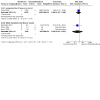
Comparison 3: Metformin vs thiazolidinedione, Outcome 6: Cardiovascular mortality Subgroup: duration of the intervention)
Sensitivity analysis showed that restricting analysis to very long or large trials did not substantially affect the effect estimate (RR 0.80, 95% CI 0.22 to 2.98; P = 0.74; 1 trial; 2910 participants) (Kahn 2006). Sensitivity analyses based on publication status, language of publication, diagnostic criteria, source of funding, and country were not possible. All the trials were published in medical journals, published in English, used different or did not report diagnostic criteria, did not have sufficient data on source of funding and were based in different countries.
Non‐fatal myocardial infarction
Three trials (Erem 2014; Kahn 2006; Yamanouchi 2005) reported non‐fatal myocardial infarction (very low‐certainty evidence). Two trials reported that 0/19 and 0/37 participants in the metformin group experienced a non‐fatal myocardial infarction compared with 0/19 and 0/35 participants in the thiazolidinedione group, respectively (Erem 2014; Yamanouchi 2005). In the remaining trial (Kahn 2006), 21/1454 participants (1.4%) in the metformin group experienced non‐fatal myocardial infarction compared with 25/1456 participants (1.7%) in the thiazolidinedione group.
Subgroup and sensitivity analysis could not be performed due to lack of data.
Non‐fatal stroke
One trial (Yamanouchi 2005) reported non‐fatal stroke. In the metformin group, 0/37 participants experienced non‐fatal stroke compared with 0/35 participants in the thiazolidinedione group (very low‐certainty evidence).
Subgroup and sensitivity analysis could not be performed due to lack of data.
Severe hypoglycaemia
Two trials reported severe hypoglycaemia (Erem 2014; Kahn 2006). Erem 2014 reported that 0/19 participants in the metformin group experienced severe hypoglycaemia compared with 0/19 participants in the thiazolidinedione group. In the remaining trial in the metformin group, 1/1454 participants (0.1%) experienced severe hypoglycaemia compared with 1/1456 (0.1%) in the thiazolidinedione group (Kahn 2006).
Subgroup and sensitivity analysis could not be performed due to lack of data.
End‐stage renal disease or blindness
None of the included trials reported these outcomes.
Explorative outcomes
Anthropometric measures: body mass index (BMI)
Three trials (Erem 2014; Kiyici 2009; Yamanouchi 2005) reported BMI (MD ‐0.4 kg/m2, 95% CI ‐2.3 to 1.6; P = 0.69; 3 trials; 145 participants; Analysis 3.7).
3.7. Analysis.
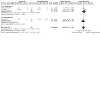
Comparison 3: Metformin vs thiazolidinedione, Outcome 7: Anthropometric measures: BMI
Testing for subgroup differences according to thiazolidinedione type did not indicate an interaction (P = 0.48). Testing for subgroup differences according to duration of follow‐up, presence of selection bias, or obesity was not possible due to a lack of data.
Sensitivity analyses based on very long or large trials, publication status, language of publication, diagnostic criteria, source of funding and country were not possible, since all the trials had less than 1000 participants, were of one year duration, were published in medical journals, published in English, used different or did not report diagnostic criteria, did not have sufficient data on source of funding, and were based in different countries.
Anthropometric measures: body weight
Two trials (Erem 2014; Kahn 2006) reported body weight (random‐effects MD ‐1.3 kg, 95% CI ‐15.2 to 12.7; P = 0.86; fixed‐effect MD ‐7.6 kg in favour of metformin, 95% CI ‐8.3 to ‐6.9; P < 0.001; 2 trials; 2948 participants; Analysis 3.8).
3.8. Analysis.

Comparison 3: Metformin vs thiazolidinedione, Outcome 8: Anthropometric measures: body weight
Testing for subgroup differences according to thiazolidinedione type indicated an interaction (P = 0.002). For pioglitazone the effect estimate (MD 6.6 kg, 95% CI ‐2.3 to 15.5; P = 0.15; 1 trial; 38 participants) was not in favour of either intervention. For rosiglitazone the effect estimate (MD ‐7.7 kg, 95% CI ‐8.4 to ‐7.0; P < 0.001; 1 trial; 2910 participants) was in favour of metformin. Testing for subgroup differences according to duration of follow‐up or presence of selection bias yielded the same subgroups and results as the subgroup analysis according to thiazolidinedione type. Testing for subgroup differences according to obesity was not possible due to a lack of data.
Sensitivity analysis was not possible due to a lack of data.
Glycaemic control: fasting plasma glucose (FPG)
Six trials (Bilezikian 2013; Erem 2014; Kahn 2006; Kiyici 2009; Schernthaner 2004; Yamanouchi 2005) reported FPG (random‐effects MD 0.32 mmol/L, 95% CI ‐0.21 to 0.84; P = 0.23; fixed‐effect MD 0.52 mmol/L in favour of thiazolidinediones, 95% CI 0.38 to 0.65; P < 0.001; 6 trials; 4456 participants; Analysis 3.9).
3.9. Analysis.

Comparison 3: Metformin vs thiazolidinedione, Outcome 9: Glycaemic control: FPG
Testing for subgroup differences according to thiazolidinedione type did not indicate an interaction (P = 0.25). Testing for subgroup differences according to duration of follow‐up indicated an interaction (P = 0.01; Analysis 3.10). For the one trial of long duration (two years or more) the effect estimate (MD 0.73 mmol/L, 95% CI 0.57 to 0.89; P < 0.001; 1 trial; 2910 participants) was in favour of thiazolidinedione. For trials of short duration (less than two years) the effect estimate (MD 0.12 mmol/L, 95% CI ‐0.32 to 0.56; P = 0.59; 5 trials; 1546 participants) was not in favour of either intervention. Testing for subgroup differences according to presence of selection bias did not indicate an interaction (P = 0.89; Analysis 3.11). Testing for subgroup differences according to obesity was not possible due to a lack of data.
3.10. Analysis.

Comparison 3: Metformin vs thiazolidinedione, Outcome 10: Glycaemic control: FPG (Subgroup: duration of the intervention)
3.11. Analysis.

Comparison 3: Metformin vs thiazolidinedione, Outcome 11: Glycaemic control: FPG (Subgroup: selection bias)
Sensitivity analysis showed that restricting analysis to very long or large trials (Kahn 2006) substantially affected the effect estimate (MD 0.73 mmol/L in favour of thiazolidinedione, 95% CI 0.57 to 0.89; P < 0.001; 1 trial; 2910 participants). Sensitivity analyses based on publication status, language of publication, diagnostic criteria, source of funding, and country were not possible, since all the trials were published in medical journals, published in English, used different or did not report diagnostic criteria, did not have sufficient data on source of funding and were based in different countries.
We detected considerable heterogeneity between the trials (P < 0.001, I2 = 85%). This could have been due to different types of comparator used (pioglitazone, rosiglitazone), different doses of intervention (ranging from 750 mg/day to 2550 mg/day) or comparator (ranging from 4 mg/day to 8 mg/day for rosiglitazone) or different length of follow‐up (ranging from one year to four years) across the trials.
Glycaemic control: HbA1c
Six trials (Bilezikian 2013; Erem 2014; Kahn 2006; Kiyici 2009; Schernthaner 2004; Yamanouchi 2005) reported HbA1c (MD 0.01%, 95% CI ‐0.2 to 0.2; P = 0.95; 6 trials; 4456 participants; Analysis 3.12).
3.12. Analysis.

Comparison 3: Metformin vs thiazolidinedione, Outcome 12: Glycaemic control: HbA1c
Testing for subgroup differences according to thiazolidinedione type did not indicate an interaction (P = 0.26). Testing for subgroup differences according to duration of follow‐up indicated an interaction (P < 0.001; Analysis 3.13). For the one trial of long duration (two years or more) the effect estimate (MD 0.3%, 95% CI 0.2 to 0.4; P < 0.001; 1 trial; 2910 participants) was in favour of thiazolidinediones. For trials of short duration (less than two years) the effect estimate (MD ‐0.1%, 95% CI ‐0.2 to 0.01; P = 0.07; 5 trials; 1546 participants) was not in favour of either intervention. Testing for subgroup differences according to presence of selection bias did not indicate an interaction (P = 0.65; Analysis 3.14). Testing for subgroup differences according to obesity was not possible due to a lack of data.
3.13. Analysis.

Comparison 3: Metformin vs thiazolidinedione, Outcome 13: Glycaemic control: HbA1c (Subgroup: duration of the intervention)
3.14. Analysis.

Comparison 3: Metformin vs thiazolidinedione, Outcome 14: Glycaemic control: HbA1c (Subgroup: selection bias)
Sensitivity analysis showed that restricting analysis to very long or large trials (Kahn 2006) substantially affected the effect estimate (MD 0.3% in favour of thiazolidinediones, 95% CI 0.2 to 0.4; P < 0.001; 1 trial; 2910 participants). Sensitivity analyses based on publication status, language of publication, diagnostic criteria, source of funding and country were not possible, since all the trials were published in medical journals, published in English, used different or did not report diagnostic criteria, did not have sufficient data on source of funding, and were based in different countries.
Congestive heart failure
Three trials (Erem 2014; Kahn 2006; Yamanouchi 2005) reported congestive heart failure. Two trials reported that 0/37 and 0/19 participants in the metformin group experienced congestive heart failure compared with 0/35 and 0/19 participants in the thiazolidinedione group, respectively (Erem 2014; Yamanouchi 2005). In the remaining trial, 19/1454 participants (1.3%) in the metformin group experienced congestive heart failure compared with 22/1456 participants (1.5%) in the thiazolidinedione group (Kahn 2006).
Testing for subgroup differences according to thiazolidinedione type, duration of follow‐up, presence of selection bias, or obesity was not possible due to a lack of data.
Sensitivity analysis showed that restricting analysis to very long or large trials (Kahn 2006) contained the same trial data as in the main analysis. Sensitivity analyses based on publication status, language of publication, diagnostic criteria, source of funding and country were not possible, since all the trials were published in medical journals, published in English, used different or did not report diagnostic criteria, did not have sufficient data on source of funding, and were based in different countries.
Cardiac revascularisation
One trial reported cardiac revascularisation (Yamanouchi 2005). In the metformin group, 0/37 participants experienced cardiac revascularisation compared with 0/35 in the thiazolidinedione group.
Subgroup and sensitivity analysis could not be performed due to lack of data.
Peripheral revascularisation
Two trials reported data peripheral revascularisation (Kahn 2006; Yamanouchi 2005). One trial reported that 0/37 participants experienced peripheral revascularisation in the metformin group compared with 0/35 participants in the thiazolidinedione group (Yamanouchi 2005). In the remaining trial, 27/1454 participants (1.9%) in the metformin group experienced peripheral revascularisation compared with 36/1456 participants (2.5%) in the thiazolidinedione group (Kahn 2006).
Subgroup and sensitivity analysis could not be performed due to lack of data.
Intervention failure
Two of the included trials (Kahn 2006; Yamanouchi 2005) reported that a total of 352 participants experienced intervention failure: in the metformin group 208/1493 participants (13.9%) experienced intervention failure compared with 144/1494 participants (9.6%) in the thiazolidinedione group (RR 1.45 in favour of thiazolidinediones, 95% CI 1.18 to 1.77; P < 0.001; 2 trials; 2987 participants; Analysis 3.15). In one trial the results included withdrawals from the study which were excluded in all other analyses (Yamanouchi 2005).
3.15. Analysis.

Comparison 3: Metformin vs thiazolidinedione, Outcome 15: Intervention failure
Testing for subgroup differences according to thiazolidinedione type did not indicate an interaction (P = 0.78). Testing for subgroup differences according to duration of follow‐up (Analysis 3.16) or presence of selection bias (Analysis 3.17) yielded the same subgroups and results as the subgroup analysis according to thiazolidinedione type. Testing for subgroup differences according to obesity was not possible due to a lack of data.
3.16. Analysis.

Comparison 3: Metformin vs thiazolidinedione, Outcome 16: Intervention failure (Subgroup: duration of the intervention
3.17. Analysis.

Comparison 3: Metformin vs thiazolidinedione, Outcome 17: Intervention failure (Subgroup: selection bias)
Sensitivity analysis was not possible due to a lack of data
Lactic acidosis, amputation of lower extremity, socioeconomic effects
None of the included trials reported these outcomes.
Metformin monotherapy versus dipeptidyl peptidase‐4 inhibitors
We identified three trials comparing metformin monotherapy with a dipeptidyl peptidase‐4 inhibitor (DPP‐4 inhibitor) (Pfützner 2011; Schweizer 2007; Williams‐Herman 2010). Metformin was administered in doses ranging from 1000 mg/day to 2000 mg/day. DPP‐4 inhibitors were administered as saxagliptin in doses of 10 mg/day in one trial (Pfützner 2011); vildagliptin in doses of 100 mg/day in one trial (Schweizer 2007); and sitagliptin in doses of 100 mg/day (Williams‐Herman 2010). In one trial (Williams‐Herman 2010), two doses of metformin were administered in two separate intervention groups. These doses were 1000 mg/day and 2000 mg/day, respectively. For all of the following results these groups were combined as one intervention group.
Primary outcomes
All‐cause mortality
All of the included trials reported that a total of 15 participants died: in the metformin group 10/944 participants (1.1%) died compared with 5/1033 participants (0.5%) in the DPP‐4 inhibitor group (3 trials; 1977 participants; very low‐certainty evidence; Analysis 4.1). As each trial applied a different DPP‐4 inhibitor it was inappropriate to pool results in a meta‐analysis. For this reason, we also did not perform sensitivity or subgroup analysis. In one trial results were reported after 104 weeks of the intervention (Williams‐Herman 2010). In one trial results were calculated using all‐cause mortality from the first 52 weeks of intervention summed with all‐cause mortality from the extension period (Schweizer 2007).
4.1. Analysis.

Comparison 4: Metformin vs dipeptidyl peptidase‐4 inhibitor, Outcome 1: All‐cause mortality
In the saxagliptin trial, 5/328 (1.5%) participants in the metformin group died compared with 2/335 (0.6%) participants in the saxagliptin group (Pfützner 2011).
In the sitagliptin trial, 1/364 (0.3%) participants in the metformin group died compared with 0/179 in the sitagliptin group (Williams‐Herman 2010).
In the vildagliptin trial, 4/252 (1.6%) participants in the metformin group died compared with 3/519 (0.6%) in the vildagliptin group (Schweizer 2007).
Serious adverse events
All of the included trials reported that a total of 108 participants experienced a serious adverse event: in the metformin group 44/944 participants (4.7%) experienced a serious adverse event compared with 64/1033 participants (6.2%) in the DPP‐4 inhibitor group (3 trials; 1977 participants; very low‐certainty evidence; Analysis 4.2). As each trial applied a different DPP‐4 inhibitor it was inappropriate to pool results in a meta‐analysis. For this reason, we also did not perform sensitivity or subgroup analysis. In one trial results were reported after 52 weeks of intervention (Schweizer 2007). In one trial results were reported after 104 weeks of intervention and excluded data for participants who initiated glycaemic rescue therapy (Williams‐Herman 2010).
4.2. Analysis.
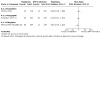
Comparison 4: Metformin vs dipeptidyl peptidase‐4 inhibitor, Outcome 2: Serious adverse events
In the saxagliptin trial, 15/328 (4.5%) participants in the metformin group experienced a serious adverse event compared with 16/335 (4.8%) participants in the saxagliptin group (Pfützner 2011).
In the sitagliptin trial, 16/364 (4.4%) participants in the metformin group experienced a serious adverse event compared with 13/179 (7.2%) participants in the sitagliptin group (Williams‐Herman 2010).
In the vildagliptin trial, 13/252 (5.2%) participants in the metformin group experienced a serious adverse event compared with 35/519 (6.7%) participants in the vildagliptin group (Schweizer 2007).
Health‐related quality of life
None of the included trials reported on health‐related quality of life.
Secondary outcomes
Cardiovascular mortality
Two trials (Pfützner 2011; Williams‐Herman 2010) reported on cardiovascular mortality (very low‐certainty evidence). One trial reported that in the metformin group 0/364 participants died from cardiovascular reasons compared with 0/179 participants in the DPP‐4 inhibitor group (Williams‐Herman 2010). In the remaining trial, 3/328 participants (0.9%) in the metformin group died from cardiovascular reasons compared with 2/335 participants (0.6%) in the DPP‐4 inhibitor group (Pfützner 2011). In Pfützner 2011 one additional participant in the metformin group died from sudden death which was not classified as cardiovascular mortality. Williams‐Herman 2010 reported results after 104 weeks of intervention.
Non‐fatal myocardial infarction
One trial reported non‐fatal myocardial infarction (Williams‐Herman 2010). In the metformin group, 1/364 participants (0.3%) experienced a non‐fatal myocardial infarction compared with 0/179 participants in the DPP‐4 inhibitor group (very low‐certainty evidence). Results were reported after 104 weeks of intervention.
Non‐fatal stroke
One trial reported non‐fatal stroke (Williams‐Herman 2010). In the metformin group, 0/364 participants experienced a non‐fatal stroke compared with 0/179 participants in the DPP‐4 inhibitor group (very low‐certainty evidence). Results were reported after 104 weeks of intervention.
Severe hypoglycaemia
All of the included trials reported severe hypoglycaemia. Two trials reported that in the metformin group 0/328 participants and 0/252 participants experienced severe hypoglycaemia compared with 0/335 and 0/519 participants in the DPP‐4 inhibitor group, respectively (Pfützner 2011; Schweizer 2007). In the remaining trial, 3/364 participants (0.8%) in the metformin group experienced severe hypoglycaemia compared with 0/179 participants in the DPP‐4 inhibitor group (Williams‐Herman 2010). Schweizer 2007 reported results after 52 weeks of intervention. Williams‐Herman 2010 reported results after 104 weeks of intervention.
End‐stage renal disease or blindness
None of the included trials reported these outcomes.
Explorative outcomes
Anthropometric measures: body weight
All of the included trials reported body weight. However, as each trial applied a different DDP‐4 inhibitor, no meta‐analysis was performed (Analysis 4.3). All trials favoured metformin. In one trial (Pfützner 2011), SD was not reported and had to be imputed by combining the SDs from the two other trials in the analysis. Schweizer 2007 reported results after 52 weeks of intervention and adjusted for baseline HbA1c values. Williams‐Herman 2010 reported results after 104 weeks of intervention and excluded participants that required rescue medication in the initial 24 weeks and/or the subsequent 30 weeks of the intervention. Pfützner 2011 reported results after 76 weeks of intervention.
4.3. Analysis.

Comparison 4: Metformin vs dipeptidyl peptidase‐4 inhibitor, Outcome 3: Anthropometric measures: body weight
Sensitivity and subgroup analysis were not possible due to a lack of data.
Glycaemic control: fasting plasma glucose (FPG)
All of the included trials reported on FPG. However, as each trial applied a different DDP‐4 inhibitor, no meta‐analysis was performed (Analysis 4.4). All studies showed a reduction in FPG in favour of metformin.
4.4. Analysis.

Comparison 4: Metformin vs dipeptidyl peptidase‐4 inhibitor, Outcome 4: Glycaemic control: FPG
Sensitivity and subgroup analysis were not possible due to a lack of data.
Glycaemic control: HbA1c
All of the included trials reported on HbA1c. However, as each trial applied a different DDP‐4 inhibitor, no meta‐analysis was performed (Analysis 4.5).
4.5. Analysis.

Comparison 4: Metformin vs dipeptidyl peptidase‐4 inhibitor, Outcome 5: Glycaemic control: HbA1c
Sensitivity and subgroup analysis were not possible due to a lack of data.
Intervention failure
One trial reported on intervention failure (Pfützner 2011). In the metformin group, 105/328 participants (32.0%) experienced intervention failure compared with 155/335 participants (46.3%) in the DPP‐4 inhibitor group.
Sensitivity and subgroup analysis were not possible due to a lack of data.
Lactic acidosis, amputation of lower extremity, congestive heart failure, cardiac revascularisation, peripheral revascularisation, socioeconomic effects
None of the included trials reported these outcomes.
Metformin monotherapy versus glucagon like peptide‐1 analogues
One trial compared metformin monotherapy with a glucagon like peptide‐1 analogue (GLP‐1) (Umpierrez 2014). Metformin was administered in a doses 1500 mg/day to 2000 mg/day. GLP‐1 was administered as dulaglutide. Two different doses of dulaglutide were administered in the two separate comparator groups. These doses were 0.75 mg/week and 1.5 mg/week, respectively. For all of the following results these groups were combined as one comparator group.
Primary outcomes
All‐cause mortality
In the metformin group, 0/268 participants died compared with 0/539 participants in the GLP‐1 group (very low‐certainty evidence).
Serious adverse events
In the metformin group, 16/268 participants (6.0%) experienced a serious adverse event compared with 35/539 participants (6.5%) in the GLP‐1 group (RR 0.92, 95% CI 0.52 to 1.63; P = 0.77; very low‐certainty evidence).
Health‐related quality of life
The included trial did not report health‐related quality of life.
Secondary outcomes
Cardiovascular mortality
In the metformin group, 0/268 participants died of cardiovascular reasons compared with 0/539 participants in the GLP‐1 group (very low‐certainty evidence). The results were reported after 53 weeks of follow‐up.
Non‐fatal myocardial infarction
In the metformin group, 0/268 participants experienced a non‐fatal myocardial infarction compared with 1/539 participants (0.2%) in the GLP‐1 group (RR 0.67, 95% CI 0.03 to 16.37; P = 0.81; very low‐certainty evidence).
Non‐fatal stroke
In the metformin group, 0/268 participants experienced a non‐fatal stroke compared with 1/539 (0.2%) participants in the GLP‐1 group (RR 0.67, 95% CI 0.03 to 16.37; P = 0.81; very low‐certainty evidence).
Severe hypoglycaemia
In the metformin group, 0/268 participants experienced severe hypoglycaemia compared with 0/539 participants in the GLP‐1 group.
End‐stage renal disease or blindness
The included trial did not report these outcomes.
Explorative outcomes
Anthropometric measures: body mass index (BMI)
In the metformin group, the mean change of baseline BMI was ‐0.8 kg/m2 (SD 1.8) in 267 participants compared with ‐0.6 kg/m2 (SD 1.7) in 536 participants in the GLP‐1 group. The result was adjusted for country, prior diabetes‐medication usage, baseline value, visit, treatment‐by‐visit and patient as a random‐effects in a mixed‐effects, repeated measures analysis.
Anthropometric measures: body weight
In the metformin group, the mean change of baseline body weight was ‐2.2 kg (SD 4.7) in 267 participants compared with ‐1.5 kg (SD 4.8) in 536 participants in the GLP‐1 group. The result was adjusted for country, prior diabetes‐medication usage, baseline value, visit, treatment‐by‐visit and patient as a random‐effects in a mixed‐effects, repeated measures analysis.
Glycaemic control: fasting plasma glucose (FPG)
In the metformin group, the mean change of baseline FPG was ‐1.15 mmol/L (SD 1.95) in 194 participants compared with ‐1.28 mmol/L (SD 2.04) in 417 participants in the GLP‐1 group. The result was adjusted for country, prior diabetes‐medication usage, baseline value, visit, treatment‐by‐visit and patient as a random‐effects in a mixed‐effects, repeated measures analysis.
Glycaemic control: HbA1c
In the metformin group, the mean change of baseline HbA1c was ‐0.5% (SD 1.1) in 265 participants compared with ‐0.6% (SD 1.1) in 530 participants in the GLP‐1 group (MD 0.1%, 95% CI ‐0.1 to 0.3; P = 0.1805). The result was adjusted for country, prior diabetes‐medication usage, baseline value, visit, treatment‐by‐visit and patient as a random‐effects in a mixed‐effects, repeated measures analysis.
Congestive heart failure
In the metformin group, 1/268 participants (0.4%) experienced congestive heart failure compared with 0/539 participants in the GLP‐1 group.
Intervention failure
In the metformin group, 14/268 participants (5.2%) experienced intervention failure compared with 20/539 participants (3.7%) in the GLP‐1 group.
Lactic acidosis, amputation of lower extremity, cardiac revascularisation, peripheral revascularisation, socioeconomic effects
The included trial did not report these outcomes.
Metformin monotherapy versus meglitinides
We identified one trial comparing metformin monotherapy with meglitinide (Derosa 2003). Metformin was administered in doses of 1500 mg/day to 2500 mg/day. Meglitinide was administered as repaglinide in doses of 2 mg/day to 4 mg/day.
Primary outcomes
All‐cause mortality
The trial did not report this outcome.
Serious adverse events
In the metformin group, 0/56 participants experienced a serious adverse event compared with 0/56 participants in the meglitinide group (very low‐certainty evidence).
Health‐related quality of life
The trial did not report this outcome.
Secondary outcomes
Severe hypoglycaemia
In the metformin group, 0/56 participants experienced severe hypoglycaemia compared with 0/56 participants in the meglitinide group.
Cardiovascular mortality, non‐fatal myocardial infarction, non‐fatal stroke, end‐stage renal disease, blindness
The trial did not report these outcomes.
Explorative outcomes
Glycaemic control: fasting plasma glucose (FPG)
In the metformin group, the mean FPG was 7.6 mmol/L (SD 0.94) in 49 participants compared with 7.7 mmol/L (SD 1.22) in 53 participants in the meglitinide group.
Subgroup analyses
We performed several subgroup analyses. Please see under comparison and outcome of interest.
Sensitivity analyses
We performed several sensitivity analyses. Please see under comparison and outcome of interest.
Assessment of reporting bias
We did not draw funnel plots since there were no analyses with 10 trials or more for a particular outcome.
Ongoing trials
We identified four ongoing RCTs that could potentially provide data of interest for our review. The estimated trial completion dates were: NCT01001962 (January 2020), NCT01779362 (August 2019), NCT02853630 (December 2018) and NCT03982381 (September 2024). Three of the trials (NCT01001962; NCT01779362; NCT02853630) are expected to have been completed, but no results have been published. The ongoing trials will include approximately 5824 participants. All of the ongoing trials are investigating one or more outcomes of interest to this review.
For further details, see 'Characteristics of ongoing studies'.
Studies awaiting assessment
We identified 24 RCTs awaiting assessment. All of the trials were expected to have been completed, but no results were published. The trials included approximately 2369 participants. The majority of the studies awaiting assessment investigated one or more outcomes of interest to this review.
For further details, see 'Characteristics of studies awaiting classification'.
Discussion
Summary of main results
This review investigated metformin monotherapy compared with no intervention, placebo, diet or glucose‐lowering drugs in people with T2DM. We included 18 trials with a total of 10,680 randomised participants. We judged no trials to be at low risk of bias for all 'Risk of bias' domains. The amount of evidence for our primary and secondary outcomes was very limited. Neither metformin nor any of the comparators were clearly favoured in any of the outcomes as specified in the Table 1; Table 2; Table 3; Table 4; Table 5; Table 6. There were fewer reported cases of severe hypoglycaemia with metformin compared to sulphonylurea. Furthermore, metformin was favoured in the majority of our explorative outcomes. However, many of these results suffered from lack of data and heterogeneity, and were not robust in sensitivity analyses.
Overall completeness and applicability of evidence
We conducted an extensive search for trials in databases and from non‐database sources with no restrictions on language or outcomes reported in trials, and we tried to retrieve additional information on all trials. Additionally, we handsearched reference lists of all trials, which identified two additional publications to be included. The US Food and Drug Administration (FDA) also provided additional information of an included trial (Campbell 1994).
For each trial we contacted one or more authors to obtain supplemental data on outcomes and 'Risk of bias' domains and to specify whether further trials existed. Only one author replied and provided additional data (Schweizer 2007).
Diagnostic criteria for T2DM were primarily established using the criteria from the World Health Organization (WHO) and American Diabetes Association (ADA). Eleven trials did not report diagnostic criteria for T2DM.
Selection bias may generally be present in randomised controlled trials (RCTs) because the participants could be healthier and more motivated than the population from which they are sampled. However, a Cochrane systematic review demonstrated that participants in RCTs had similar clinical outcomes compared with patients who did not participate (Vist 2008).
We were not able to include patient‐important data from the longest follow‐up period in the UKPDS trial (UKPDS 34 1998). The importance of the UKDPS trial is based on the length of the intervention: about 10 years. According to the design description, the researchers planned to compare the subgroup of overweight and obese participants randomly assigned to receive insulin or sulphonylureas or metformin monotherapy. However, to our knowledge, these data have not been reported separately. Instead, the participants assigned to sulphonylureas or insulin were grouped together, which precludes direct comparison of sulphonylureas with metformin and insulin with metformin. However, in some of the co‐publications, some information on outcomes with relevance (e.g. severe hypoglycaemia, glycaemic control) for this review could be retrieved after one to three years of follow‐up. The largest trial reporting patient‐important outcomes for sulphonylurea monotherapy compared with metformin was the A Diabetes Outcome Progression Trial (ADOPT) trial (Kahn 2006).
We could not include mortality or macrovascular complications from the UKPDS trial, therefore our review consists exclusively of trials that did not predefine mortality or cardiovascular complications as their primary outcome and instead reported them as adverse events (deaths). This might have led to bias arising from trial design features, such as lack of adjudication of events.
Quality of the evidence
We judged all trials to be at unclear or high risk of bias for at least one of the 'Risk of bias' domains. The description or procedure of randomisation was inadequate in 11 trials (Campbell 1994; Derosa 2003; Derosa 2004; Derosa 2009; Erem 2014; Kiyici 2009; Onuchin 2010; Rahman 2011; Teupe 1991; Williams‐Herman 2010; Yamanouchi 2005).
All but two trials (Derosa 2004; Umpierrez 2014) inadequately reported one or more outcomes of interest for our review, and we consequently judged them to be at high risk of selective outcome reporting bias.
All included trials reported at least one of our outcomes.
For all outcomes specified in the Table 1; Table 2; Table 3; Table 4; Table 5; Table 6, we judged the evidence to be of very low certainty mainly due to risk of bias and serious imprecision.
Only one trial was solely funded by an university (Erem 2014). The remaining trials did not report funding source or received funding from the pharmaceutical industry. Trials investigating free drugs or devices sponsored by a pharmaceutical company have been shown to produce more favourable results and conclusions than trials receiving funding from other sources (Lundh 2017).
Potential biases in the review process
Due to inclusion of few trials for most of the comparisons, we were unable to perform meta‐analyses on all outcomes. For some outcomes, very limited or even no data were available (health‐related quality of life, end‐stage renal disease, blindness, lactic acidosis, amputation of lower extremity and socioeconomic effects). For the same reason, we were unable to draw funnel plots to assess small‐study bias; sensitivity and subgroup analysis could only be performed on a subset of outcomes; and we were not able to explore reasons for heterogeneity in details.
We contacted one or more authors of all the included trials. However, only one author provided additional data which did not substantially change the certainty of the evidence for this trial.
We designed our inclusion criteria to include trials with a minimum duration of 52 weeks because we were interested in long‐term, patient‐important outcomes. Despite the criteria, many of the included trials only reported few of our predefined primary outcomes.
Two review authors independently performed selection of trials, data extraction and 'Risk of bias' assessments. However, review authors were not blinded as to which trial they were working with, which could potentially have biased the review process.
Agreements and disagreements with other studies or reviews
We checked 16 systematic reviews of RCTs that had metformin monotherapy as an intervention of interest to assess concordance between other results and those of our review (Billington 2015; Boussageon 2012; Buhse 2016; Cai 2016; Cheng 2017; Gu 2014; Hirst 2012; Ida 2017; Liu 2014; Monami 2014; Palmer 2016; Rokkas 2016; Saenz 2005; Salpeter 2003; Zhang 2016; Zintzaras 2014).
Two of the systematic reviews performed network meta‐analyses when estimating effect sizes and reported mixed‐effect results comprising direct and indirect evidence (Palmer 2016; Zintzaras 2014). The population of interest was exclusively participants with T2DM in all but two systematic reviews (Billington 2015; Liu 2014), in which participants were healthy or had polycystic ovary syndrome, respectively. Metformin monotherapy was primarily compared with placebo, diet, no treatment or glucose‐lowering drugs. The most common outcomes of the systematic reviews were HbA1c, cardiovascular mortality, myocardial infarction, stroke, all‐cause mortality and adverse events. Two systematic reviews did not share any outcomes with our review (Billington 2015; Ida 2017). Five systematic reviews did not perform any meta‐analyses of metformin monotherapy versus comparator for our outcomes, primarily due to lack of data (Buhse 2016; Cheng 2017; Liu 2014; Rokkas 2016; Zhang 2016). For one systematic review (Hirst 2012), only the citation was identified and could not be investigated any further.
Four systematic reviews showed no substantial difference between metformin and any glucose‐lowering drug for all‐cause mortality (Boussageon 2012; Palmer 2016), cardiovascular mortality (Boussageon 2012; Palmer 2016), myocardial infarction, heart failure, peripheral revascularisation, amputation (Boussageon 2012), lactic acidosis (Salpeter 2003) or hypoglycaemia (Zintzaras 2014). One systematic review showed no difference between metformin and sulphonylurea for severe hypoglycaemia (Monami 2014). For HbA1c, metformin was favoured versus placebo in three systematic reviews (Cai 2016; Gu 2014; Zintzaras 2014); versus saxagliptin in one systematic review (Zintzaras 2014); not favoured versus DPP‐4 inhibitor in one systematic review (Zintzaras 2014); and no substantial difference between metformin and acarbose in one systematic review (Gu 2014).
The majority of the identified systematic reviews suffered from methodological flaws including the following: not reporting or sparsely performing 'Risk of bias' assessment of included trials (Boussageon 2012; Buhse 2016; Cheng 2017; Gu 2014; Ida 2017; Monami 2014; Rokkas 2016; Zhang 2016; Zintzaras 2014); placing language restrictions on trials for inclusion (Billington 2015; Buhse 2016; Cai 2016; Cheng 2017; Ida 2017; Liu 2014; Monami 2014; Rokkas 2016; Zintzaras 2014); and not explicitly searching unpublished data (Billington 2015; Boussageon 2012; Buhse 2016; Cai 2016; Cheng 2017; Gu 2014; Liu 2014; Rokkas 2016; Zhang 2016; Zintzaras 2014).
We exclusively included RCTs of at least 52 weeks because we were primarily interested in long‐term, patient‐important outcomes, and trials less than 52 weeks rarely report these. Despite this difference between our review and the aforementioned systematic reviews, the results for our outcomes are comparable. However, as mentioned above, these results are limited and not conclusive due to very low‐certainty evidence in this review.
To the best of our knowledge, our review is currently the only updated systematic review investigating long‐term, patient‐important outcomes of metformin monotherapy in RCTs.
The most widely used guidelines recommend metformin as a first‐line antidiabetic drug (ADA/EASD 2015). This recommendation may be influenced by the results of the UKPDS trial for the subgroup of overweight and obese participants. However, this trial was of limited size and possibly biased in its reporting of the comparison of sulphonylurea/insulin and metformin because it apparently did not adhere to the predefined statistical analysis plan described in the design article (UKPDS 34 1998).
Authors' conclusions
Implications for practice.
There is no clear evidence whether metformin monotherapy compared with no intervention, placebo, diet, or glucose‐lowering drugs has any benefit or harm for most patient‐important outcomes (all‐cause mortality, serious adverse events, health‐related quality of life, macrovascular and microvascular complications). There were fewer reported severe hypoglycaemic episodes with metformin compared to sulphonylureas. However, the results of our review are limited due to very low‐certainty evidence. No trial compared metformin monotherapy with placebo or diet, and no trial reported on blindness, end‐stage renal disease, amputation of lower extremity, lactic acidosis, or socioeconomic effects. We identified four ongoing trials and 24 trials awaiting assessment. In total, these trials will include approximately 8193 participants and could have an impact on our results.
Implications for research.
It is currently unclear how metformin monotherapy compared with no intervention, placebo, diet or glucose‐lowering drugs affects patient‐important outcomes. Four ongoing trials with 5824 participants are likely to report one or more of our outcomes of interest and are estimated to be completed between 2018 and 2024. Furthermore, 24 trials with 2369 participants are awaiting assessment. The current evidence suffers from very low‐certainty evidence mainly due to risk of bias and serious imprecision. Thus, more large and well‐powered randomised controlled trials with low risk of bias, focusing on patient‐important outcomes are warranted.
What's new
| Date | Event | Description |
|---|---|---|
| 18 March 2024 | Amended | Fixed minor typographical error in Plain Language Summary |
History
Protocol first published: Issue 1, 2018 Review first published: Issue 6, 2020
Notes
Portions of the background and methods sections, the appendices, additional tables and figures 1 to 3 of this review are based on a standard template established by the Cochrane Metabolic and Endocrine Disorders Group.
Acknowledgements
We thank Maria‐Inti Metzendorf, CMED´s Information Specialist, for the development of the search strategy and the whole CMED Group for their support with the review. We thank James Foley for providing additional data on the Schweizer 2007 trial. In addition, we thank the Screen4Me volunteers Nikolaos Sideris, Stella Maria O'Brien, Anna Noel‐Storr, Chet Chaulagai, Abhijit Dutta, Christian Fau, Roberto Altamirano, Darren Finck, Danial Sayyad, Abhijna Vithal Yergolkar, Mohammed Deeb Zakkor, Ana Beatriz Pizarro Nule, Artem Oganesyan, Leire Leache, Christine Fayez, and Vahid Reisi‐Vanani for their help in screening records at title and abstract level against the inclusion criterion randomised controlled trial (RCT).
The review authors and the CMED editorial base are grateful to the peer reviewer U. A. Müller, Jena, Germany for his time and comments.
Appendices
Appendix 1. Checklist to aid consistency and reproducibility of GRADE assessments: metformin monotherapy versus insulin
| Items | (1) All‐cause mortality | (2) Serious adverse events | (3) Health‐related quality of life | (4) Cardiovascular mortality | (5) Non‐fatal myocardial infarction | (6) Non‐fatal stroke | (7) End‐stage renal disease | |
| Trial limitations (risk of bias)a | Was random sequence generation used (i.e. no potential for selection bias)? | NA | NA | Unclear | NA | NA | NA | NA |
| Was allocation concealment used (i.e. no potential for selection bias)? | Unclear | |||||||
| Was there blinding of participants and personnel (i.e. no potential for performance bias) or outcome not likely to be influenced by lack of blinding? | No (↓) | |||||||
| Was there blinding of outcome assessment (i.e. no potential for detection bias) or was outcome measurement not likely to be influenced by lack of blinding? | No (↓) | |||||||
| Was an objective outcome used? | No (↓) | |||||||
| Were more than 80% of participants enrolled in trials included in the analysis (i.e. no potential reporting bias)?e | Yes | |||||||
| Were data reported consistently for the outcome of interest (i.e. no potential selective reporting)? | Yes | |||||||
| No other biases reported (i.e. no potential of other bias)? | No (↓) | |||||||
| Did the trials end up as scheduled (i.e. not stopped early)? | No (↓) | |||||||
| Inconsistencyb | Point estimates did not vary widely? | NA | ||||||
| To what extent did confidence intervals overlap (substantial: all confidence intervals overlap at least one of the included studies point estimate; some: confidence intervals overlap but not all overlap at least one point estimate; no: at least one outlier: where the confidence interval of some of the studies do not overlap with those of most included studies)? | ||||||||
| Was the direction of effect consistent? | ||||||||
| What was the magnitude of statistical heterogeneity (as measured by I²) ‐ low (I² < 40%), moderate (I² 40% to 60%), high I² > 60%)? | ||||||||
| Was the test for heterogeneity statistically significant (P < 0.1)? | ||||||||
| Indirectness | Were the populations in included studies applicable to the decision context? | Highly applicable | ||||||
| Were the interventions in the included studies applicable to the decision context? | Highly applicable | |||||||
| Was the included outcome not a surrogate outcome? | Yes | |||||||
| Was the outcome timeframe sufficient? | Sufficient | |||||||
| Were the conclusions based on direct comparisons? | Yes | |||||||
| Imprecisionc | Was the confidence interval for the pooled estimate not consistent with benefit and harm? | NA | ||||||
| What is the magnitude of the median sample size (high: 300 participants, intermediate: 100 to 300 participants, low: <100 participants)?e | Low (↓) | |||||||
| What was the magnitude of the number of included studies (large: >10 studies, moderate: 5 to 10 studies, small: < 5 studies)?e | Small (↓) | |||||||
| Was the outcome a common event (e.g. occurs more than 1/100)? | Not applicable | |||||||
| Publication biasd | Was a comprehensive search conducted? | Yes | ||||||
| Was grey literature searched? | Yes | |||||||
| Were no restrictions applied to study selection on the basis of language? | Yes | |||||||
| There was no industry influence on studies included in the review? | No (↓) | |||||||
| There was no evidence of funnel plot asymmetry? | NA | |||||||
| There was no discrepancy in findings between published and unpublished trials? | NA | |||||||
|
aQuestions on risk of bias are answered in relation to the majority of the aggregated evidence in the meta‐analysis rather than to individual trials
bQuestions on inconsistency are primarily based on visual assessment of forest plots and the statistical quantification of heterogeneity based on I² cWhen judging the width of the confidence interval it is recommended to use a clinical decision threshold to assess whether the imprecision is clinically meaningful dQuestions address comprehensiveness of the search strategy, industry influence, funnel plot asymmetry and discrepancies between published and unpublished trials eDepends on the context of the systematic review area (↓): key item for potential downgrading the quality of the evidence (GRADE) as shown in the footnotes of the 'Summary of finding' table(s); GRADE: Grading of Recommendations Assessment, Development and Evaluation; NA: not applicable. | ||||||||
Appendix 2. Checklist to aid consistency and reproducibility of GRADE assessments: metformin monotherapy versus sulphonylureas
| Items | (1) All‐cause mortality | (2) Serious adverse events | (3) Health‐related quality of life | (4) Cardiovascular mortality | (5) Non‐fatal myocardial infarction | (6) Non‐fatal stroke | (7) End‐stage renal disease | |
| Trial limitations (risk of bias)a | Was random sequence generation used (i.e. no potential for selection bias)? | Yes | Yes | NA | Yes | Yes | Yes | NA |
| Was allocation concealment used (i.e. no potential for selection bias)? | Yes | Yes | Yes | Yes | Yes | |||
| Was there blinding of participants and personnel (i.e. no potential for performance bias) or outcome not likely to be influenced by lack of blinding? | Yes | Yes | Yes | Yes | Yes | |||
| Was there blinding of outcome assessment (i.e. no potential for detection bias) or was outcome measurement not likely to be influenced by lack of blinding? | Yes | Yes | Yes | Yes | Yes | |||
| Was an objective outcome used? | Yes | Yes | Yes | Yes | Yes | |||
| Were more than 80% of participants enrolled in trials included in the analysis (i.e. no potential reporting bias)?e | Yes | Unclear | Yes | No (↓) | No (↓) | |||
| Were data reported consistently for the outcome of interest (i.e. no potential selective reporting)? | Yes | Unclear | Yes | Unclear | Unclear | |||
| No other biases reported (i.e. no potential of other bias)? | No (↓) | No (↓) | No (↓) | No (↓) | No (↓) | |||
| Did the trials end up as scheduled (i.e. not stopped early)? | Yes | Yes | Yes | Yes | Yes | |||
| Inconsistencyb | Point estimates did not vary widely? | Yes | NA | NA | Yes | NA | ||
| To what extent did confidence intervals overlap (substantial: all confidence intervals overlap at least one of the included studies point estimate; some: confidence intervals overlap but not all overlap at least one point estimate; no: at least one outlier: where the confidence interval of some of the studies do not overlap with those of most included studies)? | Some | Some | ||||||
| Was the direction of effect consistent? | Yes | Yes | ||||||
| What was the magnitude of statistical heterogeneity (as measured by I²) ‐ low (I² < 40%), moderate (I² 40% to 60%), high I² > 60%)? | Moderate | Moderate | ||||||
| Was the test for heterogeneity statistically significant (P < 0.1)? | Not statistically significant | Not statistically significant | ||||||
| Indirectness | Were the populations in included studies applicable to the decision context? | Highly applicable | Highly applicable | Highly applicable | Highly applicable | Highly applicable | ||
| Were the interventions in the included studies applicable to the decision context? | Highly applicable | Highly applicable | Highly applicable | Highly applicable | Highly applicable | |||
| Was the included outcome not a surrogate outcome? | Yes | Yes | Yes | Yes | Yes | |||
| Was the outcome timeframe sufficient? | Sufficient | Sufficient | Sufficient | Sufficient | Sufficient | |||
| Were the conclusions based on direct comparisons? | Yes | Yes | Yes | Yes | Yes | |||
| Imprecisionc | Was the confidence interval for the pooled estimate not consistent with benefit and harm? | Yes | NA | NA | Yes | NA | ||
| What is the magnitude of the median sample size (high: 300 participants, intermediate: 100 to 300 participants, low: <100 participants)?e | High | High | High | High | Intermediate | |||
| What was the magnitude of the number of included studies (large: >10 studies, moderate: 5 to 10 studies, small: < 5 studies)?e | Small (↓) | Small (↓) | Small (↓) | Small (↓) | Small (↓) | |||
| Was the outcome a common event (e.g. occurs more than 1/100)? | Yes | Yes | Yes | Yes | Yes | |||
| Publication biasd | Was a comprehensive search conducted? | Yes | Yes | Yes | Yes | Yes | ||
| Was grey literature searched? | Yes | Yes | Yes | Yes | Yes | |||
| Were no restrictions applied to study selection on the basis of language? | Yes | Yes | Yes | Yes | Yes | |||
| There was no industry influence on studies included in the review? | No (↓) | No (↓) | No (↓) | No (↓) | No (↓) | |||
| There was no evidence of funnel plot asymmetry? | NA | NA | NA | NA | NA | |||
| There was no discrepancy in findings between published and unpublished trials? | NA | NA | NA | NA | NA | |||
|
aQuestions on risk of bias are answered in relation to the majority of the aggregated evidence in the meta‐analysis rather than to individual trials
bQuestions on inconsistency are primarily based on visual assessment of forest plots and the statistical quantification of heterogeneity based on I² cWhen judging the width of the confidence interval it is recommended to use a clinical decision threshold to assess whether the imprecision is clinically meaningful dQuestions address comprehensiveness of the search strategy, industry influence, funnel plot asymmetry and discrepancies between published and unpublished trials eDepends on the context of the systematic review area (↓): key item for potential downgrading the quality of the evidence (GRADE) as shown in the footnotes of the 'Summary of finding' table(s); GRADE: Grading of Recommendations Assessment, Development and Evaluation; NA: not applicable. | ||||||||
Appendix 3. Checklist to aid consistency and reproducibility of GRADE assessments: metformin monotherapy versus thiazolidinediones
| Items | (1) All‐cause mortality | (2) Serious adverse events | (3) Health‐related quality of life | (4) Cardiovascular mortality | (5) Non‐fatal myocardial infarction | (6) Non‐fatal stroke | (7) End‐stage renal disease | |
| Trial limitations (risk of bias)a | Was random sequence generation used (i.e. no potential for selection bias)? | Yes | Yes | NA | Yes | Yes | NA | NA |
| Was allocation concealment used (i.e. no potential for selection bias)? | Yes | Yes | Yes | Yes | ||||
| Was there blinding of participants and personnel (i.e. no potential for performance bias) or outcome not likely to be influenced by lack of blinding? | Yes | Yes | Yes | Yes | ||||
| Was there blinding of outcome assessment (i.e. no potential for detection bias) or was outcome measurement not likely to be influenced by lack of blinding? | Yes | Yes | Yes | Yes | ||||
| Was an objective outcome used? | Yes | Yes | Yes | Yes | ||||
| Were more than 80% of participants enrolled in trials included in the analysis (i.e. no potential reporting bias)?e | Yes | No (↓) | Yes | Yes | ||||
| Were data reported consistently for the outcome of interest (i.e. no potential selective reporting)? | Unclear | Unclear | Unclear | Yes | ||||
| No other biases reported (i.e. no potential of other bias)? | No (↓) | No (↓) | No (↓) | No (↓) | ||||
| Did the trials end up as scheduled (i.e. not stopped early)? | Yes | Yes | Yes | Yes | ||||
| Inconsistencyb | Point estimates did not vary widely? | Yes | Yes | Yes | NA | |||
| To what extent did confidence intervals overlap (substantial: all confidence intervals overlap at least one of the included studies point estimate; some: confidence intervals overlap but not all overlap at least one point estimate; no: at least one outlier: where the confidence interval of some of the studies do not overlap with those of most included studies)? | Substantial | Substantial | Substantial | |||||
| Was the direction of effect consistent? | Yes | Yes | Yes | |||||
| What was the magnitude of statistical heterogeneity (as measured by I²) ‐ low (I² < 40%), moderate (I² 40% to 60%), high I² > 60%)? | Low | Low | Low | |||||
| Was the test for heterogeneity statistically significant (P < 0.1)? | Not statistically significant | Not statistically significant | Not statistically significant | |||||
| Indirectness | Were the populations in included studies applicable to the decision context? | Highly applicable | Highly applicable / Applicable / Poorly applicable (↓) | Highly applicable | Highly applicable | |||
| Were the interventions in the included studies applicable to the decision context? | Highly applicable | Highly applicable | Highly applicable | Highly applicable | ||||
| Was the included outcome not a surrogate outcome? | Yes | Yes | Yes | Yes | ||||
| Was the outcome timeframe sufficient? | Sufficient | Sufficient | Sufficient | Sufficient | ||||
| Were the conclusions based on direct comparisons? | Yes | Yes | Yes / No (↓) | Yes | ||||
| Imprecisionc | Was the confidence interval for the pooled estimate not consistent with benefit and harm? | Yes | Yes | Yes | NA | |||
| What is the magnitude of the median sample size (high: 300 participants, intermediate: 100 to 300 participants, low: < 100 participants)?e | High | High | High | High | ||||
| What was the magnitude of the number of included studies (large: >10 studies, moderate: 5 to 10 studies, small: < 5 studies)?e | Small (↓) | Small (↓) | Small (↓) | Small (↓) | ||||
| Was the outcome a common event (e.g. occurs more than 1/100)? | Yes | Yes | Yes | Yes | ||||
| Publication biasd | Was a comprehensive search conducted? | Yes | Yes | Yes | Yes | |||
| Was grey literature searched? | Yes | Yes | Yes | Yes | ||||
| Were no restrictions applied to study selection on the basis of language? | Yes | Yes | Yes | Yes | ||||
| There was no industry influence on studies included in the review? | No (↓) | No (↓) | No (↓) | No (↓) | ||||
| There was no evidence of funnel plot asymmetry? | Unclear | Unclear | Unclear | Unclear | ||||
| There was no discrepancy in findings between published and unpublished trials? | NA | NA | NA | NA | ||||
|
aQuestions on risk of bias are answered in relation to the majority of the aggregated evidence in the meta‐analysis rather than to individual trials
bQuestions on inconsistency are primarily based on visual assessment of forest plots and the statistical quantification of heterogeneity based on I² cWhen judging the width of the confidence interval it is recommended to use a clinical decision threshold to assess whether the imprecision is clinically meaningful dQuestions address comprehensiveness of the search strategy, industry influence, funnel plot asymmetry and discrepancies between published and unpublished trials eDepends on the context of the systematic review area (↓): key item for potential downgrading the quality of the evidence (GRADE) as shown in the footnotes of the 'Summary of finding' table(s); GRADE: Grading of Recommendations Assessment, Development and Evaluation; NA: not applicable. | ||||||||
Appendix 4. Checklist to aid consistency and reproducibility of GRADE assessments: metformin monotherapy versus dipeptidyl peptidase inhibitor 4 inhibitors
| Items | (1) All‐cause mortality | (2) Serious adverse events | (3) Health‐related quality of life | (4) Cardiovascular mortality | (5) Non‐fatal myocardial infarction | (6) Non‐fatal stroke | (7) End‐stage renal disease | |
| Trial limitations (risk of bias)a | Was random sequence generation used (i.e. no potential for selection bias)? | Unclear | Unclear | NA | Unclear | Low | Low | NA |
| Was allocation concealment used (i.e. no potential for selection bias)? | Unclear | Unclear | Unclear | Unclear | Unclear | |||
| Was there blinding of participants and personnel (i.e. no potential for performance bias) or outcome not likely to be influenced by lack of blinding? | Yes | Yes | Yes | Yes | Yes | |||
| Was there blinding of outcome assessment (i.e. no potential for detection bias) or was outcome measurement not likely to be influenced by lack of blinding? | Yes | Yes | Yes | Yes | Yes | |||
| Was an objective outcome used? | Yes | Yes | Yes | Yes | Yes | |||
| Were more than 80% of participants enrolled in trials included in the analysis (i.e. no potential reporting bias)?e | Yes | Yes | Yes | Unclear | Unclear | |||
| Were data reported consistently for the outcome of interest (i.e. no potential selective reporting)? | Yes | Yes | Yes | Yes | Yes | |||
| No other biases reported (i.e. no potential of other bias)? | No (↓) | No (↓) | No (↓) | No (↓) | No (↓) | |||
| Did the trials end up as scheduled (i.e. not stopped early)? | Yes | Yes | Yes | Yes | Yes | |||
| Inconsistencyb | Point estimates did not vary widely? | NA | NA | NA | NA | NA | ||
| To what extent did confidence intervals overlap (substantial: all confidence intervals overlap at least one of the included studies point estimate; some: confidence intervals overlap but not all overlap at least one point estimate; no: at least one outlier: where the confidence interval of some of the studies do not overlap with those of most included studies)? | ||||||||
| Was the direction of effect consistent? | ||||||||
| What was the magnitude of statistical heterogeneity (as measured by I²) ‐ low (I² < 40%), moderate (I² 40% to 60%), high I² > 60%)? | ||||||||
| Was the test for heterogeneity statistically significant (P < 0.1)? | ||||||||
| Indirectness | Were the populations in included studies applicable to the decision context? | NA | NA | NA | NA | NA | ||
| Were the interventions in the included studies applicable to the decision context? | Highly applicable | Highly applicable | Highly applicable | Highly applicable | Highly applicable | |||
| Was the included outcome not a surrogate outcome? | Yes | Yes | Yes | Yes | Yes | |||
| Was the outcome timeframe sufficient? | Sufficient | Sufficient | Sufficient | Sufficient | Sufficient | |||
| Were the conclusions based on direct comparisons? | Yes | Yes | Yes | Yes | Yes | |||
| Imprecisionc | Was the confidence interval for the pooled estimate not consistent with benefit and harm? | NA | NA | NA | NA | NA | ||
| What is the magnitude of the median sample size (high: 300 participants, intermediate: 100 to 300 participants, low: < 100 participants)?e | High | High | High | High | High | |||
| What was the magnitude of the number of included studies (large: >10 studies, moderate: 5 to 10 studies, small: < 5 studies)?e | Small (↓) | Small (↓) | Small (↓) | Small (↓) | Small (↓) | |||
| Was the outcome a common event (e.g. occurs more than 1/100)? | Yes | Yes | Yes | Yes | Yes | |||
| Publication biasd | Was a comprehensive search conducted? | Yes | Yes | Yes | Yes | Yes | ||
| Was grey literature searched? | Yes | Yes | Yes | Yes | Yes | |||
| Were no restrictions applied to study selection on the basis of language? | Yes | Yes | Yes | Yes | Yes | |||
| There was no industry influence on studies included in the review? | No (↓) | No (↓) | No (↓) | No (↓) | No (↓) | |||
| There was no evidence of funnel plot asymmetry? | NA | NA | NA | NA | NA | |||
| There was no discrepancy in findings between published and unpublished trials? | NA | NA | NA | NA | NA | |||
|
aQuestions on risk of bias are answered in relation to the majority of the aggregated evidence in the meta‐analysis rather than to individual trials
bQuestions on inconsistency are primarily based on visual assessment of forest plots and the statistical quantification of heterogeneity based on I² cWhen judging the width of the confidence interval it is recommended to use a clinical decision threshold to assess whether the imprecision is clinically meaningful dQuestions address comprehensiveness of the search strategy, industry influence, funnel plot asymmetry and discrepancies between published and unpublished trials eDepends on the context of the systematic review area (↓): key item for potential downgrading the quality of the evidence (GRADE) as shown in the footnotes of the 'Summary of finding' table(s); GRADE: Grading of Recommendations Assessment, Development and Evaluation; NA: not applicable. | ||||||||
Appendix 5. Checklist to aid consistency and reproducibility of GRADE assessments: metformin monotherapy versus glucagon like peptide 1 analogues
| Items | (1) All‐cause mortality | (2) Serious adverse events | (3) Health‐related quality of life | (4) Cardiovascular mortality | (5) Non‐fatal myocardial infarction | (6) Non‐fatal stroke | (7) End‐stage renal disease | |
| Trial limitations (risk of bias)a | Was random sequence generation used (i.e. no potential for selection bias)? | Yes | Yes | NA | Yes | Yes | Yes | NA |
| Was allocation concealment used (i.e. no potential for selection bias)? | Yes | Yes | Yes | Yes | Yes | |||
| Was there blinding of participants and personnel (i.e. no potential for performance bias) or outcome not likely to be influenced by lack of blinding? | Yes | Yes | Yes | Yes | Yes | |||
| Was there blinding of outcome assessment (i.e. no potential for detection bias) or was outcome measurement not likely to be influenced by lack of blinding? | Yes | Yes | Yes | Yes | Yes | |||
| Was an objective outcome used? | Yes | Yes | Yes | Yes | Yes | |||
| Were more than 80% of participants enrolled in trials included in the analysis (i.e. no potential reporting bias)?e | Yes | Unclear | Yes | Unclear | Unclear | |||
| Were data reported consistently for the outcome of interest (i.e. no potential selective reporting)? | Yes | Yes | Yes | Yes | Yes | |||
| No other biases reported (i.e. no potential of other bias)? | Yes | No (↓) | Yes | No (↓) | No (↓) | |||
| Did the trials end up as scheduled (i.e. not stopped early)? | Yes | Yes | Yes | Yes | Yes | |||
| Inconsistencyb | Point estimates did not vary widely? | NA | NA | NA | NA | NA | ||
| To what extent did confidence intervals overlap (substantial: all confidence intervals overlap at least one of the included studies point estimate; some: confidence intervals overlap but not all overlap at least one point estimate; no: at least one outlier: where the confidence interval of some of the studies do not overlap with those of most included studies)? | ||||||||
| Was the direction of effect consistent? | ||||||||
| What was the magnitude of statistical heterogeneity (as measured by I²) ‐ low (I² < 40%), moderate (I² 40% to 60%), high I² > 60%)? | ||||||||
| Was the test for heterogeneity statistically significant (P < 0.1)? | ||||||||
| Indirectness | Were the populations in included studies applicable to the decision context? | Highly applicable | Highly applicable | Highly applicable | Highly applicable | Highly applicable | ||
| Were the interventions in the included studies applicable to the decision context? | Highly applicable | Highly applicable | Highly applicable | Highly applicable | Highly applicable | |||
| Was the included outcome not a surrogate outcome? | Yes | Yes | Yes | Yes | Yes | |||
| Was the outcome timeframe sufficient? | Sufficient | Sufficient | Sufficient | Sufficient | Sufficient | |||
| Were the conclusions based on direct comparisons? | Yes | Yes | Yes | Yes | Yes | |||
| Imprecisionc | Was the confidence interval for the pooled estimate not consistent with benefit and harm? | NA | NA | NA | NA | NA | ||
| What is the magnitude of the median sample size (high: 300 participants, intermediate: 100 to 300 participants, low: < 100 participants)?e | High | High | High | High | High | |||
| What was the magnitude of the number of included studies (large: >10 studies, moderate: 5 to 10 studies, small: < 5 studies)?e | Small (↓) | Small (↓) | Small (↓) | Small (↓) | Small (↓) | |||
| Was the outcome a common event (e.g. occurs more than 1/100)? | Yes | Yes | Yes | Yes | Yes | |||
| Publication biasd | Was a comprehensive search conducted? | Yes | Yes | Yes | Yes | Yes | ||
| Was grey literature searched? | Yes | Yes | Yes | Yes | Yes | |||
| Were no restrictions applied to study selection on the basis of language? | Yes | Yes | Yes | Yes | Yes | |||
| There was no industry influence on studies included in the review? | No (↓) | No (↓) | No (↓) | No (↓) | No (↓) | |||
| There was no evidence of funnel plot asymmetry? | NA | NA | NA | NA | NA | |||
| There was no discrepancy in findings between published and unpublished trials? | NA | NA | NA | NA | NA | |||
|
aQuestions on risk of bias are answered in relation to the majority of the aggregated evidence in the meta‐analysis rather than to individual trials
bQuestions on inconsistency are primarily based on visual assessment of forest plots and the statistical quantification of heterogeneity based on I² cWhen judging the width of the confidence interval it is recommended to use a clinical decision threshold to assess whether the imprecision is clinically meaningful dQuestions address comprehensiveness of the search strategy, industry influence, funnel plot asymmetry and discrepancies between published and unpublished trials eDepends on the context of the systematic review area (↓): key item for potential downgrading the quality of the evidence (GRADE) as shown in the footnotes of the 'Summary of finding' table(s); GRADE: Grading of Recommendations Assessment, Development and Evaluation; NA: not applicable. | ||||||||
Appendix 6. Checklist to aid consistency and reproducibility of GRADE assessments: metformin monotherapy versus meglitinides
| Items | (1) All‐cause mortality | (2) Serious adverse events | (3) Health‐related quality of life | (4) Cardiovascular mortality | (5) Non‐fatal myocardial infarction | (6) Non‐fatal stroke | (7) End‐stage renal disease | |
| Trial limitations (risk of bias)a | Was random sequence generation used (i.e. no potential for selection bias)? | NA | Unclear | NA | NA | NA | NA | NA |
| Was allocation concealment used (i.e. no potential for selection bias)? | Unclear | |||||||
| Was there blinding of participants and personnel (i.e. no potential for performance bias) or outcome not likely to be influenced by lack of blinding? | Yes | |||||||
| Was there blinding of outcome assessment (i.e. no potential for detection bias) or was outcome measurement not likely to be influenced by lack of blinding? | Yes | |||||||
| Was an objective outcome used? | Yes | |||||||
| Were more than 80% of participants enrolled in trials included in the analysis (i.e. no potential reporting bias)?e | Yes | |||||||
| Were data reported consistently for the outcome of interest (i.e. no potential selective reporting)? | No (↓) | |||||||
| No other biases reported (i.e. no potential of other bias)? | No (↓) | |||||||
| Did the trials end up as scheduled (i.e. not stopped early)? | Yes | |||||||
| Inconsistencyb | Point estimates did not vary widely? | NA | ||||||
| To what extent did confidence intervals overlap (substantial: all confidence intervals overlap at least one of the included studies point estimate; some: confidence intervals overlap but not all overlap at least one point estimate; no: at least one outlier: where the confidence interval of some of the studies do not overlap with those of most included studies)? | NA | |||||||
| Was the direction of effect consistent? | NA | |||||||
| What was the magnitude of statistical heterogeneity (as measured by I²) ‐ low (I² < 40%), moderate (I² 40% to 60%), high I² > 60%)? | NA | |||||||
| Was the test for heterogeneity statistically significant (P < 0.1)? | NA | |||||||
| Indirectness | Were the populations in included studies applicable to the decision context? | Highly applicable | ||||||
| Were the interventions in the included studies applicable to the decision context? | Highly applicable | |||||||
| Was the included outcome not a surrogate outcome? | Yes | |||||||
| Was the outcome timeframe sufficient? | Sufficient | |||||||
| Were the conclusions based on direct comparisons? | Yes | |||||||
| Imprecisionc | Was the confidence interval for the pooled estimate not consistent with benefit and harm? | NA | ||||||
| What is the magnitude of the median sample size (high: 300 participants, intermediate: 100 to 300 participants, low: <100 participants)?e | Low (↓) | |||||||
| What was the magnitude of the number of included studies (large: >10 studies, moderate: 5 to 10 studies, small: < 5 studies)?e | Small (↓) | |||||||
| Was the outcome a common event (e.g. occurs more than 1/100)? | NA | |||||||
| Publication biasd | Was a comprehensive search conducted? | Yes | ||||||
| Was grey literature searched? | Yes | |||||||
| Were no restrictions applied to study selection on the basis of language? | Yes | |||||||
| There was no industry influence on studies included in the review? | Unclear | |||||||
| There was no evidence of funnel plot asymmetry? | NA | |||||||
| There was no discrepancy in findings between published and unpublished trials? | NA | |||||||
|
aQuestions on risk of bias are answered in relation to the majority of the aggregated evidence in the meta‐analysis rather than to individual trials
bQuestions on inconsistency are primarily based on visual assessment of forest plots and the statistical quantification of heterogeneity based on I² cWhen judging the width of the confidence interval it is recommended to use a clinical decision threshold to assess whether the imprecision is clinically meaningful dQuestions address comprehensiveness of the search strategy, industry influence, funnel plot asymmetry and discrepancies between published and unpublished trials eDepends on the context of the systematic review area (↓): key item for potential downgrading the quality of the evidence (GRADE) as shown in the footnotes of the 'Summary of finding' table(s); GRADE: Grading of Recommendations Assessment, Development and Evaluation; NA: not applicable. | ||||||||
Appendix 7. Search strategies
| Cochrane Central Register of Controlled Trials (CENTRAL) (Cochrane Register of Studies Online) |
| 1. MESH DESCRIPTOR Diabetes Mellitus, Type 2 EXPLODE ALL TREES 2. (MODY OR NIDDM OR T2D*):TI,AB,KY 3. (non insulin* depend* OR noninsulin* depend* OR noninsulin?depend* OR non insulin?depend*):TI,AB,KY 4. ((typ? 2 OR typ? II OR typ?2 OR typ?II) ADJ3 diabet*):TI,AB,KY 5. (((late OR adult* OR matur* OR slow OR stabl*) ADJ3 onset) AND diabet*):TI,AB,KY 6. #1 OR #2 OR #3 OR #4 OR #5 7. MESH DESCRIPTOR Metformin 8. metformin*:TI,AB,KY 9. #7 OR #8 10. #6 AND #9 11. 2014 TO 2019:YR 12. #10 AND #11 |
| MEDLINE (OvidSP) |
| 1. exp Diabetes Mellitus, Type 2/ 2. (MODY or NIDDM or T2D*).tw. 3. (non insulin* depend* or noninsulin* depend* or noninsulin?depend* or non insulin?depend*).tw. 4. ((typ? 2 or typ? II or typ?2 or typ?II) adj3 diabet*).tw. 5. (((late or adult* or matur* or slow or stabl*) adj3 onset) and diabet*).tw. 6. or/1‐5 7. Metformin/ 8. metformin*.tw. 9. or/7‐8 10. 6 and 9 [11‐22: Cochrane Handbook 2008 RCT filter ‐ sensitivity maximizing version] 11. randomized controlled trial.pt. 12. controlled clinical trial.pt. 13. randomi?ed.ab. 14. placebo.ab. 15. drug therapy.fs 16. randomly.ab. 17. trial.ab. 18. groups.ab. 19. or/11‐18 20. exp animals/ not humans/ 21. 19 not 20 22. 10 and 21 [23: Wong 2006a – systematic reviews filter – SensSpec version] 23. meta analysis.mp,pt. or review.pt. or search*.tw. 24. 10 and 23 25. 22 or 24 26. (2014* or 2015* or 2016* or 2017* or 2018* or 2019*).dc. 27. 25 and 26 28. ..dedup 27 |
| Embase (Ovid SP) |
| 1. non insulin dependent diabetes mellitus/ 2. (MODY or NIDDM or T2D*).tw. 3. (non insulin* depend* or noninsulin* depend* or noninsulin?depend* or non insulin?depend*).tw. 4. ((typ? 2 or typ? II or typ?2 or typ?II) adj3 diabet*).tw. 5. (((late or adult* or matur* or slow or stabl*) adj3 onset) and diabet*).tw. 6. or/1‐5 7. Metformin/ 8. metformin*.tw. 9. or/7‐8 10. 6 and 9 [11: Wong 2006b "sound treatment studies" filter – best balance version] 11. random*.tw. or placebo*.mp. or double‐blind*.tw. 12. 10 and 11 13. (2014* or 2015* or 2016* or 2017*).dc. 14. 12 and 13 15. conference*.pt. 16. 14 not 15 17. ..dedup 16 |
| ClinicalTrials.gov (Advanced search) |
|
Conditions: diabetes OR diabetic OR diabetics OR "type 2" OR "type II" OR T2D OR T2DM OR NIDDM Interventions: metformin Study Type: Interventional Studies Age Group: Adult, Senior |
| WHO International Clinical Trials Registry Platform (ICTRP) Search Portal (Standard search) |
| diabet* AND metformin* OR T2D* AND metformin* OR NIDDM AND metformin* |
Appendix 8. 'Risk of bias' assessment
| 'Risk of bias' domains |
|
Random sequence generation (selection bias due to inadequate generation of a randomised sequence) For each included study, we described the method used to generate the allocation sequence in sufficient detail to allow an assessment of whether it should produce comparable groups.
Allocation concealment (selection bias due to inadequate concealment of allocation prior to assignment) We described for each included study the method used to conceal allocation to interventions prior to assignment and we assessed whether intervention allocation could have been foreseen in advance of or during recruitment or changed after assignment.
We also evaluated study baseline data to incorporate assessment of baseline imbalance into the 'Risk of bias' judgement for selection bias (Corbett 2014). Chance imbalances may also affect judgements on the risk of attrition bias. In the case of unadjusted analyses, we distinguished between studies that we rate as being at low risk of bias on the basis of both randomisation methods and baseline similarity, and studies that we judge as being at low risk of bias on the basis of baseline similarity alone (Corbett 2014). We reclassified judgements of unclear, low, or high risk of selection bias as specified in Appendix 9. Blinding of participants and study personnel (performance bias due to knowledge of the allocated interventions by participants and personnel during the study) We evaluated the risk of detection bias separately for each outcome (Hróbjartsson 2013). We noted whether endpoints were self‐reported, investigator‐assessed, or adjudicated outcome measures (see below).
Blinding of outcome assessment (detection bias due to knowledge of the allocated interventions by outcome assessment) We evaluated the risk of detection bias separately for each outcome (Hróbjartsson 2013). We noted whether endpoints were self‐reported, investigator‐assessed, or adjudicated outcome measures (see below).
Incomplete outcome data (attrition bias due to quantity, nature or handling of incomplete outcome data) For each included study or each outcome, or both, we described the completeness of data, including attrition and exclusions from the analyses. We stated whether the study reported attrition and exclusions, and we reported the number of participants included in the analysis at each stage (compared with the number of randomised participants per intervention/comparator groups). We also noted if the study reported the reasons for attrition or exclusion, and whether missing data were balanced across groups or were related to outcomes. We considered the implications of missing outcome data per outcome such as high dropout rates (e.g. above 15%) or disparate attrition rates (e.g. difference of 10% or more between study arms).
Selective reporting (reporting bias due to selective outcome reporting) We assessed outcome reporting bias by integrating the results of the appendix 'Matrix of study endpoints (publications and trial documents)' (Boutron 2014; Jones 2015; Mathieu 2009), with those of the appendix 'High risk of outcome reporting bias according to the Outcome Reporting Bias In Trials (ORBIT) classification' (Kirkham 2010). This analysis formed the basis for the judgement of selective reporting.
Other bias
|
Appendix 9. Selection bias decisions
| Selection bias decisions for trials that reported unadjusted analyses: comparison of results obtained using method details alone with results using method details and trial baseline informationa | |||
| Reported randomisation and allocation concealment methods | Risk of bias judgement using methods reporting | Information gained from study characteristics data | Ris of bias using baseline information and methods reporting |
| Unclear methods | Unclear risk | Baseline imbalances present for important prognostic variable(s) | High risk |
| Groups appear similar at baseline for all important prognostic variables | Low risk | ||
| Limited or no baseline details | Unclear risk | ||
| Would generate a truly random sample, with robust allocation concealment | Low risk | Baseline imbalances present for important prognostic variable(s) | Unclear riskb |
| Groups appear similar at baseline for all important prognostic variables | Low risk | ||
| Limited baseline details, showing balance in some important prognostic variablesc | Low risk | ||
| No baseline details | Unclear risk | ||
| Sequence is not truly randomised, or allocation concealment is inadequate | High risk | Baseline imbalances present for important prognostic variable(s) | High risk |
| Groups appear similar at baseline for all important prognostic variables | Low risk | ||
| Limited baseline details, showing balance in some important prognostic variablesc | Unclear risk | ||
| No baseline details | High risk | ||
| aTaken from Corbett 2014; judgements highlighted in bold indicate situations in which the addition of baseline assessments would change the judgement about risk of selection bias, compared with using methods reporting alone. bImbalance identified that appears likely to be due to chance. cDetails for the remaining important prognostic variables are not reported. | |||
Appendix 10. Description of interventions
| Trial ID | Intervention(s) and comparator(s) | Rescue medication |
| Bilezikian 2013 | I: metformin, orally, initially 1000 mg/day and force‐titrated to 2000 mg/day, Calcium, orally, 500 mg/day to 1000 mg/day (500 mg to 1000 mg, once a day), vitamin D, orally, at least 400 IU/day (at least 400 IU, once a day). Rosiglitazone placebo | From weeks 8 to 16, participants with mean daily glucose 6.1 mmol/L at the maximum tolerated doses of metformin or rosiglitazone received open‐label sulphonylurea. After 4 months of double‐blind study medication, participants with HbA1c 7.5% at the maximum dose of medication could up‐titrate or add open‐label sulphonylurea |
| C1: rosiglitazone, orally, initially 4 mg/day and force‐titrated to 8 mg/day, Calcium, orally, 500 mg/day to 1000 mg/day (500 mg to 1000 mg, once a day), Vitamin D, orally, at least 400 IU/day (at least 400 IU, once a day). Metformin placebo | ||
| Campbell 1994 | I: metformin, orally, initially 1000 mg/day (500 mg, twice a day) and titrated to 3000 mg/day in increments of 500 mg/day if not to target (FPG < 8 mmol/L). Dose was reduced by 500 mg/day if FPG < 4 mmol/L | — |
| C1: glipizide, orally, initially 5 mg/day (5 mg, once a day) and titrated to 30 mg/day in increments of 5 mg/day if not to target (FPG < 8 mmol/L). Dose was reduced by 5 mg/day if FPG < 4 mmol/L | ||
| Derosa 2003 | I: metformin, orally, initially 1000 mg/day (500 mg, twice a day, after lunch and dinner) and titrated to 1500 mg/day to 2500 mg/day (three times a day, after breakfast, lunch and dinner) if not to target (FPG < 6.7 mmol/L and 2h‐PPG < 8.8 mmol/L), diet and exercise |
— |
| C1: repaglinide, orally, initially 1 mg/day (0.5 mg, twice a day, before lunch and dinner) and titrated to 2 mg/day to 4 mg/day (three times a day, before breakfast, lunch and dinner) if not to target (FPG < 6.7 mmol/L and 2h‐PPG < 8.8 mmol/L), diet and exercise | ||
| Derosa 2004 | I: metformin, orally, initially 1000 mg/day and titrated to 3000 mg/day (1000 mg, three times a day, after breakfast, lunch and dinner) during the first 8 weeks if not to target (FPG < 120 mg/dL and 2h‐PPG < 160 mg/dL), diet and exercise | — |
| C1: glimepiride, orally, initially 1 mg/day and titrated to 4 mg/day (2 mg, two times a day, before breakfast and dinner) if not to target (FPG < 120 mg/dL and 2h‐PPG < 160 mg/dL), diet and exercise | ||
| Derosa 2009 | I: metformin, orally, initially 1000 mg/day in the first month, force‐titrated to 2000 mg/day in the second month, and force‐titrated to 3000 mg/day in the third month. Continuing this dosage patients entered 12 months of study. Diet and exercise | — |
| C1: pioglitazone, orally, initially 15 mg/day in the first month, force‐titrated to 30 mg/day in the second month and force‐titrated to 45 mg/day in the third month. Continuing this dosage patients entered 12 months of study. Diet and exercise | ||
| Erem 2014 | I: metformin, orally, initially 500 mg/day and titrated to 2000 mg/day (1000 mg, twice a day) according to tolerability. Diet and exercise | — |
| C1: gliclazide, orally, modified‐release, initially 30 mg/day (30 mg, once a day) and titrated to 120 mg/day. Diet and exercise | ||
| C2: pioglitazone, orally, initially 15 mg/day and titrated to 45 mg/day. Diet and exercise | ||
| Kahn 2006 | I: metformin, orally, initially 500 mg/day and titrated to 2000 mg/day (1000 mg, twice a day) if not to target (FPG < 140 mg/dL and no adverse events from medication) | — |
| C1: rosiglitazone, orally, initially 4 mg/day titrated to 8 mg/day (4 mg, twice a day) if not to target (FPG < 140 mg/dL and no adverse events from medication) | ||
| C2: glibenclamide, orally, initially 2.5 mg/day titrated to 15 mg/day (7.5 mg, twice a day) if not to target (FPG < 140 mg/dL and no adverse events from medication) | ||
| Kiyici 2009 | I: metformin, orally, 850/mg day. Diet and exercise | — |
| C1: rosiglitazone, orally, 4 mg/day. Diet and exercise | ||
| C2: no intervention. Diet and exercise | ||
| Onuchin 2010 | I: metformin, orally, 500 mg/day to 2500 mg/day | — |
| C1: insulin (variable dose), p.e. long‐acting, 0.2‐0.4 IU/1 kg body weight/day (two thirds before breakfast and one third before bedtime) and short‐acting before main meals taking into account consumable bread units, 1‐1.5 IU/1 unit bread (equal to 10 g carbohydrates) | ||
| Pfützner 2011 | I: metformin, orally, initially 1000 mg/day in the first week, titrated to 2000 mg/day in increments of 500 mg/day if not to target (FPG < 110 mg/dL) in weeks 2‐5 (taken in two divided doses before breakfast and dinner). Diet and exercise | Patients were eligible for rescue therapy based on progressively strict glycaemic control criteria over 24 weeks if FPG levels were as follows: > 240 mg/dL (week 6); > 220 mg/dL (week 8) and > 200 mg/dL (weeks 12, 16, 20 and 24). Patients who met rescue criteria were entered directly into the long‐term extension period, where they were administered open‐label pioglitazone 15 mg, which could be uptitrated to 45 mg, in addition to blinded study medication. Patients with HbA1c > 8.0% at week 30, 37 or 50, or > 7.5% at week 63 were similarly rescued with pioglitazone 15 mg once daily, titrated to a maximum of 45 mg once daily according to local or regional policy, in addition to their blinded study medication. |
| C1: saxagliptin, orally, 10 mg/day (before breakfast). Diet and exercise | ||
| Rahman 2011 | I: metformin, orally, initially 500 mg/day and titrated to 2000 mg/day if not to target (FPG < 140 mg/dL) | — |
| C1: glimepiride, orally, initially 2 mg/day and titrated to 8 mg/day if not to target (FPG < 140 mg/dL) | ||
| Schernthaner 2004 | I: metformin, orally, initially 850 mg/day (850 mg, once a day) force‐titrated to 2550 mg/day (850 mg, three times a day) in the first 12 weeks, and dose was increased, maintained or decreased at week 4, 8 and 12 according to tolerability. Diet. Pioglitazone placebo | — |
| C1: pioglitazone, orally, initially 30 mg/day force‐titrated to 45 mg/day in the first 12 weeks, and dose was increased, maintained or decreased at week 4, 8 and 12 according to tolerability. Diet. Metformin placebo | ||
| Schweizer 2007 | I: metformin, orally, titrated to 2000 mg/day (1000 mg, twice a day) | Pioglitazone was added to the blinded study drug from the first visit of the extension as rescue medication for patients with confirmed FPG > 10 mmol/L, according to the investigator's clinical judgment and prescribing guidelinesb |
| C1: vildagliptin, orally, titrated to 100 mg/day (50 mg, twice a day) | ||
| Teupe 1991 | I: metformin, orally, maximum of 1700 mg/day. Diet | — |
| C1: no intervention. Diet | ||
| UKPDS 34 1998 | I: metformin, orally, initially 850 mg/day (850 mg, once a day), titrated to 1700 mg/day (850 mg, twice a day) and titrated to 2550 mg/day (1700 mg in the morning and 850 mg with dinner) according to tolerability. Diet | If the participants allocated to metformin monotherapy developed marked hyperglycaemia, glibenclamide was added with the aim of maintaining fasting plasma glucose below 6.0 mmol/L. If marked hyperglycaemia again developed, the patient was changed to insulin. If participants allocated to sulphonylurea developed fasting plasma glucose concentrations of 6.1–15.0 mmol/L but no symptoms on maximum doses, were then assigned either continuing treatment with sulphonylurea alone or addition of metformin to sulphonylurea (according to protocol amendment) Participants allocated to basal insulin regime who could not be adequately controlled were receiving more complex insulin regimens |
| C1: glibenclamide, orally, 2.5 mg/day to 20 mg/day. Diet | ||
| C2: insulin, sc., initial once daily ultralente insulin or isophane insulin. If the daily dose was more than 14 units or pre‐meal or bed‐time home blood glucose measurements were more than 7 mmol/L, a short‐acting insulin, usually soluble (regular) insulin was added, i.e., basal/bolus regimen. Diet | ||
| Umpierrez 2014 | I: metformin, orally, titrated to 1500 mg/day to 2000 mg/day in the first 4 weeks depending upon tolerability. Diet and exercise. Dulaglutide placebo | An add‐on rescue therapy was allowed for patients who met prespecified criteria for severe, persistent hyperglycaemia |
| C1: dulaglutide, sc., 1.5 mg/week (1.5 mg, once a week). Diet and exercise. Metformin placebo | ||
| C2: dulaglutide, sc., 0.75 mg/week (0.75 mg, once a week). Diet and exercise. Metformin placebo | ||
| Williams‐Herman 2010 | I: metformin, orally, initially 500 mg/day (500 mg, once a day) titrated to 1000 mg/day (500 mg, twice a day) in increments of 500 mg/week (taken before breakfast and dinner). Participants continued study medication for a total of 54 weeks and were eligible for the 50‐week extension if: they completed the 54‐week base study, were at least 75% compliant in taking study medication (as assessed by the investigator based on patient interview and tablet count), had not developed a contraindication to study medication or other medical condition that would make participation in the study not in their best interest, and had provided written informed consent. Diet and exercise. Sitagliptin placebo | Participants received rescue glibenclamide if FPG > 270 mg/dL between day 1 and week 6, > 240 mg/dL between weeks 6 and 12, and > 200 mg/dL between weeks 12–24. Between weeks 30 and 50 rescue was initiated if HbA1c > 8.0%. After week 50 rescue was initiated if HbA1c > 7.5 % and continued until end of study |
| I2: metformin, orally, initially 500 mg/day (500 mg, once a day) titrated to 2000 mg/day (1000 mg, twice a day) in increments of 500 mg/week (taken before breakfast and dinner). Participants continued study medication for a total of 54 weeks and were eligible for the 50‐week extension if: they completed the 54‐week base study, were at least 75% compliant in taking study medication (as assessed by the investigator based on patient interview and tablet count), had not developed a contraindication to study medication or other medical condition that would make participation in the study not in their best interest, and had provided written informed consent. Diet and exercise. Sitagliptin placebo | ||
| C1: sitagliptin, orally, 100 mg/day (50 mg, twice a day) taken before breakfast. Participants continued study medication for a total of 54 weeks and were eligible for the 50‐week extension if: they completed the 54‐week base study, were at least 75% compliant in taking study medication (as assessed by the investigator based on patient interview and tablet count), had not developed a contraindication to study medication or other medical condition that would make participation in the study not in their best interest, and had provided written informed consent. Diet and exercise. Metformin placebo | ||
| Yamanouchi 2005 | I: metformin, orally, 750 mg/day. Diet and exercise | — |
| C1: pioglitazone, orally, 30‐45 mg/day. Diet and exercise | ||
| C2: glimepiride, orally, 1–2 mg/day. Diet and exercise | ||
| —: denotes not reported 2h‐PPG: 2‐hour post‐prandial glucose; C: comparator; FPG: fasting plasma glucose; HbA1c: glycated haemoglobin; I: intervention; IU: international unit; N/CPS: no specification of clinical practice setting possible; pe.: parenteral administration; PPG: post prandial glucose, sc.: subcutaneous administration; UKPDS: United Kingdom Prospective Diabetes Study. | ||
Appendix 11. Baseline characteristics (I)
| Trial ID | Intervention(s) and comparator(s) | Duration of intervention/duration of follow‐upa | Description of participants | Trial period | Country | Setting | Ethnic groups (%) | Duration of type 2 diabetes (mean years (SD)) |
| Bilezikian 2013 | I: metformin | 52 weeksb/52 weeks | Postmenopausal women, T2DM, HbA1c > 9.0% if drug‐naive and > 8.5% if on prior monotherapy | 2008 to 2010 | — | Outpatients | White/Caucasian/European: 82 African American/African: 2 American Indian or Alaskan Native: 6 Central/South Asian: 13 South East Asian: 4 Mixed Ethnicity: 3 East Asia: 4 |
3.9 (—) |
| C1: rosiglitazone | White/Caucasian/European: 78 African American/African: 8 American Indian or Alaskan Native: 5 Central/South Asian: 10 South East Asian: 6 Mixed Ethnicity: 2 East Asia: 2 |
3.3 (—) | ||||||
| Campbell 1994 | I: metformin | 52 weeks/52 weeks | T2DM, FPG > 8 mmol/L | 1985 to 1987 | UK | Outpatients | — | 2.3 (3.4) |
| C1: glipizide | 2.8 (3.9) | |||||||
| Derosa 2003 | I: metformin | 14 monthsc/14 months | T2DM, duration > 6 months, drug‐naive, LDL‐C > 2.59 mmol/L, HbA1c > 7.0 % | — | Italy | Outpatients | — | 5 (2) |
| C1: repaglinide | 4 (2) | |||||||
| Derosa 2004 | I: metformin | 60 weeks/60 weeks | T2DM, duration < 6 months | — | Italy | Outpatients | — | — |
| C1: glimepiride | ||||||||
| Derosa 2009 | I: metformin | 12 monthsd/12 months | White, T2DM, HbA1c > 6.5%, BMI ≥ 25 and < 30 kg/m2 | — | Italy | Outpatients | White: 100 | — |
| C1: rosiglitazone | ||||||||
| Erem 2014 | I: metformin | 52 weeks/52 weeks | T2DM, drug‐naive, FPG ≥ 140 mg/dL or HbA1c ≥ 8 %, or FPG between 126 to 139 mg/dL or HbA1c between 7% to 8 % and HOMA‐IR > 3 |
— | — | Outpatients | — | Newly diagnosed |
| C1: gliclazide | ||||||||
| C2: pioglitazone | ||||||||
| Kahn 2006 | I: metformin | Median: 4 years/4 years | T2DM, duration < 3 years, FPG between 7 mmol/L to 10 mmol/L | 2000 to 2006 | Canada and the USA, Austria, Belgium, Czech Republic, Denmark, Finland, France, Germany, Hungary, Ireland, Italy, the Netherlands, Norway, Spain, Sweden and the UK | Outpatients | White: 89 Black: 4 Asian: 2 Hispanic: 4 Other: 1 |
— |
| C1: rosiglitazone | Median: 4 years/4 years | White: 87 Black: 4 Asian: 3 Hispanic: 5 Other: 1 |
— | |||||
| C2: glibenclamide | Median: 3.3 years/3.3 years | White: 89 Black: 4 Asian: 2 Hispanic: 4 Other: 1 |
— | |||||
| Kiyici 2009 | I: metformin | 52 weeks/52 weeks | T2DM, HbA1c < 8%, BMI < 40 kg/m2 | — | — | Outpatients | — | — |
| C1: rosiglitazone | ||||||||
| C2: no intervention | ||||||||
| Onuchin 2010 | I: metformin | 12 months/12 months | T2DM, duration > 3 years, inadequately controlled > 1 year, abdominal obesity, arterial hypertension | — | — | Outpatients | — | 7 [3; 14]e |
| C1: insulin | 9 [4; 15]e | |||||||
| Pfützner 2011 | I: metformin | 76 weeksf/76 weeks | T2DM, HbA1c between 8% to 12%, BMI ≤ 40 kg/m2 | 2006 to 2008 | — | Outpatients | White: 77 Asian: 16 Black/African American: 1 Other: 6 |
1.7 (3.1) |
| C1: saxagliptin | White: 76 Asian: 17 Black/African American: 2 Other: 5 |
1.7 (2.8) | ||||||
| Rahman 2011 | I: metformin | 52 weeks/52 weeks | T2DM, duration ≤ 4 years | — | Pakistan | Outpatients | — | — |
| C1: glimepiride | ||||||||
| Schernthaner 2004 | I: metformin | 52 weeks/52 weeks | T2DM, HbA1c between 7.5% to 11% | — | — | Outpatients | — | 3.1 (3.8) |
| C1: pioglitazone | 3.4 (4.3) | |||||||
| Schweizer 2007 | I: metformin | 104 weeksg/104 weeks | T2DM, HbA1c between 7.5% to 11.0%, FPG < 15 mmol/L | 2004 to 2006 | Germany | Outpatients | Caucasian: 70 Hispanic/Latino: 22 Black: 5 Other: 4 |
1.0 (3.3)h, i |
| C1: vildagliptin | Caucasian: 68 Hispanic/Latino: 20 Black: 8 Other: 4 |
1.1 (3.6)h, i | ||||||
| Teupe 1991 | I: metformin | 2 years/2 years | T2DM, FPG between 120 mg/100 mL to 180 mg/100 mL, early post‐prandial value between 180 mg/100 mL to 250 mg/100 mL | — | Germany | Outpatientsj | — | 8.1 (6.7) |
| C1: no intervention | 6.4 (4.9) | |||||||
| UKPDS 34 1998 | I: metformin | 10.7 years/10.7 years | Newly‐diagnosed T2DM, > 120% of ideal bodyweight | 1977 to 1991 | UK | Outpatients | Caucasian: 85 Indian Asian: 4 Afrocaribbean: 10 Other: 1 |
Newly diagnosed |
| C1: glibenclamide | Caucasian: 87 Indian Asian: 4 Afrocaribbean: 8 Other: 1 |
|||||||
| C2: insulin | Caucasian: 88 Indian Asian: 4 Afrocaribbean: 8 Other: 0 |
|||||||
| Umpierrez 2014 | I: metformin | 52 weeks/56 weeks | T2DM, HbA1c between 6.5% to 9.5% | 2010 to 2012 | USA, Slovakia, Finland, Spain, UK, India, France, Czech Republic, Mexico, Canada, Puerto Rico, Argentina, Poland, Brazil, Croatia, Romania, South Africa, Germany, Republic of Korea | Outpatients | American Indian or Alaska Native: 11 Asian: 8 Native Hawaiian or other Pacific Islander: 1 Black or African American: 5 White: 75 More than one race: 2 |
2.6 (1.8) |
| C1: dulaglutide (1.5 mg/week) | American Indian or Alaska Native: 11 Asian: 8 Native Hawaiian or other Pacific Islander: 0 Black or African American: 6 White: 75 More than one ethnicity: 1 |
2.7 (1.5) | ||||||
| C2: dulaglutide (0.75 mg/week) | American Indian or Alaska Native: 10 Asian: 8 Native Hawaiian or other Pacific Islander: 1 Black or African American: 5 White: 75 More than one ethnicity: 2 |
2.6 (2.2) | ||||||
| Williams‐Herman 2010 | I: metformin (1000 mg/day) | 104 weeksk/104 weeks | T2DM | 2005 to 2008 | Australia, Chile, Colombia, Costa Rica, Guatemala, Hungary, Lithuania, Malaysia, Mexico, New Zealand, Norway, Peru, Philippines, Russia, South Africa, UK, USA | Outpatients | White: 48 Black: 7 Hispanic: 30 Asian: 8 Other: 8 |
4.0 (3.9) |
| I2: metformin (2000 mg/day) | White: 58 Black: 5 Hispanic: 21 Asian: 6 Other: 10 |
3.9 (4.0) | ||||||
| C1: sitagliptin | White: 52 Black: 6 Hispanic: 29 Asian: 3 Other: 10 |
3.7 (4.9) | ||||||
| Yamanouchi 2005 | I: metformin | 52 weeks/52 weeks | T2DM, HbA1c ≥7.0%, FPG ≥ 7.78 mmol/L, BMI between 22 35 kg/m2 to 35 kg/m2 | — | Japan | Outpatients | — | 3.0 (2.5) |
| C1: pioglitazone | 3.2 (2.1) | |||||||
| C2: glimepiride | 3.3 (2.6) | |||||||
| —: denotes not reported aFollow‐up under randomised conditions until end of trial (= duration of intervention + follow‐up post‐intervention or identical to duration of intervention) bPatients were followed for an additional 24 weeks in which they all received metformin, which was not of interest in this review cThe study consisted of an 8 week titration period followed by 12 months of treatment d3 month run‐in period prior to 12 months of intervention eReported as: median [quartile 1; quartile 3] fThe study consisted of a 24 week intervention followed by a 52 week extension period in which participants continued their allocated intervention gThe study consisted of a 52 week intervention followed by a 52 week extension period in which participants continued their allocated intervention hReported as: median (interquartile range) iResults from the initial 52 week intervention period jParticipants were recruited from hospitals and treated as outpatients. If participants had persistent HbA1C > 10 % they were readmitted to the hospital for further evaluations kThe study consisted of a 24 week intervention followed by a 30 week extension period followed by an additional 52 week extension period in which participants continued their allocated intervention BMI: body mass index; C: comparator; FPG: fasting plasma glucose; HbA1c: glycosylated haemoglobin A1c; HOMA‐IR: homeostatic model assessment insulin resistance; I: intervention; IQR: interquartile range; SD: standard deviation; T2DM: type 2 diabetes mellitus; UKPDS: United Kingdom Prospective Diabetes Study. | ||||||||
Appendix 12. Baseline characteristics (II)
| Trial ID | Intervention(s) and comparator(s) | Sex (female %) | Age (mean years (SD)) | HbA1c (mean % (SD)) | BMI (mean kg/m² (SD)) | Comedications/Cointerventions (% of participants) | Comorbidities (% of participants) |
| Bilezikian 2013 | I: metformin | 100 | 64.0 (6.5) | 6.8 (0.7) | 31.5 (5.8) | Calcium: 100 Vitamin D: 100 |
— |
| C1: rosiglitazone | 100 | 63.6 (6.6) | 6.8 (0.7) | 31.2 (5.9) | Calcium: 100 Vitamin D: 100 |
||
| Campbell 1994 | I: metformin | 67 | 57 (10) | 11.5 (1.9) | 29.6 (5.6) | Diuretic therapy: 16.7 Antihypertensive drugs: 16.7 |
— |
| C1: glipizide | 67 | 57 (9) | 11.8 (2.1) | 31.2 (6.6) | Diuretic therapy: 12.5 Antihypertensive drugs: 12.5 |
||
| Derosa 2003 | I: metformin | 52 | 52 (9) | 7.4 (0.9) | 24.7 (1.2) | Diet and exercise: 100 | — |
| C1: repaglinide | 48 | 55 (10) | 7.6 (0.9) | 25.2 (1.1) | Diet and exercise: 100 | ||
| Derosa 2004a | I: metformin | 49 | 58 (9) | 8.4 (1) | 28.1 (1.5) | Diet and exercise: 100 | — |
| C1: glimepiride | 53 | 56 (10) | 8.5 (1.2) | 27.6 (1.2) | Diet and exercise: 100 | ||
| Derosa 2009 | I: metformin | 49 | 55 (5) | 9.1 (1.2) | 27.2 (1.5) | Diet and exercise: 100 | Overweight: 100 |
| C1: rosiglitazone | 54 | 54 (6) | 9.2 (1.3) | 27.5 (1.7) | Diet and exercise: 100 | Overweight: 100 | |
| Erem 2014 | I: metformin | 68 | 52.2 (10.5) | 7.62 (1.1) | 33.6 (4.6) | Diet and exercise: 100 | Hypertension: 52.6 Coronary heart disease: 10.5 Hyperlipidemia: 10.5 Microalbuminuria: 21.1 |
| C1: gliclazide | 63 | 55.0 (8.7) | 8.26 (1.7) | 32.7 (3.9) | Diet and exercise: 100 | Hypertension: 42.1 Coronary heart disease: 10.5 Hyperlipidemia: 15.8 Microalbuminuria: 15.8 |
|
| C2: pioglitazone | 74 | 52.5 (5.2) | 8.03 (1.7) | 31.3 (4.7) | Diet and exercise: 100 | Hypertension: 47.4 Coronary heart disease: 0 Hyperlipidemia: 10.5 Microalbuminuria: 15.8 |
|
| Kahn 2006 | I: metformin | 41 | 57.9 (9.9) | 7.4 (0.9) | 32.1 (6.1) | — | — |
| C1: rosiglitazone | 44 | 56.3 (10.0) | 7.4 (0.9) | 32.2 (6.7) | |||
| C2: glibenclamide | 42 | 56.4 (10.2) | 7.4 (0.9) | 32.2 (6.3) | |||
| Kiyici 2009 | I: metformin | — | 52.4 (8.3) | 6.7 (0.9) | 31.6 (3.6) | ACE‐inhibitors: 43 Diet and exercise: 100 |
Hypertension: 43.8 |
| C1: rosiglitazone | 50.7 (6.4) | 7.1 (0.9) | 31.2 (5.9) | ACE‐inhibitors: 26 Diet and exercise: 100 |
Hypertension: 26.3 | ||
| C2: no intervention | 52.1 (5.1) | 6.4 (0.6) | 30.0 (3.2) | ACE‐inhibitors: 40 Diet and exercise: 100 |
Hypertension: 40.0 | ||
| Onuchin 2010 | I: metformin | 100 | 59.4 (9.2) | 10.4 (1.6) | 32.8 (6.4) | — | Hypertension: 100 Abdominal obesity: 100 |
| C1: insulin | 100 | 61.1 (8.5) | 11.0 (1.9) | 31.1 (7.6) | Hypertension: 100 Abdominal obesity: 100 |
||
| Pfützner 2011 | I: metformin | 50 | 51.8 (10.7) | 9.4 (1.3) | 30.2 (4.9) | Rescue pioglitazone: 32.0 Diet and exercise: 100 |
— |
| C1: saxagliptin | 50 | 52.1 (10.2) | 9.6 (1.3) | 30.2 (4.9) | Rescue pioglitazone: 46.3 Diet and exercise: 100 |
||
| Rahman 2011 | I: metformin | 52 | 51.9 (14.1) | 10.5 (2.5) | 26.6 (6.2) | — | — |
| C1: glimepiride | 53 | 52.0 (15.4) | 10.6 (2.9) | 26.0 (5.2) | |||
| Schernthaner 2004 | I: metformin | 42 | 56 (9.3) | 8.7 (1.0) | 31.4 (5.2) | Diet: 100 | — |
| C1: pioglitazone | 47 | 57 (9.4) | 8.7 (1.0) | 31.2 (4.9) | Diet: 100 | ||
| Schweizer 2007 | I: metformin | 43 | 53.6 (10.2) | 8.7 (1.1) | 32.5 (5.7) | Rescue pioglitazone: 27 | —b |
| C1: vildagliptin | 47 | 52.8 (11.7) | 8.7 (1.1) | 32.4 (5.7) | Rescue pioglitazone: 38 | ||
| Teupe 1991 | I: metformin | 60 | 51.5 (10.1) | 10.0 (1.6) | — | Diet: 100 | — |
| C1: no intervention | 60 | 56 (7.6) | 9.6 (1.3) | Diet: 100 | |||
| UKPDS 34 1998 | I: metformin | 46 | 53 (8) | 7.3 (1.5) | 31.6 (4.8) | Diet: 100 Aspirin: 5 Antihypertensive drugs: 51 Lipid‐lowering drugs: 1 |
— |
| C1: glibenclamide | 46 | 53 (9) | 7.2 (1.7) | 31.5 (4.4) | Diet: 100 Aspirin: 3 Antihypertensive drugs: 44 Lipid‐lowering drugs: 2 |
||
| C2: insulin | 45 | 53 (8) | 7.2 (1.5) | 31.0 (4.2) | Diet: 100 Aspirin: 12 Antihypertensive drugs: 49 Lipid‐lowering drugs: 1 |
||
| Umpierrez 2014 | I: metformin | 55 | 55.26 (10.1) | 7.6 (0.8) | 33 (5) | Diet and exercise: 100 Rescue medication: 5.2 |
— |
| C1: dulaglutide (1.5 mg/week) | 58 | 55.51 (10.4) | 7.6 (0.9) | 34 (6) | Diet and exercise: 100 Rescue medication: 4.5 |
||
| C2: dulaglutide (0.75 mg/week) | 56 | 55.90 (10.7) | 7.6 (0.9) | 33 (5) | Diet and exercise: 100 Rescue medication: 3.0 |
||
| Williams‐Herman 2010 | I: metformin (1000 mg/day) | 51 | 53.4 (10.2) | 8.9 (1.0) | 32.1 (6.8) | Rescue glibenclamide: 73 | — |
| I2: metformin (2000 mg/day) | 55 | 53.2 (9.6) | 8.7 (0.9) | 32.2 (7.1) | Rescue glibenclamide: 53 | ||
| C1: sitagliptin | 48 | 53.3 (10.2) | 8.9 (1.0) | 31.2 (5.9) | Rescue glibenclamide: 78 | ||
| Yamanouchi 2005 | I: metformin | 49 | 54.7 (9.8) | 9.9 (0.7) | 26.2 (3.8) | Antihypertensive drugs: 46 Diet and exercise: 100 |
— |
| C1: pioglitazone | 53 | 55.2 (9.2) | 10.2 (0.8) | 25.8 (4.2) | Antihypertensive drugs: 42 Diet and exercise: 100 |
||
| C2: glimepiride | 49 | 55.6 (9.3) | 9.8 (0.7) | 25.6 (3.5) | Antihypertensive drugs: 49 Diet and exercise: 100 |
||
| —: denotes not reported aAll baseline values were reported after the 8‐week titration period bStudy population contained participants at risk of cardiovascular disease ACE: angiotensin‐converting‐enzyme; BMI: body mass index; C: comparator; HbA1c: glycosylated haemoglobin A1c; I: intervention; SD: standard deviation; UKPDS: United Kingdom Prospective Diabetes Study. | |||||||
Appendix 13. Matrix of study endpoints (publications and trial documents)
| Trial ID | |
| Bilezikian 2013 | Endpoints quoted in trial document(s) (ClinicalTrials.gov, FDA/EMA document, manufacturer's website, published design paper)a,c |
|
Source:NCT00679939 Primary outcome measures: change from baseline in femoral neck BMD via DXA at week 52, change from baseline in femoral neck BMD via DXA at week 76 + 10 days, change in femoral neck BMD via DXA from week 52 +10 Days to Week 76 + 10 days Secondary outcome measures: change in BMD in femoral neck, total hip, trochanter, and lumbar spine at week 52, change in BMD in femoral neck, total hip, trochanter, and lumbar spine at week 52 +10 days to week 76 + 10 days, change in BMD in femoral neck, total hip, trochanter, and lumbar spine at week 52 + 30 days to week 76 + 30 days, change in bone specific alkaline phosphatase, procollagen type 1 N‐propeptide, C‐terminal cross‐linking telopeptide of type I collagen, in 25‐hydroxyvitamin D, parathyroidea hormone, estradiol, testosterone (total and free), and sex hormone binding globulin at week 52 and week 76 Other outcome measure: change in free serum estradiol at week 52 and week 76 Trial results available in trial register: yes | |
| Endpoints quoted in publication(s)b,c | |
|
Primary outcome measure(s): change in BMD at the femoral neck by DXA from baseline to week 52 in the rosiglitazone group Secondary outcome measure(s): femoral neck, lumbar spine, and total hip BMD as measured by DXA; serum bone‐specific alkaline phosphatase, serum procollagen type I N‐terminal propeptide and serum C‐terminal cross‐linking telopeptide of type I collagen; serum calcium, 25‐hydroxyvitamin D, parathyroidea hormone and clinical safety Other outcome measure(s): change from baseline at prespecified time points in HbA1c, fasting plasma glucose, fasting plasma insulin, and insulin sensitivity measured by the homeostasis model assessment | |
| Endpoints quoted in abstract of publication(s)b,c | |
|
Primary outcome measure(s): change in bone mineral density at the femoral neck by DXA from baseline to week 52 in the rosiglitazone group Secondary outcome measure(s): changes in BMD at the total hip, trochanter, and lumbar spine and to evaluate rosiglitazone effects on bone turnover markers Other outcome measure(s): — | |
| Campbell 1994 | Endpoints quoted in trial document(s) (ClinicalTrials.gov, FDA/EMA document, manufacturer's website, published design paper)a,c |
| Source: NT | |
| Endpoints quoted in publication(s)b,c | |
|
Primary outcome measure(s): — Secondary outcome measure(s): — Other outcome measure(s): glycaemic control, body weight, serum lipids, blood lactate and urinary albumin excretion at week 52 | |
| Endpoints quoted in abstract of publication(s)b,c | |
|
Primary outcome measure(s): — Secondary outcome measure(s): — Other outcome measure(s): glycaemic control, body weight, serum lipids, blood lactate and urinary albumin excretion at week 52 | |
| Derosa 2003 | Endpoints quoted in trial document(s) (ClinicalTrials.gov, FDA/EMA document, manufacturer's website, published design paper)a,c |
| Source: NT | |
| Endpoints quoted in publication(s)b,c | |
|
Primary outcome measure(s): — Secondary outcome measure(s): — Other outcome measure(s): BMI, weight, waist, waist/hip ratio, abdominal circumference, HbA1c, FPG, fasting plasma insulin, total cholesterol, LDL‐C, high‐density lipoprotein cholesterol, TG, apolipoprotein A‐I, apolipoprotein B, lipoprotein(a), plasminogen activator inhibitor‐1, fibrinogen, homocysteine, 2h‐PPG, 2‐h postprandial plasma insulin | |
| Endpoints quoted in abstract of publication(s)b,c | |
|
Primary outcome measure(s): — Secondary outcome measure(s): — Other outcome measure(s): glycaemic control and cardiovascular risk factors | |
| Derosa 2004 | Endpoints quoted in trial document(s) (ClinicalTrials.gov, FDA/EMA document, manufacturer's website, published design paper)a,c |
| Source: NT | |
| Endpoints quoted in publication(s)b,c | |
|
Primary outcome measure(s): HbA1c, FPG, PPG, fasting plasma insulin and postprandial insulin at month 6 and 12 Secondary outcome measure(s): blood pressure, lipid profile Other outcome measure(s): weight, electrocardiogram, adverse experience questioning and laboratory tests | |
| Endpoints quoted in abstract of publication(s)b,c | |
|
Primary outcome measure(s): — Secondary outcome measure(s):— Other outcome measure(s): metabolic parameters | |
| Derosa 2009 | Endpoints quoted in trial document(s) (ClinicalTrials.gov, FDA/EMA document, manufacturer's website, published design paper)a,c |
| Source: NT | |
| Endpoints quoted in publication(s)b,c | |
|
Primary outcome measure(s): — Secondary outcome measure(s): — Other outcome measure(s): BMI, HbA1c, FPG, PPG, FPI, and PPI after 3 and after 15 months, adverse events | |
| Endpoints quoted in abstract of publication(s)b,c | |
|
Primary outcome measure(s): — Secondary outcome measure(s): — Other outcome measure(s): anthropometric and metabolic measurements after 3 and 15 months | |
| Erem 2014 | Endpoints quoted in trial document(s) (ClinicalTrials.gov, FDA/EMA document, manufacturer's website, published design paper)a,c |
| Source: NT | |
| Endpoints quoted in publication(s)b,c | |
|
Primary outcome measure(s): — Secondary outcome measure(s): — Other outcome measure(s): anthropometric measures, glycaemic variables, insulin sensitivity measures, lipid profile, coagulation and fibrinolysis measures, inflammation markers, endothelial function and blood pressure measured at baseline at months 3, 6, and 12, and safety and tolerability recorded throughout the study | |
| Endpoints quoted in abstract of publication(s)b,c | |
|
Primary outcome measure(s): — Secondary outcome measure(s): — Other outcome measure(s): anthropometric measurements, fasting plasma glucose, postprandial plasma glucose, HbA1c, insulin, HOMA‐IR, lipid parameters, the markers of coagulation/fibrinolysis, inflammation and endothelial dysfunction at baseline and months 3, 6 and 12 | |
| Kahn 2006 | Endpoints quoted in trial document(s) (ClinicalTrials.gov, FDA/EMA document, manufacturer's website, published design paper)a,c |
|
Source:NCT00279045 Primary outcome measure(s): time from randomisation to monotherapy failure Secondary outcome measure(s): comparison of effects of long‐term treatment with rosiglitazone, metformin, glibenclamide: ‐ maintenance/restoration of beta‐cell function, progression of microalbuminuria, fibrinolytic markers (PAI‐1, fibrinogen, CRP) Other outcome measure(s): — Trial results available in trial register: no | |
| Endpoints quoted in publication(s)b,c | |
|
Primary outcome measure(s): time from randomisation to treatment failure Secondary outcome measure(s): time from randomisation to a confirmed FPG of more than 140 mg/dL after at least 6 weeks of treatment at the maximum‐tolerated dose of a study drug (for participants who entered the study with a FPG of 140 mg/dL or less) Other outcome measure(s): FPG, HbA1c, weight, and measures of insulin sensitivity and β‐cell function | |
| Endpoints quoted in abstract of publication(s)b,c | |
|
Primary outcome measure(s): time to monotherapy failure Secondary outcome measure(s): FPG, HbA1c, insulin sensitivity and β‐cell function Other outcome measure(s): — | |
| Kiyici 2009 | Endpoints quoted in trial document(s) (ClinicalTrials.gov, FDA/EMA document, manufacturer's website, published design paper)a,c |
| Source: NT | |
| Endpoints quoted in publication(s)b,c | |
|
Primary outcome measure(s): — Secondary outcome measure(s): — Other outcome measure(s): safety, BMI, waist circumference, percentage body fat, HbA1c, FPG, HOMA‐IR, TC, LDL‐c, TG, blood pressure, LAEI, SAEI, serum MCP‐1, serum MMP‐9 | |
| Endpoints quoted in abstract of publication(s)b,c | |
|
Primary outcome measure(s): — Secondary outcome measure(s): — Other outcome measure(s): SAEI, LAEI, serum MCP‐1, serum MMP‐9 levels measured at baseline and at week 52 | |
| Onuchin 2010 | Endpoints quoted in trial document(s) (ClinicalTrials.gov, FDA/EMA document, manufacturer's website, published design paper)a,c |
| Source: NT | |
| Endpoints quoted in publication(s)b,c | |
|
Primary outcome measure(s): — Secondary outcome measure(s): — Other outcome measure(s): HbA1c, insulin, C‐peptide, HOMA‐IR, total cholesterol, triglycerides, HDL‐C, LDL‐C, albumin excretion in urine, BMI, blood pressure, echocardiography, thickness of carotid arteries via ultrasound, health related quality of life, level of depression, diabetes satisfaction questionnaire | |
| Endpoints quoted in abstract of publication(s)b,c | |
|
Primary outcome measure(s): — Secondary outcome measure(s): — Other outcome measure(s): — | |
| Pfützner 2011 | Endpoints quoted in trial document(s) (ClinicalTrials.gov, FDA/EMA document, manufacturer's website, published design paper)a,c |
|
Source:NCT00327015d Primary outcome measure(s): change in HbA1c at week 24 Secondary outcome measure(s): change in FPG at week 24, percentage of participants achieving HbA1c < 7% and ≤ 6.5% at week 24, changes in postprandial glucose area under the curve at week 24, percentage of participants requiring rescue or discontinuation at week 24 Other outcome measure(s): — Trial results available in trial register: yes | |
| Endpoints quoted in publication(s)b,c | |
|
Primary outcome measure(s): — Secondary outcome measure(s): — Other outcome measure(s): HbA1c, FPG, vital signs, body weight. Efficacy assessments included change from baseline in HbA1c, FPG, 120‐min PPG and PPG‐area under the curve; proportion of patients achieving HbA1c < 7.0%; time to rescue therapy for failing to achieve prespecified glycaemic targets or discontinuation; and proportion of patients requiring rescue therapy for failing to achieve prespecified glycaemic targets or discontinuing for insufficient efficacy at weeks 4, 6, 8, 12, 16, 20, 24, 30, 37, 50 and 63. Adverse events, serious adverse events, and discontinuations because of adverse events, and changes from baseline laboratory parameters and vital signs. Hypoglycaemia | |
| Endpoints quoted in abstract of publication(s)b,c | |
|
Primary outcome measure(s): — Secondary outcome measure(s): — Other outcome measure(s): HbA1c, fasting plasma glucose, 120‐min postprandial glucose and PPG‐area under the curve | |
| Rahman 2011 | Endpoints quoted in trial document(s) (ClinicalTrials.gov, FDA/EMA document, manufacturer's website, published design paper)a,c |
| Source: NT | |
| Endpoints quoted in publication(s)b,c | |
|
Primary outcome measure(s): — Secondary outcome measure(s): — Other outcome measure(s): change in SSA, FPG, HbA1c, BMI and lipid profiles from baseline | |
| Endpoints quoted in abstract of publication(s)b,c | |
|
Primary outcome measure(s): — Secondary outcome measure(s): — Other outcome measure(s): change in SSA from baseline | |
| Schernthaner 2004 | Endpoints quoted in trial document(s) (ClinicalTrials.gov, FDA/EMA document, manufacturer's website, published design paper)a,c |
| Source: NT | |
| Endpoints quoted in publication(s)b,c | |
|
Primary outcome measure(s): HbA1c Secondary outcome measure(s): FPG, insulin and lipid profiles Other outcome measure(s): adverse events, laboratory tests, blood pressure and weight | |
| Endpoints quoted in abstract of publication(s)b,c | |
|
Primary outcome measure(s): — Secondary outcome measure(s): — Other outcome measure(s): HbA1c, fasting plasma glucose, insulin levels, cholesterol, lipid profiles and urinary albumin/creatinine ratio | |
| Schweizer 2007 | Endpoints quoted in trial document(s) (ClinicalTrials.gov, FDA/EMA document, manufacturer's website, published design paper)a,c |
|
Source:NCT00099866e Source:NCT00138567f Primary outcome measuree: change from baseline in HbA1c at 52 weeks Primary outcome measure(s)f: safety during 104 weeks of treatment, change from baseline in HbA1c at 104 weeks Secondary outcome measuree: — Secondary outcome measure(s):f change in HbA1c between 52 weeks and 104 weeks, change in FPG between 52 weeks and 104 weeks, change from baseline in FPG at 104 weeks, change from baseline in HOMA‐β at 104 weeks, change in HOMA‐β between 52 weeks and 104 weeks Other outcome measure(s): e, f: — Trial results available in trial register: no | |
| Endpoints quoted in publication(s)b,c | |
| Schweizer 2007e Göke 2008f Primary outcome measuree: change from baseline in HbA1c Primary outcome measuref: mean change in HbA1c from baseline to the end of the extension study Secondary outcome measure(s)e, f: FPG, fasting plasma lipids and body weighte, f Other outcome measuree, f: — | |
| Endpoints quoted in abstract of publication(s)b,c | |
|
Primary outcome measure(s): — Secondary outcome measure(s): — Other outcome measuree: HbA1c Other outcome measuref: efficacy and tolerability | |
| Teupe 1991 | Endpoints quoted in trial document(s) (ClinicalTrials.gov, FDA/EMA document, manufacturer's website, published design paper)a,c |
| Source: NT | |
| Endpoints quoted in publication(s)b,c | |
|
Primary outcome measure(s): — Secondary outcome measure(s): — Other outcome measure(s): HbA1c, safety, physical examination, ECG, erythrocyte sedimentation rate, minor blood picture, platelets, Quick‐test, ALAT, ASAT, gamma‐glutamyl transferase, bilirubin, total protein | |
| Endpoints quoted in abstract of publication(s)b,c | |
|
Primary outcome measure(s): — Secondary outcome measure(s): — Other outcome measure(s): HbA1c | |
| UKPDS 34 1998 | Endpoints quoted in trial document(s) (ClinicalTrials.gov, FDA/EMA document, manufacturer's website, published design paper)a,c |
|
Source: design article (UKPDS 34 1998) Primary outcome measure(s): diabetes related outcome measures Secondary outcome measure(s): — Other outcome measure(s): biochemical variables, quality of life, intervention failure, adverse events Trial results available in trial register: no | |
| Endpoints quoted in publication(s)b,c | |
|
Source: UKPDS publications (UKPDS 34 1998)g Primary outcome measure(s): — Secondary outcome measure(s): — Other outcome measure(s): biochemical variables, intervention failure, hypoglycaemia | |
| Endpoints quoted in abstract of publication(s)b,c | |
|
Source: UKPDS publications (UKPDS 34 1998)g Primary outcome measure(s): — Secondary outcome measure(s): — Other outcome measure(s): biochemical variables, intervention failure, hypoglycaemia | |
| Umpierrez 2014 | Endpoints quoted in trial document(s) (ClinicalTrials.gov, FDA/EMA document, manufacturer's website, published design paper)a,c |
|
Source:NCT01126580 Primary outcome measure(s): change in HbA1c at 26 weeks Secondary outcome measure(s): percentage achieving HbA1c less than 7% and less than or equal to 6.5% at 26 and 52 weeks, change from baseline to 26 and 52 weeks in fasting glucose, change from baseline to 26 and 52 weeks in daily mean blood glucose values from the 8‐point self‐monitored blood glucose profiles, change from baseline to 26 and 52 weeks in Body Weight, change from baseline to 26 and 52 weeks in BMI, change from baseline to 26 and 52 weeks in HOMA, change from baseline to 26 and 52 weeks in the Impact of Weight on Activities of Daily Living Score, Impact of Weight on Self‐Perception Score, Diabetes Treatment Satisfaction Questionnaire Score, Status Version Diabetes Treatment Satisfaction Questionnaire Score, Change Version and Diabetes Symptoms Checklist Participant‐reported Outcome Score, adverse events at 26 and 52 weeks, change from baseline to 26 and 52 weeks in electrocardiogram parameters, Fridericia Corrected QT Interval and PR interval, change from baseline to 26 and 52 weeks in pulse, blood pressure, cholesterol, pancreatic enzymes and calcitonin, number of participants with treatment emergent anti‐LY2189265 antibodies, number of self‐reported hypoglycaemic events at 26 and 52 weeks, rate of self‐reported hypoglycaemic events at 52 weeks, number of participants with adjudicated pancreatitis at 52 weeks plus 30‐day follow up, number of participants with adjudicated cardiovascular events at 52 weeks plus 30‐day follow up, measurement of LY2189265 (area under the concentration curve) Other outcome measure(s): — Trial results available in trial register: yes | |
| Endpoints quoted in publication(s)b,c | |
|
Primary outcome measure(s): HbA1c change from baseline at 26 weeks Secondary outcome measure(s): change in HbA1c at 52 weeks and the following measures at 26 and 52 weeks: percentage of patients achieving HbA1c < 7.0% (< 53 mmol/mol) and < or = 6.5% (< or = 48 mmol/mol), changes in body weight, fasting serum glucose, eight‐point self‐monitored plasma glucose profiles, and measures of b‐cell function, insulin sensitivity, and fasting glucagon Other outcome measure(s): safety assessments at 26 and 52 weeks and dulaglutide antidrug antibody testing | |
| Endpoints quoted in abstract of publication(s)b,c | |
|
Primary outcome measure(s): change from baseline glycosylated in HbA1c at 26 weeks Secondary outcome measure(s): — Other outcome measure(s): — | |
| Williams‐Herman 2010 | Endpoints quoted in trial document(s) (ClinicalTrials.gov, FDA/EMA document, manufacturer's website, published design paper)a,c |
|
Source:NCT00103857 Primary outcome measure(s): change from baseline in HbA1c at Week 24 Secondary outcome measure(s): change from baseline in FPG at week 24, change from baseline in 2h‐PPG at week 24, change from baseline in HbA1c at week 54, change from baseline in FPG at week 54, change from baseline in 2h‐PPG at week 54, change from baseline in HbA1c at week 104, change from baseline in FPG at week 104, change from baseline in 2h‐PPG at week 104 Other outcome measure(s): — Trial results available in trial register: yes | |
| Endpoints quoted in publication(s)b,c | |
|
Primary outcome measure(s): change from baseline in HbA1c at week 104 Secondary outcome measure(s): FPG, 2h‐PPG, body weight; proportion of participants with an HbA1c < 7% at week 104; proportion of participants with an HbA1c < 7% at both weeks 24 and 104 Other outcome measure(s): fasting serum insulin, fasting serum proinsulin, proinsulin/insulin ratio, HOMA‐β, HOMA‐IR, lipids | |
| Endpoints quoted in abstract of publication(s)b,c | |
|
Primary outcome measure(s): — Secondary outcome measure(s): Other outcome measure(s): efficacy and safety of sitagliptin and metformin as initial combination therapy and as monotherapy in patients with T2DM and inadequate glycaemic control at week 104 | |
| Yamanouchi 2005 | Endpoints quoted in trial document(s) (ClinicalTrials.gov, FDA/EMA document, manufacturer's website, published design paper)a,c |
| Source: NT | |
| Endpoints quoted in publication(s)b,c | |
|
Primary outcome measure(s): HbA1c Secondary outcome measure(s): — Other outcome measure(s): FPG, 1,5‐anhydroglucitol, lipid profile, plasma insulin, haematology and biochemistry | |
| Endpoints quoted in abstract of publication(s)b,c | |
|
Primary outcome measure(s): — Secondary outcome measure(s): — Other outcome measure(s): fasting plasma glucose, HbA1c, 1,5‐anhydroglucitol, cholesterol, weight and safety data | |
| —: denotes not reported aTrial document(s) refers to all available information from published design papers and sources other than regular publications (e.g. FDA/EMA documents, manufacturer's websites, trial registers) bPublication(s) refers to trial information published in scientific journals (primary reference, duplicate publications, companion documents or multiple reports of a primary trial) cPrimary and secondary outcomes refer to verbatim specifications in publication/records. Other outcome measures refer to all outcomes not specified as primary or secondary outcome measures dOutcome measures from trial register of only 24 weeks of intervention eInitial 52 weeks of intervention f52 week extension gNot reported for the comparisons of interest for this review 2h‐PPG: 2 hour post prandial glucose; ALAT: alanine‐aminotransferase; ASAT: aspartate‐aminotransferase; BMD: bone mineral density; BMI: body mass index; CRP: C‐reactive protein; DXA: dual‐energy x‐ray absorptiometry; EMA: European Medicines Agency; FDA: Food and Drug Administration (US); FPG: fasting plasma glucose; FPI: fasting plasma insulin; HbA1c: glycated haemoglobin; HDL‐C: high‐density lipoprotein cholesterol; HOMA‐β: homeostasis model assessment beta cell function; HOMA‐IR: homeostasis model assessment insulin resistance; LAEI: large artery elasticity index; LDL‐C: low‐density lipoprotein cholesterol; MCP‐1: monocyte chemoattractant protein 1; MMP‐1: matrix metallopeptidase 9; mo: month(s); NA: not applicable; NT: no trial document available; PAI‐1: plasminogen activator inhibitor‐1; PPG: post‐prandial glucose; PPI: post‐prandial insulin; SAEI: small artery elasticity index; SSA: serum sialic acid; T2DM: type 2 diabetes mellitus; TC: total cholesterol; UKPDS: United Kingdom Prospective Diabetes Study. | |
Appendix 14. High risk of outcome reporting bias according to ORBIT classification
| Trial ID | Outcome | High risk of bias (category A)a | High risk of bias (category D)b | High risk of bias (category E)c | High risk of bias (category G)d |
| Bilezikian 2013 | Anthropometric measures | No | No | Yes | No |
| Intervention failure | No | Yes | No | No | |
| Campbell 1994 | Lactic acidosis | No | No | No | Yes |
| Serious adverse events | No | Yes | No | No | |
| Severe hypoglycaemia | No | Yes | No | No | |
| Derosa 2003 | All‐cause mortality | No | No | Yes | No |
| Anthropometric measures | No | Yese | No | No | |
| Glycaemic control | No | Yese | No | No | |
| Derosa 2004 | ND | ||||
| Derosa 2009 | All‐cause mortality | No | No | Yes | No |
| Serious adverse events | No | Yese | No | No | |
| Severe hypoglycaemia | No | Yese | No | No | |
| Glycaemic control | No | Yese | No | No | |
| Anthropometric variables | No | Yese | No | No | |
| Erem 2014 | ND | ||||
| Kahn 2006 | Health‐related quality of life | No | Yes | No | No |
| Kiyici 2009 | ND | ||||
| Onuchin 2010 | All‐cause mortality | No | No | Yes | No |
| Serious adverse events | No | No | Yes | No | |
| Severe hypoglycaemia | No | No | No | Yes | |
| Pfützner 2011 | Anthropometric measures | No | Yese | Yes | No |
| Rahman 2011 | All‐cause mortality | No | No | Yes | No |
| Serious adverse events | No | No | Yes | No | |
| Schernthaner 2004 | Serious adverse events | No | No | Yes | No |
| Anthropometric measures | No | Yese | Yes | No | |
| Schweizer 2007 | Non‐fatal myocardial infarction | No | No | No | Yes |
| Serious adverse events | No | Yese, f | No | No | |
| Severe hypoglycaemia | No | Yese, f | No | No | |
| Glycaemic controlg | No | Yese | No | No | |
| Anthropometric measuresg | No | Yese | No | No | |
| Intervention failure | No | No | Yes | No | |
| Teupe 1991 | All‐cause mortality | No | No | Yes | No |
| Serious adverse events | No | No | Yes | No | |
| Lactic acidosis | No | No | No | Yes | |
| UKPDS 34 1998 | All‐cause mortality | No | Yes | No | No |
| Serious adverse events | No | Yes | No | No | |
| Health‐related quality of life | No | Yes | No | No | |
| Cardiovascular mortality | No | Yes | No | No | |
| Non‐fatal myocardial infarction | No | Yes | No | No | |
| Non‐fatal stroke | No | Yes | No | No | |
| End‐stage renal disease | No | Yes | No | No | |
| Blindness | No | Yes | No | No | |
| Umpierrez 2014 | ND | ||||
| Williams‐Herman 2010 | Intervention failure | No | Yese | No | No |
| Yamanouchi 2005 | All‐cause mortality | No | No | Yes | No |
| Serious adverse events | No | No | Yes | No | |
| Severe hypoglycaemia | No | No | No | Yes | |
|
aClear that outcome was measured and analysed; trial report states that outcome was analysed but reports only that result was not significant
(Classification 'A', table 2, Kirkham 2010)
bClear that outcome was measured and analysed; trial report states that outcome was analysed but report no results
(Classification 'D', table 2, Kirkham 2010)
cClear that outcome was measured but was not necessarily analysed; judgement says likely to have been analysed but not reported due to non‐significant results (Classification 'E', table 2, Kirkham 2010)
dUnclear whether outcome was measured; not mentioned, but clinical judgement says likely to have been measured and analysed but not reported on the basis of non‐significant results (Classification 'G', table 2, Kirkham 2010)
eOutcome reported in an inadequate format that could not be used in our meta‐analysis
fUnclear whether participants with the outcomes in the initial 52‐week study were being added to the results from the extension period
gOutcomes measured in the extension period of 52 weeks ND: none detected; ORBIT: Outcome Reporting Bias In Trials; UKPDS: United Kingdom Prospective Diabetes Study. | |||||
Appendix 15. Definition of endpoint measurementa
| Study ID | Endpoints | Definition |
| Bilezikian 2013 | All‐cause mortality | "Deaths" (IO) |
| Serious adverse events | NDb | |
| Health‐related quality of life | — | |
| Non serious adverse events | "Adverse events" (SO) | |
| Cardiovascular mortality | "Cardiac death" (IO) | |
| Non‐fatal myocardial infarction | — | |
| Non‐fatal stroke | — | |
| End‐stage renal disease | — | |
| Blindness | — | |
| Severe hypoglycaemia | — | |
| Anthropometric measures | BMI; weight (IO) | |
| Glycaemic control | HbA1c; FPG (IO) | |
| Lactic acidosis | — | |
| Amputation of lower extremity | — | |
| Congestive heart failure | — | |
| Cardiac revascularisation | — | |
| Peripheral revascularisation | — | |
| Socioeconomic effects | — | |
| Intervention failure | "From weeks 8 to 16, subjects with mean daily glucose 6.1 mmol/L at the maximum tolerated doses of blinded RSG or MET received open‐label sulfonylurea. After 4 months of double‐blind study medication, subjects with HbA1c > 7.5% at the maximum dose of medication could up‐titrate or add open‐label sulfonylurea at the discretion of the investigator." (IO) | |
| Campbell 1994 | All‐cause mortality | NDb |
| Serious adverse events | NDb | |
| Health‐related quality of life | — | |
| Non serious adverse events | — | |
| Cardiovascular mortality | — | |
| Non‐fatal myocardial infarction | — | |
| Non‐fatal stroke | — | |
| End‐stage renal disease | — | |
| Blindness | — | |
| Severe hypoglycaemia | — | |
| Anthropometric measures | BMI; weight (IO) | |
| Glycaemic control | HbA1c; FPG (IO) | |
| Lactic acidosis | NDb | |
| Amputation of lower extremity | — | |
| Congestive heart failure | — | |
| Cardiac revascularisation | — | |
| Peripheral revascularisation | — | |
| Socioeconomic effects | — | |
| Intervention failure | — | |
| Derosa 2003 | All‐cause mortality | NDb |
| Serious adverse events | "Serious adverse events" (IO) | |
| Health‐related quality of life | — | |
| Non serious adverse events | — | |
| Cardiovascular mortality | — | |
| Non‐fatal myocardial infarction | — | |
| Non‐fatal stroke | — | |
| End‐stage renal disease | — | |
| Blindness | — | |
| Severe hypoglycaemia | "Severe hypoglycaemia" (IO) | |
| Anthropometric measures | BMI; weight (IO) | |
| Glycaemic control | HbA1c; FPG (IO) | |
| Lactic acidosis | — | |
| Amputation of lower extremity | — | |
| Congestive heart failure | — | |
| Cardiac revascularisation | — | |
| Peripheral revascularisation | — | |
| Socioeconomic effects | — | |
| Intervention failure | — | |
| Derosa 2004 | All‐cause mortality | NDb |
| Serious adverse events | "Serious adverse events" (IO) | |
| Health‐related quality of life | — | |
| Non serious adverse events | "Adverse experiences" (SO) | |
| Cardiovascular mortality | — | |
| Non‐fatal myocardial infarction | — | |
| Non‐fatal stroke | — | |
| End‐stage renal disease | — | |
| Blindness | — | |
| Severe hypoglycaemia | "Severe hypoglycaemia" (IO) | |
| Anthropometric measures | BMI; weight (IO) | |
| Glycaemic control | HbA1c; FPG (IO) | |
| Lactic acidosis | — | |
| Amputation of lower extremity | — | |
| Congestive heart failure | — | |
| Cardiac revascularisation | — | |
| Peripheral revascularisation | — | |
| Socioeconomic effects | — | |
| Intervention failure | — | |
| Derosa 2009 | All‐cause mortality | NDb |
| Serious adverse events | "All adverse events" (IO) | |
| Health‐related quality of life | — | |
| Non serious adverse events | "All adverse events" (SO) | |
| Cardiovascular mortality | — | |
| Non‐fatal myocardial infarction | — | |
| Non‐fatal stroke | — | |
| End‐stage renal disease | — | |
| Blindness | — | |
| Severe hypoglycaemia | — | |
| Anthropometric measures | BMI; weight (IO) | |
| Glycaemic control | HbA1c; FPG (IO) | |
| Lactic acidosis | — | |
| Amputation of lower extremity | — | |
| Congestive heart failure | — | |
| Cardiac revascularisation | — | |
| Peripheral revascularisation | — | |
| Socioeconomic effects | — | |
| Intervention failure | — | |
| Erem 2014 | All‐cause mortality | NDb |
| Serious adverse events | NDb | |
| Health‐related quality of life | — | |
| Non serious adverse events | "Adverse events and side effects" (SO) | |
| Cardiovascular mortality | "Cardiovascular death" (IO) | |
| Non‐fatal myocardial infarction | "Myocardial infarction"c (IO) | |
| Non‐fatal stroke | — | |
| End‐stage renal disease | — | |
| Blindness | — | |
| Severe hypoglycaemia | "Hypoglycaemia"d (IO) | |
| Anthropometric measures | BMI; weight (IO) | |
| Glycaemic control | HbA1c; FPG (IO) | |
| Lactic acidosis | — | |
| Amputation of lower extremity | — | |
| Congestive heart failure | "Congestive heart failure" (IO) | |
| Cardiac revascularisation | — | |
| Peripheral revascularisation | — | |
| Socioeconomic effects | — | |
| Intervention failure | — | |
| Kahn 2006 | All‐cause mortality | "Deaths from all causes" (IO) |
| Serious adverse events | "Any event that was fatal, life threatening, or disabling; resulted in hospitalization or prolonged a hospital stay; was associated with a congenital abnormality, cancer, or a drug overdose (either accidental or intentional); or was regarded by the investigator as serious or suggested any substantial hazard, contraindication, side effect, or precaution." (IO) | |
| Health‐related quality of life | "Medical Outcomes Study 36‐Item Short‐Form Health Survey" (SO) | |
| Non serious adverse events | "Adverse events" (SO) | |
| Cardiovascular mortality | — | |
| Non‐fatal myocardial infarction | "Myocardial infarction… Nonfatal" (IO) | |
| Non‐fatal stroke | — | |
| End‐stage renal disease | — | |
| Blindness | — | |
| Severe hypoglycaemia | "Hypoglycaemia... Serious Events" (IO) | |
| Anthropometric measures | BMI; weight (IO) | |
| Glycaemic control | HbA1c; FPG (IO) | |
| Lactic acidosis | — | |
| Amputation of lower extremity | — | |
| Congestive heart failure | "Congestive heart failure" (AO) | |
| Cardiac revascularisation | — | |
| Peripheral revascularisation | — | |
| Socioeconomic effects | — | |
| Intervention failure | "Treatment failure, which was defined as confirmed hyperglycemia (fasting plasma glucose level > 180 mg/dL) on consecutive (IO, AO) | |
| Kiyici 2009 | All‐cause mortality | NDb |
| Serious adverse events | "Serious adverse effect" (IO) | |
| Health‐related quality of life | — | |
| Non serious adverse events | "Side effects" (SO) | |
| Cardiovascular mortality | NDb | |
| Non‐fatal myocardial infarction | — | |
| Non‐fatal stroke | — | |
| End‐stage renal disease | — | |
| Blindness | — | |
| Severe hypoglycaemia | — | |
| Anthropometric measures | BMI; weight (IO) | |
| Glycaemic control | HbA1c; FPG (IO) | |
| Lactic acidosis | — | |
| Amputation of lower extremity | — | |
| Congestive heart failure | — | |
| Cardiac revascularisation | — | |
| Peripheral revascularisation | — | |
| Socioeconomic effects | — | |
| Intervention failure | — | |
| Onuchin 2010 | All‐cause mortality | NDb |
| Serious adverse events | NDb | |
| Health‐related quality of life | "Medical Outcomes Study 36‐2‐item Short Form Health Survey" (SF‐36v2)" "Total physical health component" "Total mental health component" (SO) | |
| Non serious adverse events | — | |
| Cardiovascular mortality | — | |
| Non‐fatal myocardial infarction | — | |
| Non‐fatal stroke | — | |
| End‐stage renal disease | — | |
| Blindness | — | |
| Severe hypoglycaemia | NDb | |
| Anthropometric measures | BMI (IO) | |
| Glycaemic control | HbA1c (IO) | |
| Lactic acidosis | — | |
| Amputation of lower extremity | — | |
| Congestive heart failure | — | |
| Cardiac revascularisation | — | |
| Peripheral revascularisation | — | |
| Socioeconomic effects | — | |
| Intervention failure | — | |
| Pfützner 2011 | All‐cause mortality | "Deaths" (IO) |
| Serious adverse events | "Serious adverse events" (IO) | |
| Health‐related quality of life | — | |
| Non serious adverse events | "Adverse events" (SO) | |
| Cardiovascular mortality | — | |
| Non‐fatal myocardial infarction | — | |
| Non‐fatal stroke | — | |
| End‐stage renal disease | — | |
| Blindness | — | |
| Severe hypoglycaemia | "Hypoglycemia" (IO) | |
| Anthropometric measures | BMI; weight (IO) | |
| Glycaemic control | HbA1c; FPG (IO) | |
| Lactic acidosis | — | |
| Amputation of lower extremity | — | |
| Congestive heart failure | — | |
| Cardiac revascularisation | — | |
| Peripheral revascularisation | — | |
| Socioeconomic effects | — | |
| Intervention failure | "Patients were eligible for rescue therapy based on progressively strict glycaemic control criteria over 24 weeks if FPG levels were as follows: > 240 mg/dL (week 6); > 220 mg/dL (week 8) and > 200 mg/dL (weeks 12, 16, 20 and 24). Patients who met rescue criteria were entered directly into the long‐term extension period, where they were administered open‐label pioglitazone 15 mg, which could be uptitrated to 45 mg, in addition to blinded study medication." (IO) | |
| Rahman 2011 | All‐cause mortality | NDb |
| Serious adverse events | NDb | |
| Health‐related quality of life | — | |
| Non serious adverse events | — | |
| Cardiovascular mortality | — | |
| Non‐fatal myocardial infarction | — | |
| Non‐fatal stroke | — | |
| End‐stage renal disease | — | |
| Blindness | — | |
| Severe hypoglycaemia | — | |
| Anthropometric measures | BMI; weight (IO) | |
| Glycaemic control | HbA1c; FPG (IO) | |
| Lactic acidosis | — | |
| Amputation of lower extremity | — | |
| Congestive heart failure | — | |
| Cardiac revascularisation | — | |
| Peripheral revascularisation | — | |
| Socioeconomic effects | — | |
| Intervention failure | — | |
| Schernthaner 2004 | All‐cause mortality | "Deaths" (IO) |
| Serious adverse events | "AEs... judged as severe" (IO) | |
| Health‐related quality of life | — | |
| Non serious adverse events | "Adverse events" (SO) | |
| Cardiovascular mortality | — | |
| Non‐fatal myocardial infarction | — | |
| Non‐fatal stroke | — | |
| End‐stage renal disease | — | |
| Blindness | — | |
| Severe hypoglycaemia | — | |
| Anthropometric measures | BMI; weight (IO) | |
| Glycaemic control | HbA1c; FPG (IO) | |
| Lactic acidosis | — | |
| Amputation of lower extremity | — | |
| Congestive heart failure | — | |
| Cardiac revascularisation | — | |
| Peripheral revascularisation | — | |
| Socioeconomic effects | — | |
| Intervention failure | — | |
| Schweizer 2007 | All‐cause mortality | "Deaths" (IO) |
| Serious adverse events | "Serious adverse effects" (IO) | |
| Health‐related quality of life | — | |
| Non serious adverse events | "Adverse events" (SO) | |
| Cardiovascular mortality | — | |
| Non‐fatal myocardial infarction | — | |
| Non‐fatal stroke | — | |
| End‐stage renal disease | — | |
| Blindness | — | |
| Severe hypoglycaemia | "Severe hypoglycaemia was defined as any episode requiring the assistance of another party" (IO) | |
| Anthropometric measures | BMI; weight (IO) | |
| Glycaemic control | HbA1c; FPG (IO) | |
| Lactic acidosis | — | |
| Amputation of lower extremity | — | |
| Congestive heart failure | — | |
| Cardiac revascularisation | — | |
| Peripheral revascularisation | — | |
| Socioeconomic effects | — | |
| Intervention failure | In the 52 week extension period: "Pioglitazone was added to the blinded study drug from the first visit of the extension as rescue medication for patients with confirmed fasting plasma glucose > 10 mmol/L, according to the investigator's clinical judgment and prescribing guidelines" (IO) | |
| Teupe 1991 | All‐cause mortality | NDb |
| Serious adverse events | NDb | |
| Health‐related quality of life | — | |
| Non serious adverse events | "complaints according to a standardized questionnaire (side effects)" (SO) | |
| Cardiovascular mortality | — | |
| Non‐fatal myocardial infarction | — | |
| Non‐fatal stroke | — | |
| End‐stage renal disease | — | |
| Blindness | — | |
| Severe hypoglycaemia | — | |
| Anthropometric measures | Weight (IO) | |
| Glycaemic control | HbA1c (IO) | |
| Lactic acidosis | NDb | |
| Amputation of lower extremity | — | |
| Congestive heart failure | — | |
| Cardiac revascularisation | — | |
| Peripheral revascularisation | — | |
| Socioeconomic effects | — | |
| Intervention failure | "Confirmed therapeutic failure" "HbA1c values exceeding 10 % were re‐checked after 4 weeks. If the elevation persisted, the patient was admitted to hospital for at least 5 days to decide whether this was due to non‐compliance to diet and/or drug treatment or to secondary failure of therapy" (IO) | |
| UKPDS 34 1998 | All‐cause mortality | ND |
| Serious adverse events | "Serious adverse events" (IO) | |
| Health‐related quality of life | — | |
| Non serious adverse events | — | |
| Cardiovascular mortality | "Death due to cardiovascular disease is calculated by adding: fatal myocardial infarction, sudden death, fatal stroke, death from peripheral vascular disease" (IO) | |
| Non‐fatal myocardial infarction | "WHO clinical criteria with associated (IO) | |
| Non‐fatal stroke | "Major stroke‐stroke with symptoms that persisted for more than one month (ICD 430 to 434.9 and 436)" (IO) | |
| End‐stage renal disease | "Renal failure dialysis and/or plasma creatinine > 250 mmol/1 not ascribable" (IO) | |
| Blindness | "Blindness" (IO) | |
| Severe hypoglycaemia | "Major if third‐party help or medical intervention was necessary" (IO) | |
| Anthropometric measures | BMI; weight (IO) | |
| Glycaemic control | HbA1c; FPG (IO) | |
| Lactic acidosis | — | |
| Amputation of lower extremity | "Major limb complications‐requiring amputation of digit or limb for any reason (ICD codes 5.845 to 5.848)" (IO) | |
| Congestive heart failure | Heart failure (IO) | |
| Cardiac revascularisation | — | |
| Peripheral revascularisation | — | |
| Socioeconomic effects | — | |
| Intervention failure | "Marked hyperglycaemia again developed" (IO) | |
| Umpierrez 2014 | All‐cause mortality | "Deaths" (IO) |
| Serious adverse events | "Serious adverse events" (IO) | |
| Health‐related quality of life | — | |
| Non serious adverse events | "Adverse events" (SO) | |
| Cardiovascular mortality | "Fatal CV Event" (AO) | |
| Non‐fatal myocardial infarction | Acute myocardial infarctione (AO) | |
| Non‐fatal stroke | Strokee(AO) | |
| End‐stage renal disease | — | |
| Blindness | — | |
| Severe hypoglycaemia | "Severe hypoglycemia was any episode requiring the assistance of another person to actively administer therapy" (IO) | |
| Anthropometric measures | BMI; weight (IO) | |
| Glycaemic control | HbA1c; FPG (IO) | |
| Lactic acidosis | — | |
| Amputation of lower extremity | — | |
| Congestive heart failure | Cardiac failure congestive (AO) | |
| Cardiac revascularisation | — | |
| Peripheral revascularisation | — | |
| Socioeconomic effects | — | |
| Intervention failure | "An add‐on re cue therapy was allowed for patients who met prespecified criteria for severe, persistent hyperglycaemia" (IO) | |
| Williams‐Herman 2010 | All‐cause mortality | "Deaths" (IO) |
| Serious adverse events | "Serious adverse experiences" (IO) | |
| Health‐related quality of life | — | |
| Non serious adverse events | "Adverse experiences" (SO) | |
| Cardiovascular mortality | NDf | |
| Non‐fatal myocardial infarction | "Acute myocardial infarction"e (IO) | |
| Non‐fatal stroke | "Cerebrovascular accident"e (IO) | |
| End‐stage renal disease | — | |
| Blindness | — | |
| Severe hypoglycaemia | "Hypoglycaemia that required assistance (including medical treatment) or exhibited marked severity (i.e. depressed level of consciousness, loss of consciousness or seizure)" (IO) | |
| Anthropometric measures | BMI; weight (IO) | |
| Glycaemic control | HbA1c; FPG (IO) | |
| Lactic acidosis | — | |
| Amputation of lower extremity | — | |
| Congestive heart failure | — | |
| Cardiac revascularisation | — | |
| Peripheral revascularisation | — | |
| Socioeconomic effects | — | |
| Intervention failure | "Glibenclamide; from week 0 to 6 glycaemic rescue criteria were FPG > 270 mg/dL, from week 6 to 12 FPG > 240 mg/dL, and from week 12 to 24 FPG > 200 mg/dL; from week 30 the criteria was HbA1c > 8.0%; from week 50 the criteria was HbA1c > 7.5%; participants requiring glycaemic rescue during the study continued treatment until discontinuation from or completion of the study" (IO) | |
| Yamanouchi 2005 | All‐cause mortality | NDb |
| Serious adverse events | "Major adverse events" (IO) | |
| Health‐related quality of life | — | |
| Non serious adverse events | "Adverse events" (SO) | |
| Cardiovascular mortality | — | |
| Non‐fatal myocardial infarction | NDb | |
| Non‐fatal stroke | NDb | |
| End‐stage renal disease | — | |
| Blindness | — | |
| Severe hypoglycaemia | NDb | |
| Anthropometric measures | BMI (IO) | |
| Glycaemic control | HbA1c; FPG (IO) | |
| Lactic acidosis | — | |
| Amputation of lower extremity | — | |
| Congestive heart failure | NDb | |
| Cardiac revascularisation | NDb | |
| Peripheral revascularisation | NDb | |
| Socioeconomic effects | — | |
| Intervention failure | "Treatment failure" (IO) | |
|
aIn addition to definition of endpoint measurement, description who measured the outcome (AO: adjudicated outcome measurement; IO: investigator‐assessed outcome measurement; SO: self‐reported outcome measurement) bWe assume the outcome was evaluated but it was not stated explicitly in the full article cThere were no myocardial infarctions throughout the study including non‐fatal dThere were no hypoglycaemic incidents throughout the study including severe hypoglycaemia eCauses of death during the study are known and thus, these events are non‐fatal fCauses of death during the study are known and none were cardiovascular. AEs: adverse events; BMI: body mass index; CV: cardiovascular; FPG: fasting plasma glucose; HbA1c: glycosylated haemoglobin A1c; ICD: International Classification of Diseases and Related Health Problems; ND: not defined; UKPDS: United Kingdom Prospective Diabetes Study. | ||
Appendix 16. Adverse events (I)
| Trial ID | Intervention(s) and comparator(s) | Participants included in analysis (N) | Deaths (N) | Deaths (% of participants) | Participants with at least one adverse event (N) | Participants with at least one adverse event (%) | Participants with at least one severe/serious adverse event (N) | Participants with at least one severe/serious adverse event (%) |
| Bilezikian 2013 | I: metformin | 111 | 0 | 0 | 72 | 64.9 | 5 | 4.5 |
| C1: rosiglitazone | 114 | 1 | 0.9 | 82 | 71.9 | 7 | 6.1 | |
| Campbell 1994 | I: metformin | 24 | 0 | 0 | — | — | — | — |
| C1: glipizide | 24 | 0 | 0 | — | — | — | — | |
| Derosa 2003 | I: metformin | 56 | — | — | — | — | 0 | 0 |
| C1: repaglinide | 56 | — | — | — | — | 0 | 0 | |
| Derosa 2004 | I: metformin | 75 | 0 | 0 | 2 | 2.7 | 0 | 0 |
| C1: glimepiride | 73 | 0 | 0 | 0 | 0 | 0 | 0 | |
| Derosa 2009 | I: metformin | 67 | — | — | — | — | — | — |
| C1: rosiglitazone | 69 | — | — | — | — | — | — | |
| Erem 2014 | I: metformin | 19 | 0 | 0 | 0 | 0 | 0 | 0 |
| C1: gliclazide | 19 | 0 | 0 | 0 | 0 | 0 | 0 | |
| C2: pioglitazone | 19 | 0 | 0 | 0 | 0 | 0 | 0 | |
| Kahn 2006 | I: metformin | 1454 | 31 | 2.1 | 1010 | 69.5 | 331 | 22.8 |
| C1: rosiglitazone | 1456 | 34 | 2.3 | 992 | 68.1 | 346 | 23.8 | |
| C2: glibenclamide | 1441 | 31 | 2.2 | 1013 | 70.3 | 308 | 21.4 | |
| Kiyici 2009 | I: metformin | 16 | 0 | 0 | — | — | 0 | 0 |
| C1: rosiglitazone | 19 | 0 | 0 | — | — | 0 | 0 | |
| C2: no intervention | 15 | 0 | 0 | — | — | 0 | 0 | |
| Onuchin 2010 | I: metformin | 46 | — | — | — | — | — | — |
| C1: insulin | 45 | — | — | — | — | — | — | |
| Pfützner 2011 | I: metformin | 328 | 5 | 1.5 | 224 | 68.3 | 15 | 4.6 |
| C1: saxagliptin | 335 | 2 | 0.6 | 222 | 66.3 | 16 | 4.8 | |
| Rahman 2011 | I: metformin | 102 | — | — | — | — | — | — |
| C1: glimepiride | 102 | — | — | — | — | — | — | |
| Schernthaner 2004 | I: metformin | 597 | 2 | 0.3 | 346 | 58.0 | ‐a | ‐a |
| C1: pioglitazone | 597 | 3 | 0.5 | 316 | 52.9 | ‐a | ‐a | |
| Schweizer 2007 | I: metformin | 252b | 2b | 1.2 | 190b | 75.4 | 13b | 5.2 |
| C1: vildagliptin | 519b | 2b | 0.6 | 364b | 70.1 | 35b | 6.7 | |
| Teupe 1991 | I: metformin | 50 | — | — | — | — | — | — |
| C1: no intervention | 50 | — | — | — | — | — | — | |
| UKPDS 34 1998 | I: metformin | 342 | — | — | — | — | — | — |
| C1: glibenclamide | 277 | — | — | — | — | — | — | |
| C2: insulin | 409 | — | — | — | — | — | — | |
| Umpierrez 2014 | I: metformin | 268 | 0 | 0 | 170 | 63.4 | 16 | 6.0 |
| C1: dulaglutide (1.5 mg/week) | 269 | 0 | 0 | 177 | 65.8 | 15 | 5.6 | |
| C2: dulaglutide (0.75 mg/week) | 270 | 0 | 0 | 178 | 65.9 | 20 | 7.4 | |
| Williams‐Herman 2010 | I: metformin (1000 mg/day) | 182 | 1c | 0.5 | 74d | 40.7 | 7d | 5.5 |
| I2: metformin (2000 mg/day) | 182 | 0c | 0 | 99d | 54.4 | 9d | 7.7 | |
| C1: sitagliptin | 179 | 0c | 0 | 71d | 39.7 | 13d | 8.4 | |
| Yamanouchi 2005 | I: metformin | 39 | — | — | 0 | 0 | 0 | 0 |
| C1: pioglitazone | 38 | — | — | 4 | 10.5 | 0 | 0 | |
| C2: glimepiride | 37 | — | — | 1 | 2.7 | 0 | 0 | |
| —: denotes not reported a7.4% and 4.9% of adverse events in the metformin and pioglitazone group, respectively, were judged to be serious adverse events bFrom the initial 52 weeks of intervention cFrom full article. Triasl register reports 0 deaths in all intervention groups dFrom full article. Trials register reports 10, 14 and 15 serious adverse events for metformin 1000 mg/day, 2000 mg/day and sitagliptin 100 mg/day, respectively C: comparator; I: intervention; N: number of participants; UKPDS: United Kingdom Prospective Diabetes Study. | ||||||||
Appendix 17. Adverse events (II)
| Trial ID | Intervention(s) and comparator(s) | Participants included in analysis (N) | Participants discontinuing trial due to an adverse event (N) | Participants discontinuing trial due to an adverse event (%) | Participants with at least one hospitalisation (N) | Participants with at least one hospitalisation (%) | Participants with at least one outpatient treatment (N) | Participants with at least one outpatient treatment (%) |
| Bilezikian 2013 | I: metformin | 111 | 12 | 10.8 | — | — | — | — |
| C1: rosiglitazone | 114 | 14 | 12.3 | — | — | — | — | |
| Campbell 1994 | I: metformin | 24 | 1 | 4.2 | — | — | — | — |
| C1: glipizide | 24 | 1 | 4.2 | — | — | — | — | |
| Derosa 2003 | I: metformin | 56 | 2 | 3.6 | — | — | — | — |
| C1: repaglinide | 56 | 0 | 0 | — | — | — | — | |
| Derosa 2004 | I: metformin | 83a | 2 | 2.4 | — | — | — | — |
| C1: glimepiride | 81a | 0 | 0 | — | — | — | — | |
| Derosa 2009 | I: metformin | 67 | 5 | 7.5 | — | — | — | — |
| C1: rosiglitazone | 69 | 3 | 4.3 | — | — | — | — | |
| Erem 2014 | I: metformin | 19 | — | — | — | — | — | — |
| C1: gliclazide | 19 | — | — | — | — | — | — | |
| C2: pioglitazone | 19 | — | — | — | — | — | — | |
| Kahn 2006 | I: metformin | 1454 | 178 | 12.2 | 172 | 11.8 | — | — |
| C1: rosiglitazone | 1456 | 169 | 11.6 | 169 | 11.6 | — | — | |
| C2: glibenclamide | 1441 | 215 | 14.9 | 150 | 10.4 | — | — | |
| Kiyici 2009 | I: metformin | 16 | 0 | 0 | — | — | — | — |
| C1: rosiglitazone | 19 | 0 | 0 | — | — | — | — | |
| C2: no intervention | 15 | 0 | 0 | — | — | — | — | |
| Onuchin 2010 | I: metformin | 46 | — | — | — | — | — | — |
| C1: insulin | 45 | — | — | — | — | — | — | |
| Pfützner 2011 | I: metformin | 328 | 16 | 4.9 | — | — | — | — |
| C1: saxagliptin | 335 | 14 | 4.2 | — | — | — | — | |
| Rahman 2011 | I: metformin | 102 | — | — | — | — | — | — |
| C1: glimepiride | 102 | — | — | — | — | — | — | |
| Schernthaner 2004 | I: metformin | 597 | 39 | 6.5 | — | — | — | — |
| C1: pioglitazone | 597 | 42 | 7.0 | — | — | — | — | |
| Schweizer 2007 | I: metformin | 252b | 18b | 7.1 | — | — | — | — |
| C1: vildagliptin | 519b | 22b | 4.2 | — | — | — | — | |
| Teupe 1991 | I: metformin | 50 | — | — | — | — | — | — |
| C1: no intervention | 50 | — | — | — | — | — | — | |
| UKPDS 34 1998 | I: metformin | 342 | — | — | — | — | — | — |
| C1: glibenclamide | 277 | — | — | — | — | — | — | |
| C2: insulin | 409 | — | — | — | — | — | — | |
| Umpierrez 2014 | I: metformin | 268 | 24 | 9.0 | — | — | — | — |
| C1: dulaglutide (1.5 mg/week) | 269 | 24 | 8.9 | — | — | — | — | |
| C2: dulaglutide (0.75 mg/week) | 270 | 25 | 9.3 | — | — | — | — | |
| Williams‐Herman 2010 | I: metformin (1000 mg/day) | 182 | 8 | 4.4 | — | — | — | — |
| I2: metformin (2000 mg/day) | 182 | 7 | 3.8 | — | — | — | — | |
| C1: sitagliptin | 179 | 5 | 2.8 | — | — | — | — | |
| Yamanouchi 2005 | I: metformin | 39 | 0 | 0 | — | — | — | — |
| C1: pioglitazone | 38 | 2 | 5.3 | — | — | — | — | |
| C2: glimepiride | 37 | 0 | 0 | — | — | — | — | |
| —: denotes not reported aWe did not use the per‐protocol population, since it excluded participants discontinuing the trial due to an adverse event bFrom the initial 52 weeks of intervention C: comparator; I: intervention; N: number of participants; UKPDS: United Kingdom Prospective Diabetes Study. | ||||||||
Appendix 18. Adverse events (III)
| Trial ID | Intervention(s) and comparator(s) | Participants included in analysis (N) | Participants with a specific adverse event (description) | Participants with at least one specific adverse events (N) | Participants with at least one specific adverse event (%) |
| Bilezikian 2013 | I: metformin | 111 | Peripheral oedema Weight increased Dyspepsia Back pain Fatigue Headache Overweight Diarrhoea Nausea |
0 1 6 1 1 0 0 12 2 |
0.0 0.9 5.4 0.9 0.9 0.0 0.0 1.8 1.8 |
| C1: rosiglitazone | 114 | Peripheral oedema Weight increased Dyspepsia Back pain Fatigue Headache Overweight Diarrhoea Nausea |
12 9 2 2 2 2 2 1 1 |
10.5 7.9 1.8 1.8 1.8 1.8 1.8 0.9 0.9 | |
| Campbell 1994 | I: metformin | 24 | — | — | — |
| C1: glipizide | 24 | — | — | — | |
| Derosa 2003 | I: metformin | 56 | Mild hypoglycaemia Severe hypoglycaemia Nausea and diarrhoea |
0 0 2 |
0 0 3.6 |
| C1: repaglinide | 56 | Mild hypoglycaemia Severe hypoglycaemia Nausea and diarrhoea |
0 0 0 |
0 0 0 |
|
| Derosa 2004 | I: metformin | 83 | Diarrhoea Nausea |
2 2 |
2.4 2.4 |
| C1: glimepiride | 81 | Diarrhoea Nausea |
0 0 |
0 0 |
|
| Derosa 2009 | I: metformin | 67 | Excessive body weight increase Nausea Gastroinstentinal events Hypoglycemia |
0 1 4 0 |
0 1.5 6.0 0 |
| C1: rosiglitazone | 69 | Excessive body weight increase Nausea Gastrointestinal events Hypoglycemia |
3 0 0 0 |
4.3 0 0 0 |
|
| Erem 2014 | I: metformin | 19 | — | — | — |
| C1: gliclazide | 19 | — | — | — | |
| C2: pioglitazone | 19 | — | — | — | |
| Kahn 2006 | I: metformin | 1454 | Cardiovascular disease Fatal myocardial infarction Nonfatal myocardial infarction Congestive heart failure Stroke Peripheral vascular disease Gastrointestinal events 8 Nausea Vomiting Diarrhoea Abdominal discomfort Hypoglycaemia Weight gain Oedema | 46 (12)a 2 (0) 18 (3) 12 (7) 17 (2) 6 (21) 7 (550) 0 (170) 1 (83) 1 (344) 6 (218) 1 (167) 0 (18) 0 (104) | 3.2 (0.8)a 0.1 (0) 1.2 (0.2) 0.8 (0.5) 1.2 (0.1) 0.4 (1.4) 0.5 (37.8) 0.0 (11.7) 0.1 (5.7) 0.1 (23.7) 0.4 (15.0) 0.1 (11.5) 0 (1.2) 0 (7.2) |
| C1: rosiglitazone | 1456 | Cardiovascular disease Fatal myocardial infarction Nonfatal myocardial infarction Congestive heart failure Stroke Peripheral vascular disease Gastrointestinal events Nausea Vomiting Diarrhoea Abdominal discomfort Hypoglycaemia Weight gain Oedema | 49 (13)a 2 (0) 22 (3) 12 (10) 13 (3) 7 (29) 8 (327) 2 (110) 0 (58) 1 (128) 5 (156) 1 (141) 3 (97) 2 (203) | 3.4 (0.9)a 0.1 (0) 1.5 (0.2) 0.8 (0.7) 0.9 (0.2) 0.5 (2.0) 0.5 (22.5) 0.1 (7.6) 0 (4.0) 0.1 (8.8) 0.3 (10.7) 0.1 (9.7) 0.2 (6.7) 0.1 (13.9) | |
| C2: glibenclamide | 1441 | Cardiovascular disease Fatal myocardial infarction Nonfatal myocardial infarction Congestive heart failure Stroke Peripheral vascular disease Gastrointestinal events Nausea Vomiting Diarrhoea Abdominal discomfort Hypoglycaemia Weight gain Oedema | 26 (15)a
3 (0)
11 (4)
3 (6) 12 (5) 4 (27) 3 (313) 0 (99) 0 (45) 0 (142) 3 (160) 8 (549) 0 (47) 2 (121) |
1.8 (1.0)a 0.2 (0) 0.8 (0.3) 0.2 (0.4) 0.8 (0.3) 0.3 (1.9) 0.2 (21.7) 0.0 (6.9) 0.0 (3.1) 0.0 (9.9) 0.2 (11.1) 0.6 (38.1) 0.0 (3.3) 0.1 (8.4) | |
| Kiyici 2009 | I: metformin | 16 | — | — | — |
| C1: rosiglitazone | 19 | — | — | — | |
| C2: no intervention | 15 | — | — | — | |
| Onuchin 2010 | I: metformin | 46 | Hypoglycaemia | — | — |
| C1: insulin | 45 | ||||
| Pfützner 2011 | I: metformin | 328 | Nasopharyngitis
Urinary tract infection
Influenza
Upper respiratory tract infection
Diarrhoea
Headache
Back pain
Hypertension Reported hypoglycaemia Confirmed hypoglycaemia Sudden death Cardiac arrest Cardiac failure Coronary artery arteriosclerosis Ischaemic stroke Acute myocardial infarction, Cerebrovascular accident Pancreatic neoplasm/sepsis Gastrointestinal AEs Skin‐related AEs Lymphopenia |
19 25 19 10 30 18 11 17 20 2 0 1 1 0 0 1 1 1 76 16 1 |
5.8 7.6 5.8 3.0 9.1 5.5 3.4 5.2 6.1 0.6 0.0 0.3 0.3 0.0 0.0 0.3 0.3 0.3 23.2 4.9 0.3 |
| C1: saxagliptin | 335 | Nasopharyngitis
Urinary tract infection
Influenza
Upper respiratory tract infection
Diarrhoea
Headache
Back pain
Hypertension Reported hypoglycaemia Confirmed hypoglycaemia Sudden death Cardiac arrest Coronary artery arteriosclerosis Ischaemic stroke Acute myocardial infarction, Cerebrovascular accident Pancreatic neoplasm/sepsis Gastrointestinal AEs Skin‐related AEs Lymphopenia |
24 23 17 14 12 31 12 19 7 0 0 0 1 1 0 0 0 5 2 7 |
7.2 6.9 5.1 4.2 3.6 9.3 3.6 5.7 2.1 0.0 0.0 0.0 0.3 0.3 0.0 0.0 0.0 16.7 6.9 2.1 |
|
| Rahman 2011 | I: metformin | 102 | — | — | — |
| C1: glimepiride | 102 | — | — | — | |
| Schernthaner 2004 | I: metformin | 597 | Diarrhoea NOS Nausea Oedema peripheral Oedema NOS Fatigue Bronchitis NOS Influenza Nasopharyngitis Arthralgia Back pain Dizziness Headache NOS Pharyngitis Hypertension NOS Liver function tests Weight gain |
66 25 10 1 12 14 22 19 12 17 11 14 9 17 9 0 |
11.1 4.2 1.7 0.2 2.0 2.3 3.7 3.2 2.0 2.8 1.8 2.3 1.5 2.8 1.5 0 |
| C1: pioglitazone | 597 | Diarrhoea NOS Nausea Edema peripheral Edema NOS Fatigue Bronchitis NOS Influenza Nasopharyngitis Arthralgia Back pain Dizziness Headache NOS Pharyngitis Hypertension NOS Liver function tests Weight gain |
19 14 27 13 8 11 14 25 9 14 14 26 15 15 0 6 |
3.2 2.3 4.5 2.2 1.3 1.8 2.4 4.2 1.5 2.3 2.3 4.4 2.5 2.5 0 1.0 |
|
| Schweizer 2007b | I: metformin | 252 | Headache
Nasopharyngitis Diarrhoea Back pain Upper respiratory tract infection Dizziness Nausea Abdominal pain Any GI event Constipation Dyspepsia Flatulence Vomiting |
18 24 66 9 15 15 26 18 110 5 12 10 11 |
7.1
9.5
26.2
3.6
6.0
6.0
10.3
7.1 43.7 2.0 4.8 4.0 4.4 |
| C1: vildagliptin | 529 | Headache
Nasopharyngitis Diarrhoea Back pain Upper respiratory tract infection Dizziness Nausea Abdominal pain Any GI event Constipation Dyspepsia Flatulence Vomiting |
52
50
31
27
27
25
17
12 113 25 6 5 11 |
10.0 9.6 6.0 5.2 5.2 4.8 3.3 2.3 21.8 4.8 1.2 1.0 2.1 |
|
| Teupe 1991 | I: metformin | 50 | Diarrhoea | — | — |
| C1: no intervention | 50 | ||||
| UKPDS 34 1998 | I: metformin | 342 | — | — | — |
| C1: glibenclamide | 277 | — | — | — | |
| C2: insulin | 409 | — | — | — | |
| Umpierrez 2014 | I: metformin | 268 | Nausea Diarrhoea Vomiting Decreased appetite Constipation Nasopharyngitis URTI Headache |
43 37 13 12 3 28 8 20 |
16.0 13.8 4.9 4.5 1.1 10.4 3.0 7.5 |
| C1: dulaglutide (1.5 mg/week) | 269 | Nausea Diarrhoea Vomiting Decreased appetite Constipation Nasopharyngitis URTI Headache |
53 30 26 18 18 14 16 10 |
19.7 11.2 9.7 6.7 6.7 5.2 5.9 3.7 |
|
| C2: dulaglutide (0.75 mg/week) | 270 | Nausea Diarrhoea Vomiting Decreased appetite Constipation Nasopharyngitis URTI Headache |
31 21 20 12 13 8 15 14 |
11.5 7.8 7.4 4.4 4.8 3.0 5.6 5.2 |
|
| Williams‐Herman 2010c | I: metformin (1000 mg/day) | 182 | Hypoglycaemia All gastrointestinal AEs Diarrhoea Nausea Abdominal pain Vomiting |
3 38 14 6 7 0 |
1.6 20.9 7.7 3.3 3.8 0 |
| I2: metformin (2000 mg/day) | 182 | Hypoglycaemia All gastrointestinal AEs Diarrhoea Nausea Abdominal pain Vomiting |
4 60 23 19 12 8 |
2.2 33.0 12.6 10.4 6.6 4.4 |
|
| C1: sitagliptin | 179 | Hypoglycaemia All gastrointestinal AEs Diarrhoea Nausea Abdominal pain Vomiting |
2 37 8 2 9 1 |
1.1 20.7 4.5 1.1 5.0 0.6 |
|
| Yamanouchi 2005 | I: metformin | 39 | Peripheral oedema Transient hypoglycaemia |
0 0 |
0 0 |
| C1: pioglitazone | 38 | Peripheral oedema Transient hypoglycaemia |
4 0 |
10.5 0 |
|
| C2: glimepiride | 37 | Peripheral oedema Transient hypoglycaemia |
0 1 |
0 2.7 |
|
| —: denotes not reported aResults reported as: serious adverse events (adverse events) bAll results are from the initial 52 week intervention period cResults after 104 weeks of intervention AEs: adverse events; C: comparator; GI: gastrointestinal; I: intervention, N: number of participants; NOS: not otherwise specified; UKPDS: United Kingdom Prospective Diabetes Study; URTI: upper respiratory tract infections. | |||||
Appendix 19. Adverse events (IV)
| Trial ID | Intervention(s) and comparator(s) | Participants included in analysis (N) | Participants with at least one hypoglycaemic episode (N) | Participants with at least one hypoglycaemic episode (%) | Participants with at least one nocturnal hypoglycaemic episode (N) | Participants with at least one nocturnal hypoglycaemic episode (% participants) | Participants with at least one severe/serious hypoglycaemic episode (N) | Participants with at least one severe/serious hypoglycaemic episode (%) |
| Bilezikian 2013 | I: metformin | 111 | 16 | 14.4 | — | — | — | — |
| C1: rosiglitazone | 114 | 16 | 14.0 | — | — | — | — | |
| Campbell 1994 | I: metformin | 24 | — | — | — | — | — | — |
| C1: glipizide | 24 | 0 | 0 | — | — | 0 | 0 | |
| Derosa 2003 | I: metformin | 56 | 0 | 0 | — | — | 0 | 0 |
| C1: repaglinide | 56 | 0 | 0 | — | — | 0 | 0 | |
| Derosa 2004 | I: metformin | 83a | 0 | 0 | — | — | 0 | 0 |
| C1: glimepiride | 81a | 0 | 0 | — | — | 0 | 0 | |
| Derosa 2009 | I: metformin | 67 | — | — | — | — | — | — |
| C1: rosiglitazone | 69 | — | — | — | — | — | — | |
| Erem 2014 | I: metformin | 19 | 0 | 0 | — | — | 0 | 0 |
| C1: gliclazide | 19 | 0 | 0 | — | — | 0 | 0 | |
| C2: pioglitazone | 19 | 0 | 0 | — | — | 0 | 0 | |
| Kahn 2006 | I: metformin | 1454 | 167 | 11.5 | — | — | 1 | 0.1 |
| C1: rosiglitazone | 1456 | 141 | 9.7 | — | — | 1 | 0.1 | |
| C2: glibenclamide | 1441 | 549 | 38.1 | — | — | 8 | 0.6 | |
| Kiyici 2009 | I: metformin | 16 | — | — | — | — | 0 | 0 |
| C1: rosiglitazone | 19 | — | — | — | — | 0 | 0 | |
| C2: no intervention | 15 | — | — | — | — | 0 | 0 | |
| Onuchin 2010 | I: metformin | 46 | ‐b | — | — | — | — | — |
| C1: insulin | 45 | ‐b | — | — | — | — | — | |
| Pfützner 2011 | I: metformin | 328 | 20 | 6.1 | — | — | 0 | 0 |
| C1: saxagliptin | 335 | 7 | 2.1 | — | — | 0 | 0 | |
| Rahman 2011 | I: metformin | 102 | — | — | — | — | — | — |
| C1: glimepiride | 102 | — | — | — | — | — | — | |
| Schernthaner 2004 | I: metformin | 597 | — | — | — | — | — | — |
| C1: pioglitazone | 597 | — | — | — | — | — | — | |
| Schweizer 2007c | I: metformin | 252 | 1 | 0.4 | — | — | 0 | 0 |
| C1: vildagliptin | 519 | 3 | 0.6 | — | — | 0 | 0 | |
| Teupe 1991 | I: metformin | 50 | — | — | — | — | — | — |
| C1: no intervention | 50 | — | — | — | — | — | — | |
| UKPDS 34 1998c | I: metformin | — | 16 | — | — | — | 1 | — |
| C1: glibenclamide | — | 52 | — | — | — | 1 | — | |
| C2: insulin | — | 56 | — | — | — | 3 | — | |
| Umpierrez 2014 | I: metformin | 268 | 34 | 12.7 | — | — | 0 | 0 |
| C1: dulaglutide (1.5 mg/week) | 269 | 33 | 12.3 | — | — | 0 | 0 | |
| C2: dulaglutide (0.75 mg/week) | 270 | 30 | 11.1 | — | — | 0 | 0 | |
| Williams‐Herman 2010 | I: metformin (1000 mg/day) | 182 | 3 | 1.6 | — | — | 2 | 1.1 |
| I2: metformin (2000 mg/day) | 182 | 4 | 2.2 | — | — | 0 | 0 | |
| C1: sitagliptin | 179 | 2 | 1.1 | — | — | 0 | 0 | |
| Yamanouchi 2005 | I: metformin | 39 | 0 | 0 | — | — | 0 | 0 |
| C1: pioglitazone | 38 | 0 | 0 | — | — | 0 | 0 | |
| C2: glimepiride | 37 | 1 | 2.7 | — | — | 0 | 0 | |
| —: denotes not reported aWe did not use the per‐protocol population, since it excluded participants that did not finish the trial. bIn the metformin arm hypoglycaemia occurred less than once a week, while in the insulin arm they occurred several times a week and/or day for 48% of participants cAll results are from the initial 52 week intervention period C: comparator; I: intervention; N: number of participants; UKPDS: United Kingdom Prospective Diabetes Study. | ||||||||
Appendix 20. Survey of trial investigators providing information
| Trial ID | Date trial author contacted | Date trial author replied | Date trial author was asked for additional information (short summary) | Date trial author provided data (short summary) |
| Bilezikian 2013 | 18 February 2018 | No answer | NA | NA |
| Campbell 1994 | 25 August 2018 | No answer | NA | NA |
| ChiCTR‐IOR‐16007720 | 11 January 2018 | No answer | NA | NA |
| ChiCTR‐IOR‐16009296 | 11 January 2018 | 12 January 2018 | 11 January We asked authors to provide basic information about their study in order to assess inclusion |
12 February 2018 The study had an intervention of 4 months and was therefore excluded |
| ChiCTR‐IOR‐17011477 | 21 February 2020 | No answer | NA | NA |
| ChiCTR‐IPR‐16009666 | 11 January 2018 | No answer | NA | NA |
| ChiCTR‐IPR‐17010811 | 11 January 2018 | No answer | NA | NA |
| ChiCTR‐IPR‐17010825 | 11 January 2018 | No answer | NA | NA |
| ChiCTR‐TCH‐10001013 | 11 January 2018 | No answer | NA | NA |
| ChiCTR‐TRC‐11001331 | 11 January 2018 | No answer | NA | NA |
| ChiCTR‐TRC‐12002505 | 11 January 2018 | 12 January 2018 | 11 January We asked authors to provide basic information about their study in order to assess inclusion |
12 January 2018 The study had an intervention of 3 months and was therefore excluded |
| ChiCTR1800018825 | 21 February 2020 | No answer | NA | NA |
| ChiCTR1900021632 | 21 February 2020 | No answer | NA | NA |
| Derosa 2003 | 20 March 2019 | NAa | NA | NA |
| Derosa 2004 | 20 February 2018 | 20 February 2018 | NAa | NA |
| Derosa 2009 | 18 February 2018 | 20 February 2018 | NAa | NA |
| Erem 2014 | 1 September 2018 | No answer | NA | NA |
| EUCTR2005‐000461‐18‐GB | No contact information was found | NA | NA | NA |
| JPRN‐UMIN000000689 | 11 January 2018 | No answer | NA | NA |
| JPRN‐UMIN000000771 | 11 January 2018 | No answer | NA | NA |
| JPRN‐UMIN000001085 | 11 January 2018 | No answer | NA | NA |
| JPRN‐UMIN000001891 | 15 January 2018 | No answer | NA | NA |
| JPRN‐UMIN000002099 | 15 January 2018 | No answer | NA | NA |
| JPRN‐UMIN000003563 | 15 January 2018 | No answer | NA | NA |
| JPRN‐UMIN000004367 | 12 January 2018 | No answer | NA | NA |
| JPRN‐UMIN000006504 | 15 January 2018 | No answer | NA | NA |
| JPRN‐UMIN000010624 | 15 January 2018 | No answer | NA | NA |
| JPRN‐UMIN000014775 | 15 January 2018 | No answer | NA | NA |
| Kahn 2006 | 18 February 2018 | No answer | NA | NA |
| Kanazawa 2009 | 15 January 2018 | No answer | NA | NA |
| Kiyici 2009 | 20 February 2018 | No answer | NA | NA |
| Ma 2015 | 15 January 2018 | No answer | NA | NA |
| Mo 2019 | 22 February 2020 | 23 February 2020 | 22 February 2020 We asked authors to provide information about the duration of interventions in order to assess inclusion |
23 February 2020 The study had an intervention of 3 months and was therefore excluded |
| NCT01303055 | 11 January 2018 | No answer | NA | NA |
| NCT01935804 | 4 March 2018 | No answer | NA | NA |
| Onuchin 2010 | 12 September 2018 | No answer | NA | NA |
| Pfützner 2011 | 20 February 2018 | No answer | NA | NA |
| Rahman 2011 | 20 February 2018 | No answer | NA | NA |
| Schernthaner 2004 | 20 February 2018 | No answer | NA | NA |
| Schweizer 2007 | 18 February 2018 | 22 February 2018 | 26 June 2019 Co‐author was asked about random sequence generation, allocation concealment, methods of handling missing data, country in which trial was performed, comorbidites of participants and to provide additional data on and correct extracted outcomes. |
7 July 2019 Co‐author responded that: randomisation was by computer and unknown to investigators; data were reported as last‐observation‐carried‐forward; participants were from several countries with a majority from Germany; population was enriched with participants with cardiovascular risk. |
| Teupe 1991 | No contact information was found | NA | NA | NA |
| Umpierrez 2014 | 18 February 2018 | No answer | NA | NA |
| Williams‐Herman 2010 | No contact information was found | NA | NA | NA |
| Wu 2014 | 20 February 2018 | No answer | NA | NA |
| Yamanouchi 2005 | 20 February 2018 | No answer | NA | NA |
| UKPDS 34 1998 | Trial authors have previously been asked when working on another review that they are not able to provide additional data | NA | NA | NA |
| Zhang 2009 | 7 March 2019 | No answer | NA | NA |
|
aAfter authors replied, we asked them to confirm that they wanted to provide additional information about their study but they did not answer. NA: not applicable; UKPDS: United Kingdom Prospective Diabetes Study | ||||
Appendix 21. Health‐related quality of life: instruments
| Instrument | Dimensions (subscales) (no. of items) | Validated instrument | Answer options | Scores |
Minimum score Maximum score |
Weighting of scores | Direction of scales | Minimal important difference |
| SF‐36 v2 (G) employed in Onuchin 2010 | Physical functioning (PF) (10) Role‐physical (RP) (4) Bodily pain (BP) General health (GH) (5) Vitality (VT) (4) Social functioning (SF) (2) Role‐emotional (RE) (3) Mental health (MH) (5) |
Yes | 3‐, 5‐ and 6‐point Likert‐scale | Scores for dimensions
Physical component summary (PCS) Mental component summary (MCS) |
Minimum scores:
scores for dimensions/PCS/MCS:
norm‐based scale Maximum scores: scores for dimensions/PCS/MCS: norm‐based scale |
No | Higher values mean better assessment | PCS: 2‐3 points MCS: 3 points Dimensions: PF/BP/VT: 2 points, if score <40; 3 points, if score ≥ 40 RP: 2 points SF/MH: 3 points RE: 4 points |
| G: generic; S: specific; SF: short‐form health survey | ||||||||
Data and analyses
Comparison 1. Metformin vs no intervention.
| Outcome or subgroup title | No. of studies | No. of participants | Statistical method | Effect size |
|---|---|---|---|---|
| 1.1 Glycaemic control: HbA1c | 2 | 85 | Mean Difference (IV, Random, 95% CI) | ‐0.05 [‐0.45, 0.35] |
| 1.2 Glycaemic control: HbA1c (subgroup duration of the intervention) | 2 | 85 | Mean Difference (IV, Random, 95% CI) | ‐0.05 [‐0.45, 0.35] |
| 1.2.1 Long duration (2 years or more) | 1 | 54 | Mean Difference (IV, Random, 95% CI) | 0.10 [‐0.70, 0.90] |
| 1.2.2 Short duration (less than 2 years) | 1 | 31 | Mean Difference (IV, Random, 95% CI) | ‐0.10 [‐0.56, 0.36] |
Comparison 2. Metformin vs sulphonylurea.
| Outcome or subgroup title | No. of studies | No. of participants | Statistical method | Effect size |
|---|---|---|---|---|
| 2.1 Severe hypoglycaemia | 4 | Risk Ratio (M‐H, Random, 95% CI) | Subtotals only | |
| 2.1.1 Second‐generation sulphonylurea | 3 | 3552 | Risk Ratio (M‐H, Random, 95% CI) | 0.18 [0.04, 0.82] |
| 2.1.2 Third‐generation sulphonylurea | 1 | 148 | Risk Ratio (M‐H, Random, 95% CI) | Not estimable |
| 2.2 Severe hypoglycaemia (Subgroup: duration of intervention | 4 | Risk Ratio (M‐H, Random, 95% CI) | Subtotals only | |
| 2.2.1 Long duration (2 years or more) | 1 | 2895 | Risk Ratio (M‐H, Random, 95% CI) | 0.12 [0.02, 0.99] |
| 2.2.2 Short duration (less than 2 years) | 3 | 805 | Risk Ratio (M‐H, Random, 95% CI) | 0.27 [0.03, 2.58] |
| 2.3 Anthropometric measures: BMI | 4 | 461 | Mean Difference (IV, Random, 95% CI) | 0.55 [0.26, 0.85] |
| 2.3.1 Second‐generation sulphonylurea | 1 | 38 | Mean Difference (IV, Random, 95% CI) | 0.28 [‐2.53, 3.09] |
| 2.3.2 Third‐generation sulphonylurea | 3 | 423 | Mean Difference (IV, Random, 95% CI) | 0.56 [0.26, 0.85] |
| 2.4 Anthropometric measures: body weight | 4 | 3185 | Mean Difference (IV, Random, 95% CI) | ‐3.86 [‐5.18, ‐2.53] |
| 2.4.1 Second‐generation sulphonylurea | 3 | 2981 | Mean Difference (IV, Random, 95% CI) | ‐4.54 [‐5.20, ‐3.88] |
| 2.4.2 Third‐generation sulphonylurea | 1 | 204 | Mean Difference (IV, Random, 95% CI) | ‐2.06 [‐3.49, ‐0.63] |
| 2.5 Anthropometric measures: body weight (duration of intervention) | 4 | 3185 | Mean Difference (IV, Random, 95% CI) | ‐3.86 [‐5.18, ‐2.53] |
| 2.5.1 Long duration (2 years or more) | 1 | 2895 | Mean Difference (IV, Random, 95% CI) | ‐4.50 [‐5.31, ‐3.69] |
| 2.5.2 Short duration (less than 2 years) | 3 | 290 | Mean Difference (IV, Random, 95% CI) | ‐3.49 [‐5.81, ‐1.17] |
| 2.6 Glycaemic control: FPG | 7 | 3878 | Mean Difference (IV, Random, 95% CI) | ‐0.23 [‐0.54, 0.07] |
| 2.6.1 Second‐generation sulphonylurea | 4 | 3455 | Mean Difference (IV, Random, 95% CI) | ‐0.47 [‐1.01, 0.08] |
| 2.6.2 Third‐generation sulphonylurea | 3 | 423 | Mean Difference (IV, Random, 95% CI) | ‐0.04 [‐0.32, 0.24] |
| 2.7 Glycaemic control: FPG (Subgroup: duration of the intervention) | 7 | 3878 | Mean Difference (IV, Random, 95% CI) | ‐0.23 [‐0.54, 0.07] |
| 2.7.1 Long duration (2 years or more) | 2 | 3369 | Mean Difference (IV, Random, 95% CI) | ‐0.46 [‐0.83, ‐0.08] |
| 2.7.2 Short duration (less than 2 years) | 5 | 509 | Mean Difference (IV, Random, 95% CI) | ‐0.09 [‐0.52, 0.34] |
| 2.8 Glycaemic control: HbA1c | 6 | 3404 | Mean Difference (IV, Random, 95% CI) | ‐0.21 [‐0.45, 0.02] |
| 2.8.1 Second‐generation sulphonylurea | 3 | 2981 | Mean Difference (IV, Random, 95% CI) | ‐0.47 [‐0.85, ‐0.09] |
| 2.8.2 Third‐generation sulphonylurea | 3 | 423 | Mean Difference (IV, Random, 95% CI) | 0.05 [‐0.15, 0.25] |
| 2.9 Glycaemic control: HbA1c (Subgroup: duration of the intervention) | 6 | 3404 | Mean Difference (IV, Random, 95% CI) | ‐0.21 [‐0.45, 0.02] |
| 2.9.1 Long duration (2 years or more) | 1 | 2895 | Mean Difference (IV, Random, 95% CI) | ‐0.24 [‐0.35, ‐0.13] |
| 2.9.2 Short duration (less than 2 years) | 5 | 509 | Mean Difference (IV, Random, 95% CI) | ‐0.24 [‐0.60, 0.13] |
| 2.10 Intervention failure | 3 | 3590 | Risk Ratio (M‐H, Random, 95% CI) | 0.66 [0.57, 0.77] |
| 2.10.1 Second‐generation sulphonylurea | 2 | 3514 | Risk Ratio (M‐H, Random, 95% CI) | 0.66 [0.56, 0.77] |
| 2.10.2 Third‐generation sulphonylurea | 1 | 76 | Risk Ratio (M‐H, Random, 95% CI) | 2.85 [0.12, 67.83] |
| 2.11 Intervention failure (Subgroup: duration of the intervention | 3 | 3590 | Risk Ratio (M‐H, Random, 95% CI) | 0.66 [0.57, 0.77] |
| 2.11.1 Long duration (2 years or more) | 2 | 3514 | Risk Ratio (M‐H, Random, 95% CI) | 0.66 [0.56, 0.77] |
| 2.11.2 Short duration (less than 2 years) | 1 | 76 | Risk Ratio (M‐H, Random, 95% CI) | 2.85 [0.12, 67.83] |
Comparison 3. Metformin vs thiazolidinedione.
| Outcome or subgroup title | No. of studies | No. of participants | Statistical method | Effect size |
|---|---|---|---|---|
| 3.1 All‐cause mortality | 5 | 4402 | Risk Ratio (M‐H, Random, 95% CI) | 0.88 [0.55, 1.39] |
| 3.1.1 Pioglitazone | 2 | 1232 | Risk Ratio (M‐H, Random, 95% CI) | 0.67 [0.11, 3.98] |
| 3.1.2 Rosiglitazone | 3 | 3170 | Risk Ratio (M‐H, Random, 95% CI) | 0.89 [0.56, 1.44] |
| 3.2 All‐cause mortality (Subgroup: duration of the intervention) | 5 | 4402 | Risk Ratio (M‐H, Random, 95% CI) | 0.88 [0.55, 1.39] |
| 3.2.1 Long duration (2 years or more) | 1 | 2910 | Risk Ratio (M‐H, Random, 95% CI) | 0.91 [0.56, 1.48] |
| 3.2.2 Short duration (less than 2 years) | 4 | 1492 | Risk Ratio (M‐H, Random, 95% CI) | 0.57 [0.12, 2.70] |
| 3.3 Serious adverse events | 4 | 3208 | Risk Ratio (M‐H, Random, 95% CI) | 0.95 [0.84, 1.09] |
| 3.3.1 Pioglitazone | 1 | 38 | Risk Ratio (M‐H, Random, 95% CI) | Not estimable |
| 3.3.2 Rosiglitazone | 3 | 3170 | Risk Ratio (M‐H, Random, 95% CI) | 0.95 [0.84, 1.09] |
| 3.4 Serious adverse event (Subgroup: duration of the intervention)s | 4 | 3208 | Risk Ratio (M‐H, Random, 95% CI) | 0.95 [0.84, 1.09] |
| 3.4.1 Long duration (2 years or more) | 1 | 2910 | Risk Ratio (M‐H, Random, 95% CI) | 0.96 [0.84, 1.09] |
| 3.4.2 Short duration (less than 2 years) | 3 | 298 | Risk Ratio (M‐H, Random, 95% CI) | 0.73 [0.24, 2.24] |
| 3.5 Cardiovascular mortality | 4 | 3211 | Risk Ratio (M‐H, Random, 95% CI) | 0.71 [0.21, 2.39] |
| 3.5.1 Pioglitazone | 1 | 38 | Risk Ratio (M‐H, Random, 95% CI) | Not estimable |
| 3.5.2 Rosiglitazone | 3 | 3173 | Risk Ratio (M‐H, Random, 95% CI) | 0.71 [0.21, 2.39] |
| 3.6 Cardiovascular mortality Subgroup: duration of the intervention) | 4 | Risk Ratio (M‐H, Random, 95% CI) | Subtotals only | |
| 3.6.1 Long duration (2 years or more) | 1 | 2913 | Risk Ratio (M‐H, Random, 95% CI) | 0.80 [0.22, 2.98] |
| 3.6.2 Short duration (less than 2 years) | 3 | 298 | Risk Ratio (M‐H, Random, 95% CI) | 0.34 [0.01, 8.31] |
| 3.7 Anthropometric measures: BMI | 3 | 145 | Mean Difference (IV, Random, 95% CI) | ‐0.39 [‐2.34, 1.56] |
| 3.7.1 Pioglitazone | 2 | 110 | Mean Difference (IV, Random, 95% CI) | 0.10 [‐2.82, 3.02] |
| 3.7.2 Rosiglitazone | 1 | 35 | Mean Difference (IV, Random, 95% CI) | ‐1.50 [‐4.78, 1.78] |
| 3.8 Anthropometric measures: body weight | 2 | 2948 | Mean Difference (IV, Random, 95% CI) | ‐1.27 [‐15.21, 12.67] |
| 3.8.1 Pioglitazone | 1 | 38 | Mean Difference (IV, Random, 95% CI) | 6.60 [‐2.31, 15.51] |
| 3.8.2 Rosiglitazone | 1 | 2910 | Mean Difference (IV, Random, 95% CI) | ‐7.70 [‐8.44, ‐6.96] |
| 3.9 Glycaemic control: FPG | 6 | 4456 | Mean Difference (IV, Random, 95% CI) | 0.32 [‐0.21, 0.84] |
| 3.9.1 Pioglitazone | 3 | 1286 | Mean Difference (IV, Random, 95% CI) | 0.66 [0.10, 1.22] |
| 3.9.2 Rosiglitazone | 3 | 3170 | Mean Difference (IV, Random, 95% CI) | 0.12 [‐0.61, 0.85] |
| 3.10 Glycaemic control: FPG (Subgroup: duration of the intervention) | 6 | 4456 | Mean Difference (IV, Random, 95% CI) | 0.32 [‐0.21, 0.84] |
| 3.10.1 Long duration (2 years or more) | 1 | 2910 | Mean Difference (IV, Random, 95% CI) | 0.73 [0.57, 0.89] |
| 3.10.2 Short duration (less than 2 years) | 5 | 1546 | Mean Difference (IV, Random, 95% CI) | 0.12 [‐0.32, 0.56] |
| 3.11 Glycaemic control: FPG (Subgroup: selection bias) | 6 | 4456 | Mean Difference (IV, Random, 95% CI) | 0.32 [‐0.21, 0.84] |
| 3.11.1 Low risk of selection bias | 3 | 4311 | Mean Difference (IV, Random, 95% CI) | 0.28 [‐0.58, 1.13] |
| 3.11.2 Unclear or high risk of selection bias | 3 | 145 | Mean Difference (IV, Random, 95% CI) | 0.35 [‐0.38, 1.08] |
| 3.12 Glycaemic control: HbA1c | 6 | 4456 | Mean Difference (IV, Random, 95% CI) | 0.01 [‐0.18, 0.19] |
| 3.12.1 Pioglitazone | 3 | 1286 | Mean Difference (IV, Random, 95% CI) | ‐0.09 [‐0.19, 0.02] |
| 3.12.2 Rosiglitazone | 3 | 3170 | Mean Difference (IV, Random, 95% CI) | 0.08 [‐0.19, 0.34] |
| 3.13 Glycaemic control: HbA1c (Subgroup: duration of the intervention) | 6 | 4456 | Mean Difference (IV, Random, 95% CI) | 0.01 [‐0.18, 0.19] |
| 3.13.1 Long duration (2 years or more) | 1 | 2910 | Mean Difference (IV, Random, 95% CI) | 0.26 [0.15, 0.37] |
| 3.13.2 Short duration (less than 2 years) | 5 | 1546 | Mean Difference (IV, Random, 95% CI) | ‐0.08 [‐0.17, 0.01] |
| 3.14 Glycaemic control: HbA1c (Subgroup: selection bias) | 6 | 4456 | Mean Difference (IV, Random, 95% CI) | 0.01 [‐0.18, 0.19] |
| 3.14.1 Low risk of selection bias | 3 | 4311 | Mean Difference (IV, Random, 95% CI) | 0.03 [‐0.22, 0.29] |
| 3.14.2 Unclear or high risk of selection bias | 3 | 145 | Mean Difference (IV, Random, 95% CI) | ‐0.05 [‐0.29, 0.19] |
| 3.15 Intervention failure | 2 | 2987 | Risk Ratio (M‐H, Random, 95% CI) | 1.45 [1.18, 1.77] |
| 3.15.1 Pioglitazone | 1 | 77 | Risk Ratio (M‐H, Random, 95% CI) | 0.97 [0.06, 15.02] |
| 3.15.2 Rosiglitazone | 1 | 2910 | Risk Ratio (M‐H, Random, 95% CI) | 1.45 [1.19, 1.77] |
| 3.16 Intervention failure (Subgroup: duration of the intervention | 2 | 2987 | Risk Ratio (M‐H, Random, 95% CI) | 1.45 [1.18, 1.77] |
| 3.16.1 Long duration (2 years or more) | 1 | 2910 | Risk Ratio (M‐H, Random, 95% CI) | 1.45 [1.19, 1.77] |
| 3.16.2 Short duration (less than 2 years) | 1 | 77 | Risk Ratio (M‐H, Random, 95% CI) | 0.97 [0.06, 15.02] |
| 3.17 Intervention failure (Subgroup: selection bias) | 2 | 2987 | Risk Ratio (M‐H, Random, 95% CI) | 1.45 [1.18, 1.77] |
| 3.17.1 Low risk of selection bias | 1 | 2910 | Risk Ratio (M‐H, Random, 95% CI) | 1.45 [1.19, 1.77] |
| 3.17.2 Unclear or high risk of selection bias | 1 | 77 | Risk Ratio (M‐H, Random, 95% CI) | 0.97 [0.06, 15.02] |
Comparison 4. Metformin vs dipeptidyl peptidase‐4 inhibitor.
| Outcome or subgroup title | No. of studies | No. of participants | Statistical method | Effect size |
|---|---|---|---|---|
| 4.1 All‐cause mortality | 3 | Risk Ratio (M‐H, Random, 95% CI) | Totals not selected | |
| 4.1.1 Saxagliptin | 1 | Risk Ratio (M‐H, Random, 95% CI) | Totals not selected | |
| 4.1.2 Sitagliptin | 1 | Risk Ratio (M‐H, Random, 95% CI) | Totals not selected | |
| 4.1.3 Vildagliptin | 1 | Risk Ratio (M‐H, Random, 95% CI) | Totals not selected | |
| 4.2 Serious adverse events | 3 | Risk Ratio (M‐H, Random, 95% CI) | Totals not selected | |
| 4.2.1 Saxagliptin | 1 | Risk Ratio (M‐H, Random, 95% CI) | Totals not selected | |
| 4.2.2 Vildagliptin | 1 | Risk Ratio (M‐H, Random, 95% CI) | Totals not selected | |
| 4.2.3 Sitagliptin | 1 | Risk Ratio (M‐H, Random, 95% CI) | Totals not selected | |
| 4.3 Anthropometric measures: body weight | 3 | Mean Difference (IV, Random, 95% CI) | Totals not selected | |
| 4.3.1 Vildagliptin | 1 | Mean Difference (IV, Random, 95% CI) | Totals not selected | |
| 4.3.2 Sitagliptin | 1 | Mean Difference (IV, Random, 95% CI) | Totals not selected | |
| 4.3.3 Saxagliptin | 1 | Mean Difference (IV, Random, 95% CI) | Totals not selected | |
| 4.4 Glycaemic control: FPG | 3 | Mean Difference (IV, Random, 95% CI) | Totals not selected | |
| 4.4.1 Saxagliptin | 1 | Mean Difference (IV, Random, 95% CI) | Totals not selected | |
| 4.4.2 Vildagliptin | 1 | Mean Difference (IV, Random, 95% CI) | Totals not selected | |
| 4.4.3 Sitagliptin | 1 | Mean Difference (IV, Random, 95% CI) | Totals not selected | |
| 4.5 Glycaemic control: HbA1c | 3 | Mean Difference (IV, Random, 95% CI) | Totals not selected | |
| 4.5.1 Saxagliptin | 1 | Mean Difference (IV, Random, 95% CI) | Totals not selected | |
| 4.5.2 Vildagliptin | 1 | Mean Difference (IV, Random, 95% CI) | Totals not selected | |
| 4.5.3 Sitagliptin | 1 | Mean Difference (IV, Random, 95% CI) | Totals not selected |
Characteristics of studies
Characteristics of included studies [ordered by study ID]
Bilezikian 2013.
| Study characteristics | ||
| Methods | Study design: parallel RCT | |
| Participants |
Inclusion criteria: women, age between 55 to 80 years, 5 years postmenopausal, T2DM, BMD T‐score greater than 2.5 at the total hip, femoral neck, and lumbar spine, prior glucose‐lowering intervention with diet and exercise alone or monotherapy (non‐TZD) for 2 weeks within the past 12 weeks, HbA1c 9.0% if drug‐naive and 8.5% if on prior monotherapy Exclusion criteria: T1DM, history of diabetic ketoacidosis or uncontrolled hypertension, simultaneous treatment with 2 or more glucose‐lowering drugs within the past 12 weeks, previous intervention with estrogens and other bone‐active drugs Diagnostic criteria: not reported |
|
| Interventions |
Intervention(s): metformin Comparator(s): rosiglitazone Duration of intervention: 52 weeks1 Duration of follow‐up: 52 weeks1 Run‐in period: 3 weeks Number of study centres: not reported |
|
| Outcomes | Reported outcome(s) in full text of publication: BMD, bone turnover markers, calcium and vitamin D status, safety, glycaemic variables, anthropometric measures | |
| Study details |
Trial identifier:NCT00679939 Trial terminated early: no |
|
| Publication details |
Language of publication: English Funding: commercial funding (GSK) Publication status: peer‐reviewed journal / full article |
|
| Stated aim for study | Quote from publication: "The aims of this study are to evaluate the effects of RSG on BMD in postmenopausal women with T2DM and to evaluate the potential reversibility of changes in bone mass and turnover on cessation of RSG treatment, thereby providing insight into the clinical significance of the effect of RSG on fracture risk" | |
| Notes | 1After 52 weeks of metformin vs rosiglitazone all patients received open‐label metformin for an additional 24 weeks which was not of relevance to this review | |
| Risk of bias | ||
| Bias | Authors' judgement | Support for judgement |
| Random sequence generation (selection bias) | Low risk |
Quote from publication: "This study utilized a computer‐generated central randomisation within each geographical region stratified by prior therapy (drug‐naive and prior monotherapy) and randomised in a 1:1 ratio to one of two treatment arms..." Comment: method of random sequence generation adequately described |
| Allocation concealment (selection bias) | Low risk |
Quote from publication: "This study utilized a computer‐generated central randomisation within each geographical region stratified by prior therapy (drug‐naive and prior monotherapy) and randomised in a 1:1 ratio to one of two treatment arms... Subjects were registered and medication was ordered using an interactive voice response system." Comment: method of allocation concealment adequately described |
| Blinding of participants and personnel (performance bias) all‐cause mortality | Low risk |
Quote from publication: "Study medication taken during the double‐blind treatment period was blinded to the subjects and the investigator. Blinding was maintained during this phase by use of the double‐dummy technique. Blinded study medication was overencapsulated to appear the same." Comment: investigator‐assessed outcome measurement, adequate blinding |
| Blinding of participants and personnel (performance bias) cardiovascular mortality | Low risk |
Quote from publication: "Study medication taken during the double‐blind treatment period was blinded to the subjects and the investigator. Blinding was maintained during this phase by use of the double‐dummy technique. Blinded study medication was overencapsulated to appear the same." Comment: investigator‐assessed outcome measurement, adequate blinding |
| Blinding of participants and personnel (performance bias) serious adverse events | Low risk |
Quote from publication: "Study medication taken during the double‐blind treatment period was blinded to the subjects and the investigator. Blinding was maintained during this phase by use of the double‐dummy technique. Blinded study medication was overencapsulated to appear the same." Comment: investigator‐assessed outcome measurement, adequate blinding |
| Blinding of outcome assessment (detection bias) all‐cause mortality | Low risk |
Quote from publication: "Study medication taken during the double‐blind treatment period was blinded to the subjects and the investigator. Blinding was maintained during this phase by use of the double‐dummy technique. Blinded study medication was overencapsulated to appear the same." Comment: investigator‐assessed outcome measurement, adequate blinding |
| Blinding of outcome assessment (detection bias) cardiovascular mortality | Low risk |
Quote from publication: "Study medication taken during the double‐blind treatment period was blinded to the subjects and the investigator. Blinding was maintained during this phase by use of the double‐dummy technique. Blinded study medication was overencapsulated to appear the same." Comment: investigator‐assessed outcome measurement, adequate blinding |
| Blinding of outcome assessment (detection bias) serious adverse events | Low risk |
Quote from publication: "Study medication taken during the double‐blind treatment period was blinded to the subjects and the investigator. Blinding was maintained during this phase by use of the double‐dummy technique. Blinded study medication was overencapsulated to appear the same." Comment: investigator‐assessed outcome measurement, adequate blinding |
| Incomplete outcome data (attrition bias) all‐cause mortality | Low risk |
Quote from publication: "The safety population, comprising all subjects who had received at least one dose of drug, was used for analysis of all parameters" "The primary analysis was performed on the observed case dataset. In addition, supportive analyses were prespecified in the statistical analysis plan and performed based on last on‐therapy observation..." Comment: > 99% of participants included in the analysis, high dropout rate (67.5% to 75.9% of participants completed the study) and not balanced between arms, reasons for missing data similar between arms, inappropriate use of LOCF for handling missing data, it is assumed that mortality status has been investigated in death registers at the end of the study |
| Incomplete outcome data (attrition bias) cardiovascular mortality | Low risk |
Quote from publication: "The safety population, comprising all subjects who had received at least one dose of drug, was used for analysis of all parameters" "The primary analysis was performed on the observed case dataset. In addition, supportive analyses were prespecified in the statistical analysis plan and performed based on last on‐therapy observation..." Comment: > 99% of participants included in the analysis, high dropout rate (67.5% to 75.9% of participants completed the study) and not balanced between arms, reasons for missing data similar between arms, inappropriate use of LOCF for handling missing data, it is assumed that mortality status has been investigated in death registers at the end of the study |
| Incomplete outcome data (attrition bias) serious adverse events | High risk |
Quote from publication: "The safety population, comprising all subjects who had received at least one dose of drug, was used for analysis of all parameters" "The primary analysis was performed on the observed case dataset. In addition, supportive analyses were prespecified in the statistical analysis plan and performed based on last on‐therapy observation..." Comment: > 99% of participants included in the analysis, high dropout rate (67.5% to 75.9% of participants completed the study) and not balanced between intervention groups, reasons for missing data similar between intervention groups, inappropriate use of LOCF for handling missing data, the proportion of missing outcomes compared with observed event risk enough to induce clinically relevant bias in intervention effect estimate |
| Selective reporting (reporting bias) | High risk | Comment: the study protocol is available. It is clear that intervention failure was measured and analysed; trial report states that outcome was analysed but report no results. Clear that anthropometric variables were measured, since baseline values are reported, but was not necessarily analysed; judgement says likely to have been analysed but not reported because of non‐significant results. |
| Other bias | Unclear risk | Comment: received funding from a pharmaceutical company |
Campbell 1994.
| Study characteristics | ||
| Methods | Study design: parallel RCT | |
| Participants |
Inclusion criteria: T2DM, age between 40 to 69 years, uncontrolled by diet Exclusion criteria: not reported Diagnostic criteria: FPG > 8 mmol/L on two occasions two weeks apart on diet |
|
| Interventions |
Intervention(s): metformin Comparator(s): glipizide Duration of intervention: 12 months Duration of follow‐up: 12 months Run‐in period: 2 weeks Number of study centres: 1 |
|
| Outcomes | Reported outcome(s) in full text of publication: glycaemic variables, lipid profile, anthropometric measures, blood lactate, safety, albuminuria, serum sialic acid | |
| Study details |
Trial identifier: not reported Trial terminated early: no |
|
| Publication details |
Language of publication: English Funding: not reported Publication status: peer‐reviewed journal/full article |
|
| Stated aim for study | Quote from publication: "This present study is a long term comparison of metformin and the second generation sulphonylurea, glipizide in diet failed type 2 diabetes subjects, unstratified for weight, assessing glycaemic control, body weight, serum lipids, blood lactate and urinary albumin excretion over a 12 month period." | |
| Notes | Additional information from the FDA document: one in each intervention group withdrew due to adverse events (malignancy), no difference in adverse events between intervention (P = 0.206), trial period and study centres | |
| Risk of bias | ||
| Bias | Authors' judgement | Support for judgement |
| Random sequence generation (selection bias) | Unclear risk |
Quote from publication: "…subjects were randomised in blocks of four (11) to receive..." Comment: method of random sequence generation inadequately described |
| Allocation concealment (selection bias) | Unclear risk |
Quote from publication: "…subjects were randomised in blocks of four (11) to receive..." Comment: method of allocation concealment inadequately described |
| Blinding of participants and personnel (performance bias) all‐cause mortality | Low risk |
Quote from publication: "The study was an open, parallel study..." Comment: investigator‐assessed outcome, no blinding, however, outcome not judged to be influenced by a lack of blinding. |
| Blinding of outcome assessment (detection bias) all‐cause mortality | Low risk |
Quote from publication: "The study was an open, parallel study..." Comment: investigator‐assessed outcome. No blinding, however, outcome not judged to be influenced by a lack of blinding. |
| Incomplete outcome data (attrition bias) all‐cause mortality | Low risk |
Quote from publication: "[two] subjects were therefore eliminated from the study before randomisation... The remaining 48 diabetic subjects were randomized... to receive metformin... or glipizide..." "All the 48 patients completed the study period." Comment: 100% of participants included in the analysis, no missing data. |
| Selective reporting (reporting bias) | High risk | Comment: study protocol not available. Unclear whether lactic acidosis was measured, since blood lactate was a study outcome; not mentioned, but clinical judgement says likely to have been measured and analysed but not reported on the basis of non‐significant results. Clear that serious adverse events were measured and analysed; trial report states that outcome was analysed but only gastrointestinal events were reported. Clear that severe hypoglycaemia was measured and analysed; trial report states that outcome was analysed but only reported for the glipizide group. |
| Other bias | Unclear risk | Comment: funding source not reported |
Derosa 2003.
| Study characteristics | ||
| Methods | Study design: parallel RCT | |
| Participants |
Inclusion criteria: T2DM, duration > 6 months, no previous oral glucose‐lowering drugs, LDL‐C > 2.59 mmol/L, HbA1c > 7.0% Exclusion criteria: hypertension, coronary heart disease, smoking, abnormal renal function, taking drugs likely to interact with repaglinide or metformin or affect glycaemic control Diagnostic criteria: not reported |
|
| Interventions |
Intervention(s): metformin Comparator(s): repaglinide Duration of intervention: 14 months1 Duration of follow‐up: 14 months Run‐in period: 4 weeks placebo washout period to eliminate metabolic effects of previous non‐hypoglycaemic drug therapies Number of study centres: 1 |
|
| Outcomes | Reported outcome(s) in full text of publication: safety, anthropometric measures, glycaemic variables, lipid profile, endothelial function, haematological variables | |
| Study details |
Trial identifier: not reported Trial terminated early: no |
|
| Publication details |
Language of publication: English Funding: not reported Publication status: peer‐reviewed journal/full article |
|
| Stated aim for study | Quote from publication: "The aim of the present study was to compare glycaemic control and cardiovascular risk factors in type 2 diabetic patients who had not previously taken oral hypoglycaemic agent during monotherapy with either repaglinide or metformin." | |
| Notes | 18‐week titration period followed by 12 months treatment | |
| Risk of bias | ||
| Bias | Authors' judgement | Support for judgement |
| Random sequence generation (selection bias) | Unclear risk |
Quote from publication: "... patients were randomly allocated..." Comment: method of random sequence generation inadequately described |
| Allocation concealment (selection bias) | Unclear risk |
Quote from publication: "... patients were randomly allocated..." Comment: method of allocation concealment inadequately described |
| Blinding of participants and personnel (performance bias) serious adverse events | Low risk |
Quote from publication: "... open‐label..." Comment: investigator‐assessed outcome measurement. No blinding, however, outcome not judged to be influenced by a lack of blinding |
| Blinding of participants and personnel (performance bias) severe hypoglycaemia | Low risk |
Quote from publication: "... open‐label..." Comment: investigator‐assessed outcome measurement. No blinding, however, outcome not judged to be influenced by a lack of blinding |
| Blinding of outcome assessment (detection bias) serious adverse events | Low risk |
Quote from publication: "... open‐label..." Comment: investigator‐assessed outcome measurement. No blinding, however, outcome not judged to be influenced by a lack of blinding |
| Blinding of outcome assessment (detection bias) severe hypoglycaemia | Low risk |
Quote from publication: "... open‐label..." Comment: investigator‐assessed outcome measurement. No blinding, however, outcome not judged to be influenced by a lack of blinding |
| Incomplete outcome data (attrition bias) serious adverse events | High risk | Comment: 100% of participants included in the analysis, moderate to high dropout rate (87.5% to 94.6% of participants completed the study) and not balanced between arms, reasons for missing data not similar between arms, unclear how missing data were handled, the proportion of missing outcomes compared with observed event risk enough to induce clinically relevant bias in intervention effect estimate |
| Incomplete outcome data (attrition bias) severe hypoglycaemia | High risk | Comment: 100% of participants included in the analysis, moderate to high dropout rate (87.5% to 94.6% of participants completed the study) and not balanced between arms, reasons for missing data not similar between arms, unclear how missing data were handled, the proportion of missing outcomes compared with observed event risk enough to induce clinically relevant bias in intervention effect estimate |
| Selective reporting (reporting bias) | High risk | Comment: study protocol not available. Clear that all‐cause mortality was measured but was not necessarily analysed; judgement says likely to have been analysed but not reported because of non‐significant results. Anthropometric measures and glycaemic control (HbA1c) reported in an inadequate format that could not be used in our meta‐analysis, because the results of the study consisted of multiple errors |
| Other bias | Unclear risk | Comment: funding source not reported |
Derosa 2004.
| Study characteristics | ||
| Methods | Study design: parallel RCT | |
| Participants |
Inclusion criteria: T2DM, duration < 6 months, normotensive, non‐smokers, no CAD, normal renal function Exclusion criteria: abnormal liver and renal function, history of chronic insulin treatment, cardiac disease, diseases that could interfere with compliance and drop‐out, known contraindications to SU or biguanides, pregnancy, lactating, intending to get pregnant, in corticosteroid treatment Diagnostic criteria: ADA 2001 |
|
| Interventions |
Intervention(s): metformin Comparator(s): glimepiride Duration of intervention: 60 weeks Duration of follow‐up: 60 weeks Run‐in period: not reported Number of study centres: 3 |
|
| Outcomes | Reported outcome(s) in full text of publication: glycaemic variables, anthropometric variables, safety, blood pressure, lipid profile, haematological variables | |
| Study details |
Trial identifier: not reported Trial terminated early: no |
|
| Publication details |
Language of publication: English Funding: not reported Publication status: peer‐reviewed journal/full article |
|
| Stated aim for study | Quote from publication: "The primary objective of the present study was to assess the effects of the OADs glimepiride and metformin on a number of extraglycaemic parameters, including those specifically associated with cardiovascular risk [...] in patients T2DM over a 12‐month period. A secondary objective was to compare the efficacy of these two agents on glycaemic control" | |
| Notes | ||
| Risk of bias | ||
| Bias | Authors' judgement | Support for judgement |
| Random sequence generation (selection bias) | Unclear risk |
Quote from publication: "...patients were randomised to receive either glimepiride or metformin." Comment: method of random sequence generation inadequately described |
| Allocation concealment (selection bias) | Unclear risk |
Quote from publication: "...patients were randomised to receive either glimepiride or metformin." Comment: method of allocation concealment inadequately described |
| Blinding of participants and personnel (performance bias) all‐cause mortality | Low risk |
Quote from publication: "...open..." Comment: investigator‐assessed outcome measurement. No blinding, however, outcome not judged to be influenced by a lack of blinding |
| Blinding of participants and personnel (performance bias) serious adverse events | Low risk |
Quote from publication: "...open..." Comment: investigator‐assessed outcome measurement. No blinding, however, outcome not judged to be influenced by a lack of blinding |
| Blinding of participants and personnel (performance bias) severe hypoglycaemia | Low risk |
Quote from publication: "...open..." Comment: investigator‐assessed outcome measurement. No blinding, however, outcome not judged to be influenced by a lack of blinding |
| Blinding of outcome assessment (detection bias) all‐cause mortality | Low risk |
Quote from publication: "...open..." Comment: investigator‐assessed outcome measurement. No blinding, however, outcome not judged to be influenced by a lack of blinding |
| Blinding of outcome assessment (detection bias) serious adverse events | Low risk |
Quote from publication: "...open..." Comment: investigator‐assessed outcome measurement. No blinding, however, outcome not judged to be influenced by a lack of blinding |
| Blinding of outcome assessment (detection bias) severe hypoglycaemia | Low risk |
Quote from publication: "...open..." Comment: investigator‐assessed outcome measurement. No blinding, however, outcome not judged to be influenced by a lack of blinding |
| Incomplete outcome data (attrition bias) all‐cause mortality | Low risk |
Quote from publication: "A per protocol analysis was conducted" Comment: > 90% of participants included in the analysis, middle to high dropout rate (90% of participants completed the study) but balanced between arms, reasons for missing data similar between arms, inappropriate use of per protocol method for analysis of results, it is assumed that mortality status has been investigated in death registers at the end of the study |
| Incomplete outcome data (attrition bias) serious adverse events | High risk |
Quote from publication: "A per protocol analysis was conducted" Comment: > 90% of participants included in the analysis, moderate dropout rate (90.1% to 90.4% of participants completed the study) but balanced between arms, reasons for missing data similar between arms, inappropriate use of per protocol method for analysis of results, the proportion of missing outcomes compared with observed event risk enough to induce clinically relevant bias in intervention effect estimate |
| Incomplete outcome data (attrition bias) severe hypoglycaemia | High risk |
Quote from publication: "A per protocol analysis was conducted" Comment: > 90% of participants included in the analysis, moderate dropout rate (90.1% to 90.4% of participants completed the study) but balanced between arms, reasons for missing data similar between arms, inappropriate use of per protocol method for analysis of results, the proportion of missing outcomes compared with observed event risk enough to induce clinically relevant bias in intervention effect estimate |
| Selective reporting (reporting bias) | Unclear risk | Comment: study protocol not available |
| Other bias | Unclear risk | Comment: funding source not reported |
Derosa 2009.
| Study characteristics | ||
| Methods | Study design: parallel RCT | |
| Participants |
Inclusion criteria: age above 18 years, T2DM, drug‐naive, poor glycaemic control, HbA1c > 6.5%, BMI between 25 to 30 kg/m2 Exclusion criteria: history of ketoacidosis, progressive diabetic retinopathy, nephropathy, or neuropathy, impaired hepatic function2, impaired renal function3, severe anaemia, serious cardiovascular disease (e.g., NYHA I to IV or a history of myocardial infarction or stroke), cerebrovascular conditions within 6 months before study enrolment, women who were pregnant, lactating, or of childbearing potential and not on contraceptive precautions Diagnostic criteria: EASD 2007 |
|
| Interventions |
Intervention(s): metformin Comparator(s)1: pioglitazone Duration of intervention: 12 months Duration of follow‐up: 12 months Run‐in period: 3 months in which metformin was titrated from 1000 mg/day to 3000 mg/day and pioglitazone from 15 mg/day to 45 mg/day Number of study centres: 3 |
|
| Outcomes | Reported outcome(s) in full text of publication: anthropometric variables, glycaemic measures, safety | |
| Study details |
Trial identifier: — Trial terminated early: no |
|
| Publication details |
Language of publication: English Funding: not reported Publication status: peer‐reviewed journal |
|
| Stated aim for study | Quote from publication: "The aim of this study was to directly compare the long term effect of 4 antidiabetic treatment protocols on insulin resistance evaluated by euglycemic hyperinsulinemic clamp in type 2 diabetes mellitus patients. In particular, we aimed to evaluate if the combination of 2 insulin‐sensitizing agents (pioglitazone and metformin) could significantly improve the insulin resistance when compared with single agent–based protocols and with a protocol including an insulin secretagogue (glimepiride)." | |
| Notes |
1Participants were also allocated to other comparators which were not of interest to this review 2Defined as plasma aminotransferase and/or γ‐glutamyltransferase level higher than the upper limit of normal for age and sex 3Defined as serum creatinine level higher than the upper limit of normal for age and sex |
|
| Risk of bias | ||
| Bias | Authors' judgement | Support for judgement |
| Random sequence generation (selection bias) | Low risk |
Quote from publication: "Randomization was done using a drawing of envelopes containing randomization codes prepared by a statistician" Comment: method of random sequence generation adequately described |
| Allocation concealment (selection bias) | Unclear risk |
Quote from publication: "Randomization was done using a drawing of envelopes containing randomization codes prepared by a statistician. A copy of the code was provided only to the responsible person performing the statistical analysis. The code was only broken after database lock, but could have been broken for individual subjects in cases of an emergency" Comment: method of allocation concealment inadequately described. It remains unclear whether envelopes were sequentially numbered, opaque and sealed |
| Selective reporting (reporting bias) | High risk | Comment: study protocol not available. Clear that all‐cause mortality was measured but was not necessarily analysed; judgement says likely to have been analysed but not reported because of non‐significant results. Serious adverse events and severe hypoglycaemia reported in an inadequate format that could not be used in our meta‐analysis, since only events leading to discontinuation are mentioned. Glycaemic control and anthropometric measures reported in an inadequate format that could not be used in our meta‐analysis due to missing information of participants included in the analysis |
| Other bias | Unclear risk | Comment: funding source not reported |
Erem 2014.
| Study characteristics | ||
| Methods | Study design: parallel RCT | |
| Participants |
Inclusion criteria: age between 30 to 70 years, FPG ≥ 140 mg/dL or HbA1c ≥ 8% or ((FPG between 126 mg/dL to 139 mg/dL or HbA1c between 7% to 8 %) and HOMA‐IR > 3) Exclusion criteria: T1DM, ketoacidosis, ketonuria, renal function impairment (serum creatinine > 1.4 mg/dL for women and > 1.5 mg/dL for men), liver disease, impairment liver function (AST or ALT ≥ 2 × the upper limit of the normal range)), NYHA Cardiac Status Class III or IV congestive heart failure, history of lactic acidosis, malignancy, chronic inflammatory diseases, acute malabsorption, chronic pancreatitis, familial polyposis coli, active infection, pregnancy, hoping to conceive, breastfeeding, chronic obstructive pulmonary disease, angina pectoris, myocardial infarction, documented cerebrovascular disease, stroke, peripheral vascular disease, rheumatic disease, substance abuse, allergy to SUs, biguanides or TZDs, thyroid disease, or corticosteroid treatment Diagnostic criteria: ADA 2010 |
|
| Interventions |
Intervention(s): metformin Comparator(s): gliclazide, pioglitazone Duration of intervention: 12 months Duration of follow‐up: 12 months Run‐in period: none Number of study centres: 1 |
|
| Outcomes | Reported outcome(s) in full text of publication: safety, anthropometric measures, glycaemic variables, lipid profile, endothelial function, haematological variables, inflammation markers, blood pressure | |
| Study details |
Trial identifier: not reported Trial terminated early: no |
|
| Publication details |
Language of publication: English Funding: non‐commercial funding (University) Publication status: peer‐reviewed journal / full article |
|
| Stated aim for study | Quote from publication: "The main objective of the present study was to evaluate and compare the effects of gliclazide‐MR, MET and PIO monotherapies on glycemic control and conventional/non‐conventional cardiovascular risk factors including fibrinolysis, inflammation and endothelial functions in patients with newly diagnosed T2DM" | |
| Notes | ||
| Risk of bias | ||
| Bias | Authors' judgement | Support for judgement |
| Random sequence generation (selection bias) | Unclear risk |
Quote from publication: "... patients were randomized..." Comment: method of random sequence generation inadequately described |
| Allocation concealment (selection bias) | Unclear risk |
Quote from publication: "... patients were randomized..." Comment: method of allocation concealment inadequately described |
| Blinding of participants and personnel (performance bias) all‐cause mortality | Low risk |
Quote from publication: "... open‐label..." Comment: investigator‐assessed outcome. No blinding, however, outcome not judged to be influenced by a lack of blinding. |
| Blinding of participants and personnel (performance bias) cardiovascular mortality | Low risk |
Quote from publication: "... open‐label..." Comment: investigator‐assessed outcome. No blinding, however, outcome not judged to be influenced by a lack of blinding. |
| Blinding of participants and personnel (performance bias) non‐fatal myocardial infarction | Low risk |
Quote from publication: "... open‐label..." Comment: investigator‐assessed outcome. No blinding, however, outcome not judged to be influenced by a lack of blinding. |
| Blinding of participants and personnel (performance bias) serious adverse events | Low risk |
Quote from publication: "... open‐label..." Comment: investigator‐assessed outcome. No blinding, however, outcome not judged to be influenced by a lack of blinding. |
| Blinding of participants and personnel (performance bias) severe hypoglycaemia | Low risk |
Quote from publication: "... open‐label..." Comment: investigator‐assessed outcome. No blinding, however, outcome not judged to be influenced by a lack of blinding. |
| Blinding of outcome assessment (detection bias) all‐cause mortality | Low risk |
Quote from publication: "... open‐label..." Comment: investigator‐assessed outcome. No blinding, however, outcome not judged to be influenced by a lack of blinding. |
| Blinding of outcome assessment (detection bias) cardiovascular mortality | Low risk |
Quote from publication: "... open‐label..." Comment: investigator‐assessed outcome. No blinding, however, outcome not judged to be influenced by a lack of blinding. |
| Blinding of outcome assessment (detection bias) non‐fatal myocardial infarction | Low risk |
Quote from publication: "... open‐label..." Comment: investigator‐assessed outcome. No blinding, however, outcome not judged to be influenced by a lack of blinding. |
| Blinding of outcome assessment (detection bias) serious adverse events | Low risk |
Quote from publication: "... open‐label..." Comment: investigator‐assessed outcome. No blinding, however, outcome not judged to be influenced by a lack of blinding. |
| Blinding of outcome assessment (detection bias) severe hypoglycaemia | Low risk |
Quote from publication: "... open‐label..." Comment: investigator‐assessed outcome. No blinding, however, outcome not judged to be influenced by a lack of blinding. |
| Incomplete outcome data (attrition bias) all‐cause mortality | Low risk |
Quote from publication: "... 60 patients with T2DM were initially recruited. Total 57 patients completed the study" Comment: 95% of participants included in the analysis, low dropout rate (95% of participants completed the study) and balanced between arms, reasons for missing data not described, inappropriate exclusion of participants not finishing trial, it is assumed that mortality status has been investigated in death registers at the end of the study |
| Incomplete outcome data (attrition bias) cardiovascular mortality | Low risk |
Quote from publication: "... 60 patients with T2DM were initially recruited. Total 57 patients completed the study" Comment: 95% of participants included in the analysis, low dropout rate (95% of participants completed the study) and balanced between arms, reasons for missing data not described, inappropriate exclusion of participants not finishing trial, it is assumed that mortality status has been investigated in death registers at the end of the study |
| Incomplete outcome data (attrition bias) non‐fatal myocardial infarction | High risk |
Quote from publication: "... 60 patients with T2DM were initially recruited. Total 57 patients completed the study" Comment: 95% of participants included in the analysis, low dropout rate (95% of participants completed the study) and balanced between arms, reasons for missing data not described, inappropriate exclusion of participants not finishing trial, the proportion of missing outcomes compared with observed event risk enough to induce clinically relevant bias in intervention effect estimate |
| Incomplete outcome data (attrition bias) serious adverse events | High risk |
Quote from publication: "... 60 patients with T2DM were initially recruited. Total 57 patients completed the study" Comment: 95% of participants included in the analysis, low dropout rate (95% of participants completed the study) and balanced between arms, reasons for missing data not described, inappropriate exclusion of participants not finishing trial, the proportion of missing outcomes compared with observed event risk enough to induce clinically relevant bias in intervention effect estimate |
| Incomplete outcome data (attrition bias) severe hypoglycaemia | High risk |
Quote from publication: "... 60 patients with T2DM were initially recruited. Total 57 patients completed the study" Comment: 95% of participants included in the analysis, low dropout rate (95% of participants completed the study) and balanced between arms, reasons for missing data not described, inappropriate exclusion of participants not finishing trial, the proportion of missing outcomes compared with observed event risk enough to induce clinically relevant bias in intervention effect estimate |
| Selective reporting (reporting bias) | Unclear risk | Comment: study protocol not available |
| Other bias | Low risk |
Quote from publication: "This study was supported by a research grant from the Karadeniz Technical University... We, the authors, have nothing to declare regarding the study drugs and producing companies... The authors declare that there is no conflict of interest that would prejudice the impartiality of this scientific work" Comment: low risk of funding bias |
Kahn 2006.
| Study characteristics | ||
| Methods | Study design: parallel RCT | |
| Participants |
Inclusion criteria: T2DM within the last three years, age between 30 to 75 years, FPG between 7 mmol/L to 13 mmol/L at screening and between 7 mmol/L to 10 mmol/L at randomisation, previously only managed with diet/exercise except for the following conditions: prior insulin use for gestational diabetes, short‐term (≤ 1 months) insulin use to maintain glycaemic control for hospitalisation, medical procedure, or intervention, and ≤ 1 month use of any oral hypoglycaemic agent at least 2 months before screening Exclusion criteria: clinical significant hepatic disease, alanine aminotransferase ≥ 2.5 times the upper limit of the normal reference range, renal impairment indicated by serum creatinine concentration, anaemia, history of lactate acidosis, unstable or severe angina, congestive heart failure, uncontrolled hypertension, any chronic disease requiring continuous intermittent treatment with corticosteroids, any associated condition that could preclude completion of the study, active drug or alcohol abuse within the last 6 months, patients with variation in body weight ≥ 5% during the run‐in period were excluded Diagnostic criteria: not reported |
|
| Interventions |
Intervention(s): metformin Comparator(s): rosiglitazone, glyburide Duration of intervention: time to monotherapy failure. Median duration was 4.0 years for metformin and rosiglitazone and 3.3 years for glyburide Duration of follow‐up: same as intervention period Run‐in period: 4 week placebo run‐in Number of study centres: 488 |
|
| Outcomes | Reported outcome(s) in full text of publication: safety, anthropometric variables, glycaemic variables, health‐related quality of life, liver function, haematological variables, blood pressure, lipid profile | |
| Study details |
Trial identifier:NCT00279045 Trial terminated early: no |
|
| Publication details |
Language of publication: English Funding: commercial funding (GSK) Publication status: peer‐reviewed journal / full article |
|
| Stated aim for study | Quote from publication: "... to evaluate the durability of glycemic control in patients receiving monotherapy with a thiazolidinedione, rosiglitazone (Avandia, GlaxoSmithKline); a biguanide, metformin (Glucophage, Bristol‐Myers Squibb); or a sulfonylurea, glyburide (Micronase, Pfizer)" | |
| Notes | ||
| Risk of bias | ||
| Bias | Authors' judgement | Support for judgement |
| Random sequence generation (selection bias) | Low risk |
Quote from publication: "Randomization was performed centrally and was concealed and stratified according to the sex of the patients in blocks of six." Comment: method of random sequence generation adequately described |
| Allocation concealment (selection bias) | Low risk |
Quote from publication: "Randomization was performed centrally and was concealed and stratified according to the sex of the patients in blocks of six." Comment: method of allocation concealment adequately described |
| Blinding of participants and personnel (performance bias) all‐cause mortality | Low risk |
Quote from publication: "... double‐blind..." "All study medication will be supplied in capsules of identical size and color, and all patients will take the same number of capsules each day" Comment: investigator‐assessed outcome measurement, adequate blinding |
| Blinding of participants and personnel (performance bias) cardiovascular mortality | Low risk |
Quote from publication: "... double‐blind..." "All study medication will be supplied in capsules of identical size and color, and all patients will take the same number of capsules each day" Comment: investigator‐assessed outcome measurement, adequate blinding |
| Blinding of participants and personnel (performance bias) non‐fatal myocardial infarction | Low risk |
Quote from publication: "... double‐blind..." "All study medication will be supplied in capsules of identical size and color, and all patients will take the same number of capsules each day" Comment: investigator‐assessed outcome measurement, adequate blinding |
| Blinding of participants and personnel (performance bias) serious adverse events | Low risk |
Quote from publication: "... double‐blind..." "All study medication will be supplied in capsules of identical size and color, and all patients will take the same number of capsules each day" Comment: investigator‐assessed outcome measurement, adequate blinding |
| Blinding of participants and personnel (performance bias) severe hypoglycaemia | Low risk |
Quote from publication: "... double‐blind..." "All study medication will be supplied in capsules of identical size and color, and all patients will take the same number of capsules each day" Comment: investigator‐assessed outcome measurement, adequate blinding |
| Blinding of outcome assessment (detection bias) all‐cause mortality | Low risk |
Quote from publication: "... double‐blind..." "All study medication will be supplied in capsules of identical size and color, and all patients will take the same number of capsules each day" Comment: investigator‐assessed outcome measurement, adequate blinding |
| Blinding of outcome assessment (detection bias) cardiovascular mortality | Low risk |
Quote from publication: "... double‐blind..." "All study medication will be supplied in capsules of identical size and color, and all patients will take the same number of capsules each day" Comment: investigator‐assessed outcome measurement, adequate blinding |
| Blinding of outcome assessment (detection bias) non‐fatal myocardial infarction | Low risk |
Quote from publication: "... double‐blind..." "All study medication will be supplied in capsules of identical size and color, and all patients will take the same number of capsules each day" Comment: investigator‐assessed outcome measurement, adequate blinding |
| Blinding of outcome assessment (detection bias) serious adverse events | Low risk |
Quote from publication: "... double‐blind..." "All study medication will be supplied in capsules of identical size and color, and all patients will take the same number of capsules each day" Comment: investigator‐assessed outcome measurement, adequate blinding |
| Blinding of outcome assessment (detection bias) severe hypoglycaemia | Low risk |
Quote from publication: "... double‐blind..." "All study medication will be supplied in capsules of identical size and color, and all patients will take the same number of capsules each day" Comment: investigator‐assessed outcome measurement, adequate blinding |
| Incomplete outcome data (attrition bias) all‐cause mortality | Low risk |
Quote from publication: "... exclusion of 9 patients who did not receive a study drug..." "Site investigators were also asked to report deaths considered to be related to a study drug that occurred after the treatment period" Comment: > 99% of participants included in the analysis, high dropout rate (55.8% to 62.1% of participants completed the study) but balanced between arms, reasons for missing data similar between arms, inappropriate exclusion of participants after randomisation, however, balanced between arms, method of handling missing data not described, mortality status has been investigated at the of the study |
| Incomplete outcome data (attrition bias) cardiovascular mortality | Low risk |
Quote from publication: "... exclusion of 9 patients who did not receive a study drug..." "Site investigators were also asked to report deaths considered to be related to a study drug that occurred after the treatment period" Comment: > 99% of participants included in the analysis, high dropout rate (55.8% to 62.1% of participants completed the study) but balanced between arms, reasons for missing data similar between arms, inappropriate exclusion of participants after randomisation, however, balanced between arms, method of handling missing data not described, mortality status has been investigated at the of the study |
| Incomplete outcome data (attrition bias) non‐fatal myocardial infarction | High risk |
Quote from publication: "... exclusion of 9 patients who did not receive a study drug..." Comment: > 99% of participants included in the analysis, high dropout rate (55.8% to62.1% of participants completed the study) but balanced between arms, reasons for missing data similar between arms, inappropriate exclusion of participants after randomisation, however, balanced between arms, method of handling missing data not described, the proportion of missing outcomes compared with observed event risk enough to induce clinically relevant bias in intervention effect estimate |
| Incomplete outcome data (attrition bias) serious adverse events | High risk |
Quote from publication: "... exclusion of 9 patients who did not receive a study drug..." Comment: > 99% of participants included in the analysis, high dropout rate (55.8% to 62.1% of participants completed the study) but balanced between arms, reasons for missing data similar between arms, inappropriate exclusion of participants after randomisation, however, balanced between arms, method of handling missing data not described, the proportion of missing outcomes compared with observed event risk enough to induce clinically relevant bias in intervention effect estimate |
| Incomplete outcome data (attrition bias) severe hypoglycaemia | High risk |
Quote from publication: "... exclusion of 9 patients who did not receive a study drug..." Comment: > 99% of participants included in the analysis, high dropout rate (55.8% to 62.1% of participants completed the study) but balanced between arms, reasons for missing data similar between arms, inappropriate exclusion of participants after randomisation, however, balanced between arms, method of handling missing data not described, the proportion of missing outcomes compared with observed event risk enough to induce clinically relevant bias in intervention effect estimate |
| Selective reporting (reporting bias) | High risk | Comment: study protocol available. Clear that health‐related quality of life was measured and analysed; trial report states that outcome was analysed but report no results |
| Other bias | Unclear risk | Comment: received funding from a pharmaceutical company |
Kiyici 2009.
| Study characteristics | ||
| Methods | Study design: parallel RCT | |
| Participants |
Inclusion criteria: T2DM, age between 30 to 65 years, HbA1c < 8% and BMI < 40 kg/m2 Exclusion criteria: use of hypoglycaemic agents, cardiovascular, gastrointestinal, hepatic, renal, rheumatological, neoplastic, infectious and other endocrine diseases (except T2DM and hyperlipidaemia), micro‐ and macrovascular complications of T2DM, smoker, previous history of substance abuse Diagnostic criteria: ADA 2006 |
|
| Interventions |
Intervention(s): metformin Comparator(s): rosiglitazone, no intervention Duration of intervention: 52 weeks Duration of follow‐up: 52 weeks Run‐in period: none Number of study centres: 1 |
|
| Outcomes | Reported outcome(s) in full text of publication: safety, glycaemic variables, anthropometric measures, lipid profile, arterial stiffness | |
| Study details |
Trial identifier: not reported Trial terminated early: no |
|
| Publication details |
Language of publication: English Funding: not reported Publication status: peer‐reviewed journal/full article |
|
| Stated aim for study | Quote from publication: "...to investigate the long‐term effects of metformin and rosiglitazone monotherapy with medical nutrition treatment (MNT) and of MNT alone on SAEI, LAEI, and serum MCP‐1 and MMP‐9 levels in drug‐naive type 2 diabetic patients" | |
| Notes | ||
| Risk of bias | ||
| Bias | Authors' judgement | Support for judgement |
| Random sequence generation (selection bias) | Unclear risk |
Quote from publication: "... patients were randomized..." Comment: method of random sequence generation inadequately described |
| Allocation concealment (selection bias) | Unclear risk |
Quote from publication: "... patients were randomized..." Comment: method of allocation concealment inadequately described |
| Blinding of participants and personnel (performance bias) all‐cause mortality | Low risk |
Quote from publication: "... open‐labeled..." Comment: investigator‐assessed outcome measurement. No blinding, however, outcome not judged to be influenced by a lack of blinding |
| Blinding of participants and personnel (performance bias) cardiovascular mortality | Low risk |
Quote from publication: "... open‐labeled..." Comment: investigator‐assessed outcome measurement. No blinding, however, outcome not judged to be influenced by a lack of blinding |
| Blinding of participants and personnel (performance bias) serious adverse events | Low risk |
Quote from publication: "... open‐labeled..." Comment: investigator‐assessed outcome measurement. No blinding, however, outcome not judged to be influenced by a lack of blinding |
| Blinding of outcome assessment (detection bias) all‐cause mortality | Low risk |
Quote from publication: "... open‐labeled..." Comment: investigator‐assessed outcome measurement. No blinding, however, outcome not judged to be influenced by a lack of blinding |
| Blinding of outcome assessment (detection bias) cardiovascular mortality | Low risk |
Quote from publication: "... open‐labeled..." Comment: investigator‐assessed outcome measurement. No blinding, however, outcome not judged to be influenced by a lack of blinding |
| Blinding of outcome assessment (detection bias) serious adverse events | Low risk |
Quote from publication: "... open‐labeled..." Comment: investigator‐assessed outcome measurement. No blinding, however, outcome not judged to be influenced by a lack of blinding |
| Incomplete outcome data (attrition bias) all‐cause mortality | Low risk |
Quote from publication: "All patients completed the study" Comment: 100% of participants included in the analysis, all participants completed the study |
| Incomplete outcome data (attrition bias) cardiovascular mortality | Low risk |
Quote from publication: "All patients completed the study" Comment: 100% of participants included in the analysis, all participants completed the study |
| Incomplete outcome data (attrition bias) serious adverse events | Low risk |
Quote from publication: "All patients completed the study. No serious adverse effect was seen during the study period" Comment: 100% of participants included in the analysis, all participants completed the study |
| Selective reporting (reporting bias) | High risk | Comment: study protocol not available |
| Other bias | Unclear risk | Comment: funding source not reported |
Onuchin 2010.
| Study characteristics | ||
| Methods | Study design: parallel RCT | |
| Participants |
Inclusion criteria: female, age above 55 years, duration of T2DM > 3 years, inadequately controlled for more than a year, abdominal obesity, arterial hypertension Exclusion criteria: thyroid disease, AMI during study, chronic obstructive pulmonary disease, liver cirrhosis Diagnostic criteria: WHO 1999 |
|
| Interventions |
Intervention(s): metformin Comparator(s)1: insulin Duration of intervention: 12 months Duration of follow‐up: 12 months Run‐in period: none Number of study centres: not reported |
|
| Outcomes | Reported outcome(s) in full text of publication: glycaemic variables, anthropometric measures, health‐related quality of life, lipid profile, albuminuria, blood pressure, cardiac function, risk of developing cardiac adverse events, depression | |
| Study details |
Trial identifier: not reported Trial terminated early: no |
|
| Publication details |
Language of publication: Russian Funding: not reported Publication status: full article |
|
| Stated aim for study | Quote from publication: "[The aim of the study was a comparative evaluation of the efficacy of various variants of glucose‐lowering drugs in patients with type 2 diabetes mellitus inadequately controlled for more than 1 year]" | |
| Notes | 1There were 2 more comparators that were not of interest to this review | |
| Risk of bias | ||
| Bias | Authors' judgement | Support for judgement |
| Random sequence generation (selection bias) | Unclear risk |
Quote from publication: "[Patients were randomised by random number method]..." Comment: method of random sequence generation inadequately described |
| Allocation concealment (selection bias) | Unclear risk |
Quote from publication: "[Patients were randomised by random number method]..." Comment: method of allocation concealment inadequately described |
| Blinding of participants and personnel (performance bias) health‐related quality of life | High risk |
Quote from publication: "[An open prospective study]... " Comment: self‐reported outcome measurement. No blinding and outcome judged likely to be influenced by a lack of blinding. |
| Blinding of outcome assessment (detection bias) health‐related quality of life | High risk |
Quote from publication: "[An open prospective study]... " Comment: self‐reported outcome measurement. No blinding and outcome judged likely to be influenced by a lack of blinding. |
| Incomplete outcome data (attrition bias) health‐related quality of life | Unclear risk | Comment: 100% of participants included in the analysis, however, dropout rate not reported and unclear whether there were missing data and how they were handled |
| Selective reporting (reporting bias) | High risk | Comment: study protocol not available. Clear that all‐cause mortality and serious adverse events were measured but were not necessarily analysed; judgement says likely to have been analysed but not reported because of non‐significant results. Unclear whether severe hypoglycaemia was measured, since hypoglycaemia was reported in the trial; not mentioned, but clinical judgement says likely to have been measured and analysed but not reported on the basis of non‐significant results |
| Other bias | Unclear risk | Comment: funding source not reported |
Pfützner 2011.
| Study characteristics | ||
| Methods | Study design: parallel RCT | |
| Participants |
Inclusion criteria: age between 18 to 77 years, T2DM, HbA1c between 8% to 12% at screening, fasting C‐peptide concentration ≥ 1.0 ng/mL and BMI ≤ 40 kg/m2, never having received medical treatment for T2DM or having received medical treatment for T2DM for a total period of < 1 month since original diagnosis and not having received glucose‐lowering intervention for more than three consecutive days or for a total of seven non‐consecutive days during 8 weeks before screening Exclusion criteria: poorly controlled diabetes, history of diabetic ketoacidosis or hyperosmolar non‐ketotic coma, insulin therapy within 1 year of screening, cardiovascular event within 6 months before study entry or NYHA III/IV congestive heart failure and/or known left ventricular ejection fraction 40%, significant renal, liver or psychiatric history, history of alcohol or drug abuse within the previous year, treatment with potent CYP3A4 inhibitors or inducers, immuno compromised individuals, active liver disease or clinically significant abnormal hepatic, renal, endocrine, metabolic or haematological screening tests Diagnostic criteria: not reported |
|
| Interventions |
Intervention(s): metformin Comparator(s)1: saxagliptin Duration of intervention: 76 weeks Duration of follow‐up: 76 weeks Run‐in period: 1‐week, single‐blind, dietary and exercise placebo lead‐in period Number of study centres: not reported |
|
| Outcomes | Reported outcome(s) in full text of publication: glycaemic variables, anthropometric measures, safety | |
| Study details |
Trial identifier:NCT00327015 Trial terminated early: no |
|
| Publication details |
Language of publication: English Funding: commercial funding (Bristol‐Myers Squibb and AstraZeneca) Publication status: peer‐reviewed journal/full article |
|
| Stated aim for study | Quote from publication: "The present study assessed the long‐term efficacy and safety up to week 76 (including the 24‐week short‐term period and a 52‐week extension) of saxagliptin, given in combination with metformin as initial therapy compared with saxagliptin or metformin alone for the treatment of hyperglycaemia in treatment‐naïve patients" | |
| Notes | 1The study had more comparator groups that were not of interest of this review | |
| Risk of bias | ||
| Bias | Authors' judgement | Support for judgement |
| Random sequence generation (selection bias) | Low risk |
Quote from publication: "At screening, an interactive voice response system (IVRS) assigned each patient a unique numeric identifier used throughout the study. Following the lead‐in period, eligible patients were randomized (1 : 1 : 1: 1) by IVRS using a blocked randomization schedule (block size 4)" Comment: method of random sequence generation adequately described |
| Allocation concealment (selection bias) | Low risk |
Quote from publication: "At screening, an interactive voice response system (IVRS) assigned each patient a unique numeric identifier used throughout the study. Following the lead‐in period, eligible patients were randomized (1 : 1 : 1: 1) by IVRS using a blocked randomization schedule (block size 4)" Comment: method of allocation concealment adequately described |
| Blinding of participants and personnel (performance bias) all‐cause mortality | Low risk |
Quote from publication: "... double blind..." Comment: investigator‐assessed outcome measurement, method of blinding of participants and personnel inadequately described, however, outcome not judged to be influenced by a lack of blinding. |
| Blinding of participants and personnel (performance bias) cardiovascular mortality | Low risk |
Quote from publication: "... double blind..." Comment: investigator‐assessed outcome measurement, method of blinding of participants and personnel inadequately described, however, outcome not judged to be influenced by a lack of blinding. |
| Blinding of participants and personnel (performance bias) serious adverse events | Low risk |
Quote from publication: "... double blind..." Comment: investigator‐assessed outcome measurement, method of blinding of participants and personnel inadequately described, however, outcome not judged to be influenced by a lack of blinding. |
| Blinding of participants and personnel (performance bias) severe hypoglycaemia | Low risk |
Quote from publication: "... double blind..." Comment: investigator‐assessed outcome measurement, method of blinding of participants and personnel inadequately described, however, outcome not judged to be influenced by a lack of blinding. |
| Blinding of outcome assessment (detection bias) all‐cause mortality | Low risk |
Quote from publication: "... double blind..." Comment: investigator‐assessed outcome measurement, method of blinding of outcome assessment inadequately described, however, outcome not judged to be influenced by a lack of blinding. |
| Blinding of outcome assessment (detection bias) cardiovascular mortality | Low risk |
Quote from publication: "... double blind..." Comment: investigator‐assessed outcome measurement, method of blinding of outcome assessment inadequately described, however, outcome not judged to be influenced by a lack of blinding. |
| Blinding of outcome assessment (detection bias) serious adverse events | Low risk |
Quote from publication: "... double blind..." Comment: investigator‐assessed outcome measurement, method of blinding of outcome assessment inadequately described, however, outcome not judged to be influenced by a lack of blinding. |
| Blinding of outcome assessment (detection bias) severe hypoglycaemia | Low risk |
Quote from publication: "... double blind..." Comment: investigator‐assessed outcome measurement, method of blinding of outcome assessment inadequately described, however, outcome not judged to be influenced by a lack of blinding. |
| Incomplete outcome data (attrition bias) all‐cause mortality | Low risk |
Quote from publication: "Safety parameters were evaluated in all patients who received at least one dose of double‐blind treatment, regardless of rescue therapy" Comment: 100% of participants included in the analysis, high dropout rate (62.6% to 66.8% of participants completed the study) and not balanced between arms, reasons for missing data inadequately described, unclear how missing data were handled, it is assumed that mortality status has been investigated in death registers at the end of the study |
| Incomplete outcome data (attrition bias) cardiovascular mortality | Low risk |
Quote from publication: "Safety parameters were evaluated in all patients who received at least one dose of double‐blind treatment, regardless of rescue therapy" Comment: 100% of participants included in the analysis, high dropout rate (62.6 to 66.8% of participants completed the study) and not balanced between arms, reasons for missing data inadequately described, unclear how missing data were handled, it is assumed that mortality status has been investigated in death registers at the end of the study |
| Incomplete outcome data (attrition bias) serious adverse events | High risk |
Quote from publication: "Safety parameters were evaluated in all patients who received at least one dose of double‐blind treatment, regardless of rescue therapy" Comment: 100% of participants included in the analysis, high dropout rate (62.6% to 66.8% of participants completed the study) and not balanced between arms, reasons for missing data inadequately described, unclear how missing data were handled, the proportion of missing outcomes compared with observed event risk enough to induce clinically relevant bias in intervention effect estimate |
| Incomplete outcome data (attrition bias) severe hypoglycaemia | High risk |
Quote from publication: "Safety parameters were evaluated in all patients who received at least one dose of double‐blind treatment, regardless of rescue therapy" Comment: 100% of the randomised participants included in the analysis, high dropout rate (62.6% to 66.8% of participants completed the study) and not balanced between arms, reasons for missing data inadequately described, unclear how missing data were handled, the proportion of missing outcomes compared with observed event risk enough to induce clinically relevant bias in intervention effect estimate |
| Selective reporting (reporting bias) | High risk | Comment: study protocol available. Anthropometric measures reported in an inadequate format that could not be used in our meta‐analysis, since body weight only reported with a mean and BMI only reported at baseline |
| Other bias | Unclear risk | Comment: received funding from a pharmaceutical company |
Rahman 2011.
| Study characteristics | ||
| Methods | Study design: parallel RCT | |
| Participants |
Inclusion criteria: T2DM, duration of T2DM ≤ 4 years, controlled with diet or exercise Exclusion criteria: diabetic complications Diagnostic criteria: not reported |
|
| Interventions |
Intervention(s): metformin Comparator(s): glimepiride Duration of intervention: 52 weeks Duration of follow‐up: 52 weeks Run‐in period: 4 weeks in which participants received advice on diet and exercise to obtain FPG between 126 mg/dL to 240 mg/dL Number of study centres: 1 |
|
| Outcomes | Reported outcome(s) in full text of publication: glycaemic variables, anthropometric measures, blood pressure, lipid profile | |
| Study details |
Trial identifier: not reported Trial terminated early: no |
|
| Publication details |
Language of publication: English Funding: not reported Publication status: peer‐reviewed journal / full article |
|
| Stated aim for study | Quote from publication: "...to investigate SSA levels in patients following rosiglitazone and glimepiride monotherapy" | |
| Notes | ||
| Risk of bias | ||
| Bias | Authors' judgement | Support for judgement |
| Random sequence generation (selection bias) | Unclear risk |
Quote from publication: "...patients [...] were randomly assigned..." Comment: method of random sequence generation inadequately described |
| Allocation concealment (selection bias) | Unclear risk |
Quote from publication: "..." Comment: method of allocation concealment inadequately described |
| Selective reporting (reporting bias) | High risk | Comment: study protocol not available. Clear that all‐cause mortality and serious adverse events were measured but were not necessarily analysed; judgement says likely to have been analysed but not reported because of non‐significant results |
| Other bias | Unclear risk | Comment: funding source not reported |
Schernthaner 2004.
| Study characteristics | ||
| Methods | Study design: parallel RCT | |
| Participants |
Inclusion criteria: age between 35 ‐ 75 years, T2DM inadequately treated with diet alone, HbA1c between 7.5% ‐ 11% with stable or worsening glycaemic control for at least 3 months Exclusion criteria: use of glucose‐lowering intervention and specific contraindications to either drug, corticosteroids and‐blockers were permitted if treatment commenced at least 4 weeks before screening, antihypertensive agents, except thiazides, were allowed dependent on clinical need. Lipid‐lowering agents were also permitted Diagnostic criteria: not reported |
|
| Interventions |
Intervention(s): metformin Comparator(s): pioglitazone Duration of intervention: 52 weeks Duration of follow‐up: 52 weeks Run‐in period: none Number of study centres: 167 |
|
| Outcomes | Reported outcome(s) in full text of publication: glycaemic variables, anthropometric measures, safety, lipid profile | |
| Study details |
Trial identifier: not reported Trial terminated early: no |
|
| Publication details |
Language of publication: English Funding: not reported Publication status: peer‐reviewed journal / full article |
|
| Stated aim for study | Quote from publication: "We have compared the effects of pioglitazone with metformin on metabolic variables in type 2 diabetes patients naive to oral hypoglycemic therapy. To determine any additional benefits, we also evaluated the effects on lipid profiles, hyperinsulinemia, and glucose disposal during oral glucose tolerance tests (OGTT)." | |
| Notes | ||
| Risk of bias | ||
| Bias | Authors' judgement | Support for judgement |
| Random sequence generation (selection bias) | Low risk |
Quote from publication: "A computer‐generated list was administered centrally via a telephone randomization and resupply service." Comment: method of random sequence generation adequately described |
| Allocation concealment (selection bias) | Low risk |
Quote from publication: "Patients were randomized centrally using block randomization. A computer‐generated list was administered centrally via a telephone randomization and resupply service." Comment: method of allocation concealment adequately described |
| Blinding of participants and personnel (performance bias) all‐cause mortality | Low risk |
Quote from publication: "...double‐blind..." "The study medication was identified by pack numbers." Comment: investigator‐assessed outcome, blinding inadequately described, however, outcome not judged to be influenced by a lack of blinding. |
| Blinding of participants and personnel (performance bias) serious adverse events | Low risk |
Quote from publication: "...double‐blind..." "The study medication was identified by pack numbers." Comment: investigator‐assessed outcome, blinding inadequately described, however, outcome not judged to be influenced by a lack of blinding. |
| Blinding of outcome assessment (detection bias) all‐cause mortality | Low risk |
Quote from publication: "...double‐blind..." "The study medication was identified by pack numbers." Comment: investigator‐assessed outcome, blinding inadequately described, however, outcome not judged to be influenced by a lack of blinding. |
| Blinding of outcome assessment (detection bias) serious adverse events | Low risk |
Quote from publication: "...double‐blind..." "The study medication was identified by pack numbers." Comment: investigator‐assessed outcome, blinding inadequately described, however, outcome not judged to be influenced by a lack of blinding. |
| Incomplete outcome data (attrition bias) all‐cause mortality | Low risk | Comment: > 99% of participants included in the analysis, high dropout rate (83.4% of randomised participants completed the study) and balanced between arms, reasons for missing data similar between arms, population used for the analysis was not defined, unclear how missing data were handled, it is assumed that mortality status has been investigated in death registers at the end of the study. |
| Incomplete outcome data (attrition bias) serious adverse events | Low risk | Comment: > 99% of participants included in the analysis, high dropout rate (83.4% of randomised participants completed the study) and balanced between arms, reasons for missing data similar between arms, population used for the analysis was not defined, unclear how missing data were handled, the proportion of missing outcomes compared with observed event risk not enough to induce clinically relevant bias in intervention effect estimate |
| Selective reporting (reporting bias) | High risk | Comment: study protocol not available. Anthropometric measures reported in an inadequate format that could not be used in our meta‐analysis, since BMI was clearly measured but not reported and body weight only reported with a mean.Clearly that serious adverse events were collected, but reported in a format unsuitable for meta‐analysis. |
| Other bias | Unclear risk | Comment: funding source not reported. |
Schweizer 2007.
| Study characteristics | ||
| Methods | Study design: parallel RCT | |
| Participants |
Inclusion criteria: T2DM, HbA1c between 7.5% to 11.0% at the screening visit while receiving no drug treatment (no oral glucose‐lowering interventions for at least 12 weeks prior to screening and no oral glucose‐lowering agents for more than three consecutive months at any time in the past were considered to be drug naive, age between 18 to 78 years, FPG < 15 mmol/L Exclusion criteria: T1DM or secondary forms of diabetes, acute metabolic diabetic complications within the past 6 months, congestive heart failure requiring pharmacological treatment, or myocardial infarction, unstable angina, or coronary artery bypass surgery within the previous 6 months, liver disease such as cirrhosis or chronic active hepatitis, renal disease or renal dysfunction suggested by elevated serum creatinine levels, in accordance with prescribing guidelines for metformin. Any of the following laboratory abnormalities were also excluded: ALT or AST greater than three times the upper limit of normal, direct bilirubin greater than 1.3 times the upper limit of normal, clinically significant abnormal TSH or fasting triglycerides > 7.9 mmol/L Diagnostic criteria: not reported |
|
| Interventions |
Intervention(s): metformin Comparator(s): vildagliptin Duration of intervention: 104 weeks Duration of follow‐up: 104 weeks Run‐in period: none Number of study centres: 183 |
|
| Outcomes | Reported outcome(s) in full text of publication: glycaemic variables, anthropometric measures, safety, haematological variables, biochemistry, blood pressure, lipid profile | |
| Study details |
Trial identifier:NCT00099866, NCT00138567 Trial terminated early: no |
|
| Publication details |
Language of publication: English Funding: commercial funding (Novartis) Publication status: peer‐reviewed journal / full article |
|
| Stated aim for study | Quote from publication: "..to assess the efficacy and tolerability of vildagliptin monotherapy (100 mg daily) over 1 year in drug‐naïve patients with Type 2 DM. Metformin (titrated to 2000 mg daily) was used as an active control" | |
| Notes | ||
| Risk of bias | ||
| Bias | Authors' judgement | Support for judgement |
| Random sequence generation (selection bias) | Low risk |
Quote from publication: "Eligible patients were randomized..." Comment: method of random sequence generation inadequately described in the publication. However, a co‐author provided additional information about the study per request: randomisation was by computer and was unknown to the investigators. |
| Allocation concealment (selection bias) | Low risk |
Quote from publication: "Eligible patients were randomized..." Comment: method of allocation concealment inadequately described in the publication. However, a co‐author provided additional information about the study per request: randomisation was by computer and was unknown to the investigators. |
| Blinding of participants and personnel (performance bias) all‐cause mortality | Low risk |
Quote from publication: "...double‐blind..." Comment: investigator‐assessed outcome measurement, blinding inadequately described, however, outcome not judged to be influenced by a lack of blinding. |
| Blinding of participants and personnel (performance bias) serious adverse events | Low risk |
Quote from publication: "...double‐blind..." Comment: investigator‐assessed outcome measurement, blinding inadequately described, however, outcome not judged to be influenced by a lack of blinding. |
| Blinding of participants and personnel (performance bias) severe hypoglycaemia | Low risk |
Quote from publication: "...double‐blind..." Comment: investigator‐assessed outcome measurement, blinding inadequately described, however, outcome not judged to be influenced by a lack of blinding. |
| Blinding of outcome assessment (detection bias) all‐cause mortality | Low risk |
Quote from publication: "...double‐blind..." Comment: investigator‐assessed outcome measurement, blinding inadequately described, however, outcome not judged to be influenced by a lack of blinding. |
| Blinding of outcome assessment (detection bias) serious adverse events | Low risk |
Quote from publication: "...double‐blind..." Comment: investigator‐assessed outcome measurement, blinding inadequately described, however, outcome not judged to be influenced by a lack of blinding. |
| Blinding of outcome assessment (detection bias) severe hypoglycaemia | Low risk |
Quote from publication: "...double‐blind..." Comment: investigator‐assessed outcome measurement, blinding inadequately described, however, outcome not judged to be influenced by a lack of blinding. |
| Incomplete outcome data (attrition bias) all‐cause mortality | Low risk |
Quote from publication: "The safety population consisted of all patients who received at least one dose of study medication and who had at least one post‐baseline safety assessment (n=771)" "The extension safety population consisted of all patients who received at least one dose of extension study drug and had at least one post‐week 52 safety assessment. Events that occurred after the start of rescue medication were not included in the primary analysis of safety" Comment: > 98% of participants included in the analysis, high drop out rate (49.4% to 55.9% of participants completed the full 104 ‐week study), and not balanced between arms, reasons for missing data not similar between arms in the first 52 weeks of study (discontinuation due to adverse events higher in metformin group than in vildagliptin group), unclear whether similar in the extension period, inadequate extension population used for analysis since only events prior to initiation of rescue were included in the analysis, inappropriate handling of missing data using LOCF as stated by a co‐author of the study per request, it is assumed that mortality status has been investigated in death registers at the end of the study |
| Incomplete outcome data (attrition bias) serious adverse events | High risk |
Quote from publication: "The safety population consisted of all patients who received at least one dose of study medication and who had at least one post‐baseline safety assessment (n=771)" "The extension safety population consisted of all patients who received at least one dose of extension study drug and had at least one post‐week 52 safety assessment. Events that occurred after the start of rescue medication were not included in the primary analysis of safety" Comment: > 98% of participants included in the analysis, high dropout rate (71.9% to 75.2% of participants completed the first 52 weeks of intervention), and not balanced between arms, reasons for missing data not similar between arms in the first 52 weeks of study, inappropriate handling of missing data using lLOCF as stated by a co‐author of the study per request, the proportion of missing outcomes compared with observed event risk enough to induce clinically relevant bias in intervention effect estimate |
| Incomplete outcome data (attrition bias) severe hypoglycaemia | High risk |
Quote from publication: "The safety population consisted of all patients who received at least one dose of study medication and who had at least one post‐baseline safety assessment (n=771)" "The extension safety population consisted of all patients who received at least one dose of extension study drug and had at least one post‐week 52 safety assessment. Events that occurred after the start of rescue medication were not included in the primary analysis of safety" Comment: > 98% of participants included in the analysis, high dropout rate (71.9% to 75.2% of participants completed the first 52 weeks of intervention), and not balanced between arms, reasons for missing data not similar between arms in the first 52 weeks of study, inappropriate handling of missing data using LOCF as stated by a co‐author of the study per request, the proportion of missing outcomes compared with observed event risk enough to induce clinically relevant bias in intervention effect estimate |
| Selective reporting (reporting bias) | High risk | Comment: study protocol available. Unclear whether non‐fatal myocardial infarction was measured, since myocardial infarction was reported; not mentioned, but clinical judgement says likely to have been measured and analysed but not reported on the basis of non‐significant results. Body weight and glycaemic variables reported in an inadequate format that could not be used in our meta‐analysis, since unclear how many participants were included in the analyses from the extension period. Clear that intervention failure was measured but was not necessarily analysed; judgement says likely to have been analysed but not reported because of non‐significant results. Serious adverse events and severe hypoglycaemia reported in an inadequate format that could not be used in our meta‐analysis, since the results only included participants entering the extension period and thus, it was unclear whether the participants with the outcomes in the initial study were being added to the results from the extension period. |
| Other bias | High risk |
Quote: "AS is an employee and stockholder of Novartis Pharma AG. AC, JF and SD are employees and stockholders of Novartis Pharmaceuticals. The concept, design, data analysis and write‐up of this study were by Novartis, with the editorial assistance of Beth Dunning Lower, a subcontractor of Novartis" Comment: All authors are employees and stockholders of the pharmaceutical company Novartis Pharmaceuticals that funded the study and did the concept, design, data analysis and write‐up. |
Teupe 1991.
| Study characteristics | ||
| Methods | Study design: parallel RCT | |
| Participants |
Inclusion criteria: T2DM, FPG between 120 mg/100 mL to 180 mg/100 mL, early post‐prandial value between 180 mg/100 mL to 250 mg/100 mL, 14 days hospitalised treatment with diet alone and intensive diet‐orientated training. Exclusion criteria: age above 70 years, creatinine > 1.2 mg/100 mL, liver cirrhosis, ischaemic or wasting disease, acute severe diseases. Diagnostic criteria: not reported Setting: hospital/outpatient1 |
|
| Interventions |
Intervention(s): metformin Comparator(s): no intervention Duration of intervention: 2 years Duration of follow‐up: 2 years Run‐in period: none Number of study centres: not reported |
|
| Outcomes | Reported outcome(s) in full text of publication: glycaemic variables, safety, blood pressure, anthropometric measures, lipid profile, haematological variables, biochemistry, lipid profiles, electrocardiography | |
| Study details |
Trial identifier: ‐ Trial terminated early: no |
|
| Publication details |
Language of publication: English Funding: not reported Publication status: peer‐reviewed journal/full article |
|
| Stated aim for study | Quote from publication: "Primary aim of this study was to evaluate of whether the addition of metformin to a supervised diet could reduce the frequency of treatment failures of the diet alone" | |
| Notes | 1Participants were recruited from hospitals and then followed for 1‐2 years as outpatients. If participants had persistent elevated HbA1c levels, they were readmitted to the hospital for at least 5 days in which treatment continued. | |
| Risk of bias | ||
| Bias | Authors' judgement | Support for judgement |
| Random sequence generation (selection bias) | Unclear risk |
Quote from publication: "... randomly allocated..." Comment: method of random sequence generation inadequately described |
| Allocation concealment (selection bias) | Unclear risk |
Quote from publication: "... randomly allocated..." Comment: method of allocation concealment inadequately described |
| Selective reporting (reporting bias) | High risk | Comment: study protocol not available. Clear that all‐cause mortality and serious adverse events were measured but were not necessarily analysed; judgement says likely to have been analysed but not reported because of non‐significant results. Unclear whether lactic acidosis was measured, since blood lactate was a study outcome; not mentioned, but clinical judgement says likely to have been measured and analysed but not reported on the basis of non‐significant results |
| Other bias | Unclear risk | Comment: funding source not reported |
UKPDS 34 1998.
| Study characteristics | ||
| Methods | Study design: parallel RCT | |
| Participants |
Inclusion criteria: newly‐diagnosed T2DM patients, age between 25 to 65 years inclusive, FPG > 6 mmol/L on two mornings, 1 to3 weeks apart, > 120% of ideal bodyweight. After 3 months dietary run‐in period FPG was between 6.1 mmol/L to 14.9 mmol/L Exclusion criteria: ketonuria > 3 mmol/L, history of myocardial infarction in the previous year, current angina or heart failure, more than one major vascular episode, serum creatinine > 175 µmol/L, severe retinopathy requiring photocoagulation, malignant hypertension, an uncorrected endocrine abnormality, an occupation which would not allow randomisation to insulin therapy (e.g. heavy goods vehicle driver), severe concurrent illness likely to limit life (e.g. cancer) or requiring extensive systemic treatment (e.g. ulcerative colitis), inadequate comprehension to allow co‐operation Diagnostic criteria: FPG > 6 mmol/L on two occasions |
|
| Interventions |
Intervention(s): metformin Comparator(s): glibenclamide, insulin Duration of intervention: 10.7 years Duration of follow‐up: 10.7 years Run‐in period: 3 months Number of study centres: 15 |
|
| Outcomes | Reported outcome(s) in full text of publication: glycaemic variables, safety | |
| Study details |
Trial identifier: — Trial terminated early: no |
|
| Publication details |
Language of publication: English Funding: commercial funding and non‐commercial funding Publication status: peer‐reviewed journal/full article |
|
| Stated aim for study | Quote from publication: "This study investigated whether intensive glucose control with metformin has any specific advantage or disadvantage." | |
| Notes | We have not included data from the conventional intervention arm in the UKPDS, as it had another glycaemic target. We have not included the chlorpropamide intervention arm, as this drug is no longer used in clinical practice | |
| Risk of bias | ||
| Bias | Authors' judgement | Support for judgement |
| Random sequence generation (selection bias) | Low risk |
Quote from publication: "Randomisation was by means of centrally produced, computer‐generated therapy allocations in sealed, opaque envelopes which were opened in sequence." Comment: method of random sequence generation adequately described |
| Allocation concealment (selection bias) | Low risk |
Quote from publication: "Randomisation was by means of centrally produced, computer‐generated therapy allocations in sealed, opaque envelopes which were opened in sequence." Comment: method of allocation concealment adequately described |
| Blinding of participants and personnel (performance bias) severe hypoglycaemia | Low risk |
Quote from publication: "The trial was open once patients were randomised" Comment: self‐reported outcome measurement, however, outcome not judged to be influenced by a lack of blinding |
| Blinding of outcome assessment (detection bias) severe hypoglycaemia | Low risk |
Quote from publication: "Members of the UKPDS end‐point committee, who were unaware of assignments to study groups, adjudicated outcomes.." Comment: adjudicated outcome measurement, adequate blinding |
| Selective reporting (reporting bias) | High risk |
Quote from publication: "The response to metformin therapy in the obese subjects is assessed by comparison with those allocated to diet policy and to sulphonylurea therapy." Comment: the publications only report a few outcomes for the comparison metformin versus sulphonylurea, and not for all outcomes as prespecified |
| Other bias | Unclear risk | Comment: received funding from pharmaceutical company. Factorial design (randomisation to blood pressure control) ‐ no test of interaction |
Umpierrez 2014.
| Study characteristics | ||
| Methods | Study design: parallel RCT | |
| Participants |
Inclusion criteria: age above 18 years, T2DM, duration between 3 months to 5 years inclusive, HbA1c between 6.5% to 9.5% inclusive, diet and exercise alone or on one oral glucose‐lowering drug for more than or equal to 3 months prior to screening. Individuals who were receiving glucose‐lowering drugs were only eligible if they were taking ≤ 50% of the approved maximum daily dose per respective labels in participating countries Exclusion criteria: previously taking thiazolidinediones or GLP‐1 receptor agonists during the 3 months prior to screening or had ever received chronic insulin therapy Diagnostic criteria: not reported |
|
| Interventions |
Intervention(s): metformin Comparator(s): dulaglutide (1.5 mg/week), dulaglutide (0.75 mg/week) Duration of intervention: 52 weeks Duration of follow‐up: 56 weeks Run‐in period: 2 weeks without any glucose‐lowering drugs Number of study centres: not reported |
|
| Outcomes | Reported outcome(s) in full text of publication: glycaemic variables, anthropometric measures, safety, blood pressure | |
| Study details |
Trial identifier:NCT01126580 Trial terminated early: no |
|
| Publication details |
Language of publication: English Funding: commercial funding (Eli Lilly and Company) Publication status: peer‐reviewed journal full article |
|
| Stated aim for study | Quote from publication: "[...] to evaluate the efficacy and safety of monotherapy with once‐weekly dulaglutide compared with daily metformin in patients with early stage type 2 diabetes over a period of 52 weeks." | |
| Notes | ||
| Risk of bias | ||
| Bias | Authors' judgement | Support for judgement |
| Random sequence generation (selection bias) | Low risk |
Quote from publication: "Randomization occurred, stratified by country and prior OAM use, according to a computer‐generated random sequence using an interactive voice response system" Comment: method of random sequence generation adequately described |
| Allocation concealment (selection bias) | Low risk |
Quote from publication: "Randomization occurred, stratified by country and prior OAM use, according to a computer‐generated random sequence using an interactive voice response system" Comment: method of allocation concealment adequately described |
| Blinding of participants and personnel (performance bias) all‐cause mortality | Low risk |
Quote from publication: "...double‐blind, double‐dummy (both injectable and oral placebo)..." Comment: investigator‐assessed outcome, blinding inadequately described, however, outcome not judged to be influenced by a lack of blinding. |
| Blinding of participants and personnel (performance bias) cardiovascular mortality | Low risk |
Quote from publication: "...double‐blind, double‐dummy (both injectable and oral placebo)..." "Deaths and nonfatal cardiovascular adverse events (AEs) were adjudicated by an external committee of physicians with cardiology expertise" Comment: adjudicated‐assessed outcome, blinding inadequately described, however, outcome not judged to be influenced by a lack of blinding. |
| Blinding of participants and personnel (performance bias) non‐fatal myocardial infarction | Low risk |
Quote from publication: "...double‐blind, double‐dummy (both injectable and oral placebo)..." "Deaths and nonfatal cardiovascular adverse events (AEs) were adjudicated by an external committee of physicians with cardiology expertise" Comment: adjudicated‐assessed outcome, adequate blinding |
| Blinding of participants and personnel (performance bias) non‐fatal stroke | Low risk |
Quote from publication: "...double‐blind, double‐dummy (both injectable and oral placebo)..." "Deaths and nonfatal cardiovascular adverse events (AEs) were adjudicated by an external committee of physicians with cardiology expertise" Comment: adjudicated‐assessed outcome, adequate blinding |
| Blinding of participants and personnel (performance bias) serious adverse events | Low risk |
Quote from publication: "...double‐blind, double‐dummy (both injectable and oral placebo)..." Comment: investigator‐assessed outcome, blinding inadequately described, however, outcome not judged to be influenced by a lack of blinding. |
| Blinding of participants and personnel (performance bias) severe hypoglycaemia | Low risk |
Quote from publication: "...double‐blind, double‐dummy (both injectable and oral placebo)..." Comment: investigator‐assessed outcome, blinding inadequately described, however, outcome not judged to be influenced by a lack of blinding. |
| Blinding of outcome assessment (detection bias) all‐cause mortality | Low risk |
Quote from publication: "...double‐blind, double‐dummy (both injectable and oral placebo)..." Comment: investigator‐assessed outcome, blinding inadequately described, however, outcome not judged to be influenced by a lack of blinding. |
| Blinding of outcome assessment (detection bias) cardiovascular mortality | Low risk |
Quote from publication: "...double‐blind, double‐dummy (both injectable and oral placebo)..." "Deaths and nonfatal cardiovascular adverse events (AEs) were adjudicated by an external committee of physicians with cardiology expertise" Comment: adjudicated‐assessed outcome, adequate blinding |
| Blinding of outcome assessment (detection bias) non‐fatal myocardial infarction | Low risk |
Quote from publication: "...double‐blind, double‐dummy (both injectable and oral placebo)..." "Deaths and nonfatal cardiovascular adverse events (AEs) were adjudicated by an external committee of physicians with cardiology expertise" Comment: adjudicated‐assessed outcome, adequate blinding |
| Blinding of outcome assessment (detection bias) serious adverse events | Low risk |
Quote from publication: "...double‐blind, double‐dummy (both injectable and oral placebo)..." Comment: investigator‐assessed outcome, blinding inadequately described, however, outcome not judged to be influenced by a lack of blinding. |
| Blinding of outcome assessment (detection bias) severe hypoglycaemia | Low risk |
Quote from publication: "...double‐blind, double‐dummy (both injectable and oral placebo)..." Comment: investigator‐assessed outcome, blinding inadequately described, however, outcome not judged to be influenced by a lack of blinding. |
| Blinding of outcome assessment (detection bias) non fatal stroke | Low risk |
Quote from publication: "...double‐blind, double‐dummy (both injectable and oral placebo)..." "Deaths and nonfatal cardiovascular adverse events (AEs) were adjudicated by an external committee of physicians with cardiology expertise" Comment: adjudicated‐assessed outcome, adequate blinding |
| Incomplete outcome data (attrition bias) all‐cause mortality | Low risk |
Quote from publication: "The analyses of efficacy and safety were based on the intent‐to‐treat population consisting of all randomized patients who received at least one dose of study treatment." "The last observation was carried forward (LOCF) for missing data" Comment: 100% of participants included in the analysis, high drop out rate (79.5% to 81.8% of participants completed the study) but balanced between arms, reasons for missing data not similar between arms, inappropriate use of LOCF for handling missing data, it is assumed that mortality status has been investigated in death registers at the end of the study |
| Incomplete outcome data (attrition bias) cardiovascular mortality | Low risk |
Quote from publication: "The analyses of efficacy and safety were based on the intent‐to‐treat population consisting of all randomized patients who received at least one dose of study treatment." "The last observation was carried forward (LOCF) for missing data" Comment: 100% of participants included in the analysis, high drop out rate (79.5% ‐ 81.8% of participants completed the study) but balanced between arms, reasons for missing data not similar between arms, inappropriate use of LOCF for handling missing data, it is assumed that mortality status has been investigated in death registers at the end of the study |
| Incomplete outcome data (attrition bias) non‐fatal myocardial infarction | High risk |
Quote from publication: "The analyses of efficacy and safety were based on the intent‐to‐treat population consisting of all randomized patients who received at least one dose of study treatment." "The last observation was carried forward (LOCF) for missing data" Comment: 100% of participants included in the analysis, high drop out rate (79.5% to 81.8% of participants completed the study) but balanced between arms, reasons for missing data not similar between arms, inappropriate use of LOCF for handling missing data, the proportion of missing outcomes compared with observed event risk enough to induce clinically relevant bias in intervention effect estimate |
| Incomplete outcome data (attrition bias) non‐fatal stroke | High risk |
Quote from publication: "The analyses of efficacy and safety were based on the intent‐to‐treat population consisting of all randomized patients who received at least one dose of study treatment." "The last observation was carried forward (LOCF) for missing data" Comment: 100% of participants included in the analysis, high drop out rate (79.5% to 81.8% of participants completed the study) but balanced between arms, reasons for missing data not similar between arms, inappropriate use of LOCF for handling missing data, the proportion of missing outcomes compared with observed event risk enough to induce clinically relevant bias in intervention effect estimate |
| Incomplete outcome data (attrition bias) serious adverse events | High risk |
Quote from publication: "The analyses of efficacy and safety were based on the intent‐to‐treat population consisting of all randomized patients who received at least one dose of study treatment." "The last observation was carried forward (LOCF) for missing data" Comment: 100% of participants included in the analysis, high drop out rate (79.5% ‐ 81.8% of participants completed the study) but balanced between arms, reasons for missing data not similar between arms, inappropriate use of LOCF for handling missing data, the proportion of missing outcomes compared with observed event risk enough to induce clinically relevant bias in intervention effect estimate |
| Incomplete outcome data (attrition bias) severe hypoglycaemia | High risk |
Quote from publication: "For the assessment of efficacy and hypoglycemia, only data obtained prior to rescue medication were used" "The last observation was carried forward (LOCF) for missing data" Comment: 100% of participants included in the analysis, high drop out rate (79.5% to 81.8% of participants completed the study) but balanced between arms, reasons for missing data not similar between arms, inadequate population used for analysis since only data prior to rescue medication were used, inappropriate use of LOCF for handling missing data, the proportion of missing outcomes compared with observed event risk enough to induce clinically relevant bias in intervention effect estimate |
| Selective reporting (reporting bias) | Low risk | Comment: study protocol available. All prespecified outcomes of interest to this review reported adequately |
| Other bias | Unclear risk |
Quote: "G.U. has received research funding for investigator‐initiated studies from Sanofi, Merck, Novo Nordisk, and Boehringer Ingelheim. S.T.P. has received honoraria for lectures and research funding from Eli Lilly and Company. L.S. and V.P. are employees of Eli Lilly and Company. V.P. is a stock/shareholder at Eli Lilly and Company." Comment: risk of funding bias |
Williams‐Herman 2010.
| Study characteristics | ||
| Methods | Study design: parallel RCT | |
| Participants |
Inclusion criteria: T2DM, age between 18 – 78 Exclusion criteria: T1DM, unstable cardiac disease, significant renal impairment (estimated creatinine clearance < 60 mL/min), or elevated (more than twofold the upper limit of normal) alanine aminotransferase or aspartate aminotransferase Diagnostic criteria: not reported |
|
| Interventions |
Intervention(s): metformin (1000 mg/day), metformin (2000 mg/day) Comparator(s)1: sitagliptin Duration of intervention: 104 weeks Duration of follow‐up: 104 weeks Run‐in period: participants with HbA1c between 7.5% to 11% and not on any glucose‐lowering agents for 8 weeks were eligible to directly enter a 2‐week, single‐blind, placebo run‐in period. Participants with HbA1c > 11% and not on any glucose‐lowering drug entered a diet and exercise run‐in period of up to 6 weeks, and people on an glucose‐lowering drug with HbA1c between 7% to 10.5% had the agent(s) discontinued and entered a wash‐off period of 6 to 10 weeks (8 to 12 weeks for those on thiazolidinediones). After the wash‐off/run‐in period, participants with HbA1c between 7.5% to 11% entered a 2‐week, single‐blind, placebo run‐in period. All participants with adequate compliance (≥ 75% as assessed by tablet counts) during the placebo run‐in period had baseline assessments and were randomised. Participants who met non‐glycaemic eligibility criteria but who had HbA1c > 11% or a fasting glucose value > 280 mg/dL after the run‐in period were not randomised Number of study centres: 140 in base study and 117 in extension study |
|
| Outcomes | Reported outcome(s) in full text of publication: glycaemic variables, anthropometric measures, safety, lipid profile | |
| Study details |
Trial identifier:NCT00103857 Trial terminated early: no |
|
| Publication details |
Language of publication: English Funding: commercial funding Merck & Co., Inc., Whitehouse Station, NJ Publication status: peer‐reviewed journal/full article |
|
| Stated aim for study |
Quote from publication: "To evaluate the longer term efficacy and safety of sitagliptin and metformin as initial combination therapy and as monotherapy..." |
|
| Notes | 1There were more comparators in this study which were not of interest to this review | |
| Risk of bias | ||
| Bias | Authors' judgement | Support for judgement |
| Random sequence generation (selection bias) | Low risk |
Quote from publication: "Patients then had baseline assessments and were randomized to one of six treatments using a computer‐generated allocation schedule" Comment: method of random sequence generation adequately described |
| Allocation concealment (selection bias) | Unclear risk |
Quote from publication: "Patients then had baseline assessments and were randomized to one of six treatments using a computer‐generated allocation schedule" Comment: method of allocation concealment inadequately described |
| Blinding of participants and personnel (performance bias) all‐cause mortality | Low risk |
Quote from publication: "... double‐blind, double‐dummy..." "Laboratory measurements and ECGs were analysed at central laboratories... by technicians blinded to treatment group..." Comment: investigator‐assessed outcome measurement, blinding inadequately described, however, outcome not judged to be influenced by a lack of blinding |
| Blinding of participants and personnel (performance bias) cardiovascular mortality | Low risk |
Quote from publication: "... double‐blind, double‐dummy..." "Laboratory measurements and ECGs were analysed at central laboratories... by technicians blinded to treatment group..." Comment: investigator‐assessed outcome measurement, blinding inadequately described, however, outcome not judged to be influenced by a lack of blinding |
| Blinding of participants and personnel (performance bias) non‐fatal myocardial infarction | Low risk |
Quote from publication: "... double‐blind, double‐dummy..." "Laboratory measurements and ECGs were analysed at central laboratories... by technicians blinded to treatment group..." Comment: investigator‐assessed outcome measurement, blinding inadequately described, however, outcome not judged to be influenced by a lack of blinding |
| Blinding of participants and personnel (performance bias) non‐fatal stroke | Low risk |
Quote from publication: "... double‐blind, double‐dummy..." "Laboratory measurements and ECGs were analysed at central laboratories... by technicians blinded to treatment group..." Comment: investigator‐assessed outcome measurement, blinding inadequately described, however, outcome not judged to be influenced by a lack of blinding |
| Blinding of participants and personnel (performance bias) serious adverse events | Low risk |
Quote from publication: "... double‐blind, double‐dummy..." "Laboratory measurements and ECGs were analysed at central laboratories... by technicians blinded to treatment group..." Comment: investigator‐assessed outcome measurement, blinding inadequately described, however, outcome not judged to be influenced by a lack of blinding |
| Blinding of participants and personnel (performance bias) severe hypoglycaemia | Low risk |
Quote from publication: "... double‐blind, double‐dummy..." "Laboratory measurements and ECGs were analysed at central laboratories... by technicians blinded to treatment group..." Comment: investigator‐assessed outcome measurement, blinding inadequately described, however, outcome not judged to be influenced by a lack of blinding |
| Blinding of outcome assessment (detection bias) all‐cause mortality | Low risk |
Quote from publication: "... double‐blind, double‐dummy..." "Laboratory measurements and ECGs were analysed at central laboratories... by technicians blinded to treatment group..." Comment: investigator‐assessed outcome measurement, blinding inadequately described, however, outcome not judged to be influenced by a lack of blinding |
| Blinding of outcome assessment (detection bias) cardiovascular mortality | Low risk |
Quote from publication: "... double‐blind, double‐dummy..." "Laboratory measurements and ECGs were analysed at central laboratories... by technicians blinded to treatment group..." Comment: investigator‐assessed outcome measurement, blinding inadequately described, however, outcome not judged to be influenced by a lack of blinding |
| Blinding of outcome assessment (detection bias) non‐fatal myocardial infarction | Low risk |
Quote from publication: "... double‐blind, double‐dummy..." "Laboratory measurements and ECGs were analysed at central laboratories... by technicians blinded to treatment group..." Comment: investigator‐assessed outcome measurement, blinding inadequately described, however, outcome not judged to be influenced by a lack of blinding |
| Blinding of outcome assessment (detection bias) serious adverse events | Low risk |
Quote from publication: "... double‐blind, double‐dummy..." "Laboratory measurements and ECGs were analysed at central laboratories... by technicians blinded to treatment group..." Comment: investigator‐assessed outcome measurement, blinding inadequately described, however, outcome not judged to be influenced by a lack of blinding |
| Blinding of outcome assessment (detection bias) severe hypoglycaemia | Low risk |
Quote from publication: "... double‐blind, double‐dummy..." "Laboratory measurements and ECGs were analysed at central laboratories... by technicians blinded to treatment group..." Comment: investigator‐assessed outcome measurement, blinding inadequately described, however, outcome not judged to be influenced by a lack of blinding |
| Blinding of outcome assessment (detection bias) non fatal stroke | Low risk |
Quote from publication: "... double‐blind, double‐dummy..." "Laboratory measurements and ECGs were analysed at central laboratories... by technicians blinded to treatment group..." Comment: investigator‐assessed outcome measurement, blinding inadequately described, however, outcome not judged to be influenced by a lack of blinding |
| Incomplete outcome data (attrition bias) all‐cause mortality | Low risk |
Quote from publication: "The population for the safety analysis included all randomized patients... who received at least one dose of blinded study medication during the 104‐week treatment period... All serious adverse experiences and reported deaths are summarized herein regardless of initiation of glycaemic rescue therapy." Comment: 100% of randomised participants included in the analysis, high dropout rate (36.3% to 52.2% of participants completed the study) and not balanced between arms, reasons for missing data balanced between arms, unclear how missing data were handled, it is assumed that mortality status has been investigated in death registers at the end of the study |
| Incomplete outcome data (attrition bias) cardiovascular mortality | Low risk |
Quote from publication: "The population for the safety analysis included all randomized patients... who received at least one dose of blinded study medication during the 104‐week treatment period... All serious adverse experiences and reported deaths are summarized herein regardless of initiation of glycaemic rescue therapy." Comment: 100% of randomised participants included in the analysis, high dropout rate (36.3% to 52.2% of participants completed the study) and not balanced between arms, reasons for missing data balanced between arms, unclear how missing data were handled, it is assumed that mortality status has been investigated in death registers at the end of the study and none of the reported deaths were of cardiovascular nature |
| Incomplete outcome data (attrition bias) non‐fatal myocardial infarction | High risk |
Quote from publication: "The population for the safety analysis included all randomized patients... who received at least one dose of blinded study medication during the 104‐week treatment period... All serious adverse experiences and reported deaths are summarized herein regardless of initiation of glycaemic rescue therapy." Comment: 100% of randomised participants included in the analysis, high dropout rate (36.3% to 52.2% of participants completed the study) and not balanced between arms, reasons for missing data similar between arms, unclear how missing data were handled, the proportion of missing outcomes compared with observed event risk enough to induce clinically relevant bias in intervention effect estimate |
| Incomplete outcome data (attrition bias) non‐fatal stroke | High risk |
Quote from publication: "The population for the safety analysis included all randomized patients... who received at least one dose of blinded study medication during the 104‐week treatment period... All serious adverse experiences and reported deaths are summarized herein regardless of initiation of glycaemic rescue therapy." Comment: 100% of randomised participants included in the analysis, high dropout rate (36.3% to 52.2% of participants completed the study) and not balanced between arms, reasons for missing data similar between arms, unclear how missing data were handled, the proportion of missing outcomes compared with observed event risk enough to induce clinically relevant bias in intervention effect estimate |
| Incomplete outcome data (attrition bias) serious adverse events | High risk |
Quote from publication: "The population for the safety analysis included all randomized patients... who received at least one dose of blinded study medication during the 104‐week treatment period... All serious adverse experiences and reported deaths are summarized herein regardless of initiation of glycaemic rescue therapy." Comment: 100% of randomised participants included in the analysis, high dropout rate (36.3% to 52.2% of participants completed the study) and not balanced between arms, reasons for missing data similar between arms, unclear how missing data were handled, the proportion of missing outcomes compared with observed event risk enough to induce clinically relevant bias in intervention effect estimate |
| Incomplete outcome data (attrition bias) severe hypoglycaemia | High risk |
Quote from publication: "The population for the safety analysis included all randomized patients... who received at least one dose of blinded study medication during the 104‐week treatment period... All serious adverse experiences and reported deaths are summarised herein regardless of initiation of glycaemic rescue therapy." Comment: 100% of randomised participants included in the analysis, high dropout rate (36.3% to 52.2% of participants completed the study) and not balanced between arms, reasons for missing data similar between arms, unclear how missing data were handled, the proportion of missing outcomes compared with observed event risk enough to induce clinically relevant bias in intervention effect estimate |
| Selective reporting (reporting bias) | High risk | Comment: study protocol available. Several differences in study results between the main publication after 104 weeks of intervention and the trial in the trial registry. Intervention failure reported in an inadequate format that could not be used in our meta‐analysis, since it was unclear which population was used to calculate the risk of intervention failure. |
| Other bias | Unclear risk |
Quote: "The study was funded by Merck & Co., Inc., Whitehouse Station" Comment: received funding from a pharmaceutical company |
Yamanouchi 2005.
| Study characteristics | ||
| Methods | Study design: parallel RCT | |
| Participants |
Inclusion criteria: T2DM, never used antidiabetic drugs, HbA1c ≥ 7.0% and FPG ≥ 7.78 mmol/L at the end of a 1‐month observation period Exclusion criteria: unstable or rapidly progressive diabetic retinopathy, nephropathy, or neuropathy, liver dysfunction (aspartate aminotransferase, alanine aminotransferase > 1.5 × upper limit of normal) impaired kidney function (serum creatinine > 133 µmol/L), anaemia, myocardial infarction, angina, congestive heart failure, or a documented cerebrovascular accident Diagnostic criteria: not reported |
|
| Interventions |
Intervention(s): metformin Comparator(s): pioglitazone, glimepiride Duration of intervention: 52 weeks Duration of follow‐up: 52 weeks Run‐in period: 1 month Number of study centres: not reported |
|
| Outcomes | Reported outcome(s) in full text of publication: glycaemic variables, anthropometric measures, safety, lipid profile, haematological variables, biochemistry, blood pressure | |
| Study details |
Trial identifier: not reported Trial terminated early: no |
|
| Publication details |
Language of publication: English Funding: not reported Publication status: peer‐reviewed journal / full article |
|
| Stated aim for study | Quote from publication: "In this study, we compared changes in major metabolites for 12 months when TZD, biguanide, or glimepiride were used in drug‐naive Japanese patients with Type 2 diabetes." | |
| Notes | ||
| Risk of bias | ||
| Bias | Authors' judgement | Support for judgement |
| Random sequence generation (selection bias) | Low risk |
Quote from publication: "Random assignment was determined by the biostatistician, who provided sealed sequentially numbered envelopes opened only at the time of randomization." Comment: method of random sequence generation adequately described |
| Allocation concealment (selection bias) | Unclear risk |
Quote from publication: "Random assignment was determined by the biostatistician, who provided sealed sequentially numbered envelopes opened only at the time of randomization." Comment: method of allocation concealment inadequately described. It remains unclear whether envelopes were opaque |
| Blinding of participants and personnel (performance bias) non‐fatal myocardial infarction | Low risk | Comment: investigator‐assessed outcome, blinding not described, however, outcome not judged to be influenced by a lack of blinding |
| Blinding of participants and personnel (performance bias) non‐fatal stroke | Low risk | Comment: investigator‐assessed outcome, blinding not described, however, outcome not judged to be influenced by a lack of blinding |
| Blinding of outcome assessment (detection bias) non‐fatal myocardial infarction | Low risk | Comment: investigator‐assessed outcome, blinding not described, however, outcome not judged to be influenced by a lack of blinding |
| Blinding of outcome assessment (detection bias) non fatal stroke | Low risk | Comment: investigator‐assessed outcome, blinding not described, however, outcome not judged to be influenced by a lack of blinding |
| Incomplete outcome data (attrition bias) non‐fatal myocardial infarction | High risk |
Quote from publication: "All these withdrawals occurred within the first 3 months of the study, and were excluded from the final data analysis." Comment: 93% of participants included in the analysis, moderate dropout rate (91.9% to 94.9% of participants completed the study) and balanced between arms, reasons for missing data similar between arms, inappropriate exclusion of withdrawals from analysis, the proportion of missing outcomes compared with observed event risk enough to induce clinically relevant bias in intervention effect estimate |
| Incomplete outcome data (attrition bias) non‐fatal stroke | High risk |
Quote from publication: "All these withdrawals occurred within the first 3 months of the study, and were excluded from the final data analysis." Comment: 93% of participants included in the analysis, moderate dropout rate (91.9% to 94.9% of participants completed the study) and balanced between arms, reasons for missing data similar between arms, inappropriate exclusion of withdrawals from analysis, the proportion of missing outcomes compared with observed event risk enough to induce clinically relevant bias in intervention effect estimate |
| Selective reporting (reporting bias) | High risk | Comment: study protocol not available. Clear that all‐cause mortality and serious adverse events were measured but were not necessarily analysed; judgement says likely to have been analysed but not reported because of non‐significant results. Unclear whether severe hypoglycaemia was measured, since mild hypoglycaemia was reported in the trial; not mentioned, but clinical judgement says likely to have been measured and analysed but not reported on the basis of non‐significant results |
| Other bias | Unclear risk | Comment: funding source not reported |
ADA: American Diabetes Association; ALT: alanine transaminase; AMI: acute myocardial infarction; AST: aspartate transaminase; BMD: bone mineral density; BMI: body mass index; CAD: coronary artery disease; CYP3A4: Cytochrome P450 3A4; DXA: Dual‐energy X‐ray absorptiometry; EASD: the European Association for the Study of Diabetes; ECG: electrocardiogram; ESC: European Society of Cardiology; FDA: Food and Drug Administration; FPG: fasting plasma glucose; FPI: fasting plasma insulin; GLP‐1: glucagon‐like peptide 1; GSK: GlaxoSmithKline; HbA1c: glycosylated haemoglobin A1c; HDL‐C: high density lipoprotein cholesterol; HOMA‐IR: homeostatic model assessment for insulin resistance; IR: immediate release; IVRS: interactive voice response system; LAEI: large artery elasticity index; LDL‐C: low‐density lipoprotein cholesterol; LOCF: last observation carried forward; MCP‐1: monocyte chemoattractant protein 1; MET: metformin; MMP‐9: matrix metalloproteinase 9; MNT: medical nutrition treatment; MR: modified release; NYHA: New York Heart Association; OGTT: oral glucose tolerance test; PIO: pioglitazone;PPG: post‐prandial glucose; PPI: post‐prandial insulin; RCT: randomised controlled trial; SAEI: small artery elasticity index; SSA: serum sialic acid; SU: sulphonylurea; T1DM: type 1 diabetes mellitus; T2DM: type 2 diabetes mellitus; TC: total cholesterol; TG: triglycerides; TSH: thyroid stimulating hormone; TZD; thiazolidinediones; UKPDS: United Kingdom Prospective Diabetes Study; WHO: World Health Organization.
Characteristics of excluded studies [ordered by study ID]
| Study | Reason for exclusion |
|---|---|
| Anderson 2016 | Review |
| Anonymous 2014 | Not a randomised controlled trial |
| Australian Prescriber 2013 | Not a randomised controlled trial |
| Australian Prescriber 2014 | Not a randomised controlled trial |
| Bailey 2015 | Non‐concomitant interventions |
| Belcher 2004 | Review |
| Belcher 2005a | Review |
| Belcher 2005b | Review |
| Billington 2015 | Systematic review/meta‐analysis |
| Borges 2011 | Comparator arm included metformin |
| Boussageon 2012 | Systematic review/meta‐analysis |
| Boussageon 2016 | Review |
| Bruce 2006 | Intervention 20 weeks |
| Buhse 2016 | Systematic review/meta‐analysis |
| Cai 2016 | Systematic review/meta‐analysis |
| Ceriello 2005 | Review |
| Chanson 2014 | Review |
| Chen 2016 | Randomisation of participants to comparator comprising multiple glucose‐lowering interventions reported as one |
| Cheng 2017 | Systematic review/meta‐analysis |
| ChiCTR‐IOR‐16009296 | Intervention 4 months |
| ChiCTR‐IPR‐16008578 | Intervention 24 weeks |
| ChiCTR‐IPR‐17010825 | Intervention 24 weeks |
| ChiCTR‐IPR‐17011120 | Inclusion only of participants with intercurrent polycystic ovarian syndrome |
| ChiCTR‐TRC‐08000231 | Intervention 48 weeks |
| ChiCTR‐TRC‐11001613 | Inclusion only of participants with chronic heart failure in addition to T2DM |
| ChiCTR‐TRC‐11001808 | Intervention 24 weeks |
| ChiCTR‐TRC‐12002320 | Intervention 12 weeks |
| ChiCTR‐TRC‐12002505 | Intervention 3 months |
| ChiCTR‐TRC‐13003368 | Intervention 12 weeks |
| ChiCTR‐TRC‐14004660 | Inclusion only of participants with intercurrent non‐alcoholic fatty liver disease in addition to T2DM |
| Clarke 1968 | Randomisation of participants to first‐generation sulphonylurea |
| Clarke 1977 | Randomisation of participants to first‐generation sulphonylurea |
| Clarke 2001 | The glycaemic target was different between the metformin arm and conventional therapy. The sulphonylurea‐ and insulin arm had the same glycaemic target as the metformin arm, but data were not reported |
| Coleman 2015 | Review |
| Cooper 2015 | Review |
| Cryer 2005 | Study drug used in the comparator arm determined by study investigators |
| Dalzell 1986 | Randomisation of participants to first‐generation sulphonylurea |
| EUCTR2005‐001027‐11‐GB | Intervention less than 52 weeks due to premature termination |
| EUCTR2007‐006665‐33‐DK | Intervention less than 52 weeks |
| EUCTR2012‐001390‐88‐CZ | Intervention 3 months |
| Ferrannini 2013 | Non‐concomitant comparator |
| Gallo 2014 | Intervention 48 weeks |
| Garcia 2014 | No participants randomised to metformin monotherapy |
| Gu 2014 | Systematic review/meta‐analysis |
| Haak 2013 | No participants randomised to metformin monotherapy |
| Heitmann 2016 | Review |
| Hirst 2012 | Systematic review/meta‐analysis |
| Holden 2014 | Review |
| Hong 2013 | Inclusion of participants with coronary artery disease in addition to T2DM |
| Hou 2017 | Systematic review/meta‐analysis |
| Hwang 2015 | Systematic review/meta‐analysis |
| Ida 2017 | Systematic review/meta‐analysis |
| ISRCTN75451837 | Not a randomised controlled trial |
| JPRN‐UMIN000004367 | Participants continued prior glucose‐lowering drugs |
| JPRN‐UMIN000005327 | Participants continued prior glucose‐lowering drugs |
| JPRN‐UMIN000011063 | Intervention 12 weeks |
| Kakorin 2016 | Review |
| Kanazawa 2009 | Participants continued prior glucose‐lowering drugs |
| Lambadiari 2018 | Intervention 6 months |
| Lester 2005 | Not a randomised controlled trial |
| Liakos 2014 | Systematic review/meta‐analysis |
| Liu 2014 | Systematic review/meta‐analysis |
| Liu 2014a | Systematic review/meta‐analysis |
| Liu 2017 | Systematic review/meta‐analysis |
| MacConell 2015 | Post‐hoc analysis |
| Mei 2014 | Systematic review/meta‐analysis |
| MET/D/86/BERGI 1994 | Study never published. Unknown design |
| Mo 2019 | Intervention 48 weeks |
| Monami 2014 | Systematic review meta‐analysis |
| NCT00214591 | Tesaglitazar in developmental phase |
| NCT00282945 | Intervention 6 months |
| NCT00308373 | Intervention 4 months |
| NCT00373178 | Intervention 14 weeks |
| NCT00396851 | Withdrawn due to lack of funding |
| NCT00399204 | Withdrawn due to lack of funding |
| NCT00481663 | Non‐concomitant interventions |
| NCT00543361 | Comparator is not an approved drug (MK0767) |
| NCT00754689 | Comparator is not a recognised drug (rimonabant) |
| NCT01087567 | Intervention 6 months |
| NCT01099618 | Inclusion only of participants with diabetic ketoacidosis in addition to T2DM |
| NCT01217073 | No randomisation to metformin |
| NCT01700075 | Participants with T2DM not included |
| NCT01958671 | Metformin intervention does not last for 52 weeks |
| NCT02234440 | Inclusion only of participants with intercurrent non‐alcoholic steatohepatitis |
| NCT02409238 | Participants with T2DM not included |
| NCT02587741 | Metformin in all interventions |
| NCT02694289 | Withdrawn due to failure to enrol participants |
| Palmer 2016 | Systematic review/meta‐analysis |
| Polzer 2015 | Intervention 16 weeks |
| Prescrire International 2014 | Review |
| Prescrire International 2015 | Review |
| Rokkas 2016 | Systematic review/meta‐analysis |
| Rosenstock 2013 | Non‐concomitant intervention |
| Rutter 2010 | Study drug used in the comparator arm determined by study investigators |
| Salpeter 2003 | Systematic review/meta‐analysis |
| Sazia 2015 | Intervention of 3 months |
| Scheen 2016 | Not a randomised controlled trial |
| Scheen 2017 | Not a randomised controlled trial |
| The Medical Letter 2015 | Not a randomised controlled trial |
| UKPDS 24 | Data reported after 6 years of follow‐up where approximately 70% of the participants in each intervention arm received combination therapy |
| UKPDS 72 | Comparator arm had a different glycaemic target from the one in the intervention arm |
| Unnikrishnan 2016 | Review |
| Yang 2014 | Intervention 48 weeks |
| Zhang 2015 | Systematic review/meta‐analysis |
| Zhang 2016 | Systematic review/meta‐analysis |
| Zhou 2017 | Systematic review/meta‐analysis |
| Zintzaras 2014 | Systematic review/meta‐analysis |
T2DM: type 2 diabetes mellitus.
Characteristics of studies awaiting classification [ordered by study ID]
ChiCTR‐IOR‐16007720.
| Methods |
Type of trial: efficacy trial Allocation: randomised Intervention model: — Masking: — Primary purpose: treatment |
| Participants |
Condition: T2DM Enrollment: estimated 30 participants of interest to this review Inclusion criteria: T2DM WHO 1999, newly T2DM, aged 30 to 65 years, with HbA1c < 9% and glucose‐lowering drug‐naive. Exclusion criteria: FBD, IBD or other gastrointestinal disorders, medications or surgery influential to gastrointestinal tract, acute infection, taking antibiotics or glucocorticoids lately, with complications of DKA, lactic acidosis or hyperosmolar and hyperglycaemic state, abnormal kidney function and creatinine > 130 umol/L, serious cardiovascular diseases (e.g.. heart failure, unstable angina, AMI and uncontrolled hypertension), ALT and/or AST > 2.5 * UNL and/or total biliary > 2.5 * UNL, women during pregnancy or lactation, and those who are unwilling to avoid conception |
| Interventions |
Intervention(s): metformin Comparator(s): gliclazide |
| Outcomes |
Primary outcome(s): — Secondary outcome(s): — Other outcome(s): — |
| Study details | Trial identifier: ChiCTR-IOR-16007720 |
| Publication details |
Language of protocol: Chinese / English Funding: other (journal) Publicationstatus: unclear if published |
| Stated aim of study | Quote: "To compare the effects of metformin and gliclazide on gut microbiota in type 2 diabetics by using high‐throughput sequencing techniques. To compare the effects of metformin and gliclazide on serum endotoxin in type 2 diabetics" |
| Notes | Only the protocol is available. Marked as a study awaiting classification due to a lack of data to assess inclusion. Trial authors have been contacted |
ChiCTR‐IOR‐17011477.
| Methods |
Type of trial: efficacy trial Allocation: randomised Intervention model: parallel assignment Masking: — Primary purpose: treatment |
| Participants |
Condition: T2DM Enrollment: estimated 60 participants Inclusion criteria: T2DM, drug‐naive, HbA1c between 7% to 10%, BMI < 30 kg/m2, weight fluctuation before screening < 10% and at least 3 months stable Exclusion criteria: acute complications of type 1 diabetes or diabetes, due to pancreatic injury caused by diabetes or secondary diabetes, fractures, osteoporosis disease, currently taking anti osteoporosis drugs or drugs that can cause secondary osteoporosis, liver or kidney damage, history of pancreatitis, severe cardiovascular disease, immune system, blood system or endocrine system disease, alcoholism, allergic to drug, use of other drugs and drug interactions. |
| Interventions |
Intervention(s): metformin Comparator(s): saxagliptin |
| Outcomes |
Primary outcome(s): FPG, bone gamma‐carboxyglutamic acid‐containing protein, total procollagen type N‐terminal propeptide, CRP Secondary outcome(s): — Other outcome(s): — |
| Study details | Trial identifier: ChiCTR-IOR-17011477 |
| Publication details |
Language of protocol: Chinese / English Funding: non‐commercial (research department) Publicationstatus: unclear if published |
| Stated aim of study | — |
| Notes | Only the protocol is available. Marked as a study awaiting classification due to a lack of data to assess inclusion. Trial authors have been contacted. |
ChiCTR‐IPR‐16009666.
| Methods |
Type of trial: efficacy trial Allocation: randomised Intervention model: parallel assignment Masking: — Primary purpose: treatment |
| Participants |
Condition: T2DM Enrollment: estimated 100 participants Inclusion criteria: FPG ≥ 11.1 mmol/L and/or HbA1c ≥ 9.0%, BMI ≥ 24 kg/m2, duration of T2DM 0 ‐ 12 months, not accepted any oral glucose‐lowering drugs. Exclusion criteria: acute diabetes complications, concurrent infection, combined liver and kidney impairment, combined cardiac insufficiency. |
| Interventions |
Intervention(s): metformin Comparator(s): liraglutide |
| Outcomes |
Primary outcome(s): FPG, 2h‐PPG, HbA1c, FC‐P, 2‐h C‐P, HOMA‐β Secondary outcome(s): BMI, gastrointestinal adverse events Other outcome(s): — |
| Study details | Trial identifier: ChiCTR-IPR-16009666 |
| Publication details |
Language of protocol: Chinese / English Funding: non‐commercial (hospital) Publicationstatus: unclear if published |
| Stated aim of study | Quote: "To observe the efficacy of liraglutide on inducing long‐term clinical remission in newly diagnosed type 2 diabetes after intensive treatment" |
| Notes | Only the protocol is available. Marked as a study awaiting classification due to a lack of data to assess inclusion. Trial authors have been contacted. |
ChiCTR‐IPR‐17010811.
| Methods |
Type of trial: efficacy trial Allocation: randomised Intervention model: parallel assignment Masking: — Primary purpose: treatment |
| Participants |
Condition: T2DM Enrollment: estimated 24 participants of interest to this review Inclusion criteria: age between 30 and 75 years, T2DM, hyperglucagonaemia, oral hypoglycemic drugs, the general HbA1c <= 10%, the entire study period does not adjust the amount of antidiabetic drug usage. Exclusion criteria: poor blood pressure control: SBP > 180 mmHg, DBP > 100 mmHg, other diseases affecting the metabolism of glycolipid: hyperthyroidism, hypothyroidism, Cushing's syndrome, heart failure (NYHA classification: III ‐ IV), ALT and / or AST > 3 times ULN, or active liver disease, PLT < 60 * 10^9/L, Hb < 100 g/L, chronic renal disease or severe renal impairment, definition of serum creatinine > 135 mmol/L (1.5 mg/dL (male), and 110 mmol/L (1.3 mg/dL) (female), 2 years had malignant tumors, patients with bleeding tendency, recent gastrointestinal bleeding, anticoagulant therapy, have been pregnant or plan to be pregnant in the near future, known to metformin, aspirin drug allergy, 30 days participated in other drug clinical trials, there are other circumstances that can not participate in the intervention of the followers, the investigators considered the participants to be affected by the outcome of the assessment of the disease or not suitable for inclusion. |
| Interventions |
Intervention(s): metformin Comparator(s): placebo |
| Outcomes |
Primary outcome(s): blood parameters Secondary outcome(s): — Other outcome(s): — |
| Study details | Trial identifier: ChiCTR-IPR-17010811 |
| Publication details |
Language of protocol: Chinese / English Funding: non‐commercial (university) Publicationstatus: unclear if published |
| Stated aim of study | Quote: "To determine the hypothesis whether hyperglucagonaemia causes metformin resistance and aspirin is able to improve metformin resistance as observed in our animal experiment." |
| Notes | Only the protocol is available. Marked as a study awaiting classification due to a lack of data to assess inclusion. Trial authors have been contacted. |
ChiCTR‐TCH‐10001013.
| Methods | Type of trial: efficacy and safety trial Allocation: randomised Intervention model: parallel assignment Masking: — Primary purpose: treatment and prevention |
| Participants | Condition: T2DM and cognitive impairment Enrollment: estimated 120 participants of interest to this review Inclusion criteria: T2DM, mild to moderate cognitive impairment as defined by a MMSE score ≤ 26 at screening, Hachinski ischaemia score ≤ 4 at screening, brain CT or MRI scan and neurological exam performed at screening, showing no evidence of any focal neurological changes (i.e. hemiplegia, hemidysaesthesia, aphasia). Exclusion criteria: history of significant psychiatric illness such as schizophrenia or bipolar affective disorder, major depressive disorder (according to DSM‐IV) in the past year, or current active depression requiring initiation of treatment, history or evidence of any other CNS disorder that could be interpreted as a cause of dementia: e.g. cerebrovascular disease (stroke, haemorrhage), structural abnormality, epilepsy, head injuries, infectious or inflammatory/demyelinating CNS conditions, Parkinson's disease, evidence of the following disorders: current vitamin B12 deficiency, malignancy, positive syphilis serology, or active thyroid dysfunction (particularly that suggestive of hypothyroidism), clinically significant anaemia (i.e. Hb < 11 g/dL for males or < 10 g/dL for females) which would prevent accurate assessment of HbA1c, current or recent drug or alcohol abuse or dependence (defined by DSM‐IV criteria for substance‐related disorders), or recent or remote history of the same if that could be a contributing factor to the dementia, heart rate ≤ 50 beats/min or ≥ 110 beats/min, history of cardiovascular event within the last 4 months (i.e. acute coronary syndrome (myocardial infarction, unstable angina) or significant arrhythmia, intervention, percutaneous coronary intervention, or major intervention (e.g. cardiac surgery or angiography plus stenting), SBP ≥ 180 or < 90 mmHg at the time of screening, history or clinical/investigational evidence of congestive heart failure defined by the New York Heart Association criteria (Class Ⅱ to IV cardiac status), abnormal kidney function tests (> 1.5 the upper limit of normal (UNL)), ALT, AST, or alkaline phosphatase values > 2.5 times the ULN, total bilirubin values > 1.5 times the ULN, or history of severe hepatobiliary disease (e.g. hepatitis B or cirrhosis, Child‐Pugh Class B/C), asthma and chronic obstructive pulmonary disease, history or presence of gastro‐intestinal, or other condition known to interfere with the absorption, distribution, metabolism, or excretion of drugs, or any other clinically relevant abnormality, medical or psychiatric condition, T2DM being treated with other than PPARγ agonist (e.g. rosiglitazone), or an insulin secretagogue (e.g. a sulphonylurea), a history of allergic reaction to pioglitazone and metformin, unable to comply with procedures for cognitive and other testing. |
| Interventions | Intervention(s): metformin Comparator(s): exenatide, insulin, pioglitazone and insulin |
| Outcomes | Primary outcome(s): evaluation of cognition Secondary outcome(s): risk of stroke Other outcome(s): biochemical indices |
| Study details | Trial identifier:ChiCTR-TCH-10001013 |
| Publication details | Language of protocol: Chinese / English Funding: non‐commercial (educational program) Publication status: unclear if published |
| Stated aim of study | Quote: "To evaluate the efficacy and safety of Pioglitazone and/or Metformin as Treatment for Cognitive Impairments and Risk of Stroke in Patients with Type 2 Diabetes." |
| Notes | Only the protocol is available. Marked as a study awaiting classification due to a lack of data to assess inclusion. Trial authors have been contacted. |
ChiCTR‐TRC‐11001331.
| Methods | Type of trial: efficacy trial Allocation: randomised Intervention model: parallel assignment Masking: single blinding (participants) Primary purpose: treatment |
| Participants | Condition: T2DM Enrollment: estimated 90 participants Inclusion criteria: aged 18 to 75 years old, newly diagnosed type 2 diabetes or poor controlled glycaemia with metformin alone or other one kind antidiabetic diabetes drug, HbA1c between 7% ‐ 10%, BMI < 35. Exclusion criteria: impaired hepatic function with ALT higher than 3 X ULN, impaired renal function with serum creatinine higher than 1.5 mg/dL, myocardial infarction, stroke or TIA within 6 months prior to informed consent, use of insulin, rosiglitazone or pioglitazone, or GLP‐1 analogue within 3 months prior to informed consent. |
| Interventions | Intervention(s): metformin (1500 mg/day) Comparator(s): DPP‐IV inhibitor (5 mg/day) |
| Outcomes | Primary outcome(s): adipocytokines, inflammation markers, vascular endothelial function Secondary outcome(s): — Other outcome(s): — |
| Study details | Trial identifier:ChiCTR-TRC-11001331 |
| Publication details | Language of protocol: Chinese / English Funding: non‐commercial (government foundation) Publication status: unclear if published |
| Stated aim of study | Quote: "To investigate the effects of DPP‐Ⅳ inhibitor and/or metformin combination on adipokine, inflammation and vascular endothelial function in type 2 diabetes patients " |
| Notes | Only the protocol is available. Marked as a study awaiting classification due to a lack of data to assess inclusion. Trial authors have been contacted. |
ChiCTR1800018825.
| Methods | Type of trial: safety and efficacy trial Allocation: randomised Intervention model: parallel assignment Masking: — Primary purpose: treatment |
| Participants | Condition: T2DM Enrollment: estimated 80 participants Inclusion criteria: T2DM, drug‐naive, aged between 18 to 70 years old, HbA1c between 6.5% to 13%, with one of atherosclerotic cardiovascular disease (SBP ≥140 bmmHg or DBP ≥ 90 mmHg; older than 50 years old in male or 60 years old in female; LDL‐C≥ 2.6 mmol/L or TG ≥ 2.3 mmol/L or HDL‐C ≤ 0.88 mmol/L; BMI ≥ 28 kg/m2; urine microalbumin/creatinine > 30; ankle brachial pressure index (ABI) ≤0.9 in either side), there is a fixed residence for at least 5 years, in good ability of memory and activity, be in good mental health and self‐reliant, with an informed consent form. Exclusion criteria: with positive diabetes antibody (insulin autoantibody, islet cell antibodies, or glutamic acid decarboxylase), or diagnosed type 1 diabetes, with severe diabetes complications, e.g. leg ulcers, severe liver and kidney damage, severe neurological diseases and severe retinopathy, blood pressure≥180/110 mmHg or total cholesterol ≥ 6.2 mmol/L, antibiotics used in the past 3 months for 3 days or more, pregnancy or planning to become pregnant, intemperance (drinking more than 5 times in one week and drinking more than 100 g spirit, 250 g rice wine or 5 bottles of beer), patients diagnosed with severe mental disease in 6 months, received drug therapy aim at the following diseases, e.g. cholecystitis, peptic ulcer, urinary tract infection, acute pyelonephritis, urocystitis or hyperthyreosis, had gastrointestinal surgery, except for appendicitis and hernia surgery, patients with severe liver diseases such as chronic, persistent hepatitis or cirrhosis, or HBsAg positive, or liver dysfunction (serum alanine transaminase and oxaloacetic transaminase 2.5 times than normal), patients with IBD or Cushing syndrome; patients with abnormal pituitary function; patients with severe diseases like cancer, cardiovascular disease, AMI, or stroke etc patients with infectious diseases such as tuberculosis and acquired immune deficiency syndrome etc, physical disability, or other causes of life can not be self‐care, can not be clearly recalled, answer the question of the person, anaemia: HbA1c less than 10 g/dL, physical disability or self‐care disability or disability of recalling clearly and answering questions caused by any other reasons, without enough time taking part in this project, participating in other research program |
| Interventions | Intervention(s): metformin Comparator(s): empagliflozin |
| Outcomes | Primary outcome(s): HbA1c Secondary outcome(s): weight, blood pressure, carotid ultrasound, cardiac ultrasound Other outcome(s): — |
| Study details | Trial identifier:ChiCTR1800018825 |
| Publication details | Language of protocol: Chinese / English Funding: non‐commercial (hospital) Publication status: unclear if published |
| Stated aim of study | Quote: "to estimate: (1) Clinical efficacy and safety of Empagliflozin in the treatment of patients with new‐onset type 2 diabetes and risk factor for atherosclerotic cardiovascular disease; (2) Mechanism of Empagliflozin in the treatment of patients with new‐onset type 2 diabetes and risk factor for atherosclerotic cardiovascular disease; (3) Provide a new treatment for patients with new‐onset type 2 diabetes and risk factor for atherosclerotic cardiovascular disease;(4) Provide new target and new perspective for individualized treatment of type 2 diabetes mellitus. " |
| Notes | Only the protocol is available. Marked as a study awaiting classification due to a lack of data to assess inclusion. Trial authors have been contacted. |
ChiCTR1900021632.
| Methods | Type of trial: efficacy trial Allocation: randomised Intervention model: parallel assignment Masking: open‐label Primary purpose: treatment |
| Participants | Condition: T2DM Enrollment: estimated 72 participants Inclusion criteria: diagnosed within the past 12 months with T2DM, not received oral anti‐diabetic drugs or insulin therapy, HbA1c between 7.5% and 10.5%, fasting plasma glucose ≤11.1 mmol/L, BMI between 19 to 30 kg/m2, age ≥ 60 years Exclusion criteria: acute diabetic complications, severe chronic diabetic complications, severe abnormal liver and kidney function, severe gastrointestinal disease, severe cardiac disease, chronic obstructive pulmonary disease, uncontrolled hypertension (SBP > 160 mmHg or DBP > 100 mmHg), previous bariatric surgery, a history of bulimia, substance abuse, or the use of any weight loss medications, pregnant women, ready to deliver or lactating, or childbearing women, diagnosed as T2DM more than 12 months. |
| Interventions | Intervention(s): metformin Comparator(s): acarbose |
| Outcomes |
Primary outcome(s): HbA1c
Secondary outcome(s): insulin, glucagon Other outcome(s): interleukin‐6, tumor necrosis factor‐alpha |
| Study details | Trial identifier:ChiCTR1900021632 |
| Publication details | Language of protocol: Chinese / English Funding: other (self‐financed) Publication status: unclear if published |
| Stated aim of study | Quote: "To compare the effects of acarbose with those of metformin on glycemic control, b‐cell function, glucagon levels, body weight in the elderly Chinese with newly diagnosed T2DM " |
| Notes | Only the protocol is available. Marked as a study awaiting classification due to a lack of data to assess inclusion. Trial authors have been contacted. |
EUCTR2005‐000461‐18‐GB.
| Methods | Type of trial: safety trial Allocation: randomised Intervention model: parallel assignment Masking: no blinding Primary purpose: treatment |
| Participants | Condition: T2DM Enrollment: — Inclusion criteria: age 40 ‐ 50 years, diabetes (diagnosed by WHO criteria) Exclusion criteria: peri‐menopausal symptoms, patient should not be on any medication, unwilling for GP to be informed, polycystic ovarian syndrome (patients must have regular periods, no clinical or biochemical evidence of hyperandrogenism, normal ovaries on ultrasound scanning |
| Interventions | Intervention(s): metformin Comparator(s): pioglitazone |
| Outcomes | Primary outcome(s): change in insulin resistance pre and post treatment with metformin or pioglitazone as measured by insulin clamp study and change in endothelial function pre and post treatment as measured by flow‐mediated vasodilatation. Secondary outcome(s): — Other outcome(s): — |
| Study details | Trial identifier:EUCTR2005-000461-18-GB |
| Publication details | Language of protocol: English Funding: non‐commercial (university) Publication status: unclear if published |
| Stated aim of study | Quote: "To compare the cardiovascular risk indices in women with type 2 diabetes with age matched women with PCOS to determine if women with PCOS have the same risk of accelerated atherosclerosis as those with diabetes" |
| Notes | Only the protocol is available. Marked as a study awaiting classification due to a lack of data to assess inclusion. Insufficient information to contact trial authors. |
JPRN‐UMIN000000689.
| Methods | Type of trial: efficacy trial Allocation: randomised Intervention model: parallel assignment Masking: open‐label Primary purpose: treatment |
| Participants | Condition: T2DM and diabetic nephropathy Enrollment: estimated 70 participants Inclusion criteria: age between 20 to 75 years, T2DM, diabetic nephropathy (stage II ‐ IV), HbA1c < 9.0% Exclusion criteria: participants already taking thiazolidinediones, serious liver functional dysfunction, pregnancy or likelihood of pregnancy, allergy towards thiazolidinediones |
| Interventions | Intervention(s): metformin (750 mg/day) Comparator(s): pioglitazone (15 to 30 mg/day) |
| Outcomes | Primary outcome(s): cystatine C, creatinine clearance, albumin excretion rate, creatinine Secondary outcome(s): general biochemical tests, HOMA‐R, fasting blood insulin, serum resistin, CRP, adiponectin, leptin levels Other outcome(s): — |
| Study details | Trial identifier:JPRN-UMIN000000689 |
| Publication details | Language of protocol: Japanese /English Funding: non‐commercial (university) Publication status: unpublished |
| Stated aim of study | Quote: "Examination of renal protective effect by pioglitazone on the progression of type 2 diabetic nephropathy by measurement of cystatine C levels" |
| Notes | Only the protocol is available. Marked as a study awaiting classification due to a lack of data to assess inclusion. Trial authors have been contacted |
JPRN‐UMIN000000771.
| Methods | Type of trial: efficacy trial Allocation: randomised Intervention model: parallel assignment Masking: open‐label Primary purpose: treatment |
| Participants | Condition: T2DM Enrollment: estimated 40 participants Inclusion criteria: T2DM, HbA1c between 6.5% to 9.0% Exclusion criteria: treated with insulin, renal dysfunction, history of heart failure and cerebrovascular disease, liver dysfunction, pulmonary dysfunction, pregnancy or lactation, history of side effects by thiazolidinediones or biguanides, judged inappropriate for this study by the physicians |
| Interventions | Intervention(s): metformin Comparator(s): pioglitazone |
| Outcomes | Primary outcome(s): Insulin secretion and sensitivity, surrogate markers of atherosclerosis, adipocytokines, and appetite‐regulating hormones Secondary outcome(s): — Other outcome(s): — |
| Study details | Trial identifier:JPRN-UMIN000000771 |
| Publication details | Language of protocol: Japanese / English Funding: non‐commercial (university) Publication status: unpublished |
| Stated aim of study | Quote: "To study multifactorial effects of pioglitazone and metformin on insulin secretion and sensitivity, surrogate markers of atherosclerosis, adipocytokines, and appetite‐regulating hormones in Type 2 diabetic patients." |
| Notes | Only the protocol is available. Marked as a study awaiting classification due to a lack of data to assess inclusion. Trial authors have been contacted. |
JPRN‐UMIN000001085.
| Methods | Type of trial: efficacy trial Allocation: randomised Intervention model: parallel assignment Masking: open‐label Primary purpose: treatment |
| Participants | Condition: T2DM Enrollment: estimated 50 participants Inclusion criteria: T2DM Exclusion criteria: severe renal dysfunction, severe liver dysfunction, heart failure, history of lactic acidosis, severe retinopathy, severe vascular disease with urgent treatment, HbA1c > 9%, blood pressure > 180/100 mmHg |
| Interventions | Intervention(s): metformin (750 mg/day) Comparator(s): pioglitazone (15 mg/day) |
| Outcomes | Primary outcome(s): change of carotid arterial elasticity Secondary outcome(s): changes of serum markers of atherosclerosis, pulse wave velocity and carotid intima‐media thickness Other outcome(s): — |
| Study details | Trial identifier:JPRN-UMIN000001085 |
| Publication details | Language of protocol: Japanese / English Funding: non‐commercial (university) Publication status: unpublished |
| Stated aim of study | Quote: "To evaluate the effect of insulin sensitizer treatment on arterial elasticity of diabetic subjects" |
| Notes | Only the protocol is available. Marked as a study awaiting classification due to a lack of data to assess inclusion. Trial authors have been contacted. |
JPRN‐UMIN000001891.
| Methods | Type of trial: efficacy trial Allocation: randomised Intervention model: parallel assignment Masking: open‐label Primary purpose: treatment |
| Participants | Condition: T2DM Enrollment: estimated 20 participants Inclusion criteria: T2DM, on no other glucose‐lowering intervention, HbA1c between 6.0% to 10.0%, BMI > 25 kg/m2 Exclusion criteria: T1DM, severe liver disease, severe renal disease, severe heart disease, history of myocardial infarction within 6 months, severe pancreatic disease, cancer, severe diabetic neuropathy, severe diabetic retinopathy, history of lactic acidosis, heavy drinkers, pregnant |
| Interventions | Intervention(s): metformin Comparator(s): pioglitazone |
| Outcomes | Primary outcome(s): Glucose variability in CGM (area under the glucose curve from pre‐meal baseline to baseline, pattern of glucose curve, magnitude of increase in glucose levels and the time to peak glucose levels from baseline after each meal) Secondary outcome(s): Pre‐meal plasma glucose, 2H‐PPG, adverse events, body weight Other outcome(s): ‐ |
| Study details | Trial identifier:JPRN-UMIN000001891 |
| Publication details | Language of protocol: Japanese / English Funding: non‐commercial (university) Publication status: unpublished |
| Stated aim of study | Quote: "To compare glucose variability in patients given pioglitazone or metformin by using continuous glucose monitoring (CGM)." |
| Notes | Only the protocol is available. Marked as a study awaiting classification due to a lack of data to assess inclusion. Trial authors have been contacted. |
JPRN‐UMIN000002099.
| Methods | Type of trial: efficacy trial Allocation: randomised Intervention model: parallel assignment Masking: single blinded (outcome assessors) Primary purpose: treatment |
| Participants | Condition: T2DM Enrollment: estimated 80 participants Inclusion criteria: T2DM Exclusion criteria: hepatic or renal dysfunction, nutritional derangements, prior treatment with thiazolidinediones or metformin |
| Interventions | Intervention(s): metformin Comparator(s): pioglitazone sulphonylurea or insulin |
| Outcomes | Primary outcome(s): serum pentosidine levels Secondary outcome(s): — Other outcome(s): — |
| Study details | Trial identifier:JPRN-UMIN000002099 |
| Publication details | Language of protocol: Japanese / English Funding: — Publication status: unpublished |
| Stated aim of study | Quote: "The aim of the present study is to investigate the effects of metformin or pioglitazone on serum pentosidine levels" |
| Notes | Only the protocol is available. Marked as a study awaiting classification due to a lack of data to assess inclusion. Trial authors have been contacted. |
JPRN‐UMIN000003563.
| Methods | Type of trial: efficacy trial Allocation: randomised Intervention model: parallel assignment Masking: open‐label Primary purpose: treatment |
| Participants | Condition: T2DM Enrollment: estimated 200 participants Inclusion criteria: treated only with life style modification (or cessation of previous treatment for more than 1 month), obtained documented agreement, age between 20 to 35 years, HbA1c between 6.5% to 8.0% Exclusion criteria: T1DM, diabetes by other aetiology, anti‐GAD antibody positive (over 1.5 U/mL), allergy towards sitagliptin or metformin, severe liver dysfunction, severe renal dysfunction, severe heart failure, poor prognosis condition (ex: malignancy), pregnancy or breast‐feeding woman, metabolic emergency (diabetic ketoacidosis, hyperosmolar hyperglycaemic state), insulin user, psychological disorder, hypoglycaemia unawareness, steroid user, other improper patient |
| Interventions | Intervention(s): metformin (500 ‐ 1500 mg/day) Comparator(s): sitagliptin (50 ‐ 100 mg/day) |
| Outcomes | Primary outcome(s): change in C‐peptide response index during 3 years Secondary outcome(s): duration to monotherapy failure, HbA1c, MAGE obtained from SMBG, new onset or progression of micro, macrovascular complication, HOMA‐β, HOMA‐R, proinsulin/insulin ratio, adverse event and body weight change Other outcome(s): ‐ |
| Study details | Trial identifier:JPRN-UMIN000003563 |
| Publication details | Language of protocol: Japanese / English Funding: other (non‐profit foundation) Publication status: unpublished |
| Stated aim of study | Quote: "To compare the effectiveness of beta cell reservation" |
| Notes | Only the protocol is available. Marked as a study awaiting classification due to a lack of data to assess inclusion. Trial authors have been contacted. |
JPRN‐UMIN000006504.
| Methods | Type of trial: efficacy trial Allocation: randomised Intervention model: parallel assignment Masking: open‐label Primary purpose: treatment |
| Participants | Condition: T2DM Enrollment: estimated 440 participants Inclusion criteria: T2DM, HbA1c over 6.5%, age between 30 to 75 years old, hypertension (blood pressure less than 140/90 mmHg and stable for at least 1 month. The participants include patients who receive antihypertensive medication. LVEF over 50%), did not receive medication with metformin and pioglitazone for 3 months before enrolment, did not receive insulin therapy for 1 year before enrolment, no renal dysfunction (serum creatinine less than 1.3 mg/dL (male), less than 1.2 mg/dL (female)), informed consent of taking part in clinical research Exclusion criteria: insulin treatment or secondary diabetes patients, serious hepatic dysfunction/hepatic cirrhosis, unstable angina, AMI, severe CAD patients (Left Main Trunk or triple‐vessel disease), chronic atrial fibrillation or pacemaker patients, prior lactic acidosis, severe dysfunction in cardiovascular system, heart failure, myocardial infarction, pulmonary embolism, likely to develop hypoxaemia, heavy drinker, gastrointestinal disorder such as diarrhoea and vomiting that worried dehydration, severe ketosis, diabetic coma or precoma, severe infection, perioperative, severe injury, malnutrition, starvation, debilitation, pituitary insufficiency or adrenal insufficiency patients, allergic response towards the medication, pregnant or lactating, intent of becoming pregnant, judged inappropriate for the clinical trial |
| Interventions | Intervention(s): metformin (500 1500 mg/day to 1500 mg/day) Comparator(s): other oral glucose‐lowering drug and pioglitazone |
| Outcomes | Primary outcome(s): left ventricular mass and diastolic function by echocardiography, blood biomarker of heart failure Secondary outcome(s): left ventricular mass by cardiac MRI, electrocardiogram (assessment of autonomic function by R‐R variation), exploratory analysis, subgroup analyses Other outcome(s): — |
| Study details | Trial identifier:JPRN-UMIN000006504 |
| Publication details | Language of protocol: Japanese / English Funding: ‐ Publication status: unpublished |
| Stated aim of study | Quote: "To assess beneficial effects on left ventricular hypertrophy and diastolic function by metformin in hypertensive patients with type 2 diabetes mellitus using left ventricular mass index of echocardiography and blood biomarkers of heart failure" |
| Notes | Only the protocol is available. Marked as a study awaiting classification due to a lack of data to assess inclusion. Trial authors have been contacted |
JPRN‐UMIN000010624.
| Methods | Type of trial: efficacy and safety trial Allocation: randomised Intervention model: parallel assignment Masking: open‐label Primary purpose: treatment |
| Participants | Condition: T2DM with coronary disease Enrollment: estimated 20 participants Inclusion criteria: T2DM, HbA1c over 6.9% even after dietary and exercise therapies, CAD, informed consent, age over 20 years Exclusion criteria: history of adverse events with vildagliptin or biguanides, treated with glucose‐lowering agents, ongoing treatment with insulin, diabetic ketoacidosis or diabetic coma or type 1 diabetes, severe liver dysfunction, moderate or severe renal disorders (creatinine level >= 1.5 mg/dL (men) or >= 1.3 mg/dL (women)), pregnant or lactating, severe illness, judged as ineligible by clinical investigators |
| Interventions | Intervention(s): metformin Comparator(s): vildagliptin |
| Outcomes | Primary outcome(s): change in blood glucose, insulin and lipids Secondary outcome(s): change in vascular endothelial function Other outcome(s): — |
| Study details | Trial identifier:JPRN-UMIN000010624 |
| Publication details | Language of protocol: Japanese / English Funding: non‐commercial (university) Publication status: unpublished |
| Stated aim of study | Quote: "To investigate the effects of vildagliptin and biguanide on postprandial blood glucose and vascular endothelial function in diabetic patients with CAD" |
| Notes | Only the protocol is available. Marked as a study awaiting classification due to a lack of data to assess inclusion. Trial authors have been contacted |
JPRN‐UMIN000014775.
| Methods | Type of trial: efficacy and safety trial Allocation: randomised Intervention model: parallel assignment Masking: open‐label Primary purpose: treatment |
| Participants | Condition: T2DM Enrollment: estimated 30 participants Inclusion criteria: T2DM, without severe complications, able to comply to diet and exercise therapy Exclusion criteria: contraindications towards ipragliflozin, treated with metformin or GLP‐1 analogues, pregnancy |
| Interventions | Intervention(s): metformin Comparator(s): ipragliflozin |
| Outcomes | Primary outcome(s): lean body mass Secondary outcome(s): body weight, FPG, HbA1c, free fatty acids Other outcome(s): — |
| Study details | Trial identifier:JPRN-UMIN000014775 |
| Publication details | Language of protocol: Japanese / English Funding: non‐commercial (university) Publication status: unpublished |
| Stated aim of study | Quote: "To evaluate the effect of Ipragliflozin, a new oral hypoglycemic agent, on body composition" |
| Notes | Only the protocol is available. Marked as a study awaiting classification due to a lack of data to assess inclusion. Trial authors have been contacted |
Ma 2015.
| Methods |
Type of trial: efficacy trial Allocation: randomised Intervention model: parallel assignment Masking: — Primary purpose: — |
| Participants |
Condition: T2DM Enrollment: 90 participants Inclusion criteria: — Exclusion criteria: — |
| Interventions |
Intervention(s): metformin (1500 mg/day) Comparator(s): pioglitazone (15 mg/day) |
| Outcomes |
Primary outcome(s): — Secondary outcome(s): — Other outcome(s): blood levels of glucose, insulin and glucagon, insulin sensitivity index, HOMA‐IR, HOMA‐β, 1‐phase index, 2‐phase index, insulin secretion sensitivity index |
| Study details | Trial identifier: — |
| Publication details |
Language of publication: Chinese / English (abstract) Funding: — Publicationstatus: full article / peer‐reviewed journal |
| Stated aim of study | Quote from publication: "To observe and evaluate the effects of metformin and pioglitazone on blood glucose, insulin, glucagon, β‐cell function and insulin resistance among patients with diabetes and metabolic syndrome, so as to discuss the role of pancreatic a cells in pathogenesis of type 2 diabetes mainly caused by insulin resistance and the change of a‐cell function after treatment." |
| Notes | Marked as a study awaiting classification due to publication being in Chinese and a lack of data to assess inclusion. Translators have been contacted. Trial author have been contacted |
NCT01303055.
| Methods |
Type of trial: efficacy trial Allocation: randomised Intervention model: parallel assignment Masking: none (open‐label) Primary purpose: treatment |
| Participants |
Condition: T2DM Enrollment: estimated 80 participants Inclusion criteria: T2DM, HbA1c level < 7.9%, no previous oral hypoglycaemic agents or insulin treatments for the past three months Exclusion criteria: 75 g OGTT 30‐minutes insulin secretion > 100 μU/mL, renal failure with serum creatinine level ≧ 1.2, hepatocirrhosis, proliferative diabetic retinopathy or worse, acute infectious disease, treated with steroids, cancer, pregnant, malfunction of the heart (NYHA classification III‐IV), inappropriate participants decided by study physicians |
| Interventions |
Intervention(s): metformin (2250 mg/day) Comparator(s): alogliptin (75 mg/day) |
| Outcomes |
Primary outcome(s): beta cell function evaluated from 75 g OGTT Secondary outcome(s): 1,5‐AG level Other outcome(s): — |
| Study details | Trial identifier: NCT01303055 |
| Publication details |
Language of publication / protocol: English Funding: non‐commercial (university) Publicationstatus: unpublished |
| Stated aim of study | — |
| Notes | Only the protocol is available. Trial authors have been contacted |
NCT01935804.
| Methods |
Type of trial: efficacy trial Allocation: randomised Intervention model: parallel assignment Masking: quadruple blinded (participant, care provider, investigator, outcomes assessor) Primary purpose: treatment |
| Participants |
Condition: T2DM Enrollment: estimated 440 participants Inclusion criteria: BMD T‐score greater than ‐2.5 at the total hip, femoral neck, and lumbar spine, no prior antidiabetic therapy, drug‐naïve with glycosylated haemoglobin A1c (HbA1c) ≥ 7.0 to ≤ 10.0% (53.2 mmol/mol to 88.2 mmol/mol), BMI ≤ 40 kg/m2, stable body weight for at least 4 months Exclusion criteria: Type 1 diabetes mellitus (presence of GAD auto antibodies), history of diabetes or uncontrolled hypertension, treatment with antidiabetic agents including TZDs, chronic diseases known to affect bone, previous treatment with estrogens and other medications known to affect bone, creatinine clearance < 60 mL/min |
| Interventions |
Intervention(s): metformin (850 mg/day) Comparator(s): pioglitazone (30 mg/day) |
| Outcomes |
Primary outcome(s): change in mean percentage change in BMD at various sites by Dual energy X‐ray absorptiometry from baseline and at 6, 12 months Secondary outcome(s): bone turnover markers and other biomarkers Other outcome(s): exploratory and safety outcomes, lipid profile, liver and renal function tests, glycaemic control |
| Study details | Trial identifier: NCT01935804 |
| Publication details |
Language of publication / protocol: English Funding: non‐commercial (university) Publicationstatus: unpublished |
| Stated aim of study | — |
| Notes | Only the protocol is available. Marked as a study awaiting classification due to a lack of data to assess inclusion. Trial authors have been contacted |
Wang 2005.
| Methods |
Type of trial: — Allocation: randomised Intervention model: parallel assignment Masking: — Primary purpose: — |
| Participants |
Condition: T2DM Enrollment: — Inclusion criteria: — Exclusion criteria: — |
| Interventions |
Intervention(s): metformin Comparator(s): acarbose |
| Outcomes |
Primary outcome(s): — Secondary outcome(s): — Other outcome(s): — |
| Study details | Trial identifier: — |
| Publication details |
Language of publication: — Funding: — Publicationstatus: — |
| Stated aim of study | — |
| Notes | Only the reference was available. Marked as a study awaiting classification due to a lack of data to assess inclusion. Insufficient information to contact trial authors |
Wu 2014.
| Methods |
Type of trial: efficacy trial Allocation: randomised Intervention model: parallel assignment Masking: no blinding Primary purpose: treatment |
| Participants |
Condition: T2DM Enrollment: 93 participants Inclusion criteria: T2DM, FPG levels > 7.8 mmol/L and/or 2‐h PPG > 10.0 mmol/L. Exclusion criteria: T1DM, hypertension, hyperlipidaemia, kidney disease, infection, heart failure, thyroid dysfunction, diabetic ketoacidosis, smoking |
| Interventions |
Intervention(s): metformin (1500 mg/day) Comparator(s): pioglitazone (15 mg/day) |
| Outcomes |
Primary outcome(s): — Secondary outcome(s): — Other outcome(s): glucose, insulin, islet function, vascular endothelial function, plasma endothelin (ET‐1), serum nitric oxide (NO), adverse reactions and liver and kidney function |
| Study details | Trial identifier: — |
| Publication details |
Language of publication: English Funding: — Publicationstatus: full article / peer‐reviewed journal |
| Stated aim of study | Quote from publication: "... investigating the effects of metformin on vascular endothelial function in patients with type 2 DM (T2DM)" |
| Notes | Marked as a study awaiting classification due to it being unclear whether participants continued existing glucose‐lowering drugs during intervention. Trial authors have been contacted. |
Zhang 2009.
| Methods |
Type of trial: safety trial Allocation: randomised Intervention model: parallel assignment Masking: — Primary purpose: — |
| Participants |
Condition: T2DM Enrollment: 140 participants Inclusion criteria: — Exclusion criteria: — |
| Interventions |
Intervention(s): metformin Comparator(s): no intervention |
| Outcomes |
Primary outcome(s): common carotid intima‐media thickness Secondary outcome(s): — Other outcome(s): — |
| Study details | Trial identifier: — |
| Publication details |
Language of publication: Chinese / English (abstract) Funding: — Publicationstatus: full article / peer‐reviewed journal |
| Stated aim of study | Quote from publication: "To investigate the preventive action of metformin for atherosclerosis (AS) in patients with type 2 diabetes mellitus (T2DM)" |
| Notes | Marked as a study awaiting classification due to publication being in Chinese and a lack of data to assess inclusion. Translators have been contacted. Trial authors have been contacted. |
—: denotes not reported
2hC‐P: 2‐hour C‐peptide; 2h‐PPG: 2‐hour post prandial glucose; ALT: alanine aminotransferase; AMI: acute myocardial infarction; anti‐GAD: anti glutamate decarboxylase; AST: aspartate aminotransferase; BMD: bone mineral density; BMI: body mass index; CAD: coronary artery disease; CGM: continuous glucose monitoring; CNS: central nervous system; CRP: C‐reactive protein; CT: computer tomography; DBP: diastolic blood pressure; DKA: diabetic ketoacidosis; DPP‐IV: dipeptidyl peptidase‐4 inhibitor; DSM‐IV: Diagnostic and Statistical Manual of Mental Disorders IV; ET‐1: endothelin 1; FBD: functional bowel disorder; FC‐P: fasting C‐peptide; FPG: fasting plasma glucose; GLP‐1: glucagon‐like peptide‐1 receptor analogue; GLP‐1R: glucagon‐like peptide‐1 receptor analogue; GP: general practitioner; HbA1c: glycosylated haemoglobin A1c; HDL: high‐density lipoprotein; HOMA‐R / HOMA‐IR: homeostasis model assessment of insulin resistance; HOMA‐β: homeostasis model assessment of beta cell function; IBD: inflammatory bowel disease; LDL: low‐density lipoprotein; LVEF: left ventricle ejection fraction; MAGE: mean amplitude of glycaemic excursions; MMSE: Mini‐Mental State Examination; MRI: magnetic resonance imaging; NO: nitric oxide; NYHA: New York Heart Association; OGTT: oral glucose tolerance test; PCOS: polycystic ovary syndrome; PLT: platelets; PPARγ: peroxisome proliferator‐activated receptor gamma; post‐prandial glucose; SBP: systolic blood pressure; SMBG: self‐monitoring of blood glucose; T1DM: type 1 diabetes mellitus; T2DM: type 2 diabetes mellitus; TG: triglycerides;TIA: transient ischaemic attack; TZD; thiazolidinediones; UNL: upper normal limit; WHO: World Health Organization.
Characteristics of ongoing studies [ordered by study ID]
NCT01001962.
| Study name | PREHYPD |
| Methods |
Type of trial: safety trial Allocation: randomised Intervention model: parallel assignment Masking: triple (participant, investigator, outcomes assessor) Primary purpose: prevention |
| Participants |
Condition: T2DM with prehypertension Enrollment: estimated 1054 Inclusion criteria: age between 45 ‐ 65 years, informed consent, newly diagnosed T2DM, not receiving antihypertensive or diabetes treatment, blood pressure between 130 mmHg to 140 mmHg for systolic blood pressure (prehypertensives), type 2 diabetes, HbA1c between 7.0 mmol/L to 8.0 mmol/L Exclusion criteria: known over sensitiveness, chronic renal disease (glomerular filtration rate < 60 mL/min) or end‐stage renal disease, heart or respiratory failure, recent myocardial infarction, shock pregnancy or lactation. |
| Interventions |
Intervention(s): metformin (1700 mg/day to 2000 mg/day) Comparator(s): empagliflozin (10 mg/day to 25 mg/day) |
| Outcomes |
Primary outcome(s): new onset of hypertension Secondary outcome(s): 24‐hour blood pressure levels, total cardiovascular risk, morbidity cardiovascular, arterial stiffness, central aortic blood pressure, mortality cardiovascular (after 36 months) Other outcome(s): — |
| Starting date |
Trial start date: January 2016 Trial completion date: January 2020 |
| Contact information | Responsible party/principal investigator: Vasilios Kotsis, Prof. Med, Aristotle University Of Thessaloniki |
| Study identifier | Trial identifier: NCT01001962 |
| Official title | Double blind comparison study of JARDIANCE® (Empagliflozin) in prehypertensives Type II Diabetics with metformin |
| Stated purpose of study | Quote: "Primary prevention of new onset of hypertension" |
| Notes |
NCT01779362.
| Study name | RISE Adult |
| Methods |
Type of trial: efficacy trial Allocation: randomised Intervention model: parallel assignment Masking: quadruple (participant, care provider, investigator, outcomes assessor) Primary purpose: treatment |
| Participants |
Condition1: T2DM Enrollment: 267 participants Inclusion criteria: fasting plasma glucose 95 mg/dL to 125 mg/dL plus 2‐hour glucose ≥ 140 mg/dL on 75 g OGTT plus HbA1c ≤ 7.0%, there is no upper limit for the 2‐hour glucose on OGTT, age 20 to 65 years, body mass index (BMI) ≥ 25 kg/m2 but ≤ 50 kg/m2, self‐reported diabetes < 1 year in duration, drug‐naive (no prior to oral glucose lowering agent(s), insulin or other injectable glucose lowering agents) Exclusion criteria: underlying disease likely to limit life span and/or increase risk of intervention or an underlying condition that is likely to limit ability to participate in outcomes assessment, an underlying disease that affects glucose metabolism other than type 2 diabetes, taking medications that affect glucose metabolism, or has an underlying condition that is likely to require such medications, active infections, renal disease (serum creatinine > 1.4 mg/dL for men; > 1.3 mg/dL for women) or serum potassium abnormality (< 3.4 or > 5.5 mmol/L), anaemia (haemoglobin < 11 g/dL in women, < 12 g/dL in men) or known coagulopathy, cardiovascular disease, including uncontrolled hypertension, participants must be able to safely tolerate administration of intravenous fluids required during clamp studies, history of conditions that may be precipitated or exacerbated by a study drug:pancreatitis, serum alanine transaminase (ALT) more than 3 times the upper limit of normal, excessive alcohol intake, suboptimally treated thyroid disease, medullary carcinoma of the thyroid or MEN‐2 (in participant or a family history), hypertriglyceridaemia (> 400 mg/dL despite treatment). Conditions or behaviours likely to affect the conduct of the RISE Study: unable or unwilling to give informed consent, unable to adequately communicate with clinic staff, another household member is a participant or staff member in RISE, current, recent or anticipated participation in another intervention research project that would interfere with any of the interventions/outcomes in RISE, weight loss of > 5% in past three months for any reason other than postpartum weight loss. Participants taking weight‐loss drugs or using preparations taken for intended weight loss are excluded. Likely to move away from participating clinics in next two years, women of childbearing potential who are unwilling to use adequate contraception, current (or anticipated) pregnancy and lactation, major psychiatric disorder that, in the opinion of clinic staff, would impede the conduct of RISE, additional conditions may serve as criteria for exclusion at the discretion of the local site. |
| Interventions |
Intervention(s): metformin (up to 2000 mg/day) Comparator(s)2: no intervention (placebo) |
| Outcomes |
Primary outcome(s): ß‐cell function measured by hyperglycaemic clamp techniques Secondary outcome(s): hyperglycaemic clamp and oral glucose tolerance test (OGTT) measures of ß‐cell function and glucose tolerance Other outcome(s): hyperglycaemic clamp and OGTT measures of ß‐cell function and glucose tolerance |
| Starting date |
Trial start date: April 2013 Trial completion date: August 2019 |
| Contact information | Responsible party/principal investigator: RISE Study Group |
| Study identifier | Trial identifier: NCT01779362 |
| Official title | Restoring Insulin Secretion adult medication study |
| Stated purpose of study | Quote: "The primary clinical question RISE will address is: Are improvements in ß‐cell function following 12 months of active treatment maintained for 3 months following the withdrawal of therapy? Secondary outcomes will assess durability of glucose tolerance following withdrawal of therapy, and whether biomarkers obtained in the fasting state predict parameters of ß‐cell function, insulin sensitivity and glucose tolerance and the response to an intervention." |
| Notes |
1Some participants only had prediabetes which is not a condition of interest to this review. It is assumed that the results published will contain data for participants exclusively with T2DM. 2There were other comparators that were not of interest to this review. |
NCT02853630.
| Study name | — |
| Methods |
Type of trial: efficacy trial Allocation: randomised Intervention model: parallel assignment Masking: none (open‐label) Primary purpose: treatment |
| Participants |
Condition: T2DM Enrollment: 203 participants Inclusion criteria: newly diagnosed type 2 diabetes mellitus patients not receiving any medication for diabetes, HbA1c ranging from 7.0% to ≤ 8.5%, Body Mass Index (BMI) ≥ 19.0 to ≤ 25.0 kg/m2, males and females of age between 20 to 60 years shall be selected, adult participants willing to give informed consent,participant must be available for and willing to attend all evaluation visits, willingness to follow the protocol requirements as evidenced by written informed consent, participant must have access to telephone for calling into the clinical centre as part of test product compliance Exclusion criteria: type 1 diabetes, BMI ≤ 18.99 kg/m2 or > 25 kg/m2, presence of severe vascular complications, indications for use of insulin, elevated serum levels of lipase and amylase (> 1.5 upper limit of normal (ULN)), gamma‐glutamyltransferase > 2 times ULN at Visit 1, confirmed by repeated measure within 3 working days, urine albumin: creatinine ratio (UACR) > 1800 mg/g (> 203.4 mg/mmol), participants below the age of 20 years and above the age of 60 years, history of any drug abuse in the past 12 months, history of hypersensitivity to study drugs and related drugs or excipients in the formulation, history of allergy to vegetables and or food substances and or any other manifestations suggestive of hypersensitivity reactions, participant who is not willing to participate in the study, clinically significant abnormal laboratory results at screening, participant is being treated for severe active infection of any type, a female participant who is breast‐feeding, pregnant, or intends to become pregnant during the study, participant with clinically relevant uncontrolled medical condition (e.g. haematological, renal, hepatic, neurology, cardiac or respiratory), participant has evidence of active malignancy, or prior history of active malignancy that has not been in remission for at least 5 years, participating in a clinical research trial within 30 days prior to screening, donated blood 3 months prior to first study visit and during the study period, individuals who are cognitively impaired and or who are unable to give informed consent, known HIV or Hepatitis B‐ or C‐positive, any other health or mental condition that in the Investigator's opinion may adversely affect the participants ability to complete the study or its measures or that may pose significant risk to the participant |
| Interventions |
Intervention(s): metformin (1000 mg/day to 2500 mg/day) Comparator(s): vildagliptin (100 mg/day) |
| Outcomes |
Primary outcome(s): changes in Insulin secretion rate Secondary outcome(s): changes in HbA1c reduction, changes in C peptide response, changes in Insulin to glucose ratio, changes in Fasting plasma glucose, changes in 2‐hour postprandial plasma glucose, changes in Insulin sensitivity, changes in Oral disposition index, percentage of participants reaching HbA1c ≤ 6.5%, percentage of participants reaching HbA1c ≤ 7.0%, number of participants treated related to adverse event Other outcome(s): — |
| Starting date |
Trial start date: December 2013 Trial completion date: December 2018 |
| Contact information | Responsible party/principal investigator: India Diabetes Research Foundation & Dr. A. Ramachandran's Diabetes Hospitals |
| Study identifier | Trial identifier: NCT02853630; CTRI/2014/01/004301 |
| Official title | A multicentric, randomized, open label study on comparison of pancreatic beta cell recovery and preservation in Type 2 Diabetic patients treated with DPP‐4 inhibitor (Vildagliptin) and metformin |
| Stated purpose of study | — |
| Notes |
NCT03982381.
| Study name | SMARTEST |
| Methods |
Type of trial: efficacy trial Allocation: randomised Intervention model: parallel assignment Masking: single (outcomes analysis team) Primary purpose: treatment |
| Participants |
Condition: T2DM Enrollment: estimated 4300 Inclusion criteria: men and women ≥18 years old, T2DM (according to World Health Organization (WHO) criteria) of less than 4 years duration, BMI 18.5 to 45 kg/m2, drug‐naive or oral monotherapy with glucose‐lowering drug, accepting NDR participation and other register data collection. Exclusion criteria: known or suspected other form of diabetes than type 2, ongoing or more than > 4 weeks in total of any previous treatment with: insulin, GLP‐1 receptor agonists, SGLT2 inhibitors or combination of any diabetes medications, medical need to start or intensify any specific glucose‐lowering drug treatment, e.g. insulin due to marked hyperglycaemia, HbA1c >70 mmol/mol for patients on monotherapy, > 80 in drug‐naive, contraindication to either metformin or dapagliflozin, or any unacceptable risk with either treatment as assessed by the investigator, history or signs of established cardiovascular disease: diagnosis of myocardial infarction, angina pectoris, heart failure, stroke, lower extremity arterial disease, any limb amputation (except due to trauma or malignancy), any serious illness or other condition with short life expectancy (< 4 years), renal impairment (estimated glomerular filtration rate < 60 mL/min/1.73 m2), any condition, as judged by the investigator, that suggests that the patient will be non‐compliant or otherwise unsuitable to study medication or study participation, pregnancy or breastfeeding, women of childbearing potential (including perimenopausal women who have had a menstrual period within 1 year) without adequate anti‐conception during any part of the study period, involvement in the planning and/or conduct of the study, ongoing participation in another clinical trial. |
| Interventions |
Intervention(s): metformin (1000 mg/day to 3000 mg/day) Comparator(s): dapagliflozin (10 mg/day) |
| Outcomes |
Primary outcome(s): time to first occurrence of a confirmed composite endpoint of death, myocardial infarction, stroke, heart failure, diabetic nephropathy, retinopathy or foot ulcer Secondary outcome(s): ordinal analysis of components of primary endpoint, time to first occurrence of a confirmed composite endpoint of death, myocardial infarction, stroke, heart failure, diabetic nephropathy, retinopathy or foot ulcer (ICD10 diagnosis codes) or initiation of insulin treatment, time to first occurrence of a confirmed composite endpoint of non‐fatal myocardial infarction, stroke, heart failure, unstable angina or cardiovascular death, time to first occurrence of a confirmed composite endpoint of heart failure or cardiovascular death, death, microvascular events, first of; occurrence or progression of retinopathy, nephropathy, diabetic foot lesions, need for insulin treatment, treatment failure, defined as add‐on or switch to another glucose‐lowering drug, change in glycemic control, LDL‐cholesterol, HDL‐cholesterol, total cholesterol, triglycerides, albuminuria, blood pressure, body weight and BMI, health care costs, health‐related quality of life, health‐related quality of life with respect to diabetes treatment satisfaction Other outcome(s): — |
| Starting date |
Trial start date: September 2019 Trial completion date: September 2024 |
| Contact information | Responsible party/principal investigator: Jan Eriksson, MD, Uppsala University Hospital |
| Study identifier | Trial identifier: NCT03982381 |
| Official title | A multicenter, register‐based, randomized, controlled trial comparing dapagliflozin with metformin treatment in early stage Type 2 diabetes patients by assessing mortality and macro‐ and microvascular complications |
| Stated purpose of study | — |
| Notes |
—: denotes not reported
ALT: alanine aminotransferase; BMI: body mass index; GLP‐1: glucagon‐like peptide 1; HbA1c: glycated haemoglobin; HIV: human immunodeficiency virus; ICD 10: International Classification of Diseases 10th revision; LDL: low‐density lipoprotein; MEN‐2: multiple endocrine neoplasia type 2; OGTT: oral glucose tolerance test; UACR: urine albumin: creatinine ratio; UNL: upper normal limit
Differences between protocol and review
We chose not to perform Trial Sequential Analysis (TSA), due to a statement by the Cochrane Scientific Committee (CSC) recommending against the use of sequential methods for updated meta‐analyses in most circumstances within the Cochrane context, issued after publication of our protocol.
We did not compare metformin monotherapy with combination therapies or to first‐generation sulphonylureas.
We did not compare metformin monotherapy with unapproved therapies for type 2 diabetes mellitus.
We excluded studies having type 2 diabetes mellitus and another medical condition as inclusion criteria (e.g. liver failure), however, conditions often present in people with type 2 diabetes mellitus, e.g. hyperlipidaemia and hypertension were not exclusion criteria.
Contributions of authors
All review authors read and approved the final review draft.
Filip Gnesin (FG): acquisition of trial reports, trial selection, data extraction, data analysis, data interpretation, writing draft and future review updates.
Anne Cathrine Baun Thuesen (AT): trial selection, data extraction, review of drafts and future review updates.
Lise Katrine Aronsen Kähler (LK): trial selection, data extraction, review of drafts and future review updates.
Sten Madsbad (SM): review of drafts and future review updates.
Bianca Hemmingsen (BH): acquisition of trial reports, trial selection, data extraction, data analysis, data interpretation, review of drafts and future review updates.
Sources of support
Internal sources
No sources of support provided
External sources
No sources of support provided
Declarations of interest
Filip Gnesin (FG): none known.
Lise Katrine Aronsen Kähler (LK): none known.
Anne Cathrine Thuesen (AT): has previously been employed by a subsidiary company of Novo Nordisk.
Sten Madsbad (SM): Advisory Boards: Novartis Pharma, Novo Nordisk, Merck Sharp & Dome, Sanofi‐Aventis, AstraZeneca, Johnson & Johnson, Astra‐Zeneca, Boehringer‐Ingelheim, E. Lilly, Intarcia Therapeutics, Bristol‐Meyer Squibb. Fee for lectures: Novo Nordisk, Merck, Sharp & Dome, Astra‐Zeneca, Sanofi‐Aventis, Novartis Pharma, E. Lilly, Bristol‐Meyer Squibb, Boeringer‐Ingelheim, E.Lilly. Grants for research: Novo Nordisk.
Bianca Hemmingsen (BH): none known.
Edited (no change to conclusions)
References
References to studies included in this review
Bilezikian 2013 {published data only}
- Bilezikian JP, Josse RG, Eastell R, Lewiecki EM, Miller CG, Wooddell M, et al. Rosiglitazone decreases bone mineral density and increases bone turnover in postmenopausal women with type 2 diabetes mellitus. Journal of Clinical Endocrinology and Metabolism 2013;98(4):1519-28. [DOI] [PubMed] [Google Scholar]
- Fitzpatrick LA, Bilezikian JP, Wooddell M, Paul G, Kolatkar NS, Nino A J, et al. Mechanism of action study to evaluate the effect of rosiglitazone on bone in postmenopausal women with type 2 diabetes mellitus: rationale, study design and baseline characteristics. Journal of Drug Assessment 2012;1(0):11-9. [DOI] [PMC free article] [PubMed] [Google Scholar]
- Miller CG, Bogado CC, Nino AJ, Nortcutt R, Yu HJ, Lewiecki EM, et al. Evaluation of quantitative computed tomography cortical hip quadrant in a clinical trial With rosiglitazone: a potential new study endpoint. Journal of Clinical Densitometry: Assessment & Management of Musculoskeletal Health 2016;19(4):485-91. [DOI] [PubMed] [Google Scholar]
- NCT00679939. Study in postmenopausal women with type 2 diabetes looking at approved diabetes drugs and how they affect bone health. clinicaltrials.gov/ct2/show/NCT00679939 (first posted 19 May 2008).
- Rubin MR, Manavalan JS, Agarwal S, McMahon DJ, Nino A, Fitzpatrick LA, et al. Effects of rosiglitazone vs metformin on circulating osteoclast and osteogenic precursor cells in postmenopausal women with type 2 diabetes mellitus. Journal of Clinical Endocrinology and Metabolism 2014;99(10):1933-42. [DOI] [PubMed] [Google Scholar]
Campbell 1994 {published data only}
- Campbell IW, Menzis DG, Chalmers J, McBain AM, Brown IRF. One year comparative trial of metformin and glipizide in type 2 diabetes mellitus. Diabete & Metabolisme 1994;20(4):394-400. [PubMed] [Google Scholar]
- FDA report. FDA approved drug products [Metformin]. www.accessdata.fda.gov/drugsatfda_docs/nda/pre96/020357Orig1s000rev.pdf (last accessed 20 September 2019).
Derosa 2003 {published data only}
- Derosa G, Mugellini A, Ciccarelli L, Crescenzi G, Fogari R. Comparison of glycaemic control and cardiovascular risk profile in patients with type 2 diabetes during treatment with either repaglinide or metformin. Diabetes Research and Clinical Practice 2003;60(3):161-9. [DOI] [PubMed] [Google Scholar]
Derosa 2004 {published data only}
- Derosa G, Franzetti I, Gadaleta G, Ciccarelli L, Fogari R. Metabolic variations with oral antidiabetic drugs in patients with Type 2 diabetes: Comparison between glimepiride and metformin. Diabetes, Nutrition & Metabolism 2004;17(3):143-50. [PubMed] [Google Scholar]
Derosa 2009 {published data only}
- Derosa G, Maffioli P, Salvadeo SA, Ferrari I, Gravina A, Mereu R, et al. Direct comparison among oral hypoglycemic agents and their association with insulin resistance evaluated by euglycemic hyperinsulinemic clamp: the 60's study. Metabolism: Clinical and Experimental 2009;58(8):1059-66. [DOI] [PubMed] [Google Scholar]
Erem 2014 {published data only}
- Erem C, Ozbas H M, Nuhoglu I, Deger O, Civan N, Ersoz H O. Comparison of effects of gliclazide, metformin and pioglitazone monotherapies on glycemic control and cardiovascular risk factors in patients with newly diagnosed uncontrolled type 2 diabetes mellitus. Experimental and Clinical Endocrinology & Diabetes 2014;122(5):295-302. [DOI] [PubMed] [Google Scholar]
Kahn 2006 {published data only}
- Home PD, Kahn SE, Jones NP, Noronha D, Beck-Nielsen H, Viberti G, et al. Experience of malignancies with oral glucose-lowering drugs in the randomised controlled ADOPT (A Diabetes Outcome Progression Trial) and RECORD (Rosiglitazone Evaluated for Cardiovascular Outcomes and Regulation of Glycaemia in Diabetes) clinical trials. Diabetologia 2010;53(9):1838-45. [DOI] [PMC free article] [PubMed] [Google Scholar]
- Kahn SE, Haffner SM, Heise MA, Herman WH, Holman RR, Jones NP, et al. Glycemic durability of rosiglitazone, metformin, or glyburide monotherapy. [Erratum appears in N Engl J Med. 2007 Mar 29;356(13):1387-8]. New England Journal of Medicine 2006;355(23):2427-43. [DOI] [PubMed] [Google Scholar]
- Krall RL. Cardiovascular safety of rosiglitazone. Lancet 2007;369(9578):1995-6. [DOI: 10.1016/S0140-6736(07)60824-1] [DOI] [PubMed] [Google Scholar]
- Lachin JM, Viberti G, Zinman B, Haffner SM, Aftring RP, Paul G, et al. Renal function in type 2 diabetes with rosiglitazone, metformin, and glyburide monotherapy. Clinical Journal of the American Society of Nephrology 2011;6(5):1032-40. [DOI] [PMC free article] [PubMed] [Google Scholar]
- NCT00279045. Diabetes study with rosiglitazone monotherapy versus metformin or glyburide/glibenclamide. clinicaltrials.gov/ct2/show/NCT00279045 (first posted 19 January 2006).
- Viberti G, Kahn SE, Greene DA, Herman WH, Zinman B, Holman RR, et al. A diabetes outcome progression trial (ADOPT): an international multicenter study of the comparative efficacy of rosiglitazone, glyburide, and metformin in recently diagnosed type 2 diabetes. Diabetes Care 2002;25(10):1737-43. [DOI] [PubMed] [Google Scholar]
- Viberti G, Lachin J, Holman R, Zinman B, Haffner S, Kravitz B, et al. A Diabetes Outcome Progression Trial (ADOPT): baseline characteristics of type 2 diabetic patients in North America and Europe. Diabetic Medicine 2006;23(12):1289-94. [DOI] [PubMed] [Google Scholar]
Kiyici 2009 {published data only}
- Kiyici S, Ersoy C, Kaderli A, Fazlioglu M, Budak F, Duran C, et al. Effect of rosiglitazone, metformin and medical nutrition treatment on arterial stiffness, serum MMP-9 and MCP-1 levels in drug naive type 2 diabetic patients. Diabetes Research and Clinical Practice 2009;86(1):44-50. [DOI] [PubMed] [Google Scholar]
Onuchin 2010 {published data only}
- Onuchin SG, Elsukova OS, Solovyev O V, Onuchina EL. Capablities of sugar-lowering therapy in women with decompensated type 2 diabetes mellitus [Russian]. Terapevticheskii Arkhiv 2010;82(8):34-41. [PubMed] [Google Scholar]
Pfützner 2011 {published data only}
- Jadzinsky M, Pfützner A, Paz-Pacheco E, Xu Z, Allen E, Chen R, for the CV181-039 Investigators. Saxagliptin given in combination with metformin as initial therapy improves glycaemic control in patients with type 2 diabetes compared with either monotherapy: a randomized controlled trial. Diabetes, Obesity & Metabolism 2009;11(6):611-22. [DOI] [PubMed] [Google Scholar]
- NCT00327015. A phase 3 study of BMS-477118 in combination with metformin in subjects with type 2 diabetes who are not controlled with diet and exercise. clinicaltrials.gov/ct2/show/NCT00327015 (first posted 17 May 2006).
- Pfützner A, Paz-Pacheco E, Allen E, Frederich R, Chen R, for the CV181039 Investigators. Initial combination therapy with saxagliptin and metformin provides sustained glycaemic control and is well tolerated for up to 76 weeks. Diabetes, Obesity & Metabolism 2011;13(6):567-76. [DOI] [PubMed] [Google Scholar]
Rahman 2011 {published data only}
- Rahman IU, Malik SA, Bashir M, Khan RU, Idrees M. Monotherapy with metformin or glimepiride and changes in serum sialic acid in type 2 diabetes mellitus. British Journal of Diabetes & Vascular Disease 2011;11:137-40. [Google Scholar]
Schernthaner 2004 {published data only}
- Schernthaner G, Matthews DR, Charbonnel B, Hanefeld M, Brunetti P, on behalf of the Quarter Study Group. Efficacy and safety of pioglitazone versus metformin in patients with type 2 diabetes mellitus: a double-blind, randomized trial. Journal of Clinical Endocrinology and Metabolism 2004;89(12):6068-76. [DOI] [PubMed] [Google Scholar]
Schweizer 2007 {published data only}
- Göke B, Hershon K, Kerr D, Pascual AC, Schweizer A, Foley J, et al. Efficacy and safety of vildagliptin monotherapy during 2-year treatment of drug-naïve patients with type 2 diabetes: comparison with metformin. Hormone and Metabolic Research 2008;40(12):892-5. [DOI] [PubMed] [Google Scholar]
- NCT00099866. Efficacy and safety of vildagliptin compared to metformin in drug naive patients with type 2 diabetes. clinicaltrials.gov/ct2/show/NCT00099866 (first posted 22 December 2004).
- NCT00138567. Extension to a study on the efficacy and safety of vildagliptin compared to metformin in drug naive patients with type 2 diabetes. clinicaltrials.gov/ct2/show/NCT00138567 (first posted 30 August 2005).
- Pratley RE, Rosenstock J, Pi-Sunyer F X, Banerju MA, Schweizer A, Couturier A, et al. Management of type 2 diabetes in treatment-naive elderly patients: benefits and risks of vildagliptin monotherapy. Diabetes Care 2007;30(12):3017-22. [DOI] [PubMed] [Google Scholar]
- Pratley RE, Schweizer A, Rosenstock J, Foley JE, Banerji M A, Pi-Sunyer FX, et al. Robust improvements in fasting and prandial measures of beta-cell function with vildagliptin in drug-naïve patients: analysis of pooled vildagliptin monotherapy database. Diabetes, Obesity & Metabolism 2008;10(10):931-8. [DOI] [PubMed] [Google Scholar]
- Schweizer A, Couterier A, Foley JE, Dejager S. Comparison between vildagliptin and metformin to sustain reductions in HbA1c over 1 year in drug-naïve patients with type 2 diabetes. Diabetic Medicine 2007;24(9):955-61. [DOI] [PubMed] [Google Scholar]
Teupe 1991 {published data only}
- Teupe B, Bergis K. Prospective randomized two-years clinical study comparing additional metformin treatment with reducing diet in type 2 diabetes. Diabete & Metabolisme 1991;17(1 Pt 2):213-7. [PubMed] [Google Scholar]
UKPDS 34 1998 {published data only}
- Holman RR, Paul SK, Bethel MA, Matthews DR, Neil HA. 10-year follow-up of intensive glucose control in type 2 diabetes. New England Journal of Medicine 2008;359(15):1577-89. [PMID: ] [DOI] [PubMed] [Google Scholar]
- Turner RC, Holman RR, Mathews DR, Oakes SF, Bassett PA, Stratton IM, et al. UK Prospective Diabetes Study (UKPDS). VIII. Study design, progress and performance. Diabetologia 1991;34(12):877-90. [PubMed] [Google Scholar]
- UK Prospective Diabetes Study Group. Effect of intensive blood-glucose control with metformin on complications in overweight patients with type 2 diabetes (UKPDS 34). UK Prospective Diabetes Study (UKPDS) Group. Lancet 1998;352(9131):854-65. [PMID: ] [PubMed] [Google Scholar]
- UK Prospective Diabetes Study Group. United Kingdom Prospective Diabetes Study (UKPDS). 13: Relative efficacy of randomly allocated diet, sulphonylurea, insulin, or metformin in patients with newly diagnosed non-insulin dependent diabetes followed for three years. BMJ (Clinical Research Ed.) 1995;310(6972):83-8. [PMID: ] [PMC free article] [PubMed] [Google Scholar]
Umpierrez 2014 {published data only}
- Boustani MA, Pittman I, Yu M, Thieu VT, Varnado OJ, Juneja R. Similar efficacy and safety of once-weekly dulaglutide in patients with type 2 diabetes aged ≥ 65 and < 65 years. Diabetes, Obesity & Metabolism 2016;18(8):820-8. [DOI] [PMC free article] [PubMed] [Google Scholar]
- NCT01126580. A study in participants with type 2 diabetes mellitus (AWARD-3). clinicaltrials.gov/ct2/show/NCT01126580 (first posted 19 May 2010).
- Reaney M, Yu M, Lakshmann M, Pechtner V, Brunt KV. Treatment satisfaction in people with type 2 diabetes mellitus treated with once-weekly dulaglutide: data from the AWARD-1 and AWARD-3 clinical trials. Diabetes, Obesity & Metabolism 2015;17(9):896-903. [DOI] [PubMed] [Google Scholar]
- Umpierrez G, Povedano ST, Manghi FP, Shurzinske L, Pechtner V. Efficacy and safety of dulaglutide monotherapy versus metformin in type 2 diabetes in a randomized controlled trial (AWARD-3). Diabetes Care 2014;37(8):2168-76. [DOI] [PubMed] [Google Scholar]
- Yu M, Brunt KV, Varnado OJ, Boye KS. Patient-reported outcome results in patients with type 2 diabetes treated with once-weekly dulaglutide: data from the AWARD phase III clinical trial programme. Diabetes, Obesity & Metabolism 2016;18(4):419-24. [DOI] [PubMed] [Google Scholar]
Williams‐Herman 2010 {published data only}
- Goldstein BJ, Feinglos MN, Lunceford JK, Johnson J, Williams-Herman DE, for the Sitagliptin 036 Study Group. Effect of initial combination therapy with sitagliptin, a dipeptidyl peptidase-4 inhibitor, and metformin on glycemic control in patients with type 2 diabetes. Diabetes Care 2007;30(8):1979-87. [DOI] [PubMed] [Google Scholar]
- NCT00103857. MK0431 (sitagliptin) and metformin co-administration factorial study in patients with type 2 diabetes mellitus (0431-036). clinicaltrials.gov/ct2/show/NCT00103857 (first posted 16 February 2005).
- Williams-Herman D, Johnson J, Teng R, Golm G, Kaufman KD, Golstein BJ, et al. Efficacy and safety of sitagliptin and metformin as initial combination therapy and as monotherapy over 2 years in patients with type 2 diabetes. Diabetes, Obesity & Metabolism 2010;12(5):442-51. [DOI] [PubMed] [Google Scholar]
- Williams-Herman D, Johnson J, Teng R, Luo E, Davies MJ, Kaufman KD, et al. Efficacy and safety of initial combination therapy with sitagliptin and metformin in patients with type 2 diabetes: a 54-week study. Current Medical Research and Opinion 2009;25(3):569-83. [DOI] [PubMed] [Google Scholar]
Yamanouchi 2005 {published data only}
- Yamanouchi T, Sakai T, Igarashi K, Ichiyanagi K, Watanabe H, Kawasaki T. Comparison of metabolic effects of pioglitazone, metformin, and glimepiride over 1 year in Japanese patients with newly diagnosed type 2 diabetes. Diabetic Medicine 2005;22(8):980-5. [DOI] [PubMed] [Google Scholar]
References to studies excluded from this review
Anderson 2016 {published data only}
- Anderson JE, Thieu VT, Boye KS, Hietpas RT, Garcia-Perez LE. Dulaglutide in the treatment of adult type 2 diabetes: a perspective for primary care providers. Postgraduate Medicine 2016;128(8):810-21. [DOI] [PubMed] [Google Scholar]
Anonymous 2014 {published data only}
- Anonymous. Researchers illuminate diabetes therapy. Pflege Zeitschrift 2014;67(2):126. [PubMed] [Google Scholar]
Australian Prescriber 2013 {published data only}
- Anonymous. Dapagliflozin for type 2 diabetes. Australian Prescriber 2013;36(5):174-9. [Google Scholar]
Australian Prescriber 2014 {published data only}
- Anonymous. Canagliflozin for type 2 diabetes. Australian Prescriber 2014;37(1):28-35. [Google Scholar]
Bailey 2015 {published data only}
- Bailey CJ, Morales Villegas EC, Woo V, Tang W, Ptaszynska A, List JF. Efficacy and safety of dapagliflozin monotherapy in people with type 2 diabetes: a randomized double-blind placebo-controlled 102-week trial. Diabetic Medicine 2015;32(4):531-41. [DOI] [PubMed] [Google Scholar]
Belcher 2004 {published data only}
- Belcher G, Lambert C, Goh KL, Edwards G, Valbuena M. Cardiovascular effects of treatment of type 2 diabetes with pioglitazone, metformin and gliclazide. International Journal of Clinical Practice 2004;58(9):833-7. [DOI] [PubMed] [Google Scholar]
Belcher 2005a {published data only}
- Belcher G, Lambert C, Edwards G, Urquhart R, Matthews DR. Safety and tolerability of pioglitazone, metformin, and gliclazide in the treatment of type 2 diabetes. Diabetes Research and Clinical Practice 2005;70(1):53-62. [DOI] [PubMed] [Google Scholar]
Belcher 2005b {published data only}
- Belcher G, Schernthaner G. Changes in liver tests during 1-year treatment of patients with Type 2 diabetes with pioglitazone, metformin or gliclazide. Diabetic Medicine 2005;22(8):973-9. [DOI] [PubMed] [Google Scholar]
Billington 2015 {published data only}
- Billington EO, Grey A, Boll, MJ. The effect of thiazolidinediones on bone mineral density and bone turnover: systematic review and meta-analysis. Diabetologia 2015;58(10):2238-46. [DOI] [PubMed] [Google Scholar]
Borges 2011 {published data only}
- Borges JL, Bilezikian JP, Jones-Leone AR, Acusta AP, Ambery PD, Nino AJ, et al. A randomized, parallel group, double‐blind, multicentre study comparing the efficacy and safety of Avandamet (rosiglitazone/metformin) and metformin on long-term glycaemic control and bone mineral density after 80 weeks of treatment in drug‐naïve type 2 diabetes mellitus patients. Diabetes, Obesity & Metabolism 2011;13(11):1036-46. [DOI] [PubMed] [Google Scholar]
Boussageon 2012 {published data only}
- Boussageon R, Supper I, Bejan-Angoulvant T, Kellou N, Cucherat M, Boissel J-P, et al. Reappraisal of metformin efficacy in the treatment of type 2 diabetes: a meta-analysis of randomised controlled trials. PLOS Medicine 2012;9(4):e1001204. [DOI] [PMC free article] [PubMed] [Google Scholar]
Boussageon 2016 {published data only}
Bruce 2006 {published data only}
- Bruce S, Park JS, Fiedorek FT, Howlett HC. Beta-cell response to metformin-glibenclamide combination tablets (Glucovance) in patients with type 2 diabetes. International Journal of Clinical Practice 2006;60(7):783-90. [DOI] [PubMed] [Google Scholar]
- NCT00035568. A research study to assess the mechanism by which glucovance, metformin, and glyburide work to control glucose levels in patients with type 2 diabetes. clinicaltrials.gov/ct2/show/NCT00035568 (first posted 6 May 2002).
Buhse 2016 {published data only}
- Buhse S, Muhlhauser I, Lenz M. The 'old' anti-diabetic agents: a systematic inventory. Endocrine Development 2016;31:28-42. [DOI] [PubMed] [Google Scholar]
Cai 2016 {published data only}
- Cai X, Yang W, Gao X, Zhou L, Han X, Ji L. Baseline body mass index and the efficacy of hypoglycemic treatment in type 2 diabetes: a meta-analysis. PLOS One 2016;11(12):e0166625. [DOI] [PMC free article] [PubMed] [Google Scholar]
Ceriello 2005 {published data only}
- Ceriello A, Johns D, Widel M, Eckland DJ, Gilmore KJ, Tan MH. Comparison of effect of pioglitazone with metformin or sulfonylurea (monotherapy and combination therapy) on postload glycemia and composite insulin sensitivity index during an oral glucose tolerance test in patients with type 2 diabetes. Diabetes Care 2005;28(2):266-72. [DOI] [PubMed] [Google Scholar]
Chanson 2014 {published data only}
- Chanson P, Cordier JF, Pariente A. Initial treatment of type 2 diabetes: metformin also for the Chinese! Revue du Praticien 2014;64(4):470. [PubMed] [Google Scholar]
Chen 2016 {published data only}
- Chen W, Liu X, Ye S. Effects of metformin on blood and urine pro-inflammatory mediators in patients with type 2 diabetes. Journal of Inflammation 2016;13:34. [DOI] [PMC free article] [PubMed] [Google Scholar]
Cheng 2017 {published data only}
- Cheng JW, Badreldin HA, Patel DK, Bhatt SH. Antidiabetic agents and cardiovascular outcomes in patients with heart diseases. Current Medical Research and Opinion 2017;33(6):985-92. [DOI] [PubMed] [Google Scholar]
ChiCTR‐IOR‐16009296 {published data only}
- ChiCTR-IOR-16009296. The effect of Jinlida granule on glycemic excursion and metabonomics in type 2 diabetic patients. www.chictr.org.cn/showprojen.aspx?proj=15637 (first registered 29 September 2016).
ChiCTR‐IPR‐16008578 {published data only}
- ChiCTR-IPR-16008578. Analysis of curative effect of liraglutide monotherapy, metformin monotherapy and liraglutide plus metformin dual therapy in patients with type 2 diabetes mellitus complicated with coronary artery disease. www.chictr.org.cn/showprojen.aspx?proj=14453 (first registered 1 January 2016).
ChiCTR‐IPR‐17010825 {published data only}
- ChiCTR-IPR-17010825. GLP-1 receptor agonists improvement of constitution in overweight and obese patients with T2DM. www.chictr.org.cn/showprojen.aspx?proj=17806 (first registered 9 March 2017).
ChiCTR‐IPR‐17011120 {published data only}
- ChiCTR-IPR-17011120. Evaluation of the clinical effect of saxagliptin on type 2 diabetes mellitus by diabetes simulation technology. www.chictr.org.cn/showprojen.aspx?proj=16990 (first registered 12 April 2017).
ChiCTR‐TRC‐08000231 {published data only}
- ChiCTR-TRC-08000231. Study on the mechanism of glucobay in chinese newly diagnosed type 2 diabetic patient. www.chictr.org.cn/showprojen.aspx?proj=9296 (first registered 10 December 2008).
ChiCTR‐TRC‐11001613 {published data only}
- ChiCTR-TRC-11001613. The efficacy of metformin in patients with diabetes and chronic heart failure. http://www.chictr.org.cn/hvshowproject.aspx?id=1427 (date of first registration not reported).
ChiCTR‐TRC‐11001808 {published data only}
- ChiCTR-TRC-11001808. The effect of metformin and glycosidase inhibitors on islet beta and alpha cells function in obese or overweight subjects with type 2 diabetes. www.chictr.org.cn/hvshowproject.aspx?id=1906 (date of first registration not reported).
ChiCTR‐TRC‐12002320 {published data only}
- ChiCTR-TRC-12002320. Fructus mume pill in the treatment of type 2 diabetes: a randomised controlled pilot trial. www.chictr.org.cn/hvshowproject.aspx?id=3049 (date of first registration not reported).
ChiCTR‐TRC‐12002505 {published data only}
- ChiCTR-TRC-12002505. Study of the relationship between blood glucose fluctuation and metformin: a random-controlled study. www.chictr.org.cn/hvshowproject.aspx?id=3572 (date of first registration not reported).
ChiCTR‐TRC‐13003368 {published data only}
- ChiCTR-TRC-13003368. Multi-center, randomized and controlled trial of sancai powder for the treatment of type 2 diabetes mellitus. www.chictr.org.cn/hvshowproject.aspx?id=6206 (date of first registration not reported).
ChiCTR‐TRC‐14004660 {published data only}
- ChiCTR-TRC-14004660. Comparison of efficacy of liraglutide, metformin and gliclazide MR on hepatic lipid content in patients with type 2 diabetes (T2DM) and non-alcoholic fatty liver (NAFLD). www.chictr.org.cn/showprojen.aspx?proj=4913 (first registered 21 September 2014).
Clarke 1968 {published data only}
- Clarke BF, Duncan LJ. Comparison of chlorpropamide and metformin treatment on weight and blood-glucose response of uncontrolled obese diabetics. Lancet 1968;291(7534):123-6. [DOI] [PubMed] [Google Scholar]
Clarke 1977 {published data only}
- Clarke BF, Campbell IW. Comparison of metformin and chlorpropamide in non-obese, maturity-onset diabetics uncontrolled by diet. BMJ 1977;2(6102):1576-8. [DOI] [PMC free article] [PubMed] [Google Scholar]
Clarke 2001 {published data only}
- Clarke P, Gray A, Adler A, Stevens R, Raikou M, Cull C, et al, on behalf of the UKPDS group. Cost-effectiveness analysis of intensive blood-glucose control with metformin in overweight patients with type II diabetes (UKPDS No. 51). Diabetologia 2001;44(3):298-304. [DOI] [PubMed] [Google Scholar]
Coleman 2015 {published data only}
- Coleman RL, Holman RR. Reductions in hemoglobin and packed cell volume over 3 years in ukpds patients with newly diagnosed type 2 diabetes. Diabetes 2015;64:A440.
Cooper 2015 {published data only}
- Cooper CL, Hind D, Duncan R, Walters S, Lartey A, Lee E, et al. A rapid review indicated higher recruitment rates in treatment trials than in prevention trials. Journal of Clinical Epidemiology 2015;68(3):347-54. [DOI] [PubMed] [Google Scholar]
Cryer 2005 {published data only}
- Cryer DR, Nicholas SP, Henry DH, Mills DJ, Stadel BV. Comparative outcomes study of metformin intervention versus conventional approach: The COSMIC approach study. Diabetes Care 2005;28(3):539-43. [DOI] [PubMed] [Google Scholar]
Dalzell 1986 {published data only}
- Dalzell GW, Hadden DR, Atkinson AB, Kennedy L, Weaver JA. A randomized trial of tolbutamide and metformin for persistent severe hypoglycaemia in non insulin dependent diabetes mellitus (NIDDM). In: Irish Endocrine Society. Vol. 155. 1986:341-2.
EUCTR2005‐001027‐11‐GB {published data only}
- EUCTR2005-001027-11-GB. Diabetes in the very elderly trial - DIVET. www.clinicaltrialsregister.eu/ctr-search/trial/2005-001027-11/GB (first registered 9 May 2005).
EUCTR2007‐006665‐33‐DK {published data only}
- EUCTR2007-006665-33-DK. [Effekten af metformin versus placebo samt tre insulinanalog regimer med variende postprandial glukose regulation på carotis intima media tykkelse hos patienter med type 2 diabetes – et randomiseret multicenter forsøg ‘CIMT’ - Forsøget - CIMT]. www.clinicaltrialsregister.eu/ctr-search/trial/2007-006665-33/DK (first registered 3 January 2008).
EUCTR2012‐001390‐88‐CZ {published data only}
- EUCTR2012-001390-88-CZ. Cardioprotective and metabolic effects of metformin in patients with heart failure and diabetes. www.clinicaltrialsregister.eu/ctr-search/trial/2012-001390-88/CZ (first registered 28 March 2012).
Ferrannini 2013 {published data only}
- EUCTR2008-007938-21-FI. A 78 week open label extension to trials assessing the safety and efficacy of BI 10773 as monotherapy or in combination with metformin in type 2 diabetic patients. www.clinicaltrialsregister.eu/ctr-search/trial/2008-007938-21/EE (first registered 7 March 2009).
- Ferrannini E, Berk A, Hantel S, Pinnetti S, Hach T, Woerle HJ, et al. Long-term safety and efficacy of empagliflozin, sitagliptin, and metformin: an active-controlled, parallel-group, randomized, 78-week open-label extension study in patients with type 2 diabetes. Diabetes Care 2013;36(12):4015-21. [DOI] [PMC free article] [PubMed] [Google Scholar]
- NCT00881530. Empagliflozin (BI 10773) in type two diabetes (T2D) patients, open label extension. clinicaltrials.gov/ct2/show/NCT00881530 (first posted 15 April 2009).
Gallo 2014 {published data only}
- Gallo M, Candido R, De Micheli A, Esposito K, Gentile S, Ceriello A, Associazione Medici Diabetologi. Acarbose vs metformin for new-onset type 2 diabetes. Lancet Diabetes & Endocrinology 2014;2(2):104. [DOI] [PubMed] [Google Scholar]
Garcia 2014 {published data only}
- Garcia De La Torre N, Duran A, Del Valle L, Fuentes M, Barca I, Martin P, et al. Early management of type 2 diabetes based on an SMBG strategy: the way to diabetes regression-the St. Carlos study: a 3-year, prospective, randomized, clinic-based, interventional study with parallel groups. Acta Diabetologica 2013;50(4):607-14. [DOI] [PubMed] [Google Scholar]
Gu 2014 {published data only}
- Gu S, Shi J, Tang Z, Sawhney M, Hu H, Shi L, et al. Comparison of glucose lowering effect of metformin and acarbose in type 2 diabetes mellitus: a meta-analysis. PLOS One 2015;10(5):e0126704. [DOI] [PMC free article] [PubMed] [Google Scholar]
- Gu S, Xu X, Shi L, Sawhney M, Hu H, Dong H. Cost minimization analysis of clinical option scenarios for metformin and acarbose in treatment of type 2 diabetes: based on direct and indirect treatment comparison results. Value in Health 2014;17(7):A745. [DOI] [PubMed] [Google Scholar]
Haak 2013 {published data only}
- Haak T, Meinicke T, Jones R, Weber S, Eynatten M, Woerle HJ. Initial combination of linagliptin and metformin in patients with type 2 diabetes: efficacy and safety in a randomised, double-blind 1-year extension study. International Journal of Clinical Practice 2013;67(12):1283-93. [DOI] [PMC free article] [PubMed] [Google Scholar]
Heitmann 2016 {published data only}
- Heitmann E, Jung H, Schloot N, Pavo I, Forst T, Trautmann M, et al. Dulaglutide: a GLP-1 receptor agonist for once weekly treatment of type 2 diabetes [Dulaglutid: GLP-1-rezeptoragonist zur einmal wöchentlichen Therapie des typ-2-diabetes]. Diabetologie und Stoffwechsel 2016;11(6):398-417. [Google Scholar]
Hirst 2012 {published data only}
- Hirst JA, Farmer AJ, Roberts NW, Pluddemann A, Harrison S, Ali R, et al. A systematic review of the effect of metformin treatment on glycaemic control in diabetes patients. Diabetic Medicine 2012;28:202. [Google Scholar]
Holden 2014 {published data only}
- Holden SE, Currie CJ. Mortality risk with sulphonylureas compared to metformin. Diabetes, Obesity & Metabolism 2014;16(10):885-90. [DOI] [PubMed] [Google Scholar]
Hong 2013 {published data only}
- Hong J, Zhang Y, Lai S, Lv A, Su Q, Dong Y, et al. Effects of metformin versus glipizide on cardiovascular outcomes in patients with type 2 diabetes and coronary artery disease. Diabetes Care May 2013;36(5):1304-11. [DOI] [PMC free article] [PubMed] [Google Scholar]
Hou 2017 {published data only}
- Hou YC, Hu Q, Huang J, Fang JY, Xiong H. Metformin therapy and the risk of colorectal adenoma in patients with type 2 diabetes: a meta-analysis. Oncotarget 2017;8(5):8843-53. [DOI] [PMC free article] [PubMed] [Google Scholar]
Hwang 2015 {published data only}
- Hwang IC, Park SM, Shin D, Ahn HY, Rieken M, Shariat SF. Metformin association with lower prostate cancer recurrence in type 2 diabetes: a systematic review and meta-analysis. Asian Pacific Journal of Cancer Prevention 2015;16(2):595-600. [DOI] [PubMed] [Google Scholar]
Ida 2017 {published data only}
- Ida S, Murata K, Kaneko R. Effects of metformin treatment on blood leptin and ghrelin levels in patients with type 2 diabetes mellitus. Journal of Diabetes 2017;9(5):526-35. [DOI] [PubMed] [Google Scholar]
ISRCTN75451837 {published data only}
- ISRCTN75451837. UK Prospective Diabetes Study - post study monitoring (PSM) and cohort follow-up (CFU). www.isrctn.com/ISRCTN75451837 (first registered 17 October 2000).
JPRN‐UMIN000004367 {published data only}
- JPRN-UMIN000004367. The efficacy of pioglitazone in reduction of urinary albumin excretion in type 2 diabetic patients with microalbuminuria. upload.umin.ac.jp/cgi-open-bin/ctr_e/ctr_view.cgi?recptno=R000005219 (first registered 12 October 2010).
JPRN‐UMIN000005327 {published data only}
- JPRN-UMIN000005327. Comparisons of oral agents to standardize treatment for diabetes in Japan. upload.umin.ac.jp/cgi-open-bin/ctr_e/ctr_view.cgi?recptno=R000006064 (first registered 28 March 2011).
JPRN‐UMIN000011063 {published data only}
- JPRN-UMIN000011063. Study for the effects of vildagriptin in combination with metformin on vascular endothelial function and systemic metabolism in patients with type 2 diabetes -multicenter, prospective, randomized, open-label, parallel group comparison. upload.umin.ac.jp/cgi-open-bin/ctr_e/ctr_view.cgi?recptno=R000012865 (first registered 28 June 2013).
Kakorin 2016 {published data only}
- Kakorin SV, Iskandaryan RA, Mkrtumyan AM. Glycemia control and glucose-lowering therapy in patients with type 2 diabetes mellitus and cardiovascular disease (review of multicenter randomized trials). [Russian]. Diabetes Mellitus 2016;19(3):221-8. [Google Scholar]
Kanazawa 2009 {published data only}
- JPRN-UMIN000001997. Effects of pioglitazone or metformin on bone markers and bone mineral density as well as parameters of atherosclerosis in patients with type 2 diabetes. upload.umin.ac.jp/cgi-open-bin/ctr_e/ctr_view.cgi?recptno=R000002434 (first registered 22 May 2009).
- Kanazawa I, Yamaguchi T, Yano S, Yamamoto M, Yamauchi M, Kurioka S, et al. Baseline atherosclerosis parameter could assess the risk of bone loss during pioglitazone treatment in type 2 diabetes mellitus. Osteoporos Int 2010;21:2013-8. [DOI] [PubMed] [Google Scholar]
Lambadiari 2018 {published data only}
- Lambadiari V, Pavlidis G, Kousathana F, Varoudi M, Vlastos D, Maratou E, et al. Effects of 6-month treatment with the glucagon like peptide-1 analogue liraglutide on arterial stiffness, left ventricular myocardial deformation and oxidative stress in subjects with newly diagnosed type 2 diabetes. Cardiovascular Diabetology 2018;17(1):8. [DOI] [PMC free article] [PubMed] [Google Scholar]
- NCT03010683. Effects of agonists of glucagon like peptide - 1 receptors (GLP-1R) on arterial stiffness, endothelial glycocalyx and coronary flow reserve in patients with coronary artery disease and patients with diabetes mellitus. clinicaltrials.gov/ct2/show/NCT03010683 (first posted 5 January 2017).
Lester 2005 {published data only}
- Lester JW, Fernandes AW. Pioglitazone in a subgroup of patients with type 2 diabetes meeting the criteria for metabolic syndrome. International Journal of Clinical Practice 2005;59(2):134-42. [DOI] [PubMed] [Google Scholar]
Liakos 2014 {published data only}
- Liakos A, Karagiannis T, Athanasiadou E, Sarigianni M, Mainou M, Papatheodorou K, et al. Efficacy and safety of empagliflozin for type 2 diabetes: a systematic review and meta-analysis. Diabetes, Obesity & Metabolism 2014;16(10):984-93. [DOI] [PubMed] [Google Scholar]
Liu 2014 {published data only}
- Liu Q, Li S, Quan H, Li J. Vitamin B12 status in metformin treated patients: systematic review. PLOS One 2014;9(6):e100379. [DOI] [PMC free article] [PubMed] [Google Scholar]
Liu 2014a {published data only}
- Liu X, Xiao Q, Zhang L, Yang Q, Liu X, Xu L, et al. The long-term efficacy and safety of DPP-IV inhibitors monotherapy and in combination with metformin in 18,980 patients with type-2 diabetes mellitus--a meta-analysis. Pharmacoepidemiology and Drug Safety 2014;23(7):687-98. [DOI] [PubMed] [Google Scholar]
Liu 2017 {published data only}
- Liu F, Yan L, Wang Z, Lu Y, Chu Y, Li X, et al. Metformin therapy and risk of colorectal adenomas and colorectal cancer in type 2 diabetes mellitus patients: a systematic review and meta-analysis. Oncotarget 2017;8(9):16017-26. [DOI] [PMC free article] [PubMed] [Google Scholar]
MacConell 2015 {published data only}
- MacConell L, Gurney K, Malloy J, Zhou M, Kolterman O. Safety and tolerability of exenatide once weekly in patients with type 2 diabetes: an integrated analysis of 4,328 patients. Diabetes, Metabolic Syndrome and Obesity 2015;8:241-53. [DOI] [PMC free article] [PubMed] [Google Scholar]
Mei 2014 {published data only}
- Mei ZB, Zhang ZJ, Liu CY, Liu Y, Cui A, Liang ZL, et al. Survival benefits of metformin for colorectal cancer patients with diabetes: a systematic review and meta-analysis. PLOS One 2014;9(3):e91818. [DOI] [PMC free article] [PubMed] [Google Scholar]
MET/D/86/BERGI 1994 {unpublished data only}
- FDA. Submission for metformin. www.accessdata.fda.gov/drugsatfda_docs/nda/pre96/020357Orig1s000rev.pdf (last accessed 25 September 2019).
Mo 2019 {published data only}
- Mo D, Liu S, Ma H, Tian H, Yu H, Zhang X, et al. Effects of acarbose and metformin on the inflammatory state in newly diagnosed type 2 diabetes patients: a one-year randomized clinical study. Drug Design, Development and Therapy 2019;13:2769-76. [DOI] [PMC free article] [PubMed] [Google Scholar]
Monami 2014 {published data only}
- Monami M, Dicembrini I, Kundisova L, Zannoni S, Nreu B, Mannucci E. A meta-analysis of the hypoglycaemic risk in randomized controlled trials with sulphonylureas in patients with type 2 diabetes. Diabetes, Obesity & Metabolism 2014;16(9):833-40. [DOI] [PubMed] [Google Scholar]
NCT00214591 {published data only}
- NCT00214591. GALLANT 5 tesaglitazar versus metformin. clinicaltrials.gov/ct2/show/NCT00214591 (first posted 22 September 2005).
NCT00282945 {published data only}
- NCT00282945. Beta cell function tests over time in patients with T2DM randomized to metformin or rosiglitazone. clinicaltrials.gov/ct2/show/NCT00282945 (first posted 27 January 2008).
NCT00308373 {published data only}
- NCT00308373. Effects of fats on blood glucose in people with and without type 2 diabetes mellitus. clinicaltrials.gov/ct2/show/NCT00308373 (first posted 29 March 2006).
NCT00373178 {published data only}
- NCT00373178. Metabolic effects of treatment in patients with recently diagnosed type 2 diabetes. clinicaltrials.gov/ct2/show/NCT00373178 (first posted 7 September 2006).
NCT00396851 {published data only}
- NCT00396851. Double blind randomized trial to compare gurmar (Gymnema Sylvestre) with metformin in type 2 diabetes. clinicaltrials.gov/ct2/show/NCT00396851 (first posted 8 November 2006).
NCT00399204 {published data only}
- NCT00399204. Comparison of cardiovascular outcomes of pioglitazone and metformin in type 2 diabetes patients. clinicaltrials.gov/ct2/show/NCT00399204 (first posted 14 November 2006).
NCT00481663 {published data only}
- NCT00481663. A study of different doses of sitagliptin (MK-0431) in participants with type 2 diabetes mellitus (MK-0431-014). clinicaltrials.gov/ct2/show/NCT00481663 (first posted 15 October 2017).
NCT00543361 {published data only}
- NCT00543361. Study MK0767 and metformin in type 2 diabetic patients (0767-020). clinicaltrials.gov/ct2/show/NCT00543361 (first posted 15 October 2007).
NCT00754689 {published data only}
- NCT00754689. Study of rimonabant/metformin combinations to investigate diabetes (blood sugar) control in patients with type 2 diabetes. clinicaltrials.gov/ct2/show/NCT00754689 (first posted 4 October 2012).
NCT01087567 {published data only}
- NCT01087567. INSPIRE Diabetes Study: basal bolus insulin as primary treatment of type 2 diabetes. clinicaltrials.gov/ct2/show/NCT01087567 (first posted 16 March 2010).
NCT01099618 {published data only}
- NCT01099618. Ketosis-prone diabetes mellitus (KPDM): metformin versus sitagliptin treatment. clinicaltrials.gov/ct2/show/NCT01099618 (first posted 7 April 2010).
NCT01217073 {published data only}
- NCT01217073. A dose-range finding study in participants with type 2 diabetes (MK-3102-006). clinicaltrials.gov/ct2/show/NCT01217073 (first posted 8 October 2010).
NCT01700075 {published data only}
- NCT01700075. Physical and chemical study of atherosclerosis mechanisms. clinicaltrials.gov/ct2/show/NCT01700075 (first posted 4 October 2012).
NCT01958671 {published data only}
- NCT01958671. A study of the efficacy and safety of ertugliflozin monotherapy in the treatment of participants with type 2 diabetes mellitus and inadequate glycemic control despite diet and exercise (MK-8835-003, VERTIS MONO). clinicaltrials.gov/ct2/show/NCT01958671 (first posted 9 October 2013).
NCT02234440 {published data only}
- NCT02234440. Effect of metformin on disease progression in patients with cryptogenic cirrhosis (NASH-related cirrhosis) with diabetes or impaired glucose tolerance or insulin resistance. clinicaltrials.gov/ct2/show/NCT02234440 (first posted 9 September 2014).
NCT02409238 {published data only}
- NCT02409238. Insulin resistance and mild cognitive impairment (IRMCI) study. clinicaltrials.gov/ct2/show/NCT02409238 (first posted 6 April 2015).
NCT02587741 {published data only}
- NCT02587741. Comparison of diabetes retinopathy among type 2 diabetic patients treated with different regimens. clinicaltrials.gov/ct2/show/NCT02587741 (first posted 27 October 2015).
NCT02694289 {published data only}
- NCT02694289. Effects of metformin in heart failure patients. clinicaltrials.gov/ct2/show/NCT02694289 (first posted 29 February 2016).
Palmer 2016 {published data only}
- Palmer SC, Mavridis D, Nicolucci A, Johnson DW, Tonelli M, Craig JC, et al. Comparison of clinical outcomes and adverse events associated with glucose-lowering drugs in patients with type 2 diabetes: a meta-analysis. JAMA 2016;316(3):313-24. [DOI] [PubMed] [Google Scholar]
Polzer 2015 {published data only}
- Polzer PK, Ni X, Dos Reis F. Prevalence and characteristics of low serum testosterone levels in men with type 2 diabetes mellitus naive to injectable therapy. Journal of Sexual Medicine 2015;12:13. [Google Scholar]
Prescrire International 2014 {published data only}
- Anonymous. Type 2 diabetes and metformin. First choice for monotherapy: weak evidence of efficacy but well-known and acceptable adverse effects. Prescrire International 2014;23(154):269-72. [PubMed] [Google Scholar]
Prescrire International 2015 {published data only}
- Anonymous. Type 2 diabetes: which glucose-lowering drug, if any, after metformin? Prescrire International 2015;24(160):135. [PubMed] [Google Scholar]
Rokkas 2016 {published data only}
- Rokkas T, Portincasa P. Colon neoplasia in patients with type 2 diabetes on metformin: a meta-analysis. European Journal of Internal Medicine 2016;33(-):60-6. [DOI] [PubMed] [Google Scholar]
Rosenstock 2013 {published data only}
- Rosenstock J, Gross J L, Aguilar-Salinas C, Hissa M, Berglind N, Ravichandran S, et al. Long-term 4-year safety of saxagliptin in drug-naive and metformin-treated patients with type 2 diabetes. Diabetic Medicine 2013;30(12):1472-6. [DOI] [PubMed] [Google Scholar]
Rutter 2010 {published data only}
- Rutter MK, Nesto RW. The BARI 2D study: a randomised trial of therapies for type 2 diabetes and coronary artery disease. Diabetes & Vascular Disease Research 2010;7(1):69-72. [DOI] [PubMed] [Google Scholar]
Salpeter 2003 {published data only}
- Salpeter S, Greyber E, Pasternak G, Salpeter E. Risk of fatal and nonfatal lactic acidosis with metformin use in type 2 diabetes mellitus. Cochrane Database of Systematic Reviews 2003, Issue 2. Art. No: CD002967. [DOI: 10.1002/14651858.CD002967.pub3] [DOI] [PubMed] [Google Scholar]
Sazia 2015 {published data only}
- Sazia S, Singh S, Shankar P, Nath R, Sachan AK, Dixit RK. Effect of metformin Vs. Eclipta alba on blood glucose level in diabetic patients. International Journal of Pharmacognosy and Phytochemical Research 2015;7(2):215-8. [Google Scholar]
Scheen 2016 {published data only}
- Scheen AJ. Dulaglutide (Trulicity), a new once-weekly agonist of glucagon-like peptide-1 receptors for type 2 diabetes. Revue Medicale de Liege 2016;71(3):154-60. [PubMed] [Google Scholar]
Scheen 2017 {published data only}
- Scheen AJ. Dulaglutide for the treatment of type 2 diabetes. Expert Opinion on Biological Therapy 2017;17(4):485-96. [DOI] [PubMed] [Google Scholar]
The Medical Letter 2015 {published data only}
- Anonymous. Empagliflozin/metformin (Synjardy) for type 2 diabetes. Medical Letter on Drugs and Therapeutics 2015;57(1484):172-4. [PubMed] [Google Scholar]
UKPDS 24 {published data only}
- UK Prospective Diabetes Study Group. United Kingdom Prospective Diabetes Study 24: a 6-year, randomized, controlled trial comparing sulfonylurea, insulin, and metformin therapy in patients with newly diagnosed type 2 diabetes that could not be controlled with diet therapy. United Kingdom Prospective Diabetes Study Group. Annals of Internal Medicine 1998;128(3):165-75. [PMID: ] [DOI] [PubMed] [Google Scholar]
UKPDS 72 {published data only}
- Clarke PM, Gray AM, Briggs A, Stevens RJ, Matthews SR, Holman RR, on behalf of the UP Prospective Diabetes Study (UKPDS). Cost-utility analyses of intensive blood glucose and tight blood pressure control in type 2 diabetes (UKPDS 72). Diabetologia 2005;48(5):868-77. [DOI] [PubMed] [Google Scholar]
Unnikrishnan 2016 {published data only}
- Unnikrishnan R, Mohan V. Metformin revisited. Diabetes Technology & Therapeutics 2016;18(3):113-4. [DOI] [PubMed] [Google Scholar]
Yang 2014 {published data only}
- Yang W, Liu J, Shan Z, Tian H, Zhou Z, Ji Q, et al. Acarbose compared with metformin as initial therapy in patients with newly diagnosed type 2 diabetes: an open-label, non-inferiority randomised trial. Lancet Diabetes & Endocrinology 2014;2(1):46-55. [DOI: 10.1016/S2213-8587(13)70021-4] [DOI] [PubMed] [Google Scholar]
- Yang W, Liu J, Shan Z, Tian H, Zhou Z, Ji Q, et al. Corrections. Lancet Diabetes and Endocrinology 2014;2(2):e4. [DOI: 10.1016/S2213-8587(13)70169-4] [DOI] [PubMed] [Google Scholar]
Zhang 2015 {published data only}
- Zhang J W, Sun Q. Metformin may improve the prognosis of patients with pancreatic cancer. Asian Pacific Journal of Cancer Prevention 2015;16(9):3937-40. [DOI] [PubMed] [Google Scholar]
Zhang 2016 {published data only}
- Zhang L, Zhang M, Zhang Y, Tong N. Efficacy and safety of dulaglutide in patients with type 2 diabetes: a meta-analysis and systematic review. Scientific Reports 2016;6:18904. [DOI] [PMC free article] [PubMed] [Google Scholar]
Zhou 2017 {published data only}
- Zhou PT, Li B, Liu FR, Zhang MC, Wang Q, Li YY, et al. Metformin is associated with survival benefit in pancreatic cancer patients with diabetes: a systematic review and meta-analysis. Oncotarget 2017;8(15):25242-50. [DOI] [PMC free article] [PubMed] [Google Scholar]
Zintzaras 2014 {published data only}
- Zintzaras E, Miligkos M, Ziakas P, Balk E M, Mademtzoglou D, Doxani C, et al. Assessment of the relative effectiveness and tolerability of treatments of type 2 diabetes mellitus: a network meta-analysis. Clinical Therapeutics 2014;36(10):1443-53.e9. [DOI] [PubMed] [Google Scholar]
References to studies awaiting assessment
ChiCTR1800018825 {unpublished data only}
- ChiCTR1800018825. Clinical efficacy and mechanism of Empagliflozin in the treatment of patients with new-onset type 2 diabetes and risk factor for atherosclerotic cardiovascular disease. http://www.chictr.org.cn/showproj.aspx?proj=30989 (first registered 11 October 2018).
ChiCTR1900021632 {unpublished data only}
- ChiCTR1900021632. Comparison of acarbose and metformin therapy on the efficacy of HbA1C, islet function and body weight in newly diagnosed elderly type 2 diabetic patients. http://www.chictr.org.cn/showproj.aspx?proj=35291 (first registered 2 March 2019).
ChiCTR‐IOR‐16007720 {unpublished data only}
- ChiCTR-IOR-16007720. Effects of oral hypoglycemic drugs on gut microbiota in patients with type 2 diabetes. www.chictr.org.cn/showprojen.aspx?proj=13034 (first registered 5 January 2016).
ChiCTR‐IOR‐17011477 {unpublished data only}
- ChiCTR-IOR-17011477. Effect of saxagliptin and Metformin on bone metabolism in patients with newly diagnosed type 2 diabetes. www.chictr.org.cn/showproj.aspx?proj=18373 (first registered 24 May 2017).
ChiCTR‐IPR‐16009666 {unpublished data only}
- ChiCTR-IPR-16009666. Effects of liraglutide on inducing long-term clinical remission in newly diagnosed type 2 diabetes after intensive treatment. www.chictr.org.cn/showprojen.aspx?proj=15885 (first registered 27 October 2016).
ChiCTR‐IPR‐17010811 {unpublished data only}
- ChiCTR-IPR-17010811. Determination for efficacy of aspirin with metformin in the treatment of type 2 diabetic patients with hyperglucagonemia. www.chictr.org.cn/hvshowproject.aspx?id=11165 (date of first registration not reported).
ChiCTR‐TCH‐10001013 {published data only}
- ChiCTR-TCH-10001013. Pioglitazone and/or metformin as treatment for cognitive impairments and risk of stroke in patients with type 2 diabetes. www.chictr.org.cn/showproj.aspx?proj=8525 (first registered 9 September 2010).
ChiCTR‐TRC‐11001331 {published data only}
- ChiCTR-TRC-11001331. Effects of DPP-4 inhibitor and /or metformin combination on type 2 diabetes. www.chictr.org.cn/hvshowproject.aspx?id=759 (date of first registration not reported).
EUCTR2005‐000461‐18‐GB {published data only}
- EUCTR2005-000461-18-GB. Study to determine if the cardiovascular risk indices in type 2 diabetes are similar for polycystic ovarian syndrome, and whether they may be modified by therapy - cardiovascular risk in PCOS as compared to type 2 diabetes. www.clinicaltrialsregister.eu/ctr-search/trial/2005-000461-18/GB#B (first registered 24 February 2005).
JPRN‐UMIN000000689 {published data only}
- JPRN-UMIN000000689. Effect of pioglitazone on renal function amelioration by measurement of cystatine C levels in the type 2 diabetic patients. upload.umin.ac.jp/cgi-open-bin/ctr_e/ctr_view.cgi?recptno=R000000828 (first registered 31 March 2008).
JPRN‐UMIN000000771 {published data only}
- JPRN-UMIN000000771. Multifactorial effects of insulin sensitizers. upload.umin.ac.jp/cgi-open-bin/ctr_e/ctr_view.cgi?recptno=R000000926 (first registered 16 July 2007).
JPRN‐UMIN000001085 {published data only}
- JPRN-UMIN000001085. Effect of insulin sensitizer treatment on carotid arterial elasticity. upload.umin.ac.jp/cgi-open-bin/ctr_e/ctr_view.cgi?recptno=R000000874 (first registered 20 March 2008).
JPRN‐UMIN000001891 {published data only}
- JPRN-UMIN000001891. Comparative efficacy of pioglitazone and metformin in glucose variability in type 2 diabetes. upload.umin.ac.jp/cgi-open-bin/ctr_e/ctr_view.cgi?recptno=R000002278 (first registered 15 April 2009).
JPRN‐UMIN000002099 {published data only}
- JPRN-UMIN000002099. Effects of metformin and pioglitazone on serum pentosidine levels in type 2 diabetes mellitus. upload.umin.ac.jp/cgi-open-bin/ctr_e/ctr_view.cgi?recptno=R000002561 (first registered 21 June 2009).
JPRN‐UMIN000003563 {published data only}
- JPRN-UMIN000003563. Intervention of type 2 DM with sitagliptin or high dose metformin trial in Kobe:INSIGHT-KOBE. upload.umin.ac.jp/cgi-open-bin/ctr_e/ctr_view.cgi?recptno=R000004321 (first registered 6 May 2010).
JPRN‐UMIN000006504 {published data only}
- JPRN-UMIN000006504. Assessment of beneficial effects on left ventricular hypertrophy and diastolic function by metformin in hypertensive patients with type2 DM. upload.umin.ac.jp/cgi-open-bin/ctr_e/ctr_view.cgi?recptno=R000007716 (first registered 7 October 2011).
JPRN‐UMIN000010624 {published data only}
- JPRN-UMIN000010624. Vildagliptin and biguanide on postprandial blood glucose and vascular endothelial function in type 2 diabetic patients with coronary artery disease. upload.umin.ac.jp/cgi-open-bin/ctr_e/ctr_view.cgi?recptno=R000012423 (first registered 1 May 2013).
JPRN‐UMIN000014775 {published data only}
- JPRN-UMIN000014775. Effect of Ipragliflozin, a new oral hypoglycemic agent, on body composition in patients with diabetes. upload.umin.ac.jp/cgi-open-bin/ctr_e/ctr_view.cgi?recptno=R000017180 (first registered 15 August 2014).
Ma 2015 {published data only}
- Ma L, Li J, Zhang L, Yang R, Zhao W, Li R. The effect of metformin and pioglitazone on glucagon of patients with diabetes and metabolic syndrome. [Chinese]. Chinese Journal of Clinical Nutrition 2015;23(2):65-72. [Google Scholar]
NCT01303055 {unpublished data only}
- NCT01303055. Effects of alogliptin on pancreatic beta cell function. clinicaltrials.gov/ct2/show/NCT01303055 (first posted 24 February 2011).
NCT01935804 {unpublished data only}
- NCT01935804. Effect of pioglitazone versus metformin on bone health in postmenopausal women with type 2 diabetes. clinicaltrials.gov/ct2/show/NCT01935804 (first posted 5 September 2013).
Wang 2005 {published data only}
- Wang HB, Deng XC, Feng YT. Clinical observation of diabetes II treatment with acarbose and metformin. Modern Hospital 2005;5(12):42–3. [Google Scholar]
Wu 2014 {published data only}
- Wu S, Li X, Zhang H. Effects of metformin on endothelial function in type 2 diabetes. Experimental and Therapeutic Medicine 2014;7(5):1349-53. [DOI] [PMC free article] [PubMed] [Google Scholar]
Zhang 2009 {published data only}
- Zhang XY, Du J, Jia Y, Bai R, Yang Y, Ba Y, et al. Primary preventive effect of metformin upon atherosclerosis in patients with type 2 diabetes mellitus. National Medical Journal of China 2009;89(30):2134-7. [PubMed] [Google Scholar]
References to ongoing studies
NCT01001962 {unpublished data only}
- NCT01001962. Double blind placebo study of JARDIANCE® (Empagliflozin) in prehypertensives type II diabetics. clinicaltrials.gov/ct2/show/NCT01001962 (first posted 27 October 2009).
NCT01779362 {published data only}
- Hannon TS, Kahn SE, Utzschneider KM, Buchanan TA, Nadeau KJ, Zeitler PS, et al. Review of methods for measuring β-cell function: design considerations from the restoring insulin secretion (RISE) Consortium. Diabetes, Obesity & Metabolism January 2018;20(1):14-24. [DOI: 10.1111/dom.13005] [DOI] [PMC free article] [PubMed] [Google Scholar]
- NCT01779362. RISE adult medication study. clinicaltrials.gov/ct2/show/NCT01779362 (first posted 30 January 2013).
- RISE Consortium. Metabolic contrasts between youth and adults with impaired glucose tolerance or recently diagnosed type 2 diabetes: I. Observations using the hyperglycemic clamp. Diabetes Care August 2018;41(8):1696-706. [DOI: 10.2337/dc18-0244] [DOI] [PMC free article] [PubMed] [Google Scholar]
- RISE Consortium. Metabolic contrasts between youth and adults with impaired glucose tolerance or recently diagnosed type 2 diabetes: II. Observations using the oral glucose tolerance test. Diabetes Care August 2018;41(8):1707-16. [DOI: 10.2337/dc18-0243] [DOI] [PMC free article] [PubMed] [Google Scholar]
- RISE Consortium. Restoring Insulin Secretion (RISE): design of studies of β-cell preservation in prediabetes and early type 2 diabetes across the life span. Diabetes Care 2014;37(3):780-8. [DOI: 10.2337/dc13-1879] [DOI] [PMC free article] [PubMed] [Google Scholar]
NCT02853630 {unpublished data only}
- CTRI/2014/01/004301. A clinical trial to study the effects of two drugs, vildagliptin and metformin in patients with type 2 diabetes mellitus. www.ctri.nic.in/Clinicaltrials/pmaindet2.php?trialid=7817 (first registered 9 January 2014).
- NCT02853630. A clinical trial to study the effects of two drugs, vildagliptin and metformin in patients with type 2 diabetes mellitus. clinicaltrials.gov/ct2/show/NCT02853630 (first posted 3 August 2016).
NCT03982381 {unpublished data only}
- NCT03982381. A multicenter, register-based, randomized, controlled trial comparing dapagliflozin with metformin treatment in early stage type 2 diabetes patients by assessing mortality and macro- and microvascular complications. https://clinicaltrials.gov/ct2/show/NCT03982381 (first posted 11 June 2019).
Additional references
ADA 2003
- American Diabetes Association (ADA) Expert Committee on the Diagnosis and Classification of Diabetes Mellitus. Report of the expert committee on the diagnosis and classification of diabetes mellitus. Diabetes Care 2003;26(Suppl 1):S5-20. [DOI] [PubMed] [Google Scholar]
ADA 2008
- American Diabetes Association (ADA). Standards of medical care in diabetes - 2008. Diabetes Care 2008;31(Suppl 1):S12-54. [PMID: ] [DOI] [PubMed] [Google Scholar]
ADA/EASD 2009
- Nathan DM, Buse JB, Davidson MB, Ferrannini E, Holman RR, Sherwin R, et al. Medical management of hyperglycaemia in type 2 diabetes mellitus: a consensus algorithm for the initiation and adjustment of therapy: a consensus statement from the American Diabetes Association and the European Association for the Study of Diabetes. Diabetologia 2009;52(1):17-30. [PMID: ] [DOI] [PubMed] [Google Scholar]
ADA/EASD 2015
- Inzucchi SE, Bergenstal RM, Buse JB, Diamant M, Ferrannini E, Nauck M, et al. Management of hyperglycaemia in type 2 diabetes, 2015: a patient-centred approach. Update to a position statement of the American Diabetes Association and the European Association for the Study of Diabetes. Diabetologia 2015;58(3):429-42. [PMID: ] [DOI] [PubMed] [Google Scholar]
AHFS 1999
- American Hospital Formulary Service (AHFS). Metformin hydrochloride. American Hospital Formulary Service Drug Information. Bethesda, USA: American Society of Health-System Pharmacists, Inc. 1999;2755–63.
Almdal 2004
- Almdal T, Scharling H, Jensen JS, Vestergaard H. The independent effect of type 2 diabetes mellitus on ischemic heart disease, stroke, and death: a population-based study of 13,000 men and women with 20 years of follow-up. Archives of Internal Medicine 2004;164(13):1422-6. [PMID: ] [DOI] [PubMed] [Google Scholar]
Altman 2003
- Altman DG, Bland JM. Interaction revisited: the difference between two estimates. BMJ 2003;326(7382):219. [PMID: ] [DOI] [PMC free article] [PubMed] [Google Scholar]
Bell 2013
- Bell ML, McKenzie JE. Designing psycho-oncology randomised trials and cluster randomised trials: variance components and intra-cluster correlation of commonly used psychosocial measures. Psycho-oncology 2013;22(8):1738-47. [DOI] [PubMed] [Google Scholar]
Bolen 2016
- Bolen S, Tseng E, Hutfless S, Segal JB, Suarez-Cuervo C, Berger Z, et al. Diabetes medications for adults with type 2 diabetes: an update. Comparative Effectiveness Review No. 173. Rockville (MD): Agency for Healthcare Research and Quality; 2016 Apr. AHRQ Publication No. 16-EHC013-EF 2016. [PubMed]
Borenstein 2017a
- Borenstein M, Higgins JP, Hedges LV, Rothstein HR. Basics of meta-analysis: I² is not an absolute measure of heterogeneity. Research Synthesis Methods 2017;8(1):5-18. [DOI] [PubMed] [Google Scholar]
Borenstein 2017b
- Borenstein M. Prediction intervals. www.meta-analysis.com/prediction (accessed 3 July 2017).
Boutron 2014
- Boutron I, Altman DG, Hopewell S, Vera-Badillo F, Tannock I, Ravaud P. Impact of spin in the abstracts of articles reporting results of randomized controlled trials in the field of cancer: the SPIIN randomized controlled trial. Journal of Clinical Oncology 2014;32(36):4120-6. [DOI] [PubMed] [Google Scholar]
Cho 2015
- Cho K, Chung JY, Cho SK, Shin HW, Jang IJ, Park JW, et al. Antihyperglycemic mechanism of metformin occurs via the AMPK/LXRalpha/POMC pathway. Scientific Reports 2015;5(-):8145. [PMID: ] [DOI] [PMC free article] [PubMed] [Google Scholar]
CONSORT
- CONSORT. The CONSORT statement. www.consort-statement.org (accessed 19 May 2019).
Corbett 2014
- Corbett MS, Higgins JP, Woolacott NF. Assessing baseline imbalance in randomised trials: implications for the Cochrane risk of bias tool. Research Synthesis Methods 2014;5(1):79-85. [DOI] [PubMed] [Google Scholar]
Corey 2007
- Corey EJ, Czakó B, Kürti L. Molecules and Medicine. Hoboken, NJ: Wiley, 2007. [978-0-470-22749-7] [Google Scholar]
de Marco 1999
- Marco R, Locatelli F, Zoppini G, Verlato G, Bonora E, Muggeo M. Cause-specific mortality in type 2 diabetes. The Verona Diabetes Study. Diabetes Care 1999;22(5):756-61. [PMID: ] [DOI] [PubMed] [Google Scholar]
Deeks 2017
- Deeks JJ, Higgins JP, Altman DG (editors) on behalf of the Cochrane Statistical Methods Group. Chapter 9: Analysing data and undertaking meta-analyses. In: Higgins JP, Churchill R, Chandler J, Cumpston MS (editors), Cochrane Handbook for Systematic Reviews of Interventions version 5.2.0 (updated June 2017), Cochrane, 2017. Available from www.training.cochrane.org/handbook.
DeFronzo 1999
- DeFronzo RA. Pharmacologic therapy for type 2 diabetes mellitus. Annals of Internal Medicine 1999;131(4):281-303. [DOI] [PubMed] [Google Scholar]
Duca 2015
- Duca FA, Cote CD, Rasmussen BA, Zadeh-Tahmasebi M, Rutter GA, Filippi BM, et al. Metformin activates a duodenal AMPK-dependent pathway to lower hepatic glucose production in rats. Nature Medicine 2015;21(5):506-11. [PMID: ] [DOI] [PMC free article] [PubMed] [Google Scholar]
FDA 1994
- FDA. FDA Approved Drug Products. https://www.accessdata.fda.gov/drugsatfda_docs/nda/pre96/020357Orig1s000rev.pdf. Assessed 20th September 2019.
GRADEproGDT 2015 [Computer program]
- GRADEproGDT: GRADEpro Guideline Development Tool [www.guidelinedevelopment.org]. Hamilton: McMaster University (developed by Evidence Prime, Inc.), 2015.
Guariguata 2014
- Guariguata L, Whiting DR, Hambleton I, Beagley J, Linnenkamp U, Shaw JE. Global estimates of diabetes prevalence for 2013 and projections for 2035. Diabetes Research and Clinical Practice 2014;103(2):137-49. [PMID: ] [DOI] [PubMed] [Google Scholar]
Guyatt 2008
- Guyatt GH, Oxman AD, Vist GE, Kunz R, Falck-Ytter Y, Alonso-Coello P, et al. GRADE: an emerging consensus on rating quality of evidence and strength of recommendations. BMJ (Clinical research ed.) 2008;336(7650):924-6. [PMID: ] [DOI] [PMC free article] [PubMed] [Google Scholar]
Hart 2012
- Hart B, Lundh A, Bero L. Effect of reporting bias on meta-analyses of drug trials: reanalysis of meta-analyses. BMJ 2012;344:d7202. [DOI: 10.1136/bmj.d7202] [DOI] [PubMed] [Google Scholar]
Hemmingsen 2014
- Hemmingsen B, Schroll JB, Wetterslev J, Gluud C, Vaag A, Sonne DP, et al. Sulfonylurea versus metformin monotherapy in patients with type 2 diabetes: a Cochrane systematic review and meta-analysis of randomized clinical trials and trial sequential analysis. CMAJ Open 2014;2(3):E162-75. [PMID: ] [DOI] [PMC free article] [PubMed] [Google Scholar]
Higgins 2002
- Higgins JP, Thompson SG. Quantifying heterogeneity in a meta-analysis. Statistics in Medicine 2002;21:1539-58. [DOI] [PubMed] [Google Scholar]
Higgins 2003
- Higgins JP, Thompson SG, Deeks JJ, Altman DG. Measuring inconsistency in meta-analysis. BMJ 2003;327(7414):557-60. [DOI] [PMC free article] [PubMed] [Google Scholar]
Higgins 2009
- Higgins JP, Thompson SG, Spiegelhalter DJ. A re-evaluation of random-effects meta-analysis. Journal of the Royal Statistical Society: Series A (Statistics in Society) 2009;172(1):137-59. [DOI] [PMC free article] [PubMed] [Google Scholar]
Higgins 2011
- Higgins JP, Deeks JJ, Altman DG (editors). Chapter 16: Special topics in statistics. In: Higgins JP, Green S (editors), Cochrane Handbook for Systematic Reviews of Interventions Version 5.1.0 (updated March 2011). The Cochrane Collaboration, 2011. Available from handbook.cochrane.org.
Higgins 2017
- Higgins JP, Altman DG, Sterne JAC (editors). Chapter 8: Assessing risk of bias in included studies. In: Higgins JP, Churchill R, Chandler J, Cumpston MS (editors), Cochrane Handbook for Systematic Reviews of Interventions version 5.2.0 (updated June 2017), Cochrane, 2017. Available from www.training.cochrane.org/handbook.
Hoffmann 2014
- Hoffmann TC, Glasziou PP, Boutron I, Milne R, Perera R, Moher D, et al. Better reporting of interventions: template for intervention description and replication (TIDieR) checklist and guide. BMJ 2014;348:g1687. [DOI] [PubMed] [Google Scholar]
Hoffmann 2017
- Hoffmann TC, Oxman AD, Ioannidis JP, Moher D, Lasserson TJ, Tovey DI, et al. Enhancing the usability of systematic reviews by improving the consideration and description of interventions. BMJ 2017;358:j2998. [DOI] [PubMed] [Google Scholar]
Hozo 2005
- Hozo SP, Djulbegovic B, Hozo I. Estimating the mean and variance from the median, range, and the size of a sample. BMC Medical Research Methodology 2005;5:13. [DOI: 10.1186/1471-2288-5-13] [DOI] [PMC free article] [PubMed] [Google Scholar]
Hróbjartsson 2013
- Hróbjartsson A, Thomsen AS, Emanuelsson F, Tendal B, Hilden J, Boutron I, et al. Observer bias in randomized clinical trials with measurement scale outcomes: a systematic review of trials with both blinded and nonblinded assessors. Canadian Medical Association Journal 2013;185(4):E201-11. [DOI] [PMC free article] [PubMed] [Google Scholar]
Huang 2016
- Huang W, Castelino RL, Peterson GM. Lactic acidosis and the relationship with metformin usage: Case reports. Medicine 2016;95(46):e4998. [PMID: ] [DOI] [PMC free article] [PubMed] [Google Scholar]
ICH 1997
- EU, MHLW, FDA. In: International Conference on Harmonization Guideline for Good Clinical Practice. 1997.
Jones 2015
- Jones CW, Keil LG, Holland WC, Caughey MC, Platts-Mills TF. Comparison of registered and published outcomes in randomized controlled trials: a systematic review. BMC Medicine 2015;13:282. [DOI: 10.1186/s12916-015-0520-3] [DOI] [PMC free article] [PubMed] [Google Scholar]
Kalantar‐Zadeh 2013
- Kalantar-Zadeh K, Uppot RN, Lewandrowski KB. Case records of the Massachusetts General Hospital. Case 23-2013. A 54-year-old woman with abdominal pain, vomiting, and confusion. New England Journal of Medicine 2013;369(4):374-82. [PMID: ] [DOI] [PubMed] [Google Scholar]
Kirkham 2010
- Kirkham JJ, Dwan KM, Altman DG, Gamble C, Dodd S, Smyth R, et al. The impact of outcome reporting bias in randomised controlled trials on a cohort of systematic reviews. BMJ 2010;340:c365. [DOI: 10.1136/bmj.c365] [DOI] [PubMed] [Google Scholar]
Kreisberg 1980
- Kreisberg RA. Lactate homeostasis and lactic acidosis. Annals of Internal Medicine 1980;92(2 Pt 1):227-37. [PMID: ] [DOI] [PubMed] [Google Scholar]
Liberati 2009
- Liberati A, Altman DG, Tetzlaff J, Mulrow C, Gøtzsche PC, Ioannidis JP, et al. The PRISMA statement for reporting systematic and meta-analyses of studies that evaluate interventions: explanation and elaboration. PLOS Medicine 2009;6(7):1-28. [DOI: 10.1371/journal.pmed.1000100] [DOI] [PMC free article] [PubMed] [Google Scholar]
Lundh 2017
- Lundh A, Lexchin J, Mintzes B, Schroll JB, Bero L. Industry sponsorship and research outcome. Cochrane Database of Systematic Reviews 2017, Issue 2. Art. No: MR000033. [DOI: 10.1002/14651858.MR000033.pub3] [PMID: ] [DOI] [PMC free article] [PubMed] [Google Scholar]
Maruthur 2016
- Maruthur NM, Tseng E, Hutfless S, Wilson LM, Suarez-Cuervo C, Berger Z, et al. Diabetes medications as monotherapy or metformin-based combination therapy for type 2 diabetes: a systematic review and meta-analysis. Annals of Internal Medicine 2016;164(11):740-51. [DOI: 10.7326/M15-2650] [DOI] [PubMed] [Google Scholar]
Mathieu 2009
- Mathieu S, Boutron I, Moher D, Altman DG, Ravaud P. Comparison of registered and published primary outcomes in randomized controlled trials. JAMA 2009;302:977-84. [DOI] [PubMed] [Google Scholar]
Meader 2014
- Meader N, King K, Llewellyn A, Norman G, Brown J, Rodgers M, et al. A checklist designed to aid consistency and reproducibility of GRADE assessments: development and pilot validation. Systematic Reviews 2014;3:82. [DOI] [PMC free article] [PubMed] [Google Scholar]
Moher 1998
- Moher D, Pham B, Jones A, Cook DJ, Jadad AR, Moher M, et al. Does quality of reports of randomised trials affect estimates of intervention efficacy reported in meta-analyses? Lancet 1998;352(9128):609-13. [PMID: ] [DOI] [PubMed] [Google Scholar]
Rena 2017
- Rena G, Hardie DG, Pearson ER. The mechanisms of action of metformin. Diabetologia 2017;60(9):1577-85. [DOI] [PMC free article] [PubMed] [Google Scholar]
RevMan 2014 [Computer program]
- Review Manager 5 (RevMan 5). Version 5.3. Copenhagen: Nordic Cochrane Centre, The Cochrane Collaboration, 2014.
Riley 2011
- Riley RD, Higgins JP, Deeks JJ. Interpretation of random effects meta-analyses. BMJ 2011;342:d549. [DOI] [PubMed] [Google Scholar]
Saenz 2005
- Saenz A, Fernandez-Esteban I, Mataix A, Ausejo M, Roque M, Moher D. Metformin monotherapy for type 2 diabetes mellitus. Cochrane Database of Systematic Reviews 2005, Issue 3. Art. No: CD002966. [DOI: 10.1002/14651858.CD002966.pub3] [DOI] [PubMed] [Google Scholar]
Salpeter 2010
- Salpeter SR, Greyber E, Pasternak GA, Salpeter EE. Risk of fatal and nonfatal lactic acidosis with metformin use in type 2 diabetes mellitus. Cochrane Database of Systematic Reviews 2010, Issue 4. Art. No: CD002967. [DOI: 10.1002/14651858.CD002967.pub4] [DOI] [PMC free article] [PubMed] [Google Scholar]
Savovic 2012
- Savovic J, Jones HE, Altman DG, Harris RJ, Juni P, Pildal J, et al. Influence of reported study design characteristics on intervention effect estimates from randomized, controlled trials. Annals of Internal Medicine 2012;157(6):429-38. [PMID: ] [DOI] [PubMed] [Google Scholar]
Scherer 2007
- Scherer RW, Langenberg P, Elm E. Full publication of results initially presented in abstracts. Cochrane Database of Systematic Reviews 2007, Issue 2. Art. No: MR000005. [DOI: 10.1002/14651858.MR000005.pub3] [DOI] [PubMed] [Google Scholar]
Schousboe 2012
- Schousboe K, El Fassi D, Secher EL, Elming H, Rasmussen K, Hornum M. Treatment of metformin-associated lactate acidosis by haemodialysis [Behandling af metforminassocieret laktatacidose med haemodialyse]. Ugeskrift for Laeger 2012;174(23):1604-6. [PMID: ] [PubMed] [Google Scholar]
Schroll 2015
- Schroll JB, Bero L. Regulatory agencies hold the key to improving Cochrane Reviews of drugs [editorial]. Cochrane Database of Systematic Reviews 2015;4. [DOI: 10.1002/14651858.ED000098] [DOI] [PMC free article] [PubMed]
Schulz 1995
- Schulz KF, Chalmers I, Hayes RJ, Altman DG. Empirical evidence of bias. Dimensions of methodological quality associated with estimates of treatment effects in controlled trials. JAMA 1995;273(5):408-12. [PMID: ] [DOI] [PubMed] [Google Scholar]
Schünemann 2017
- Schünemann HJ, Oxman AD, Higgins JP, Vist GE, Glasziou P, Akl E, et al, on behalf of the Cochrane GRADEing Methods Group and the Cochrane Statistical Methods Group. Chapter 11: Completing ‘Summary of findings’ tables and grading the confidence in or quality of the evidence. In: Higgins JP, Churchill R, Chandler J, Cumpston MS (editors), Cochrane Handbook for Systematic Reviews of Interventions version 5.2.0 (updated June 2017). Cochrane, 2017. Available from training.cochrane.org/handbook.
Stamler 1993
- Stamler J, Vaccaro O, Neaton JD, Wentworth D. Diabetes, other risk factors, and 12-yr cardiovascular mortality for men screened in the Multiple Risk Factor Intervention Trial. Diabetes Care 1993;16(2):434-44. [PMID: ] [DOI] [PubMed] [Google Scholar]
Sterne 2011
- Sterne JA, Sutton AJ, Ioannidis JP, Terrin N, Jones DR, Lau J, et al. Recommendations for examining and interpreting funnel plot asymmetry in meta-analyses of randomised controlled trials. BMJ 2011;343:d4002. [DOI] [PubMed] [Google Scholar]
Triplitt 2015
- Triplitt C, Solis-Herrera C, Reasner C, DeFronzo RA, Cersosimo E. Classification of diabetes mellitus (Updated 2015 Mar 9). In: De Groot LJ, Beck-Peccoz P, Chrousos G, et al, editors(s). Endotext (Internet). Available from: www.ncbi.nlm.nih.gov/books/NBK279119/ edition. South Dartmouth (MA): MDText.com, Inc., 2000. [PMID: 25905343] [Google Scholar]
UKPDS 1998
- UK Prospective Diabetes Study (UKPDS) Group. Effect of intensive blood-glucose control with metformin on complications in overweight patients with type 2 diabetes (UKPDS 34). Lancet 1998;352(9131):854-65. [PMID: ] [PubMed] [Google Scholar]
Vist 2008
- Vist GE, Bryant D, Somerville L, Birminghem T, Oxman AD. Outcomes of patients who participate in randomized controlled trials compared to similar patients receiving similar interventions who do not participate. Cochrane Database of Systematic Reviews 2008, Issue 2. Art. No: MR000009. [DOI: 10.1002/14651858.MR000009.pub4] [DOI] [PMC free article] [PubMed] [Google Scholar]
WHO 1998
- Alberti KM, Zimmet PZ. Definition, diagnosis and classification of diabetes mellitus and its complications. Part I: diagnosis and classification of diabetes mellitus. Provisional report of a WHO consultation. Diabetic Medicine 1998;15(7):539-53. [DOI] [PubMed] [Google Scholar]
Witters 2001
- Witters LA. The blooming of the French lilac. Journal of Clinical Investigation 2001;108(8):1105-7. [DOI] [PMC free article] [PubMed] [Google Scholar]
Wong 2006a
- Wong SS, Wilczynski NL, Haynes RB. Comparison of top-performing search strategies for detecting clinically sound treatment studies and systematic reviews in MEDLINE and Embase. Journal of the Medical Library Association 2006;94(4):451-5. [PMC free article] [PubMed] [Google Scholar]
Wong 2006b
- Wong SS, Wilczynski NL, Haynes RB. Developing optimal search strategies for detecting clinically sound treatment studies in Embase. Journal of the Medical Library Association 2006;94(1):41-7. [PMC free article] [PubMed] [Google Scholar]
Wood 2008
- Wood L, Egger M, Gluud LL, Schulz KF, Jüni P, Altman DG, et al. Empirical evidence of bias in treatment effect estimates in controlled trials with different interventions and outcomes: meta-epidemiological study. BMJ 2008;336(7644):601-5. [DOI] [PMC free article] [PubMed] [Google Scholar]
References to other published versions of this review
Gnesin 2018
- Gnesin F, Thuesen AC, Kähler LK, Gluud C, Madsbad S, Hemmingsen B. Metformin monotherapy for adults with type 2 diabetes mellitus. Cochrane Database of Systematic Reviews 2018, Issue 1. Art. No: CD012906. [DOI: 10.1002/14651858.CD012906] [DOI] [PMC free article] [PubMed] [Google Scholar]