


Abstract
Background
Self‐harm (SH; intentional self‐poisoning or self‐injury regardless of degree of suicidal intent or other types of motivation) is a growing problem in most countries, often repeated, and associated with suicide. Evidence assessing the effectiveness of interventions in the treatment of SH in children and adolescents is lacking, especially when compared with the evidence for psychosocial interventions in adults. This review therefore updates a previous Cochrane Review (last published in 2015) on the role of interventions for SH in children and adolescents.
Objectives
To assess the effects of psychosocial interventions or pharmacological agents or natural products for SH compared to comparison types of care (e.g. treatment‐as‐usual, routine psychiatric care, enhanced usual care, active comparator, placebo, alternative pharmacological treatment, or a combination of these) for children and adolescents (up to 18 years of age) who engage in SH.
Search methods
We searched the Cochrane Common Mental Disorders Specialized Register, the Cochrane Library (Central Register of Controlled Trials [CENTRAL] and Cochrane Database of Systematic Reviews [CDSR]), together with MEDLINE, Ovid Embase, and PsycINFO (to 4 July 2020).
Selection criteria
We included all randomised controlled trials (RCTs) comparing specific psychosocial interventions or pharmacological agents or natural products with treatment‐as‐usual (TAU), routine psychiatric care, enhanced usual care (EUC), active comparator, placebo, alternative pharmacological treatment, or a combination of these, in children and adolescents with a recent (within six months of trial entry) episode of SH resulting in presentation to hospital or clinical services. The primary outcome was the occurrence of a repeated episode of SH over a maximum follow‐up period of two years. Secondary outcomes included treatment adherence, depression, hopelessness, general functioning, social functioning, suicidal ideation, and suicide.
Data collection and analysis
We independently selected trials, extracted data, and appraised trial quality. For binary outcomes, we calculated odds ratios (ORs) and their 95% confidence internals (CIs). For continuous outcomes, we calculated the mean difference (MD) or standardised mean difference (SMD) and 95% CIs. The overall quality of evidence for the primary outcome (i.e. repetition of SH at post‐intervention) was appraised for each intervention using the GRADE approach.
Main results
We included data from 17 trials with a total of 2280 participants. Participants in these trials were predominately female (87.6%) with a mean age of 14.7 years (standard deviation (SD) 1.5 years). The trials included in this review investigated the effectiveness of various forms of psychosocial interventions. None of the included trials evaluated the effectiveness of pharmacological agents in this clinical population. There was a lower rate of SH repetition for DBT‐A (30%) as compared to TAU, EUC, or alternative psychotherapy (43%) on repetition of SH at post‐intervention in four trials (OR 0.46, 95% CI 0.26 to 0.82; N = 270; k = 4; high‐certainty evidence). There may be no evidence of a difference for individual cognitive behavioural therapy (CBT)‐based psychotherapy and TAU for repetition of SH at post‐intervention (OR 0.93, 95% CI 0.12 to 7.24; N = 51; k = 2; low‐certainty evidence). We are uncertain whether mentalisation based therapy for adolescents (MBT‐A) reduces repetition of SH at post‐intervention as compared to TAU (OR 0.70, 95% CI 0.06 to 8.46; N = 85; k = 2; very low‐certainty evidence). Heterogeneity for this outcome was substantial ( I² = 68%). There is probably no evidence of a difference between family therapy and either TAU or EUC on repetition of SH at post‐intervention (OR 1.00, 95% CI 0.49 to 2.07; N = 191; k = 2; moderate‐certainty evidence). However, there was no evidence of a difference for compliance enhancement approaches on repetition of SH by the six‐month follow‐up assessment, for group‐based psychotherapy at the six‐ or 12‐month follow‐up assessments, for a remote contact intervention (emergency cards) at the 12‐month assessment, or for therapeutic assessment at the 12‐ or 24‐month follow‐up assessments.
Authors' conclusions
Given the moderate or very low quality of the available evidence, and the small number of trials identified, there is only uncertain evidence regarding a number of psychosocial interventions in children and adolescents who engage in SH. Further evaluation of DBT‐A is warranted. Given the evidence for its benefit in adults who engage in SH, individual CBT‐based psychotherapy should also be further developed and evaluated in children and adolescents.
Keywords: Adolescent, Child, Female, Humans, Male, Bias, Cognitive Behavioral Therapy, Cognitive Behavioral Therapy/methods, Confidence Intervals, Depression, Depression/therapy, Dialectical Behavior Therapy, Dialectical Behavior Therapy/methods, Family Therapy, Mentalization, Odds Ratio, Patient Compliance, Psychosocial Intervention, Psychosocial Intervention/methods, Psychotherapy, Psychotherapy/methods, Randomized Controlled Trials as Topic, Recurrence, Secondary Prevention, Secondary Prevention/methods, Self-Injurious Behavior, Self-Injurious Behavior/prevention & control, Self-Injurious Behavior/psychology, Self-Injurious Behavior/therapy, Suicidal Ideation, Treatment Outcome
Plain language summary
Interventions for children and adolescents who self‐harm
We have reviewed the international literature regarding psychosocial interventions, pharmacological (drug), and natural product (dietary supplementation) treatment trials in the field. A total of 17 trials meeting our inclusion criteria were identified. There is little evidence of beneficial effects for individual cognitive behavioural therapy (CBT)‐based psychotherapy, mentalisation‐based therapy for adolescents (MBT‐A), group‐based psychotherapy, enhanced assessment approaches, compliance enhancement approaches, family interventions, or remote contact interventions. There is some evidence of effectiveness for dialectical behaviour therapy (DBT‐A) for adolescents. However, few trials have been conducted and those that have are generally small, meaning that possible beneficial effects of some of these therapies cannot be ruled out.
Why is this review important?
Self‐harm (SH), which includes intentional self‐poisoning/overdose and self‐injury, is a major problem in many countries and is strongly linked with suicide. It is therefore important that effective treatments for SH patients are developed. There has been an increase in the use of interventions for SH in children and adolescents. It is therefore important to assess the evidence for their effectiveness.
Who will be interested in this review?
Hospital administrators (e.g. service providers), health policy officers and third party payers (e.g. health insurers), clinicians working with patients who engage in SH, patients themselves, and their relatives.
What questions does this review aim to answer?
This review is an update of a previous Cochrane Review from 2015 which found little evidence of beneficial effects of interventions for SH in children and adolescents. This updated review aims to further evaluate the evidence for effectiveness of interventions for children and adolescents with SH with a broader range of outcomes.
Which studies were included in the review?
To be included in the review, studies had to be randomised controlled trials of either psychosocial or drug treatments for children and adolescents up to 18 years of age who had recently engaged in SH.
What does the evidence from the review tell us?
There have been surprisingly few investigations of treatments for SH in children and adolescents, despite the size of this problem in many countries. We found positive effects of DBT‐A on repetition of SH. There is currently no clear evidence for the effectiveness of individual CBT‐based psychotherapy, MBT‐A, group‐based psychotherapy, enhanced assessment approaches, compliance enhancement approaches, family interventions, or remote contact interventions in preventing repetition of SH.
What should happen next?
We recommend further trials of DBT‐A. Given the evidence for its benefit for adults who engage in SH, individual CBT‐based psychotherapy should also be further developed and evaluated in children and adolescents. Given the extent of SH in children and adolescents, greater attention should be paid to the development and evaluation of specific therapies for this population.
Summary of findings
Summary of findings 1. Comparison 1: Individual CBT‐based psychotherapy compared to TAU or other comparator for self‐harm in children and adolescents.
| Comparison 1: Individual CBT‐based psychotherapy compared to TAU or other comparator for self‐harm in children and adolescents | ||||||
| Patient or population: self‐harm in children and adolescents (up to 18 years or age) Intervention: Individual CBT‐based psychotherapy Comparison: TAU or other comparator | ||||||
| Outcomes | Anticipated absolute effects* (95% CI) | Relative effect (95% CI) | № of participants (studies) | Certainty of the evidence (GRADE) | Comments | |
| Risk with TAU or other comparator | Risk with Comparison 1: Individual CBT‐based psychotherapy | |||||
| Repetition of SH by post‐intervention | Study population | OR 0.93 (0.12 to 7.24) | 51 (2 RCTs) | ⊕⊕⊝⊝ LOW 1 2 | Our confidence in the effect estimate of individual CBT‐based psychotherapy on repetition of SH at post‐intervention is limited. The true effect may be substantially different from the estimate of the effect. | |
| 160 per 1,000 | 150 per 1,000 (22 to 580) | |||||
| *The risk in the intervention group (and its 95% confidence interval) is based on the assumed risk in the comparison group and the relative effect of the intervention (and its 95% CI). CI: Confidence interval; RR: Risk ratio; OR: Odds ratio; | ||||||
| GRADE Working Group grades of evidence High certainty: We are very confident that the true effect lies close to that of the estimate of the effect Moderate certainty: We are moderately confident in the effect estimate: The true effect is likely to be close to the estimate of the effect, but there is a possibility that it is substantially different Low certainty: Our confidence in the effect estimate is limited: The true effect may be substantially different from the estimate of the effect Very low certainty: We have very little confidence in the effect estimate: The true effect is likely to be substantially different from the estimate of effect | ||||||
1 We downgraded this domain by one level as we rated any of the sources of risk of bias (as described in Assessment of risk of bias in included studies) at high risk for one of the studies included in the pooled estimate.
2 We downgraded this domain by one level where the 95% CI for the pooled effect included the null value.
Summary of findings 2. Comparison 2: DBT‐A compared to TAU or another comparator for self‐harm in children and adolescents.
| Comparison 2: DBT‐A compared to TAU or another comparator for self‐harm in children and adolescents | ||||||
| Patient or population: self‐harm in children and adolescents (up to 18 years or age) Intervention: DBT‐A Comparison: TAU or another comparator | ||||||
| Outcomes | Anticipated absolute effects* (95% CI) | Relative effect (95% CI) | № of participants (studies) | Certainty of the evidence (GRADE) | Comments | |
| Risk with TAU or another comparator | Risk with Comparison 2: DBT‐A | |||||
| Repetition of SH at post‐intervention | Study population | OR 0.46 (0.26 to 0.82) | 270 (4 RCTs) | ⊕⊕⊕⊕ HIGH | We are very confident that the true effect lies close to that of the estimate of the effect estimate of DBT‐A on repetition of SH at post‐intervention. | |
| 432 per 1,000 | 259 per 1,000 (165 to 384) | |||||
| *The risk in the intervention group (and its 95% confidence interval) is based on the assumed risk in the comparison group and the relative effect of the intervention (and its 95% CI). CI: Confidence interval; RR: Risk ratio; OR: Odds ratio; | ||||||
| GRADE Working Group grades of evidence High certainty: We are very confident that the true effect lies close to that of the estimate of the effect Moderate certainty: We are moderately confident in the effect estimate: The true effect is likely to be close to the estimate of the effect, but there is a possibility that it is substantially different Low certainty: Our confidence in the effect estimate is limited: The true effect may be substantially different from the estimate of the effect Very low certainty: We have very little confidence in the effect estimate: The true effect is likely to be substantially different from the estimate of effect | ||||||
Summary of findings 3. Comparison 3: MBT‐A compared to TAU or another comparator for self‐harm in children and adolescents.
| Comparison 3: MBT‐A compared to TAU or another comparator for self‐harm in children and adolescents | ||||||
| Patient or population: self‐harm in children and adolescents (up to 18 years or age) Intervention: MBT‐A Comparison: TAU or another comparator | ||||||
| Outcomes | Anticipated absolute effects* (95% CI) | Relative effect (95% CI) | № of participants (studies) | Certainty of the evidence (GRADE) | Comments | |
| Risk with TAU or another comparator | Risk with Comparison 3: MBT‐A | |||||
| Repetition of SH at post‐intervention | Study population | OR 0.70 (0.06 to 8.46) | 85 (2 RCTs) | ⊕⊝⊝⊝ VERY LOW 1,2,3 | The evidence is very uncertain about the effect of MBT‐A on repetition of self‐harm by post‐intervention. | |
| 805 per 1,000 | 743 per 1,000 (198 to 972) | |||||
| *The risk in the intervention group (and its 95% confidence interval) is based on the assumed risk in the comparison group and the relative effect of the intervention (and its 95% CI). CI: Confidence interval; RR: Risk ratio; OR: Odds ratio; | ||||||
| GRADE Working Group grades of evidence High certainty: We are very confident that the true effect lies close to that of the estimate of the effect Moderate certainty: We are moderately confident in the effect estimate: The true effect is likely to be close to the estimate of the effect, but there is a possibility that it is substantially different Low certainty: Our confidence in the effect estimate is limited: The true effect may be substantially different from the estimate of the effect Very low certainty: We have very little confidence in the effect estimate: The true effect is likely to be substantially different from the estimate of effect | ||||||
1 We downgraded this domain by one level as we rated any of the sources of risk of bias (as described in Assessment of risk of bias in included studies) at high risk for one of the studies included in the pooled estimate.
2 We downgraded this domain by one level as one of the studies included in the pooled estimate used a proxy measure (i.e. cut‐scores on the Risk Taking and Self‐Harm Inventory) to ascertain repetition of SH. It is unclear how scores on this measure may relate to actual SH behaviour.
3 We downgraded this domain by one level where the 95% CI for the pooled effect included the null value.
Summary of findings 4. Comparison 7: Family therapy compared to placebo for self‐harm in children and adolescents.
| Comparison 7: Family therapy compared to placebo for self‐harm in children and adolescents | ||||||
| Patient or population: self‐harm in children and adolescents (up to 18 years or age) Intervention: Family therapy Comparison: placebo | ||||||
| Outcomes | Anticipated absolute effects* (95% CI) | Relative effect (95% CI) | № of participants (studies) | Certainty of the evidence (GRADE) | Comments | |
| Risk with placebo | Risk with Comparison 7: Family therapy | |||||
| Repetition of SH at post‐intervention | Study population | OR 1.00 (0.49 to 2.07) | 191 (2 RCTs) | ⊕⊕⊕⊝ MODERATE 1 | We are moderately confident in the effect estimate of family therapy on repetition of SH at post‐intervention. The true effect is likely to be close to the estimate of the effect, but there is a possibility that it is substantially different. | |
| 216 per 1,000 | 216 per 1,000 (119 to 364) | |||||
| *The risk in the intervention group (and its 95% confidence interval) is based on the assumed risk in the comparison group and the relative effect of the intervention (and its 95% CI). CI: Confidence interval; RR: Risk ratio; OR: Odds ratio; | ||||||
| GRADE Working Group grades of evidence High certainty: We are very confident that the true effect lies close to that of the estimate of the effect Moderate certainty: We are moderately confident in the effect estimate: The true effect is likely to be close to the estimate of the effect, but there is a possibility that it is substantially different Low certainty: Our confidence in the effect estimate is limited: The true effect may be substantially different from the estimate of the effect Very low certainty: We have very little confidence in the effect estimate: The true effect is likely to be substantially different from the estimate of effect | ||||||
1 We downgraded this domain by one level where the 95% CI for the pooled effect included the null value.
Background
Description of the condition
Self‐harm (SH), which includes all intentional acts of self‐poisoning (such as intentional drug overdoses) or self‐injury (such as self‐cutting), regardless of degree of suicidal intent or other types of motivation (Hawton 2003), has been a growing problem in children and adolescents up to 18 years of age (Hawton 2012b). Rates of SH in children and adolescents have been increasing over recent decades across a number of comparable countries, according to the number of presentations to general hospitals and primary care (Cairns 2019; Griffin 2018; Morgan 2017). This increase may be attributable to a number of factors, including: younger age of onset of SH behaviours (Gardner 2019; Griffin 2018; Jung 2018; Perera 2018), changes in the potential lethality of methods of SH used by children and adolescents (Griffin 2018), increased risk of SH repetition in children and adolescents, relative to young adults (i.e. 20 to 24‐year‐olds; Bennardi 2016), changes in clinical documentation and improved administrative coding of cases of SH in children and adolescents, resulting in a higher detection rate of young people who engage in SH (McGill 2018).
In contrast to suicide rates, rates of hospital‐presenting SH are higher in young females than males in most countries. The female to male ratio peaks at approximately five to six times in 12 to 14‐year‐olds, before decreasing with age (Diggins 2017; Griffin 2018; McMahon 2014). While reasons for the differential prevalence of SH behaviours in young females compared to young males are complex, an earlier age of onset of psychiatric disorders in young females may represent an important factor (Rhodes 2014). However, only about 1:28 young males, and 1:18 young females who SH ever present to hospital (Geulayov 2018). Therefore, it is apparent that SH in children and adolescents in the community (i.e. without hospital presentation) is very common, although less is known about the treatment needs of these youth (Hawton 2012b; Madge 2008; McMahon 2014).
For those who present to hospital, the most common method of SH is self‐poisoning. Overdoses of analgesics and psychotropics, especially paracetamol or acetaminophen, are common in some countries, particularly high‐income countries (Cairns 2019; Hawton 2012c; Sheen 2002). Self‐cutting is the next most frequent method used by those who present to hospital. However, in the community, self‐cutting and other forms of self‐injury are far more frequent than self‐poisoning (Geulayov 2018; Madge 2008; Müller 2016).
SH is associated with increased risk of future suicide. While suicide is relatively uncommon in younger children, rates have been increasing across a number of countries in recent years, particularly among young females (Bould 2019; Lahti 2011; Roh 2018; Stefanac 2019; Skinner 2012; Sullivan 2015). For example, recent data from the UK showed that children and adolescents who presented to hospital on at least one occasion following an episode of SH were 30 times more likely to die by suicide within a year (Hawton 2020a). A history of SH, particularly with frequent repetition, is the strongest risk factor for suicide across a range of psychiatric disorders (Zahl 2004).
SH and suicide in children and adolescents are the result of a complex interplay between genetic, biological, psychiatric, psychosocial, social, cultural, and other factors (Hawton 2012b). Psychiatric disorders, particularly mood disorders, are associated with the largest population attributable risk for SH in children and adolescents. While personality disorders should not be diagnosed in younger children, emergent traits consistent with those in adult borderline personality disorder have also been found to be associated with a significant population attributable risk for SH in this population (Witt 2019a), particularly those who engage in frequent repetition of SH (Crowell 2012). Alcohol and illicit drug misuse may also play an important role.
Both psychological and biological factors appear to further increase vulnerability to SH. Psychological factors may include poor emotion regulation abilities, or poor emotional intelligence may also contribute to the risk of SH in this population (Brausch 2019; Mikolajczak 2009). Psychological influences on children and adolescents who engage in SH include feelings of entrapment, lack of belonging, and perceiving oneself as a burden (O'Connor 2012). Other contributors include perfectionism, low self‐esteem, social isolation, impulsivity, hopelessness, and poor parent‐child attachment (Hawton 2012b).
Relationship problems are common in children and adolescents who engage in SH, especially problems with family members (Fortune 2016). Relationship problems with partners are more common in older adolescents (i.e. 15 to 18‐year‐olds) than in younger children (i.e. 10 to 14‐year‐olds; Hawton 2012c). A history of emotional, physical, or sexual abuse has been associated with a significant population attributable risk of SH (Liu 2018; Madge 2011; Witt 2019a). Bullying and victimisation (Heerde 2019), including cyber‐bullying (Heerde 2019; John 2018), can also increase the risk of SH. Exposure to suicidal behaviour in others, either through personal contact, or through portrayals in traditional (e.g. films or television dramas) or new media (including social media), may also be an important factor as SH in children and adolescents often has a 'contagious' quality (Hawton 2020b; McMahon 2013). Biological factors include disturbances in the serotonergic and stress response systems (Van Heeringen 2014).
Description of the intervention
Treatment for SH in children and adolescents may involve psychosocial interventions, pharmacological interventions, or a combination of the two approaches.
Psychosocial interventions
Psychological approaches used to treat children and adolescents who engage in SH typically involve brief individual‐ or group‐based psychological therapy. Treatment may vary in initial management, location of treatment, continuity, intensity, and frequency of contact with therapists. There is also considerable variation among countries in the availability of services to provide such interventions. Consequently, there is no standard psychosocial treatment of SH in children and adolescents. However, in high‐income countries, treatment generally consists of a combination of assessment, support, involvement of parents, family, and caregivers, and individual psychological therapies.
Pharmacological interventions
Given the prevalence of psychiatric disorders in children and adolescents who engage in SH (Hawton 2013), pharmacological treatments may include antidepressants, antipsychotics, and mood stabilisers (including anticonvulsants and lithium). SH also arises in the context of anxiety and general distress and thus anxiolytics (including both benzodiazepines and non‐benzodiazepine anxiolytics) may be trialled. Other pharmacological agents may also be trialled. However, treatment with pharmacological agents is generally less common than treatment with psychosocial interventions in this population, partly due to concerns about the risk of exacerbating SH (Miller 2014).
Combined psychosocial and pharmacological interventions
Treatment may also involve a combination of both psychosocial and pharmacological approaches, such as cognitive behavioural therapy combined with fluoxetine (Gilbert 2020).
How the intervention might work
Psychosocial interventions
Mood disorders, in particular, have been identified as key modifiable risk factors for children and adolescents who engage in SH (Witt 2019a). Psychosocial interventions may address some of the underlying psychological risk factors associated with SH. The mechanisms of action of these interventions might help children and adolescents improve their coping skills and tackle specific problems, manage psychiatric disorders, improve self‐esteem, increase a sense of social connectedness, and reduce impulsivity and harmful reactions to distressing situations. What follows, is a description of the psychosocial interventions that are typically available for children and adolescents who engage in SH.
Cognitive behavioural therapy‐based psychotherapy
Cognitive behavioural therapy (CBT)‐based psychotherapy helps people to identify and critically evaluate the ways in which they interpret and evaluate disturbing emotional experiences and events, and aims to help them change the ways in which they deal with problems (Westbrook 2008). This is achieved in three steps: first, people are helped to change the ways in which they interpret and evaluate distressing emotions; second, they learn strategies to help them change the way in which they think about the meanings and consequences of these emotions; finally, with the benefit of modified interpretation of emotions and events, they are helped to change their behaviour and develop positive functional behaviour (Jones 2012).
Problem‐solving therapy (PST) is an integral part of CBT, although it can be delivered as a therapy in and of itself. PST assumes that ineffective and maladaptive coping behaviours that drive SH might be overcome by helping the person to learn skills to actively, constructively, and effectively solve the problems he or she faces in their daily lives (Nezu 2010). PST typically involves identification of the problem, generation of a range of solutions, implementation of chosen solutions based on appraisal, and the evaluation of these solutions (D'Zurilla 2010). Treatment goals include helping people to develop a positive problem‐solving orientation, use rational problem‐solving strategies, reduce the tendency to avoid problem‐solving, and reduce the use of impulsive problem‐solving strategies (Washburn 2012).
Dialectical behaviour therapy
In contrast to CBT and PST, which focus on changing behaviour and cognitive patterns, the focus of dialectical behavioural therapy (DBT) is to provide people with the skills to develop an awareness and acceptance of thoughts and emotions, including painful or distressing internal experiences, without judgement or attempts to alter, suppress, avoid, or otherwise change these experiences (Lynch 2006). The primary treatment goals of DBT are three‐fold: to reduce SH, reduce behaviours that interfere with the success of treatment, such as treatment non‐adherence, and reduce any other factors that may adversely affect the person's quality of life (e.g. frequency or duration of psychiatric hospitalisations) (Linehan 1993).
Miller 2007 adapted dialectical behaviour therapy for adolescents (DBT‐A) from Linehan’s initial conceptualisation of DBT, which was developed for adults diagnosed with borderline personality disorder. DBT‐A typically includes a combination of weekly individual and family therapy sessions, and telephone support as needed. As the aim of DBT‐A is to help children and adolescents adjust to maladaptive personality characteristics, the treatment is intensive and relatively prolonged, although usually less so than in adults (James 2008; Miller 2007).
Mentalisation‐based therapy
Mentalisation refers to the ability to understand the behaviour of both one's self and others in terms of motivational and emotional states (Allen 2008). Maladaptive and impulsive coping behaviours, including SH, are presumed to arise from a disrupted ability to engage in these processes. In mentalisation‐based therapy (MBT), the goal is to help people understand their emotions and behaviours, and develop strategies to regulate them to minimise the risk that they will engage in SH during times of distress (Rossouw 2018).
Mentalisation‐based therapy for adolescents (MBT‐A) is a relatively prolonged (one year) treatment which typically includes weekly individual sessions, and monthly family sessions (Fonagy 2019).
Group‐based psychotherapy
Group‐based psychotherapy treatment of children and adolescents who have self‐harmed integrates techniques from several therapies, including CBT, DBT‐A, MBT‐A, and specific group techniques. Group‐based psychotherapy may be more effective for children and adolescents than individual psychotherapy, as it provides them with a chance to work on skills related to developing interpersonal relationships and problem‐solving, which have been identified as important modifiable proximal risk factors for SH behaviours in this age group (Kaess 2020b).
Enhanced assessment approaches
Enhanced therapeutic assessment approaches combine standard psychosocial history and risk assessment techniques with brief cognitive analytic therapy and PST. Children and adolescents learn to identify sources of psychological pain and their connection to problem behaviours, such as SH, and identify ways to break this cycle (Ougrin 2012). The aim is to enhance adherence with subsequent treatment, and the potential benefit from it.
Compliance enhancement approaches
Of particular concern regarding after‐care of children and adolescents who present to hospital following an episode of SH, is the fact that adherence to recommended treatment tends to be relatively poor; between 25% and 50% of children and adolescents will not attend any follow‐up outpatient treatment sessions (Granboulan 2001; Taylor 1984). Efforts to maintain contact with children and adolescents, such as following up with them in the community, as well as efforts to address factors likely to impede attendance at treatment sessions, may be effective in improving treatment engagement and adherence in this population (Yuan 2019).
Family interventions
Family interventions typically involve conjoint therapy sessions with the child or adolescent and family members. It includes negotiation of goals, exploration of the episode of SH, communication between family members, problem‐solving, and discussion of developmental issues and their impact on the family. The basis of this therapy is that SH in children and adolescents may relate to family dysfunction, and therefore, efforts to improve family cohesion, attachment, adaptability, support, and parental warmth could help families function better and hence, reduce the risk of SH (Fortune 2016).
Remote contact interventions
Remote contact interventions, which may include letters, brief text messages delivered by telephone, telephone calls, and postcards, are low resource and non‐intrusive interventions that seek to maintain long‐term contact with children and adolescents. These interventions provide a sense of ongoing concern, and may mitigate the sense of social isolation reported by many children and adolescents who engage in SH. They may also help to improve their knowledge about triggers and warning signs for SH, provide them with information on alternative coping behaviours to SH, and where they can access help (Milner 2016).
These interventions may also be combined with emergency card interventions, which encourage children and adolescents to seek help when they feel distressed, and offer on‐demand emergency contact with psychiatric services or inpatient care. The aim is to reduce the risk of SH by facilitating rapid access to care.
Pharmacological interventions
Antidepressants
In relation to the prevention of SH and suicidal behaviour, the primary mechanism would be the effect of antidepressants on depression. However, there might also be other relevant specific effects, such as with drugs acting on the serotonin system, it having been suggested that serotonin levels are relevant to impulsivity, which is a feature sometimes associated with suicidal behaviour (Van Heeringen 2014).
While different classifications of antidepressants have been suggested, a currently accepted classification is non‐selective monomamine inhibitors (e.g. amitriptyline, imipramine, dosulepin), selective serotonin reuptake inhibitors, subgrouped as non‐selective monomaine oxidase inhibitors (e.g., phenelzine) and monoamine oxidase A inhibitors (e.g., moclobemide), and other antidepressants (e.g., venlafaxine, mirtazapine, trazadone) (WHO 2014b).
An earlier approach was to group antidepressants as tricyclics, newer generation antidepressants (NGAs) (while recognising that many specific drugs in this category were introduced many years ago), and other antidepressants. This approach was used in the previous version of this review (Hawton 2015). For pragmatic reasons, we have therefore continued to use this categorisation in this update.
Antidepressants are often prescribed in the same dose range used to treat major depression. However, owing to the increased risk of overdose in this population, including the likelihood that children and adolescents who engage in self‐poisoning may use their own medication (Gjelsvik 2014), antidepressants associated with lower case fatality indices (e.g. SSRIs) are generally preferred (Hawton 2010), especially in people thought to be at risk of suicide.
In children and adolescents, there have been significant concerns that certain classes of antidepressants, particularly SSRIs, may increase suicidal ideation (Healy 2003). As a result, regulatory agencies in the UK (Medicines and Healthcare products Regulatory Agency; MHRA 2003), the US (US Food and Drug Administration; FDA 2004), and Europe (the European Medicines Agency; EMA 2005) have cautioned practitioners on the use of SSRIs in children and adolescents. More recently, review evidence suggests that risks may be elevated regardless of antidepressant class (Hetrick 2012). However, warnings from regulatory agencies may have had unintended consequences (Gibbons 2007; Lu 2014), although the evidence is mixed (Plöderl 2019; Whitely 2020).
Antipsychotics
In people with a history of repeat SH, treatment with antipsychotics may be used to reduce heightened levels of arousal often experienced by them, especially in relation to stressful life events. By reducing this arousal, the urge to engage in SH may be reduced. Low potency second generation antipsychotics may reduce SH in children and adolescents diagnosed with major depression (Good 2006), and schizophrenia (Ma 2018). Lower doses may be prescribed to obtain this effect than is generally used in the treatment of psychotic disorders.
Anxiolytics, including both benzodiazepines and non‐benzodiazepine anxiolytics
Given that this population experiences a high prevalence of anxiety disorders (Hawton 2013), anxiolytics, including benzodiazepines and non‐benzodiazepine anxiolytics, may be used to reduce suicidal behaviour through their specific effects on anxiety (Tyrer 2012). However, because of their GABAminergic effects, benzodiazepines may increase aggression and disinhibition (Albrecht 2014). In children and adolescents, current evidence from case series is that benzodiazepines are associated with an increased risk of suicidal ideation and SH (Kandemir 2008). Therefore, it is usually recommended that benzodiazepines are used very cautiously, if at all, in children and adolescents at risk of SH.
Mood stabilisers (including antiepileptics)
Mood stabilisers may have a role for children and adolescents diagnosed with bipolar disorder or unipolar depression, especially to prevent the recurrence of episodes of mood disorder (Cipriani 2013b). Therefore, these drugs may reduce the risk of SH. However, to date, this effect has only been found for lithium in adults (Cipriani 2013a). Lithium may reduce the risk of SH via a serotonin‐mediated reduction in impulsivity and aggression. It is also possible that the long‐term clinical monitoring, which all persons prescribed lithium treatment must undergo, might contribute to a reduction in SH (Cipriani 2013a).
Other pharmacological agents
Other pharmacological agents, particularly the N‐Methyl‐D‐aspartate receptor antagonist, ketamine, may also be trialed. Ketamine has been shown to have an antisuicidal effect, independent of its antidepressant effects (Sanacora 2017). As a result, the FDA has recently granted approval for the use of both ketamine and esketamine as adjunctive treatments to antidepressant therapy (FDA 2019). Ketamine has been associated with reduced suicidal ideation severity in the short term in adults with treatment‐resistant mood disorders (Wilkinson 2018; Witt 2020a). However, few trials have investigated the effect of ketamine over longer time periods. The effectiveness of ketamine on SH, and potential adverse effects of ketamine administration, such as dissociation, emergence psychosis, and rebound suicidal ideation, or behaviour, or both, remain under‐studied (Witt 2020a).
Natural products
In adults, there is some interest in the use of natural products, for example dietary supplementation of omega‐3 fatty acids (fish oils; Tanskanen 2001). Omega‐3 fatty acids have been implicated in the neural network, which is shown to correlate with the lethality of recent SH (Mann 2013). Blood plasma polyunsaturated fatty acid levels have also been implicated in the serotonin‐mediated link between low cholesterol and SH, suggesting that low omega‐3 fatty acid levels may have a negative impact on serotonin function (Sublette 2006). For those in whom SH is impulsive, omega‐3 supplementation may stimulate serotonin activity, thereby reducing the likelihood of engaging in SH (Brunner 2002).
Combined psychosocial and pharmacological interventions
A growing number of trials have investigated the effectiveness of combined psychosocial and pharmacological interventions, particularly in children and adolescents diagnosed with major depression. Given that achieving treatment response for psychosocial therapy alone may take up to four weeks or longer, combined approaches may provide a faster treatment response, and may have a superior effect to psychosocial intervention alone (Cox 2014). However, the effect of combined approaches on SH remains unclear (Cox 2014).
Why it is important to do this review
SH in children and adolescents is a major social and healthcare problem. It represents significant morbidity, is often repeated, and is linked with suicide. Many countries now have suicide prevention strategies, all of which include a focus on improved management of children and adolescents who engage in SH (WHO 2014a). SH is also associated with substantial healthcare costs (Kinchin 2017; Sinclair 2011).
In the UK, the National Collaborating Centre for Mental Health (NCCMH) produced the first guideline on the treatment of SH behaviours in 2004 (NCCMH 2004). This guideline focused on the short‐term physical and psychological management of SH. They updated this guidance in 2011, using interim data from a previous version of this review as the evidence‐base, and focused on the longer‐term psychological management of SH (NICE 2011). Subsequently, similar guidelines have been published by the Royal College of Psychiatrists (Royal College of Psychiatrists 2014), the Royal Australian and New Zealand College of Psychiatrists (Carter 2016), and German Professional Associations and Societies (Plener 2016), amongst others (Courtney 2019).
In 2021, the guidance contained in the 2011 NICE guidelines for the longer‐term management of SH will be due for updating. Therefore, we are updating our review (Hawton 2015), in order to provide contemporary evidence to guide clinical policy and practice.
Objectives
To assess the effects of psychosocial or pharmacological interventions for self‐harm (SH) compared to comparison types of care (e.g. treatment‐as‐usual, routine psychiatric care, enhanced usual care, active comparator, placebo, alternative pharmacological treatment, or a combination of these) for children and adolescents (up to 18 years of age) who engage in SH.
Methods
Criteria for considering studies for this review
Types of studies
We considered all randomised controlled trials (RCTs) of specific psychosocial or pharmacological treatments versus treatment‐as‐usual, routine psychiatric care, enhanced usual care, active comparator, placebo, alternative pharmacological treatment, or a combination of these, in the treatment of children and adolescents with a recent (within six months of trial entry) presentation for SH. All RCTs (including cluster‐RCTs and cross‐over trials) were eligible for inclusion regardless of publication type or language; however, we excluded quasi‐randomised trials.
Types of participants
While exact eligibility criteria often differ both within and between regions and countries (Witt 2020b), we included participants of both sexes and all ethnicities, who were up to 18 years of age, with a recent (i.e. within six months of trial entry) presentation to hospital or clinical services for SH.
We defined SH as all intentional acts of self‐poisoning (such as intentional drug overdoses) or self‐injury (such as self‐cutting), regardless of degree of suicidal intent or other types of motivation (Hawton 2003). This definition includes acts intended to result in death ('attempted suicide'), those without suicidal intent (e.g. to communicate distress, to temporarily reduce unpleasant feelings; sometimes termed 'non‐suicidal self‐injury'), and those with mixed motivation. We did not distinguish between attempted suicide and non‐suicidal self‐injury in this review, because there is a high level of co‐occurrence between them, particularly in children and adolescents (Andover 2012). Attempted suicide and non‐suicidal self‐injury cannot be distinguished in any reliable way, including on levels of suicidal intent (Klonsky 2011). Lastly, the motivations for SH are complex and can change, even within a single episode (De Beurs 2018).
We excluded trials in which participants were hospitalised for suicidal ideation only (i.e. without evidence of SH).
Types of interventions
Psychosocial interventions
These included:
Individual CBT‐based psychotherapy;
Dialectical behavioural therapy;
Mentalisation therapy;
Group‐based psychotherapy;
Enhanced assessment approaches;
Compliance enhancement approaches;
Family interventions;
Remote contact interventions.
Comparators
Treatment‐as‐usual (TAU) is likely to vary widely both between settings and between trials conducted over different time periods (Witt 2018). Following previous work, we defined TAU as routine clinical service provision that children and adolescents would receive had they not been included in the trial (i.e. routine care or 'standard disposition'; Hunt 2013). Other comparators could include no specific treatment or enhanced usual care, which refers to TAU that has in some way been supplemented, such as providing psychoeducation, assertive outreach, or more regular contact with case managers, and standard assessment approaches.
Pharmacological interventions
These included:
Tricyclic antidepressants (TADs, e.g. amitriptyline);
Newer generation antidepressants (NGAs), such as selective serotonin reuptake inhibitor (SSRIs, e.g. fluoxetine), serotonin and noradrenaline reuptake inhibitors (SNRIs, e.g. venlafaxine), norepinephrine reuptake inhibitors (NRIs, e.g. reboxetine), norepinephrine‐dopamine reuptake inhibitors (NDRIs, e.g. bupropion), tetracyclic antidepressants (e.g. maprotiline), noradrenergic specific serotonergic antidepressants (NaSSAs, e.g. mirtazapine), serotonin antagonist or reuptake inhibitors (SARIs, e.g. trazodone), or reversible inhibitors of monoamine oxidase type A (RIMAs, e.g. moclobemide);
Other antidepressants, such as irreversible monoamine oxidase inhibitors (MAOIs, e.g. phenelzine);
Antipsychotics (e.g. quetiapine);
Anxiolytics, including both benzodiazepines (e.g. diazepam), and non‐benzodiazepine anxiolytics (e.g. buspirone);
Mood stabilisers, including antiepileptics (e.g. sodium valporate) and lithium;
Other pharmacological agents (e.g. ketamine);
Natural products (e.g. omega‐3 essential fatty acid supplementation).
Comparators
In pharmacological trials, where a comparison with the specific effects of a drug is being made, the comparator is typically placebo, which consists of any pharmacologically inactive treatment, such as sugar pills or injections with saline. We also included trials in which another pharmacological intervention (such as another standard pharmacological agent, reduced dose of the intervention agent, or active comparator) was used.
Types of outcome measures
For all outcomes, we were primarily interested in quantifying the effect of treatment assignment to the intervention at baseline, regardless of whether the intervention was received as intended (i.e. the intention‐to‐treat effect).
Primary outcomes
The primary outcome measure in this review was the occurrence of repeated SH over a maximum follow‐up period of two years. Repetition of SH was identified through self‐report, collateral report, clinical records, or research monitoring systems. As we wished to incorporate the maximum data from each trial, we included both self‐reported and hospital records of SH, where available. Preference was given to clinical records over self‐report where a study reported both measures. We also reported proportions of participants repeating SH, frequency of repeat episodes, and time to SH repetition (where available).
Secondary outcomes
Given increasing interest in the measurement of outcomes of importance to those who engage in SH (Owens 2020), we analysed data for the following secondary outcomes (where available) over a maximum follow‐up period of two years.
Treatment adherence
This was assessed using a range of measures of adherence, including: pill counts, changes in blood measures, and the proportion of participants that both started and completed treatment.
Depression
This was assessed as either continuous data, by scores on psychometric measures of depression symptoms, for example, total scores on the Beck Depression Inventory (BDI; Beck 1961), or scores on the depression subscale of the Hospital Anxiety and Depression Scale (HADS; Zigmond 1983), or as dichotomous data as the proportion of children and adolescents who met defined diagnostic criteria for depression.
Hopelessness
This was assessed as either continuous data, by scores on psychometric measures of hopelessness, for example, total scores on the Beck Hopelessness Scale (BHS; Beck 1974), or as dichotomous data as the proportion of children and adolescents reporting hopelessness.
General functioning
This was assessed as either continuous data, by scores on psychometric measures of general functioning, for example, total scores on the Global Assessment of Functioning (GAF; APA 2000), or as dichotomous data as the proportion of children and adolescents reporting improved general functioning.
Social functioning
This was assessed as either continuous data, by scores on psychometric measures of social functioning, for example, total scores on the Social Adjustment Scale (SAS; Weissman 1999), or as dichotomous data as the proportion of children and adolescents reporting improved social functioning.
Suicidal ideation
This was assessed as either continuous data, by scores on psychometric measures of suicidal ideation, for example, total scores on the Beck Scale for Suicidal Ideation (BSSI; Beck 1988), or as dichotomous data as the proportion of children and adolescents reaching a defined cut‐off for ideation.
Suicide
This included register‐recorded deaths, or reports from collateral informants, such as family members or neighbours.
Other
We remain open to including additional secondary outcomes, based on current outcome prioritisation work being undertaken by the author team.
Search methods for identification of studies
Electronic searches
An information specialist searched the following databases (to 4 July 2020), using relevant subject headings (controlled vocabularies) and search syntax as appropriate for each resource: Cochrane Common Mental Disorders Specialised Register (Appendix 1), Cochrane Library (Cochrane Central Register of Controlled Trials; CENTRAL), Cochrane Database of Systematic Reviews (CDSR), MEDLINE Ovid, Embase Ovid, and PsycINFO Ovid (Appendix 2).
A date restriction was applied as the search was to update an earlier version of this review (Hawton 2015). However, we did not apply any further restrictions on language or publication status to the searches.
We searched for retraction statements and errata once the included studies were selected.
We also searched the World Health Organization International Clinical Trials Registry Platform, and the US National Institutes of Health Ongoing Trials Register ClinicalTrials.gov to identify ongoing trials.
The search was based on population only, participants who self‐harm (all ages). Records were screened to identify trials which were relevant to this review and two others (Witt 2021; Witt 2020c).
Searching other resources
Conference abstracts
In addition to conference abstracts retrieved via the main electronic search, we also screened the proceedings of recent (last five years) conferences organised by the largest scientific committees in the field:
International Association for Suicide Prevention (both global congresses and regional conferences), and;
Joint International Academy of Suicide Research and American Foundation for Suicide Prevention International Summits on Suicide Research.
Reference lists
We also checked the reference lists of all relevant RCTs, and the reference lists of major reviews that included a focus on interventions for SH in children and adolescents (Asarnow 2019; Berk 2016; Brent 2019; Busby 2020; Calear 2016; Cox 2017; Davasaambuu 2019; Devenish 2016; Flaherty 2018; Glenn 2019; Hawton 2015; Iyengar 2018; Joe 2018; Kothgassner 2020; Labelle 2015; Morken 2020; Robinson 2018; Yuan 2019).
Correspondence
We consulted the corresponding authors of trials, and other experts in the field to find out if they were aware of any ongoing or unpublished RCTs on the treatment of children and adolescents who engage in SH that were not identified by the electronic searches.
Data collection and analysis
Selection of studies
Review authors KW, KH, and one of either SH, GR, TTS, ET, or PH, independently assessed the titles of reports identified by the electronic search for eligibility. We distinguished between:
eligible or potentially eligible trials for retrieval, in which any psychosocial or psychopharmacological treatment was compared with a comparator (e.g. treatment‐as‐usual, routine psychiatric care, enhanced usual care, active comparator, placebo, alternative pharmacological treatment, or a combination of these);
ineligible general treatment trials, not for retrieval (i.e. where there was no control treatment).
All trials identified as potentially eligible for inclusion then underwent a second screening. Pairs of review authors, working independently from one another, screened the full text of eligible or potentially eligible trials to identify whether the trial met our inclusion criteria. We resolved disagreements in consultation with the senior review author (KH). Where disagreements could not be resolved from the information reported in the trial, or where it was unclear whether the trial satisfied our inclusion criteria, we contacted corresponding trial authors for additional clarification.
We identified and excluded duplicate records, and collated multiple reports of the same trial, so that each trial, rather than each report, represented the unit of interest in the review. We recorded the selection process in sufficient detail to complete a PRISMA flow diagram, and completed a 'Characteristics of excluded studies' table (Liberati 2009).
Data extraction and management
Review author KW and one of either SH or GR independently extracted data from the included trials, using a standardised extraction form. Where there were any disagreements, they were resolved in consensus discussions with KH.
Data extracted from each eligible trial included:
Participant information: number randomised, number lost to follow‐up or withdrawn, number analysed, mean or median age, sex composition, diagnoses, diagnostic criteria, inclusion criteria, and exclusion criteria.
Methods: trial design, total duration of the trial, details of any 'run in' period (if applicable), number of trial centres and their location, setting, and date.
Intervention(s): details of the intervention, including dose, duration, route of administration, whether concomitant treatments were permitted and details of these treatments, and any excluded treatments.
Comparators(s): details on the comparator, including dose, duration, route of administration, whether concomitant treatments were permitted and details of these treatments, and any excluded treatments.
Outcomes: raw data for each eligible outcome (see Types of outcome measures), details of other outcomes specified and reported, and time points at which outcomes were reported.
Notes: source of trial funding, and any notable conflicts of interest of trial authors.
We extracted both dichotomous and continuous outcomes data from eligible trials. As the use of non‐validated psychometric scales is associated with bias, we extracted continuous data only if the psychometric scale used to measure the outcome of interest had been previously published in a peer‐reviewed journal, and was not subjected to item, scoring, or other modification by the trial authors (Marshall 2000).
We planned the following main comparisons:
Individual CBT‐based psychotherapy (e.g. CBT, PST) versus treatment as usual (TAU) or other comparator;
Dialectical behaviour therapy (DBT) versus TAU or other comparator;
Mentalisation‐based therapy versus TAU or other comparator;
Group‐based psychotherapy versus TAU or other comparator;
Enhanced assessment approaches versus TAU or other comparator;
Compliance enhancement approaches versus TAU or other comparator;
Family interventions versus TAU or other comparator;
Remote contact interventions versus TAU or other comparator;
Tricyclic antidepressants versus placebo or other comparator drug or dose;
Newer generation antidepressants versus placebo or other comparator drug or dose;
Any other antidepressants versus placebo or other comparator drug or dose;
Antipsychotics versus placebo or other comparator drug or dose;
Anxiolytics, including both benzodiazepines and non‐benzodiazepine anxiolytics, versus placebo or other comparator drug or dose;
Mood stabilisers, including antiepileptics and lithium, versus placebo or other comparator drug or dose;
Other pharmacological agents versus placebo or other comparator drug or dose;
Natural products versus placebo or other comparator drug or dose.
Assessment of risk of bias in included studies
Highly biased studies are more likely to overestimate treatment effectiveness (Moher 1998). Review author KW and one of either SH or GR independently evaluated the risk of bias for the primary outcome (i.e., repetition of SH at post‐intervention) by using version 2 of the Cochrane Risk of Bias tool, RoB 2 (Sterne 2019). This tool encourages consideration of the following domains:
Bias in the randomisation process.
Deviations from the intended intervention (assignment to intervention).
Missing outcome data.
Bias in the measurement of the outcome.
Bias in the selection of the reported result.
For cluster‐RCTs, we also evaluated the following:
Bias arising from the timing of identification and recruitment of participants.
Signalling questions in the RoB 2 tool provided the basis for the tool’s domain‐level judgements about the risk of bias. Two review authors independently judged each source of potential bias as low risk, high risk, or some concerns. An overall 'Risk of bias' judgement was then made for each study by combining ratings across these domains. Specifically, if any of the above domains were rated at high risk, the overall 'Risk of bias' judgement was rated as high risk. We reported this overall judgement, which could be low risk, high risk, or some concerns, in the text of the review, and in the 'Risk of bias' tables.
Where inadequate details were provided in the original report, we contacted corresponding trial authors to provide clarification. We resolved disagreements through discussions with KH.
We entered and organised our RoB 2 assessments on an Excel spreadsheet (Microsoft Excel RoB2 Macro), and made them available as electronic supplements.
Measures of treatment effect
Dichotomous outcomes
We summarised dichotomous outcomes, such as the number of participants engaging in a repeat SH episode, or number of deaths by suicide, using the summary odds ratio (OR) and the accompanying 95% confidence interval (CI), as the OR is the most appropriate effect size statistic for summarising associations between two dichotomous groups (Fleiss 1994).
Continuous outcomes
For outcomes measured on a continuous scale, we used mean differences (MD) and accompanying 95% CI where the same outcome measure was used. Where different outcome measures were used, we used the standardised mean difference (SMD) and its accompanying 95% CI.
We aggregated trials in a meta‐analysis only where treatments were sufficiently similar. For trials that could not be included in a meta‐analysis, we provided narrative descriptions of the results.
Hierarchy of outcomes
Where a trial measured the same outcome (for example, depression) in two or more ways, we planned to use the most common measure across trials in any meta‐analysis. We also planned to report scores from other measures in a supplementary table.
Timing of outcome assessment
The primary end point for this review was post‐intervention (i.e. at the conclusion of the treatment period). We also reported outcomes for the following secondary end points (where data were available):
Between zero and six months after the conclusion of the treatment period.
Between six and 12 months after the conclusion of the treatment period.
Between 12 and 24 months after the conclusion of the treatment period.
Where there was more than one outcome assessment within a time period, we used data from the last assessment in the time period, unless different outcomes were assessed at different points. For treatment adherence, we also planned to use within‐treatment period results.
Unit of analysis issues
Zelen design trials
Trials in this area are increasingly using Zelen’s method, in which consent is obtained subsequent to randomisation and treatment allocation (Witt 2020b). This design may lead to bias if, for example, participants allocated to one particular arm of the trial disproportionally refuse to provide consent for participation or, alternatively, if participants only provide consent if they are allowed to cross over to the other treatment arm (Torgerson 2004).
Although no trial included in this review used Zelen's design, should we identify a trial using Zelen's method in future updates of this review, we plan to extract data for all randomised participants as this is consistent with Zelen's original intention (Zelen 1979), and preserves randomisation. This will typically be possible for our primary outcome, repetition of SH, as this will generally be ascertained from clinical, hospital, and/or medical records. However, for certain self‐reported outcome measures, data may only be reported on the basis of those who consented to participation. We therefore also plan to conduct sensitivity analyses to investigate what impact, if any, the inclusion of these trials may have on the pooled estimate of treatment effectiveness.
Cluster‐randomised trials
Cluster randomisation, for example by clinician or general practice, can lead to overestimation of the significance of a treatment effect, resulting in an inflation of the nominal type I error rate, unless appropriate adjustment is made for the effects of clustering (Donner 2002; Kerry 1998).
One trial included in this review used cluster randomisation (Ougrin 2011). We had planned to follow the guidance outlined in Higgins 2019a. Specifically, where possible, we planned to analyse data using measures that statistically accounted for the cluster design. Where this is was not possible, we planned to analyse data using the effective sample size. However, the trial authors were unable to provide values for either the inter‐cluster correlation coefficient or the design effect, and further, there was no similar cluster RCT of this intervention approach from which these values could be approximated. We were therefore unable to statistically account for the effects of clustering for this trial.
In future updates of this review, should we be able to obtain information on either the inter‐cluster correlation coefficient or the design effect, we will follow the guidance outlined in Higgins 2019a.
Cross‐over trials
A primary concern with cross‐over trials is the carry‐over effect, in which the effect of the intervention treatment (e.g. pharmacological, physiological, or psychological) influences the participant’s response to the subsequent control condition (Elbourne 2002). As a consequence, on entry to the second phase of the trial, participants may differ systematically from their initial state, despite a wash‐out phase. In turn, this may result in a concomitant underestimation of the effectiveness of the treatment intervention (Curtin 2002a; Curtin 2002b). No trial included in this review used cross‐over methodology. However, should we identify any cross‐over trials in future updates of this review, we will only extract data from the first phase of the trial, prior to cross‐over, to protect against the carry‐over effect.
Studies with multiple treatment arms
No trial included multiple treatment arms. Should any trial include multiple treatment groups where the intervention arms are sufficiently similar, for example, where comparison is made between two interventions of the same type, we will combine dichotomous data. For outcomes reported on a continuous scale, we will combine data using the formula in Higgins 2011.
Where the interventions are not sufficiently similar, we will split the comparator arm data following the advice in Higgins 2011.
Studies with adjusted effect sizes
Where trials reported both unadjusted and adjusted effect sizes, we included only observed, unadjusted effect sizes.
Dealing with missing data
We did not impute missing data, as we considered that the bias that would be introduced by doing this would outweigh any benefit of increased statistical power that may have been gained by including imputed data. However, where authors omitted standard deviations (SD) for continuous measures, we contacted corresponding authors to request missing data. Where missing data could not be provided, we calculated missing SDs using other data from the trial, such as CIs, based on methods outlined in Higgins 2019b.
Assessment of heterogeneity
Between‐study heterogeneity can be assessed using either the Chi² or I² statistics. However, in this review, we used only the I² statistic to quantify inconsistency, as this is considered to be more reliable (Deeks 2019). The I² statistic indicates the percentage of between‐study variation due to chance, and can take any value from 0% to 100% (Deeks 2019).
We used the following values to denote relative importance of heterogeneity, as per Deeks 2019:
unimportant: 0% to 40%;
moderate: 30% to 60%;
substantial: 50% to 90%;
considerable: 75% to 100%.
We also took the magnitude and direction of effects and strength of evidence for heterogeneity into account (e.g. the CI for I²).
Where substantial levels of heterogeneity were found, we explored reasons for this heterogeneity (see Subgroup analysis and investigation of heterogeneity for details).
Assessment of reporting biases
Reporting bias occurs when the decision to publish a particular trial is influenced by the direction and significance of the results (Egger 1997). Research suggests, for example, that trials with statistically significant findings are more likely to be submitted for publication, and subsequently, be accepted for publication, leading to possible overestimation of the true treatment effect (Hopewell 2009).
To assess whether trials included in any meta‐analysis were affected by reporting bias, we planned to enter data into a funnel plot when a meta‐analysis included results of at least 10 trials. Should evidence of any small study effects be identified, we planned to explore reasons for funnel plot asymmetry, including the presence of possible publication bias (Egger 1997).
Data synthesis
For the purposes of this review, we calculated the pooled OR and accompanying 95% CI using the random‐effects model, as this is the most appropriate model for incorporating heterogeneity between studies (Deeks 2019). We used the Mantel‐Haenszel method for dichotomous data, and the inverse variance method for continuous data. We conducted all analyses in Review Manager 5.4 (Review Manager 2020).
Subgroup analysis and investigation of heterogeneity
Subgroup analyses
We planned to undertake the following subgroup analyses where there were sufficient data to do so:
sex (males versus females);
repeater status (first SH episode versus repeat SH episode).
Given the increasing use of enhanced usual care rather than TAU in trials in the field (Witt 2020b), we also planned to undertake subgroup analyses to determine whether comparator choice influenced the pattern of results observed.
Formal tests for subgroup differences were undertaken in Review Manager 5.4 (Review Manager 2020). However, it is only possible to undertake these subgroup analyses if randomisation was stratified by these factors, otherwise, there is the risk that doing so could lead to confounding. Randomisation was stratified by sex in one trial (Cottrell 2018). We therefore requested data for the primary outcome of interest, repetition of SH, disaggregated by sex from the authors for this trial. No included trial stratified randomisation by repeater status or comparator choice.
Investigation of heterogeneity
Several meta‐analyses were associated with substantial levels of heterogeneity (i.e. I² ≥ 75%). For these analyses, KW and KH firstly independently triple‐checked data to ensure these were correctly entered. Next, we investigated the source of this heterogeneity using a formal statistical approach as outlined in Viechtbauer 2020.
Sensitivity analysis
We planned to undertake the following sensitivity analyses, where appropriate, to test whether key methodological factors or decisions may have influenced the main result:
Where a trial made use of Zelen's method of randomisation (see Unit of analysis issues);
Where a trial contributed to substantial between‐study heterogeneity (see Subgroup analysis and investigation of heterogeneity).
No included trial made use of Zelen's method of randomisation. We were therefore unable to undertake sensitivity analyses to investigate what impact, if any, Zelen's design had on the pooled estimate of treatment effectiveness.
However, several meta‐analyses were associated with substantial levels of between‐study heterogeneity. We therefore reported results of these sensitivity analyses in the text, alongside discussion of the likely causes of these differences.
Summary of findings and assessment of the certainty of the evidence
For each comparison, we constructed a 'Summary of findings' table for our primary outcome measure, repetition of SH at post‐intervention, following the recommendations outlined in Schünemann 2019. These tables provide information concerning the overall quality of the evidence from all included trials that measured the outcome. We assessed the quality of evidence across the following domains:
'Risk of bias' assessment.
Indirectness of evidence.
Unexplained heterogeneity or inconsistency of results.
Imprecision of effect estimates.
Potential publication bias.
For each of these domains, we downgraded the evidence from high certainty by one level (for serious) or by two levels (for very serious). For risk of bias, we downgraded this domain by one level when we rated any of the sources of risk of bias (as described in Assessment of risk of bias in included studies) at high risk for any of the studies included in the pooled estimate, or by two levels when we rated multiple studies at high risk for any of these sources. For indirectness of evidence, we considered the extent to which trials included in any meta‐analysis used proxy measures to ascertain repetition of SH; we downgraded this domain by one level if one study used proxy measures, and by two levels if multiple studies used proxy measures. For unexplained heterogeneity or inconsistency of results, we downgraded this domain by one level where the I² value indicated substantial levels of heterogeneity, or by two levels where the I² value indicated considerable levels of heterogeneity. For imprecision, we downgraded this domain by one level where the 95% CI for the pooled effect included the null value. Finally, for the potential publication bias domain, we considered any evidence of funnel plot asymmetry (if available), as well as other evidence such as suspected selective availability of data, and downgraded by one or more levels where publication bias was suspected.
We then used these domains to rate the overall certainty of evidence for the primary outcome according to the following:
High certainty: further research is very unlikely to change our confidence in the estimate of effect;
Moderate certainty: further research is likely to have an important impact on our confidence in the estimate of effect, and may change the estimate;
Low certainty: further research is very likely to have an important impact on our confidence in the estimate of effect, and may change the estimate;
Very low certainty: we are very uncertain about the estimate.
We constructed 'Summary of findings' tables using GRADEpro GDT software (GRADEpro GDT 2015).
Reaching conclusions
We based our conclusions only on findings from the quantitative or narrative synthesis of the studies included in this review. Our recommendations for practice and research suggest priorities for future research, and outline the remaining uncertainties in the area.
Results
Description of studies
Results of the search
For this update, a total of 7186 records were found using the search strategy as outlined in Appendix 1 and Appendix 2. Five further records were identified following correspondence and discussion with researchers in the field. After deduplication, the initial number was reduced to 4678. Of these, 4454 were excluded following title/abstract screening, whilst a further 157 were excluded after reviewing the full texts (Figure 1). There were 23 new studies (representing nine independent trials) of interventions for SH in children and adolescents identified by this update.
1.

Study Flow Diagram
Included studies
In the previous version of this review (Hawton 2015), 11 trials of interventions for SH in children and adolescents were included. The present update located six new trials of interventions for SH in children and adolescents. The present review therefore includes 17 non‐overlapping trials (Asarnow 2017; Cooney 2010; Cotgrove 1995; Cottrell 2018; Donaldson 2005; Green 2011; Griffiths 2019; Harrington 1998; Hazell 2009; McCauley 2018; Mehlum 2014; Ougrin 2011; Rossouw 2012; Santamarina‐Pérez 2020; Sinyor 2020; Spirito 2002; Wood 2001a).
All trials have been published. Unpublished data were obtained from the study authors for 13 of these trials (Asarnow 2017; Cooney 2010; Cotgrove 1995; Donaldson 2005; Green 2011; Griffiths 2019; McCauley 2018; Ougrin 2011; Rossouw 2012; Santamarina‐Pérez 2020; Sinyor 2020; Spirito 2002; Wood 2001a).
Design
Most trials (94.1%) were randomised at the individual level employing either simple randomisation (Cooney 2010; Cotgrove 1995; Donaldson 2005; Harrington 1998; Santamarina‐Pérez 2020; Sinyor 2020; Spirito 2002; Wood 2001a), or a restricted randomisation scheme, such as a blocking (Griffiths 2019; Hazell 2009; Mehlum 2014) or minimisation (Green 2011; McCauley 2018; Rossouw 2012) procedure. Two trials used stratification (Asarnow 2017; Cottrell 2018). In one trial, cluster randomisation was used (Ougrin 2011).
Setting
Of the 17 independent RCTs included in this review, eight were from the UK (Cotgrove 1995; Cottrell 2018; Green 2011; Griffiths 2019; Harrington 1998; Ougrin 2011; Rossouw 2012; Wood 2001a), four were from the USA (Asarnow 2017; Donaldson 2005; McCauley 2018; Spirito 2002), and one was from each of Australia (Hazell 2009), Canada (Sinyor 2020), New Zealand (Cooney 2010), Norway (Mehlum 2014), and Spain (Santamarina‐Pérez 2020).
In the majority of trials, participants were recruited following a clinical presentation for SH. In one trial (Asarnow 2017), a minority (< 5%) of participants were recruited from schools; however, all participants in this trial had a history of multiple episodes of SH resulting in presentation to clinical services within three months preceding trial entry.
For most trials, treatment was delivered in an outpatient setting or the participants' home environment. In the remaining two trials, one of compliance enhancement (Spirito 2002) and one of enhanced therapeutic assessment (Ougrin 2011), the intervention was delivered whilst the adolescent was receiving treatment in hospital and/or the emergency department.
Participants and participant characteristics
The included trials comprised a total of 2280 participants. All had engaged in at least one episode of SH prior to trial entry. A history of SH prior to the index episode (i.e. a history of multiple episodes of SH) was a requirement for participation in nine trials (Asarnow 2017; Cooney 2010; Cottrell 2018; Green 2011; Hazell 2009; McCauley 2018; Mehlum 2014; Santamarina‐Pérez 2020; Wood 2001a). In two further trials, around half the sample had a history of multiple episodes of SH (Donaldson 2005; Ougrin 2011). For the remaining six trials, information on the proportion of participants with a history of multiple episodes of SH prior to the index episode was not reported (Cotgrove 1995; Griffiths 2019; Harrington 1998; Rossouw 2012; Sinyor 2020; Spirito 2002).
Information on the methods of SH for the index episode was not reported in the majority of trials. In one trial, only those who had engaged in self‐poisoning were eligible to participate (Harrington 1998), whilst in three further trials, the majority of participants had engaged in self‐poisoning (Cotgrove 1995; Donaldson 2005; Spirito 2002). Full details on the methods used at the index episode is provided in Table 5. Whilst the predominance of participants engaging in self‐poisoning in the majority of these trials reflects the typical pattern observed in those who present to hospital, SH in the community more often involves self‐cutting and other forms of self‐injury (Geulayov 2018; Müller 2016).
1. Methods used at the index episode of self‐harm.
| Reference | Method | ||
|
Self‐poisoning n (%) |
Self‐injury n (%) |
Combined self‐poisoning
and self‐injury n (%) |
|
| Asarnow 2017 | ‐ | ‐ | ‐ |
| Cooney 2010 | ‐ | ‐ | ‐ |
| Cotgrove 19951 | 101 (96.2) | 2 (1.9) | ‐ |
| Cottrell 2018 | 184 (22.1) | 594 (71.4) | 54 (6.5) |
| Donaldson 20052 | 33 (84.6) | ‐ | ‐ |
| Green 2011 | 5 (2.7) | 67 (36.6) | 111 (60.7) |
| Griffiths 2019 | ‐ | ‐ | ‐ |
| Harrington 1998 | 162 (100.0)3 | ‐ | ‐ |
| Hazell 20094 | ‐ | ‐ | ‐ |
| McCauley 2018 | ‐ | ‐ | ‐ |
| Mehlum 2014 | ‐ | ‐ | ‐ |
| Ougrin 2011 | 28 (40.0) | 37 (52.8) | 5 (7.2) |
| Rossouw 2012 | ‐ | ‐ | ‐ |
| Santamarina‐Pérez 2020 | ‐ | ‐ | ‐ |
| Sinyor 2020 | ‐ | ‐ | ‐ |
| Spirito 20025 | 54 (85.7) | ‐ | ‐ |
| Wood 2001a6 | ‐ | ‐ | ‐ |
n: number; %: percentage.
1The method used by the remaining two (1.9%) participants was not reported.
2 The method used by the remaining six (15.4%) participants was not reported.
3Over half (n = 92; 56.8%) used paracetamol/acetaminophen.
4Participants engaged in multiple forms of SH: cutting (97%); head banging (71%); intentional drug overdose (57%); smothering (36%); strangling (25%); other self‐poisoning (19%); attempted drowning (19%); jumping from a height (17%); and other self‐harm (35%).
5The method used by the remaining nine (14.3%) participants was not reported.
6Data on the proportion with a lifetime history of self‐poisoning or self‐injury were reported; however, data on the proportion using these methods at the index episode were not clearly reported.
Whilst all trials included both male and female participants, the majority of participants was female (87.6%), reflecting the typical pattern for SH (Hawton 2008). Of the 15 trials that reported information on age, the weighted mean age of participants at trial entry was 14.7 years (SD 1.5 years). In the 15 trials that reported information on psychiatric diagnoses (Asarnow 2017; Cooney 2010; Donaldson 2005; Green 2011; Griffiths 2019; Harrington 1998; Hazell 2009; McCauley 2018; Mehlum 2014; Ougrin 2011; Rossouw 2012; Santamarina‐Pérez 2020; Sinyor 2020; Spirito 2002; Wood 2001a), participants were most commonly diagnosed with major depression (64.3%), followed by any anxiety disorder (54.4%), any mood disorder (49.2%), substance use disorder (33.9%), and bipolar disorder (25.4%). Around half (49.1%) were diagnosed with borderline personality disorder. Only two studies reported information on the proportion of participants without psychiatric diagnoses at trial entry (Ougrin 2011; Spirito 2002); in these two trials, just over one‐third (34.5%) were not diagnosed with a major psychiatric disorder.
Information on comorbid diagnoses was reported in two trials (Cooney 2010; Donaldson 2005). Around two‐thirds (67.6%) were diagnosed with comorbid psychiatric diagnoses; however, the nature of these co‐morbidities was not clearly reported in either trial.
Interventions
The trials included in this review investigated the effectiveness of various forms of psychosocial interventions:
Individual CBT‐based psychotherapy (e.g. CBT, PST) versus treatment‐as‐usual (TAU) or other comparator (Donaldson 2005; Sinyor 2020).
Dialectical behaviour therapy (DBT) versus TAU or other comparator (Cooney 2010; McCauley 2018; Mehlum 2014; Santamarina‐Pérez 2020).
Mentalisation‐based therapy versus TAU or other comparator (Griffiths 2019; Rossouw 2012).
Group‐based psychotherapy versus TAU or other comparator (Green 2011; Hazell 2009; Wood 2001a).
Enhanced assessment approaches versus TAU or other comparator (Ougrin 2011).
Compliance enhancement approaches versus TAU or other comparator (Spirito 2002).
Family interventions versus TAU or other comparator (Asarnow 2017; Cottrell 2018; Harrington 1998).
Remote contact interventions versus TAU or other comparator (Cotgrove 1995).
There were no eligible trials of pharmacological interventions for SH in children and adolescents.
Comparators
Of the 17 RCTs included in this review, the majority (64.7%) compared the intervention to TAU (Cooney 2010; Cotgrove 1995; Cottrell 2018; Green 2011; Griffiths 2019; Harrington 1998; Hazell 2009; Ougrin 2011; Rossouw 2012; Spirito 2002; Wood 2001a). The remaining trials compared the effectiveness of the intervention to enhanced usual care (EUC; Asarnow 2017; Mehlum 2014; Santamarina‐Pérez 2020), or to alternative forms of psychotherapy (Donaldson 2005; McCauley 2018; Sinyor 2020).
Outcomes
Primary outcome
All trials reported data on the primary outcome of this review, repetition of SH. In the majority of these trials this was based on self‐reported information (Asarnow 2017; Cooney 2010; Donaldson 2005; Harrington 1998; Hazell 2009; McCauley 2018; Mehlum 2014; Rossouw 2012; Sinyor 2020; Spirito 2002; Wood 2001a), self‐reported information supplemented with information from a collateral informant such as a parent (Green 2011), or self‐reported information supplemented by clinical records (Griffiths 2019; Santamarina‐Pérez 2020). For the remaining three trials, information on repetition of SH was obtained from clinical or hospital records supplemented with information from general practitioners, social workers, and psychologists, where relevant (Cotgrove 1995), or on re‐presentation to hospital (Cottrell 2018) or emergency departments (Ougrin 2011).
Secondary outcomes
Treatment adherence
Treatment adherence was assessed as the proportion of participants that completed the full course of treatment (Donaldson 2005; Harrington 1998; Ougrin 2011; Rossouw 2012; Hazell 2009; Sinyor 2020), or the total number of treatment sessions attended (Cooney 2010; Mehlum 2014; Spirito 2002).
Depression
Depression was assessed using the Mood and Feelings Questionnaire (MFQ; Angold 1995) in the majority of trials (Green 2011; Hazell 2009; Mehlum 2014; Rossouw 2012; Wood 2001a), followed by the Montgomery‐Åsberg Depression Rating Scale (MADRS; Montgomery 1979) (Mehlum 2014; Sinyor 2020), the BDI (Santamarina‐Pérez 2020; Sinyor 2020), the Children's Depression Rating Scale‐Revised (CDRS‐R; Poznanski 1985) (Cottrell 2018), the Center for Epidemiologic Studies Depression Scale (CES‐D; Radloff 1991) (Donaldson 2005), and the depression subscale of the Revised Child Anxiety and Depression Scale (RCADS; Chorpita 2000) (Griffiths 2019).
Hopelessness
Hopelessness was assessed using the Beck Hopelessness Scale (BHS) in two trials (Harrington 1998; Mehlum 2014), followed by the Hopelessness Scale for Children (HSC; Kazdin 1983) (Cottrell 2018), and by the future optimism subscale score on the Reasons for Living Inventory‐Adolescent (RFL‐A; Osman 1998), which was reverse coded in the present review to indicate a perceived lack of optimism about the future (Cooney 2010).
General functioning
General functioning was assessed using the Children's Global Assessment Scale (C‐GAS; Shaffer 1985) in three trials (Hazell 2009; Ougrin 2011; Santamarina‐Pérez 2020), and by the Health of the Nation Outcome Scales for Children and Adolescents (HoNOSCA; Gowers 1999) in one trial (Green 2011).
Social functioning
No included trial reported data on social functioning.
Suicidal ideation
Suicidal ideation was assessed using the Suicidal Ideation Questionnaire‐Junior (SIQ‐JR; Reynolds 1985; Reynolds 1988) in the majority of trials (Donaldson 2005; Green 2011; Hazell 2009; McCauley 2018; Mehlum 2014; Santamarina‐Pérez 2020; Wood 2001a), followed by the BSSI (Cooney 2010; Cottrell 2018; Harrington 1998; Sinyor 2020).
Suicide
Suicide was assessed using medical or health service records (Cottrell 2018; Green 2011; Hazell 2009), or via interviews with collateral informants, like parents (Donaldson 2005). In the majority of trials, however, it was unclear how suicide was assessed (Cooney 2010; Harrington 1998; McCauley 2018; Mehlum 2014; Ougrin 2011; Rossouw 2012; Spirito 2002; Wood 2001a).
Excluded studies
A total of 157 studies were excluded from this update. The most common reason for exclusion was that not all trial participants had engaged in SH within six month of trial entry (90 studies). Reasons for exclusion for the remaining studies are reported in Figure 1.
Details on the reasons for exclusion for the 28 trials related to interventions in children and adolescents identified by this update are reported in the Characteristics of excluded studies section.
Ongoing studies
Of the five ongoing trials identified in the previous version of this review (Hawton 2015), three were included in this update (Asarnow 2017; Cottrell 2018; McCauley 2018). Two were excluded: one was subsequently published as a case report, and one recruited participants from non‐clinical settings.
Thirteen ongoing studies were identified in this update (see Characteristics of ongoing studies section for further information).
Studies awaiting classification
There were no potentially eligible studies which have not been included in this review.
Risk of bias in included studies
Risk of bias was evaluated for the primary outcome repetition of SH at post‐intervention. The results of the 'Risk of bias' assessments can be seen in Figure 2. Full 'Risk of bias' assessments, including the evidence we used to justify our ratings, are available here: doi.org/10.6084/m9.figshare.14152364.
2.

Results of 'Risk of bias' assessments for each study
Bias arising from randomisation process
All trials used random allocation to assign participants to the intervention and comparator arms. We therefore rated the majority (76.5%) as having a low risk of bias for this domain. Most trials (94.1%) randomised at the individual level. In one trial, cluster randomisation was used (Ougrin 2011). Three trials were rated as having some concerns for this domain. For two older trials (Cotgrove 1995; Donaldson 2005), insufficient detail on allocation concealment was reported. For the third, baseline differences between the intervention and comparator arms suggested there may have been a problem with the randomisation process. Specifically, over half (55.0%) of those allocated to the intervention arm were diagnosed with probable borderline personality disorder, compared to 15.0% of those allocated to the comparator arm (Griffiths 2019). One trial was rated as having high risk of bias for this domain as those allocated to the intervention arm had very significantly higher hopelessness scores at baseline compared to those in the comparator arm (Spirito 2002), suggesting there may have been a problem with the randomisation process. Additionally, no information on allocation concealment was reported in this trial.
Bias due to deviations from intended interventions
Whilst participants and clinical personnel were, typically, not blind to allocation owing to likely differences in treatment intensity between the intervention and control arms, most trials (82.3%) were nonetheless rated as at low risk of bias for this domain as no deviations from the intended intervention were apparent and analyses were conducted on an intention‐to‐treat (ITT) basis, although the statistical method(s) used to undertake these analyses was not always clearly reported. Two trials were rated as having some concerns for this domain. For one of these (Cooney 2010), per protocol analyses were undertaken and, additionally, some minor departures from the intended intervention occurred as a result of the experimental context. In the second, insufficient information was reported on the analysis method(s) used (Spirito 2002). One trial was rated as having high risk of bias for this domain (Cotgrove 1995). In this trial, some participants randomised to the control group mistakenly received the intervention and it is unclear how these cases were assessed in subsequent analyses. Additionally, the trial authors claimed the intervention was effective in preventing repeat SH even though comparison of repetition rates did not show a difference between arms, suggesting that selective reporting may have been apparent.
Bias due to missing outcome data
The majority of trials (88.2%) were at low risk of bias for this domain as fewer than 5% of the data were missing at the post‐intervention assessment, or the proportion of missing data was balanced between the intervention and control arms at post‐intervention. However, there were some concerns with respect to this domain for two trials. For one of these, there was evidence of a slightly larger proportion of missing data for the comparator arm as compared to the intervention arm (Hazell 2009), whilst in the second, the proportion of missing data in the intervention arm was over double that of the proportion missing from the comparator arm (Spirito 2002). Neither of these trials undertook sensitivity analyses to investigate the impact that missing data may have had on the estimate of treatment effectiveness.
Bias in measurement of the outcome
There were some concerns regarding bias in the measurement of the outcome for around half (52.9%) of the trials included in this review. Typically, this was because repetition of SH was ascertained from self‐reported information alone and participants were either not blind to treatment allocation and/or participant blinding was unlikely to have been possible given the differences in therapeutic intensity between the intervention and control arms (Asarnow 2017; Cooney 2010; Green 2011; Harrington 1998; Hazell 2009; McCauley 2018; Mehlum 2014; Sinyor 2020; Spirito 2002). Two trials were rated as having high risk of bias for this domain (Rossouw 2012; Wood 2001a). In the first trial, repetition of SH was determined from cut‐scores on the RTSHI and it is unclear how this scale may relate to actual self‐harming behaviour. In the second, the definition of repetition of SH was based on there being two or more further episodes, whilst in the two remaining trials of this intervention approach (i.e. group‐based psychotherapy; Green 2011; Hazell 2009), repetition was based on there being any further episodes of SH.
Bias in selection of the reported result
Only two trials (11.8%) were rated as being at low risk of bias for this domain. Of these, only one trial clearly reported that data had been analysed in accordance with a prespecified analysis plan that had been finalised before unblinded outcome data had been made available for analysis (Cottrell 2018), whilst for the second, there had been no major departures from the analysis plan as outlined in either a published trial protocol or clinical trials register (Asarnow 2017).
Instead, the majority (70.6%) of the trials included in this review were rated as having some concerns for this domain. In the majority of cases, this was because trials were published prior to the International Committee of Medical Journal Editors' (ICMJE) requirement in 2015 that all trials be preregistered in a publicly available clinical trials registry. It was, therefore, difficult to determine whether data had been analysed according to a prespecified plan, although there were no apparent departures from the analyses outlined in the methods section of these trials (Cooney 2010; Cotgrove 1995; Donaldson 2005; Green 2011; Harrington 1998; Mehlum 2014; Rossouw 2012). For two trials published subsequent to the ICMJE requirement, this domain was also rated as having some concerns, as the information provided within the clinical trials record was not sufficiently detailed to determine whether there had been departures from the proposed analysis plan (Griffiths 2019; Santamarina‐Pérez 2020). For three further trials, there were some concerns for this domain as data on repetition of SH for one or more eligible time point(s) was not reported (Hazell 2009; McCauley 2018; Wood 2001a); however, in all three of these trials, it was unlikely that the results were selectively reported for favourability.
Three trials were rated as being at high risk of bias for this domain as, although repetition of SH was a prespecified outcome, data had to be requested from the trial authors (Ougrin 2011; Spirito 2002) and one trials had not been preregistered with a clinical trials register despite being published subsequent to 2015 (Sinyor 2020).
Overall bias
As a consequence, most trials (94.1%) were rated as either having some concerns (k = 10; 58.8%) or were at high risk of bias ( k = 6; 35.3%).
Effects of interventions
See: Table 1; Table 2; Table 3; Table 4
Comparison 1: Individual CBT‐based psychotherapy (e.g. CBT, PST) versus treatment‐as‐usual (TAU) or other comparator
The effectiveness of CBT‐based psychotherapy (i.e. up to 10 treatment sessions) versus alternative psychotherapy was assessed in two trials of children and adolescents (weighted mean age: 16.1 ± 2.7 years; 77.8% female) presenting to clinical services following an episode of SH. In the first trial, the comparator was supportive relationship therapy, which was designed to be as close as possible to TAU for this population (Donaldson 2005, N = 39). In the second, the comparator was minimally‐directive supportive psychotherapy (Sinyor 2020, N = 24).
Primary outcome
1.1 Repetition of SH
Data from two trials did not show that CBT‐based psychotherapy reduces repetition of SH by post‐intervention (i.e. conclusion of the acute phase) compared to alternative psychotherapy (OR 0.93, 95% CI 0.12 to 7.24; N = 51, k = 2; I2 = 29%; Analysis 1.1). The overall risk of bias was high for one trial (Sinyor 2020) and there were some concerns for the other trial (Donaldson 2005). According to GRADE criteria, we judged the evidence to be of low certainty.
1.1. Analysis.

Comparison 1: Individual CBT‐based psychotherapy versus TAU or other comparator, Outcome 1: Repetition of SH by post‐intervention
For the second of these trials (Sinyor 2020), whilst time to SH repetition was also recorded, correspondence with trial authors revealed that so few participants remained in the study until the conclusion of the booster phase that the data for this outcome were determined to be too unreliable.
Secondary outcomes
1.2 Treatment adherence
There was no evidence of an effect for CBT‐based psychotherapy on the proportion of participants who completed the acute treatment phase (Analysis 1.2).
1.2. Analysis.

Comparison 1: Individual CBT‐based psychotherapy versus TAU or other comparator, Outcome 2: Treatment adherence: Proportion completing treatment
One trial also reported information on the proportion of participants who completed both the acute and booster phases of treatment; however, there was no evidence of an effect for CBT‐based psychotherapy (1/12 versus 4/12; OR 0.18, 95% CI 0.02 to 1.95; N = 24; k = 1; I² = not applicable; Sinyor 2020).
There was no evidence of an effect on the number of sessions attended (Analysis 1.3). However, data on the number of treatment sessions attended were only available for those who completed the three‐ and six‐month follow‐up assessments in one trial (Donaldson 2005), whilst only data on the number of treatment sessions attended during the acute phase of treatment were reported for the second trial as so few participants attended any sessions during the booster phase in this trial (Sinyor 2020).
1.3. Analysis.

Comparison 1: Individual CBT‐based psychotherapy versus TAU or other comparator, Outcome 3: Treatment adherence: Number of treatment sessions attended
1.3 Depression
There was no evidence of an effect of CBT‐based psychotherapy on depression scores at post‐intervention (Analysis 1.4), or at 12 months in one of these trials (mean 10.33, SD 11.45, n = 15 versus mean 13.89, SD 8.28, n = 15; MD ‐3.56, 95% CI ‐10.71 to 3.59; N = 30; k = 1; I² = not applicable; Donaldson 2005).
1.4. Analysis.

Comparison 1: Individual CBT‐based psychotherapy versus TAU or other comparator, Outcome 4: Depression scores at post‐intervention
For one of these trials (Sinyor 2020), depression was also measured using the MADRS. Using these values did not materially affect this result (mean 17.36, SD 13.12, n = 11 versus mean 22.30, SD 12.55, n = 10; MD ‐5.90, 95% CI ‐16.57 to 4.77; N = 21; k = 1; I² = not applicable).
1.4 Hopelessness
No data available.
1.5 General functioning
No data available.
1.6 Social functioning
No data available.
1.7 Suicidal ideation
There was also no evidence of an effect of CBT‐based psychotherapy on suicidal ideation scores at post‐intervention (Analysis 1.5), or at 12 months in one trial (mean 24.89, SD 28.52, n = 15 versus mean 33.33, SD 30.42, n = 15; MD ‐8.44, 95% CI ‐29.54 to 12.66; N = 30; k = 1; I² = not applicable; Donaldson 2005).
1.5. Analysis.

Comparison 1: Individual CBT‐based psychotherapy versus TAU or other comparator, Outcome 5: Suicidal ideation scores at post‐intervention
1.8 Suicide
No participants died by suicide in either of these trials, including by the 12‐month follow‐up assessment in one of them (Donaldson 2005).
Subgroup analyses
No included trial stratified randomisation by sex or repeater status.
Sensitivity analyses
Not applicable.
Comparison 2: Dialectical behaviour therapy (DBT) versus TAU or another comparator
Four trials evaluated the effectiveness of a DBT program specially adapted for adolescents (i.e. DBT‐A), comprising individual, group‐based, and family therapy sessions, in children and adolescents (weighted mean age: 15.2 ± 1.5 years; 90.4% female) with a history of multiple episodes of SH compared to either TAU (Cooney 2010, N = 29), EUC (Mehlum 2014, N = 77; Santamarina‐Pérez 2020, N = 35), or alternative psychotherapy (McCauley 2018, N = 173).
Primary outcome
2.1 Repetition of SH
Data from these four trials showed there was evidence of an effect of DBT‐A on repetition of SH at post‐intervention (OR 0.46, 95% CI 0.26 to 0.82; N = 270; k = 4; I² = 0%; Analysis 2.1). Although there were some concerns with regards to the overall risk of bias for all four trials, according to the GRADE criteria, we judged the evidence to be of high certainty. There was no evidence of a difference by comparator (i.e. TAU versus EUC versus alternative psychotherapy).
2.1. Analysis.

Comparison 2: DBT‐A versus TAU or another comparator, Outcome 1: Repetition of SH at post‐intervention
However, there was no longer evidence of an effect for DBT‐A, as compared to alternative psychotherapy, on repetition of SH by 12 months in one of these trials (27/71 versus 30/58; OR 0.57, 95% CI 0.28 to 1.16; N = 129; k = 1; I² = not applicable; McCauley 2018).
With respect to frequency of repeat SH episodes, there was no evidence of an effect of DBT‐A at the post‐intervention assessment (Analysis 2.2). Once again, there was no evidence of a difference based on comparator.
2.2. Analysis.

Comparison 2: DBT‐A versus TAU or another comparator, Outcome 2: Frequency of SH repetition at post‐intervention
There was also no evidence of an effect for DBT‐A, as compared to alternative psychotherapy, on frequency of repeated SH by the 12‐month follow‐up assessment in one of these trials (mean 2.54, SD 11.92, n = 71 versus mean 4.53, SD 18.30, n = 58; MD ‐1.99, 95% CI ‐7.46 to 3.48; N = 129; k = 1; I² = not applicable; McCauley 2018).
Secondary outcomes
2.2 Treatment adherence
There was evidence of an effect for DBT‐A when compared with alternative psychotherapy on the proportion of children and adolescents who completed treatment in one trial (39/86 versus 14/87; OR 4.33, 95% CI 2.12 to 8.82; N = 173; k = 1; I² = not applicable; McCauley 2018).
There was no evidence of an effect for DBT‐A on the number of individual therapy sessions attended (Analysis 2.3); however, there was evidence of an effect by comparator (test for subgroup differences: Chi² = 36.7, df = 2, P < 0.001, I² = 94.5%). Specifically, when compared to either TAU or alternative psychotherapy, participants randomised to DBT‐A attended a greater number of individual therapy sessions.
2.3. Analysis.

Comparison 2: DBT‐A versus TAU or another comparator, Outcome 3: Treatment adherence: Number of individual therapy sessions attended
There was no evidence of an effect for DBT‐A on the number of group therapy sessions attended (Analysis 2.4). There was no evidence of a difference based on comparator. There was also no evidence that children and adolescents randomised to DBT‐A attended a greater number of family therapy sessions (Analysis 2.5); however, there was evidence of a difference by comparator for this outcome (test for subgroup differences: Chi² = 5.4, df = 1, P = 0.02, I² = 81.5%).
2.4. Analysis.

Comparison 2: DBT‐A versus TAU or another comparator, Outcome 4: Treatment adherence: Number of group therapy sessions attended
2.5. Analysis.

Comparison 2: DBT‐A versus TAU or another comparator, Outcome 5: Treatment adherence: Number of family therapy sessions attended
Compared with TAU, participants randomised to DBT‐A attended a greater number of family therapy sessions. Finally, there was no evidence of an effect for DBT‐A on the number of telephone therapy sessions in two trials (Analysis 2.6), or on the number of medication review meetings attended in one trial (mean 2.40, SD 2.20, n = 14 versus mean 1.60, SD 2.90, n = 15; MD 0.80, 95% CI ‐1.07 to 2.67; N = 29; k = 1; Cooney 2010).
2.6. Analysis.

Comparison 2: DBT‐A versus TAU or another comparator, Outcome 6: Treatment adherence: Number of telephone therapy sessions
2.3 Depression
There was evidence of an effect for DBT‐A as compared to EUC on depression scores at post‐intervention in two trials (SMD ‐0.42, 95% CI ‐0.81 to ‐0.03; N = 103; k = 2; I² = 0%; Analysis 2.7). Data on depression was also measured as scores on the depression subscale of the MFQ in one of these trials (Mehlum 2014); however, there was no evidence of an effect for DBT‐A according to this measure (mean 10.2, SD 5.0, n = 39 versus mean 12.6, SD 6.6, n = 38; MD ‐2.39, 95% CI ‐5.02 to 0.24; N = 77; k = 1; I² = not applicable).
2.7. Analysis.
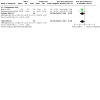
Comparison 2: DBT‐A versus TAU or another comparator, Outcome 7: Depression scores at post‐intervention
Data on depression scores, measured using both the MADRS and the depression subscale of the MFQ were also available for one of these trials by the 12‐month assessment (Mehlum 2014); however, there was no evidence of an effect for DBT‐A according to either measure by this time point in this trial (MADRS: mean 15.09, SD 8.08, n = 38 versus mean 15.73, SD 9.06, n = 37; MD ‐0.64, 95% CI ‐4.53 to 3.25; N = 75; k = 1; I² = not applicable; SMFQ: mean 9.88, SD 5.53, n = 38 versus mean 9.19, SD 6.57, n = 37; MD 0.69, 95% CI ‐2.06 to 3.44; N = 75; k = 1; I² = not applicable).
2.4 Hopelessness
There was evidence of an effect for DBT‐A on hopelessness scores at the post‐intervention assessment (SMD ‐0.62, 95% CI ‐1.07 to ‐0.16; N = 100; k = 2; I² = 13%; Analysis 2.8). There was no evidence of a difference by comparator.
2.8. Analysis.

Comparison 2: DBT‐A versus TAU or another comparator, Outcome 8: Hopelessness scores at post‐intervention
However, there was no longer evidence of an effect for DBT‐A, as compared to EUC, on hopelessness scores by the 12‐month assessment in one of these trials (mean 6.97, SD 5.66, n = 38 versus mean 7.26, SD 6.57, n = 37; MD ‐0.29, 95% CI ‐3.07 to 2.49; N = 75; k = 1; I² = not applicable; Mehlum 2014).
2.5 General functioning
There was no evidence of an effect for DBT‐A, as compared to EUC, on general functioning scores at post‐intervention in two trials (Analysis 2.9). The means obtained by correspondence for Santamarina‐Pérez 2020 differ modestly from those published (i.e. 65.00 versus 64.60 for the DBT‐A arm and 54.29 versus 54.60 for the comparator arm).
2.9. Analysis.

Comparison 2: DBT‐A versus TAU or another comparator, Outcome 9: General functioning scores at post‐intervention
There was also no evidence of an effect for DBT‐A on general functioning scores by the 12‐month follow‐up assessment in one of these trials (mean 65.68, SD 11.81, n = 38 versus mean 64.22, SD 14.13, n = 37; MD 1.46, 95% CI ‐4.44 to 7.36; N = 75; k = 1; I² = not applicable; Mehlum 2014).
2.6 Social functioning
No data available.
2.7 Suicidal ideation
There was evidence of an effect of DBT‐A on suicidal ideation at the post‐intervention assessment in four trials (SMD ‐0.43, 95% CI ‐0.68 to ‐0.18; N = 256; k = 4; I² = 0%; Analysis 2.10). There was no evidence of a difference based on comparator.
2.10. Analysis.

Comparison 2: DBT‐A versus TAU or another comparator, Outcome 10: Suicidal ideation scores at post‐intervention
However, there was no longer evidence of an effect for DBT‐A (as compared to either EUC or alterative psychotherapy) on suicidal ideation scores by the 12‐month follow‐up assessment in two of these trials (Analysis 2.11). Once again, there was no evidence of a difference based on comparator.
2.11. Analysis.

Comparison 2: DBT‐A versus TAU or another comparator, Outcome 11: Suicidal ideation scores by 12‐months
2.8 Suicide
Data obtained by correspondence with trial authors indicated there were no suicides in either arm either at post‐intervention or by the 12‐month follow‐up assessment in Cooney 2010, Mehlum 2014, or Santamarina‐Pérez 2020. In McCauley 2018, one participant who had been assigned to the alternative comparator group died by suicide by the 12‐month follow‐up assessment.
Correspondence with trial authors for Mehlum 2014 further indicated there had been no suicide deaths in either arm by the 24‐month follow‐up assessment in this trial.
Subgroup analyses
No included trial stratified randomisation by sex or repeater status.
Sensitivity analyses
Four analyses within this comparison were associated with substantial levels of heterogeneity (Analysis 2.3, I² = 92%; Analysis 2.4, I² = 94%; Analysis 2.5, I² = 88%; Analysis 2.9, I² = 85%); however, analyses did not indicate any individual study was associated with excessive influence for any of these analyses.
Comparison 3: Mentalisation‐based therapy versus TAU or other comparator
Two trials investigated the effectiveness of mentalisation‐based therapy for adolescents (MBT‐A) in children and adolescents (weighted mean age: 15.3 ± 1.3 years; 82.8% female) presenting to clinical services following SH (Griffiths 2019, N = 48; Rossouw 2012; N = 80).
Primary outcome
3.1 Repetition of SH
Data from two trials did not show that MBT‐A reduced repetition of SH compared with TAU at post‐intervention (OR 0.70, 95% CI 0.06 to 8.46; N = 85; k = 2; I2 = 68%; Analysis 3.1). There was substantial heterogeneity when comparing MBT‐A and TAU for repetition of SH at post‐intervention (I2 = 68%), and the pooled estimate was imprecise. As a consequence, according to the GRADE criteria, we judged the evidence to be of very low certainty. A sensitivity analysis using data for the proportion of participants who scored above the cut‐point suggesting likely SH on the Risk‐Taking and Self‐Harm Inventory (RTSHI; Vrouva 2010) for both trials did not materially affect this result (Analysis 3.2).
3.1. Analysis.

Comparison 3: MBT‐A versus TAU or another comparator, Outcome 1: Repetition of SH by post‐intervention
3.2. Analysis.

Comparison 3: MBT‐A versus TAU or another comparator, Outcome 2: Repetition of SH at post‐intervention (Risk‐Taking and Self‐Harm Inventory)
There was also no evidence of an effect for MBT‐A on repetition of SH by the six‐month follow‐up assessment in one of these trials (2/2 versus 5/9; OR 4.09, 95% CI 0.15 to 108.94; N = 11; k = 1; I² = not applicable; Griffiths 2019).
Once again, a post‐hoc sensitivity analysis using data for the proportion of participants who scored above the cut‐point on the RTSHI did not materially affect this result (17/22 versus 26/26; OR 0.06, 95% CI 0.00 to 1.16; N = 48; k = 1; I² = not applicable; Griffiths 2019).
Secondary outcomes
3.2 Treatment adherence
There was no evidence of an effect for MBT‐A on treatment adherence, as measured by the number of adolescents who completed all 12 months of treatment in one of these trials (20/40 versus 17/40; OR 1.35, 95% CI 0.56 to 3.27; N = 80; k = 1; I² = not applicable; Rossouw 2012).
One trial reported data on treatment adherence for the intervention arm only (Griffiths 2019). In this trial, correspondence with trial authors indicated: "50% [of] young people attended 50% or more sessions. Additionally, there were six (27.3%) young people who did not attend any sessions; a further five (22.7%) who attended at least one but less than half of the sessions; four (18.2%) who attended between 50‐75% of sessions; and seven (31.8%) who attended 75% or more."
3.3 Depression
There was no evidence of an effect for MBT‐A on depression scores at the post‐intervention assessment in two trials (Analysis 3.3), or by the six‐month assessment in one of these trials (mean 20.1, SD 5.7, n = 22 versus mean 18.5, SD 7.0, n = 26; MD 1.60, 95% CI ‐1.99 to 5.19; N = 48; k = 1; I² = not applicable; Griffiths 2019).
3.3. Analysis.

Comparison 3: MBT‐A versus TAU or another comparator, Outcome 3: Depression scores at post‐intervention
Depression was also measured dichotomously, as the proportion of participants scoring above the cut‐point on the depression subscale of the MFQ in one trial (Rossouw 2012). Although fewer adolescents in the intervention arm scored above this cut‐point, there was no evidence of an effect for MBT‐A by the post‐intervention assessment (19/39 versus 25/37; OR 0.46, 95% CI 0.18 to 1.16; N = 76; k = 1; I² = not applicable).
3.4 Hopelessness
No data available.
3.5 General functioning
No data available.
3.6 Social functioning
No data available.
3.7 Suicidal ideation
No data available.
3.8 Suicide
Correspondence with trial authors indicated that no participant died by suicide by the 6‐month follow‐up assessment in one of these trials (Griffiths 2019), or by the 12‐month follow‐up assessment in the second of these trials (Rossouw 2012).
Subgroup analyses
No included trial stratified randomisation by sex or repeater status.
Sensitivity analyses
One analysis within this comparison was associated with substantial levels of heterogeneity (Analysis 3.3, I² = 97%); however, analyses did not indicate any individual study was associated with excessive influence.
Comparison 4: Group‐based psychotherapy versus TAU or other comparator
The effectiveness of group therapy was assessed in three trials in children and adolescents (weighted mean age: 14.4 ± 1.4 years; 87.4% female) presenting to clinical services following SH (Green 2011, N = 366; Hazell 2009, N = 68; Wood 2001a, N = 63).
Given that the Green 2011 and Hazell 2009 trials were based in a large part on Wood 2001a, employed the same treatment manual (Wood 2001b), and involved authors of the earlier trial in the design of the intervention, we grouped these trials within a single analysis.
In all three trials, group therapy involved a variety of techniques, including CBT, PST, DBT, and group psychodynamic psychotherapy. The intervention consisted of six weekly acute group sessions, followed by weekly or bi‐weekly group therapy sessions continuing until the adolescent felt ready to leave the service.
Primary outcome
4.1 Repetition of SH
There was no evidence of an effect for group‐based psychotherapy on repetition of SH by the six‐month (Analysis 4.1) or 12‐month (Analysis 4.2) assessments.
4.1. Analysis.

Comparison 4: Group‐based psychotherapy, Outcome 1: Repetition of SH by six months
4.2. Analysis.

Comparison 4: Group‐based psychotherapy, Outcome 2: Repetition of SH by 12 months
As no trial reported information on repetition of SH by the post‐intervention assessment (i.e. the primary outcome of this review) we were unable to determine the quality of evidence for this outcome according to the GRADE criteria.
Secondary outcomes
4.2 Treatment adherence
No data available.
4.3 Depression
There was no evidence of an effect of group‐based psychotherapy on depression scores at either the six‐month (Analysis 4.3) or 12‐month (Analysis 4.4) assessments.
4.3. Analysis.

Comparison 4: Group‐based psychotherapy, Outcome 3: Depression scores at six months
4.4. Analysis.

Comparison 4: Group‐based psychotherapy, Outcome 4: Depression scores at 12 months
4.4 Hopelessness
No data available.
4.5 General functioning
There was no evidence of an effect of group‐based psychotherapy on general functioning scores by either the six‐month (Analysis 4.5) or 12‐month (Analysis 4.6) assessments in two trials.
4.5. Analysis.

Comparison 4: Group‐based psychotherapy, Outcome 5: General functioning scores at six months
4.6. Analysis.

Comparison 4: Group‐based psychotherapy, Outcome 6: General functioning scores at 12 months
4.6 Social functioning
No data available.
4.7 Suicidal ideation
There was no evidence of an effect of group‐based psychotherapy on suicidal ideation scores at either the six‐month (Analysis 4.7) or 12‐month (Analysis 4.8) assessments.
4.7. Analysis.

Comparison 4: Group‐based psychotherapy, Outcome 7: Suicidal ideation scores at six months
4.8. Analysis.

Comparison 4: Group‐based psychotherapy, Outcome 8: Suicidal ideation scores at 12 months
4.8 Suicide
There were no suicide deaths in either arm in any of the three trials of group‐based psychotherapy by the final follow‐up assessment.
Subgroup analyses
No included trial stratified randomisation by sex or repeater status.
Sensitivity analyses
One analysis within this comparison was associated with substantial levels of heterogeneity (Analysis 4.2, I² = 77%); however, analyses did not indicate any individual study was associated with excessive influence.
Comparison 5: Enhanced assessment approaches versus TAU or other comparator
One cluster‐RCT examined the effectiveness of enhanced assessment for the treatment of SH in children and adolescents (mean age: 15.6 ± 1.3 years; 80.0% female) referred for a psychological assessment following SH (Ougrin 2011, N = 70).
As the trial authors were unable to provide values for either the inter‐cluster correlation coefficient or the design effect, and further, there was no similar cluster‐RCT of this intervention approach from which these values could be approximated, we were unable to statistically account for the effects of clustering. Results presented in this section may therefore overestimate the effectiveness of this intervention.
Primary outcome
5.1 Repetition of SH
There was no evidence of an effect for enhanced therapeutic assessment on repetition of SH by the 12‐month (4/35 versus 5/34; OR 0.75, 95% CI 0.18 to 3.06; N = 69; k = 1; I² = not applicable) or the 24‐month (7/35 versus 9/34; OR 0.69, 95% CI 0.23 to 2.14; N = 69; k = 1; I² = not applicable) assessments.
As this trial did not report information on repetition of SH by the post‐intervention assessment (i.e. the primary outcome of this review) we were unable to determine the quality of evidence for this outcome according to the GRADE criteria.
Secondary outcomes
5.2 Treatment adherence
There was an effect for enhanced therapeutic assessment on treatment adherence. Children and adolescents in the enhanced therapeutic assessment arm were more likely to attend their first aftercare appointment (29/35 versus 17/35; OR 5.12, 95% CI 1.70 to 15.39; N = 70; k = 1; I² = not applicable).
5.3 Depression
No data available.
5.4 Hopelessness
No data available.
5.5 General functioning
There was no evidence of an effect for enhanced therapeutic assessment on general functioning at post‐intervention (mean 64.6, SD 12.9, n = 35 versus mean 60.1, SD 9.9, n = 35; MD 4.50, 95% CI ‐0.89 to 9.89; N = 70; k = 1; I² = not applicable).
5.6 Social functioning
No data available.
5.7 Suicidal ideation
No data available.
5.8 Suicide
Correspondence with trial authors confirmed there were no suicide deaths in either arm by the final 24‐month follow‐up assessment.
Subgroup analyses
No included trial stratified randomisation by sex or repeater status.
Sensitivity analyses
Not applicable.
Comparison 6: Compliance enhancement approaches versus TAU or other comparator
One trial investigated the effectiveness of standard aftercare planning plus an added compliance enhancement approach (consisting of a series of four telephone calls at 1, 2, 4 and 8 weeks' post‐discharge) to standard aftercare planning alone in children and adolescents (mean age: not reported; 86.2% female) admitted to the emergency department of a general hospital following an episode of SH (Spirito 2002, N = 76).
Primary outcome
6.1 Repetition of SH
There was no evidence of an effect for compliance enhancement on repetition of SH by the six‐month follow‐up assessment (3/29 versus 5/34; OR 0.67, 95% CI 0.15 to 3.08; N = 63; k = 1; I² = not applicable). Participants in the compliance enhancement group did, however, “engage in fewer repeat SH episodes” over this period compared to participants in the control group (mean 0.10 versus 0.15; Spirito 2002), although insufficient information was available to allow formal testing of this.
As this trial did not report information on repetition of SH by the post‐intervention assessment (i.e. the primary outcome of this review), we were unable to determine the quality of evidence for this outcome according to the GRADE criteria.
Secondary outcomes
6.2 Treatment adherence
There was no evidence of an effect for compliance enhancement on the proportion of participants that completed the full course of treatment (17/29 versus 16/34; OR 1.59, 95% CI 0.59 to 4.33; N = 63; k = 1; I² = not applicable), or on the average number of therapy sessions attended (mean 7.70, SD 5.80, n = 29 versus mean 6.40, SD 4.40, n = 34; MD 1.30, 95% CI ‐1.28 to 3.88; N = 63; k = 1; I² = not applicable).
6.3 Depression
No data available.
6.4 Hopelessness
No data available.
6.5 General functioning
No data available.
6.6 Social functioning
No data available.
6.7 Suicidal ideation
No data available.
6.8 Suicide
There were no suicide deaths in either arm by the final follow‐up assessment.
Subgroup analyses
No included trial stratified randomisation by sex or repeater status.
Sensitivity analyses
Not applicable.
Comparison 7: Family interventions versus TAU or other comparator
Three trials compared the effectiveness of a family intervention to either TAU (Cottrell 2018, N = 832; Harrington 1998, N = 162) or EUC (Asarnow 2017, N = 42) in children and adolescents (weighted mean age: 14.3 ± 1.4 years; 88.7% female) presenting to clinical services following SH.
In one older trial, therapy was delivered in the adolescent's home (Harrington 1998) whilst in the remaining two trials, therapy was delivered in an outpatient setting (Asarnow 2017; Cottrell 2018).
Primary outcome
7.1 Repetition of SH
There was no evidence of an effect for family therapy interventions on repetition of SH at post‐intervention in two trials (OR 1.00, 95% CI 0.49 to 2.07; N = 191; k = 2; I2 = 0%; Analysis 5.1). There was no evidence of a difference based on comparator (i.e. TAU versus EUC) for this outcome. According to GRADE criteria, we judged the evidence to be of moderate certainty.
5.1. Analysis.

Comparison 5: Family therapy, Outcome 1: Repetition of SH at post‐intervention
There was also no evidence of an effect for family therapy on repetition of SH by the 18‐month follow‐up assessment in one further trial (118/415 versus 103/417; OR 1.21, 95% CI 0.89 to 1.65; N = 832; k = 1; I² = 0%; Cottrell 2018).
Two trials also reported data on time to SH repetition. There was no evidence of an effect for family therapy, as compared to EUC, on time to repetition by the post‐intervention assessment (Asarnow 2017). There was also no effect on time to SH repetition for family therapy as compared to TAU by the 18‐month assessment in one further trial (HR 1.14, 95% CI 0.87 to 1.49; P = 0.33; Cottrell 2018).
Secondary outcomes
7.2 Treatment adherence
Treatment adherence was measured as the proportion of children and adolescents who completed the full course of treatment in two trials (Cottrell 2018; Harrington 1998). There was evidence of an effect for family therapy on treatment adherence by six months (OR 1.99, 95% CI 1.55 to 2.57; N = 993; k = 2; I² = 0%; Analysis 5.2).
5.2. Analysis.

Comparison 5: Family therapy, Outcome 2: Treatment adherence by six months
7.3 Depression
There was no evidence of an effect for family therapy on depression scores at either the 12‐month (mean 33.2, SD 22.9, n = 248 versus mean 33.9, SD 21.7, n = 189; MD ‐0.70, 95% CI ‐4.91 to 3.51; N = 437; k = 1; I² = not applicable), or 18‐month (mean 30.6, SD 21.9, n = 204 versus mean 31.6, SD 19.0, n = 165; MD ‐1.00, 95% CI ‐5.18 to 3.18; N = 369; k = 1; I² = not applicable) assessments in one trial (Cottrell 2018).
7.4 Hopelessness
There was no evidence of an effect for family therapy on hopelessness scores at either the six‐month (mean 4.40, SD 3.30, n = 74 versus mean 4.20, SD 3.60, n = 74; MD 0.20, 95% CI ‐0.91 to 1.32, N = 148; k = 1; I² = not applicable; Harrington 1998), 12‐month (mean 4.90, SD 4.14, n = 255 versus mean 5.20, SD 4.14, n = 201; MD ‐0.30, 95% CI ‐1.07 to 0.47; N = 456; k = 1; I² = not applicable; Cottrell 2018), or 18‐month (mean 4.60, SD 4.26, n = 213 versus mean 4.80, SD 4.00, n = 179; MD ‐0.20, 95% CI ‐1.02 to 0.62; N = 392; k = 1; I² = not applicable; Cottrell 2018).
7.5 General functioning
No data available.
7.6 Social functioning
No data available.
7.7 Suicidal ideation
There was no evidence of an effect for family therapy on suicidal ideation scores at the six‐month follow‐up assessment in one trial (mean 23.6, SD 40.0, n = 74 versus mean 28.7, SD 36.3, n = 75; MD ‐5.10, 95% CI ‐17.37 to 7.17; N = 149; k = 1; I² = not applicable; Harrington 1998).
In one further trial, information on the proportion of participants with clinically significant suicidal ideation, as determined from cut‐scores on the BSSI, was reported in a secondary publication (Cottrell 2018). There was no evidence of an effect for family therapy on the proportion of participants with suicidal ideation at the 12‐month (111/257 versus 98/202; OR 0.81, 95% CI 0.56 to 1.17; N = 459; k = 1; I² = not applicable) or 18‐month (85/212 versus 80/180; OR 0.84, 95% CI 0.56 to 1.25; N = 392; k = 1; I² = not applicable) assessments in this trial.
7.8 Suicide
There were no deaths, including by suicide, in either arm by the 18‐month follow‐up assessment in one trial (Cottrell 2018).
In the remaining trial, there was no evidence of a difference in effect for suicide by the six‐month follow‐up assessment. One patient in the family therapy arm died by suicide; none died by suicide in the control group (Harrington 1998). As the denominators for the intervention and comparator arms for this outcome are not known, however, we could not calculate ORs for this trial.
Subgroup analyses
Randomisation was stratified by sex in two of these trials; however, for one of these trials we were did not receive these data from the trial authors in time for publication of this review (Asarnow 2017).
For the second trial, data on repetition of SH disaggregated by sex were reported in a secondary publication (Cottrell 2018). There was no evidence of an effect for family therapy on repetition of SH by the 18‐month assessment in either males (11/47 versus 7/48; OR 1.79, 95% CI 0.63 to 5.10; N = 95; k = 1; I² = not applicable) or females (107/368 versus 96/369; OR 1.17, 95% CI 0.84 to 1.61; N = 737; k = 1; I² = not applicable) in this trial. There was also no evidence of a difference by sex for this outcome (test for subgroup differences: chi² = 0.59, df = 1, P = 0.44).
Sensitivity analyses
Not applicable.
Comparison 8: Remote contact interventions versus TAU or other comparator
One trial investigated the effectiveness of an emergency card enabling children and adolescents (mean age: 14.9 years, SD not reported; 84.8% female) who were admitted to hospital following an episode of SH to re‐admit themselves to the paediatric ward of the same hospital on demand if they felt suicidal over a 12‐month period in addition to TAU (Cotgrove 1995, N = 105).
Primary outcome
8.1 Repetition of SH
There was no evidence of an effect for emergency cards on repetition of SH by the 12‐month follow‐up assessment (3/47 versus 7/58; OR 0.50, 95% CI 0.12 to 2.04; N = 105; k = 1; I² = not applicable).
As this trial did not report information on repetition of SH by the post‐intervention assessment (i.e. the primary outcome of this review), we were unable to determine the quality of evidence for this outcome according to the GRADE criteria.
Secondary outcomes
8.2 Treatment adherence
No data available.
8.3 Depression
No data available.
8.4 Hopelessness
No data available.
8.5 General functioning
No data available.
8.6 Social functioning
No data available.
8.7 Suicidal ideation
No data available.
8.8 Suicide
No data available.
Subgroup analyses
No included trial stratified randomisation by sex or repeater status.
Sensitivity analyses
Not applicable.
Comparison 9: Tricyclic antidepressants versus placebo or other comparator drug or dose
There were no eligible trials in which tricyclic antidepressants were compared either to placebo or to other comparator drug or dose for children and adolescents engaging in SH.
Comparison 10: Newer generation antidepressants versus placebo or other comparator drug or dose
There were no eligible trials in which NGAs were compared either to placebo or to other comparator drug or dose for children and adolescents engaging in SH.
Comparison 11: Any other antidepressants versus placebo or other comparator drug or dose
There were no eligible trials in which any other antidepressants were compared either to placebo or to other comparator drug or dose for children and adolescents engaging in SH.
Comparison 12: Antipsychotics versus placebo or other comparator drug or dose
There were no eligible trials in which antipsychotics were compared either to placebo or to other comparator drug or dose for children and adolescents engaging in SH.
Comparison 13: Anxiolytics, including both benzodiazepines and non‐benzodiazepine anxiolytics, versus placebo or other comparator drug or dose
There were no eligible trials in which anxiolytics, including both benzodiazepines and non‐benzodiazepine anxiolytics, were compared either to placebo or to other comparator drug or dose for children and adolescents engaging in SH.
Comparison 14: Mood stabilisers, including antiepileptics and lithium, versus placebo or other comparator drug or dose
There were no eligible trials in which mood stabilisers, including antiepileptics and lithium, were compared either to placebo or to other comparator drug or dose for children and adolescents engaging in SH.
Comparison 15: Other pharmacological agents versus placebo or other comparator drug or dose
There were no eligible trials in which other pharmacological agents were compared either to placebo or to other comparator drug or dose for children and adolescents engaging in SH.
Comparison 16: Natural products versus placebo or other comparator drug or dose
There were no eligible trials in which natural products were compared either to placebo or to other comparator drug or dose for children and adolescents engaging in SH.
Discussion
This review included 17 trials, six of which have been completed since the previous version of this review (Hawton 2015).
Previously, we commented on the small number of trials in this population, especially given the size of the problem of SH and its increase in young people in many countries (Bould 2019; Lahti 2011; Roh 2018; Skinner 2012; Stefanac 2019; Sullivan 2015), as well as its association with suicide and other adverse outcomes (e.g. alcohol and other substance misuse, and psychiatric morbidity) in adulthood (Ohlis 2020). The reasons for this paucity of trials are unclear. One reason may be that conducting such trials in children and adolescents who are engaging in SH can be particularly challenging, especially in very young individuals for whom parental consent will be required. However, there is a clear need for more and better quality trials that can inform clinical practice.
Summary of main results
The trials included in this review investigated the effectiveness of various forms of psychosocial interventions. None of the included trials evaluated the effectiveness of pharmacological agents in this clinical population.
Individual CBT‐based psychotherapy
On the basis of data from two feasibility trials, there is probably little to no effect of individual CBT‐based psychotherapy (i.e. up to 10 acute sessions) compared with TAU on repetition of SH at post‐intervention. There was also no evidence of effect for individual CBT‐based psychotherapy on any of the secondary outcomes.
Dialectical behaviour therapy (DBT)
On the basis of data from four trials, DBT for adolescents (DBT‐A) reduces repetition of SH at post‐intervention compared with TAU (Cooney 2010), EUC (Mehlum 2014; Santamarina‐Pérez 2020), and alternative psychotherapy (McCauley 2018).
Results for DBT‐A on frequency of repeated SH by this time point were less clear; although in contrast to our findings the trial authors for one of these trials analysed the longitudinal slope of decline in the mean number of SH episodes per participant based on information reported at the baseline, nine‐week, and 15‐week assessments, and reported an effect for DBT‐A (Mehlum 2014). It is difficult to rationalise these two sets of results. The results of our analyses would, however, suggest that any differences in frequency of SH repetition between the groups following treatment may not be marked.
There was some evidence that those allocated to DBT‐A attended a greater number of individual therapy sessions and were more likely to experience some improvement by the end of the treatment phase in some of the secondary outcomes included in this review, including depression, hopelessness, and suicidal ideation scores.
Mentalisation‐based therapy
We are uncertain whether MBT‐A reduced repetition of SH at the post‐intervention assessment as compared with TAU on the basis of data from two trials (Griffiths 2019; Rossouw 2012). However, this was based on fewer adolescents scoring above the cut‐point on the Risk Taking and Self‐Harm Inventory (RTSHI). It is unclear how this scale may relate to actual SH behaviour.
There was no apparent effect of MBT‐A on depression. However, in contrast to our findings, the authors of one trial reported that although "[t]he level of self‐rated depression decreased for participants in both groups...The linear rate of decrease was somewhat greater for the MBT‐A group (p<0.04) and the model yielded a significant difference at 12 months" (Rossouw 2012, p. 1308). These results suggest there might be some effect for MBT‐A over usual care in terms of this outcome, but this treatment approach requires evaluation in further trials before a stronger conclusion can be reached.
Group‐based psychotherapy
Three trials investigated group‐based therapy in adolescents with a history of multiple SH episodes (Green 2011; Hazell 2009; Wood 2001a). On the basis of data from these three trials, there is probably little to no effect of group‐based psychotherapy compared with TAU on repetition of SH. However, considerable heterogeneity was found, with the results of the earlier two studies showing effects in different directions (Hazell 2009; Wood 2001a), whilst the results of the third, much larger, trial indicated no superiority of group‐based psychotherapy compared with TAU (Green 2011). It is important to note, when interpreting this result, that the definition of repetition in Wood 2001a was based on there being two or more further episodes, whilst in the two remaining trials of this intervention approach (i.e. Green 2011; Hazell 2009), repetition was based on there being any further episodes of SH.
Enhanced assessment approaches
Given the known poor treatment adherence of children and adolescents who engage in SH (Granboulan 2001; Taylor 1984), efforts have been made to increase adherence through therapeutic assessment following SH. Based on data from a single trial, there is probably little or no effect of an enhanced therapeutic assessment approach compared with TAU on repetition of SH at 12 or 24 months (Ougrin 2011). This approach may increase treatment adherence in terms of the number of participants who attended their first treatment session. However, these results were based on a single cluster‐RCT, which may have overestimated the effectiveness of this intervention.
Compliance enhancement approaches
On the basis of data from a single trial, the evidence is uncertain as to whether compliance enhancement (consisting of standard discharged planning together with a series of four telephone calls at 1, 2, 4 and 8 weeks' post‐discharge) has any effect on repetition of SH when compared with TAU (Spirito 2002). However, this trial was likely underpowered to evaluate these outcomes.
Family interventions
On the basis of data from three trials, there is probably little or no effect for either a home‐based (Harrington 1998) or clinic‐based (Asarnow 2017; Cottrell 2018) family intervention as compared with standard treatment on repetition of self‐harm either at post‐intervention or by the 18‐month follow‐up assessment.
Remote contact interventions
On the basis of data from a single trial, there is probably little or no effect of an emergency card allowing patients to re‐admit themselves to hospital compared with TAU on repetition of SH (Cotgrove 1995). However, the trial was underpowered to evaluate this outcome. Few adolescents made use of the emergency card (10.6%); however, none of those who used the card engaged in repeated SH.
Overall completeness and applicability of evidence
Completeness of evidence
There have been relatively few trials of interventions for SH in children and adolescents, especially compared with the number of trials of psychosocial interventions for adults (Hawton 2016). Therefore, our conclusions are limited to a small range of interventions. Additionally, as there were no eligible trials of pharmacological interventions, perhaps due to concerns about safety in this clinical population, our findings are limited to psychosocial interventions.
Where it was unclear that the trials satisfied our inclusion criteria, we contacted corresponding trial authors for clarification. We also contacted corresponding authors where data were either not clearly reported, or where we required data reported in a different format to allow for their inclusion in a meta‐analysis. However, despite engaging in over 80 emails with corresponding authors we were not always able to obtain all relevant data. This was due to a combination of non‐response to our enquiries and to authors being unable to access relevant data, either due to moving on to later positions or as a result of working from home due to COVID‐19 pandemic quarantine orders. This is a common problem in meta‐analyses (Selph 2014).
Unfortunately, presence of publication bias could not be formally evaluated as no meta‐analysis in the present review included 10 or more trials. Therefore, we could not rule out the possibility that publication bias may have affected the studies within this review. This is a problem that commonly affects clinical data (Easterbrook 1991).
Whilst all of the included trials reported information on repetition of SH, publication bias may have been more common for the secondary outcomes assessed by this review. However, formal testing of publication bias was not possible due to the small number of trials.
Applicability of evidence
The majority of participants in these trials were female, reflecting the typical pattern for SH in hospital‐presenting populations (Hawton 2008). Only two trials stratified randomisation by sex (Asarnow 2017; Cottrell 2018). Given that there are some differences in the motivations for SH reported by males as compared to females (Claes 2007), further work is needed on the treatment needs and preferences of males who engage in SH, as well as their experiences of clinical services (Hassett 2017), and how these may differ from females who engage in SH.
The majority of trials included either children and adolescents who had all engaged in intentional drug overdoses or self‐poisoning, or samples where the majority had, again reflecting the typical pattern observed in patients who present to general hospitals following SH (Hawton 2007). However, there are other important patient subgroups, such as those who engage in self‐cutting, who may have different treatment needs (Hawton 2004). None of the trials included in this review specifically focused on these patients, although it should be noted that method switching is common in those who engage in repeat episodes of SH (Witt 2019b). Nine trials focused on those with a history of repeated SH, which is a particular issue in this clinical population given its association with subsequent SH repetition (Hawton 2012a) and suicide (Hawton 2020a). However, no trial investigated impacts of psychosocial interventions for those with an initial episode of SH versus those engaging in repeated SH. We were therefore unable to undertake subgroup analyses to investigate the impact of these interventions by repeater status.
This review focused exclusively on those who engaged in SH. As a result, we have excluded trials in which participants were diagnosed with conditions such as borderline personality disorder but where SH was not required for trial entry. We also excluded trials in which participants engaged in repetitive self‐injurious behaviour in the context of an intellectual disability or developmental disorder (e.g. an autism spectrum disorder). Readers interested in the use of psychosocial interventions for these patient groups are instead referred to the relevant reviews (Chezan 2017; Wong 2020).
Quality of the evidence
Certainty of evidence, as assessed using the GRADE approach, was generally moderate to very low suggesting that further research is likely to have an important impact on our confidence in the estimates of treatment effectiveness, and may in fact change the estimates. This is particularly likely to affect results for those interventions that so far have only been assessed in single trials.
Additionally, using the Cochrane 'Risk of bias' tool, version 2 (Sterne 2019), for almost all trials included in this review, there were some concerns of a high risk of bias in relation to at least one aspect of trial design, with weaknesses most commonly observed with respect to selection of the reported result and measurement of the outcome.
For most trials (70.6%), insufficient information was reported to determine whether data were analysed in accordance with a prespecified analysis plan. In 2015, the International Committee of Medical Journal Editors (ICMJE) recommended all clinical trials should be preregistered in a public trials registry (Witt 2020b). Whilst the majority (83.3%) of the six trials published subsequent to this recommendation were registered, in some cases insufficient detail was provided within the clinical trial register to determine how key outcome(s) were defined. This made it difficult to determine whether there had been any substantive changes to the proposed analysis plan and, if so, the reasons for any such departures. Future trials should provide sufficient detail within the clinical trial register to determine how key outcome(s) are defined and measured to aid in the determination as to whether there has been any substantive changes to the proposed analysis plan and, if so, the reasons for any such departures.
For around half of the trials (52.9%) included in this review, there were some concerns relating to bias in the measurement of repetition of SH. This was typically because repetition of SH was based on self‐reported information. Given that up to one‐fifth of SH episodes recorded in medical and clinical records are not reported by participants, prevalence estimates derived from self‐report alone may underestimate the true rate of SH (Mars 2016). By supplementing data on self‐reported SH with information from clinical or medical records, future trials could compare results based on self‐reported information with those obtained from objective sources to investigate what impact, if any this bias may have had on the estimate of treatment effectiveness.
Additionally, participants and clinical personnel were, typically, not blind to allocation owing to likely differences in treatment intensity between the intervention and control arms (Witt 2020b). Indeed, due to safety considerations, unbinding may be unavoidable in these types of trials. However, given that repetition of SH was based on self‐reported information in a number of the included trials (Asarnow 2017; Cooney 2010; Donaldson 2005; Harrington 1998; Hazell 2009; McCauley 2018; Mehlum 2014; Rossouw 2012; Sinyor 2020; Spirito 2002; Wood 2001a), this introduces potential bias.
Lastly, the trials included in this review were, in general, relatively small to detect differences in proportions of patients who engage in a repeat episode of SH, although it is acknowledged that some of the trials were feasibility studies (e.g. Cooney 2010; Griffiths 2019; Sinyor 2020). Whilst sample sizes have increased over time, most trials in this field are still underpowered. We have previously calculated that trials in this field may need to recruit a minimum of 1862 participants per arm to detect an effect for repetition of SH with 80% power at the conventional alpha level (Witt 2020b). Future trials should therefore supply a priori power calculations to justify their sample size.
Potential biases in the review process
We are confident we have identified all relevant trials of psychosocial interventions for SH in children and adolescents. However, we cannot rule out the possibility that some relevant outcome data may be missing from this review. Although data on repetition of SH were available for all of the included trials, limited data were available on secondary outcomes. Nevertheless, by using the random‐effects model in all analyses, our results possess greater generalisability than if we had used the fixed‐effect model (Erez 1996).
Agreements and disagreements with other studies or reviews
This review is an update of the 2015 Cochrane Review on interventions for SH in children and adolescents (Hawton 2015). The previous review included 11 trials of eight different approaches, finding that whilst there had been relatively few trials on interventions for children and adolescents who have engaged in SH, certain approaches warranted further evaluation. The results in this update largely concur with the previous iteration. There appear to be limited positive findings regarding DBT‐A on repetition of SH by the end of the treatment phase. Results of this review would also suggest that a comprehensive therapeutic assessment may increase engagement with subsequent treatment.
We identified 18 further reviews that included a focus on interventions for SH in children and adolescents that have been completed since the previous version of this review was published. Four were systematic reviews (Calear 2016; Davasaambuu 2019; Devenish 2016; Iyengar 2018), four included meta‐analyses (Kothgassner 2020; Labelle 2015; Robinson 2018; Yuan 2019), and the remainder were narrative reviews (Asarnow 2019; Berk 2016; Brent 2019; Busby 2020; Cox 2017; Flaherty 2018; Glenn 2019; Joe 2018; Morken 2020).
However, whilst these reviews generally indicated that delivering some form of psychotherapy is likely to be more effective than nothing (e.g. Iyengar 2018; Kothgassner 2020; Robinson 2018; Yuan 2019), consistent with results found in adults (Hetrick 2016), these reviews have tended to statistically pool results from very different interventions together and so the results are largely meaningless for clinical practice as they provide little insight into which approach may be most beneficial for particular clinically relevant subgroups of patients.
Future reviews should investigate which component(s) of these typically multi‐component intervention approaches are most effective. Individual participant data meta‐analyses would also assist with the identification of clinically relevant subgroups of patients who may benefit from certain more intensive forms of intervention.
Authors' conclusions
Implications for practice.
Presentations of children and adolescents to clinical services following SH are common, yet there have been relatively few systematic investigations into interventions that may prevent recurrence. We found only 17 trials of psychosocial interventions in this clinical population. We found none of pharmacological treatments.
Given the evidence for its benefit for adults who engage in SH, individual CBT‐based psychotherapy needs to be further developed and evaluated in children and adolescents. However, treatment adherence with this approach may be challenging in this age group. One small feasibility study included in this review, for example, found that few adolescents completed the acute treatment phase, and even fewer attended any of the booster sessions offered (Sinyor 2020). We also found some positive effects of DBT‐A, but methodological factors limit confidence in the generalisability of the results. We recommend further evaluation of these approaches to assess the impact of these interventions in different samples and settings. Given the multi‐component nature of these intervention approaches, greater use of head‐to‐head trials, which allow for dismantling of the effect size(s) between one or more component(s), should be considered.
Given the high incidence of family problems in children and adolescents who engage in SH, the lack of evidence for efficacy of family therapy approaches found in this review is both surprising and disappointing. On the strength of the evidence from three trials, including one recent larger trial, there is also little support for group‐based therapy for adolescents with a history of multiple episodes of SH. Additionally, it is notable that the authors of one of these trials reports an incident in which one participant posted confidential information about another participant on an online blog (Hazell 2009), highlighting the potential risks associated with group‐based therapy in this clinical population
An argument for intervention following an episode of SH is that it may improve other outcomes even if it does not reduce SH. Secondary outcomes were examined variably across the included trials. There was only limited evidence that experimental interventions might lead to better outcomes in these other domains. DBT‐A improved depression, hopelessness, and suicidal ideation in the short term. Both DBT‐A and therapeutic assessment appeared to improve treatment adherence (at least for individual therapy). Conspicuously, other treatments that might have been expected to improve depression, such as individual CBT‐based psychotherapy and MBT‐A did not perform any better than TAU.
Indeed, few psychosocial interventions appear to perform better than TAU. However, TAU was not well described in most clinical trials we examined. TAU also varies greatly across clinical settings (Witt 2018b). A positive step forward would be the operationalisation of TAU to inform both clinical practice and research. It is possible that TAU has an advantage over some of these specific interventions because it offers more flexibility to tailor treatment to the specific needs of the patients.
Results of this review would also suggest that a comprehensive therapeutic assessment may increase engagement with subsequent treatment whilst, additionally, enabling the identification of psychosocial needs that should be addressed during treatment. Although this finding is based on a single cluster‐randomised trial which may overestimate the effectiveness of the intervention, this result suggests that a comprehensive therapeutic psychosocial assessment might be a useful part of a clinical intervention. This is in keeping with official guidance (NICE 2011).
Implications for research.
Given that SH results from a complex interplay between genetic, biological, psychiatric, psychosocial, social, cultural, and other factors, the development of interventions for SH in children and adolescents could benefit from being based on detailed investigation of these factors, including those that might reduce the risk of further SH, as well as having benefits for other outcomes. Ideally, the development of new treatments should ensure their feasibility and suitability for the young people for whom they are designed; children and adolescents with experience of SH and their carers should be involved in this process.
Additionally, trials of interventions for children and adolescents who engage in SH should include a range of outcome measures, not just SH and suicide, but also acceptability, adherence, and attitudes to treatment by young people, their caregivers, and service providers, as these may help to identify contributors to any apparent benefit or lack of impact. In particular, the inclusion of outcomes that matter to those who engage in SH is required to further inform intervention development (Owens 2020). It is also important that adverse effects of treatment, both short‐ and long‐term, are carefully evaluated, such as the release of confidential information described in the Hazell 2009 trial. Use of an agreed set of outcome measures would also assist in evaluation across trials. Investigation of the mechanisms through which treatments might work is also desirable to assist with the identification of clinically relevant subgroups of patients who may benefit from certain, more intensive, forms of intervention.
Heed should also be paid to the principles of development and evaluation of treatments as laid out in the UK Medical Research Council guidance regarding complex interventions. Additionally, from a service planning perspective, future trials should also include economic evaluations in order to determine which interventions may be most feasible to routinely implement throughout a health service (Bustamante‐Madsen 2018).
What's new
| Date | Event | Description |
|---|---|---|
| 5 March 2021 | New search has been performed | This review updates and replaces the Cochrane Review 'Interventions for self‐harm in children and adolescents' (Hawton 2015). |
| 5 March 2021 | New citation required and conclusions have changed | A new protocol including updated methodology was applied (Witt 2020d). Six new studies were included in this review compared to the earlier version (Hawton 2015). |
History
Protocol first published: Issue 7, 2020 Review first published: Issue 3, 2021
| Date | Event | Description |
|---|---|---|
| 1 July 2020 | New citation required and major changes | We updated the protocol developed for Hawton 2015 |
Risk of bias
Risk of bias for analysis 1.1 Repetition of SH by post‐intervention.
| Study | Bias | |||||||||||
| Randomisation process | Deviations from intended interventions | Missing outcome data | Measurement of the outcome | Selection of the reported results | Overall | |||||||
| Authors' judgement | Support for judgement | Authors' judgement | Support for judgement | Authors' judgement | Support for judgement | Authors' judgement | Support for judgement | Authors' judgement | Support for judgement | Authors' judgement | Support for judgement | |
| Donaldson 2005 | Some concerns | "[Participants were r]andomized to one of two treatment conditions" (p.114). Correspondence with study authors confirmed that a random numbers table was used to generate the allocation sequence. However, no specific information on allocation concealment was reported. Additionally, "...analyses yielded no differences between...groups in age...gender...race...or socioeconomic status... The two groups were comparable on rates of previous suicide attempts and psychiatric diagnoses" (p.116). | Low risk of bias | No information on participant blinding was reported. However, both treatments were so similar that it is possible participants were unaware of which treatment they were receiving. However, for clinical personnel "[t]he same seven therapists provided treatment in both...conditions” (p.114). However, there were no apparent deviations from the intended intervention. Additionally, "[f]ollow‐up data from all 31 families who completed follow‐ups (regardless of number of treatment sessions attended) were included in data analyses consistent with an intent to‐treat model" (p.115). | Low risk of bias | Data were available for 100% of those randomised. | Low risk of bias | "Structured adolescent and parent follow‐up interviews...assessed incidents of further suicidal behaviors" (p.115). However, previous work has demonstrated that self‐harm prevalence estimates derived from self‐report may be underestimated, and supplementing prevalence estimates with medical or clinical record information is advisable (Mars 2016). However, repetition of self‐harm was ascertained in the same way for both the intervention and comparator arms. Additionally, whilst no information on outcome assessor blinding was reported, information on SH was ascertained from participant self‐report. | Some concerns | No information is available on whether the data that produced this result was analysed in accordance with a pre‐specified analysis plan that was finalised before unblinded outcome data were available for analysis. "Outcome measures were administered 3 months (end of active treatment) and 6 months (end of maintenance)..." (p.115). All eligible outcome measurements within the outcome domain were reported. Additionally, "...interviews...assessed incidents of further suicidal behaviors" (p.115). All eligible analyses of the data were reported. | Some concerns | Overall, this trial was rated as at some concerns for risk of bias as no specific information on allocation concealment was reported. |
| Sinyor 2020 | Low risk of bias | "A random number generator was used to create the treatment allocation sequence...A member of the principal investigator's lab who was otherwise not involved in the study generated the list and created individual electronic files with allocation by subject number, protected by unique passwords that were only sent to the PI following each subject's inclusion..." (p.688). Additionally, "[t]here was no difference in mean age, sex, baseline SSI, MADRS, CGI‐S or BDI scores [at baseline] between groups" (p.689). | Low risk of bias | "This study is a single‐site, single‐blind...RCT" (p.687). As this was a single, (assessor) blinded trial, participants and clinical personnel were not blinded to treatment allocation. However, there were no apparent deviations from the intended intervention. Additionally, "[t]his study used an intent‐to‐treat approach including all 24 subjects randomized into the trial each of whom had at least a baseline visit" (p.689). | Low risk of bias | Data were available for 100% of those randomised. | Some concerns | "...repeated SH (i.e. any episode of self‐injury regardless of intent occurring between research visits) as well as suicide attempts (i.e. any episode of self‐injury with at least some intent to die between research visits) derived from the Columbia Suicide Severity Rating Scale..." (p.688). However, previous work has demonstrated that self‐harm prevalence estimates derived from self‐report may be underestimated, and supplementing prevalence estimates with medical or clinical record information is advisable (Mars 2016). However, repetition of self‐harm was ascertained in the same way for both the intervention and comparator arms. Additionally, whilst "a blinded research coordinator...obtained study measures" (p.688), information on SH was ascertained from participant self‐report. Self‐reported self‐harm represents an participant‐reported outcome. | High risk of bias | No information is available as to whether the data that produced this result was analysed in accordance with a pre‐specified analysis plan that was finalised before unblinded outcome data were available for analysis. However, correspondence with trial authors revealed data on all outcomes were collected at the conclusion of the acute treatment phase (10 weeks), and at 12 months (i.e., following the conclusion of the booster phase), although data on repetition of self‐harm for both these time points had to be requested from trial authors. Additionally, data for all eligible analyses of the data were obtained following correspondence. | High risk of bias | Overall, this trial was rated as at high risk of bias as, although outcome assessors were blinded, repetition of self‐harm was ascertained from self‐reported information and participants were likely not blind to treatment allocation. Additionally, insufficient information was reported in the trial protocol to determine whether the data that produced this result analysed in accordance with a pre‐specified analysis plan that was finalized before unblinded outcome data were available for analysis. |
Risk of bias for analysis 2.1 Repetition of SH at post‐intervention.
| Study | Bias | |||||||||||
| Randomisation process | Deviations from intended interventions | Missing outcome data | Measurement of the outcome | Selection of the reported results | Overall | |||||||
| Authors' judgement | Support for judgement | Authors' judgement | Support for judgement | Authors' judgement | Support for judgement | Authors' judgement | Support for judgement | Authors' judgement | Support for judgement | Authors' judgement | Support for judgement | |
| Subgroup 2.1.1 Comparator: TAU | ||||||||||||
| Cooney 2010 | Low risk of bias | "Participants were randomly assigned…via a computerised randomisation procedure…In this procedure, the treatment assignment series was generated by the fifth author...in conjunction with a research assistant who was otherwise entirely independent from the study. Each treatment assignment was placed in a sealed numbered envelope...by the assistant, and once the participant had completed all pre‐treatment screening and research assessments, he or she was given the next envelope in the series and opened it to discover what treatment he or she was to receive” (p.10). Additionally, there were no significant differences between the intervention and comparator arms for any of the demographic characteristics and clinical variables measured (Table 1, p.17). | Some concerns | As this was a single (assessor) blinded trial, participants and clinical personnel were not blinded to treatment allocation. Additionally, "[i]Initially, owing to funding restrictions, we had planned to limit the number of participants in group sessions to two [persons] per family (i.e. the young person and one parent or caregiver). Approximately 12 weeks into group sessions, we extended this to three family members per group session..." (pp.11‐13). However, It is unlikely that the addition of a third family member would have significantly affected the outcome. Additionally, given that both the intervention and comparator arms comprised family therapy, it is likely these deviations could have been balanced between groups. However, although data for all 29 participants randomised to the intervention or comparator arms is reported at the mid‐treatment assessment, at longer follow‐up periods only data on those available for assessment were presented. | Low risk of bias | Data were available for 93.3% of those randomised. However, analysis method did not correct for bias, nor were sensitivity analyses undertaken to investigate the potential effect of missing data. Despite this, data were available for 92.8% of those randomised to the intervention arm, and 93.7% of those randomised to the comparator arm. | Some concerns | "The primary outcome variable was the occurrence and frequency of self‐harm (i.e. suicide attempts and non‐suicidal self‐injuries)... To measure this, we used the Suicide Attempt‐Self‐Injury Interview...which we adapted for use with adolescents" (p.12). However, previous work has demonstrated that self‐harm prevalence estimates derived from self‐report may be underestimated, and supplementing prevalence estimates with medical or clinical record information is advisable (Mars 2016). However, repetition of self‐harm was ascertained in the same way for both the intervention and comparator arms. However, whilst "[a]ll subsequent assessments were administered by an assessor...who was also blind to treatment condition" (p.10), information on SH was ascertained from participant self‐report. Self‐reported self‐harm represents an participant‐reported outcome. | Some concerns | No information is available as to whether the data that produced this result were analysed in accordance with a pre‐specified analysis plan that was finalised before unblinded outcome data were available for analysis. However, "[o]utcome assessments were conducted before treatment assignment, and scheduled to occur at approximately 3 [i.e., mid treatment] and 6‐month [i.e., post‐intervention] intervals... (p.10), all eligible outcome measurements within the outcome domain were reported. "The primary outcome variable was the occurrence and frequency of self‐harm (i.e. suicide attempts and non‐suicidal self‐injuries)... To measure this, we used the Suicide Attempt‐Self‐Injury Interview...which we adapted for use with adolescents" (p.12), all eligible analyses of the data were reported. | Some concerns | Overall, this trial was rated as at some concerns for risk of bias as, although outcome assessors were blinded, repetition of self‐harm was ascertained from self‐reported information and participants were likely not blind to treatment allocation. Additionally, there were some minor deviations from the intended intervention that may have arisen as a result of the trial context. |
| Subgroup 2.1.2 Comparator: Enhanced usual care | ||||||||||||
| Santamarina‐Pérez 2020 | Low risk of bias | "...participants were then randomly assigned...using a computer‐generated list of random numbers and following a simple randomization procedure in a 1:1 ratio" (p.7). Additionally, "an independent and off‐site statistician generated the random allocation sequence" (p.7). There were no significant differences between the intervention and comparator arms for most of the demographic characteristics and clinical variables measured (Table 1, p.6). However, those assigned to the intervention arm had lower depression scores (MD 7.10, 95% CI 1.46 to 12.74, p=0.019). This result may have been compatible with chance. | Low risk of bias | "Given the characteristics of the treatment arms, therapists and patients were not blind to the type of treatment" (p.7). Additionally, there were no apparent deviations from the intended intervention. "An intention‐to‐treat analysis was performed and involved all patients who were randomly assigned" (p.7). | Low risk of bias | Data were available for 85.7% of those randomised. However, Analysis method did not correct for bias, nor were sensitivity analyses undertaken to investigate the potential effect of missing data. Despite this, data were available for 83.3% of those randomised to the intervention arm, and 88.2% of those randomised to the comparator arm. | Low risk of bias | "Frequency of NSSIs and the number of SAs... were collected based on the information reported during individual sessions and using medical records. These variables were collected by the patient’s clinician using a register..." (p.5). Repetition of self‐harm was ascertained in the same way for both the intervention and comparator arms. Additionally, "[c]linical assessments of the participants were performed by an independent psychologist...who was blind to treatment assignment at baseline and at the end of the treatment after 16 weeks" (p.3). | Some concerns | Referring back to the trial protocol (NCT02406625), no specific information was reported. However, "...variables were collected..at week 4, week 8, week 12, and week 16 of treatment" (p.5). All eligible outcome measurements within the outcome domain were reported. Additionally, "[f]requency of NSSIs and the number of SAs...were collected by the patient’s clinician using a register..." (p.5). All eligible analyses of the data were reported. | Some concerns | Overall, this trial was rated as at some concerns for risk of bias as insufficient information was reported in the trial protocol to determine whether the data that produced this result analysed in accordance with a pre‐specified analysis plan that was finalized before unblinded outcome data were available for analysis. |
| Mehlum 2014 | Low risk of bias | "Treatment allocation of participants...was based on a permuted block randomisation procedure with an undisclosed and variable blocking factor...management of the randomisation procedures was performed by an external group..." (p.1083). Additionally, there were "[n]o significant differences between the treatment groups were found on any baseline characteristics" (p.1087). | Low risk of bias | As this was a single (assessor) blinded trial, participants and clinical personnel were not blinded to treatment allocation. Additionally, there were no apparent deviations from the intended intervention. "Data analysis was by intention to treat" (p.1086). | Low risk of bias | Data were available for 100% of those randomised. | Some concerns | "The primary outcomes were as follows: the number of self‐reported self‐harm episodes (suicide attempts and non‐suicidal self‐harm episodes combined)..." (p.1085). However, previous work has demonstrated that self‐harm prevalence estimates derived from self‐report may be underestimated, and supplementing prevalence estimates with medical or clinical record information is advisable (Mars 2016). Additionally, repetition of self‐harm was ascertained in the same way for both the intervention and comparator arms. However, whilst "[t]en independent assessors, blind to treatment allocation and to results from baseline interviews, conducted interviews at trial completion…" (p.4), information on SH was ascertained from participant self‐report. Self‐reported self‐harm represents an participant‐reported outcome. | Some concerns | Referring back to the trial protocol (NCT00675129), no specific information was reported. However, "...self‐harm was measured at 9 weeks (covering the first 9 weeks) and 15 weeks (covering the next 6 weeks)" (p.1085). All eligible outcome measurements within the outcome domain were reported. Additionally, "[t]he primary outcomes were as follows: the number of self‐reported self‐harm episodes (suicide attempts and non‐suicidal self‐harm episodes combined)..." (p.1085). All eligible analyses of the data were reported. | Some concerns | Overall, this trial was rated as at some concerns for risk of bias as insufficient information was reported in the trial protocol to determine whether the data that produced this result analysed in accordance with a pre‐specified analysis plan that was finalized before unblinded outcome data were available for analysis. |
| Subgroup 2.1.3 Comparator: Alternative psychotherapy | ||||||||||||
| McCauley 2018 | Low risk of bias | "Participants were randomized to treatment condition groups using a computerized adaptive minimization randomization procedure that matched participants across conditions within sites on age, number of suicide attempts, number of previous self‐injuries, and psychotropic medication use..." (p.2‐3). Additionally, there were no significant differences between the intervention and comparator arms for any of the demographic characteristics and clinical variables measured (Table 1, p.4). | Low risk of bias | "Participants learned their treatment assignment at the first therapy session." (p.3). However, '[t]herapists provided treatment in only 1 study arm..." (p.3). Given the similarity in treatment intensity between the intervention and comparator arms in this trial, it is possible that clinical personnel could have remained blind to treatment allocation. However, there were no apparent deviations from the intended intervention. Additionally, "[t]reatment effects were evaluated using intention‐to‐treat analyses" (p.3). Furthermore, "[a]ll dropouts and missing data were replaced using multiple imputation based on averaging 10 iterative Markov‐Chain Monte Carlo imputations to complete the missing data, providing a full intention‐to‐treat analysis" (p.4). | Low risk of bias | Data were available for 100% of those randomised. | Some concerns | "Suicide attempts, NSSI, and self‐harm were measured using the SASII [Suicide Attempt Self‐Injury Interview]" (p.3). However, previous work has demonstrated that self‐harm prevalence estimates derived from self‐report may be underestimated, and supplementing prevalence estimates with medical or clinical record information is advisable (Mars 2016). However, repetition of self‐harm was ascertained in the same way for both the intervention and comparator arms. Additionally, whilst "[a]ssessors naive to treatment group" (p.3), information on SH was ascertained from participant self‐report. Self‐reported self‐harm represents an participant‐reported outcome. | Some concerns | Referring back to the trial protocol (NCT01528020), no specific information was reported. "Assessments occurred at baseline (before treatment), 3 months (middle of treatment), 6 months (end of treatment), 9 months, and 12 months" (p.3). Data on repetition of SH at the 3 month (middle of treatment) and 9 months assessment were not reported, however. Whilst the 9 month assessment represents a post‐intervention assessment time point, the authors do report data for other post‐intervention assessment time points for which a favourable effect for the intervention was not apparent. It is therefore unlikely trial authors selectively reported results for favourability. All eligible analyses of the data were reported. | Some concerns | Overall, this trial was rated as at some concerns for risk of bias as, although outcome assessors were blinded, repetition of self‐harm was ascertained from self‐reported information and participants were likely not blind to treatment allocation. |
Risk of bias for analysis 3.1 Repetition of SH by post‐intervention.
| Study | Bias | |||||||||||
| Randomisation process | Deviations from intended interventions | Missing outcome data | Measurement of the outcome | Selection of the reported results | Overall | |||||||
| Authors' judgement | Support for judgement | Authors' judgement | Support for judgement | Authors' judgement | Support for judgement | Authors' judgement | Support for judgement | Authors' judgement | Support for judgement | Authors' judgement | Support for judgement | |
| Griffiths 2019 | Some concerns | "Randomisation (at the individual level) was independent and concealed, using randomised‐permuted blocks adjusted to permit access to group treatment without undue delay. Group allocation remained concealed until completion of self‐report ratings" (p.3). Whilst, "[a]t entry to the study, there were no significant between group differences on demographic or service usage variables..." (p.3), the trial authors also report that "[u]sing the recommended cut‐off [for the 11‐item Borderline Personality Features Scale for Children] 55% of participants in the treatment arm warranted further assessment for borderline personality disorder compared to only 15% of the control arm" (p.6) (OR 6.60, 95% CI 1.70 to 25.62). | Low risk of bias | As this was a single (assessor) blinded trial, participants and clinical personnel were not blind to treatment allocation. Referring back to the trial protocol (NCT02771691), little specific information was provided on the content of the intervention. However, there was no apparent deviation from the intended intervention. Additionally, "...we also carried out intention‐to‐treat analyses to determine indicative treatment effects on the primary and secondary outcome measures, adjusting for pre‐specified baseline covariates" (p.4). | Low risk of bias | Data were available for 100% of those randomised. | Low risk of bias | "Our primary outcome was self‐harm post‐treatment as assessed by...[t]he self‐harm subscale of the Risk‐Taking and Self‐Harm Inventory for Adolescents (RTSHI)...[and s]elf‐harm related hospital use as reported by emergency department presentation in...electronic records" (p.4). Additionally, repetition of self‐harm was ascertained in the same way for both the intervention and comparator arms. "All measures were administered blind by the research assistants...For self‐harm related emergency department use, the research assistants reviewed...electronic records after the last face to face assessment had been conducted in order to maintain blinding" (p.4). | Some concerns | Referring back to the trial protocol (NCT02771691), no specific information was reported. "Our primary outcome was self‐harm post‐treatment as assessed by...[t]he self‐harm subscale of the Risk‐Taking and Self‐Harm Inventory for Adolescents (RTSHI)...[and s]elf‐harm related hospital use as reported by emergency department presentation in...electronic records…[all measures were administered…at baseline, 12, 24 and 36 weeks" (p.4). All eligible outcome measurements within the outcome domain were reported. "Our primary outcome was self‐harm post‐treatment as assessed by...[t]he self‐harm subscale of the Risk‐Taking and Self‐Harm Inventory for Adolescents (RTSHI)...[and s]elf‐harm related hospital use as reported by emergency department presentation in...electronic records" (p.4). All eligible analyses of the data were reported. | Some concerns | Overall, this trial was rated as at some concerns for risk of bias as just over half of the participants assigned to the intervention arm warranted further assessment for borderline personality disorder at baseline compared to 15% of those assigned to the control arm, suggesting there may have been a problem with the randomisation process. |
| Rossouw 2012 | Low risk of bias | "Allocation was by minimization, controlling for past hospital admissions, gender, and age" (p.1305). Additionally, "...participants were randomized by an independent statistician working offsite..." (p.1306). Additionally, there were no significant differences between the intervention and comparator arms for most of the demographic characteristics and clinical variables measured (Table 1, p.1308). However, whilst those assigned to the intervention arm were significantly younger (MD ‐0.60, 95% CI ‐1.15 to ‐0.05; p=0.04), this result may have been compatible with chance. | Low risk of bias | "...participants were...blinded to assignment" (p.1305). Given the difference in therapeutic intensity between the intervention and comparator arms, however, it is unlikely that clinical personnel blinding could have been convincingly achieved. Additionally, there were no apparent deviations from the intended intervention. "Data analysis was by intention to treat" (p.1306). | Low risk of bias | Data were available for 88.7% of those randomised. However, analysis method did not correct for bias, nor were sensitivity analyses undertaken to investigate the potential effect of missing data. Despite this, data were available for 90.0% of those randomised to the intervention arm, and 87.5% of those randomised to the comparator arm. | High risk of bias | "The primary outcome was self‐harm assessed by self‐report...using the self‐harm scale of the Risk‐Taking and Self‐Harm Inventory (RTSHI)" (p.1306). However, this was based on fewer adolescents scoring above the cut‐point on the Risk Taking and Self‐Harm Inventory (RTSHI) and it is unclear how this scale may relate to actual SH behaviour. Additionally, previous work has demonstrated that self‐harm prevalence estimates derived from self‐report may be underestimated, and supplementing prevalence estimates with medical or clinical record information is advisable (Mars 2016). Additionally, repetition of self‐harm was ascertained in the same way for both the intervention and comparator arms. However, whilst "assessors…were…blinded to assignment" (p.1305), information on SH was ascertained from participant self‐report. | Some concerns | No information is available as to whether the data that produced this result analysed in accordance with a pre‐specified analysis plan that was finalised before unblinded outcome data were available for analysis. However, "[t]he primary outcome was self‐harm assessed by self‐report at baseline and every 3 months until 12 months after randomization" (p.1306). All eligible outcome measurements within the outcome domain were reported. Additionally, "[t]he primary outcome was self‐harm assessed by self‐report..." (p.1306). All eligible analyses of the data were reported. | High risk of bias | Overall, this trial was rated as at high risk of bias as, repetition of self‐harm assessed by self‐report using the self‐harm scale of the Risk‐Taking and Self‐Harm Inventory (RTSHI) and it is unclear how this scale may relate to actual SH behaviour. Additionally, although outcome assessors were blinded, repetition of self‐harm was ascertained from self‐reported information and participants were likely not blind to treatment allocation. |
Risk of bias for analysis 3.2 Repetition of SH at post‐intervention (Risk‐Taking and Self‐Harm Inventory).
| Study | Bias | |||||||||||
| Randomisation process | Deviations from intended interventions | Missing outcome data | Measurement of the outcome | Selection of the reported results | Overall | |||||||
| Authors' judgement | Support for judgement | Authors' judgement | Support for judgement | Authors' judgement | Support for judgement | Authors' judgement | Support for judgement | Authors' judgement | Support for judgement | Authors' judgement | Support for judgement | |
| Griffiths 2019 | Some concerns | "Randomisation (at the individual level) was independent and concealed, using randomised‐permuted blocks adjusted to permit access to group treatment without undue delay. Group allocation remained concealed until completion of self‐report ratings" (p.3). Whilst, "[a]t entry to the study, there were no significant between group differences on demographic or service usage variables..." (p.3), the trial authors also report that "[u]sing the recommended cut‐off [for the 11‐item Borderline Personality Features Scale for Children] 55% of participants in the treatment arm warranted further assessment for borderline personality disorder compared to only 15% of the control arm" (p.6) (OR 6.60, 95% CI 1.70 to 25.62). | Low risk of bias | As this was a single (assessor) blinded trial, participants and clinical personnel were not blind to treatment allocation. Referring back to the trial protocol (NCT02771691), little specific information was provided on the content of the intervention. However, there was no apparent deviation from the intended intervention. Additionally, "...we also carried out intention‐to‐treat analyses to determine indicative treatment effects on the primary and secondary outcome measures, adjusting for pre‐specified baseline covariates" (p.4). | Low risk of bias | Data were available for 100% of those randomised. | Low risk of bias | "Our primary outcome was self‐harm post‐treatment as assessed by...[t]he self‐harm subscale of the Risk‐Taking and Self‐Harm Inventory for Adolescents (RTSHI)...[and s]elf‐harm related hospital use as reported by emergency department presentation in...electronic records" (p.4). Additionally, repetition of self‐harm was ascertained in the same way for both the intervention and comparator arms. "All measures were administered blind by the research assistants...For self‐harm related emergency department use, the research assistants reviewed...electronic records after the last face to face assessment had been conducted in order to maintain blinding" (p.4). | Some concerns | Referring back to the trial protocol (NCT02771691), no specific information was reported. However, "[o]ur primary outcome was self‐harm post‐treatment as assessed by...[t]he self‐harm subscale of the Risk‐Taking and Self‐Harm Inventory for Adolescents (RTSHI)...[and s]elf‐harm related hospital use as reported by emergency department presentation in...electronic records…[all measures were administered…at baseline, 12, 24 and 36 weeks" (p.4). All eligible outcome measurements within the outcome domain were reported. Additionally, "[o]ur primary outcome was self‐harm post‐treatment as assessed by...[t]he self‐harm subscale of the Risk‐Taking and Self‐Harm Inventory for Adolescents (RTSHI)...[and s]elf‐harm related hospital use as reported by emergency department presentation in...electronic records" (p.4). All eligible analyses of the data were reported. | Some concerns | Overall, this trial was rated as at some concerns for risk of bias as just over half of the participants assigned to the intervention arm warranted further assessment for borderline personality disorder at baseline compared to 15% of those assigned to the control arm, suggesting there may have been a problem with the randomisation process. |
| Rossouw 2012 | Low risk of bias | "Allocation was by minimization, controlling for past hospital admissions, gender, and age" (p.1305). Additionally, "...participants were randomized by an independent statistician working offsite..." (p.1306). Additionally, there were no significant differences between the intervention and comparator arms for most of the demographic characteristics and clinical variables measured (Table 1, p.1308). However, whilst those assigned to the intervention arm were significantly younger (MD ‐0.60, 95% CI ‐1.15 to ‐0.05; p=0.04), this result may have been compatible with chance. | Low risk of bias | "...participants were...blinded to assignment" (p.1305). Given the difference in therapeutic intensity between the intervention and comparator arms, however, it is unlikely that clinical personnel blinding could have been convincingly achieved. However, there were no apparent deviations from the intended intervention. Additionally, "[d]ata analysis was by intention to treat" (p.1306). | Low risk of bias | Data were available for 88.7% of those randomised. However, analysis method did not correct for bias, nor were sensitivity analyses undertaken to investigate the potential effect of missing data. Despite this, data were available for 90.0% of those randomised to the intervention arm, and 87.5% of those randomised to the comparator arm. | High risk of bias | "The primary outcome was self‐harm assessed by self‐report...using the self‐harm scale of the Risk‐Taking and Self‐Harm Inventory (RTSHI)" (p.1306). However, this was based on fewer adolescents scoring above the cut‐point on the Risk Taking and Self‐Harm Inventory (RTSHI) and it is unclear how this scale may relate to actual SH behaviour. Additionally, previous work has demonstrated that self‐harm prevalence estimates derived from self‐report may be underestimated, and supplementing prevalence estimates with medical or clinical record information is advisable (Mars 2016). However, repetition of self‐harm was ascertained in the same way for both the intervention and comparator arms. Although, whilst "assessors…were…blinded to assignment" (p.1305), information on SH was ascertained from participant self‐report. | Some concerns | No information is available as to whether the data that produced this result analysed in accordance with a pre‐specified analysis plan that was finalised before unblinded outcome data were available for analysis. However, "[t]he primary outcome was self‐harm assessed by self‐report at baseline and every 3 months until 12 months after randomization" (p.1306). All eligible outcome measurements within the outcome domain were reported. Additionally, "[t]he primary outcome was self‐harm assessed by self‐report..." (p.1306). All eligible analyses of the data were reported. | High risk of bias | Overall, this trial was rated as at high risk of bias as, repetition of self‐harm assessed by self‐report using the self‐harm scale of the Risk‐Taking and Self‐Harm Inventory (RTSHI) and it is unclear how this scale may relate to actual SH behaviour. Additionally, although outcome assessors were blinded, repetition of self‐harm was ascertained from self‐reported information and participants were likely not blind to treatment allocation. |
Risk of bias for analysis 5.1 Repetition of SH at post‐intervention.
| Study | Bias | |||||||||||
| Randomisation process | Deviations from intended interventions | Missing outcome data | Measurement of the outcome | Selection of the reported results | Overall | |||||||
| Authors' judgement | Support for judgement | Authors' judgement | Support for judgement | Authors' judgement | Support for judgement | Authors' judgement | Support for judgement | Authors' judgement | Support for judgement | Authors' judgement | Support for judgement | |
| Subgroup 5.1.1 Comparator: TAU | ||||||||||||
| Harrington 1998 | Low risk of bias | "...a series of opaque and sealed envelopes containing either a blank sheet or the letter F were prepared and randomly assorted by an assistant" (p.2). Additionally, "[t]he groups were well matched on clinical characteristics" (p.514), including age, sex, history of SH, method of SH, family history of SH, and other clinical and functional characteristics (Table 1, p.514). | Low risk of bias | Given the difference in therapeutic intensity between the intervention and comparator arms, it is unlikely that participant blinding could have been convincingly achieved. Furthermore, "[the envelopes] were opened by the social worker at the time of the assessment, who then assigned the case to the family intervention plus routine care or routine care alone" (p.513), suggesting that clinical personnel were not blind to treatment assignment. However, there were no apparent deviations from the intended intervention. Additionally, "[a]ll the analyses were conducted ‘intent to treat’"(p.514). | Low risk of bias | Data were available for 97.4% of those randomised. | Some concerns | Correspondence with trial authors revealed repetition of SH was ascertained from self‐report. However, previous work has demonstrated that self‐harm prevalence estimates derived from self‐report may be underestimated, and supplementing prevalence estimates with medical or clinical record information is advisable (Mars 2016). However, It is likely that repetition of self‐harm was ascertained in the same way for both the intervention and comparator arms. Additionally, whilst "[t]reatment assignment was entered on a register and concealed from the outcome assessors" (p.2), information on SH was ascertained from participant self‐report. Self‐reported self‐harm represents an participant‐reported outcome. | Some concerns | No information is available as to whether the data that produced this result were analysed in accordance with a pre‐specified analysis plan that was finalised before unblinded outcome data were available for analysis. However, "[o]utcome assessments were conducted...2 months and...at 6 months" (p.514). All eligible outcome measurements within the outcome domain were reported. Additionally, correspondence with trial authors revealed repetition of SH was ascertained from self‐report. All eligible analyses of the data were reported. | Some concerns | Overall, this trial was rated as at some concerns for risk of bias as, although outcome assessors were blinded, repetition of self‐harm was ascertained from self‐reported information and participants were likely not blind to treatment allocation. |
| Subgroup 5.1.2 Comparator: Enhanced usual care | ||||||||||||
| Asarnow 2017 | Low risk of bias | "Eligible participants were randomly assigned in a 1:1 ratio to [intervention] or [comparator] using a computerized algorithm. To improve balance across conditions, the randomization procedure was stratified on gender and SA versus NSSI‐only status at presentation. Enrollment...staff were masked to randomization status." (p.507). Additionally, "[intervention] and [comparator] youths were similar in regard to demographic characteristics and clinical variables, with no statistically significant between group differences" (p.509; Table 1, p.511). | Low risk of bias | Given the difference in therapeutic intensity between the intervention and comparator arms, it is unlikely that participant or clinical personnel blinding could have been convincingly achieved. However, there were no apparent deviations from the intended intervention. Additionally, "[p]rimary analyses were intent to treat, incorporating data from all participants regardless of degree of participation" (p.509). | Low risk of bias | "Although data were available for 100% of the sample using any report [i.e., youth self‐report supplemented by parental report, where necessary], youth‐report data were available for 55% of E‐TAU youths versus 100% of SAFETY youths" (p.510). However, "[s]ensitivity analyses using parent report when youth report was unavailable yielded similar results...Additional sensitivity analyses assuming that all E‐TAU youths who dropped out early reached the 3‐month time point SA‐free also yielded comparable results" (p.511). | Some concerns | "...youth self‐report was used in primary analyses of SA and SH outcomes" (p.509). However, previous work has demonstrated that self‐harm prevalence estimates derived from self‐report may be underestimated, and supplementing prevalence estimates with medical or clinical record information is advisable (Mars 2016). However, repetition of self‐harm was ascertained in the same way for both the intervention and comparator arms. Although, whilst "[a]ssessment staff were naive to treatment condition" (p.508), information on SH was ascertained from participant self‐report. Self‐reported self‐harm represents an participant‐reported outcome. | Low risk of bias | Referring back to the trial protocol (NCT00692302), there were no apparent departures from the analysis plan. Referring back to the trial protocol (NCT00692302), all eligible outcome measurements within the outcome domain were reported. Additionally, referring back to the trial protocol (NCT00692302), all eligible analyses of the data were reported. | Some concerns | Overall, this trial was rated as at some concerns for risk of bias as, although outcome assessors were blinded, repetition of self‐harm was ascertained from self‐reported information and participants were likely not blind to treatment allocation. |
Acknowledgements
The authors thank the following trial authors for providing us with unpublished data: Molly Adrian, Joan Asarnow, Emily Cooney, Andrew Cotgrove, Jonathon Green, Helen Griffiths, Philip Hazell, Elizabeth McCauley, Lars Mehlum, Dennis Ougrin, Trudie Rossouw, Erica V. Rozmid, Pilar Santamarina‐Pérez, Mark Sinyor, Anthony Spirito, and Rabia Zaheer.
The authors and the CCMD Editorial Team are also grateful to the following peer reviewers for their time and comments: Sarah Knowles, Nuala Livingstone, Jean Sellar‐Edmunds, and Peter Szatmari. They would also like to thank Cochrane Copy Edit Support for the team's help and Phil Roberts from the University of York for graphic design support in the production of Figure 2.
This project has previously been supported by the National Co‐ordinating Centre for NHS Service Delivery and Organisation R&D (NCCSDO). KH is funded by Oxford Health NHS Foundation Trust. He is a National Institute for Health Research (NIHR) Senior Investigator and personal funding from NIHR helped support this update.
The NIHR is the largest single funder of the CCMD Group.
The views expressed are those of the authors and not necessarily those of the NHS, the NIHR or the Department of Health and Social Care.
Appendices
Appendix 1. Cochrane Common Mental Disorders Group Specialized Register
The Cochrane Common Mental Disorders Group (CCMD) maintains an archived controlled trials register known as the CCMDCTR. This specialized register contains over 40,000 reference records (reports of RCTs) for anxiety disorders, depression, bipolar disorder, eating disorders, self‐harm, and other mental disorders within the scope of this Group. The CCMDCTR is a partially studies‐based register with more than 50% of reference records tagged to around 12,500 individually PICO‐coded study records. Reports of studies for inclusion in the register were collated from (weekly) generic searches of key bibliographic databases to June 2016, which included: MEDLINE (1950 onwards), Embase (1974 onwards), PsycINFO (1967 onwards), quarterly searches of the Cochrane Central Register of Controlled Trials (CENTRAL), and review‐specific searches of additional databases. Reports of studies were also sourced from international trials registries, drug companies, the handsearching of key journals, conference proceedings and other (non‐Cochrane) systematic reviews and meta‐analyses. Details of CCMD's core search strategies (used to identify RCTs) are on the Group's website, with an example of the core MEDLINE search displayed below.
[MeSH Headings]: eating disorders/ or anorexia nervosa/ or binge‐eating disorder/ or bulimia nervosa/ or female athlete triad syndrome/ or pica/ or hyperphagia/ or bulimia/ or self‐injurious behavior/ or self mutilation/ or suicide/ or suicidal ideation/ or suicide, attempted/ or mood disorders/ or affective disorders, psychotic/ or bipolar disorder/ or cyclothymic disorder/ or depressive disorder/ or depression, postpartum/ or depressive disorder, major/ or depressive disorder, treatment‐resistant/ or dysthymic disorder/ or seasonal affective disorder/ or neurotic disorders/ or depression/ or adjustment disorders/ or exp antidepressive agents/ or anxiety disorders/ or agoraphobia/ or neurocirculatory asthenia/ or obsessive‐compulsive disorder/ or obsessive hoarding/ or panic disorder/ or phobic disorders/ or stress disorders, traumatic/ or combat disorders/ or stress disorders, post‐traumatic/ or stress disorders, traumatic, acute/ or anxiety/ or anxiety, castration/ or koro/ or anxiety, separation/ or panic/ or exp anti‐anxiety agents/ or somatoform disorders/ or body dysmorphic disorders/ or conversion disorder/ or hypochondriasis/ or neurasthenia/ or hysteria/ or munchausen syndrome by proxy/ or munchausen syndrome/ or fatigue syndrome, chronic/ or obsessive behavior/ or compulsive behavior/ or behavior, addictive/ or impulse control disorders/ or firesetting behavior/ or gambling/ or trichotillomania/ or stress, psychological/ or burnout, professional/ or sexual dysfunctions, psychological/ or vaginismus/ or Anhedonia/ or Affective Symptoms/ or *Mental Disorders/ OR [Title/ Author Keywords]: (eating disorder* or anorexia nervosa or bulimi* or binge eat* or (self adj (injur* or mutilat*)) or suicide* or suicidal or parasuicid* or mood disorder* or affective disorder* or bipolar i or bipolar ii or (bipolar and (affective or disorder*)) or mania or manic or cyclothymic* or depression or depressive or dysthymi* or neurotic or neurosis or adjustment disorder* or antidepress* or anxiety disorder* or agoraphobia or obsess* or compulsi* or panic or phobi* or ptsd or posttrauma* or post trauma* or combat or somatoform or somati#ation or medical* unexplained or body dysmorphi* or conversion disorder or hypochondria* or neurastheni* or hysteria or munchausen or chronic fatigue* or gambling or trichotillomania or vaginismus or anhedoni* or affective symptoms or mental disorder* or mental health).tw,kf. AND [RCT filter]: (controlled clinical trial.pt. or randomised controlled trial.pt. or (randomi#ed or randomi#ation).ab,ti. or randomly.ab. or (random* adj3 (administ* or allocat* or assign* or class* or control* or determine* or divide* or distribut* or expose* or fashion or number* or place* or recruit* or subsitut* or treat*)).ab. or placebo*.ab,ti. or drug therapy.fs. or trial.ab,ti. or groups.ab. or (control* adj3 (trial* or study or studies)).ab,ti. or ((singl* or doubl* or tripl* or trebl*) adj3 (blind* or mask* or dummy*)).mp. or clinical trial, phase ii/ or clinical trial, phase iii/ or clinical trial, phase iv/ or randomised controlled trial/ or pragmatic clinical trial/ or (quasi adj (experimental or random*)).ti,ab. or ((waitlist* or wait* list* or treatment as usual or TAU) adj3 (control or group)).ab.)
Records were screened for reports of RCTs within the scope of the Cochrane Common Mental Disorders Group. Secondary reports of RCTs were tagged to the appropriate study record.
The information specialist with CCMD cross‐searched the CCMDCTR‐Studies and References register for this review using the following terms (all fields):
(suicid* or parasuicid* or "auto mutilat*" or automutilat* or "self destruct*" or selfdestruct* or self‐harm* or selfharm* or "self immolat*" or selfimmolat* or "self inflict*" or selfinflict* or "self injur*" or selfinjur* or selfmutilat* or "self mutilat*" or "self poison*" or selfpoison* or (self adj2 (cut or cuts or cutting or cutter? or burn or burns or burning or bite or bites or biting or hit or hits or hitting)) or "head bang*" or headbang* or "over dose*" or overdos* or NSSI* or nonsuicid* or non‐suicid*)
N.B. This register is only up‐to‐date as of June 2016.
Appendix 2. MEDLINE, Embase, PsycINFO Ovid search strategy
An information specialist with CCMD searched the main bibliographic, biomedical databases using the terms listed below from January 2015 to 4‐July‐2020. [N.B. CCMDCTR is current to June 2016 only]
Search summary
Date‐of‐search: 4‐July‐2020
Cochrane Library (CDSR) Systematic Reviews, n=38
Cochrane Library (CDSR) Protocols, n=12
Cochrane Library CENTRAL, n=2727
Cochrane Specialised Register (CCMDCTR), n=291
Ovid MEDLINE, PsycINFO (cross‐search), n=2743
Ovid Embase (precise), n=1375
Total=7186 Duplicates removed, n=2483 To screen, n=4703 [Cochrane Library CENTRAL‐Trial Register Records (removed) n=1969] Cochrane Library (Issue 7 of 12, 2020) [Date limited, 2015 onwards] #1 MeSH descriptor: [Self‐Injurious Behavior] explode all trees #2 (overdose* and prevent*):kw or (overdos* near/3 prevent*):ti,ab #3 ((nonfatal or non‐fatal) near/2 (overdose* or over dose*)):ti,ab,kw #4 (NSSI* or ((nonsuicid* or non‐suicid*) near/2 (self* or injur*))):ti,ab #5 (suicid* or parasuicid* or (auto next mutilat*) or automutilat* or (self next destruct*) or selfdestruct* or self‐harm* or selfharm* or (self next harm*) or (self next immolat*) or selfimmolat* or (self next inflict*) or selfinflict* or (self next injur*) or selfinjur* or selfmutilat* or (self next mutilat*) or (self next poison*) or selfpoison* or (self near/2 (cut or cuts or cutting or cutter* or burn or burns or burning or bite or bites or biting or hit or hits or hitting)) or (head next bang*) or headbang*):ti,ab,kw #6 (#1 or #2 or #3 or #4 or #5) Limited 2015 to date CDSR‐reviews (38); CDSR‐protocols (12); CENTRAL (2727); CENTRAL‐TR (1969) *************************** PsycINFO/MEDLINE cross‐search
Ovid APA PsycInfo <1806 to June Week 5 2020>, Ovid MEDLINE(R) and Epub Ahead of Print, In‐Process & Other Non‐Indexed Citations and Daily <1946 to July 02, 2020> [Date limited, 2015 onwards] Search Strategy: ‐‐‐‐‐‐‐‐‐‐‐‐‐‐‐‐‐‐‐‐‐‐‐‐‐‐‐‐‐‐‐‐‐‐‐‐‐‐‐‐‐‐‐‐‐‐‐‐‐‐‐‐‐‐‐‐‐‐‐‐‐‐‐‐‐‐‐‐‐‐‐‐‐‐‐‐‐‐‐‐ 1 Automutilation/ or Self‐injurious Behavior/ or Self‐destructive Behavior/ or Self‐mutilation/ or Self‐inflicted Wounds/ (19601) 2 Suicidal Behavior/ or Suicide/ or Suicidal Ideation/ or Attempted Suicide/ or Suicide, Attempted/ or Self Poisoning/ or Suicide Prevention/ or Suicide Prevention Centers/ or Suicidology/ (97875) 3 (suicid* or parasuicid* or auto mutilat* or automutilat* or self destruct* or selfdestruct* or self‐harm* or selfharm* or self immolat* or selfimmolat* or self inflict* or selfinflict* or self injur* or selfinjur* or selfmutilat* or self mutilat* or self poison* or selfpoison* or (self adj2 (cut or cuts or cutting or cutter? or burn or burns or burning or bite or bites or biting or hit or hits or hitting)) or head bang* or headbang*).ti,ab,kf,kw,id. (164244) 4 (NSSI? or ((nonsuicid* or non‐suicid*) adj2 (self* or injur*))).ti,ab,kf,kw,id. (3469) 5 (Overdose/ or Drug Overdose/ or Drug Overdoses/) and prevent*.af. (3529) 6 ((nonfatal or non‐fatal) adj2 (overdose? or over dose?)).mp. (571) 7 or/1‐6 (183505) 8 Randomized Controlled Trial/ (509272) 9 Randomized Controlled Trial.pt. (508805) 10 Randomization/ (103117) 11 Random Allocation/ (103117) 12 Controlled Clinical Trial/ (93744) 13 Controlled Clinical Trial.pt. (93744) 14 Double‐blind Method/ or Single‐blind Method/ (186347) 15 (randomi#ed or randomi#ation or randomi#ing).ti,ab,kf,kw,id. (726423) 16 (RCT or "at random" or (random* adj3 (administ* or allocat* or assign* or class* or cluster or crossover or cross‐over or control* or determine* or divide* or division or distribut* or expose* or fashion or number* or place* or pragmatic or quasi or recruit* or split or subsitut* or treat*))).ti,ab,kf,kw,id. (667814) 17 trial.ti. (251482) 18 placebo/ or (placebo and (allocat* or assign* or control* or group*)).ti,ab,kf,kw,id. (204672) 19 (control* adj3 group*).ab. (634930) 20 (control* and (trial or study or group*) and (waitlist* or wait* list* or ((treatment or care) adj2 usual))).ti,ab,kf,kw,id. (32182) 21 ((single or double or triple or treble) adj2 (blind* or mask* or dummy)).ti,ab,kf,kw,id. (200109) 22 treatment effectiveness evaluation/ (24511) 23 or/8‐22 (1833008) 24 7 and 23 (9906) 25 (2015* or 2016* or 2017* or 2018* or 2019* or 2020*).yr,dc,dp,dt,ep,ez. (7909383) 26 24 and 25 (3732) 27 remove duplicates from 26 (2743) *************************** Ovid Embase <1974 to 2020 Week 26> [Date limited, 2015 onwards] Search Strategy: ‐‐‐‐‐‐‐‐‐‐‐‐‐‐‐‐‐‐‐‐‐‐‐‐‐‐‐‐‐‐‐‐‐‐‐‐‐‐‐‐‐‐‐‐‐‐‐‐‐‐‐‐‐‐‐‐‐‐‐‐‐‐‐‐‐‐‐‐‐‐‐‐‐‐‐‐‐‐‐‐ 1 Automutilation/ (17795) 2 suicidal behavior/ or self immolation/ or self poisoning/ or suicidal ideation/ or suicide/ or suicide attempt/ (101066) 3 Drug Overdose/ and prevent*.af. (4897) 4 (suicid* or parasuicid* or auto mutilat* or automutilat* or self destruct* or selfdestruct* or self‐harm* or selfharm* or self immolat* or selfimmolat* or self inflict* or selfinflict* or self injur* or selfinjur* or selfmutilat* or self mutilat* or self poison* or selfpoison* or (self adj2 (cut or cuts or cutting or cutter? or burn or burns or burning or bite or bites or biting or hit or hits or hitting)) or head bang* or headbang*).ti,kw. (62383) 5 (NSSI? or ((nonsuicid* or non‐suicid*) adj2 (self* or injur*))).ti,ab,kw. (1786) 6 ((nonfatal or non‐fatal) adj2 (overdose? or over dose?)).mp. (418) 7 or/1‐6 (125188) 8 randomized controlled trial/ (608057) 9 randomization.de. (87068) 10 controlled clinical trial/ and (Disease Management or Drug Therapy or Prevention or Rehabilitation or Therapy).fs. (253859) 11 *clinical trial/ (17606) 12 placebo.de. (351476) 13 placebo.ti,ab. (307193) 14 trial.ti. (301646) 15 (randomi#ed or randomi#ation or randomi#ing).ti,ab,kw. (917476) 16 (RCT or "at random" or (random* adj3 (administ* or allocat* or assign* or class* or cluster or control* or crossover or cross‐over or determine* or divide* or division or distribut* or expose* or fashion or number* or place* or pragmatic or quasi or recruit* or split or subsitut* or treat*))).ti,ab,kw. (769731) 17 ((singl$ or doubl$ or trebl$ or tripl$) adj3 (blind$ or mask$ or dummy)).mp. (309225) 18 (control* and (study or group?) and (waitlist* or wait* list* or ((treatment or care) adj2 usual))).ti,ab,kw,hw. (39665) 19 or/8‐18 (1732296) 20 ((animal or nonhuman) not (human and (animal or nonhuman))).de. (5683745) 21 19 not 20 (1575127) 22 7 and 21 (8502) 23 (2015* or 2016* or 2017* or 2018* or 2019* or 2020*).yr,dc,dp. (9329153) 24 22 and 23 (3277) 25 limit 24 to exclude medline journals (353) 26 *Automutilation/ (7770) 27 *suicidal behavior/ or *self immolation/ or *self poisoning/ or *suicidal ideation/ or *suicide/ or *suicide attempt/ (49956) 28 *Drug Overdose/ and prevent*.af. (984) 29 4 or 5 or 6 or 26 or 27 or 28 (72349) 30 21 and 29 (2692) 31 23 and 30 (1132) 32 25 or 31 (1375) ***************************
Data and analyses
Comparison 1. Individual CBT‐based psychotherapy versus TAU or other comparator.
| Outcome or subgroup title | No. of studies | No. of participants | Statistical method | Effect size |
|---|---|---|---|---|
| 1.1 Repetition of SH by post‐intervention | 2 | 51 | Odds Ratio (M‐H, Random, 95% CI) | 0.93 [0.12, 7.24] |
| 1.2 Treatment adherence: Proportion completing treatment | 2 | 63 | Odds Ratio (M‐H, Random, 95% CI) | 0.57 [0.20, 1.63] |
| 1.3 Treatment adherence: Number of treatment sessions attended | 2 | 55 | Mean Difference (IV, Random, 95% CI) | ‐0.23 [‐2.07, 1.60] |
| 1.4 Depression scores at post‐intervention | 2 | 52 | Std. Mean Difference (IV, Random, 95% CI) | ‐0.39 [‐0.95, 0.16] |
| 1.5 Suicidal ideation scores at post‐intervention | 2 | 51 | Std. Mean Difference (IV, Random, 95% CI) | ‐0.14 [‐0.69, 0.41] |
Comparison 2. DBT‐A versus TAU or another comparator.
| Outcome or subgroup title | No. of studies | No. of participants | Statistical method | Effect size |
|---|---|---|---|---|
| 2.1 Repetition of SH at post‐intervention | 4 | 270 | Odds Ratio (M‐H, Random, 95% CI) | 0.46 [0.26, 0.82] |
| 2.1.1 Comparator: TAU | 1 | 28 | Odds Ratio (M‐H, Random, 95% CI) | 2.55 [0.20, 31.86] |
| 2.1.2 Comparator: Enhanced usual care | 2 | 105 | Odds Ratio (M‐H, Random, 95% CI) | 0.29 [0.10, 0.85] |
| 2.1.3 Comparator: Alternative psychotherapy | 1 | 137 | Odds Ratio (M‐H, Random, 95% CI) | 0.50 [0.25, 0.98] |
| 2.2 Frequency of SH repetition at post‐intervention | 4 | 271 | Mean Difference (IV, Random, 95% CI) | ‐0.71 [‐1.55, 0.14] |
| 2.2.1 Comparator: TAU | 1 | 27 | Mean Difference (IV, Random, 95% CI) | 0.00 [‐0.92, 0.92] |
| 2.2.2 Comparator: Enhanced usual care | 2 | 107 | Mean Difference (IV, Random, 95% CI) | ‐1.02 [‐1.84, ‐0.20] |
| 2.2.3 Comparator: alternative psychotherapy | 1 | 137 | Mean Difference (IV, Random, 95% CI) | ‐2.99 [‐8.40, 2.42] |
| 2.3 Treatment adherence: Number of individual therapy sessions attended | 4 | 267 | Mean Difference (IV, Random, 95% CI) | 5.95 [‐0.18, 12.07] |
| 2.3.1 Comparator: TAU | 1 | 29 | Mean Difference (IV, Random, 95% CI) | 16.10 [12.16, 20.04] |
| 2.3.2 Comparator: Enhanced usual care | 2 | 112 | Mean Difference (IV, Random, 95% CI) | 1.82 [‐0.63, 4.27] |
| 2.3.3 Comparator: Alternative psychotherapy | 1 | 126 | Mean Difference (IV, Random, 95% CI) | 4.70 [1.71, 7.69] |
| 2.4 Treatment adherence: Number of group therapy sessions attended | 3 | 285 | Mean Difference (IV, Random, 95% CI) | 5.39 [‐0.20, 10.98] |
| 2.4.1 Comparator: Enhanced usual care | 2 | 112 | Mean Difference (IV, Random, 95% CI) | 6.12 [‐3.09, 15.33] |
| 2.4.2 Comparator: Alternative psychotherapy | 1 | 173 | Mean Difference (IV, Random, 95% CI) | 3.80 [1.73, 5.87] |
| 2.5 Treatment adherence: Number of family therapy sessions attended | 3 | 141 | Mean Difference (IV, Random, 95% CI) | 1.09 [‐3.85, 6.02] |
| 2.5.1 Comparator: TAU | 1 | 29 | Mean Difference (IV, Random, 95% CI) | 4.90 [2.57, 7.23] |
| 2.5.2 Comparator: Enhanced usual care | 2 | 112 | Mean Difference (IV, Random, 95% CI) | ‐1.02 [‐5.43, 3.39] |
| 2.6 Treatment adherence: Number of telephone therapy sessions | 2 | 112 | Mean Difference (IV, Random, 95% CI) | 0.16 [‐1.23, 1.55] |
| 2.6.1 Comparator: Enhanced usual care | 2 | 112 | Mean Difference (IV, Random, 95% CI) | 0.16 [‐1.23, 1.55] |
| 2.7 Depression scores at post‐intervention | 2 | 103 | Std. Mean Difference (IV, Random, 95% CI) | ‐0.42 [‐0.81, ‐0.03] |
| 2.7.1 Comparator: EUC | 2 | 103 | Std. Mean Difference (IV, Random, 95% CI) | ‐0.42 [‐0.81, ‐0.03] |
| 2.8 Hopelessness scores at post‐intervention | 2 | 100 | Std. Mean Difference (IV, Random, 95% CI) | ‐0.62 [‐1.07, ‐0.16] |
| 2.8.1 Comparator: TAU | 1 | 23 | Std. Mean Difference (IV, Random, 95% CI) | ‐0.24 [‐1.07, 0.59] |
| 2.8.2 Comparator: Enhanced usual care | 1 | 77 | Std. Mean Difference (IV, Random, 95% CI) | ‐0.76 [‐1.22, ‐0.30] |
| 2.9 General functioning scores at post‐intervention | 2 | 102 | Mean Difference (IV, Random, 95% CI) | 5.19 [‐5.31, 15.69] |
| 2.9.2 Comparator: Enhanced usual care | 2 | 102 | Mean Difference (IV, Random, 95% CI) | 5.19 [‐5.31, 15.69] |
| 2.10 Suicidal ideation scores at post‐intervention | 4 | 256 | Std. Mean Difference (IV, Random, 95% CI) | ‐0.43 [‐0.68, ‐0.18] |
| 2.10.1 Comparator: TAU | 1 | 23 | Std. Mean Difference (IV, Random, 95% CI) | ‐0.24 [‐1.07, 0.59] |
| 2.10.2 Comparator: Enhanced usual care | 2 | 108 | Std. Mean Difference (IV, Random, 95% CI) | ‐0.66 [‐1.05, ‐0.27] |
| 2.10.3 Comparator: Alternative psychotherapy | 1 | 125 | Std. Mean Difference (IV, Random, 95% CI) | ‐0.27 [‐0.62, 0.08] |
| 2.11 Suicidal ideation scores by 12‐months | 2 | 205 | Mean Difference (IV, Random, 95% CI) | ‐0.78 [‐6.91, 5.35] |
| 2.11.1 Comparator: Enhanced usual care | 1 | 75 | Mean Difference (IV, Random, 95% CI) | ‐1.60 [‐10.91, 7.71] |
| 2.11.2 Comparator: Alternative psychotherapy | 1 | 130 | Mean Difference (IV, Random, 95% CI) | ‐0.15 [‐8.29, 7.99] |
Comparison 3. MBT‐A versus TAU or another comparator.
| Outcome or subgroup title | No. of studies | No. of participants | Statistical method | Effect size |
|---|---|---|---|---|
| 3.1 Repetition of SH by post‐intervention | 2 | 85 | Odds Ratio (M‐H, Random, 95% CI) | 0.70 [0.06, 8.46] |
| 3.2 Repetition of SH at post‐intervention (Risk‐Taking and Self‐Harm Inventory) | 2 | 119 | Odds Ratio (M‐H, Random, 95% CI) | 0.48 [0.10, 2.25] |
| 3.3 Depression scores at post‐intervention | 2 | 128 | Std. Mean Difference (IV, Random, 95% CI) | ‐0.72 [‐2.86, 1.42] |
Comparison 4. Group‐based psychotherapy.
| Outcome or subgroup title | No. of studies | No. of participants | Statistical method | Effect size |
|---|---|---|---|---|
| 4.1 Repetition of SH by six months | 2 | 430 | Odds Ratio (M‐H, Random, 95% CI) | 1.72 [0.56, 5.24] |
| 4.2 Repetition of SH by 12 months | 3 | 490 | Odds Ratio (M‐H, Random, 95% CI) | 0.80 [0.22, 2.97] |
| 4.3 Depression scores at six months | 2 | 420 | Mean Difference (IV, Random, 95% CI) | 0.39 [‐2.76, 3.54] |
| 4.4 Depression scores at 12 months | 3 | 473 | Mean Difference (IV, Random, 95% CI) | ‐0.94 [‐4.04, 2.16] |
| 4.5 General functioning scores at six months | 2 | 402 | Std. Mean Difference (IV, Random, 95% CI) | ‐0.05 [‐0.25, 0.15] |
| 4.6 General functioning scores at 12 months | 2 | 396 | Std. Mean Difference (IV, Random, 95% CI) | ‐0.11 [‐0.30, 0.09] |
| 4.7 Suicidal ideation scores at six months | 2 | 421 | Mean Difference (IV, Random, 95% CI) | 1.26 [‐7.75, 10.27] |
| 4.8 Suicidal ideation scores at 12 months | 3 | 471 | Mean Difference (IV, Random, 95% CI) | ‐1.51 [‐9.62, 6.59] |
Comparison 5. Family therapy.
| Outcome or subgroup title | No. of studies | No. of participants | Statistical method | Effect size |
|---|---|---|---|---|
| 5.1 Repetition of SH at post‐intervention | 2 | 191 | Odds Ratio (M‐H, Random, 95% CI) | 1.00 [0.49, 2.07] |
| 5.1.1 Comparator: TAU | 1 | 149 | Odds Ratio (M‐H, Random, 95% CI) | 1.02 [0.41, 2.51] |
| 5.1.2 Comparator: Enhanced usual care | 1 | 42 | Odds Ratio (M‐H, Random, 95% CI) | 0.98 [0.29, 3.31] |
| 5.2 Treatment adherence by six months | 2 | 993 | Odds Ratio (M‐H, Random, 95% CI) | 1.99 [1.55, 2.57] |
Characteristics of studies
Characteristics of included studies [ordered by study ID]
Asarnow 2017.
| Study characteristics | ||
| Methods | Single‐blind RCT. Participants were individually randomised via a computerised algorithm, stratified by sex and self‐harm type (i.e. NSSI‐only versus SA), to either 12 weeks of a family intervention or EUC. Follow‐up period: 12 months. N lost to follow‐up: 12/42 (28.6%) for repetition of SH according to self‐report, 0/42 (0%) for repetition of SH according to either self or parent‐report |
|
| Participants |
Number of total participants: 42 adolescents were randomised; 20 were allocated to the intervention arm (family intervention) and 22 were allocated to EUC. Profile of participants: mean age 14.6 ± 1.8 years (range 11 to 18 years). The majority (88.1%) were female. Half (54.8%) were diagnosed with major depression. Source of participants: patients presenting to the ED following an episode of SH Inclusion criteria: i) 11 to 18 years of age; ii) recent (past three months) episode of SH; iii) history of repetitive SH (≥ 3 lifetime SH episodes); iv) living in a stable family situation (e.g. no plans for residential placement); v) at least one parent willing to participate in treatment Exclusion criteria: i) symptoms interfering with participation in assessments or intervention (e.g. psychosis, substance dependence); ii) insufficient language ability |
|
| Interventions |
Intervention: Safe Alternatives for Teens and Youths (SAFETY), a 12‐week family‐centred intervention, consisting of weekly (duration not reported) individual and family therapy sessions. The intervention combines elements from CBT (e.g. problem‐solving, chain analysis, cognitive restructuring, behavioural activation, 'hope box'), DBT (e.g. emotion regulation, distress tolerance), safety planning, family therapy, and a crisis card intervention. Sessions were delivered by two therapists (information on expertise and experience not reported), one of which delivered the individual therapy to the young person and the second of which delivered the family therapy component. Comparator: EUC, including an in‐clinic psychoeducation and therapy session for parents, telephone counselling, and TAU Length of treatment: 12 weeks Location: Los Angeles, CA, USA |
|
| Outcomes |
Primary outcome(s): i) repetition of SH according to self‐report (supplemented by parental report, where necessary) using the C‐SSRS. Secondary outcomes: i) ED visits, hospitalisation, and other service use according to self‐report using a modified version of the Service Assessment for Children and Adolescents (SACA; Stiffman 2000); ii) depression, as measured by the CES‐D |
|
| Notes |
Source of funding: "…this publication was supported by grants from the National Institute of Mental Health [R34 MH078082] and the American Foundation for Suicide Prevention (AFSP)" (p.513). Conflict(s) of interest: "Dr. Asarnow has received grant or research support from the National Institute of Mental Health, the American Foundation for Suicide Prevention, the American Psychological Association (APA) Committee on Division/APA Relations, and the Society of Clinical Child and Adolescent Psychology (Division 53 of the APA). She has served as a consultant on quality improvement interventions for depression and suicidal/self‐harm behavior. Dr. Hughes has received grant or research support from the American Foundation for Suicide Prevention. She has served as a consultant on quality improvement interventions for depression and suicidal/self‐harm behavior in youth. Dr. Sugar has received research support from the National Institutes of Health (NIH) through multiple divisions including the National Institute of Mental Health (NIMH), the National Institute of General Medical Sciences (NIGMS), the National Institute of Child Health and Human Development (NICHD), the National Institute of Allergy and Infectious Diseases (NIAID), and the National Institute of Diabetes and Digestive and Kidney Diseases (NIDDK); the Health Resources and Services Administration (HRSA); the US Department of Veterans Affairs; and the John Templeton Foundation. She has served on technical expert panels for the Centers for Medicare and Medicaid Services and Data Safety and Monitoring Boards for both academic institutions and Kaiser Permanente. Dr. Babeva reports no biomedical financial interests or potential conflicts of interest" (Asarnow 2017, p.513). |
|
Cooney 2010.
| Study characteristics | ||
| Methods | Single‐blind RCT. Participants were individually assigned via a computer‐generated sequence to either manualised DBT‐A or TAU. Follow‐up period: 6 months N lost to follow‐up: 0/29 (0%) for repetition of SH at post‐intervention |
|
| Participants |
Number of total participants: 29 adolescents were randomised; 14 were allocated to manualised DBT‐A and 15 were allocated to TAU. Profile of participants: mean age 15.9 ± 1.1 years (range 14.0 to 17.8 years). Three‐quarters (n = 22; 75.9%) were female. The majority (80.0%) were diagnosed with major depression. Two‐thirds (n = 20; 68.9%) were diagnosed with any anxiety disorder. Almost all (n = 27; 93.1%) were diagnosed with comorbid psychiatric disorders. Source of participants: patients referred to clinical services following a suicide attempt or an episode of intentional self‐injury within the preceding three months Inclusion criteria: i) 13 to 19 years of age; ii) ≥ 1 suicide attempt or episode of intentional self‐injury within the three months preceding the baseline assessment; iii) in regular contact with at least one adult who was willing and able to attend treatment sessions as required; iv) proficient in English Exclusion criteria: i) diagnosed with an intellectual disability; ii) diagnosed with a psychotic disorder |
|
| Interventions |
Intervention: DBT‐A comprising weekly individual therapy sessions (50‐60 minutes), weekly group skills training (110 minutes), family therapy sessions (duration not reported), and telephone counselling, as required. Sessions were delivered by trained therapists with experience in delivering DBT‐A (expertise not reported). Comparator: TAU comprising weekly individual and family sessions provided by a multidisciplinary treatment team, medication management, and hospital or respite care, as required Length of treatment: 26 weeks Location: Auckland, New Zealand |
|
| Outcomes |
Primary outcome(s): i) repetition of SH according to self‐report using the Suicide Attempt‐Self‐Injury Interview (SASII; Linehan 2006); ii) frequency of repeat SH according to self‐report using the SASII Secondary outcome(s): i) treatment adherence, as measured by the number of therapy sessions attended; ii) hopelessness, as measured by the Reasons for Living Inventory for Adolescents (RFL‐A; Osman 1998); iii) suicidal ideation, as measured by the BSSI; iv) emotion regulation skills, as measured by the Difficulties in Emotion Regulation Scale (DERS; Gratz 2004). Therapist burnout was also measured using the Maslach Burnout Inventory (MBI; Maslach 1986). |
|
| Notes |
Source of funding: no details on funding reported Conflict(s) of interest: “Dr. Emily Cooney and Dr. Kirsten Davis are both directors of a training company (DBTNZ) that is affiliated with Behavioral Tech LLC, the training organisation mandated by the developer of dialectical behaviour therapy. DBTNZ provides training in this therapy within New Zealand. Dr. Emily Cooney, Dr. Kirsten Davis and Pania Thompson are all employed by the Kari Centre child and adolescent mental health service within the Auckland District Health Board. This service provides a DBT programme as a treatment for young people with emotion dysregulation and repeated self‐harm” (Cooney 2010, p. 4). |
|
Cotgrove 1995.
| Study characteristics | ||
| Methods | RCT (unclear whether clinical personnel or outcome assessors were blinded). Participants were individually assigned via an open number table to either 12 months of using an emergency green card in addition to TAU or TAU alone. Follow‐up period: 12 months N lost to follow‐up: 0/105 (0%) for repetition of SH at post‐intervention |
|
| Participants |
Number of total participants: 105 adolescents were randomised; 47 were allocated to receive a emergency green card in addition to TAU and 58 were allocated to TAU. Profile of participants: mean age 14.9 ± NR years (range 12.2 to 16.7 years). The majority (n = 89; 84.8%) were female. Few were diagnosed with a psychiatric disorder (n = 6; 5.7%); however, the nature of these diagnoses was not reported. Source of participants: patients admitted to hospital following SH Inclusion criteria: i) 16 years of age or under Exclusion criteria: i) information on original suicide attempt missing; ii) "insufficient follow‐up data" (Cotgrove 1995, p. 572) |
|
| Interventions |
Intervention: emergency green card in addition to TAU. The green card acted as a passport to re‐admission into a paediatric ward at the local hospital. No information on who delivered the intervention, their expertise, or their experience was reported. Comparator: TAU. No further details reported Length of treatment: 12 months Location: North London, UK |
|
| Outcomes |
Primary outcome(s): i) repetition of SH according to clinical and hospital notes Secondary outcome(s): i) use of the emergency green card according to clinical and hospital notes |
|
| Notes |
Source(s) of funding: no details on funding reported Conflict(s) of interest: no details on conflicts of interest reported |
|
Cottrell 2018.
| Study characteristics | ||
| Methods | Single‐blind, multicentre RCT. Participants were individually randomised via a computer‐generated minimisation procedure to either a family intervention or TAU. Follow‐up period: 18 months N lost to follow‐up: 0/832 (0%) for repetition of SH |
|
| Participants |
Number of total participants: 832 adolescents were randomised; 415 were allocated to the intervention arm (family intervention) and 147 were allocated to TAU. Profile of participants: mean age 14.3 ± 1.4 years (range 11 to 18 years). The majority (88.6%) were female, and had a history of multiple episodes of SH (n = 739; 88.8%). No information on psychiatric diagnoses at baseline was reported. Source of participants: patients referred to Child and Adolescent Mental Health Services (CAMHS) following an episode of SH Inclusion criteria: i) 11 to 17 years of age; ii) living with a primary caregiver willing to take part in the trial; iii) ≥ 2 episodes of SH prior to CAMHS referral (i.e. the index episode) Exclusion criteria: i) at serious risk of suicide; ii) ongoing child protection investigation; iii) pregnant at time of trial entry; iii) already receiving usual treatment by a specific specialist service within CAMHS; iv) resident in a short‐term foster home; v) diagnosed with moderate to severe learning disabilities; vi) involved in another trial within the six months preceding trial entry; vii) sibling currently participating in any trial or treatment involving family therapy within CAMHS; viii) insufficient language proficiency for either the young person or their caregiver Location: Greater Manchester, Yorkshire, and London, UK |
|
| Interventions |
Intervention: Self‐Harm Intervention: Family Therapy (SHIFT), a manualised six‐month family‐centred intervention, consisting of six to eight monthly sessions (1.25 hours) of family therapy sessions in addition to TAU. Sessions were delivered by therapists (number and expertise not reported) who received initial training (duration not reported) and ongoing monthly supervision (2 hours). Comparator: TAU by local CAMHS teams. Therapy was consistent with NICE guidelines, and could consist of a wide range of treatment techniques and modalities, as necessary. Length of treatment: six months Concomitant medications: a minority of participants (n = 41; 4.9%) were prescribed concomitant medications, most commonly antidepressants (n = 28; 68.3%), followed by medications to manage symptoms associated with attention deficit hyperactivity disorder (n = 6; 14.6%), sedatives (n = 5; 12.2%), antipsychotics (n = 2; 4.9%), and anxiolytics (n = 1; 2.4%). |
|
| Outcomes |
Primary outcome(s): repetition of self‐harm leading to hospital attendance at 18 months Secondary outcome(s): i) suicidal ideation, measured by the BSSI; ii) quality of life, as measured by Paediatric Quality of Life Enjoyment and Satisfaction Questionnaire (PQ‐LES‐Q; Endicott 2006); iii) parental quality of life, as measured by the General Health Questionnaire‐12 (GHQ‐12; Goldberg 1972); depression, measured by the CDRS; v) overall mental health, measured by the Strengths and Difficulties Questionnaire (SDQ; Goodman 1998); hopelessness, as measured by the Hopelessness Scale for Children; vii) family functioning, as measured by the McMaster Family Assessment Device (MFAD; Epstein 1983) and an idiosyncratic and Family Questionnaire; viii) self‐reported self‐harm, as measured by the SASII; ix) engagement with therapy, as measured by the System for Observing Family Therapy Alliances (Friedlander 2006). Trial authors also measured a number of health economics indices, including the three level version of the European Quality of life, 5 Dimension (EQ‐5D‐3L; EuroQol Group 1990), the Health Utilities Index, Mark 3 (HUI‐3; Furlong 2001), and an idiosyncratic health economics questionnaire. |
|
| Notes |
Source(s) of funding: “This research was funded by the National Institute for Health Research (NIHR) Health Technology Assessment (HTA) programme (project number 07/03)” (p. 215). Conflict(s) of interest: “DJC, AW‐H, MC, PB, IE, SF, EHG, JG, AOH, DWO, MS, FL, JR, ST and AJF report grants from the National Institute for Health Research…DJC, PB and IE are co‐authors of the SHIFT manual" (p. 215). |
|
Donaldson 2005.
| Study characteristics | ||
| Methods | RCT (unclear whether clinical personnel or outcome assessors were blinded). Participants were individually assigned via a random numbers table to either PST or supportive relationship therapy designed to resemble TAU. Follow‐up period: 3 and 6 months. Data on functioning for a sub‐sample of participants was also reported at 12 months. N lost to follow‐up: 8/39 (20.5%) for repetition of SH at post‐intervention |
|
| Participants |
Number of total participants: 39 adolescents were randomised; 21 were allocated to the intervention (problem‐solving therapy), and 18 to TAU. Profile of participants: mean age 15.0 ± 1.7 years (range 12 to 17 years). The majority (n = 32; 82.1%) were female. Around one‐half (n = 15; 48.4%) had multiple episodes of SH prior to trial entry. Around one‐half (n = 20; 51.3%) were diagnosed with an SUD (n = 6; 19.4% with Alcohol Use Disorder specifically), followed by major depression (n = 9; 29.0%). Source of participants: patients presenting to a general paediatric ED or inpatient unit of an affiliated child psychiatric hospital following a suicide attempt. Inclusion criteria: i) 12 to 17 years of age; ii) primary language was English; iii) outpatient care indicated; iv) indicated intent to die at presentation Exclusion criteria: i) diagnosed with any psychosis on mental status examination; ii) intellectual functioning precluded outpatient care according to clinical judgement |
|
| Interventions |
Intervention: individual PST. The intervention comprised two phases: i) six bimonthly individual sessions and one adjunct family session (acute phase; three months); ii) three monthly individual sessions, two further family therapy sessions and two crisis sessions (booster phase; three months). Sessions were delivered by seven therapists with masters' or doctoral‐level expertise and who received initial training (duration not reported). Comparator: supportive relationship therapy, designed to analogue TAU. Therapy focused on addressing the adolescent’s mood and behaviour, including unstructured sessions which addressed reported symptoms and problems, and fostered the development of specific skills not otherwise addressed during treatment. Therapy was delivered by masters'‐level therapists. Concomitant medication(s): "Half of the participants were prescribed medication by their treating psychiatrist or physician upon intake. Approximately 50% were prescribed an selective serotonin reuptake inhibitor (SSRI) alone, 33% an SSRI plus another medication, 6% an atypical antidepressant, and 11% a mood stabilizer" (Donaldson 2005, p. 114). Length of treatment: 6 months Location: Northeast USA |
|
| Outcomes |
Primary outcome(s): i) repetition of SH according to self‐ and collateral informant (parental) report Secondary outcome(s): i) suicide, according to collateral informant (parent) report; iii) suicidal ideation, as measured by the SIQ; iii) depression, as measured by the CES‐D; iv) problem‐solving, as measured by the Social Problem Solving Inventory‐Revised (SPSI‐R; Maydeu‐Olivares 1996) and the Means‐Ends Problem‐Solving Procedure (MEPS; Platt 1971); v) treatment adherence, as measured by the number of sessions attended; vi) anger, as measured by the State‐Trait Anger Expression Inventory (STAXI; Spielberger 1988) |
|
| Notes |
Source(s) of funding: "This project was supported by NIMH (MH05749), the American Foundation for Suicide Prevention, and the Harvard Pilgrim Research Foundation” (Donaldson 2005, p. 113). Conflict(s) of interest: no details on conflicts of interest provided |
|
Green 2011.
| Study characteristics | ||
| Methods | Unblinded RCT. Participants were individually assigned via a minimisation algorithm to either group‐based therapy or TAU. Follow‐up period: 6 and 12 months N lost to follow‐up: "Loss to follow‐up was low (< 4%)" (Green 2011, p. 1). |
|
| Participants |
Number of total participants: 366 adolescents were randomised; 183 were allocated to group‐based therapy, and 183 to TAU. Profile of participants: mean age not reported (range 12 to 17 years). The majority (n = 324; 88.5%) were female. All (n = 366; 100%) had multiple episodes of SH prior to trial entry. The majority were diagnosed with major depression (n = 227; 62.0%); one‐third were diagnosed with a behavioural disorder (n = 122; 33.3%). Source of participants: patients presenting to local CAMHS Inclusion criteria: i) between 12 years and 16 years 11 months of age; ii) presenting to child and adolescent services with ≥ 2 episodes of SH in the 12 months preceding trial entry Exclusion criteria: i) insufficient language ability; ii) diagnosed with severe low weight anorexia nervosa; iii) diagnosed with psychosis; iv) attends a special learning disability school; v) currently in secure care |
|
| Interventions |
Intervention: manualised, group‐based developmental psychotherapy. Up to 32 sessions (mean 10.2 ± 10.1; duration not reported) involving elements of CBT, DBT, and group psychotherapy. Sessions were delivered by therapists with a minimum of three years post‐qualifying experience in youth mental health (expertise not reported) and who also received initial training in delivering developmental group psychotherapy and ongoing monthly supervision (duration not reported). Comparator: TAU according to the clinical judgement of the adolescent's child and adolescent mental health service team. TAU, however, excluded any type of group‐based intervention. Length of treatment: 6 weeks (acute phase). Weekly booster sessions continued for as long as required (maximum theoretical length of treatment unclear). Location: Manchester and Chester, UK |
|
| Outcomes |
Primary outcome(s): i) repetition of SH according to self‐ and collateral informant (parental) report Secondary outcome(s): i) suicide, according to medical and/or health service records; iii) suicidal ideation as measured by the SIQ; iv) depression as measured by the Mood and Feelings Questionnaire (MFQ; Angold 1995); v) general functioning as measured by the Health of the Nation Outcome Scale for Children and Adolescents (HoNOSCA; Gowers 1999); vi) health economics information |
|
| Notes |
Source(s) of funding: "This study was funded by the Health Foundation and sponsored by the University of Manchester" (Green 2011, p. 11). Conflict(s) of interest: no details on conflicts of interest reported |
|
Griffiths 2019.
| Study characteristics | ||
| Methods | Single‐blind RCT. Participants were individually randomised via a randomised‐permuted block procedure, to either 12 weeks of manualised MBT‐A in addition to TAU or TAU alone. Follow‐up period: 36 weeks N lost to follow‐up: N/A |
|
| Participants |
Number of total participants: 53 adolescents were randomised; 26 were allocated to MBT‐A plus TAU, and 27 to TAU alone. However, only 48 (90.6%) had data at baseline. Of these 48 participants, 22 had been allocated to MBT‐A plus TAU and 26 to TAU. Profile of participants: mean age 15.6 ± 1.3 years (range 12 to 18 years). The majority (79.2%) were female. One‐third (n = 16; 33.3%) were diagnosed with BPD. No further information on psychiatric diagnoses at baseline were reported. Source of participants: patients presenting to local CAMHS Inclusion criteria: i) 12‐18 years of age; ii) SH in the six months preceding trial entry; iii) currently receiving CAMHS treatment; iv) competent and willing to provide written, informed consent Exclusion criteria: i) diagnosed with a severe learning disability or pervasive developmental disorder; ii) experiencing an acute psychotic episode; iii) diagnosed with an eating disorder in the absence of self‐harm; iv) non‐English speaking; v) current involvement in other ongoing treatment research Location: Edinburgh and Lothian, UK |
|
| Interventions |
Intervention: manualised MBT‐A (12 sessions, 1.25 hours' duration) delivered by MBT‐trained clinical psychologists. Sessions consisted of mentalisation, emotion regulation, attachment therapy, and were delivered in a group‐based format (up to 10 children and adolescents per group). Sessions were delivered by experienced clinical psychologists (expertise not reported) who received initial training (duration not reported) and were supervised by an accredited MBT‐A therapist. Comparator: TAU delivered according to national and local protocols and guidelines, and could consist of any combination of in‐ or out‐patient psychological/psychosocial intervention, and pharmacotherapy, if required Length of treatment: 12 weeks |
|
| Outcomes |
Primary outcome(s): i) self‐harm, as measured by the self‐harm subscale of the RTSHI, as well as self‐harm related hospital use as identified from ED electronic records Secondary outcome(s): i) risk‐taking, as measured by the RTSHI; ii) emotional distress, as measured by the Revised Child Anxiety and Depression Scale (RCADS; Chorpita 2000); iii) mentalisation, as measured by the self‐reported Reflective Function Questionnaire for Youth (RFQY; Ha 2013), iv) emotion regulation, as measured by the DERS (Gratz 2004); v) interpersonal sensitivity, as measured by the Interpersonal Sensitivity Measure (ISM; Boyce 1989); vi) borderline traits, as measured by the 11‐item short‐version of the Borderline Personality Features Scale for Children (BPFSC; Sharp 2014); vii) attachment, as measured by the Experiences in Close Relationships Scale ‐ Revised Child version (ECRS‐RC; Brenning 2014) |
|
| Notes |
Source(s) of funding: “Funding was received from the Edinburgh and Lothian Health Foundation” (Griffiths 2019, p. 11). Conflict(s) of interest: "The authors declare that they have no competing interests" (Griffiths 2019, p. 12). |
|
Harrington 1998.
| Study characteristics | ||
| Methods | Single‐blind RCT. Participants were individually assigned using a sequence of opaque, sealed envelopes to either manualised, home‐based family therapy or TAU. Follow‐up period: 6 months N lost to follow‐up: 13/162 (4.9%) for repetition of SH at post‐intervention |
|
| Participants |
Number of total participants: 162 adolescents were randomised; 85 were allocated to manualised, home‐based family therapy, and 77 to TAU. Profile of participants: mean age 14.5 ± 1.1 years (range 10 to 16 years). The majority (n = 145; 89.5%) were female. All (n = 162; 100%) had multiple episodes of self‐poisoning prior to trial entry. The majority were diagnosed with major depression (n = 109; 67.3%). Inclusion criteria: i) 16 years or younger; ii) engaged in an episode of self‐poisoning; iii) living with their family Exclusion criteria: i) engaged in self‐cutting or hanging; ii) in social service care; iii) under current investigation of physical or sexual abuse; iv) diagnosed with a contraindicated psychiatric condition (e.g. psychosis); v) currently in inpatient treatment; vi) parent or child diagnosed with a learning disability; vii) parent or child seriously suicidal |
|
| Interventions |
Intervention: manualised, home‐based family therapy delivered by two masters‐level psychiatric social workers. Sessions consisted of one assessment session (duration not reported) and 4 home visits (duration not reported) in addition to TAU. Sessions were delivered by two master's‐level child psychiatric social workers with previous experience in youth mental health and who received initial training (duration not reported) and ongoing weekly supervision (duration not reported). Control: TAU. No further details reported Length of treatment: not reported Location: Manchester, UK |
|
| Outcomes |
Primary outcome(s): i) repetition of SH according to self‐ and collateral informant (parental) report Secondary outcome(s): i) suicide (unclear how ascertained); ii) suicidal ideation, as measured by the SIQ; iii) treatment adherence as measured by the number of sessions attended; iv) hopelessness, as measured by the BHS; v) problem‐solving, as measured by the Generation of Alternative Solutions subscale of the Social Problem Solving Inventory (SPSI; Sadowski 1991); vi) family functioning as measured by the McMaster Family Assessment Device (MFAD; Epstein 1983). Parental general health was also measured using the General Health Questionnaire‐9 (GHQ‐9; Goldberg 1972). |
|
| Notes |
Source(s) of funding: "This research was supported by the Department of Health, London" (Harrington 1998, p. 517). Conflict(s) of interest: no details on conflicts of interest reported |
|
Hazell 2009.
| Study characteristics | ||
| Methods | Single‐blind RCT. Participants were individually assigned using a computer generated random number table to either group‐based therapy in addition to TAU or TAU alone. Follow‐up period: 12 months. N lost to follow‐up: 0/72 (0%) for repetition of SH at post‐intervention. |
|
| Participants |
Number of total participants: 72 adolescents were randomised; 35 were allocated to the intervention (group‐based therapy in addition to TAU), and 37 to TAU. Profile of participants: mean age 14.5 ± 1.1 years (range 12 to 16 years). The majority (n = 65; 90.3%) were female. All (n = 72; 100%) had multiple episodes of SH prior to trial entry. Over half were diagnosed with major depression (n = 41; 56.9%), followed by conduct/oppositional defiance disorder (n = 5; 6.9%), and alcohol use disorder (n = 3; 4.1%). Source of participants: patients referred to CAMHS Inclusion criteria: i) 12 to 16 years of age; ii) referred to CAMHS within the catchment area; iii) ≥ 2 episodes of SH in the year preceding trial entry, with one of these occurring within the past three months Exclusion criteria: i) required intensive treatment owing to an imminent risk of SH; ii) diagnosed with acute psychosis; iii) diagnosed with an intellectual disability or other disorder that would indicate the patient was unlikely to benefit from group therapy sessions; iv) current level of SH risk precluded participation in group therapy sessions |
|
| Interventions |
Intervention: manualised, group‐based therapy in addition to TAU delivered by clinicians with experience working in community‐based adolescent mental health services. Sessions consisted of CBT, social skills training, interpersonal psychotherapy, and group psychotherapy. Sessions were delivered by two clinical psychologists with experience in delivering group therapy to adolescents and who received initial training (duration not reported) and six‐monthly supervision (duration not reported). Comparator: TAU consisting of individual counselling, family sessions, medication assessment and review, and other care co‐ordination Length of treatment: 12 months Location: Newcastle, NSW, Australia, and Brisbane North and Logan, Queensland, Australia |
|
| Outcomes |
Primary outcome(s): i) repetition of SH according to self‐report Secondary outcome(s): i) suicide as ascertained from medical and/or health service records; ii) suicidal ideation, as measured by the SIQ; iii) depression, as measured by MFQ; iv) symptomatology, as measured by the SDQ; v) psychiatric functioning as measured by the relevant sub‐scales of the HoNOSCA; vi) general functioning, as measured by the C‐GAS |
|
| Notes |
Source(s) of funding: no details on sources of finding reported Conflict(s) of interest: "Prof. Hazell has received research funding from Celltach and Eli Lilly; has served as a consultant to Eli Lilly, Janssen‐Cilag, Novartis, and Shire; and has participated in the speakers’ bureaus of Eli Lilly, Janssen‐Cilag, and Pfizer. The other authors report no conflicts of interest” (Hazell 2009, p. 669). |
|
McCauley 2018.
| Study characteristics | ||
| Methods | Single‐blind, multicentre RCT. Participants were individually randomised via a computer‐generated adaptive procedure to either six months of DBT‐A or alternative comparator (Individual and Group Supportive Therapy) Follow‐up period: 1 year N lost to follow‐up: 0/173 (0%) for repetition of SH |
|
| Participants |
Number of total participants: 173 adolescents were randomised; 86 were allocated to the intervention (DBT‐A), and 37 to alternative psychotherapy (Individual and Group Supportive Therapy). Profile of participants: mean age 14.9 ± 1.5 years (range 12 to 18 years). The majority (n = 163; 94.2%) were female. All (n = 173; 100%) had multiple episodes of SH prior to trial entry. The majority (n = 145; 83.8%) were diagnosed with major depression, followed by any anxiety disorder (n = 93; 54.1%), and BPD (n = 92; 53.2%). Inclusion criteria: i) 12 to 18 years of age; ii) ≥ 1 lifetime suicide attempt; ii) elevated past‐month suicidal ideation (score of ≥ 24 on the SIQ‐JR); iii) engaged in self‐injury repetition (≥ 3 lifetime self‐harm episodes, including one in the 12 weeks preceding trial entry); iv) meets ≥ 3 or more criteria for BPD according to the Structured Clinical Interview for DSM‐IV Axis II Personality Disorders (SCID‐II; First 1997) Exclusion criteria: i) IQ < 70 on the Kauffman Brief Intelligence Test (Kaufman 2009); ii) diagnosed with psychosis, mania, anorexia, or life‐threatening condition; iii) insufficient English language fluency (young person); iv) insufficient English or Spanish language fluency (carer/parent) Location: Seattle and Los Angeles, USA |
|
| Interventions |
Intervention: manualised DBT, comprising weekly individual psychotherapy sessions (duration not reported), multifamily group skills training (duration not reported), telephone coaching, and weekly therapist team consultation. Sessions were delivered by therapists (expertise and experience not reported) who received initial training (multi‐day) and weekly supervision (duration not reported). Comparator: alternative psychotherapy (manualised Individual and Group Supportive Therapy) consisting of ≤ 7 sessions (duration not reported) of individual sessions, group psychotherapy, parent sessions (as needed), and weekly therapist team consultation. Participants were also provided with numbers for 24‐hour crisis telephone counselling. Length of treatment: six months |
|
| Outcomes | Primary outcome(s): i) SA, NSSI and SH, as measured using the SASII; ii) suicidal ideation, as measured by the SIQ‐JR | |
| Notes |
Source(s) of funding: The study was funded by grants 5RO1MH090159 (Dr Linehan and McCauley, principal investigators at University of Washington, Seattle Children’s Hospital) and R01MH93898 (Drs Berk and Asarnow, principal investigators at Los Angeles sites) from the NIMH. Conflict(s) of interest: “Drs McCauley Berk, Adrian, Cohen, Korslund, Hughes, and Avina reported receiving grant support from the National Institute of Mental Health (NIMH), National Institutes of Health. Dr Asarnow reported receiving grant support from the American Psychological Association and the Society of Clinical Child and Adolescent Psychology and serving as a consultant on quality improvement interventions for depression and suicidal/self‐harm behaviour. Dr Harned reported receiving grant support and personal fees from the Behavioral Tech LLC outside the work represented in this article. Dr Linehan reported receiving royalties from Guilford Press for books she has written on dialectical behaviour therapy, royalties for training materials from Behavioral Tech LLC, and compensation for dialectical behaviour therapy workshops, online programs, and books. No other disclosures reported" (McCauley 2018, p. 8). |
|
Mehlum 2014.
| Study characteristics | ||
| Methods | Single‐blind RCT. Participants were individually randomised via a permuted block randomisation procedure with an undisclosed and variable blocking factor to either manualised DBT‐A or EUC. Follow‐up period: 16 weeks (post‐intervention) N lost to follow‐up: 0/77 (0%) for repetition of SH at post‐intervention |
|
| Participants |
Number of total participants: 77 adolescents were randomised; 39 were allocated to DBT‐A, and 38 to EUC. Profile of participants: mean age 15.6 ± 1.5 years (range 12.0 to 18.0 years). The majority (n = 68; 88.3%) were female. All (n = 77; 100%) had multiple episodes of SH prior to trial entry. Just over half (n = 46; 59.7%) were diagnosed with any depressive disorder, followed by any anxiety disorder (n = 33; 42.9%), BPD (n = 20; 26.0%), any eating disorder (n = 15; 20.5%), and any SUD (n = 2; 2.6%). Source of participants: patients referred to CAMHS Inclusion criteria: i) a history of ≥ 2 episodes of SH prior to trial entry, at least one of these within the 16 weeks preceding trial entry; iii) meets ≥ 2 criteria for BPD according to the DSM‐IV (in addition to the SH criterion) or, alternatively, ≥ 1 criterion for BPD plus ≥ 2 subthreshold‐level criteria; iv) sufficient language ability Exclusion criteria: i) diagnosed with bipolar disorder (except bipolar II), schizophrenia, schizoaffective disorder, psychotic disorder not otherwise specified, intellectual disability, or Asperger's syndrome Location: Oslo, Norway |
|
| Interventions |
Intervention: manualised DBT, comprising weekly individual psychotherapy sessions (duration not reported), multifamily group skills training (duration not reported), and telephone coaching, as required. Sessions were delivered by eight therapists (mix of psychiatrists, clinical psychologists, and educational psychologists) with no previous experience in delivering DBT‐A. Therapists received an initial training session (80 hours) and 12 months of supervision. Comparator: EUC consisting of weekly sessions (duration not reported) of individual psychotherapy (either CBT or psycho‐dynamically oriented) in addition to pharmacological treatment, if required. Concomitant medications: nine (11.7%) were receiving concomitant medications, however, specific information was not reported. Length of treatment: 19 weeks |
|
| Outcomes |
Primary outcome(s): i) number of self‐reported episodes of SH; ii) suicide ideation, as measured by the SIQ‐JR; iii) depression, as measured by the SMFQ and MADRS. Secondary outcome(s): i) SH, as determined from hospital admissions and ED presentations; ii) hopelessness, as measured by the BHS; iii) depression, as measured by the MADRS; iv) BPD symptom severity, as measured by Borderline Symptom List (BSL; Bohus 2007) |
|
| Notes |
Source(s) of funding: "The study was funded by grants from the Norwegian Directorate of Health, the South Eastern Health Authority, the Extra‐Foundation for Health and Rehabilitation, and the University of Oslo" (Mehlum 2014, p. 1090). Conflict(s) of interest: "Drs Mehlum, Ramberg, Haga, Larsson, Stanley, Miller, Sund, Grøholt, and Mss. Tømoen, Diep, and Laberg report no biomedical financial interests or potential conflicts of interest" (Mehlum 2014, p. 1090). |
|
Ougrin 2011.
| Study characteristics | ||
| Methods | Double‐blind cluster‐RCT via a web‐based, permuted block randomisation procedure. Randomisation was stratified by centre. Each centre was allocated to either enhanced assessment or TAU. Follow‐up period: 3 months N lost to follow‐up: 1/70 (1.4%) for repetition of SH at post‐intervention |
|
| Participants |
Number of total participants: 70 adolescents were randomised; 35 were allocated to enhanced therapeutic assessment, and 35 to TAU. Profile of participants: mean age 15.6 ± 1.3 years (range 12 to 18 years). The majority (n = 56; 80.0%) were female. Over half (58.6%) had multiple episodes of SH prior to trial entry. The majority (n = 42; 60.0%) were diagnosed with any mood disorder. Almost one‐quarter (n = 17; 24.3%) were not diagnosed with a psychiatric disorder, however. Source of participants: patients admitted to the ED following SH Inclusion criteria: i) 12 to 18 years of age; ii) not currently engaged with psychiatric services; iii) engaged in SH and referred for a psychosocial assessment Exclusion criteria: i) diagnosed with psychosis; ii) intoxicated; iii) diagnosed with a moderate to severe learning disability; iii) insufficient language ability; iv) at immediate risk of violence or suicide necessitating inpatient psychiatric treatment Location: London, UK |
|
| Interventions |
Intervention: manualised enhanced therapeutic assessment, consisting of a single, one‐hour, standard psychosocial history and risk assessment, construction of a diagram (based on cognitive analytic therapy paradigm), identification of a target problem, consideration of motivation for change, and writing of an 'understanding letter'. Sessions were delivered by 26 therapists (mix of doctors, nurses, psychologists, and social workers) (experience not reported) who received initial training (duration not reported) and weekly supervision. Comparator: TAU following NICE recommendations Length of treatment: three months |
|
| Outcomes |
Primary outcome(s): i) treatment attendance, obtained from electronic records and CAMHS Secondary outcome(s): i) treatment completion, as measured by attendance at four or more treatment sessions during the three‐month follow‐up period; ii) number of treatment sessions attended; iii) psychopathology, as measured by the SDQ; iv) general functioning, as measured by the C‐GAS |
|
| Notes |
Source(s) of funding: "The study was funded from the following three sources: Psychiatry Research Fund (Institute of Psychiatry, King’s College London), Maudsley Charitable Funds (South London and Maudsley NHS Trust) and West London Research Consortium" (Ougrin 2011, p. 153). Conflict(s) of interest: "...(1) DO has support from Psychiary Research Trust, Maudsley Charitable Funds and West London Research Consortium for the submitted work; (2) AN, DO and TZ have royalties paid to them by Hodder Arnold Publishing that might have an interest in the submitted work; (3) the authors’ spouses, partners, or children have no financial relationships that may be relevant to the submitted work; and (4) DO, TZ, AN, RB, AB and ET have no non‐financial interests that may be relevant to the submitted work" (Ougrin 2011, p. 153). |
|
Rossouw 2012.
| Study characteristics | ||
| Methods | Double‐blind, RCT. Participants were individually randomised via an adaptive minimisation algorithm to either 12 months of manualised MBT‐A or TAU. Follow‐up period: 3, 6, 9, and 12 months. N lost to follow‐up: 9/80 (11.2%) for repetition of SH at post‐intervention. |
|
| Participants |
Number of total participants: 80 adolescents were randomised; 40 were allocated to manualised MBT‐A and 40 to TAU. Profile of participants: mean age 15.1 ± 1.3 years (range 12 to 17 years). The majority (n = 68; 85.0%) were female. Almost all (n = 77; 96.3%) were diagnosed with major depression, followed by BPD (n = 58; 72.5%), and SUD (n = 57; 71.2%). Source of participants: patients presenting to community health services or EDs following an episode of SH Inclusion criteria: i) 12 to 17 years of age; ii) ≥ 1 episode of SH within the month preceding trial entry Exclusion criteria: i) diagnosed with psychosis; ii) diagnosed with a severe learning disability (IQ < 65); iii) diagnosed with a pervasive developmental disorder; iv) diagnosed with an eating disorder in the absence of SH; v) diagnosed with a chemical dependence Location: London, UK |
|
| Interventions |
Intervention: Manualised MBT‐A, consisting of weekly (duration not reported) individual sessions and monthly (duration not reported) family therapy sessions. Sessions were delivered by 22 therapists (mix of different expertise) with experience in youth mental health and who received initial training (6 days) and weekly supervision. Comparator: TAU delivered by qualified child and mental health professionals according to NICE guidance Length of treatment: 12 months |
|
| Outcomes | Primary outcome(s): i) repetition of SH, as measured by SH scale of the RTSHI; ii) depression, as measured by the SMFQ; iii) BPD features, as measured by the Childhood Interview for DSM‐IV Borderline Personality Disorder (CI‐BPD; Zanarini 2007); iv) mentalisation skills as measured by the unpublished How I Feel scale; v) attachment as measured by the Experiences of Close Relationships scale (CDR; Brennan 1998) | |
| Notes |
Source(s) of funding: No details reported Conflict(s) of interest: "Dr. Fonagy is the Chief Executive of the Anna Freud Centre, London, which regularly offers training courses in mentalization based treatment (MBT) and National Clinical Lead for the Department of Health’s Improved Access to Psychological Therapies for Children and Young People Programme. He has received grant income from the National Institute of Clinical Excellence, the UK Mental Health Research Network, the British Academy, the Wellcome Trust, the National Institute of Health Research (Senior Investigator Award and Research for Patient Benefit Pro‐gramme), the Pulitzer Foundation, the Department for Children, Schools, and Families, the Central and East London Comprehensive Local Research Network (CLRN) Programme, the NHS Health Technology Assessment (HTA) programme, the Department of Health’s IAPT Programme, and the Hope for Depression Foundation. Dr. Rossouw reports no biomedical, financial interests, or potential conflicts of interest" (Rossouw 2012, p. 1312). |
|
Santamarina‐Pérez 2020.
| Study characteristics | ||
| Methods | Single‐blind RCT. Participants were individually randomised using a computer‐generated list of random numbers and following a simple randomisation procedure to either manualised DBT‐A or EUC. Follow‐up period: 16 weeks N lost to follow‐up: 5/35 (14.3%) for repetition of SH at post‐intervention (following correspondence) |
|
| Participants |
Number of total participants: 35 adolescents were randomised; 18 were allocated to manualised DBT‐A and 17 to EUC. Profile of participants: mean age 15.2 ± 1.3 years (range 12 to 17 years). The majority (n = 31; 88.6%) were female. All (n = 35; 100%) had engaged in multiple episodes of SH. The majority (n = 29; 82.9%) were diagnosed with major depression, followed by any anxiety disorder (n = 19; 54.3%), and bipolar disorder (n = 5; 14.3%). Source of participants: patients treated at community child and adolescent outpatient clinic Inclusion criteria: i) 12 years 0 months to 17 years 11 months years of age; ii) engaged in repetitive NSSI and/or SA in the 12 months preceding trial entry and at current high risk of suicide, as assessed by the C‐SSRS; iii) at least one parent or guardian willing to participate in family sessions Exclusion criteria: i) IQ < 70 according to the Wechsler Intelligence Test; ii) acute psychopathology requiring inpatient treatment at the time of requirement; iii) diagnosed with low‐weight anorexia nervosa as determined by the DSM‐IV‐TR; iv) diagnosed with substance dependence (though concurrent substance abuse was not an exclusion criterion) as determined by the DSM‐IV‐TR Location: Barcelona, Spain |
|
| Interventions |
Intervention: manualised DBT‐A consisting of at least one biweekly (60‐minute) individual therapy session, one weekly (60‐minute) session of group‐based skills training attended separately by the adolescents and their families, one weekly (duration not reported) consultation team meeting for therapists, and telephone counselling, as required. Sessions were delivered by three therapists (expertise not reported) with experience in youth mental health and with a minimum of two years' experience in delivering DBT‐A and who received two (three days each) further training sessions and ongoing supervision (duration not reported). Comparator: EUC consisting of at least biweekly (60‐minute) individual CBT‐based therapy, psychoeducation plus one weekly (60‐minute) session of group‐based skills training attended separately by the adolescents and their families Concomitant medications: antidepressants (DBT‐A: n = 12, 66.7%; EUC: n = 10, 58.8%), antipsychotics (DBT‐A: n = 10, 55.6%; EUC: n = 12, 70.6%), lithium (DBT‐A: n = 1; 5.6%; EUC: n = 2, 11.8%). Number of psychiatric medications (DBT‐A: mean 1.8, SD 1.2; EUC: mean 1.8, 1.1) Length of treatment: 16 weeks |
|
| Outcomes |
Primary outcome(s): i) self‐reported frequency of NSSI/SAs Secondary outcome(s): i) treatment adherence, as measured by the number of therapy sessions attended; ii) general functioning, as measured C‐GAS; iii) suicidal ideation, as measured by the SIQ‐JR; iii) depression, as measured by the BDI |
|
| Notes |
Source(s) of funding: Not reported Conflict(s) of interest: None reported |
|
Sinyor 2020.
| Study characteristics | ||
| Methods | Single‐blind RCT. Participants were individually randomised, using a random number generator, to either acute individual CBT‐based psychotherapy (plus three booster sessions over a nine‐month period) or alternative psychotherapy (minimally‐directive supportive psychotherapy). | |
| Participants |
Number of total participants: 24 adolescents were randomised; 12 were allocated to individual CBT‐based psychotherapy and 17 to alternative psychotherapy (minimally‐directive supportive psychotherapy). Profile of participants: mean age 18.0 ± 2.9 years (range 16 to 26 years). The majority (n = 17; 70.8%) were female, and were diagnosed with major depression (n = 21; 87.5%), followed by any anxiety disorder (n = 19; 79.2%), SUD (n = 12; 50.0%), BPD (n = 7; 29.2%), and bipolar disorder (n = 10; 41.7%). Source of participants: patients admitted to hospital following an episode of SH Inclusion criteria: i) 16 to 26 years of age; ii) admitted to hospital following an episode of SH iii) sufficient language ability Exclusion criteria: i) current or previous psychotic symptoms Location: Toronto, Canada |
|
| Interventions |
Intervention: Brief, individual CBT‐based psychotherapy comprising up to 10 weekly (45 minutes) sessions of narrative assessment, cognitive restructuring, derivation of strategies to foster emotion regulation, crisis response planning, and relapse prevention in addition to TAU. The acute phase lasted 15 weeks, and was followed by up to three booster sessions delivered over 12 months. Sessions were delivered by masters'‐level social workers with experience in youth mental health and who received initial training (duration not reported). Comparator: alternative psychotherapy consisting of 10 weekly (45 minutes) sessions of minimally‐directive supportive psychotherapy in addition to TAU Concomitant medication(s): SSRI (intervention: n = 8, 66.7%; comparator: n = 7; 58.3%), other NGA (intervention: n = 6, 50.0%; comparator: n = 3; 25.0%), anticonvulsants (intervention: n = 3, 25.0%; comparator: n = 3; 25.0%), antipsychotics (n = 1; 8.3%; comparator: n = 2, 16.7%), anxiolytics, including benzodiazepines (intervention: n = 5, 41.7%; comparator: n = 3; 25.0%), lithium (intervention: n = 1; 8.3%; comparator: n = 1; 8.3%) Length of treatment: 15 weeks (acute phase) plus nine months (booster phase) |
|
| Outcomes |
Primary outcome(s): i) treatment retention to 12 months/final visit, defined as ≥ 70% retention Secondary outcome(s): i) repetition of SH, as measured by the C‐SSRS; ii) depression, as measured by the MADRS and the BDI; iii) global impairment, as measured by the Columbia Impairment Scale (CIS; Bird 1993); iv) symptom severity, as measured by the Clinical Global Impression Severity (CGI‐S) and Improvement (CGI‐I) subscales (Guy 1976) |
|
| Notes |
Source(s) of funding: "This work was supported by a grant from the Innovation Fund of the Alternative Funding Plan from the Academic Health Sciences Centres of Ontario. The work was also supported in part by Academic Scholars Awards and the Departments of Psychiatry at the University of Toronto and Sunnybrook Health Sciences Centre" (Sinyor 2020, p. 693). Conflict(s) of interest: "All authors report no financial relationships with commercial interests of relevance to this study. Dr Sinyor reports that he has received grant support from the Innovation Fund of the Alternative Funding Plan from the Academic Health Sciences Centres of Ontario, the American Foundation for Suicide Prevention, the Ontario Ministry of Research and Innovation, and the University of Toronto, Department of Psychiatry Excellence Fund. Dr Bryan reports that he has received grant support from the Department of Defense, Department of the Air Force, National Institute of Mental Health, Bob Woodruff Foundation, and the Boeing company; and consulting fees from Oui Therapeutics and Neurostat Analytical Solutions" (Sinyor 2020, p. 693). |
|
Spirito 2002.
| Study characteristics | ||
| Methods | RCT (further details on randomisation or blinding not reported). Participants were individually randomised to either a compliance enhancement intervention or TAU. Follow‐up period: 3 months N lost to follow‐up: 0/63 (0%) for repetition of SH at post‐intervention |
|
| Participants |
Number of total participants: 63 adolescents were randomised; 29 were allocated to compliance enhancement and 34 to TAU. Profile of participants: mean age 15.0 ± 1.4 years (range 12 to 18 years). The majority (n = 57; 90.5%) were female. Diagnoses were reported for 46 (73.0%) of the sample. Of these, half had not been diagnosed with a psychiatric disorder (n = 23; 50.0%). For the remainder, around one‐fifth (n = 10; 21.7%) were diagnosed with a SUD, followed by any mood disorder (n = 7; 15.2%), and major depression specifically (n = 6; 13.0%). Source of participants: patients presenting to hospital following a SA Inclusion criteria: i) 12 to 18 years of age; ii) engaged in SA necessitating medical care in either an ED or paediatrics ward of a general children's hospital Exclusion criteria: none stated Location: Northeast USA |
|
| Interventions |
Intervention: compliance enhancement characterised by a single, one‐hour session to review expectations for outpatient treatment, address common treatment misconceptions, a verbal treatment contract, an added compliance enhancement approach consisting of a series of four telephone calls at 1, 2, 4 and 8 weeks' post‐discharge (duration not reported), and TAU. Sessions were delivered by three post‐doctoral fellows in psychology (experience not reported). Comparator: TAU (standard disposition planning) consisting of a brief (duration not reported) inpatient treatment and/or an outpatient appointment, as appropriate Concomitant medication(s): "The rates of psychotropic medication use in the compliance enhancement group (56%) and the standard care group (36%) was...nonsignificant" (Spirito 2002, p. 438). Length of treatment: eight weeks |
|
| Outcomes | Primary outcome(s): i) repetition of SH according to self‐ and parent‐report; however, only data from self‐report were used; ii) suicide (unclear how ascertained); iii) compliance, as measured by the proportion of participants who completed treatment | |
| Notes |
Source(s) of funding: "This investigation was supported by NIMH grant MH52411 and by a grant from the van Amerigen Foundation" (Spirito 2002, p. 435). Conflict(s) of interest: None reported |
|
Wood 2001a.
| Study characteristics | ||
| Methods | Single‐blind RCT. Participants were individually randomised, using a random numbers table, to either group‐based psychotherapy or TAU. Follow‐up period: 7 months N lost to follow‐up: 1/32 (3.1%) in the intervention arm and 0/32 (0%) in the control arm for repetition of SH at post‐intervention |
|
| Participants |
Number of total participants: 63 adolescents were randomised; 32 were allocated to group‐based psychotherapy and 31 to TAU. Profile of participants: mean age 14.2 ± 1.7 years (range 12 to 16 years). Just over three‐quarters (n = 49; 77.8%) were female. All (n = 63; 100%) had multiple episodes of SH. The majority were diagnosed with major depression (n = 52; 82.5%). Source of participants: patients referred to CAMHS following an episode of SH Inclusion criteria: i) 12 to 16 years of age; ii) referred to CAMHS following an episode of SH; iii) reported SH on at least one other occasion during the year preceding trial entry Exclusion criteria: i) too suicidal for outpatient treatment in the clinical judgement of the adolescents' treating clinician; ii) unable to attend group therapy sessions (e.g. incarcerated); iii) diagnosed with psychosis; iv) diagnosed with learning problems Location: Manchester, UK |
|
| Interventions |
Intervention: Group‐based developmental psychotherapy consisting of a minimum of eight weekly (duration not reported) sessions involving techniques from a variety of therapies, including PST, CBT, DBT, and psychodynamic group therapy delivered by a senior nurse and a psychiatrist in addition to up to 10 individual sessions (duration not reported) to consolidate CBT work. Sessions were delivered by two therapists (senior nurse and psychiatrist), one of which had experience in delivering CBT. Comparator: TAU consisting of a variety of interventions including family sessions and nonspecific counselling with the adolescent. Could also include psychotropic medication, where clinically indicated Length of treatment: six months |
|
| Outcomes | Primary outcome(s): i) repetition of SH according to self‐report; ii) depression, as measured by the MFQ; iii) suicidal ideation, as measured by the SIQ; iv) general health, as measured by the HoNOSCA | |
| Notes |
Source(s) of funding: "This research was supported by a project grant from the Mental Health Foundation and by a Training Fellowship to Miss Trainor from the National Health Service Executive North West” (Wood 2001a, p. 1246). Conflict(s) of interest: Not reported |
|
BDI: Beck Depression Inventory; BHS: Beck Hopelessness Scale; BPD: borderline personality disorder; BPFSC: Borderline Personality Features Scale for Children; BSL: Borderline Symptom List; BSSI: Beck Scale for Suicidal Ideation; CAMHS: Child and Adolescent Mental Health Services; CBT: Cognitive behavioural therapy; CDRS: Child Depression Rating Scale; CES‐D: Center for Epidemiologic Studies Depression Scale; C‐GAS: Children's Global Assessment Scale; CGI(‐I)(‐S): Clinical Global Impression (‐Improvement) (‐Severity); CI‐BPD: Childhood Interview for DSM‐IV Borderline Personality Disorder; CIS: Columbia Impairment Scale; C‐SSRS: Columbia Suicide Severity Rating Scale; DBT(‐A): Dialectical Behaviour Therapy (for Adolescents); DERS: Difficulties in Emotion Regulation Scale; DSM‐IV(‐TR): Diagnostic and Statistical Manual for mental disorders, version IV (Text Revision); ECRS‐RC: Experiences in Close Relationships Scale ‐ Revised Child version; ED: emergency department; EQ‐5D‐3L: European Quality of life, 5 Dimension, 3 Level; EUC: enhanced usual care; GHQ‐12 (‐9): General Health Questionnaire‐12 (or ‐9); HoNOSCA: Health of the Nation Outcome Scale for Children and Adolescents; HRSA: Health Resources and Services Administration; HSC: Hopelessness Scale for Children; HUI‐3: Health Utilities Index, Mark 3; ISM: Interpersonal Sensitivity Measure; IQ: intelligence quotient; MADRS: Montgomery–Åsberg Depression Rating Scale; MFAD: McMaster Family Assessment Device; MBI: Maslach Burnout Inventory; MBT(‐A): Mentalisation Based Therapy (for Adolescents); MEPS: Means‐Ends Problem‐Solving; MFAD: McMaster Family Assessment Device; MFQ: Mood and Feelings Questionnaire; N/A: not applicable; NGA: newer generation antidepressants; NICE: National Institute for Health and Care Excellence; NR: not reported; NSSI: non‐suicidal self‐injury; PQ‐LES‐Q: Paediatric Quality of Life Enjoyment and Satisfaction Questionnaire; PST: problem‐solving therapy; RCADS: Revised Child Anxiety and Depression Scale; RCT: randomised controlled trial; RFL‐A: Reasons for Living Inventory for Adolescents; RFQY: Reflective Function Questionnaire for Youth; RTSHI: Risk‐Taking and Self‐Harm Inventory; SA: suicide attempt; SACA: Service Assessment for Children and Adolescents; SAFETY: Safe Alternatives For Teens and Youth; SASII: Suicide Attempt‐Self‐Injury Interview; SCID‐II: Structured Clinical Interview for DSM‐IV Axis II Personality Disorders; SDQ: Strengths and Difficulties Questionnaire; SH: self‐harm; SHIFT: Self‐Harm Intervention: Family Therapy; SIQ(‐JR): Suicidal Ideation Questionnaire (Junior); SMFQ: Short Mood and Feeling Questionnaire; SPSI(‐R): Social Problem Solving Inventory (‐Revised); SRI: Suicide‐Resilience Inventory; STAXI: State‐Trait Anxiety Inventory; SUD: substance use disorder; TAU: treatment‐as‐usual
Characteristics of excluded studies [ordered by study ID]
| Study | Reason for exclusion |
|---|---|
| Alavi 2013 | Correspondence with trial authors revealed alternate allocation was used. Non‐RCT |
| Czyz 2019 | At baseline, 30.6% had a lifetime history of SH. |
| Diamond 2012 | Non‐RCT |
| Diamond 2019 | At baseline, 57.9% had a lifetime history of NSSI and 39.5% had a lifetime history of suicide attempt. |
| English 2019 | Non‐RCT |
| Esposito‐Smythers 2017 | At baseline, 30.9% had a lifetime history of SH: 24.7% had a lifetime history of NSSI and 16.0% had a lifetime history of suicide attempt. |
| Esposito‐Smythers 2019 | At baseline, 81.4% had a lifetime history of NSSI and 65.5% had a lifetime history of suicide attempt. |
| Gillespie 2019 | Non‐RCT |
| Kaess 2020a | Correspondence with trial authors revealed a significant proportion of participants were recruited from non‐clinical settings. |
| Kennard 2018 | Data on SH within six months of trial entry not available. However, correspondence with trial authors revealed that 95.5% of participants had engaged in SH within three months of trial entry. |
| King 2019 | At baseline, 73.9% had engaged in SH within six months of trial entry. |
| Latimer 2014 | At baseline, 34.6% had engaged in SH within six months of trial entry. |
| LoParo 2018 | Correspondence with trial authors revealed that the proportion of participants who had engaged in SH within six months of trial entry could not be determined. |
| Mubarak 2017 | Non‐RCT |
| NCT02726035 | Trial withdrawn due to death of principal investigator |
| Perera Ramani 2011 | Correspondence with trial authors revealed alternate allocation was used. Non‐RCT |
| Pineda 2013 | Correspondence with trial authors for the 2016 version of this review revealed that participants did not engage in SH within six months of trial entry. |
| Rees 2015 | Study protocol. However, it is likely that a significant proportion of participants will be recruited from non‐clinical settings. |
| Rengasamy 2019 | Correspondence with trial authors revealed the proportion of participants with an episode of SH within six months of trial entry was not recorded. However, 64.0% had a lifetime history of SH. |
| Rowe 2018 | Participants were recruited from non‐clinical settings. |
| Stallard 2016 | Study protocol of a non‐RCT |
| Tracey 2018 | Non‐RCT |
| Wharff 2019 | Correspondence with trial authors revealed the proportion of participants with an episode of SH within six months of trial entry was not recorded. |
| Xavier 2019 | Participants did not present to clinical services. |
| Yen 2019 | At baseline, 16.0% had engaged in SH within six months of trial entry. |
| Yen 2020 | Correspondence with trial authors revealed the proportion of participants with an episode of SH within six months of trial entry was not recorded. However, 51.9% had a lifetime history of SH. |
NSSI: non‐suicidal self‐injury; RCT: randomised controlled trial; SH: self‐harm.
Characteristics of ongoing studies [ordered by study ID]
ACTRN12617000668303p.
| Study name | A randomised control trial on the effect of emotion regulation group therapy on non‐suicidal self‐injury in adolescents |
| Methods | Double‐blind RCT Assignment: parallel‐group, individual‐level |
| Participants |
Inclusion criteria: i) between 14‐19 years; ii) >= 3 episodes of NSSI within 12 months preceding trial entry; iii) engaged in treatment with an individual clinician; iv) willing to remain engaged in treatment Exclusion criteria: i) diagnosed with an autism spectrum disorder, intellectual disability, psychosis; ii) parents/guardians unwilling to engage with treatment; iii) already engaged in group therapy; iv) engaged in another research trial; v) undergoing medication changes; vi) active suicidality requiring inpatient treatment |
| Interventions |
Intervention: emotion‐regulation group therapy in addition to TAU for a total treatment period of 14 weeks. Weekly sessions (90 minutes) of group therapy with 6‐8 participants per group. Sessions will incorporate elements of DBT and ACT. Comparator: TAU |
| Outcomes |
Primary outcome(s): i) NSSI, as measured by the DSHI‐9; ii) emotion regulation, as measured by the DERS Secondary outcome(s): i) NSSI severity, as measured by the need for medical intervention following an episode; ii) depression, as measured by the DASS; iii) anxiety, as measured by the DASS; iv) alcohol and other drug use, as measured by the CRAFFT |
| Starting date | 1 September, 2017 |
| Contact information |
Principal investigator: Prof. Marc Wilson, School of Psychology, Victoria University of Wellington, Wellington, NZ (marc.wilson@vuw.ac.nz) |
| Notes | We were unable to confirm these details with the principal investigator despite three rounds of correspondence. |
ACTRN12618000085279p.
| Study name | A pilot randomised trial of standard care versus structured care during an inpatient admission following self‐harm and suicidal acts in adolescents |
| Methods | Open‐label RCT Assignment: parallel‐group, individual‐level |
| Participants |
Inclusion criteria: i) between 12‐18 years; ii) able to provide written informed consent; iii) admitted to the psychiatric ward of a specialist children's hospital following an episode of SH within 30 days prior to trial entry; iv) parent/guardian able to provide written informed consent; v) sufficient language ability; vi) stable living situation; vii) resides within the catchment area Exclusion criteria: i) no history of SH within 30 days prior to trial entry; ii) diagnosed with psychosis, SUD, an autism spectrum disorder, intellectual disability, or any other disorder likely to impact on the participants' ability to give informed consent; iii) no parent/guardian to participate; iv) transferred to a medical ward following SH; v) unwilling to engage in community mental health treatment post‐discharge; vi) aboriginal or Torres Strait Islander |
| Interventions |
Intervention: therapeutic assessment. Two 60‐minute sessions (whilst treated as an inpatient) of therapeutic assessment consisting of structured safety planning based on the principles of CBT and CAT. Parents/guardians will also receive two sessions (duration not specified) of attachment‐based family therapy based on the principles of Diamond 2014. Comparator: TAU |
| Outcomes |
Primary outcome(s): i) treatment adherence, as measured by the number of treatment sessions attended Secondary outcome(s): i) parental protective factors, as measured by a modified version of the SRI‐25; ii) suicide‐related resilience, as measured by the Suicide‐Resilience Inventory‐25; iii) satisfaction with treatment, as measured by the Experience of Service Questionnaire; iv) therapeutic alliance as measured by the Engagement Measure; v) mental health‐related readmissions, as measured by the number of readmissions to the mental health ward; vi) parent satisfaction with treatment, as measured by a modified version of the Experience of Service Questionnaire; vii) emergency department representations, as measured by the number of representations to the emergency department |
| Starting date | 5 March, 2018 |
| Contact information |
Principal investigator: Dr. Chidambaram Prakash, The Royal Children’s Hospital, Melbourne, Australia (Chidambaram.prakash@rch.org.au) |
| Notes | We are grateful to Dr. Chidambaram Prakash for confirming the above details were correct, 27 September, 2020. |
Andreasson 2017.
| Study name | MYPLAN – mobile phone application to manage crisis of persons at risk of suicide: study protocol for a randomized controlled trial |
| Methods | Single‐blind (outcome assessor) RCT Assignment: parallel‐group, individual‐level, stratified by: i) sex; ii) history of multiple episodes of SH |
| Participants |
Inclusion criteria: i) child and adolescents (age range not reported) receiving treatment from participating Suicide Prevention Clinics; ii) own a smartphone; iii) sufficient language ability; iv) provides written and verbal consent to participation Exclusion criteria: no specific exclusion criteria reported. However, those diagnosed with severe psychiatric disorders (e.g. depression, anxiety, personality disorders, or SUDs) who are not ordinarily treated within Suicide Prevention Clinics in Denmark would not be eligible for participation. |
| Interventions |
Intervention: collaborative safety planning via mobile telephone application (MyPlan) in addition to TAU. Participants will complete a collaborative safety plan via an app‐based format (MyPlan), and will be encouraged to use the app for 15 minutes per day to evaluate, review, and develop new safety strategies. Comparator: collaborative safety planning via pen and paper in addition to TAU. TAU consists of eight to 10 sessions consisting of a variety of approaches, including: supportive psychotherapy, CBT, DBT, and psychodynamic psychotherapy. |
| Outcomes |
Primary outcome(s): i) suicidal ideation as measured by the BSSI Secondary outcome(s): i) repetition of SH as ascertained from self‐report; ii) admissions to psychiatric/medical wards as ascertained from register data; iii) hopelessness as measured by the BHS; iv) depression, as measured by the Major Depression Inventory; v) app user satisfaction as measured by a modification to the Client Satisfaction Questionnaire; vi) quality of life as measured by the WHO Five Well‐being Index (WHO‐5); vii) all‐cause mortality as ascertained from mortality registers |
| Starting date | November 2016 |
| Contact information |
Principal investigator: Dr. Kate Aamund, Psychiatric Centre North Zealand, University Hospital of Hillerød, Hillerød, Denmark (kate.aamund@regionh.dk) |
| Notes |
De Silva 2018.
| Study name | A pilot randomized controlled trial to evaluate the acceptability and feasibility of a counseling intervention, delivered by nurses, for those who have attempted self‐poisoning in Sri Lanka |
| Methods | Open‐label RCT Assignment: parallel‐group, individual‐level, blocked randomisation |
| Participants |
Inclusion criteria: i) aged 16 years and older; ii) admitted to hospital following an episode of self‐poisoning; iii) sufficient bilingual language ability (English and Sinhala) Exclusion criteria: i) diagnosed with an intellectual disability, dementia; ii) diagnosed with a physical illness that would interfere with participation in follow‐up interviews; iii) insufficient bilingual ability (English and Sinhala); iv) unable or unwilling to provide written informed consent |
| Interventions |
Intervention: a single session (30 minutes) of brief problem‐solving intervention based on an adapted version of Culturally Adapted Manual‐Assisted Problem‐solving (C‐MAP; Husain 2014), delivered by trained community health nurses. The focus of the intervention will be on assisting participants to identify and acknowledge problems, explore alternative coping strategies, and relaxation and self‐soothing training. Participants will also receive TAU. Comparator: TAU. TAU consists of medical management and psychiatric intervention, as necessary. |
| Outcomes |
Primary outcome(s): i) treatment acceptability as determined from qualitative interviews Secondary outcome(s): i) repetition of SH according to self‐report; ii) suicidal ideation according to self‐report; iii) anxiety as measured by the Generalized Anxiety Disorder 7‐item scale (GAD‐7); iv) depression as measured by the Patient Health Questionaire‐9 (PHQ‐9) and the Peradeniya Depression Scale (PDS); v) distress as measured by the General Health Questionnaire (GHQ‐30); vi) psychological coping as measured by the Brief Coping Inventory |
| Starting date | 27 March 2017 |
| Contact information |
Principal investigator: Dr. Thilini Rajapakse, Faculty of Medicine, University of Peradeniya, Peradeniya, Sri Lanka (emba471@gmail.com) |
| Notes |
ISRCTN10541045.
| Study name | A comparison of usual care versus usual care plus a smartphone self‐harm prevention app (BlueIce) in young adolescents aged 12‐17 who self‐harm: Beating Adolescent Self‐Harm (BASH) ‐ Version 1 |
| Methods | Open‐label RCT Assignment: computer‐generated randomisation in a 1:1 ratio. Participants will be randomised using REDCap software minimising for gender, age (i.e. over or under 16 years), SH frequency in last 4 weeks (i.e. 0‐2 episodes or > 3 episodes), severity of depression (i.e. Mood and Feelings Questionnaire score above or below 27) |
| Participants |
Inclusion criteria: i) between 12‐17 years; ii) receiving treatment from specialist Child and Adolescent Mental Health Services (CAMHS); iii) history of two or more episodes of SH over the 12 months prior to trial entry Exclusion criteria: i) currently suicidal; ii) diagnosed with psychosis; iii) current safeguarding concerns (i.e. participant has experienced abuse in the six months prior to trial entry or is the subject of a safeguarding investigation); iv) diagnosed with a significant developmental disorder (e.g. autism) which interferes with their ability to engage with the app; v) insufficient language ability |
| Interventions |
Intervention: BlueIce. Participants will receive access to the BlueIce app in addition to TAU. BlueIce has been co‐developed with young people and includes components of CBT, DBT, and mood monitoring (Grist 2018) Comparator: TAU |
| Outcomes |
Primary outcome(s): i) SH, as measured from self‐report Secondary outcome(s): i) anxiety, as measured by the Revised Child Anxiety and Depressions Scale (RCADS); ii) depression, as measured by the Mood and Feelings Questionnaire (MFQ); iii) hopelessness, as measured by the BHS; iv) strengths and difficulties, as measured by the Strengths and Difficulties Questionnaire (SDQ); v) quality of life, as measured by the Child Health Utility‐9D (CHUD‐9D) |
| Starting date | 1 June, 2019 |
| Contact information |
Principal investigator: Prof. Paul Stallard, Department for Health, University of Bath, Bath, UK (paul.stallard@oxfordhealth.nhs.uk; P.Stallard@bath.ac.uk) |
| Notes | We are grateful to Prof Stallard for confirming the above details were correct, 1 September, 2020. |
Kaess 2019.
| Study name | Self‐injury ‐ Treatment, Assessment, Recovery (STAR) |
| Methods | Open‐label RCT Assignment: parallel‐group, individual‐level, blocked randomisation |
| Participants |
Inclusion criteria: i) 15 to 12 years of age; ii) engaged in NSSI on at least five days in the 12 months preceding trial entry; iii) willing and able to provide informed consent Exclusion criteria: i) currently receiving in‐ or outpatient individual psychotherapy |
| Interventions |
Intervention: 8‐12 sessions (duration not reported) of a manualised online intervention (Cutting Down Program; Taylor 2011) comprising elements of CBT, DBT, and access to a moderated online group chat program Comparator: online psychoeducation comprising static content on the causes, consequences, factors associated with NSSI |
| Outcomes |
Primary outcome(s): i) frequency of NSSI, as measured by the NSSI Severity Questionnaire Secondary outcome(s): i) health‐related quality of life as measured by the KIDSCREEN‐10; ii) symptomatology as measured by the Brief Symptom List‐23 and the PHQ‐A; iii) suicidal behaviour as measured by the Paykal Suicide Scale |
| Starting date | 1 November 2018 |
| Contact information |
Principal investigator: Dr. Michael Kaess, University of Heidelberg, Heidelberg, Germany (michael.kaess@med.uni-heidelberg.de) |
| Notes | We were unable to confirm these details with the principal investigator despite three rounds of correspondence. |
Ligier 2016.
| Study name | Prevention of recurrence of suicide attempt by adolescent by sending SMS: MEDIACONNEX |
| Methods | Single‐blind RCT Assignment: parallel‐group, individual‐level |
| Participants |
Inclusion criteria: i) between 13 and 17 years; ii) treated following a suicide attempt (recency not stated); iii) living within the catchment area; iv) provides written informed consent (including parental consent for those below the age of consent) Exclusion criteria: i) participant and/or parents are unwilling or unable to provide informed consent; ii) currently incarcerated; iii) participant does not own a mobile telephone |
| Interventions |
Intervention: remote contact intervention. Participant will receive a series of text messages over the course of six months in addition to TAU. Comparator: TAU |
| Outcomes |
Primary outcome(s): i) time to SH, as measured from hospital records Secondary outcome(s): i) social support, as measured by the Multidimensional Scale of Perceived Social Support (MSPSS); ii) quality of life, as measured by the Kidscreen‐27 and VSP‐A; iii) depression, as measured by the Center for Epidemiologic Studies Depression Scale (CES‐D) |
| Starting date | 13 February, 2017 |
| Contact information |
Principal investigator: Dr. Fabienne Ligier, University of Lorraine, Nancy, France (fabienne.ligier@cpn-laxou.com) |
| Notes |
NCT03353961.
| Study name | Internet delivered Emotion Regulation Individual Therapy for Adolescents (ERITA) with nonsuicidal self‐Injury: a randomized controlled study |
| Methods | Single‐blind RCT Assignment: parallel‐group, individual‐level |
| Participants |
Inclusion criteria: i) aged between 13 and 17 years; ii) ≥ 5 episodes of NSSI in the year preceding trial entry, including ≥ 1 within the month preceding trial entry; iii) have at least one parent committed to participating in the parenting component of the intervention Exclusion criteria: i) current severe suicidal ideation; ii) diagnosed with psychosis or bipolar I disorder; iii) current and/past month substance dependence; iv) diagnosed with any psychiatric disorder requiring immediate treatment (e.g. severe anorexia nervosa); insufficient language ability |
| Interventions |
Intervention: 11 weeks of a therapist‐delivered internet‐based emotion regulation therapy program, in addition to TAU. Parents/legal guardians also receive six modules of an internet‐based parenting program with online therapist support. Comparator: TAU |
| Outcomes |
Primary outcome(s): i) frequency of NSSI, as measured by the DSHI‐Y Secondary outcome(s): i) emotion regulation as measured by the DERS and DERS‐16 item version; ii) depression, anxiety, and stress as measured by the DASS; iii) self‐destructive behaviours as measured by the Borderline Symptom List Supplement; iv) acceptance, as measured by the Acceptance and Action Questionnaire; v) general functioning, as measured by the Children’s Global Assessment Scale; vi) symptoms, as measured by the CGI Tertiary outcome(s): i) suicidal ideation, as measured by the SIQ; ii) experiences in close relationships, as measured by the Short version of the Experiences in Close Relationships Scale ‐ Revised Child version; iii) worry, as measured by the Generalised Anxiety Disorder 7‐item scale; iv) costs associated with psychiatric illness, as measured by the Trimbos/iMTA questionnaire for Costs associated with Psychiatric Illness ‐ Child version; v) quality of life, as measured by the Kidscreen‐10 (K‐10); vi) treatment adherence, as measured by the Patient Internet‐delivered cognitive behavioral Adherence Scale; vii) therapeutic alliance, as measured by the Working Alliance Inventory; viii) parental coping with children’s negative emotions, as measured by the Coping with Children's Negative Emotions Scale Adolescent Version; ix) satisfaction with treatment, as measured by the Client Satisfaction Questionnaire; x) adverse events, as measured by self‐report; xi) treatment expectancy, as measured by the Credibility/Expectancy Questionnaire |
| Starting date | 20 November, 2017 |
| Contact information |
Principal investigator: Adjunct Prof. Clara Hellner, Department of Clinical Neuroscience, Karolinska Institutet, Stockholm, Sweden (clara.hellner@ki.se) Post‐doctoral researcher: Dr. Johan Bjureberg, Karolinska Institutet, Stockholm, Sweden (Johan.Bjureberg@ki.se) |
| Notes | We are grateful to Prof Hellner for confirming the above details were correct, 1 September, 2020. |
NCT03550521.
| Study name | A mixed methods investigation of brief mindfulness training and self‐injury attentional bias among self‐injuring adolescents |
| Methods | Single‐blind RCT Assignment: parallel‐group, individual‐level |
| Participants | Inclusion criteria: i) aged between 12 and 18 years; ii) able to provide written informed consent; iii) currently engaging in NSSI and/or have a history of NSSI Exclusion criteria: i) endorse suicidal ideation, planning, and intent as determined by the Mini International Neuropsychiatric Interview (MINI); ii) requiring crisis intervention or psychiatric inpatient hospitalisation |
| Interventions |
Intervention: single session (duration unclear) of mindfulness. Participants will be instructed to focus on their breathing and to acknowledge and accept distressing thoughts or emotions by concentrating on their breathing. Comparator: participants assigned to the control condition will not receive any specific mindfulness training. |
| Outcomes |
Primary outcome(s): i) self‐injury attentional bias, as measured by a dot probe paradigm Secondary outcome(s): none reported |
| Starting date | 1 June, 2018 |
| Contact information |
Principal investigator: Assistant Prof. Michael Riquino, School of Social Welfare, University of Kansas, Lawrence, KS, USA (mriquino@ku.edu) |
| Notes | We are grateful to Assistant Prof. Riquino for confirming the above details were correct 31 August, 2020. |
NCT03709472.
| Study name | Computer assisted family intervention to treat self‐harm disparities in Latinas and sexual/gender minority youth (CA CIFFTA) |
| Methods | Open‐label RCT Assignment: parallel‐group, individual‐level |
| Participants |
Inclusion criteria: i) aged between 12 and 18 years; ii) at least one episode of SH in the 6 months preceding trial entry according to self‐report; iii) meets criteria for at least two of the four underlying/maintaining factors associated with SH (i.e. depression, emotion dysregulation, family conflict, substance use); iv) self‐identifies as either a Hispanic female and/or LGBTQ; v) lives with at least one parental figure who agrees to participate in assessments and treatment Exclusion criteria: i) diagnosed with any of the following DSM‐5 disorders: any developmental disorders, elective mutism, any organic mental disorders, schizophrenia, delusional disorder, any psychosis, or bipolar affective disorder; ii) current suicidal ideation with a plan and means to carry out that plan |
| Interventions |
Intervention: 16 weekly sessions of 45 minutes of a hybrid intervention that includes individual motivational interviewing, diary card identification of triggers, computer‐assisted psychoeducation, and intensive family therapy delivered over 16 weeks Comparator: TAU without technology enhancement delivered over 16 weeks |
| Outcomes |
Primary outcome(s): i) frequency of SH as measured by the DSHI‐Y. Secondary outcome(s): i) LGBTQ‐related stressors, as measured by the Sexual Minority Adolescent Stress Instrument (SMASI); ii) family functioning, as measured by the Family Environment Scale (FES); iii) emotional regulation, as measured by the DERS; iv) alcohol and drug use, as measured by the Youth Risk Behavior Survey; v) risky sexual behaviour, as measured by the Risky Sexual Behavior Questionnaire; vi) depression, as measured by the PHQ‐9 |
| Starting date | 12 November, 2018 |
| Contact information |
Principal investigator: Prof. Victoria Mitrani, University of Miami, Miami, FL, USA (vmitrani@miami.edu) |
| Notes | We were unable to confirm these details with the principal investigator despite three rounds of correspondence. |
NCT04131179.
| Study name | Youth Culturally adapted Manual‐Assisted Psychological therapy (Y‐CMAP) in adolescents Pakistani patients with a history of self harm. |
| Methods | Single‐blind RCT Assignment: parallel‐group, individual‐level |
| Participants |
Inclusion criteria: i) aged between 12 and 18 years; ii) presenting to GPs, EDs, or admitted to a general hospital ward following an episode of SH; iii) at least one further episode of SH in the 3 months preceding trial entry; iv) residing within the study catchment area; v) not requiring inpatient psychiatric treatment Exclusion criteria: i) diagnosed with a severe psychiatric disorder (e.g. psychosis); ii) diagnosed with any condition that would limit engagement with the intervention (e.g. intellectual disabilities, autism spectrum disorder); iii) temporary resident unlikely to be available for follow‐up |
| Interventions |
Intervention: 8‐10 sessions of manualised Youth Culturally adapted Manual Assisted Psychological (Y‐CMAP) therapy delivered over 3 months Comparator: TAU |
| Outcomes |
Primary outcome(s): i) repetition of SH as measured by the Suicide Attempt Self Injury Interview SASII Secondary outcome(s): i) suicidal ideation as measured by the BSSI; ii) hopelessness as measured by the BHS; iii) distress as measured by the Psychological Distress Scale; iv) quality of life as measured by the EuroQol‐5 Dimensions (EQ5‐D); v) satisfaction with treatment as measured by the Client Satisfaction Questionnaire (CSQ); vi) service use as measured by the Client Services Receipt Inventory (CSRI) |
| Starting date | 1 November, 2019 |
| Contact information |
Principal investigator: Prof. Nusrat Husain, University of Manchester, Manchester, UK (nusrat.husain@manchester.ac.uk) |
| Notes | We are grateful to Dr Sehrish Tofique, Trial Manager for YCMAP, for confirming the above details were correct, 16 October, 2020. |
NCT04243603.
| Study name | Treatment effects of internet‐based Emotion Regulation Individual Therapy for Adolescents (ERITA) added to treatment as usual in young people with non‐suicidal self‐injury (TEENS) feasibility trial |
| Methods | Single‐blind RCT Assignment: parallel‐group, individual‐level |
| Participants |
Inclusion criteria: i) aged between 13 and 17 years; ii) ≥ 5 episodes of NSSI in the year preceding trial entry, including ≥ 1 within the month preceding trial entry; iii) sufficient literacy ability; iv) have at least one parent committed to participating in the parenting component of the intervention; v) written informed consent provided by parent/legal guardian Exclusion criteria: i) judged to be at imminent risk of suicide at screening; ii) requiring inpatient hospitalisation |
| Interventions |
Intervention: 12 weeks of a therapist‐guided, manualised, internet‐based emotion regulation therapy program based on principles from CBT, DBT, and ACT, in addition to TAU. Module content (adolescent program) consists of: i) understanding functions of NSSI and identifying valued directions; ii) impulse control; iii) emotional awareness; iv) identifying primary versus secondary emotions; v) emotional acceptance; vi) emotional willingness (two modules); vii) developing non‐avoidant emotional regulation strategies; viii) validation; ix) repetition; and x) relapse prevention. Module content for the accompanying parental program consists of: i) psychoeducation; ii) emotional awareness; iii) validation and invalidation; iv) self‐validation and invalidation; v) behavioural activation; vi) summary and evaluation Comparator: TAU |
| Outcomes |
Primary outcome(s): i) completion of follow‐up, as measured by the proportion of participants completing at least one clinical outcome for NSSI at the end of the intervention; ii) feasibility, as measured by the proportion of eligible participants who provide consent and are randomised to the intervention or control; iii) treatment adherence, as measured by the proportion of participants who complete at least 6 of the 12 treatment sessions; iv) NSSI, as measured by the Deliberate Self‐Harm Inventory – Youth (exploratory) Secondary outcome(s): i) quality of life, as measured by the Kidscreen‐10; ii) depression, anxiety, and stress, as measured by the DASS‐21; iii) NSSI, as measured by a binary response; iv) number of sick days in the past month ascertained from self‐report Tertiary outcomes: i) emotion regulation, as measured by the Difficulties in Emotion Regulation Scale‐16; ii) indirect SH, as measured by the Borderline Symptom List; iii) suicidal ideation, as measured by the C‐SSRS; iv) parental coping skills, as measured by the Coping with Children's Negative Emotions Scale (CCNES‐APP); v) parental coping with negative emotions skills, as measured by the Coping with Children's Negative Emotions Scale Adolescent (CCNES‐A); vi) adverse events, as measured by the Negative Effects Questionnaire (NEQ); vii) strengths and difficulties, as measured by the Strengths and difficulties questionnaire (SDQ); viii) therapeutic alliance, as measured by the Working Alliance Inventory (WAI‐SR) |
| Starting date | 11 May, 2020 |
| Contact information |
Principal investigator: Dr. Britt Morthorst, Danish Research Institute for Suicide Prevention, Copenhagen, Denmark (britt.reuter.morthorst@regionh.dk) |
| Notes | We are grateful to Dr. Morthorst for confirming the above details were correct, 31 August, 2020. |
R000011786.
| Study name | Randomized controlled trial of eye movement desensitization and reprocessing (EMDR) and interpersonal psychotherapy (IPT) for non‐suicidal self injury in adolescent and young adult females: JNSSIAP study |
| Methods | Single blind RCT Assignment: parallel‐group, individual‐level |
| Participants |
Inclusion criteria: i) between 12 and 18 years; ii) females; iii) have engaged in NSSI (recency not specified) Exclusion criteria: i) males; ii) diagnosed with schizophrenia, bipolar I disorder, schizotypal personality disorder, autism, an intellectual disorder, or epilepsy; iii) prescribed two or more benzodiazepines; iv) actively suicidal |
| Interventions |
Intervention: eye movement desensitisation and reprocessing (EMDR). No further information on dose or duration provided Comparator: interpersonal therapy. No further information on dose or duration provided |
| Outcomes | Primary outcome(s): i) post‐traumatic symptoms, as measured by the clinician‐administered PTSD scale for DSM‐IV |
| Starting date | 26 November, 2012 |
| Contact information |
Principal investigator: Prof. Norio Ozaki, Nagoya University Graduate School of Medicine, Nagoya, Japan (no email provided) |
| Notes | We were unable to confirm these details with the principal investigator despite three rounds of correspondence. |
ACT: Acceptance and Commitment Therapy; AOD: alcohol and other drug; BASH: Beating Adolescent Self‐Harm; BHS: Beck Hopelessness Scale; BSSI: Beck Scale for Suicidal Ideation; CA CIFFTA: Computer Assisted Culturally Informed and Flexible Family‐based Treatment for Adolescents; CAMHS: Child and Adolescent Mental Health Services; CAT: Cognitive Analytic Therapy; CBT: Cognitive Behavioural Therapy; CCNES(‐A): Coping with Children's Negative Emotions Scale (‐Adolescent); CES‐D: Center for Epidemiologic Studies Depression Scale; CGI: Clinical Global Impression; CHUD‐9D: Child Health Utility, 9 Dimension; C‐MAP: Culturally adapted Manual‐Assisted Problem‐solving; CRAFFT: Car, Relax, Alone, Forget, Friends, Trouble screening tool; CSQ: Client Satisfaction Questionnaire; CSRI: Client Services Receipt Inventory; C‐SSRS: Columbia Suicide Severity Rating Scale; DASS(‐21): Depression Anxiety Stress Scale (21 item); DBT: Dialectical Behaviour Therapy; DERS(‐16): Difficulties in Emotion Regulation Scale (16 item); DSHI(‐Y)(‐9): DSM(‐IV)(5): Diagnostic and Statistical Manual of Mental Disorders (4th edition) (5th edition); ED: emergency department; EMDR: eye movement desensitization and reprocessing; EQ‐5D: European Quality of life, 5 Dimension; ERITA: Emotion Regulation Individual Therapy for Adolescents; FES: Family Environment Scale; GAD‐7: Generalized Anxiety Disorder 7‐item; GHQ‐30: General Health Questionnaire (30 item); GP: general practitioner; IPT: interpersonal psychotherapy; LGBTQ: lesbian, gay, bisexual, transgender, and queer (or questioning); MFQ: Mood and Feelings Questionnaire; MINI: Mini International Neuropsychiatric Interview; MSPSS: Multidimensional Scale of Perceived Social Support; NEQ: Negative Effects Questionnaire; NSSI: non‐suicidal self‐injury; PDS: Peradeniya Depression Scale; PHQ(‐9)(‐A): Patient Health Questionnaire (9 item) (Adolescent); PTSD: post‐traumatic stress disorder; RCADS: Revised Child Anxiety and Depression Scale; RCT: randomised controlled trial; SASII: Suicide Attempt‐Self‐Injury Interview; SDQ: Strengths and Difficulties Questionnaire; SH: self‐harm; SIQ(‐JR): Suicidal Ideation Questionnaire‐Junior; SMASI: Sexual Minority Adolescent Stress Instrument; SMS: Short Messaging Service; SRI‐25: Suicide‐Resilience Inventory‐25 item; STAR: Self‐injury: Treatment, Assessment, Recovery; SUD: substance use disorder; TAU: treatment‐as‐usual; VSP‐A: Vecu et Sante Percue de l'Adolescent; WAI‐SR: Working Alliance Inventory‐Short Revised; WHO‐5: World Health Organisation‐ Five Well‐Being Index; Y‐CMAP: Youth Culturally adapted Manual‐Assisted Psychological therapy.
Differences between protocol and review
None
Contributions of authors
KH had the idea for the review. All authors screened studies for inclusion. KGW, SEH, GR, and KH extracted data and assessed risk of bias for included studies. KGW, SEH, and TLTS conducted the statistical analyses. KGW and KH wrote the initial version of the review and all authors contributed to the writing of drafts. All authors approved the final version of the review for publication.
Sources of support
Internal sources
No sources of support supplied
External sources
-
National Health and Medical Research Council, Australia
KW is supported by an Emerging Leadership 1 Fellowship awarded by the NHMRC (APP1177787).
-
National Institute for Health Research (NIHR), UK
KW received support from the National Institute of Health Research (NIHR131987).
Declarations of interest
KGW: is an editor for the Cochrane Common Mental Disorders Group, and senior editor for the Self‐Harm and Suicide Satellite of the group. SEH: is the joint co‐ordinating editor of the Cochrane Common Mental Disorders Group. She is funded by an Auckland Medical Research Foundation Douglas Goodfellow Repatriation Fellowship to develop and test a digital intervention for young people who engage in self‐harm. She is the Principal Clinical Advisor of the Suicide Prevention Office of the Ministry of Health for the New Zealand Government. GR: no declarations of interest to report in relation to this review PH: no declarations of interest to report in relation to this review TLTS: no declarations of interest to report in relation to this review ET: no declarations of interest to report in relation to this review KH: no declarations of interest to report in relation to this review
New
References
References to studies included in this review
Asarnow 2017 {published data only}
- Asarnow JR, Berk M, Hughes JL, Anderson NL. The SAFETY Program: a treatment-development trial of a cognitive-behavioral family treatment for adolescent suicide attempters. Journal of Clinical Child and Adolescent Psychology 2015;44:194-203. [DOI] [PMC free article] [PubMed] [Google Scholar]
- Asarnow JR, Hughes JL, Babeva KN, Sugar CA. Cognitive-behavioral family treatment for suicide attempt prevention: a randomized controlled trial. Journal of the American Academy Child and Adolescent Psychiatry 2017;56:506-14. [DOI] [PMC free article] [PubMed] [Google Scholar]
Cooney 2010 {published and unpublished data}
- Cooney E, Davis K, Thompson P, Wharewera-Mika J, Stewart J. Feasibility of Evaluating DBT for Self-Harming Adolescents: A Small Randomised Controlled Trial. Auckland, New Zealand: Te Pou o Te Whakaaro Nui and The National Centre of Mental Health Research, Information and Workforce Development, 2010. [Google Scholar]
Cotgrove 1995 {published data only}
- Cotgrove A, Zirnisky L, Black D, Weston D. Secondary prevention of attempted suicide in adolescence. Journal of Adolescence 1995;18:569-77. [Google Scholar]
Cottrell 2018 {published and unpublished data}ISRCTN59793150
- Cottrell DJ, Wright-Hughes A, Collinson M, Boston P, Eisler I, Fortune S, et al. A pragmatic randomised controlled trial and economic evaluation of family therapy versus treatment as usual for young people seen after second or subsequent episodes of self-harm: the Self-Harm Intervention – Family Therapy (SHIFT) trial. Health Technology Assessment 2018;22:1-222. [DOI: 10.3310/hta22120] [DOI] [PMC free article] [PubMed] [Google Scholar]
- Cottrell DJ, Wright-Hughes A, Collinson M, Boston P, Eisler I, Fortune S, et al. Effectiveness of systemic family therapy versus treatment as usual for young people after self-harm: a pragmatic, phase 3, multicentre, randomised controlled trial. Lancet Psychiatry 2018;5:203-16. [DOI] [PMC free article] [PubMed] [Google Scholar]
- Cottrell DJ, Wright-Hughes A, Eisler I, Fortune S, Green J, House AO, et al. Longer-term effectiveness of systemic family therapy compared with treatment as usual for young people after self-harm: an extended follow-up of pragmatic randomised controlled trial. eClinical Medicine 2020;18:100246. [DOI] [PMC free article] [PubMed] [Google Scholar]
- Holliday R, Brennan C, Cottrell D. Understanding adolescents' experiences of self-harm: secondary analysis of family therapy sessions from the SHIFT trial. Archives of Suicide Research 2020;24:190-203. [DOI] [PubMed] [Google Scholar]
- Tubeuf S, Saloniki E-C, Cottrell D. Parental health spillover in cost-effectiveness analysis: evidence from self-harming adolescents in England. PharmacoEconomics 2019;37:513–30. [DOI] [PubMed] [Google Scholar]
- Wright-Hughes A, Graham E, Cottrell D, Farrin A. Routine hospital data – is it good enough for trials? An example using England’s Hospital Episode Statistics in the SHIFT trial of family therapy vs. treatment as usual in adolescents following self-harm. Clinical Trials 2018;15:197-206. [DOI] [PMC free article] [PubMed] [Google Scholar]
- Wright-Hughes A, Graham E, Farrin A, Collinson M, Boston P, Eisler I, et al. Self-Harm Intervention: Family Therapy (SHIFT), a study protocol for a randomised controlled trial of family therapy versus treatment as usual for young people seen after a second or subsequent episode of self-harm. Trials 2015;16:501. [DOI] [PMC free article] [PubMed] [Google Scholar]
Donaldson 2005 {published data only}
- Donaldson D, Spirito A, Esposito-Smythers C. Treatment for adolescents following a suicide attempt: results of a pilot trial. Journal of the American Academy of Child and Adolescent Psychiatry 2005;44:113-20. [DOI] [PubMed] [Google Scholar]
- Donaldson D, Spirito A, Overholser J. Treatment of adolescent suicide attempters. In: Spirito A, Overholser JC, editors(s). Evaluating and Treating Adolescent Suicide Attempters: From Research to Practice. San Diego, CA: Academic Press, 2003:295-321. [Google Scholar]
Green 2011 {published data only}
- Ayodeji E, Green J, Roberts C, Trainor G, Rothwell J, Woodham E, et al. The influence of personality disorder on outcome in adolescent self-harm. British Journal of Psychiatry 2015;207:313-9. [DOI] [PubMed] [Google Scholar]
- Green JM, Wood AJ, Kerfoot MJ, Trainor G, Roberts C, Rothwell J, et al. Group therapy for adolescents with repeated self harm: randomised controlled trial with economic evaluation. British Medical Journal 2011;342:d682. [DOI] [PMC free article] [PubMed] [Google Scholar]
Griffiths 2019 {published data only}
- Griffiths H, Duffy F, Duffy L, Brown S, Hockaday H, Eliasson E, et al. Efficacy of mentalization-based group therapy for adolescents: the results of a pilot randomised controlled trial. BMC Psychiatry 2019;19:167. [DOI] [PMC free article] [PubMed] [Google Scholar]
Harrington 1998 {published data only}
- Aglan A, Kerfoot M, Pickles A. Pathways from adolescent deliberate self-poisoning to early adult outcomes: a six-year follow-up. Journal of Child Psychology and Psychiatry 2008;49:508-15. [DOI] [PubMed] [Google Scholar]
- Byford S, Harrington R, Torgerson D, Kerfoot M, Dyer E, Harrington V, et al. Cost-effectiveness analysis of a home-based social work intervention for children and adolescents who have deliberately poisoned themselves: results of a randomised controlled trial. British Journal of Psychiatry 1999;174:56-62. [DOI] [PubMed] [Google Scholar]
- Chitsabesan P, Harrington R, Harrington V, Tomenson B. Predicting repeat self-harm in children: how accurate can we expect to be? European Child and Adolescent Psychiatry 2003;12:23-9. [DOI] [PubMed] [Google Scholar]
- Harrington R, Kerfoot M, Dyer E, McNiven F, Gill J, Harrington V, et al. Deliberate self-poisoning in adolescence: why does a brief family intervention work in some cases and not others? Journal of Adolescence 2000;23:13-20. [DOI] [PubMed] [Google Scholar]
- Harrington R, Kerfoot M, Dyer E, McNiven F, Gill J, Harrington V, et al. Randomized trial of a home-based family intervention for children who have deliberately poisoned themselves. Journal of the American Academy of Child and Adolescent Psychiatry 1998;37:512-8. [PubMed] [Google Scholar]
- Harrington R, Pickles A, Aglan A, Harrington V, Burroughs H, Kerfoot M. Early adult outcomes of adolescents who deliberately poisoned themselves. Journal of the American Academy of Child and Adolescent Psychiatry 2006;45:337-45. [DOI] [PubMed] [Google Scholar]
Hazell 2009 {published data only}
- Hazell PL, Martin G, McGill K, Kay T, Wood A, Trainor G, et al. Group therapy for repeated deliberate self-harming adolescents: failure of replication of a randomized trial. Journal of the American Academy of Child and Adolescent Psychiatry 2009;48:662-70. [DOI] [PubMed] [Google Scholar]
McCauley 2018 {published data only}
- Adrian M, McCauley E, Berk MS, Asarnow JR, Korslund K, Avina C, et al. Predictors and moderators of recurring self-harm in adolescents participating in a comparative treatment trial of psychological interventions. Journal of Child Psychology and Psychiatry 2019;60:1123-32. [DOI] [PMC free article] [PubMed] [Google Scholar]
- McCauley E, Adrian M, Curtis A. 5.5. Youth suicide: how gender, sexual orientation, and gender-nonconforming status shape risk and inform intervention strategies. Journal of the American Academy of Child and Adolescent Psychiatry 2018;57:S128. [Google Scholar]
- McCauley E, Berk MS, Asarnow JR, Adrian M, Cohen J, Korslund K, et al. Efficacy of dialectical behavior therapy for adolescents at high risk for suicide: a randomized clinical trial. JAMA Psychiatry 2018;75:777-85. [DOI] [PMC free article] [PubMed] [Google Scholar]
Mehlum 2014 {published and unpublished data}
- Haga E, Aas E, Grøholt B, Tørmoen AJ, Mehlum L. Cost-effectiveness of dialectical behaviour therapy vs. enhanced usual care in the treatment of adolescents with self-harm. Child and Adolescent Psychiatry and Mental Health 2018;12:22. [DOI] [PMC free article] [PubMed] [Google Scholar]
- Mehlum L, Ramberg M, Tørmoen AJ, Haga E, Diep LM, Stanley BH. Dialectical behavior therapy compared with enhanced usual care for adolescents with repeated suicidal and self-harming behavior: outcomes over a one-year follow-up. Journal of the American Academy of Child and Adolescent Psychiatry 2016;55:295-300. [DOI] [PubMed] [Google Scholar]
- Mehlum L, Tømoen AJ, Ramberg M, Haga E, Diep LM, Laberg S, et al. Dialectical behavior therapy for adolescents with repeated suicidal and self-harming behavior - a randomized trial. Journal of the American Academy of Child and Adolescent Psychiatry 2014;53:1082-91. [DOI] [PubMed] [Google Scholar]
- Ramleth R-K, Groholt B, Diep LM, Walby FA, Mehlum L. The impact of borderline personality disorder and sub-threshold borderline personality disorder on the course of self-reported and clinician-rated depression in self-harming adolescents. Borderline Personality Disorder and Emotion Dysregulation 2017;4:22. [DOI] [PMC free article] [PubMed] [Google Scholar]
Ougrin 2011 {published and unpublished data}
- Ougrin D, Boege I, Stahl D, Banarsee R, Taylor E. Randomised controlled trial of therapeutic assessment versus usual assessment in adolescents with self-harm: 2-year follow-up. Archives of Diseases in Childhood 2013;98:772-6. [DOI] [PubMed] [Google Scholar]
- Ougrin D, Zundel T, Kyriakopoulos M, Banarsee R, Stahl D, Taylor E. Adolescents with suicidal and nonsuicidal self harm: clinical characteristics and response to therapeutic assessment. Psychological Assessment 2012;24:11-20. [DOI] [PubMed] [Google Scholar]
- Ougrin D, Zundel T, Ng A, Banarsee R, Bottle A, Taylor E. Trial of therapeutic assessment in London: randomised controlled trial of therapeutic assessment versus standard psychosocial assessment in adolescents presenting with self harm. Archives of Disease in Childhood 2011;96:148-53. [DOI] [PubMed] [Google Scholar]
Rossouw 2012 {published and unpublished data}
- Rossouw T. Self-harm in young people: is MBT the answer? In: Midgley N, Vrouva I, editors(s). Minding the Child: Mentalization-Based Interventions with Children, Young People and their Families. New York, NY: Routledge, 2012:131-44. [Google Scholar]
- Rossouw T. W1-02-02. Mentalisation based treatment for adolescents with self harm: an RCT. European Child and Adolescent Psychiatry 2015;24:S113. [Google Scholar]
- Rossouw TI, Fonagy P. Mentalization-based treatment for self-harm in adolescents: a randomized controlled trial. Journal of the American Academy of Child and Adolescent Psychiatry 2012;51:304-13. [DOI] [PubMed] [Google Scholar]
Santamarina‐Pérez 2020 {published and unpublished data}
- Santamarina P, Mendez-Blanco I, Picado M, Font E, Moreno E, Martínez E, et al. 3.65. Dialectical behavior therapy versus supportive therapy for adolescents with suicidal behavior: a randomized controlled trial. Journal of the American Academy of Child and Adolescent Psychiatry 2017;56:S226. [Google Scholar]
- Santamarina-Pérez P, Cela R, Méndez-Blanco I, Font-Martínez E, Picado-Rossi M, Martínez-Mallén E, et al. P.2.f.013. Efficacy of dialectical behavior therapy compared to supportive therapy in adolescents with suicidal behavior. European Neuropsychopharmacology 2017;27:S853. [Google Scholar]
- Santamarina-Pérez P, Mendez I, Singh MK, Berk M, Picado M, Font E, et al. Adapted dialectical behavior therapy for adolescents with a high risk of suicide in a community clinic: a pragmatic randomized controlled trial. Suicide and Life Threatening Behavior 2020;50:652-67. [DOI] [PubMed] [Google Scholar]
Sinyor 2020 {published data only}
- Sinyor M, Williams M, Mitchell R, Zaheer R, Bryan CJ, Schaffer A, et al. Cognitive behavioral therapy for suicide prevention in youth admitted to hospital following an episode of self-harm: a pilot randomized controlled trial. Journal of Affective Disorders 2020;266:686-94. [DOI] [PubMed] [Google Scholar]
- Williams M, Tien H, Schaffer A, Ellis J, Cheung A, Goldstein B, et al. T68. Hope and borderline-personality disorder as predictors of study drop-out among inpatient youth receiving psychotherapy treatment for an episode of deliberate self-harm. Biological Psychiatry 2018;83:S155. [Google Scholar]
Spirito 2002 {published data only}
- Spirito A, Boergers J, Donaldson D, Bishop D, Lewander W. An intervention trial to improve adherence to community treatment by adolescents after a suicide attempt. Journal of Child and Adolescent Psychiatry 2002;41:435-42. [DOI] [PubMed] [Google Scholar]
- Spirito A, Stanton C, Donaldson D, Boergers J. Treatment-as-usual for adolescent suicide attempters: implications for the choice of comparison groups in psychotherapy research. Journal of Clinical Child and Adolescent Psychology 2002;31:41-7. [DOI] [PubMed] [Google Scholar]
Wood 2001a {published data only}
- Wood A, Trainor G, Rothwell J, Moore A, Harrington R. Randomized trial of group therapy for repeated deliberate self-harm in adolescents. Journal of the American Academy of Child and Adolescent Psychiatry 2001;40:1246-53. [DOI] [PubMed] [Google Scholar]
- Wood A, Trainor G. Developmental Group Psychotherapy for Adolescents: A Manual for Mental Health Professionals. Manchester, UK: University of Manchester, 2001. [Google Scholar]
References to studies excluded from this review
Alavi 2013 {published and unpublished data}
- Alavi A, Sharifi B, Ghanizadeh A, Dehbozorgi G. Effectiveness of cognitive-behavioral therapy in decreasing suicidal ideation and hopelessness of the adolescents with previous suicidal attempts. Iranian Journal of Pediatrics 2013;23:467-72. [PMC free article] [PubMed] [Google Scholar]
- Alavi AS, Sharifi B, Ghanizadeh A, Dehbozorgi G. Cognitive-behavioral therapy in decreasing suicidal ideation and hopelessness in depressed adolescents with previous suicidal attempt. Neuropsychiatrie de l’Enfance et de l’Adolescence 2012;60S:S172-3. [PMC free article] [PubMed] [Google Scholar]
Czyz 2019 {published data only}
- Czyz EK, King CA, Biermann BJ. Motivational interviewing-enhanced safety planning for adolescents at high suicide risk: a pilot randomized controlled trial. Journal of Clinical Child and Adolescent Psychology 2019;48:250-62. [DOI] [PubMed] [Google Scholar]
Diamond 2012 {published data only}
- Diamond GS, Levy S. Attachment-oriented family therapy as an outpatient follow-up care for adolescents after attempted suicide [Bindungsorientierte familientherapie als ambulante nachsorge für jugendliche nach suizidversuch]. Psychotherapie im Dialog 2012;13:41-5. [Google Scholar]
Diamond 2019 {published data only}
- Diamond GS, Kobak RR, Ewing ESK, Levy SA, Herres JL, Russon JM, et al. A randomized controlled trial: attachment-based family and nondirective supportive treatments for youth who are suicidal. Journal of the American Academy of Child and Adolescent Psychiatry 2019;58:721-31. [DOI] [PMC free article] [PubMed] [Google Scholar]
- Lifshitz C, Tsvieli N, Bar-Kalifa E, Abbott C, Diamond GS, Kobak RR, et al. Emotional processing in attachment-based family therapy for suicidal adolescents. Psychotherapy Research 2021;31(2):267-79. [DOI: 10.1080/10503307.2020.1745315] [DOI] [PubMed] [Google Scholar]
English 2019 {published data only}
- English O, Wellings C, Banerjea P, Ougrin D. Specialized therapeutic assessment-based recovery-focused treatment for young people with self-harm: pilot study. Frontiers in Psychiatry 2019;10:895. [DOI] [PMC free article] [PubMed] [Google Scholar]
Esposito‐Smythers 2017 {published data only}
- Esposito-Smythers C, Hadley W, Curby TW, Brown LK. Randomized pilot trial of a cognitive-behavioral alcohol, self-harm, and HIV prevention program for teens in mental health treatment. Behaviour Research and Therapy 2017;89:49-56. [DOI] [PMC free article] [PubMed] [Google Scholar]
Esposito‐Smythers 2019 {published data only}
- Esposito-Smythers C, Wolff JC, Liu RT, Hunt JI, Adams L, Kim K, et al. 2019. Family-focused cognitive behavioral treatment for depressed adolescents in suicidal crisis with co-occurring risk factors: a randomized trial 2019;60:1133-41. [DOI] [PMC free article] [PubMed] [Google Scholar]
Gillespie 2019 {published data only}
- Gillespie C, Joyce M, Flynn D, Corcoran P. Dialectical behaviour therapy for adolescents: a comparison of 16-week and 24-week programmes delivered in a public community setting. Child and Adolescent Mental Health 2019;24:266-73. [DOI] [PubMed] [Google Scholar]
Kaess 2020a {published and unpublished data}
- Fischer G, Brunner R, Parzer P, Resch F, Kaess M. Short term psychotherapeutic treatment in adolescents engaging in non-suicidal self-injury: a randomized controlled trial. Trials 2013;14:294. [DOI] [PMC free article] [PubMed] [Google Scholar]
- Kaess M, Edinger A, Fischer-Waldschmidt G, Parzer P, Brunner R, Resch F. Effectiveness of a brief psychotherapeutic intervention compared with treatment as usual for adolescent nonsuicidal self-injury: a single-centre, randomised controlled trial. European Child and Adolescent Psychiatry 2020;29:881-91. [DOI] [PMC free article] [PubMed] [Google Scholar]
Kennard 2018 {published and unpublished data}
- Brent DA, Kennard BD. 22.4. Impact of a brief inpatient intervention and suicide safety planning app to decrease suicidal behavior after hospital discharge. Journal of the American Academy of Child and Adolescent Psychiatry 2018;57:S33. [Google Scholar]
- Kennard BD, Biernesser C, Wolfe KL, Foxwell AA, Craddock-Lee SJ, Rial KV, et al. Developing a brief suicide prevention intervention and mobile phone application: a qualitative report. Journal of Technology in Human Services 2015;33:345-57. [DOI] [PMC free article] [PubMed] [Google Scholar]
- Kennard BD, Goldstein T, Foxwell AA, McMakin DL, Wolfe K, Biernesser C, et al. As Safe As Possible (ASAP): a brief app-supported inpatient intervention to prevent postdischarge suicidal behavior in hospitalized, suicidal adolescents. American Journal of Psychiatry 2018;175:864-72. [DOI] [PMC free article] [PubMed] [Google Scholar]
King 2019 {published data only}
- King C, Arango A, Kramer A, Busby D, Czyz E, Foster CE, et al. 6.35. Effect of a Youth-Nominated Support Team on 10- to 12-year mortality outcomes of suicidal adolescents: an RCT. Journal of the American Academy of Child and Adolescent Psychiatry 2018;57:s260. [Google Scholar]
- King CA, Arango A, Kramer A, Busby D, Czyz E, Foster CE, et al. Association of the Youth-Nominated Support Team intervention for suicidal adolescents with 11- to 14-year mortality outcomes. JAMA Psychiatry 2019;76:492-8. [DOI] [PMC free article] [PubMed] [Google Scholar]
Latimer 2014 {published data only}
- Greenfield B, Larson C, Hetchman L, Rousseau C, Platt R. A rapid-response outpatient model for reducing hospitalization rates among suicidal adolescents. Psychiatric Services 2002;53:1574-9. [DOI] [PubMed] [Google Scholar]
- Latimer EA, Gariépy G, Greenfield B. Cost-effectiveness of a rapid response team intervention for suicidal youth presenting at an emergency department. Canadian Journal of Psychiatry 2014;59:310-8. [DOI] [PMC free article] [PubMed] [Google Scholar]
LoParo 2018 {published and unpublished data}
- LoParo D, Mack SA, Patterson B, Negi LT, Kaslow NJ. The efficacy of cognitively-based compassion training for African American suicide attempters. Mindfulness 2018;9:1941-54. [DOI] [PMC free article] [PubMed] [Google Scholar]
Mubarak 2017 {published data only}
- Mubarak AR, Zeitz J, Slee P. Effectiveness of an intervention programme for teenage girls with self-harm in Adelaide, South Australia. In: Child and Adolescent Wellbeing and Violence Prevention in School. London, UK: Routledge, 2017:209-16. [Google Scholar]
NCT02726035 {unpublished data only}
- NCT02726035. Evaluation of naltrexone as a treatment for self-injurious behavior. clinicaltrials.gov/ct2/show/NCT02726035 (first received 1 April 2016).
Perera Ramani 2011 {published and unpublished data}
- Perera Ramani EA, Kathriarachchi ST. Problem-solving counselling as a therapeutic tool on youth suicidal behavior in the suburban population in Sri Lanka. Indian Journal of Psychiatry 2011;53:30-5. [DOI] [PMC free article] [PubMed] [Google Scholar]
Pineda 2013 {published and unpublished data}
- Pineda J, Dadds MR. Family intervention for adolescents with suicidal behavior: a randomized controlled trial and mediation analysis. Journal of the American Academy of Child and Adolescent Psychiatry 2013;52:851-62. [DOI] [PubMed] [Google Scholar]
Rees 2015 {published data only}
- Rees CS, Hasking P, Breen LJ, Lipp OV, Marmotte C. Group mindfulness based cognitive therapy vs group support for self-injury among young people: study protocol for a randomised controlled trial. BMC Psychiatry 2015;15:154. [DOI] [PMC free article] [PubMed] [Google Scholar]
Rengasamy 2019 {published and unpublished data}
- Rengasamy M, Phelps-Tschang J, Simpson M, Tew Jr JD, Sparks G. 6.50. Reduction of adolescent suicide attempts after telephone-based intervention. Journal of the American Academy of Child and Adolescent Psychiatry 2018;57:S265. [Google Scholar]
- Rengasamy M, Sparks G. Reduction of postdischarge suicidal behavior among adolescents through a telephone-based intervention. Psychiatric Services 2019;70:545-52. [DOI] [PubMed] [Google Scholar]
Rowe 2018 {published data only}ISRCTN11230559
- Rowe SL, French RS, Henderson C, Ougrin D, Slade M, Moran P. Decisional support for young people who self-harm: protocol for a feasibility trial. British Medical Journal Open 2016;6:e012161. [DOI] [PMC free article] [PubMed] [Google Scholar]
- Rowe SL, Patel K, French RS, Henderson C, Ougrin D, Slade M, et al. Web-based decision aid to assist help-seeking choices for young people who self-harm: outcomes from a randomized controlled feasibility trial. Journal of Medical Internet Research Mental Health 2018;5:e10-13. [DOI] [PMC free article] [PubMed] [Google Scholar]
Stallard 2016 {published data only}
- Stallard P, Porter J, Grist R. Safety, acceptability, and use of a smartphone app, BlueIce, for young people who self-harm: protocol for an open phase I trial. Journal of Medical Internet Research: Research Protocols 2016;5:e217. [DOI] [PMC free article] [PubMed] [Google Scholar]
Tracey 2018 {published data only}
- Tracey M, Rowney G, Pignatiello A, Monga S, Korczak D. Feasibility of a manualized family-based suicide prevention strategy to reduce adolescent suicide risk among emergency department referred youth: a quality improvement project. Paediatrics and Child Health 2018;23:e54. [Google Scholar]
Wharff 2019 {published and unpublished data}
- Wharff EA, Ginnis KB, Ross AM, White EM, White MT, Forbes PW. Family-based crisis intervention with suicidal adolescents: a randomized clinical trial. Pediatric Emergency Care 2019;35:170-5. [DOI] [PubMed] [Google Scholar]
Xavier 2019 {published data only}
- Xavier A, Otero P, Blanco V, Vázquez FL. Efficacy of a problem-solving intervention for the indicated prevention of suicidal risk in young Brazilians: randomized controlled trial. Suicide and Life-Threatening Behavior 2019;49:1746-61. [DOI] [PubMed] [Google Scholar]
Yen 2019 {published and unpublished data}
- Yen S, Spirito A, Weinstock LM, Tezanos K, Kolobaric A, Miller I. Coping long term with active suicide in adolescents: results from a pilot randomized controlled trial. Clinical Child Psychology and Psychiatry 2019;24:847-59. [DOI] [PMC free article] [PubMed] [Google Scholar]
Yen 2020 {published and unpublished data}
- Yen S, Ranney ML, Krek M, Peters JR, Mereish E, Tezanos KM, et al. Skills to enhance positivity in suicidal adolescents: results from a pilot randomized clinical trial. Journal of Positive Psychology 2020;15(3):348-61. [DOI: 10.1080/17439760.2019.1615105] [DOI] [PMC free article] [PubMed] [Google Scholar]
References to ongoing studies
ACTRN12617000668303p {unpublished data only}
- ACTRN12617000668303p. Testing the efficacy of an Emotion Regulation Group Therapy for adolescent non-suicidal self-injury in Aotearoa New Zealand [A randomised control trial on the effect of Emotion Regulation Group Therapy on non-suicidal self-injury in adolescent]. www.anzctr.org.au/Trial/Registration/TrialReview.aspx?ACTRN=12617000668303 (first received 1 May 2017).
ACTRN12618000085279p {unpublished data only}
- ACTRN12618000085279p. Improving care for adolescents during an inpatient admission following self-harm and suicidal acts [A pilot randomised trial of standard care versus structured care during an inpatient admission following self-harm and suicidal acts in adolescents]. www.anzctr.org.au/Trial/Registration/TrialReview.aspx?ACTRN=12618000085279 (first received 29 December 2017).
Andreasson 2017 {published and unpublished data}
- Andreasson K, Krogh J, Bech P, Frandsen H, Buus N, Stanley B, et al. MYPLAN – mobile phone application to manage crisis of persons at risk of suicide: study protocol for a randomized controlled trial. Trials 2017;18:171. [DOI] [PMC free article] [PubMed] [Google Scholar]
De Silva 2018 {published and unpublished data}
- De Silva ANLM, Dawson AH, Gawarammana IB, Tennakoon S, Rajapakse T. Study protocol: a pilot randomized controlled trial to evaluate the acceptability and feasibility of a counseling intervention, delivered by nurses, for those who have attempted self-poisoning in Sri Lanka. Pilot and Feasibility Studies 2018;4:150. [DOI] [PMC free article] [PubMed] [Google Scholar]
ISRCTN10541045 {unpublished data only}ISRCTN10541045
- ISRCTN10541045. A comparison of usual care versus usual care plus a smartphone self-harm prevention app (BlueIce) in young adolescents aged 12-17 who self-harm: Beating Adolescent Self-Harm (BASH) - Version 1. www.isrctn.com/ISRCTN10541045 (first received 15 July 2019).
Kaess 2019 {published data only}
- Edinger A, Koenig J, Bauer S, Moessner M, Fischer-Waldschmidt G, Herpertz SC, et al. Development of an online intervention for the care of self-harming adolescents and young adults [Entwicklung einer online-Intervention für die versorgung von sich selbstverletzenden jugendlichen und jungen erwachsenen]. Praxis der Kinderpsychologie und Kinderpsychiatrie 2020;69:141-55. [DOI] [PubMed] [Google Scholar]
- Kaess M, Koenig J, Bauer S, Moessner M, Fischer-Waldschmidt G, Mattern M, et al. Self-injury: Treatment, Assessment, Recovery (STAR): online intervention for adolescent non-suicidal self-injury - study protocol for a randomized controlled trial. Trials 2019;20:425. [DOI] [PMC free article] [PubMed] [Google Scholar]
Ligier 2016 {published and unpublished data}
- Ligier F, Kabuth B, Guillemin F. MEDIACONNEX: a multicenter randomised trial based on short message service to reduce suicide attempt recurrence in adolescents. BMC Psychiatry 2016;16:251. [DOI] [PMC free article] [PubMed] [Google Scholar]
- NCT02762734. Prevention of recurrence of suicide attempt by adolescent by sending SMS: MEDIACONNEX. clinicaltrials.gov/ct2/show/NCT02762734 (first received 5 May 2016).
NCT03353961 {unpublished data only}
- NCT03353961. Internet delivered Emotion Regulation Individual Therapy for Adolescents (ERITA) with nonsuicidal self-Injury: a randomized controlled study. www.clinicaltrials.gov/ct2/show/NCT03353961 (first received 1 October 2020).
NCT03550521 {unpublished data only}
- NCT03550521. Interrupting self-harm study [A mixed methods investigation of brief mindfulness training and self-injury attentional bias among self-injuring adolescents]. clinicaltrials.gov/ct2/show/NCT03550521 (first received 8 June 2018).
NCT03709472 {unpublished data only}
- NCT03709472. Computer assisted family intervention to treat self-harm disparities in Latinas and sexual/gender minority youth (CA CIFFTA). clinicaltrials.gov/ct2/show/NCT03709472 (first received 17 October 2018).
NCT04131179 {unpublished data only}
- NCT04131179. Multicenter study to evaluate the clinical and cost effectiveness of a Youth Culturally Adapted Therapy (YCMAP) [Youth Culturally adapted Manual-Assisted Psychological therapy (Y-CMAP) in adolescents Pakistani patients with a history of self harm]. clinicaltrials.gov/ct2/show/NCT04131179 (first received 18 October 2019).
NCT04243603 {unpublished data only}
- NCT04243603. Effects of internet-based ERITA added to TAU in young people with non-suicidal self-injury (TEENS) feasibility trial [Treatment effects of internet-based Emotion Regulation Individual Therapy for Adolescents (ERITA) added to treatment as usual in young people with non-suicidal self-injury]. clinicaltrials.gov/ct2/show/results/NCT04243603 (first received 28 January 2020).
R000011786 {unpublished data only}
- R000011786-UMIN000010065. Randomized controlled trial of eye movement desensitization and reprocessing (EMDR) and interpersonal psychotherapy (IPT) for non-suicidal self injury in adolescent and young adult females: JNSSIAP study. upload.umin.ac.jp/cgi-open-bin/ctr_e/ctr_view.cgi?recptno=R000011786 (first received 18 February 2013).
Additional references
Albrecht 2014
- Albrecht B, Staiger PK, Hall K, Miller P, Best D, Lubman DI. Benzodiazepine use and aggressive behaviour: a systematic review. Australian and New Zealand Journal of Psychiatry 2014;48:1096-114. [DOI] [PubMed] [Google Scholar]
Allen 2008
- Allen JG, Fonagy P, Bateman AW. Mentalizing in Clinical Practice. Washington DC, USA: American Psychiatric Publishing, 2008. [Google Scholar]
Andover 2012
- Andover MS, Morris BW, Wren A, Bruzzese ME. The co-occurrence of non-suicidal self-injury and attempted suicide among adolescents: distinguishing risk and psychosocial correlates. Child and Adolescent Psychiatry and Mental Health 2012;6:11. [DOI] [PMC free article] [PubMed] [Google Scholar]
Angold 1995
- Angold A, Costello EJ, Messer SC, Pickles A. The development of a short questionnaire for use in epidemiological studies in depression in children and adolescents. International Journal of Methods in Psychiatric Research 1995;5:237-49. [Google Scholar]
APA 2000
- American Psychiatric Association. Diagnostic and Statistical Manual of Mental Disorders, Fourth Edition, Text Revision (DSM-IV-TR). Washington, DC: American Psychiatric Association, 2000. [Google Scholar]
Asarnow 2019
- Asarnow JR, Mehlum L. Practitioner review: treatment for suicidal and self-harming adolescents - advances in suicide prevention care. Journal of Child Psychology and Psychiatry 2019;60:1046-54. [DOI] [PMC free article] [PubMed] [Google Scholar]
Beck 1961
- Beck AT, Ward CH, Mendelson M, Mock J, Erbaugh J. An inventory for measuring depression. Archives of General Psychiatry 1961;4:561. [DOI] [PubMed] [Google Scholar]
Beck 1974
- Beck AT, Weissman A, Lester D, Trexler L. The measurement of pessimism: the Hopelessness Scale. Journal of Consulting and Clinical Psychology 1974;42:861-5. [DOI] [PubMed] [Google Scholar]
Beck 1988
- Beck AT, Steet RA, Ranieri WF. Scale for Suicide Ideation: psychometric properties of a self-report version. Journal of Clinical Psychology 1988;44:499-505. [DOI] [PubMed] [Google Scholar]
Bennardi 2016
- Bennardi M, McMahon E, Corcoran P, Griffin E, Arensman E. Risk of repeated self-harm and associated factors in children, adolescents, and young adults. BMC Psychiatry 2016;16:421. [DOI] [PMC free article] [PubMed] [Google Scholar]
Berk 2016
- Berk MS, Hughes J. Cognitive behavioral approaches for treating suicidal behavior in adolescents. Current Psychiatry Reviews 2016;12:4-13. [Google Scholar]
Bird 1993
- Bird HR, Shaffer D, Fisher P, Gould MS. The Columbia Impairment Scale (CIS): pilot findings on a measure of global impairment for children and adolescents. International Journal of Methods in Psychiatric Research 1993;3:167-76. [Google Scholar]
Bohus 2007
- Bohus M, Limberger MF, Frank U, Chapman AL, Kuhler T, Stieglitz RD. Psychometric properties of the Borderline Symptom List (BSL). Psychopathology 2007;40:126-32. [DOI] [PubMed] [Google Scholar]
Bould 2019
- Bould H, Mars B, Moran P, Biddle L, Gunnell D. Rising suicide rates among adolescents in England and Wales. Lancet 2019;394:116-7. [DOI] [PubMed] [Google Scholar]
Boyce 1989
- Boyce P, Parker G. Development of a scale to measure interpersonal sensitivity. Australian and New Zealand Journal of Psychiatry 1989;23:341-51. [PubMed] [Google Scholar]
Brausch 2019
- Brausch AM, Woods SE. Emotion regulation deficits and nonsuicidal self-injury prospectively predict suicidal ideation in adolescents. Suicide & Life-threatening Behavior 2019;49:868-80. [DOI] [PMC free article] [PubMed] [Google Scholar]
Brennan 1998
- Brennan KA, Clark CL, Shaver PR. Self-report measurement of adult attachment: an integrative overview. In: Simpson JA, Rholes WS, editors(s). Attachment Theory and Close Relationships. New York, NY: Guilford Press, 1998. [Google Scholar]
Brenning 2014
- Brenning K, Van Petegem S, Vanhalst J, Soenens B. The psychometric qualities of a short version of the Experiences in Close Relationships Scale – Revised Child version. Personality and Individual Differences 2014;68:118-23. [Google Scholar]
Brent 2019
- Brent DA. Master clinician review: saving Holden Caulfield: suicide prevention in children and adolescents. Journal of the American Academy of Child and Adolescent Psychiatry 2019;58:25-35. [DOI] [PubMed] [Google Scholar]
Brunner 2002
- Brunner J, Parhofer KG, Schwandt P, Bronisch T. Cholesterol, essential fatty acids, and suicide. Pharmacopsychiatry 2002;35:1-5. [DOI] [PubMed] [Google Scholar]
Busby 2020
- Busby DR, Hatkevich C, McGuire TC, King CA. Evidence-based interventions for youth suicide risk. Current Psychiatry Reports 2020;22:5. [DOI] [PubMed] [Google Scholar]
Bustamante‐Madsen 2018
- Bustamante-Madsen L, Eddleston M, Schultz-Hansen K, Konradsen F. Quality assessment of economic evaluations of suicide and self-harm interventions. Crisis 2018;39:82-95. [DOI] [PubMed] [Google Scholar]
Cairns 2019
- Cairns R, Karanges EA, Wong A, Brown JA, Robinson J, Pearson S-A, et al. Tends in self-poisoning and psychotropic drug use in people aged 5 – 19 years: a retrospective cohort study in Australia. BMJ Open 2019;9:e026001. [DOI: 10.1136/bmjopen-2018-026001] [DOI] [PMC free article] [PubMed] [Google Scholar]
Calear 2016
- Calear AL, Christensen H, Freeman A, Fenton K, Busby Grant J, Van Spijker B, et al. A systematic review of psychosocial suicide prevention interventions for youth. European Child and Adolescent Psychiatry 2016;25:467-82. [DOI] [PubMed] [Google Scholar]
Carter 2016
- Carter G, Page A, Large M, Hetrick S, Milner AJ, Bendit N, et al. Royal Australian and New Zealand College of Psychiatrists clinical practice guideline for the management of deliberate self-harm. Australian and New Zealand Journal of Psychiatry 2016;50:939-1000. [DOI] [PubMed] [Google Scholar]
Chezan 2017
- Chezan LC, Gable RA, McWhorter GZ, White SD. Current perspectives on interventions for self-injurious behavior of children with autism spectrum disorder: a systematic review of the literature. Journal of Behavioral Education 2017;26:293-329. [Google Scholar]
Chorpita 2000
- Chorpita BF, Yim L, Moffitt C, Umemoto LA, Francis SE. Assessment of symptoms of DSM-IV anxiety and depression in children: a revised child anxiety and depression scale. Behaviour Research and Therapy 2000;38:835-55. [DOI] [PubMed] [Google Scholar]
Cipriani 2013a
- Cipriani A, Hawton K, Stockton S, Geddes JR. Lithium in the prevention of suicide in mood disorders: updated systematic review and meta-analysis. BMJ 2013;346:f3646. [DOI] [PubMed] [Google Scholar]
Cipriani 2013b
- Cipriani A, Reid K, Young AH, Macritchie K, Geddes J. Valproic acid, valproate and divalproex in the maintenance treatment of bipolar disorder. Cochrane Database of Systematic Reviews 2013, Issue 10. Art. No: CD003196. [DOI: 10.1002/14651858.CD003196.pub2] [DOI] [PMC free article] [PubMed] [Google Scholar]
Claes 2007
- Claes L, Wandereycken W, Vertommen H. Self-injury in female versus male psychiatric patients: a comparison of characteristics, psychopathology and aggression regulation. Personality and Individual Differences 2007;42:611-21. [Google Scholar]
Courtney 2019
- Courtney DB, Duda S, Szatmari P, Henderson J, Bennett K. Systematic review and quality appraisal of practice guidelines for self-harm in children and adolescents. Suicide & Life-threatening Behavior 2019;49:707-23. [DOI] [PubMed] [Google Scholar]
Cox 2014
- Cox GR, Callahan P, Churchill R, Hunot V, Merry SN, Parker AG, et al. Psychological therapies versus antidepressant medication, alone and in combination, for depression in children and adolescents. Cochrane Database of Systematic Reviews 2014, Issue 11. Art. No: CD008324. [DOI: 10.1002/14651858.CD008324.pub3] [DOI] [PMC free article] [PubMed] [Google Scholar]
Cox 2017
- Cox G, Hetrick S. Psychosocial interventions for self-harm, suicidal ideation and suicide attempt in children and young people: What? How? Who? and Where? Evidence Based Mental Health 2017;20:35-40. [DOI] [PMC free article] [PubMed] [Google Scholar]
Crowell 2012
- Crowell SE, Beauchaine TP, Hsiao RC, Wasilev CA, Yaptangco M, Linehan MM. Differentiating adolescent self-injury from adolescent depression: possible implications for borderline personality development. Journal of Abnormal Child Psychology 2012;40:45-57. [DOI] [PMC free article] [PubMed] [Google Scholar]
Curtin 2002a
- Curtin F, Elbourne D, Altman DG. Meta-analysis combining parallel and cross-over clinical trials. III. The issue of carry-over. Statistics in Medicine 2002;21:2161-73. [DOI] [PubMed] [Google Scholar]
Curtin 2002b
- Curtin F, Altman DG, Elbourne D. Meta-analysis combining parallel and cross-over clinical. I. Continuous outcomes. Statistics in Medicine 2002;21:2131-44. [DOI] [PubMed] [Google Scholar]
D'Zurilla 2010
- D'Zurilla TJ, Nezu AM. Problem-solving therapy. In: Dobson KS, editors(s). Handbook of Cognitive-Behavioral Therapies. 3rd edition. New York, NY: Guilford Press, 2010. [Google Scholar]
Davasaambuu 2019
- Davasaambuu S, Itzhaky L, Ellis SP, Cisneros S, Scolaro K, Lemberansky J, et al. Systematic review and meta-analysis of randomized clinical trials of nonpharmacologic interventions to reduce suicide risk among adolescents. Neuropsychopharmacology 2019;44:S103-4. [Google Scholar]
De Beurs 2018
- De Beurs D, Vancayseele N, Van Borkulo C, Portzky G, Van Heeringen K. The association between motives, perceived problems and current thoughts of self-harm following an episode of self-harm: a network analysis. Journal of Affective Disorders 2018;240:262-70. [DOI] [PubMed] [Google Scholar]
Deeks 2019
- Deeks JJ, Higgins JPT, Altman DG, editor(s). Chapter 10: Analysing data and undertaking meta-analyses. In: Higgins JPT, Thomas J, Chandler J, Cumpston M, Li T, Page MJ, et al, editor(s). Cochrane Handbook for Systematic Reviews of Interventions version 6.0 (updated July 2019). Cochrane, 2019. Available from www.training.cochrane.org/handbook.
Devenish 2016
- Devenish B, Berk L, Lewis AJ. The treatment of suicidality in adolescents by psychosocial interventions for depression: a systematic literature review. Australian and New Zealand Journal of Psychiatry 2016;50:726-40. [DOI] [PubMed] [Google Scholar]
Diamond 2014
- Diamond GS, Diamond GM, Levy SA. Attachment Based Family Therapy for Depressed Adolescents. Washington DC, USA: American Psychological Association, 2014. [Google Scholar]
Diggins 2017
- Diggins E, Kelley R, Cottrell D, House A, Owens D. Age-related differences in self-harm presentations and subsequent management of adolescents and young adults at the emergency department. Journal of Affective Disorders 2017;208:399-405. [DOI] [PubMed] [Google Scholar]
Donner 2002
- Donner A, Klar N. Issues in the meta-analysis of cluster randomized trials. Statistics in Medicine 2002;21:2971-80. [DOI] [PubMed] [Google Scholar]
Easterbrook 1991
- Easterbrook PJ, Gopalan R, Berlin JA, Matthews DR. Publication bias in clinical research. Lancet 1991;337:867-72. [DOI] [PubMed] [Google Scholar]
Egger 1997
- Egger M, Davey Smith G, Schneider M, Minder C. Bias in meta-analysis detected by a simple, graphical test. BMJ 1997;315:629-34. [DOI] [PMC free article] [PubMed] [Google Scholar]
Elbourne 2002
- Elbourne DR, Altman DG, Higgins JPT, Curtin F, Worthington HV, Vail A. Meta-analyses involving cross-over trials: methodological issues. International Journal of Epidemiology 2002;31:140-9. [DOI] [PubMed] [Google Scholar]
EMA 2005
- European Medicines Agency. European Medicines Agency finalises review of antidepressants in children and adolescents. www.ema.europa.eu/en/news/european-medicines-agency-finalises-review-antidepressants-childrenand-adolescents (accessed 7 July 2020).
Endicott 2006
- Endicott J, Nee J, Yang R, Wohlberg C. Pediatric Quality of Life Enjoyment and Satisfaction Questionnaire (PQ-LES-Q): reliability and validity. Journal of the American Academy of Child and Adolescent Psychiatry 2006;45:401-7. [DOI] [PubMed] [Google Scholar]
Engles 2003
- Engles JM, Diehr P. Imputation of missing longitudinal data: a comparison of methods. Journal of Clinical Epidemiology 2003;56:968-76. [DOI] [PubMed] [Google Scholar]
Epstein 1983
- Epstein NB, Baldwin LM, Bishop DS. The McMaster Family Assessment Device. Journal of Marital and Family Therapy 1983;9:171-80. [Google Scholar]
Erez 1996
- Erez A, Bloom MC, Wells MT. Using random rather than fixed effects models in meta-analysis: implications for situation specificity and validity generalization. Personnel Psychology 1996;49:275-306. [Google Scholar]
EuroQol Group 1990
- The EuroQol Group. EuroQol - a new facility for the measurement of health-related quality of life. Health Policy 1990;16:199-208. [DOI] [PubMed] [Google Scholar]
FDA 2004
- US Food and Drug Administration. Relationship between psychotropic drugs and pediatric suicidality: review and evaluation of clinical data. www.fda.gov/ohrms/dockets/ac/04/briefing/2004-4065b1-10-TAB08-Hammads-Review.pdf (accessed prior to 10 Feb 2021).
FDA 2019
- US Food and Drug Administration. FDA approves new nasal spray medication for treatment-resistant depression. www.fda.gov/news-events/press-announcements/fda-approves-new-nasal-spray-medication-treatment-resistant-depression-available-only-certified (accessed 18 March 2020).
First 1997
- First MB, Gibbon M, Spitzer RL, Benjamin LS. User’s Guide for the Structured Clinical Interview for DSM-IV Axis II Personality Disorders: SCID-II. 1st edition. Washington, DC: American Psychiatric Association Publishing, 1997. [Google Scholar]
Flaherty 2018
- Flaherty HB. Treating adolescent nonsuicidal self-injury: a review of psychosocial interventions to guide clinical practice. Child and Adolescent Social Work Journal 2018;35:85-95. [Google Scholar]
Fleiss 1994
- Fleiss JL. Measures of effect size for categorical data. In: Cooper H, Hedges LV, editors(s). The Handbook of Research Synthesis. New York, NY: Russell Sage Foundation, 1994. [Google Scholar]
Fonagy 2019
- Fonagy P, Campbell C, Rossouw T, Bateman A. Mentalization-based therapy for adolescents. In: Evidence-Based Treatment Approaches for Suicidal Adolescents: Translating Science into Practice. Washington, DC: American Psychiatric Publishing, 2019. [Google Scholar]
Fortune 2016
- Fortune S, Cottrell D, Fife S. Family factors associated with adolescent self-harm: a review. Journal of Family Therapy 2016;38:226-56. [Google Scholar]
Friedlander 2006
- Friedlander ML, Escudero V, Horvath AO, Heatherington L, Cabero A, Martens MP. System for observing family therapy alliances: a tool for research and practice. Journal of Counseling Psychology 2006;53:214-25. [Google Scholar]
Furlong 2001
- Furlong WJ, Feeny DH, Torrance GW, Barr RD. The Health Utilities Index (HUI) system for assessing health-related quality of life in clinical studies. Annals of Medicine 2001;33:375-84. [DOI] [PubMed] [Google Scholar]
Gardner 2019
- Gardner W, Pajer K, Cloutier P, Zemek R, Currie L, Hatcher S, et al. Changing rates of self-harm and mental disorders by sex in youths presenting to Ontario emergency departments: repeated cross-sectional study. Canadian Journal of Psychiatry 2019;64:789-97. [DOI] [PMC free article] [PubMed] [Google Scholar]
Geulayov 2018
- Geulayov G, Casey D, McDonald KC, Foster P, Pritchard K, Wells C, et al. Incidence of suicide, hospital-presenting non-fatal self-harm, and community-occurring non-fatal self-harm in adolescents in England (the Iceberg Model of Self-Harm): a retrospective study. Lancet Psychiatry 2018;5:167-74. [DOI] [PubMed] [Google Scholar]
Gibbons 2007
- Gibbons RD, Brown CH, Hur K, Marcus SM, Bhaumik DK, Erkens JA, et al. Early evidence on the effects of regulators' suicidality warnings on SSRI prescriptions and suicide in children and adolescents. American Journal of Psychiatry 2007;164:1356-63. [DOI] [PubMed] [Google Scholar]
Gilbert 2020
- Gilbert AC, DeYoung LLA, Barthelemy CM, Jenkins GA, MacPherson HA, Kim KL, et al. The treatment of suicide and self-injurious behaviors in children and adolescents. Current Treatment Options in Psychiatry 2020;7:39-52. [Google Scholar]
Gjelsvik 2014
- Gjelsvik B, Heyerdahl F, Lunn D, Hawton K. Change in access to prescribed medication following an episode of deliberate self-poisoning: a multilevel approach. PLOS One 2014;9:e98086. [DOI] [PMC free article] [PubMed] [Google Scholar]
Glenn 2019
- Glenn CR, Esposito EC, Porter AC, Robinson DJ. Evidence base update of psychosocial treatments for self-injurious thoughts and behaviors in youth. Journal of Clinical Child and Adolescent Psychology 2019;48:357-92. [DOI] [PMC free article] [PubMed] [Google Scholar]
Goldberg 1972
- Goldberg DP. The Detection of Psychiatric Illnesss by Questionnaire. London, UK: Oxford University Press, 1972. [Google Scholar]
Good 2006
- Good CR. Adjunctive quetiapine targets self-harm behaviors in adolescent females with major depressive disorder. Journal of Child and Adolescent Psychopharmacology 2006;16:235-6. [DOI] [PubMed] [Google Scholar]
Goodman 1998
- Goodman R, Meltzer H, Bailey V. The Strengths and Difficulties Questionnaire: a pilot study on the validity of the self-report version. European Child and Adolescent Psychiatry 1998;7:125-30. [DOI] [PubMed] [Google Scholar]
Gowers 1999
- Gowers SG, Harrington RC, Whitton A, Lelliott P, Beevor A, Wing J, et al. Brief scale for measuring the outcomes of emotional and behavioural disorders in children: the Health of the Nation Outcome Scales for Children and Adolescents (HoNOSCA). British Journal of Psychiatry 1999;174:413-6. [DOI] [PubMed] [Google Scholar]
GRADEpro GDT 2015 [Computer program]
- GRADEpro GDT. Version accessed 26 June 2020. Hamilton (ON): McMaster University (developed by Evidence Prime). Available at www.gradepro.org.
Granboulan 2001
- Granboulan V, Roudot-Thoraval F, Lemerle S, Alvin P. Predictive factors of post-discharge follow-up care among adolescent suicide attempters. Acta Psychiatrica Scandinavica 2001;104:31-6. [DOI] [PubMed] [Google Scholar]
Gratz 2004
- Gratz KL, Roemer L. Multidimensional assessment of emotion regulation and dysregulation: development, factor structure, and initial validation of the Difficulties in Emotion Regulation Scale. Journal of Psychopathology and Behavioral Assessment 2004;26:41-54. [Google Scholar]
Griffin 2018
- Griffin E, McMahon E, McNicholas F, Corcoran P, Perry IJ, Arensman E. Increasing rates of self-harm among children, adolescents and young adults: a 10-year national registry study 2007-2016. Social Psychiatry and Psychiatric Epidemiology 2018;53:663-71. [DOI] [PubMed] [Google Scholar]
Grist 2018
- Grist R, Porter J, Stallard P. Acceptability, use, and safety of a mobile phone app (BlueIce) for young people who self-harm: qualitative study of service users’ experience. Journal of Medical Internet Research Mental Health 2018;5:e16. [DOI] [PMC free article] [PubMed] [Google Scholar]
Guy 1976
- Guy W. Assessment Manual for Psychopharmacology. Rockville, MD: US Department of Heath, Education, and Welfare Public Health Service Alcohol, Drug Abuse, and Mental Health Administration, 1976. [Google Scholar]
Ha 2013
- Ha C, Sharp C, Ensink K, Fonagy P, Cirino P. The measurement of reflective function in adolescents with and without borderline traits. Journal of Adolescence 2013;36:1215-23. [DOI] [PubMed] [Google Scholar]
Hassett 2017
- Hassett A, Isbister C. Young men's experiences of accessing and receiving help from Child and Adolescent Mental Health Services following self-harm. SAGE Open 2017;1:1-14. [Google Scholar]
Hawton 2003
- Hawton K, Hariss L, Hall S, Simkin S, Bale E, Bond A. Deliberate self-harm in Oxford, 1990-2000: a time of change in patient characteristics. Psychological Medicine 2003;33:987-96. [DOI] [PubMed] [Google Scholar]
Hawton 2004
- Hawton K, Harriss L, Simkin S, Bale E, Bond A. Self-cutting: patient characteristics compared with self-poisoners. Suicide and Life-Threatening Behavior 2004;34:199-208. [DOI] [PubMed] [Google Scholar]
Hawton 2007
- Hawton K, Bergen H, Casey D, Simkin S, Palmer B, Cooper J, et al. Self-harm in England: a tale of three cities. Multicentre study of self-harm. Social Psychiatry and Psychiatric Epidemiology 2007;42:513-21. [DOI] [PubMed] [Google Scholar]
Hawton 2008
- Hawton K, Harriss L. The changing gender ratio in occurrence of deliberate self-harm across the lifecycle. Crisis 2008;29:4-10. [DOI] [PubMed] [Google Scholar]
Hawton 2010
- Hawton K, Bergen H, Simkin S, Cooper K, Water K, Gunnell D, et al. Toxicity of antidepressants: rates of suicide relative to prescribing and non-fatal overdose. British Journal of Psychiatry 2010;196:354-8. [DOI] [PMC free article] [PubMed] [Google Scholar]
Hawton 2012a
- Hawton K, Bergen H, Kapur N, Cooper J, Steeg S, Ness J, et al. Repetition of self-harm and suicide following self-harm in children and adolescents: findings from the Multicentre Study of Self-Harm in England. Journal of Child Psychology and Psychiatry 2012;53:1212-9. [DOI] [PubMed] [Google Scholar]
Hawton 2012b
- Hawton K, Saunders KEA, O'Connor R. Self-harm and suicide in adolescents. Lancet 2012;379:2373-82. [DOI] [PubMed] [Google Scholar]
Hawton 2012c
- Hawton K, Bergen H, Waters K, Ness J, Cooper J, Steeg S, et al. Epidemiology and nature of self-harm in children and adolescents: findings from the Multicentre Study of Self-harm in England. European Child & Adolescent Psychiatry 2012;21:369-77. [DOI] [PubMed] [Google Scholar]
Hawton 2013
- Hawton K, Saunders KEA, Topiwala A, Haw C. Psychiatric disorders in patients presenting to hospital following self-harm: a systematic review. Journal of Affective Disorders 2013;151:821-30. [DOI] [PubMed] [Google Scholar]
Hawton 2016
- Hawton K, Witt KG, Taylor Salisbury TL, Arensman E, Gunnell D, Hazell P, et al. Psychosocial interventions for self-harm in adults. Cochrane Database of Systematic Reviews 2016, Issue 5. Art. No: CD012189. [DOI: 10.1002/14651858.CD012189] [DOI] [PMC free article] [PubMed] [Google Scholar]
Hawton 2020a
- Hawton K, Bale L, Brand F, Townsend E, Ness J, Waters K, et al. Mortality in children and adolescents following presentation to hospital after non-fatal self-harm in the Multicentre Study of Self-harm: a prospective observational cohort study. Lancet Child & Adolescent Health 2020;4(2):111-20. [DOI: 10.1016/S2352-4642(19)30373-6] [DOI] [PubMed] [Google Scholar]
Hawton 2020b
- Hawton K, Hill NTM, Gould M, John A, Lascelles K, Robinson J. Clustering of suicides in children and adolescents. Lancet Child and Adolescent Health 2020;4:58-67. [DOI] [PubMed] [Google Scholar]
Healy 2003
- Healy D. Lines of evidence on the risks of suicide with selective serotonin reuptake inhibitors. Psychotherapy and Psychosomatics 2003;72:71-9. [DOI] [PubMed] [Google Scholar]
Heerde 2019
- Heerde JA, Hemphill SA. Are bullying perpetration and victimization associated with adolescent deliberate self-harm? A meta-analysis. Archives of Suicide Research 2019;23:353-81. [DOI] [PubMed] [Google Scholar]
Hetrick 2012
- Hetrick SE, McKenzie JE, Cox GR, Simmons MB, Merry SN. Newer generation antidepressants for depressive disorder in children and adolescents. Cochrane Database of Systematic Reviews 2012, Issue 11. Art. No: CD004851. [DOI: 10.1002/14651858.CD004851.pub3] [DOI] [PMC free article] [PubMed] [Google Scholar]
Hetrick 2016
- Hetrick SE, Robinson J, Spittal MJ, Carter G. Effective psychological and psychosocial approaches to reduce repetition of self-harm: a systematic review, meta-analysis and meta-regression. BMJ Open 2016;6:e011024. [DOI] [PMC free article] [PubMed] [Google Scholar]
Higgins 2011
- Higgins JPT, Deeks JJ. Chapter 7: Selecting studies and collecting data. In: Higgins JP, Green S, editor(s). Cochrane Handbook for Systematic Reviews of Interventions Version 5.1.0 (updated March 2011). The Cochrane Collaboration, 2011. Available from training.cochrane.org/handbook/archive/v5.1.
Higgins 2019a
- Higgins JPT, Eldridge S, Li T, editor(s). Chapter 23: Including variants on randomized trials. In: Higgins JPT, Thomas J, Chandler J, Cumpston M, Li T, Page MJ, et al, editor(s). Cochrane Handbook for Systematic Reviews of Interventions version 6.0 (updated July 2019). Cochrane, 2019. Available from www.training.cochrane.org/handbook.
Higgins 2019b
- Higgins JPT, Li T, Deeks JJ, editor(s). Chapter 6: Choosing effect measures and computing estimates of effect. In: Higgins JPT, Thomas J, Chandler J, Cumpston M, Li T, Page MJ, Welch VA (editors). Cochrane Handbook for Systematic Reviews of Interventions version 6.0 (updated July 2019). Cochrane, 2019. Available from www.training.cochrane.org/handbook.
Hopewell 2009
- Hopewell S, Loudon K, Clarke MJ, Oxman AD, Dickersin K. Publication bias in clinical trials due to statistical significance or direction of trial results. Cochrane Database of Systematic Reviews 2009, Issue 1. Art. No: MR000006. [DOI: 10.1002/14651858.MR000006.pub3] [DOI] [PMC free article] [PubMed] [Google Scholar]
Hunt 2013
- Hunt GE, Siegfried N, Morley K, Sitharthan T, Cleary M. Psychosocial interventions for people with both severe mental illness and substance misuse. Cochrane Database of Systematic Reviews 2013, Issue 10. Art. No: CD001088. [DOI: 10.1002/14651858.CD001088.pub3] [DOI] [PubMed] [Google Scholar]
Husain 2014
- Husain N, Afsar S, Ara J, Fayyaz H, Ur Rahman R, Tomenson B, et al. Brief psychological intervention after self-harm: randomised controlled trial from Pakistan. British Journal of Psychiatry 2014;204:462-70. [DOI] [PubMed] [Google Scholar]
Iyengar 2018
- Iyengar U, Snowden N, Asarnow JR, Moran P, Tranah T, Ougrin D. A further look at therapeutic interventions for suicide attempts and self-harm in adolescents: an updated systematic review of randomized controlled trials. Frontiers in Psychiatry 2018;9:583. [DOI] [PMC free article] [PubMed] [Google Scholar]
James 2008
- James AC, Taylor A, Winmill L, Alfoadari K. A preliminary community study of dialectical behavior therapy (DBT) with adolescent females demonstrating persistent, deliberate self-harm (DSH). Child and Adolescent Mental Health 2008;13:7. [DOI] [PubMed] [Google Scholar]
Joe 2018
- Joe S, Scott ML, Banks A. What works for adolescent black males at risk of suicide: a review. Research on Social Work Practice 2018;28:340-5. [DOI] [PMC free article] [PubMed] [Google Scholar]
John 2018
- John A, Glendenning AC, Marchant A, Montgomery P, Stewart A, Wood S, et al. Self-Harm, suicidal behaviours, and cyberbullying in children and young people: systematic review. Journal of Medical Internet Research 2018;20:e129. [DOI] [PMC free article] [PubMed] [Google Scholar]
Jones 2012
- Jones C, Hacker D, Cormac I, Meaden A, Irving CB. Cognitive behavioural therapy versus other psychosocial treatments for schizophrenia. Cochrane Database of Systematic Reviews 2012, Issue 4. Art. No: CD008712. [DOI: 10.1002/14651858.CD008712.pub2] [DOI] [PMC free article] [PubMed] [Google Scholar]
Jung 2018
- Jung KY, Kim T, Hwang SY, Lee TR, Yoon H, Shin TG, et al. Deliberate self-harm among young people begins to increase at the very early age: a nationwide study. Journal of Korean Medical Science 2018;33:e191. [DOI] [PMC free article] [PubMed] [Google Scholar]
Kaess 2020b
- Kaess M, Eppelmann L, Brunner R, Parzer P, Resch F, Carli V, et al. Life events predicting the first onset of adolescent direct self-injurious behavior — a prospective multicentre study. Journal of Adolescent Health 2020;66:195-201. [DOI] [PubMed] [Google Scholar]
Kandemir 2008
- Kandemir H, Yumru M, Kul M, Kandemir SB. Behavioural disinhibition, suicidal ideation, and self-mutilation related to clonazepam. Journal of Child and Adolescent Psychopharmacology 2008;18:409. [DOI] [PubMed] [Google Scholar]
Kaufman 2009
- Kaufman AS, Kaufman NL. Kaufman Brief Intelligence Test — Second Edition (KBIT-2). Circle Pines, MN: American Guidance Service, 2009. [Google Scholar]
Kazdin 1983
- Kazdin AE, French NH, Unis AS, Esveldt-Dawson K, Sherick RB. The Hopelessness Scale for Children: psychometric characteristics and concurrent validity. Journal of Consulting and Clinical Psychology 1983;51:504-10. [DOI] [PubMed] [Google Scholar]
Kerry 1998
- Kerry SM, Bland JM. Analysis of a trial randomised in clusters. BMJ 1998;316:54. [DOI] [PMC free article] [PubMed] [Google Scholar]
Kinchin 2017
- Kinchin I, Doran CM, Hall WD, Meurk C. Understanding the true economic impact of self-harming behaviour. Lancet Psychiatry 2017;4:900-1. [DOI] [PubMed] [Google Scholar]
Klonsky 2011
- Klonsky ED. Non-suicidal self-injury in United States adults: prevalence, socio-demographics, topography and functions. Psychological Medicine 2011;41:1981-6. [DOI] [PubMed] [Google Scholar]
Kothgassner 2020
- Kothgassner OD, Robinson K, Goreis A, Ougrin D, Plener PL. Does treatment method matter? A meta-analysis of the past 20 years of research on therapeutic interventions for self-harm and suicidal ideation in adolescents. Borderline Personality Disorder and Emotion Dysregulation 2020;7:9. [DOI] [PMC free article] [PubMed] [Google Scholar]
Labelle 2015
- Labelle R, Pouliot L, Janelle A. A systematic review and meta-analysis of cognitive behavioural treatments for suicidal and self-harm behaviours in adolescents. Canadian Psychology 2015;56:368-78. [Google Scholar]
Lahti 2011
- Lahti A, Räsänen P, Riala K, Keränen S, Hakko H. Youth suicide trends in Finland, 1969-2008. Journal of Child Psychology and Psychiatry, and Allied Disciplines 2011;52:984-91. [DOI] [PubMed] [Google Scholar]
Liberati 2009
- Liberati A, Altman DG, Tetzlaff J, Mulrow C, Gøtzsche PC, Ioannidis JP, et al. The PRISMA statement for reporting systematic reviews and meta-analyses of studies that evaluate health care interventions: explanation and elaboration. PLOS Medicine 2009;6:e1000100. [DOI] [PMC free article] [PubMed] [Google Scholar]
Linehan 1993
- Linehan MM. Skills Training Manual for Treating Borderline Personality Disorder. New York, NY: Guildford Press, 1993. [Google Scholar]
Linehan 2006
- Linehan MM, Comtois KA, Brown MZ, Heard HL, Wagner A. Suicide Attempt Self-Injury Interview (SASII): development, reliability, and validity of a scale to assess suicide attempts and intentional self-injury. Psychological Assessment 2006;18:303-12. [DOI] [PubMed] [Google Scholar]
Liu 2018
- Liu RT, Scopelliti KM, Pittman SK, Zamora AS. Childhood maltreatment and non-suicidal self-injury: a systematic review and meta-analysis. Lancet Psychiatry 2018;5:51-64. [DOI] [PMC free article] [PubMed] [Google Scholar]
Lu 2014
- Lu C, Zhang F, Lakoma MD, Madden JM, Rusinak D, Penford RB, et al. Changes in antidepressant use by young people and suicidal behavior after FDA warnings and media coverage: a quasi-experimental study. BMJ 2014;348:g3596. [DOI] [PMC free article] [PubMed] [Google Scholar]
Lynch 2006
- Lynch TR, Chapman AL, Rosenthal MZ, Kuo JR, Linehan MM. Mechanisms of change in dialectical behavior therapy: theoretical and empirical observations. Journal of Clinical Psychology 2006;62:459-80. [DOI] [PubMed] [Google Scholar]
Ma 2018
- Ma C-H, Chang S-S, Tsai H-J, Gau SS-F, Chen I-M, Lian S-C, et al. Comparative effect of antipsychotics on risk of self-harm among patients with schizophrenia. Acta Psychiatrica Scandinavica 2018;137:296-305. [DOI] [PubMed] [Google Scholar]
Madge 2008
- Madge N, Hewitt A, Hawton K, De Wilde EJ, Corcoran P, Fekete S, et al. Deliberate self-harm within an international community sample of young people: comparative findings from the Child & Adolescent Self-harm in Europe (CASE) study. Journal of Child Psychology and Psychiatry, and Allied Disciplines 2008;49:667-77. [DOI] [PubMed] [Google Scholar]
Madge 2011
- Madge N, Hawton K, McMahon EM, Corcoran P, De Leo D, De Wilde EJ, et al. Psychological characteristics, stressful life events and deliberate self-harm: findings from the Child and Adolescent Self-harm in Europe (CASE) Study. European Child & Adolescent Psychiatry 2011;20:499-508. [DOI] [PubMed] [Google Scholar]
Mann 2013
- Mann JJ. The serotonergic system in mood disorders and suicidal behaviour. Philosophical Transactions of The Royal Society (B Biological Sciences) 2013;368:20120537. [DOI] [PMC free article] [PubMed] [Google Scholar]
Mars 2016
- Mars B, Cornish R, Heron J, Boyd A, Crane C, Hawton K, et al. Using data linkage to investigate inconsistent reporting of self-harm and questionnaire non-response. Archives of Suicide Research 2016;20:113-41. [DOI] [PMC free article] [PubMed] [Google Scholar]
Marshall 2000
- Marshall M, Lockwood A, Bradley C, Adams C, Joy C, Fenton M. Unpublished rating scales: a major source of bias in randomised controlled trials of treatments for schizophrenia. British Journal of Psychiatry 2000;176:249-52. [DOI] [PubMed] [Google Scholar]
Maslach 1986
- Maslach C, Jackson SE. Maslach Burnout Inventory Manual. Palo Alto, CA: Consulting Psychologists Press, 1986. [Google Scholar]
Maydeu‐Olivares 1996
- Maydeu-Olivares A, D’Zurilla TJ. A factor analytic study of the Social Problem-Solving Inventory: an integration of theory and data. Cognitive Therapy and Research 1996;20:115-33. [Google Scholar]
McGill 2018
- McGill K, Hiles S, Handley TE, Page A, Lewin TJ, Whyte I, et al. Is the reported increase in young female hospital-treated intentional self-harm real or artefactual? Australian and New Zealand Journal of Psychiatry 2018;53:663-72. [DOI] [PubMed] [Google Scholar]
McMahon 2013
- McMahon EM, Corcoran P, Keeley H, Perry IJ, Arensman E. Adolescents exposed to suicidal behavior of others: prevalence of self-harm and associated psychological, lifestyle, and life event factors. Suicide & Life-threatening Behavior 2013;43:634-45. [DOI] [PubMed] [Google Scholar]
McMahon 2014
- McMahon EM, Keeley H, Cannon M, Arensman E, Perry IJ, Clarke M, et al. The iceberg model of suicide and self-harm in Irish adolescents: a population-based study. Social Psychiatry and Psychiatric Epidemiology 2014;49:1929-35. [DOI] [PubMed] [Google Scholar]
MHRA 2003
- Medicines and Healthcare Products Regulatory Authority (MHRA). Selective Serotonin Reuptake Inhibitors (SSRIs): overview of regulatory status and CSM advice relating to major depressive disorder (MDD) in children and adolescents including a summary of available safety and efficacy data. www.mhra.gov.uk/Safetyinformation/Safetywarningsalertandrecalls/Safetywarningsandmessagesformedicines/CON019494 (accessed 18 September 2014).
Microsoft Excel RoB2 Macro [Computer program]
- Version 6. Risk of Bias 2 Development Group, 22 August 2019. Available at: sites.google.com/site/riskofbiastool/welcome/rob-2-0-tool/current-version-of-rob-2.
Mikolajczak 2009
- Mikolajczak M, Petrides KV, Hurry J. Adolescents choosing self-harm as an emotion regulation strategy: the protective role of trait emotional intelligence. British Journal of Clinical Psychology 2009;48:191-3. [DOI] [PubMed] [Google Scholar]
Miller 2007
- Miller AL, Rathus JH, Linehan MM. Dialectical Behavior Therapy with Suicidal Adolescents. New York, NY: Guilford Press, 2007. [Google Scholar]
Miller 2014
- Miller M, Swanson SA, Azrael D, Pate V, Strumer T. Antidepressant dose, age, and the risk of deliberate self-harm. JAMA Internal Medicine 2014;174(6):899-909. [DOI] [PubMed] [Google Scholar]
Milner 2016
- Milner A, Spittal MJ, Kapur N, Witt K, Pirkis J, Carter G. Mechanisms of brief contact interventions in clinical populations: a systematic review. BMC Psychiatry 2016;16:194. [DOI] [PMC free article] [PubMed] [Google Scholar]
Moher 1998
- Moher D, Pham B, Jones A, Cook DJ, Jadad AR, Moher M, et al. Does quality of reports of randomised trials affect estimates of intervention efficacy reported in meta-analyses? Lancet 1998;352:609-13. [DOI] [PubMed] [Google Scholar]
Montgomery 1979
- Montgomery SA, Åsberg M. A new depression scale designed to be sensitive to change. British Journal of Psychiatry 1979;134:382-9. [DOI] [PubMed] [Google Scholar]
Morgan 2017
- Morgan C, Webb RT, Carr MJ, Kontopantelis E, Green J, Chew-Graham C, et al. Incidence, clinical management, and mortality risk following self harm among children and adolescents. BMJ Open 2017;359:j4351. [DOI] [PMC free article] [PubMed] [Google Scholar]
Morken 2020
- Morken IS, Dahlgren A, Lunde I, Toven S. The effects of interventions preventing self-harm and suicide in children and adolescents: an overview of systematic reviews. F1000Research 2020;8:890. [DOI] [PMC free article] [PubMed] [Google Scholar]
Müller 2016
- Müller A, Claes L, Brähler E, De Zwaan M. Prevalence and correlates of self-harm in the German general population. PLOS One 2016;11:e0157928. [DOI] [PMC free article] [PubMed] [Google Scholar]
NCCMH 2004
- National Collaborating Centre for Mental Health. Clinical Guideline 16. Self-Harm: The Short-Term Physical and Psychological Management and Secondary Prevention of Self-Harm in Primary and Secondary Care. London, UK: National Institute for Clinical Excellence, 2004. [Google Scholar]
Nezu 2010
- Nezu AM, Nezu CM, D'Zurilla TJ. Problem-solving therapy. In: Kazantzis N, Reinecke MA, Freeman A, editors(s). Cognitive and Behavioral Theories in Clinical Practice. New York, NY: Guilford Press, 2010. [Google Scholar]
NICE 2011
- National Institute for Health and Clinical Excellence. Self-harm: Longer-Term Management [National Institute for Health and Care Excellence clinical guideline 133]. Accessed 26 June 2020 from: www.nice.org.uk/guidance/cg133/evidence/full-guideline-pdf-184901581. London, UK: National Institute for Health and Clinical Excellence, 2011. [Google Scholar]
O'Connor 2012
- O'Connor RC, Rasmussen S, Hawton K. Distinguishing adolescents who think about self-harm from those who engage in self-harm. British Journal of Psychiatry 2012;200:330-5. [DOI] [PubMed] [Google Scholar]
Ohlis 2020
- Ohlis A, Bjureberg J, Lichtenstein P, D’Onofrio BM, Fruzzetti AE, Cederlöf M, et al. Comparison of suicide risk and other outcomes among boys and girls who self-harm. European Child and Adolescent Psychiatry 2020;29(12):1741-6. [DOI: 10.1007/s00787-020-01490-y] [DOI] [PMC free article] [PubMed] [Google Scholar]
Osman 1998
- Osman A, Downs WR, Kopper BA, Barrios FX, Besett FX, Linehan MM, et al. The Reasons for Living Inventory for Adolescents (RFL-A): development and psychometric properties. Journal of Clinical Psychology 1998;54:1063-78. [DOI] [PubMed] [Google Scholar]
Ougrin 2012
- Ougrin D, Zundel T, Kyriakopoulos M, Banarsee R, Stahl D, Taylor E. Adolescents with suicidal and nonsuicidal self-harm: clinical characteristics and response to therapeutic assessment. Psychological Assessment 2012;24:11-20. [DOI] [PubMed] [Google Scholar]
Owens 2020
- Owens C, Fox F, Redwood S, Davies R, Foote L, Salisbury N, et al. Measuring outcomes in trials of interventions for people who self-harm: qualitative study of service users' views. British Journal of Psychiatry Open 2020;6:e22. [DOI] [PMC free article] [PubMed] [Google Scholar]
Perera 2018
- Perera J, Wand T, Bein KJ, Chalkley D, Ivers R, Steinbeck KS, et al. Presentations to NSW emergency departments with self-harm, suicidal ideation, or intentional poisoning, 2010-2014. Medical Journal of Australia 2018;208:348-53. [DOI] [PubMed] [Google Scholar]
Platt 1971
- Platt JJ, Spivack G, Bloom M. Means-End Problem Solving Procedure (MEPS): Manual and Tentative Norms. Philadelphia, PA, USA: Department of Health Services, Hahnemann Medical College and Hospital, 1971. [Google Scholar]
Plener 2016
- Plener PL, Brunner R, Fegert JM, Groschwitz RC, In-Albon T, Kaess M, et al. Treating nonsuicidal self-injury (NSSI) in adolescents: consensus based German guidelines. Child and Adolescent Psychiatry and Mental Health 2016;10:46. [DOI] [PMC free article] [PubMed] [Google Scholar]
Plöderl 2019
- Plöderl M, Hengartner MP. Antidepressant prescription rates and suicide attempt rates from 2004 to 2016 in a nationally representative sample of adolescents in the USA. Epidemiology and Psychiatric Sciences 2019;28:589-91. [DOI] [PMC free article] [PubMed] [Google Scholar]
Poznanski 1985
- Poznanski EO, Freeman LN, Mokros HB. Children's Depression Rating Scale - Revised. Psychopharmacology Bulletin 1985;21:979-89. [Google Scholar]
Radloff 1991
- Radloff LS. The use of the Center for Epidemiologic Studies Depression Scale in adolescents and young adults. Journal of Youth and Adolescence 1991;20:149-66. [DOI] [PubMed] [Google Scholar]
Review Manager 2020 [Computer program]
- Review Manager 5 (RevMan 5). Version 5.4. Copenhagen: Nordic Cochrane Centre, The Cochrane Collaboration, 2020.
Reynolds 1985
- Reynolds WM. Suicidal Ideation Questionnaire: Professional Manual. Odessa, FL: Psychological Assessment Resources, 1985. [Google Scholar]
Reynolds 1988
- Reynolds WM. Suicidal Ideation Questionnaire: Professional Manual. Odessa, FL: Psychological Assessment Resources, 1988. [Google Scholar]
Rhodes 2014
- Rhodes AE, Boyle MH, Bridge JA, Sinyor M, Links TS, Tonmyr L, et al. Antecedents and sex/gender differences in youth suicidal behavior. World Journal of Psychiatry 2014;4:120-32. [DOI] [PMC free article] [PubMed] [Google Scholar]
Robinson 2018
- Robinson J, Bailey E, Witt K, Stefanac N, Milner A, Currier D, et al. What works in youth suicide prevention? A systematic review and meta-analysis. eClinical Medicine 2018;4:P52-91. [DOI] [PMC free article] [PubMed] [Google Scholar]
Roh 2018
- Roh BR, Jung EH, Hong HJ. A comparative study of suicide rates among 10-19-year-olds in 29 OECD countries. Psychiatry Investigations 2018;15:376-83. [DOI] [PMC free article] [PubMed] [Google Scholar]
Rossouw 2018
- Rossouw T. Mentalization-based therapy for adolescents: managing storms in youth presenting with self-harm and suicidal states. In: Steele H, Steele M, editors(s). Handbook of Attachment-Based Interventions. New York, NY: Guilford Press, 2018. [Google Scholar]
Royal College of Psychiatrists 2014
- Royal College of Psychiatrists. Managing Self-Harm in Young People (Guideline number CR192). London, UK: Royal College of Psychiatrists, 2014. [Google Scholar]
Sadowski 1991
- Sadowski C, Kelley ML. Social problem solving in suicidal adolescents. Journal of Consulting and Clinical Psychology 1991;61:121-7. [DOI] [PubMed] [Google Scholar]
Sanacora 2017
- Sanacora G, Frye MA, McDonald W, Mathew SJ, Turner MS, Schatzberg AF, et al, American Psychiatric Association (APA) Council of Research Task Force on Novel Biomarkers and Treatments. A consensus statement on the use of ketamine in the treatment of mood disorders. JAMA Psychiatry 2017;74:399-405. [DOI] [PubMed] [Google Scholar]
Schünemann 2019
- Schünemann HJ, Higgins JP, Vist GE, Glasziou P, Akl EA, Skoetz N, et al. Chapter 14: Completing ‘Summary of findings’ tables and grading the certainty of the evidence. In: Higgins JPT, Thomas J, Chandler J, Cumpston M, Li T, Page MJ, et al, editor(s). Cochrane Handbook for Systematic Reviews of Interventions version 6.0 (updated July 2019). Cochrane, 2019. Available from www.training.cochrane.org/handbook.
Selph 2014
- Selph SS, Ginsburg AD, Chou R. Impact of contacting study authors to obtain additional data for systematic reviews: diagnostic accuracy studies for hepatic fibrosis. Systematic Reviews 2014;3:107. [DOI] [PMC free article] [PubMed] [Google Scholar]
Shaffer 1985
- Shaffer D, Gould MS, Brasic P, Ambrosini P, Fisher P, Bird H, et al. A Children's Global Assessment Scale (CGAS). Psychopharmacology Bulletin 1985;21:747-8. [DOI] [PubMed] [Google Scholar]
Sharp 2014
- Sharp C, Steinberg L, Temple J, Newlin E. An 11-item measure to assess borderline traits in adolescents: refinement of the BPFSC using IRT. Personality Disorders 2014;5:70-8. [DOI] [PMC free article] [PubMed] [Google Scholar]
Sheen 2002
- Sheen CL, Dillon JF, Bateman DN, Simpson KJ, MacDonald TM. Paracetamol toxicity: epidemiology, prevention and costs to the health-care system. Quarterly Journal of Medicine 2002;95:609-19. [DOI] [PubMed] [Google Scholar]
Sinclair 2011
- Sinclair JMA, Gray A, Rivero-Arias O, Saunders KEA, Hawton K. Healthcare and social services resource use and costs of self-harm patients. Social Psychiatry and Psychiatric Epidemiology 2011;46:263-71. [DOI] [PubMed] [Google Scholar]
Skinner 2012
- Skinner R, McFaull S. Suicide among children and adolescents in Canada: trends and sex differences, 1980-2008. Canadian Medical Association Journal 2012;184:1029-34. [DOI] [PMC free article] [PubMed] [Google Scholar]
Spielberger 1988
- Spielberger CD. State-Trait Anger Expression Inventory. Odess, FL, USA: Psychological Assessment Resources, 1988. [Google Scholar]
Stefanac 2019
- Stefanac N, Hetrick S, Hulbert C, Spittal MJ, Witt K, Robinson J. Are young female suicides increasing? A comparison of sex-specific rates and characteristics of youth suicides in Australia over 2004-2014. BMC Public Health 2019;19:1389. [DOI] [PMC free article] [PubMed] [Google Scholar]
Sterne 2019
- Sterne JAC, Savović J, Page MJ, Elbers RG, Blencowe NS, Boutron I, et al. RoB 2: a revised tool for assessing risk of bias in randomised trials. BMJ 2019;366:I4898. [DOI] [PubMed] [Google Scholar]
Stiffman 2000
- Stiffman AR, Horwitz SM, Hoagwood K, Compton W, Cottler L, Bean DL, et al. The Service Assessment for Children and Adolescents (SACA): adult and child reports. Journal of the American Academy of Child and Adolescent Psychiatry 2000;39:1032-9. [DOI] [PubMed] [Google Scholar]
Sublette 2006
- Sublette ME, Hibbeln JR, Galfalvy H, Oquendo MA, Mann JJ. Omega-3 polyunsaturated essential fatty acid status as a predictor of future suicide risk. American Journal of Psychiatry 2006;163:1100-02. [DOI] [PubMed] [Google Scholar]
Sullivan 2015
- Sullivan EM, Annest JL, Simon TR, Luo F, Dahlberg LL. Suicide trends among persons aged 10-24 years — United States, 1994-2012. Morbidity and Mortality Weekly Report. Surveillance Summaries: MMWR 2015;64:201-5. [PMC free article] [PubMed] [Google Scholar]
Tanskanen 2001
- Tanskanen A, Hibbeln JR, Hintikka J, Haatainen K, Honkalampi K, Viinamaki H. Fish consumption, depression, and suicidality in a general population. Archives of General Psychiatry 2001;58:512-3. [DOI] [PubMed] [Google Scholar]
Taylor 1984
- Taylor EA, Stansfeld SA. Children who poison themselves. II. Prediction of attendance for treatment. British Journal of Psychiatry 1984;145:132-5. [DOI] [PubMed] [Google Scholar]
Taylor 2011
- Taylor LMW, Oldershaw A, Richards C, Davidson K, Schmidt U, Simic M. Development and pilot evaluation of a manualized cognitive-behavioural treatment package for adolescent self-harm. Behavioural and Cognitive Psychotherapy 2011;39:619-25. [DOI] [PubMed] [Google Scholar]
Torgerson 2004
- Torgerson D. The use of Zelen's design in randomised trials. British Journal of Obstetrics and Gynaecology 2004;111:2. [DOI] [PubMed] [Google Scholar]
Tyrer 2012
- Tyrer P. Why benzodiazepines are not going away: commentary on benzodiazepines for anxiety disorders. Advances in Psychiatric Treatment 2012;18:259-62. [Google Scholar]
Van Heeringen 2014
- Van Heeringen K, Mann JJ. The neurobiology of suicide. Lancet Psychiatry 2014;1:63-72. [DOI] [PubMed] [Google Scholar]
Viechtbauer 2020
- Viechtbauer W, Cheung MW-L. Outlier and influence diagnostics for meta-analysis. Research Synthesis Methods 2020;1:112-25. [DOI] [PubMed] [Google Scholar]
Vrouva 2010
- Vrouva I, Fonagy P, Fearon PRM, Roussow T. The Risk-Taking and Self-Harm Inventory for adolescents: development and psychometric evaluation. Psychological Assessment 2010;22:853-65. [DOI] [PubMed] [Google Scholar]
Washburn 2012
- Washburn JJ, Richardt SL, Styer DM, Gebhardt M, Juzwin KR, Yourek A, et al. Psychotherapeutic approaches to non-suicidal self-injury in adolescents. Child and Adolescent Psychiatry and Mental Health 2012;6:14. [DOI] [PMC free article] [PubMed] [Google Scholar]
Weissman 1999
- Weissman MM, Staff MHS. Social Adjustment Scale - Self-Report (SAS-SR) User's Manual. North Tonawanda, NY: Multi-Health Systems, 1999. [Google Scholar]
Westbrook 2008
- Westbrook D, Kennerley H, Kirk J. An Introduction to Cognitive Behaviour Therapy: Skills and Applications. London, UK: SAGE Publications, 2008. [Google Scholar]
Whitely 2020
- Whitely M, Raven M, Jureidini J. Antidepressant prescribing and suicide/self-harm by young Australians: regulatory warnings, contradictory advice, and long-term trends. Frontiers in Psychiatry 2020;11:478. [DOI] [PMC free article] [PubMed] [Google Scholar]
WHO 2014a
- World Health Organization. Preventing Suicide: A Global Imperative. Geneva, Switzerland: World Health Organization, 2014. [Google Scholar]
WHO 2014b
- World Health Organization Collaborating Centre for Drug Statistics and Methodology. Guidelines for ATC Classification and DDD Assignment. Oslo, Norway: World Health Organization, 2014. [Google Scholar]
Wilkinson 2018
- Wilkinson ST, Ballard ED, Bloch MH, Mathew SJ, Murrough JW, Feder A, et al. The effect of a single dose of intravenous ketamine on suicidal ideation: a systematic review and individual participant data meta-analysis. American Journal of Psychiatry 2018;175:150-8. [DOI] [PMC free article] [PubMed] [Google Scholar]
Witt 2018
- Witt K, Pache de Moraes D, Taylor Salisbury T, Arensman E, Gunnell D, Hazell P, et al. Treatment as usual (TAU) as a control condition in trials of cognitive behavioural-based psychotherapy for self-harm: impact of content and quality on outcomes in a systematic review. Journal of Affective Disorders 2018;235:434-47. [DOI] [PubMed] [Google Scholar]
Witt 2019a
- Witt K, Milner A, Spittal MJ, Hetrick S, Robinson J, Pirkis J, et al. Population attributable risk of factors associated with the repetition of self-harm behaviour in young people presenting to clinical services: a systematic review and meta-analysis. European Child & Adolescent Psychiatry 2019;28:5-18. [DOI] [PubMed] [Google Scholar]
Witt 2019b
- Witt K, Daly C, Arensman E, Pirkis J, Lubman D. Patterns of self-harm methods over time and the association with methods used at repeat episodes of non-fatal self-harm and suicide: a systematic review. Journal of Affective Disorders 2019;245:250-64. [DOI] [PubMed] [Google Scholar]
Witt 2020a
- Witt K, Potts J, Hubers A, Grunebaum MF, Murrough JW, Loo C, et al. Ketamine for suicidal ideation in adults with psychiatric disorders: a systematic review and meta-analysis of treatment trials. Australian and New Zealand Journal of Psychiatry 2020;54:29-45. [DOI] [PubMed] [Google Scholar]
Witt 2020b
- Witt K, Townsend E, Arensman E, Gunnell D, Hazell P, Taylor Salisbury T, et al. Psychosocial interventions for people who self-harm: methodological issues involved in trials to evaluate effectiveness. Archives of Suicide Research 2020;24(sup2):S32-93. [DOI: 10.1080/13811118.2019.1592043] [DOI] [PubMed] [Google Scholar]
Witt 2020c
- Witt KG, Hawton K, Hetrick SE, Taylor Salisbury TL, Townsend E, Hazell P. Psychosocial interventions for self‐harm in adults. Cochrane Database of Systematic Reviews 2020, Issue 7. Art. No: CD013668. [DOI: 10.1002/14651858.CD013668] [DOI] [PMC free article] [PubMed] [Google Scholar]
Witt 2021
- Witt KG, Hetrick SE, Rajaram G, Hazell P, Taylor Salisbury TL, Townsend E, et al. Pharmacological interventions for self‐harm in adults. Cochrane Database of Systematic Reviews 2021, Issue 1. Art. No: CD013669. [DOI: 10.1002/14651858.CD013669.pub2] [DOI] [PMC free article] [PubMed] [Google Scholar]
Wong 2020
- Wong J, Bahji A, Khalid-Khan S. Psychotherapies for adolescents with subclinical and borderline personality disorder: a systematic review and meta-analysis. Canadian Journal of Psychiatry 2020;65:5-15. [DOI] [PMC free article] [PubMed] [Google Scholar]
Wood 2001b
- Wood A, Trainor G. Developmental Group Psychotherapy for Adolescents: A Manual for Mental Health Professionals. Manchester, UK: University of Manchester, 2001. [Google Scholar]
Yuan 2019
- Yuan SNV, Kwok KHR, Ougrin D. Treatment engagement in specific psychological treatment vs. treatment as usual for adolescents with self-harm: systematic review and meta-analysis. Frontiers in Psychology 2019;10:104. [DOI] [PMC free article] [PubMed] [Google Scholar]
Zahl 2004
- Zahl DL, Hawton K. Repetition of deliberate self-harm and subsequent suicide risk: long-term follow-up study of 11 583 patients. British Journal of Psychiatry 2004;185:70-5. [DOI] [PubMed] [Google Scholar]
Zanarini 2007
- Zanarini MC. In: Childhood prevalence of borderline personality disorder. 54th Annual Meeting of the American Academy of Child and Adolescent Psychiatry. Boston, MA, 2007.
Zelen 1979
- Zelen M. A new design for randomized clinical trials. New England Journal of Medicine 1979;300:1242-5. [DOI] [PubMed] [Google Scholar]
Zigmond 1983
- Zigmond AS, Snaith RP. The Hospital Anxiety and Depression Scale. Acta Psychiatrica Scandinavica 1983;67:361-70. [DOI] [PubMed] [Google Scholar]
References to other published versions of this review
Hawton 2015
- Hawton K, Witt KG, Taylor Salisbury TL, Arensman E, Gunnell D, Townsend E, et al. Interventions for self-harm in children and adolescents. Cochrane Database of Systematic Reviews 2015, Issue 12. Art. No: CD012013. [DOI: 10.1002/14651858.CD012013] [DOI] [PMC free article] [PubMed] [Google Scholar]
Witt 2020d
- Witt KG, Hawton K, Hetrick SE, Taylor Salisbury TL, Townsend E, Hazell P. Interventions for self-harm in children and adolescents. Cochrane Database of Systematic Reviews 2020, Issue 7. Art. No: CD013667. [DOI: 10.1002/14651858.CD013667] [DOI] [PMC free article] [PubMed] [Google Scholar]