


Abstract
Background
Pulmonary rehabilitation is a proven, effective intervention for people with chronic respiratory diseases including chronic obstructive pulmonary disease (COPD), interstitial lung disease (ILD) and bronchiectasis. However, relatively few people attend or complete a program, due to factors including a lack of programs, issues associated with travel and transport, and other health issues. Traditionally, pulmonary rehabilitation is delivered in‐person on an outpatient basis at a hospital or other healthcare facility (referred to as centre‐based pulmonary rehabilitation). Newer, alternative modes of pulmonary rehabilitation delivery include home‐based models and the use of telehealth.
Telerehabilitation is the delivery of rehabilitation services at a distance, using information and communication technology. To date, there has not been a comprehensive assessment of the clinical efficacy or safety of telerehabilitation, or its ability to improve uptake and access to rehabilitation services, for people with chronic respiratory disease.
Objectives
To determine the effectiveness and safety of telerehabilitation for people with chronic respiratory disease.
Search methods
We searched the Cochrane Airways Trials Register, and the Cochrane Central Register of Controlled Trials; six databases including MEDLINE and Embase; and three trials registries, up to 30 November 2020. We checked reference lists of all included studies for additional references, and handsearched relevant respiratory journals and meeting abstracts.
Selection criteria
All randomised controlled trials and controlled clinical trials of telerehabilitation for the delivery of pulmonary rehabilitation were eligible for inclusion. The telerehabilitation intervention was required to include exercise training, with at least 50% of the rehabilitation intervention being delivered by telerehabilitation.
Data collection and analysis
We used standard methods recommended by Cochrane. We assessed the risk of bias for all studies, and used the ROBINS‐I tool to assess bias in non‐randomised controlled clinical trials. We assessed the certainty of evidence with GRADE. Comparisons were telerehabilitation compared to traditional in‐person (centre‐based) pulmonary rehabilitation, and telerehabilitation compared to no rehabilitation. We analysed studies of telerehabilitation for maintenance rehabilitation separately from trials of telerehabilitation for initial primary pulmonary rehabilitation.
Main results
We included a total of 15 studies (32 reports) with 1904 participants, using five different models of telerehabilitation. Almost all (99%) participants had chronic obstructive pulmonary disease (COPD). Three studies were controlled clinical trials. For primary pulmonary rehabilitation, there was probably little or no difference between telerehabilitation and in‐person pulmonary rehabilitation for exercise capacity measured as 6‐Minute Walking Distance (6MWD) (mean difference (MD) 0.06 metres (m), 95% confidence interval (CI) ‐10.82 m to 10.94 m; 556 participants; four studies; moderate‐certainty evidence). There may also be little or no difference for quality of life measured with the St George's Respiratory Questionnaire (SGRQ) total score (MD ‐1.26, 95% CI ‐3.97 to 1.45; 274 participants; two studies; low‐certainty evidence), or for breathlessness on the Chronic Respiratory Questionnaire (CRQ) dyspnoea domain score (MD 0.13, 95% CI ‐0.13 to 0.40; 426 participants; three studies; low‐certainty evidence). Participants were more likely to complete a program of telerehabilitation, with a 93% completion rate (95% CI 90% to 96%), compared to a 70% completion rate for in‐person rehabilitation. When compared to no rehabilitation control, trials of primary telerehabilitation may increase exercise capacity on 6MWD (MD 22.17 m, 95% CI ‐38.89 m to 83.23 m; 94 participants; two studies; low‐certainty evidence) and may also increase 6MWD when delivered as maintenance rehabilitation (MD 78.1 m, 95% CI 49.6 m to 106.6 m; 209 participants; two studies; low‐certainty evidence). No adverse effects of telerehabilitation were noted over and above any reported for in‐person rehabilitation or no rehabilitation.
Authors' conclusions
This review suggests that primary pulmonary rehabilitation, or maintenance rehabilitation, delivered via telerehabilitation for people with chronic respiratory disease achieves outcomes similar to those of traditional centre‐based pulmonary rehabilitation, with no safety issues identified. However, the certainty of the evidence provided by this review is limited by the small number of studies, of varying telerehabilitation models, with relatively few participants. Future research should consider the clinical effect of telerehabilitation for individuals with chronic respiratory diseases other than COPD, the duration of benefit of telerehabilitation beyond the period of the intervention, and the economic cost of telerehabilitation.
Keywords: Humans; Bias; Chronic Disease; Controlled Clinical Trials as Topic; Controlled Clinical Trials as Topic/statistics & numerical data; Dyspnea; Dyspnea/rehabilitation; Exercise Tolerance; Exercise Tolerance/physiology; Internet; Internet/statistics & numerical data; Non-Randomized Controlled Trials as Topic; Non-Randomized Controlled Trials as Topic/statistics & numerical data; Patient Compliance; Patient Compliance/statistics & numerical data; Pulmonary Disease, Chronic Obstructive; Pulmonary Disease, Chronic Obstructive/rehabilitation; Quality of Life; Randomized Controlled Trials as Topic; Randomized Controlled Trials as Topic/statistics & numerical data; Respiration Disorders; Respiration Disorders/rehabilitation; Telephone; Telephone/statistics & numerical data; Telerehabilitation; Telerehabilitation/methods; Telerehabilitation/statistics & numerical data; Videoconferencing; Videoconferencing/statistics & numerical data; Walk Test; Walk Test/statistics & numerical data
Plain language summary
How does using technology to deliver pulmonary rehabilitation (PR) compare to centre‐based PR, or no PR in people with chronic lung disease?
Background
For people with chronic lung conditions, pulmonary rehabilitation is proven to improve physical functioning and general well‐being, and to reduce symptoms, particularly breathlessness. Pulmonary rehabilitation is a program of exercise training and education that is traditionally offered as an in‐person program at a healthcare facility such as a hospital, where people attend program appointments but are not hospitalised overnight. To make it easier for more people to access pulmonary rehabilitation, new ways of delivering programs using technology have been investigated. Pulmonary rehabilitation delivered using technology is known as telerehabilitation. Telerehabilitation models can include (but are not limited to) talking with a health professional and/or other patients on the telephone, using a website or mobile application, or via video‐conferencing. In some circumstances, undertaking telerehabilitation may require patients to have access to their own device (e.g. telephone, smart phone, tablet or computer) in order to participate.
Study characteristics
This review included 15 studies involving 1904 people with chronic lung disease, the majority (99%) of whom had chronic obstructive pulmonary disease (COPD). The studies described a variety of different ways to use technology to deliver pulmonary rehabilitation including over the telephone, using mobile phone applications, via video‐conferencing in a virtual group and through the use of websites. The studies of telerehabilitation were collectively compared to traditional in‐person PR, or to no rehabilitation. The variety of technology used, as well as differing levels of support from health professionals in the different studies, makes it difficult to determine if there is one best type of technology, amount of assistance or place to which to deliver a telerehabilitation program.
Key results
Across multiple studies using different types of technology to deliver pulmonary rehabilitation, telerehabilitation probably produces similar results to the traditional in‐person outpatient pulmonary rehabilitation programs. Telerehabilitation may help people walk further when compared to no rehabilitation, but we have low certainty in these results. People were more likely to finish a full program of telerehabilitation compared to traditional pulmonary rehabilitation (93% compared to 70% completion). Very few of the studies followed people up after the intervention was finished, so it is difficult to say what the long‐term effect is of telerehabilitation.
Certainty of the evidence
The certainty of evidence (our confidence that the statistical effect estimates are correct) was generally low, because the number of studies, patients, and lung conditions in which telerehabilitation was studied is small. This means these results may not apply to all people with chronic lung disease or to all types of technology used to deliver pulmonary rehabilitation.
Summary of findings
Summary of findings 1. Telerehabilitation compared to centre‐based (outpatient) pulmonary rehabilitation for chronic respiratory disease.
| Telerehabilitation compared to centre‐based (outpatient) pulmonary rehabilitation for chronic respiratory disease | ||||||
| Patient or population: Chronic respiratory disease Setting: Rehabilitation centres, hospital outpatient departments, home Intervention: Telerehabilitation Comparison: Centre‐based (outpatient) pulmonary rehabilitation | ||||||
| Outcomes | Anticipated absolute effects* (95% CI) | Relative effect (95% CI) | № of participants (studies) | Certainty of the evidence (GRADE) | Comments | |
| Risk with centre‐based (outpatient) pulmonary rehabilitation | Risk with telerehabilitation | |||||
| Primary rehabilitation | ||||||
| Exercise capacity ‐ 6MWD (m) Follow‐up: end of rehabilitation (range 6 weeks to 12 weeks) | The change in 6MWD in the control groups ranged from 11 m to 29 m | Mean change in 6MWD was 0.06 mhigher in the telerehabilitation groups (11 lower to 11 higher) | MD 0.06 (‐10.82 to 10.94 | 556 (4 RCTs) | ⊕⊕⊕⊝ MODERATE 1 | |
| Breathlessness ‐ CRQ dyspnoea domain Follow‐up: end of rehabilitation (range 8 weeks to 11 weeks) | The mean change in CRQ dyspnoea in the control groups was 0.7 points | The mean change in CRQ dyspnoea was 0.13 points higher in the telerehabilitation groups (0.1 points lower to 0.4 higher) with higher scores indicating improvement | MD 0.13 (‐0.13 to 0.40) | 394 (3 RCTs) | ⊕⊕⊝⊝ LOW 2 3 | |
| Quality of life ‐ SGRQ
Follow‐up: end of rehabilitation (range 6 weeks to 8 weeks). Lower scores indicating better quality of life |
The change in SGRQ in the control groups ranged from ‐6.3 to 1.6 points | The mean change in SGRQ score was 1.3 points lower in the telerehabilitation groups (4 points lower to 1 point higher) | MD ‐1.26 (‐3.97 to 1.45) | 274 (2 RCTs) | ⊕⊕⊝⊝ LOW 1 3 | The MCID for the SGRQ is 4 points |
| Quality of life ‐ CAT Follow‐up: end of rehabilitation (range 6 weeks to 12 weeks) | The change in CAT in the control groups ranged from ‐1.1 to ‐0.3 points |
The mean change in CAT score was 1.4 points lower in the telerehabilitation groups (3 points lower to 0.4 points higher) with lower scores indicating better health status | MD 1.37 (‐3.1 to 0.36) | 224 (2 RCTs) | ⊕⊕⊕⊝ MODERATE 1 | |
| *The risk in the intervention group (and its 95% confidence interval) is based on the assumed risk in the comparison group and the relative effect of the intervention (and its 95% CI). 6MWD: six‐minute walk distance; CAT: COPD Assessment Test; COPD: chronic obstructive pulmonary disease; CI: Confidence interval; CRQ: chronic respiratory disease questionnaire; m: metres; MD: mean difference; OR: Odds ratio; RR: Risk ratio; SGRQ: St George's Respiratory Questionnaire. | ||||||
| GRADE Working Group grades of evidence High certainty: We are very confident that the true effect lies close to that of the estimate of the effect Moderate certainty: We are moderately confident in the effect estimate: The true effect is likely to be close to the estimate of the effect, but there is a possibility that it is substantially different Low certainty: Our confidence in the effect estimate is limited: The true effect may be substantially different from the estimate of the effect Very low certainty: We have very little confidence in the effect estimate: The true effect is likely to be substantially different from the estimate of effect | ||||||
1High risk of bias for performance bias
2High risk of bias for performance bias and possibly reporting bias
3Risk of imprecision due to width of confidence intervals
4Risk of inconsistency due to limited overlap of confidence intervals
Summary of findings 2. Telerehabilitation compared to no rehabilitation control for chronic respiratory disease.
| Telerehabilitation compared to no rehabilitation control for chronic respiratory disease | ||||||
| Patient or population: Chronic respiratory disease Setting: Home or community based exercise Intervention: Telerehabilitation Comparison: No rehabilitation control | ||||||
| Outcomes | Anticipated absolute effects* (95% CI) | Relative effect (95% CI) | № of participants (studies) | Certainty of the evidence (GRADE) | Comments | |
| Risk with no rehabilitation control | Risk with telerehabilitation | |||||
| Primary rehabilitation | ||||||
| Exercise capacity ‐ 6MWD (m) Follow‐up: end of rehabilitation (mean 8 weeks) | The mean change in 6MWD in the control groups was 10 m | The mean change in the telerehabilitation groups was 22 m higher (39 lower and 83 higher) | MD 22.17 (‐38.89 to 83.23) | 94 (2 RCTs) | ⊕⊕⊝⊝ LOW 1 2 | |
| Breathlessness ‐ CRQ dyspnoea domain Follow‐up: end of rehabilitation (mean 8 weeks) | The mean change in CRQ dyspnoea in the control groups was 0.6 points | The mean change in the telerehabilitation groups was 2 points higher (1 point lower to 5 points higher) with higher scores indicating better outcomes | MD 1.97 (‐1.07 to 5.02) | 94 (2 RCTs) | ⊕⊕⊝⊝ LOW 1 2 | This difference was measured using a maximum score of 35 on the CRQ scale, so would be equivalent to a mean difference of 0.06 units on a 7‐point scale. |
| Quality of life ‐ CRQ total score Follow‐up: end of rehabilitation (mean 8 weeks) | The mean change in CRQ total score in the control groups was 3.3 points | The mean change in the telerehabilitation groups was 7 points higher (0.6 points lower to 14 points higher) with higher scores indicating better outcomes | MD 6.90 (‐0.57 to 14.36) | 94 (2 RCTs) | ⊕⊕⊝⊝ LOW 1 2 | This difference was measured using a maximum score of 140 on the CRQ scale, so would be equivalent to a mean difference of 0.345 units on a 7‐point scale. |
| Quality of life ‐ CRQ dyspnoea domain Follow‐up: end of rehabilitation (mean 8 weeks) | The mean change in CRQ dyspnoea domain in the control groups was 0.6 points | The mean change in the telerehabilitation groups was 2 points higher (1 point lower to 5 points higher) with higher scores indicating better outcomes | MD 1.97 (‐1.07 to 5.02) | 94 (2 RCTs) | ⊕⊕⊝⊝ LOW 1 2 | |
| Maintenance rehabilitation | ||||||
| Exercise capacity ‐ 6MWD (m) Follow‐up: end of rehabilitation (range 4 months to 12 months) | The change in 6MWD in the control groups ranged from ‐45 to ‐15 m | The mean change in the maintenance telerehabilitation groups was 78 m higher (50 higher to 107 higher) | MD 78.10 (49.6 to 106.6) | 209 (2 RCTs) | ⊕⊕⊝⊝ LOW 2 3 | |
| Dyspnoea ‐ mMRC Follow‐up: end of rehabilitation (range 4 months to 12 months) | The change in mMRC in the control groups ranged from 0.07 to 0.9 points | The mean change in the maintenance telerehabilitation groups was 0.86 points lower (2 points lower to 0.4 points higher) with lower scores indicating better outcome | MD ‐0.86, 95% CI ‐2.10 to 0.37; participants ) | 189 (2 RCTs) | ⊕⊝⊝⊝ VERY LOW 2 3 4 | I2 = 97% |
| Quality of life ‐ CAT Follow‐up: end of rehabilitation (range 4 months to 12 months) | The change in CAT in the control groups ranged from 1.6 to 5.1 points | The mean change in the maintenance telerehabilitation groups was 7 points lower (9 points lower to 5 points lower) with lower scores indicating better outcome | MD ‐7.34 (‐9.20 to ‐5.48) | 189 (2 RCTs) | ⊕⊝⊝⊝ VERY LOW 2 3 4 | |
| *The risk in the intervention group (and its 95% confidence interval) is based on the assumed risk in the comparison group and the relative effect of the intervention (and its 95% CI). 6MWD: six‐minute walk distance; CAT: COPD Assessment Test; COPD: chronic obstructive pulmonary disease; CI: Confidence interval; CRQ: chronic respiratory disease questionnaire; m: metres; mMRC: modified medical research council dyspnoea scale; MD: mean difference; OR: Odds ratio; RR: Risk ratio; SGRQ: St George's Respiratory Questionnaire; | ||||||
| GRADE Working Group grades of evidence High certainty: We are very confident that the true effect lies close to that of the estimate of the effect Moderate certainty: We are moderately confident in the effect estimate: The true effect is likely to be close to the estimate of the effect, but there is a possibility that it is substantially different Low certainty: Our confidence in the effect estimate is limited: The true effect may be substantially different from the estimate of the effect Very low certainty: We have very little confidence in the effect estimate: The true effect is likely to be substantially different from the estimate of effect | ||||||
1High risk of bias for performance bias
2Risk of imprecision due to width of confidence intervals
3High risk of bias for performance bias and detection bias
4Risk of inconsistency due to high degree of heterogeneity
Background
Description of the condition
Chronic respiratory diseases, including chronic obstructive pulmonary disease (COPD), interstitial lung diseases (ILD), bronchiectasis and chronic asthma, contribute 7% to the global burden of disease (GBD 2020). These conditions cause chronic inflammation and/or infection of the airways and other structures of the lungs (Bousquet 2007). As a group, chronic respiratory diseases are the third leading cause of death worldwide, and account for 10% of all disability adjusted life years (a metric that estimates the amount of active and productive life lost due to a condition) (FIRS 2017). This level of disability is second only to that of cardiovascular disease, including stroke (FIRS 2017). The estimated prevalence of preventable chronic respiratory diseases exceeds 800 million people globally (Bousquet 2007), with four million premature deaths attributed to chronic respiratory disease each year (Ferkol 2014).
Chronic respiratory disease commonly develops as a consequence of repeated exposure to noxious environmental stimuli such as cigarette smoke, air pollution or occupational hazards. Other possible causes for the development of a chronic respiratory disease include immunological disorders, iatrogenic responses, genetic factors, repeated severe respiratory infections during childhood and low socioeconomic status (GOLD 2020). Collectively, people with a chronic respiratory disease experience breathlessness limiting functional capacity, reduced exercise tolerance, impaired health‐related quality of life, repeated need for hospitalisation, and an increased prevalence of anxiety and depression (Celli 2004). The adverse social and economic effects of chronic respiratory disease experienced by individuals, families and societies are large and projected to increase substantially in the future (Bousquet 2007).
Description of the intervention
Pulmonary rehabilitation aims to improve the physiological and psychological condition of individuals with chronic respiratory disease through exercise training accompanied by education and behaviour change (Spruit 2013). Pulmonary rehabilitation is commonly delivered in an outpatient or community setting and comprises two or more sessions per week delivered over a period of at least four weeks (McCarthy 2015). Where healthcare system culture and resources allow, pulmonary rehabilitation may also be delivered in the inpatient setting (McCarthy 2015). The exercise training component of pulmonary rehabilitation includes both aerobic training and strength training. Typically, each session consists of up to 30 minutes of aerobic training (often a combination of walking and cycle training), with exercise prescription individualised on the basis of a pre‐rehabilitation assessment of functional exercise capacity (Spruit 2013). Strength training for the upper and lower limbs is achieved through repetitive lifting of loads equivalent to 60% to 70% of the maximum load able to be moved through the full range of movement once (i.e. one repetition maximum) or that which produces fatigue after eight to 12 repetitions (Chodzko‐Zajko 2009). To improve strength the American College of Sports Medicine recommends adults undertake strengthening exercises on two or three days in the week, comprising one to three sets of eight to 12 repetitions (Chodzko‐Zajko 2009). Progression of training intensity, or overload, over the course of the rehabilitation period is paramount in order to achieve optimal gains in functional exercise tolerance (Spruit 2013). While individually tailored exercise training is the cornerstone of pulmonary rehabilitation, programmes may also include disease‐specific education and self‐management training (Spruit 2013). Self‐management training aims to help people with COPD develop and implement the skills necessary to perform their health management tasks, guide behaviour change and provide support to achieve optimal function and disease control (Zwerink 2014). However, the most effective content for self‐management training remains unclear (Zwerink 2014).
Telehealth interventions are those that provide healthcare at a distance through the use of telecommunications or virtual technology (WHO 2016). Telerehabilitation is a domain of telehealth, distinct from telemonitoring (the monitoring of patients at a distance using information technology), which makes use of information and communication technologies to provide clinical rehabilitation services from a distance (Kairy 2009). Remote communication between the patient and healthcare professional may utilise telephone (including text messaging), internet or videoconferencing technologies (Hwang 2015), in order to enable pulmonary rehabilitation services to be delivered to a satellite healthcare centre or directly to the patient's home (Lee 2015). Telerehabilitation may provide greater healthcare access and service delivery options for individuals who are geographically or socially isolated, for patients in full‐time work or study, or for individuals who find travel difficult due to their disease severity or comorbidities. There is some evidence that a proportion of people with COPD attending pulmonary rehabilitation are interested in utilising telerehabilitation services (Seidman 2017). In addition to exercise training, telerehabilitation models may also include other components of centre‐based pulmonary rehabilitation such as self‐management education and education regarding disease management. Telerehabilitation models for pulmonary rehabilitation have the potential to positively influence uptake and accessibility of pulmonary rehabilitation services for all patients with a chronic respiratory disease.
How the intervention might work
Pulmonary rehabilitation is a proven, effective intervention which enables individuals with a variety of chronic respiratory diseases, including COPD (McCarthy 2015), bronchiectasis (Lee 2017), ILD (Dowman 2014), and asthma (Trevor 2014), to achieve clinically important gains in exercise and functional capacity, as well as improvement of symptoms and health‐related quality of life (Spruit 2013). Participation in pulmonary rehabilitation results in fewer symptoms, reduced hospitalisations due to an acute exacerbation of respiratory disease (Guell 2000), and reduced healthcare utilisation (Puhan 2005). The exercise training component of pulmonary rehabilitation helps to achieve these outcomes through improved capacity and efficiency of skeletal muscle function, which serves to reduce fatigue and perception of dyspnoea, allowing for increased exercise tolerance and physical functioning (Spruit 2013). Pulmonary rehabilitation also helps to improve disease self‐management and control through education and training (McCarthy 2015).
Pulmonary rehabilitation delivered via telerehabilitation may utilise any of a number of technological modalities including, but not limited to, telephone (audio calls or text messaging), the internet (e.g. mobile application or web platform), or videoconferencing to deliver the requisite components of pulmonary rehabilitation to people with chronic respiratory disease. These technological modalities have the capacity to deliver the essential components of pulmonary rehabilitation, including the monitoring of physiological signs and symptoms during exercise remotely in real‐time or in a 'store and forward' capacity. In addition, they can provide supervision and feedback for exercise training, and discussion of self‐management education. Supervision of exercise training during telerehabilitation may involve direct (e.g. auditory or audio‐visual communication in real‐time) or indirect (e.g. via text message) feedback from a clinician. Telerehabilitation models may also offer unsupervised exercise training, whereby standard or automated prompts and feedback are provided via technological modalities to individuals. Telerehabilitation may be delivered directly to a patient's home or to a nearby healthcare facility. It is unclear whether telerehabilitation in general, or a particular mode of telerehabilitation delivery, can achieve improvements in physical function and health‐related quality of life equivalent to those achievable using traditional models of pulmonary rehabilitation delivery. Telerehabilitation has the ability to overcome barriers to pulmonary rehabilitation participation, including issues of patient travel and transport, and staffing and resource limitations (Keating 2011). Telerehabilitation could be a relevant treatment alternative across all chronic respiratory diseases where rehabilitation is a proven therapeutic intervention. However, it is also possible that the lack of in‐person supervision and peer support could adversely affect rehabilitation outcomes.
Why it is important to do this review
Despite the proven benefits of pulmonary rehabilitation for people with chronic respiratory disease, only a very small percentage of people who are eligible to attend pulmonary rehabilitation ever do so (Brooks 2007). Significant patient‐centred barriers to attendance and completion of pulmonary rehabilitation relate to travel and transport to the rehabilitation centre (Keating 2011). In addition, access to pulmonary rehabilitation in non‐metropolitan areas is limited due to lack of services and suitably trained healthcare professionals (Johnston 2012). Improving patient access to pulmonary rehabilitation, through alternative models of service delivery, has the potential to improve health outcomes and reduce total hospitalisations and healthcare utilisation for people with chronic respiratory disease. Economic modelling from Australia suggests that increasing the number of patients who complete pulmonary rehabilitation from 5% to 20% at a single institution might reduce that hospital's admission rates related to COPD by 75% per year, with associated cost savings (NSW ACI 2010).
While people with COPD previously formed the majority of candidates for pulmonary rehabilitation, recent evidence of the efficacy of pulmonary rehabilitation in other lung diseases has broadened the application of this intervention (Spruit 2013), and treatment recommendations in pulmonary rehabilitation guidelines now encompass the spectrum of chronic respiratory disease (e.g. Alison 2017). As such, individuals referred to pulmonary rehabilitation now have a variety of chronic respiratory diseases. These include, but are not limited to COPD, chronic airflow limitation in the absence of smoking history, bronchiectasis, ILD and chronic asthma. Consistent with the changing demographic of pulmonary rehabilitation participants, research studies in pulmonary rehabilitation increasingly include people with a broad cross section of lung disease, to ensure the included study populations are reflective of those individuals who are referred to and attend pulmonary rehabilitation (Greening 2014). Results from such studies may have a greater capacity for translation into clinical practice because they represent the real‐world clinical situation (Grimshaw 2012).
Telerehabilitation has the potential to overcome known barriers to pulmonary rehabilitation participation, and could be a relevant treatment alternative across all chronic respiratory diseases where rehabilitation is an accepted therapeutic intervention. The COVID‐19 pandemic has seen rapid transition of pulmonary rehabilitation programs to a remote‐delivery format, which increases the urgency of understanding the safety and efficacy of such a model. To date, there has not been a comprehensive assessment of the capacity of telerehabilitation to achieve improvements in exercise capacity, breathlessness and health‐related quality of life in people with chronic respiratory disease, or its ability to improve uptake and access to rehabilitation services. This Cochrane Review aims to evaluate the efficacy of telerehabilitation on clinical and patient‐related outcomes in people with chronic respiratory disease, and to highlight directions for future work.
Objectives
To determine whether telerehabilitation in people with chronic respiratory disease has beneficial effects on exercise capacity, breathlessness and health‐related quality of life when compared to traditional, centre‐based pulmonary rehabilitation or no rehabilitation control.
To assess the safety of telerehabilitation in people with chronic respiratory disease.
Methods
Criteria for considering studies for this review
Types of studies
We included randomised controlled trials (RCTs) and controlled clinical trials (CCTs) of telerehabilitation in people with chronic respiratory disease. We included CCTs in order to encompass studies where randomisation may not have been possible, e.g. where regional cohorts were compared to metropolitan patients. We included studies reported in full text, those published as an abstract only, and unpublished data.
For the purposes of this review, the following definitions applied.
Telerehabilitation is the delivery of pulmonary rehabilitation services at a distance, using telecommunications technology as a delivery medium (Lee 2015).
Traditional (centre‐based) pulmonary rehabilitation is that which is conducted in an outpatient or inpatient setting, and comprises supervised exercise training (with or without education and psychological support) for at least four weeks (McCarthy 2015).
Types of participants
We included studies of adults (aged 18 and older) with a diagnosis of a chronic respiratory disease (according to relevant established criteria) of any disease severity, in stable state (i.e. not during an inpatient admission for an acute exacerbation). We included studies that incorporated a mix of chronic diseases but only where data relating to review outcomes was able to be obtained separately for participants with chronic respiratory disease.
We excluded studies of participants with the following comorbidities/characteristics:
a diagnosis of cystic fibrosis. Standard pulmonary rehabilitation models have not been tested or applied to individuals with cystic fibrosis due to infection control; or
a primary diagnosis of a neuromuscular disease.
Types of interventions
We included studies that compared telerehabilitation with traditional pulmonary rehabilitation or a no rehabilitation control; and defined these rehabilitation models collectively as ‘primary pulmonary rehabilitation’. We also included telerehabilitation interventions for the delivery of maintenance rehabilitation following an initial pulmonary rehabilitation period (i.e. interventions designed to maintain health benefits gained from a primary pulmonary rehabilitation programme) (Yorke 2010) and classify these interventions as ‘maintenance rehabilitation’.
To be included in the review, the telerehabilitation intervention needed to include exercise training, with at least 50% of the rehabilitation intervention being delivered by telerehabilitation (Hwang 2015).
Telerehabilitation could be delivered to any of a variety of locations, including directly into the patient's home or to a healthcare centre where patients attended. Telerehabilitation could be performed in a group (physical or virtual) or individually. It could include visual interaction (e.g. videoconferencing) or audible interaction, or both, between patient's and healthcare providers.
Telehealth interventions for the purposes of monitoring symptoms or physiological parameters alone (i.e. telemonitoring), without delivery of pulmonary rehabilitation, were excluded.
Comparisons
Telerehabilitation compared to centre‐based (outpatient) pulmonary rehabilitation.
Telerehabilitation compared to inpatient pulmonary rehabilitation.
Telerehabilitation compared to a no rehabilitation control.
We analysed studies of telerehabilitation for maintenance rehabilitation separately from trials of telerehabilitation for primary pulmonary rehabilitation.
Types of outcome measures
Primary outcomes
Exercise capacity, measured by a laboratory test or standardised field test
Adverse events (e.g. musculoskeletal injuries, falls, medical emergencies)
Dyspnoea (any validated measure, including isotime measures from exercise tests)
Quality of life (generic or disease‐specific)
The primary time point for analysis was change from baseline to end of intervention. We have reported any follow‐up measurements after completion of the intervention as medium‐term (up to and including six months after completion of the intervention) or long‐term (longer than six months after completion of the intervention).
Secondary outcomes
Adherence to the intervention or completion of pulmonary rehabilitation/telerehabilitation, as defined by specific criteria of individual included studies or more than 70% of prescribed classes (Williams 2014)
Anxiety or depression, or both (any validated measure)
Physical activity, using any objective measure of physical activity such as pedometer, accelerometer, physical activity monitor providing a measure of step count, activity counts, energy expenditure or physical activity time (different intensities, range of thresholds used)
Healthcare utilisation (including hospitalisation)
Where documented, issues of a technological nature and the incidence of such issues (e.g. loss of internet connection, failure of technological devices) are reported narratively.
Reporting one or more of the outcomes listed here in the study was not an inclusion criterion for the review.
Search methods for identification of studies
Electronic searches
We identified studies from searches of the following databases and trials registries:
Cochrane Airways Trials Register (Cochrane Airways 2019), via the Cochrane Register of Studies, all years to 30 November 2020;
Cochrane Central Register of Controlled Trials (CENTRAL), via the Cochrane Register of Studies, all years to 30 November 2020;
MEDLINE Ovid SP 1946 to 30 November 2020;
Embase Ovid SP 1974 to 30 November 2020;
US National Institutes of Health Ongoing Trials Register ClinicalTrials.gov (www.clinicaltrials.gov) to 30 November 2020;
World Health Organization International Clinical Trials Registry Platform (apps.who.int/trialsearch) to 30 November 2020.
The database search strategies are presented in Appendix 1. The search strategies were developed and conducted in collaboration with the Cochrane Airways Information Specialist. The initial search strategy was developed in MEDLINE and adapted for use in the other databases. All databases and trial registries were searched from their inception to 5 June 2018, and updated on 28 January 2020 and 30 November 2020, with no restriction on language or type of publication. Handsearched conference abstracts and grey literature were searched for through the Cochrane Airways Trials Register and the CENTRAL database.
Searching other resources
We reviewed the reference lists of all primary studies for additional references.
We searched for errata or retractions from included studies published in full text on PubMed on 21 September 2020.
Data collection and analysis
Selection of studies
Three review authors (NSC, SDC, HH) screened the titles and abstracts of the search results independently and coded them as 'retrieve' (eligible or potentially eligible/unclear) or 'do not retrieve'. We retrieved the full‐text study reports of all eligible and potentially eligible studies and three review authors (NSC, SDC, HH) independently screened them for inclusion, recording the reasons for exclusion of ineligible studies. We resolved any disagreement through discussion or, if required, through consultation with another review author (AEH). We identified and excluded duplicates and collated multiple reports of the same study so that each study, rather than each report, is the unit of interest in the review. We recorded the selection process in sufficient detail to complete a PRISMA flow diagram and 'Characteristics of excluded studies' table (Moher 2009).
Data extraction and management
We used a data collection form for study characteristics and outcome data. Data and study characteristics from all included studies were extracted independently by two review authors with review and check by a third review author. Study characteristics extracted from included studies encompassed the following.
Methods: study design, duration of the intervention, length of any follow‐up period, study location, study setting, withdrawals, date of study
Participant characteristics: number, mean age, age range, gender, diagnosis, severity of condition, diagnostic criteria, baseline lung function, smoking history, inclusion criteria, exclusion criteria
Interventions: intervention, comparison, concomitant medications
Outcomes: primary and secondary outcomes specified and collected (at baseline and at the time of intervention completion) and follow‐up measures at any other time point reported
Notes: funding for studies and notable conflicts of interest of trial authors
We documented in the 'Characteristics of included studies' table if outcome data were not reported in a usable way. Any disagreements were resolved by consensus or by involving another review author (AEH or CFM). One review author (NSC) transferred data into the Review Manager 5 file (RevMan 2014). Accuracy of data entered was checked by the Cochrane Airways editorial group (EB) by comparing the data presented in the systematic review with the study reports. Two review authors (SDC and AEH) spot‐checked study characteristics entered into Review Manager 5 for accuracy against the study report.
Assessment of risk of bias in included studies
Two review authors (NSC, SDC) assessed risk of bias independently for each randomised controlled trial included using version one of the risk of bias tool and the criteria outlined in Chapter 8 of the Cochrane Handbook for Systematic Reviews of Interventions (Higgins 2017).
We assessed the risk of bias according to the following domains:
random sequence generation;
allocation concealment;
blinding of participants and personnel;
blinding of outcome assessment;
incomplete outcome data;
selective outcome reporting;
other bias.
We judged each potential source of bias as high, low or unclear and provide a quote from the study report, together with a justification for our judgement, in the 'Risk of bias' table. We resolved any discrepancies by discussion or by involving another review author (AEH).
For non‐RCTs, we used the 'Risk Of Bias in Non‐randomised Studies of Interventions' (ROBINS‐I) tool to assess risk of bias. The ROBINS‐I tool assesses risk of bias across seven domains, providing an overall classification of risk of bias which corresponds to the highest level of risk in any one domain (Sterne 2016). This assessment was completed independently by two review authors (NSC, SDC) using the criteria outlined in the detailed guidance for ROBINS‐I (Sterne 2016). ROBINS‐I clarification, guidance and independent review was sought from the Cochrane Airways editorial office and provided by Dr Rebecca Fortescue. For non‐RCTs we assessed the risk of bias according to three domains: pre‐intervention bias (due to confounding or in selection of participants), at‐intervention bias (in classification of the intervention), and post‐intervention bias (due to deviations from intended interventions or missing data; in measurement of outcomes and reported results).
We summarised the 'Risk of bias' judgements across different studies for each of the three domains in a 'Risk of bias' table.
When considering treatment effects, we took into account the risk of bias for the studies that contribute to that outcome.
Assessment of bias in conducting the systematic review
We conducted the review according to the published protocol and provide justification for any deviations from it in the 'Differences between protocol and review' section of this systematic review.
Measures of treatment effect
We analysed data for each outcome, irrespective of reported participant dropout (intention‐to‐treat analysis). We would have analysed dichotomous data as odds ratios (ORs) with 95% confidence intervals (CIs); however, none were reported in the included studies. For continuous data, we calculated the mean difference (MD) (for same scale metric) or standardised mean difference (SMD) (for different scale metrics) with 95% CIs. Skewed data are described narratively using medians and interquartile ranges (IQRs).
We undertook meta‐analyses only where meaningful; that is, if the treatments, participants and the underlying clinical question were similar enough for pooling to make sense.
Where multiple trial arms were reported in a single study, we included only the relevant trial arms. If two comparisons (e.g. intervention A versus placebo and intervention B versus placebo) were combined in the same meta‐analysis, we halved the control group to avoid double‐counting.
Where both change from baseline and endpoint scores were available for continuous data, we used change from baseline unless there was low correlation between measurements in individuals. Where adjusted analyses were available (ANOVA or ANCOVA) we preferentially used these in our meta‐analyses.
Unit of analysis issues
Where studies randomly allocated individual participants to a telerehabilitation intervention or control group, we considered the participant as the unit of analysis. We did not include cross‐over trials in this review due to the potential carryover effects associated with exercise training or behavioural interventions. There were no cluster randomised trials included in this review – if there are in future updates, we will use the generic inverse variance method to combine the results of cluster‐randomised trials with those from parallel group studies, as long as the results have been adjusted (or can be adjusted) to take account of the clusters.
Dealing with missing data
Where there were missing data in included studies, we contacted the investigators in order to verify key study characteristics and obtain missing numerical outcome data where possible (e.g. when a study is reported as an abstract only). Where this was not possible, or data were unable to be provided, and the missing data were thought to introduce serious bias, the impact of including such studies in the overall assessment of results was analysed by performing a sensitivity analysis.
Assessment of heterogeneity
We used the I2 statistic to measure heterogeneity among the studies in each analysis. Where substantial heterogeneity was identified we report this and explore the possible causes by prespecified subgroup analysis.
Assessment of reporting biases
We were not able to pool more than 10 studies. In future updates of this review, if we are able to pool more than 10 studies, we will create and examine a funnel plot to explore possible small study and publication biases.
Data synthesis
For data from RCTs that were statistically and clinically homogenous, we performed a pooled quantitative synthesis. Data were pooled using a random‐effects model to account for between‐study heterogeneity in the meta‐analysis. For trials that were clinically heterogeneous we present a narrative synthesis.
Data from non‐randomised studies (NRS) were synthesised narratively. The results from NRS were not combined with the results of randomised controlled trials.
Trials of telerehabilitation for maintenance rehabilitation were analysed separately from trials of telerehabilitation for primary pulmonary rehabilitation, as it was expected that the nature and magnitude of effect for maintenance programs would differ to that of primary pulmonary rehabilitation.
Subgroup analysis and investigation of heterogeneity
We had planned to carry out the following subgroup analyses if appropriate data had been available.
Duration of intervention (at least four weeks but less than eight weeks; at least eight weeks but less than 12 weeks; 12 or more weeks)
By diagnosis (chronic obstructive pulmonary disease, interstitial lung diseases, bronchiectasis and chronic asthma)
We planned to use the primary outcomes (exercise capacity, adverse events, dyspnoea and quality of life) for subgroup analyses.
Sensitivity analysis
It was not possible to undertake sensitivity analyses due to the small number of included studies. If in future updates more studies are included, sensitivity analyses will be performed to assess the effects of allocation concealment and intention‐to‐treat analysis on study results.
Summary of findings and assessment of the certainty of the evidence
We created a 'Summary of findings' table using the following outcomes.
Exercise capacity
Dyspnoea
Quality of life
We had intended to include adverse events in the 'Summary of findings' table. However, the manner in which data were presented for this outcome did not allow this.
We used the five GRADE considerations (risk of bias, consistency of effect, imprecision, indirectness and publication bias) to assess the quality of a body of evidence as it relates to the studies that contribute data for the prespecified outcomes. We used the methods and recommendations described in Section 8.5 and Chapter 12 of the Cochrane Handbook for Systematic Reviews of Interventions (Higgins 2017a), using GRADEpro GDT software (GRADEpro GDT). We present footnotes to justify all decisions to downgrade the quality of evidence, and we provide comments to aid the reader's understanding of the review where necessary.
Results
Description of studies
See 'Characteristics of included studies', 'Characteristics of excluded studies' and 'Characteristics of studies awaiting classification' for complete details.
Results of the search
The PRISMA diagram in Figure 1 shows the results of the search. The latest search was conducted on 30 November 2020. A total of 4223 potentially relevant papers were identified. After removing duplicates and screening of title and abstract for irrelevant material, 149 full‐text papers were selected to be further assessed for inclusion. After review by at least two review authors, we excluded 69 studies because they did not meet our inclusion criteria. We identified 14 ongoing studies (18 references), 12 studies (16 references) requiring further assessment, and 13 additional duplicate references. We deemed a total of 15 studies (32 references) to be eligible for inclusion.
1.

Study flow diagram.
Included studies
Refer to Characteristics of included studies. A total of 15 studies (32 reports) were included in this review. There were two controlled clinical trials (CCTs) (Knox 2019; Stickland 2011). One paper reported results for multiple studies, including one RCT (conducted in Trondheim, Norway) (Barberan‐Garcia 2014 (Trondheim)) and two CCTs (conducted in Barcelona, Spain and Athens, Greece) (Barberan‐Garcia 2014 (Barcelona and Athens)). As such, we treated results reported in this paper as two separate studies. One RCT tested telerehabilitation against two different control conditions (centre‐based rehabilitation and no rehabilitation) (Vasilopoulou 2017), and one RCT tested two different telerehabilitation interventions compared to no rehabilitation control (Kwon 2018). Data from all CCTs are reported narratively. Refer to Characteristics of included studies for relevant funding details for all included studies.
Participants
The total number of participants with chronic respiratory disease from included studies was 1904. Sample sizes ranged from 29 to 409 participants. The majority of studies (n = 12) were of participants with COPD (99% of all participants). In one study of 112 individuals, participants had both COPD and chronic heart failure (Bernocchi 2018). In one study of 45 participants, 35 participants had COPD, three had bronchiectasis, two had pulmonary fibrosis, three had asthma and two had other respiratory related diagnoses (Knox 2019). In another RCT, 26 individuals had COPD, with nine other participants having chronic heart failure and 20 having stroke (Barberan‐Garcia 2014 (Trondheim). However, we could not obtain separate data relating to individuals with COPD from study investigators, so we could not include data from this RCT in our results (Barberan‐Garcia 2014 (Trondheim)) . Overall, the mean age of participants ranged from 62 to 75 years, and the mean percentage of predicted normal for forced expiratory volume in one second (FEV1 %predicted) ranged from 33%predicted to 92%predicted. The proportion of male participants ranged from 35% to 94%.
Interventions and comparisons
Eleven studies described interventions for primary rehabilitation (Bourne 2017; Chaplin 2017; Hansen 2020; Holland 2017; Knox 2019; Kwon 2018; Lahham 2020; Maltais 2008; Stickland 2011; Tabak 2014; Tsai 2017) and three studies reported interventions for maintenance rehabilitation (Barberan‐Garcia 2014 (Barcelona and Athens); Barberan‐Garcia 2014 (Trondheim); Bernocchi 2018; Vasilopoulou 2017). Four studies (Hansen 2020; Knox 2019; Stickland 2011; Tsai 2017) were delivered in a (virtual) group format, the remaining study interventions were delivered to individual participants. Seven studies of primary rehabilitation compared a telerehabilitation intervention to traditional centre‐based pulmonary rehabilitation (Comparison 1) (Bourne 2017; Chaplin 2017; Hansen 2020; Holland 2017; Knox 2019; Maltais 2008; Stickland 2011). One study of maintenance rehabilitation had a traditional centre‐based pulmonary rehabilitation comparison group (Comparison 1) (Vasilopoulou 2017). Four studies of primary pulmonary rehabilitation compared telerehabilitation to a no rehabilitation control group (Comparison 3) (Kwon 2018; Lahham 2020; Tabak 2014; Tsai 2017). Three studies of maintenance rehabilitation compared telerehabilitation to a no rehabilitation control group (Comparison 3) (Barberan‐Garcia 2014 (Barcelona and Athens); Barberan‐Garcia 2014 (Trondheim); Bernocchi 2018; Vasilopoulou 2017). One of these reported both an RCT and two controlled clinical trials (Barbaren‐Garcia 2014), the results from which we have reported narratively.
Telerehabilitation interventions studied used videoconferencing (four studies: Hansen 2020; Knox 2019; Stickland 2011; Tsai 2017); telephone only (four studies: Barberan‐Garcia 2014 (Trondheim); Holland 2017; Lahham 2020; Maltais 2008); website with telephone support (two studies: Bernocchi 2018; Chaplin 2017); website only (two studies: Bourne 2017; Tabak 2014); mobile phone for SMS feedback (one study describing two CCTs: Barberan‐Garcia 2014 (Barcelona and Athens)); and a mobile application (one study: Kwon 2018). One study examined remote monitoring combined with telephone or videoconference support (Vasilopoulou 2017). Interventions that utilised videoconferencing enabled participants to see and talk to health professionals and/or other patients via a video enabled screen (e.g. computer or tablet device). In the two CCTs (Knox 2019; Stickland 2011) that used video conferencing, the intervention was delivered from a pulmonary rehabilitation centre to one or more remote healthcare facilities using a ‘Hub and Spoke’ model. Telerehabilitation interventions delivered by telephone involved participants speaking to a health professional at regular intervals (e.g. weekly), while website based interventions enabled participants to access information independently, at a time of their choosing, from an internet‐enabled device, e.g. a computer. Studies where the intervention included SMS feedback (received three times weekly) or the use of a mobile application required participants to have a smartphone, which in some cases was provided for participants. Participants accessing a mobile application via smartphone were required to utilise additional equipment, including a pulse oximeter, to collect additional physiological outcomes. Outside of the two CCTs employing a 'Hub and Spoke' model of telerehabilitation, in all other studies the intervention was delivered to the patient’s location, which was commonly their home. In four studies (Hansen 2020; Knox 2019; Stickland 2011; Tsai 2017) the intervention was undertaken in a group, whether physical (Knox 2019; Stickland 2011) or virtual (Hansen 2020; Tsai 2017). In all other studies, the intervention was delivered on an individual participant basis.
Three studies (Barberan‐Garcia 2014 (Barcelona and Athens); Barberan‐Garcia 2014 (Trondheim); Bernocchi 2018; Vasilopoulou 2017) were of maintenance rehabilitation; all remaining studies were of primary pulmonary rehabilitation. Telerehabilitation interventions ranged in length from six weeks (Bourne 2017) to nine months (Tabak 2014) for primary rehabilitation; and from four months (Bernocchi 2018) to 22 months (Barberan‐Garcia 2014 (Barcelona and Athens)) for maintenance rehabilitation. In seven studies (Bourne 2017; Chaplin 2017; Hansen 2020; Holland 2017; Maltais 2008; Stickland 2011) telerehabilitation was compared to traditional centre‐based pulmonary rehabilitation (Comparison 1). In six studies (Barberan‐Garcia 2014 (Barcelona and Athens); Barberan‐Garcia 2014 (Trondheim); Bernocchi 2018; Kwon 2018; Lahham 2020; Tabak 2014; Tsai 2017) telerehabilitation was compared to a no rehabilitation control group (Comparison 3). One study of maintenance rehabilitation (Vasilopoulou 2017) compared telerehabilitation to both centre‐based rehabilitation and a no rehabilitation control group.
There were no studies comparing telerehabilitation to in‐patient pulmonary rehabilitation (Comparison 2).
Duration of follow‐up
Five included studies of primary rehabilitation reported medium‐term (up to six months; Hansen 2020; Lahham 2020; Stickland 2011) or longer‐term follow‐up (greater than six months; Holland 2017; Maltais 2008), beyond the end of the intervention period. No studies of telerehabilitation have undertaken follow‐up beyond 12 months. There was no medium‐ or long‐term follow‐up of any trials of maintenance telerehabilitation. There were no studies of telerehabilitation compared to inpatient rehabilitation (Comparison 2). Only three studies reported details relating to technological issues (Hansen 2020; Knox 2019; Tsai 2017) (Table 3).
1. Technological issues.
| Study | Intervention technology | Reported issues |
| Knox 2019 | Hub and spoke telerehabilitation using videoconferencing (Polycom Real Presence Group 500 Video Conferencing System and Samsung DM65E‐BR interactive screens, installed by Comcen). | The videoconferencing connection was lost in two out of 452 sessions, and sites were reconnected by redialing. Some participants had difficulty hearing a presentation in an early session which was resolved by microphone replacement and the closing of curtains to reduce echo. |
| Hansen 2020 | In home telerehabilitation using video conferencing software installed on a single touch screen. | Major technical issues leading to cancellation and rescheduling of group sessions 2 of 360 group sessions. Minor technical issues (i.e., sound artefacts, screen freezes) not leading to cancellation or delay were present in 14% of the total group session (49/360). Individual patient cancellation caused by technical problems was 12 of 1902 individual connections. |
| Tsai 2017 | In home telerehabilitation using video conferencing and a tablet computer | Out of a total of 197 exercise training sessions there were 24 technical issues (12%) related to the use of technology (e.g. poor internet connection). |
Excluded studies
Of the 149 full text papers reviewed, we excluded 82 studies. Reasons for exclusion were primarily that studies were the wrong intervention (n = 60). Fourteen studies (18 references) were classified as ongoing (see 'Characteristics of ongoing studies'); 12 studies (16 references) are awaiting classification. Full details of the reasons for exclusion are included in the 'Characteristics of excluded studies' section.
Risk of bias in included studies
Details on our assessment of the potential risk of bias of included studies are summarised in Figure 2 and Figure 3 for RCTs, with full details in the 'Characteristics of included studies' tables. Assessment of the risk of bias for non‐RCTs and full details of the accompanying ROBINS‐I ratings can be found in Table 4.
2.

Risk of bias summary: review authors' judgements about each risk of bias item for each included study.
3.

Risk of bias graph: review authors' judgements about each risk of bias item presented as percentages across all included studies.
2. ROBINS‐I assessment of risk of bias in included studies (controlled clinical trials).
| Study: Barbaren‐Garcia 2014 (Barcelona and Athens) | ||
| ROBINS‐I domain | Risk of Bias | Description |
| Bias due to confounding | Serious | Confounding associated with country, socioeconomic status and health system inherently unable to be controlled for. Different components to information communication technology (ICT) support in both sub‐studies. |
| Bias in selection of participants | Critical | Patients were allocated to the intervention or control group depending on availability of mobile phones with wireless sensors (Barcelona). Control group assessed first and afterward the intervention group due to delays in deployment of technological platform (Athens) |
| Bias in classification of interventions | Serious | Baseline cardiopulmonary rehabilitation and intervention differed between countries, however comparisons were not made between countries. |
| Bias due to deviations from intended interventions | Serious | Unable to determine if study participants adhered to the intervention; much larger drop out in the control group than intervention group ‐ authors proposed this is due to issues with ICT in 54% of cases and access (travel) in another 25% (with proposed reason for dropout only noted for Barcelona study group) |
| Bias due to missing data | Serious | Large losses to follow up (47% Barcelona, 56% Athens) from the control groups. Reasons for loss to follow up from intervention groups not stated. |
| Bias in measurement of outcomes | Moderate | Standard tests common across groups and study sites, but unclear if outcome assessors blind. Much longer follow up for Barcelona study (mean (SD) 22 (12) months vs 12 months) |
| Bias in selection of the reported result | Moderate | Pre and post data presented for Barcelona group, change data presented for Athens group. SGRQ total and activity domain only presented for Barcelona group, component of SGRQ reported for Athens unclear (change data only). |
| Overall bias | Critical | |
| Study: Knox 2019 | ||
| ROBINS‐I domain | Risk of Bias | Description |
| Bias due to confounding | Serious | Socio‐economic status (regional vs metropolitan) unable to be accounted for. May favour control group. |
| Bias in selection of participants | Serious | Selection into the study was on the basis of the intervention and this was unable to be controlled for in the analysis. |
| Bias in classification of interventions | Low | Intervention groups were clearly defined. |
| Bias due to deviations from intended interventions | Moderate | Co‐interventions balanced across groups (education delivered via videoconference from Hub site in real time). Hub staff were able to travel to Spoke site at their discretion if deemed more support was needed. This protocol deviation only impacted Spoke intervention sites and impact on outcomes is not able to be accounted for. |
| Bias due to missing data | No information | No information or insufficient information is reported about missing data. Reasons for missing data are not described. Numbers of individuals who completed the end intervention assessment are not reported in the paper. Only complete data set outcomes are reported for ISWT ‐ other outcomes unclear (author communication) |
| Bias in measurement of outcomes | Moderate | Standardised assessments used (ISWT, CAT, HADS, MRC), but unclear if assessors were aware of intervention |
| Bias in selection of the reported result | No information | There is too little information to make a judgement |
| Overall bias | Serious | |
| Study: Stickland 2011 | ||
| ROBINS‐I domain | Risk of Bias | Description |
| Bias due to confounding | Serious | Socio‐economic status (regional vs metropolitan) unable to be accounted for. May favour control group. |
| Bias in selection of participants | Low | All enrolled participants had confirmed diagnosis of COPD. Inclusion and exclusion criteria applied equally across both groups. |
| Bias in classification of interventions | Low | Intervention groups were clearly defined and information to define characteristics of groups presented at the start of the intervention (baseline characteristics). Classification of intervention based on geography |
| Bias due to deviations from intended interventions | Low | Co‐interventions balanced across group. Average number of sessions attended similar in both intervention (telehealth average 12.6 sessions) and control (standard pulmonary rehabilitation average 13.2 sessions) |
| Bias due to missing data | Moderate | High follow up and imputation analysis at end intervention; but significant loss to follow up data at 6‐months and unable to perform imputation analysis |
| Bias in measurement of outcomes | Moderate | Standardised assessments used (12min walk test and SGRQ), but unclear if assessors were aware of intervention |
| Bias in selection of the reported result | Low | All outcome measures reported appropriately including total score and all domain scores of the SGRQ |
| Overall bias | Moderate | |
CAT: COPD assessment test; COPD: chronic obstructive pulmonary disease; HADS: Hospital Anxiety and Depression Scale; ISWT: incremental shuttle walk test; MRC: medical research council dyspnoea scale; SD: standard deviation; SGRQ: St George's Respiratory Questionnaire.
Allocation
Overall, the risk of bias relating to random sequence generation and allocation concealment was low. Two studies were rated to be at unclear risk of bias for random sequence generation (Barberan‐Garcia 2014 (Trondheim); Kwon 2018), and three for allocation concealment (Barberan‐Garcia 2014 (Trondheim); Kwon 2018; Vasilopoulou 2017), due to insufficient information.
Blinding
Due to the nature of the interventions it was not possible to blind participants, or personnel delivering the intervention, so by default all RCTs were classified as being at high risk for performance bias. Only half (n = 6) of the RCTs reported blinding of outcomes assessors (Bernocchi 2018; Bourne 2017; Hansen 2020; Holland 2017; Lahham 2020; Tsai 2017) and were classified as being at low risk of detection bias.
Incomplete outcome data
We rated six of the included RCTs as being at low risk for attrition bias (Bourne 2017; Holland 2017; Lahham 2020; Maltais 2008; Tsai 2017; Vasilopoulou 2017) due to only small numbers of reported dropouts. Three RCTs (Chaplin 2017; Kwon 2018; Tabak 2014) were rated to be at high risk of bias for attrition bias due to discrepancy in drop‐outs reported between the intervention and control groups.
Selective reporting
Only two studies of RCTs were found to have low risk of reporting bias (Holland 2017; Tsai 2017). The majority of included RCTs were rated as having unclear risk of reporting bias due to discrepancies between reported data and that indicated in trial registries or published protocols. One study only presented data for clinical outcomes assessed during the intervention period, but not at the completion of the intervention (Tabak 2014).
Other potential sources of bias
We assessed two RCTs to be of low risk with respect to other sources of bias (Holland 2017; Lahham 2020). The remaining studies were determined to have an unclear risk of other sources of bias associated with timing of trial registration, variations in components of the intervention or control conditions between study sites, exclusion of participants without access to relevant smart‐devices, and for one study competing interests noted for the authors.
Risk of bias for non‐RCTs
Three studies, one of which reported two CCTs (Barberan‐Garcia 2014 (Barcelona and Athens); Knox 2019; Stickland 2011), were assessed for bias using the ROBINS‐I tool. Studies were classified with an overall risk of bias of critical (one study, two reports: Barberan‐Garcia 2014 (Barcelona and Athens), serious (one study: Knox 2019) and moderate (one study: Stickland 2011).
All three non‐RCTs were rated as serious for pre‐intervention bias due to confounding. Patient‐related factors including socio‐economic status, geography (country, regional area or metropolitan area) were inherently unable to be controlled for and may have favoured one group over the other. One study (two CCTs) was classified as critical for risk of bias for selection of participants (Barberan‐Garcia 2014 (Barcelona and Athens)) as participants were allocated to intervention or control groups based on access to and availability of technology. All studies were rated as moderate risk of bias in measurement of outcomes due to the use of standardised assessments, but it was unclear if assessors were blind to group allocation.
Effects of interventions
See 'Summary of findings' tables for primary outcomes (exercise capacity, dyspnoea and quality of life) for the main comparisons: telerehabilitation compared to outpatient centre‐based rehabilitation (Comparison 1, Table 1); and telerehabilitation compared to a no rehabilitation control (Comparison 3, Table 2). No studies compared telerehabilitation to in‐patient pulmonary rehabilitation (Comparison 2).
Primary outcomes
Comparison 1: Telerehabilitation compared to outpatient, centre‐based (in‐person) pulmonary rehabilitation
Exercise capacity
Primary rehabilitation
All included studies assessed at least one measure of exercise capacity. The most frequently reported measurement of exercise capacity was the six‐minute walk distance (6MWD) (Bourne 2017; Hansen 2020; Holland 2017; Maltais 2008). Assessment of exercise capacity in studies of primary rehabilitation was also reported using the Incremental Shuttle Walk Test (ISWT) and Endurance Shuttle Walk Test (ESWT) (Chaplin 2017), endurance cycle time (ECT) (Maltais 2008) and 30 second sit‐to‐stand (STS) (Hansen 2020).
We were able to combine four RCTs of telerehabilitation for primary rehabilitation compared to outpatient, centre‐based pulmonary rehabilitation in a meta‐analysis. The mean difference in 6MWD between interventions was 0.06 metres (m) (95% CI ‐10.82 m to 10.94 m; 556 participants; four studies; I2 = 22%, moderate‐certainty evidence. Analysis 1.1; Figure 4) (Bourne 2017; Hansen 2020; Holland 2017; Maltais 2008).
1.1. Analysis.

Comparison 1: Telerehabilitation vs Centre‐based (outpatient) pulmonary rehabilitation, Outcome 1: Outcome 1 Exercise capacity ‐ 6minute walk test distance at end intervention
4.

Forest plot of comparison: 1 Telerehabilitation vs Centre‐based (outpatient) pulmonary rehabilitation, outcome: 1.1 Outcome 1 Exercise capacity ‐ 6minute walk test distance at end intervention.
In RCTs, there were wide confidence intervals when comparing telerehabilitation and centre‐based pulmonary rehabilitation for 30 second STS (MD ‐0.04 repetitions, 95% CI ‐1.58 to 0.78; one study; 134 participants; Analysis 1.5 (Hansen 2020); endurance cycle test time (MD 9 seconds, 95% CI ‐92.19 to 110.19; 184 participants; one study; Analysis 1.3) (Maltais 2008); or ESWT (MD 4.50 seconds, 95% CI ‐112.37 to 121.37; 62 participants; one study; Analysis 1.2) (Chaplin 2017).
1.5. Analysis.

Comparison 1: Telerehabilitation vs Centre‐based (outpatient) pulmonary rehabilitation, Outcome 5: Outcome 1 Exercise capacity ‐ Change in 30 sec STS repetitions at end intervention
1.3. Analysis.

Comparison 1: Telerehabilitation vs Centre‐based (outpatient) pulmonary rehabilitation, Outcome 3: Outcome 1 Exercise capacity ‐ change in endurance cycle time at end intervention
1.2. Analysis.

Comparison 1: Telerehabilitation vs Centre‐based (outpatient) pulmonary rehabilitation, Outcome 2: Outcome 1 Exercise capacity ‐ Change in endurance shuttle walk test time (seconds) at end intervention
In one CCT, exercise capacity outcomes were reported to favour telerehabilitation compared to centre‐based pulmonary rehabilitation for ISWT distance (change in ISWT distance 137 m versus 66 m, 95% CI of difference 9.31 m to 133 m; 45 participants; one study) (Knox 2019), whereas a second CCT did not demonstrate a difference in exercise capacity when telerehabilitation was compared to centre‐based rehabilitation (change in twelve‐minute walk distance (12MWD) at end intervention MD ‐20.2 m (95% CI ‐75.18 m to 34.78 m); 409 participants; one study) (Stickland 2011).
For primary rehabilitation, there were no reported differences between telerehabilitation and centre‐based pulmonary rehabilitation for exercise capacity with medium‐term follow‐up (Hansen 2020, 6MWD at 10 to 12 weeks follow‐up; Stickland 2011, twelve‐minute walk test (12MWT) at six months follow‐up). We combined in meta‐analysis two RCTs of telerehabilitation compared to centre‐based pulmonary rehabilitation with long‐term follow‐up at or around 12 months post‐intervention. There may be little or no difference between interventions for exercise capacity (6MWD: MD 1.40 m, 95% CI ‐12.62 to 15.43, 308 participants; two studies; Analysis 1.6 (Holland 2017; Maltais 2008).
1.6. Analysis.

Comparison 1: Telerehabilitation vs Centre‐based (outpatient) pulmonary rehabilitation, Outcome 6: Outcome 1 Exercise Capacity ‐ Long term (>6months) change in 6MWD from baseline to end followup
Maintenance rehabilitation
One RCT of maintenance telerehabilitation compared to centre‐based maintenance rehabilitation (Vasilopoulou 2017) reported uncertain difference for 6MWD (MD ‐7.30 m, 95% CI ‐34.93 m to 20.33 m; 97 participants; Analysis 1.1) and for peak watts on cardiopulmonary exercise test (MD 9 watts, 95% CI ‐92.19 to 110.19; 97 participants; Analysis 1.4) at the end of the 12 month intervention.
1.4. Analysis.

Comparison 1: Telerehabilitation vs Centre‐based (outpatient) pulmonary rehabilitation, Outcome 4: Outcome 1 Exercise capacity ‐ Peak watts on CPET at end intervention
Dyspnoea
Primary rehabilitation
Symptoms of breathlessness were assessed using the Medical Research Council (MRC) dyspnoea scale (studies = 1, Knox 2019), the modified MRC (mMRC) dyspnoea scale (studies = 2, Bourne 2017; Holland 2017) and the dyspnoea domain of the chronic respiratory disease questionnaire (CRQ‐D) (studies = 3, Chaplin 2017; Holland 2017; Maltais 2008). None of the included studies reported finding a difference between interventions for symptoms of breathlessness, on any measure.
We combined three RCTs of telerehabilitation for primary rehabilitation compared to outpatient, centre‐based pulmonary rehabilitation in a meta‐analysis. The mean difference in CRQ‐D between interventions was 0.13 points (95% CI ‐0.13 to 0.40; 426 participants; two studies; I2 = 31%, low‐certainty evidence; Analysis 1.8; Figure 5) (Chaplin 2017; Holland 2017; Maltais 2008).
1.8. Analysis.

Comparison 1: Telerehabilitation vs Centre‐based (outpatient) pulmonary rehabilitation, Outcome 8: Outcome 3 Dyspnoea ‐ Change in CRQ Dyspnoea domain at end intervention
5.

Forest plot of comparison: 1 Telerehabilitation vs Centre‐based (outpatient) pulmonary rehabilitation, outcome: 1.8 Outcome 3 Dyspnoea ‐ Change in CRQ Dyspnoea domain at end intervention.
Two RCTs of telerehabilitation compared to centre‐based pulmonary rehabilitation with long‐term follow‐up at or around 12 months post intervention were combined in a meta‐analysis. There was uncertain difference between interventions for breathlessness (mMRC MD 0.14 units, 95% CI ‐0.08 to 0.36; 364 participants; two studies; Analysis 1.9) (Holland 2017; Maltais 2008).
1.9. Analysis.

Comparison 1: Telerehabilitation vs Centre‐based (outpatient) pulmonary rehabilitation, Outcome 9: Outcome 3 Dyspnoea ‐ Long term (>6 months) change in CRQ Dyspnoea score from baseline to end followup
Maintenance rehabilitation
One RCT of maintenance telerehabilitation compared to centre‐based maintenance rehabilitation did not find a difference between groups for mMRC dyspnoea score at the end of the 12‐month intervention (MD 0.3, 95%CI ‐0.08 to 0.68; 97 participants; one study; Analysis 1.7) (Vasilopoulou 2017).
1.7. Analysis.

Comparison 1: Telerehabilitation vs Centre‐based (outpatient) pulmonary rehabilitation, Outcome 7: Outcome 3 Dyspnoea ‐ MMRC at end intervention
Quality of life
Primary rehabilitation
All included studies of telerehabilitation compared to centre‐based pulmonary rehabilitation assessed at least one measure of quality of life. Tools used to assess quality of life were St George's Respiratory Questionnaire (SGRQ) (studies = 4, Bourne 2017; Maltais 2008; Stickland 2011; Vasilopoulou 2017), the chronic respiratory disease questionnaire (CRQ) (studies = 3, Chaplin 2017; Holland 2017; Maltais 2008), the EQ‐5D‐5L (studies = 2, Chaplin 2017; Hansen 2020), and the COPD Assessment Test (CAT) (studies = 4, Bourne 2017; Chaplin 2017; Hansen 2020; Knox 2019). One study assessed quality of life with the clinical COPD questionnaire (CCQ) (Hansen 2020).
For Comparison 1, telerehabilitation compared to centre‐based pulmonary rehabilitation, we were able to conduct six meta‐analyses of RCTs (Analysis 1.10; Analysis 1.14; Analysis 1.15; Analysis 1.16; Analysis 1.17; Analysis 1.18). There may be little or no differences between groups for any measure of quality of life.
1.10. Analysis.

Comparison 1: Telerehabilitation vs Centre‐based (outpatient) pulmonary rehabilitation, Outcome 10: Outcome 4 Quality of life ‐ SGRQ total score at end intervention
1.14. Analysis.

Comparison 1: Telerehabilitation vs Centre‐based (outpatient) pulmonary rehabilitation, Outcome 14: Outcome 4 Quality of life ‐ CAT score at end intervention
1.15. Analysis.

Comparison 1: Telerehabilitation vs Centre‐based (outpatient) pulmonary rehabilitation, Outcome 15: Outcome 4 Quality of life ‐ Change in CRQ Dyspnoea domain at end intervention
1.16. Analysis.

Comparison 1: Telerehabilitation vs Centre‐based (outpatient) pulmonary rehabilitation, Outcome 16: Outcome 4 Quality of life ‐ Change in CRQ Fatigue domain at end intervention
1.17. Analysis.

Comparison 1: Telerehabilitation vs Centre‐based (outpatient) pulmonary rehabilitation, Outcome 17: Outcome 4 Quality of life ‐ Change in CRQ Emotion domain at end intervention
1.18. Analysis.

Comparison 1: Telerehabilitation vs Centre‐based (outpatient) pulmonary rehabilitation, Outcome 18: Outcome 4 Quality of life ‐ Change in CRQ Mastery domain at end intervention
In two non‐RCTs of primary rehabilitation compared to centre‐based pulmonary rehabilitation, one study reported not finding a difference between groups for improvement in CAT (MD not reported, 95% CI ‐3.35 to 1.70; 45 participants; one study) (Knox 2019), while one study reported a difference in SGRQ total score at the end of the intervention, favouring the centre‐based rehabilitation group (MD 6.3, 95% CI 2.72 to 9.88; 409 participants; one study) (Stickland 2011).
Two studies reported no differences between telerehabilitation and centre‐based pulmonary rehabilitation for quality of life with medium‐term follow‐up (assessed with CCQ and CAT at 10 to 12 weeks follow‐up; 134 participants (Hansen 2020); assessed with SGRQ at six month follow‐up; 409 participants (Stickland 2011)). We combined in a meta‐analysis two RCTs of telerehabilitation compared to centre‐based pulmonary rehabilitation with long‐term follow‐up, at or around 12 months post intervention (364 participants; Analysis 1.24; Analysis 1.25; Analysis 1.26; Analysis 1.27) (Holland 2017; Maltais 2008). There may be little or no difference between interventions for any CRQ domain score in the meta‐analyses.
1.24. Analysis.

Comparison 1: Telerehabilitation vs Centre‐based (outpatient) pulmonary rehabilitation, Outcome 24: Outcome 4 Quality of Life ‐ Long term (>6 months) change in CRQ Dyspnoea score from baseline to end followup
1.25. Analysis.

Comparison 1: Telerehabilitation vs Centre‐based (outpatient) pulmonary rehabilitation, Outcome 25: Outcome 4 Quality of Life ‐ Long term (>6 months) change in CRQ Fatigue score from baseline to end followup
1.26. Analysis.

Comparison 1: Telerehabilitation vs Centre‐based (outpatient) pulmonary rehabilitation, Outcome 26: Outcome 4 Quality of Life ‐ Long term (>6 months) change in CRQ Emotion score from baseline to end followup
1.27. Analysis.
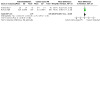
Comparison 1: Telerehabilitation vs Centre‐based (outpatient) pulmonary rehabilitation, Outcome 27: Outcome 4 Quality of Life ‐ Long term (>6 months) change in CRQ Mastery score from baseline to end followup
Maintenance rehabilitation
One study of maintenance telerehabilitation compared to centre‐based maintenance rehabilitation assessed quality of life with the St George's Respiratory Questionnaire (SGRQ) and the COPD Assessment Test (CAT) (Vasilopoulou 2017). The study did not find a difference between maintenance telerehabilitation and centre‐based rehabilitation for either CAT (MD 1.2 points, 95% CI ‐1.40 to 3.80; participants = 97; studies = 1, Analysis 1.14, Vasilopoulou 2017) or SGRQ total score (MD 4.80 points, 95% CI ‐2.63 to 12.23; participants = 97; studies = 1, Analysis 1.10, Vasilopoulou 2017).
Adverse events
Adverse events were inconsistently defined, with variable reporting. Reported information relating to adverse events is detailed in Table 5. Six studies of telerehabilitation compared to centre‐based pulmonary rehabilitation provided information regarding adverse events (Bourne 2017; Hansen 2020; Holland 2017; Knox 2019; Maltais 2008; Stickland 2011). Of these, no adverse events were noted in two studies (Holland 2017; Vasilopoulou 2017). One further study described monitoring for adverse events, but did not present any data (Chaplin 2017). The numbers of reported adverse events were similar between telerehabilitation and centre‐based rehabilitation, where reported. As the results could not be combined we remain uncertain about possible differences in adverse events.
3. Adverse events.
| Study | Adverse events details |
| Barberan‐Garcia 2014 (Barcelona and Athens) | Not recorded as an outcome or reported. |
| Barberan‐Garcia 2014 (Trondheim) | Not recorded as an outcome or reported. |
| Bernocchi 2018 | PROTOCOL:
PAPER:
|
| Bourne 2017 |
|
| Chaplin 2017 | PROTOCOL:
PAPER:
|
| Hansen 2020 |
|
| Holland 2017 |
|
| Knox 2019 |
|
| Kwon 2018 | Not recorded as an outcome or reported. |
| Lahham 2020 | Not recorded as an outcome or reported. |
| Maltais 2008 |
|
| Stickland 2011 | Definition of adverse event not specified. Reasons for patient dropout that could be considered adverse event detailed in Table 4 (PAPER).
|
| Tabak 2014 | Not recorded as an outcome or reported. |
| Tsai 2017 |
|
| Vasilopoulou 2017 |
|
Abbreviations: AE, adverse event; COPD, chronic obstructive pulmonary disease; HBP, home‐based program; PR, pulmonary rehabilitation; PTR, pulmonary tele‐rehabilitation.
Secondary outcomes
Adherence/completion
Primary rehabilitation
Four RCTs of primary telerehabilitation compared to centre‐based pulmonary rehabilitation reported a pre‐determined definition for adherence to or completion of the intervention (Table 6). Adherence/completion was defined based on achieving a minimum percentage of prescribed exercise training sessions, either 60% (Maltais 2008) or 70% (Hansen 2020Holland 2017); or minimum stage of the program (Chaplin 2017). The three RCTs that defined adherence by a minimum percentage of training sessions completed could be combined in a meta‐analysis (419 participants, Analysis 1.28). Individuals undertaking telerehabilitation were more likely to complete the minimum percentage of prescribed training sessions when compared to centre‐based pulmonary rehabilitation (OR 5.36, 95% CI 3.12 to 9.21; 516 participants; three studies; I2 = 56%) (Hansen 2020, Holland 2017, Maltais 2008). In the control group, 70 people out of 100 were considered pulmonary rehabilitation completers over six to 12 weeks, compared to 93 (95% CI 80 to 96) out of of 100 people in the active treatment group. Please see the Cates plot in Figure 6.
4. Adherence.
| Study | Comparison | Definition for Adherence/Completion | Result |
| Barberan‐Garcia 2014 (Barcelona and Athens) | 3 (maintenance) | Not defined | Not reported |
| Barberan‐Garcia 2014 (Trondheim) | 3 (maintenance) | Not defined |
|
| Bernocchi 2018 | 3 (maintenance) | Not defined |
|
| Bourne 2017 | 1 | Not defined |
|
| Chaplin 2017 | 1 | Reached stage 3 or above of the web program, achieving 75% of the program |
|
| Hansen 2020 | 1 | Undertaking a minimum of 70% of the planned pulmonary rehabilitation sessions |
|
| Holland 2017 | 1 | Undertaking a minimum of 70% of the planned pulmonary rehabilitation sessions |
|
| Knox 2019 | 1 | Not defined |
|
| Kwon 2018 | 3 | Not defined | Not reported |
| Lahham 2020 | 3 | Not defined |
|
| Maltais 2008 | 1 | Completion of at least 60% (n = 15) of the exercise training sessions |
|
| Stickland 2011 | 1 | To attend a minimum of nine of the 16 sessions |
|
| Tabak 2014 | 3 | Not defined |
|
| Tsai 2017 | 3 | Compliance with telerehabilitation sessions was recorded by the number of completed exercise training sessions as prescribed out of a possible 24 sessions. |
|
| Vasilopoulou 2017 | 1, 3 (maintenance) | Adherence to home‐based maintenance tele‐rehabilitation and hospital‐based maintenance programs was assessed by the adherence rate (actual number of sessions/total expected number of sessions*100). |
|
Abbreviations: COPD, chronic obstructive pulmonary disease; n, number; SD, standard deviation.
1.28. Analysis.

Comparison 1: Telerehabilitation vs Centre‐based (outpatient) pulmonary rehabilitation, Outcome 28: Outcome 5 Completion of the intervention
6.

In the control group 70 people out of 100 completed treatment over 6 to 12 weeks, compared to 93 (95% CI 80 to 96) out of 100 for the active treatment group.
In one study of a web‐based telerehabilitation program, 53% of participants failed to progress past week 3 of the web‐based program (Chaplin 2017). However, the proportion of dropouts from centre‐based rehabilitation was not reported.
Maintenance rehabilitation
One RCT of maintenance telerehabilitation reported a similar proportion of completed sessions to centre‐based maintenance rehabilitation (93.5% and 91% respectively; 97 participants) (Vasilopoulou 2017).
Anxiety/depression
Primary rehabilitation
Symptoms of anxiety and depression were assessed using the Hospital Anxiety and Depression Scale (HADS). Two RCTs of telerehabilitation compared to centre‐based pulmonary rehabilitation were able to be combined in a meta‐analysis. The mean difference between interventions in HADS Anxiety scores favoured telerehabilitation (MD ‐1.05 points (95% CI ‐1.76 to ‐0.35; 282 participants; two studies; I2 = 0%; Analysis 1.29Analysis 1.30) (Hansen 2020; Holland 2017). The difference between interventions in HADS Depression scores was probably smaller at the end of the intervention (MD ‐0.36 points, 95% CI ‐1.05 to 0.34; 282 participants; two studies; Analysis 1.30) (Hansen 2020, Holland 2017). Two other RCTs (Bourne 2017; Chaplin 2017) and one CCT (Knox 2019) reported finding no differences between interventions for anxiety or depression, using the HADS at the end of intervention.
1.29. Analysis.

Comparison 1: Telerehabilitation vs Centre‐based (outpatient) pulmonary rehabilitation, Outcome 29: Outcome 6 Anxiety/Depression ‐ Change in HADS Anxiety score at end intervention
1.30. Analysis.

Comparison 1: Telerehabilitation vs Centre‐based (outpatient) pulmonary rehabilitation, Outcome 30: Outcome 6 Anxiety/Depression ‐ Change in HADS Depression score at end intervention
One study of long‐term follow‐up did not find a difference between interventions for anxiety or depression, using the HADS from baseline to 12 month follow‐up (anxiety MD ‐1.00 points, 95% CI ‐2.27 to 0.27; and depression MD ‐1.00 points, 95% CI ‐2.15 to 0.15; 148 participants; Analysis 1.31 and Analysis 1.32) (Holland 2017).
1.31. Analysis.

Comparison 1: Telerehabilitation vs Centre‐based (outpatient) pulmonary rehabilitation, Outcome 31: Outcome 6 Anxiety/Depression ‐ Long term (>6 months) change in HADS Anxiety score from baseline to end followup
1.32. Analysis.

Comparison 1: Telerehabilitation vs Centre‐based (outpatient) pulmonary rehabilitation, Outcome 32: Outcome 6 Anxiety/Depression ‐ Long term (>6 months) change in HADS Depression score from baseline to end followup
Maintenance rehabilitation
No studies of maintenance rehabilitation assessed anxiety or depression.
Physical activity
Primary rehabilitation
Three RCTs of telerehabilitation compared to centre‐based pulmonary rehabilitation assessed physical activity by accelerometry (Hansen 2020; Holland 2017; Vasilopoulou 2017). Two RCTs of telerehabilitation compared to centre‐based pulmonary rehabilitation that assessed physical activity via accelerometry could be combined in a meta‐analysis (Hansen 2020; Holland 2017). At end rehabilitation there was uncertain difference between groups in time spent in sedentary behaviours (MD ‐8.57 minutes, 95% CI ‐66.69 to 49.54; 192 participants; two studies; Analysis 1.34) (Hansen 2020; Holland 2017); or change in steps per day (MD 387.09 steps, 95% CI ‐84.64 to 858.81; 192 participants; two studies; Analysis 1.35) (Hansen 2020; Holland 2017). For all other physical activity outcomes, there was uncertainty in the difference between telerehabilitation and centre‐based pulmonary rehabilitation at end intervention, medium‐ and long‐term follow‐up.
1.34. Analysis.

Comparison 1: Telerehabilitation vs Centre‐based (outpatient) pulmonary rehabilitation, Outcome 34: Outcome 7 Physical activity ‐ Sedentary time (minutes/day) at end intervention
1.35. Analysis.

Comparison 1: Telerehabilitation vs Centre‐based (outpatient) pulmonary rehabilitation, Outcome 35: Outcome 7 Physical activity ‐ Change in steps/day at end intervention
Maintenance rehabilitation
One RCT of maintenance telerehabilitation compared to centre‐based maintenance rehabilitation also assessed physical activity by accelerometry (Vasilopoulou 2017). An increase in time per day spent in moderate intensity activity favoured the centre‐based rehabilitation control group (MD ‐4.3 minutes, 95% CI ‐6.9 to ‐1.7; 97 participants; Analysis 1.39).
1.39. Analysis.

Comparison 1: Telerehabilitation vs Centre‐based (outpatient) pulmonary rehabilitation, Outcome 39: Outcome 7 Physical Activity ‐ Moderate physical activity time (minutes)/day at end intervention
Healthcare utilisation
COPD exacerbations, hospitalisations and emergency department presentations were reported in five studies of telerehabilitation compared to centre‐based pulmonary rehabilitation (Table 7).
5. Healthcare utilisation.
| Study | Comparison | Outcome | Timepoint | Telerehabilitation | Control |
| Barberan‐Garcia 2014 (Barcelona and Athens) | 3 | Use of healthcare resources. | During follow up intervention period | Barcelona (CCT): no difference between groups Athens (CCT): no data reported |
|
| Barberan‐Garcia 2014 (Trondheim) | 3 | No data reported | |||
| Bernocchi 2018 | 3 | Median time to event hospitalisation (any cause) or death | During the 4 month study period | 113.4 days | 104.7 days* |
| Number of hospitalisations | During the 4 month study period | 21 (11 for cardiovascular diseases, 6 for respiratory diseases, 5 for other causes) |
37 (25 for cardiovascular diseases, 11 for respiratory diseases, 1 for other causes) |
||
| Bourne 2017 | 1 | No data reported | |||
| Chaplin 2017 | 1 | No data reported | |||
| Hansen 2020 | 1 | Number hospitalisations related to COPD | During intervention | 21 | 20 |
| At 22 weeks follow‐up from baseline | 38 | 36 | |||
| Hospital days relating to all admissions, per admission/patient (median [IQR]) | At 22 weeks follow‐up from baseline | 2.3 [1.3 to 3.4] | 2.2 [1.1 to 4.7] | ||
| Hospital days relating to all admissions, total admissions/patient (median [IQR]) | At 22 weeks follow‐up from baseline | 11.8 [3.4 to 27.8] | 5.2 [3.2 to 13.8] | ||
| Hospital days for respiratory admissions, per admission/patient (median [IQR]) | At 22 weeks follow‐up from baseline | 2.4 [1.6 to 3.7] | 2.5 [1.2 to 5.2] | ||
| Hospital days for respiratory admissions, total admissions/patient (median [IQR]) | At 22 weeks follow‐up from baseline | 7.5 [3.1 to 14.4] | 5.2 [2.6 to 10.0] | ||
| Number of outpatient visits | At 10 weeks follow‐up from baseline | 113 | 744 | ||
| At 22 weeks follow‐up from baseline | 270 | 899 | |||
| Holland 2017 | 1 | Proportion with a hospital admission | During 12 months follow up after completion of intervention | n = 28 (35%) | n = 37 (43%) |
| Proportion with a respiratory admission | During 12 months follow up after completion of intervention | n = 17 (21%) | n = 29 (34%)* | ||
| Number all cause hospital admissions per participant (median [IQR]) | During 12 months follow up after completion of intervention | 0 [0‐2] | 0 [0‐1.25] | ||
| Number all cause hospital days (median [IQR]) | During 12 months follow up after completion of intervention | 0 [0‐3.75] | 0 [0‐6.25] | ||
| Number of respiratory admissions (median [IQR]) | During 12 months follow up after completion of intervention | 0 [0‐0] | 0 [0‐1] | ||
| Number hospital days for respiratory cause (median [IQR]) | During 12 months follow up after completion of intervention | 0 [0‐0] | 0 [0‐5] | ||
| Knox 2019 | 3 | No data reported | |||
| Kwon 2018 | 3 | No data reported | |||
| Lahham 2020 | 3 | No data reported | |||
| Maltais 2008 | 1 | Number of COPD exacerbations | During intervention period | 9 | 14 |
| During maintenance phase | 43 | 37 | |||
| Number of hospitalisations | During entire study period | 50 (not COPD related n = 31) | 51 (not COPD related n = 21) | ||
| Stickland 2011 | 1 | Number of hospitalisations | During rehabilitation period | 3 | 3 |
| Number of respiratory exacerbations | During rehabilitation period | 6 | 7 | ||
| Tabak 2014 | 3 | Number of COPD exacerbations | During study intervention period | 33 | not applicable |
| Number of hospitalisations, COPD | 4 | 5 | |||
| Number of hospitalisations, other | 4 | 2 | |||
| Emergency department visits for COPD | 5 | 5 | |||
| Length of stay, hospitalisation for COPD | 22 days | 36 days | |||
| Length of hospital stay for COPD, days (median [IQR]) | 5.5 [4.8‐6.3] | 7.0 [6.0‐7.0] | |||
| Tsai 2017 | 3 | No data reported | |||
| Vasilopoulou 2017 | 1 (maintenance) | Acute exacerbation of COPD (mean±SD): | During 12 month maintenance intervention | 1.7±1.7 | 1.8 ± 1.4* |
| 3 (maintenance) | 3.5 ± 1.8* | ||||
| 1 (maintenance) | Hospitalisation for acute exacerbation COPD (mean±SD): | 0.3±0.7 | 0.3 ± 0.6* | ||
| 3(maintenance) | 1.2 ± 1.7* | ||||
| 1 (maintenance) | Emergency department visits (mean±SD): | 0.5±0.9 | 1.8 ± 1.5* | ||
| 3 (maintenance) | 3.8 ± 1.5* | ||||
Abbreviations: CCT, controlled clinical trial; COPD, chronic obstructive pulmonary disease; ED, emergency department; IQR, interquartile range; n, number; PR, pulmonary rehabilitation; SD, standard deviation.
*between group difference P < 0.05
Primary rehabilitation
Three RCTs of primary telerehabilitation compared to centre‐based pulmonary rehabilitation could be combined in a meta‐analysis (Analysis 1.41). The likelihood of being admitted to hospital during the study period (from enrolment to completion of follow‐up) was lower for telerehabilitation compared to centre‐based pulmonary rehabilitation (OR 0.65, 95% CI 0.43 to 0.99; 516 participants; three studies; I2 = 37%, evidence not graded) (Hansen 2020; Holland 2017; Maltais 2008).
1.41. Analysis.

Comparison 1: Telerehabilitation vs Centre‐based (outpatient) pulmonary rehabilitation, Outcome 41: Outcome 8 Health care utilisation ‐ Respiratory related hospitalisation
In one CCT of primary rehabilitation there were the same number of hospitalisations reported for both interventions (telerehabilitation: n = 3; centre‐based rehabilitation: n = 3) (Stickland 2011).
Maintenance rehabilitation
One study of 12 months of maintenance telerehabilitation compared to centre‐based maintenance rehabilitation reported a similar mean number of acute exacerbations between groups: 1.7 (SD 1.7) and 1.8 (SD 1.4), respectively (Vasilopoulou 2017).
Comparison 2: Telerehabilitation compared to inpatient rehabilitation
No studies assessed this comparison.
Comparison 3: Telerehabilitation compared to no rehabilitation control
Primary outcomes
Exercise capacity
Primary rehabilitation
Three RCTs of telerehabilitation compared to no rehabilitation control for primary rehabilitation reported exercise capacity outcomes using 6MWD (Kwon 2018; Lahham 2020; Tsai 2017) and ISWT and ESWT (Tsai 2017).
Two RCTs combined in a meta‐analysis showed that telerehabilitation may increase 6MWD (MD 22.17 m; 95% CI ‐38.89 to 83.23; 94 participants; two studies; I2 = 35%; low‐certainty evidence; Analysis 3.1; Figure 7 (Lahham 2020; Tsai 2017). There was no significant heterogeneity across studies.
3.1. Analysis.

Comparison 3: Telerehabilitation vs no rehabilitation control, Outcome 1: Outcome 1 Exercise capacity ‐ 6minute walk distance at end intervention
7.

Forest plot of comparison: 3 Telerehabilitation vs no rehabilitation control, outcome: 3.1 Outcome 1 Exercise capacity ‐ 6minute walk distance at end intervention.
In one RCT, when compared to no rehabilitation control, no difference in ISWT distance was reported at the end of the intervention (MD 4 m, 95% CI ‐23 m to 31 m; 36 participants; one study; Analysis 3.3) (Tsai 2017). However, a clear improvement in endurance cycle time was seen with telerehabilitation (MD 314 seconds, 95% CI 144 to 484; 36 participants; one study; Analysis 3.4) (Tsai 2017).
3.3. Analysis.

Comparison 3: Telerehabilitation vs no rehabilitation control, Outcome 3: Outcome 1 Exercise capacity ‐ Change in ISWT distance at end intervention
3.4. Analysis.

Comparison 3: Telerehabilitation vs no rehabilitation control, Outcome 4: Outcome 1 Exercise capacity ‐ Change in ESWT time at end of intervention
In one RCT, at month three of a nine‐month intervention, outcomes for 6MWD favoured telerehabilitation compared to no rehabilitation control (MD 99.6 m, 95% CI 62.87 m to 136.33 m; 20 participants; one study) (Tabak 2014 ); however, no end intervention data were reported. One RCT that tested two different telerehabilitation interventions compared to a no rehabilitation control reported that there was no difference between groups for 6MWD, but data were not reported (Knox 2019; Kwon 2018).
One study of primary telerehabilitation compared to no rehabilitation control reported medium‐term follow‐up data. At six months, following the end of the intervention, no differences were reported between telerehabilitation and no rehabilitation control for 6MWD (MD 7 m, 95% CI ‐59 m to 72 m; 58 participants; one study) (Lahham 2020).
Maintenance rehabilitation
Two RCTs of maintenance telerehabilitation compared to no rehabilitation control reported exercise capacity outcomes using 6MWD (Bernocchi 2018; Vasilopoulou 2017), with one RCT also reporting peak watts on cardiopulmonary exercise test (Vasilopoulou 2017). One study reporting two non‐randomised controlled trials measured exercise capacity via 6MWD (Barberan‐Garcia 2014 (Barcelona and Athens)).
Two RCTs of maintenance rehabilitation could be meta‐analysed. The analysis showed that there may be a benefit of telerehabilitation over no rehabilitation control, with a mean difference in 6MWD of 78.10 m (95% CI 49.60 to 106.60; 209 participants; two studies; I2 = 40%; low‐certainty evidence, Analysis 3.1, Figure 7) (Bernocchi 2018; Vasilopoulou 2017). The difference in 6MWD between telerehabilitation and no rehabilitation control for maintenance rehabilitation exceeded the minimal important difference for the 6MWD (Holland 2014b). There was no significant heterogeneity across studies.
One RCT of maintenance rehabilitation reported an improvement in peak watts on CPET at the end of the telerehabilitation intervention (MD 18 watts, 95% CI 6 to 30; 97 participants; one study; Analysis 3.2) (Vasilopoulou 2017).
3.2. Analysis.

Comparison 3: Telerehabilitation vs no rehabilitation control, Outcome 2: Outcome 1 Exercise capacity ‐ Peak watts on CPET at end intervention
In two non‐RCTs, the exercise capacity outcomes differed (Barberan‐Garcia 2014 (Barcelona and Athens)), favouring telerehabilitation compared to a no‐rehabilitation control in one study (Barcelona: 6MWD at end intervention; MD 92 m, 95% CI 49.15 to 134.85; 77 participants), and reporting no difference in exercise capacity between groups in the other (Athens: change in 6MWD at end intervention; MD ‐5 m, 95% CI ‐20.58 to 10.58; 40 participants).
Dyspnoea
Primary rehabilitation
Breathlessness was assessed using the modified MRC dyspnoea scale (studies = 2, Kwon 2018; Lahham 2020) and the dyspnoea domain of the chronic respiratory disease questionnaire (CRQ‐D) (studies = 2, Lahham 2020; Tsai 2017). None of the included studies reported a difference between groups for symptoms of breathlessness, on any measure.
When compared to a no‐rehabilitation control, there may be a benefit of telerehabilitation for CRQ‐D (MD 1.97 points, 95% CI ‐1.07 to 5.02; 94 participants; two studies; low‐certainty evidence, Analysis 3.5) (Lahham 2020; Tsai 2017).
3.5. Analysis.

Comparison 3: Telerehabilitation vs no rehabilitation control, Outcome 5: Outcome 3 Dyspnoea ‐ Change in CRQ Dyspnoea domain at end intervention
One RCT of telerehabilitation compared to no‐rehabilitation control reported Borg dyspnoea at exercise (ESWT) isotime, but did not find a difference between groups (MD 1, 95% CI ‐0.31 to 2.31; 36 participants; one study; Analysis 3.6) (Tsai 2017).
3.6. Analysis.

Comparison 3: Telerehabilitation vs no rehabilitation control, Outcome 6: Outcome 3 Dyspnoea ‐ Change in exercise isotime breathlessness score at end intervention
One study of primary telerehabilitation compared to no rehabilitation control reported medium‐term follow‐up. At six months following the end of the intervention, no differences were reported between telerehabilitation and no rehabilitation control for mMRC (MD ‐0.0, 95% CI ‐0.5 to 0.5; 58 participants; one study) (Lahham 2020).
Maintenance rehabilitation
Symptoms of breathlessness were assessed using the MRC dyspnoea scale (Bernocchi 2018), and the mMRC dyspnoea scale (Barberan‐Garcia 2014 (Barcelona and Athens); Vasilopoulou 2017). None of the included studies reported a difference between groups for symptoms of breathlessness, on any measure.
Two RCTs of maintenance telerehabilitation compared to no rehabilitation control were combined in a meta‐analysis and demonstrated a very uncertain improvement in change score for MRC/mMRC, favouring telerehabilitation (MD ‐0.86 points, 95% CI ‐2.10 to 0.37; 209 participants; two studies; very low‐certainty evidence, Analysis 3.7) (Bernocchi 2018; Vasilopoulou 2017).
3.7. Analysis.

Comparison 3: Telerehabilitation vs no rehabilitation control, Outcome 7: Outcome 3 Dyspnoea ‐ MMRC at end intervention
One non‐RCT of maintenance telerehabilitation compared to no‐rehabilitation control reported a reduction from 35% to 27% in the percentage of participants categorised as mMRC 3‐4 in the intervention group, with no change in the control group (77 participants) (Barberan‐Garcia 2014 (Barcelona and Athens)).
Quality of life
Primary rehabilitation
RCTs of primary telerehabilitation compared to no rehabilitation control assessed quality of life using the CRQ (studies = 2, Lahham 2020; Tsai 2017; Analysis 3.10; Analysis 3.11; Analysis 3.12; Analysis 3.13; Analysis 3.14), and the CAT (studies = 2, Kwon 2018; Tsai 2017). One study assessed quality of life with the clinical COPD questionnaire (CCQ) and the EQ‐5D‐5L (Tabak 2014).
3.10. Analysis.

Comparison 3: Telerehabilitation vs no rehabilitation control, Outcome 10: Outcome 4 Quality of life ‐ Change in CRQ total score at end intervention
3.11. Analysis.

Comparison 3: Telerehabilitation vs no rehabilitation control, Outcome 11: Outcome 4 Quality of life ‐ Change in CRQ Dyspnoea domain at end intervention
3.12. Analysis.

Comparison 3: Telerehabilitation vs no rehabilitation control, Outcome 12: Outcome 4 Quality of life ‐ Change in CRQ Fatigue domain at end intervention
3.13. Analysis.

Comparison 3: Telerehabilitation vs no rehabilitation control, Outcome 13: Outcome 4 Quality of life ‐ Change in CRQ Emotion domain at end intervention
3.14. Analysis.

Comparison 3: Telerehabilitation vs no rehabilitation control, Outcome 14: Outcome 4 Quality of life ‐ Change in CRQ Mastery domain at end intervention
When compared to a no rehabilitation control, there may be a higher CRQ total score on telerehabilitation (MD 6.90 points, 95% CI ‐0.57 to 14.36; 94 participants; two studies; low‐certainty evidence; Analysis 3.10) (Lahham 2020; Tsai 2017). This difference was measured using a maximum score of 140 on the CRQ scale, so would be equivalent to a mean difference of 0.345 units on a 7‐point scale.
At month 3 of a nine‐month intervention in one RCT (n = 20) of primary telerehabilitation compared to no rehabilitation control, the authors reported better scores for CCQ (mean 1.8 (SD 0.24) versus mean 2.3 (SD 0.26)) and EQ‐5D visual analogue scale (mean 72.3 (SD 3.1) versus mean 62.4 (SD 3.5)), respectively, for the telerehabilitation group compared to the no rehabilitation control (Tabak 2014). No data from end intervention were presented.
One study of primary telerehabilitation compared to no rehabilitation control reported medium‐term follow‐up (58 participants) (Lahham 2020). At six months, following the end of the intervention, no differences were reported between telerehabilitation and no rehabilitation control for any CRQ domain.
Maintenance rehabilitation
Studies of maintenance telerehabilitation compared to no rehabilitation control assessed quality of life using SGRQ (Barberan‐Garcia 2014 (Barcelona and Athens); Vasilopoulou 2017), the CAT (Bernocchi 2018; Vasilopoulou 2017), and the Minnesota Lung Heart Failure Questionnaire (MLHFQ) (Bernocchi 2018).
When maintenance telerehabilitation was compared to no rehabilitation control there may or may not be a difference in CAT score favouring the telerehabilitation group (MD ‐7.34, 95% CI ‐9.20 to ‐5.48; 209 participants; two studies; very low‐certainty evidence; Analysis 3.9) (Bernocchi 2018; Vasilopoulou 2017).
3.9. Analysis.

Comparison 3: Telerehabilitation vs no rehabilitation control, Outcome 9: Outcome 4 Quality of life ‐ CAT score at end intervention
In one RCT of maintenance telerehabilitation compared to no rehabilitation control, in participants with a combined diagnosis of COPD and heart failure, there was an improvement in MLHFQ score favouring telerehabilitation at the end of the four month intervention (MD ‐10.06, 95% CI ‐15.68 to ‐4.44; 112 participants; one study; evidence not graded; Analysis 3.15 (Bernocchi 2018). In one RCT of maintenance telerehabilitation compared to no rehabilitation control, at the end of the 12 month intervention, improvement in total SGRQ score favoured telerehabilitation (MD ‐11.80, 95% CI ‐19.44 to ‐4.16; 97 participants; one study; evidence not graded; Analysis 3.8 (Vasilopoulou 2017).
3.15. Analysis.

Comparison 3: Telerehabilitation vs no rehabilitation control, Outcome 15: Outcome 4 Quality of life ‐ Change in MLHFQ at end intervention
3.8. Analysis.

Comparison 3: Telerehabilitation vs no rehabilitation control, Outcome 8: Outcome 4 Quality of life ‐ SGRQ total score at end intervention
In one study of two non‐randomised controlled trials of maintenance rehabilitation compared to no rehabilitation control (Barberan‐Garcia 2014 (Barcelona and Athens)) a significant effect for SGRQ total score favouring the telerehabilitation group was seen in one trial (Barcelona, MD ‐10, 95% CI ‐17.89 to ‐2.1) with no effect in the other trial (Athens, no data reported).
Adverse events
As noted in Comparison 1, adverse events were inconsistently defined, with variable reporting. Reported information relating to adverse events is detailed in Table 5. One RCT of primary telerehabilitation compared to no rehabilitation control (Tsai 2017) and two RCTs of maintenance telerehabilitation compared to no rehabilitation control (Bernocchi 2018; Vasilopoulou 2017) reported no study related adverse events. We are therefore uncertain about adverse events.
Secondary outcomes
Adherence/completion
Two studies of telerehabilitation compared to no rehabilitation control reported intervention adherence (primary telerehabilitation: Tsai 2017; maintenance rehabilitation: Vasilopoulou 2017). In primary telerehabilitation, the mean number of sessions attended was 22 (SD 5) out of a maximum total 24 sessions (36 participants; one study; Tsai 2017); while for maintenance telerehabilitation the percentage of sessions undertaken relative to the total available was 93.5% (97 participants; one study; Table 6) (Vasilopoulou 2017).
Anxiety/depression
Primary rehabilitation
One RCT of telerehabilitation compared to no rehabilitation control assessed anxiety and depression with the HADS (Analysis 3.16 and Analysis 3.17) and reported an improvement in HADS depression score at end intervention favouring the telerehabilitation group (MD ‐2.40, 95% CI ‐3.48 to ‐1.32; 36 participants; one study; evidence not graded) (Tsai 2017).
3.16. Analysis.

Comparison 3: Telerehabilitation vs no rehabilitation control, Outcome 16: Outcome 5 Anxiety/Depression ‐ Change in HADS Anxiety score at end intervention
3.17. Analysis.

Comparison 3: Telerehabilitation vs no rehabilitation control, Outcome 17: Outcome 5 Anxiety/Depression ‐ Change in HADS Depression score at end interveniton
Maintenance rehabilitation
No studies of maintenance telerehabilitation compared to no rehabilitation control assessed anxiety or depression.
Physical activity
Primary rehabilitation
Physical activity participation was assessed by accelerometry in three studies (Lahham 2020; Tabak 2014; Tsai 2017) of telerehabilitation compared to no rehabilitation. The effect of telerehabilitation on physical activity outcomes was inconsistent.
Two RCTs of telerehabilitation compared to no rehabilitation control measuring physical activity by accelerometry were combined in a meta‐analysis. There was no clear improvement in steps per day (MD 489 steps, 95% CI ‐143 to 1120; 94 participants; two studies; evidence not graded, Analysis 3.19) (Lahham 2020; Tsai 2017) or time spent in sedentary behaviour (MD 42 minutes, 95% CI ‐26 to 111; 94 participants; two studies; evidence not graded; Analysis 3.20) ( Lahham 2020; Tsai 2017) following telerehabilitation, compared to no rehabilitation control. In Tsai 2017, time spent in light intensity physical activity favoured the control group at end intervention (MD ‐44 minutes, 95% CI ‐87.4 to ‐0.59; 36 participants; one study; evidence not graded; Analysis 3.21).
3.19. Analysis.

Comparison 3: Telerehabilitation vs no rehabilitation control, Outcome 19: Outcome 6 Physical activity ‐ Change in steps/day at end intervention
3.20. Analysis.

Comparison 3: Telerehabilitation vs no rehabilitation control, Outcome 20: Outcome 6 Physical activity ‐ Sedentary time (minutes)/day at end intervention
3.21. Analysis.

Comparison 3: Telerehabilitation vs no rehabilitation control, Outcome 21: Outcome 6 Physical activity ‐ Light physical activity time (minutes)/day at end intervention
One study of primary telerehabilitation compared to no rehabilitation control reported medium‐term follow‐up (58 participants) (Lahham 2020). At six months following the end of the intervention, no differences were reported between telerehabilitation and no rehabilitation control for any measure of physical activity.
Maintenance rehabilitation
One RCT of maintenance telerehabilitation compared to no rehabilitation control assessed physical activity by accelerometry. There was a small difference in time spent in moderate intensity physical activity, favouring the intervention group at end rehabilitation (MD 3.2 minutes, 95% CI 0.65 to 5.75; 97 participants; one study; evidence not graded; Analysis 3.23) (Vasilopoulou 2017).
3.23. Analysis.

Comparison 3: Telerehabilitation vs no rehabilitation control, Outcome 23: Outcome 6 Physical activity ‐ Moderate intensity physical activity time (minutes)/day at end intervention
Healthcare utilisation
COPD exacerbations, hospitalisations and emergency department presentations were reported in three studies of telerehabilitation compared to no rehabilitation (Table 7). The three studies reported healthcare utilisation only during the intervention period (primary rehabilitation: Tabak 2014; maintenance rehabilitation: Bernocchi 2018; Vasilopoulou 2017). Due to variable reporting of healthcare utilisation and time points, data could not be combined in a meta‐analysis. Similar numbers of COPD related hospitalisations were reported for the telerehabilitation group and no rehabilitation group for primary rehabilitation, with four and five admissions respectively over the nine‐month intervention period (Tabak 2014).
In one RCT of maintenance telerehabilitation compared to no rehabilitation, the likelihood of hospitalisation was lower for telerehabilitation (OR 0.31, 95% CI 0.14 to 0.67; 112 participants; one study; evidence not graded, Analysis 3.32) (Bernocchi 2018).In one RCT, the mean acute exacerbations of COPD were lower in the maintenance telerehabilitation group than in the no‐rehabilitation control (mean 1.7 (SD 1.7) versus mean 3.5 (SD 1.8); P < 0.001; 97 participants; one study; evidence not graded) (Vasilopoulou 2017).
3.32. Analysis.

Comparison 3: Telerehabilitation vs no rehabilitation control, Outcome 32: Outcome 7 ‐ Health care utilisation
Discussion
Summary of main results
The aim of this review was to assess the safety and potential beneficial effects of telerehabilitation on exercise capacity, breathlessness and health‐related quality of life in people with chronic respiratory disease when compared to centre‐based (in‐person) pulmonary rehabilitation or no rehabilitation control. We included a total of 15 studies (32 reports) with 1904 participants, using five different models of telerehabilitation. Almost all (99%) included participants had COPD. Three studies were CCTs.
For primary pulmonary rehabilitation, there was probably little or no difference between telerehabilitation and in‐person pulmonary rehabilitation for exercise capacity measured as 6MWD (MD 0.06 m, 95% CI ‐10.82 m to 10.94 m; 556 participants; four studies; moderate‐certainty evidence). There may also be little or no difference for quality of life measured on SGRQ total score (MD ‐1.26, 95% CI ‐3.97 to 1.45; 274 participants; two studies; low‐certainty evidence) or breathlessness on the CRQ dyspnoea domain score (MD 0.13, 95% CI ‐0.13 to 0.40; 426 participants; three studies, low‐certainty evidence). Participants were more likely to complete a program of telerehabilitation with 93% (95% CI: 90 to 96%) completion rate, when compared to face‐to‐face rehabilitation (70% completion). When compared to no rehabilitation control, trials of primary telerehabilitation may increase exercise capacity in 6MWD (MD 22.17 m, 95% CI ‐38.89 m to 83.23 m; 94 participants; two studies; low‐certainty evidence) and may also increase 6MWD when delivered as maintenance rehabilitation (MD 78.1 m, 95% CI 49.6 m to 106.6 m; 209 participants; two studies; low‐certainty evidence). No adverse effects of telerehabilitation were noted over and above any reported for in‐person rehabilitation or no rehabilitation.
Across multiple trials and models of telerehabilitation delivery, the results of this review have shown that telerehabilitation and in‐person pulmonary rehabilitation have similar effects across a range of outcomes. Secondary outcomes showed that there may be a reduction in anxiety and 35% lower odds of hospital admission for those undertaking telerehabilitation, compared to in‐person rehabilitation. However, these results should be interpreted with caution due to the limited number of studies, and the relatively small number of participants. Nonetheless, these benefits in terms of reduced hospitalisations and psychological well‐being might suggest that supported rehabilitation interventions, delivered into the home, may help to alleviate stressors associated with access and participation in centre‐based, in‐person programs (Cox 2017), and may provide confidence in being able to exercise independently (Hoaas 2016).
These findings suggest that primary pulmonary rehabilitation programs delivered by telerehabilitation can provide a clinically effective alternative to centre‐based rehabilitation models. The number of centre‐based pulmonary rehabilitation programs available on a global scale is estimated to be able to service fewer than 2% of all people with COPD (Desveaux 2015). Being able to increase the number of individuals who can access and receive benefit from pulmonary rehabilitation is a key clinical and research priority (Rochester 2015). In addition, the 2020 global pandemic associated with coronavirus has had a profound impact on the ability to provide traditional, face‐to‐face, centre‐based pulmonary rehabilitation services (Houchen‐Wolloff 2020), with the effect potentially ongoing.
Given that the physical benefits achieved in traditional centre‐based pulmonary rehabilitation are mostly not maintained at one year after rehabilitation completion (Spencer 2019), the question of whether telerehabilitation can serve as a useful, long‐term strategy to support maintenance of pulmonary rehabilitation gains requires further investigation. That both of the two included studies of maintenance telerehabilitation, which assessed outcomes at the end of the respective intervention periods, may have achieved clinically meaningful gains for exercise capacity, despite using vastly different delivery models (144 sessions over 12 months with physiological monitoring and weekly consultation with a health professional in Vasilopoulou 2017 or twice‐weekly telephone contact with health professionals for four months with physiological monitoring and provision of exercise equipment in Bernocchi 2018) requires further exploration. In addition, these maintenance models are resource‐intensive, so understanding the cost‐effectiveness of any medium‐ to longer‐term maintenance intervention will be necessary to justify the resources involved.
Overall completeness and applicability of evidence
Almost all participants in the included studies were individuals with COPD, which may have implications for the applicability of the findings to other groups with chronic respiratory disease. One RCT of maintenance telerehabilitation compared to no rehabilitation comprised participants with multiple diagnoses, one of which was COPD (Barberan‐Garcia 2014 (Trondheim)). However, it was not possible to obtain data relating only to the COPD participants in this study. Whether individuals with ILD, bronchiectasis or asthma would respond differently to a rehabilitation intervention using telerehabilitation remains to be determined.
Although the interventions in this review met the definition of telerehabilitation, being rehabilitation delivered at a distance using information communication technology, they were heterogeneous in their components. The technology modalities employed differed widely between studies and encompassed telephone calls, bespoke websites or mobile applications, the use of videoconferencing and text messaging support. The degree of supervision of exercise training (in‐person, real‐time, or minimal) also varied, as did the location to which telerehabilitation was delivered (patient’s home versus healthcare facility). Four studies in this review (Hansen 2020; Knox 2019; Stickland 2011; Tsai 2017) delivered telerehabilitation in a group setting, either at a healthcare facility or in a virtual group from the patient’s home. Due to the limited number of studies, it was not possible to determine the effect of one model of delivery or location of telerehabilitation over another. Although we were unable to examine the relative efficacy of different models of telerehabilitation in the current review, this might be informative in future updates, if additional studies are available. That telerehabilitation can be delivered in a group environment, akin to traditional centre‐based programs, creates the opportunity for participants to receive social support and modelling from their peers, a recognised important component of pulmonary rehabilitation (Hill 2013). That there was no difference between centre‐based pulmonary rehabilitation and telerehabilitation in key outcomes including exercise capacity, quality of life and breathlessness, regardless of format, indicates the potential for the use of a wide range of telerehabilitation models as alternatives to centre‐based delivery. The global COVID‐19 pandemic has caused a dramatic and immediate change to the way pulmonary rehabilitation is delivered, largely precluding centre‐based delivery of pulmonary rehabilitation and fast‐tracking the need for remote program delivery. However, this has highlighted that for telerehabilitation to provide an entirely home‐based or remote rehabilitation experience, options for remote physical assessment need to be explored (Holland 2020). None of the included studies reported undertaking remote or in‐home physical assessment, and presently there are no tests of exercise capacity for people with respiratory disease that can identify desaturation and enable prescription of adequate training intensity that can be performed remotely (Holland 2020).
The duration of intervention in the included studies varied widely. Studies of primary rehabilitation ranged from six weeks (Bourne 2017) to nine months (Tabak 2014). Studies of maintenance rehabilitation ranged from four months (Bernocchi 2018) to 12 months or more (Barberan‐Garcia 2014 (Barcelona and Athens); Barberan‐Garcia 2014 (Trondheim); Vasilopoulou 2017). Five studies of primary rehabilitation reported follow‐up beyond the end of the intervention, which ranged from 10 to 12 weeks (Hansen 2020) to around 12 months (Holland 2017; Maltais 2008). No follow‐up data beyond the end of the intervention were reported for studies of maintenance rehabilitation. The lack of consistency in intervention duration makes it difficult to establish if there is a single best, or ideal duration of, telerehabilitation intervention. Likewise, the limited studies that provide follow‐up data beyond the end of the intervention period make it difficult to draw conclusions about the long‐term effectiveness of telerehabilitation. Despite that, the studies included in this review of primary pulmonary rehabilitation with follow‐up beyond the end of the intervention did not demonstrate any difference between telerehabilitation and centre‐based pulmonary rehabilitation (Hansen 2020; Holland 2017; Maltais 2008; Stickland 2011) or with no rehabilitation control (Lahham 2020) in the medium‐term (up to six months post‐intervention) or longer‐term (more than six months after completion of the intervention).
No included studies in this review assessed the effect of telerehabilitation compared to inpatient rehabilitation. Furthermore, this review did not include studies of individuals during or immediately after experiencing an exacerbation of their respiratory disease. The timing and nature of pulmonary rehabilitation delivered during and immediately following a respiratory exacerbation in COPD is controversial (Holland 2014), and compounded by extremely low uptake rate of outpatient pulmonary rehabilitation services post discharge (Spitzer 2019); despite evidence that pulmonary rehabilitation commenced within two weeks of hospital discharge can reduce the likelihood of readmission (Puhan 2016). Randomised controlled trials examining if telerehabilitation is safe and effective if used to deliver pulmonary rehabilitation services in the period early post respiratory exacerbation are required.
Quality of the evidence
A number of potential sources of bias were identified in this review. Three included studies were of CCTs. The overall risk of bias for these CCTs ranged from moderate to critical, with data from these studies not contributing to meta‐analyses and forest plots, but rather included as a narrative synthesis. Due to the nature of the intervention, and an inability to blind participants or personnel delivering the intervention, all included RCTs were judged to be at high risk of bias for performance bias. Blinding of outcome assessors may help to overcome this issue, but this was only reported in six of the RCTs (Bernocchi 2018; Bourne 2017; Hansen 2020; Holland 2017; Lahham 2020; Tsai 2017). Data that could be pooled for meta‐analysis were usually limited to those of two studies, and four studies at most. Studies of telerehabilitation which only include participants who have access to or are familiar with the relevant technology may also pose a risk of bias for the reported outcomes.
Using GRADE, we judged review outcomes to provide moderate‐certainty evidence (6MWD; CAT) or low‐certainty evidence (all other graded outcomes). Performance bias and selective reporting in included studies contributed to downgrading for risk of bias. We also downgraded for imprecision because of the small numbers of included studies and participants, and for inconsistency due to heterogeneity in telerehabilitation models.
Potential biases in the review process
All data were extracted independently by two review authors, and discrepancies were resolved through discussion. 'Risk of bias' ratings were also completed independently by two review authors. Studies that were published only in abstract form were eligible for inclusion, as a means to ensure that we captured all available trials. However, despite attempts to contact the authors of potentially eligible abstracts, additional data were often not available. In addition, we had variable success in obtaining additional details from authors of full‐text papers, where clarification of details was required. Of note, three studies included in this review were conducted by authors of this review. Where review authors were also included study authors, independent review authors undertook data extraction and assessment of risk of bias.
Agreements and disagreements with other studies or reviews
Our review extends results of a previous systematic review of telerehabilitation for patients with cardiopulmonary disease, which assessed home‐based exercise training delivered using telerehabilitation, and reported no difference between telerehabilitation and other exercise rehabilitation models in terms of exercise capacity and quality of life (Hwang 2015). In the review by Hwang and colleagues, only two included studies were of individuals with pulmonary disease alone, and a meta‐analysis was not able to be performed. Similar to our findings, there was the potential for higher adherence rates with telerehabilitation, but this was variable. Likewise, a systematic review of cardiac and pulmonary rehabilitation delivered via telerehabilitation, compared to usual centre‐based rehabilitation, reported similar improvements between groups in the one included study of pulmonary rehabilitation (Chan 2016). A common feature of these previous reviews and the current review of telerehabilitation in chronic respiratory disease is the limited number of included studies, and relatively small sample sizes, indicating the ongoing need for investigation and evidence of effect in this rapidly expanding field of healthcare.
Authors' conclusions
Implications for practice.
This review suggests that pulmonary rehabilitation, or maintenance rehabilitation, delivered via telerehabilitation for people with chronic respiratory disease, probably achieves outcomes similar to those of traditional in‐person, centre‐based pulmonary rehabilitation. No safety issues have been identified. Telerehabilitation has the potential to allow more people to access pulmonary rehabilitation programs and thus overcome common barriers to centre‐based pulmonary rehabilitation attendance, including issues associated with travel, transport and a lack of suitably qualified professionals to delivery programs (Cox 2017; Keating 2011). However, providing a telerehabilitation service in clinical practice may also present challenges to patients and health systems in terms of the need to access and navigate special equipment. It is possible that the patient experience of telerehabilitation may vary, depending on the model of telerehabilitation employed, e.g. videoconferencing versus talking on the telephone versus using a web‐enabled smartphone. Overall, the strength of the evidence provided by this review is limited by the small number of studies, of varying telerehabilitation models, with relatively few participants; of whom 99% had a diagnosis of chronic obstructive pulmonary disease (COPD).
Implications for research.
This review does not identify one single best mode of telerehabilitation delivery, or duration of intervention, but does suggest that telerehabilitation may provide a feasible and clinically effective alternative to centre‐based pulmonary rehabilitation, particularly for individuals with COPD. Future research should consider the clinical effect of telerehabilitation for individuals with chronic respiratory diseases other than COPD. The duration of benefit of telerehabilitation is also unclear, with few studies to date undertaking follow‐up beyond the end of the intervention. Understanding whether maintenance of rehabilitation benefit can be achieved with primary or maintenance telerehabilitation interventions could have implications for the health outcomes of patients as well as available service provision, if maintenance of benefit reduces the needs for repeated doses of pulmonary rehabilitation. It is also unknown if there is a best time for initiation of a program of telerehabilitation. Participants in the included studies were all in stable health (i.e. not experiencing an exacerbation); the question of whether outcomes associated with telerehabilitation differ for individuals who have recently experienced a respiratory exacerbation requires investigation. Some of the included studies in this review were of telerehabilitation models that required bespoke equipment or for participants to be familiar with how to use the equipment or technology under investigation, in order to enrol. To truly improve equity of access to pulmonary rehabilitation services, future studies need to describe the degree of technology experience that participants possess and how adaptable the intervention is to novice users. Furthermore, the use of technology to receive telerehabilitation may necessitate patients to have their own equipment or to follow specific procedures, above and beyond undertaking pulmonary rehabilitation. This may create additional burden for patients in order to receive pulmonary rehabilitation. Future work describing the patient experience associated with undertaking different models of telerehabilitation is warranted. Given that equipment and infrastructure associated with telerehabilitation may be expensive, comprehensive economic analyses of the patient and health system costs and benefits, and description of procedures for implementation into clinical practice are required.
History
Protocol first published: Issue 6, 2018 Review first published: Issue 1, 2021
Acknowledgements
We thank Elizabeth Stovold from Cochrane Airways for her help with developing and conducting the search strategy; Dr Angela Burge for her practical assistance, and the pulmonary rehabilitation participants who provided consumer feedback. The authors and Airways Editorial Team are grateful to the following peer and consumer reviewers for their valuable time and comments: Elizabeth Berger, Ling Ling Tsai and Tania Janaudis‐Ferreira.
The Background and Methods sections of this review are based on a standard template used by Cochrane Airways.
This project was supported by the National Institute for Health Research, via Cochrane Infrastructure funding to Cochrane Airways. The views and opinions expressed therein are those of the authors and do not necessarily reflect those of the Systematic Reviews Programme, NIHR, NHS or the Department of Health.
Appendices
Appendix 1. Database & trial registry search strategies
Cochrane Airways Trial Register & CENTRAL (via Cochrane Register of Studies)
#1 MeSH DESCRIPTOR Asthma Explode All AND CENTRAL #2 asthma*:ti,ab AND CENTRAL #3 MeSH DESCRIPTOR Pulmonary Disease, Chronic Obstructive Explode All AND CENTRAL #4 MeSH DESCRIPTOR Bronchitis, Chronic AND CENTRAL #5 (obstruct*) near3 (pulmonary or lung* or airway* or airflow* or bronch* or respirat*) AND CENTRAL #6 (COPD OR COAD OR COBD OR AECOPD):TI,AB,KW AND CENTRAL #7 BRONCH:MISC1 AND CENTRAL #8 MeSH DESCRIPTOR Bronchiectasis Explode All AND CENTRAL #9 bronchiect* AND CENTRAL #10 MESH DESCRIPTOR Lung Diseases, Interstitial EXPLODE ALL AND CENTRAL #11 MESH DESCRIPTOR Pulmonary Fibrosis EXPLODE ALL AND CENTRAL #12 (interstitial* NEAR3 (lung* or disease* or pneumon*)):ti,ab AND CENTRAL #13 ((pulmonary* or lung* or alveoli*) NEAR3 (fibros* or fibrot*)):ti,ab AND CENTRAL #14 ((pulmonary* or lung*) NEAR3 (sarcoid* or granulom*)):ti,ab AND CENTRAL #15 AST:MISC1 OR COPD:MISC1 OR BRONCH:MISC1 OR ILD:MISC1 AND CENTRAL #16 #1 OR #2 OR #3 OR #4 OR #5 OR #6 OR #7 OR #8 OR #9 OR #10 OR #11 OR #12 OR #13 OR #14 OR #15 #17 MESH DESCRIPTOR Telerehabilitation AND CENTRAL #18 MESH DESCRIPTOR Telemedicine AND CENTRAL #19 MESH DESCRIPTOR Videoconferencing EXPLODE ALL AND CENTRAL #20 MESH DESCRIPTOR telecommunications AND CENTRAL #21 MESH DESCRIPTOR Computer Communication Networks EXPLODE ALL AND CENTRAL #22 MESH DESCRIPTOR Remote Consultation AND CENTRAL #23 MESH DESCRIPTOR Telephone EXPLODE ALL AND CENTRAL #24 MESH DESCRIPTOR Electronic Mail AND CENTRAL #25 MESH DESCRIPTOR Text Messaging AND CENTRAL #26 MESH DESCRIPTOR Internet EXPLODE ALL AND CENTRAL #27 (telemedicine or tele‐medicine or telemetry or telerehab* or tele‐rehab* or telehealth or tele‐health or telehomecare or tele‐homecare or telecoaching or tele‐coaching or telecommunication* or tele‐communication or videoconference* or video‐conferenc* or videoconsultation or video‐consultation or teleconference* or tele‐conference* or teleconsultation or tele‐consultation or telecare or tele‐care):ti,ab,kw AND CENTRAL #28 (ehealth or e‐health or "mobile health" or mhealth or m‐health):ti,ab,kw AND CENTRAL #29 ((remote* or distance* or distant) NEAR5 (rehab* or therap* or treatment or consultation)):ti,ab,kw AND CENTRAL #30 ((rehab* or therap* or treatment or communication or consultation) NEAR5 (telephone* or phone* or video* or internet* or computer* or modem or web* or email)):ti,ab,kw AND CENTRAL #31 #30 OR #29 OR #28 OR #27 OR #26 OR #25 OR #24 OR #23 OR #22 OR #21 OR #20 OR #19 OR #18 OR #17 #32 #31 AND #15
MEDLINE (Ovid SP)
1. exp asthma/
2. (asthma$ or wheez$).ti,ab.
3. exp Pulmonary Disease, Chronic Obstructive/ or Lung Diseases, Obstructive/
4. (obstruct$ adj3 (pulmonary or lung$ or airway$ or airflow$ or bronch$ or respirat$)).ti,ab.
5. (COPD or COAD or COBD or AECB or AECOPD).ti,ab.
6. exp Bronchiectasis/
7. bronchiect$.ti,ab.
8. exp Lung Diseases, Interstitial/
9. exp Pulmonary Fibrosis/
10. (interstitial$ adj3 (lung$ or disease$ or pneumon$)).ti,ab.
11. ((pulmonary$ or lung$ or alveoli$) adj3 (fibros$ or fibrot$)).ti,ab.
12. ((pulmonary$ or lung$) adj3 (sarcoid$ or granulom$)).ti,ab.
13. (chronic$ adj3 (lung$ or respiratory$ or pulmonary$)).ti,ab.
14. or/1‐13
15. Telerehabilitation/
16. Telemedicine/
17. exp Videoconferencing/
18. telecommunications/
19. exp Computer Communication Networks/
20. Remote Consultation/
21. exp Telephone/
22. electronic mail/ or text messaging/
23. exp Internet/
24. (telemedicine or tele‐medicine or telemetry or telerehab$ or tele‐rehab$ or telehealth or tele‐health or telehomecare or tele‐homecare or telecoaching or tele‐coaching or telecommunication$ or tele‐communication or videoconference$ or video‐conferenc$ or videoconsultation or video‐consultation or teleconference$ or tele‐conference$ or teleconsultation or tele‐consultation or telecare or tele‐care).ti,ab.
25. (ehealth or e‐health or "mobile health" or mhealth or m‐health).ti,ab.
26. ((remote$ or distance$ or distant) adj5 (rehab$ or therap$ or treatment or consultation)).ti,ab.
27. ((rehab$ or therap$ or treatment or communication or consultation) adj5 (telephone$ or phone$ or video$ or internet$ or computer$ or modem or web$ or email)).ti,ab.
28. or/15‐27
29. (controlled clinical trial or randomised controlled trial).pt.
30. (randomised or randomised).ab,ti.
31. placebo.ab,ti.
32. dt.fs.
33. randomly.ab,ti.
34. trial.ab,ti.
35. groups.ab,ti.
36. or/29‐35
37. Animals/
38. Humans/
39. 37 not (37 and 38)
Embase (Ovid SP)
1. exp asthma/ 2. (asthma$ or wheez$).ti,ab. 3. chronic obstructive lung disease/ or lung disease/ 4. (obstruct$ adj3 (pulmonary or lung$ or airway$ or airflow$ or bronch$ or respirat$)).ti,ab. 5. (COPD or COAD or COBD or AECB or AECOPD).ti,ab. 6. exp bronchiectasis/ 7. bronchiect$.ti,ab. 8. exp interstitial lung disease/ 9. exp lung fibrosis/ 10. (interstitial$ adj3 (lung$ or disease$ or pneumon$)).ti,ab. 11. ((pulmonary$ or lung$) adj3 (sarcoid$ or granulom$)).ti,ab. 12. (chronic$ adj3 (lung$ or respiratory$ or pulmonary$)).ti,ab. 13. ((pulmonary$ or lung$ or alveoli$) adj3 (fibros$ or fibrot$)).ti,ab. 14. or/1‐13 15. telerehabilitation/ 16. exp telemedicine/ 17. videoconferencing/ 18. exp telecommunication/ 19. computer network/ 20. teleconsultation/ 21. telephone/ 22. e‐mail/ 23. text messaging/ 24. internet/ 25. (telemedicine or tele‐medicine or telerehab$ or tele‐rehab$ or telehealth or tele‐health or telehomecare or tele‐homecare or telecoaching or tele‐coaching or telecommunication$ or tele‐communication or videoconference$ or video‐conferenc$ or videoconsultation or video‐consultation or teleconference$ or tele‐conference$ or teleconsultation or tele‐consultation or telecare or tele‐care).ti,ab. 26. (ehealth or e‐health or "mobile health" or mhealth or m‐health).ti,ab. 27. ((remote$ or distance$ or distant) adj5 (rehab$ or therap$ or treatment or consultation)).ti,ab. 28. ((rehab$ or therap$ or treatment or communication or consultation) adj5 (telephone$ or phone$ or video$ or internet$ or computer$ or modem or web$ or email)).ti,ab. 29. or/15‐28 30. Randomized Controlled Trial/ 31. randomization/ 32. controlled clinical trial/ 33. Double Blind Procedure/ 34. Single Blind Procedure/ 35. Crossover Procedure/ 36. (clinica$ adj3 trial$).tw. 37. ((singl$ or doubl$ or trebl$ or tripl$) adj3 (mask$ or blind$ or method$)).tw. 38. exp Placebo/ 39. placebo$.ti,ab. 40. random$.ti,ab. 41. ((control$ or prospectiv$) adj3 (trial$ or method$ or stud$)).tw. 42. (crossover$ or cross‐over$).ti,ab. 43. or/30‐42 44. exp animals/ or exp invertebrate/ or animal experiment/ or animal model/ or animal tissue/ or animal cell/ or nonhuman/ 45. human/ or normal human/ or human cell/ 46. 44 and 45 47. 44 not 46 48. 43 not 47 49. 14 and 29 and 48
ClinicalTrials.gov
| Study type | Interventional |
| Condition | COPD OR asthma OR bronchiectasis OR ILD or IPF |
| Intervention | telerehabilitation OR telemedicine OR telehealth OR teleconsultation |
WHO ICTRP (https://apps.who.int/trialsearch/)
| Condition | COPD OR asthma OR bronchiectasis OR ILD or IPF |
| Intervention | telerehabilitation OR telemedicine OR telehealth OR teleconsultation |
Data and analyses
Comparison 1. Telerehabilitation vs Centre‐based (outpatient) pulmonary rehabilitation.
| Outcome or subgroup title | No. of studies | No. of participants | Statistical method | Effect size |
|---|---|---|---|---|
| 1.1 Outcome 1 Exercise capacity ‐ 6minute walk test distance at end intervention | 5 | Mean Difference (IV, Random, 95% CI) | Subtotals only | |
| 1.1.1 Randomised controlled trials ‐ Primary rehabilitation | 4 | 556 | Mean Difference (IV, Random, 95% CI) | 0.06 [‐10.82, 10.94] |
| 1.1.2 Randomised controlled trials ‐ Maintenance rehabilitation | 1 | 97 | Mean Difference (IV, Random, 95% CI) | ‐7.30 [‐34.93, 20.33] |
| 1.2 Outcome 1 Exercise capacity ‐ Change in endurance shuttle walk test time (seconds) at end intervention | 1 | Mean Difference (IV, Fixed, 95% CI) | Totals not selected | |
| 1.2.1 Randomised controlled trials ‐ Primary rehabilitation | 1 | Mean Difference (IV, Fixed, 95% CI) | Totals not selected | |
| 1.3 Outcome 1 Exercise capacity ‐ change in endurance cycle time at end intervention | 1 | Mean Difference (IV, Fixed, 95% CI) | Totals not selected | |
| 1.3.1 Randomised controlled trials ‐ Primary rehabilitation | 1 | Mean Difference (IV, Fixed, 95% CI) | Totals not selected | |
| 1.4 Outcome 1 Exercise capacity ‐ Peak watts on CPET at end intervention | 1 | Mean Difference (IV, Fixed, 95% CI) | Totals not selected | |
| 1.4.1 Maintenance rehabilitation | 1 | Mean Difference (IV, Fixed, 95% CI) | Totals not selected | |
| 1.5 Outcome 1 Exercise capacity ‐ Change in 30 sec STS repetitions at end intervention | 1 | Mean Difference (IV, Fixed, 95% CI) | Totals not selected | |
| 1.5.1 Randomised controlled trials ‐ Primary rehabilitation | 1 | Mean Difference (IV, Fixed, 95% CI) | Totals not selected | |
| 1.6 Outcome 1 Exercise Capacity ‐ Long term (>6months) change in 6MWD from baseline to end followup | 2 | 308 | Mean Difference (IV, Random, 95% CI) | 1.40 [‐12.62, 15.43] |
| 1.7 Outcome 3 Dyspnoea ‐ MMRC at end intervention | 2 | Mean Difference (IV, Fixed, 95% CI) | Totals not selected | |
| 1.7.1 Randomised controlled trial ‐ Primary rehabilitation | 1 | Mean Difference (IV, Fixed, 95% CI) | Totals not selected | |
| 1.7.2 Randomised controlled trial ‐ Maintenance rehabilitation | 1 | Mean Difference (IV, Fixed, 95% CI) | Totals not selected | |
| 1.8 Outcome 3 Dyspnoea ‐ Change in CRQ Dyspnoea domain at end intervention | 3 | Mean Difference (IV, Random, 95% CI) | Subtotals only | |
| 1.8.1 Randomised controlled trials ‐ Primary rehabilitation | 3 | 426 | Mean Difference (IV, Random, 95% CI) | 0.13 [‐0.13, 0.40] |
| 1.9 Outcome 3 Dyspnoea ‐ Long term (>6 months) change in CRQ Dyspnoea score from baseline to end followup | 2 | 364 | Mean Difference (IV, Random, 95% CI) | 0.14 [‐0.08, 0.36] |
| 1.10 Outcome 4 Quality of life ‐ SGRQ total score at end intervention | 3 | Mean Difference (IV, Random, 95% CI) | Subtotals only | |
| 1.10.1 Randomised controlled trial ‐ Primary rehabilitation | 2 | 274 | Mean Difference (IV, Random, 95% CI) | ‐1.26 [‐3.97, 1.45] |
| 1.10.2 Randomised controlled trials ‐ Maintenance rehabilitation | 1 | 97 | Mean Difference (IV, Random, 95% CI) | 4.80 [‐2.63, 12.23] |
| 1.11 Outcome 4 Quality of life ‐ Change in SGRQ symptom score at end intervention | 1 | Std. Mean Difference (IV, Fixed, 95% CI) | Totals not selected | |
| 1.11.1 Randomised controlled trial ‐ Primary rehabilitation | 1 | Std. Mean Difference (IV, Fixed, 95% CI) | Totals not selected | |
| 1.12 Outcome 4 Quality of life ‐ Change in SGRQ activity score at end intervention | 1 | Std. Mean Difference (IV, Fixed, 95% CI) | Totals not selected | |
| 1.12.1 Randomised controlled trial ‐ Primary rehabilitation | 1 | Std. Mean Difference (IV, Fixed, 95% CI) | Totals not selected | |
| 1.13 Outcome 4 Quality of life ‐ Change in SGRQ impact score at end intervention | 1 | Mean Difference (IV, Fixed, 95% CI) | Totals not selected | |
| 1.13.1 Randomised controlled trial ‐ Primary rehabilitation | 1 | Mean Difference (IV, Fixed, 95% CI) | Totals not selected | |
| 1.14 Outcome 4 Quality of life ‐ CAT score at end intervention | 3 | Mean Difference (IV, Random, 95% CI) | Subtotals only | |
| 1.14.1 Randomised controlled trial ‐ Primary rehabilitation | 2 | 224 | Mean Difference (IV, Random, 95% CI) | ‐1.37 [‐3.10, 0.36] |
| 1.14.2 Maintenance rehabilitation | 1 | 97 | Mean Difference (IV, Random, 95% CI) | 1.20 [‐1.40, 3.80] |
| 1.15 Outcome 4 Quality of life ‐ Change in CRQ Dyspnoea domain at end intervention | 3 | Mean Difference (IV, Random, 95% CI) | Subtotals only | |
| 1.15.1 Randomised controlled trials ‐ Primary rehabilitation | 3 | 426 | Mean Difference (IV, Random, 95% CI) | 0.13 [‐0.13, 0.39] |
| 1.16 Outcome 4 Quality of life ‐ Change in CRQ Fatigue domain at end intervention | 2 | Mean Difference (IV, Random, 95% CI) | Subtotals only | |
| 1.16.1 Randomised controlled trials ‐ Primary rehabilitation | 2 | 364 | Mean Difference (IV, Random, 95% CI) | ‐0.03 [‐0.24, 0.18] |
| 1.17 Outcome 4 Quality of life ‐ Change in CRQ Emotion domain at end intervention | 2 | Mean Difference (IV, Random, 95% CI) | Subtotals only | |
| 1.17.1 Randomised controlled trials ‐ Primary rehabilitation | 2 | 364 | Mean Difference (IV, Random, 95% CI) | ‐0.02 [‐0.20, 0.16] |
| 1.18 Outcome 4 Quality of life ‐ Change in CRQ Mastery domain at end intervention | 2 | Mean Difference (IV, Random, 95% CI) | Subtotals only | |
| 1.18.1 Randomised controlled trials ‐ Primary rehabilitation | 2 | 364 | Mean Difference (IV, Random, 95% CI) | 0.03 [‐0.17, 0.23] |
| 1.19 Outcome 4 Quality of life ‐ Change in CCQ Function domain at end intervention | 1 | Mean Difference (IV, Fixed, 95% CI) | Totals not selected | |
| 1.19.1 Randomised controlled trials ‐ Primary rehabilitation | 1 | Mean Difference (IV, Fixed, 95% CI) | Totals not selected | |
| 1.20 Outcome 4 Quality of life ‐ Change in CCQ Mental domain at end intervention | 1 | Mean Difference (IV, Fixed, 95% CI) | Totals not selected | |
| 1.20.1 Randomised controlled trial ‐ Primary rehabilitation | 1 | Mean Difference (IV, Fixed, 95% CI) | Totals not selected | |
| 1.21 Outcome 4 Quality of life ‐ Change in CCQ Symptom domain at end intervention | 1 | Mean Difference (IV, Fixed, 95% CI) | Totals not selected | |
| 1.21.1 Randomised controlled trials ‐ Primary rehabilitation | 1 | Mean Difference (IV, Fixed, 95% CI) | Totals not selected | |
| 1.22 Outcome 4 Quality of life ‐ Change in CCQ total score at end intervention | 1 | Mean Difference (IV, Fixed, 95% CI) | Totals not selected | |
| 1.22.1 Randomised controlled trial ‐ Primary rehabilitation | 1 | Mean Difference (IV, Fixed, 95% CI) | Totals not selected | |
| 1.23 Outcome 4 Quality of life ‐ Change in EQ‐5D‐VAS score at end intervention | 1 | Mean Difference (IV, Fixed, 95% CI) | Totals not selected | |
| 1.23.1 Randomised controlled trials ‐ Primary rehabiliation | 1 | Mean Difference (IV, Fixed, 95% CI) | Totals not selected | |
| 1.24 Outcome 4 Quality of Life ‐ Long term (>6 months) change in CRQ Dyspnoea score from baseline to end followup | 2 | 364 | Mean Difference (IV, Random, 95% CI) | 0.14 [‐0.08, 0.36] |
| 1.25 Outcome 4 Quality of Life ‐ Long term (>6 months) change in CRQ Fatigue score from baseline to end followup | 2 | 364 | Mean Difference (IV, Random, 95% CI) | 0.02 [‐0.31, 0.35] |
| 1.26 Outcome 4 Quality of Life ‐ Long term (>6 months) change in CRQ Emotion score from baseline to end followup | 2 | 364 | Mean Difference (IV, Random, 95% CI) | 0.04 [‐0.13, 0.21] |
| 1.27 Outcome 4 Quality of Life ‐ Long term (>6 months) change in CRQ Mastery score from baseline to end followup | 2 | 364 | Mean Difference (IV, Random, 95% CI) | 0.09 [‐0.11, 0.30] |
| 1.28 Outcome 5 Completion of the intervention | 3 | Odds Ratio (M‐H, Fixed, 95% CI) | Subtotals only | |
| 1.28.1 Randomised controlled trials ‐ primary rehabilitation | 3 | 516 | Odds Ratio (M‐H, Fixed, 95% CI) | 5.36 [3.12, 9.21] |
| 1.29 Outcome 6 Anxiety/Depression ‐ Change in HADS Anxiety score at end intervention | 2 | Mean Difference (IV, Random, 95% CI) | Subtotals only | |
| 1.29.1 Randomised controlled trials ‐ Primary rehabilitation | 2 | 282 | Mean Difference (IV, Random, 95% CI) | ‐1.05 [‐1.76, ‐0.35] |
| 1.30 Outcome 6 Anxiety/Depression ‐ Change in HADS Depression score at end intervention | 2 | Mean Difference (IV, Random, 95% CI) | Subtotals only | |
| 1.30.1 Randomised controlled trial ‐ Primary rehabilitation | 2 | 282 | Mean Difference (IV, Random, 95% CI) | ‐0.36 [‐1.05, 0.34] |
| 1.31 Outcome 6 Anxiety/Depression ‐ Long term (>6 months) change in HADS Anxiety score from baseline to end followup | 1 | Mean Difference (IV, Random, 95% CI) | Totals not selected | |
| 1.32 Outcome 6 Anxiety/Depression ‐ Long term (>6 months) change in HADS Depression score from baseline to end followup | 1 | Mean Difference (IV, Random, 95% CI) | Totals not selected | |
| 1.33 Outcome 7 Physical activity ‐ Change in MVPA time (minutes/day) at end intervention | 1 | Mean Difference (IV, Fixed, 95% CI) | Totals not selected | |
| 1.33.1 Randomised controlled trial ‐ Primary rehabiliation | 1 | Mean Difference (IV, Fixed, 95% CI) | Totals not selected | |
| 1.34 Outcome 7 Physical activity ‐ Sedentary time (minutes/day) at end intervention | 3 | Mean Difference (IV, Random, 95% CI) | Subtotals only | |
| 1.34.1 Randomised controlled trial ‐ Primary rehabiliation | 2 | 192 | Mean Difference (IV, Random, 95% CI) | ‐8.57 [‐66.69, 49.54] |
| 1.34.2 Randomised controlled trials ‐ Maintenance rehabilitation | 1 | 97 | Mean Difference (IV, Random, 95% CI) | 34.00 [‐225.49, 293.49] |
| 1.35 Outcome 7 Physical activity ‐ Change in steps/day at end intervention | 2 | Mean Difference (IV, Random, 95% CI) | Subtotals only | |
| 1.35.1 Randomised controlled trial ‐ Primary rehabilitation | 2 | 192 | Mean Difference (IV, Random, 95% CI) | 387.09 [‐84.64, 858.81] |
| 1.36 Outcome 7 Physical Activity ‐ Change in total daily Energy Expenditure (k/cal) at end intervention | 1 | Mean Difference (IV, Fixed, 95% CI) | Totals not selected | |
| 1.36.1 Randomised controlled trial ‐ Primary rehabilitation | 1 | Mean Difference (IV, Fixed, 95% CI) | Totals not selected | |
| 1.37 Outcome 7 Physical activity ‐ Light physical activity time (minutes)/day at end intervention | 1 | Mean Difference (IV, Random, 95% CI) | Totals not selected | |
| 1.37.1 Randomised controlled trial ‐ Maintenance rehabiliation | 1 | Mean Difference (IV, Random, 95% CI) | Totals not selected | |
| 1.38 Outcome 7 Physical Activity ‐ Lifestyle physical activity time (minutes)/day at end intervention | 1 | Mean Difference (IV, Random, 95% CI) | Totals not selected | |
| 1.38.1 Randomised controlled trial ‐ Maintenance rehabiliation | 1 | Mean Difference (IV, Random, 95% CI) | Totals not selected | |
| 1.39 Outcome 7 Physical Activity ‐ Moderate physical activity time (minutes)/day at end intervention | 1 | Mean Difference (IV, Random, 95% CI) | Totals not selected | |
| 1.39.1 Randomised controlled trial ‐ Maintenance rehabiliation | 1 | Mean Difference (IV, Random, 95% CI) | Totals not selected | |
| 1.40 Outcome 7 Physical activity ‐ Change in time active (minutes) at end intervention | 1 | Mean Difference (IV, Random, 95% CI) | Totals not selected | |
| 1.40.1 Randomised controlled trial ‐ Primary rehabilitation | 1 | Mean Difference (IV, Random, 95% CI) | Totals not selected | |
| 1.41 Outcome 8 Health care utilisation ‐ Respiratory related hospitalisation | 3 | Odds Ratio (M‐H, Fixed, 95% CI) | Subtotals only | |
| 1.41.1 Randomised controlled trials ‐ Primary rehabilitation | 3 | 516 | Odds Ratio (M‐H, Fixed, 95% CI) | 0.65 [0.43, 0.99] |
1.11. Analysis.

Comparison 1: Telerehabilitation vs Centre‐based (outpatient) pulmonary rehabilitation, Outcome 11: Outcome 4 Quality of life ‐ Change in SGRQ symptom score at end intervention
1.12. Analysis.

Comparison 1: Telerehabilitation vs Centre‐based (outpatient) pulmonary rehabilitation, Outcome 12: Outcome 4 Quality of life ‐ Change in SGRQ activity score at end intervention
1.13. Analysis.

Comparison 1: Telerehabilitation vs Centre‐based (outpatient) pulmonary rehabilitation, Outcome 13: Outcome 4 Quality of life ‐ Change in SGRQ impact score at end intervention
1.19. Analysis.

Comparison 1: Telerehabilitation vs Centre‐based (outpatient) pulmonary rehabilitation, Outcome 19: Outcome 4 Quality of life ‐ Change in CCQ Function domain at end intervention
1.20. Analysis.

Comparison 1: Telerehabilitation vs Centre‐based (outpatient) pulmonary rehabilitation, Outcome 20: Outcome 4 Quality of life ‐ Change in CCQ Mental domain at end intervention
1.21. Analysis.

Comparison 1: Telerehabilitation vs Centre‐based (outpatient) pulmonary rehabilitation, Outcome 21: Outcome 4 Quality of life ‐ Change in CCQ Symptom domain at end intervention
1.22. Analysis.

Comparison 1: Telerehabilitation vs Centre‐based (outpatient) pulmonary rehabilitation, Outcome 22: Outcome 4 Quality of life ‐ Change in CCQ total score at end intervention
1.23. Analysis.

Comparison 1: Telerehabilitation vs Centre‐based (outpatient) pulmonary rehabilitation, Outcome 23: Outcome 4 Quality of life ‐ Change in EQ‐5D‐VAS score at end intervention
1.33. Analysis.

Comparison 1: Telerehabilitation vs Centre‐based (outpatient) pulmonary rehabilitation, Outcome 33: Outcome 7 Physical activity ‐ Change in MVPA time (minutes/day) at end intervention
1.36. Analysis.

Comparison 1: Telerehabilitation vs Centre‐based (outpatient) pulmonary rehabilitation, Outcome 36: Outcome 7 Physical Activity ‐ Change in total daily Energy Expenditure (k/cal) at end intervention
1.37. Analysis.

Comparison 1: Telerehabilitation vs Centre‐based (outpatient) pulmonary rehabilitation, Outcome 37: Outcome 7 Physical activity ‐ Light physical activity time (minutes)/day at end intervention
1.38. Analysis.
Comparison 1: Telerehabilitation vs Centre‐based (outpatient) pulmonary rehabilitation, Outcome 38: Outcome 7 Physical Activity ‐ Lifestyle physical activity time (minutes)/day at end intervention
1.40. Analysis.

Comparison 1: Telerehabilitation vs Centre‐based (outpatient) pulmonary rehabilitation, Outcome 40: Outcome 7 Physical activity ‐ Change in time active (minutes) at end intervention
Comparison 3. Telerehabilitation vs no rehabilitation control.
| Outcome or subgroup title | No. of studies | No. of participants | Statistical method | Effect size |
|---|---|---|---|---|
| 3.1 Outcome 1 Exercise capacity ‐ 6minute walk distance at end intervention | 4 | Mean Difference (IV, Random, 95% CI) | Subtotals only | |
| 3.1.1 Randomised controlled trials ‐ Primary rehabilitation | 2 | 94 | Mean Difference (IV, Random, 95% CI) | 22.17 [‐38.89, 83.23] |
| 3.1.2 Maintenance rehabilitation | 2 | 209 | Mean Difference (IV, Random, 95% CI) | 78.10 [49.60, 106.60] |
| 3.2 Outcome 1 Exercise capacity ‐ Peak watts on CPET at end intervention | 1 | Mean Difference (IV, Fixed, 95% CI) | Totals not selected | |
| 3.2.1 Randomise controlled trial ‐ Maintenance rehabilitation | 1 | Mean Difference (IV, Fixed, 95% CI) | Totals not selected | |
| 3.3 Outcome 1 Exercise capacity ‐ Change in ISWT distance at end intervention | 1 | Mean Difference (IV, Fixed, 95% CI) | Totals not selected | |
| 3.3.1 Randomised controlled trial ‐ Primary rehabilitation | 1 | Mean Difference (IV, Fixed, 95% CI) | Totals not selected | |
| 3.4 Outcome 1 Exercise capacity ‐ Change in ESWT time at end of intervention | 1 | Mean Difference (IV, Fixed, 95% CI) | Totals not selected | |
| 3.4.1 Randomised controlled trial ‐ Primary rehabilitation | 1 | Mean Difference (IV, Fixed, 95% CI) | Totals not selected | |
| 3.5 Outcome 3 Dyspnoea ‐ Change in CRQ Dyspnoea domain at end intervention | 2 | Mean Difference (IV, Random, 95% CI) | Subtotals only | |
| 3.5.1 Randomised controlled trial ‐ Primary rehabilitation | 2 | 94 | Mean Difference (IV, Random, 95% CI) | 1.97 [‐1.07, 5.02] |
| 3.6 Outcome 3 Dyspnoea ‐ Change in exercise isotime breathlessness score at end intervention | 1 | Mean Difference (IV, Fixed, 95% CI) | Totals not selected | |
| 3.6.1 Randomised controlled trial ‐ Primary rehabilitation | 1 | Mean Difference (IV, Fixed, 95% CI) | Totals not selected | |
| 3.7 Outcome 3 Dyspnoea ‐ MMRC at end intervention | 3 | Mean Difference (IV, Random, 95% CI) | Subtotals only | |
| 3.7.1 Randomised controlled trial ‐ Primary rehabilitation | 1 | 58 | Mean Difference (IV, Random, 95% CI) | 0.00 [‐0.61, 0.61] |
| 3.7.2 Randomised controlled trial ‐ Maintenance rehabilitation | 2 | 189 | Mean Difference (IV, Random, 95% CI) | ‐0.86 [‐2.10, 0.37] |
| 3.8 Outcome 4 Quality of life ‐ SGRQ total score at end intervention | 1 | Mean Difference (IV, Fixed, 95% CI) | Totals not selected | |
| 3.8.1 Randomised controlled trial ‐Maintenance rehabilitation | 1 | Mean Difference (IV, Fixed, 95% CI) | Totals not selected | |
| 3.9 Outcome 4 Quality of life ‐ CAT score at end intervention | 3 | Mean Difference (IV, Random, 95% CI) | Subtotals only | |
| 3.9.1 Randomised controlled trial ‐ Primary rehabiliation | 1 | 36 | Mean Difference (IV, Random, 95% CI) | ‐4.00 [‐7.35, ‐0.65] |
| 3.9.2 Randomised controlled trial ‐ Maintenance rehabilitation | 2 | 189 | Mean Difference (IV, Random, 95% CI) | ‐7.34 [‐9.20, ‐5.48] |
| 3.10 Outcome 4 Quality of life ‐ Change in CRQ total score at end intervention | 2 | Mean Difference (IV, Random, 95% CI) | Subtotals only | |
| 3.10.1 Randomised controlled trial ‐ Primary rehabilitation | 2 | 94 | Mean Difference (IV, Random, 95% CI) | 6.90 [‐0.57, 14.36] |
| 3.11 Outcome 4 Quality of life ‐ Change in CRQ Dyspnoea domain at end intervention | 2 | Mean Difference (IV, Random, 95% CI) | Subtotals only | |
| 3.11.1 Randomised controlled trial ‐ Primary rehabilitation | 2 | 94 | Mean Difference (IV, Random, 95% CI) | 1.97 [‐1.07, 5.02] |
| 3.12 Outcome 4 Quality of life ‐ Change in CRQ Fatigue domain at end intervention | 2 | Mean Difference (IV, Random, 95% CI) | Subtotals only | |
| 3.12.1 Randomised controlled trial ‐ Primary rehabilitation | 2 | 94 | Mean Difference (IV, Random, 95% CI) | 2.30 [0.31, 4.30] |
| 3.13 Outcome 4 Quality of life ‐ Change in CRQ Emotion domain at end intervention | 2 | Mean Difference (IV, Random, 95% CI) | Subtotals only | |
| 3.13.1 Randomised controlled trial ‐ Primary rehabilitation | 2 | 94 | Mean Difference (IV, Random, 95% CI) | 2.43 [‐0.98, 5.85] |
| 3.14 Outcome 4 Quality of life ‐ Change in CRQ Mastery domain at end intervention | 2 | Mean Difference (IV, Random, 95% CI) | Subtotals only | |
| 3.14.1 Randomised controlled trial ‐ Primary rehabilitation | 2 | 94 | Mean Difference (IV, Random, 95% CI) | 0.30 [‐1.54, 2.14] |
| 3.15 Outcome 4 Quality of life ‐ Change in MLHFQ at end intervention | 1 | Mean Difference (IV, Fixed, 95% CI) | Totals not selected | |
| 3.15.1 Randomised controlled trial ‐ Maintenance rehabilitation | 1 | Mean Difference (IV, Fixed, 95% CI) | Totals not selected | |
| 3.16 Outcome 5 Anxiety/Depression ‐ Change in HADS Anxiety score at end intervention | 1 | Mean Difference (IV, Random, 95% CI) | Totals not selected | |
| 3.16.1 Randomised controlled trial ‐ Primary rehabilitation | 1 | Mean Difference (IV, Random, 95% CI) | Totals not selected | |
| 3.17 Outcome 5 Anxiety/Depression ‐ Change in HADS Depression score at end interveniton | 1 | Mean Difference (IV, Random, 95% CI) | Totals not selected | |
| 3.17.1 Randomised controlled trial ‐ Primary rehabilitation | 1 | Mean Difference (IV, Random, 95% CI) | Totals not selected | |
| 3.18 Outcome 6 Physical activity ‐ Change in total Energy Expenditure (kcal)/day at end intervention | 1 | Mean Difference (IV, Random, 95% CI) | Totals not selected | |
| 3.18.1 Randomised controlled trials ‐ Primary rehabilitation | 1 | Mean Difference (IV, Random, 95% CI) | Totals not selected | |
| 3.19 Outcome 6 Physical activity ‐ Change in steps/day at end intervention | 2 | Mean Difference (IV, Random, 95% CI) | Subtotals only | |
| 3.19.1 Randomised controlled trial ‐ Primary rehabilitation | 2 | 94 | Mean Difference (IV, Random, 95% CI) | 488.78 [‐142.84, 1120.40] |
| 3.20 Outcome 6 Physical activity ‐ Sedentary time (minutes)/day at end intervention | 3 | Mean Difference (IV, Random, 95% CI) | Subtotals only | |
| 3.20.1 Randomised controlled trial ‐ Primary rehabilitation | 2 | 94 | Mean Difference (IV, Random, 95% CI) | 42.44 [‐25.77, 110.66] |
| 3.20.2 Randomised controlled trial ‐ Maintenance rehabilitation | 1 | 97 | Mean Difference (IV, Random, 95% CI) | ‐29.00 [‐299.13, 241.13] |
| 3.21 Outcome 6 Physical activity ‐ Light physical activity time (minutes)/day at end intervention | 2 | Mean Difference (IV, Random, 95% CI) | Totals not selected | |
| 3.21.1 Randomised controlled trial ‐ Primary rehabilitation | 1 | Mean Difference (IV, Random, 95% CI) | Totals not selected | |
| 3.21.2 Randomised controlled trial ‐ Maintenance rehabilitation | 1 | Mean Difference (IV, Random, 95% CI) | Totals not selected | |
| 3.22 Outcome 6 Physical activity ‐ Lifestyle physical activity time (minutes)/day at end intervention | 1 | Mean Difference (IV, Random, 95% CI) | Totals not selected | |
| 3.22.1 Randomised controlled trial ‐ Maintenance rehabilitation | 1 | Mean Difference (IV, Random, 95% CI) | Totals not selected | |
| 3.23 Outcome 6 Physical activity ‐ Moderate intensity physical activity time (minutes)/day at end intervention | 2 | Mean Difference (IV, Random, 95% CI) | Totals not selected | |
| 3.23.1 Randomised controlled trial ‐ Primary rehabilitation | 1 | Mean Difference (IV, Random, 95% CI) | Totals not selected | |
| 3.23.2 Randomised controlled trial ‐ Maintenance rehabilitation | 1 | Mean Difference (IV, Random, 95% CI) | Totals not selected | |
| 3.24 Outcome 6 Physical activity ‐ Change in Vigorous physical activity time (minutes)/day at end intervention | 1 | Mean Difference (IV, Random, 95% CI) | Totals not selected | |
| 3.24.1 Randomised controlled trial ‐ Primary rehabilitation | 1 | Mean Difference (IV, Random, 95% CI) | Totals not selected | |
| 3.25 Outcome 6 Physical activity ‐ Change in Very Vigorous physical activity time (minutes)/day at end intervention | 1 | Mean Difference (IV, Random, 95% CI) | Totals not selected | |
| 3.25.1 Randomised controlled trial ‐ Primary rehabilitation | 1 | Mean Difference (IV, Random, 95% CI) | Totals not selected | |
| 3.26 Outcome 6 Physical activity ‐ Change in number sedentary bouts/day at end rehabilitation | 1 | Mean Difference (IV, Random, 95% CI) | Subtotals only | |
| 3.27 Outcome 6 Physical activity ‐ Change in time spent in sedentary bouts minutes/day at end rehabilitation | 1 | Mean Difference (IV, Random, 95% CI) | Subtotals only | |
| 3.28 Outcome 6 Physical activity ‐ Change in moderate‐vigorous physical activity time minutes/day at end rehabilitation | 1 | Mean Difference (IV, Random, 95% CI) | Subtotals only | |
| 3.29 Outcome 6 Physical activity ‐ Change in number of bouts moderate‐vigorous physical activity/day at end rehabilitation | 1 | Mean Difference (IV, Random, 95% CI) | Subtotals only | |
| 3.30 Outcome 6 Physical activity ‐ Change in time spent in moderate‐vigorous bouts, minutes/day at end rehabilitation | 1 | Mean Difference (IV, Random, 95% CI) | Subtotals only | |
| 3.31 Outcome 6 Physical activity ‐ Change in metabolic equivalents (METs)/day at end rehabilitation | 1 | Mean Difference (IV, Random, 95% CI) | Subtotals only | |
| 3.32 Outcome 7 ‐ Health care utilisation | 1 | Odds Ratio (M‐H, Fixed, 95% CI) | Totals not selected | |
| 3.32.1 Randomised controlled trials ‐ maintenance rehabilitation | 1 | Odds Ratio (M‐H, Fixed, 95% CI) | Totals not selected |
3.18. Analysis.

Comparison 3: Telerehabilitation vs no rehabilitation control, Outcome 18: Outcome 6 Physical activity ‐ Change in total Energy Expenditure (kcal)/day at end intervention
3.22. Analysis.

Comparison 3: Telerehabilitation vs no rehabilitation control, Outcome 22: Outcome 6 Physical activity ‐ Lifestyle physical activity time (minutes)/day at end intervention
3.24. Analysis.

Comparison 3: Telerehabilitation vs no rehabilitation control, Outcome 24: Outcome 6 Physical activity ‐ Change in Vigorous physical activity time (minutes)/day at end intervention
3.25. Analysis.

Comparison 3: Telerehabilitation vs no rehabilitation control, Outcome 25: Outcome 6 Physical activity ‐ Change in Very Vigorous physical activity time (minutes)/day at end intervention
3.26. Analysis.

Comparison 3: Telerehabilitation vs no rehabilitation control, Outcome 26: Outcome 6 Physical activity ‐ Change in number sedentary bouts/day at end rehabilitation
3.27. Analysis.

Comparison 3: Telerehabilitation vs no rehabilitation control, Outcome 27: Outcome 6 Physical activity ‐ Change in time spent in sedentary bouts minutes/day at end rehabilitation
3.28. Analysis.

Comparison 3: Telerehabilitation vs no rehabilitation control, Outcome 28: Outcome 6 Physical activity ‐ Change in moderate‐vigorous physical activity time minutes/day at end rehabilitation
3.29. Analysis.

Comparison 3: Telerehabilitation vs no rehabilitation control, Outcome 29: Outcome 6 Physical activity ‐ Change in number of bouts moderate‐vigorous physical activity/day at end rehabilitation
3.30. Analysis.

Comparison 3: Telerehabilitation vs no rehabilitation control, Outcome 30: Outcome 6 Physical activity ‐ Change in time spent in moderate‐vigorous bouts, minutes/day at end rehabilitation
3.31. Analysis.

Comparison 3: Telerehabilitation vs no rehabilitation control, Outcome 31: Outcome 6 Physical activity ‐ Change in metabolic equivalents (METs)/day at end rehabilitation
Characteristics of studies
Characteristics of included studies [ordered by study ID]
Barberan‐Garcia 2014 (Barcelona and Athens).
| Study characteristics | ||
| Methods | Controlled clinical trial | |
| Participants | PARTICIPANTS & SETTING: BARCELONA:
ATHENS:
INCLUSION CRITERIA
EXCLUSION CRITERIA
CHARACTERISTICS INTERVENTION GROUP ‐ Telerehabilitation BARCELONA
ATHENS
CONTROL GROUP BARCELONA
ATHENS
|
|
| Interventions | INTERVENTION GROUP ‐ Cardiopulmonary rehabilitation (CPR) + integrated care service‐information communication technology (ICS‐ICT) supported community‐based CPR and self‐management during the maintenance follow‐up period BARCELONA:
ATHENS:
CONTROL GROUP ‐ Cardiopulmonary rehabilitation (CPR) + usual care (UC) BARCELONA:
ATHENS:
|
|
| Outcomes | ASSESSMENT TIMEPOINTS:
PRIMARY OUTCOME:
SECONDARY OUTCOMES:
|
|
| Notes | ETHICS APPROVAL:
FUNDING:
CONFLICT OF INTEREST:
CONTACT: A Barbaren‐Garcia: anbarber@clinic.ub.es |
|
Barberan‐Garcia 2014 (Trondheim).
| Study characteristics | ||
| Methods | Randomised controlled trial | |
| Participants | PARTICIPANTS & SETTING:
INCLUSION CRITERIA:
EXCLUSION CRITERIA:
CHARACTERISTICS: INTERVENTION GROUP: Cardiopulmonary rehabilitation (CPR) + Integrated Care Service and Information Communication Technology (ICS‐ICT) follow up
CONTROL GROUP: CPR + UC follow up
|
|
| Interventions | INTERVENTION GROUP ‐ traditional centre‐based PR with Integrated Care Service (ICS) and Information Communication Technology (ICT) support during follow up period.
CONTROL GROUP ‐ traditional centre‐based PR with usual care follow up
|
|
| Outcomes | ASSESSMENT TIMEPOINTS:
PRIMARY OUTCOME:
|
|
| Notes | ETHICS APPROVAL
FUNDING
CONFLICT OF INTEREST
CONTACT: A Barbaren‐Garcia; anbarber@clinic.ub.es |
|
| Risk of bias | ||
| Bias | Authors' judgement | Support for judgement |
| Allocation concealment (selection bias) | Unclear risk |
|
| Blinding of participants and personnel (performance bias) All outcomes | High risk | PARTICIPANTS:
PERSONNEL:
|
| Blinding of outcome assessment (detection bias) All outcomes | Unclear risk | Insufficient information, not stated |
| Incomplete outcome data (attrition bias) All outcomes | Unclear risk |
|
| Selective reporting (reporting bias) | Unclear risk |
|
| Other bias | Unclear risk |
|
Bernocchi 2018.
| Study characteristics | ||
| Methods | Randomised controlled trial | |
| Participants | PARTICIPANTS & SETTING:
INCLUSION CRITERIA:
EXCLUSION CRITERIA:
CHARACTERISTICS: INTERVENTION GROUP: Home maintenance telerehabilitation
CONTROL GROUP: No rehabilitation control
|
|
| Interventions | INTERVENTION GROUP: Home maintenance telerehabilitation
CONTROL GROUP: No rehabilitation control
|
|
| Outcomes | ASSESSMENT TIMEPOINTS:
PRIMARY OUTCOME:
SECONDARY OUTCOMES:
ADHERENCE/COMPLETION:
NON‐CLINICAL OUTCOMES:
|
|
| Notes | ETHICS APPROVAL
FUNDING
CONFLICT OF INTEREST
CONTACT: Prof Palmira Bernocchi; palmira.bernocchi@icsmaugeri.it |
|
| Risk of bias | ||
| Bias | Authors' judgement | Support for judgement |
| Allocation concealment (selection bias) | Low risk |
|
| Blinding of participants and personnel (performance bias) All outcomes | High risk | PARTICIPANTS:
PERSONNEL:
|
| Blinding of outcome assessment (detection bias) All outcomes | Low risk |
|
| Incomplete outcome data (attrition bias) All outcomes | Unclear risk |
|
| Selective reporting (reporting bias) | Unclear risk |
PRIMARY OUTCOME:
SECONDARY OUTCOMES:
|
| Other bias | Unclear risk |
|
Bourne 2017.
| Study characteristics | ||
| Methods | Randomised controlled trial, parallel group | |
| Participants | PARTICIPANTS & SETTING:
INCLUSION CRITERIA:
EXCLUSION CRITERIA:
CHARACTERISTICS: INTERVENTION GROUP:
CONTROL GROUP:
|
|
| Interventions | INTERVENTION GROUP ‐ ONLINE PULMONARY REHABILITATION (myPR)
CONTROL GROUP ‐ CONVENTIONAL (OUTPATIENT) PULMONARY REHABILITATION
|
|
| Outcomes | ASSESSMENT TIMEPOINTS:
PRIMARY OUTCOME:
SECONDARY OUTCOMES:
ADVERSE EVENTS:
|
|
| Notes | ETHICS APPROVAL
FUNDING
CONFLICT OF INTEREST
CONTACT: Dr Tom Wilkinson; t.wilkinson@soton.ac.uk |
|
| Risk of bias | ||
| Bias | Authors' judgement | Support for judgement |
| Allocation concealment (selection bias) | Low risk |
|
| Blinding of participants and personnel (performance bias) All outcomes | High risk | PARTICIPANTS:
PERSONNEL:
|
| Blinding of outcome assessment (detection bias) All outcomes | Low risk |
|
| Incomplete outcome data (attrition bias) All outcomes | Low risk |
|
| Selective reporting (reporting bias) | Unclear risk | PRIMARY OUTCOME:
SECONDARY OUTCOMES:
Trial registry (submitted September 13 2016): SGRQ, HADS, mMRC, Safety, Adherence, Usability of online system.
|
| Other bias | Unclear risk |
|
Chaplin 2017.
| Study characteristics | ||
| Methods | Randomised controlled trial, parallel group | |
| Participants | PARTICIPANTS & SETTING:
INCLUSION CRITERIA:
EXCLUSION CRITERIA:
CHARACTERISTICS: INTERVENTION GROUP:
CONTROL GROUP:
|
|
| Interventions | INTERVENTION GROUP ‐ web‐based pulmonary rehabilitation
CONTROL GROUP ‐ conventional (outpatient) pulmonary rehabilitation
|
|
| Outcomes | ASSESSMENT TIMEPOINTS:
PRIMARY OUTCOME:
SECONDARY OUTCOMES:
ADVERSE EVENTS:
ADHERENCE/COMPLETION:
NON‐CLINICAL OUTCOMES:
|
|
| Notes | ETHICS APPROVAL
FUNDING
CONFLICT OF INTEREST
CONTACT: Emma.chaplin@uhl‐tr.nhs.uk |
|
| Risk of bias | ||
| Bias | Authors' judgement | Support for judgement |
| Allocation concealment (selection bias) | Low risk |
|
| Blinding of participants and personnel (performance bias) All outcomes | High risk | PARTICIPANTS:
PERSONNEL:
|
| Blinding of outcome assessment (detection bias) All outcomes | Unclear risk |
|
| Incomplete outcome data (attrition bias) All outcomes | High risk |
|
| Selective reporting (reporting bias) | High risk |
PRIMARY OUTCOME:
SECONDARY OUTCOMES:
|
| Other bias | Unclear risk |
|
Hansen 2020.
| Study characteristics | ||
| Methods | Randomised controlled trial, parallel group | |
| Participants | PARTICIPANTS & SETTING:
Inclusion and exclusion criteria corresponded to the criteria for outpatient hospital‐based routine PR in the Capital Region of Copenhagen, Denmark. INCLUSION CRITERIA:
EXCLUSION CRITERIA:
CHARACTERISTICS: Whole group:
INTERVENTION GROUP:
CONTROL GROUP:
|
|
| Interventions | INTERVENTION ‐ pulmonary tele‐rehabilitation:
CONTROL ‐ conventional pulmonary rehabilitation:
|
|
| Outcomes | ASSESSMENT TIMEPOINTS:
PRIMARY OUTCOME:
SECONDARY OUTCOMES:
ADHERENCE/COMPLETION:
|
|
| Notes | ETHICS APPROVAL
FUNDING
CONFLICT OF INTEREST
CONTACT: henrik.hansen.09@regionh.dk |
|
| Risk of bias | ||
| Bias | Authors' judgement | Support for judgement |
| Allocation concealment (selection bias) | Low risk |
|
| Blinding of participants and personnel (performance bias) All outcomes | High risk | PARTICIPANTS:
PERSONNEL:
|
| Blinding of outcome assessment (detection bias) All outcomes | Low risk |
|
| Incomplete outcome data (attrition bias) All outcomes | Unclear risk |
(PAPER FIGURE 1)
|
| Selective reporting (reporting bias) | Unclear risk |
PRIMARY OUTCOME: TRIAL REGISTRATION: Change in 6MWT [Time Frame: baseline (before intervention), after 10 weeks, after 22 weeks (average of 3 month follow up)] PAPER‐ methods: Briefly, the primary outcome was change in the 6MWD on completion of the programme. [PAPER PG 2] PAPER – reported: 6MWD (baseline, end rehab, 22 weeks from baseline) SECONDARY OUTCOMES: TRIAL REGISTRATION: baseline (before intervention), after 10 weeks, after 22 weeks (average of 3 month follow up) ‐ Change in 30 second sit‐to‐stand test (30‐STST); Change in PAL (ActivPAL – worn for 5 days); Change in CCQ; Change in CAT; Change in HADS; Change in EQ‐5D. Total attendance in rehabilitation. Number of hospital admissions, number of hospital days, outpatient visits at hospital and GP, mortality [Time Frame: number of hospital admissions ‐ after 10 weeks, after 22 weeks (average of 3 month follow up), after 36 weeks (average of 6 month follow up), after 62 weeks (average of 12 month follow up)] PAPER‐ methods: All assessment procedures were performed at baseline, end of intervention and at 22 weeks’ follow‐up from baseline. Secondary outcomes were CAT, HADS, EQ‐5D, 30s STS, CCQ and PAL. Adverse events, hospitalisations and deaths were recorded throughout the trial by the National Health Data Authorities PAPER – reported: baseline, end rehab, 22 weeks from baseline 30 s STS, CAT, HADS, EQ‐5D, CCQ, PAL; adherence. SUPPL MATERIAL: Hospital days (all cause and respiratory) – average/admission, total; outpatient visits 10 weeks and 22 weeks from baseline. |
| Other bias | Unclear risk |
|
Holland 2017.
| Study characteristics | ||
| Methods | Randomised, controlled equivalence trial | |
| Participants | PARTICIPANTS & SETTING:
INCLUSION CRITERIA:
EXCLUSION CRITERIA:
CHARACTERISTICS: INTERVENTION GROUP:
CONTROL GROUP:
|
|
| Interventions | INTERVENTION GROUP‐ home based pulmonary rehabilitation with telephone support
CONTROL GROUP‐ traditional centre‐based pulmonary rehabilitation
|
|
| Outcomes | ASSESSMENT TIMEPOINTS:
PRIMARY OUTCOME:
SECONDARY OUTCOMES:
ADHERENCE/COMPLETION:
ECONOMIC EVALUATION:
|
|
| Notes | ETHICS APPROVAL
FUNDING
CONFLICT OF INTEREST
CONTACT: Dr Anne E Holland; a.holland@alfred.org.au |
|
| Risk of bias | ||
| Bias | Authors' judgement | Support for judgement |
| Allocation concealment (selection bias) | Low risk |
|
| Blinding of participants and personnel (performance bias) All outcomes | High risk | PARTICIPANTS:
PERSONNEL:
|
| Blinding of outcome assessment (detection bias) All outcomes | Low risk |
|
| Incomplete outcome data (attrition bias) All outcomes | Low risk |
|
| Selective reporting (reporting bias) | Low risk |
PRIMARY OUTCOME:
SECONDARY OUTCOMES:
|
| Other bias | Low risk | ‐ |
Knox 2019.
| Study characteristics | ||
| Methods | Parallel group (controlled clinical) service evaluation trial | |
| Participants | PARTICIPANTS & SETTING:
INCLUSION CRITERIA:
EXCLUSION CRITERIA:
CHARACTERISTICS: INTERVENTION GROUP:
CONTROL GROUP:
|
|
| Interventions | INTERVENTION GROUP ‐ Telerehabilitation (Spoke)
CONTROL GROUP ‐ Centre‐based pulmonary rehabilitation (Hub)
|
|
| Outcomes | ASSESSMENT TIMEPOINTS:
PRIMARY OUTCOME:
ALL OUTCOMES:
|
|
| Notes | ETHICS APPROVAL
FUNDING
CONFLICT OF INTEREST
CONTACT: l.knox@sheffield.ac.uk |
|
Kwon 2018.
| Study characteristics | ||
| Methods | Randomised controlled trial | |
| Participants | PARTICIPANTS & SETTING:
INCLUSION CRITERIA:
EXCLUSION CRITERIA:
CHARACTERISTICS: INTERVENTION GROUP: Fixed Regimen
INTERVENTION GROUP: Interactive Regimen
CONTROL GROUP:
|
|
| Interventions | INTERVENTION GROUP ‐Telerehabilitation Comprised 1 wearable pulse oximeter, 2 mobile apps (Android operating system version 4.4.4 and above) and 1 patient monitoring website. Apps were linked to the wearable pulse oximeter via Bluetooth with activity data (exercise compliance, heart rate, oxygen saturation) sent to the monitoring website. Mobile phone vibrates if oxygen saturation falls below 90% prompting participant to pause and rest. App contains audioguides and clickable links to provide guided resistance exercises. App includes a simple exercise diary. ‐ Fixed regimen app
‐ Interactive regimen app
CONTROL GROUP ‐ Daily activities without use of app |
|
| Outcomes | ASSESSMENT TIMEPOINTS:
PRIMARY OUTCOME: Change from baseline to 12 weeks in
|
|
| Notes | ETHICS APPROVAL:
FUNDING:
CONFLICT OF INTEREST:
CONTACT: Kichul Shin, MD, PhD; kideb1@gmail.com |
|
| Risk of bias | ||
| Bias | Authors' judgement | Support for judgement |
| Allocation concealment (selection bias) | Unclear risk |
|
| Blinding of participants and personnel (performance bias) All outcomes | High risk | PARTICIPANTS:
PERSONNEL:
|
| Blinding of outcome assessment (detection bias) All outcomes | High risk |
|
| Incomplete outcome data (attrition bias) All outcomes | High risk |
|
| Selective reporting (reporting bias) | High risk |
PRIMARY OUTCOME: TRIAL REGISTRATION: change from baseline to week 12 (V3) for mMRC, CAT, 6MWD PAPER (methods): change of respiratory function parameters (6MWT, CAT mMRC) at visit 3 compared with baseline PAPER (reported): pre and post scores (Figure 8, graph) for CAT, mMRC and 6MWD. No change scores presented. No between group analysis presented. SECONDARY OUTCOMES: TRIAL REGISTRATION: Change from baseline to 12 weeks in objectively measured physical activity and Eq‐5D‐5L At 12 weeks: subject satisfaction with service; healthcare resource utilisation (the number of hospitalisation, duration of hospital stay, emergency room visits) (compared to same period last year) PAPER: No secondary outcomes reported |
| Other bias | Unclear risk |
PAPER: "the control group went on with their daily lives without using the app" [Pg 2] Trial registration: "Ordinary rehabilitation service of the site" |
Lahham 2020.
| Study characteristics | ||
| Methods | Randomised controlled trial | |
| Participants | PARTICIPANTS & SETTING:
INCLUSION CRITERIA:
EXCLUSION CRITERIA:
CHARACTERISTICS: INTERVENTION GROUP:
CONTROL GROUP:
|
|
| Interventions | INTERVENTION GROUP ‐ home based pulmonary rehabilitation with telephone support
CONTROL GROUP ‐ standard care
|
|
| Outcomes | ASSESSMENT TIMEPOINTS:
PRIMARY OUTCOME:
SECONDARY OUTCOMES:
ADVERSE EVENTS:
ADHERENCE/COMPLETION:
|
|
| Notes | ETHICS APPROVAL
FUNDING
CONFLICT OF INTEREST
CONTACT: aroub.lahham@monash.edu |
|
| Risk of bias | ||
| Bias | Authors' judgement | Support for judgement |
| Allocation concealment (selection bias) | Low risk |
|
| Blinding of participants and personnel (performance bias) All outcomes | High risk | PARTICIPANTS:
PERSONNEL:
|
| Blinding of outcome assessment (detection bias) All outcomes | Low risk |
|
| Incomplete outcome data (attrition bias) All outcomes | Low risk |
|
| Selective reporting (reporting bias) | Unclear risk |
PRIMARY OUTCOME:
SECONDARY OUTCOMES:
All outcomes reported: Table 2 and Table 3 [PAPER] |
| Other bias | Low risk | ‐ |
Maltais 2008.
| Study characteristics | ||
| Methods | Parallel‐group, randomised, non‐inferiority multi‐centre trial | |
| Participants | PARTICIPANTS & SETTING:
INCLUSION CRITERIA:
EXCLUSION CRITERIA:
CHARACTERISTICS: INTERVENTION GROUP:
CONTROL GROUP:
|
|
| Interventions | All participants undertook 4 weeks (2 sessions per week) of centre‐based health professional delivered education prior to randomisation. INTERVENTION GROUP ‐ home‐based pulmonary rehabilitation with weekly telephone contact
CONTROL GROUP ‐ centre‐based (outpatient) pulmonary rehabilitation
|
|
| Outcomes | ASSESSMENT TIMEPOINTS:
PRIMARY OUTCOME:
SECONDARY OUTCOMES:
ADVERSE EVENTS:
|
|
| Notes | ETHICS APPROVAL
FUNDING
CONFLICT OF INTEREST
CONTACT: Dr Francois Maltais; francois.maltais@med.ulaval.ca |
|
| Risk of bias | ||
| Bias | Authors' judgement | Support for judgement |
| Allocation concealment (selection bias) | Low risk |
|
| Blinding of participants and personnel (performance bias) All outcomes | High risk | PARTICIPANTS:
PERSONNEL:
|
| Blinding of outcome assessment (detection bias) All outcomes | Unclear risk | Adverse event reporting = LOW RISK
All other outcomes = UNCLEAR RISK
|
| Incomplete outcome data (attrition bias) All outcomes | Low risk |
|
| Selective reporting (reporting bias) | Unclear risk |
PRIMARY OUTCOME:
SECONDARY OUTCOMES:
|
| Other bias | Unclear risk |
|
Stickland 2011.
| Study characteristics | ||
| Methods | Parallel group (controlled clinical) non‐inferiority trial | |
| Participants | PARTICIPANTS & SETTING:
INCLUSION CRITERIA:
EXCLUSION CRITERIA:
CHARACTERISTICS: INTERVENTION GROUP: Telehealth‐PR
COMPARISON GROUP: Standard, centre‐based PR
|
|
| Interventions | INTERVENTION GROUP: Telehealth‐PR
COMPARISON GROUP: Standard centre‐based pulmonary rehabilitation
|
|
| Outcomes | ASSESSMENT TIMEPOINTS:
PRIMARY OUTCOME:
SECONDARY OUTCOMES:
|
|
| Notes | ETHICS APPROVAL
FUNDING
CONFLICT OF INTEREST
CONTACT: Dr Michael Stickland; michael.stickland@ualberta.ca |
|
Tabak 2014.
| Study characteristics | ||
| Methods | Randomised controlled trial | |
| Participants | PARTICIPANTS & SETTING:
INCLUSION CRITERIA:
EXCLUSION CRITERIA:
CHARACTERISTICS: INTERVENTION GROUP: Telehealth program
CONTROL GROUP: Usual care
|
|
| Interventions | INTERVENTION GROUP: Telehealth program Technology supported care program ‐ Condition Coach, comprising:
CONTROL GROUP: Usual care
|
|
| Outcomes | ASSESSMENT TIMEPOINTS:
OUTCOMES:
ADHERENCE/COMPLETION:
NON‐CLINICAL OUTCOMES:
|
|
| Notes | ETHICS APPROVAL
FUNDING
CONFLICT OF INTEREST
CONTACT: Dr Monique Tabak; m.tabak@utwente.nl |
|
| Risk of bias | ||
| Bias | Authors' judgement | Support for judgement |
| Allocation concealment (selection bias) | Low risk |
|
| Blinding of participants and personnel (performance bias) All outcomes | High risk | PARTICIPANTS
PERSONNEL
|
| Blinding of outcome assessment (detection bias) All outcomes | Unclear risk | Not stated |
| Incomplete outcome data (attrition bias) All outcomes | High risk |
|
| Selective reporting (reporting bias) | High risk | TRIAL REGISTRATION:
PAPER:
|
| Other bias | Unclear risk |
|
Tsai 2017.
| Study characteristics | ||
| Methods | Randomised controlled trial, parallel group | |
| Participants | PARTICIPANTS & SETTING:
INCLUSION CRITERIA:
EXCLUSION CRITERIA:
CHARACTERISTICS: INTERVENTION GROUP (home‐based telerehabilitation with video‐conferencing):
CONTROL GROUP (no rehabilitation):
|
|
| Interventions | INTERVENTION GROUP ‐ home‐based telerehabilitation using video‐conferencing
CONTROL GROUP ‐ no rehabilitation
|
|
| Outcomes | ASSESSMENT TIMEPOINTS:
PRIMARY OUTCOME:
SECONDARY OUTCOMES:
COMPLIANCE:
|
|
| Notes | ETHICS APPROVAL
FUNDING
CONTACT: Ling Ling Y. Tsai; lingling.tsai@health.nsw.gov.au |
|
| Risk of bias | ||
| Bias | Authors' judgement | Support for judgement |
| Allocation concealment (selection bias) | Low risk |
|
| Blinding of participants and personnel (performance bias) All outcomes | High risk | PARTICIPANTS:
PERSONNEL:
|
| Blinding of outcome assessment (detection bias) All outcomes | Low risk |
|
| Incomplete outcome data (attrition bias) All outcomes | Low risk |
|
| Selective reporting (reporting bias) | Low risk |
PRIMARY OUTCOME:
SECONDARY OUTCOMES:
|
| Other bias | Unclear risk |
|
Vasilopoulou 2017.
| Study characteristics | ||
| Methods | Randomised controlled trial | |
| Participants | PARTICIPANTS & SETTING:
INCLUSION CRITERIA:
EXCLUSION CRITERIA:
CHARACTERISTICS: INTERVENTION GROUP: Home maintenance telerehabilitation
COMPARISON GROUP: Hospital maintenance rehabilitation
CONTROL GROUP: No rehabilitation usual care
|
|
| Interventions | Participants in both exercise intervention groups undertook a 2 month outpatient primary pulmonary rehabilitation before commencing the 12 months maintenance follow up intervention. Participants randomised to the usual care control group did not receive any exercise intervention. INTERVENTION GROUP: Home maintenance telerehabilitation
COMPARISON GROUP: Hospital maintenance rehabilitation
CONTROL GROUP: No rehabilitation, usual care
|
|
| Outcomes | ASSESSMENT TIMEPOINTS:
PRIMARY OUTCOME:
SECONDARY OUTCOMES:
ADHERENCE/COMPLETION:
|
|
| Notes | ETHICS APPROVAL
FUNDING
CONFLICT OF INTEREST
CONTACT: Prof Ioannis Vogiatzis; ioannis.vogiatzis@northumbria.ac.uk |
|
| Risk of bias | ||
| Bias | Authors' judgement | Support for judgement |
| Allocation concealment (selection bias) | Unclear risk |
|
| Blinding of participants and personnel (performance bias) All outcomes | High risk | PARTICIPANTS:
PERSONNEL:
|
| Blinding of outcome assessment (detection bias) All outcomes | High risk |
|
| Incomplete outcome data (attrition bias) All outcomes | Low risk |
|
| Selective reporting (reporting bias) | Unclear risk |
PRIMARY OUTCOME:
SECONDARY OUTCOMES:
|
| Other bias | Unclear risk |
|
6MWD: 6‐minute walk distance; 6MWT: 6‐minute walk test; BCKQ: Bristol COPD Knowledge Questionnaire; CAQ: COPD Anxiety Questionnaire; CAT: COPD Assessment Test; CCQ: Clinical COPD Questionnaire; CHF: congestive heart failure; COPD: chronic obstructive pulmonary disease; CRP: C‐reactive protein; CRQ: Chronic Respiratory disease Questionnaire; CSQ‐8: Client Satisfaction Questionnaire 8; ECG: electro cardiograph; ECT: endurance cycle time; ED: emergency department; EE: energy expenditure; EQ‐5D: EuroQol 5‐Dimension Questionnaire; ESWT: Endurance Shuttle Walk Test; FEV1: forced expiratory volume in one second; FPI‐SF: Functional Performance Inventory – Short Form; FVC: forced vital capacity; GOLD: Global initiative for obstructive lung disease; HADS: Hospital Anxiety and Depression Scale; HRQoL: health related quality of life; IG: intervention group; IQR: interquartile range; ISWT: Incremental Shuttle Walk Test; ITT: intention to treat; LL: lower limb; m: metres; min: minutes; MLHFQ: Minnesota Living with Heart Failure Questionnaire; MRC: Medical Research Council dyspnoea scale; mMRC: modified Medical Research Council dyspnoea scale; NHS: National Health Service; NICE: National Institute for health and Care Excellence; NT: nursing; NYHA: New York Heart Association; OT: occupational therapist; PA: physical activity; PAL: physical activity level; PASE: physical activity scale for the elderly; PP: per protocol; PR: pulmonary rehabilitation; PRAISE: Pulmonary Rehabilitation Adapted Index of Self Efficacy; PTR: pulmonary telerehabilitation; PT: physiotherapist; RCT: randomised controlled trial; RM: repetition maximum; SD: standard deviation; SF36‐v2: Medical Outcomes Survey Short‐form 36‐v2; SGRQ: St George's respiratory questionnaire; SMS: short messaging service; STS: sit‐to‐stand; TUG: timed up and go; UC: usual care; UL: upper limb; VAS: visual analogue scale
Characteristics of excluded studies [ordered by study ID]
| Study | Reason for exclusion |
|---|---|
| Ahmed 2011 | Wrong intervention |
| Ahmed 2016 | Wrong intervention |
| Ancochea 2018 | Wrong intervention |
| Anonymous 2009 | Wrong intervention |
| Arbillaga‐Extarri 2018 | Wrong intervention |
| Aymerich 2016 | Wrong intervention |
| Barnes 2016 | Wrong intervention |
| Bender 2015 | Wrong intervention |
| Bhatt 2019 | Wrong intervention |
| Broadbent 2018 | Wrong intervention |
| Burkow 2015 | Wrong intervention |
| Cameron‐Tucker 2014 | Wrong intervention |
| Cameron‐Tucker 2016 | Wrong intervention |
| Coultas 2014 | Wrong intervention |
| Coultas 2018 | Wrong intervention |
| Demeyer 2015 | Wrong intervention |
| Demeyer 2017 | Wrong intervention |
| Dinesen 2012 | Wrong intervention |
| Feng 2018 | Wrong intervention |
| Gaeckle 2016 | Wrong intervention |
| Hamir 2010 | Wrong intervention |
| Hoaas 2016 | Wrong intervention |
| Hornikx 2014 | Wrong intervention |
| Hornikx 2015 | Wrong intervention |
| Horton 2014 | Wrong intervention |
| Jackson 2015 | Wrong intervention |
| Jansen‐Kosterink 2011 | Wrong intervention |
| Kaliaraju 2017 | Wrong study design |
| Liu 2008 | Wrong comparator |
| Loeckx 2015 | Wrong intervention |
| Loeckx 2016 | Wrong intervention |
| Martinez 2014 | Wrong intervention |
| Martinez 2014a | Wrong intervention |
| Mazzoleni 2014 | Wrong intervention |
| Mitchell 2013 | Wrong intervention |
| Moreau 2008 | Wrong intervention |
| Morso 2017 | Wrong study design |
| Moy 2014 | Wrong intervention |
| Moy 2015 | Wrong intervention |
| Moy 2015a | Wrong intervention |
| Moy 2015b | Wrong intervention |
| Moy 2016 | Wrong intervention |
| Napolitano 2002 | Wrong intervention |
| NCT00512837 | Wrong intervention |
| NCT00563745 | Wrong intervention |
| NCT00752531 | Wrong intervention |
| NCT01724684 | Wrong intervention |
| NCT01987544 | Wrong intervention |
| NCT02085187 | Wrong intervention |
| NCT03489642 | Wrong study design |
| Nguyen 2009 | Wrong comparator |
| North 2018 | Wrong intervention |
| NTR3365 | Wrong study design |
| Nyberg 2019 | Wrong intervention |
| Reguera 2017 | Wrong intervention |
| Ries 2003 | Wrong intervention |
| Ringbaek 2016 | Wrong intervention |
| Rosenbek 2015 | Wrong intervention |
| Segrelles 2012 | Wrong intervention |
| Soriano 2018 | Wrong intervention |
| Stenlund 2019 | Wrong intervention |
| Tabak 2014a | Wrong intervention |
| Tabak 2014b | Wrong intervention |
| Talboom‐Kamp 2019 | Wrong study design |
| Voncken‐Brewster 2015 | Wrong patient population |
| Vorrinck 2016 | Wrong intervention |
| Wan 2017 | Wrong intervention |
| Wootton 2017 | Wrong intervention |
| Yorke 2012 | Wrong study design |
Characteristics of studies awaiting classification [ordered by study ID]
Benzo 2020.
| Methods | Randomised |
| Participants | People with COPD |
| Interventions | Intervention: Home‐based pulmonary rehabilitation including activity tracker, oximeter and a computer tablet. Control group: no intervention |
| Outcomes |
|
| Notes | Additional details of intervention required to determine eligibility. |
Iturri 2018.
| Methods | Randomised controlled trial |
| Participants | Participants: People with COPD |
| Interventions | Intervention: Telerehabiliation Telemedicine: Maintenance Respiratory Rehabilitation supported by telemedicine for 12 months. Control: No intervention |
| Outcomes | At baseline and 12 months
|
| Notes | Additional clarification on intervention required. |
Jiang 2020.
| Methods | Randomly selected |
| Participants | People with COPD |
| Interventions | Intervention: WeChat official account (Pulmonary Internet Explorer Rehabilitation [PeR]) based on social media. Control: Outpatient face‐to‐face group |
| Outcomes |
|
| Notes | Additional details of intervention and methodology required to determine eligibility. |
Jimenez‐Reguera 2020.
| Methods | Randomised |
| Participants | People with COPD |
| Interventions | Intervention: HappyAir TM Control: no intervention |
| Outcomes |
|
| Notes | Additional details of intervention required to determine eligibility |
Leal 2019.
| Methods | Randomised |
| Participants | People with COPD |
| Interventions | Intervention: instructed to perform exercises sent by message application in smartphone. Control: instruction to maintain clinical appointments and to maintain a healthy life habit |
| Outcomes |
|
| Notes | Additional details required regarding intervention to determine eligibility |
Lowe 2018.
| Methods | Randomised controlled trial (pilot) |
| Participants | Adults with asthma |
| Interventions | Group 1: Aerobic exercise intervention with weekly home‐based exercise goals Group 2: Remote asthma care guidance with phone calls and SMS text messaging regarding asthma care. |
| Outcomes | At baseline and 12 weeks:
|
| Notes | Additional details required to determine eligibility. Unclear whether the remote guidance group had exercise training and/or whether the aerobic exercise group received telerehabilitation type intervention also. |
NCT04284865.
| Methods | Additional detail required |
| Participants | People with COPD
|
| Interventions | Intervention: Web platform including respiratory exercises. Control: additional detail required |
| Outcomes |
|
| Notes | Additional details on metholdology and intervention required to determine eligiblity |
NCT04521608.
| Methods | Randomised |
| Participants | Inclusion criteria:
|
| Interventions | Intervention: Home‐based pulmonary rehabilitation. Control: Choice of centre‐based pulmonary rehabilitation or telehealth based pulmonary rehabilitation. |
| Outcomes |
|
| Notes | Additional details required to determine eligibility of intervention and comparator. |
NCT04533412.
| Methods | Randomised |
| Participants | Inclusion Criteria:
|
| Interventions | Intervention: Targeted self‐management barrier support, home‐based pulmonary rehabilitation, and emergency medication with community health workers Active comparator: Guided COPD education with a COPD educator |
| Outcomes |
|
| Notes | Additional details regarding intervention required to determine eligibility |
NCT04550741.
| Methods | Randomised |
| Participants | People with COPD |
| Interventions | Intervention: M‐Réhab BPCO telerehabilitation solution Control: standard chronic care |
| Outcomes |
|
| Notes | Additional details regarding intervention required to determine eligibility |
UMIN000042022.
| Methods | Randomised |
| Participants | Inclusion: Cases decided by a doctor to be indicated for pulmonary rehabilitation Cases who can obtain a sufficient understanding of how to use the equipment of the tele‐rehabilitation system by themselves or their housemates |
| Interventions | Intervention: Pulmonary telerehabilitation Control: Centre‐based pulmonary rehabilitation |
| Outcomes |
|
| Notes | Additional details regarding intervention required to determine eligibility |
Yuen 2019.
| Methods | Random assignment |
| Participants | People with idiopathic pulmonary fibrosis |
| Interventions | Intervention: Relatively unsupervised Wii Fit exergame. Control: Wii video game control. |
| Outcomes |
|
| Notes | Additional details required regarding intervention and comparator to determine eligibility |
6MWD: 6 minute walk distance; ACT: asthma control test; ADL: activities of daily life; ASUI: Asthma Symptom Utility Index; CAT: COPD assessment test; COPD: chronic obstructive pulmonary disease; CPET: cardiopulmonary exercise test; CRQ: chronic respiratory disease questionnaire; ED: emergency department; FEV1: forced expiratory volume in one second; HADS: hospital anxiety and depression scale; IPAQ: international physical activity questionnaire; ISWT: incremental shuttle walk test; MRC: medical research council dyspnoea scale; PR: pulmonary rehabilitation; SF36: short form 36; SGRQ: St George's respiratory questionnaire.
Characteristics of ongoing studies [ordered by study ID]
ACTRN12619001122145.
| Study name | Early home‐based pulmonary rehabilitation after hospitalisation in chronic obstructive pulmonary disease (COPD) |
| Methods | Design: Randomised controlled trial, multi‐site Sample size: n = 166 Random allocation: Central allocation by phone/fax/computer Sequence generation: Block randomisation with stratification for i) disease severity (FEV1 greater than or equal to 50% predicted vs less than 50% predicted) ii) age (greater than or equal to 75 years vs less than 75 years) iii) site of recruitment Blinding patients/personnel: The people assessing the outcomes only. Patients and personnel delivering intervention not blind to group allocation Assessor blinding: Yes |
| Participants | Participants: Individuals with COPD admitted to hospital with an exacerbation Location & setting: Tertiary hospitals in metropolitan and regional Australia (Metro: Alfred Health, Melbourne, Victoria; RPAH and POWH, Sydney, NSW. Regional: Wimmera Health Care Group, Vic; Coffs Harbour Health Campus, NSW). Inclusion criteria:
Exclusion criteria
|
| Interventions | Intervention: 8‐week home‐based rehabilitation program commenced within 2 weeks of hospital discharge. One home visit with a physiotherapist to establish exercise training, facilitate goal setting and ensure safety; followed by seven once weekly telephone calls based in motivational interviewing to undertake self‐management and promote exercise progression. Exercise training predominantly walking based, with light resistance training for upper and lower limbs. Aim to exercise at least 5 times/week, working toward 30minutes of aerobic training on most days of the week. Also receive standard usual care. Participants randomised to the intervention will be precluded from attending outpatient pulmonary rehabilitation during the intervention period (ie. weeks 0‐10 post hospital discharge), but will not be precluded from referral to or attending outpatient pulmonary rehabilitation at any time during the 12 month follow up period. Control: Standard usual care, including guideline based medical management of COPD exacerbation. May include referral to traditional outpatient (centre‐based) pulmonary rehabilitation after hospital discharge. |
| Outcomes | Assessment time points: Baseline (T0) End of intervention (T1) 12 month follow up (T2) Primary outcome: All cause hospitalisation from end of intervention (T1) to 12 months of follow up (T2)‐ data collection to take place at 12 months Secondary outcomes: At T1 and T2, change from baseline in:
From T1 to T2 Healthcare costs assessed from healthcare utilisation data (medical record and MBS/PBS data) |
| Starting date | 13 January 2020 |
| Contact information | Dr Narelle Cox; narelle.cox@monash.edu |
| Notes | Funding: National Health and Medical Research Council Ethics approval: Alfred Health HREC 4/4/2019 |
ChiCTR1900021320.
| Study name | The effect of remote‐monitor pulmonary rehabilitation in family for stable COPD patients |
| Methods | Design: Interventional; parallel groups Sample size: n = 120 Random allocation: Randomisation procedure was performed via random number generators (SPSS (17.0)) by statistical staff |
| Participants | Inclusion criteria:
Exclusion criteria:
|
| Interventions | Intervention: PR at home Intervention: PR at the outpatient department Control: Usual treatment |
| Outcomes | Assessment time points: not stated Primary outcome:
Secondary outcomes:
|
| Starting date | 11 March 2019 |
| Contact information | Hongyu Qian hongyuin999@sina.com Tianjin Chest Hospital, Tianjin China |
| Notes | Funding: China song Ching Ling Foundation Ethics approval: Ethics committee of Tianjin Chest Hospital 18 January 2019 |
Cox 2018.
| Study name | Telerehabilitation versus traditional centre‐based pulmonary rehabilitation for people with chronic respiratory disease (REAcH) |
| Methods | Design: Randomised controlled, assessor‐blinded equivalence trial Sample size: n = 142 Random allocation: Participants randomly allocated (1:1) to traditional centre‐based pulmonary rehabilitation or telerehabilitation. A computer‐generated, block randomisation scheme will be used. with stratification for i) recruitment in stable vs post‐hospitalisation; ii)site of recruitment; iii)diagnosis of ILD vs other diagnoses. …randomisation will occur using an online database. Participants will be allocated to groups after completion of the baseline assessment. Sequence generation: Sequence generation will be performed by an individual who is independent of the research team and randomisation will occur using an online database. The randomisation sequence will be concealed from investigators. Blinding patients/personnel: Given the nature of the intervention (exercise training) participants will not be blinded to the intervention. Assessor blinding: All outcomes will be measured by an independent assessor blind to group allocation. |
| Participants | Participants: Potential participants will be individuals referred to pulmonary rehabilitation at the established centre‐based programs of the participating sites. Location & Setting: Mulit‐site. Two metropolitan (Alfred Health and Austin Health, Melbourne, Vic) and one regional site (Wimmera Health Care Group, Horsham, Vic). Inclusion criteria:
Exclusion criteria:
|
| Interventions | Intervention: Telerehabilitation Remotely supervised telerehabilitation at home, twice per week for 8 weeks in groups (4‐6 participants). Video‐conferencing via Zoom to enable all participants to see and speak to each other. Session 1 will be a home visit with a physiotherapist to establish the exercise program, ensure safety and understanding of equipment operation. Exercise training will comprise 30mins of lower limb aerobic training (cycle ergometer) and individualised strength training exercises (load prescribed to achieve 8‐12 repetitions x 3 sets). Encouraged to perform an additional 3 unsupervised sessions each week. Equipment: using readily available equipment. A step‐through exercise bike (Bodyworkx A915), a tablet computer (iPad) fixed to a stand, and a pulse oximeter (Nonin Palmsat 2500A). The oximeter will be position such that the display is visible to the supervising physiotherapist. Control: Centre‐based pulmonary rehabilitation 8 weeks, twice weekly supervised group exercise sessions (8‐12 participants). Undertake at least 30minutes of lower limb aerobic training each session (cycling and walking). Resistance training will utilise functional activities and upper limb weights (load prescribed to achieve 8‐12 repetitions x 3 sets). Participants encouraged to perform an additional 3 unsupervised sessions each week. |
| Outcomes | Assessment time points: Baseline End of intervention 12 months follow up from end of intervention Primary outcome: Change in Chronic Respiratory Disease Questionnarie (CRQ) dyspnoea domain from baseline to end of intervention. Secondary outcomes: Pulmonary rehabilitation adherence At end rehabilitation and 12 months follow up, change in:
Economic evaluation encompassing self‐reported healthcare utilisation, healthcare service use from medical records. |
| Starting date | August 2016 |
| Contact information | Dr Narelle Cox narelle.cox@monash.edu |
| Notes | Funding: National Health and Medical Research Council (NHMRC) project grant (GNT1101616). NSC is supported by an NHMRC Early Career Fellowship (GNT1119970) Ethics approval: Granted by the Alfred Health Human Research Ethics Committee (HREC15/Alfred/101; Project 26/16) in February 2016. Local governance approvals were received from each of the participating sites. Trial registration: ANZCTRN 12616000360415 registered 21 March 2016 |
NCT02258646.
| Study name | Long‐Term Integrated Telerehabilitation of COPD Patients. A Multi‐Centre Trial (iTrain) |
| Methods | Design: International, three‐arm multi‐centre randomised controlled trial Sample size: n = 120 Random allocation: Web‐based and performed via the WebCRF program.…computerised block randomisation,…. Sequence generation: concealed from the study team by the (web‐based) program. Blinding: Single blinding (outcomes assessor) |
| Participants | Participants: People with COPD Location & Setting: Norway, Australia, Denmark Inclusion criteria:
Exclusion criteria:
|
| Interventions | Intervention ‐ Telerehabilitation: Integrated intervention consisting of exercise training at home, telemonitoring and self‐management. Equipment includes a treadmill, pulse oximeter, a tablet computer (and holder). Videoconferencing sessions performed through Acano. Individualised exercise training program comprising continuous or interval treadmill training and strength training exercises. Treadmill program lasts at least 30 minutes. Continuous training at Borg scale up to 4, 3‐5 times/week. Interval training at Borg scale up to 6, 3 times/week. Customised website to access individual training program, fill in daily diary and training diary, reviewing history, exchange messages, schedule videoconferencing, assess goal attainment. Scheduled videoconferencing session with physiotherapist: at least 1 session/week in the first 8 weeks after enrolment and at least 1 session/month in the follow up period. If admitted to hospital at least 1 videoconferencing session/week will be applied in the month after discharge. Intervention ‐ Treadmill: Participants are provided with a treadmill for unsupervised exercise training at home. Individualised unsupervised training, with no regular review or progression of the program. Participants are asked to record each training session in a paper based diary. Control ‐ Standard care: May include participation in a traditional PR program at any time during the 2‐year study period if it is considered clinically indicated by the usual treating team. |
| Outcomes | Assessment time points: Baseline 6 months 1 year 2 years Primary outcome: Combined number of hospitalisations and emergency department presentations at two years. Secondary outcomes: Hospitalisations ED presentations Mortality Time free from first event (days to first hospitalisation or ED presentation) Health status (COPD assessment test) Quality of life (EQ‐5D‐5L) Anxiety and Depression (Hospital anxiety and depression scale) Self‐efficacy (Generalised self‐efficacy scale) Subjective impression of overall change (Patient global impression of change) Physical performance (6MWD) Level of physical activity (daily number of steps; daily minutes of moderate‐vigorous physical activity and sedentary time) Cost‐effectiveness (cost per QALY) Experience in telerehabilitation (qualitative interview) |
| Starting date | October 2014 End date: December 2018 |
| Contact information | Paolo Zanaboni paolo.zanaboni@telemed.no |
| Notes | Funding: This study was funded by the Research Council of Norway (Project Grant 22891/H10) and the Northern Norway Regional Health Authority (Project Granst HST1117‐13 and HST1118‐13) Ethics approval: Regional Committee for Medical and Health Research Ethics in Norway (2014/676/REK nord), the Alfred Hospital Human Research Ethics Committee (289/14), and the North Denmark Region Committee on Health Research Ethics (N‐20140038). |
NCT02404831.
| Study name | An Evaluation of Web Based Pulmonary Rehabilitation (webbasedPR) |
| Methods | Randomised controlled pilot study |
| Participants | Participants: People with COPD eligible for pulmonary rehabilitation in the NHS Lanarkshire PR programme Location: Scotland, UK Inclusion criteria:
Exclusion criteria:
|
| Interventions | Intervention: Telerehabilitation Web‐based PR twice/week for 6 weeks. Given individual log‐in details to access the website with access to exercises and education pages. Participants will be provided with a standardised exercise programme at the start of the study. The level of intensity of exercises will be progressed as appropriate on an individual basis for all participants in the group. Participant log‐ins and diaries will be monitored remotely and participants will be telephone at weeks 2 and 4 by their physiotherapist to discuss their progress and, at this time, exercises may be progressed by changing the level of difficulty/intensity. This is done remotely by physiotherapy staff. Control: Centre‐based pulmonary rehabilitation Hospital‐based PR twice per week for 6 weeks comprising exercise and education. |
| Outcomes | Change from baseline to 6 weeks in:
|
| Starting date | April 1, 2015 |
| Contact information | Dr Lorna Paul, University of Glasgow |
| Notes |
NCT03007485.
| Study name | A comprehensive disease management program to improve quality of life in disparity Hispanic and African‐American patients admitted with exacerbation of chronic pulmonary diseases |
| Methods | Design: Randomised, parallel assignment Sample size: n = 276 Random allocation: Study will involve randomly assigning participants… Method of randomisation unclear. Blinding: Masking – Double (participant and outcome assessor) |
| Participants | Participants: Latino and African‐American patients with COPD Location & Setting: USA Inclusion criteria:
Exclusion criteria:
|
| Interventions | Intervention‐ Telerehabilitation: Telehealth pulmonary rehabilitation, twice/week for 8 weeks. Exercise bikes equipped with software enabling respiratory therapist to remotely conduct pulmonary rehabilitation session with a patient while the patient is at home (or a local community centre). Vital signs are continually monitored and the RT able to alert 911 (emergency services) if patient in distress. Educational videos and stretches also incorporated. Control: Standard pulmonary rehabilitation, twice/week for 8 weeks. |
| Outcomes | Assessment time points: Baseline End of rehabilitation Primary outcome: Change in the rate of rehospitalisation in patients with COPD at 6 months post‐discharge from hospitalisation following exacerbation of COPD. Secondary outcomes:
|
| Starting date | 1 April 2017 |
| Contact information | A/Prof Negin Hajizadeh Nhajizadeh@northwell.edu |
| Notes |
NCT03089853.
| Study name | Smart Telehealth Exercise Intervention to Reduce COPD readmissions |
| Methods | Design: Prospective randomised controlled study Sample size: n = 40 (30 intervention: 10 usual care) Random allocation: Randomised 2:1 – allocation method unclear Blinding: Masking – none (open label) |
| Participants | Participants: People with COPD admitted to hospital with an exacerbation Location & Setting: University at Alabama, Birmingham, USA Inclusion criteria:
Exclusion criteria:
|
| Interventions | Intervention‐ Telerehabilitation: Remote tele pulmonary rehabilitation and NMES (neuromuscular electrical stimulation) 30 mins daily NMES to thigh for 2 weeks (30Hz trains of 300µsec biphasic pulses; using a 5sec on/25 sec off work:rest ratio progressing to 10sec on/30sec off). This will be followed by pulmonary rehabilitation exercises delivered to the home via a smart phone for an additional 10 weeks. Control ‐ Usual care. Usual care – will consist of a protocolized regime of 5 days of systemic steroids, unless the treating physician determines a different regimen, in which case the change will be documented. |
| Outcomes | Assessment time points: Baseline 30 days from hospital discharge (primary outcome) 12 weeks from hospital discharge (end intervention) Primary outcome: Rate of all‐cause readmissions within 30 days following an index hospitalisation for COPD exacerbation. Secondary outcomes: At 12 weeks, change in:
|
| Starting date | 14 July 2016 |
| Contact information | Surya Bhatt sbhatt@uabmc.edu |
| Notes | Funding: NIH |
NCT03443817.
| Study name | Feasibility and Effect of a Follow‐up Telerehabilitation Program for COPD vs Standard Follow‐up (2‐TELEKOL) |
| Methods | Design: Prospective, randomised, parallel assignment Sample size: n = 54 Blinding: Masking: Triple (participant, care provider, outcomes assessor) |
| Participants | Participants: Individuals with stable COPD Location & Setting: Denmark Inclusion criteria:
Exclusion criteria:
|
| Interventions | Intervention ‐Telerehabilitation (maintenance): Video consultation – minimum once/week in first month; one every second week month 2. Video consultation includes – breathing techniques, chat session with physiotherapist, work out session with a virtual physiotherapist agent (VPA) (10‐20 minutes daily at home) Control ‐ No intervention control |
| Outcomes | Assessment time points: Baseline After 8 weeks 6 months after cessation of the training program Primary outcome: Change in 6 minute walk test after 8 weeks Secondary outcomes:
|
| Starting date | 1 March 2018 |
| Contact information | Jose Cerdan, University of Aarhus, Denmark joscer@rm.dk Elisabeth Bendstrup karbends@rm.dk |
| Notes | Sponsors and collaborators: University of Aarhus and Eurostars |
NCT03548181.
| Study name | Feasibility and Effect of a Telerehabilitation Program in Idiopathic Pulmonary Fibrosis (IPF) (3‐IPF) |
| Methods | Design: Prospective, randomised controlled trial Sample size: n = 30 Random allocation: Randomisation will be performed electronically Blinding: Masking: Double (participants and outcome assessors) |
| Participants | Participants: Consecutive clinical stable patients with definitive or possible IPF Location & Setting: Outpatient clinic at the Danish Center of Interstitial Lung Diseases at Aarhus University Hospital Inclusion criteria:
Exclusion criteria:
|
| Interventions | Intervention ‐ Telerehabilitation (12 weeks) Video consultation – minimum once/week in first month; one every second week month 2, and one a month for remainder of trial. Video consultation includes – breathing techniques, chat session with physiotherapist, work out session with a virtual physiotherapist (10‐20 minutes daily at home using elastics, weights and fitness step). Includes a digital diary that automatically registers data obtained on the system on patients performance. Control ‐ Usual care Outpatient visits every 3 months |
| Outcomes | Assessment time points: Baseline 12 weeks (end intervention) 3 months follow up 6 months follow up Primary outcome: Change in 6MWD at week 12 Secondary outcomes:
At week 12, and 3 and 6 months after end of rehabilitation change in:
Cost of the telerehabilitation program at 12 weeks |
| Starting date | 1 September 2017 |
| Contact information | Jose Cerdan Aarhus, Denmark joscer@rm.dk Elisabeth Bendstrup karbends@rm.dk |
| Notes | Sponsors and collaborators: University of Aarhus, Eurostars |
NCT03569384.
| Study name | Feasibility and Effect of a Telerehabilitation Program for COPD vs standard rehabilitation (TELEKOL‐1) |
| Methods | Design: Randomised, parallel Sample size: n = 54 Random allocation: Randomisation will be performed electronically Blinding: Masking: Triple (participant, care provider, outcomes assessor) |
| Participants | Participants: Individuals with COPD referred for COPD rehabilitation Location & Setting: Aarhus University Hospital (Denmark) Inclusion criteria:
Exclusion criteria:
|
| Interventions | Intervention ‐ Telerehabilitation (maintenance) 8 weeks. Video consultation – minimum once/week in first month; one every second week month 2. Video consultation includes – breathing techniques, chat session with physiotherapist, work out session with a virtual physiotherapist agent (training 10‐20minutes/day) Control: Standard rehabilitation as implemented at the Department of Respiratory Medicine and Allergy, Aarhus University Hospital. 8 weeks 2 weekly group training sessions at the hospital with instruction from the physiotherapist and 6 hours of education about COPD and its treatment. |
| Outcomes | Assessment time points: Baseline 8 weeks (end intervention) 3 month follow up 6 month follow up Primary outcome: Change in 6MWD at end intervention Secondary outcomes:
At end intervention, and 3 and 6 month follow up change in:
Cost of telerehabilitation |
| Starting date | 1 March 2017 |
| Contact information | Jose Cerdan ppmanucerdan@yahoo.es Elisabeth Bendstrup karbends@rm.dk |
| Notes | Funding & collaborators: Eurostars Foundation and Aarhus University |
NCT03634553.
| Study name | Evidence Based Training and Physical Activity With an E‐health Program – a New Method for People With COPD to become more physically active |
| Methods | Design: Non‐randomised, parallel assignment Sample size: n = 80 Blinding: Masking: single (outcomes assessor) |
| Participants | Location & setting: Participants will be recruited from both Stockholm and Västerbotten county, university hospitals and primary care Inclusion criteria:
Exclusion criteria:
|
| Interventions | Intervention ‐ Telerehabilitation e‐health product Training with the e‐health product follows recommendations of ACSM – including muscle strengthening (UL and LL; 5‐8pc with progression in three levels), cardiovascular (30min walk, 5‐7x/week) and balance exercises. Control ‐ Usual care Participates in regular training regime at the physiotherapy department |
| Outcomes | Assessment time points: Baseline 10 weeks 6 months follow up 12 months follow up Primary outcome: CAT change from baseline to 10 weeks, 6 months, 12 months Secondary outcomes: Change from baseline to 10 weeks, 6 months, 12 months in:
|
| Starting date | (estimated) 28 August 2019 |
| Contact information | Alexandra Havarsson Alexandra.halvarsson@ki.se Kirsti Skavberg Roaldsen Kirsti.skavber.roaldsen@ki.se |
| Notes | Sponsors & collaborators: Karolinska Institute |
NCT03914027.
| Study name | Feasibility and effect of a telerehabilitation program in pulmonary sarcoidosis (TeleSarco) |
| Methods | Design: Randomised controlled trial Sample size: n = 24 Random allocation: Performed electronically using a randomisation plan generator. Block randomisation will be used to ensure that the numbers of participants assigned to each group is equally distributed during the different seasons. Sequence generation: Electronically using a randomisation plan generator Blinding: Masking: Double (participant, investigator) |
| Participants | Inclusion criteria:
Exclusion criteria:
|
| Interventions | Intervention ‐ Telerehabilitation (12 weeks): Video consultation – minimum once/week in first month; one every second week month 2, and one a month for remainder of trial. Video consultation includes – breathing techniques, chat session with physiotherapist, work out session with a virtual physiotherapist (10‐20 minutes daily at home using elastics, weights and fitness step. Control ‐ Standard treatment only Outpatient visits approximately every 3rd month |
| Outcomes | Assessment time points: Baseline 12 weeks (end intervention) 6 months from baseline 9 months from baseline Primary outcome: Change in 6MWD measured at 12 weeks Secondary outcomes: At 6 and 9 months, change in: 6MWD At 12 weeks, 6 and 9 months change in:
Cost of telerehabilitation program |
| Starting date | 12 December 2018 |
| Contact information | Jose Cerdan joscer@rm.dk Elisabeth Bendstrup karbends@rm.dk |
| Notes | Sponsors and collaborators: Aarhus University Hospital, Eurostars, University of Aarhus |
NCT03981783.
| Study name | Informatics framework for Pulmonary Rehabiliation (CHIEF‐PR) (Comprehensive Health Informatics Framework for Pulmonary Rehab) |
| Methods | Design: Randomised, parallel assignment Sample size: n = 120 Blinding: Masking: none (open label) |
| Participants | Participants.: Individuals with COPD who are within 4 weeks of an acute exacerbation Inclusion criteria:
Exclusion criteria:
|
| Interventions | Intervention ‐ Telerehabilitation: Comprehensive Health Informatics Engagement Framework which facilitates referral and promotes adherence with pulmonary rehabilitation using an innovative approach. Includes computer mediated counselling to increase patient motivation in joining PR followed by ongoing home‐based support of PR by a telerehabilitation system that monitors patients progress and allows remote oversight by clinical PR team. Control ‐ Standard pulmonary rehabilitation |
| Outcomes | Assessment time points: ?baseline 3 months (primary outcome only) 12months Primary outcome: % of patients who complete the program (3months) Secondary outcomes: At 12 months:
|
| Starting date | 1 March 2020 |
| Contact information | Joseph Finkelstein Icahn School of Medicine at Mount Sinai joseph.finkelstein@mssm.edu Venus Velez venus.velez@mssm.edu |
| Notes | Funding: NHLBI |
NCT03997513.
| Study name | The impact of a home‐based pulmonary telerehabilitation program in acute exacerbations of COPD (The impact of a home‐based pulmonary telerehabilitation program on muscle function and quality of life following acute exacerbations of COPD) |
| Methods | Design: Randomised controlled trial Sample size: n = 38 Random allocation: Will randomise (1:1 allocation) veterans hospitalised with an AECOPD to either Blinding: Masking: Open label |
| Participants | Participants: Veterans with COPD admitted with an acute exacerbation Location & Setting: VA Pittsburgh Healthcare System Inclusion criteria:
Exclusion criteria:
|
| Interventions | Intervention ‐ Telerehabilitation: 8 weeks, 3 x/week home‐based pulmonary telerehabilitation program incorporating lower extremity endurance and UL and LL resistance training. Also one hour twice monthly support group via video conferencing (education and group discussion) Control ‐ ‘Usual care group’ Participants will be enrolled in the institution’s telehealth program and will receive an automatic blood pressure monitor, portable pulse oximeter, and scale and will be in regular contact with a telehealth provider. A study member will discuss the importance of exercise and will encourage exercise (strength training, light aerobic activity) a minimum of 20‐40 minutes 3 x /week at discharge. |
| Outcomes | Assessment time points: Baseline (pre‐discharge) 10 weeks Primary outcome: From baseline to 10 weeks, change in:
Participant satisfaction survey (5 point Likert scale) Secondary outcomes: From baseline to 10 weeks, change in:
Post intervention survey (regarding social support, psychiatric attributes and other factors potentially associated with program adherence) |
| Starting date | unclear |
| Contact information | Jessica Bon Field Jessica.field@va.gov |
| Notes | Sponsors and collaborators: VA office of research and development |
COPD ‐ chronic obstructive pulmonary disease, AECOPD ‐ acute exacerbation of COPD, CRQ/CRDQ ‐ chronic respiratory disease questionnaire, n = number, FEV1 ‐ forced expiratory volume in one second, FVC ‐ forced vital capacity, EQ‐5D ‐ EuroQol Quality of life 5 domain, MBS ‐ medicare benefits scheme, PBS ‐ pharmaceutical benefits schedule, PR ‐ pulmonary rehabilitation, 6MWD ‐ six minute walk distance, 6MWT ‐ six minute walk test, ILD ‐ interstitial lung disease, IPF ‐ idiopathic pulmonary fibrosis, SF36‐v2 ‐ short form 36 version 2, QALY ‐ quality adjusted life year, HADS ‐ hospital anxiety and depression scale, NMES ‐ neuromuscular electrical stimulation, mMRC ‐ modified medical research council dyspnoea scale, CAT ‐ COPD Assessment Test, SGRQ ‐ St George's Respiratory Questionnaire, SGRQ‐IPF ‐ St George's Respiratory Questionnaire Idiopathic Pulmonary Fibrosis, KBILD ‐ King's Brief Interstitial Lung Disease questionnaire, GAD‐7 ‐ General Anxiety Disorder‐7, ATS/ERS ‐ American Thoracic Society/European Respiratory Society, STS ‐ sit to stand, ACSM ‐ American College of Sports Medicine, DLCO ‐ diffusing capacity of lung for carbon monoxide, MMSE ‐ mini mental state examination, UL ‐ upper limb, LL ‐ lower limb, HRQOL ‐ health related quality of life, ESWT ‐ endurance shuttle walk test
Differences between protocol and review
At the direction of the Cochrane editorial office, data from non‐randomised studies (NRS) were synthesized narratively, and were not combined with the results of randomised controlled trials.
Contributions of authors
NSC and AEH conceived the idea for this Cochrane Review. All protocol authors contributed to the development of the protocol. NSC will be guarantor of the review.
Contributions of editorial team
Chris Cates (Coordinating Editor) checked the data entry prior to the full write up of the review, edited the protocol; advised on methodology; approved the protocol prior to publication.
Emma Dennett (Managing Editor): coordinated the editorial process; advised on interpretation and content; edited the review.
Emma Jackson (Assistant Managing Editor): conducted peer review; obtained translations; edited the plain language summary and reference sections of the protocol and the review.
Elizabeth Stovold (Information Specialist): designed the search strategy; ran the searches; edited the search methods section.
Sources of support
Internal sources
No sources of support supplied
External sources
-
National Health and Medical Research Council (NHMRC), Australia
NSC is the holder of an NHMRC Early Career Fellowship (GNT1119970)
Declarations of interest
NSC: Dr Cox holds a National Health and Medical Research Council (NHMRC) Australia Early Career Fellowship (GNT1119970). She presented workshops relating to pulmonary rehabilitation (including alternative models of delivery) at the 2018 National General Practitioners Meeting sponsored by Boeringher Ingelheim and monies were paid to her host institution. Dr Cox is an author on trials included in this review.
SDC: Professor Dal Corso was supported by funding from Sao Paulo Research Foundation (FAPESP SPRINT grant 17/50273‐4), Brazil.
HH: Dr Hansen has received a personal post doctoral grants from the Capital Region of Copenhagen (governmental funding), teaching fee from GSK (private company), The association of Danish Physiotherapist (NGO) and royalties from educational books chapters written for Munksgaard Denmark (publisher). He is an author on trials included in this review.
CFM: Professor McDonald has developed educational presentations sponsored by Menarini and Astra Zeneca with monies to her institution. She has also received in kind support from Air Liquide for a clinical trial of oxygen therapy. She has received competitive research funding from the National Health and Medical Research Council (Australia) (GNT1101616) for a trial of telerehabilitation in COPD, and is an author on one of the trials included in this review. Professor McDonald is an author on trials included in this review.
CJH: none known
PZ: Dr Zanaboni holds a Research Council of Norway Project Grant (228919/H10) titled 'Long‐term integrated telerehabilitation of COPD patients: a multi centre randomised controlled trial'.
JAA: Professor Alison has received competitive research funding from the National Health and Medical Research Council (Australia) (GNT1101616) for a trial of telerehabilitation in COPD, and is an author on one of the trials included in this review.
POH: Dr O'Halloran is an author on one of the trials included in this review.
HM: none known
AEH: Professor Holland has received competitive research funding from the National Health and Medical Research Council (Australia) (GNT1101616) for a trial of telerehabilitation in COPD, and is an author on trials included in this review. The NHMRC supports the independent conduct and publication of this Cochrane Review.
Seven review authors (NSC, CFM, CJH, JAA, POH, HH, AEH) were co‐authors on at least one study included in this review. As such, at least one independent co‐author undertook data extraction and the assessment of risks of bias.
New
References
References to studies included in this review
Barberan‐Garcia 2014 (Barcelona and Athens) {published data only (unpublished sought but not used)}
- Barberan-Garcia A, Vogiatzis I, Solberg HS, Vilaro J, Rodriguez DA, Garasen HM, et al. Effects and barriers to deployment of telehealth wellness programs for chronic patients across 3 European countries. Respiratory Medicine 2014;108:628-37. [DOI: 10.1016/j.rmed.2013.12.006] [DOI] [PubMed] [Google Scholar]
Barberan‐Garcia 2014 (Trondheim) {published data only (unpublished sought but not used)}
- Barberan-Garcia A, Vogiatzis I, Solberg HS, Vilaro J, Rodriguez DA, Garasen HM, et al. Effects and barriers to deployment of telehealth wellness programs for chronic patients across 3 European countries. Respiratory Medicine 2014;108:628-37. [DOI: 10.1016/j.rmed.2013.12.006] [DOI] [PubMed] [Google Scholar]
Bernocchi 2018 {published data only}
- Bernocchi P, Scalvini S, Galli T, Paneroni M, Baratti D, Turla O, et al. A multidisciplinary telehealth program in patients with combined chronic obstructive pulmonary disease and chronic heart failure: study protocol for a randomized controlled trial. Trials 2016;17:462. [DOI: 10.1186/s13063-016-1584-x] [DOI] [PMC free article] [PubMed] [Google Scholar]
- *.Bernocchi P, Vitacca M, La Tovere MT, Volterrani M, Galli T, Baratti D, et al. Home-based telerehabilitation in older patients with chronic obstructive pulmonary disease and heart failure: a randomised controlled trial. Age and Ageing 2018;47:82-8. [DOI: 10.1093/ageing/afx146] [DOI] [PubMed] [Google Scholar]
- Paneroni M, Scalvini S, Bernocchi P, Galli T, Baratti D, La Rovere MT, et al. Home telerehabilitation maintenance program for patients affected by COPD and CHF. European Respiratory Journal 2016;48 (Suppl 60):OA268. [DOI: 10.1183/13993003.congress-2016.OA268] [DOI] [Google Scholar]
Bourne 2017 {published data only}
- *.Bourne S, DeVos R, North M, Chauhan A, Green B, Brown T, et al. Online versus face-to-face pulmonary rehabilitation for patients with chronic obstructive pulmonary disease: randomised controlled trial. BMJ Open 2017;7:e014580. [DOI: 10.1136/bmjopen-2016-014580] [DOI] [PMC free article] [PubMed] [Google Scholar]
- Wilkinson T, Bourne S, Devos R, North M, Chauhan A, Green B, et al. Online versus face to face pulmonary rehabilitation for patients with COPD: a randomised controlled trial. American Journal of Respiratory and Critical Care Medicine 2017;195:A4940. [DOI: 10.1164/ajrccm-conference.2017.C17] [DOI] [PMC free article] [PubMed] [Google Scholar]
Chaplin 2017 {published data only}03142263
- Barnes A, Newby C, Chaplin E, Houchen-Wolloff L, Singh S. Purposeful physical activity in COPD patients comparing standard and web based pulmonary rehabilitation. European Respiratory Journal 2016;48:PA2056. [DOI: 10.1183/13993003.congress-2016.PA2056] [DOI] [Google Scholar]
- *.Chaplin E, Hewitt S, Apps L, Bankart J, Pulikottil-Jacob R, Boyce S, et al. Interactive web-based pulmonary rehabilitation programme: a randomised controlled feasibility trial. BMJ Open 2017;7:e013682. [DOI: 10.1136/bmjopen-2016-013682] [DOI] [PMC free article] [PubMed] [Google Scholar]
- Chaplin E, Hewitt S, Apps L, Edwards K, Brough C, Glab A, et al. An interactive web-based pulmonary rehabilitation programme: A randomised controlled feasibility trial. European Respiratory Journal 2016;48:PA2064. [DOI: ] [Google Scholar]
- Chaplin E, Hewitt S, Apps L, Edwards K, Brough C, Glab A, et al. The evaluation of an interactive web-based Pulmonary Rehabilitation programme: protocol for the WEB SPACE for COPD feasibility trial. BMJ Open 2015;5:e008055. [DOI: 10.1136/bmjopne-2015-008055] [DOI] [PMC free article] [PubMed] [Google Scholar]
- Chaplin E, Hewitt S, Singh S. Do patients gain as much knowledge around their condition from a web-based pulmonary rehabilitation programme? Thorax 2017;72 (Suppl 3):A52-3. [Google Scholar]
Hansen 2020 {published data only (unpublished sought but not used)}
- Godtfredsen N, Frølich A, Bieler T, Beyer N, Kallemose T, Wilcke T, Østergaard L, Andreassen HF, Martinez G, Lavesen M, Hansen H. 12-months follow-up of pulmonary tele-rehabilitation versus standard pulmonary rehabilitation: a multicentre randomised clinical trial in patients with severe COPD. Respiratory Medicine 2020;172:106129. [DOI] [PubMed] [Google Scholar]
- Hansen H, Bieler T, Beyer N, Kallemose T, Frolich A, Godtfredsen N. 1-year follow-up of pulmonary tele-rehabilitation versus conventional pulmonary rehabilitation: a multicenter, single blinded, superiority RCT. In: European Respiratory Journal. Vol. 54. 2019:Suppl 63.
- *.Hansen H, Bieler T, Beyer N, Kallemose T, Torgny Wilcke J, Ostergaard LM, et al. Supervised pulmonary tele-rehabilitation versus pulmonary rehabilitation in severe COPD: a randomised multicentre trial. Thorax 2020;75:413-21. [DOI] [PMC free article] [PubMed] [Google Scholar]
- Hansen H, Frolich A, Beyer N, Bieler T, Kallemose T, Godtfredsen N. Pulmonary tele-rehabilitation versus conventional pulmonary rehabilitation: a multicenter, single blinded, superiority RCT. American Journal of Respiratory and Critical Care Medicine 2019;199:A4273. [Google Scholar]
Holland 2017 {published and unpublished data}
- Grimwood CL, Holland AE, McDonald CF, Mahal A, Hill CJ, Lee AL, Cox NS, Moore R, Nicolson C, O'Halloran P, Lahham A, Gillies R, Burge AT. Comparison of self-report and administrative data sources to capture health care resource use in people with chronic obstructive pulmonary disease following pulmonary rehabilitation. BMC Health Services Research 2020;20(1):1061. [DOI] [PMC free article] [PubMed] [Google Scholar]
- *.Holland AE, Mahal A, Hill CJ, Lee AL, Burge AT, Cox NS, et al. Home-based rehabilitation for COPD using minimal resources: a randomised, controlled equivalence trial. Thorax 2017;72:57-65. [DOI: 10.1136/thoraxjnl-2016-208514] [DOI] [PMC free article] [PubMed] [Google Scholar]
- Holland AE, Mahal A, Hill CJ, Lee AL, Burge AT, Moore R, et al. Benefits and costs of home-based pulmonary rehabilitation in chronic obstructive pulmonary disease - a multi centre randomised controlled equivalence trial. BMC Pulmonary Medicine 2013;13:57. [DOI: 10.1186/1471-2466-13-57] [DOI] [PMC free article] [PubMed] [Google Scholar]
Knox 2019 {published data only (unpublished sought but not used)}
- Knox L, Dunning M, Davies C-A, Mills-Bennet R, Wyn Sion T, Phipps K, et al. Safety, feasibility, and effectiveness of virtual pulmonary rehabilitation in the real world. International Journal of COPD 2019;14:775-80. [DOI] [PMC free article] [PubMed] [Google Scholar]
Kwon 2018 {published data only (unpublished sought but not used)}
- Kwon H, Lee S, Jung EJ, Kim SH, Lee J-K, Kim DK, et al. An mhealth management platform for patients with chronic obstructive pulmonary disease (efil breath): randomized controlled trial. JMIR mHealth and uHealth 2018;6(8):e10502. [DOI] [PMC free article] [PubMed] [Google Scholar]
Lahham 2020 {published data only}
- Lahham A, McDonald CF, Moore R, Cox NS, Rawlings S, Nichols A, et al. The impact of home-based pulmonary rehabilitation on people with mild chronic obstructive pulmonary disease: A randomised controlled trial. Clinical Respiratory Journal 2020;14(4):335-44. [DOI] [PubMed] [Google Scholar]
Maltais 2008 {published data only}IRSCTN32824512
- Maltais F, Bourbeau J, Shapiro S, Lacasse Y, Perrault H, Baltzan M, et al. Effects of home-based pulmonary rehabilitation in patients with chronic obstructive pulmonary disease. Annals of Internal Medicine 2008;149(12):869-78. [DOI] [PubMed] [Google Scholar]
Stickland 2011 {published data only}
- Stickland MK, Jourdain T, Wong EYL, Rodgers WM, Jendzjowsky NG, MacDonald GF. Using Telehealth technology to delivery pulmonary rehabilitation to patients with chronic obstructive pulmonary disease. Canadian Respiratory Journal 2011;18(4):216-20. [DOI] [PMC free article] [PubMed] [Google Scholar]
Tabak 2014 {published data only}
- *.Tabak M, Brusse-Keizer M, Valk P, Hermens H, Vollenbroek-Hutten M. A telehealth program for self-management of COPD exacerbations and promotion of an active lifestyle: a pilot randomized controlled trial. International Journal of COPD 2014;9:935-44. [DOI] [PMC free article] [PubMed] [Google Scholar]
- Tabak M, Brusse-Keizer M, Ommeren C, Kotte H, Weltevreden P, Hermens H, et al. A telecare programme for self-management of COPD exacerbations and promotion of an active lifestyle. European Respiratory Journal 2013;A3036:P4911. [Google Scholar]
Tsai 2017 {published data only}
- Tsai L, Mcnamara R, Moddel C, Mckenzie D, Alison J, McKeough Z. Telerehabilitation improves exercise capacity and quality of life in people with chronic obstructive pulmonary disease (COPD): a randomised controlled trial. Respirology 2016;21 (Suppl 2):TP086. [DOI: 10.1111/resp.12755] [DOI] [Google Scholar]
- *.Tsai LLY, McNamara RJ, Moddel C, Alison JA, McKenzie DK, McKeough ZJ. Home-based telerehabilitation via real-time videoconferencing improves endurance exercise capacity in patients with COPD: The randomized controlled TeleR Study. Respirology 2017;22:699-707. [DOI: 10.1111/resp.12966] [DOI] [PubMed] [Google Scholar]
Vasilopoulou 2017 {published data only}
- Kaltsakas G, Papaioannou AI, Vasilopoulou M, Spetsioti S, Gennimata SA, Palamidas AF, et al. Effectiveness of home maintenance telerehabilitation on COPD exacerbations. Thorax 2015;70 (Suppl 3):A56. [DOI: 10.1136/thoraxjnl-2015-207770.104] [DOI] [Google Scholar]
- Kaltsakas G, Papaioannou AI, Vasilopoulou M, Spetsioti S, Gennimata S-A, Palamidas AF, et al. Tele-monitoring intervention on COPD exacerbations. European Respiratory Journal 2016;48:OA3045. [DOI: 10.1183/13993003.congress-2016.OA3045] [DOI] [Google Scholar]
- Vasilopoulou M, Papaioannou AI, Chynkiamis N, Vasilogiannakopoulou T, Spetsioti S, Louvaris Z, et al. Effectiveness of home telerehabilitation on functional capacity and daily physical activity in COPD patients. European Respiratory Journal 2015;46:OA273. [DOI: 10.1183/13993003.congress2015.OA273] [DOI] [Google Scholar]
- Vasilopoulou M, Papaioannou AI, Kaltsakas G, Gennimata SA, Palamidas AF, Feridou C, et al. Evidence of benefit from home tele-rehabilitation on chronic dyspnea and quality of life in patients with COPD. European Respiratory Journal 2015;46 (Suppl 59):PA3721. [DOI: 10.1183/13993003.congress-2015.PA3721] [DOI] [Google Scholar]
- *.Vasilopoulou M, Papaioannou AI, Kaltsakas G, Louvaris Z, Chynkiamis N, Spetsioti S, et al. Home-based maintenance telerehabilitation reduces the risk for acute exacerbations of COPD, hospitalisation and emergency department visits. European Respiratory Journal 2017;49:1602129. [DOI: 10.1183/13993003.02129-2016] [DOI] [PubMed] [Google Scholar]
References to studies excluded from this review
Ahmed 2011 {published data only}
- Ahmed S, Bartlett SJ, Ernst P, Lin C-J, Pare G, Perreault R, et al. My Asthma Portal: Preliminary results of a web-based self management intervention. American Journal of Critical Care and Respiratory Medicine 2011;183(1MeetingAbstracts):A5321. [Google Scholar]
Ahmed 2016 {published data only}
- Ahmed S, Ernst P, Bartlett SJ, Valois M-F, Zaihra T, Pare G, et al. The effectiveness of web-based asthma self-management system, My AsthmaPortal (MAP): a pilot randomized controlled trial. Journal of Medical Internet Research 2016;18(12):e313. [DOI] [PMC free article] [PubMed] [Google Scholar]
Ancochea 2018 {published data only}
- Ancochea J, Garcia-Rio F, Vazquez-Espinosa E, Hernando-Sanz A, Lopez-Yepes L, Galera-Martinez R, et al. Efficacy and costs of telehealth for the management of COPD: the PROMETE II trial. European Respiratory Journal 2018;51:1800354. [DOI: 10.1183/13993003.00354-2018] [DOI] [PubMed] [Google Scholar]
Anonymous 2009 {published data only}
- Anonymous. Summaries for patients. Internet-based program to assist patients in asthma care. Annals of Internal Medicine 2009;151(2):I-42. [DOI] [PubMed] [Google Scholar]
Arbillaga‐Extarri 2018 {published data only}
- Arbillaga-Etxarri A, Gimeno-Santos E, Barberan-Garcia A, Balcells E, Benet M, Borrell E, et al. Long-term efficacy and effectiveness of a behavioural and community-based exercise intervention (Urban Training) to increase physical activity in patients with COPD: a randomised controlled trial. European Respiratory Journal 2018;52:1800063. [DOI: 10.1183/13993003.00063-2018] [DOI] [PMC free article] [PubMed] [Google Scholar]
Aymerich 2016 {published data only}
- Aymerich J, Puhan M, Jongh C, Demeyer H, Erzen D, Santos EG, et al. Responsiveness of PROactive instruments to measure physical activity inCOPD patients. European Respiratory Journal 2016;Suppl 60:PA1896. [Google Scholar]
Barnes 2016 {published data only}
- Barnes A, Newby C, Chaplin E, Houchen-Wolloff L, Singh S. Purposeful physical activity in COPD patients comparing standard and web-based pulmonary rehabilitation. European Respiratory Journal 2016;48:PA2056. [DOI: 10.1183/13993003.congress-2016.PA2056] [DOI] [Google Scholar]
Bender 2015 {published data only}
- Bender BG, Make BJ, Emmett A, Sharma S, Stempel D. Enhancing physical activity in patients with chronic obstructive pulmonary disease (COPD) through a program of patient selected goals. American Journal of Respiratory and Critical Care Medicine 2015;191:A2458. [Google Scholar]
Bhatt 2019 {published data only}
- Bhatt SP, Patel SB, Anderson EM, Baugh D, Givens T, Schumann C, et al. Video telehealth pulmonary rehabilitation intervention in COPD reduces 30-day readmissions. American Journal of Respiratory and Critical Care Medicine 2019;200(4):511-13. [DOI: 10.1164/rccm.201902-0314LE] [DOI] [PMC free article] [PubMed] [Google Scholar]
Broadbent 2018 {published data only}
- Broadbent E, Garrett J, Jepsen N, Li Ogilvie V, Ahn HS, Robinson H, et al. Using robots at home to support patients with chronic obstructive pulmonary disease: pilot randomized controlled trial. Journal of Medical Internet Research 2018;20(2):e45. [DOI] [PMC free article] [PubMed] [Google Scholar]
Burkow 2015 {published data only}
- Burkow TM, Vognild LK, Johnsen E, Risberg MJ, Bratvold A, Breivik E, et al. Comprehensive pulmonary rehabilitation in home-based online groups: a mixed method pilot study in COPD. BMC Research Notes 2015;8:776. [DOI: 10.1186/s13104-015-1713-8] [DOI] [PMC free article] [PubMed] [Google Scholar]
Cameron‐Tucker 2014 {published data only}
- Cameron-Tucker H, Wood-Baker R, Joseph L, Walters J, Schutz N, Walters H. A randomized controlled trial of telephone health-mentoring including home-based walking (TELE-REHAB) before group rehabilitation versus usual care and subsequent group rehabilitation (Group-Rehab). Respirology 2014;19 (S2):59:TP010. [Google Scholar]
Cameron‐Tucker 2016 {published data only}
- Cameron-Tucker HL, Wood-Baker R, Joseph L, Walters JA, Schuz N, Walters EH. A randomized controlled trial of telephone-mentoring with home-based walking preceding rehabilitation in COPD. International Journal of Chronic Obstructive Pulmonary Disease 2016;11:1991-2000. [DOI: 10.2147/COPD.S109820] [DOI] [PMC free article] [PubMed] [Google Scholar]
Coultas 2014 {published data only}
- Coultas DB, Jackson BE, Russo R, Peoples J, Ashmore J, Sloan J, et al. Six month results of a behavioral self-management intervention to enhance lifestyle physical activity among patients with COPD. American Journal of Respiratory and Critical Care Medicine 2014;189:A3643. [Google Scholar]
Coultas 2018 {published data only}
- Coultas DB, Jackson BE, Russo R, Peoples J, Singh KP, Sloan J, et al. Home-based physical activity coaching, physical activity, and health care utilization in chronic obstructive pulmonary disease chronic obstructive pulmonary disease self-management activation research trial secondary outcomes. Annals of the American Thoracic Society 2018;15(4):470-8. [DOI: 10.1513/AnnalsATS.201704-308OC] [DOI] [PMC free article] [PubMed] [Google Scholar]
Demeyer 2015 {published data only}
- Demeyer H, Louvaris Z, Tanner R, Rubio N, Frei A, De Jong C, et al. Increasing physical activity in patients with COPD using a telecoaching program: A multicenter RCT. European Respiratory Journal 2015;46(Suppl 59):OA278. [Google Scholar]
Demeyer 2017 {published data only}
- Demeyer H, Louvaris Z, Frei A, Rabinovich RA, Jong C, Gimeno-Santos E, et al. Physical activity is increased by a 12-week semi automated telecoaching programme in patients with COPD: a multicentre randomised controlled trial. Thorax 2017;72(5):415–23. [DOI: 10.1136/thoraxjnl-2016-209026] [DOI] [PMC free article] [PubMed] [Google Scholar]
Dinesen 2012 {published data only}
- Dinesen B, Haesum LK, Soerensen N, Nielsen C, Grann O, Hejlesen O, et al. Using preventive home monitoring to reduce hospital admission rates and reduce costs: a case study of telehealth among chronic obstructive pulmonary disease patients. Journal of Telemedicine and Telecare 2012;18(4):221-5. [DOI: 10.1258/jtt.2012.110704] [DOI] [PubMed] [Google Scholar]
Feng 2018 {published data only}
- Li Y, Feng J, Jia W, Qian H. A new pulmonary rehabilitation maintenance strategy through home-visiting and phone contact in COPD. Patient Preference and Adherence 2018;12:97-104. [DOI] [PMC free article] [PubMed] [Google Scholar]
Gaeckle 2016 {published data only}
- Gaeckle N, Ciccolella D, Criner A, Criner G. Participation in a telemedicine program for chronic obstructive pulmonary disease improves daily symptoms. American Journal of Respiratory and Critical Care Medicine 2017;193:A1688. [Google Scholar]
Hamir 2010 {published data only}
- Hamir R, Simmonds LG, Pratley M, Stickland MK, Rodgers W, Wong EYL. A novel patient support system to further improve health-related quality of life through self-management after pulmonary rehabilitation. American Journal of Respiratory and Critical Care Medicine 2010;181:A1215. [Google Scholar]
Hoaas 2016 {published data only}
- Hoaas H, Andreassen HK, Lien LA, Hjalmarsen A, Zanaboni P. Adherence and factors affecting satisfaction in long-term telerehabilitation for patients with chronic obstructive pulmonary disease: a mixed methods study. BMC Medical Informatics and Decision Making 2016;16:26. [DOI: 10.1186/s12911-016-0264-9] [DOI] [PMC free article] [PubMed] [Google Scholar]
Hornikx 2014 {published data only}
- Hornikx M, Demeyer H, Camillo CAM, Janssens W, Troosters T. The effects of physical activity coaching in patients with COPD after an acute exacerbation. European Respiratory Journal 2014;44(Suppl 58):1910. [Google Scholar]
Hornikx 2015 {published data only}
- Hornikx M, Demeyer H, Camillo CA, Janssens W, Troosters T. The effects of a physical activity counseling program after an exacerbation inpatients with Chronic Obstructive Pulmonary Disease: a randomized controlled pilot study. BMC Pulmonary Medicine 2015;15:136. [DOI: 10.1186/s12890-015-0126-8] [DOI] [PMC free article] [PubMed] [Google Scholar]
Horton 2014 {published data only}
- Horton E, Mitchell K, Johnson-Warrington V, Apps L, Young H, Singh S. Results of the SPACE FOR COPD programme in comparison to pulmonary rehabilitation at 6 months. European Respiratory Journal 2014;44(Suppl58):4833. [Google Scholar]
Jackson 2015 {published data only}
- Jackson BE, Coultas D, Russo R, Ashmore J, Sloan J, Uhm M, et al. Benefits of a lifestyle physical activity intervention for COPD are limited to patients with moderate impairment. American Journal of Respiratory and Critical Care Medicine 2015;191:A4448. [Google Scholar]
Jansen‐Kosterink 2011 {published data only}
- Jansen-Kosterink S, In 't Veld RH, Wever D, Hermens H, Vollenbroek-Hutten M. Evaluation of a web based home training program for COPD patients: a controlled trial. European Respiratory Journal 2011;38:3475. [Google Scholar]
Kaliaraju 2017 {published data only}
- Kaliaraju D, Man WDC, Nolan CM, Patel S, Barker RE. Unsupervised home-based versus supervised outpatient pulmonary rehabilitation (PR) in COPD: a propensity-matched, non-inferiority analysis. European Respiratory Journal 2017;50:OA308. [DOI: 10.1183/1393003.congress-2017.OA308] [DOI] [Google Scholar]
Liu 2008 {published data only}
- Liu WT, Wang CH, Lin HC, Lin SM, Lee KY, Lo YL, et al. Efficacy of a cell phone-based exercise programme for COPD. European Respiratory Journal 2008;32(3):651-9. [DOI] [PubMed] [Google Scholar]
Loeckx 2015 {published data only}
- Loeckx M, Louvaris Z, Tanner RJ, Yerramasu C, Buesching G, Frei A, et al. Compliance with a three month telecoaching program to enhance physical activity in patients with chronic obstructive pulmonary disease. American Journal of Respiratory and Critical Care Medicine 2015;191:A2007. [Google Scholar]
Loeckx 2016 {published data only}
- Loeckx M, Louvaris Z, Tanner R, Rubio N, Frej A, De Jong C, et al. Contact time between patients with COPD and coach during an activity telecoaching intervention: impact on the intervention effect. European Respiratory Journal 2016;48:OA4817. [DOI: 10.1183/13993003.congress-2016.OA4817] [DOI] [Google Scholar]
Martinez 2014 {published data only}
- Martinez CH, Moy ML, Nguyen HQ, Cohen M, Kadri R, Roman P, et al. Taking Healthy Steps: rationale, design and baseline characteristics of a randomized trial of a pedometer-based Internet-mediated walking program in veterans with chronic obstructive pulmonary disease. BMC Pulmonary Medicine 2014;14:12. [DOI: 10.1186/1471-2466-14-12] [DOI] [PMC free article] [PubMed] [Google Scholar]
Martinez 2014a {published data only}
- Martinez CH, Moy ML, Nguyen HQ, Cohen MD, Kadri R, Roman P, et al. Internet-mediated recruitment of rural veterans in a randomized controlled trial of a walking program for COPD. American Journal of Respiratory and Critical Care Medicine 2014;189:A5362. [Google Scholar]
Mazzoleni 2014 {published data only}
- Mazzoleni S, Montagnani G, Vagheggini G, Buono L, Moretti F, Dario P, et al. Interactive videogame as rehabilitation tool of patients with chronic respiratory diseases: preliminary results of a feasibility study. Respiratory Medicine 2014;108(10):1516-24. [DOI: 10.1016/j.rmed.2014.07.004] [DOI] [PubMed] [Google Scholar]
Mitchell 2013 {published data only}
- Mitchell KE, Warrington V, Sewell L, Bankart J, Williams JEA, Steiner M, et al. A randomised controlled trial of a self-management programme of activity coping and education - space for COPD: impact on physical activity at 6 weeks. American Journal of Respiratory and Critical Care Medicine 2013;187:A5952. [Google Scholar]
Moreau 2008 {published data only}
- Moreau L, Weitzenblum E, Lonsdorfer E, Laplaud D. Telemedicine usefulness in a home based rehabilitation program. European Respiratory Journal 2008;32 (Suppl 52):E2803. [Google Scholar]
Morso 2017 {published data only}
- Morsø L, Jensen MS, Plessen C, Qvist P. Rehabilitation of discharged patients with chronic obstructive pulmonary disease—are new strategies needed? Health Services Research and Managerial Epidemiology 2017;4:1-6. [DOI: 10.1177/2333392816687704] [DOI] [PMC free article] [PubMed] [Google Scholar]
Moy 2014 {published data only}
- Moy ML, Collins R, Martinez CH, Kadri R, Roman P, Holleman RG, et al. An internet-mediated, pedometer-based walking program improves HRQL in veterans with COPD. American Journal of Respiratory and Critical Care Medicine 2014;189:A3642. [Google Scholar]
Moy 2015 {published data only}
- Moy ML, Collins RJ, Martinez CH, Kadri R, Roman P, Holleman RG, et al. An internet-mediated pedometer-based program improves health-related quality-of-life domains and daily step counts in COPD: a randomized controlled trial. Chest 2015;148(1):128-37. [DOI: 10.1378/chest.14-1466] [DOI] [PMC free article] [PubMed] [Google Scholar]
Moy 2015a {published data only}
- Moy ML, Collins RJ, Martinez CH, Kadri R, Roman P, Holleman RG, et al. An internet-mediated pedometer-based program improves health-related quality-of-life domains and daily step counts in COPD: a randomized controlled trial. Chest 2015;148(1):128-37. [DOI] [PMC free article] [PubMed] [Google Scholar]
Moy 2015b {published data only}
- Moy ML, Martinez CH, Kadri R, Roman P, Holleman RG, Kim HM, et al. Long-term effects of an internet-mediated pedometer-based walking program in COPD: A randomized controlled trial. American Journal of Respiratory and Critical Care Medicine 2015;191:A2457. [Google Scholar]
Moy 2016 {published data only}
- Moy ML, Martinez CH, Kadri R, Roman P, Holleman RG, Kim HM, Net al. Long-term effects of an Internet-mediated pedometer-based walking program for chronic obstructive pulmonary disease: randomized controlled trial. Journal of Medical Internet Research 2016;18(8):e215. [DOI: 10.2196/jmir.5622] [DOI] [PMC free article] [PubMed] [Google Scholar]
Napolitano 2002 {published data only}
- Napolitano MA, Babyak MA, Palmer S, Tapson V, Davis RD, Blumenthal JA. Investigational study of psychological intervention in recipients of lung transplant (INSPIRE) investigators. Effects of a telephone-based psychosocial intervention for patients awaiting lung transplantation. Chest 2002;122(4):1176-84. [DOI: 10.1378/chest.122.4.1176] [DOI] [PubMed] [Google Scholar]
NCT00512837 {published data only}
- NCT00512837. Mobile phone based structured intervention [A mobile phone based structured intervention to achieve asthma control in patients with uncontrolled persistent asthma: pragmatic randomised controlled trial]. clinicaltrials.gov/ct2/show/NCT00512837 (first received 8 August 2007).
NCT00563745 {published data only}
- NCT00563745. Telemedicine for patients with chronic respiratory insufficiency [Randomised trial on telemedicine to save health care requests for patients with severe chronic respiratory failure]. clinicaltrials.gov/ct2/show/NCT00563745 (first received 26 November 2007).
NCT00752531 {published data only}
- NCT00752531. Effectiveness of home automated telemanagement in chronic obstructive pulmonary disorder [Evaluation of home automated telemanagement in COPD]. clinicaltrials.gov/ct2/show/NCT00752531 (first received 15 September 2008).
NCT01724684 {published data only}
- NCT01724684. Feasibility and effectiveness of telehealth in patients with chronic obstructive pulmonary disease in Taiwan. clinicaltrials.gov/ct2/show/NCT01724684 (first received 12 November 2012).
NCT01987544 {published data only}
- NCT01987544. Effects of ergometer training with telemonitoring in patients with chronic obstructive pulmonary disease (COPD) after exacerbation [German: Effekte eines telemonitorisch überwachten ergometertrainings bei patienten mit einer COPD nach exazerbation: eine prospektiv randomisierte studie]. clinicaltrials.gov/ct2/show/NCT01987544 (first received 19 November 2013).
NCT02085187 {published data only}
- NCT02085187. Early telemedicine training in patients with COPD [Early telemedicine training and counselling after hospitalization in patients with severe chronic obstructive pulmonary disease: a feasibility study]. clinicaltrials.gov/ct2/show/NCT02085187 (first received 12 March 2014).
NCT03489642 {published data only}
- NCT03489642. Innovative pulmonary rehabilitation telehealth program for improving COPD patient outcomes. clinicaltrials.gov/ct2/show/NCT03489642 (first received 5 April 2018).
Nguyen 2009 {published data only}
- Nguyen HQ, Gill DP, Wolpin S, Steele BG, Benditt JO. Pilot study of a cell phone-based exercise persistence intervention post-rehabilitation for COPD. International Journal of Chronic Obstructive Pulmonary Disease 2009;4:301-13. [DOI] [PMC free article] [PubMed] [Google Scholar]
North 2018 {published data only}
- North M, Bourne S, Green B, Chauhan A, Brown T, Winter J, et al. A randomised controlled feasibility trial of an e-health platform supported care vs usual care after exacerbation of COPD. (Rescue COPD). Thorax 2018;73(Suppl 4):A231. [Google Scholar]
NTR3365 {published data only}
- NTR3365. Physical reconditioning in the home environment of patients with the help of a web-based exercise program [Teletreatment for chronic diseased patients; using a webbased exercise program and remote feedback and treatment of a therapist]. www.trialregister.nl/trial/3193 (first received 1 April 2012).
Nyberg 2019 {published data only}
- Nyberg A, Tistad M, Wadell K. Can the COPD web be used to promote self-management in patients with COPD in Swedish primary care: a controlled pragmatic pilot trial with 3 month- and 12 month follow-up. Scandinavian Journal of Primary Health Care 2019;37(1):69-82. [DOI] [PMC free article] [PubMed] [Google Scholar]
Reguera 2017 {published data only}
- Reguera BJ, Lopez EM, Martin ML, Monteagudo LJ, Gutierrez NG, Sanchez M, et al. Efficacy of an integrated internet community program after pulmonary rehabilitation for COPD patients: a pilot randomized control trial. European Respiratory J 2017;50 (Suppl 61):OA514. [Google Scholar]
Ries 2003 {published data only}
- Ries AL, Kaplan RM, Myers R, Prewitt LM. Maintenance after pulmonary rehabilitation in chronic lung disease: a randomized trial. American Journal of Respiratory and Critical Care Medicine 167;6:880-8. [DOI] [PubMed] [Google Scholar]
Ringbaek 2016 {published data only}
- Ringbaek TJ, Lavesen M, Lange P. Tablet computers to support outpatient pulmonary rehabilitation in patients with COPD. European Clinical Respiratory Journal 2016;3:31016. [DOI: 10.3402/ecrj.v3.31016] [DOI] [PMC free article] [PubMed] [Google Scholar]
Rosenbek 2015 {published data only}
- Rosenbek Minet L, Hansen LW, Pedersen CD, Titlestad IL, Christensen JK, Kidholm K, et al. Early telemedicine training and counselling after hospitalization in patients with severe chronic obstructive pulmonary disease: a feasibility study. BMC Medical Informatics and Decision Making 2015;15:3. [DOI] [PMC free article] [PubMed] [Google Scholar]
Segrelles 2012 {published data only}
- Segrelles G, Gomez-Suarez C, Zamora E, Gonzalez-Gamarra A, Gonzalez-Bejar M, Jordan A, et al. A home telehealth service for patients with severe COPD. The PROMETE study. European Respiratory Journal 2012;40 (Suppl 56):P633. [DOI] [PubMed] [Google Scholar]
Soriano 2018 {published data only}
- Soriano JB, Garcia-Rio F, Vazquez Espinosa E, Diaz De Atauri J, Lopez Yepes L, Galera Martinez R, et al. Efficacy and costs of telehealth for the management of COPD: a multicenter, randomized controlled trial. American Journal of Respiratory and Critical Care Medicine 2018;97:A4546. [DOI] [PubMed] [Google Scholar]
Stenlund 2019 {published data only}
- Stenlund T, Nyberg A, Lundell S, Wadell K. Web-based support for self-management strategies versus usual care for people with COPD in primary healthcare: a protocol for a randomised, 12-month, parallel-group pragmatic trial. BMJ Open 2019;9(10):e030788. [DOI: 10.1136/bmjopen-2019-030788] [DOI] [PMC free article] [PubMed] [Google Scholar]
Tabak 2014a {published data only}
- Tabak M, op den Akker H, Hermens H. Motivational cues as real-time feedback for changing daily activity behavior of patients with COPD. Patient Education and Counseling 2014;94(3):372-8. [DOI] [PubMed] [Google Scholar]
Tabak 2014b {published data only}
- Tabak M, Vollenbroek-Hutten MM, Valk PD, Palen J, Hermens HJ. A telerehabilitation intervention for patients with Chronic Obstructive Pulmonary Disease: a randomized controlled pilot trial RTY - Journal articles. Clinical Rehabilitation 2014;28(6):582-91. [DOI: 10.1177/0269215513512495] [DOI] [PubMed] [Google Scholar]
Talboom‐Kamp 2019 {published data only}
- Talboom-Kamp EPWA, Holstege MS, Chavannes NH, Kasteleyn MJ. Effects of use of an eHealth platform e-Vita for COPD patients on disease specific quality of life domains. Respriatory Research 2019;20(1):146. [DOI] [PMC free article] [PubMed] [Google Scholar]
Voncken‐Brewster 2015 {published data only}
- Voncken-Brewster V, Tange H, Vries H, Nagykaldi Z, Winkens B, Weijden T. A randomized controlled trial evaluating the effectiveness of a web-based, computer-tailored self-management intervention for people with or at risk for COPD. International Journal of COPD 2015;10:1061-73. [DOI: 10.2147/COPD.S81295] [DOI] [PMC free article] [PubMed] [Google Scholar]
Vorrinck 2016 {published data only}
- Vorrink SNW, Kort HSM, Troosters T, Zanen P, Lammers J-WJ. Efficacy of an mHealth intervention to stimulate physical activity in COPD patients after pulmonary rehabilitation. European Respiratory Journal 2016;48(4):1019-29. [DOI: 10.1183/13993003.00083-2016] [DOI] [PubMed] [Google Scholar]
Wan 2017 {published data only}
- Wan ES, Kantorowski A, Teylan M, Kadri R, Richardson CR, Garshick E, et al. Patterns of change in daily step count among COPD patients enrolled in A 3-month physical activity intervention. American Journal of Respiratory and Critical Care Medicine 2017;195:A4939. [DOI: 10.1164/ajrccm-conference.2017.C17] [DOI] [Google Scholar]
Wootton 2017 {published data only}
- Wootton SL, Mckeough Z, Ng CL, Jenkins S, Hill K, Eastwood PR, et al. Effect on health-related quality of life of ongoing feedback during a 12-month maintenance walking programme in patients with COPD: a randomized controlled trial. Respirology 2017;1:60-7. [DOI: 10.1111/resp.13128] [DOI] [PubMed] [Google Scholar]
Yorke 2012 {published data only}
- Yorke J, Rochnia N, Humphrey J, Hardiker N, Woods M, Newey A. Rehabilitative electronic assistance for COPD in the home (REACH): a feasibility study. American Journal of Respiratory and Critical Care Medicine 2012;185:A4872. [Google Scholar]
References to studies awaiting assessment
Benzo 2020 {published data only}
- Benzo R, Hoult JP, Kramer K, Ridgeway J, Novotny P, Lam N, Thomas BE, Benzo M, Seifert S. Randomized study of home-based rehabilitation with health coaching in chronic obstructive pulmonary disease. In: AJRCCM. Vol. 201. 2020:A2506.
Iturri 2018 {published data only (unpublished sought but not used)}
- Galdiz JB, Gomez A, Rodriguez D, Guell R, Cebollero P, Hueto J, Cejudo P, Ortega F, Sayago I, Chic S, Iscar M, Amado C, Rodriguez Trigo G, Cossio B, Bustamante V, Pijoan JI. Telerehabilitation Programme as a Maintenance Strategy for COPD Patients: a 12-Month Randomized Clinical Trial. Archivos de Bronconeumologia 2020. [DOI: 10.1016/j.arbres.2020.03.034] [DOI] [PubMed] [Google Scholar]
- Iturri JBG, Gomez A, Guell R, Cebollero P, Rodriguez D, Cejudo P, et al. A respiratory tele rehabilitation program as maintenance in patients with chronic obstructive pulmonary disease. European Respiratory Journal 2018;52(Suppl 62):PA2049. [Google Scholar]
- NCT03247933. TELEMEDICINE Maintenance of a respiratory rehabilitation program in patients with chronic obstructive pulmonary disease (TELEREHAB) ["Clinical trial randomized, controlled, parallel-group and open about the use of"TELEMEDICINE"in the management of the maintenance of a respiratory rehabilitation program phase in patients with chronic respiratory diseases"].. clinicaltrials.gov/ct2/show/NCT03247933 (first received 14 August 2015).
Jiang 2020 {published data only}
- Jiang Y, Liu F, Guo J, Sun P, Chen Z, Li J, Cai L, Zhao H, Gao P, Ding Z, Wu X. Evaluating an intervention program using wechat for patients with chronic obstructive pulmonary disease: randomized controlled trial. Journal of Medical Internet Research 2020;22(4):e17089. [DOI: 10.2196/17089] [DOI] [PMC free article] [PubMed] [Google Scholar]
Jimenez‐Reguera 2020 {published data only}
- Jimenez-Reguera B, Maroto Lopez E, Fitch S, Juarros-Monteagudo L, Sanchez-Cortes M, Rodriguez-Hermosa JL, Calle-Rubio M, Hernandez-Criado MT, Lopez-Martin M, Angulo-Diaz Parreno S, Martin-Pintado-Zugasti A, Vilaro J. Development and preliminary evaluation of the effects of an mhealth web-based platform (happyairtm) on adherence to a maintenance program after pulmonary rehabilitation in COPD patients: randomized controlled trial. JMIR mhealth and uhealth 2020;8(7):e18465. [DOI: 10.2196/18465] [DOI] [PMC free article] [PubMed] [Google Scholar]
- NCT04479930. Effects of an mHealth Web-Based Platform (HappyAir) on Adherence to a Maintenance Program After Pulmonary Rehabilitation in Patients With Chronic Obstructive Pulmonary Disease. https://clinicaltrials.gov/show/NCT04479930 2020. [DOI] [PMC free article] [PubMed]
Leal 2019 {published data only}
- Leal L, Goncalves D, Azevedo J, Mazeika PV, Mendonca W, Reis F, Nascimento R, De Souza Y. Use of a simple telecoaching pulmonary rehabilitation protocol for COPD patients. In: European Respiratory Journal. Vol. 54 (Suppl 63). 2019:PA1260. [DOI: 10.1183/13993003.congress-2019.PA1260] [DOI]
Lowe 2018 {published data only}
- Lowe A, Garcia DO, Stern DA, Gerald LB, Bime C. Feasibility of a home-based exercise intervention with remote guidance for obese asthmatics.. In: American Journal of Respiratory and Critical Care Medicine. Vol. 197. 2018:A4843.
- Lowe AA, Garcia DO, Stern DA, Gerald LB, Bime C. Home-based exercise intervention versus remote asthma care guidance via telephone/text message in obese asthmatics: a pilot randomized controlled trial. American Journal of Respiratory and Critical Care Medicine 2018;197:A2715. [Google Scholar]
NCT04284865 {published data only}
- NCT04284865. Optimizing maintenance for patients with COPD via a web platform. https://ClinicalTrials.gov/show/NCT04284865 2020.
NCT04521608 {published data only}
- NCT04521608. Increasing Adherence to Pulmonary Rehabilitation After COPD Related Hospitalizations (Study 2). https://clinicaltrials.gov/show/NCT04521608 2020.
NCT04533412 {published data only}
- NCT04533412. Comprehensive self-management support for COPD patients. https://clinicaltrials.gov/show/NCT04533412 2020.
NCT04550741 {published data only}
- NCT04550741. Long-term maintenance benefits of a pulmonary rehabilitation program using a mobile digital solution: a prospective, randomized, controlled, multicenter study in a population of COPD patients. https://clinicaltrials.gov/show/NCT04550741 2020.
UMIN000042022 {published data only}
- UMIN000042022. Effect of pulmonary tele-rehabilitation in patients with COPD. http://www.who.int/trialsearch/Trial2.aspx?TrialID=JPRN-UMIN000042022 2020.
Yuen 2019 {published data only}
- Yuen HK, Lowman JD, Oster RA, Andrade JA. Home-based pulmonary rehabilitation for patients with idiopathic pulmonary fibrosis: a PILOT STUDY. Journal of cCardiopulmonary Rehabilitation and Prevention 2019;39(4):281-284. [DOI: 10.1097/HCR.0000000000000418] [DOI] [PubMed] [Google Scholar]
References to ongoing studies
ACTRN12619001122145 {published data only}
- ACTRN12619001122145. Early home-based pulmonary rehabilitation after hospitalisation in chronic obstructive pulmonary disease (COPD) [The effect of early home-based pulmonary rehabilitation after hospitalisation on hospital readmission in chronic obstructive pulmonary disease (COPD)]. www.anzctr.org.au/Trial/Registration/TrialReview.aspx?id=377702 (first received 1 July 2019).
ChiCTR1900021320 {published data only}
- ChiCTR1900021320. The effect of remoted-monitor pulmonary rehabilitation in family for stable COPD patients: a randomized controlled trial. www.chictr.org.cn/historyversionpuben.aspx?regno=ChiCTR1900021320 (first received 18 July 2019).
Cox 2018 {published data only}
- Cox NS, McDonald CF, Alison JA, Mahal A, Wootton R, Hill CJ, et al. Telerehabilitation versus traditional centre-based pulmonary rehabilitation for people with chronic respiratory disease: protocol for a randomised controlled trial. BMC Pulmonary Medicine 2018;18(7):1-9. [DOI] [PMC free article] [PubMed] [Google Scholar]
NCT02258646 {published data only}
- NCT02258646. Long-Term Integrated Telerehabilitation of COPD Patients. A Multi-Center Trial. https://clinicaltrials.gov/ct2/show/NCT02258646 First posted 7 October 2014.
- *.Zanaboni P, Dinesen B, Hjalmarsen A, Hoaas H, Holland AE, Oliveira CC, et al. Long-term integrated telerehabilitation of COPD Patients: a multicentre randomised controlled trial (iTrain). BMC Pulmonary Medicine 2016;16(1):126. [DOI: 10.1186/s12890-016-0288-z] [DOI] [PMC free article] [PubMed] [Google Scholar]
NCT02404831 {published data only}
- NCT02404831. An evaluation of web based pulmonary rehabilitation (webbasedPR) [An evaluation of web based pulmonary rehabilitation- pilot study]. clinicaltrials.gov/ct2/show/NCT02404831 (first received 1 April 2015).
NCT03007485 {published data only}NCT03007485
- Hajizadeh N, Polo J, Ordonez K, Williams M, Tsang D, Zhang M, Lesser M, Basile M, Pekmezaris R. Referral to telehealth delivered pulmonary rehabilitation (TelePR) versus standard pulmonary rehabilitation (SPR) in hispanic and african patients hospitalized for COPD Exacerbations: results of a randomized controlled trial. In: AJRCCM. Vol. 201. 2020:A6127.
- NCT03007485. A comprehensive disease management program to improve quality of life in disparity Hispanic and African-American patients admitted with exacerbation of chronic pulmonary diseases. clinicaltrials.gov/ct2/show/NCT03007485 (First received 2 January 2017).
- Pekmezaris R, Kozikowski A, Pascarelli B, Wolf-Klein G, Boye-Codjoe E, Jacome S, Madera D, Tsang D, Guerrero B, Medina R, Polo J, Williams M, Hajizadeh N. A telehealth-delivered pulmonary rehabilitation intervention in underserved hispanic and african american patients with chronic obstructive pulmonary disease: a community-based participatory research approach. JMIR Formative Research 2020;4(1):e13197. [DOI: 10.2196/13197] [DOI] [PMC free article] [PubMed] [Google Scholar]
NCT03089853 {published data only}NCT03089853
- NCT03089853. Smart telehealth exercise intervention to reduce COPD readmissions. clinicaltrials.gov/ct2/show/NCT03089853 (First received 24 March 2017).
NCT03443817 {published data only}
- NCT03443817. Feasibility and effect of a follow up tele-rehabilitation program for chronic obstructive lung disease vs. standard follow up (2-TELEKOL) [Feasibility and effect of a follow up tele-rehabilitation program for chronic obstructive lung disease vs. standard follow up]. clinicaltrials.gov/ct2/show/NCT03443817 (first received 23 February 2018).
NCT03548181 {published data only}
- De Las Heras JC, Hilberg O, Lokke A, Bendstrup E. Tele-rehabilitation program in idiopathic pulmonary fibrosis. In: European Respiratory Journal. Vol. 54. 2019.
- NCT03548181. Feasibility & effect of a tele-rehabilitation program in idiopathic pulmonary fibrosis (IPF) (3-IPF) [Feasibility & effect of a tele-rehabilitation program in idiopathic pulmonary fibrosis (IPF)]. clinicaltrials.gov/ct2/show/NCT03548181 (first received 7 June 2018).
NCT03569384 {published data only}
- NCT03569384. Feasibility & effect of a tele-rehabilitation program for chronic obstructive pulmonary disease vs. standard rehabilitation (TELEKOL-1) [Feasibility & effect of a tele-rehabilitation program for chronic obstructive pulmonary disease vs. standard rehabilitation]. clinicaltrials.gov/ct2/show/NCT03569384 (first received 26 June 2018).
NCT03634553 {published data only}
- NCT03634553. Evidence based training and physical activity with an e-health program [Evidence based training and physical activity with an e-health program - a new method for people with chronic obstructive pulmonary disease (COPD) to become more physically active]. clinicaltrials.gov/ct2/show/NCT03634553 (first received 16 August 2018).
NCT03914027 {published data only}
- NCT03914027. Feasibility & effect of a tele-rehabilitation program in pulmonary sarcoidosis pulmonary sarcoidosis (TeleSarco) [Feasibility & effect of a tele-rehabilitation program in pulmonary sarcoidosis]. clinicaltrials.gov/ct2/show/NCT03914027 (first received 12 April 2019).
NCT03981783 {published data only}
- NCT03981783. Informatics framework for pulmonary rehabilitation (CHIEF-PR) [Comprehensive health informatics engagement framework for pulmonary rehab]. https://clinicaltrials.gov/ct2/show/NCT03981783 (first received 11 June 2019).
NCT03997513 {published data only}
- NCT03997513. The impact of a home-based pulmonary telerehabilitation program in acute exacerbations of COPD [The impact of a home-based pulmonary telerehabilitation program on muscle function and quality of life following acute exacerbations of chronic obstructive pulmonary disease]. clinicaltrials.gov/ct2/show/NCT03997513 (first received 25 June 2019).
Additional references
Alison 2017
- Alison J, McKeough Z, Johnston K, McNamara R, Spencer L, Jenkins S, et al. Australian and New Zealand Pulmonary Rehabilitation Guidelines. Respirology 2017;22:800-19. [DOI: 10.1111/resp.13025] [DOI] [PubMed] [Google Scholar]
Bousquet 2007
- Bousquet J, Dahl R, Khaltaev N. Global alliance against chronic respiratory diseases. European Respiratory Journal 2007;29:233-9. [DOI] [PubMed] [Google Scholar]
Brooks 2007
- Brooks D, Sottana R, Bell B, Hanna M, Laframboise L, Selvanayagarajah S, et al. Characterization of pulmonary rehabilitation programs in Canada in 2005. Canadian Respiratory Journal 2007;14:87-92. [DOI] [PMC free article] [PubMed] [Google Scholar]
Celli 2004
- Celli BR, MacNee W, Agusti A, Anzueto A, Berg B, Buist AS, et al. Standards for the diagnosis and treatment of patients with COPD: a summary of the ATS/ERS position paper. European Respiratory Journal 2004;23:932-46. [DOI] [PubMed] [Google Scholar]
Chan 2016
- Chan C, Yamabayashi C, Syed N, Kirkham A, Camp PG. Exercise telemonitoring and telerehabilitation compared with traditional cardiac and pulmonary rehabilitation: a systematic review and meta-analysis. Physiotherapy Canada 2016;68(3):242-51. [DOI: 10.3138/ptc.2015-33] [DOI] [PMC free article] [PubMed] [Google Scholar]
Chodzko‐Zajko 2009
- Chodzko-Zajko WJ, Proctor DN, Fiatarone Singh MA, Minson CT, Nigg CR, Salem GJ, et al. American College of Sports Medicine position stand. Exercise and physical activity for older adults. Medicine and Science in Sports and Exercise 2009;41:1510-30. [DOI: 10.1249/MSS.0b013e3181a0c95c] [DOI] [PubMed] [Google Scholar]
Cochrane Airways 2019
- Cochrane Airways Trials Register. airways.cochrane.org/trials-register (accessed 7 May 2019).
Cox 2017
- Cox NS, Oliveira CO, Lahham A, Holland AE. Pulmonary rehabilitation referral and participation are commonly influenced by environment, knowledge, and beliefs about consequences: a systematic review using the Theoretical Domains Framework. Journal of Physiotherapy 2017;63:84-93. [DOI: 10.1016/j.jphys.2017.02.002] [DOI] [PubMed] [Google Scholar]
Desveaux 2015
- Desveaux L, Janaudis-Ferreira T, Goldstein R, Brooks D. An international comparison of pulmonary rehabilitation: a systematic review. COPD: Journal of Chronic Obstructive Pulmonary Disease 2015;12(2):144-53. [DOI: 10.3109/15412555.2014.922066] [DOI] [PubMed] [Google Scholar]
Dowman 2014
- Dowman L, Hill CJ, Holland AE. Pulmonary rehabilitation for interstitial lung disease. Cochrane Database of Systematic Reviews 2014, Issue 10. Art. No: CD006322. [DOI: 10.1002/14651858.CD006322.pub3] [DOI] [PubMed] [Google Scholar]
Ferkol 2014
- Ferkol T, Schraufnagel D. The global burden of respiratory disease. Annals of the American Thoracic Society 2014;11:404-6. [DOI: 10.1513/AnnalsATS.201311-405PS] [DOI] [PubMed] [Google Scholar]
FIRS 2017
- Forum of International Respiratory Societies. The global impact of respiratory disease – second edition. www.who.int/gard/publications/The_Global_Impact_of_Respiratory_Disease.pdf (accessed prior to 19 February 2018).
GBD 2020
- GBD Chronic Respiratory Disease Collaborators. Prevalence and attributable health burden of chronic respiratory diseases, 1990-2017: a systematic analysis for the Global Burden of Disease Study 2017. Lancet Respiratory Medicine 2020;8:585-596. [DOI: 10.1016/S2213-2600(20)30105-3] [DOI] [PMC free article] [PubMed] [Google Scholar]
GOLD 2020
- Global Initiative for Chronic Obstructive Lung Disease (GOLD). Global Strategy for the Diagnosis, Management and Prevention of COPD 2020. goldcopd.org/wp-content/uploads/2019/12/GOLD-2020-FINAL-ver1.2-03Dec19_WMV.pdf (accessed prior to 15 September 2020).
GRADEpro GDT [Computer program]
- GRADEpro GDT. Version accessed prior to 20 February 2018. Hamilton (ON): McMaster University (developed by Evidence Prime), 2015. Available at gradepro.org.
Greening 2014
- Greening NJ, Williams JEA, Hussain SF, Harvey-Dunstan TC, Bankart MJ, Chaplin EJ, et al. An early rehabilitation intervention to enhance recovery during hospital admission for an exacerbation of chronic respiratory disease: randomised controlled trial. BMJ 2014;349:g4315. [DOI: 10.1136/bmj.g4315] [DOI] [PMC free article] [PubMed] [Google Scholar]
Grimshaw 2012
- Grimshaw JM, Eccles MP, Lavis JN, Hill SJ, Squires JE. Knowledge translation of research findings. Implementation Science 2012;7:50. [DOI: 10.1186/1748-5908-7-50] [DOI] [PMC free article] [PubMed] [Google Scholar]
Guell 2000
- Guell R, Casan P, Belda J, Sangenis M, Morante F, Guyatt GH, et al. Long-term effects of outpatient rehabilitation of COPD: A randomized trial. Chest 2000;117:976-83. [DOI] [PubMed] [Google Scholar]
Higgins 2017
- Higgins JPT, Altman DG, Sterne JAC (editors). Chapter 8: Assessing risk of bias in included studies. In: Higgins JPT, Churchill R, Chandler J, Cumpston MS (editors), Cochrane Handbook for Systematic Reviews of Interventions version 5.2.0 (updated June 2017), Cochrane, 2017. Available from www.training.cochrane.org/handbook.
Higgins 2017a
- Schünemann HJ, Oxman AD, Vist GE, Higgins JPT, Deeks JJ, et al on behalf of the Cochrane Applicability and Recommendations Methods Group. Chapter 12: Interpreting results and drawing conclusions. In: Higgins JPT, Churchill R, Chandler J, Cumpston MS (editors), Cochrane Handbook for Systematic Reviews of Interventions version 5.2.0 (updated June 2017). Cochrane, 2017. Available from training.cochrane.org/handbook.
Hill 2013
- Hill K, Vogiatzis I, Burtin C. The importance of components of pulmonary rehabilitation, other than exercise training, in COPD. European Respiratory Journal 2013;22:405-13. [DOI: 10.1183/09059180.00002913] [DOI] [PMC free article] [PubMed] [Google Scholar]
Holland 2014
- Holland AE. Physiotherapy management of acute exacerbations of chronic obstructive pulmonary disease. Journal of Physiotherapy 2014;60(4):181-8. [DOI: 10.1016/j.jphys.2014.08.018] [DOI] [PubMed] [Google Scholar]
Holland 2014b
- Holland AE, Spruit MA, Troosters T, Puhan MA, Pepin V, Saey D, et al. An official European Respiratory Society/ American Thoracic Society technical standard: field walking tests in chronic respiratory disease. European Respiratory Journal 2014;44:1428-46. [DOI: 10.1183/09031936.00150314] [DOI] [PubMed] [Google Scholar]
Holland 2020
- Holland AE, Malaguti C, Hoffman M, Lahham A, Burge AT, Dowman L, et al. Home-based or remote exercise testing in chronic respiratory disease, during the COVID-19 pandemic and beyond: A rapid review. Chronic Respiratory Disease 2020;17:32840385. [DOI: 10.1177/1479973120952418] [DOI] [PMC free article] [PubMed] [Google Scholar]
Houchen‐Wolloff 2020
- Houchen-Wolloff L, Steiner MC. Pulmonary rehabilitation at a time of social distancing: prime time for tele-rehabilitation? Thorax 2020;75(6):446-7. [DOI] [PubMed] [Google Scholar]
Hwang 2015
- Hwang R, Bruning J, Morris N, Mandrusiak A, Russell T. A systematic review of the effects of telerehabilitation in patients with cardiopulmonary diseases. Journal of Cardiopulmonary Rehabilitation and Prevention 2015;35:380-9. [DOI: 10.1097/hcr.0000000000000121] [DOI] [PubMed] [Google Scholar]
Johnston 2012
- Johnston CL, Maxwell LJ, Maguire GP, Alison JA. How prepared are rural and remote health care practitioners to provide evidence-based management for people with chronic lung disease? Australian Journal of Rural Health 2012;20:200-7. [DOI: 10.1111/j.1440-1584.2012.01288.x] [DOI] [PubMed] [Google Scholar]
Kairy 2009
- Kairy D, Lehoux P, Vincent C, Visintin M. A systematic review of clinical outcomes, clinical process, healthcare utilization and costs associated with telerehabilitation. Disability Rehabilitation 2009;31:427-47. [DOI: 10.1080/09638280802062553] [DOI] [PubMed] [Google Scholar]
Keating 2011
- Keating A, Lee A, Holland AE. What prevents people with chronic obstructive pulmonary disease from attending pulmonary rehabilitation? A systematic review. Chronic Respiratory Disease 2011;8:89-99. [DOI: 10.1177/1479972310393756] [DOI] [PubMed] [Google Scholar]
Lee 2015
- Lee A, Goldstein R. The role of telemedicine. In: Controversies in COPD. European Respiratory Society, 2015. [DOI: 10.1183/2312508X.erm6915] [DOI] [Google Scholar]
Lee 2017
- Lee AL, Hill CJ, McDonald CF, Holland AE. Pulmonary rehabilitation in individuals with non-cystic fibrosis bronchiectasis: A systematic review. Archives of Physical Medicine and Rehabilitation 2017;98:774-82.e1. [DOI: 10.1016/j.apmr.2016.05.017] [DOI] [PubMed] [Google Scholar]
McCarthy 2015
- McCarthy B, Casey D, Devane D, Murphy K, Murphy E, Lacasse Y. Pulmonary rehabilitation for chronic obstructive pulmonary disease. Cochrane Database of Systematic Reviews 2015, Issue 2. Art. No: CD003793. [DOI: 10.1002/14651858.CD003793.pub3] [DOI] [PMC free article] [PubMed] [Google Scholar]
Moher 2009
- Moher D, Liberati A, Tetzlaff J, Altman D. Preferred reporting items for systematic reviews and meta-analyses: the PRISMA statement. PLoS Medicine 2009;6(7):e1000097. [DOI: 10.1371/journal.pmed.1000097] [DOI] [PMC free article] [PubMed] [Google Scholar]
NSW ACI 2010
- New South Wales (Australia) Agency for Clinical Innovation. Improving management of patients with severe chronic respiratory disease and severe chronic cardiac disease in the community. www.aci.health.nsw.gov.au/__data/assets/pdf_file/0008/159497/Proposal_SCRCCP_ACI_Final.pdfChatswood, NSW (accessed prior to 20 February 2018).
Puhan 2005
- Puhan MA, Scharplatz M, Troosters T, Steurer J. Respiratory rehabilitation after acute exacerbation of COPD may reduce risk for readmission and mortality – a systematic review. Respiratory Research 2005;6:54. [DOI: 10.1186/1465-9921-6-54] [DOI] [PMC free article] [PubMed] [Google Scholar]
Puhan 2016
- Puhan MA, Gimeno-Santos E, Cates CJ, Troosters T. Pulmonary rehabilitation following exacerbations of chronic obstructive pulmonary disease. Cochrane Database of Systematic Reviews 2016, Issue 12. Art. No: CD005305. [DOI: 10.1002/14651858.CD005305.pub4] [DOI] [PMC free article] [PubMed] [Google Scholar]
RevMan 2014 [Computer program]
- Review Manager (RevMan). Version 5.3. Copenhagen: The Nordic Cochrane Centre, The Cochrane Collaboration, 2014.
Rochester 2015
- Rochester CL, Vogiatzis I, Holland AE, Lareau SC, Marciniuk DD, Puhan MA, et al. An official American Thoracic Society/European Respiratory Society policy statement: Enhancing implementation, use, and delivery of pulmonary rehabilitation. American Journal of Respiratory and Critical Care Medicine 2015;192(11):1373-86. [DOI: 10.1164/rccm.201510-1966ST] [DOI] [PubMed] [Google Scholar]
Seidman 2017
- Seidman Z, McNamara R, Wootton S, Leung R, Spencer L, Dale M, et al. People attending pulmonary rehabilitation demonstrate a substantial engagement with technology and willingness to use telerehabilitation: a survey. Journal of Physiotherapy 2017;63:175-81. [DOI: 10.1016/j.jphys.2017.05.010] [DOI] [PubMed] [Google Scholar]
Spencer 2019
- Spencer LM, McKeough ZJ. Maintaining the benefits following pulmonary rehabilitation: Achievable or not? Respirology 2019;24(9):909-15. [DOI: 10.1111/resp.13518] [DOI] [PubMed] [Google Scholar]
Spitzer 2019
- Spitzer KA, Stefan MS, Priya A, Pack QR, Pekow PS, Lagu T, et al. Participation in pulmonary rehabilitation after hospitalization for chronic obstructive pulmonary disease among medicare beneficiaries. Annals of the American Thoracic Society 2019;16(1):99-106. [DOI: 10.1513/AnnalsATS.201805-332OC] [DOI] [PMC free article] [PubMed] [Google Scholar]
Spruit 2013
- Spruit MA, Singh SJ, Garvey C, ZuWallack R, Nici L, Rochester C, et al. An official American Thoracic Society/European Respiratory Society statement: key concepts and advances in pulmonary rehabilitation. American Journal of Respiratory and Critical Care Medicine 2013;188:e13-64. [DOI: 10.1164/rccm.201309-1634ST] [DOI] [PubMed] [Google Scholar]
Sterne 2016
- Sterne JA, Hernán MA, Reeves BC, Savović J, Berkman ND, Viswanathan M, et al. ROBINS-I: a tool for assessing risk of bias in non-randomised studies of interventions. BMJ 2016;355:i4919. [DOI: 10.1136/bmj.i4919] [DOI] [PMC free article] [PubMed] [Google Scholar]
Trevor 2014
- Trevor J, Bhatt SP, Wells JM, Hitchcock J, Schumann C, Dransfield MT. Benefits of pulmonary rehabilitation for patients with asthma. American Journal of Respiratory and Critical Care Medicine 2014;189:A1349. [Google Scholar]
WHO 2016
- World Health Organization. Global diffusion of eHealth: making universal health coverage achievable.. Report of the third global survey on eHealth. www.who.int/goe/publications/global_diffusion/en/ (accessed prior to 15 September 2020). [Licence: CC BY-NC-SA 3.0 IGO]
Williams 2014
- Williams MT, Lewis LK, McKeough Z, Holland AE, Lee A, McNamara R, et al. Reporting of exercise attendance rates for people with chronic obstructive pulmonary disease: A systematic review. Respirology 2014;19:30-7. [DOI: 10.1111/resp.12201] [DOI] [PubMed] [Google Scholar]
Yorke 2010
- Yorke J, Rochnia N, Walters S, Dugdill L, Vestbo J, Calverley P. Maintenance rehabilitation for chronic obstructive pulmonary disease. Cochrane Database of Systematic Reviews 2010, Issue 11. Art. No: CD008837. [DOI: 10.1002/14651858.CD008837] [DOI] [Google Scholar]
Zwerink 2014
- Zwerink M, Brusse-Keizer M, Valk PDLPM, Zielhuis GA, Monninkhof EM, van der Palen J et al. Self management for patients with chronic obstructive pulmonary disease. Cochrane Database of Systematic Reviews 2014, Issue 3. Art. No: CD002990. [DOI: 10.1002/14651858.CD002990.pub3] [DOI] [PMC free article] [PubMed] [Google Scholar]