


Abstract
Background
Low back pain (LBP) is the leading cause of disability globally. It generates considerable direct costs (healthcare) and indirect costs (lost productivity). The many available treatments for LBP include exercise therapy, which is practised extensively worldwide.
Objectives
To evaluate the benefits and harms of exercise therapy for acute non‐specific low back pain in adults compared to sham/placebo treatment or no treatment at short‐term, intermediate‐term, and long‐term follow‐up.
Search methods
This is an update of a Cochrane Review first published in 2005. We conducted an updated search for randomised controlled trials (RCTs) in CENTRAL, MEDLINE, Embase, four other databases, and two trial registers. We screened the reference lists of all included studies and relevant systematic reviews published since 2004.
Selection criteria
We included RCTs that examined the effects of exercise therapy on non‐specific LBP lasting six weeks or less in adults. Major outcomes for this review were pain, functional status, and perceived recovery. Minor outcomes were return to work, health‐related quality of life, and adverse events. Our main comparisons were exercise therapy versus sham/placebo treatment and exercise therapy versus no treatment.
Data collection and analysis
We used standard Cochrane methods. We evaluated outcomes at short‐term follow‐up (time point within three months and closest to six weeks after randomisation; main follow‐up), intermediate‐term follow‐up (between nine months and closest to six months), and long‐term follow‐up (after nine months and closest to 12 months); and we used GRADE to assess the certainty of the evidence for each outcome.
Main results
We included 23 studies (13 from the previous review, 10 new studies) that involved 2674 participants and provided data for 2637 participants. Three small studies are awaiting classification, and four eligible studies are ongoing. Included studies were conducted in Europe (N = 9), the Asia‐Pacific region (N = 9), and North America (N = 5); and most took place in a primary care setting (N = 12), secondary care setting (N = 6), or both (N = 1). In most studies, the population was middle‐aged and included men and women. We judged 10 studies (43%) at low risk of bias with regard to sequence generation and allocation concealment. Blinding is not feasible in exercise therapy, introducing performance and detection bias.
There is very low‐certainty evidence that exercise therapy compared with sham/placebo treatment has no clinically relevant effect on pain scores in the short term (mean difference (MD) −0.80, 95% confidence interval (CI) −5.79 to 4.19; 1 study, 299 participants). The absolute difference was 1% less pain (95% CI 4% more to 6% less), and the relative difference was 4% less pain (95% CI 20% more to 28% less). The mean pain score was 20.1 (standard deviation (SD) 21) for the intervention group and 20.9 (SD 23) for the control group.
There is very low‐certainty evidence that exercise therapy compared with sham/placebo treatment has no clinically relevant effect on functional status scores in the short term (MD 2.00, 95% CI −2.20 to 6.20; 1 study, 299 participants). The absolute difference was 2% worse functional status (95% CI 2% better to 6% worse), and the relative difference was 15% worse (95% CI 17% better to 47% worse). The mean functional status score was 15.3 (SD 19) for the intervention group and 13.3 (SD 18) for the control group.
We downgraded the certainty of the evidence for pain and functional status by one level for risk of bias and by two levels for imprecision (only one study with fewer than 400 participants).
There is very low‐certainty evidence that exercise therapy compared with no treatment has no clinically relevant effect on pain or functional status in the short term (2 studies, 157 participants). We downgraded the certainty of the evidence by two levels for imprecision and by one level for inconsistency. One study associated exercise with small benefits and the other found no differences. The first study was conducted in an occupational healthcare centre, where participants received one exercise therapy session. The other study was conducted in secondary and tertiary care settings, where participants received treatment three times per week for six weeks. We did not pool data from these studies owing to considerable clinical heterogeneity.
In two studies, there were no reported adverse events. One study reported adverse events unrelated to exercise therapy. The remaining studies did not report whether any adverse events had occurred. Owing to insufficient reporting of adverse events, we were unable to reach any conclusions on the safety or harms related to exercise therapy.
Authors' conclusions
Exercise therapy compared to sham/placebo treatment may have no clinically relevant effect on pain or functional status in the short term in people with acute non‐specific LBP, but the evidence is very uncertain. Exercise therapy compared to no treatment may have no clinically relevant effect on pain or functional status in the short term in people with acute non‐specific LBP, but the evidence is very uncertain. We downgraded the certainty of the evidence to very low for inconsistency, risk of bias concerns, and imprecision (few participants).
Keywords: Adult, Female, Humans, Male, Middle Aged, Acute Pain, Asia, Exercise, Exercise Therapy, Low Back Pain, Low Back Pain/therapy, Randomized Controlled Trials as Topic
Plain language summary
Exercise therapy for treating acute non‐specific low back pain
Review question
We reviewed the evidence on the effect of exercise therapy in adults with low back pain lasting six weeks or less.
Background
Low back pain is common and disabling, causing a significant burden on the individuals affected and on society. Low back pain often leads to reduced quality of life, time lost from work, and substantial medical expenses.
Exercise therapy consists of planned or structured physical activity aimed at improving or maintaining one or more aspects of physical fitness. A range of healthcare professionals provides this intervention, which is often recommended for people with low back pain. Exercise therapy aims to improve physical fitness, flexibility, stability, and co‐ordination. It may also focus on training specific muscles. However, the effectiveness of exercise therapy for people with low back pain is unclear.
For this review, we included low back pain episodes that were not caused by known underlying conditions, such as infection, cancer, broken bones, or pregnancy. People participating in the studies could also have pain in their buttocks and legs, but the pain had to be mainly in the lower back. This is an update of a Cochrane Review first published in 2005.
Search date
We searched for evidence up to 18 November 2021.
Study characteristics
We included 23 studies that involved a total of 2674 people and provided numeric information for 2637 people. Ten studies were new and 13 were included in our previous review. The studies were carried out in Europe, the Asia‐Pacific region, and North America. In most studies, the population was middle‐aged and included a mix of men and women. We were mainly interested in the short‐term effects of exercise therapy compared to sham/placebo treatment (dummy treatment) and compared to no treatment. For this review, 'short‐term' meant around six weeks after the beginning of treatment. Twelve of the 23 studies received funding from governmental or non‐profit organisations. Eleven studies did not report funding sources.
Key results
Exercise therapy may be no better than sham/placebo treatment for pain relief in the short term. On average, pain intensity was 0.8 points lower on a 100‐point scale (lower scores mean less pain) in the exercise group. In other words, the exercise therapy group had 1% less pain than the sham/placebo treatment group. These results are very uncertain and should be interpreted with caution, because they came from a single study with only 299 participants.
Exercise therapy may be no better than sham/placebo treatment for improving functional status in the short‐term. On average, people in the exercise group scored 2 points more on a 100‐point disability scale (lower scores mean less disability). In other words, the exercise therapy group had 2% worse functional status than the sham/placebo treatment group. These results are very uncertain and should be interpreted with caution, because they came from a single study with only 299 participants.
Exercise therapy may be no better than no treatment for pain relief and improved function in the short term. This finding should be interpreted with caution as it is based on two small studies with only 157 participants in total.
Few studies measured unwanted effects, and none reported any unwanted effects related to exercise therapy. We were unable to draw any conclusions on the safety of exercise therapy in people with low back pain.
Limitations of the evidence
We have very little confidence in the evidence because the studies were poorly designed and included few people.
Summary of findings
Summary of findings 1. Exercise therapy compared to sham/placebo treatment for acute non‐specific low back pain.
| Exercise therapy compared to sham treatment for acute non‐specific LBP | ||||||
| Patient or population: acute non‐specific LBP Setting: primary or secondary care Intervention: exercise therapy Comparison: sham/placebo treatment | ||||||
| Outcomes | Anticipated absolute effects (95% CI) | Relative effect (95% CI) | No. of participants (studies) | Certainty of the evidence (GRADE) | Comments | |
| Assumed risk (sham treatment) | Corresponding risk (exercise therapy) | |||||
|
Pain
Assessed with VAS (0–100, higher is worse) Follow‐up: short term |
The mean pain score was 20.9 (SD 23).a | The mean pain score in the intervention group was 0.80 lower (5.79 lower to 4.19 higher). | MD −0.80 (−5.79 to 4.19) | 299 (1 RCT) | ⊕⊕⊝⊝ Verylowb | The difference did not meet the predefined criterion for clinically relevant change. The evidence is very uncertain about the effect of exercise therapy on pain compared to sham treatment. Absolute difference: 1% less pain (95% CI 4% more to 6% less) in the exercise group.a Relative difference: 4% less pain (95% CI 20% less to 28% more) in the exercise group.a |
|
Functional status
Assessed with Nottingham Health Profile Questionnaire (0–100, higher is worse) Follow‐up: short term |
The mean functional status score was 13.3 (SD 18).a | The mean functional status score in the intervention group was 2.00 higher (2.20 lower to 6.20 higher). | MD 2.00 (−2.20 to 6.20) | 299 (1 RCT) | ⊕⊕⊝⊝ Verylowb | The difference did not meet the predefined criterion for clinically relevant change. The evidence is very uncertain about the effect of exercise therapy on functional status compared to sham treatment. Absolute difference: 2% worse functional status (95% CI 2% better to 6% worse) in the exercise group.a Relative difference: 15% worse functional status (95% CI 17% better to 47% worse) in the exercise group.a |
| Perceived recovery | — | — | — | — | No studies reported whether participants recovered. | |
| Adverse events | — | — | — | — | No studies reported whether any adverse events occurred. | |
| CI: confidence interval; LBP: low back pain; MD: mean difference; SD: standard deviation; VAS: visual analogue scale. | ||||||
| GRADE Working Group grades of evidence High certainty: we are very confident that the true effect lies close to that of the estimate of the effect. Moderate certainty: we are moderately confident in the effect estimate; the true effect is likely to be close to the estimate of the effect, but there is a possibility that it is substantially different. Low certainty: our confidence in the effect estimate is limited; the true effect may be substantially different from the estimate of the effect. Very low certainty: we have very little confidence in the effect estimate; the true effect is likely to be substantially different from the estimate of effect. | ||||||
a The mean scores, mean differences, absolute differences, and the relative percentage changes are based on data from one study (Faas 1993). b Downgraded one level for risk of bias and two levels for imprecision (only one study with fewer than 400 participants).
Summary of findings 2. Exercise therapy compared to no treatment for acute non‐specific low back pain.
| Exercise therapy compared to no treatment for acute non‐specific LBP | ||||||
| Patient or population: acute non‐specific LBP Setting: primary or secondary care Intervention: exercise therapy Comparison: no treatment | ||||||
| Outcomes | Anticipated absolute effects (95% CI) | Relative effect (95% CI) | No of participants (studies) | Certainty of the evidence (GRADE) | Comments | |
| Assumed risk (no treatment) | Corresponding risk (exercise therapy | |||||
|
Pain
Assessed with VAS (0–100, higher is worse) Follow‐up: short term |
The mean pain score was 19.0 (SD 17.2)a | The mean pain score was 31.0 (17.2) | — | 157 (2 RCTs) | ⊕⊕⊕⊝ Very lowb,c | Exercise therapy may result in little to no difference in pain compared to no treatment. |
|
Functional status
Oswestry Disability Index (0–50, higher is worse) or Roland Morris Disability Questionnaire (0–24, higher is worse) Follow‐up: short term |
The mean functional status score was 10.0 (SD 16.4)a | The mean functional status score was 18.6 (SD 16.4) | — | 157 (2 RCTs) | ⊕⊕⊕⊝ Very lowb, c | Exercise therapy may result in little to no difference in functional status compared to no treatment. |
| Perceived recovery | — | — | — | — | — | No studies reported whether participants recovered. |
| Adverse events | — | — | — | — | — | No studies reported whether any adverse events occurred. |
| CI: confidence interval; LBP: low back pain; SD: standard deviation; VAS: visual analogue scale. | ||||||
| GRADE Working Group grades of evidence High certainty: we are very confident that the true effect lies close to that of the estimate of the effect. Moderate certainty: we are moderately confident in the effect estimate; the true effect is likely to be close to the estimate of the effect, but there is a possibility that it is substantially different. Low certainty: our confidence in the effect estimate is limited; the true effect may be substantially different from the estimate of the effect. Very low certainty: we have very little confidence in the effect estimate; the true effect is likely to be substantially different from the estimate of effect. | ||||||
a Two studies reported this outcome, but did not provide data in a form that permitted pooling. We chose Malmivaara 1995 as this is the most representative study for the population and intervention we are aiming for, not the most representative of the analysis. This study was conducted in an occupational healthcare centre, where participants were treated once. The other study (Chok 1999) was conducted in a secondary and tertiary care setting, where participants were treated three times a week for six weeks. Neither study showed a clinically relevant difference between exercise and no treatment. b Downgraded one level for inconsistency (effect estimates vary widely). c Downgraded by two levels for imprecision (fewer than 400 participants and only one study).
Background
Description of the condition
Low back pain (LBP) is a common health problem that leads to high rates of disability and work absenteeism in high‐income countries (GBD 2023). Effective and cost‐effective interventions are needed to improve patient outcomes and obtain maximum benefits within available healthcare budgets. LBP is defined as pain, muscle tension, or stiffness localised below the costal margin and above the inferior gluteal folds, with or without referred leg pain (sciatica). Acute LBP episodes persist for six weeks or less (Foster 2018). In up to 90% of cases, LBP is non‐specific (i.e. of unknown origin), which means the symptoms cannot be attributed to a specific pathology (e.g. infection, neoplasm (tumour), metastasis, osteoporosis, rheumatoid arthritis, fractures, or radiculopathy (nerve root involvement)). Non‐specific LBP is usually self‐limiting, with a recovery rate of 90% within six weeks of the initial episode. Between 2% and 7% of people with acute LBP go on to develop chronic LBP, defined as LBP lasting more than three months (Van Tulder 2006).
Description of the intervention
Exercise therapy is among the most widely used conservative treatment strategies for people with LBP. It encompasses a broad group of active interventions focused on aspects such as general physical fitness, flexibility, stability, co‐ordination, and muscle strength. Muscle strength exercises may focus on specific muscles (e.g. transversus abdominus or multifidus) or a broad group of muscles (e.g. trunk, abdomen, or back). Exercise programmes vary in intensity, frequency, duration, and setting.
Some exercise therapies comprise a single treatment (when the treatment protocol is limited to specific exercises for LBP aimed at improving function), and others form part of a multimodal treatment programme (involving more than one treatment at a time) or a multidisciplinary treatment programme (involving more than one type of healthcare professional). The professionals responsible for delivering exercise therapy are typically physiotherapists or specially trained exercise therapists. The intervention may be delivered to individuals or groups of people under a therapist's supervision, or it may consist of home exercises. Exercise therapy can take place on land or in water, with or without machines.
How the intervention might work
In general, the proposed working mechanisms for exercise therapy focus on improving muscle strength, range of motion of the spine, co‐ordination, stability, and cardiovascular fitness, as well as reducing muscle tension in the lower back (Staal 2002). Strengthening exercises primarily involve repeated muscle contraction within specific muscle groups to increase muscle cross‐sectional area and strength (Abenhaim 2000). Stretching exercises aim to increase the amount of movement of a specific joint or series of joints and lengthen contracted or shortened muscles (Abenhaim 2000). Mobilising or flexibility exercises involve controlled movements through a joint's normal range of motion. Co‐ordination exercises use specific movements to improve the co‐ordination or proprioception of movements and muscle function. Aerobic exercises or general physical fitness include whole‐body interventions that are added to normal activities of daily living and prescribed in a specified dose (e.g. walking, swimming, or cycling programmes).
Why it is important to do this review
The original version of this review identified 13 trials (with data from 1886 participants) on exercise therapy for acute LBP (Hayden 2005a). No trials found exercise therapy to be effective. There were no clinically relevant differences in short‐term pain relief or functional outcomes between exercise therapy and no treatment (three trials) or between exercise therapy and other conservative treatments (eight trials). One trial examined one exercise therapy versus another exercise therapy. One trial was awaiting assessment. Hayden 2005a concluded that exercise therapy was as effective as no treatment or other conservative treatments for acute LBP.
Hayden 2005a was split into two reviews according to pain duration: acute and chronic LBP. Our review focusses on the effects of exercise therapy in people with acute LBP. Since the publication of Hayden 2005a, there have been substantial updates to the methods for conducting Cochrane Reviews (Furlan 2015; Higgins 2011): risk of bias assessment is now based on 13 (rather than 11) criteria, summary of findings tables are included as standard, and GRADE methods are used to rate the certainty of the evidence. Furthermore, we knew of additional eligible trials. Therefore, we considered it necessary to update the evidence on the effectiveness of exercise therapy for people with acute LBP.
We conducted this review according to the guidelines recommended by the Cochrane Musculoskeletal Editorial Board (Ghogomu 2014).
Objectives
To evaluate the benefits and harms of exercise therapy for acute non‐specific low back pain in adults compared to sham/placebo treatment or no treatment at short‐term, intermediate‐term, and long‐term follow‐up.
Methods
Criteria for considering studies for this review
Types of studies
We included randomised controlled trials (RCTs) published as full‐text articles or abstracts; we also included unpublished data from RCTs. We excluded postoperative studies, studies investigating the prevention of recurrent LBP (covered in another Cochrane Review (Choi 2010)), and studies that limited follow‐up to one day.
Study settings could be primary, secondary, or tertiary care. We only included occupational studies when participants with LBP visited an occupational healthcare setting and received an exercise therapy intervention aimed at reducing symptoms. Studies that involved the workplace in the intervention were ineligible as they are the focus of another Cochrane Review (Schaafsma 2013).
Types of participants
We included people aged 18 years or older with acute non‐specific LBP, with or without radiating pain. The mean duration of LBP for the study population could be no longer than six weeks (i.e. more than 50% of participants had LBP that had lasted for six weeks or less). We excluded people with LBP caused by specific pathologies (e.g. infections, neoplasms, metastases) or other specific conditions (e.g. postpartum LBP or pelvic pain due to pregnancy).
Types of interventions
Experimental intervention
The experimental intervention was exercise therapy, which is broadly defined as planned or structured physical activity aimed at improving or maintaining one or more components of physical fitness (ACSM 2021).
Exercise therapy encompasses a heterogeneous set of treatments, prescribed or planned by a health professional, that involve specific activities, postures, or movements performed with or without materials to reduce pain and functional limitations. Eligible exercise treatment types included muscle strengthening, stretching, core strengthening, flexibility and mobilising exercises, aerobic exercises, functional restoration, McKenzie therapy, and yoga. We also included exercise therapy with mixed exercise types. Exercise therapy could be generic or partially or fully tailored to each individual. Exercises could be performed independently, with individual supervision, or with group supervision. We applied no eligibility criteria related to exercise intensity or duration.
We considered studies for inclusion if the design suggested that the observed differences were due to the unique contribution of exercise therapy. Studies that evaluated multimodal treatment were eligible if exercise therapy was the main treatment component, if the contribution of exercise therapy was clear, or if the independent effects of exercise therapy could be assessed.
Comparators
We considered the following comparators.
Sham/placebo
No treatment
Waiting‐list control
Other conservative treatments
Another exercise therapy
The same exercise therapy as the experimental intervention plus another intervention
We also considered the comparison of exercise therapy plus another intervention versus the other intervention alone.
Types of outcome measures
We only evaluated participant‐reported outcome measures; we did not consider physiological measures such as spinal flexibility or degrees achieved with a straight leg raise test (i.e. Lasegue's) to be clinically relevant.
Major outcomes
Pain intensity, measured on a visual analogue scale (VAS), a numeric rating scale (NRS), McGill pain score, or other pain scales.
Functional status, measured by a back‐pain specific scale such as Roland‐Morris Disability Questionnaire (RMDQ) or Oswestry Disability Index (ODI)
Perceived recovery, measured by a global improvement scale such as the Global Perceived Effect (GPE) scale
Minor outcomes
Return to work
Health‐related quality of life, measured with a validated instrument such as the 36‐item Short‐Form Health Survey (SF‐36) general health subscale or the EuroQol Five‐Dimension Questionnaire (EQ‐5D)
Adverse events
Reporting of these outcomes was not an inclusion criterion for this review.
Timing of outcome assessments
We considered the following time points for outcome measurement.
Short‐term: less than three months after randomisation (if studies reported more than one‐time point, we used the time point closest to six weeks)
Intermediate‐term: between three and nine months after randomisation (closest to six months)
Long‐term: more than nine months after randomisation (closest to 12 months)
We were primarily interested in short‐term outcome measures.
Assessment of clinical relevance
Clinical relevance was based on the smallest worthwhile effect for a specific outcome (Christiansen 2018; Ferreira 2013; Furlan 2015; Schünemann 2021). For exercise therapy versus no treatment, we considered a 20% difference in pain score and functional status to be clinically relevant. For all other comparisons, we considered a difference of 10% to be clinically relevant. We categorised these effect sizes as follows.
No difference/small effect size: mean difference (MD) of less than 10% of the scale (e.g. less than 10 mm on a 100‐mm VAS); standardised mean difference (SMD) of less than 0.5; risk ratio (RR) between 0.8 and 1.25
Medium effect size: MD 10% to 20% of the scale; SMD 0.5 to 0.8; RR 1.25 to 2.0 or 0.5 to 0.8
Large effect size: MD greater than 20% of the scale; SMD of 0.8 or greater; RR greater than 2.0 or less than 0.5
Search methods for identification of studies
Electronic searches
For this update, we identified RCTs and systematic reviews by searching the following databases.
Cochrane Central Register of Controlled Trials (CENTRAL; 2021, Issue 12) in the Cochrane Library via CRS Web (searched 18 November 2021)
Cochrane Back and Neck (CBN) Trials Register (searched using CRS Web on 7 December 2020)
MEDLINE (Epub Ahead of Print, In‐Process & Other Non‐Indexed Citations, Ovid MEDLINE Daily and Ovid MEDLINE; OvidSP, 1946 to 18 November 2021)
Embase (OvidSP; 1980 to 2019 Week 2)
Embase.com (searched 18 November 2021)
Cumulative Index to Nursing and Allied Health Literature (CINAHL, via EBSCO; 1981 to 7 December 2020)
Physiotherapy Evidence Database (PEDro; searched 7 December 2020)
PsycINFO (OvidSP; 2002 to July Week 5 2019)
PsychINFO (EBSCO; searched 7 December 2020)
SportDiscus (1800 to 7 December 2020)
PubMed (pubmed.ncbi.nlm.nih.gov; searched 29 January 2016)
US National Institutes of Health Ongoing Trials Register ClinicalTrials.gov (clinicaltrials.gov; searched 7 December 2020)
World Health Organization (WHO) International Clinical Trials Registry Platform (ICTRP; searched 7 December 2020)
We searched PubMed in January 2016 for studies not in MEDLINE using the strategy recommended by Duffy 2016. From 2017 onwards, we searched MEDLINE (Epub Ahead of Print, In‐Process & Other Non‐Indexed Citations, Ovid MEDLINE(R) Daily, and Ovid MEDLINE(R)) because it allowed us to search several MEDLINE databases in one search. In 2020, we searched CENTRAL and the CBN Group trials register via CRS Web; we had previously searched these resources in the CRS standalone database. In 2021, we performed optimisation testing of the search with approval from Cochrane, which is why we only searched MEDLINE, CENTRAL, and Embase that year. We searched all databases from their inception, applying no restrictions on language, publication date, or publication status. The search strategy followed the CBN guidelines (Furlan 2015; Appendix 1; Appendix 2).
Searching other resources
We checked reference lists of all primary studies and relevant review articles for additional references published since 2004 (for this update). We reviewed included studies from the previous review to ensure they still met the inclusion criteria (Hayden 2005a). We searched for errata or retraction notices for included studies published as full‐text articles in PubMed (pubmed.ncbi.nlm.nih.gov; 18 November 2021).
Data collection and analysis
Selection of studies
A standard protocol determined study selection and data extraction (Furlan 2015). Pairs of review authors independently screened the titles and abstracts of all references and coded them as 'retrieve' (eligible/potentially eligible/unclear) or 'do not retrieve'. Pairs of review authors (WIJ, AdZ, TO, SMR, JH, BK) independently screened the full‐text articles of all retrieved studies against our eligibility criteria, recording reasons for exclusion of the ineligible studies. We resolved any disagreement through discussion or, if required, by consulting a third review author (MvT). We identified and excluded duplicates and collated multiple reports of the same study under a single reference ID so that each study, rather than each report, was the unit of interest in the review. None of the review authors were authors of the included studies. Review authors were not blinded to study authors, institutions, or the journal of publication for feasibility reasons and because they were familiar with the literature. We contacted study authors for clarification or additional information where necessary. We recorded the selection process in sufficient detail to complete a PRISMA flow diagram (PRISMA statement 2020) and the Characteristics of excluded studies table.
We excluded conference abstracts and proceedings and any other grey literature. Two potentially eligible studies were in German and one was in Portuguese. Colleagues in our team who were proficient in these languages helped us to determine the relevance of these non‐English language studies. We managed the search results using Endnote X8 software.
Data extraction and management
Pairs of review authors (WIJ, AdZ, TO, SMR) extracted study characteristics and outcome data from included studies using a data collection form that had been piloted on at least 10 studies in the review. A third review author (MvT) spot‐checked study characteristics for accuracy against the trial reports. We extracted the following study characteristics.
Methods: study design, recruitment period and mode (e.g. via advertisements in newspapers or by a general practitioner (GP) or physiotherapist), statistical analysis, sample size calculation, sample size, setting, and country
Participants: age and sex, duration of LBP episode, and inclusion and exclusion criteria
Interventions: experimental intervention (e.g. types of exercise therapy, care provider, and intervention delivery type), comparators, co‐interventions, and duration and number of treatment sessions according to the Consensus on Exercise Reporting Template (CERT; Major 2019; Slade 2016)
Outcomes: major and minor outcomes specified and collected, and time points reported
Risk of bias: characteristics of the study design as outlined below in the Assessment of risk of bias in included studies section
Notes: funding for the trial, declaration of interest, and study authors' results and conclusions
Information needed to assess GRADE (see Appendix 3)
Pairs of review authors (WIJ, AdZ, TO, SMR) independently extracted outcome data from included studies. For dichotomous outcomes, we extracted the number of events and number of participants per treatment group. For continuous outcomes, we extracted means, standard deviations (SDs), and the number of participants per treatment group. In the Characteristics of included studies table, we specified where studies had not reported outcome data in a usable way, where we had transformed data, and where we had estimated values from a graph. We resolved disagreements by consensus or by involving a third review author (MvT). One review author (either WIJ, AdZ, or TO) transferred data into Review Manager 5 (Review Manager 2014). We double‐checked correct data entry by comparing the data presented in the systematic review with the study reports.
We assessed data relating to the major and minor outcomes for inclusion in meta‐analyses. Where possible, we extracted final scores (means and SDs). We had planned to extract change scores if presented by most studies; however, only three studies provided these data.
Where studies reported data in a graph, and not in a table, we estimated means and SDs visually. We converted VAS and NRS scores to their equivalent on a 0–100 scale, as we assumed these instruments measured the same construct.
Assessment of risk of bias in included studies
Pairs of review authors (WIJ, TO, SMR, AdZ) independently assessed the risk of bias of each study. We resolved any disagreements by discussion or by involving another review author (MvT).
We assessed the risk of bias using the original Cochrane risk of bias tool (RoB 1), which includes the following domains (Higgins 2017).
Random sequence generation
Allocation concealment
Blinding of participants and personnel
Blinding of outcome assessment
Incomplete outcome data
Selective outcome reporting
Other biases (funding and declarations of interest)
We graded each potential source of bias as high, low, or unclear risk, and we provided a quote from the study report together with a justification for our judgement in the risk of bias table. We summarised the risk of bias judgements across different studies for each domain to create a risk of bias graph. We used standard criteria for evaluating the quality of LBP studies (Table 3; Table 4; Furlan 2015). The most important criteria for judging the risk of bias in these studies were adequate sequence generation and adequate concealment of treatment allocation (Savovic 2017).
1. Sources of risk of bias.
| Bias domain (item no.) | Source of bias | Possible answers |
| Selection (1) | Was the method of randomisation adequate? | Yes/no/unsure |
| Selection (2) | Was the treatment allocation concealed? | Yes/no/unsure |
| Selection (3) | Were the groups similar at baseline regarding the most important prognostic indicators? | Yes/no/unsure |
| Performance (4) | Was the participant blinded to the intervention? | Yes/no/unsure |
| Performance (5) | Was the care provider blinded to the intervention? | Yes/no/unsure |
| Performance (6) | Were co‐interventions avoided or similar? | Yes/no/unsure |
| Performance (7) | Was the compliance acceptable in all groups? | Yes/no/unsure |
| Detection (8) | Was the outcome assessor blinded to the intervention? | Yes/no/unsure |
| Detection (9) | Was the timing of the outcome assessment similar in all groups? | Yes/no/unsure |
| Attrition (10) | Was the drop‐out rate described and acceptable? | Yes/no/unsure |
| Attrition (11) | Were all randomised participants analysed in the group to which they were allocated? | Yes/no/unsure |
| Reporting (12) | Are reports of the study free of suggestion of selective outcome reporting? | Yes/no/unsure |
| Other (13) | Are other sources of potential bias unlikely? | Yes/no/unsure |
2. Criteria for 'low risk of bias' judgements for each item.
| Bias domain (item no.) | Criteria for low risk of bias judgement |
| Selection (1) | A random (unpredictable) assignment sequence. Examples of adequate methods are coin toss (for studies with 2 groups), rolling a dice (for studies with 2 or more groups), drawing of balls of different colours, drawing of ballots with the study group labels from a dark bag, computer‐generated random sequence, preordered sealed envelopes, sequentially ordered vials, a telephone call to a central office, and preordered list of treatment assignments. Examples of inadequate methods are alternation, birthdate, social insurance/security number, date in which they are invited to participate in the study, and hospital registration number. |
| Selection (2) | Assignment generated by an independent person not responsible for determining the eligibility of the patients. This person has no information about the persons included in the trial and has no influence on the assignment sequence or on the decision about the eligibility of the patient. |
| Selection (3) | Groups have to be similar at baseline regarding demographic factors, duration and severity of complaints, percentage of patients with neurological symptoms, and value of main outcome measure(s). |
| Performance (4) | Index and control groups are indistinguishable for the patients, or the success of blinding was tested among the patients and was successful. |
| Performance (5) | Index and control groups are indistinguishable for the care providers, or the success of blinding was tested among the care providers and was successful. |
| Performance (6) | There were no co‐interventions, or they were similar between the index and control groups. |
| Performance (7) | The reviewer determines if the compliance with the interventions is acceptable, based on the reported intensity, duration, number, and frequency of sessions for both the index intervention and control intervention(s). For example, physiotherapy treatment is usually administered for several sessions; therefore it is necessary to assess how many sessions each patient attended. For single‐session interventions (e.g. surgery), this item is irrelevant. |
| Detection (8) | Adequacy of blinding should be assessed for each main outcome separately. This item should be scored 'low risk of bias' if the success of blinding was tested among the outcome assessors and it was successful, or if 1 of the following criteria are met.
|
| Detection (9) | The timing of outcome assessment is identical for all intervention groups and for all major outcome measures. |
| Attrition (10) | The number of participants who were included in the study but did not complete the observation period or were not included in the analysis are described and the reasons given. If the percentage of withdrawals and drop‐outs does not exceed 20% for short‐term follow‐up and 30% for long‐term follow‐up and does not lead to substantial bias, a 'low risk of bias' is scored. (N.B. these percentages are arbitrary, not supported by literature). |
| Attrition (11) | All randomised patients are reported/analysed in the group they were allocated to by randomisation for the most important moments of effect measurement (minus missing values) irrespective of non‐compliance and co‐interventions. |
| Reporting (12) | All results from all prespecified outcomes have been adequately reported in the published report of the trial. This information is either obtained by comparing the protocol and the report, or in the absence of the protocol, assessing that the published report includes enough information to make this judgement. |
| Other (13) | There should be evidence from a previous or present scientific study that the major outcome can be considered valid in the context of the present Industry‐sponsored trials. The conflict of interest statement should explicitly state that the researchers have had full possession of the trial process from planning to reporting without funders with potential conflicts of interest having any possibility to interfere in the process. If, for example, the statistical analyses were performed by a funder with a potential conflict of interest, usually 'unclear' is scored. |
We noted in the risk of bias table when information on the risk of bias came from unpublished data or correspondence with a study author.
When considering treatment effects, we took into account the risk of bias for the studies that contributed to that outcome.
We presented the figures generated by RoB 1 to provide summary assessments.
Assessment of bias in conducting the systematic review
We conducted this review according to our published protocol and reported any deviations from it in Differences between protocol and review (IJzelenberg 2011).
Measures of treatment effect
We examined the treatment effect under the caveat that the studies were clinically homogenous, which was defined a priori by setting, population, and comparison group.
We expressed continuous outcomes (e.g. pain intensity and functional status) as MDs with 95% confidence intervals (CIs) where different studies measured the outcome with the same instrument or as SMDs with 95% CIs where studies used different instruments. For the MD, we assessed results on a scale of 0 to 100, converting scores where necessary. A negative effect size indicated that exercise therapy was more beneficial than the comparator (e.g. participants in the exercise group had less pain or reduced functional limitations). To enhance the interpretability of continuous outcomes, we back‐transformed pooled SMD values for functional status to a common metric by multiplying the SMD and 95% CI by an SD pooled from all studies that used the most common instrument at that follow‐up. We calculated this pooled SD as described in section 15.5.3.2 of the Cochrane Handbook for Systematic Reviews of Interventions (Schünemann 2020).
We expressed dichotomous outcomes as RRs with 95% CIs. A positive RR indicated that exercise therapy increased the possibility of recovery or return to work. When we were unable to extract quantitative data from individual studies for meta‐analysis, we provided a qualitative description. We had planned to calculate the number needed to treat for an additional beneficial outcome (NNTB) from the control group event rate, but the available data were insufficient.
Unit of analysis issues
Where a single trial had multiple treatment arms, we included only those relevant to our review. Where a meta‐analysis included shared intervention groups because a trial contributed more than two arms, we halved the number of participants in the shared groups to avoid double‐counting. No cross‐over trials were eligible for inclusion in this review.
Dealing with missing data
When studies did not report SDs, or data were unclear, we attempted to contact the study author. Where data were reported as medians and interquartile ranges (IQRs), we assumed that the median was equivalent to the mean and the width of the IQR equivalent to 1.35 times the SD (Higgins 2011, section 7.7.3.5). Where studies reported medians with ranges, we multiplied the range by 0.25 to obtain the SD (Higgins 2011, section 7.7.3.6).
Where data were only reported in a graph, we estimated means and SDs visually.
If the SD for follow‐up measurements was missing, we used the baseline SD for all time points. If a study reported no baseline SD, we imputed the SD from change scores. Finally, if a study reported no measure of variation, we estimated the SD based on similar studies. We added a footnote to the forest plots when we had to impute values.
Assessment of heterogeneity
Clinical homogeneity (in terms of populations, interventions, controls, and outcomes) was a prerequisite for combining studies in a meta‐analysis. We assessed clinical heterogeneity by observing the relevant data in the Characteristics of included studies table. We explored statistical heterogeneity in two ways: first, we visually inspected the forest plots (opposite directions of effect, little or no overlap in CIs); and second, we applied the Chi² test and calculated the I² statistic (Higgins 2011). Where possible, we attempted to explain cases of considerable heterogeneity (defined as an I² value of 75% or greater, or based on the review authors' judgement) by examining the characteristics of the individual studies (Deeks 2020). If we considered it inappropriate to pool results in a meta‐analysis (because of heterogeneity or because too few studies provided data for a given outcome), we provided a narrative synthesis of the effect measures.
Assessment of reporting biases
We assessed reporting bias based on the presence of a study protocol. If no protocol was available, we based our judgement of risk of reporting bias on reported outcomes. We considered that LBP studies should measure and report the important outcomes of pain and functional status. Where either was missing, we judged the study at high risk of reporting bias.
Publication bias
We examined funnel plots for the comparison of exercise therapy versus other conservative treatments; the meta‐analyses for all other comparisons included fewer than 10 studies.
Conflict‐of‐interest/industry‐sponsored trials
We checked funding sources and noted them in the Characteristics of included studies table.
Data synthesis
Our main comparisons were exercise therapy versus sham/placebo treatment and no treatment.
We also planned to examine the following comparisons.
Exercise therapy versus other conservative therapies
Exercise therapy versus waiting‐list controls
Exercise therapy versus another exercise therapy
Exercise therapy versus the same therapy plus another intervention
Exercise therapy plus another intervention versus the other intervention alone
Meta‐analysis of numerical data
We undertook meta‐analyses only where this was meaningful (i.e. where the treatments, participants, and the underlying clinical question were sufficiently similar for pooling to make sense).
We used a random‐effects model for all analyses, calculating effect size and 95% CI for each treatment comparison. We used Review Manager 5.4 for all analyses (Review Manager 2014).
Subgroup analysis and investigation of heterogeneity
We stratified the analyses by comparison, outcome, and follow‐up time period.
We planned subgroup analyses to explore heterogeneity due to study‐level variables using the formal test for subgroup interaction in Review Manager 5.4 (Review Manager 2014).
We planned the following subgroup analyses.
Participants who had LBP without radiation versus participants with radiation into the leg
Younger versus older participants
Participants with comorbidities versus participants without comorbidities
Type of exercise (e.g. aerobic, strengthening exercise)
Type of study population (e.g. recruited from a general or healthcare setting)
Specific types of conservative treatment (e.g. GP care or manipulation)
Sensitivity analysis
We conducted sensitivity analyses to explain possible sources of heterogeneity between studies and to determine the robustness of our original analyses. We planned sensitivity analyses for risk of bias and to test assumptions around imputing data for studies that did not adequately present variance scores. We planned to perform meta‐regression where appropriate for testing the hypothesis of no difference between the results of studies at high or unclear and low risk of bias.
For the risk of bias sensitivity analysis, we excluded studies with a high risk of selection bias.
Summary of findings and assessment of the certainty of the evidence
We created summary of findings tables for the comparisons we considered most clinically important (exercise therapy versus sham/placebo treatment and exercise therapy versus no treatment) using GRADEpro software (GRADEpro GDT). The outcomes included in each table were pain, functional status, and perceived recovery at short‐term follow‐up, as well as adverse events. Two review authors (WIJ and AZ) independently assessed the certainty of the evidence using the GRADE approach (GRADE Working Group 2004). We resolved any disagreements by discussion or by involving a third review author (SMR). We used the five GRADE considerations (study limitations (overall risk of bias), consistency of effect, imprecision, indirectness, and publication bias) to assess the certainty of a body of evidence as it related to the studies that contributed data to the outcomes, and reported the certainty of evidence as high, moderate, low, or very low (See Appendix 3). We justified our decisions to downgrade the certainty of the evidence in footnotes.
Results
Description of studies
For details of all studies screened at full‐text review stage, see the Characteristics of included studies, Characteristics of excluded studies, Characteristics of studies awaiting classification, and Characteristics of ongoing studies tables.
Results of the search
Figure 1 shows the results of the search. We identified 22,827 new records from all databases. After deduplication, we screened the titles and abstracts of 15,487 records. We retrieved 65 full‐text articles, of which we excluded 48 (48 studies). We recorded our reasons for exclusion in the Characteristics of excluded studies table.
1.
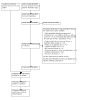
Study flow diagram.
We identified 10 new trials in this update (Aluko 2013; Brennan 2006; Cho 2014; Dettori 1995; Grunnesjö 2011; Hussain 2013; Jang 2015; Lewis 2011; Machado 2010; Sokunbi 2014), bringing the total number of included studies to 23. There are four ongoing studies (Côté‐Picard 2020; Javadov 2018; NCT03756519; NCT03827486), and three studies awaiting classification (Alt 2020; Lohana 2021; Nechvatal 2021).
Included studies
We included 23 studies that involved a total of 2674 participants and provided data for 2637 participants. Thirteen studies were included in the previous version of the review (Cherkin 1998; Chok 1999; Delitto 1993; Erhard 1994; Faas 1993; Farrell 1982; Gilbert 1985; Hides 1996; Malmivaara 1995; Seferlis 1998; Stankovic 1990; Underwood 1998; Waterworth 1985); they provided data for 1886 participants. After ensuring these studies still met our inclusion criteria, we updated the extracted data and risk of bias assessment. We included 10 new studies in this update (Aluko 2013; Brennan 2006; Cho 2014; Dettori 1995; Grunnesjö 2011; Hussain 2013; Jang 2015; Lewis 2011; Machado 2010; Sokunbi 2014); they provided data for 751 participants.
Nine studies were conducted in Europe: three in Sweden (Grunnesjö 2011; Seferlis 1998; Stankovic 1990), three in the UK (Aluko 2013; Sokunbi 2014; Underwood 1998), one in Germany (Dettori 1995), one in the Netherlands (Faas 1993), and one in Finland (Malmivaara 1995). Nine studies were conducted in the Asia‐Pacific region: four in Australia (Farrell 1982; Hides 1996; Lewis 2011; Machado 2010), two in the Republic of Korea (Cho 2014; Jang 2015), one in Pakistan (Hussain 2013), one in Singapore (Chok 1999), and one in New Zealand (Waterworth 1985). Five studies took place in North America: four in the USA (Brennan 2006; Cherkin 1998; Delitto 1993; Erhard 1994), and one in Canada (Gilbert 1985).
Study sample sizes ranged from 10 to 473 people. The median number of participants was 75 (IQR 41 to 158).
Study population
Most study populations were middle‐aged; the two exceptions were Cho 2014 and Jang 2015, which enroled people in their 20s.
Most studies included a mixed population of men and women. In three studies with mixed populations, more than 70% of participants were men (Chok 1999; Dettori 1995; Stankovic 1990), and in Malmivaara 1995, more than 70% were women. Cho 2014 only included men and Jang 2015 only included women.
All participants in all studies had acute non‐specific LBP.
Setting
Twelve studies were set in primary care (Aluko 2013; Brennan 2006; Cherkin 1998; Delitto 1993; Faas 1993; Farrell 1982; Gilbert 1985; Machado 2010; Malmivaara 1995; Sokunbi 2014; Underwood 1998; Waterworth 1985), six were set in secondary care (Chok 1999; Dettori 1995; Erhard 1994; Hides 1996; Lewis 2011; Seferlis 1998), and one study recruited participants from both settings (Grunnesjö 2011). Four studies did not report the setting (Cho 2014; Hussain 2013; Jang 2015; Stankovic 1990).
Interventions
Exercise therapy interventions varied and included the following (see Appendix 4 for definitions).
Core exercises in nine studies (Brennan 2006; Delitto 1993; Dettori 1995; Erhard 1994; Farrell 1982; Gilbert 1985; Hussain 2013; Sokunbi 2014; Waterworth 1985)
McKenzie exercises in seven studies (Brennan 2006; Cherkin 1998; Delitto 1993; Erhard 1994; Machado 2010; Stankovic 1990; Underwood 1998).
Flexibility/mobilising/stretching exercises in four studies (Cho 2014; Grunnesjö 2011; Jang 2015; Malmivaara 1995)
Motor control exercises in two studies (Aluko 2013; Hides 1996)
General strength exercises in one study (Chok 1999)
A combination of exercises in three studies (flexibility and core strengthening exercises in Faas 1993, general strength and flexibility exercises in Seferlis 1998, and core and stretching exercises in Lewis 2011)
Seven studies compared different types of exercise therapy (Aluko 2013; Brennan 2006; Cho 2014; Dettori 1995; Grunnesjö 2011; Jang 2015; Waterworth 1985), and the experimental intervention included components other than exercise therapy in two studies (Farrell 1982; Faas 1993).
Control interventions included the following.
Chiropractic or spinal manipulation in six studies (Brennan 2006; Cherkin 1998; Delitto 1993; Erhard 1994; Farrell 1982; Hussain 2013)
Usual care from a GP in four studies (Faas 1993; Hides 1996; Seferlis 1998; Underwood 1998)
Advice in four studies (Gilbert 1985; Grunnesjö 2011; Hides 1996; Lewis 2011)
Medication in two studies (Dettori 1995; Waterworth 1985)
Advice plus medication in two studies (Machado 2010; Underwood 1998)
Bed rest in two studies (Gilbert 1985; Malmivaara 1995)
Acupuncture in one study (Sokunbi 2014)
Back school in one study (Stankovic 1990)
A booklet in one study (Cherkin 1998)
Sham/placebo in one study (Faas 1993)
Strain‐counterstrain treatment in one study (Lewis 2011)
No treatment in two studies (Chok 1999; Malmivaara 1995)
Eight studies examined multiple comparisons: seven had three arms (Brennan 2006; Cherkin 1998; Dettori 1995; Faas 1993; Malmivaara 1995; Seferlis 1998; Waterworth 1985), and one had four arms (Gilbert 1985).
Regarding the reporting of exercise interventions, eight trials had a CERT score of 10 or higher, while the remaining 15 trials (65%) had a score below 10; this shows that most details of the exercise interventions were missing from the trial reports. The following eight CERT items were clearly described in at least half of the exercise trial arms (see Characteristics of included studies table).
Type of exercise equipment
Provider qualification
Group or individual delivery
Any non‐exercise component
Whether the exercise was supervised or unsupervised
Detailed description of the exercises
Setting
Whether the exercise was generic or individually tailored
The following items were very poorly reported in most trials.
Motivational strategies
Decision rule(s) for determining exercise progression
Decision rule that determines the starting level for exercise
To what extent the intervention was delivered as planned
Outcome measure: type and timing
Major outcomes
Pain
Eighteen studies reported pain as an outcome. Thirteen studies used a VAS or NRS (Aluko 2013; Chok 1999; Faas 1993; Farrell 1982; Hides 1996; Hussain 2013; Jang 2015; Lewis 2011; Machado 2010; Malmivaara 1995; Seferlis 1998; Sokunbi 2014; Underwood 1998), Gilbert 1985 used the McGill Pain Questionnaire, Waterworth 1985 used a five‐point Likert scale, Dettori 1995 used a six‐point Likert scale, Cherkin 1998 used a 'bothersomeness' scale (which we considered a pain scale), and Stankovic 1990 used a graphic rating scale (but reported no data). Five studies reported no pain outcome measure (Brennan 2006; Cho 2014; Delitto 1993; Erhard 1994; Grunnesjö 2011).
Functional status
Twenty studies reported back pain‐specific functional status. Seven used the Roland‐Morris Disability Questionnaire (Aluko 2013; Cherkin 1998; Chok 1999; Dettori 1995; Hides 1996; Machado 2010; Sokunbi 2014), eight used the Oswestry Disability Index (Brennan 2006; Delitto 1993; Erhard 1994; Hussain 2013; Lewis 2011; Malmivaara 1995; Seferlis 1998; Underwood 1998); Faas 1993 used the loss of mobility dimension of the Nottingham Health Profile, Farrell 1982 reported functional limitations as described by Bergquist‐Ullman and Larsson, Gilbert 1985 used the Activities Discomfort Scale, Waterworth 1985 used a functional disability score, and Stankovic 1990 reported physical activities during a year. Three studies did not measure functional status (Cho 2014; Grunnesjö 2011; Jang 2015).
Perceived recovery
Four studies reported perceived recovery (Farrell 1982; Gilbert 1985; Lewis 2011; Machado 2010).
Minor outcomes
Seven studies reported a measure of return to work (Cherkin 1998; Dettori 1995; Faas 1993; Malmivaara 1995; Seferlis 1998; Stankovic 1990; Underwood 1998), and two studies reported general health (Grunnesjö 2011; Malmivaara 1995).
Timing
All studies except Stankovic 1990 measured outcomes in the short term (around six weeks); ten studies also reported outcomes in the intermediate term (Aluko 2013; Cherkin 1998; Faas 1993; Gilbert 1985; Lewis 2011; Malmivaara 1995; Seferlis 1998; Sokunbi 2014; Stankovic 1990; Underwood 1998), six studies in the long term (Brennan 2006; Cherkin 1998; Faas 1993; Seferlis 1998; Stankovic 1990; Underwood 1998), and one study in the very long term (Cherkin 1998).
Adverse events
Three studies specified that they had measured adverse events (Cherkin 1998; Lewis 2011; Waterworth 1985). In Cherkin 1998 and Lewis 2011, there were no reported adverse events. In Waterworth 1985, one participant reported indigestion and one reported nausea.
Funding
Eleven studies did not report funding sources. The remaining studies were funded by a government body (Cherkin 1998; Faas 1993; Gilbert 1985), a non‐profit organisation (Brennan 2006; Chok 1999; Farrell 1982; Grunnesjö 2011; Hides 1996; Sokunbi 2014; Underwood 1998; Waterworth 1985), or both (Machado 2010).
Excluded studies
We excluded 48 studies (48 reports). In some cases, the duration of acute LBP or the proportion of participants with acute LBP was unclear (Chenot 2019; Inani 2013; Mayer 2005; Park 2012; Petrofsky 2008; Powers 2008). Other studies did not provide separate data for participants with acute LBP in mixed populations (Alzahrani 2021; Aras 2020; Celenay 2014; Chen 2012; Elliott 2016; Hartfiel 2017; Helmhout 2008; Jay 2011; Kamioka 2011; Kobesova 2021; Kumar 2011; Maciaszek 2016; Oka 2019; Rodríguez‐Romero 2019; Shah 2016). We excluded several studies because we were unable to determine the unique contribution of exercise therapy to the overall treatment effect (Bade 2017; Bogefeldt 2008; Burns 2018; Damush 2003; Darlow 2019; Fritz 2015; Göhner 2006; Harper 2019; Hay 2005; Magel 2017; Rhon 2018; Rogerson 2011; Whitehurst 2007; Wright 2005). Other reasons for exclusion were: the setting was occupational (Barberini 2011; Bernadelli 2020; Jay 2011; Kamioka 2011; Lima 2018; Mayer 2020; Pedersen 2009; Sihawong 2021), participants had specific LBP (Brijani 2019; Schenk 2003), the study did not evaluate exercise therapy (Greenfield 1975; Pedersen 2018), the study did not evaluate participants beyond one day (Powers 2008), the study evaluated private versus public physiotherapy (Casserley‐Feeney 2012), and the study assessed a passive intervention (Pinto 2013).
Risk of bias in included studies
Figure 2 shows the results of the risk of bias assessment by domain for each trial, and Figure 3 shows the results as percentages across all trials. We provided the specific reasons for the judgements in the Characteristics of included studies table.
2.
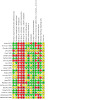
Risk of bias summary: review authors' judgements about each risk of bias item for each included study.
3.
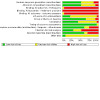
Risk of bias graph: review authors' judgements about each risk of bias item presented as percentages across all included studies.
We judged 10/23 studies (43%) at low risk of bias based on adequate sequence generation and concealment of treatment allocation (Aluko 2013; Brennan 2006; Cherkin 1998; Dettori 1995; Grunnesjö 2011; Lewis 2011; Machado 2010; Malmivaara 1995; Sokunbi 2014; Stankovic 1990).
Methodological shortcomings in the conduct and reporting of studies suggest considerable potential for bias. The main issue with all studies was the high risk of performance and detection bias due to the lack of blinding of participants and healthcare providers.
Allocation
Seven studies (30%) ensured adequate sequence generation, concealment of treatment allocation, and baseline group similarity (Brennan 2006; Dettori 1995; Grunnesjö 2011; Machado 2010; Malmivaara 1995; Sokunbi 2014; Stankovic 1990). Of the remaining trials, 52% (12/23) were at unclear risk, and 17% (4/23) were at high risk of selection bias.
Blinding
It was not possible to blind care providers owing to the nature of the interventions, and at least 22 studies did not blind participants (Malmivaara 1995 did not provide this information). The influence of cointerventions was unclear in 17 studies (Aluko 2013; Cho 2014; Chok 1999; Delitto 1993; Dettori 1995; Erhard 1994; Farrell 1982; Grunnesjö 2011; Hides 1996; Hussain 2013; Jang 2015; Lewis 2011; Malmivaara 1995; Seferlis 1998; Sokunbi 2014; Stankovic 1990; Waterworth 1985). We judged all studies at high overall risk of performance bias.
Although most trials measured outcomes at the same time points in the intervention and comparison groups, we considered 22 trials at high risk of detection bias because they did not blind participants and the outcome measures were participant‐reported. Malmivaara 1995 did not provide this information and so was at unclear risk.
Incomplete outcome data
We judged five trials at low risk of attrition bias because they had acceptable dropout rates that were equal between the groups, and they conducted intention‐to‐treat (ITT) analyses (Grunnesjö 2011; Hides 1996; Lewis 2011; Malmivaara 1995; Sokunbi 2014). We judged five trials at unclear risk of attrition bias, because it was unclear whether dropouts were related to the treatment or whether the study authors had performed ITT analysis correctly (Cho 2014; Delitto 1993; Hussain 2013; Jang 2015; Stankovic 1990). We considered the remaining 13 trials at high risk of attrition bias because of large or unequal dropout rates or lack of ITT analysis (Aluko 2013; Brennan 2006; Cherkin 1998; Chok 1999; Dettori 1995; Erhard 1994; Faas 1993; Farrell 1982; Gilbert 1985; Machado 2010; Seferlis 1998; Underwood 1998; Waterworth 1985). The percentage of studies at low overall risk of attrition bias was 22%, while 22% of studies were at unclear risk, and 56% were at high risk.
Selective reporting
We considered studies with a registered protocol at low risk of selective reporting; however, a protocol was available for only two studies (Lewis 2011; Machado 2010). In all other cases, we assessed risk of reporting bias based on the reported outcomes. Experts consider pain and functional status to be important outcomes for LBP, and we would expect LBP studies to measure and report both. If either was missing, we judged the study at high risk of reporting bias; this was the case for seven studies (Brennan 2006; Cho 2014; Delitto 1993; Erhard 1994; Grunnesjö 2011; Jang 2015; Waterworth 1985). Overall, 61% of trials were at low risk of reporting bias, and the remaining trials were at unclear or high risk.
Publication bias
We were unable to draw any firm conclusions from the funnel plots regarding the presence of publication bias (Figure 4; Figure 5).
4.
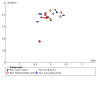
Funnel plot of comparison 4 (Exercise therapy versus other conservative treatments) for the outcome pain. Note: negative values favour exercise therapy.
5.
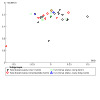
Funnel plot of comparison 4 (Exercise therapy versus other conservative treatments) for the outcome functional status.
Other potential sources of bias
Eleven of the 23 studies did not report funding sources. The other 12 studies were funded by a government body (Cherkin 1998; Faas 1993; Gilbert 1985), a non‐profit organisation (Brennan 2006; Chok 1999; Farrell 1982; Grunnesjö 2011; Hides 1996; Sokunbi 2014; Underwood 1998; Waterworth 1985), or both (Machado 2010).
Two studies reported declarations of interest (Grunnesjö 2011; Machado 2010). No other studies provided an official disclosure regarding potential conflicts of interest.
We considered all studies that did not report funding sources and potential conflicts of interest to be at unclear risk of other bias. This was the case for 91% of studies, while only Grunnesjö 2011 and Machado 2010 (9% of studies) were at low risk.
Effects of interventions
The Data and analyses section presents all the meta‐analyses with forest plots.
We presented the results for the main comparisons (exercise therapy versus sham/placebo treatment and exercise therapy versus no treatment) in the summary of findings tables regardless of data availability or strength of the effect (Table 1; Table 2).
The certainty of the evidence according to GRADE was low or very low for all outcomes in our main comparisons. The most common reasons for downgrading were risk of bias, inconsistency, and imprecision.
1. Exercise therapy versus sham/placebo treatment
One study examined the effect of exercise therapy versus sham/placebo treatment (Faas 1993). Risk of bias was unclear for sequence generation but low for allocation concealment. The exercise group received a combination of flexibility and core strengthening exercises, while the sham/placebo group received ultrasonography with the lowest possible dose.
Pain
Faas 1993 examined pain on a VAS of 0 to 85 mm, which we converted to a scale of 0 to 100 for analysis. Exercise therapy compared to sham/placebo treatment may have no clinically relevant effect on pain score in the short term (MD −0.80, 95% CI −5.79 to 4.19; 299 participants), intermediate term (MD −3.20, 95% CI −9.40 to 3.00; 271 participants), or long term (MD −0.60, 95% CI −6.34 to 5.14; 280 participants), although the certainty of the evidence was very low (Analysis 1.1; Table 1). The absolute difference was 1% less pain (95% CI 4% more to 6% less), and the relative change was 4% less pain (95% CI 20% more to 28% less), with exercise compared to sham/placebo treatment in the short term. The mean pain score in Faas 1993 was 20.1 (SD 21) in the short term, 14.2 (SD 24) in the intermediate term, 11.9 (SD 23) in the long term for the intervention group, and 20.9 (SD 23) in the short term, 17.4 (SD 28) in the intermediate term, and 12.5 (SD 26) in the long term for the control group. We downgraded the certainty of the evidence by one level for risk of bias and by two levels for imprecision (only one study with fewer than 400 participants).
1.1. Analysis.
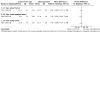
Comparison 1: Exercise therapy versus sham/placebo treatment, Outcome 1: Pain
The evidence is very uncertain about the effect of exercise therapy on pain compared to sham/placebo treatment.
Functional status
Faas 1993 examined functional status using the Nottingham Health Profile questionnaire (loss of mobility dimension, scale of 0 to 100). Exercise therapy compared to sham/placebo treatment may have no clinically relevant effect on functional status score in the short term (MD 2.00, 95% CI −2.20 to 6.20; 299 participants), intermediate term (MD 2.00, 95% CI −2.65 to 6.65; 171 participants), or long term (MD 2.00, 95% CI −2.45 to 6.45; 280 participants), although the certainty of the evidence was very low (Analysis 1.2; Table 1). The absolute difference was 2% worse functional status (95% CI 2% better to 6% worse), and the relative difference was 15% worse functional status (95% CI 17% better to 47% worse) with exercise compared to sham/placebo treatment in the short term. The mean functional status score in Faas 1993 was 15.3 (SD 19) in the short term, 12.3 (SD 20) in the intermediate term, and 10.3 (SD 19) in the long term for the intervention group, and 13.3 (SD 18) in the short term, 10.3 (SD 19) in the intermediate term, and 8.3 (SD 19) in the long term for the control group. We downgraded the certainty of the evidence by one level for risk of bias and by two levels for imprecision (only one study with fewer than 400 participants).
1.2. Analysis.
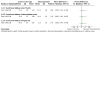
Comparison 1: Exercise therapy versus sham/placebo treatment, Outcome 2: Functional status
The evidence is very uncertain about the effect of exercise therapy on functional status compared to sham/placebo treatment.
Perceived recovery
Faas 1993 did not report perceived recovery.
Return to work
Faas 1993 reported return to work as missed work days (dichotomised as at least one missed day in the past 12 months, yes/no). Exercise therapy compared to sham/placebo treatment may have no clinically relevant effect on sickness absences at long‐term follow‐up (RR 1.07, 95% CI 0.90 to 1.28; Analysis 1.3), although the certainty of the evidence is very low. The percentage of participants who had at least one day of sickness absence in the previous 12 months was 70% in both groups. We downgraded the certainty of the evidence by one level for risk of bias and by two levels for imprecision (only one study with fewer than 300 reported events).
1.3. Analysis.
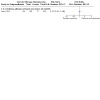
Comparison 1: Exercise therapy versus sham/placebo treatment, Outcome 3: Return to work
The evidence is very uncertain about the effect of exercise therapy on return to work compared to sham/placebo treatment.
Health‐related quality of life
Faas 1993 did not report health‐related quality of life.
Adverse events
Faas 1993 did not report whether any adverse events occurred.
2. Exercise therapy versus no treatment
Two studies evaluated exercise therapy versus no treatment (Chok 1999; Malmivaara 1995). Risk of bias related to random sequence generation was low in both studies, while risk of bias related to allocation concealment was unclear in Chok 1999 and low in Malmivaara 1995.
Chok 1999 examined a trunk extensor endurance program that included aerobics, stretching, and strengthening exercises delivered by a physiotherapist. The exercise group in Malmivaara 1995 received individual instruction from a physiotherapist in a single session, as well as written recommendations for back extension and lateral bending movements to be performed at home every other hour during the day until the pain subsided. All participants in both groups were told to avoid bed rest and to continue their routines as actively as possible within the limits permitted by their back pain.
Chok 1999 was conducted in a secondary and tertiary care setting, where participants received treatment for six weeks, three times a week, while Malmivaara 1995 was conducted in an occupational healthcare centre, where participants attended one treatment session. Owing to considerable clinical and statistical heterogeneity (I² > 75%), we did not pool data for any outcome.
Pain
Chok 1999 and Malmivaara 1995 both reported pain, with conflicting results at short‐term follow‐up. Chok 1999 measured pain on a VAS of 0 mm to 100 mm and reported less pain in the exercise therapy group, though the 95% CI crossed the line of no effect (MD −12.0 mm, 95% CI −28.49 to 4.49; 54 participants). Malmivaara 1995 measured pain on a VAS of 0 to 10 (which we converted to a scale of 0 to 100 for analysis) and reported a higher pain score in the exercise group (MD 12.0, 95% CI 5.24 to 18.76; 103 participants). However, neither study showed a clinically relevant difference in pain between exercise therapy and no treatment (Analysis 2.1). The mean pain score in Chok 1999 was 8.1 (SD 17.2) in the intervention group and 20.1 (SD 38.2) in the control group. The mean pain score in Malmivaara 1995 was 31.0 (SD 17.2) in the intervention group and 19.0 (SD 17.2) in the control group. Both studies provided very low‐certainty evidence. We downgraded the certainty of the evidence by two levels for imprecision (only one study with fewer than 400 participants) and by one level for inconsistency (Table 2).
2.1. Analysis.
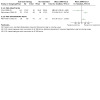
Comparison 2: Exercise therapy versus no treatment, Outcome 1: Pain
According to data from Malmivaara 1995, exercise therapy compared to no treatment may have no clinically relevant effect on pain score at intermediate‐term follow‐up (MD 5.0, 95% CI −2.1 to 12.1; 103 participants; Analysis 2.1).
The evidence suggests that exercise therapy compared to no treatment may have no clinically relevant effect on pain.
Functional status
Chok 1999 and Malmivaara 1995 both reported functional status, with conflicting results at short‐term follow‐up. Chok 1999 measured functional status on the Roland‐Morris Disability Questionnaire (scale of 0 to 24, which we converted to a scale of 0 to 100 for analysis) and reported lower scores (better function) in the exercise group (MD −2.90, 95% CI −9.49 to 3.69; 54 participants). Malmivaara 1995 measured functional status on the Oswestry Disability Index (scale of 0 to 100) and reported higher scores (worse function) in the exercise group (MD 8.6, 95% CI 2.16 to 15.04; 103 participants). However, neither study showed a clinically relevant difference in functional status between exercise therapy and no treatment (Analysis 2.2). The mean functional status score in Chok 1999 was 4.5 (SD 9.6) for the intervention group and 7.4 (SD 14.1) for the control group. The mean functional status score in Malmivaara 1995 was 18.6 (SD 16.4) for the intervention group and 10.0 (SD 16.4) for the control group. Both studies provided very low‐certainty evidence. We downgraded the certainty of the evidence by two levels for imprecision (only one study with fewer than 400 participants) and by one level for inconsistency (Table 2).
2.2. Analysis.
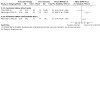
Comparison 2: Exercise therapy versus no treatment, Outcome 2: Functional status
According to data from Malmivaara 1995, exercise therapy compared to no treatment may have no clinically relevant effect on functional status score at intermediate follow‐up (MD 3.4, 95% CI −0.62 to 7.42; 103 participants; Analysis 2.2).
The evidence suggests that exercise therapy compared to no treatment may have no clinically relevant effect on functional status.
Perceived recovery
No studies reported perceived recovery.
Return to work
Malmivaara 1995 measured return to work using number of days of sick leave, providing evidence that exercise therapy may be less effective than no treatment in reducing the number of sick days in the short term (MD 1.6 days, 95% CI −0.8 to 4.0; Analysis 2.3) and intermediate term (MD 2.5 days, 95% CI −0.8 to 5.8; Analysis 2.3). The results of our analyses are slightly different from the reported estimates in Malmivaara 1995 (short term: MD 1.8 days, 95% CI 0.1 to 3.5; intermediate term: MD 2.5 days, 95% CI 0.2 to 4.9) as we had to impute the SDs. The mean number of sick days was 5.7 in the intervention group and 4.1 in the control group. We downgraded the certainty of the evidence by two levels to low for imprecision (only one study with fewer than 400 participants).
2.3. Analysis.
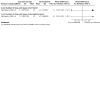
Comparison 2: Exercise therapy versus no treatment, Outcome 3: Return to work
The evidence suggests that exercise therapy compared to no treatment may increase the number of sick days slightly.
Health‐related quality of life
No studies reported health‐related quality of life.
Adverse events
No studies reported whether any adverse events occurred.
3. Exercise therapy versus waiting‐list controls
No studies compared exercise therapy with waiting‐list controls.
4. Exercise therapy versus other conservative treatments
Thirteen studies evaluated the effects of exercise therapy versus other conservative treatments (Brennan 2006; Cherkin 1998; Dettori 1995; Faas 1993; Farrell 1982; Gilbert 1985; Hides 1996; Hussain 2013; Seferlis 1998; Sokunbi 2014; Stankovic 1990; Underwood 1998; Waterworth 1985). Five of these studies appeared to have ensured adequate random sequence generation and allocation concealment (Brennan 2006; Cherkin 1998; Dettori 1995; Sokunbi 2014; Stankovic 1990).
Exercise therapy consisted of core exercises in seven studies (Brennan 2006; Dettori 1995; Farrell 1982; Gilbert 1985; Hussain 2013; Sokunbi 2014; Waterworth 1985), McKenzie exercises in four studies (Brennan 2006; Cherkin 1998; Stankovic 1990; Underwood 1998), motor control exercises in one study (Hides 1996), and mixed exercises in two studies (flexibility and core strengthening exercises in Faas 1993; general strength and flexibility training in Seferlis 1998).
Other conservative treatments consisted of chiropractic or spinal manipulation in four studies (Brennan 2006; Cherkin 1998; Farrell 1982; Hussain 2013), usual care from a GP in four studies (Faas 1993; Hides 1996; Seferlis 1998; Underwood 1998), advice in two studies (Gilbert 1985; Hides 1996), medication in two studies (Dettori 1995; Waterworth 1985), advice plus medication in one study (Underwood 1998), bed rest in one study (Gilbert 1985), acupuncture in one study (Sokunbi 2014), back school in one study (Stankovic 1990), and a booklet in one study (Cherkin 1998).
When interpreting the following meta‐analyses, readers should note that the trials included different exercise regimes and different types of conservative treatment (e.g. advice or education alone, manual therapy, or non‐exercise physical therapy interventions). Exploring separate exercise regimes and specific types of conservative treatment comparison was not feasible as there were too few trials.
Pain
Eleven studies (involving 1443 participants) reported pain (Cherkin 1998; Dettori 1995; Faas 1993; Farrell 1982; Gilbert 1985; Hides 1996; Malmivaara 1995; Seferlis 1998; Sokunbi 2014; Underwood 1998; Waterworth 1985). For three studies, we used data from three arms per study (Cherkin 1998; Gilbert 1985; Seferlis 1998). Because the studies used various instruments to measure pain, we calculated SMDs in the meta‐analyses.
Exercise therapy compared to other conservative treatments probably has no clinically relevant effect on pain at short‐term follow‐up (SMD 0.00, 95% CI −0.13 to 0.13; I² = 28%; 11 studies, 1443 participants; Analysis 4.1). We downgraded the certainty of the evidence by one level to moderate for risk of bias concerns. This effect was equivalent to an MD of 0.00 points (95% CI −2.24 to 2.24) on a VAS of 0 to 100 (with 100 representing the worst pain). The absolute difference was 0% less pain (95% CI 2% more to 2% less), and the relative difference was 0% less pain (95% CI 9% more to 9% less). To calculate the MD, absolute difference, and relative difference, we used an SD from Malmivaara 1995. We chose this study because the SD was in the middle of the range of SDs of the studies included in the meta‐analysis.
4.1. Analysis.
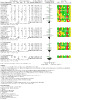
Comparison 4: Exercise therapy versus other conservative treatment (Tx), Outcome 1: Pain
The mean pain scores ranged across exercise therapy groups from 0 to 53.3 points and across control groups from 9.83 to 59.5 points.
Stankovic 1990 reported no significant differences but provided no data.
The evidence suggests that exercise therapy likely results in little or no difference in pain compared to other conservative treatments in the short term.
Six studies reported pain at intermediate‐term follow‐up (Cherkin 1998; Faas 1993; Malmivaara 1995; Seferlis 1998; Sokunbi 2014; Underwood 1998), and four studies reported pain at long‐term follow‐up (Cherkin 1998; Faas 1993; Seferlis 1998; Underwood 1998). Meta‐analysis of their results suggested that exercise therapy compared with other conservative treatments probably has no clinically relevant effect on pain in the intermediate term (SMD −0.02, 95% CI −0.16 to 0.12; I² = 0%; 869 participants; Analysis 4.1) or in the long term (SMD −0.00, 95% CI −0.15 to 0.14; I² = 0%; 726 participants; Analysis 4.1). The mean pain scores ranged across exercise therapy groups from 11.1 to 50.9 points at intermediate‐term follow‐up and from 8.6 to 35 points at long‐term follow‐up, and across control groups from 12 to 58 points in the intermediate term and from 11.3 to 35 points in the long term. We downgraded the certainty of the evidence by one level to moderate for risk of bias concerns. Converted to an MD on a VAS of 0 to 100 (with 100 representing worst pain), these effects amount to an MD of −0.36 points (−2.88 to 2.16) for intermediate follow‐up (based on an SD from Malmivaara 1995) and an MD of 0.00 points (−2.55 to 2.38) for long‐term follow‐up (based on an SD from Seferlis 1998). We chose these SDs because they were in the middle of the range of SDs of the studies included in the meta‐analysis.
Cherkin 1998 reported no clinically relevant difference between exercise therapy and other conservative treatments in pain at 24 months' follow‐up (SMD −0.05, 95% CI −0.54 to 0.45; Analysis 4.1). This effect amounts to an MD of −0.81 points (−8.72 to 7.26) on a VAS of 0 to 100, based on the SD reported in Cherkin 1998. The mean pain score at 24 months in Cherkin 1998 was 19 (SD 16.14) in the intervention group, 15 (SD 21.94) in control group 1, and 24 (SD 16.14) in control group 2.
The evidence suggests that exercise therapy likely results in little or no difference in pain compared to other conservative treatments in the intermediate and long term.
Functional status
Twelve studies (involving 1554 participants) reported functional status (Brennan 2006; Cherkin 1998; Dettori 1995; Faas 1993; Farrell 1982; Gilbert 1985; Hides 1996; Hussain 2013; Malmivaara 1995; Seferlis 1998; Sokunbi 2014; Underwood 1998). For four studies, we used data from three arms per study (Brennan 2006; Cherkin 1998; Gilbert 1985; Seferlis 1998). We did not include Hussain 2013 in the meta‐analyses because it did not present all the necessary data. Hussain 2013 reported that spinal manipulation resulted in a large reduction in functional status compared to general spinal exercises at four weeks.
Exercise therapy compared with other conservative treatments probably has no clinically relevant effect on functional status at short‐term follow‐up (SMD 0.07, 95% CI −0.03 to 0.18; I² = 0%; 11 studies, 1494 participants; Analysis 4.2). We downgraded the certainty of the evidence by one level to moderate for risk of bias concerns. This effect amounts to an MD of 1.15 points (−0.49 to 2.95) on the Oswestry Disability Index. The absolute difference was 2% worse functional status (95% CI 6% worse to 1% better), and the relative difference was 7% worse functional status (95% CI 18% worse to 3% better). The mean functional status score ranged across exercise therapy groups from 3.5 to 24.35 points and across control groups from 11.5 to 22.0 points. We calculated the MD, absolute difference, and relative difference using an SD from Malmivaara 1995: this SD was in the middle of the range of SDs of the studies included in the meta‐analysis, and the trial contributed the largest number of participants to the functional status analysis and used the most commonly reported functional status outcome (Oswestry Disability Index).
4.2. Analysis.
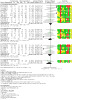
Comparison 4: Exercise therapy versus other conservative treatment (Tx), Outcome 2: Functional status
The evidence suggests that exercise therapy likely results in little or no difference in functional status compared to other conservative treatments in the short term.
Seven studies reported functional status at intermediate‐term follow‐up (Cherkin 1998; Faas 1993; Malmivaara 1995; Seferlis 1998; Sokunbi 2014; Stankovic 1990; Underwood 1998), and six studies reported functional status at long‐term follow‐up (Brennan 2006; Cherkin 1998; Faas 1993; Seferlis 1998; Stankovic 1990; Underwood 1998). Stankovic 1990 reported no significant differences but provided no data.
Exercise therapy compared with other conservative treatments probably has no clinically relevant effect on functional status in the intermediate term (SMD 0.01, 95% CI −0.13 to 0.14; I² = 0%; 6 studies, 876 participants; Analysis 4.2) or in the long term (SMD −0.03, 95% CI −0.17 to 0.10; I² = 0%; 5 studies, 895 participants; Analysis 4.2). The mean functional status ranged across exercise therapy groups from 4.1 to 16 points at intermediate‐term follow‐up and from 2.9 to 20.5 points at long‐term follow‐up, and across control groups from 3.1 to 12.1 points in the intermediate term and from 2.9 to 16.8 points in the long term. We downgraded the certainty of the evidence by one level for risk of bias concerns. These effects amount to an MD of 0.10 points (95% CI −1.33 to 1.43) on the Oswestry Disability Index for intermediate‐term follow‐up (based on an SD from Malmivaara 1995) and an MD of −0.33 points (95% CI −1.87 to 1.10) on the Oswestry Disability Index for long‐term follow‐up (based on an SD from Seferlis 1998). We chose these SDs because they were in the middle of the range of SDs of the studies included in the meta‐analysis, and the studies used the most commonly reported functional status outcome (Oswestry Disability Index).
Cherkin 1998 reported no clinically relevant difference in functional status at 24 months' follow‐up (SMD −0.07, 95% CI −0.32 to 0.17; Analysis 4.2). This effect amounts to an MD of 0.39 points (95% CI −0.95 to 0.56) on the Roland Morris Disability Questionnaire (based on the SD from Cherkin 1998). The long‐term mean functional status score in Cherkin 1998 was 3.1 (SD 5.6) for the intervention group, 2.9 (SD 5.5) for control group 1, and 4.3 (SD 5.4) for control group 2.
The evidence suggests that exercise therapy likely results in little or no difference in functional status compared to other conservative treatments in the intermediate and long term.
Perceived recovery
Only Farrell 1982 reported perceived recovery, specifically the number of participants without symptoms. Exercise therapy compared to other conservative treatments may have no clinically relevant effect on perceived recovery at short‐term follow‐up, but the evidence is very uncertain (RR 0.91, 95% CI 0.77 to 1.09; 48 participants; Analysis 4.3). We downgraded the certainty of the evidence by one level for risk of bias concerns and by two levels for imprecision (only one study with fewer than 300 events). The absolute difference was 9% fewer participants without symptoms (95% CI 4% more to 22% fewer), and the relative change was 9% fewer participants without symptoms (95% CI 9% more to 23% fewer) in the exercise therapy group. The percentage of participants without symptoms was 87.2% in the intervention group and 95.8% in the control group.
4.3. Analysis.
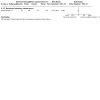
Comparison 4: Exercise therapy versus other conservative treatment (Tx), Outcome 3: Perceived recovery
The evidence is very uncertain about the effect of exercise therapy on perceived recovery compared to other conservative treatments.
Return to work
Four studies reported some measure of return to work (Dettori 1995; Faas 1993; Seferlis 1998; Stankovic 1990). Dettori 1995 reported the number of participants able to return to work in the short term, Stankovic 1990 reported days of sick leave at intermediate‐ and long‐term follow‐up, Seferlis 1998 reported days of sick leave at long‐term follow‐up, and Faas 1993 reported the number of participants with at least one day of sick leave in the past 12 months (long‐term follow‐up).
Exercise therapy compared with other conservative treatments may have no clinically relevant effect on return to work at short‐term follow‐up (RR 1.00, 95% CI 0.75 to 1.34; 1 study, 87 participants; Analysis 4.4). The percentage of participants in Dettori 1995 who returned to work was 70% in both groups. We downgraded the certainty of the evidence by two levels for imprecision (only one study with fewer than 300 events).
4.4. Analysis.
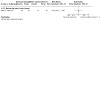
Comparison 4: Exercise therapy versus other conservative treatment (Tx), Outcome 4: Return to work
According to evidence provided by Stankovic 1990, exercise therapy compared with other conservative treatments may reduce days of sick leave at intermediate follow‐up (MD −9.70 days, 95% CI −14.31 to −5.09; 100 participants; Analysis 4.5). The mean number of days of sick leave was 11.9 (SD 6.5) in the exercise therapy group and 21.6 (SD 15.3) in the other conservative treatment group. We downgraded the certainty of the evidence by two levels for imprecision (only one study with fewer than 400 participants).
4.5. Analysis.
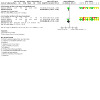
Comparison 4: Exercise therapy versus other conservative treatment (Tx), Outcome 5: Return to work
Exercise therapy compared with other conservative treatments probably has no clinically relevant effect on days of sick leave at long‐term follow‐up (MD −12.05 days, 95% CI −27.19 to 3.09; 2 studies, 182 participants; Analysis 4.5). The mean number of days of sick leave was 37.0 in the exercise therapy group and 47.6 in the other conservative treatment group. We downgraded the certainty of the evidence by one level for imprecision.
Exercise therapy compared with other conservative treatments may have no clinically relevant effect on sickness absences (at least one day in the past 12 months) at long‐term follow‐up, although the evidence is very uncertain (RR 1.13, 95% CI 0.94 to 1.35; 1 study, 237 participants; Analysis 4.6). The mean number of days of sick leave in Faas 1993 was 11.9 (SD 6.5) in the exercise therapy group and 21.6 (SD 15.3) in the other conservative treatment group. We downgraded the certainty of the evidence by two levels for imprecision (one study and fewer than 400 participants) and by one level for risk of bias concerns.
4.6. Analysis.
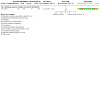
Comparison 4: Exercise therapy versus other conservative treatment (Tx), Outcome 6: Return to work
Health‐related quality of life
No studies reported health‐related quality of life.
Adverse events
Only two studies assessed adverse events. These trials did not describe how adverse events were measured, and they only reported qualitative data, therefore pooling was not possible. In Cherkin 1998, there were no reported adverse events. In Waterworth 1985, there were two reported adverse events for the control group only (non‐steroidal anti‐inflammatory drugs): indigestion (1 participant) and nausea (1 participant). This evidence is of low certainty, downgraded by one level for imprecision and by one level for inconsistency. The evidence suggests that exercise therapy may not affect the occurrence of adverse events. However, this result is based on few data and should be interpreted with caution.
5. Exercise therapy versus another exercise therapy
Six studies examined the effect of exercise therapy versus another exercise therapy (Brennan 2006; Cho 2014; Delitto 1993; Dettori 1995; Erhard 1994; Jang 2015); of these, only two ensured adequate random sequence generation and allocation concealment (Brennan 2006; Dettori 1995).
Exercise therapy consisted of core exercises in four studies (Brennan 2006; Delitto 1993; Dettori 1995; Erhard 1994), McKenzie exercises in three studies (Brennan 2006; Delitto 1993; Erhard 1994), stretching/flexibility in two studies (Cho 2014; Jang 2015), and tai chi in two studies (Cho 2014; Jang 2015).
We did not pool data for any outcomes owing to clinical heterogeneity (types of interventions).
Pain
Cho 2014 provided very low‐certainty evidence of no clinically relevant difference between the effects of stretching exercises and tai chi on pain score at short‐term follow‐up (MD 7.00, 95% CI 3.90 to 10.10; 40 participants; Analysis 5.1). We downgraded the certainty of the evidence by one level for risk of bias concerns and by two levels for imprecision (only one study with fewer than 400 participants).
5.1. Analysis.
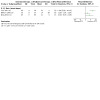
Comparison 5: Exercise therapy versus another exercise therapy, Outcome 1: Pain
Dettori 1995 provided low‐certainty evidence of no clinically relevant difference between the effects of flexion exercises and extension exercises on pain score at short‐term follow‐up (MD 2.00, 95% CI −1.24 to 5.24; 119 participants; Analysis 5.1). We downgraded the certainty of the evidence by two levels for imprecision (only one study with fewer than 400 participants).
Jang 2015 provided very low‐certainty evidence of no clinically relevant difference between the effects of stretching and tai chi on pain score at short‐term follow‐up (MD 4.00, 95% CI −0.29 to 8.29; 30 participants; Analysis 5.1). We downgraded the certainty of the evidence by one level for risk of bias concerns and by two levels for imprecision (only one study with fewer than 400 participants).
In summary, there is no evidence that any type of exercise therapy is superior to any other type for reducing pain in the short term.
Functional status
Brennan 2006 provided low‐certainty evidence of no clinically relevant difference between the effects of stabilisation and specific exercises on functional status score at short‐term follow‐up (MD 1.30, 95% CI −5.92 to 8.52; 83 participants; Analysis 5.2) and long‐term follow‐up (MD 5.70, 95% CI −1.38 to 12.78; 83 participants; Analysis 5.2). We downgraded the certainty of the evidence by two levels for imprecision (only one study with fewer than 400 participants).
5.2. Analysis.
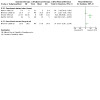
Comparison 5: Exercise therapy versus another exercise therapy, Outcome 2: Functional status
Dettori 1995 provided low‐certainty evidence of no clinically relevant difference between the effects of extension and flexion exercises on functional status score at short‐term follow‐up (MD 0.50, 95% CI 0.16 to 0.84; 119 participants; Analysis 5.2). We downgraded the certainty of the evidence by two levels for imprecision (only one study with fewer than 400 participants).
Delitto 1993 (24 participants) evaluated extension exercises versus flexion exercises plus mobilisation, and Erhard 1994 (12 participants) evaluated flexion exercises versus hand‐heel rocking exercises plus mobilisation. Both studies were too small to adequately assess the effects of the intervention (results presented in Analysis 5.2). We downgraded the certainty of the evidence by three levels to very low for risk of bias, imprecision, and inconsistency.
In summary, there is no evidence that any type of exercise therapy is superior to any other type for improving functional status in the short term.
Perceived recovery
No studies reported perceived recovery.
Return to work
Dettori 1995 provided low‐certainty evidence of no clinically relevant difference between the effects of flexion exercises and extension exercises on return to work at long‐term follow‐up (RR 1.01, 95% CI 0.80 to 1.28; 119 participants; Analysis 5.3). We downgraded the certainty of the evidence by two levels for imprecision (only one study with fewer than 300 events).
5.3. Analysis.
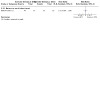
Comparison 5: Exercise therapy versus another exercise therapy, Outcome 3: Return to work
Health‐related quality of life
No studies reported health‐related quality of life.
Adverse events
No studies reported whether any adverse events occurred.
6. Exercise therapy versus the same exercise therapy plus another intervention
Four studies examined the effect of exercise therapy versus the same exercise therapy plus another intervention; all studies ensured adequate random sequence generation and allocation concealment (Aluko 2013; Grunnesjö 2011; Lewis 2011; Sokunbi 2014).
Exercise therapy consisted of core exercises (Sokunbi 2014), motor control exercises (Aluko 2013), stretching exercises (Grunnesjö 2011), and mixed exercises (core and stretching exercises; Lewis 2011).
Additional interventions consisted of acupuncture (Sokunbi 2014), strain counterstrain technique (Lewis 2011), stay‐active therapy (Grunnesjö 2011), and a core stability class (Aluko 2013).
We did not pool data for any outcomes owing to clinical heterogeneity (types of interventions).
Pain
Lewis 2011 provided low‐certainty evidence of no clinically relevant difference between the effects of exercise therapy plus strain‐counterstrain technique and exercise therapy alone on pain score at short‐term follow‐up (MD −5.00, 95% CI −13.31 to 3.31; 85 participants; Analysis 6.1) and intermediate‐term follow‐up (MD 1.00, 95% CI −9.56 to 7.56; 84 participants; Analysis 6.1). We downgraded the certainty of the evidence by two levels for imprecision (only one study with fewer than 400 participants).
6.1. Analysis.
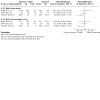
Comparison 6: Exercise therapy versus the same therapy plus another intervention, Outcome 1: Pain
Aluko 2013 (33 participants) evaluated core stability exercises plus exercises for the transversus abdominus and multifidus muscles versus core stability exercises alone, and Sokunbi 2014 (10 participants) evaluated core stability exercises plus acupuncture versus core stability exercises alone. Both studies were too small to adequately assess the effectiveness of the interventions on pain (results presented in Analysis 6.1). For both studies, we downgraded the certainty of the evidence by one level for imprecision and by one level for inconsistency.
In summary, the evidence is very uncertain about the effect of exercise therapy on pain compared to the same exercise therapy plus an additional therapy.
Functional status
Lewis 2011 provided low‐certainty evidence of no clinically relevant difference between the interventions (exercise therapy plus strain‐counterstrain technique versus exercise therapy alone) on functional status score at short‐term follow‐up (MD −3.00, 95% CI −9.00 to 3.00; 85 participants; Analysis 6.2) and intermediate‐term follow‐up (MD 0.00, 95% CI −6.63 to 6.63; 84 participants; Analysis 6.2). We downgraded the certainty of the evidence by two levels for imprecision (only one study with fewer than 400 participants).
6.2. Analysis.
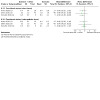
Comparison 6: Exercise therapy versus the same therapy plus another intervention, Outcome 2: Functional status
Aluko 2013 (33 participants) evaluated core stability exercises plus exercises for the transversus abdominus and multifidus muscles versus core stability exercises alone, and Sokunbi 2014 (10 participants) evaluated core stability exercises plus acupuncture versus core stability exercises alone. Both studies were too small to adequately assess the effectiveness of the interventions on functional status (results presented in Analysis 6.2). For both studies, we downgraded the certainty of the evidence by one level for imprecision and by one level for inconsistency.
In summary, the evidence is very uncertain about the effect of exercise therapy on functional status compared to the same exercise therapy plus an additional therapy.
Perceived recovery
No studies reported perceived recovery.
Return to work
No studies reported return to work.
Health‐related quality of life
Grunnesjö 2011 provided low‐certainty evidence of no clinically relevant difference between the effects of the interventions (advice to stay active plus muscle stretching versus advice to stay active only) on health‐related quality of life (measured using the well‐being scale of the Gothenburg Quality of Life tool) at short‐term follow‐up (MD 3.50 points, 95% CI −3.63 to 10.63; 71 participants; Analysis 6.3). We downgraded the certainty of the evidence by two levels for imprecision (only one study with fewer than 400 participants).
6.3. Analysis.
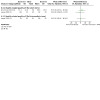
Comparison 6: Exercise therapy versus the same therapy plus another intervention, Outcome 3: Health‐related quality of life
Lewis 2011 provided low‐certainty evidence of no clinically relevant difference between the effects of the interventions (exercise therapy plus strain‐counterstrain technique versus exercise therapy alone) on health‐related quality of life (measured using the SF‐36) at short‐term follow‐up (MD −1.00 points, 95% CI −10.15 to 8.15; 85 participants; Analysis 6.3) and intermediate‐term follow‐up (MD 1.00 points, 95% CI −8.41 to 10.41; 84 participants; Analysis 6.3). We downgraded the certainty of the evidence by two levels for imprecision (only one study with fewer than 400 participants).
The evidence suggests that exercise therapy may result in little or no difference in health‐related quality of life compared to the same exercise therapy plus an additional therapy at short‐ and intermediate‐term follow‐up.
Adverse events
Lewis 2011 reported no adverse events during the trial in either group. The remaining studies did not report whether any adverse events occurred. The evidence is very uncertain about the effect of exercise therapy on adverse events compared to the same exercise therapy and additional therapy.
7. Exercise therapy plus another intervention versus the other intervention alone
Two studies examined the effect of exercise therapy plus another intervention versus the other intervention alone; both ensured adequate random sequence generation and allocation concealment (Machado 2010; Sokunbi 2014).
Exercise therapy consisted of core exercises in Sokunbi 2014 and McKenzie exercises in Machado 2010.
Additional interventions consisted of acupuncture in Sokunbi 2014 and advice plus paracetamol in Machado 2010.
We did not pool data for any outcomes owing to clinical heterogeneity (types of interventions).
Pain
Sokunbi 2014 (10 participants) compared core stability exercises plus acupuncture with acupuncture alone. The study was too small to adequately assess the effectiveness of the interventions on pain (results presented in Analysis 7.1). We downgraded the certainty of the evidence by two levels for imprecision (only one study with fewer than 400 participants).
7.1. Analysis.
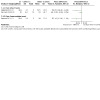
Comparison 7: Exercise therapy plus another intervention (ET + other Tx) versus the other intervention alone (other Tx alone), Outcome 1: Pain
Machado 2010 provided low‐certainty evidence of no clinically relevant difference between the effects of the interventions (McKenzie and advice plus paracetamol versus advice plus paracetamol alone) on pain score at short‐term follow‐up (MD −3.00, 95% CI −10.05 to 4.05; 138 participants; Analysis 7.1). We downgraded the certainty of the evidence by two levels for imprecision (only one study with fewer than 400 participants). The McKenzie method is a classification system and a classification‐based treatment. Treatment in the McKenzie method is based on education and simple spinal loading strategies (i.e. exercises) by which people can self‐manage their pain. The original method is described in detail in McKenzie 2003.
The evidence suggests that exercise therapy plus another intervention may have little or no effect on pain compared to the other intervention alone at short‐term follow‐up.
Functional status
Sokunbi 2014 (10 participants) compared core stability exercises plus acupuncture with acupuncture alone. The study was too small to adequately assess the effectiveness of the interventions on functional status (results presented in Analysis 7.2). We downgraded the certainty of the evidence by two levels for imprecision (only one study with fewer than 400 participants).
7.2. Analysis.
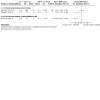
Comparison 7: Exercise therapy plus another intervention (ET + other Tx) versus the other intervention alone (other Tx alone), Outcome 2: Functional status
Machado 2010 provided low‐certainty evidence of no clinically relevant difference between the effects of the interventions (McKenzie and advice plus paracetamol versus advice plus paracetamol alone) on functional status score at short‐term follow‐up (MD 0.10, 95% CI −1.84 to 2.04; 139 participants; Analysis 7.2). We downgraded the certainty of the evidence by two levels for imprecision (only one study with fewer than 400 participants).
The evidence suggests that exercise therapy plus another intervention may have little or no effect on functional status compared to the other intervention alone at short‐term follow‐up.
Perceived recovery
Machado 2010 provided low‐certainty evidence of no clinically relevant difference between the effects of the interventions (McKenzie and advice plus paracetamol versus advice plus paracetamol alone) on perceived recovery (measured on a global perceived effect scale) at short‐term follow‐up (MD 0.30 points, 95% CI −0.14 to 0.74; 139 participants; Analysis 7.3). We downgraded the certainty of the evidence by two levels for imprecision (only one study with fewer than 400 participants).
7.3. Analysis.
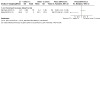
Comparison 7: Exercise therapy plus another intervention (ET + other Tx) versus the other intervention alone (other Tx alone), Outcome 3: Perceived recovery
The evidence suggests that exercise therapy plus another intervention may have little or no effect on perceived recovery compared to the other intervention alone at short‐term follow‐up.
Return to work
No studies reported return to work
Health‐related quality of life
No studies reported health‐related quality of life.
Adverse events
No studies reported whether any adverse events occurred.
Subgroup and sensitivity analyses
We stratified the analyses by comparison, outcome, and follow‐up time. There were insufficient data to perform our planned subgroup analysis of people who had LBP without versus with radiation, younger versus older people, people with versus without comorbidities, type of exercise, specific types of conservative treatment comparisons, and type of population.
There were insufficient data to perform meta‐regression analysis to test the hypothesis of no difference between the results of studies at high or unclear risk of bias and studies at low risk of bias.
There were insufficient data for our planned sensitivity analyses related to type of exercise and type of study population or to test assumptions around imputing data for studies that did not adequately present variance scores. We could only perform sensitivity analyses related to risk of bias for the comparison exercise therapy versus other conservative treatments.
Using data from studies with a low risk of bias only, we found no clinically relevant difference in pain in the short term (SMD 0.10, 95% CI −0.21 to 0.42; Cherkin 1998; Dettori 1995; Malmivaara 1995; Sokunbi 2014), intermediate term (SMD −0.01, 95% CI −0.33 to 0.30; Cherkin 1998; Malmivaara 1995; Sokunbi 2014), and long term (SMD −0.05, 95% CI −0.54 to 0.45; Cherkin 1998). These effects amount to an MD of −1.72 points (95% CI −3.61 to 7.22) for the short term and an MD of −0.18 points (95% CI −5.94 to 5.40) for the intermediate term, on a VAS of 0 to 100 (based on an SD from Malmivaara 1995); and an MD of −0.81 points (95% CI −8.72 to 7.26) on a VAS of 0 to 100 for long‐term follow‐up, (based on an SD from Cherkin 1998).
Using data from studies with a low risk of bias only, we found no clinically relevant difference in functional status in the short term (SMD 0.11, 95% CI −0.06 to 0.28; Brennan 2006; Cherkin 1998; Dettori 1995; Malmivaara 1995; Sokunbi 2014), intermediate term (SMD −0.01, 95% CI −0.30 to 0.29; Cherkin 1998; Malmivaara 1995; Sokunbi 2014), or long term (SMD −0.07, 95% CI −0.27 to 0.13; Brennan 2006; Cherkin 1998). These effects amount to an MD of 1.80 points (95% CI −0.98 to 4.59) for the short term and an MD of −0.10 points (95% CI −3.06 to 2.96) for the intermediate term, on the Oswestry Disability Index (based on an SD from Malmivaara 1995), and an MD of −0.39 points (95% CI −1.51 to 0.73) on the Roland Morris Disability Questionnaire for long‐term follow‐up (based on an SD from Cherkin 1998).
Discussion
Summary of main results
Exercise therapy compared to sham/placebo treatment may have no clinically relevant effect on pain or functional status at short‐term follow‐up, although the certainty of the evidence is very low (downgraded for risk of bias concerns and imprecision; Table 1). Exercise therapy compared to no treatment may have no clinically relevant effect on pain or functional status at short‐term follow‐up. The certainty of the evidence for this comparison was very low (downgraded for imprecision and inconsistency; Table 2).
Exercise therapy compared to other conservative treatments probably has no clinically relevant effect on pain at short‐term follow‐up. In general, for the intermediate‐ and long‐term follow‐up of the main comparisons and all time points of the other comparisons, the evidence (ranging from very low‐ to moderate‐certainty) suggested no difference between the effects of any interventions on pain or functional status.
Only three studies stated that they had measured adverse events. There were no important adverse events of treatment reported in any of the treatment groups. Therefore, we cannot draw any conclusions on the safety or harms of exercise therapy.
Overall completeness and applicability of evidence
We considered data from 23 studies in people with acute LBP, with or without radiating pain. Our most important treatment outcomes were pain and functional status, and our main comparisons were exercise therapy versus no treatment and exercise therapy versus sham/placebo treatment. Furthermore, we examined data for different durations of follow‐up (short‐ to long‐term) and examined various types of exercise therapy, such as stabilising, stretching, and strengthening exercises. Unfortunately, we found few data for other important outcomes, such as perceived recovery, health‐related quality of life, and return to work. Many studies included few participants and were of low methodological quality, which is partly reflected in the low and very low GRADE ratings for all treatment comparisons except exercise therapy versus other conservative treatments.
The 23 included studies were carried out in various countries worldwide (in Europe, Asia, and North America), which means the findings of our review are widely applicable. Our results are generalisable to adult populations with LBP, including the working‐age population. However, while we included three studies that recruited people from occupational settings (Dettori 1995; Malmivaara 1995; Seferlis 1998), we did not examine the effect of interventions in the workplace, and caution is urged when extrapolating our conclusions to those settings. Nevertheless, our results are in accordance with those of systematic reviews on the effect of exercise therapy on LBP in occupational settings (Moreira‐Silva 2016; Schaafsma 2013). Those reviews found low‐quality evidence suggesting that exercise programmes did not significantly reduce sickness absence, although the exercise programmes evaluated were not fully comparable to ours (e.g. they included a work‐related component or were more health promotion‐oriented), and few included studies investigated acute LBP specifically.
All studies included in our review demonstrated a decrease in pain and functional limitations for both exercise and control participant groups, reflecting the favourable natural course of acute non‐specific LBP. In some studies, this decrease was clinically relevant (according to the thresholds proposed by Ostelo 2005) in both treatment arms: changes in pain scores were at least 20/100 (Cherkin 1998; Dettori 1995; Farrell 1982; Hides 1996; Machado 2010; Malmivaara 1995; Seferlis 1998; Underwood 1998), and changes in disability scores were at least 3.5 on the Roland Morris Disability Questionnaire or 10 points on the Oswestry Disability Index (Brennan 2006; Cherkin 1998; Chok 1999; Dettori 1995; Erhard 1994; Lewis 2011; Machado 2010; Seferlis 1998). In some studies, it was unclear which value constituted a clinically relevant difference because they used measurement instruments other than the Roland Morris Disability Questionnaire or Oswestry Disability Index (Faas 1993; Farrell 1982; Gilbert 1985). Furthermore, using minimally important difference thresholds is problematic because the studies that determine these values are inconsistent in their methods, populations, and estimates.
Classifying studies into different comparisons is not always straightforward. For example, we included Faas 1993 in the comparison of exercise versus sham/placebo treatment because it used placebo ultrasound as an inert intervention; however, placebo ultrasound is not a true sham/placebo treatment in the sense of an inactive treatment mimicking exercise, because participants in the control group knew they were not receiving an exercise intervention. Nevertheless, participants in both groups could expect some therapeutic effect. We included Malmivaara 1995 in the comparison of exercise versus no treatment, although both groups were told to avoid bed rest and continue their routines as actively as possible within the limits permitted by their back pain. This advice was so limited that we classified it as no treatment. Lastly, the comparisons of exercise therapy versus waiting‐list control and versus no treatment could be grouped together. However, our decision to keep them separate had no impact on the results of this update, as we identified no studies for the waiting‐list control comparison.
Moderate‐certainty evidence suggested that exercise therapy was no better than other conservative treatments; however, there was also evidence (albeit of very low certainty) that exercise therapy was no better than no treatment or sham/placebo treatment. This could suggest that exercise therapy, as well as other conservative treatments, are ineffective for reducing pain and improving functional status in people with acute LBP beyond the natural course. This finding is consistent with international guidelines (Oliviera 2018; Qaseem 2017; Stochkendahl 2018; UK National Institute for Health and Care 2017).
We included a wide range of interventions, illustrating that exercise therapy is not a single form of treatment. We were unable to analyse each intervention separately owing to lack of data for each comparison. As the literature increases, it may become more feasible to split the results into different research questions, addressing the efficacy of specific exercises for specific subgroups of individuals with low back pain.
Three studies reported no important adverse events related to exercise therapy. The remaining studies did not specify whether they had recorded adverse events. We were unable to draw firm conclusions on the adverse effects of exercise therapy owing to the scarcity of data and small sample size.
Quality of the evidence
The studies involved a total of 2674 participants and provided data for 2637 participants. In this update, we included 10 new studies with 751 analysed participants. Sample sizes of the included studies ranged from 10 to 473 people, and follow‐up time was usually short. We considered seven of the 10 new studies to be small, underpowered (less than 90 participants), and of low quality.
The GRADE ratings were very low for our main comparisons. We downgraded the evidence for pain and functional status in most comparisons owing to risk of bias concerns. The sensitivity analysis that included only studies at low risk of bias gave results consistent with those of the main analysis, which indicates the robustness of our findings for these outcome measures. There was very low‐certainty evidence of no meaningful difference between the effects of exercise therapy and no treatment. We downgraded the certainty of the evidence for imprecision due to the small number of studies identified, the small sample size, and inconsistency in the direction of effect (probably related to the different study settings). Further high‐quality studies with a large sample size are likely to have an impact on our confidence in the estimates of effects for this comparison.
For all other comparisons, the certainty of evidence ranged from very low to moderate. Many studies presented insufficient information to assess their quality. Common reasons for downgrading the certainty of the evidence were risk of bias concerns, inconsistency (heterogeneity), and imprecision (small sample size or single study). High overall risk of bias judgements were most often due to selection bias (randomisation procedure). No studies guaranteed successful blinding of participants and therapists (performance bias), and all the major outcomes were self‐reported (detection bias). The quality of many studies was further compromised by high risk of bias related to the influence of co‐interventions, compliance, high dropout rates, or lack of ITT analysis. Limitations in the quality and reporting of the trials were notable. Most comparisons included few participants, resulting in imprecise effect measures. It is unclear to what extent the sample size of the studies influenced review results.
It is worrying that most of the new studies identified in this update were underpowered and had low methodological quality. Including more low‐quality studies in future updates is likely to further increase inconsistency and heterogeneity and therefore weaken rather than strengthen the evidence.
We planned a priori subgroups to explain heterogeneity but were unable to run these analyses due to the insufficient number of studies included for each outcome or due to insufficient data reporting. We did not perform subgroup analyses based on different conservative treatments because of the small number of studies per conservative treatment type.
To test for the robustness of our results for the comparison of exercise therapy versus other conservative treatments, we conducted sensitivity analyses of the outcomes pain and functional status at short‐term follow‐up, including only the studies at low risk of bias. The results were consistent with those of the main analysis. In addition, the statistical heterogeneity for this comparison was generally low. Therefore, the body of evidence identified allows for robust conclusions for these outcomes.
Few studies measured adverse effects, and none reported any adverse effects related to exercise therapy, which may be indicative of underreporting.
Potential biases in the review process
To minimise potential biases in the review process, we updated this review using the recommendations of Cochrane Back and Neck and the Cochrane Handbook for Systematic Reviews of Interventions (Furlan 2015; Higgins 2011), and we used the GRADE approach to explore the certainty of evidence (Guyatt 2008). Pairs of review authors independently screened the titles and abstracts of the records retrieved by the searches, but we may have missed unregistered trials. Several studies did not clearly describe one or more of our inclusion or exclusion criteria (e.g. duration of LBP), and many were excluded because we were unable to contact the study authors to clarify these issues. We also attempted to obtain missing data from study authors. Three small studies currently awaiting classification are likely to have little impact on the conclusions of this review (Alt 2020; Lohana 2021; Nechvatal 2021).
The four ongoing studies will have little impact on the results of this review, as only one addresses a main comparison (NCT03756519). The study author indicated that the trial was not funded or completed, and it is unclear if the results will be published.
Publication bias was difficult to assess due to the limited number of trials included in most meta‐analyses. We could only create funnel plots for the comparison exercise therapy versus all other conservative treatments. Although these funnel plots did not suggest publication bias, it cannot be ruled out.
We may have introduced another bias in the review process by defining pain and functional status as the most important outcomes for LBP, in accordance with a proposed core outcome set (Deyo 1998). We considered studies that did not report these outcomes to be at high risk of selective reporting (because we had to determine criteria for assessing reporting bias in older trials with no published protocol). However, researchers in the field may not have considered pain and function as core outcomes prior to 2000, and this could have impacted our assessment of three studies (Delitto 1993; Erhard 1994; Waterworth 1985). Nevertheless, our assessment of reporting bias is unlikely to have impacted the interpretation of results, given the other methodological limitations of these trials.
We identified too few trials to stratify analyses by control group as intended. Where a meta‐analysis included shared intervention groups, we halved the number of participants in the shared groups to avoid double‐counting. Single trials treated as two trials can receive more weight than is appropriate, but this issue will have had little impact on the results.
Most trials did not report or declare conflicts of interest. In almost half of these studies, the authors included therapists who provided exercise therapy in the trial, and the author team was not diverse in terms of professional background. Study authors may have been biased in their preference for a given intervention, resulting in an overestimation of its effectiveness.
Agreements and disagreements with other studies or reviews
Our findings are consistent with previous versions of this Cochrane Review, which concluded that exercise therapy is as effective as sham/placebo treatment, no treatment, or other conservative treatments for pain and functional outcomes in the short or long term in people with acute non‐specific LBP (Hayden 2005a; Van Tulder 2000b). For the comparisons of exercise therapy versus sham/placebo and no treatment, we identified no new studies for this update. For the comparison exercise therapy versus other conservative treatments, only two small new studies were included in the meta‐analyses.
Our findings are also consistent with those of a systematic review on the effect of exercise therapy in people with acute LBP, which concluded that exercise therapy does not yield any clinically important difference compared with any other treatment, for most outcomes and at most time points (Karlsson 2020).
Other systematic reviews that reviewed the effect of a specific type of exercise for acute LBP produced similar findings (Lam 2018, Machado 2006, Macedo 2016). One systematic review found some evidence supporting Directional Preference Management, but most of the included trials enroled people with subacute and chronic LBP (Surkitt 2012).
Finally, our results are in line with an updated overview of clinical practice guidelines for non‐specific LBP in primary care (Oliviera 2018).
Authors' conclusions
Implications for practice.
The findings of this systematic review do not suggest any benefit of using exercise therapy in the acute phase of low back pain (LBP). There is evidence (albeit of very low certainty) indicating no clinically relevant difference between exercise therapy and sham/placebo or no treatment for decreasing pain and improving functional status in people with acute non‐specific LBP at short‐term follow‐up.
There is moderate‐certainty evidence of no difference in the effects of exercise therapy and other conservative treatments on pain and functional status at short‐term follow‐up. In general, for the intermediate‐ and long‐term follow‐up of the main comparisons (exercise therapy versus sham/placebo treatment and exercise therapy versus no treatment) and for all follow‐up time points of the other comparisons (exercise therapy versus other conservative treatments, exercise therapy versus another exercise therapy, exercise therapy versus the same exercise therapy plus another therapy, and exercise therapy plus another therapy versus the other therapy alone), the evidence (ranging from very low‐ to moderate‐certainty) suggests no difference in effect for the outcomes pain and functional status. Unfortunately, we found few data for other important outcomes, such as perceived recovery, health‐related quality of life, and return to work. In addition, due to insufficient reporting of adverse events in the included trials, we are unable to confirm the safety of exercise therapy for acute LBP.
In general, our results are in line with the recommendations in most current clinical guidelines (Oliviera 2018). These guidelines recommend exercise therapy for chronic but not acute LBP, and suggest that clinicians consider exercise therapy for people with unfavourable prognosis, e.g. those who are worried about their low back pain, show signs of fear‐avoidance, or do not improve (psychosocial yellow flags).
Implications for research.
It is questionable whether the results of large, well‐conducted trials would change the conclusions of this review. Exercise therapy does not seem to result in significant improvements in pain relief and functional status beyond the favourable natural course of acute LBP.
If future studies can clearly identify which people with acute LBP are likely to develop chronic pain, it will be possible to explore the effect of exercise therapy in subgroups of people with a less favourable prognosis.
Future studies should seek to minimise risk of bias, should be sufficiently powered, and should include other important outcomes besides pain and functional status, such as perceived recovery, health‐related quality of life, and return to work. We highly recommend that future clinical trials follow the Consolidated Standards of Reporting Trials (CONSORT) checklist to improve research methodology in this field (Schultz 2010).
History
Protocol first published: Issue 10, 2011
Acknowledgements
We thank Shireen Harbin and Maggie Tiong for their assistance with the development and execution of the search strategies. We also thank Dr Antti Malmivaara for his work in the original review, which laid the groundwork for this update. We acknowledge the peer reviewers Prof Stefano Negrini "La Statale", Milan – IRCCS Istituto Ortopedico Galeazzi, Milan, Italy; Prof Roger Chou, Department of Medical Informatics and Clinical Epidemiology, Oregon Health & Science University, Portland, USA; and copy‐editor Julia Turner, Cochrane Central Production Service.
Appendices
Appendix 1. Current search strategies
CENTRAL (Cochrane Library)
Searched 18 November 2021
| 1 | MeSH descriptor: [Back Pain] explode all trees |
| 2 | MeSH descriptor: [Intervertebral Disc Displacement] explode all trees |
| 3 | MeSH descriptor: [Sciatic Neuropathy] explode all trees |
| 4 | MeSH descriptor: [Spondylosis] explode all trees |
| 5 | ("back ache*" or backache* or "back disorder*" or "back pain*"):ti,ab,kw |
| 6 | coccydynia:ti,ab,kw |
| 7 | ((disc* or disk*) near/1 (degenerat* or displace* or hernia* or prolapse* or slipped)):ti,ab,kw |
| 8 | dorsalgia:ti,ab,kw |
| 9 | (lumb* near/4 pain):ti,ab,kw |
| 10 | lumbago:ti,ab,kw |
| 11 | ("sciatic neuropathy" or sciatica or ischialgia):ti,ab,kw |
| 12 | (spondylosis or spondylolysis or spondylolisthesis):ti,ab,kw |
| 13 | {or #1‐#12} |
| 14 | MeSH descriptor: [Exercise] explode all trees |
| 15 | MeSH descriptor: [Exercise Therapy] explode all trees |
| 16 | MeSH descriptor: [Exercise Movement Techniques] explode all trees |
| 17 | MeSH descriptor: [Physical Therapy Modalities] this term only |
| 18 | MeSH descriptor: [Recreation] explode all trees |
| 19 | MeSH descriptor: [Recreation Therapy] this term only |
| 20 | MeSH descriptor: [Physical Fitness] explode all trees |
| 21 | exercis*:ti,ab,kw |
| 22 | (kinesiotherapy or recreation*):ti,ab,kw |
| 23 | McKenzie:ti,ab,kw |
| 24 | Alexander:ti,ab,kw |
| 25 | William:ti,ab,kw |
| 26 | Feldenkrais:ti,ab,kw |
| 27 | (McGill near/5 (method or technique)):ti,ab,kw |
| 28 | (training near/2 (strength* or physical or fitness or core or ergonomic* or musc* or spine or spinal or balance or stabil*)):ti,ab,kw |
| 29 | ((core or musc*) near/2 (strengthen* or stabiliz* or stabilis* or stability or endurance or condition*)):ti,ab,kw |
| 30 | "functional restoration":ti,ab,kw |
| 31 | pilates*:ti,ab,kw |
| 32 | (yoga or hatha or ashtanga or bikram or iyengar or kripalu or kundalini or sivananda or vinyasa or raja or radja or bhakti or jnana or kriya or karma or yama or niyama or asana or pranayama or pratyahara or dharana or dhyana or samadhi or bandha or mudra or yin):ti,ab,kw |
| 33 | aerobic*:ti,ab,kw |
| 34 | ("high intensity interval training" or hiit):ti,ab,kw |
| 35 | (walk* or run or running or jog or jogging or sport* or cycling or biking or swim* or dance or dancing or gymnastic* or boxing or kickboxing or stretch*):ti,ab,kw |
| 36 | (aquacise or aquacize or aquasize or aquafit* or zumba or barre):ti,ab,kw |
| 37 | ("tai chi" or "tai ji" or taiji or taijiquan or taijizhang):ti,ab,kw |
| 38 | eldoa:ti,ab,kw |
| 39 | (glad near/5 (hip* or knee* or osteoarthritis)):ti,ab,kw |
| 40 | (otago near/5 (program* or balance or strength or training)):ti,ab,kw |
| 41 | ("bone fit" or bonefit):ti,ab,kw |
| 42 | "walk tall":ti,ab,kw |
| 43 | ("dynamic neuromuscular stabili?ation" or dns):ti,ab,kw |
| 44 | "active rehabilitation":ti,ab,kw |
| 45 | {or #14‐#44} |
| 46 | MeSH descriptor: [Alexander Disease] this term only |
| 47 | MeSH descriptor: [Williams Syndrome] this term only |
| 48 | {or #46‐#47} |
| 49 | #45 not #48 |
| 50 | #13 and #49 |
Embase (Elsevier.com)
Searched 18 November 2021
| 1 | 'randomized controlled trial'/de |
| 2 | 'controlled clinical trial'/exp |
| 3 | 'controlled study'/de |
| 4 | 'double blind procedure'/de |
| 5 | 'single blind procedure'/de |
| 6 | 'crossover procedure'/de |
| 7 | 'placebo'/de |
| 8 | 'randomization'/de |
| 9 | random*:ti,ab |
| 10 | placebo$:ti,ab |
| 11 | allocat*:ti,ab |
| 12 | assign*:ti,ab |
| 13 | blind*:ti,ab |
| 14 | ('cross‐over' OR crossover):ti,ab |
| 15 | (compare OR compared OR comparing OR comparison OR comparative):ti,ab |
| 16 | (controlled NEAR/7 (study OR design OR trial)):ti,ab |
| 17 | ((singl* OR doubl* OR trebl* OR tripl*) NEAR/7 (blind* OR mask*)):ti,ab |
| 18 | trial:ti,ab |
| 19 | #1 OR #2 OR #3 OR #4 OR #5 OR #6 OR #7 OR #8 OR #9 OR #10 OR #11 OR #12 OR #13 OR #14 OR #15 OR #16 OR #17 OR #18 |
| 20 | animal'/exp OR 'invertebrate'/exp OR 'animal experiment'/de OR 'animal model'/de OR 'animal tissue'/de OR 'animal cell'/de OR 'nonhuman'/de |
| 21 | human'/de OR 'normal human'/de OR 'human cell'/de |
| 22 | #20 AND #21 |
| 23 | #20 NOT #22 |
| 24 | #19 NOT #23 |
| 25 | 'backache'/exp |
| 26 | 'intervertebral disk hernia'/exp |
| 27 | 'ischialgia'/exp |
| 28 | 'sciatic neuropathy'/exp |
| 29 | 'sciatica'/exp |
| 30 | 'spondylosis'/exp |
| 31 | ('back ache*' OR backache* OR 'back disorder*' OR 'back pain*'):ti,ab,kw |
| 32 | coccydynia:ti,ab,kw |
| 33 | ((disc$ OR disk$) NEAR/1 (degenerat* OR displace* OR hernia* OR prolapse* OR slipped)):ti,ab,kw |
| 34 | dorsalgia:ti,ab,kw |
| 35 | (lumb* NEAR/4 pain):ti,ab,kw |
| 36 | lumbago:ti,ab,kw |
| 37 | ('sciatic neuropathy' OR sciatica OR ischialgia):ti,ab,kw |
| 38 | (spondylosis OR spondylolysis OR spondylolisthesis):ti,ab,kw |
| 39 | #25 OR #26 OR #27 OR #28 OR #29 OR #30 OR #31 OR #32 OR #33 OR #34 OR #35 OR #36 OR #37 OR #38 |
| 40 | 'exercise'/exp |
| 41 | 'fitness'/de |
| 42 | 'kinesiotherapy'/exp |
| 43 | 'physical activity'/exp |
| 44 | 'recreation'/exp |
| 45 | 'recreational therapy'/exp |
| 46 | exercis*:ti,ab,kw |
| 47 | (kinesiotherapy OR recreation*):ti,ab,kw |
| 48 | McKenzie:ti,ab,kw |
| 49 | Alexander:ti,ab,kw |
| 50 | William:ti,ab,kw |
| 51 | Feldenkrais:ti,ab,kw |
| 52 | (McGill NEAR/5 (method OR technique)):ti,ab,kw |
| 53 | (training NEAR/2 (strength* OR physical OR fitness OR core OR ergonomic* OR musc* OR spine OR spinal OR balance OR stabil*)):ti,ab,kw |
| 54 | ((core OR musc*) NEAR/2 (strengthen* OR stabiliz* OR stabilis* OR stability OR endurance or condition*)):ti,ab,kw |
| 55 | 'functional restoration':ti,ab,kw |
| 56 | pilates*:ti,ab,kw |
| 57 | (yoga OR hatha OR ashtanga OR bikram OR iyengar OR kripalu OR kundalini OR sivananda OR vinyasa OR raja OR radja OR bhakti OR jnana OR kriya OR karma OR yama OR niyama OR asana OR pranayama OR pratyahara OR dharana OR dhyana OR samadhi OR bandha OR mudra OR yin):ti,ab,kw |
| 58 | aerobic*:ti,ab,kw |
| 59 | ('high intensity interval training' OR hiit):ti,ab,kw |
| 60 | (walk* OR run OR running OR jog OR jogging OR sport* OR cycling OR biking OR swim* OR dance OR dancing OR gymnastic* OR boxing OR kickboxing OR stretch*):ti,ab,kw |
| 61 | (aquacise OR aquacize OR aquasize OR aquafit* OR zumba OR barre):ti,ab,kw |
| 62 | ('tai chi' OR 'tai ji' OR taiji OR taijiquan OR taijizhang):ti,ab,kw |
| 63 | eldoa:ti,ab,kw |
| 64 | (glad NEAR/5 (hip$ OR knee$ OR osteoarthritis)):ti,ab,kw |
| 65 | (otago NEAR/5 (program* OR balance OR strength OR training)):ti,ab,kw |
| 66 | ('bone fit' OR bonefit):ti,ab,kw |
| 67 | 'walk tall':ti,ab,kw |
| 68 | ('dynamic neuromuscular stabili?ation' OR dns):ti,ab,kw |
| 69 | 'active rehabilitation':ti,ab,kw |
| 70 | #40 OR #41 OR #42 OR #43 OR #44 OR #45 OR #46 OR #47 OR #48 OR #49 OR #50 OR #51 OR #52 OR #53 OR #54 OR #55 OR #56 OR #57 OR #58 OR #59 OR #60 OR #61 OR #62 OR #63 OR #64 OR #65 OR #66 OR #67 OR #68 OR #69 |
| 71 | 'alexander disease'/exp |
| 72 | 'williams beuren syndrome'/exp |
| 73 | #71 OR #72 |
| 74 | #70 NOT #73 |
| 75 | #24 AND #39 AND #74 |
MEDLINE (Ovid)
Searched 18 November 2021
| 1 | randomized controlled trial.pt. |
| 2 | controlled clinical trial.pt. |
| 3 | pragmatic clinical trial.pt. |
| 4 | random*.ti,ab. |
| 5 | placebo.ab,ti. |
| 6 | drug therapy.fs. |
| 7 | trial.ab,ti. |
| 8 | groups.ab,ti. |
| 9 | or/1‐8 |
| 10 | (animals not (humans and animals)).sh. |
| 11 | 9 not 10 |
| 12 | exp Back Pain/ |
| 13 | Intervertebral Disc Displacement/ |
| 14 | exp Sciatic Neuropathy/ |
| 15 | exp Spondylosis/ |
| 16 | (back ache* or backache* or back disorder* or back pain*).tw,kw,kf. |
| 17 | coccydynia.tw,kw,kf. |
| 18 | ((disc? or disk?) adj1 (degenerat* or displace* or hernia* or prolapse* or slipped)).tw,kw,kf. |
| 19 | dorsalgia.tw,kw,kf. |
| 20 | (lumb* adj4 pain).tw,kw,kf. |
| 21 | lumbago.tw,kw,kf. |
| 22 | (sciatic neuropathy or sciatica or ischialgia).tw,kw,kf. |
| 23 | (spondylosis or spondylolysis or spondylolisthesis).tw,kw,kf. |
| 24 | or/12‐23 |
| 25 | exp Exercise/ |
| 26 | exp Exercise Therapy/ |
| 27 | exp Exercise Movement Techniques/ |
| 28 | Physical Therapy Modalities/ |
| 29 | exp Recreation/ |
| 30 | Recreation Therapy/ |
| 31 | exp Physical Fitness/ |
| 32 | exercis*.tw,kw,kf. |
| 33 | (kinesiotherapy or recreation*).tw,kw,kf. |
| 34 | McKenzie.tw,kw,kf. |
| 35 | Alexander.tw,kw,kf. |
| 36 | William.tw,kw,kf. |
| 37 | Feldenkrais.tw,kw,kf. |
| 38 | (McGill adj5 (method or technique)).tw,kw,kf. |
| 39 | (training adj2 (strength* or physical or fitness or core or ergonomic* or musc* or spine or spinal or balance or stabil*)).tw,kw,kf. |
| 40 | ((core or musc*) adj2 (strengthen* or stabiliz* or stabilis* or stability or endurance or condition*)).tw,kw,kf. |
| 41 | functional restoration.tw,kw,kf. |
| 42 | pilates*.tw,kw,kf. |
| 43 | (yoga or hatha or ashtanga or bikram or iyengar or kripalu or kundalini or sivananda or vinyasa or raja or radja or bhakti or jnana or kriya or karma or yama or niyama or asana or pranayama or pratyahara or dharana or dhyana or samadhi or bandha or mudra or yin).tw,kw,kf. |
| 44 | aerobic*.tw,kw,kf. |
| 45 | (high intensity interval training or hiit).tw,kw,kf. |
| 46 | (walk* or run or running or jog or jogging or sport* or cycling or biking or swim* or dance or dancing or gymnastic* or boxing or kickboxing or stretch*).tw,kw,kf. |
| 47 | (aquacise or aquacize or aquasize or aquafit* or zumba or barre).tw,kw,kf. |
| 48 | (tai chi or tai ji or taiji or taijiquan or taijizhang).tw,kw,kf. |
| 49 | eldoa.tw,kw,kf. |
| 50 | (glad adj5 (hip? or knee? or osteoarthritis)).tw,kw,kf. |
| 51 | (otago adj5 (program* or balance or strength or training)).tw,kw,kf. |
| 52 | (bone fit or bonefit).tw,kw,kf. |
| 53 | walk tall.tw,kw,kf. |
| 54 | (dynamic neuromuscular stabili?ation or dns).tw,kw,kf. |
| 55 | active rehabilitation.tw,kw,kf. |
| 56 | or/25‐55 |
| 57 | Alexander Disease/ |
| 58 | Williams Syndrome/ |
| 59 | or/57‐58 |
| 60 | 56 not 59 |
| 61 | 11 and 24 and 60 |
Wiley Central
Searched 7 December 2020
| 1 | MeSH descriptor: [Back Pain] explode all trees |
| 2 | dorsalgia |
| 3 | backache or "back pain" |
| 4 | lumb* pain |
| 5 | coccyx or coccydynia or sciatica or spondylosis |
| 6 | MeSH descriptor: [Sciatic Neuropathy] explode all trees |
| 7 | MeSH descriptor: [Spine] explode all trees |
| 8 | MeSH descriptor: [Spinal Diseases] explode all trees |
| 9 | lumbago |
| 10 | (disc or disk) NEAR/1 herniat* |
| 11 | spinal fusion |
| 12 | facet NEAR/1 joint* |
| 13 | MeSH descriptor: [Intervertebral Disc] explode all trees |
| 14 | postlaminectomy |
| 15 | arachnoiditis |
| 16 | failed NEAR/1 back |
| 17 | MeSH descriptor: [Cauda Equina] explode all trees |
| 18 | lumb* near/1 vertebra* |
| 19 | spinal near/1 stenosis |
| 20 | slipped near/1 (disc* or disk*) |
| 21 | degenerat* near/1 (disc* or disk*) |
| 22 | stenosis near/1 (spine or root or spinal) |
| 23 | displace* near/1 (disc* or disk*) |
| 24 | prolap* near/1 (disc* or disk*) |
| 25 | MeSH descriptor: [Low Back Pain] explode all trees |
| 26 | #1 OR #2 OR #3 OR #4 OR #5 OR #6 OR #7 OR #8 OR #9 OR #10 OR #11 OR #12 OR #13 OR #14 OR #15 OR #16 OR #17 OR #18 OR #19 OR #20 OR #21 OR #22 OR #23 OR #24 OR #25 |
| 27 | exercis* |
| 28 | MeSH descriptor: [Exercise] explode all trees |
| 29 | MeSH descriptor: [Exercise Therapy] explode all trees |
| 30 | MeSH descriptor: [Exercise Movement Techniques] explode all trees |
| 31 | MeSH descriptor: [Physical Therapy Modalities] explode all trees |
| 32 | McKenzie |
| 33 | Alexander |
| 34 | William |
| 35 | Feldenkrais |
| 36 | MeSH descriptor: [Yoga] explode all trees |
| 37 | MeSH descriptor: [Recreation] explode all trees |
| 38 | MeSH descriptor: [Physical Fitness] explode all trees |
| 39 | yoga or pilates |
| 40 | Tai Chi or Tai Ji or Taiji or Taijiquan |
| 41 | #27 OR #28 OR #29 OR #30 OR #31 OR #32 OR #34 OR #33 OR #35 OR #36 OR #37 OR #38 OR #39 OR #40 |
| 42 | MeSH descriptor: [Alexander Disease] explode all trees |
| 43 | MeSH descriptor: [Williams Syndrome] explode all trees |
| 44 | #43 OR #42 |
| 45 | #41 NOT #44 |
| 46 | #45 AND #26 |
Ovid MEDLINE
Searched 7 December 2020
| 1 | randomized controlled trial.pt. |
| 2 | controlled clinical trial.pt. |
| 3 | pragmatic clinical trial.pt. |
| 4 | random*.ti,ab. |
| 5 | placebo.ab,ti. |
| 6 | drug therapy.fs. |
| 7 | trial.ab,ti. |
| 8 | groups.ab,ti. |
| 9 | or/1‐8 |
| 10 | (animals not (humans and animals)).sh. |
| 11 | 9 not 10 |
| 12 | dorsalgia.tw,kf. |
| 13 | exp Back Pain/ |
| 14 | (backache or back pain).tw,kf. |
| 15 | (lumb* adj pain).tw,kf. |
| 16 | coccyx.tw,kf. |
| 17 | coccydynia.tw,kf. |
| 18 | sciatica.tw,kf. |
| 19 | exp sciatic neuropathy/ |
| 20 | spondylosis.tw,kf. |
| 21 | lumbago.tw,kf. |
| 22 | exp low back pain/ |
| 23 | or/12‐22 |
| 24 | exp Exercise/ |
| 25 | exercis*.tw,kf. |
| 26 | exp Exercise Therapy/ |
| 27 | exp Exercise Movement Techniques/ |
| 28 | exp Physical Therapy Modalities/ |
| 29 | McKenzie.tw,kf. |
| 30 | Alexander.tw,kf. |
| 31 | William.tw,kf. |
| 32 | Feldenkrais.tw,kf. |
| 33 | exp Yoga/ |
| 34 | exp Recreation/ |
| 35 | exp Physical Fitness/ |
| 36 | (yoga or pilates).tw,kf. |
| 37 | (Tai Chi or Tai Ji or Taiji or Taijiquan).tw,kf. |
| 38 | or/24‐37 |
| 39 | exp Alexander Disease/ |
| 40 | exp Williams Syndrome/ |
| 41 | 39 or 40 |
| 42 | 38 not 41 |
| 43 | 11 and 23 and 42 |
Embase
Searched 7 December 2020
| 1 | 'randomized controlled trial'/de |
| 2 | 'controlled clinical trial'/exp |
| 3 | 'controlled study'/de |
| 4 | 'double blind procedure'/de |
| 5 | 'single blind procedure'/de |
| 6 | 'crossover procedure'/de |
| 7 | 'placebo'/de |
| 8 | 'randomization'/de |
| 9 | random*:ti,ab |
| 10 | placebo$:ti,ab |
| 11 | allocat*:ti,ab |
| 12 | assign*:ti,ab |
| 13 | blind*:ti,ab |
| 14 | ('cross‐over' OR crossover):ti,ab |
| 15 | (compare OR compared OR comparing OR comparison OR comparative):ti,ab |
| 16 | (controlled NEAR/7 (study OR design OR trial)):ti,ab |
| 17 | ((singl* OR doubl* OR trebl* OR tripl*) NEAR/7 (blind* OR mask*)):ti,ab |
| 18 | trial:ti,ab |
| 19 | #1 OR #2 OR #3 OR #4 OR #5 OR #6 OR #7 OR #8 OR #9 OR #10 OR #11 OR #12 OR #13 OR #14 OR #15 OR #16 OR #17 OR #18 |
| 20 | 'animal'/exp OR 'invertebrate'/exp OR 'animal experiment'/de OR 'animal model'/de OR 'animal tissue'/de OR 'animal cell'/de OR 'nonhuman'/de |
| 21 | 'human'/de OR 'normal human'/de OR 'human cell'/de |
| 22 | #20 AND #21 |
| 23 | #20 NOT #22 |
| 24 | #19 NOT #23 |
| 25 | dorsalgia:ti,ab,kw |
| 26 | 'back pain':ti,ab,kw |
| 27 | 'backache'/exp |
| 28 | (lumb* NEAR/1 pain):ti,ab,kw |
| 29 | coccyx:ti,ab,kw |
| 30 | coccydynia:ti,ab,kw |
| 31 | sciatica:ti,ab,kw |
| 32 | 'ischialgia'/exp |
| 33 | spondylosis:ti,ab,kw |
| 34 | lumbago:ti,ab,kw |
| 35 | 'low back pain'/exp |
| 36 | 'back disorder*':ti,ab,kw |
| 37 | #25 OR #26 OR #27 OR #28 OR #29 OR #30 OR #31 OR #32 OR #33 OR #34 OR #35 OR #36 |
| 38 | 'exercise'/exp |
| 39 | exercis*:ti,ab,kw |
| 40 | 'kinesiotherapy'/exp |
| 41 | McKenzie:ti,ab,kw |
| 42 | 'Alexander technique'/exp |
| 43 | Alexander:ti,ab,kw |
| 44 | William:ti,ab,kw |
| 45 | 'Feldenkrais method'/exp |
| 46 | Feldenkrais:ti,ab,kw |
| 47 | 'yoga'/exp |
| 48 | yoga:ti,ab,kw |
| 49 | 'fitness'/exp |
| 50 | pilates'/exp |
| 51 | 'pilates'/exp |
| 52 | 'Tai Chi'/exp |
| 53 | ('Tai Chi' or 'Tai Ji' or Taiji or Taijiquan):ti,ab,kw |
| 54 | #38 OR #39 OR #40 OR #41 OR #42 OR #43 OR #44 OR #45 OR #46 OR #47 OR #48 OR #49 OR #50 OR #51 OR #52 OR #53 |
| 55 | 'Alexander disease':ti,ab,kw OR 'Alexander disease'/exp |
| 56 | 'williams beuren syndrome':ti,ab,kw OR 'williams beuren syndrome'/exp |
| 57 | #55 OR #56 |
| 58 | #54 NOT #57 |
| 59 | #24 AND #37 AND #58 |
CINAHL
Searched 7 December 2020
| 39 | back pain |
| 40 | "coccydynia" |
| 41 | (MH "Lumbar Vertebrae") |
| 42 | lumbar N2 vertebra |
| 43 | S36 or S37 or S38 or S39 or S40 or S41 or S42 |
| 44 | (MH "Thoracic Vertebrae") |
| 45 | (MH "Spondylolisthesis") OR (MH "Spondylolysis") |
| 46 | "lumbago" |
| 47 | S44 or S45 or S46 |
| 48 | S35 or S43 or S47 |
| 49 | S28 and S48 |
| 50 | (MH "Exercise+") |
| 51 | (MH "Physical Activity") |
| 52 | (MH "Physical Fitness+") |
| 53 | (MH "Physical Therapy+") |
| 54 | (MH "Therapeutic Exercise+") |
| 55 | McKenzie or Alexander or William or Feldenkrais |
| 56 | (MH "Structural‐Functional‐Movement Integration+") |
| 57 | (MH "Alexander Technique") |
| 58 | (MH "Feldenkrais Method") |
| 59 | ("yoga") or (MH "Yoga") |
| 60 | (MH "Recreation+") |
| 61 | (MH "Pilates") or pilates |
| 62 | (MH "Tai Chi") or Tai Chi or Tai Ji or Taiji or Taijiquan |
| 63 | exercise |
| 64 | S50 OR S51 OR S52 OR S53 OR S54 OR S55 OR S56 OR S57 OR S58 OR S59 OR S60 OR S61 OR S62 OR S63 |
| 65 | S49 AND S64 |
| 66 | (MH "Williams Syndrome") |
| 67 | "alexander disease" |
| 68 | S66 OR S67 |
| 69 | S65 not S68 |
PsycINFO
Search 7 December 2020
| 1 | DE "Clinical Trials" |
| 2 | placebo# |
| 3 | control* |
| 4 | random* |
| 5 | blind* |
| 6 | DE "Treatment" OR DE "Addiction Treatment" OR DE "Adjunctive Treatment" OR DE "Adventure Therapy" OR DE "Aftercare" OR DE "Alternative Medicine" OR DE "Anxiety Management" OR DE "Behavior Modification" OR DE "Bibliotherapy" OR DE "Caregiving" OR DE "Client Transfer" OR DE "Client Treatment Matching" OR DE "Cognitive Behavior Therapy" OR DE "Cognitive Stimulation Therapy" OR DE "Cognitive Techniques" OR DE "Computer Assisted Therapy" OR DE "Counseling" OR DE "Creative Arts Therapy" OR DE "Cross Cultural Treatment" OR DE "Disease Management" OR DE "Habilitation" OR DE "Health Care Services" OR DE "Horticulture Therapy" OR DE "Hospice" OR DE "Human Potential Movement" OR DE "Human Services" OR DE "Hydrotherapy" OR DE "Institutionalization" OR DE "Integrated Services" OR DE "Interdisciplinary Treatment Approach" OR DE "Intervention" OR DE "Involuntary Treatment" OR DE "Language Therapy" OR DE "Life Sustaining Treatment" OR DE "Maintenance Therapy" OR DE "Medical Treatment (General)" OR DE "Mental Health Programs" OR DE "Milieu Therapy" OR DE "Mind Body Therapy" OR DE "Mindfulness‐Based Interventions" OR DE "Movement Therapy" OR DE "Multimodal Treatment Approach" OR DE "Multisystemic Therapy" OR DE "Outpatient Treatment" OR DE "Pain Management" OR DE "Partial Hospitalization" OR DE "Personal Therapy" OR DE "Physical Treatment Methods" OR DE "Private Practice" OR DE "Psychoeducation" OR DE "Psychotherapy" OR DE "Rehabilitation" OR DE "Relaxation Therapy" OR DE "Respite Care" OR DE "Self‐Help Techniques" OR DE "Sex Therapy" OR DE "Social Casework" OR DE "Sociotherapy" OR DE "Speech Therapy" OR DE "Spiritual Care" OR DE "Symptoms Based Treatment" OR DE "Therapeutic Processes" OR DE "Trauma‐Informed Care" OR DE "Trauma Treatment" OR DE "Treatment Guidelines" OR DE "Treatment Outcomes" OR DE "Treatment Planning" OR DE "Video‐Based Interventions" |
| 7 | S1 or S2 or S3 or S4 or S5 or S6 |
| 8 | DE "Back Pain" |
| 9 | dorsalgia |
| 10 | (backache or back pain) |
| 11 | (lumb* N1 pain) |
| 12 | (low N1 back N1 pain) |
| 13 | sciatica |
| 14 | lumbago |
| 15 | DE "Spinal Nerves" |
| 16 | DE "Lumbar Spinal Cord" |
| 17 | ((disc or disk) N1 degenerat*) |
| 18 | ((disc or disk) N1 prolapse*) |
| 19 | ((disc or disk) N1 herniat*) |
| 20 | S8 OR S9 OR S10 OR S11 OR S12 OR S13 OR S14 OR S15 OR S16 OR S17 OR S18 OR S19 |
| 21 | S7 AND S20 |
| 22 | DE "Exercise" OR DE "Aerobic Exercise" OR DE "Weightlifting" OR DE "Yoga" |
| 23 | exercise |
| 24 | DE "Physical Fitness" |
| 25 | DE "Physical Activity" |
| 26 | DE "Physical Education" |
| 27 | DE "Movement Therapy" |
| 28 | (Feldenkrais or McKenzie) |
| 29 | (Alexander or William) |
| 30 | DE "Yoga" |
| 31 | (pilates or yoga) |
| 32 | (Tai Chi or Tai Ji or Taiji or Taijiquan) |
| 33 | S22 OR S23 OR S24 OR S25 OR S26 OR S27 OR S28 OR S29 OR S30 OR S31 OR S32 |
| 34 | S21 AND S33 |
| 35 | williams syndrome |
| 36 | alexander disease |
| ‐ | |
| 37 | DE "Williams Syndrome" |
| 38 | S35 OR S36 OR S37 |
| 39 | S34 NOT S38 |
SportDiscus
Searched 7 December 2020
| 1 | placebo |
| 2 | clinical trials |
| 3 | SU clinical trials |
| 4 | SU randomized controlled trial |
| 5 | random allocation |
| 6 | single blind |
| 7 | random* |
| 8 | double blind |
| 9 | controlled clinical trial |
| 10 | S1 OR S2 OR S3 OR S4 OR S5 OR S6 OR S7 OR S8 OR S9 |
| 11 | DE "BACKACHE" or DE "SCIATICA" or DE "LUMBAR vertebrae" or DE "LUMBOSACRAL region" |
| 12 | back pain |
| 13 | backache or sciatica or dorsalgia or lumbago |
| 14 | lumb* pain |
| 15 | S11 OR S12 OR S13 OR S14 |
| 16 | S10 AND S15 |
| 17 | DE "EXERCISE" or DE "BACK exercises" or DE "EXERCISE therapy" or DE "PHYSICAL education & training" or DE "PHYSICAL fitness" |
| 18 | exercise |
| 19 | pilates or yoga |
| 20 | DE "PILATES method" |
| 21 | DE "YOGA" |
| 22 | McKenzie or Alexander or William or Feldenkrais |
| 23 | DE "TAI chi" |
| 24 | Tai Chi or Tai Ji or Taiji or Taijiquan |
| 25 | S17 OR S18 OR S19 OR S20 OR S21 OR S22 OR S23 OR S24 |
| 26 | S16 AND S25 |
| 27 | SU Alexander Disease |
| 28 | SU Williams syndrome |
| 29 | SU "alexander disease" or "williams syndrome" |
| 30 | "alexander disease" or "williams syndrome" |
| 31 | S27 OR S28 OR S29 OR S30 |
| 32 | S26 NOT S31 |
PEDro
Searched 7 December 2020
| 1 | Therapy: Fitness training |
| AND | |
| 2 | Problem: pain |
| AND | |
| 3 | Body part: Lumbar spine, sacroiliac joint or pelvis |
| AND | |
| 4 | Method: blank |
| AND | |
| 5 | New Records added since: 18/01/2019 |
ClinicalTrials.gov
Searched 7 December 2020
| 1 | Other terms: "back pain" AND exercise ; "back pain" AND (yoga OR pilates OR tai chi) |
| 2 | Limit to intervention studies |
First posted from 18 January 2019 to 6 August 2019
WHO ICTRP
Searched 7 December 2020. Selected studies from 2020
| 1 | back pain AND exercise |
| 2 | back pain AND yoga |
| 3 | back pain AND pilates |
| 4 | back pain AND tai chi |
CBN trials register in CRS web
Searched 18 November 2021
| 1 | (back pain AND (exercise OR pilates OR yoga OR tai chi)) AND INREGISTER 1433 |
| 2 | 2019:YR AND INREGISTER 149 |
| 3 | #1 AND #2 20 |
Appendix 2. Previous search strategies
See Hayden 2005a for original MEDLINE and Embase strategies
CENTRAL
Searched 18 January 2019 using CRS Web
1 MESH DESCRIPTOR Back Pain EXPLODE ALL AND CENTRAL:TARGET
2 dorsalgia AND CENTRAL:TARGET
3 backache or "back pain" AND CENTRAL:TARGET
4 lumb* pain AND CENTRAL:TARGET
5 coccyx or coccydynia or sciatica or spondylosis AND CENTRAL:TARGET
6 MESH DESCRIPTOR Sciatic Neuropathy EXPLODE ALL AND CENTRAL:TARGET
7 MESH DESCRIPTOR Spine EXPLODE ALL AND CENTRAL:TARGET
8 MESH DESCRIPTOR Spinal Diseases EXPLODE ALL AND CENTRAL:TARGET
9 lumbago AND CENTRAL:TARGET
10 (disc or disk) NEAR herniat* AND CENTRAL:TARGET
11 spinal fusion AND CENTRAL:TARGET
12 facet NEAR joint* AND CENTRAL:TARGET
13 MESH DESCRIPTOR Intervertebral Disc EXPLODE ALL AND CENTRAL:TARGET
14 postlaminectomy AND CENTRAL:TARGET
15 arachnoiditis AND CENTRAL:TARGET
16 failed NEAR back AND CENTRAL:TARGET
17 MESH DESCRIPTOR Cauda Equina EXPLODE ALL AND CENTRAL:TARGET
18 lumb* near vertebra* AND CENTRAL:TARGET
19 spinal near stenosis AND CENTRAL:TARGET
20 slipped near (disc* or disk*) AND CENTRAL:TARGET
21 degenerat* near (disc* or disk*) AND CENTRAL:TARGET
22 stenosis near (spine or root or spinal) AND CENTRAL:TARGET
23 displace* near (disc* or disk*) AND CENTRAL:TARGET
24 prolap* near (disc* or disk*) AND CENTRAL:TARGET
25 MESH DESCRIPTOR Low Back Pain EXPLODE ALL AND CENTRAL:TARGET
26 #1 OR #2 OR #3 OR #4 OR #5 OR #6 OR #7 OR #8 OR #9 OR #10 OR #11 OR #12 OR #13 OR #14 OR #15 OR #16 OR #17 OR #18 OR #19 OR #20 OR #21 OR #22 OR #23 OR #24 OR #25
27 exercis* AND CENTRAL:TARGET
28 MESH DESCRIPTOR Exercise EXPLODE ALL AND CENTRAL:TARGET
29 MESH DESCRIPTOR Exercise Therapy EXPLODE ALL AND CENTRAL:TARGET
30 MESH DESCRIPTOR Exercise Movement Techniques EXPLODE ALL AND CENTRAL:TARGET
31 MESH DESCRIPTOR Physical Therapy Modalities EXPLODE ALL AND CENTRAL:TARGET
32 McKenzie AND CENTRAL:TARGET
33 Alexander AND CENTRAL:TARGET
34 William AND CENTRAL:TARGET
35 Feldenkrais AND CENTRAL:TARGET
36 MESH DESCRIPTOR Yoga EXPLODE ALL AND CENTRAL:TARGET
37 MESH DESCRIPTOR Recreation EXPLODE ALL AND CENTRAL:TARGET
38 MESH DESCRIPTOR Physical Fitness EXPLODE ALL AND CENTRAL:TARGET
39 yoga or pilates AND CENTRAL:TARGET
40 Tai Chi or Tai Ji or Taiji or Taijiquan AND CENTRAL:TARGET
41 #27 OR #28 OR #29 OR #30 OR #31 OR #32 OR #33 OR #34 OR #35 OR #36 OR #37 OR #38 OR #39 OR #40
42 MESH DESCRIPTOR Alexander Disease EXPLODE ALL AND CENTRAL:TARGET
43 MESH DESCRIPTOR Williams Syndrome EXPLODE ALL AND CENTRAL:TARGET
44 #43 OR #42
45 #41 NOT #44
46 #45 AND #26
47 #46 AND (2018 TO 2019:YR)
Search from 18 January 2017 using CRS standalone. There were some adjustments made in truncation and proximity terms.
#1 MeSH descriptor: [Back Pain] explode all trees
#2 dorsalgia
#3 backache or back pain
#4 MeSH descriptor: [Low Back Pain] explode all trees
#5 (lumb* next pain) or coccyx or coccydynia or sciatica or spondylosis
#6 MeSH descriptor: [Sciatic Neuropathy] explode all trees
#7 MeSH descriptor: [Spine] explode all trees
#8 MeSH descriptor: [Spinal Diseases] explode all trees
#9 lumbago or disc near herniat*
#10 spinal fusion
#11 facet near joint*
#12 MeSH descriptor: [Intervertebral Disk] explode all trees
#13 postlaminectomy
#14 arachnoiditis
#15 failed near back
#16 MeSH descriptor: [Cauda Equina] explode all trees
#17 lumb* near vertebra*
#18 spinal near stenosis
#19 slipped near (disc* or disk*)
#20 degenerat* near (disc* or disk*)
#21 stenosis near (spine or root or spinal)
#22 displace* near (disc* or disk*)
#23 prolap* near (disc* or disk*)
#24 #1 or #2 or #3 or #4 or #5 or #6 or #7 or #8 or #9 or #10 or #11 or #12 or #13 or #14 or #15 or #16 or #17 or #18 or #19 or #20 or #21 or #22 or #23
#25 MeSH descriptor: [Exercise] explode all trees
#26 exercis*
#27 MeSH descriptor: [Exercise Therapy] explode all trees
#28 MeSH descriptor: [Exercise Movement Techniques] explode all trees
#29 MeSH descriptor: [Physical Therapy Modalities] explode all trees
#30 McKenzie
#31 Alexander
#32 William
#33 Feldenkrais
#34 MeSH descriptor: [Yoga] explode all trees
#35 MeSH descriptor: [Recreation] explode all trees
#36 MeSH descriptor: [Physical Fitness] explode all trees
#37 yoga or pilates
#38 Tai Chi or Tai Ji or Taiji or Taijiquan
#39 #25 or #26 or #27 or #28 or #29 or #30 or #31 or #32 or #33 or #34 or #35 or #36 or #37 or #38
#40 MeSH descriptor: [Alexander Disease] explode all trees
#41 MeSH descriptor: [Williams Syndrome] explode all trees
#42 #40 or #41
#43 #39 not #42
#44 #24 and #43
#45 #44 Publication Year from 2016 to 2017, in Trials
Search from29 January 2016
#1 MeSH descriptor: [Back Pain] explode all trees
#2 dorsalgia
#3 backache or back pain
#4 MeSH descriptor: [Low Back Pain] explode all trees
#5 lumb* next pain and coccyx and coccydynia and sciatica and spondylosis
#6 MeSH descriptor: [Sciatica] explode all trees
#7 MeSH descriptor: [Spine] explode all trees
#8 MeSH descriptor: [Spinal Diseases] explode all trees
#9 lumbago OR discitis OR disc near degeneration OR disc near prolapse OR disc near herniation
#10 spinal fusion
#11 facet near joints
#12 MeSH descriptor: [Intervertebral Disk] explode all trees
#13 postlaminectomy
#14 arachnoiditis
#15 failed near back
#16 MeSH descriptor: [Cauda Equina] explode all trees
#17 lumbar near vertebra*
#18 spinal near stenosis
#19 slipped near (disc* or disk*)
#20 degenerat* near (disc* or disk*)
#21 stenosis near (spine or root or spinal)
#22 displace* near (disc* or disk*)
#23 prolap* near (disc* or disk*)
#24 #1 or #2 or #3 or #4 or #5 or #6 or #7 or #8 or #9 or #10 or #11 or #12 or #13 or #14 or #15 or #16 or #17 or #18 or #19 or #20 or #21 or #22 or #23
#25 MeSH descriptor: [Exercise] explode all trees
#26 exercis*
#27 physical exercis*
#28 MeSH descriptor: [Exercise Therapy] explode all trees
#29 MeSH descriptor: [Exercise Movement Techniques] explode all trees
#30 MeSH descriptor: [Physical Therapy Modalities] explode all trees
#31 McKenzie
#32 Alexander
#33 William
#34 feldenkrais
#35 MeSH descriptor: [Yoga] explode all trees
#36 MeSH descriptor: [Recreation] explode all trees
#37 MeSH descriptor: [Physical Fitness] explode all trees
#38 yoga or pilates
#39 Tai Chi or Tai Ji or Taiji or Taijiquan
#40 #25 or #26 or #27 or #28 or #29 or #30 or #31 or #32 or #33 or #34 or #35 or #36 or #37 or #38 or #39
#41 MeSH descriptor: [Alexander Disease] explode all trees
#42 MeSH descriptor: [Williams Syndrome] explode all trees
#43 #41 or #42
#44 #40 not #43
#45 #24 and #44
#46 #45 Publication Year from 2015 to 2016, in Trials
16 January 2015 search
#1 MeSH descriptor: [Back Pain] explode all trees
#2 dorsalgia
#3 backache
#4 MeSH descriptor: [Low Back Pain] explode all trees
#5 lumbar next pain OR coccyx OR coccydynia OR sciatica OR spondylosis
#6 MeSH descriptor: [Sciatica] explode all trees
#7 MeSH descriptor: [Spine] explode all trees
#8 MeSH descriptor: [Spinal Diseases] explode all trees
#9 lumbago OR discitis OR disc near degeneration OR disc near prolapse OR disc near herniation
#10 spinal fusion
#11 spinal neoplasms
#12 facet near joints
#13 MeSH descriptor: [Intervertebral Disk] explode all trees
#14 postlaminectomy
#15 arachnoiditis
#16 failed near back
#17 MeSH descriptor: [Cauda Equina] explode all trees
#18 lumbar near vertebra*
#19 spinal near stenosis
#20 slipped near (disc* or disk*)
#21 degenerat* near (disc* or disk*)
#22 stenosis near (spine or root or spinal)
#23 displace* near (disc* or disk*)
#24 prolap* near (disc* or disk*)
#25 #1 or #2 or #3 or #4 or #5 or #6 or #7 or #8 or #9 or #10 or #11 or #12 or #13 or #14 or #15 or #16 or #17 or #18 or #19 or #20 or #21 or #22 or #23 or #24
#26 MeSH descriptor: [Exercise] explode all trees
#27 exercis*
#28 physical exercis*
#29 MeSH descriptor: [Exercise Therapy] explode all trees
#30 MeSH descriptor: [Exercise Movement Techniques] explode all trees
#31 MeSH descriptor: [Physical Therapy Modalities] explode all trees
#32 McKenzie
#33 Alexander
#34 William
#35 feldenkrais
#36 MeSH descriptor: [Yoga] explode all trees
#37 MeSH descriptor: [Recreation] explode all trees
#38 #26 or #27 or #28 or #29 or #30 or #31 or #32 or #33 or #34 or #35 or #36 or #37
#39 MeSH descriptor: [Alexander Disease] explode all trees
#40 MeSH descriptor: [Williams Syndrome] explode all trees
#41 #39 or #40
#42 #38 not #41
#43 MeSH descriptor: [Physical Fitness] explode all trees
#44 #42 or #43
#45 #25 and #44 from 2013 to 2015, in Trials
MEDLINE
Searched 18 January 2019. In 2017, the.tw,kw field was used for intervention and disorder terms and the physical exercise keyword was removed. This search was not changed for 2018 and 2019 updates.
1 randomized controlled trial.pt.
2 controlled clinical trial.pt.
3 pragmatic clinical trial.pt.
4 random*.ti,ab.
5 placebo.ab,ti.
6 drug therapy.fs.
7 trial.ab,ti.
8 groups.ab,ti.
9 or/1‐8
10 (animals not (humans and animals)).sh.
11 9 not 10
12 dorsalgia.tw,kf.
13 exp Back Pain/
14 (backache or back pain).tw,kf.
15 (lumb* adj pain).tw,kf.
16 coccyx.tw,kf.
17 coccydynia.tw,kf.
18 sciatica.tw,kf.
19 exp sciatic neuropathy/
20 spondylosis.tw,kf.
21 lumbago.tw,kf.
22 exp low back pain/
23 or/12‐22
24 exp Exercise/
25 exercis*.tw,kf.
26 exp Exercise Therapy/
27 exp Exercise Movement Techniques/
28 exp Physical Therapy Modalities/
29 McKenzie.tw,kf.
30 Alexander.tw,kf.
31 William.tw,kf.
32 Feldenkrais.tw,kf.
33 exp Yoga/
34 exp Recreation/
35 exp Physical Fitness/
36 (yoga or pilates).tw,kf.
37 (Tai Chi or Tai Ji or Taiji or Taijiquan).tw,kf.
38 or/24‐37
39 exp Alexander Disease/
40 exp Williams Syndrome/
41 39 or 40
42 38 not 41
43 11 and 23 and 42
44 limit 43 to yr=2018‐2019
45 limit 43 to ed=20180323‐20190118
46 44 or 45
Search from 29 January 2016. Lines 3, 38 and 39 were added and lines 15, 16 and 20 were revised.
1 randomized controlled trial.pt.
2 controlled clinical trial.pt.
3 pragmatic clinical trial.pt.
4 randomized.ab.
5 placebo.ab,ti.
6 drug therapy.fs.
7 randomly.ab,ti.
8 trial.ab,ti.
9 groups.ab,ti.
10 or/1‐9
11 (animals not (humans and animals)).sh.
12 10 not 11
13 dorsalgia.ti,ab.
14 exp Back Pain/
15 (backache or back pain).ti,ab.
16 (lumb* adj pain).ti,ab.
17 coccyx.ti,ab.
18 coccydynia.ti,ab.
19 sciatica.ti,ab.
20 exp sciatic neuropathy/
21 spondylosis.ti,ab.
22 lumbago.ti,ab.
23 exp low back pain/
24 or/13‐23
25 exp Exercise/
26 exercis$.mp.
27 physical exercis$.mp.
28 exp Exercise Therapy/
29 exp Exercise Movement Techniques/
30 exp Physical Therapy Modalities/
31 McKenzie.mp.
32 Alexander.mp.
33 William.mp.
34 feldenkrais.mp.
35 exp Yoga/
36 exp Recreation/
37 exp Physical Fitness/
38 (yoga or pilates).mp. [mp=title, abstract, original title, name of substance word, subject heading word, keyword heading word, protocol supplementary concept word, rare disease supplementary concept word, unique identifier]
39 (Tai Chi or Tai Ji or Taiji or Taijiquan).mp.
40 or/25‐39
41 exp Alexander Disease/
42 exp Williams Syndrome/
43 41 or 42
44 40 not 43
45 12 and 24 and 44
46 limit 45 to yr=2015‐2016
47 limit 45 to ed=20150116‐20160129
48 46 or 47
16 January 2015 search
randomized controlled trial.pt.
controlled clinical trial.pt.
randomized.ab.
placebo.ab,ti.
drug therapy.fs.
randomly.ab,ti.
trial.ab,ti.
groups.ab,ti.
or/1‐8
(animals not (humans and animals)).sh.
9 not 10
dorsalgia.ti,ab.
exp Back Pain/
backache.ti,ab.
(lumbar adj pain).ti,ab.
coccyx.ti,ab.
coccydynia.ti,ab.
sciatica.ti,ab.
sciatic neuropathy/
spondylosis.ti,ab.
lumbago.ti,ab.
exp low back pain/
or/12‐22
exp Exercise/
exercis$.mp.
physical exercis$.mp.
exp Exercise Therapy/
exp Exercise Movement Techniques/
exp Physical Therapy Modalities/
McKenzie.mp.
Alexander.mp.
William.mp.
feldenkrais.mp.
exp Yoga/
exp Recreation/
or/24‐35
exp Alexander Disease/
exp Williams Syndrome/
37 or 38
36 not 39
exp Physical Fitness/
40 or 41
42 and 11 and 23
limit 43 to yr=2013‐2015
limit 43 to ed=20131023‐20150116
44 or 45
April 1, 2009: the study design and animal study filter was updated from 2007
1 randomized controlled trial.pt.
2 controlled clinical trial.pt.
3 randomized.ab.
4 placebo.ab,ti.
5 drug therapy.fs.
6 randomly.ab,ti.
7 trial.ab,ti.
8 groups.ab,ti.
9 or/1‐8
10 (animals not (humans and animals)).sh.
11 9 not 10
November 15, 2007 strategy:
1 exp "Clinical Trial [Publication Type]"/
2 randomized.ab,ti.
3 placebo.ab,ti.
4 dt.fs.
5 randomly.ab,ti.
6 trial.ab,ti.
7 groups.ab,ti.
8 or/1‐7
9 Animals/
10 Humans/
11 9 not (9 and 10)
12 8 not 11
13 dorsalgia.ti,ab.
14 exp Back Pain/
15 backache.ti,ab.
16 (lumbar adj pain).ti,ab.
17 coccyx.ti,ab.
18 coccydynia.ti,ab.
19 sciatica.ti,ab.
20 sciatica/
21 spondylosis.ti,ab.
22 lumbago.ti,ab.
23 exp low back pain/
24 or/13‐23
25 exp Exercise/
26 exercis$.mp.
27 physical exercis$.mp.
28 exp Exercise Therapy/
29 exp Exercise Movement Techniques/
30 exp Physical Therapy Modalities/
31 McKenzie.mp.
32 Alexander.mp.
33 William.mp.
34 feldenkrais.mp.
35 exp Yoga/
36 exp Recreation/
37 or/25‐36
38 exp Alexander Disease/
39 exp Williams Syndrome/
40 38 or 39
41 37 not 40
42 exp Physical Fitness/
43 41 or 42
44 12 and 24 and 43
45 limit 44 to yr="2004 ‐ 2008"
MEDLINE In‐Process & Other Non‐Indexed Citations
Searched 29 January 2016. Lines 3, 38 and 39 were added and lines 15, 16 and 20 were revised.
1 randomized controlled trial.pt.
2 controlled clinical trial.pt.
3 pragmatic clinical trial.pt.
4 randomized.ab.
5 placebo.ab,ti.
6 drug therapy.fs.
7 randomly.ab,ti.
8 trial.ab,ti.
9 groups.ab,ti.
10 or/1‐9
11 (animals not (humans and animals)).sh.
12 10 not 11
13 dorsalgia.ti,ab.
14 exp Back Pain/
15 (backache or back pain).ti,ab.
16 (lumb* adj pain).ti,ab.
17 coccyx.ti,ab.
18 coccydynia.ti,ab.
19 sciatica.ti,ab.
20 exp sciatic neuropathy/
21 spondylosis.ti,ab.
22 lumbago.ti,ab.
23 exp low back pain/
24 or/13‐23
25 exp Exercise/
26 exercis$.mp.
27 physical exercis$.mp.
28 exp Exercise Therapy/
29 exp Exercise Movement Techniques/
30 exp Physical Therapy Modalities/
31 McKenzie.mp.
32 Alexander.mp.
33 William.mp.
34 feldenkrais.mp.
35 exp Yoga/
36 exp Recreation/
37 exp Physical Fitness/
38 (yoga or pilates).mp. [mp=title, abstract, original title, name of substance word, subject heading word, keyword heading word, protocol supplementary concept word, rare disease supplementary concept word, unique identifier]
39 (Tai Chi or Tai Ji or Taiji or Taijiquan).mp.
40 or/25‐39 (22439)
41 exp Alexander Disease/
42 exp Williams Syndrome/
43 41 or 42
44 40 not 43
45 12 and 24 and 44
16 January 2015 search.
randomized controlled trial.pt.
controlled clinical trial.pt.
randomized.ab.
placebo.ab,ti.
drug therapy.fs.
randomly.ab,ti.
trial.ab,ti.
groups.ab,ti.
or/1‐8
(animals not (humans and animals)).sh.
9 not 10
dorsalgia.ti,ab.
exp Back Pain/
backache.ti,ab.
(lumbar adj pain).ti,ab.
coccyx.ti,ab.
coccydynia.ti,ab.
sciatica.ti,ab.
sciatic neuropathy/
spondylosis.ti,ab.
lumbago.ti,ab.
exp low back pain/
or/12‐22
exp Exercise/
exercis$.mp.
physical exercis$.mp.
exp Exercise Therapy/
exp Exercise Movement Techniques/
exp Physical Therapy Modalities/
McKenzie.mp.
Alexander.mp.
William.mp.
feldenkrais.mp.
exp Yoga/
exp Recreation/
or/24‐35
exp Alexander Disease/
exp Williams Syndrome/
37 or 38
36 not 39
exp Physical Fitness/
40 or 41
42 and 11 and 23
CINAHL
Searched 18 January 2019. The "exercise" keyword was added to line S50.
S68 S66 OR S67
S67 S65 AND EM 20180316‐20190118
S66 S65 Limiters ‐ Published Date: 20180301‐20190131
S65 S49 AND S64
S64 S50 OR S51 OR S52 OR S53 OR S54 OR S55 OR S56 OR S57 OR S58 OR S59 OR S60 OR S61 OR S62 OR S63
S63 Tai Chi or Tai Ji or Taiji or Taijiquan
S62 (MH "Tai Chi")
S61 (MH "Pilates") or pilates
S60 (MH "Recreation+")
S59 ("yoga") or (MH "Yoga")
S58 (MH "Feldenkrais Method")
S57 (MH "Alexander Technique")
S56 (MH "Structural‐Functional‐Movement Integration+")
S55 McKenzie
S54 (MH "Therapeutic Exercise+")
S53 (MH "Physical Therapy+")
S52 (MH "Physical Fitness+")
S51 (MH "Physical Activity")
S50 (MH "Exercise+") or exercise
S49 S28 and S48
S48 S35 or S43 or S47
S47 S44 or S45 or S46
S46 "lumbago"
S45 (MH "Spondylolisthesis") OR (MH "Spondylolysis")
S44 (MH "Thoracic Vertebrae")
S43 S36 or S37 or S38 or S39 or S40 or S41 or S42
S42 lumbar N2 vertebra
S41 (MH "Lumbar Vertebrae")
S40 "coccydynia"
S39 "coccyx"
S38 "sciatica"
S37 (MH "Sciatica")
S36 (MH "Coccyx")
S35 S29 or S30 or S31 or S32 or S33 or S34
S34 lumbar N5 pain
S33 lumbar W1 pain
S32 "backache" or back pain or lumb* pain
S31 (MH "Low Back Pain")
S30 (MH "Back Pain+")
S29 "dorsalgia"
S28 S26 NOT S27
S27 (MH "Animals")
S26 S7 or S12 or S19 or S25
S25 S20 or S21 or S22 or S23 or S24
S24 volunteer*
S23 prospectiv*
S22 control*
S21 followup stud*
S20 follow‐up stud*
S19 S13 or S14 or S15 or S16 or S17 or S18
S18 (MH "Prospective Studies+")
S17 (MH "Evaluation Research+")
S16 (MH "Comparative Studies")
S15 latin square
S14 (MH "Study Design+")
S13 (MH "Random Sample")
S12 S8 or S9 or S10 or S11
S11 random*
S10 placebo*
S9 (MH "Placebos")
S8 (MH "Placebo Effect")
S7 S1 or S2 or S3 or S4 or S5 or S6
S6 triple‐blind
S5 single‐blind
S4 double‐blind
S3 clinical W3 trial
S2 "randomi?ed controlled trial*"
S1 (MH "Clinical Trials+")
Search from March 2018. The "exercise" keyword in S50 was omitted.
S68 S66 OR S67
S67 S65 AND EM 20170118‐20180323
S66 S65 Limiters ‐ Published Date: 20170101‐20180331
S65 S49 AND S64
S64 S50 OR S51 OR S52 OR S53 OR S54 OR S55 OR S56 OR S57 OR S58 OR S59 OR S60 OR S61 OR S62 OR S63
S63 Tai Chi or Tai Ji or Taiji or Taijiquan
S62 (MH "Tai Chi")
S61 (MH "Pilates") or pilates
S60 (MH "Recreation+")
S59 ("yoga") or (MH "Yoga")
S58 (MH "Feldenkrais Method")
S57 (MH "Alexander Technique")
S56 (MH "Structural‐Functional‐Movement Integration+")
S55 McKenzie
S54 (MH "Therapeutic Exercise+")
S53 (MH "Physical Therapy+")
S52 (MH "Physical Fitness+")
S51 (MH "Physical Activity")
S50 (MH "Exercise+")
S49 S28 and S48
S48 S35 or S43 or S47
S47 S44 or S45 or S46
S46 "lumbago"
S45 (MH "Spondylolisthesis") OR (MH "Spondylolysis")
S44 (MH "Thoracic Vertebrae")
S43 S36 or S37 or S38 or S39 or S40 or S41 or S42
S42 lumbar N2 vertebra
S41 (MH "Lumbar Vertebrae")
S40 "coccydynia"
S39 "coccyx"
S38 "sciatica"
S37 (MH "Sciatica")
S36 (MH "Coccyx")
S35 S29 or S30 or S31 or S32 or S33 or S34
S34 lumbar N5 pain
S33 lumbar W1 pain
S32 "backache" or back pain or lumb* pain
S31 (MH "Low Back Pain")
S30 (MH "Back Pain+")
S29 "dorsalgia"
S28 S26 NOT S27
S27 (MH "Animals")
S26 S7 or S12 or S19 or S25
S25 S20 or S21 or S22 or S23 or S24
S24 volunteer*
S23 prospectiv*
S22 control*
S21 followup stud*
S20 follow‐up stud*
S19 S13 or S14 or S15 or S16 or S17 or S18
S18 (MH "Prospective Studies+")
S17 (MH "Evaluation Research+")
S16 (MH "Comparative Studies")
S15 latin square
S14 (MH "Study Design+")
S13 (MH "Random Sample")
S12 S8 or S9 or S10 or S11
S11 random*
S10 placebo*
S9 (MH "Placebos")
S8 (MH "Placebo Effect")
S7 S1 or S2 or S3 or S4 or S5 or S6
S6 triple‐blind
S5 single‐blind
S4 double‐blind
S3 clinical W3 trial
S2 "randomi?ed controlled trial*"
S1 (MH "Clinical Trials+")
Search from 2016 and 2017J. In 2016, lines 61‐63 were added and line 32 was revised.
S68 S66 OR S67
S67 S65 AND EM 20150119‐20160129
S66 S65 Limiters ‐ Published Date: 20150101‐20160131
S65 S49 AND S64
S64 S50 OR S51 OR S52 OR S53 OR S54 OR S55 OR S56 OR S57 OR S58 OR S59 OR S60 OR S61 OR S62 OR S63
S63 Tai Chi or Tai Ji or Taiji or Taijiquan
S62 (MH "Tai Chi")
S61 (MH "Pilates") or pilates
S60 (MH "Recreation+")
S59 ("yoga") or (MH "Yoga")
S58 (MH "Feldenkrais Method")
S57 (MH "Alexander Technique")
S56 (MH "Structural‐Functional‐Movement Integration+")
S55 McKenzie
S54 (MH "Therapeutic Exercise+")
S53 (MH "Physical Therapy+")
S52 (MH "Physical Fitness+")
S51 (MH "Physical Activity")
S50 (MH "Exercise+") or exercise
S49 S28 and S48
S48 S35 or S43 or S47
S47 S44 or S45 or S46
S46 "lumbago"
S45 (MH "Spondylolisthesis") OR (MH "Spondylolysis")
S44 (MH "Thoracic Vertebrae")
S43 S36 or S37 or S38 or S39 or S40 or S41 or S42
S42 lumbar N2 vertebra
S41 (MH "Lumbar Vertebrae")
S40 "coccydynia"
S39 "coccyx"
S38 "sciatica"
S37 (MH "Sciatica")
S36 (MH "Coccyx")
S35 S29 or S30 or S31 or S32 or S33 or S34
S34 lumbar N5 pain
S33 lumbar W1 pain
S32 "backache" or back pain or lumb* pain
S31 (MH "Low Back Pain")
S30 (MH "Back Pain+")
S29 "dorsalgia"
S28 S26 NOT S27
S27 (MH "Animals")
S26 S7 or S12 or S19 or S25
S25 S20 or S21 or S22 or S23 or S24
S24 volunteer*
S23 prospectiv*
S22 control*
S21 followup stud*
S20 follow‐up stud*
S19 S13 or S14 or S15 or S16 or S17 or S18
S18 (MH "Prospective Studies+")
S17 (MH "Evaluation Research+")
S16 (MH "Comparative Studies")
S15 latin square
S14 (MH "Study Design+")
S13 (MH "Random Sample")
S12 S8 or S9 or S10 or S11
S11 random*
S10 placebo*
S9 (MH "Placebos")
S8 (MH "Placebo Effect")
S7 S1 or S2 or S3 or S4 or S5 or S6
S6 triple‐blind
S5 single‐blind
S4 double‐blind
S3 clinical W3 trial
S2 "randomi?ed controlled trial*"
S1 (MH "Clinical Trials+")
Last searched 18 January 2019. In 2017, the RCT filter was revised and .tw,kw. field was searched instead of.mp.
1 Randomized Controlled Trial/
2 exp Controlled clinical trial/
3 Controlled Study/
4 Double Blind Procedure/
5 Single Blind Procedure/
6 crossover procedure/
7 placebo/
8 Randomization/
9 random*.ti,ab.
10 placebo?.ti,ab.
11 allocat*.ti,ab.
12 assign*.ti,ab.
13 blind*.ti,ab.
14 (cross‐over or crossover).ti,ab.
15 (compare or compared or comparing or comparison or comparative).ti,ab.
16 (controlled adj7 (study or design or trial)).ti,ab. (261191)
17 ((singl* or doubl* or trebl* or tripl*) adj7 (blind* or mask*)).ti,ab.
18 trial.ti,ab.
19 or/1‐18
20 exp animals/ or exp invertebrate/ or animal experiment/ or animal model/ or animal tissue/ or animal cell/ or nonhuman/
21 human/ or normal human/ or human cell/
22 20 and 21
23 20 not 22
24 19 not 23
25 dorsalgia.tw,kw.
26 back pain.tw,kw.
27 exp BACKACHE/
28 (lumb* adj pain).tw,kw.
29 coccyx.tw,kw.
30 coccydynia.tw,kw.
31 sciatica.tw,kw.
32 exp ISCHIALGIA/
33 spondylosis.tw,kw.
34 lumbago.tw,kw.
35 exp Low back pain/
36 back disorder*.tw,kw.
37 or/25‐36
38 exp Exercise/
39 exercis*.tw,kw.
40 exp Kinesiotherapy/ [includes Tai Chi, pilates, yoga emtree terms]
41 McKenzie.tw,kw.
42 exp ALEXANDER TECHNIQUE/
43 Alexander.tw,kw.
44 William.tw,kw.
45 exp FELDENKRAIS METHOD/
46 Feldenkrais.tw,kw.
47 exp YOGA/
48 yoga.tw,kw.
49 exp FITNESS/
50 exp pilates/
51 pilates.tw,kw.
52 exp Tai Chi/
53 (Tai Chi or Tai Ji or Taiji or Taijiquan).tw,kw.
54 or/38‐53
55 Alexander disease.tw,kw. or exp Alexander Disease/
56 Williams Beuren Syndrome.tw,kw. or exp Williams Beuren Syndrome/
57 55 or 56
58 54 not 57
59 24 and 37 and 58
60 limit 59 to yr=2018‐2018
61 limit 59 to dd=20180323‐20190118
62 60 or 61
Search from January 2016. Lines 64 to 67 were added.
1 Clinical Article/
2 exp Clinical Study/
3 Clinical Trial/
4 Controlled Study/
5 Randomized Controlled Trial/
6 Major Clinical Study/
7 Double Blind Procedure/
8 Multicenter Study/
9 Single Blind Procedure/
10 Phase 3 Clinical Trial/
11 Phase 4 Clinical Trial/
12 crossover procedure/
13 placebo/
14 or/1‐13
15 allocat$.mp.
16 assign$.mp.
17 blind$.mp.
18 (clinic$ adj25 (study or trial)).mp.
19 compar$.mp.
20 control$.mp.
21 cross?over.mp.
22 factorial$.mp.
23 follow?up.mp.
24 placebo$.mp.
25 prospectiv$.mp.
26 random$.mp.
27 ((singl$ or doubl$ or trebl$ or tripl$) adj25 (blind$ or mask$)).mp.
28 trial.mp.
29 (versus or vs).mp.
30 or/15‐29
31 14 or 30
32 exp animals/ or exp invertebrate/ or animal experiment/ or animal model/ or animal tissue/ or animal cell/ or nonhuman/
33 human/ or normal human/ or human cell/
34 32 and 33
35 32 not 34
36 31 not 35
37 dorsalgia.mp.
38 back pain.mp.
39 exp BACKACHE/
40 (lumb* adj pain).mp.
41 coccyx.mp.
42 coccydynia.mp.
43 sciatica.mp.
44 exp ISCHIALGIA/
45 spondylosis.mp.
46 lumbago.mp.
47 exp Low back pain/
48 back disorder$.mp.
49 or/37‐48
50 exp Exercise/
51 exercis$.mp.
52 exp Kinesiotherapy/
53 physical exercise.mp.
54 exercise therapy.mp.
55 McKenzie.mp.
56 exp ALEXANDER TECHNIQUE/
57 Alexander.mp.
58 William.mp.
59 exp FELDENKRAIS METHOD/
60 Feldenkrais.mp.
61 exp YOGA/
62 yoga.mp.
63 exp FITNESS/
64 exp pilates/
65 pilates.mp.
66 exp Tai Chi/
67 (Tai Chi or Tai Ji or Taiji or Taijiquan).mp. [mp=title, abstract, heading word, drug trade name, original title, device manufacturer, drug manufacturer, device trade name, keyword]
68 or/50‐67
69 Alexander disease.mp. or exp Alexander Disease/
70 Williams Beuren Syndrome.mp. or exp Williams Beuren Syndrome/
71 or/69‐70
72 68 not 71
73 31 and 49 and 72
74 limit 73 to yr=2015‐2016
75 limit 73 to em=201502‐201604
76 74 or 75
16 January 2015 search. Line 31 was revised in 2014 and the animal study filter was revised in 2013.
Clinical Article/
exp Clinical Study/
Clinical Trial/
Controlled Study/
Randomized Controlled Trial/
Major Clinical Study/
Double Blind Procedure/
Multicenter Study/
Single Blind Procedure/
Phase 3 Clinical Trial/
Phase 4 Clinical Trial/
crossover procedure/
placebo/
or/1‐13
allocat$.mp.
assign$.mp.
blind$.mp.
(clinic$ adj25 (study or trial)).mp.
compar$.mp.
control$.mp.
cross?over.mp.
factorial$.mp.
follow?up.mp.
placebo$.mp.
prospectiv$.mp.
random$.mp.
((singl$ or doubl$ or trebl$ or tripl$) adj25 (blind$ or mask$)).mp.
trial.mp.
(versus or vs).mp.
or/15‐29
14 or 30
exp animals/ or exp invertebrate/ or animal experiment/ or animal model/ or animal tissue/ or animal cell/ or nonhuman/
human/ or normal human/ or human cell/
32 and 33
32 not 34
31 not 35
dorsalgia.mp.
back pain.mp.
exp BACKACHE/
(lumbar adj pain).mp.
coccyx.mp.
coccydynia.mp.
sciatica.mp.
exp ISCHIALGIA/
spondylosis.mp.
lumbago.mp.
exp Low back pain/
back disorder$.mp.
or/37‐48
exp Exercise/
exercis$.mp.
exp Kinesiotherapy/
physical exercise.mp.
exercise therapy.mp.
McKenzie.mp.
exp ALEXANDER TECHNIQUE/
Alexander.mp.
William.mp.
exp FELDENKRAIS METHOD/
Feldenkrais.mp.
exp YOGA/
yoga.mp.
or/50‐62
Alexander disease.mp. or exp Alexander Disease/
Williams Beuren Syndrome.mp. or exp Williams Beuren Syndrome/
or/64‐65
63 not 66
exp FITNESS/
67 or 68
36 and 49 and 69
limit 70 to yr=2013‐2015
limit 70 to em=201342‐201502
71 or 72
15 November 2007 strategy:
1 Clinical Article/
2 exp Clinical Study/
3 Clinical Trial/
4 Controlled Study/
5 Randomized Controlled Trial/
6 Major Clinical Study/
7 Double Blind Procedure/
8 Multicenter Study/
9 Single Blind Procedure/
10 Phase 3 Clinical Trial/
11 Phase 4 Clinical Trial/
12 crossover procedure/
13 placebo/
14 or/1‐13
15 allocat$.mp.
16 assign$.mp.
17 blind$.mp.
18 (clinic$ adj25 (study or trial)).mp.
19 compar$.mp.
20 control$.mp.
21 cross?over.mp.
22 factorial$.mp.
23 follow?up.mp.
24 placebo$.mp.
25 prospectiv$.mp.
26 random$.mp.
27 ((singl$ or doubl$ or trebl$ or tripl$) adj25 (blind$ or mask$)).mp.
28 trial.mp.
29 (versus or vs).mp.
30 or/15‐29
31 14 and 30
32 human/
33 Nonhuman/
34 exp ANIMAL/
35 Animal Experiment/
36 33 or 34 or 35
37 32 not 36
38 31 not 36
39 37 and 38
40 38 or 39
41 dorsalgia.mp.
42 back pain.mp.
43 exp BACKACHE/
44 (lumbar adj pain).mp.
45 coccyx.mp.
46 coccydynia.mp.
47 sciatica.mp.
48 exp ISCHIALGIA/
49 spondylosis.mp.
50 lumbago.mp.
51 exp Low back pain/
52 or/41‐51
53 exp Exercise/
54 exercis$.mp.
55 exp Kinesiotherapy/
56 physical exercise.mp.
57 exercise therapy.mp.
58 McKenzie.mp.
59 exp ALEXANDER TECHNIQUE/
60 Alexander.mp.
61 William.mp.
62 exp FELDENKRAIS METHOD/
63 Feldenkrais.mp.
64 exp YOGA/
65 yoga.mp.
66 or/53‐65
67 Alexander disease.mp. or exp Alexander Disease/
68 Williams Beuren Syndrome.mp. or exp Williams Beuren Syndrome/
69 or/67‐68
70 66 not 69
71 exp FITNESS/
72 70 or 71
73 40 and 52 and 72
74 limit 73 to yr="2004 ‐ 2008"
CINAHL
16 January 2015 search:
S63 S62 Limiters ‐ Published Date: 20131001‐20150131
S62 S49 and S61
S61 S50 or S51 or S52 or S53 or S54 or S55 or S56 or S57 or S58 or S59 or S60
S60 (MH "Recreation+")
S59 ("yoga") or (MH "Yoga")
S58 (MH "Feldenkrais Method")
S57 (MH "Alexander Technique")
S56 (MH "Structural‐Functional‐Movement Integration+")
S55 McKenzie
S54 (MH "Therapeutic Exercise+")
S53 (MH "Physical Therapy+")
S52 (MH "Physical Fitness+")
S51 (MH "Physical Activity")
S50 (MH "Exercise+")
S49 S28 and S48
S48 S35 or S43 or S47
S47 S44 or S45 or S46
S46 "lumbago"
S45 (MH "Spondylolisthesis") OR (MH "Spondylolysis")
S44 (MH "Thoracic Vertebrae")
S43 S36 or S37 or S38 or S39 or S40 or S41 or S42
S42 lumbar N2 vertebra
S41 (MH "Lumbar Vertebrae")
S40 "coccydynia"
S39 "coccyx"
S38 "sciatica"
S37 (MH "Sciatica")
S36 (MH "Coccyx")
S35 S29 or S30 or S31 or S32 or S33 or S34
S34 lumbar N5 pain
S33 lumbar W1 pain
S32 "backache"
S31 (MH "Low Back Pain")
S30 (MH "Back Pain+")
S29 "dorsalgia"
S28 S26 NOT S27
S27 (MH "Animals")
S26 S7 or S12 or S19 or S25
S25 S20 or S21 or S22 or S23 or S24
S24 volunteer*
S23 prospectiv*
S22 control*
S21 followup stud*
S20 follow‐up stud*
S19 S13 or S14 or S15 or S16 or S17 or S18
S18 (MH "Prospective Studies+")
S17 (MH "Evaluation Research+")
S16 (MH "Comparative Studies")
S15 latin square
S14 (MH "Study Design+")
S13 (MH "Random Sample")
S12 S8 or S9 or S10 or S11
S11 random*
S10 placebo*
S9 (MH "Placebos")
S8 (MH "Placebo Effect")
S7 S1 or S2 or S3 or S4 or S5 or S6
S6 triple‐blind
S5 single‐blind
S4 double‐blind
S3 clinical W3 trial
S2 "randomi?ed controlled trial*"
S1 (MH "Clinical Trials+")
April 1, 2009: Service provider changed to EBSCO; study design filter was updated from 2007
S55 S42 and S54 Date Range 2007‐2009
S54 S43 or S44 or S45 or S46 or S47 or S48 or S49 or S50 or S51 or S52 or S53
S53 (MH "Recreation+")
S52 ("yoga") or (MH "Yoga")
S51 (MH "Feldenkrais Method")
S50 (MH "Alexander Technique")
S49 (MH "Structural‐Functional‐Movement Integration+")
S48 McKenzie
S47 (MH "Therapeutic Exercise+")
S46 (MH "Physical Therapy+")
S45 (MH "Physical Fitness+")
S44 (MH "Physical Activity")
S43 (MH "Exercise+")
S42 S21 and S41
S41 S40 or S39 or S38 or S37 or S36 or S35 or S34 or S33 or S32 or S31 or S30 or S29 or S28 or S27 or S26 or S25 or S24
S40 "lumbago"
S39 (MH "Spondylolysis")
S38 (MH "Spondylolisthesis")
S37 (MH "Thoracic Vertebrae")
S36 (MH "Lumbar Vertebrae")
S35 coccydynia
S34 "sciatica"
S33 "coccyx"
S32 (MH "Sciatica")
S31 (MH "Coccyx")
S30 "lumbar N5 pain"
S29 ""lumbarW1pain""
S28 "lumbar W1 pain"
S27 "backache"
S26 (MH "Low Back Pain")
S25 (MH "Back Pain+")
S24 dorsalgia
S23 S21 not S22
S22 (MH "Animals+")
S21 S20 or S19 or S18 or S17 or S16 or S15 or S14 or S13 or S12 or S11 or S10 or S9 or S8 or S7 or S6 or S5 or S4 or S3 or S2 or S1
S20 "volunteer*"
S19 prospectiv*
S18 "control*"
S17 "follow‐up stud*"
S16 (MH "Prospective Studies+")
S15 (MH "Evaluation Research+")
S14 (MH "Comparative Studies")
S13 "latin square"
S12 (MH "Study Design+")
S11 (MH "Random Sample+")
S10 "random*"
S9 "placebo*"
S8 (MH "Placebos")
S7 (MH "Placebo Effect")
S6 "triple‐blind"
S5 "single‐blind"
S4 "double‐blind"
S3 ""clinical W8 trial""
S2 "randomi?ed controlled trial*"
S1 (MH "Clinical Trials+")
November 15, 2007 strategy: The service provider was Ovid
1 Randomized Controlled Trials.mp.
2 clinical trial.pt.
3 exp Clinical Trials/
4 (clin$ adj25 trial$).tw.
5 ((singl$ or doubl$ or trebl$ or tripl$) adj25 (blind$ or mask$)).tw.
6 exp PLACEBOS/
7 placebo$.tw.
8 random$.tw.
9 exp Study Design/
10 (latin adj square).tw.
11 exp Comparative Studies/
12 exp Evaluation Research/
13 Follow‐Up Studies.mp.
14 exp Prospective Studies/
15 (control$ or prospectiv$ or volunteer$).tw.
16 Animals/
17 or/1‐15
18 17 not 16
19 dorsalgia.ti,ab.
20 exp Back Pain/
21 backache.ti,ab.
22 (lumbar adj pain).ti,ab.
23 coccyx.ti,ab.
24 coccydynia.ti,ab.
25 sciatica.ti,ab.
26 exp SCIATICA/
27 spondylosis.ti,ab.
28 lumbago.ti,ab.
29 exp low back pain/
30 or/19‐29
31 exp EXERCISE/
32 exp Physical Activity/
33 exp Physical Fitness/
34 exp Physical Therapy/
35 exp Therapeutic Exercise/
36 McKenzie.mp.
37 exp Structural‐Functional‐Movement Integration/
38 alexander.mp.
39 feldenkrais.mp.
40 yoga.mp. or exp YOGA/
41 exp RECREATION/
42 or/31‐41
43 18 and 30 and 42
44 limit 43 to yr="2004 ‐ 2007"
PsycINFO
Last searched 18 January 2019. A keyword search for William technique was added in line 29, and lines 35‐37 were added to exclude Williams Syndrome and Alexander Disease.
1 clinical trials/
2 placebo?.mp.
3 control*.mp.
4 random*.mp.
5 blind*.mp.
6 exp Treatment/
7 or/1‐6
8 back pain/
9 dorsalgia.mp.
10 (backache or back pain).mp.
11 (lumb* adj pain).mp. [mp=title, abstract, heading word, table of contents, key concepts, original title, tests & measures]
12 (low adj back adj pain).mp. [mp=title, abstract, heading word, table of contents, key concepts, original title, tests & measures]
13 sciatica.mp.
14 lumbago.mp.
15 spinal nerves/
16 lumbar spinal cord/
17 ((disc or disk) adj degenerat*).mp. [mp=title, abstract, heading word, table of contents, key concepts, original title, tests & measures]
18 ((disc or disk) adj prolapse*).mp.
19 ((disc or disk) adj herniat*).mp.
20 or/8‐19
21 7 and 20
22 exp exercise/
23 exercise.mp.
24 physical fitness/
25 physical activity/
26 physical education/
27 movement therapy/
28 (Feldenkrais or McKenzie).mp. [mp=title, abstract, heading word, table of contents, key concepts, original title, tests & measures]
29 (Alexander or William).mp. [mp=title, abstract, heading word, table of contents, key concepts, original title, tests & measures]
30 exp Yoga/
31 (pilates or yoga).mp. [mp=title, abstract, heading word, table of contents, key concepts, original title, tests & measures]
32 (Tai Chi or Tai Ji or Taiji or Taijiquan).mp. [mp=title, abstract, heading word, table of contents, key concepts, original title, tests & measures]
33 or/22‐32
34 21 and 33
35 williams syndrome.mp.
36 alexander disease.mp.
37 exp Williams Syndrome/
38 35 or 36 or 37
39 34 not 38
40 limit 39 to yr=2018‐2019
Search from 2017 and 2018. In 2017, the RCT filter was revised.
1 clinical trials/
2 placebo?.mp.
3 control*.mp.
4 random*.mp.
5 blind*.mp.
6 exp Treatment/
7 or/1‐6
8 back pain/
9 dorsalgia.mp.
10 (backache or back pain).mp.
11 (lumb* adj pain).mp. [mp=title, abstract, heading word, table of contents, key concepts, original title, tests & measures]
12 (low adj back adj pain).mp. [mp=title, abstract, heading word, table of contents, key concepts, original title, tests & measures]
13 sciatica.mp.
14 lumbago.mp.
15 spinal nerves/
16 lumbar spinal cord/
17 ((disc or disk) adj degenerat*).mp. [mp=title, abstract, heading word, table of contents, key concepts, original title, tests & measures]
18 ((disc or disk) adj prolapse*).mp.
19 ((disc or disk) adj herniat*).mp.
20 or/8‐19
21 7 and 20
22 exp exercise/
23 exercise.mp.
24 physical fitness/
25 physical activity/
26 physical education/
27 movement therapy/
28 feldenkrais.mp.
29 alexander technique.mp.
30 exp Yoga/
31 (pilates or yoga).mp. [mp=title, abstract, heading word, table of contents, key concepts, original title, tests & measures]
32 (Tai Chi or Tai Ji or Taiji or Taijiquan).mp. [mp=title, abstract, heading word, table of contents, key concepts, original title, tests & measures]
33 or/22‐32
34 21 and 33
35 limit 34 to yr=2017‐2018
Search from29 January 2016. Lines 29 to 31 were added and 9 and 10 were revised
1 clinical trials/
2 Randomi?ed controlled trial*.mp. [mp=title, abstract, heading word, table of contents, key concepts, original title, tests & measures]
3 control*.mp.
4 random*.mp.
5 exp Treatment/
6 or/1‐5
7 back pain/
8 dorsalgia.mp.
9 (backache or back pain).mp.
10 (lumb* adj pain).mp. [mp=title, abstract, heading word, table of contents, key concepts, original title, tests & measures]
11 (low adj back adj pain).mp. [mp=title, abstract, heading word, table of contents, key concepts, original title, tests & measures]
12 sciatica.mp.
13 lumbago.mp.
14 spinal nerves/
15 lumbar spinal cord/
16 ((disc or disk) adj degenerat*).mp. [mp=title, abstract, heading word, table of contents, key concepts, original title, tests & measures]
17 ((disc or disk) adj prolapse*).mp.
18 ((disc or disk) adj herniat*).mp.
19 or/7‐18
20 6 and 19
21 exp exercise/
22 exercise.mp.
23 physical fitness/
24 physical activity/
25 physical education/
26 movement therapy/
27 feldenkrais.mp.
28 alexander technique.mp.
29 exp Yoga/
30 (pilates or yoga).mp. [mp=title, abstract, heading word, table of contents, key concepts, original title, tests & measures]
31 (Tai Chi or Tai Ji or Taiji or Taijiquan).mp. [mp=title, abstract, heading word, table of contents, key concepts, original title, tests & measures]
32 or/21‐31
33 20 and 32
34 limit 33 to yr=2015‐2016
16 January 2015 search. [compare with previous search in this section. if it is the same, no need to present this one]
clinical trials/
Randomi?ed controlled trial*.mp. [mp=title, abstract, heading word, table of contents, key concepts, original title, tests & measures]
control*.mp.
random*.mp.
exp Treatment/
or/1‐5
back pain/
dorsalgia.mp.
backache.mp.
(lumbar adj pain).mp. [mp=title, abstract, heading word, table of contents, key concepts, original title, tests & measures]
(low adj back adj pain).mp. [mp=title, abstract, heading word, table of contents, key concepts, original title, tests & measures]
sciatica.mp.
lumbago.mp.
spinal nerves/
lumbar spinal cord/
((disc or disk) adj degenerat*).mp. [mp=title, abstract, heading word, table of contents, key concepts, original title, tests & measures]
((disc or disk) adj prolapse*).mp.
((disc or disk) adj herniat*).mp.
or/7‐18
6 and 19
exp exercise/
exercise.mp.
physical fitness/
physical activity/
physical education/
movement therapy/
feldenkrais.mp.
alexander technique.mp.
or/21‐28
20 and 29
limit 30 to yr="2013‐2015"
October 12, 2011: The service provider changed to Ovid; strategy updated from 2007
1. clinical trials/
2. Randomi?ed controlled trial*.mp.
3. control*.mp.
4. random*.mp.
5. exp Treatment/
6. or/1‐5
7. back pain/
8. dorsalgia.mp.
9. backache.mp.
10. (lumbar adj pain).mp.
11. (low adj back adj pain).mp.
12. sciatica.mp.
13. lumbago.mp.
14. spinal nerves/
15. lumbar spinal cord/
16. ((disc or disk) adj degenerat*).mp.
17. ((disc or disk) adj prolapse*).mp.
18. ((disc or disk) adj herniat*).mp.
19. or/7‐18
20. 6 and 19
21. exp exercise/
22. exercise.mp.
23. physical fitness/
24. physical activity/
25. physical education/
26. movement therapy/
27. feldenkrais.mp.
28. alexander technique.mp.
29. or/21‐28
30. 20 and 29
31. limit 30 to yr="2010 ‐ 2012"
November 15, 2007 strategy: The service provider was Cambridge Scientific Abstracts (CSA)
((KW=exercise) or (DE=("exercise" or "physical activity" or "movement therapy" or "physical fitness"))) and ((KW=(Randomi?ed controlled trial*) OR KW=(clinical trial*) OR KW=(clin* near trail*) OR KW= (sing* near blind*) OR KW=(sing* near mask*) OR (doub* near blind*) OR KW=(doubl* NEAR mask*) OR KW=(trebl* near mask*) OR KW=(trebl* near mask*) OR KW=(tripl* near blind*) OR KW=(tripl* near mask*) OR KW=(placebo*) OR KW=(random*) OR DE=(research design) OR KW=(Latin square) OR KW=(comparative stud*) OR KW=(evaluation stud*) OR KW=(follow up stud*) OR DE=(prospective stud*)OR KW=(control*) OR KW=(prospective*) OR KW=(volunteer*))AND (DE=(back) OR DE=(back pain)))
Date Range: 2004 to 2008
PEDro
Searched 18 January 2019. The Method field was left blank. Previously clinical trial was selected.
Therapy: Fitness training
AND
Problem: pain
AND
Body part: Lumbar spine, sacroiliac joint or pelvis
AND
Method: [none selected]
AND
New Records added since: 23/03/2018
16 January 2015 search. Searching pain in the Problem field was added.
Therapy: Fitness training
AND
Problem: pain
AND
Body part: Lumbar spine, sacroiliac joint or pelvis
AND
Method: Clinical Trial
AND
New Records added since: 24/11/2013
November 15, 2007 strategy: The Problem field was added in 2011
Therapy: Fitness training
AND
Body part: Lumbar spine, sacroiliac joint or pelvis
AND
Published since: 2004
AND
Method: Clinical Trial
SportDiscus
Searched 18 January 2019. Lines S27‐S30 were added to exclude results on Alexander Disease and Williams Syndrome.
S33 S32 Limiters ‐ Published Date: 20180301‐20190131
S32 S26 NOT S31
S31 S27 OR S28 OR S29 OR S30
S30 "alexander disease" or "williams syndrome"
S29 SU "alexander disease" or "williams syndrome"
S28 SU Williams syndrome
S27 SU Alexander Disease
S26 S16 AND S25
S25 S17 OR S18 OR S19 OR S20 OR S21 OR S22 OR S23 OR S24
S24 Tai Chi or Tai Ji or Taiji or Taijiquan Search modes ‐ Boolean/Phrase
S23 DE "Tai chi"
S22 McKenzie or Alexander or William or Feldenkrais
S21 DE "YOGA"
S20 DE "PILATES method"
S19 pilates or yoga
S18 exercise
S17 DE "EXERCISE" or DE "BACK exercises" or DE "EXERCISE therapy" or DE "PHYSICAL education & training" or DE "PHYSICAL fitness"
S16 S10 AND S15
S15 S11 OR S12 OR S13 OR S14
S14 lumb* pain
S13 backache or sciatica or dorsalgia or lumbago
S12 back pain
S11 DE "BACKACHE" or DE "SCIATICA" or DE "LUMBAR vertebrae" or DE "LUMBOSACRAL region"
S10 S1 OR S2 OR S3 OR S4 OR S5 OR S6 OR S7 OR S8 OR S9
S9 controlled clinical tria
S8 double blind
S7 random*
S6 single blind
S5 random allocation
S4 SU randomized controlled trial
S3 SU clinical trials
S2 clinical trials
S1 placebo
Search from 2016‐2018. In 2016, lines 19 to 24 were added and line 12 was revised.
S27 S26 Limiters ‐ Published Date: 20170101‐20180331
S26 S16 AND S25
S25 S17 or S18 or S19 or S20 or S21 or S22 or S23 or S24
S24 Tai Chi or Tai Ji or Taiji or Taijiquan
S23 DE "Tai Chi"
S22 yoga
S21 DE "YOGA"
S20 DE "PILATES method"
S19 pilates
S18 exercise
S17 DE "EXERCISE" or DE "BACK exercises" or DE "EXERCISE therapy" or DE "PHYSICAL education & training" or DE "PHYSICAL fitness"
S16 S10 AND S15
S15 S11 or S12 or S13 or S14
S14 DE "LUMBAR vertebrae" or DE "LUMBOSACRAL region"
S13 DE "SCIATICA" or sciatica
S12 back pain or lumb* pain
S11 DE "BACKACHE"
S10 S1 or S2 or S3 or S4 or S5 or S6 or S7 or S8 or S9
S9 controlled clinical trial
S8 double blind
S7 randomi?ed controlled trial
S6 single blind
S5 random allocation
S4 SU randomized controlled trial
S3 SU clinical trials
S2 clinical trials
S1 placebo
16 January 2015 search
S21 S16 AND S19 Limiters ‐ Published Date: 20131001‐20150131
S20 S16 AND S19
S19 S17 OR S18
S18 exercise
S17 DE "EXERCISE" or DE "BACK exercises" or DE "EXERCISE therapy" or DE "PHYSICAL education & training" or DE "PHYSICAL fitness"
S16 S10 AND S15
S15 S11 or S12 or S13 or S14
S14 DE "LUMBAR vertebrae" or DE "LUMBOSACRAL region"
S13 DE "SCIATICA"
S12 low back pain
S11 DE "BACKACHE"
S10 S1 or S2 or S3 or S4 or S5 or S6 or S7 or S8 or S9
S9 controlled clinical trial
S8 double blind
S7 randomi?ed controlled trial
S6 single blind
S5 random allocation
S4 SU randomized controlled trial
S3 SU clinical trials
S2 clinical trials
S1 placebo
November 15, 2007 strategy:
S20 S19 and S10 Limiters ‐ Year Published from: 2004‐2008
S19 S18 and S17
S18 S14 or S13 or S12 or S11
S17 S16 or S15
S16 exercise
S15 DE "EXERCISE" or DE "BACK exercises" or DE "EXERCISE therapy" or DE "PHYSICAL education & training" or DE "PHYSICAL fitness"
S14 DE "LUMBAR vertebrae" or DE "LUMBOSACRAL region"
S13 DE "SCIATICA"
S12 low back pain
S11 DE "BACKACHE"
S10 S9 or S8 or S7 or S6 or S5 or S4 or S3 or S2 or S1
S9 single blind
S8 random allocation
S7 SU randomized controlled trial
S6 SU clinical trials
S5 clinical trials
S4 placebo
S3 controlled clinical trial
S2 double blind
S1 randomi?ed controlled trial
PubMed
Searched 29 January 2016
(((Therapy/Broad[filter]) AND ((exercise or pilates or yoga or Tai Chi or Tai Ji or Taiji or Taijiquan) AND back pain))) AND ("2015‐01‐15"[Date ‐ Create]: "3000"[Date ‐ Create])
ClinicalTrials.gov
Searched 18 January 2019. The interface for ClinicalTrials changed.
"back pain" AND exercise | Interventional Studies | First posted from 03/23/2018 to 01/18/2019
"back pain" AND (yoga OR pilates OR Tai Chi) | Interventional Studies | First posted from 03/23/2018 to 01/18/2019
Search from 2017. The terms yoga, pilates, and Tai Chi were added.
back pain AND exercise | Studies received from 01/29/2016 to 01/18/2017
(back pain AND (yoga OR pilates OR Tai Chi)) | Studies received from 01/29/2016 to 01/18/2017
Search from 29 January 2016
Advanced search, search terms field: back pain AND exercise
date limits: 01/15/2015 to 01/29/2016
16 January 2015 search
Back pain AND Intervention: exercise
First Received from: 10/24/2013 to 01/15/2015
WHO ICTRP
Searched 18 November 2021
back pain AND exercise
back pain AND yoga
back pain AND pilates
back pain AND Tai Chi
Search from29 January 2016
Basic search: back pain AND exercise
Basic search: back pain AND yoga OR back pain AND pilates OR back pain AND Tai Chi
January 2015 search
Back pain
AND
Intervention: exercise
AND
Date of registration from: 10/24/2013 to 01/15/2015
16 January 2015 search
Back pain AND Intervention: exercise
Date of registration from: 10/24/2013 to 01/15/2015
CBN trials register in CRS
Searched 18 January 2019
#1 (back pain AND (exercise OR pilates OR yoga OR Tai Chi)) AND INREGISTER
#2 AND (2017 TO 2019:YR)
Search from 2017
((back pain AND (exercise OR pilates OR yoga OR Tai Chi)):AB OR (back pain AND (exercise OR pilates OR yoga OR Tai Chi)):TI) AND (16/1/2015 TO 18/1/2017:CRSCREATED)
Search from29 January 2016
((exercise AND (back pain OR pilates OR yoga OR Tai Chi)):AB OR (exercise AND (back pain OR pilates OR yoga OR Tai Chi)):TI)
Selected those dated 2015‐2016
16 January 2015 search.
#1 ((exercise AND back pain):AB OR (exercise AND back pain):TI) AND ( INREGISTER)
Selected those dated 2013 and on
Appendix 3. Definitions of the GRADE domains used for evidence synthesis
The quality of evidence was categorised as follows.
High (⊙⊙⊙⊙): further research is very unlikely to change the confidence in the estimate of effect.
Moderate (⊙⊙⊙○): further research is likely to have an important impact in the confidence in the estimate of effect.
Low (⊙⊙○○): further research is very likely to have an important impact on our confidence in the estimate of effect and is likely to change the estimate.
Very Low (⊙○○○): any estimate of effect is very uncertain.
The evidence available to answer each sub‐question will be graded on the domains in the following manner.
1. Study design
Not applicable, we only included randomised controlled trials.
2. Risk of bias
Downgraded by 1 level if > 25% of participants were from a high risk of bias trial, based on judicious consideration. Important criteria to judge studies at low overall risk of bias were adequate sequence generation and adequate concealment of treatment allocation (Savovic 2017). Blinding is not feasible in exercise therapy, and therefore not used as a criterion in this review.
3. Inconsistency
Downgraded by 1 level in the presence of significant heterogeneity (I² > 40%); inconsistent findings (in the presence of widely differing estimates of the treatment effect, i.e. individual studies favouring both the intervention or control group).
4. Indirectness
Downgraded by 1 level if > 50% of participants were outside the target group (e.g. studies that only examined older people).
5. Imprecision
Downgraded by 1 level if < 400 participants for continuous outcomes or < 300 events for dichotomous outcomes (Mueller 2007) or the availability of data from only 1 study.
6. Publication bias
Downgraded by 1 level when the funnel plot suggests publication bias, refers to bias introduced as a result of the selective publication of studies, typically leading to underestimation of the effect from studies demonstrating a 'negative' effect which are under‐reported.
Appendix 4. Definition of exercise types delivered to the treatment group
Aerobic exercises: exercises involving major muscle groups designed to improve cardiorespiratory fitness. Examples include walking, cycling, or swimming.
Core exercises: back‐specific resistance exercises that aim to strengthen the muscles of the spine and pelvis. Examples include balance, co‐ordination, core strengthening, stabilisation exercises, or sling exercises, but exclude whole‐body (generalised) stability or strengthening exercises. Do not categorise yoga, Pilates, or other 'named' core strengthening exercises as core strengthening; categorise them as their named type.
General strength training: load bearing or resistance exercises, possibly including weights, weight machines, elastic cords, or body weight, aimed at increasing an individual's ability to exert or resist force, and designed to strengthen the whole body (not targeted exclusively at the low back but can include low back).
McKenzie therapy/method: a program according to the specific McKenzie approach including sustained positions or repeated movements based on clinical observations such as changes in pain location or movement restriction ('directional preference'). It also includes postural training, education, and self‐management.
Motor control exercises: exercises that utilise the principles of motor learning (e.g. feedback, segmentation, simplification) to retrain control and co‐ordinator of the trunk muscles. This may include motor skill training of the deep muscles of the spine, specifically transversus abdominus, multifidus, and the pelvic floor muscles, restoration of co‐ordination of the deep and superficial muscles during static and dynamic tasks, co‐ordination of breathing and continence with trunk control strategies, progressing to function.
Pilates: based on the Pilates principles of centring, concentration, control, precision, flow, breathing, and posture. It is a system of repetitive exercises performed on a mat or other equipment to promote strength, flexibility, posture, and mental awareness.
Qigong: a Chinese mind‐body system practice of exercise including body posture and movement (slow flowing movements), breathing exercises, and meditation.
Stretching, or flexibility/mobilising exercises: active exercises using positions held for varying periods of time (static) or performed with movement (dynamic) to improve range of motion, using aids or not (not passive mobilisations or stretches performed by a therapist). Depending on the location and type, they can be focused on back‐specific structure or the whole body.
Tai chi: a whole‐body Chinese martial art that may include sequences of very slow controlled movements and breathing, and focused attention.
Yoga: a practice with many branches and styles, which may involve physical poses (asanas), controlled breathing (pranayama), and meditation (dhyana). The overall intention may be to create union between body, mind, and spirit.
Mixed exercise (3 or more types): programmes that incorporate 3 or more types of exercise with no predominant exercise. Mixed exercises can be whole‐body, low back‐specific, or both, depending on the types and combination of exercises involved.
Other: exercise type not described above. Provide explanation.
Unknown exercise type: no details about exercise type are provided.
Data and analyses
Comparison 1. Exercise therapy versus sham/placebo treatment.
| Outcome or subgroup title | No. of studies | No. of participants | Statistical method | Effect size |
|---|---|---|---|---|
| 1.1 Pain | 1 | Mean Difference (IV, Random, 95% CI) | Totals not selected | |
| 1.1.1 Pain (short term) | 1 | Mean Difference (IV, Random, 95% CI) | Totals not selected | |
| 1.1.2 Pain (intermediate term) | 1 | Mean Difference (IV, Random, 95% CI) | Totals not selected | |
| 1.1.3 Pain (long term) | 1 | Mean Difference (IV, Random, 95% CI) | Totals not selected | |
| 1.2 Functional status | 1 | Mean Difference (IV, Random, 95% CI) | Totals not selected | |
| 1.2.1 Functional status (short term) | 1 | Mean Difference (IV, Random, 95% CI) | Totals not selected | |
| 1.2.2 Functional status (intermediate term) | 1 | Mean Difference (IV, Random, 95% CI) | Totals not selected | |
| 1.2.3 Functional status (long term) | 1 | Mean Difference (IV, Random, 95% CI) | Totals not selected | |
| 1.3 Return to work | 1 | Risk Ratio (M‐H, Random, 95% CI) | Totals not selected | |
| 1.3.1 Sickness absence at least one day in 12 months | 1 | Risk Ratio (M‐H, Random, 95% CI) | Totals not selected |
Comparison 2. Exercise therapy versus no treatment.
| Outcome or subgroup title | No. of studies | No. of participants | Statistical method | Effect size |
|---|---|---|---|---|
| 2.1 Pain | 2 | Mean Difference (IV, Random, 95% CI) | Totals not selected | |
| 2.1.1 Pain (short term) | 2 | Mean Difference (IV, Random, 95% CI) | Totals not selected | |
| 2.1.2 Pain (intermediate term) | 1 | Mean Difference (IV, Random, 95% CI) | Totals not selected | |
| 2.2 Functional status | 2 | Mean Difference (IV, Random, 95% CI) | Totals not selected | |
| 2.2.1 Functional status (short term) | 2 | Mean Difference (IV, Random, 95% CI) | Totals not selected | |
| 2.2.2 Functional status (intermediate term) | 1 | Mean Difference (IV, Random, 95% CI) | Totals not selected | |
| 2.3 Return to work | 1 | Mean Difference (IV, Random, 95% CI) | Totals not selected | |
| 2.3.1 Number of days sick leave (short term) | 1 | Mean Difference (IV, Random, 95% CI) | Totals not selected | |
| 2.3.2 Number of days sick leave (intermediate term) | 1 | Mean Difference (IV, Random, 95% CI) | Totals not selected |
Comparison 4. Exercise therapy versus other conservative treatment (Tx).
| Outcome or subgroup title | No. of studies | No. of participants | Statistical method | Effect size |
|---|---|---|---|---|
| 4.1 Pain | 11 | Std. Mean Difference (IV, Random, 95% CI) | Subtotals only | |
| 4.1.1 Pain (short term) | 11 | 1443 | Std. Mean Difference (IV, Random, 95% CI) | ‐0.00 [‐0.13, 0.13] |
| 4.1.2 Pain (intermediate term) | 6 | 869 | Std. Mean Difference (IV, Random, 95% CI) | ‐0.02 [‐0.16, 0.12] |
| 4.1.3 Pain (long term) | 4 | 726 | Std. Mean Difference (IV, Random, 95% CI) | ‐0.00 [‐0.15, 0.14] |
| 4.1.4 Pain (very long term) | 1 | 293 | Std. Mean Difference (IV, Random, 95% CI) | ‐0.05 [‐0.54, 0.45] |
| 4.2 Functional status | 11 | Std. Mean Difference (IV, Random, 95% CI) | Subtotals only | |
| 4.2.1 Functional status (short term) | 11 | 1494 | Std. Mean Difference (IV, Random, 95% CI) | 0.07 [‐0.03, 0.18] |
| 4.2.2 Functional status (intermediate term) | 6 | 876 | Std. Mean Difference (IV, Random, 95% CI) | 0.01 [‐0.13, 0.14] |
| 4.2.3 Functional status (long term) | 5 | 895 | Std. Mean Difference (IV, Random, 95% CI) | ‐0.03 [‐0.17, 0.10] |
| 4.2.4 Functional status (very long term) | 1 | 293 | Std. Mean Difference (IV, Random, 95% CI) | ‐0.07 [‐0.32, 0.17] |
| 4.3 Perceived recovery | 1 | Risk Ratio (M‐H, Random, 95% CI) | Totals not selected | |
| 4.3.1 Perceived recovery (short term) | 1 | Risk Ratio (M‐H, Random, 95% CI) | Totals not selected | |
| 4.4 Return to work | 1 | Risk Ratio (M‐H, Random, 95% CI) | Totals not selected | |
| 4.4.1 Return to work (short term) | 1 | Risk Ratio (M‐H, Random, 95% CI) | Totals not selected | |
| 4.5 Return to work | 2 | Mean Difference (IV, Random, 95% CI) | Subtotals only | |
| 4.5.1 Number of days' sick leave (intermediate term) | 1 | 100 | Mean Difference (IV, Random, 95% CI) | ‐9.70 [‐14.31, ‐5.09] |
| 4.5.2 Number of days' sick leave (long term) | 2 | 182 | Mean Difference (IV, Random, 95% CI) | ‐12.05 [‐27.19, 3.09] |
| 4.6 Return to work | 1 | Risk Ratio (M‐H, Random, 95% CI) | Totals not selected | |
| 4.6.1 Sickness absence at least one day in 12 months | 1 | Risk Ratio (M‐H, Random, 95% CI) | Totals not selected |
Comparison 5. Exercise therapy versus another exercise therapy.
| Outcome or subgroup title | No. of studies | No. of participants | Statistical method | Effect size |
|---|---|---|---|---|
| 5.1 Pain | 3 | Mean Difference (IV, Random, 95% CI) | Totals not selected | |
| 5.1.1 Pain (short term) | 3 | Mean Difference (IV, Random, 95% CI) | Totals not selected | |
| 5.2 Functional status | 4 | Mean Difference (IV, Random, 95% CI) | Totals not selected | |
| 5.2.1 Functional status (short term) | 4 | Mean Difference (IV, Random, 95% CI) | Totals not selected | |
| 5.2.2 Functional status (long term) | 1 | Mean Difference (IV, Random, 95% CI) | Totals not selected | |
| 5.3 Return to work | 1 | Risk Ratio (M‐H, Random, 95% CI) | Totals not selected | |
| 5.3.1 Return to work (short term) | 1 | Risk Ratio (M‐H, Random, 95% CI) | Totals not selected |
Comparison 6. Exercise therapy versus the same therapy plus another intervention.
| Outcome or subgroup title | No. of studies | No. of participants | Statistical method | Effect size |
|---|---|---|---|---|
| 6.1 Pain | 3 | Mean Difference (IV, Random, 95% CI) | Totals not selected | |
| 6.1.1 Pain (short term) | 3 | Mean Difference (IV, Random, 95% CI) | Totals not selected | |
| 6.1.2 Pain (intermediate term) | 3 | Mean Difference (IV, Random, 95% CI) | Totals not selected | |
| 6.2 Functional status | 3 | Mean Difference (IV, Random, 95% CI) | Totals not selected | |
| 6.2.1 Functional status (short term) | 3 | Mean Difference (IV, Random, 95% CI) | Totals not selected | |
| 6.2.2 Functional status (intermediate term) | 3 | Mean Difference (IV, Random, 95% CI) | Totals not selected | |
| 6.3 Health‐related quality of life | 2 | Mean Difference (IV, Random, 95% CI) | Totals not selected | |
| 6.3.1 Health‐related quality of life (short term) | 2 | Mean Difference (IV, Random, 95% CI) | Totals not selected | |
| 6.3.2 Health‐related quality of life (intermediate term) | 1 | Mean Difference (IV, Random, 95% CI) | Totals not selected |
Comparison 7. Exercise therapy plus another intervention (ET + other Tx) versus the other intervention alone (other Tx alone).
| Outcome or subgroup title | No. of studies | No. of participants | Statistical method | Effect size |
|---|---|---|---|---|
| 7.1 Pain | 2 | Mean Difference (IV, Random, 95% CI) | Totals not selected | |
| 7.1.1 Pain (short term) | 2 | Mean Difference (IV, Random, 95% CI) | Totals not selected | |
| 7.1.2 Pain (intermediate term) | 1 | Mean Difference (IV, Random, 95% CI) | Totals not selected | |
| 7.2 Functional status | 2 | Mean Difference (IV, Random, 95% CI) | Totals not selected | |
| 7.2.1 Functional status (short term) | 2 | Mean Difference (IV, Random, 95% CI) | Totals not selected | |
| 7.2.2 Functional status (intermediate term) | 1 | Mean Difference (IV, Random, 95% CI) | Totals not selected | |
| 7.3 Perceived recovery | 2 | Mean Difference (IV, Random, 95% CI) | Totals not selected | |
| 7.3.1 Perceived recovery (short term) | 2 | Mean Difference (IV, Random, 95% CI) | Totals not selected |
Characteristics of studies
Characteristics of included studies [ordered by study ID]
Aluko 2013.
| Study characteristics | ||
| Methods |
Study design: RCT Recruitment period: July 2008–June 2010 Recruitment mode: participants were recruited from within a primary care musculoskeletal physiotherapy service provider within the London borough of Hillingdon. This unit provided a central base of treatment for people across the borough who were referred by their GP. Statistical analysis: outcome data analysed using multiple regression analysis where the baseline value was included as a covariate for each analysis. All data were skewed and log‐transformed, results are presented as the ratio geometric means with 95% CI. An ITT analysis was used with missing data replaced with the LOCF for incomplete data sets. Sample size calculation: in the absence of a known published clinically significant difference for the major outcome measure of mean trunk sagittal acceleration resulting from CSEs, it was not possible to use a standardised calculation to determine the appropriate sample size. The sample size was therefore derived from a similar study previously published. |
|
| Participants |
Sample size: total: 33; EG1: 16; EG2: 17 Setting: primary care musculoskeletal physiotherapy service provider Country: UK Baseline characteristics
Duration LBP: ≤ 6 weeks; 22 (67%) of participants had a previous episode of acute NSLBP Inclusion criteria
Exclusion criteria
|
|
| Interventions |
EG1: core stability class + stabilisation exercises
EG2: core stability class
|
|
| Outcomes |
Note: outcomes not designated as major or minor outcomes Pain: VAS (0–100)
Functional status: RMDQ
Other: trunk sagittal acceleration Adverse events: not reported |
|
| Notes |
Authors' results and conclusions: the difference in pain and disability between the groups was statistically and clinically nonsignificant Funding: no funding sources reported Declaration of interest: no conflicts of interest reported |
|
| Risk of bias | ||
| Bias | Authors' judgement | Support for judgement |
| Random sequence generation (selection bias) | Low risk | Quote: "The participants were randomly allocated"; "The randomisation was done by a colleague independent and blind to the study using concealed envelopes within which the group description was randomly placed within them." |
| Allocation concealment (selection bias) | Low risk | Quote: "The randomisation was done by a colleague independent and blind to the study using concealed envelopes." |
| Blinding All outcomes ‐ Participants | High risk | No mention of attempts to blind participants or their perceptions of the potential effectiveness of the different interventions. |
| Blinding All outcomes ‐ Healthcare providers | High risk | No mention of any attempts to blind care providers. |
| Blinding All outcomes ‐ outcome assessors | High risk | The outcome measures were self‐reported and participants were unblinded. |
| Influence of co‐interventions | Unclear risk | Personal communication: participants were requested not to seek additional treatment and the treating physiotherapists did not offer additional treatment. However, the study did not record whether participants sought other therapies. |
| Group similarity at baseline | Unclear risk | Study measured age, sex, height, weight. There were no differences between groups. No other baseline measures were reported. |
| Compliance | High risk | Personal communication: compliance was acceptable compared to clinical practice: 7/16 participants did no exercises; 4 participants did exercises some days (6, 7, 17, or 23 days); 5 participants did exercises all or most days. |
| Timing of outcome assessments | Low risk | Measurements at 3 weeks, 6 weeks, and 3 months of follow‐up. |
| Incomplete outcome data (attrition bias) Dropouts – all outcomes | High risk | Personal communication: flowchart with the number of dropouts: 11 in the exercise group, 11 in the control group. |
| Intention‐to‐treat‐analysis | Low risk | Quote: "An intention‐to‐treat analysis was used with missing data replaced with the Last Observation Carried Forward for incomplete data sets." The number of dropouts does not differ between groups. |
| Selective reporting (reporting bias) | Low risk | Pain intensity and function reported; no published protocol available. |
| Other bias | Unclear risk | No funding sources were reported. No official disclosure regarding potential conflicts of interest. |
Brennan 2006.
| Study characteristics | ||
| Methods |
Study design: RCT Recruitment period: primary recruitment January 2000–July 2003. Additional recruitment January 2002–September 2002. Recruitment mode: primary recruitment occurred at 1 physical therapy clinic. Additional recruitment occurred at 2 other clinics. Statistical analysis: ANOVA for the treatment group, and classification subgroup. ODI was the principal dependent variable. The last variable carried forward was used to impute missing data. Sample size calculation: based upon determining an MCID (of 6 points) for the ODI |
|
| Participants |
Sample size: total: 123; EG1: 46; EG2: 37; CG: 40 Setting: 3 physical therapy clinics Country: USA Baseline characteristics
Duration LBP: in days, median (IQR): 16 (10, 41) Inclusion criteria
Exclusion criteria
|
|
| Interventions |
EG1: stabilisation
EG2: specific exercise
CG: manipulation
|
|
| Outcomes |
Note: outcomes not designated as major or minor outcomes Pain: NRS (0‐10) current pain, only measured at baseline Functional status: modified ODI
Other: FABQ: including 2 subscales (work and physical activity) Adverse events: not reported |
|
| Notes |
Authors' results and conclusions: participants receiving matched treatments experienced greater short‐ and long‐term reductions in disability than those receiving unmatched treatments. After 4 weeks, the difference favouring the matched treatment group was 6.6 ODI points (95% CI 0.70 to 12.5), and at long‐term follow‐up, the difference was 8.3 points (95% CI 2.5 to 14.1). Compliers‐only analysis of long‐term outcomes yielded a similar result. NLBP should not be viewed as a homogenous condition. Outcomes can be improved when subgrouping is used to guide treatment decision‐making. Funding: funded by Deseret Foundation (non‐profit) Declaration of interest: no official disclosure regarding potential conflicts of interest |
|
| Risk of bias | ||
| Bias | Authors' judgement | Support for judgement |
| Random sequence generation (selection bias) | Low risk | Quote: "A random number generator was used to generate a randomisation list before initiation of the study. The list was maintained by the secretarial staff of the participating clinics." |
| Allocation concealment (selection bias) | Low risk | Quote: "Before the first treatment session, the secretarial staff consulted the randomisation list and assigned the patient to one of the three groups." |
| Blinding All outcomes ‐ Participants | High risk | No mention of attempts to blind the participants or their perceptions of the potential effectiveness of the different interventions for their specific complaint (specific exercise, stabilisation, or manipulation). |
| Blinding All outcomes ‐ Healthcare providers | High risk | Although the classification procedure into subgroups by experts was blinded, there is no mention of any attempts to blind care providers. |
| Blinding All outcomes ‐ outcome assessors | High risk | No mention of attempts to blind participants or their perceptions of the potential effectiveness of the different interventions for their specific complaint. Outcome measures included in this review were self‐reported. Physiological measures were also examined, including lumbar active ROM, judgement of centralisation, or peripheralisation, aberrant movements occurring during lumbar active ROM (indicating possible instability), and mobility of each level of the lumbar spine. |
| Influence of co‐interventions | Low risk | During the treatment phase, other therapy modalities such as heat, ice, and electrical stimulation could be used at the discretion of the treating therapist; however, the study authors did not report if the use of these modalities was similar in both groups. No mention of whether other co‐interventions were avoided during the treatment phase or follow‐up period. Personal communication: the use of co‐interventions was registered and was very infrequent. |
| Group similarity at baseline | Low risk | Study measured age, sex, education level, prior history of low back pain, symptoms distal to the knee, duration of current symptoms, missed work/school for this episode of low back pain, fear‐avoidance beliefs, Oswestry disability score, and pain score. A higher percentage of participants receiving the unmatched treatment was female. There is presently no evidence of sex differences in response to the treatments used in this study; however, the sex difference may have impacted the results. |
| Compliance | Low risk | The median number of sessions attended by the matched group was 6.5, and 80% attended ≥ 4 sessions. In the unmatched group, the median number of sessions was 7, and 77% attended ≥ four sessions. We considered this acceptably, although there was no definition for compliance. This study used a pragmatic approach to treatment progression. The treating therapists could select only those treatments permitted based on the participant's treatment group, but the therapist used clinical judgement to determine exercise dosage for individual participants. |
| Timing of outcome assessments | Low risk | Measurements at 4 weeks and 1 year of follow‐up. |
| Incomplete outcome data (attrition bias) Dropouts – all outcomes | High risk | Quote: "Eighty‐one patients (66%) completed the long‐term follow‐up." |
| Intention‐to‐treat‐analysis | High risk | Both ITT and compliers‐only analyses were conducted and the results presented. ITT analyses used the last available ODI score carried forward for missing data. A large proportion of participants were lost to the long‐term follow‐up, so a compliers‐only analysis was conducted, including only those participants completing the 1‐year ODI score. We scored this item negatively because compliers‐only data were extracted for this review. |
| Selective reporting (reporting bias) | High risk | Study reported function but not pain intensity; no published protocol available. |
| Other bias | Unclear risk | Non‐profit organisation funding. No official disclosure of declarations of interest. |
Cherkin 1998.
| Study characteristics | ||
| Methods |
Study design: RCT Recruitment period: November 1993–September 1995 Recruitment mode: people were recruited from two Seattle‐area primary care clinics by the primary care physician Statistical analysis: RMDQ and bothersomeness‐of‐symptoms scores were analysed as continuous variables by analysis of covariance after adjustment for baseline values. Square‐root transformation was used for not normally distributed data. Nonparametric tests were used to confirm the results of the parametric analyses Sample size calculation: the study was designed to have at least 80 percent power to detect a 2.5‐point difference in the scores on the RMDQ and a 1.5‐point difference in the scores on the 'bothersomeness' scale for the comparison between physical therapy and chiropractic care |
|
| Participants |
Sample size: total: 321; EG: 133; CG1:122; CG2: 66 Setting: primary care clinics Country: USA Baseline characteristics
Duration LBP: in % ≤ 6 weeks: total: 78%; EG: 77%; CG1: 83%; CG2: 72% Inclusion criteria
Exclusion criteria
|
|
| Interventions |
EG: McKenzie
CG1: chiropractic manipulation
CG2: educational booklet
|
|
| Outcomes |
Note: outcomes were not designated as major or minor outcomes. Pain: 'bothersomeness' of the pain VAS (0–10; converted to a 0–100 scale)
Functional status: RMDQ
RTW: questions from the National Health Interview Survey about the number of days spent in bed, spent home from work or school, or with reduced activity Others: use of healthcare for back‐related problems. Rating of care (excellent, very good, good, fair, or poor) Adverse events: no important adverse effects of treatment were reported in any of the groups. |
|
| Notes |
Authors' results and conclusions: the McKenzie method of physical therapy and chiropractic manipulation had similar effects (based upon pain and functional status) and costs, and participants receiving these treatments had only marginally better outcomes than those receiving the minimal intervention of an educational booklet. Review authors' note: at both 1 and 4 weeks, about 75 percent of participants in the physical therapy and chiropractic groups rated their care as very good to excellent, compared with about 30 percent of the subjects in the booklet group (P < 0.001). However, about one‐quarter of the subjects in the booklet group failed to answer this question, possibly because only 18 percent received care during this period. Funding: funded by Agency for Health Care Policy and Research (Governmental) Declaration of interest: no official disclosure reported |
|
| Risk of bias | ||
| Bias | Authors' judgement | Support for judgement |
| Random sequence generation (selection bias) | Low risk | Personal communication: an experienced PhD biostatistician oversaw the randomisation process. |
| Allocation concealment (selection bias) | Low risk | Use of sealed opaque envelopes. |
| Blinding All outcomes ‐ Participants | High risk | No mention of attempts to blind the participants in the different intervention groups (exercise, chiropractic, or booklet). |
| Blinding All outcomes ‐ Healthcare providers | High risk | No mention of any attempts to blind care providers. |
| Blinding All outcomes ‐ outcome assessors | High risk | The outcome measures were self‐reported and participants were unblinded. |
| Influence of co‐interventions | Low risk | 8%–18% of participants visited a healthcare provider, use of exercises was similar. |
| Group similarity at baseline | Unclear risk | Recovery expectations and days of restricted activity due to LBP differed. |
| Compliance | Low risk | Exercise therapy and chiropractic manipulation: compliance measured at 4 weeks, 4.6 versus 6.9 visits reported. |
| Timing of outcome assessments | Low risk | 4 and 12 weeks. |
| Incomplete outcome data (attrition bias) Dropouts – all outcomes | Low risk | 89%–96% of participants responded to each of the follow‐up questionnaires. |
| Intention‐to‐treat‐analysis | High risk | ITT analysis; participants were included in the analyses until they dropped out. |
| Selective reporting (reporting bias) | Low risk | Study reported pain and functional status. No published protocol. |
| Other bias | Unclear risk | Governmental funding. No official conflicts of interest disclosure. |
Cho 2014.
| Study characteristics | ||
| Methods |
Study design: RCT Recruitment period: not reported Recruitment mode: the subjects had been diagnosed with acute LBP by specialists Statistical analysis: to examine differences between the 2 groups in accordance with the interventions, a paired t‐test was carried out. An independent t‐test was performed to compare the groups Sample size calculation: not reported |
|
| Participants |
Sample size: total: 40; EG1: 20; EG2: 20 Setting: not reported Country: Republic of Korea Baseline characteristics
Duration of LBP: diagnosed with acute LBP, not further specified Inclusion criteria
Exclusion criteria
|
|
| Interventions |
EG1: stretching
EG2: Tai Chi
|
|
| Outcomes |
Note: outcomes were not designated as major or minor outcomes Pain: VAS (0–10; converted to a 0–100 scale)
Other: muscle activity by surface electromyography Adverse events: not reported |
|
| Notes |
Authors' results and conclusions: Tai chi was effective in decreasing pain and muscle activity of males with LBP in their 20s. Review authors' note: only a minimal difference was detected that was not clinically relevant. It is unclear whether the statistical test was performed between groups at 4 weeks. Funding: not reported Declaration of interest: no official disclosure regarding potential conflicts of interest |
|
| Risk of bias | ||
| Bias | Authors' judgement | Support for judgement |
| Random sequence generation (selection bias) | High risk | Abstract states participants were randomly assigned, randomisation procedure not described. |
| Allocation concealment (selection bias) | Unclear risk | Not described. |
| Blinding All outcomes ‐ Participants | High risk | No mention of attempts to blind participants. |
| Blinding All outcomes ‐ Healthcare providers | High risk | 2 active interventions. |
| Blinding All outcomes ‐ outcome assessors | High risk | The outcome measures were self‐reported and participants were unblinded. |
| Influence of co‐interventions | Unclear risk | Not reported. |
| Group similarity at baseline | Unclear risk | Only pain and muscle activity were reported. |
| Compliance | Unclear risk | Not reported. |
| Timing of outcome assessments | Unclear risk | Pre‐ and post‐treatment. |
| Incomplete outcome data (attrition bias) Dropouts – all outcomes | Unclear risk | Study does not report number of dropouts in each group. |
| Intention‐to‐treat‐analysis | Unclear risk | No flow chart or other description of the number of participants before and after treatment. |
| Selective reporting (reporting bias) | High risk | Study reported pain but not functional status. No protocol published. |
| Other bias | Unclear risk | No funding sources reported. No official disclosure regarding potential conflicts of interest. |
Chok 1999.
| Study characteristics | ||
| Methods |
Study design: RCT Recruitment period: not reported Recruitment mode: participants were recruited from people regularly referred to the Outpatient Physiotherapy Services, Physiotherapy Department, Singapore General Hospital. In addition, orthopaedic consultants at the outpatient specialist clinic and the medical officer at the accident and emergency department referred suitable people to the physical therapy department Statistical analysis: differences between the groups were analysed using parametric 2‐way ANOVA at 3 and 6 weeks Sample size calculation: not reported |
|
| Participants |
Sample size: total: 66 (data provided for 54); EG: 30; CG: 24 Setting: secondary or tertiary care (referred). Outpatient Physiotherapy Services, Physiotherapy Department, general hospital Country: Singapore Baseline characteristics
Duration of LBP: in weeks, mean (SD): EG: 13.5 (2.0); CG: 3.7 (2.0) Inclusion criteria
Exclusion criteria
|
|
| Interventions |
EG: extensor endurance program
CG: no treatment |
|
| Outcomes |
Note: outcomes were not designated as major or minor outcomes Pain: VAS (0–100)
Functional status: RMDQ
Other: MPQ; endurance of the trunk extensors by Sorensen Test Adverse events: not reported |
|
| Notes |
Authors' results and conclusions: trunk extensor endurance training reduced pain and improved function at 3 weeks, but resulted in no improvement at 6 weeks when compared with the control group. Funding: funded by Physiotherapy Department, Singapore General Hospital (non‐profit) Declaration of interest: no official disclosure regarding potential conflicts of interest |
|
| Risk of bias | ||
| Bias | Authors' judgement | Support for judgement |
| Random sequence generation (selection bias) | Low risk | Randomised number sheet (preordered list of treatment assignments). |
| Allocation concealment (selection bias) | Unclear risk | No mention of allocation concealment. Participants were assigned by the researcher. |
| Blinding All outcomes ‐ Participants | High risk | No mention of any attempts to blind participants to the other intervention or their perceptions of the potential effectiveness of the different interventions. |
| Blinding All outcomes ‐ Healthcare providers | High risk | No mention of any attempts to blind the care providers to the other group. |
| Blinding All outcomes ‐ outcome assessors | High risk | The outcome measures were self‐reported and participants were unblinded. |
| Influence of co‐interventions | Unclear risk | Control group participants were reminded not to seek treatment from other healthcare professionals or physicians practising traditional Chinese medicine. They were advised to telephone the researcher if there were any problems. No mention of co‐intervention use for either group. |
| Group similarity at baseline | Low risk | The study measured age, sex, height, weight, physical activity levels during activities of daily living, and pain characteristics. There were no differences between the experimental and control groups. |
| Compliance | Low risk | Exercise attendance defined as percentage attendance of 18 exercise sessions (3 times/week for 6 weeks). Adherence was 84.4% in group 1 (not applicable to group 2). |
| Timing of outcome assessments | Low risk | At 3 and 6 weeks after baseline for each treatment group. No long‐term follow‐up. |
| Incomplete outcome data (attrition bias) Dropouts – all outcomes | High risk | 12 participants (22%) were eliminated from the study within the first 3 weeks due to absenteeism or personal reasons (8 from the experimental group and 4 from the control group). |
| Intention‐to‐treat‐analysis | High risk | Not reported, only data from completers were analysed. |
| Selective reporting (reporting bias) | Low risk | Study reported pain and functional status. No published protocol available. |
| Other bias | Unclear risk | Funded by non‐profit organisation. No official disclosure regarding potential conflicts of interest. |
Delitto 1993.
| Study characteristics | ||
| Methods |
Study design: RCT Recruitment period: not reported Recruitment mode: people referred to physical therapy Statistical analysis: data were analysed with a 2 × 3 (treatment group × treatment period) analysis of variance, with treatment group a between‐group factor and treatment period a within‐group factor. Sample size calculation: not reported |
|
| Participants |
Sample size: total: 24; EG1: 14, EG2: 10 Setting: physical therapy setting Country: USA Baseline characteristics
Duration LBP: in days since onset (SD): EG1: 6 (5); EG2: 11 (6) Inclusion criteria
Exclusion criteria
|
|
| Interventions |
EG1: McKenzie + mobilisation (matched and specifically directed treatment group, McKenzie method)
EG2: unmatched and non‐specific, Williams flexion exercises
|
|
| Outcomes |
Note: outcomes were not designated as major or minor outcomes Functional status: ODI
Adverse events: not reported |
|
| Notes |
Authors' results and conclusion: the authors acknowledge that the study has serious limitations (e.g. small sample size) but conclude that a priori classification of people with LBP into a treatment category of extension and mobilisation and subsequently treating the patient accordingly with specified interventions can be an effective approach to conservative management of LBP. Review authors' note: the study was too small to adequately assess the effectiveness of the interventions. Funding: no funding sources reported Declaration of interest: no conflicts of interest reported |
|
| Risk of bias | ||
| Bias | Authors' judgement | Support for judgement |
| Random sequence generation (selection bias) | High risk | Flip of a coin. |
| Allocation concealment (selection bias) | High risk | Not described, only the use of flipping a coin. |
| Blinding All outcomes ‐ Participants | High risk | No attempts made to blind participants. |
| Blinding All outcomes ‐ Healthcare providers | High risk | No attempts made to blind healthcare providers. |
| Blinding All outcomes ‐ outcome assessors | High risk | The outcome measures were self‐reported and participants were unblinded. |
| Influence of co‐interventions | Unclear risk | Not described. |
| Group similarity at baseline | High risk | The comparison group was younger. |
| Compliance | Unclear risk | Not described. |
| Timing of outcome assessments | Low risk | Follow‐up on day 3 and 5. |
| Incomplete outcome data (attrition bias) Dropouts – all outcomes | Low risk | ANOVA: error df = 22, indicating that 24 participants were analysed. |
| Intention‐to‐treat‐analysis | Unclear risk | According to fig 2, participants seem to remain in the allocated group, no dropouts. No mention of intention‐to‐treat analysis. |
| Selective reporting (reporting bias) | High risk | Study reported functional status but not pain. No published protocol. |
| Other bias | Unclear risk | No funding sources reported. No official disclosure regarding potential conflicts of interest. |
Dettori 1995.
| Study characteristics | ||
| Methods |
Study design: RCT Recruitment period: not reported, study duration was 18 months Recruitment mode: physicians or physician assistants identified and screened all subjects during initial clinic visits. People with acute LBP (< 7 days) or pain radiating to the lower extremity reported to the physical therapy clinic for inclusion in the study. Statistical analysis: ANCOVA for RMDQ scores, survival analysis for RTW Sample size calculation: not reported |
|
| Participants |
Sample size: total: 170 (data provided for 149); EG1: 57; EG2: 62; CG: 30 Setting: 3 army hospitals, occupational population (referred) Country: Germany Baseline characteristics
Duration LBP: in days, mean: EG1: 3.1; EG2: 3.4; CG: 3.3 Inclusion criteria
Exclusion criteria
|
|
| Interventions |
EG1
EG2
CG
|
|
| Outcomes |
Note: outcomes were not designated as major or minor outcomes Pain: Pain scale (0–5 points; converted to a 0–100 scale)
Functional status: RMDQ
RTW: ability to return to full work
Other: recurrent LBP, spinal mobility with a flexible tape measure, hip flexion angle, participant satisfaction with the healthcare received Adverse events: not reported |
|
| Notes |
Authors' results and conclusions: there was no difference for any outcomes between the flexion or extension exercise groups. However, either exercise was slightly more effective than no exercise. Funding: no funding sources reported Declaration of interest: no conflicts of interest reported |
|
| Risk of bias | ||
| Bias | Authors' judgement | Support for judgement |
| Random sequence generation (selection bias) | Low risk | A PT assistant randomly assigned each subject to the treatment groups by blindly drawing a card from a box. |
| Allocation concealment (selection bias) | Low risk | A PT assistant randomly assigned each subject to the treatment groups by blindly drawing a card from a box. |
| Blinding All outcomes ‐ Participants | High risk | No mention of any attempts to blind participants to the other intervention or their perceptions of the potential effectiveness of the different interventions. |
| Blinding All outcomes ‐ Healthcare providers | High risk | No mention of any attempts to blind care providers. |
| Blinding All outcomes ‐ outcome assessors | High risk | Pain was self‐reported by participants. No mention of any attempts to blind participants. |
| Influence of co‐interventions | Unclear risk | Medical interventions were recorded in all groups during the treatment phase and follow‐up period. 17% of all participants had a recurrence that required medical attention. Those who exercised had slightly lower recurrence of complaints requiring medical attention. Data not shown. |
| Group similarity at baseline | Low risk | The study measured age, sex, marital status, military rank, smoking status, BMI, army physical fitness score, pain characteristics, trunk range of motion, function (RMDQ), satisfaction, and straight leg raising. There were no significant baseline differences between groups. |
| Compliance | Unclear risk | Quote: "All of the 149 subjects attended three or more sessions." No further information on intensity/dosage, duration, number, and frequency for the index or control interventions. Home treatment compliance: the PT assistant instructed each treatment group to carry out their treatment 3 times/day at home and to track ice pack and exercise compliance using treatment logs. There was no significant difference among the groups in any of these categories. |
| Timing of outcome assessments | Low risk | At 1, 2,4, 8 weeks of follow‐up (recurrences at 6–12 months). |
| Incomplete outcome data (attrition bias) Dropouts – all outcomes | Low risk | 170 people were enrolled in the study. 21 could not complete the study, primarily because of the rapid military reduction in troop strength in Europe. Analyses were done on the remaining 149 participants. Of these, 115 (78.5%) returned questionnaires 6–12 months after trial initiation. |
| Intention‐to‐treat‐analysis | High risk | Not stated. Data analysis completed on 149 participants. |
| Selective reporting (reporting bias) | Low risk | Study reported pain, function (RMDQ), return to work, and recurrent LBP. No published protocol available, published reports likely include all prespecified outcomes. |
| Other bias | Unclear risk | No funding sources reported. No official disclosure regarding potential conflicts of interest. |
Erhard 1994.
| Study characteristics | ||
| Methods |
Study design: RCT Recruitment period: not reported, duration 6 months Recruitment mode: people referred to physical therapy Statistical analysis: 2 × 3 (treatment group treatment period) ANOVA with treatment group as a between‐group factor and treatment period as a within‐group factor Sample size calculation: not reported |
|
| Participants |
Sample size: total: 24; EG1: 12; EG2: 12 Setting: 5 outpatient clinics that treated primarily orthopaedic disorders Country: USA Baseline characteristics
Duration LBP: in days, mean (SD): EG1: 22 (17); EG2: 20 (23) Inclusion criteria
Exclusion criteria
|
|
| Interventions |
EG1: extension group
EG2: manipulation/hand‐heel rock group
|
|
| Outcomes |
Note: outcomes were not designated as minor or minor outcomes. Functional status: ODI
Adverse events: not reported |
|
| Notes |
Authors' results and conclusions: a manipulative procedure followed by an exercise program that includes both flexion and extension results in a more rapid resolution of symptoms and improvement in functional limitations than an established extension program alone. Funding: no funding sources reported Declaration of interest: no conflicts of interest reported |
|
| Risk of bias | ||
| Bias | Authors' judgement | Support for judgement |
| Random sequence generation (selection bias) | High risk | Flip of a coin. |
| Allocation concealment (selection bias) | High risk | Not described, only the use of flipping a coin. |
| Blinding All outcomes ‐ Participants | High risk | No attempts made to blind participants. |
| Blinding All outcomes ‐ Healthcare providers | High risk | No attempts made to blind healthcare providers. |
| Blinding All outcomes ‐ outcome assessors | High risk | The outcome measures were self‐reported and participants were unblinded. |
| Influence of co‐interventions | Unclear risk | Not stated. |
| Group similarity at baseline | Low risk | Only slight differences. |
| Compliance | Unclear risk | Not stated. |
| Timing of outcome assessments | Low risk | 3 days, 5 days, 1 month. |
| Incomplete outcome data (attrition bias) Dropouts – all outcomes | High risk | 12 participants lost to follow‐up at 1 month (50% in each group). |
| Intention‐to‐treat‐analysis | Low risk | Many dropouts. |
| Selective reporting (reporting bias) | High risk | Study reported functional status but not pain. No published protocol. |
| Other bias | Unclear risk | No funding sources reported. No official disclosure regarding potential conflicts of interest. |
Faas 1993.
| Study characteristics | ||
| Methods |
Study design: RCT Recruitment period: October 1987–December 1988 Recruitment mode: GPs from 10 different towns and villages in the Netherlands selected people who consulted their GP for a new LBP episode Statistical analysis: ITT, per‐protocol and best‐cases (i.e. only patients in the exercise group with good compliance) analysis: ANOVA for means, Chi2 for proportions Sample size calculation: based upon determining a relevant difference of 20% of the participants with a recurrence during the follow‐up year |
|
| Participants |
Sample size: total: 473; EG: 156, CG1: 162, CG2: 155 Study setting: primary care Country: Netherlands Baseline characteristics
Duration LBP: in days, %
Inclusion criteria
Exclusion criteria
|
|
| Interventions |
EG: exercise group
CG1: ultrasound group
CG2: usual care GP group
|
|
| Outcomes |
Major outcomes: number and duration of pain episodes and recurrences, and functional status Pain: VAS (0–85; converted to a 0–100 scale)
Functional status: (NHP: LOM/100)
RTW: days lost from work
Other: general health status (NHP), number and duration of recurrent LBP Adverse events: not reported |
|
| Notes |
Authors' results and conclusions: exercise therapy for people with acute LBP had no advantage over usual care from the GP. Funding: study initiated by Dutch College of General Practitioners and financially supported by the Preventie Fonds (governmental) Declaration of interest: no conflicts of interest reported |
|
| Risk of bias | ||
| Bias | Authors' judgement | Support for judgement |
| Random sequence generation (selection bias) | Unclear risk | Random assignment performed in blocks of 6 for each GP. No further information provided regarding random sequence generation process of whether it was performed by an independent researcher. |
| Allocation concealment (selection bias) | Low risk | The doctor's assistant handed to the participants a sealed envelope containing the group allocation. |
| Blinding All outcomes ‐ Participants | High risk | No mention of any attempts to blind participants to other interventions or their perceptions of the potential effectiveness of the different interventions. |
| Blinding All outcomes ‐ Healthcare providers | High risk | GP was blinded. No mention of any attempts to blind other care providers to the other groups. |
| Blinding All outcomes ‐ outcome assessors | High risk | The outcome measures were self‐reported and participants were unblinded. |
| Influence of co‐interventions | Low risk | No significant differences in medical care usage among groups. |
| Group similarity at baseline | Low risk | The study measured age, sex, education, employment status, back pain‐related characteristics, and general health. No significant baseline differences among treatment groups. |
| Compliance | Low risk | Compliance during treatment phase: 75% of the intervention group and 89% of the placebo group complied with the treatment. Criteria for full compliance with the treatment program: ability to carry out all exercises and advice without help (exercise group); having visited the therapist not less than 8 times and no therapy outside the protocol during the intervention. Compliance after treatment: after 3 months, 82% of participants said they had done exercises during the past 2 months, after 12 months, 54%. Half of participants stated they had done exercise for ≥ 7 months and half of participants stated that they applied advice for ≥ 7 months. Exercise compliance and advice application were measured 6 times during follow‐up by asking participants whether and how often each week they had exercised during the past 2 months. Compliance was defined as a percentage of the time during which participants exercised or applied advice during the follow‐up period. Based on the median values, participants were divided into those with relatively good or poor exercise compliance or advice application. |
| Timing of outcome assessments | Low risk | Main outcome measures assessed at 1, 3, and 12 months after baseline (functional health status, NHS); monthly pain measurements. |
| Incomplete outcome data (attrition bias) Dropouts – all outcomes | Low risk | 60 participants (13%) dropped out during the follow‐up period: 23 in the usual care group, 17 in the placebo group, and 20 in the exercise group. |
| Intention‐to‐treat‐analysis | High risk | ITT analyses performed for all participants. Participants were included in the analyses until they dropped out. |
| Selective reporting (reporting bias) | Low risk | No published protocol, but prespecified and important outcomes in low back pain research (pain, functional status, general health, sick leave) were reported. |
| Other bias | Unclear risk | Governmental funding. No official disclosure regarding potential conflicts of interest. |
Farrell 1982.
| Study characteristics | ||
| Methods |
Study design: RCT Recruitment period: not reported Recruitment mode: recruitment in family‐oriented general practice Statistical analysis: ANCOVA; the number of days required to reach symptom‐free status (assessed as the number of participants without symptoms at fixed points (1, 2, 3, and 4 weeks after the first visit) Sample size calculation: not reported |
|
| Participants |
Sample size: total: 48; EG: 24; CG: 24 Setting: not clear, probably private practices for physical therapy where people were recruited in family‐oriented general practice Country: (Western) Australia Baseline characteristics
Duration LBP: ANOVA showed no significant difference in the duration of symptoms before the treatments between the 2 groups Otherwise, not further specified. Inclusion criteria
Exclusion criteria
|
|
| Interventions |
EG: isometric abdominal exercises, home abdominal exercises (physical therapy treatment)
CG: manual therapy group
|
|
| Outcomes |
Note: outcomes were not defined as major or minor Pain: VAS (0–10; converted to a 0–100 scale)
Functional status: BU
Perceived recovery: number of days taken for each treatment group to reach a symptom‐free status
Others: physiological measures: active range of motion and straight leg raising Adverse events: not reported |
|
| Notes |
Authors' results and conclusions: the duration of LBP symptoms was significantly shorter for subjects receiving mobilisation and manipulation. They also achieved symptom‐free status with fewer treatment sessions Funding: Spinal Pain Research Foundation of the Western Australian Manipulative Therapy Association (Non‐profit) Declaration of interest: none reported |
|
| Risk of bias | ||
| Bias | Authors' judgement | Support for judgement |
| Random sequence generation (selection bias) | Unclear risk | Study states that participants were allocated at random but provides no further information. |
| Allocation concealment (selection bias) | Unclear risk | No information provided on the randomisation procedure or allocation. |
| Blinding All outcomes ‐ Participants | High risk | No mention of attempts to blind participants to other interventions, treatment allocation or their perceptions of the potential effectiveness of the different interventions. |
| Blinding All outcomes ‐ Healthcare providers | High risk | No mention of any attempts to blind care providers to the other group. |
| Blinding All outcomes ‐ outcome assessors | High risk | The outcome measures were self‐reported and participants were unblinded. |
| Influence of co‐interventions | Unclear risk | Not stated. Treatment was continued beyond 3 weeks if necessary, but not recorded. Unclear if participants sought other therapies. |
| Group similarity at baseline | Low risk | The study measured age, sex, sedentary occupation, type of LBP onset, type of LBP, area of LBP, night pain, morning pain, LBP aggravated by coughing, pain when sitting, and pain when rising from chair. There were no significant baseline differences between groups. |
| Compliance | Unclear risk | Not stated. |
| Timing of outcome assessments | Low risk | During the intervention (immediately after the 1st treatment; after the 3rd treatment, after the final treatment), 3 weeks from the date of the initial treatment. No long‐term follow‐up measurements reported. Principal outcome measure was days required to reach symptom‐free status. |
| Incomplete outcome data (attrition bias) Dropouts – all outcomes | Low risk | Minimal dropout, although the study did not provide reasons for non‐reporting of data: 3 participants (13%) from the comparison group and 1 participant (4%) from the SMT group were not assessed for symptom‐free status. |
| Intention‐to‐treat‐analysis | High risk | Not explicitly reported, however, some participants were clearly excluded from the analyses in both groups because they did not reach a symptom‐free status within 3 weeks (1 in control group, 3 in experimental group), indicating a per‐protocol analysis. |
| Selective reporting (reporting bias) | Low risk | The study reported pain and functional status. No published protocol available. |
| Other bias | Unclear risk | Funded by a non‐profit organisation. No official declaration of interest disclosure. |
Gilbert 1985.
| Study characteristics | ||
| Methods |
Study design: RCT Recruitment period: not reported, duration 10 months Recruitment mode: all people who presented with LBP to 22 participating family physicians. Physicians were drawn from both single‐handed and group practices, worked predominantly in urban areas, and cared for an average of 2000 patients. Statistical analysis: ANOVA controlling for baseline measures to assess patient diary outcomes and survival analysis (Cox proportional hazards model) Sample size calculation: based upon determining a clinically important difference of 1 SD on the activity discomfort scale |
|
| Participants |
Sample size: total: 252; EG1: 65, EG2: 62, CG1: 60, CG2: 65 Setting: primary care, family practice Country: Canada Baseline characteristics
Duration LBP: (<6 days versus ≥ 6 days): EG1: 41 versus 24; EG2: 30 versus 32; CG1: 29 versus 31; CG2: 35 versus 30 Inclusion criteria
Exclusion criteria
|
|
| Interventions |
EG1: exercise and education plus bed rest
EG2: exercise and education alone
CG1: bed rest
CG2
|
|
| Outcomes |
Note: outcomes were not defined as major or minor Pain: MPQ (0–78)
In the meta‐analyses, all values are multiplied by 1.28 to convert to a 0–100 scale Functional status: ADS (0–78)
In the meta‐analyses, all values are multiplied by 1.28 to convert to a 0–100 scale Perceived recovery: pain no worse than mild according to participant and physician
Other: medication use for their LBP and any other measures that they used to alleviate the pain, bed rest was monitored with an integrated motor activity monitor At 1 year of follow‐up: frequency and severity of any episode of LBP, current activity level, and if they had seen a professional for their LBP Adverse events: not reported |
|
| Notes |
Authors' results and conclusions: no beneficial effect of either treatment was observed on clinical outcome measures Funding: funded by Ontario Ministry of Health (DM 500; Governmental) Declaration of interest: no conflicts of interest reported |
|
| Risk of bias | ||
| Bias | Authors' judgement | Support for judgement |
| Random sequence generation (selection bias) | Unclear risk | Quote: "After obtaining informed consent the physicians telephoned a centralised patient registry and randomisation service in the department of epidemiology and biostatistics, Mc. Master University. Patients were stratified within each practice by whether their physician intended to place them on minor or major medications. Within each strata, patients were randomly assigned to one of four treatment groups." No further text on how the sequence was generated. |
| Allocation concealment (selection bias) | Unclear risk | Unclear who was responsible for allocation and if this person could foresee the assignment. |
| Blinding All outcomes ‐ Participants | High risk | No mention of any attempts to blind participants to other interventions, treatment allocation, or their perceptions of the potential effectiveness of the different interventions. |
| Blinding All outcomes ‐ Healthcare providers | High risk | No mention of any attempts to blind the study physiotherapist. The physician was blind to the participant's assigned treatment. |
| Blinding All outcomes ‐ outcome assessors | High risk | The outcome measures were self‐reported and participants were unblinded. |
| Influence of co‐interventions | Low risk | Co‐interventions were similar among treatment groups. |
| Group similarity at baseline | Low risk | The 4 treatment groups were well balanced on 13 key variables. Some significant and clinically important differences were observed. Participants randomised to the educational programme were better at baseline on 3 measures. These baseline differences were taken into account in the analyses. |
| Compliance | Low risk | Compliance with bed rest, exercise, and back care techniques were measured by means of a diary in which all participants recorded the time they spent resting and exercising every day, their daily activities, and any restrictions. 89% of participants completed at least one 10‐day patient diary. Participants in the exercise group also reported to the research assistant at the 6‐ and 12‐week telephone interviews the extent to which they continued to follow the exercise and back care program. Activity monitors (worn on the wrist to record body movement) were used by randomly selected participants to obtain an objective measure of daily activity. However, the monitors proved to be unreliable and thus no objective measure of compliance with bed rest could be obtained. Compliance with physiotherapy was determined in part by participants returning for their physiotherapy education. All but 2 of the participants randomised to physiotherapy and education saw the physiotherapist at least once, and no participants in the non‐physiotherapist groups received the physiotherapy and education programme. |
| Timing of outcome assessments | Low risk | During the intervention each time participants visited the GP (with a 10‐day interval until the pain had subsided); and at 6 and 12 weeks, and 12 months after the participant's entry into the project. All important outcomes were measured at the same time across groups. |
| Incomplete outcome data (attrition bias) Dropouts – all outcomes | Low risk | Some participants dropped out. 87% returned to their physician for follow‐up evaluation. A telephone follow‐up was completed for 96% of participants at 6 and 12 weeks and for 90% at 1 year. |
| Intention‐to‐treat‐analysis | High risk | 10 participants were excluded from the analysis because they did not undergo the assigned therapy. 8 participants were excluded because they did not fulfil the eligibility criteria. |
| Selective reporting (reporting bias) | Low risk | A study protocol is not available, but all prespecified outcomes and important outcome measures in LBP research were reported: pain (MPQ), function (ADS), perceived recovery. |
| Other bias | Unclear risk | Governmental funding. No official disclosure regarding potential conflicts of interest. |
Grunnesjö 2011.
| Study characteristics | ||
| Methods |
Study design: RCT Recruitment period: January 1994–December 1998 Recruitment mode: recruited by GPs and by orthopaedic surgeons at 9 primary healthcare centres and 1 outpatient orthopaedic hospital department Statistical analysis: first the crude effects were computed as the difference between baseline and 10‐week levels in linear regression with difference as the dependent variable and group number as the independent. Then effects adjusted for the potential influence of variables other than the treatment variables were computed. To adjust for baseline differences in outcome, the initial measurement of the outcome under study was included as an additional covariate in the analyses. The adjusted analyses were based on all available measurements (baseline, at 5 weeks and 10 weeks). Multiple linear regression was used with time‐dependent updated outcome across the follow‐up period as the dependent variable, and the group variable and all covariates as the independent variables, with backward elimination of non‐significant covariates. Least square means (and CIs) of the updated outcome variables across follow‐up time by treatment group and adjusted for remaining significant covariates were computed. The total data loss was less than 1%. Sample size calculation: performed, but no data provided |
|
| Participants |
Sample size: relevant groups for this review, total: 71; EG1: 35; EG2: 36 Setting: 9 primary healthcare centres and 1 outpatient orthopaedic hospital department Country: Sweden Baseline characteristics
Duration LBP: in days, mean (SD): EG1 25.5 (26.9); EG2 35.1 (26.8) Inclusion criteria
Exclusion criteria
|
|
| Interventions |
EG1
EG2
|
|
| Outcomes |
Note: outcomes were not designated as major or minor outcomes Health‐related quality of life: well‐being (20 items, 100 mm VAS, 'very bad' to 'excellent') and Complaint score (30 items, yes/no) subscales of the Gothenburg Quality of Life Instrument
Adverse events: not reported |
|
| Notes |
Authors' results and conclusions: the 'stay active' treatment group, with the most restricted number of modalities, had the most modest health‐related quality of life improvement. Funding: funded by the National Social Insurance Board, Stockholm County Council, Stockholm Clinic – Stay Active, Stockholm and Uppsala University (non‐profit) Declaration of interest: the authors declare that they have no conflicts of interest regarding this manuscript. |
|
| Risk of bias | ||
| Bias | Authors' judgement | Support for judgement |
| Random sequence generation (selection bias) | Low risk | Quote: "[...] group assignments derived from a random table." |
| Allocation concealment (selection bias) | Low risk | Quote: "Sealed pre‐prepared envelopes with group assignments derived from a random table. The envelopes were inaccessible to everyone but the study monitor." |
| Blinding All outcomes ‐ Participants | High risk | No mention of any attempts to blind participants to the other intervention or their perceptions of the potential effectiveness of the different interventions. |
| Blinding All outcomes ‐ Healthcare providers | High risk | No mention of any attempts to blind care providers to the other group. |
| Blinding All outcomes ‐ outcome assessors | High risk | The outcome measures were self‐reported and participants were unblinded. |
| Influence of co‐interventions | Unclear risk | Only visits to the physicians and physiotherapists providing the investigated interventions were reported. Unclear if participants sought other therapies. |
| Group similarity at baseline | Low risk | The study measured age, sex, BMI, cigarette smokers, compulsory school only, mild chronic complaints in last 2 years, current episode of LBP duration, on sick leave at baseline, return to work possible, low belief in activity, pain score, difficulties falling asleep, and pain‐disturbed sleep. No statistically significant differences between groups. |
| Compliance | Unclear risk | Mean number of appointments after 6 weeks was 5.8 (SD 4.1) in the stay active group and 6.3 (5.7) in the stay active plus stretching group. Unclear if participants complied with home exercises. |
| Timing of outcome assessments | Low risk | Measurements at 5 weeks and 10 weeks of follow‐up. |
| Incomplete outcome data (attrition bias) Dropouts – all outcomes | Low risk | All randomised participants completed all follow‐up measures. |
| Intention‐to‐treat‐analysis | Low risk | Quote: "The analyses were based on the intention‐to‐treat approach". The flowchart shows all participants remained in their allocated group and completed all follow‐up measures. |
| Selective reporting (reporting bias) | High risk | Study did not report pain intensity or functional status. No published protocol available. |
| Other bias | Low risk | Funded by a non‐profit organisation. The study authors declared that they had no conflicts of interests. |
Hides 1996.
| Study characteristics | ||
| Methods |
Study design: RCT Recruitment period: not reported, duration: 6 months Recruitment mode: participants recruited from an accident and emergency department in a hospital Statistical analysis: ANOVA to compare differences between groups over time in all outcomes Sample size calculation: not reported |
|
| Participants |
Sample size: total: 41; EG: 21; CG: 20 Setting: secondary or tertiary care (referred); hospital Country: Australia Baseline characteristics
Duration LBP: in days, mean (SD): EG 9 (7); CG 8 (8) Inclusion criteria
Exclusion criteria
|
|
| Interventions |
EG: specific exercise group (medical management, and additionally specific exercise therapy)
CG: usual care group (medical management)
|
|
| Outcomes |
Note: outcomes were not designated as major or minor outcomes Pain: VAS (0–100)
Functional status: RMDQ
Other: number of subjects with recurrent LBP, number of recurrences of LBP, lumbar range of motion, muscle cross‐sectional area of the musculi multifidi, habitual activity levels (in Hides 2001) Adverse events: not reported |
|
| Notes |
Authors' results and conclusions: results of the initial 4‐week examination of participants showed that there were no differences between groups in any of the outcome measures Funding: funded by the John P. Kelly Mater Research Foundation, Mater Hospitals, Brisbane, The Physiotherapy Research Foundation, Australia, The Wenkart Foundation, Australia, and the Manipulative Physiotherapists Association of Queensland, Queensland, Australia (non‐profit) Declaration of interest: no official disclosure regarding potential conflicts of interest |
|
| Risk of bias | ||
| Bias | Authors' judgement | Support for judgement |
| Random sequence generation (selection bias) | Low risk | Random assignment to the control or the treatment group was achieved by selecting the group number (1 or 2) from sealed, shuffled envelopes. |
| Allocation concealment (selection bias) | Unclear risk | It is unknown if the person who allocated was independent. |
| Blinding All outcomes ‐ Participants | High risk | No mention of any attempts to blind participants to other interventions, treatment allocation, or their perceptions of the potential effectiveness of the different interventions. |
| Blinding All outcomes ‐ Healthcare providers | High risk | No mention of any attempts to blind care providers to the other group. |
| Blinding All outcomes ‐ outcome assessors | High risk | The outcome measures were self‐reported and participants were unblinded. |
| Influence of co‐interventions | Unclear risk | Co‐interventions were registered. Unclear risk of bias, because it is unclear if they are comparable in both groups. Pain diaries were used to record the number of analgesics taken, but there is no further information on this in the results section. In the first year, 42% of participants from the control group and 15% from the intervention group sought treatment. In all cases, this treatment consisted of medical management and physiotherapy treatment. A variety of physiotherapy treatments were reported. However, the participants did not report that the treating physiotherapist had prescribed specific multifidus exercises. Contamination of the exercise outcome from the 1‐year follow‐up was therefore considered minimal. In the 2‐year, period 25% and 20% of participants in the control and intervention group sought care. Control group patients accessed physiotherapy, medical management, and 1 had received an orthopaedic consultation, whereas participants from the specific exercise group received physiotherapy only. |
| Group similarity at baseline | Low risk | Satisfactory comparability between groups at baseline for age, height, weight, duration of complaints, premorbid activity, and outcome measures. |
| Compliance | Low risk | All participants in group 1 and in group 2 received the assigned therapy. Participants in group 2 recorded their performance of exercise done at home on sheets that were collected by the study authors each week. |
| Timing of outcome assessments | Low risk | 4 weekly assessments, followed by assessments at 10 weeks, 1 year, and 3 years after the baseline measurement in both groups. |
| Incomplete outcome data (attrition bias) Dropouts – all outcomes | Low risk | Dropout rate after 10 weeks was 2.4%. The response rate to the questionnaire was 100% at 1 year and 92% at 3 years. |
| Intention‐to‐treat‐analysis | Low risk | Outcomes for participants lost to follow‐up imputed. |
| Selective reporting (reporting bias) | Low risk | The study reported pain (VAS) and functional status (RMDQ). No published protocol available. |
| Other bias | Unclear risk | Funded by a non‐profit organisation. No official disclosure regarding potential conflicts of interest. |
Hussain 2013.
| Study characteristics | ||
| Methods |
Study design: RCT Recruitment period: September 2011–January 2012 Recruitment mode: not stated Statistical analysis: independent t‐test was applied to check the difference in disability scores. Sample size calculation: not reported |
|
| Participants |
Sample size: total: 60; EG: 30; CG: 30 Setting: not stated Country: Pakistan Baseline characteristics
Duration of LBP: acute LBP (< 4 weeks), otherwise not specified Inclusion criteria
Exclusion criteria
|
|
| Interventions |
EG: general spinal exercises
CG: SMT
|
|
| Outcomes |
Note: outcomes were not defined as major or minor. Functional status: ODI. Reported numbers not in agreement with ODI scale, not extracted. Adverse events: none reported |
|
| Notes |
Authors' results and conclusions: participants who received SMT protocols improved significantly better with lower disability scores compared with those who had GSE protocols. Funding: no funding sources reported Declaration of interest: no official disclosure regarding potential conflicts of interest |
|
| Risk of bias | ||
| Bias | Authors' judgement | Support for judgement |
| Random sequence generation (selection bias) | Unclear risk | Quote: "They were randomly assigned to two groups; no mention of how this was performed." |
| Allocation concealment (selection bias) | Unclear risk | Quote: "They were randomly assigned to two groups; no mention of how this was performed." |
| Blinding All outcomes ‐ Participants | High risk | No mention of any attempts to blind participants to other interventions, treatment allocation, or their perceptions of the potential effectiveness of the different interventions. |
| Blinding All outcomes ‐ Healthcare providers | High risk | No mention of any attempts to blind the care providers to the other group. |
| Blinding All outcomes ‐ outcome assessors | High risk | Not reported, but the principal investigator was involved in the conception and design of the trial and collection and assembly of data. |
| Influence of co‐interventions | Unclear risk | Not stated. |
| Group similarity at baseline | High risk | Baseline variables presented: age, sex, work, marital status, level of education, and baseline functional status. Baseline variables age, sex, work, marital status and level of education were not presented for the treatment groups, only for the total patient population. Difference in baseline functional status: 558 in control group and 416 in intervention group. |
| Compliance | Unclear risk | Not stated. |
| Timing of outcome assessments | Low risk | Follow‐up at 4 weeks. |
| Incomplete outcome data (attrition bias) Dropouts – all outcomes | Low risk | No flow chart, no mention of dropouts, and all participants included in the analysis. |
| Intention‐to‐treat‐analysis | Unclear risk | Not reported. |
| Selective reporting (reporting bias) | Unclear risk | The study did not measure pain. No protocol available. |
| Other bias | Unclear risk | Funding not reported. No official disclosure regarding potential conflicts of interest. |
Jang 2015.
| Study characteristics | ||
| Methods |
Study design: RCT Recruitment period: not reported Recruitment mode: an orthopaedist had diagnosed people with acute LBP Statistical analysis: a paired t‐test was carried out to examine changes according to the intervention, and an independent t‐test was used to compare the 2 groups Sample size calculation: not reported |
|
| Participants |
Sample size: total: 30; EG1: 15; EG2: 15 Setting: not reported Country: Republic of Korea Baseline characteristics
Duration LBP: ≤ 3 weeks, otherwise not specified Inclusion criteria
Exclusion criteria
|
|
| Interventions |
EG1: Tai chi
EG2
|
|
| Outcomes |
Note: outcomes were not designated as major or minor outcomes. Pain: VAS (0–10; converted to a 0–100 scale)
Others: muscle activity, balance Adverse events: not reported |
|
| Notes |
Authors' results and conclusions: according to the results of this study, Tai Chi is considered an appropriate exercise program to reduce acute LBP in females in their 20s. It is effective in decreasing pain. Review authors' note: only a minimal difference was detected that was not clinically relevant Funding: no funding sources reported Declaration of interest: no official disclosure regarding potential conflicts of interest |
|
| Risk of bias | ||
| Bias | Authors' judgement | Support for judgement |
| Random sequence generation (selection bias) | Unclear risk | Equally and randomly divided, randomisation not described. |
| Allocation concealment (selection bias) | Unclear risk | Not described. |
| Blinding All outcomes ‐ Participants | High risk | No mention of any attempts to blind participants to the other intervention or their perceptions of the potential effectiveness of the different interventions. |
| Blinding All outcomes ‐ Healthcare providers | High risk | No mention of any attempts to blind care providers to the other group. |
| Blinding All outcomes ‐ outcome assessors | High risk | The outcome measures were self‐reported and participants were unblinded. |
| Influence of co‐interventions | Unclear risk | Study did not mention if co‐interventions were allowed, or similar in both groups. |
| Group similarity at baseline | Low risk | Baseline pain scores similar, and all participants were women in their 20s. |
| Compliance | Unclear risk | Not reported. |
| Timing of outcome assessments | Low risk | Pre‐and post‐treatment. |
| Incomplete outcome data (attrition bias) Dropouts – all outcomes | Unclear risk | No data provided, only group means of outcomes reported. |
| Intention‐to‐treat‐analysis | Unclear risk | Not reported, an independent t‐test was used to compare the 2 groups. |
| Selective reporting (reporting bias) | High risk | Function not reported; no published protocol available. |
| Other bias | Unclear risk | No funding sources reported. No official disclosure regarding potential conflicts of interest. |
Lewis 2011.
| Study characteristics | ||
| Methods |
Study design: RCT Recruitment period: not reported Recruitment mode: participants were referred by public and private medical practitioners for treatment of acute LBP or were recruited through posted notices and advertisements in local papers. Statistical analysis: data samples were examined for normality using the Kolmogorov‐Smirnov test and Q‐Q plots. Repeated measures ANOVA was used to examine for differences between groups for ODI, VAS, SF‐36, and ratings of interference with work and satisfaction with life, with Bonferroni adjustment used for multiple comparisons. Sample size calculation: a total of 90 participants would provide 80% power to detect a difference between groups of 6 points on the modified ODI scale as significant at a 2‐sided significance level, assuming an SD of 10 points. To allow for some loss to follow‐up, the original sample was increased to 100. |
|
| Participants |
Sample size: total: 89; EG: 44; EG2: 45 Setting: physiotherapy outpatient department of a rural public hospital Country: Australia Baseline characteristics
Duration LBP: in weeks, mean (SD): EG1 4.2 (3.5); EG2 4.3 (3.8) Inclusion criteria
Exclusion criteria
|
|
| Interventions |
EG1: standardised exercises + Strain‐Counterstrain treatment
EG2: standardised exercises
After the intervention period, both experimental and control group participants received similar additional interventions deemed appropriate by the treating PT with neither group receiving Strain‐Counterstrain treatment. These included progression of home exercise programme, ergonomic instruction, soft‐tissue mobilisation, and joint mobilisation. |
|
| Outcomes |
Major outcomes: disability measured by the modified ODI
Minor outcomes: health‐related quality of life, pain, interference with work, satisfaction with symptoms, satisfaction with the intervention, a global rating of change, and the number of treatments postintervention and adverse events Pain: VAS (0–10; converted to a 0–100 scale)
Functional status: modified ODI
Health‐related quality of life: SF‐36
Perceived recovery: global rating of change (GPE) – only at 2 weeks, not extracted Other: interference with work, satisfaction with symptoms, satisfaction with the intervention, number of treatments postintervention Adverse events: there were no adverse events reported during the trial in either group. |
|
| Notes |
Authors' results and conclusions: adding the Strain‐Counterstrain intervention did not improve outcomes over exercise therapy alone. The best estimates of the effect of the intervention at the 3 outcome assessment points were only 2 points or less on a 100‐point scale. No clinically important differences were assessed. Funding: no funding sources reported Declaration of interest: no official disclosure regarding potential conflicts of interest |
|
| Risk of bias | ||
| Bias | Authors' judgement | Support for judgement |
| Random sequence generation (selection bias) | Low risk | Randomisation achieved by having the participant select 1 of 100 sealed opaque envelopes, each containing a group allocation, which had been prepared and shuffled by an independent investigator. |
| Allocation concealment (selection bias) | Low risk | Randomisation achieved by having the participant select 1 of 100 sealed opaque envelopes, each containing a group allocation, which had been prepared and shuffled by an independent investigator. |
| Blinding All outcomes ‐ Participants | High risk | No attempt made to blind participants or care providers. |
| Blinding All outcomes ‐ Healthcare providers | High risk | Due to the type of intervention, it was not possible to blind the physiotherapist who provided interventions. |
| Blinding All outcomes ‐ outcome assessors | High risk | Interventions were provided by the same experienced physiotherapist who remained blind to outcome measures, which were administered by the same assistant who was blind to group allocation. However, the outcome measures were self‐reported and participants were unblinded, therefore this item was scored as high risk of bias. |
| Influence of co‐interventions | Unclear risk | No attempt made to control for medications taken by participants, which included opioid and non‐opioid analgesics and non‐steroidal anti‐inflammatory drugs. However, medication use was similar at baseline and no significant difference was found between the groups in the number of participants who were managing their pain with medication immediately after the 2‐week intervention or at 6 weeks. This suggests that medication use was unlikely to be a confounding factor for our comparisons between intervention groups. However, both groups received therapy after 2 weeks, and it is unclear whether this treatment was comparable between groups. |
| Group similarity at baseline | Unclear risk | No important differences in baseline characteristics between the experimental and control groups. |
| Compliance | Low risk | All participants attended 2 30‐minute intervention sessions per week for 2 consecutive weeks. |
| Timing of outcome assessments | Low risk | Measurements recorded at baseline, at 2 weeks (immediately after the intervention), at 6 weeks, and at 28 weeks. |
| Incomplete outcome data (attrition bias) Dropouts – all outcomes | Low risk | ITT principle including data from all randomised participants. |
| Intention‐to‐treat‐analysis | Low risk | Analyses were conducted using the ITT principle. |
| Selective reporting (reporting bias) | Low risk | Protocol present and all outcomes reported. |
| Other bias | Unclear risk | Funding not reported. No official disclosure regarding potential conflicts of interest. |
Machado 2010.
| Study characteristics | ||
| Methods |
Study design: RCT Recruitment period: September 2005–June 2008 Recruitment mode: 31 primary care practitioners from 27 medical practices screened for eligible consecutive patients Statistical analysis: treatment effects were estimated using linear mixed models (random intercept and fixed coefficients) which incorporated treatment, time, and the interaction between treatment and time. Outcomes were linearly related to the log of time (r2 of mean outcomes versus log time ≥ 0.97) so time was entered into the models as the log of time. Sample size calculation: the sample size of 148 participants, determined a priori, provided better than 80% power to detect a difference of 1 unit in pain scores between treatment groups with an alpha level of 0.05, assuming an SD of 2 units and allowing for a loss to follow‐up of up to 15%. This sample size also allowed for the detection of a difference of 1.2 units on the −5 to 5 global perceived effect scale (SD 2.4). |
|
| Participants |
Sample size: total: 146; EG: 73; CG: 73 Setting: primary care Country: Australia Baseline characteristics
Duration LBP
Inclusion criteria
Exclusion criteria
|
|
| Interventions |
EG: McKenzie
CG: first‐line care
|
|
| Outcomes |
Major outcomes: pain (NRS 0–10) at 1 and 3 weeks, global improvement (Global Perceived Effect scale −5 to 5) at 3 weeks Minor outcomes: RMDQ, function (Patient Specific Functional Scale) at 1 and 3 weeks, global improvement at 1 week, persistent LBP at 3 months (single item) Pain: NRS (0–10; converted to a 0–100 scale)
Functional status: RMDQ
Perceived recovery: global perceived effect scale of −5 to 5
Other: persistent LBP Adverse events: not reported |
|
| Notes |
Authors results' and conclusions: a treatment programme based on the McKenzie method does not produce appreciable improvements in pain, disability, function, global perceived effect, or risk of developing persistent symptoms in patients with acute LBP receiving recommended first‐line care. Funding: funded by the University of Sydney, Australia. Personal grants from Fundação de Amparo à Pesquisa do Estado de Minas Gerais (FAPEMIG), Brazil, the Australian Government and the National Health & Medical Research Council (NHMRC), Australia. (Non‐profit/governmental). Declaration of interest: one study author is the director of education for the McKenzie Institute International. There are no other potential competing interests to report. |
|
| Risk of bias | ||
| Bias | Authors' judgement | Support for judgement |
| Random sequence generation (selection bias) | Low risk | Computer‐generated randomisation. |
| Allocation concealment (selection bias) | Low risk | Sequentially numbered, sealed envelopes. |
| Blinding All outcomes ‐ Participants | High risk | No attempts made to blind participants. |
| Blinding All outcomes ‐ Healthcare providers | High risk | No attempts made to blind healthcare providers. |
| Blinding All outcomes ‐ outcome assessors | High risk | Outcome measures were self‐reported and participants were unblinded. |
| Influence of co‐interventions | High risk | 5 participants (7%) in exercise group and 18 participants (26%) in control group sought additional healthcare. |
| Group similarity at baseline | Low risk | No important differences in baseline characteristics and outcomes between the experimental and control groups. See Table 1. |
| Compliance | Low risk | Exercise adherence: 66% over the first week and 74% over the treatment period (3 weeks). |
| Timing of outcome assessments | Low risk | 1 week, 3 weeks, 1 month. |
| Incomplete outcome data (attrition bias) Dropouts – all outcomes | Low risk | Low and similar number of dropouts: 5/73 in exercise group, 3/73 in control group. |
| Intention‐to‐treat‐analysis | High risk | ITT analysis, but some dropouts. |
| Selective reporting (reporting bias) | Low risk | Pain, function, and global effect were reported. Trial registered in Australian New Zealand Clinical Trial Registry (ACTRN12605000032651). |
| Other bias | Low risk | Non‐profit/governmental funding. 1 author reported a competing interest. |
Malmivaara 1995.
| Study characteristics | ||
| Methods |
Study design: RCT Recruitment period: not reported Recruitment mode: participants were people who presented with LBP as their main symptom at the city's occupational healthcare centres. The population available for inclusion in the study were all employees of the city of Helsinki, Finland, except those working in public transport or the electricity supply services. Statistical analysis: ANCOVA was performed to compare treatments. Sample size calculation: the calculations of power showed a need for 64 subjects in each treatment group to achieve a statistical power of 0.80 with an alpha of 0.05. |
|
| Participants |
Sample size: total: 186; EG: 52; CG1: 67; CG2: 67 Setting: occupational healthcare centres Country: Finland Baseline characteristics
Duration LBP: in days, mean: EG: 5.1; CG1: 4.5; CG2: 4.7 Inclusion criteria
Exclusion criteria
|
|
| Interventions |
EG
CG1
CG2
|
|
| Outcomes |
Note: outcomes were not designated as major or minor outcomes Pain: VAS (0–10; converted to a 0–100 scale)
Functional status: ODI
RTW: number of days sick leave
Health‐related quality of life: NRS (0–1)
Other: pain radiating below the knee (%), ability to work, straight‐leg raising, lumbar flexion, satisfaction with treatment Adverse events: not reported |
|
| Notes |
Authors' results and conclusions: for people with acute LBP, continuing ordinary activities within the limits permitted by the pain leads to more rapid recovery than either bed rest or back‐mobilising exercises. Funding: no funding sources reported Declaration of interest: no official disclosure regarding potential conflicts |
|
| Risk of bias | ||
| Bias | Authors' judgement | Support for judgement |
| Random sequence generation (selection bias) | Low risk | Simple randomisation performed before recruitment with random‐number tables. |
| Allocation concealment (selection bias) | Low risk | Sealed envelopes were used. |
| Blinding All outcomes ‐ Participants | Unclear risk | No mention of attempts to blind participants to other interventions and treatment allocation. |
| Blinding All outcomes ‐ Healthcare providers | High risk | All baseline and follow‐up measurements were made without the physiotherapist's knowledge of the treatment. To assess any possible bias on the part of the physicians, nurses, and physiotherapists towards the treatments, they were asked to rate the value of the treatments before the results were known. They either rated the treatments from best to worst (i.e. 1,2,3) or rated 2 or all 3 treatments as equally effective (i.e. 1,1,2; 1,2,2; or 1,1,1). In the study design, it was not possible for the healthcare personnel to remain completely unaware of the treatment assignments. |
| Blinding All outcomes ‐ outcome assessors | Unclear risk | Outcome assessments were based on questionnaire data, measurements by physiotherapists, and sick‐leave data from the medical records. The researchers dealing with the baseline and outcome data were unaware of the participants' treatment assignments. The duration of absence from work due to low back pain was assessed from the medical records, but only after all the data that would have revealed the treatment assignment had been removed. Since it is unclear what the risk of bias was for participant and physiotherapists, we rated this item at unclear risk. |
| Influence of co‐interventions | Unclear risk | The follow‐up questionnaires asked all participants if they received any healthcare services apart from those prescribed in the protocols, if so these were recorded. However, the study authors did not report whether other interventions were sought during or following the treatment phase. |
| Group similarity at baseline | Low risk | The study measured age, sex, education, marital status, BMI, physical exercise, income, heavy physical work, satisfaction with own work, pain and disability at work, straight‐leg raising on the more limited side, lumbar flexion, Oswestry back‐disability index, health‐related quality‐of‐life index, back symptoms in previous 12 months, and previous back surgery. The 3 groups were similar with regard to most of the baseline characteristics. Minor imbalances in baseline characteristics were controlled for in the multivariate analyses. |
| Compliance | Low risk | The follow‐up questionnaires asked all participants how many days they had taken some bed rest during the day, and for how many hours on average. The participants were also asked how many days they had done back exercises and how often they did them per day on average. Compliance was adequate to show significant differences in the amount of bed rest and exercise between the participants assigned to those 2 treatments and the control patients assigned to continue their usual activities as tolerated. Note: actual compliance may have been poorer than that shown by the data as compliance tends to be overestimated when questionnaires are used. |
| Timing of outcome assessments | Low risk | At 3 weeks and 3 months of follow‐up. Timing of outcome assessments was similar across groups. |
| Incomplete outcome data (attrition bias) Dropouts – all outcomes | Low risk | Follow‐up information obtained 3 weeks later for 165 participants (89%); 5 participants were absent from the bed‐rest group, 10 from the exercise group, and 6 from the control group. After 12 weeks, information was obtained on 162 participants (87%); this time, 8 participants were missing from the bed‐rest group, 11 from the exercise group, and 5 from the control group. The baseline characteristics of the participants who did not return for follow‐up did not differ markedly from the characteristics of those who returned. |
| Intention‐to‐treat‐analysis | Low risk | Per‐protocol analyses; however, loss to follow‐up was minimal and compliance with treatment protocol was good. |
| Selective reporting (reporting bias) | Low risk | Pain, function and RTW were measured. No published protocol available. |
| Other bias | Unclear risk | No funding sources reported. No official disclosure regarding potential conflicts of interest. |
Seferlis 1998.
| Study characteristics | ||
| Methods |
Study design: RCT Recruitment period: not reported Recruitment mode: consecutive people referred from GPs, occupational doctors (i.e. physicians specialised in occupational‐related diseases), or from the emergency ward Statistical analysis: ANOVA was used. Differences between the 1‐month follow‐up values and the baseline values were calculated for individual participants. Subsequently, the 3 study programmes were compared with respect to improvement over time. In a second step, a subgroup analysis was conducted for participants with only LBP; participants who had not improved at 1 month of follow‐up; and participants with only LBP who had not improved at 3 months' follow‐up Sample size calculation: not reported |
|
| Participants |
Sample size: total: 180; EG: 60, CG1: 60, CG2: 60 Setting: secondary care (hospital), occupational population (referred) Country: Sweden Baseline characteristics
Duration LBP: a sick leave period for LBP < 2 weeks before entering the study Inclusion criteria
Exclusion criteria
|
|
| Interventions |
EG: intensive training programme
CG1: other conservative treatment; manual therapy programme
CG2: usual GP care
Participants in the manual therapy and training programme groups started treatment 1–3 days after randomisation, while participants in the GP care group started later. Treatment was free for the manual therapy and training programme, but not for the GP care patients. |
|
| Outcomes |
Note: outcomes were not defined as major or minor by the authors. Pain: VAS (0–10; converted to a 0–100 scale), pain questionnaire developed by Carlsson
Functional status: ODI
RTW: duration of absence from work, presented for 12‐months follow‐up; however, data presented as number of days off work for LBP per group, but unclear what proportion of participants were off work due to their LBP Other: questions on pain frequency, location and quality, and consumption of analgesics; findings on physical examination and mobility of the spine; satisfaction with the treatment and explanation of current episode of LBP Note: data for pain, functional status, socioeconomic disability, or impairment are not presented between the groups; however, the study authors stated that no differences were observed (presumably at any of the follow‐up intervals). Adverse events: not reported |
|
| Notes |
Authors' results and conclusions: participants in all 3 groups had improved significantly according to outcome variables at 1 month of follow‐up. Within the limitations of the study, manual treatment or intensive training do not give better treatment results than conventional GP care in people sick‐listed for acute LBP, although the participants were less satisfied with GP care. Funding source: funded by AMF‐Sjukforsakring, Stockholm, Sweden (non‐profit) Declaration of interest: none reported |
|
| Risk of bias | ||
| Bias | Authors' judgement | Support for judgement |
| Random sequence generation (selection bias) | Unclear risk | Quote: "Patients fulfilling our inclusion criteria were randomised into one of the three treatment programmes [...]." No other details regarding the randomisation procedure. |
| Allocation concealment (selection bias) | Unclear risk | Quote: "Patients fulfilling our inclusion criteria were randomised into one of the three treatment programmes [...]." No other details regarding the randomisation procedure. |
| Blinding All outcomes ‐ Participants | High risk | No mention of any attempts to blind participants to the interventions or their perceptions of the potential effectiveness of the different interventions. |
| Blinding All outcomes ‐ Healthcare providers | High risk | No mention of any attempts to blind care providers. |
| Blinding All outcomes ‐ outcome assessors | High risk | Social Insurance Office records on sick leave were obtained for low back pain or other reasons during the previous 2 years and during the study year for each participant. However, pain and functional status were self‐reported outcome measures and participants were unblinded. |
| Influence of co‐interventions | Unclear risk | In the informed consent procedure, participants agreed not to undergo any other treatment during the study year. However, participants in the control group who did not recover were often prescribed low back school or physiotherapy later. Unclear what percentage of participants were prescribed these therapies. |
| Group similarity at baseline | Unclear risk | Analyses of baseline characteristics between the 3 treatment groups on entry to the study revealed no differences regarding ergonomics, impairment, pain, sick leave, functional disability, or findings on clinical examination. Data are not shown. Sociodemographic characteristics for the groups are not shown. |
| Compliance | Unclear risk | The number of treatments was decided by the care providers. There is no report on how many times participants attended all the recommended treatment sessions. In the GP programme, participants were also encouraged to continue with exercises at home after finishing the treatment programme. No indication of whether the study measured compliance with these exercises. |
| Timing of outcome assessments | Low risk | Follow‐up measurements at 1, 3, and 12 months after baseline measurement for all treatment groups. |
| Incomplete outcome data (attrition bias) Dropouts – all outcomes | High risk | Loss to follow‐up:
Study authors stated that there was no systematic influence from the dropouts on any of the treatment groups. However, there were differences between the controlled dropouts compared to non‐controlled dropouts and participants not leaving the study exhibited the following characteristics.
The non‐controlled dropouts compared to the study group had the following characteristics:
|
| Intention‐to‐treat‐analysis | High risk | ITT principle partially followed. Dropouts analysed in allocated group as long as they remained in the study. |
| Selective reporting (reporting bias) | Low risk | No published protocol, but pain and functional status were reported. |
| Other bias | Unclear risk | Non‐profit funding. No official disclosure regarding potential conflicts of interest. |
Sokunbi 2014.
| Study characteristics | ||
| Methods |
Study design: RCT Recruitment period: not reported Recruitment mode: industrial workers who were on the waiting list for physiotherapy treatment were referred to the study by their GP. Statistical analysis: repeated ANOVA, after detection of significant changes in the overall time course with ANOVA, posthoc analysis was carried out, using Bonferroni correction. According to the flowchart, there are no missing data. Sample size calculation: not provided |
|
| Participants |
Sample size: total: 15; EG1: 5; EG2: 5; CG: 5 Setting: industrial workers who were on the waiting list for physiotherapy treatment were referred to the study by their GP. Country: UK Baseline characteristics
Duration LBP: average duration in weeks (mean (SD): 4.2 (0.8) (study author provided information on request) Inclusion criteria
Exclusion criteria
|
|
| Interventions |
EG1: core stability exercises
EG2: combined treatments EG1 and CG1
CG: acupuncture treatment
|
|
| Outcomes |
Major outcomes: pain and functional status Minor outcome: medication intake Pain: VAS (0–100), pain intensity
Functional status: RMDQ
Other: medication intake Adverse events: not reported |
|
| Notes |
Authors' results and conclusions: significant reduction in pain intensity and RMDQ scores were shown in the combined group. Review authors' note: very few participants Funding: no funding sources were reported Declaration of interest: no official disclosure regarding potential conflicts of interest. The study was carried out in an industrial setting and the affiliations of 2 authors are from this industry's health service. |
|
| Risk of bias | ||
| Bias | Authors' judgement | Support for judgement |
| Random sequence generation (selection bias) | Low risk | Computer‐generated randomisation table. |
| Allocation concealment (selection bias) | Low risk | A member of staff not otherwise involved in the study held the randomisation list. |
| Blinding All outcomes ‐ Participants | High risk | Exercise versus acupuncture, no attempts to blind participants. |
| Blinding All outcomes ‐ Healthcare providers | High risk | Exercise versus acupuncture. |
| Blinding All outcomes ‐ outcome assessors | High risk | Participant‐reported outcomes and participants were unblinded. |
| Influence of co‐interventions | Unclear risk | Conflicting ongoing interventions were an exclusion criterion, but registration of any co‐interventions was not reported. |
| Group similarity at baseline | Low risk | Age, sex, VAS, and RMDQ were similar. |
| Compliance | Unclear risk | Not reported. |
| Timing of outcome assessments | Low risk | Immediately after treatment (6 weeks) and 3 months. |
| Incomplete outcome data (attrition bias) Dropouts – all outcomes | Low risk | No loss to follow‐up (flow chart). |
| Intention‐to‐treat‐analysis | Low risk | According to the flowchart. |
| Selective reporting (reporting bias) | Low risk | Pain and function reported; no protocol found. |
| Other bias | Unclear risk | No funding sources were reported. The study was carried out in an industrial setting and the affiliations of 2 authors are from this industry's health service. No official disclosure regarding potential conflicts of interest. |
Stankovic 1990.
| Study characteristics | ||
| Methods |
Study design: RCT Recruitment period: not reported Recruitment mode: not reported Statistical analysis: t‐tests, chi‐square fourfold table and Wilcoxon's rank‐sum test Sample size calculation: not reported |
|
| Participants |
Sample size: total: 100; EG: 50, CG: 50 Setting: not reported Country: Sweden Baseline characteristics
Duration LBP
Inclusion criteria
Exclusion criteria
|
|
| Interventions |
EG: McKenzie treatment
CG: mini back school
|
|
| Outcomes |
Note: outcomes were not designated as major or minor outcomes Pain: graphic rating scale. Data not reported. Functional status: physical activities during 1 year (6 items). Data not reported. RTW: duration of sick leave in days
Other: recurrences of pain during the first year, participant's ability to self‐help, low back movement Adverse events: not reported |
|
| Notes |
Authors' results and conclusions: McKenzie treatment was study superior to mini‐back school. Review authors' note: no data for pain or function Funding: no funding sources reported Declaration of interest: no official disclosure regarding potential conflicts of interest |
|
| Risk of bias | ||
| Bias | Authors' judgement | Support for judgement |
| Random sequence generation (selection bias) | Low risk | Random number generator. |
| Allocation concealment (selection bias) | Low risk | Drawing a sealed envelope with randomised numbers. |
| Blinding All outcomes ‐ Participants | High risk | No attempts made to blind participants. |
| Blinding All outcomes ‐ Healthcare providers | High risk | No attempts made to blind healthcare providers. |
| Blinding All outcomes ‐ outcome assessors | High risk | Outcome measures were self‐reported and participants were unblinded. |
| Influence of co‐interventions | Unclear risk | Not stated. |
| Group similarity at baseline | Low risk | No important differences in baseline characteristics and outcomes between the experimental and control groups. Tables 1‐5. |
| Compliance | Unclear risk | Not stated. |
| Timing of outcome assessments | Low risk | Follow‐up measures likely taken at the same time point in both groups. |
| Incomplete outcome data (attrition bias) Dropouts – all outcomes | Low risk | No dropouts. |
| Intention‐to‐treat‐analysis | Unclear risk | ITT analysis not mentioned. |
| Selective reporting (reporting bias) | Unclear risk | Pain and physical activities were measured but not reported. Other relevant measures were reported (return to work, sick leave). No published protocol. |
| Other bias | Unclear risk | Funding not reported. No official disclosure regarding potential conflicts of interest. |
Underwood 1998.
| Study characteristics | ||
| Methods |
Study design: RCT Recruitment period: 3‐year period up to the end of February 1995 Recruitment mode: in primary care by the GP Statistical analysis: using a 2‐tailed test of significance. Categorical variables were analysed using a Chi2 test with Yates' continuity correction or Fisher's exact test. CIs for differences in proportions were calculated as described by Fleiss. For continuous variables, means and CIs were compared using a t‐test of Mann Whitney U test. Sample size calculation: no previous studies have evaluated a similar group of people with the same outcome measures, which would have allowed accurate estimates of sample size. A sample size of 50 in each group was chosen because Koes and colleagues, in their criteria for assessing the quality of studies of physical therapy for LBP, used a sample size of 50 in each group as the lower cut‐off point for giving weight according to sample size. |
|
| Participants |
Sample size: total: 75; EG: 35, CG: 40 Setting: primary care, general practice Country: UK Baseline characteristics
Duration LBP: in days, mean: EG: 7.9; CG: 6.7 Inclusion criteria
Exclusion criteria
|
|
| Interventions |
EG: McKenzie treatment
CG
|
|
| Outcomes |
Major outcomes: pain and functional status Minor outcomes: days of back pain in the previous 6 months and RTW Pain: VAS (0–10; converted to a 0–100 scale)
Functional status: ODI
RTW:
Other: days of back pain in the previous 6 months Adverse events: not reported |
|
| Notes |
Authors' results and conclusions: this approach to treating back pain was shown to be effective. Funding: funded by the Royal College of General Practitioners (non‐profit) Declaration of interest: no official disclosure regarding potential conflicts of interest |
|
| Risk of bias | ||
| Bias | Authors' judgement | Support for judgement |
| Random sequence generation (selection bias) | Unclear risk | No method of randomisation described. |
| Allocation concealment (selection bias) | Low risk | Sealed opaque envelopes. |
| Blinding All outcomes ‐ Participants | High risk | Zelen design and explanation: study of natural history of low back pain. So only individuals in the intervention group were aware that they were in a trial. |
| Blinding All outcomes ‐ Healthcare providers | High risk | No attempts made to blind healthcare providers. |
| Blinding All outcomes ‐ outcome assessors | High risk | Outcomes were participant‐reported outcomes and intervention group participants knew they were in a study. |
| Influence of co‐interventions | Low risk | Same number of PT consultations in both groups (3 versus 4 times). GP consultations for LBP the same. |
| Group similarity at baseline | Low risk | Non‐significant differences in ODI and pain. |
| Compliance | Low risk | Personal communication: study authors collected data on the frequency of exercise at 1 year. 14/24 (58%) of the treatment group and 12/39 (54%) of the control group reported doing exercises for their back. Of those who specified which exercised they were performing,11/14 (79%) of the treatment group and 5/13 (38%) of the control group described exercises that involved spinal extension. |
| Timing of outcome assessments | Low risk | At 1, 2, 4, 8, 12, 52 weeks of follow‐up. |
| Incomplete outcome data (attrition bias) Dropouts – all outcomes | High risk | Dropouts:
|
| Intention‐to‐treat‐analysis | High risk | Dropouts. |
| Selective reporting (reporting bias) | Low risk | Pain and function reported. No published protocol. |
| Other bias | Unclear risk | Funded by non‐profit organisation. No official disclosure regarding potential conflicts of interest. |
Waterworth 1985.
| Study characteristics | ||
| Methods |
Study design: RCT Recruitment period: not reported Recruitment mode: people presenting to their GP with LBP Statistical analysis: Kendall S statistic was used to compare mean change scores between groups Sample size calculation: not reported |
|
| Participants |
Sample size: total: 112 were allocated (data provided for 108); EG: 34; CG1: 38; CG2: 36 Setting: primary care Country: New Zealand Baseline characteristics
Duration of LBP: < 1 month Inclusion criteria
Exclusion criteria
|
|
| Interventions |
EG: conservative physiotherapy
CG1
CG2
|
|
| Outcomes |
Note: outcomes were not designated as major or minor outcomes. Pain: pain scale (0–4 points; converted to a 0–100 scale)
Other: pain radiation to the legs, functional disability score (data not reported), limitation spinal extension and forward bending, treatment acceptability Adverse events: CG2: (diflunisal) 1 participant reported indigestion, 1 reported nausea. No other specific adverse events were reported. |
|
| Notes |
Authors' results and conclusions: serial assessments of pain and spinal mobility showed similar response rates in all 3 treatment groups. No significant differences between therapies. Funding: funded by Hawkes Bay Medical Research Foundation (non‐profit) Declaration of interest: no official disclosure regarding potential conflicts of interest |
|
| Risk of bias | ||
| Bias | Authors' judgement | Support for judgement |
| Random sequence generation (selection bias) | Unclear risk | Participants allocated at random, but no further information provided on the randomisation procedure or allocation. |
| Allocation concealment (selection bias) | Unclear risk | Participants allocated at random, but no further information provided on the randomisation procedure or allocation. |
| Blinding All outcomes ‐ Participants | High risk | No mention of any attempts to blind participants to the other intervention or their perceptions of the potential effectiveness of the different interventions. |
| Blinding All outcomes ‐ Healthcare providers | High risk | GP was aware of participants' treatment allocation. No mention of any attempts to blind other care providers. |
| Blinding All outcomes ‐ outcome assessors | High risk | Outcome measures were partly self‐reported; no mention of any attempts to blind participants. |
| Influence of co‐interventions | Unclear risk | In the exclusion criteria, the study authors report that participants who were unlikely or unwilling to adhere to the prescribed treatment were excluded. No mention of whether co‐interventions were allowed. |
| Group similarity at baseline | Unclear risk | No significant differences between the 3 treatment groups in age, sex, frequency of previous episodes of low back pain, or whether the low back pain was injury‐related. |
| Compliance | Unclear risk | No mention of whether participants and care providers complied with the protocol. |
| Timing of outcome assessments | Low risk | 3 to 4 days and 10 to 12 days after the initial pretreatment visit for all 3 treatment groups. No long‐term follow‐up. |
| Incomplete outcome data (attrition bias) Dropouts – all outcomes | Unclear risk | During the trial only 4 participants dropped out, which should not lead to substantial bias. However, participants who could not comply with the protocol were excluded (i.e. they had to adhere to the prescribed treatment and had to attend the assessments). Participants who failed to attend the assessments were excluded. There is no information on these participants. |
| Intention‐to‐treat‐analysis | High risk | Per‐protocol analyses, 4 patients dropped out. |
| Selective reporting (reporting bias) | High risk | Pain and global perceived recovery were reported, but not functional status. No published protocol available. |
| Other bias | Unclear risk | Funded by a non‐profit organisation. No official disclosure regarding potential conflicts of interest. |
ADL: Activities of Daily Living scale; ADS: Activity Discomfort Scale; ANCOVA: analysis of covariance; ANOVA: analysis of variance; aNSLBP: acute non‐specific low back pain; APS: Aberdeen Pain Scale (/100); AROM: active range of motion; BMI: body mass index; BU: Berquist‐Ullman functional limitations; CG: comparison group; CI: confidence interval; COS: Clinical Overall Score (/1000); CSE: core stability exercise: EG: exercise group; FABQ: Fear Avoidance Beliefs Questionnaire (/24); GP: general practitioner; IQR: interquartile range; ITT: intention‐to‐treat; LBP: low back pain; LOCF: last observation carried forward; LOM: Loss of Mobility Dimension (/100); MCID: minimal clinically important difference; MPQ: McGill Pain Questionnaire (/78); MRS: Manniche's low back pain rating scale (/100); NHP: Nottingham Health Profile questionnaire; NRS: numeric rating scale (11 point); NSAID: nonsteroidal anti‐inflammatory drug; NSLBP: non‐specific low back pain; ODI: Oswestry Disability Index (/100); OEP‐VAS: mean VAS of 13 pain‐related questions; PPI: present pain intensity on McGill Pain Questionnaire (/5); PT: physical therapist; RCT: randomised controlled trial; RMDQ: Roland Morris Disability Questionnaire (unless otherwise noted, /24); ROM: range of motion; RTW: return to work; SD: standard deviation; SIP: Sickness Impact Factor – physical (/100); SMT: Spinal Manipulative Therapy; VAS: visual analogue scale (unless otherwise noted, /100).
Characteristics of excluded studies [ordered by study ID]
| Study | Reason for exclusion |
|---|---|
| Alzahrani 2021 | Mixed population of acute and subacute LBP, no separate data provided for acute LBP. Study author informed us only 12% acute LBP. |
| Aras 2020 | Mix of acute and chronic LBP. We contacted study authors but received no response. |
| Bade 2017 | Unique contribution of exercise therapy to the treatment effect could not be discerned. |
| Barberini 2011 | Occupational setting. |
| Bernadelli 2020 | Occupational setting. |
| Bogefeldt 2008 | Unique contribution of exercise therapy to the treatment effect could not be discerned. |
| Brijani 2019 | Specific LBP. |
| Burns 2018 | Unique contribution of exercise therapy to the treatment effect could not be discerned. |
| Casserley‐Feeney 2012 | Evaluated private versus public physiotherapy. |
| Celenay 2014 | Mixed population of people with and without LBP. |
| Chen 2012 | Proportion of population with acute LBP < 50%. |
| Chenot 2019 | Most participants had LBP for years and it was unclear how many had acute LBP. |
| Damush 2003 | Unique contribution of exercise therapy to the treatment effect could not be discerned. |
| Darlow 2019 | Unique contribution of exercise therapy to the treatment effect could not be discerned. |
| Elliott 2016 | Mixed population of people with and without LBP. |
| Fritz 2015 | Unique contribution of exercise therapy to the treatment effect could not be discerned. |
| Greenfield 1975 | Not exercise therapy. |
| Göhner 2006 | Evaluated the effect of cognitive‐behavioural therapy. Trial arms: partly standardised physiotherapy treatment versus cognitive‐behavioural and partly standardised physiotherapy treatment, so the unique contribution of exercise therapy to the overall treatment effect could not be determined. |
| Harper 2019 | Unique contribution of exercise therapy could not be discerned. |
| Hartfiel 2017 | Mixed population of people with and without LBP. |
| Hay 2005 | Unique contribution of exercise could not be determined. |
| Helmhout 2008 | Proportion of population with acute LBP < 50%. |
| Inani 2013 | Duration of LBP unclear. We contacted the study authors twice (March and December 2020). |
| Jay 2011 | Occupational setting. Mixed population of healthy people and people with various musculoskeletal disorders. Prevention of recurrence. |
| Kamioka 2011 | Occupational setting. Mixed population of people with and without LBP. |
| Kobesova 2021 | Mixed population of cervical, thoracal, and lumbar spine pain and no separate data for acute LBP. |
| Kumar 2011 | No separate data for participants with acute LBP. |
| Lima 2018 | LBP defined as an episode in the last 2 months. Occupational setting. |
| Maciaszek 2016 | Mixed population of acute and subacute and no separate data for acute LBP. |
| Magel 2017 | Unique contribution of exercise therapy to the treatment effect could not be discerned. |
| Mayer 2005 | Duration of LBP unspecified, no response from study authors. |
| Mayer 2020 | Occupational setting. Mixed population of people with and without LBP. |
| Oka 2019 | Mix of people with and without LBP. |
| Park 2012 | Duration of LBP unclear. We contacted the study authors twice (March and December 2020). |
| Pedersen 2009 | Worksite intervention for musculoskeletal pain. |
| Pedersen 2013 | Occupational setting. |
| Pedersen 2018 | Occupational setting. |
| Petrofsky 2008 | Mean duration of LBP unclear, no response from study authors. |
| Pinto 2013 | Passive intervention. |
| Powers 2008 | Follow‐up < 1 day. Duration of LBP unclear. |
| Rhon 2018 | Unique contribution of exercise therapy to the treatment effect could not be discerned. |
| Rodríguez‐Romero 2019 | Mixed population: most participants had chronic neck pain and chronic LBP; no separate data for those with acute LBP. |
| Rogerson 2011 | Unique contribution of exercise therapy to the treatment effect could not be discerned. |
| Schenk 2003 | Specific LBP. |
| Shah 2016 | Mix of people with acute and subacute LBP. Proportion of participants with acute LBP was unclear and presumably small; no separate data for participants with acute LBP. |
| Sihawong 2021 | Occupational setting. |
| Whitehurst 2007 | Unique contribution of exercise therapy to the treatment effect could not be discerned. |
| Wright 2005 | Unique contribution of exercise therapy could not be determined from the study design. The study looked at the effect of an intervention including information, advice, and a simple back program that offered manipulation, steroid injection, and group exercise therapy compared to an intervention that provided information, advice, and the normal route of care as directed by the GP. |
GP: general practitioner; LBP: low back pain.
Characteristics of studies awaiting classification [ordered by study ID]
Alt 2020.
| Methods |
Study design: RCT Recruitment period and mode: period: not reported; mode: subjects were recruited at a private physiotherapy department and by 4 external doctors. Statistical analysis: the groups were compared according to each of the 5 measurement points. Afterwards, the comparability of the dependent time points of a group was used by means of the Friedmann test. Sample size calculation: not reported |
| Participants |
Sample size: total: 44; EG: 22; CG: 22 Setting: private physiotherapy department Country: Switzerland Baseline characteristics
Duration LBP: < 6 weeks Inclusion criteria
Exclusion criteria
|
| Interventions |
EG: progressive exercise with counselling units
CG: manual therapy with counselling units
|
| Outcomes |
Note: Outcomes were not designated as major or minor outcomes Pain: NRS 0‐10
Functional status: ODI
Adverse events: no important adverse effects of treatment were reported in any of the groups |
| Notes |
Authors' results and conclusions: especially in the long term (measurements 4 and 5), the significant statistical results between the groups indicate that EG is more successful than CG in reducing pain and disability. Review authors' note: although results are statistically significant, they are not clinically relevant. Funding: not reported Declaration of interest: the study authors have no conflict of interest. |
Lohana 2021.
| Methods |
Study design: RCT Recruitment period and mode: not reported Statistical analysis: sample t‐tests were used for the comparison of the groups. Sample size calculation: not reported |
| Participants |
Sample size: total: 84; EG: 42; CG: 42 Setting: hospital setting Country: Iran Baseline characteristics
Duration LBP
Inclusion criteria
Exclusion criteria
|
| Interventions |
EG: McKenzie extension exercises
CG: control group (Mulligan sustained natural apophyseal glides (SNAGs)
|
| Outcomes |
Note: outcomes not designated as major or minor outcomes Functional status: ODI
Back Performance Scale for functional abilities: not extracted Adverse events: not reported |
| Notes |
Authors' results and conclusions: McKenzie exercises improved range of motion ability better than SNAGs, whereas McKenzie exercises and SNAGs were equally effective in improving functional disability. Funding: not reported Declaration of interest: not reported |
Nechvatal 2021.
| Methods |
Study design: RCT Recruitment period and mode: predetermined time period of 6 months to recruit participants, otherwise not reported Statistical analysis: Mann‐Whitney non‐parametric test Sample size calculation: not reported |
| Participants |
Sample size: total: 60; EG1: 30; EG2: 30 Setting: department of physiotherapy at university Country: Slovak Republic Baseline characteristics
Duration LBP: from 2 weeks to 3–4 months. The most common duration at baseline was 3–5 weeks (information provided by study author) Inclusion criteria
Exclusion criteria
|
| Interventions |
EG1: McKenzie method group (Mechanical Diagnostics and Therapy method)
EG2: spiral stabilisation method group
|
| Outcomes |
Note: outcomes not designated as major or minor outcomes Functional status: RMDQ
Aberdeen Back Pain Scale: not extracted Adverse events: not reported |
| Notes |
Authors' results and conclusions: no method was superior to any other, as each had a similar effect on reducing disability and improving the management of daily activities and function. Funding: not reported Declaration of interest: not reported |
aNSLBP: acute non‐specific low back pain; CG: comparison group; EG: exercise group; LBP: low back pain; NRS: numeric rating scale (11 points); ODI: Oswestry Disability Index (/100); PT: physical therapist; RCT: randomised controlled trial; RMDQ: Roland Morris Disability Questionnaire (unless otherwise noted, /24); SD: standard deviation; TENS: transcutaneous electrical nerve stimulation.
Characteristics of ongoing studies [ordered by study ID]
Côté‐Picard 2020.
| Study name | Effect of thermal therapy and exercises on acute low back pain: a protocol for a randomized controlled trial |
| Methods |
Study design: RCT Statistical analysis: generalised linear mixed models for all outcomes |
| Participants |
Number: 69 Inclusion Criteria
Exclusion Criteria
|
| Interventions |
EG: exercise therapy and thermal therapy CG1: thermal therapy CG2: control (a sham non‐heat lumbar belt) |
| Outcomes |
|
| Starting date | June 2019 |
| Contact information | Hugo Massé‐Alarie 418‐529‐9141 ext 6930 hugo.masse-alarie@fmed.ulaval.ca Jean Tittley 418‐529‐9141 ext 2478 jean.tittley@cirris.ulaval.ca |
| Notes | Registered at clinicaltrials.gov/ct2/show/NCT03986047. Has started recruiting. Funding: Laval University and Quebec Pain Research Network |
Javadov 2018.
| Study name | Effects of manual therapy, sacroiliac and lumbar exercises in patients with sacroiliac joint dysfunction syndrome |
| Methods |
Study design: RCT Statistical analysis: not reported |
| Participants |
Number: 69 Inclusion criteria: not reported Exclusion criteria: not reported |
| Interventions |
EG1: sacroiliac joint manual therapy + sacroiliac home exercise group (23 participants) EG2: sacroiliac joint manual therapy + lumbar home exercise group (19 participants) EG3: lumbar home exercise group (23 participants) |
| Outcomes |
|
| Starting date | Not reported. |
| Contact information | Not provided. |
| Notes | Only an abstract found, no email address reported. |
NCT03756519.
| Study name | The effect of exercise on recent onset low back pain in the emergency department |
| Methods |
Study design: RCT Statistical analysis: not reported |
| Participants |
Number: 69 Inclusion criteria
Exclusion criteria
|
| Interventions |
EG: exercise, advice to stay active and engaged in usual activities, advice on the use of ice or heat, advice regarding use of medications CG: usual care |
| Outcomes |
|
| Starting date | 1 May 2018 |
| Contact information | Jordan Miller, PhD, Kingston Health Sciences Center, Kingston General Hospital and Hotel Dieu Hospital Sites, Kingston, Ontario, Canada, K7L 3N6, jordan.miller@queensu.ca |
| Notes | Registered at www.clinicaltrials.gov/ct2/show/study/NCT03756519 Funding: not reported We contacted the corresponding author, who told us that the trial was not funded or completed and therefore the results are not published. |
NCT03827486.
| Study name | Effectiveness of a program of domiciliary exercises against habitual clinical practice in the recurrence of acute low back pain: randomised controlled trial (LUMBAREX) |
| Methods |
Study design: RCT Statistical analysis: not reported |
| Participants |
Number: not reported Inclusion criteria
Exclusion criteria: not reported |
| Interventions |
EG: exercise program added to usual care CG: usual care |
| Outcomes | Recurrence of LBP |
| Starting date | 1 February 2019 |
| Contact information | Rossana Chiesa Estomba – chiero16@gmail.com |
| Notes | Registered at clinicaltrials.gov/ct2/show/NCT03827486. Has not started recruiting. Funding: Hospital San Carlos, Madrid, Spain |
CG: control group; EG: exercise group; EQ‐5D‐5L: EuroQol Five‐Dimension, Five‐Level Questionnaire; LBP: lower back pain; MODI: Modified Oswestry Disability Index; NRS: numeric rating scale; RCT: randomised controlled trial; RMDQ: Roland‐Morris Disability Questionnaire; SF‐36: 36‐item Short Form Health Survey; VAS: visual analogue scale.
Differences between protocol and review
This is an update of Hayden 2005a, which aimed to evaluate the effectiveness of exercise therapy in adult acute, subacute, and chronic non‐specific low‐back pain (LBP) versus no treatment and other conservative treatments. The original review was split into two separate reviews: this review on acute LBP (protocol: IJzelenberg 2011), and another on chronic LBP (Hayden 2012). We changed the review title accordingly. IJzelenberg, de Zoete, Oosterhuis, and Rubinstein were added as authors and Malmivaara was removed as an author.
For this update, we used RevMan 5 (Review Manager 2014) and the current version of the Cochrane Back and Neck Group method guideline (Furlan 2015). Clinical relevance is now based upon the smallest worthwhile effect for a specific outcome (Christiansen 2018; Ferreira 2013; Furlan 2015).
Objectives
We clarified the outcomes in the objective statement and defined acute non‐specific LBP as pain of less than or equal to six weeks duration. We clarified that pain with a "mean duration of less than or equal to six weeks" meant that more than 50% of the study population had pain lasting for six weeks of less.
Criteria for considering studies for this review
The protocol states that no limits are to be placed on the setting (e.g. different healthcare settings), with the exception of exercises in occupational settings, because they are covered in another Cochrane Review (Schaafsma 2013). We included studies in which people were recruited in the occupational setting and treated in an occupational healthcare setting (not in the workplace).
We expanded our eligibility criteria: postoperative setting and one‐day follow‐up were added to the exclusion criteria. We clarified that people from primary, secondary, or tertiary care settings and people with or without radiating pain were eligible.
Our update includes two new comparisons: exercise therapy versus the same therapy plus another intervention; and exercise therapy plus another intervention versus the other intervention alone.
Various global rating scales of change are being used in LBP research. Studies use the terms 'perceived recovery' and 'global improvement' interchangeably. For the review text, we used the term 'perceived recovery'. 'Return to work' and 'absenteeism' refer to the same concept. For the review text, we used the term 'return to work'.
We defined intermediate follow‐up as the time point between three and nine months that was closest to six months, and long‐term follow‐up as the time point after nine months that was closest to 12 months.
Search methods for identification of studies
We added PubMed to the search in 2015 and 2016. We searched ClinicalTrials.gov and the World Health Organization International Clinical Trials Registry Platform for ongoing trials instead of the National Research Register, meta‐Register of Controlled Trials, and Clinical Trials registers.
The last search from 7 December 2020 to 18 November 2021 was only conducted in Embase, CENTRAL, and MEDLINE. This optimised search strategy was approved by Cochrane and reported in the Exercise for Low Back Pain Search Optimization Report (1 September 2021).
Data collection and analysis
Additional authors (TO, AdZ) were assigned to the tasks of data collection and analysis along with WIJ and SMR. All authors screened titles and abstracts.
Data extraction and management
Characteristics of the exercise treatment were reported according to the CERT checklist (Major 2019; Slade 2016).
Dealing with missing data
We explained that standard deviations (SDs) from change scores were imputed if no SD for follow‐up scores were reported. Where studies reported a range, we calculated the SD treating the range as a 99% confidence interval.
Data synthesis
Data relating to both major and minor outcomes were assessed for inclusion in the meta‐analyses.
Subgroup and sensitivity analysis
There were insufficient data for planned sensitivity and subgroup analyses that were described in the protocol.
Contributions of authors
Concept and design: WI, SMR Analysis and interpretation of the data: TO, WI, SMR, AZ Critical revision for important intellectual content: all authors Final approval of the review: all authors
Sources of support
Internal sources
-
Department of Health Sciences, Faculty of Sciences, VU University Amsterdam, Amsterdam Public Health Research Institute, Netherlands
In‐kind support
External sources
-
Cochrane Back Review Group, Canada
Editorial support and conducting the search strategy
Declarations of interest
WI: none TO: none JAH: none BWK: none MT: MT was formerly Co‐ordinating Editor of Cochrane Back and Neck and is now a member of the Editorial board. Editors are required to conduct at least one Cochrane Review to ensure that they are aware of the processes and commitment needed. This involvement does not seem to be a source of conflict of interest for the group. Any editor who is a review author is excluded from editorial decisions on the review in which they are contributors. SMR: none AZ: none
New
References
References to studies included in this review
Aluko 2013 {published data only}
- Aluko A, DeSouza L, Peacock J. The effect of core stability exercises on variations in acceleration of trunk movement, pain, and disability during an episode of acute nonspecific low back pain: a pilot clinical trial. Journal of Manipulative and Physiological Therapeutics 2013;36(8):497-504. [DOI] [PubMed] [Google Scholar]
Brennan 2006 {published data only}
- Brennan GP, Fritz JM, Hunter SJ, Thackeray A, Delitto A, Erhard RE. Identifying subgroups of patients with acute/subacute "nonspecific" low back pain: results of a randomized clinical trial. Spine 2006;31(6):623-31. [DOI] [PubMed] [Google Scholar]
Cherkin 1998 {published data only}
- Cherkin DC, Deyo RA, Battié M, Street J, Barlow W. A comparison of physical therapy, chiropractic manipulation, and provision of an educational booklet for the treatment of patients with low back pain. New England Journal of Medicine 1998;339(15):1021-9. [DOI] [PubMed] [Google Scholar]
Cho 2014 {published data only}
- Cho Y. Effects of tai chi on pain and muscle activity in young males with acute low back pain. Journal of Physical Therapy Science 2014;26(5):679-81. [DOI] [PMC free article] [PubMed] [Google Scholar]
Chok 1999 {published data only}
- Chok B, Lee R, Latimer J, Seang BT. Endurance training of the trunk extensor muscles in people with subacute low back pain. Physical Therapy 1999;79(11):1032-42. [PubMed] [Google Scholar]
Delitto 1993 {published data only}
- Delitto A, Cibulka MT, Erhard RE, Bowling RW, Tenhula JA. Evidence for use of an extension-mobilization category in acute low back syndrome: a prescriptive validation pilot study. Physical Therapy 1993;73(4):216-28. [DOI] [PubMed] [Google Scholar]
Dettori 1995 {published data only}
- Dettori JR, Bullock SH, Sutlive TG, Franklin RJ, Patience T. The effects of spinal flexion and extension exercises and their associated postures in patients with acute low back pain. Spine 1995;20(21):2303-12. [DOI] [PubMed] [Google Scholar]
Erhard 1994 {published data only}
- Erhard RE, Delitto A, Cilbulka MT. Relative effectiveness of an extension program and a combined program of manipulation and flexion and extension exercises in patients with acute low back syndrome. Physical Therapy 1994;74(12):1093-100. [DOI] [PubMed] [Google Scholar]
Faas 1993 {published data only}
- Faas A, Chavannes AW, Eijk JT, Gubbels JW. A randomized placebo-controlled trial of exercise therapy in patients with acute low back pain. Spine 1993;18(11):1388-95. [PubMed] [Google Scholar]
- Faas A, Eijk JT, Chavannes AW, Gubbels JW. A randomized trial of exercise therapy in patients with acute low back pain. Efficacy on sickness absence. Spine 1995;20(8):941-7. [DOI] [PubMed] [Google Scholar]
Farrell 1982 {published data only}
- Farrell JP, Twomey LT. Acute low back pain. Comparison of two conservative treatment approaches. Medical Journal of Australia 1982;1(4):160-4. [PubMed] [Google Scholar]
Gilbert 1985 {published data only}
- Evans C, Gilbert JR, Taylor DW, Hildebrand A. A randomized controlled trial of flexion exercises, education, and bed rest for patients with acute low back pain. Physiotherapy Canada 1987;39(2):96-101. [Google Scholar]
- Gilbert JR, Taylor DW, Hildebrand A, Evans C. Clinical practice of common treatments for low-back pain. British Medical Journal (Clinical Research Edition) 1985;291:791. [DOI] [PMC free article] [PubMed] [Google Scholar]
Grunnesjö 2011 {published data only}
- Grunnesjö MI, Bogefeldt JP, Blomberg SI, Strender LE, Svärdsudd KF. A randomized controlled trial of the effects of muscle stretching, manual therapy and steroid injections in addition to 'stay active' care on health-related quality of life in acute or subacute low back pain. Clinical Rehabilitation 2011;25(11):999-1010. [DOI] [PubMed] [Google Scholar]
Hides 1996 {published data only}
- Hides JA, Jull GA, Richardson CA. Long-term effects of specific stabilizing exercises for first-episode low back pain. Spine 2001;26(11):E243-8. [DOI] [PubMed] [Google Scholar]
- Hides JA, Richardson CA, Jull GA. Multifidus muscle recovery is not automatic after resolution of acute first-episode low back pain. Spine 1996;21(23):2763-9. [DOI] [PubMed] [Google Scholar]
Hussain 2013 {published data only}
- Hussain I, Shah SIH, Amjad I. Efficacy of spinal manual therapy in non-specific acute low back pain. Rawal Medical Journal 2013;38(4):358-60. [Google Scholar]
Jang 2015 {published data only}
- Jang JH, Cho TY, Cho YH. The effects of T'ai Chi on muscle activity, pain, and balance in females in their 20s with acute low back pain. Journal of Physical Therapy Science 2015;27(3):725-7. [DOI] [PMC free article] [PubMed] [Google Scholar]
Lewis 2011 {published data only}
- Lewis C, Souvlis T, Sterling M. Strain-counterstrain therapy combined with exercise is not more effective than exercise alone on pain and disability in people with acute low back pain: a randomised trial. Journal of Physiotherapy 2011;57(2):91-8. [DOI] [PubMed] [Google Scholar]
Machado 2010 {published data only}
- Machado LA, Maher CG, Herbert RD, Clare H, McAuley JH. The effectiveness of the McKenzie method in addition to first-line care for acute low back pain: a randomized controlled trial. BMC Medicine 2010;8:10. [DOI: 10.1186/1741-7015-8-10] [DOI] [PMC free article] [PubMed] [Google Scholar]
Malmivaara 1995 {published data only}
- Malmivaara A, Häkkinen U, Aro T, Heinrichs ML, Koskenniemi L, Kuosma E, et al. The treatment of acute low back pain bed rest, exercises or ordinary activity? New England Journal of Medicine 1995;332(6):351-5. [DOI] [PubMed] [Google Scholar]
Seferlis 1998 {published data only}
- Seferlis T, Németh G, Carlsson AM, Gillström P. Conservative treatment in patients sick-listed for acute low-back pain: a prospective randomised study with 12 months' follow-up. European Spine Journal 1998;7(6):461-70. [DOI] [PMC free article] [PubMed] [Google Scholar]
Sokunbi 2014 {published data only}
- Sokunbi OG, Muhwhati L, Robinson P. A pilot study on using acupuncture and core stability exercises to treat non-specific acute low back pain among industrial workers. South African Journal of Physiotherapy 2014;70(2):4-10. [Google Scholar]
Stankovic 1990 {published data only}
- Stankovic R, Johnell O. Conservative treatment of acute low-back pain: a 5-year follow-up study of two methods of treatment. Spine 1995;20(4):469-72. [DOI] [PubMed] [Google Scholar]
Underwood 1998 {published data only}
- Underwood MR, Morgan J. The use of a back class teaching extension exercises in the treatment of acute low back pain in primary care. Family Practice 1998;15(1):9-15. [DOI] [PubMed] [Google Scholar]
Waterworth 1985 {published data only}
- Waterworth RF, Hunter IA. An open study of diflunisal, conservative and manipulative therapy in the management of acute mechanical low back pain. New Zealand Medical Journal 1985;98(779):372-5. [PubMed] [Google Scholar]
References to studies excluded from this review
Alzahrani 2021 {published data only}
- Alzahrani H, Mackey M, Stamatakis E, Shirley D. Wearables-based walking program in addition to usual physiotherapy care for the management of patients with low back pain at medium or high risk of chronicity: a pilot randomized controlled trial. PLOS One 2021;16(8):e0256459. [DOI] [PMC free article] [PubMed] [Google Scholar]
Aras 2020 {published data only}
- Aras D, Asmi N, Hardianto Y, Rabia R, Mallongi A. Quantum movement technique versus william flexion exercise on pain and walking ability in patients with low back pain. Macedonian Journal of Medical Science 2020;8(A):323-5. [Google Scholar]
Bade 2017 {published data only}
- Bade M, Cobo-Estevez M, Neeley D, Pandya J, Gunderson T, Cook C. Effects of manual therapy and exercise targeting the hips in patients with low-back pain. A randomized controlled trial. Journal of Evaluation in Clinical Practice 2017;23(4):734-40. [DOI] [PubMed] [Google Scholar]
Barberini 2011 {published data only}
- Barberini A, Bertozzi L, Nardi A, Ricci B. Hydrotherapy on workers in the poultry industry with low back pain. A randomized controlled trial with 3-months follow-up [Il trattamento di fisioterapia in acqua in operai del settore avicolo affetti da lombalgia. Uno studio randomizzato controllato con follow-up a tre mesi]. Scienza Riabilitativa 2011;13(4):5-11. [Google Scholar]
Bernadelli 2020 {published data only}
- Bernardelli G, Vigna L, Nava C, Colonna VG, Andersen LL, Consonni D, Riboldi L. Physical activity in healthcare workers with low back pain. Effects of the Back-FIT randomized trial. Journal of Occupational and Environmental Medicine 2020;62(6):e245-e249. [DOI] [PubMed] [Google Scholar]
Bogefeldt 2008 {published data only}
- Bogefeldt J, Grunnesjö MI, Svärdsudd K, Blomberg S. Sick leave reductions from a comprehensive manual therapy programme for low back pain: the Gotland Low Back Pain Study. Clinical Rehabilitation 2008;22(6):529-41. [DOI] [PubMed] [Google Scholar]
Brijani 2019 {published data only}
- Brijani SJ, Rahnama N, Abrishamkar S. The effect of eight weeks of Pilates exercises on pain and quality of life in patients with spondylolysis. Pars Journal of Medical Sciences 2019;19(1):33-41. [Google Scholar]
Burns 2018 {published data only}
- Burns SA, Cleland JA, Rivett DA, Snodgrass SJ. Effectiveness of physical therapy interventions for low back pain targeting the low back only or low back plus hips: a randomized controlled trial protocol. Brazilian Journal of Physical Therapy 2018;22(5):424-30. [DOI] [PMC free article] [PubMed] [Google Scholar]
Casserley‐Feeney 2012 {published data only}
- Casserley-Feeney SN, Daly L, Hurley DA. The access randomized clinical trial of public versus private physiotherapy for low back pain. Spine 2012;37(2):85-96. [DOI] [PubMed] [Google Scholar]
Celenay 2014 {published data only}
- Celenay ST, Kaya DO. An eight-week thoracic stabilization exercise program improves postural back pain and spine alignment of university students with back pain. Orthopaedic Journal of Sports Medicine 2014;2(11):Supplement 3. [Google Scholar]
Chen 2012 {published data only}
- Chen YC, Chou SW, Tseng HM, Liu WY, Ke YJ, Lin YH. Physical fitness of patients with nonspecific low back pain who performed a progressive four-week fitness exercise program. Journal of Physical Therapy Science 2012;24(8):725-9. [Google Scholar]
Chenot 2019 {published data only}
- Chenot JF, Pfingsten M, Marnitz U, Pfeifer K, Kohlmann T, Lindena G, Schmidt CO. Effectiveness of a risk-tailored short intervention to prevent chronic low back pain: A cluster-randomized study in general practice [Effekte einer risikoadaptierten Kurzintervention zur Prävention der Chronifizierung bei akuten Rückenschmerzen. Eine clusterrandomisierte Studie in Hausarztpraxen]. Schmertz 2019;33(3):226-35. [DOI] [PubMed] [Google Scholar]
Damush 2003 {published data only}
- Damush TM, Weinberger M, Perkins SM, Rao JK, Tierney WM, Qi R, Clark DO. The long-term effects of a self-management program for inner-city primary care patients with acute low back pain. Archive of Internal Medicine 2003;163(21):2632-8. [DOI] [PubMed] [Google Scholar]
Darlow 2019 {published data only}
- Darlow B, Stanley J, Dean S, Abbott JH, Garrett S, Wilson R, Mathieson F, Dowell A. The Fear Reduction Exercised Early (FREE) approach to management of low back pain in general practice: a pragmatic cluster randomised controlled trial. PLOS Medicine 2019;16(9):e1002897. [DOI] [PMC free article] [PubMed] [Google Scholar]
Elliott 2016 {published data only}
- Elliott TL, Marshall KS, Lake DA, Wofford NH, Davies GJ. The effect of sitting on stability balls on nonspecific lower back pain, disability, and core endurance: a randomized controlled crossover study. Spine 2016;41(18):E1074-80. [DOI] [PubMed] [Google Scholar]
Fritz 2015 {published data only}
- Fritz JM, Magel JS, McFadden M, Asche C, Thackeray A, Meier W, Brennan G. Early physical therapy vs. usual care in patients with recent onset low back pain: a randomized clinical trial. Journal of American Medical Association 2015;314(14):1459-67. [DOI] [PubMed] [Google Scholar]
Göhner 2006 {published data only}
- Göhner W, Schlicht W. Preventing chronic back pain: evaluation of a theory-based cognitive-behavioural training programme for patients with subacute back pain. Patient Education and Counseling 2006;64(1-3):87-95. [DOI] [PubMed] [Google Scholar]
Greenfield 1975 {published data only}
- Greenfield S, Anderson H, Winickoff RN, Morgan A, Komaroff AL. Nurse-protocol management of low back pain. Outcomes, patient satisfaction and efficiency of primary care. Western Journal of Medicine 1975;123(5):350-9. [PMC free article] [PubMed] [Google Scholar]
Harper 2019 {published data only}
- Harper B, Steinbeck L, Aron A. Fascial manipulation vs. standard physical therapy practice for low back pain diagnoses: a pragmatic study. Journal of Bodywork & Movement Therapies 2019;23:115-21. [DOI] [PubMed] [Google Scholar]
Hartfiel 2017 {published data only}
- Hartfiel N, Clarke G, Havenhand J, Phillips C, Edwards RT. Cost-effectiveness of yoga for managing musculoskeletal conditions in the workplace. Occupational Medicine (Oxford) 2017;67(9):687-95. [DOI] [PMC free article] [PubMed] [Google Scholar]
Hay 2005 {published data only}
- Hay EM, Mullis R, Lewis M, Vohora K, Main CJ, Watson P, et al. Comparison of physical treatments versus a brief pain-management programme for back pain in primary care: a randomised clinical trial in physiotherapy practice. Lancet 2005;365(9476):2024-30. [DOI] [PubMed] [Google Scholar]
Helmhout 2008 {published data only}
- Helmhout PH, Harts CC, Viechtbauer W, Staal JB, Bie RA. Isolated lumbar extensor strengthening versus regular physical therapy in an army working population with nonacute low back pain: a randomized controlled trial. Archives of Physical Medicine Rehabilitation 2008;89(9):1675-85. [DOI] [PubMed] [Google Scholar]
Inani 2013 {published data only}
- Inani SB, Selkar SP. Effect of core stabilization exercises versus conventional exercises on pain and functional status in patients with non-specific low back pain: a randomized clinical trial. Journal of Back Musculoskeletal Rehabilitation 2013;26(1):37-43. [DOI] [PubMed] [Google Scholar]
Jay 2011 {published data only}
- Jay K, Frisch D, Hansen K, Zebis MK, Andersen CH, Mortensen OS, et al. Kettlebell training for musculoskeletal and cardiovascular health: a randomized controlled trial. Scandinavian Journal of Work, Environment & Health 2011;37(3):196-203. [DOI] [PubMed] [Google Scholar]
Kamioka 2011 {published data only}
- Kamioka H, Okuizumi H, Okada S, Takahashi R, Handa S, Kitayuguchi J, et al. Effectiveness of intervention for low back pain in female caregivers in nursing homes: a pilot trial based on multicenter randomization. Environmental Health and Preventive Medicine 2011;16(2):97-105. [DOI] [PMC free article] [PubMed] [Google Scholar]
Kobesova 2021 {published data only}
- Kobesova A, Andel R, Cizkova K, Kolar P, Kriz J. Can exercise targeting mid-thoracic spine segmental movement reduce back pain and improve sensory perception in cross-country skiers? Clinical Journal of Sports Medicine 2021;31(2):e86-e94. [DOI] [PubMed] [Google Scholar]
Kumar 2011 {published data only}
- Kumar P. Efficacy of segmental stabilization exercise for lumbar segmental instability in patients with mechanical low back pain: a randomized placebo controlled crossover study. North American Journal of Medical Sciences 11;3(10):456-61. [DOI] [PMC free article] [PubMed] [Google Scholar]
Lima 2018 {published data only}
- Lima VP, De Alkmim Moreira Nunes R, Da Silva JB, Paz GA, Jesus M, De Castro JB, et al. Pain perception and low back pain functional disability after a 10-week core and mobility training program: a pilot study. Journal of Back and Musculoskeletal Rehabilitation 2018;4:637-43. [DOI] [PubMed] [Google Scholar]
Maciaszek 2016 {published data only}
- Maciaszek J, Skrypnik D, Ratajczak M, Stemplewski R, Osinski W, Bogdaski P et al. Two aerobic exercise programs in management of back pain among middle-aged obese women: a randomized controlled study. Human Movement 2016;17(2):72-9. [Google Scholar]
Magel 2017 {published data only}
- Magel J, Fritz JM, Greene T, Kjaer P, Marcus RL, Brennan GP. Outcomes of patients with acute low back pain stratified by the STarT Back Screening Tool: secondary analysis of a randomized trial. Physical Therapy 2017;97(3):330-7. [DOI] [PMC free article] [PubMed] [Google Scholar]
Mayer 2005 {published data only}
- Mayer JM, Ralph L, Look M, Erasala GN, Verna JL, Matheson LN, et al. Treating acute low back pain with continuous low-level heat wrap therapy and/or exercise: a randomized controlled trial. Spine Journal 2005;5(4):395-403. [DOI] [PubMed] [Google Scholar]
Mayer 2020 {published data only}
- Mayer JM, Lane CL, Brady O, Chen H, Lu Y, Johnson BVB, Dagenais S. Comparison of supervised and telehealth delivery of worksite exercise for prevention of low back pain in firefighters. A cluster randomized trial. Journal of Occupational and Environmental Medicine 2020;62(10):e586-e592. [DOI] [PubMed] [Google Scholar]
Oka 2019 {published data only}
- Oka H, Nomura T, Asada F, Takano K, Nitta Y, Uchima Y, et al. The effect of the "One Stretch" exercise on the improvement of low back pain in Japanese nurses: a large-scale, randomized, controlled trial. Modern Rheumatology 2019;29(5):861-6. [DOI] [PubMed] [Google Scholar]
Park 2012 {published data only}
- Park D, Won J, Roh J, Ko E. Effects of the thoracolumbar exercise program on static standing balance and pain in low back pain patients. Orthopaedic Physical Therapy Practice 2012;24(2):78-84. [Google Scholar]
Pedersen 2009 {published data only}
- Pedersen MT, Blangsted AK, Andersen LL, Jørgensen MB, Hansen EA, Sjøgaard G. The effect of worksite physical activity intervention on physical capacity, health, and productivity: a 1-year randomized controlled trial. Journal of Occupational and Environmental Medicine 2009;51(7):759-70. [DOI] [PubMed] [Google Scholar]
Pedersen 2013 {published data only}
- Pedersen MT, Andersen CH, Zebis MK, Sjøgaard G, Andersen LL. Implementation of specific strength training among industrial laboratory technicians: long-term effects on back, neck and upper extremity pain. BMC Musculoskeletal Disorders 2013;14:287. [DOI] [PMC free article] [PubMed] [Google Scholar]
Pedersen 2018 {published data only}
- Pedersen P, Nielsen CV, Jensen OK, Jensen C, Labriola M. Employment status five years after a randomised controlled trial comparing multidisciplinary and brief intervention in employees on sick leave due to low back pain. Scandinavian Journal of Public Health 2018;46(3):383-8. [DOI] [PubMed] [Google Scholar]
Petrofsky 2008 {published data only}
- Petrofsky JS, Batt J, Brown J, Stacey L, Bartelink T, Le Moine M, et al. Improving the outcomes after back injury by a core muscle strengthening program. Journal of Applied Research 2008;8(1):62-75. [Google Scholar]
Pinto 2013 {published data only}
- Pinto FM, Jesusa R, Correa Bacelara S, Bertoni da Silva JF, Alakhaddar Y, Martin Dantasa EH. Muscular dynamic reeducation, low back pain, postural balance and reduction of the use of medications for industry workers [La reeducación de la dinámica muscular, dolor lumbar, equilibrio postural y reducción del uso de medicamentos en trabajadoresindustriales]. Fisioterapia 2013;35(1):3-9. [Google Scholar]
Powers 2008 {published data only}
- Powers CM, Beneck GJ, Kulig K, Landel RF, Fredericson M. Effects of a single session of posterior-to-anterior spinal mobilization and press-up exercise on pain response and lumbar spine extension in people with nonspecific low back pain. Physical Therapy 2008;88(4):485-93. [DOI] [PubMed] [Google Scholar]
Rhon 2018 {published data only}
- Rhon DI, Miller RB, Fritz JM. Effectiveness and downstream healthcare utilization for patients that received early physical therapy versus usual care for low back pain: a randomized clinical trial. Spine 2018;43(19):1313-21. [DOI] [PubMed] [Google Scholar]
Rodríguez‐Romero 2019 {published data only}
- Rodríguez-Romero B, Bello O, Vivas Costa J, Carballo-Costa L. A therapeutic exercise program improves pain and physical dimension of health-related quality of life in young adults. American Journal of Physical Medicine and Rehabilitation 2019;98:392-98. [DOI] [PubMed] [Google Scholar]
Rogerson 2011 {published data only}
- Rogerson MD, Gatchel RJ, Bierner SM. A cost utility analysis of interdisciplinary early intervention versus treatment as usual for high-risk acute low back pain patients. Pain Practice 2011;10(5):382-95. [DOI] [PubMed] [Google Scholar]
Schenk 2003 {published data only}
- Schenk RJ, Jozefczyk C, Kopf A. A randomized trial comparing interventions in patients with lumbar posterior derangement. Journal of Manual & Manipulative Therapy 2003;11(2):95-102. [Google Scholar]
Shah 2016 {published data only}
- Shah SG, Kage V. Effect of seven sessions of posterior-to-anterior spinal mobilisation versus prone press-ups in non-specific low back pain - randomized clinical trial. Journal of Clinical and Diagnostic Research 2016;10(3):YC10-3. [DOI] [PMC free article] [PubMed] [Google Scholar]
Sihawong 2021 {published data only}
- Sihawong R, Waongenngarm P, Janwantanakul P. Efficacy of risk factor education on pain intensity and disability in office workers with nonspecific neck or low back pain: a pilot cluster randomized clinical trial. Journal of Back and Musculoskeletal Rehabilitation 2021;34:251-9. [DOI] [PubMed] [Google Scholar]
Whitehurst 2007 {published data only}
- Whitehurst DG, Lewis M, Yao GL, Bryan S, Raftery JP, Mullis R, et al. A brief pain management program compared with physical therapy for low back pain: results from an economic analysis alongside a randomized clinical trial. Arthritis and Rheumatism 2007;57(3):466-73. [DOI] [PubMed] [Google Scholar]
Wright 2005 {published data only}
- Wright A, Lloyd-Davies A, Williams S, Ellis R, Strike P. Individual active treatment combined with group exercise for acute and subacute low back pain. Spine 2005;30(11):1235-41. [DOI] [PubMed] [Google Scholar]
References to studies awaiting assessment
Alt 2020 {published data only}
- Alt A, Malcherek N, Geisler S, Thietje R. The sustainable effectiveness to avoid chronification in non-specific, non-chronic back pain. Deutsche Zeitschrift für Sportmedizin 2020;71:97-103. [Google Scholar]
Lohana 2021 {published data only}
- Lohana DK, Ahmad U, Sharif F, Ahmad A, Gilani AA, Atta S. Comparison of Mulligan sustained natural apophyseal glides verses Mckenzie extension exercises on disability and functional outcomes in patients with acute nonspecific low back pain. Rawal Medical Journal 2021;46(2):469-72. [Google Scholar]
Nechvatal 2021 {published data only}
- Nechvátal P, Hitrík T, Kendrová LD, Macej M. Comparison of the effect of the Mc Kenzie method and spiral stabilization in patients with low back pain: a prospective, randomized clinical trial. Journal of Back and Musculoskeletal Rehabilitation 2022;35(3):641-647. [DOI] [PubMed] [Google Scholar]
References to ongoing studies
Côté‐Picard 2020 {published data only}
- Côté-Picard C, Tittley J, Mailloux C, Perreault K, Mercier C, Dionne CE, Roy JS, Massé-Alarie H. Effect of thermal therapy and exercises on acute low back pain: a protocol for a randomized controlled trial. BMC Musculoskeletal Disorders 2020;21:814. [DOI] [PMC free article] [PubMed] [Google Scholar]
Javadov 2018 {published data only}
- Javadov A, Ketenci A. Effects of manual therapy, sacroiliac and lumbar exercises in patients with sacroiliac joint dysfunction syndrome. Annals of the Rheumatic Diseases; 2018;77:468. [DOI: 10.1136/annrheumdis-2018-eular.1872] [DOI] [Google Scholar]
NCT03756519 {published data only}
- NCT03756519. The effect of exercise on recent onset low back pain in the emergency department. clinicaltrials.gov/ct2/show/NCT03756519 (first received 28 November 2018).
NCT03827486 {published data only}
- NCT03827486. Effectiveness of a program of domiciliary exercises against habitual clinical practice in the recurrence of acute low back pain: randomised controlled trial (LUMBAREX). clinicaltrials.gov/ct2/show/NCT03827486 (first received 1 February 2019).
Additional references
Abenhaim 2000
- Abenhaim L, Rossignol M, Valat JP, Nordin M, Avouac B, Blotman F, et al. The role of activity in the therapeutic management of back pain: report of the International Paris Task Force on back pain. Spine 2000;25(4S):1S-33S. [DOI] [PubMed] [Google Scholar]
ACSM 2021
- American College of Sports Medicine (ACSM) and Gary Liguori. ACSM's guidelines for exercise testing and prescription. 11th edition. Philadelphia, PA: Wolters Kluwer/Lippincott Williams & Wilkins, 2021. [Google Scholar]
Choi 2010
- Choi BK, Verbeek JH, Tam Wai-San, Jiang JY. Exercises for prevention of recurrences of low-back pain. Cochrane Database of Systematic Reviews 2010, Issue 1. Art. No: CD006555. [DOI: 10.1002/14651858.CD006555.pub2] [DOI] [PMC free article] [PubMed] [Google Scholar]
Christiansen 2018
- Christiansen DH, Vos Andersen NB, Poulsen PH, Ostelo RW. The smallest worthwhile effect of primary care physiotherapy did not differ across musculoskeletal pain sites. Journal of Clinical Epidemiology 2018;101:44-52. [DOI] [PubMed] [Google Scholar]
Deeks 2020
- Deeks JJ, Higgins JP, Altman DG. Chapter 10: Analysing data and undertaking meta-analyses. In: Higgins JP, Thomas J, Chandler J, Cumpston M, Li T, Page MJ, Welch VA, editor(s). Cochrane Handbook for Systematic Reviews of Interventions Version 6.1 (updated September 2020). Cochrane, 2020. Available from www.training.cochrane.org/handbook Available from www.training.cochrane.org/handbook/archive/v6.1/.
Deyo 1998
- Deyo RA, Battie M, Beurskens A, Bombardier C, Croft P, Koes B, et al. Outcome measures for low back pain research: a proposal for standardized use. Spine (Phila Pa 1976) 1998;23:2003-13. [DOI] [PubMed] [Google Scholar]
Endnote X8 [Computer program]
- Endnote X8. Clarivate Analytics, 2018.
Ferreira 2013
- Ferreira ML, Herbert RD, Ferreira PH, Latimer J, Ostelo RW, Grotle M, et al. The smallest worthwhile effect of nonsteroidal anti-inflammatory drugs and physiotherapy for chronic low back pain: a benefit-harm trade-off study. Journal of Clinical Epidemiology 2013;66(12):1397-404. [DOI] [PubMed] [Google Scholar]
Foster 2018
- Foster NE, Anema JR, Cherkin D, Chou R, Cohen SP, Gross DP, et al. Prevention and treatment of low back pain: evidence, challenges, and promising directions. Lancet 2018;391:2368-83. [DOI] [PubMed] [Google Scholar]
Furlan 2015
- Furlan AD, Malmivaara A, Chou R, Maher CG, Deyo RA, Schoene M, et al, Editorial Board of the Cochrane Back and Neck Group. 2015 updated method guideline for systematic reviews in the Cochrane Back and Neck Group. Spine 2015;40(21):1660-73. [DOI: 10.1097/BRS.0000000000001061] [PMID: 26208232]] [DOI] [PubMed] [Google Scholar]
GBD 2023
- GBD 2021 Low Back Pain Collaborators. Global, regional, and national burden of low back pain, 1990–2020, its attributable risk factors, and projections to 2050: a systematic analysis of the Global Burden of Disease Study 2021. The Lancet Rheumatology 2023;5(6):e316-e329. [DOI] [PMC free article] [PubMed] [Google Scholar]
Ghogomu 2014
- Ghogomu EA, Maxwell LJ, Buchbinder R, Rader T, Pardo Pardo J, Johnston RV, et al. Updated method guidelines for Cochrane musculoskeletal group systematic reviews and meta-analyses. Journal of Rheumatology 2014;41(2):194-205. [DOI] [PubMed] [Google Scholar]
GRADE Working Group 2004
- Atkins D, Best D, Briss PA, Eccles M, Falck-Ytter Y, Flottorp S, et al. GRADE Working Group. Grading quality of evidence and strength of recommendations. BMJ 2004;328(7544):1490. [DOI] [PMC free article] [PubMed] [Google Scholar]
GRADEpro GDT [Computer program]
- GRADEpro GDT. Version accessed prior to May 2023. Hamilton (ON): McMaster University (developed by Evidence Prime). Available at www.gradepro.org.
Guyatt 2008
- Guyatt GH, Oxman AD, Vist GE, Kunz R, Falck-Ytter Y, Alonso-Coello P, et al. GRADE: an emerging consensus on rating quality of evidence and strength of recommendations. BMJ 2008;336(7650):924-6. [DOI: 10.1136/bmj.39489.470347.AD] [DOI] [PMC free article] [PubMed] [Google Scholar]
Hayden 2012
- Hayden JA, Cartwright J, Tulder MW, Malmivaara A. Exercise therapy for chronic low back pain. Cochrane Database of Systematic Reviews 2012, Issue 4. Art. No: CD009790. [DOI: 10.1002/14651858.CD009790] [DOI] [PMC free article] [PubMed] [Google Scholar]
Higgins 2011
- Higgins JP, Green S, editor(s). Cochrane Handbook for Systematic Reviews of Interventions Version 5.1.0 (updated March 2011). The Cochrane Collaboration, 2011. Available from training.cochrane.org/handbook/archive/v5.1/.
Higgins 2017
- Higgins JP, Altman DG, Sterne JA, editor(s). Chapter 8: Assessing risk of bias in included studies. In: Higgins JP, Churchill R, Chandler J, Cumpston MS, editor(s). Cochrane Handbook for Systematic Reviews of Interventions Version 5.2.0 (updated June 2017), Cochrane, 2017. Available from www.training.cochrane.org/handbook/archive/v5.2/.
Karlsson 2020
- Karlsson M, Bergenheim A, Larsson M, Nordeman L, Van Tulder M, Bernhardsson S. Effects of exercise therapy in patients with acute low back pain: a systematic review of systematic reviews. Systematic Reviews 2020;9:182. [DOI] [PMC free article] [PubMed] [Google Scholar]
Lam 2018
- Lam OT, Strenger DM, Chan-Fee M, Pham PT, Preuss RA, Robbins SM. Effectiveness of the McKenzie method of mechanical diagnosis and therapy for treating low back pain: literature review with meta-analysis. Journal of Orthopaedic & Sports Physical Therapy 2018;48(6):476-90. [DOI] [PubMed] [Google Scholar]
Macedo 2016
- Macedo LG, Saragiotto BT, Yamato TP, Costa LO, Menezes Costa LC, Ostelo RW, et al. Motor control exercise for acute non-specific low back pain. Cochrane Database of Systematic Reviews 2016, Issue 2. Art. No: CD012085. [DOI: 10.1002/14651858.CD012085] [DOI] [PMC free article] [PubMed] [Google Scholar]
Machado 2006
- Machado LA, Souza MS, Ferreira PH, Ferreira ML. The McKenzie method for low back pain: a systematic review of the literature with a meta-analysis approach. Spine 2006;31(9):E254-62. [DOI] [PubMed] [Google Scholar]
Major 2019
- Major DH, Røe Y, Grotle M, Jessup RL, Farmer C, Småstuen MC, et al. Content reporting of exercise interventions in rotator cuff disease trials: results from application of the Consensus on Exercise Reporting Template (CERT). BMJ Open Sport & Exercise Medicine 2019;5:e000656. [DOI: 10.1136/bmjsem-2019-000656] [DOI] [PMC free article] [PubMed] [Google Scholar]
McKenzie 2003
- McKenzie R, May S. The lumbar spine: Mechanical Diagnosis and Therapy. Vol. 1 and 2. New Zealand: Spinal Publications, 2003. [Google Scholar]
Moreira‐Silva 2016
- Moreira-SilvaI I, Teixeira PM, Santos R, Abreu S, Moreira C, Mota J. The effects of workplace physical activity programs on musculoskeletal pain: a systematic review and meta-analysis. Workplace Health & Safety 2016;64(5):210-22. [DOI] [PubMed] [Google Scholar]
Mueller 2007
- Mueller PS, Montori VM, Bassler D, Koenig BA, Guyatt GH. Ethical issues in stopping randomized trials early because of apparent benefit. Annals of Internal Medicine 2007;146:878-81. [DOI] [PubMed] [Google Scholar]
Oliviera 2018
- Oliveira CB, Maher CG, Pinto RZ, Traeger AC, Lin CW, Cenot JF, et al. Clinical practice guidelines for the management of non‑specific low back pain in primary care: an updated overview. European Spine Journal 2018;27:2791-803. [DOI] [PubMed] [Google Scholar]
Ostelo 2005
- Ostelo RW, Vet HC. Clinically important outcomes in low back pain. Best Practice & Research: Clinical Rheumatology 2005;19(4):593-607. [DOI] [PubMed] [Google Scholar]
PRISMA statement 2020
- Page MJ, McKenzie JE, Bossuyt PM, Boutron I, Hoffmann TC, Mulrow CD. The PRISMA 2020 statement: an updated guideline for reporting systematic reviews. British Medical Journal 2021;372:n7. [DOI] [PMC free article] [PubMed] [Google Scholar]
Qaseem 2017
- Qaseem A, Wilt TJ, McLean RM, Forciea MA. Clinical Guidelines Committee of the American College of Physicians. Non invasive treatments for acute, subacute, and chronic low back pain: a clinical practice guideline from the American College of Physicians. Annals Internal Medicine 2017;166:514-30. [DOI] [PubMed] [Google Scholar]
Review Manager 2014 [Computer program]
- Review Manager 5 (RevMan 5). Version 5.3. Copenhagen: The Cochrane Collaboration, 2014.
Savovic 2017
- Savovic J, Turner RM, Mawdsley D, Jones HE, Beynon R, Higgins JP, et al. Association between risk-of-bias assessments and results of randomized trials in Cochrane Reviews: the ROBES Meta-Epidemiologic Study. American Journal of Epidemiology 2017;187(5):1113-22. [DOI] [PMC free article] [PubMed] [Google Scholar]
Schaafsma 2013
- Schaafsma FG, Whelan K, Beek AJ, Es-Lambeek LC, Ojajärvi A, Verbeek JH. Physical conditioning as part of a return to work strategy to reduce sickness absence for workers with back pain. Cochrane Database of Systematic Reviews 2013, Issue 8. Art. No: CD001822. [DOI: 10.1002/14651858.CD001822.pub3] [DOI] [PMC free article] [PubMed] [Google Scholar]
Schultz 2010
- Schulz KF, Altman DG, Moher D, for the CONSORT Group. CONSORT 2010 Statement: updated guidelines for reporting parallel group randomised trials. Journal of Clinical Epidemiology 2010;63:834-40. [DOI] [PubMed] [Google Scholar]
Schünemann 2020
- Schünemann HJ, Vist GE, Higgins JP, Santesso N, Deeks JJ, Glasziou P, et al. Chapter 15: Interpreting results and drawing conclusions. In: Higgins JP, Thomas J, Chandler J, Cumpston M, Li T, Page MJ, Welch VA, editor(s). Cochrane Handbook for Systematic Reviews of Interventions version 6.1 (updated September 2020) Cochrane, 2020. Available from www.training.cochrane.org/handbook/archive/v6.1.
Schünemann 2021
- Schünemann HJ, Vist GE, Higgins JP, Santesso N, Deeks JJ, Glasziou P, et al. Chapter 15: Interpreting results and drawing conclusions. In: Higgins JP, Thomas J, Chandler J, Cumpston M, Li T, Page MJ, Welch VA, editor(s). Cochrane Handbook for Systematic Reviews of Interventions Version 6.2 (updated February 2021). Cochrane, 2021. Available from training.cochrane.org/handbook/archive/v6.2.
Slade 2016
- Slade SC, Dionne CE, Underwood M, Buchbinder R. Consensus on exercise reporting template (CERT): explanation and elaboration statement. British Journal of Sports Medicine 2016;50:1428-37. [DOI: 10.1136/bjsports-2016-096651] [DOI] [PubMed] [Google Scholar]
Staal 2002
- Staal JB, Hlobil H, Tulder MW, Koke AJ, Smid T, Mechelen W. Return-to-work interventions for low back pain: a descriptive review of contents and concepts of working mechanisms. Sports Medicine 2002;32(4):251-67. [DOI] [PubMed] [Google Scholar]
Stochkendahl 2018
- Stochkendahl MJ, Kjaer P, Hartvigsen J, et al. National clinical guidelines for non-surgical treatment of patients with recent onset low back pain or lumbar radiculopathy. European Spine Journal 2018;27:60-75. [DOI] [PubMed] [Google Scholar]
Surkitt 2012
- Surkitt LD, Ford JJ, Hahne AJ, Pizzari T, McMeeken JM. Efficacy of directional preference management for low back pain: a systematic review [with consumer summary]. Physical Therapy 2012;92(5):652-65. [DOI] [PubMed] [Google Scholar]
UK National Institute for Health and Care 2017
- Low back pain and sciatica in over 16s: assessment and management; November 2016. www.nice.org.uk/guidance/ng59 (accessed Apr 2021).
Van Tulder 2006
- Van Tulder M, Becker A, Bekkering T, Breen A, Real MT, Hutchinson A, et al, COST B13 Working Group on Guidelines for the Management of Acute Low Back Pain in Primary Care. Chapter 3. European guidelines for the management of acute non-specific low back pain in primary care. European Spine Journal 2006;15 Suppl 2:S169-91. [DOI] [PMC free article] [PubMed] [Google Scholar]
References to other published versions of this review
Hayden 2005a
- Hayden J, Tulder MW, Malmivaara A, Koes BW. Exercise therapy for treatment of non-specific low back pain. Cochrane Database of Systematic Reviews 2005, Issue 3. Art. No: CD000335. [DOI: 10.1002/14651858.CD000335.pub2] [DOI] [PMC free article] [PubMed] [Google Scholar]
Hayden 2005b
- Hayden JA, Tulder MW, Malmivaara AV, Koes BW. Meta-analysis: exercise therapy for nonspecific low back pain. Annals of Internal Medicine 2005;142(9):756-75. [DOI] [PubMed] [Google Scholar]
Hayden 2005c
- Hayden JA, Tulder MW, Tomlinson G. Systematic review: strategies for using exercise therapy to improve outcomes in chronic low back pain. Annals of Internal Medicine 2005;142(9):776-85. [DOI] [PubMed] [Google Scholar]
IJzelenberg 2011
- IJzelenberg W, Rubinstein SM, Hayden J, Koes BW, Tulder MW. Exercise therapy for acute non-specific low-back pain. Cochrane Database of Systematic Reviews 2011, Issue 10. Art. No: CD009365. [DOI: 10.1002/14651858.CD009365] [DOI] [PMC free article] [PubMed] [Google Scholar]
Van Tulder 2000a
- Van Tulder MW, Malmivaara A, Esmail R, Koes BW. Exercise therapy for low-back pain. Cochrane Database of Systematic Reviews 2000, Issue 2. Art. No: CD000335. [DOI: 10.1002/14651858.CD000335] [DOI] [PubMed] [Google Scholar]
Van Tulder 2000b
- Van Tulder MW, Malmivaara A, Esmail R, Koes BW. Exercise therapy for low back pain: a systematic review within the framework of the Cochrane Collaboration Back Review Group. Spine 2000;25(21):2784-96. [DOI] [PubMed] [Google Scholar]