



Abstract
Real-time electronic adherence monitoring involves “smart” pill boxes that record and monitor openings as a proxy for pill taking and may be useful in understanding and supporting PrEP use; however, acceptability and/or feasibility for PrEP users is uncertain. We sought to understand the experiences of using a real-time electronic adherence monitor for PrEP delivery among young women in Kisumu and Thika, Kenya. We used the Wisepill device to monitor PrEP use among 18-24-year-old women for two years. Half of the participants were randomized to also receive SMS adherence reminders (daily or as needed for missed doses). We assessed acceptability quantitatively and qualitatively according to the four constructs of Unified Theory of Acceptance and Use of Technology (UTAUT): performance expectancy, effort expectancy, social influence, and facilitating conditions. We assessed feasibility by monitor functionality during periods of PrEP use. We analyzed quantitative data descriptively and compared by site and over time; qualitative data were analyzed inductively and deductively. The median age was 21 years (IQR 19–22), median education was 12 years (IQR 10–13), 182 (53%) had disclosed PrEP use, and 55 (16%) reported recent intimate partner violence. Most participants reported high levels of usefulness and high interest in using the monitor with few problems or worries reported throughout follow-up. Feasibility was high overall with some differences by site (96% functional monitor days in Kisumu vs 88% in Thika). Few monitors were reported lost (N = 29; 8%) or dysfunctional (N = 11; 3%). In qualitative interviews, electronic monitoring was perceived as useful because it supported privacy, confidentiality, easy storage, and PrEP adherence. Effort was generally considered low. Participants expressed some concern for stigma from monitor and/or PrEP use. Facilitating conditions involved the monitor size, color, and battery life. Overall, real-time electronic adherence monitoring was a highly acceptable and feasible approach to understand PrEP adherence among young women in a sub-Saharan African setting.
Introduction
Oral pre-exposure prophylaxis (PrEP) with emtricitabine/tenofovir disoproxil fumarate (FTC/TDF) is >90% effective in preventing acquisition of human immunodeficiency virus (HIV) infection when taken regularly [1, 2]. However, multiple studies have shown that the majority of adolescent girls and young women (AGYW) struggle with daily medication adherence and/or do not persist with PrEP use [3–5]. Medication adherence challenges may be ascribed to multi-level factors. For example, individual factors include low risk perception and depression, while the medication itself may present barriers (e.g., drug side effects and frequency of administration). Social influences include stigma, concerns about disclosure, relationship difficulties (e.g., being perceived as having HIV and/or other sexual partners) as well as complexities of life (e.g., logistical concerns of getting to clinic) [6–9]. Objective, accurate information about adherence behavior is needed to design and assess strategies to help overcome these barriers.
Several approaches have been studied to measure daily pill adherence, although each has limitations. Pill counts, for instance, may be subject to manipulation (e.g., pill dumping). Self-report has been shown to often be inaccurate due to social desirability and recall bias [10, 11], while pharmacy refill only provides the maximum predicted adherence [12]. Pharmacologic measures indicate objective tenofovir (TFV) levels in hair, dried blood spots (DBS), and urine, but these metrics only show cumulative or immediate adherence [13]. None of these measures readily assess patterns of adherence, which can provide important insights into adherence behavior [14]. In particular, patterns of adherence are critical for determining if adherence to PrEP aligns with an individual’s risk for HIV acquisition (i.e., prevention-effective adherence) [15].
Electronic monitoring involves a “smart” pill container that records a date-and-time stamp for each opening as a proxy for medication ingestion. Standard electronic monitors, such as the Medication Event Monitoring System (or MEMS), require individuals to return to a clinic to download the data and act on the measurement [16], which typically occurs infrequently; opportunities to support intervention may therefore be missed. Real-time electronic adherence monitors similarly record openings, but transmit the data over cellular networks, thus enabling real-time intervention such as SMS reminders [17]. Although some inaccuracy may arise from monitor non-use or removal of multiple pills at a time, electronic monitors have been shown to be highly acceptable with antiretroviral therapy (ART) and improved adherence when combined with SMS reminders in Uganda [18]. These monitors have also worked well with medications for other conditions, such as diabetes [19]. However, concerns of electronic monitoring have been reported among some populations, such as men who have sex with men (MSM) taking PrEP, including stigma, privacy and portability [20]. Experiences and impact of real-time adherence monitoring may thus differ for PrEP users given differences in perceptions, behaviors, and circumstances. Understanding acceptability and feasibility of real-time electronic adherence monitoring is therefore essential among populations at high risk of HIV acquisition and taking PrEP.
The Unified Theory of Acceptance and Use of Technology (UTAUT) is a model that incorporates well-recognized issues with technology acceptance, as derived from behavioral science and health services literature. Key factors include technology uptake and use (e.g., monitor features) as well as potential challenges seen in particular settings (e.g. stigma) [21]. The UTAUT is based on four constructs: performance expectancy, effort expectancy, social influence and facilitating conditions that can be applied to both qualitative and quantitative assessments of intervention acceptability and feasibility. The overall goal of the model is to understand and explain intentions and challenges to use of technology.
A recent study involved the use of electronic adherence monitoring among young women at high risk of HIV infection in Kenya [22]. Using a mixed method approach, the present analysis sought to understand the acceptability and feasibility of real-time long-term electronic adherence monitoring of HIV PrEP use as informed by the UTAUT in that study.
Methods
Study design
The Monitoring PrEP Adherence among Young Adult Women (MPYA) Study has been described in detail elsewhere [22, 23]. Briefly, it was an open-label randomized controlled trial of SMS reminders to support PrEP adherence that was conducted from December 2016 to March 2020 among Kenyan women between 18–24 years of age at high risk of HIV infection [22]. Participants were followed for two years with adherence measured by real-time electronic monitors. PrEP adherence declined over time, and no difference was seen between participants receiving or not receiving the SMS reminders. HIV risk was inconsistently associated with adherence, and low HIV incidence in the study suggested that participants may have achieved protection through multiple strategies, such as changes in sexual behavior and number and type of sexual partners [24].
Study setting and subject selection
The MPYA Study took place in two locations: Kisumu in western Kenya and Thika in central Kenya. Kisumu is a rural area with high HIV prevalence (17.4%), while Thika is a peri-urban area with HIV prevalence of (5.9%) [25]. The study used community-based strategies to identify young women at risk of HIV infection including partnership with healthcare providers and HIV testing counselors. Participants were eligible if their VOICE risk score was ≥5, which has been associated with an incidence of more than 5 HIV infections per 100 person-years [26]. Women were also eligible if they were in a sero-different relationship (either their sexual partner was known or suspected to be living with HIV). Additional inclusion criteria were being clinically appropriate to start PrEP, sexually active within the previous 3 months, owning a personal mobile phone and being able to send a SMS message, and intending to stay in the local area for at least 1 year. Pregnancy and breastfeeding were exclusion criteria for entry into the study (reflecting evolving data at the time of study initiation on PrEP safety in those contexts), but those who became pregnant during follow-up had the option to continue PrEP. Participants were excluded from the study if they were unable to consent or had a concurrent or prior participation in another study that would influence adherence to PrEP.
Study procedures
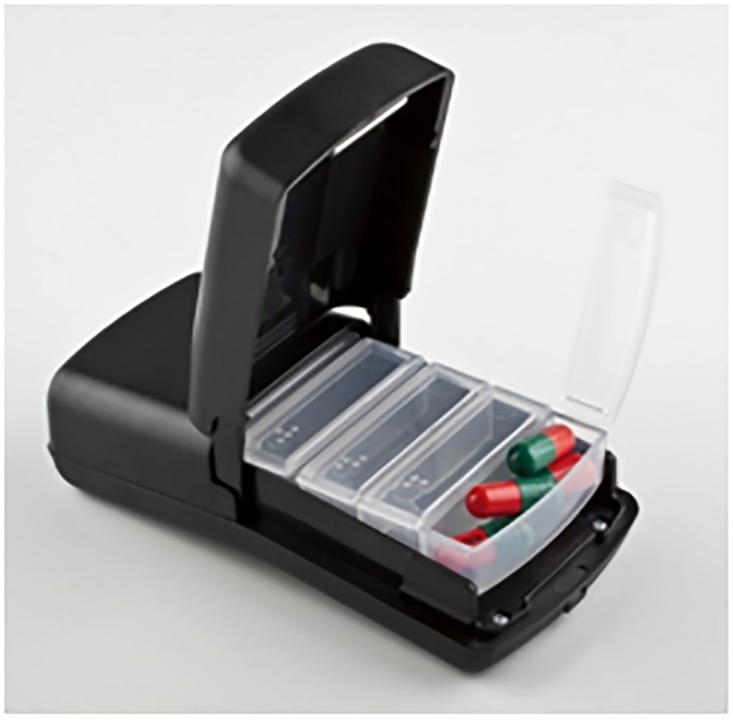
Study participants received a wireless real-time electronic adherence monitor (Wisepill Technologies, South Africa; see Fig 1) at enrolment and were randomized (1:1) to either receive daily SMS reminders or not. The monitor is an internet-enabled medication dispenser that allows remote real-time medication management. It holds approximately 30 PrEP tablets and every time it is opened, it records each opening with a date-and-time stamp as a proxy for pill ingestion; this data is then transmitted in real-time to a central server for analysis (with a blinking light indicating data transmission). The monitor has a battery life of up to six months and sends signal reports on the remaining battery power and strength of the transmission signal. The monitors also transmit a daily “heartbeat” to indicate functionality regardless of opening events. Participants in the intervention arm had the option to switch from daily SMS reminders to SMS reminders triggered by the lack of a monitor opening within 30 minutes of the expected dosing time. Study staff trained participants on the function and use of the electronic adherence monitor during study enrolment on how to open and close the device and refilling and arranging drugs in the monitor. Study staff encouraged participants to open it once for each dose and asked them to bring their monitors to each study visit for battery charging or replacement. Those who reported limited cellular network availability in their homes were advised to occasionally access network elsewhere for signals to be sent in the clinic. Participants were asked to use the adherence monitor throughout their PrEP use and report any loss or theft of the monitor for replacement. Staff remotely tracked monitors without heartbeat signal weekly and reached out to participants for further assessment of the monitor when needed.
Fig 1. Wisepill device (116mm lengthx52mm widthx15mm depth).
Study materials were in English, Swahili, or Dholuo depending on each participant’s preference. We collected quantitative participant characteristics and socio-behavioural assessments at enrolment, month 1, and every three months through month 24 and entered into REDCap [27] with ongoing quality control checks. Data collection included questions on the acceptability of the electronic adherence monitors with Likert responses (Table 4); questions involved perceived usefulness, complexity, worries about privacy and monitor storage, and interest in monitor use. We assessed feasibility by recording the number of monitors sending the daily “heartbeat”, as well as the number of monitors that were not brought back in time to keep the battery adequately charged.
We also performed serial qualitative interviews among a subset of 50 women at one to two weeks after enrolment, month 3, and month 12. Methods are described in detail elsewhere [24]. Briefly, we purposively selected women for the interviews to reflect age ranges of 18–21 and 22–24 years. Participants who did not return for the follow-up interviews were replaced at month 3 and month 12 at the Kisumu site only. We conducted interviews face-to-face using semi-structured interview guides that included in-depth questions about the acceptability of the electronic adherence monitors according to the UTAUT [21]. Experienced male and female bachelor-level social scientists (authors VO and NBT) conducted the interviews in a language of participants preference in a private room at the research site. We recorded interviews using a digital voice recorder and uploaded them in a password-protected computer. The audio files were transcribed verbatim and translated to English simultaneously where necessary. Verbal participant validation of the information was done during the interviews, and all interview transcripts reviewed by sites’ qualitative teams to check for accuracy.
Data analysis
We used descriptive statistics to summarize the participants’ characteristics and responses on the acceptability and feasibility of the electronic adherence monitors. We used the Cochran-Armitage trend test to assess for changes over time, as perceptions may evolve with ongoing use and familiarity. We used Fisher’s exact test to compare findings between the study sites given potential differences in social influences and facilitating conditions in these two settings. We limited the latter comparative analysis to the highest or lowest reported response (e.g., “very useful” or “a lot of problems”) to facilitate interpretability of any identified differences.
For the qualitative analysis, we used both inductive and deductive content analytic approaches informed by the UTAUT to identify key themes related the acceptability and feasibility of the monitors from the transcripts. Coding was supported by Dedoose software (https://www.dedoose.com/). The research team discussed discrepancies during the first stage of the coding process until a consensus was reached. Analysts (authors VO, NBT, and KN) read through all the transcripts, and VO and NBT coded the interviews using an agreed upon codebook. The data were categorized in broader themes and sub-themes to understand the acceptability and feasibility of the electronic adherence monitor in this context. We analysed concepts that described benefits and usefulness as well as challenges and concerns of the monitor. Our qualitative methods adhered to the COREQ guidelines [28].
Ethical considerations
This study was approved by institutional review boards at the Kenya Medical Research Institute, University of Washington, and Massachusetts General Hospital. All participants provided written informed consent.
Results
Participant characteristics
A total of 348 young women participated in the study. The median age at enrollment was 21 years (interquartile range [IQR] 19–22), and median years in education were 12 (IQR 10–13). Over half had disclosed PrEP use to someone else (N = 182; 53%) and 55 (16%) participants reported intimate partner violence in prior 12 months. Over 90% of participants reported not being married. As shown in Table 1, statistically significant differences between the study sites were seen with slightly lower education, more possible depression, less travel time to clinic, less problem alcohol use, more PrEP disclosure, and more intimate partner violence in Kisumu compared to Thika.
Table 1. Social demographic characteristics for all MPYA participants at enrollment.
N indicates the number of participants; percentage is shown in the parenthesis unless otherwise noted.
| Factor | Total | Kisumu | Thika | P-value |
|---|---|---|---|---|
| N | 348 | 174 | 174 | |
| Median age (IQR) | 21 (19, 22) | 20 (19, 22) | 21 (20, 22) | 0.06 |
| Marital status | 0.62 | |||
| Not Married | 324 (93) | 161 (92) | 163 (94) | |
| Married (1 partner) | 20 (6) | 12 (7) | 8 (5) | |
| Married (>1 partner) | 3 (1) | 1 (1) | 2 (1) | |
| Education, median years (IQR) | 12 (10,13) | 12 (9,12) | 12 (10,13) | <0.01 |
| Possible depression1 | 22 (6) | 17 (10) | 5 (3) | 0.01 |
| Travel to clinic >1 hour | 232 (67) | 93 (53) | 139 (80) | <0.001 |
| Employed with a salary | 11 (3) | 4 (2) | 7 (4) | 0.38 |
| Problem alcohol use2 | 112 (32) | 43 (25) | 69 (40) | <0.01 |
| Disclosed PrEP use | 187 (54) | 122 (70) | 65 (38) | <0.001 |
| Intimate partner violence3 | 55 (16) | 38 (22) | 17 (10) | <0.01 |
1Patient Heath Questionnaire-2 [29]: a response of yes to either question is considered as possible depression.
2 Rapid Alcohol Problems Screen-4 [30]: a response of yes to one or more items is considered problematic alcohol use in the past year.
3 Modified Conflict Tactics scale [31]: a response of yes to one or more of the three items shows the presence of violence.
Acceptability
Overall, the majority of participants reported consistently high levels of usefulness and interest in the real-time electronic adherence monitors with low levels of perceived problems, complexity, and worry throughout the study. The highest or lowest reported response values for each acceptability question is compared between the two sites at each time point and presented for changes over time in Table 2 with complete responses shown in Table 3. Notably, no participants reported “a lot” of problems after month 3. More participants found the monitors very useful and were very interested in getting the monitor in Kisumu compared to Thika. Perceived problems and perceived complexity were low and decreased over time in the two sites; however, high levels of worry were more common in Thika than in Kisumu among participants at the end of the study. A total of 24 participants switched from daily SMS reminders to those triggered by lack of monitor openings.
Table 2. Differences in acceptability of the electronic adherence monitor by study site at each time point and combined for the two sites compared over time.
N indicates the number of participants; percentage is shown in the parenthesis. The number of participants commenting on the monitor decreased over time due to loss-to-follow-up.
| Enrollment (N = 348) | Month 3 (N = 304) | Month 24 (N = 277) | Acceptability for both sites | ||||||||||
|---|---|---|---|---|---|---|---|---|---|---|---|---|---|
| Kisumu n (%) | Thika n (%) | p-value | Kisumu n (%) | Thika n (%) | p-value | Kisumu n (%) | Thika n (%) | p-value | Enrollment n (%) | Month 3 n (%) | Month 24 n (%) | p-value* | |
| 174 (50) | 174 (50) | 166 (55) | 138 (45) | 163(59) | 114 (41) | 348 (100) | 304 (87) | 277 (80) | |||||
| Monitor very useful | 166 (95) | 126 (72) | <0.001 | 143 (86) | 111 (80) | 0.21 | 145 (89) | 85 (75) | 0.002 | 292 (84) | 254 (84) | 230 (83) | 0.83 |
| A lot of problems with the monitor | 2 (1) | 6 (4) | 0.28 | 0 (0) | 3 (2) | 0.09 | 0 (0) | 0 (0) | — | 8 (2) | 3 (1) | 0 (0) | 0.01 |
| The monitor seems very complicated | 3 (2) | 4 (2) | 0.99 | 4 (2) | 2 (2) | 0.69 | 0 (0) | 1 (1) | 0.41 | 7 (2) | 6 (2) | 1 (0) | 0.08 |
| Very worried someone will see the monitor | 2 (1) | 4 (2) | 0.69 | 5 (3) | 7 (5) | 0.39 | 2 (1) | 6 (5) | 0.07 | 6 (2) | 12 (4) | 8 (3) | 0.42 |
| Worried about having place to store the monitor | 7 (4) | 10 (6) | 0.62 | 10 (6) | 9 (7) | 0.99 | 5 (3) | 17 (15) | <0.001 | 17 (5) | 19 (6) | 22 (8) | 0.29 |
| Very interested in getting the monitor | 159 (91) | 124 (71) | <0.001 | 148 (86) | 109 (79) | 0.02 | 148 (91) | 86 (75) | <0.001 | 283 (81) | 257 (85) | 234 (85) | 0.34 |
*P-value assess trend over time
Table 3. Complete results from on monitor acceptability.
| Enrollment | Month 3 | Month 24 | P-value* | ||
|---|---|---|---|---|---|
| How useful is the monitor? | Very useful | 292 (84) | 254 (86) | 230 (83) | 0.974 |
| Somewhat useful | 31 (9) | 24 (8) | 26 (9) | ||
| Not at all useful | 12 (4) | 10 (3) | 12 (4) | ||
| Don’t know | 13 (4) | 9 (3) | 8 (3) | ||
| Do you think you will have any problems in using the monitor | A lot of problems | 8 (2) | 3 (1) | 0 (0) | 0.001 |
| Some problems | 10 (3) | 6 (2) | 13 (5) | ||
| None at all | 308 (89) | 283 (95) | 256 (92) | ||
| Don’t know | 22 (6) | 5(2) | 8 (3) | ||
| Does the monitor seem complicated? | Not complicated | 320 (92) | 278 (95) | 258 (93) | 0.114 |
| Somewhat complicated | 16 (5) | 6 (2) | 9 (3) | ||
| Very complicated | 7 (2) | 6 (2) | 1 (0) | ||
| Don’t know | 5 (1) | 4 (1) | 9 (3) | ||
| Are you worried that anyone will see the monitor? | Not at all | 303 (87) | 256 (86) | 243 (87) | 0.301 |
| Somewhat worried | 37 (11) | 24 (8) | 22 (8) | ||
| Very worried | 6 (2) | 12 (4) | 8 (3) | ||
| Don’t know | 2 (1) | 5 (2) | 5 (2) | ||
| Are you worried about having a place to store the monitor? | Yes | 17 (5) | 19 (6) | 22 (8) | 0.150 |
| No | 331 (95) | 276 (93) | 252 (91) | ||
| Don’t know | 0 (0) | 2 (1) | 3 (1) | ||
| How do you feel about getting a monitor? | Very interested | 283 (81) | 257 (86) | 234 (85) | <0.001 |
| No strong feelings | 47 (14) | 25 (8) | 28 (10) | ||
| Not interested | 1 (0) | 16 (5) | 15 (5) | ||
| Don’t know | 17 (5) | 0 (0) | 0 (0) |
*Fisher’s exact test
Feasibility
A total of 165 participants in Kisumu (95%) and 121 (70%) in Thika respectively completed 24 months follow-up. Median follow-up time in months was 22 (22, 23) at both study sites. The adherence monitors did not send a signal to indicate functionality on 6% (N = 6773) of days in Kisumu and 18% (N = 21,837) of days in Thika. Among participants using the monitors during follow up, 22 (13%) participants in Kisumu and 63 (36%) participants in Thika never brought them back to the study sites for battery life maintenance. As shown in Table 4, 29 (8%) monitors were reported lost, 22 (6%) damaged, 2 (1%) not charging, and 11 (3%) not sending data during follow-up. Fewer monitors were brought in for charging and more monitors were lost with time. Problems were reported at 4% of study visits.
Table 4. Real-time electronic adherence monitors use and problems over time.
Values reflect N (%).
| Month 1 | Month 3 | Month 6 | Month 9 | Month 12 | Month 15 | Month 18 | Month 21 | Month 24 | p-value** | |
|---|---|---|---|---|---|---|---|---|---|---|
| N self-reporting using the monitor to take PrEP at each visit* | 283 | 250 | 222 | 189 | 165 | 163 | 161 | 150 | 156 | |
| Monitor charged at study visit | 39 (14) | 79 (32) | 123 (55) | 57 (30) | 88 (53) | 62 (38) | 70 (44) | 61 (41) | 43 (28) | <0.001 |
| No problems reported | 275 (97) | 246 (98) | 211 (95) | 181 (96) | 158 (96) | 159 (98) | 156 (97) | 145 (97) | 145 (93) | 0.10 |
| Problems reported**** | ||||||||||
| Lost | 1 (0.5) | 2 (1) | 5 (2) | 3 (1.5) | 4 (2) | 2 (1) | 1 (0.6) | 3 (2) | 8 (5) | <0.001 |
| Not sending data | 1 (0.5) | 2 (1) | 2 (1) | 2 (1) | 1 (0.6) | 1 (0.6) | 0 (0) | 1 (0.7) | 1 (0.6) | 0.79 |
| Faulty battery | 0 (0) | 0 (0) | 0 (0) | 0 (0) | 1 (0.6) | 0 (0) | 0 (0) | 0 (0) | 1 (0.6) | 0.17 |
| Other*** | 6 (2) | 0 (0) | 4 (2) | 3 (1.5) | 1(0.6) | 1(0.6) | 4 (2.5) | 1 (0.7) | 2 (1) | 0.86 |
*Participants who missed the visits or were on a study drug hold did not provide this data.
**P-value assess the trend over time
***Burnt, damaged by partner, monitor accidentally swapped between participants, thrown away, low battery
**** A participants may report multiple problems
Qualitative findings
Overview. Fifty participants were interviewed at enrolment (serial interview 1), 43 at month 3 (serial interview 2) and 42 at month 12 (serial interview 3) for a total of 135 interviews. The interviews lasted an average of 43 minutes. Participants described electronic monitoring as useful consistently over time because it supported privacy, confidentiality, easy storage, and PrEP adherence. Effort was generally considered low, shifting over time as participants reported to have learnt how to use the device. Participants expressed some concern for stigma from monitor and/or PrEP use. Facilitating conditions involved the monitor size, color, and battery life, although some were concerned that the monitor light that could lead to unintended disclosure of PrEP use. Qualitative findings are summarized below according to the UTAUT model [21] in Fig 2.
Fig 2. The Unified Theory Acceptance and Use of Technology (UTAUT) model.

Perceived usefulness
Privacy and confidentiality
The electronic adherence monitor was perceived as useful because it was private and confidential; this perception did not change throughout the study. Participants described the role of the monitor as a device meant to ensure privacy was maintained, especially among those who wanted to be in control over who knew they were using PrEP. The perceived privacy offered by the electronic monitor also protected them against potential stigma related to PrEP use.
“Like I said, it’s really good to keep the medicine in the Wisepill device compared to the container [standard pill bottle] because the container is exposed. But the Wisepill device is a little bit confidential and private because no one can see whatever is inside the box.”
[Month 3, Kisumu]
Participants further described that the monitor would protect them from negative perceptions in the community associated with pill taking due to its confidential nature.
It gives me the confidentiality because at times you may be going somewhere, and people will not know what it is because most of the time people will judge you when they see you take drugs all the time. But when I carry the Wisepill device, it’s very hard for them to know what is inside there they will think it is something but not for drugs.
[Enrollment interview, Kisumu]
Storage of PrEP pills
Participants perceived the electronic adherence monitor as a storage device for the pills (i.e., PrEP) that kept the pills safe from getting ‘exposed’ or from ‘spilling’ in comparison to the pill bottle. The portable nature of the monitor was also appealing to the participants, and they felt they could easily travel with it.
“That container is good. I used to use paper bags, and medicine and that packaging can get spoiled and spill the medicines, but that medicine will not get spoilt when in the Wisepill.”
[Enrollment Interview, Thika]
“Wisepill has helped me in storing the medicines. Again, when I am traveling especially when I will be spending the night there; I’ll carry it along with me. I will open, use it and keep it away. No one will know. When you carry the other containers and someone gets them in your bag, that person can get suspicious.”
[Month 12, Kisumu]
Reminder for PrEP adherence
The electronic monitor was viewed as an adherence reminder. Participants were particularly happy with the fact that ‘they were being seen’, as the monitor sent a signal to the staff demonstrating their adherence. To them, it was an indication that they were serious with their decision to take PrEP and a motivator to adhere to their medication.
R: …I know if I don’t open it, it shows that I have not taken medicine, so it means I have to take the medicine… (laughs) not so that it can be seen that I have taken medicine but for my own good. Yah
I: when you say for your own good you mean?
R: those drugs are supposed to help me so if I refuse to take them, I will be the one at risk
[Enrollment interview, Thika]
I: Thank you. How has Wise pill device helped you?
R: Yes…. it has helped me. I said earlier that when you have people around you and want to take PrEP; with the Wise pill you can take your medicines. It also shows a network in the office. This helps because you know that if you do not take it, then it will show. The Study team will think that you have boycotted taking PrEP. It reminds you to take your drug. They can help me in the future knowing that I am in need of those drugs.
[Month 3, Kisumu]
Effort expectancy
Ease of use of the electronic adherence monitor
Several participants reported that it was easy learning how to open and close the monitor. Some participants also mentioned to have initially struggled to open or close the monitor when they were learning how to use it. Very few had persistent challenges of use at month 3 and month 12.
“I can’t say that it’s easy to me I open it very well but closing it… (Laughs)…only closing it (laughs)…closing it is a bit of a challenge but now that I’ve used it for a while, I’m getting used to it but it’s still a challenge.”
[Enrollment interview, Kisumu]
“I only faced challenge with opening it when I started taking PrEP. I do not have any problem with it now.”
[Month 3 interview, Kisumu]
Social norms and influence
Perception of living with HIV
Participants reported the potential of being perceived as living with HIV when they are seen with the electronic adherence monitor. The concerns were rather based on the contents of the monitor (i.e., PrEP) and not the monitor itself. Participants said that not everyone knew about electronic monitoring, and others would think that they were taking antiretroviral therapy (ART) for HIV infection because both medications are taken daily.
“I did not want anyone to see it; this could lead to rumors or misconceptions about me. Someone will think that I am HIV positive. I keep it safely that it is not easy for anyone to see it lest someone accuse me of taking ART.”
[Enrollment Interview, Kisumu]
“He will wonder what it is. Then when you explain to him that it is for preventing HIV, he will see like you do not trust him or you have other partners.”
[Enrollment interview, Thika]
PrEP stigma
Participants further described the use of the monitor to protect them from potential PrEP stigma. They mentioned that those taking PrEP are sometimes perceived as having several sexual partners and the privacy the monitor offered protected potential stigma.
“First, it has helped me to take the drugs because many at times those who take PrEP are perceived to have several partners or that your partner is infected, and you are trying to protect yourself. But to me no one can know what is inside if I don’t explain it to them.”
[Month 12 interview, Kisumu]
Acceptance among peers
Participants explained that their peers and other social networks perceived the electronic monitoring as an appealing technology that supported medication use. For instance, one young woman mentioned that she was perceived as being ‘clever’ because she was using the monitor.
“When I open it…. even someone is around me I don’t feel ashamed. So, I open it whole heartedly because it is something good. Even when someone sits next to me, he will think that this person is doing something very clever because when I open, he will see the light and once he has seen the light, he will think that …Eh… (Sigh)This lady is clever because the device has some technology with it.”
[Enrollment interview, Kisumu]
Disclosure of electronic monitor use
Most participants reported to have disclosed electronic adherence monitor use and PrEP use to their partners, friends/peers, or family members. Disclosure of monitoring was not always associated with the contents (i.e., PrEP), and participants who reported non-disclosure of monitoring also reported non-disclosure of PrEP use that was either related to HIV stigma or PrEP use stigma.
“I: Okay, thank you. What are the challenges related to using the Wisepill?
R: (laughs) (silence)
I: Maybe we can look at challenges using the device when it comes to relationships
R: I just hide it from him (laughs)…I have no plans of showing him
I: Okay. What are the reasons for that?
R: I don’t want him to know that I am using drugs”
[Enrollment interview, Thika]
“You know when you inform people, they think that you have HIV…I think instead of them thinking it is PrEP, they think you are positive”
[Enrollment interview, Thika]
Facilitating conditions
Monitor features and functionality
Participants described facilitating conditions especially during follow-up interviews at month 3 and 12 such as the physical appearance of the monitor, the battery life, and the ability of the monitor to work well in good network conditions. The size of the monitor was particularly mentioned to be small and likened to a phone that could easily fit in the purse to allow portability as described by a participant: “It does not take a big space when carrying, I can carry it in my purse wherever I go”. The black color of the monitor was preferred because participants believed it attracted less attention.
“Because you can easily hide the black color because if it was white, it would have been shouting. Everyone would want to know what it is”.
[Month 12, Thika]
Conversely, a few participants expressed contradictory views on size. Some felt the monitor should be smaller to favor portability, while others felt it should be bigger to increase capacity to hold more pills.
“I can say that the size is bad. It is quite big especially when you open it. It could have been good if it is a little slimmer something like the spectacle case or something that resembles an office equipment”.
[Month 12, Kisumu]
“Yes, but I would suggest that you expand the size of the container so that it can fit in the medicines well… If the container was bigger, it could carry a lot of medicine”
(Month 3, Thika)
The light emitted by the monitor during signal transmission was perceived as an indication that the monitor was functional (e.g., the battery was fully charged when the light was green). This made participants confident and able to contact the clinic whenever they did not see the light.
“Okay with my wise pill there was a time it was not producing that light and I was told it needed to be charged so I brought it back to the clinic and I was given another one”.
(Month 12, Kisumu)
A few participants felt the light attracted attention and were concerned about the possibility of the electronic monitor sending a signal to the clinic whenever someone else opened the monitor out of curiosity. For instance, participants gave examples of the possibility of children playing with the monitor due to the light. Some felt the lighting was prolonged citing ‘it should only blink shortly when opened’. Some participants felt the light could lead to unintended disclosure of PrEP use.
“At times it’s [light] annoying because like I said not everybody knows that you are using that you are using the Truvada. Maybe you are using it and then you just open it and take out the pill and then somebody else is in the house, and then you lock it and still its blinking wherever you go (laughter)”.
[Month 3, Kisumu]
Discussion
This mixed methods longitudinal study contributes an in-depth understanding of acceptability and feasibility for long-term use of real-time electronic adherence monitors in the context of HIV prevention. Young women reported high levels of acceptability and interest in real-time electronic adherence monitoring while taking PrEP in both study sites. Overall, most participants reported consistent high levels of usefulness; complexity and worry remained low with just a few reporting “a lot” of problems and these reports diminished over time. Feasibility was also high with monitor functionality on the vast majority of days and few monitors with technical problems or loss. In the interviews, participants provided generally positive reviews of the monitors. They highlighted how the monitors promoted privacy and confidentiality, and they found them easy to use. Perceived stigma was focused more on PrEP than the monitor, and most participants were comfortable with monitor disclosure among family and peers. Features of the monitor like size, battery life, availability of network, and color facilitated its use with limited concerns noted.
The high acceptability in our study is similar to other studies using the device for monitoring of ART [18, 32] as well as other treatment medications where no concerns have been reported [19]. Notably, in a qualitative study conducted in Chicago among young African American MSM on ART, electronic monitoring was shown to be acceptable and useful [33] with few concerns of privacy and potential disclosure of HIV status resulting from involvement of close contacts to reinforce adherence. Similarly, a few of our participants reported stigma as a concern with the electronic monitoring that was associated with ‘daily pill taking’. On the contrary, electronic monitoring offered privacy to our participants as it concealed PrEP use, hence views on privacy may differ among different populations. In other contexts, for instance in China, electronic monitoring of people taking ART showed acceptability concerns related to inconvenience and worry of HIV status disclosure [34]. The sample size for that study, however, was small (N = 10) with only one month of follow-up. Elsewhere in Uganda, a study among gender diverse sex workers showed poor acceptability of electronic monitor(i.e., device non-use) likely due to stigma [35] In our study, problems diminished over time of two years among those who continued to use PrEP. Concerns related to monitor features, such as its light, color, and size argue for tailor-made adherence monitors to suit different participant preferences and optimize use. Importantly, contexts of acceptability may also differ in treatment and prevention.
Perceived usefulness and interest in the monitor were higher in Kisumu than Thika at all timepoints, while all other aspects of acceptability were similar. Kisumu site reported higher disclosure of PrEP use and less alcohol use compared to the Thika site, which may explain some of the higher reported usefulness and interest with electronic monitor. Further, the prevalence of HIV is higher in Kisumu compared to Thika [25], and new PrEP delivery models such as community-based interventions (DREAMS) have been implemented to expand access [36]. The high awareness may also contribute to high acceptability of HIV prevention technologies [37].
The real-time electronic adherence monitors were largely feasible in our study. The monitor functionality was documented over 90% of monitored days, although less so in Thika compared to Kisumu. The lower numbers in Thika primarily stem from more than a third of participants not bringing the monitor at follow up visits for battery life maintenance. Other studies have also demonstrated the use of electronic adherence monitor to be feasible for medication monitoring even in resource limited setting [38, 39]. Technical difficulties such as lack of connectivity, network failures, and poor data transmission have been reported as impediments to real-time monitoring of adherence, for example in the rural southern US [40]; however, in our study less than 10% of the monitors were reported lost despite the long follow-up period, and problems such as data transmission and faulty batteries were rare. Our greater success may be due to improvements in the monitors in recent years, including solid state components, upgraded modem, improved network compatibility, and longer battery lives.
The persistent perception of privacy and confidentiality as a valued aspect of the monitors is notable. Stigma related to the daily pill taking behavior is a common challenge among PrEP users and can impair adherence [41, 42]. PrEP stigma concerns have also been reported in other settings with electronic adherence monitor use [20, 35]. We found that perceived social stigma was associated with the contents of the monitor (i.e., PrEP) and not the device itself, hence the potential to deliver rapid adherence support and/or behavioral feedback with electronic monitoring should be explored. Additionally, participants liked the fact that the monitor was portable. In this regard, the monitor facilitated comfort of movement without potential exposure to stigma. Electronic adherence monitors may have also supported PrEP adherence as participants reported that it acted as an adherence reminder to take PrEP. Participants knew that any missed doses could be detected by the study staff and knowing that they were ‘being seen’ motivated their PrEP use. Because of this, study participants could have potentially opened the wise pill device and fail to take medication without the knowledge of the study staff. This finding is consistent with the use of similar monitors for ART in Uganda, where participants perceived ‘being seen’ to facilitate ART adherence [18].
Our study had important strengths and limitation. First, the use of mixed method approach helped understand the nature of acceptability and feasibility reported in the quantitative findings. Secondly, the fact that each individual participant was followed over a two-year period had the potential to demonstrate long-term perceptions. The primary limitation of the study is the potential for social desirability bias; the participants’ knowledge that they were being monitored which could have triggered device openings that did not correspond to true PrEP adherence (i.e., pill ingestion). Experiences with electronic monitors outside of a supportive research context may also differ.
Conclusion
In summary, our findings demonstrate that the use of electronic monitoring was highly acceptable and feasible for young women taking PrEP over the course of the study with few reporting concerns and challenges. Electronic monitoring has high value for understanding PrEP adherence among young women and potentially in other populations and settings. Key components of the acceptability included the privacy and confidentiality provided by the monitors, as well as the connection it created with the study staff. These elements could be further explored as mechanisms to support young women and other individuals in adherence to their medication.
Acknowledgments
We thank the participants in this study, who contributed their time and effort to make the work possible, as well as the entire MPYA team:
Principal Investigators: Jessica E. Haberer, Jared M. Baeten, Elizabeth Bukusi, Nelly Mugo.
Co-Investigators: Kenneth Ngure, Ruanne Barnabas, Harsha Thirumurthy, Ingrid Katz
Study team members (Kisumu): Kevin Kamolloh, Josephine Odoyo, Linda Aswani, Lawrence Juma, Elizabeth Koyo, Bernard Rono, Stanley Cheruiot, Vallery Ogello, Loice Okumu, Violet Kwach, Alfred Obiero, Stella Njuguna, Millicent Faith Akinyi, Lilian Adipo, Sylvia Akinyi
Study team members (Thika): Catherine Kiptiness, Nicholas Thuo, Stephen Gakuo Maina, Irene Njeru, Peter Mogere, Sarah Mbaire, Murugi Micheni, Lynda Oluoch, John Njoroge, Snaidah Ongachi, Jacinta Nyokabi
Program manager: Lindsey Garrison
Statisticians/analysts: Maria Pyra, Katherine K. Thomas, Nicholas Musinguzi, Susie Valenzuela
Data Availability
The study protocol (including analysis plan), data dictionary, and individual participant data that underlie the quantitative results reported in this Article have been de-identified and posted on the Harvard Dataverse. Because qualitative data cannot be fully de-identified, only the qualitative codebook has been posted on the Harvard Dataverse in the link https://dataverse.harvard.edu/dataset.xhtml?persistentId=doi:10.7910/DVN/PPQKSW.. Transcript data may be shared through appropriate data use agreements by contacting the Senior Program Manager for Research at the Massachusetts General Hospital Center for Global Health (legarrison@mgh.harvard.edu). The non-author, institutional point of contact for data access regarding this paper is legarrison@mgh.harvard.edu. This email goes to the Senior Program for Research at the Massachusetts General Hospital Center for Global Health. Ms Garrison oversees all regulatory matters for our research group including data access."
Funding Statement
YES, This study was funded by the US National Institute of Mental Health (R01MH109309) that was received by JEH and JMB. The funder had no role in the study design, data collection and analysis, decision to publish, or preparation of the manuscript.
References
- 1.Baeten J. M. et al., “Integrated Delivery of Antiretroviral Treatment and Pre-exposure Prophylaxis to HIV-1 –Serodiscordant Couples: A Prospective Implementation Study in Kenya and Uganda,” pp. 1–17, 2016, doi: 10.1371/journal.pmed.1002099 [DOI] [PMC free article] [PubMed] [Google Scholar]
- 2.CDC, “PrEP Effectiveness | PrEP | HIV Basics | HIV/AIDS | CDC.” 2020, [Online]. https://www.cdc.gov/hiv/basics/prep/prep-effectiveness.html.
- 3.Beesham I. et al., “Exploring the Use of Oral Pre-exposure Prophylaxis (PrEP) Among Women from Durban, South Africa as Part of the HIV Prevention Package in a Clinical Trial,” AIDS Behav., vol. 25, no. 4, pp. 1112–1119, 2021, doi: 10.1007/s10461-020-03072-0 [DOI] [PMC free article] [PubMed] [Google Scholar]
- 4.de Dieu Tapsoba J. et al., “Persistence of oral pre-exposure prophylaxis (PrEP) among adolescent girls and young women initiating PrEP for HIV prevention in Kenya.,” AIDS Care, vol. 33, no. 6, pp. 712–720, Jun 2021, doi: 10.1080/09540121.2020.1822505 [DOI] [PMC free article] [PubMed] [Google Scholar]
- 5.Celum C. et al., “PrEP uptake, persistence, adherence, and effect of retrospective drug level feedback on PrEP adherence among young women in southern Africa: Results from HPTN 082, a randomized controlled trial,” PLoS Medicine, vol. 18, no. 6. 2021, doi: 10.1371/journal.pmed.1003670 [DOI] [PMC free article] [PubMed] [Google Scholar]
- 6.Stoner M. C. D. et al., “Trajectories of PrEP Adherence Among Young Women Aged 16 to 25 in Cape Town, South Africa,” AIDS and Behavior. 2021, doi: 10.1007/s10461-020-03134-3 [DOI] [PMC free article] [PubMed] [Google Scholar]
- 7.Giovenco D. et al., “Experiences of oral pre-exposure prophylaxis (PrEP) use disclosure among South African adolescent girls and young women and its perceived impact on adherence.,” PLoS One, vol. 16, no. 3, p. e0248307, 2021, doi: 10.1371/journal.pone.0248307 [DOI] [PMC free article] [PubMed] [Google Scholar]
- 8.Van der Elst E. M. et al., “High Acceptability of HIV Pre-exposure Prophylaxis but Challenges in Adherence and Use: Qualitative Insights from a Phase I Trial of Intermittent and Daily PrEP in At-Risk Populations in Kenya,” AIDS Behav., vol. 17, no. 6, pp. 2162–2172, 2013, doi: 10.1007/s10461-012-0317-8 [DOI] [PMC free article] [PubMed] [Google Scholar]
- 9.Sidebottom D., Ekström A. M., and Strömdahl S., “A systematic review of adherence to oral pre-exposure prophylaxis for HIV—How can we improve uptake and adherence?,” BMC Infectious Diseases, vol. 18, no. 1. 2018, doi: 10.1186/s12879-018-3463-4 [DOI] [PMC free article] [PubMed] [Google Scholar]
- 10.Lam W. Y. and Fresco P., “Medication Adherence Measures: An Overview.,” Biomed Res. Int., vol. 2015, p. 217047, 2015, doi: 10.1155/2015/217047 [DOI] [PMC free article] [PubMed] [Google Scholar]
- 11.Stirratt M. J. et al., “Self-report measures of medication adherence behavior: recommendations on optimal use.,” Transl. Behav. Med., vol. 5, no. 4, pp. 470–482, Dec 2015, doi: 10.1007/s13142-015-0315-2 [DOI] [PMC free article] [PubMed] [Google Scholar]
- 12.Sangeda R. Z. et al., “Pharmacy refill adherence outperforms self-reported methods in predicting HIV therapy outcome in resource-limited settings,” BMC Public Health, vol. 14, no. 1. 2014, doi: 10.1186/1471-2458-14-1035 [DOI] [PMC free article] [PubMed] [Google Scholar]
- 13.Spinelli M. A., Haberer J. E., Chai P. R., Castillo-Mancilla J., Anderson P. L., and Gandhi M., “Approaches to Objectively Measure Antiretroviral Medication Adherence and Drive Adherence Interventions.,” Curr. HIV/AIDS Rep., vol. 17, no. 4, pp. 301–314, Aug 2020, doi: 10.1007/s11904-020-00502-5 [DOI] [PMC free article] [PubMed] [Google Scholar]
- 14.Genberg B. L. et al., “Patterns of antiretroviral therapy adherence and impact on HIV RNA among patients in North America.,” AIDS, vol. 26, no. 11, pp. 1415–1423, Jul 2012, doi: 10.1097/QAD.0b013e328354bed6 [DOI] [PMC free article] [PubMed] [Google Scholar]
- 15.Haberer J. E. et al., “Real-time electronic adherence monitoring plus follow-up improves adherence compared with standard electronic adherence monitoring.,” AIDS, vol. 31, no. 1, pp. 169–171, Jan 2017, doi: 10.1097/QAD.0000000000001310 [DOI] [PMC free article] [PubMed] [Google Scholar]
- 16.Gillespie D., Hood K., Williams A., Stenson R., Probert C., and Hawthorne A., “The use of the Medication Event Monitoring System (MEMS) for assessing medication adherence for chronic conditions: use and results from a 12 month trial of patients in remission with ulcerative colitis (UC),” Trials, vol. 12, no. S1, pp. 1–2, 2011, doi: 10.1186/1745-6215-12-s1-a13021199584 [DOI] [Google Scholar]
- 17.Bangsberg D. R., “Preventing HIV antiretroviral resistance through better monitoring of treatment adherence.,” J. Infect. Dis., vol. 197 Suppl, pp. S272–8, May 2008, doi: 10.1086/533415 [DOI] [PubMed] [Google Scholar]
- 18.Ware N. C. et al., “The Meanings in the messages: how SMS reminders and real-time adherence monitoring improve antiretroviral therapy adherence in rural Uganda,” no. December 2015, pp. 1287–1293, 2016, doi: 10.1097/QAD.0000000000001035 [DOI] [PMC free article] [PubMed] [Google Scholar]
- 19.Bionghi N. et al., “Pilot evaluation of a second-generation electronic pill box for adherence to Bedaquiline and antiretroviral therapy in drug-resistant TB/HIV co-infected patients in KwaZulu-Natal, South Africa,” BMC Infect. Dis., vol. 18, no. 1, pp. 1–9, 2018, doi: 10.1186/s12879-018-3080-2 [DOI] [PMC free article] [PubMed] [Google Scholar]
- 20.Dworkin M., Panchal P., Jimenez A., Garofalo R., Haberer J. E., and Wiebel W., “How Acceptable Is A Wireless Pill Bottle That Monitors and Texts In Response To Missed Doses: Focus Groups With Young African American MSM Living With HIV,” Open Forum Infectious Diseases, vol. 4, no. suppl_1. pp. S422–S422, 2017, doi: 10.1093/ofid/ofx163.1060 [DOI] [Google Scholar]
- 21.Venkatesh V., Morris M. G., Davis G. B., and Davis F. D., “User acceptance of information technology: Toward a unified view,” MIS Quarterly: Management Information Systems, vol. 27, no. 3. pp. 425–478, 2003, doi: 10.2307/30036540 [DOI] [Google Scholar]
- 22.Haberer JE M. N., Mugo N, Bukusi EA, Ngure K, Kiptinness C, Oware K, et al., “Understanding PrEP Adherence in young women in Kenya,” JAIDS, 2021, [Online]. In-Press. [Google Scholar]
- 23.Haberer J. E. et al., “Effect of SMS reminders on PrEP adherence in young Kenyan women (MPYA study): a randomised controlled trial,” The Lancet HIV, vol. 8, no. 3. pp. e130–e137, 2021, doi: 10.1016/S2352-3018(20)30307-6 [DOI] [PMC free article] [PubMed] [Google Scholar]
- 24.Ngure K. et al., “Dynamic Perceived HIV Risk and Sexual Behaviors Among Young Women Enrolled in a PrEP Trial in Kenya: A Qualitative Study,” Front. Reprod. Heal., vol. 3, no. August, 2021, doi: 10.3389/frph.2021.637869 [DOI] [PMC free article] [PubMed] [Google Scholar]
- 25.Bayar S., “Preliminary KENPHIA 2018 Report. Nairobi: NASCOP; 2020,” 2018.
- 26.Balkus J. E. et al., “An Empiric HIV Risk Scoring Tool to Predict HIV-1 Acquisition in African Women,” Journal of Acquired Immune Deficiency Syndromes, vol. 72, no. 3. pp. 333–343, 2016, doi: 10.1097/QAI.0000000000000974 [DOI] [PMC free article] [PubMed] [Google Scholar]
- 27.Harris P. A., Taylor R., Thielke R., Payne J., Gonzalez N., and Conde J. G., “Research electronic data capture (REDCap)—a metadata-driven methodology and workflow process for providing translational research informatics support.,” J. Biomed. Inform., vol. 42, no. 2, pp. 377–381, Apr 2009, doi: 10.1016/j.jbi.2008.08.010 [DOI] [PMC free article] [PubMed] [Google Scholar]
- 28.Albury C. et al., “Gender in the consolidated criteria for reporting qualitative research (COREQ) checklist,” Int. J. Qual. Heal. Care, vol. 33, no. 4, pp. 18–19, 2021, doi: 10.1093/intqhc/mzab123 [DOI] [PubMed] [Google Scholar]
- 29.Monahan P. O. et al., “Validity/reliability of PHQ-9 and PHQ-2 depression scales among adults living with HIV/AIDS in western Kenya.,” J. Gen. Intern. Med., vol. 24, no. 2, pp. 189–197, Feb 2009, doi: 10.1007/s11606-008-0846-z [DOI] [PMC free article] [PubMed] [Google Scholar]
- 30.Cherpitel C. J. et al., “Cross-national performance of the RAPS4/RAPS4-QF for tolerance and heavy drinking: data from 13 countries.,” J. Stud. Alcohol, vol. 66, no. 3, pp. 428–432, May 2005, doi: 10.15288/jsa.2005.66.428 [DOI] [PubMed] [Google Scholar]
- 31.Young C. R. et al., “Prevalence and correlates of physical and sexual intimate partner violence among women living with HIV in Uganda.,” PLoS One, vol. 13, no. 8, p. e0202992, 2018, doi: 10.1371/journal.pone.0202992 [DOI] [PMC free article] [PubMed] [Google Scholar]
- 32.Musiimenta A. et al., “Acceptability and Feasibility of Real-Time Antiretroviral Therapy Adherence Interventions in Rural Uganda: Mixed-Method Pilot Randomized Controlled Trial.,” JMIR mHealth uHealth, vol. 6, no. 5, p. e122, May 2018, doi: 10.2196/mhealth.9031 [DOI] [PMC free article] [PubMed] [Google Scholar]
- 33.Dworkin M. S., Panchal P., Wiebel W., Garofalo R., Haberer J. E., and Jimenez A., “A triaged real-time alert intervention to improve antiretroviral therapy adherence among young African American men who have sex with men living with HIV: Focus group findings,” BMC Public Health, vol. 19, no. 1. 2019, doi: 10.1186/s12889-019-6689-1 [DOI] [PMC free article] [PubMed] [Google Scholar]
- 34.Bachman Desilva M. et al., “Feasibility and acceptability of a real-time adherence device among HIV-positive IDU patients in China,” AIDS Research and Treatment, vol. 2013. 2013, doi: 10.1155/2013/957862 [DOI] [PMC free article] [PubMed] [Google Scholar]
- 35.Mujugira A. et al., “Effect of HIV Self-Testing on PrEP Adherence Among Gender-Diverse Sex Workers in Uganda: A Randomized Trial.,” J. Acquir. Immune Defic. Syndr., vol. 89, no. 4, pp. 381–389, Apr 2022, doi: 10.1097/QAI.0000000000002895 [DOI] [PMC free article] [PubMed] [Google Scholar]
- 36.Jackson-Gibson M. et al., “Facilitators and barriers to HIV pre-exposure prophylaxis (PrEP) uptake through a community-based intervention strategy among adolescent girls and young women in Seme Sub-County, Kisumu, Kenya,” BMC Public Health, vol. 21, no. 1, pp. 1–13, 2021, doi: 10.1186/s12889-021-11335-1 [DOI] [PMC free article] [PubMed] [Google Scholar]
- 37.Sila J. et al., “High Awareness, Yet Low Uptake, of Pre-Exposure Prophylaxis Among Adolescent Girls and Young Women Within Family Planning Clinics in Kenya.,” AIDS Patient Care STDS, vol. 34, no. 8, pp. 336–343, Aug 2020, doi: 10.1089/apc.2020.0037 [DOI] [PMC free article] [PubMed] [Google Scholar]
- 38.Haberer J. E. et al., “Real-time adherence monitoring for HIV antiretroviral therapy,” AIDS and Behavior, vol. 14, no. 6. pp. 1340–1346, 2010, doi: 10.1007/s10461-010-9799-4 [DOI] [PMC free article] [PubMed] [Google Scholar]
- 39.Haberer J. E. et al., “Realtime adherence monitoring of antiretroviral therapy among HIV-infected adults and children in rural Uganda.,” AIDS, vol. 27, no. 13, pp. 2166–2168, Aug 2013, doi: 10.1097/QAD.0b013e328363b53f [DOI] [PMC free article] [PubMed] [Google Scholar]
- 40.Stringer K. L. et al., “Feasibility and Acceptability of Real-Time Antiretroviral Adherence Monitoring among Depressed Women Living with HIV in the Deep South of the US.,” AIDS Behav., vol. 23, no. 5, pp. 1306–1314, May 2019, doi: 10.1007/s10461-018-2322-z [DOI] [PMC free article] [PubMed] [Google Scholar]
- 41.Haire B. G., “Preexposure prophylaxis-related stigma: strategies to improve uptake and adherence-a narrative review.,” HIV. AIDS. (Auckl)., vol. 7, pp. 241–249, 2015, doi: 10.2147/HIV.S72419 [DOI] [PMC free article] [PubMed] [Google Scholar]
- 42.Calabrese S. K., “Understanding, Contextualizing, and Addressing PrEP Stigma to Enhance PrEP Implementation.,” Curr. HIV/AIDS Rep., vol. 17, no. 6, pp. 579–588, Dec 2020, doi: 10.1007/s11904-020-00533-y [DOI] [PubMed] [Google Scholar]