


Abstract
Background
Autosomal dominant polycystic kidney disease (ADPKD) is the leading inherited cause of kidney disease. Clinical management has historically focused on symptom control and reducing associated complications. Improved understanding of the molecular and cellular mechanisms involved in kidney cyst growth and disease progression has resulted in new pharmaceutical agents targeting disease pathogenesis and preventing disease progression. However, the role of disease‐modifying agents for all people with ADPKD is unclear. This is an update of a review first published in 2015.
Objectives
We aimed to evaluate the benefits and harms of interventions to prevent the progression of ADPKD and the safety based on patient‐important endpoints, defined by the Standardised Outcomes in NephroloGy‐Polycystic Kidney Disease (SONG‐PKD) core outcome set, and general and specific adverse effects.
Search methods
We searched the Cochrane Kidney and Transplants Register of Studies up to 13 August 2024 through contact with the Information Specialist using search terms relevant to this review. Studies in the Register are identified through searches of CENTRAL, MEDLINE, and EMBASE, conference proceedings, the International Clinical Trials Registry Platform (ICTRP) Search Portal, and ClinicalTrials.gov.
Selection criteria
Randomised controlled trials (RCTs) comparing any interventions for preventing the progression of ADPKD with other interventions, placebo, or standard care were considered for inclusion.
Data collection and analysis
Two authors independently assessed study risks of bias and extracted data. Summary estimates of effects were obtained using a random‐effects model, and results were expressed as risk ratios (RR) and their 95% confidence intervals (CI) for dichotomous outcomes and mean difference (MD) or standardised mean difference (SMD) and 95% CI for continuous outcomes. Confidence in the evidence was assessed using the Grading of Recommendations Assessment, Development and Evaluation (GRADE) approach.
Main results
We included 57 studies (8016 participants) that investigated 18 pharmacological interventions (vasopressin 2 receptor (V2R) antagonists, antihypertensive therapy, mammalian target of rapamycin (mTOR) inhibitors, somatostatin analogues, antiplatelet agents, eicosapentaenoic acids, statins, kinase inhibitors, diuretics, anti‐diabetic agents, water intake, dietary intervention, and supplements) in this review.
Compared to placebo, the V2R antagonist tolvaptan probably preserves eGFR (3 studies, 2758 participants: MD 1.26 mL/min/1.73 m2, 95% CI 0.73 to 1.78; I2 = 0%) and probably slows total kidney volume (TKV) growth in adults (1 study, 1307 participants: MD ‐2.70 mL/cm, 95% CI ‐3.24 to ‐2.16) (moderate certainty evidence). However, there was insufficient evidence to determine tolvaptan’s impact on kidney failure and death. There may be no difference in serious adverse events; however, treatment probably increases nocturia, fatigue and liver enzymes, may increase dry mouth and thirst, and may decrease hypertension and urinary and upper respiratory tract infections.
Data on the impact of other therapeutic interventions were largely inconclusive. Compared to placebo, somatostatin analogues probably decrease TKV (6 studies, 500 participants: SMD ‐0.33, 95% CI ‐0.51 to ‐0.16; I2 = 11%), probably have little or no effect on eGFR (4 studies, 180 participants: MD 4.11 mL/min/1.73 m3, 95% CI ‐3.19 to 11.41; I2 = 0%) (moderate certainty evidence), and may have little or no effect on kidney failure (2 studies, 405 participants: RR 0.64, 95% CI 0.16 to 2.49; I2 = 39%; low certainty evidence). Serious adverse events may increase (2 studies, 405 participants: RR 1.81, 95% CI 1.01 to 3.25; low certainty evidence). Somatostatin analogues probably increase alopecia, diarrhoea or abnormal faeces, dizziness and fatigue but may have little or no effect on anaemia or infection. The effect on death is unclear.
Targeted low blood pressure probably results in a smaller per cent annual increase in TKV (1 study, 558 participants: MD ‐1.00, 95% CI ‐1.67 to ‐0.33; moderate certainty evidence) compared to standard blood pressure targets, had uncertain effects on death, but probably do not impact other outcomes such as change in eGFR or adverse events. Kidney failure was not reported.
Data comparing antihypertensive agents, mTOR inhibitors, eicosapentaenoic acids, statins, vitamin D compounds, metformin, trichlormethiazide, spironolactone, bosutinib, curcumin, niacinamide, prescribed water intake and antiplatelet agents were sparse and inconclusive. An additional 23 ongoing studies were also identified, including larger phase III RCTs, which will be assessed in a future update of this review.
Authors' conclusions
Although many interventions have been investigated in patients with ADPKD, at present, there is little evidence that they improve patient outcomes. Tolvaptan is the only therapeutic intervention that has demonstrated the ability to slow disease progression, as assessed by eGFR and TKV change. However, it has not demonstrated benefits for death or kidney failure.
In order to confirm the role of other therapeutic interventions in ADPKD management, large RCTs focused on patient‐centred outcomes are needed. The search identified 23 ongoing studies, which may provide more insight into the role of specific interventions.
Plain language summary
Which therapies are the most effective for preventing the progression of autosomal dominant polycystic kidney disease?
Key messages
• For people with autosomal dominant kidney disease (an inherited condition that causes fluid‐filled sacs called cysts to develop in the kidneys), the medicine tolvaptan probably preserves kidney function and slows the total volume growth of the kidney.
• Targeted low blood pressure and the use of somatostatin analogue medication (which aims to suppress growth factors) probably slow the total volume growth of the kidney but have little or no effect on kidney function.
• The small number of people enrolled in these studies, the wide range of treatments used, and the outcomes reported made it difficult to interpret the results. Larger, well‐designed studies with common outcomes and longer follow‐ups are needed.
What is autosomal dominant polycystic kidney disease?
Autosomal dominant polycystic kidney disease is an inherited condition that causes fluid‐filled sacs called cysts to develop in the kidneys. These cysts can grow very large. The most common symptoms include high blood pressure, back or side pain, bleeding, and a swollen abdomen. Many people with this condition will develop kidney failure (a condition where the kidneys no longer function well enough to keep a person alive) at some point in their lives. Treatments include medication to control blood pressure, pain relieving medication, and cyst removal.
What did we want to find out?
We wanted to find out which treatments help slow or stop the formation and growth of cysts in the kidney, the progression to kidney failure, and the harms of these medications.
What did we do?
We searched for studies that assessed the benefits and harms of randomly allocated treatments for preventing autosomal dominant polycystic kidney disease progression. We compared and summarised the results of the trials and rated our confidence in the information based on factors such as trial methods and sizes.
What did we find?
We found 57 studies that randomised 8016 people to 18 different treatments. Studies were conducted around the world, mainly in Europe and the United States. Treatment duration and follow‐up ranged from two days to seven years. The types of interventions included medication that alters the way the kidney concentrates the urine, medication aimed at stabilising the volume of the cysts and preventing them from growing, blood pressure‐lowering medication, lipid‐lowering medication, fish oil, and dietary changes such as the amount of water a person drinks.
Compared to placebo (dummy medicine), tolvaptan (a class of medicine known as vasopressin 2 receptor antagonists) probably preserves kidney function and slows the increase in total kidney volume; however, it may increase dry mouth and thirst and probably increases waking at night to urinate and fatigue.
Reducing blood pressure to lower than standard targets and somatostatin analogues (a medicine aimed to suppress growth factors) probably slowed the growth of the kidneys; however, they probably do not result in any difference in kidney function. Somatostatin analogues probably increase hair loss, diarrhoea, dizziness and fatigue, while reducing blood pressure probably does not result in more side events. Their effect on death was uncertain. Other treatments investigated had unclear results, with data being sparse and inconclusive.
What are the limitations of the evidence?
The small number of studies per comparison and the small size of the studies were limitations in this review. Not all the studies provided data about the outcomes we were interested in.
We are moderately confident that tolvaptan preserves kidney function and slows total kidney volume growth. We are also moderately confident that targeted lower blood pressure and somatostatin analogues decrease total kidney volume but have little or no effect on preserving kidney function.
We are very uncertain about any of the other treatment options.
How up to date is the evidence?
The evidence is current to August 2024.
Summary of findings
Summary of findings 1. Summary of findings table ‐ V2R antagonists compared to placebo for autosomal dominant polycystic kidney disease.
| V2R antagonists compared to placebo for autosomal dominant polycystic kidney disease | ||||||
| Patient or population: autosomal dominant polycystic kidney disease Setting: outpatients Intervention: V2R antagonists Comparison: placebo | ||||||
| Outcomes | Anticipated absolute effects* (95% CI) | Relative effect (95% CI) | № of participants (studies) | Certainty of the evidence (GRADE) | Comments | |
| Risk with placebo | Risk with V2R antagonists | |||||
| Death follow‐up: mean 12 months | 1 per 1000 | 0 per 1000 (0 to 12) | RR 0.34 (0.01 to 8.22) | 1370 (1 RCT) | ⊕⊝⊝⊝ Very lowa,b | ‐‐ |
| Kidney failure ‐ not reported | ‐ | ‐ | ‐ | ‐ | ‐ | ‐‐ |
| Mean change in eGFR follow‐up: mean 20 months | The mean mean change in eGFR was ‐3.6 mL/min/1.73 m² | MD 1.26 mL/min/1.73 m² higher (0.73 higher to 1.78 higher) | ‐ | 2758 (3 RCTs) | ⊕⊕⊕⊝ Moderatea | ‐‐ |
| Total kidney volume follow‐up: mean 36 months | The mean total kidney volume was 5.5 mL/cm | MD 2.7 mL/cm lower (3.24 lower to 2.16 lower) | ‐ | 1307 (1 RCT) | ⊕⊕⊕⊝ Moderatea | Additional results NOCTURNE 2020 "The pooled tolvaptan treatment groups (MR+IR) (–2.07%, P = 0.0127), the tolvaptan MR 80 mg group (–2.55%, P = 0.0108), and the tolvaptan MR 50 mg group (–2.46%, P = 0.0155) each exhibited a significantly greater mean percent decrease in TKV from baseline to week 3 versus the placebo group (0.09%)." Schafer 2019: In a paediatric population (4‐17 years old) tolvaptan therapy did not result in a significant difference in height‐adjusted TKV |
| Serious adverse events follow‐up: mean 15 months | 129 per 1000 | 137 per 1000 (88 to 215) | RR 1.06 (0.68 to 1.66) | 3076 (4 RCTs) | ⊕⊕⊝⊝ Lowc,d | ‐‐ |
| *The risk in the intervention group (and its 95% confidence interval) is based on the assumed risk in the comparison group and the relative effect of the intervention (and its 95% CI). CI: confidence interval; MD: mean difference; RR: risk ratio | ||||||
| GRADE Working Group grades of evidence High certainty: we are very confident that the true effect lies close to that of the estimate of the effect. Moderate certainty: we are moderately confident in the effect estimate: the true effect is likely to be close to the estimate of the effect, but there is a possibility that it is substantially different. Low certainty: our confidence in the effect estimate is limited: the true effect may be substantially different from the estimate of the effect. Very low certainty: we have very little confidence in the effect estimate: the true effect is likely to be substantially different from the estimate of effect. | ||||||
| See interactive version of this table: https://gdt.gradepro.org/presentations/#/isof/isof_question_revman_web_443878750952935637. | ||||||
a Serious risk of bias: Due to study limitations b Very serous imprecision: Large confidence intervals c Serious inconsistency: Results distributed either side of the no effect point d Serious imprecision: Due to large confidence intervals
Summary of findings 2. Summary of findings table ‐ Somatostatin analogues compared to control for autosomal dominant polycystic kidney disease.
| Somatostatin analogues compared to control for autosomal dominant polycystic kidney disease | ||||||
| Patient or population: autosomal dominant polycystic kidney disease Setting: outpatients Intervention: somatostatin analogues Comparison: control | ||||||
| Outcomes | Anticipated absolute effects* (95% CI) | Relative effect (95% CI) | № of participants (studies) | Certainty of the evidence (GRADE) | Comments | |
| Risk with control | Risk with somatostatin analogues | |||||
| Death follow‐up: mean 30 months | 0 per 1000 | 0 per 1000 (0 to 0) | RR 3.02 (0.12 to 73.55) | 309 (1 RCT) | ⊕⊝⊝⊝ Very lowa,b | ‐‐ |
| Kidney failure follow‐up: mean 33 months | 50 per 1000 | 32 per 1000 (8 to 124) | RR 0.64 (0.16 to 2.49) | 405 (2 RCTs) | ⊕⊕⊝⊝ Lowc,d | ‐‐ |
| Change in GFR follow‐up: mean 26 months | The mean change in GFR was ‐5.13 mL/min/1.73 m² | MD 0.1 mL/min/1.73 m² lower (0.7 lower to 0.5 higher) | ‐ | 404 (3 RCTs) | ⊕⊕⊕⊝ Moderatec | Additional data from Temmerman 2012: Quote: "In ADPKD patients, there was no significant difference in GFR between placebo and both treatment groups (LAN 90 or 120 mg) (Mann‐Whitney Rank Sum test: P = 0.09)" |
| Total kidney volume (TKV) or height adjusted TKV follow‐up: mean 20 months | ‐ | SMD 0.33 lower (0.51 lower to 0.16 lower) | ‐ | 500 (6 RCTs) | ⊕⊕⊕⊝ Moderatea | ‐‐ |
| Serious adverse events | 134 per 1000 | 243 per 1000 (136 to 437) | RR 1.81 (1.01 to 3.25) | 405 (2 RCTs) | ⊕⊕⊝⊝ Lowa | ‐‐ |
| *The risk in the intervention group (and its 95% confidence interval) is based on the assumed risk in the comparison group and the relative effect of the intervention (and its 95% CI). CI: confidence interval; MD: mean difference; RR: risk ratio; SMD: standardised mean difference | ||||||
| GRADE Working Group grades of evidence High certainty: we are very confident that the true effect lies close to that of the estimate of the effect. Moderate certainty: we are moderately confident in the effect estimate: the true effect is likely to be close to the estimate of the effect, but there is a possibility that it is substantially different. Low certainty: our confidence in the effect estimate is limited: the true effect may be substantially different from the estimate of the effect. Very low certainty: we have very little confidence in the effect estimate: the true effect is likely to be substantially different from the estimate of effect. | ||||||
| See interactive version of this table: https://gdt.gradepro.org/presentations/#/isof/isof_question_revman_web_443880215154316389. | ||||||
a Serious risk of bias: Due to study limitations b Very serious imprecision: Due to single study and large confidence intervals c Serious inconsistency: Due to results distributed either side of no effect point d Serious imprecision
Summary of findings 3. Summary of findings table ‐ Low blood pressure targets compared to standard blood pressure targets for autosomal dominant polycystic kidney disease.
| Low blood pressure targets compared to standard blood pressure targets for autosomal dominant polycystic kidney disease | ||||||
| Patient or population: autosomal dominant polycystic kidney disease Setting: outpatients Intervention: low blood pressure targets Comparison: standard blood pressure targets | ||||||
| Outcomes | Anticipated absolute effects* (95% CI) | Relative effect (95% CI) | № of participants (studies) | Certainty of the evidence (GRADE) | Comments | |
| Risk with standard blood pressure targets | Risk with low blood pressure targets | |||||
| Death follow‐up: mean 5.65 years | 7 per 1000 | 1 per 1000 (0 to 30) | RR 0.21 (0.01 to 4.30) | 558 (1 RCT) | ⊕⊝⊝⊝ Very lowa,b | ‐‐ |
| Kidney failure ‐ not reported | ‐ | ‐ | ‐ | ‐ | ‐ | ‐‐ |
| Change in eGFR follow‐up: median 6.5 years | The mean change in eGFR was ‐3 mL/min/1.73 m² | MD 0.1 mL/min/1.73 m² higher (0.32 lower to 0.52 higher) | ‐ | 557 (1 RCT) | ⊕⊕⊕⊝ Moderatec | ‐‐ |
| Change in total kidney volume follow‐up: mean 60 months | The mean change in total kidney volume was 6.6 mL/cm | MD 1 mL/cm lower (1.67 lower to 0.33 lower) | ‐ | 558 (1 RCT) | ⊕⊕⊕⊝ Moderatec | ‐‐ |
| Serious adverse events follow‐up: mean 5.65 years | 278 per 1000 | 253 per 1000 (192 to 331) | RR 0.91 (0.69 to 1.19) | 558 (1 RCT) | ⊕⊕⊕⊝ Moderatec | ‐‐ |
| *The risk in the intervention group (and its 95% confidence interval) is based on the assumed risk in the comparison group and the relative effect of the intervention (and its 95% CI). CI: confidence interval; MD: mean difference; RR: risk ratio | ||||||
| GRADE Working Group grades of evidence High certainty: we are very confident that the true effect lies close to that of the estimate of the effect. Moderate certainty: we are moderately confident in the effect estimate: the true effect is likely to be close to the estimate of the effect, but there is a possibility that it is substantially different. Low certainty: our confidence in the effect estimate is limited: the true effect may be substantially different from the estimate of the effect. Very low certainty: we have very little confidence in the effect estimate: the true effect is likely to be substantially different from the estimate of effect. | ||||||
| See interactive version of this table: https://gdt.gradepro.org/presentations/#/isof/isof_question_revman_web_443878394135892135. | ||||||
a Serious risk of bias: Due to study limitations b Very serious imprecision: Due to single study and wide confidence intervals c Serious imprecision: Due to single study results
Background
Description of the condition
Autosomal dominant polycystic kidney disease (ADPKD) is the most common inherited disorder that affects kidney function. ADPKD is characterised by uncontrolled growth of kidney cysts that alter normal kidney structure and progressively impair kidney function. This may result in the requirement for dialysis or kidney transplantation in people with late stages of ADPKD, and cardiovascular death is high. ADPKD accounts for about 5% of new patients commencing kidney replacement therapy (KRT) in the US (USRDS 2008) and 3% to 10% in Europe (ERA‐EDTA 2011). By the age of 60 years, about half of all people with ADPKD develop kidney failure (Torres 2009). The incidence of the condition ranges from 1:400 to 1:1000 in the general population (Lewis 2014).
ADPKD is a heterogeneous genetic disorder commonly caused by mutation of the PKD1 (on chromosome 16p13.3) or PKD2 (on chromosome 4q21) genes, which encode two different polycystins. PKD1 mutations account for about 85% of all ADPKD cases and are usually associated with a more severe phenotype, characterised by an earlier appearance and greater numbers of cysts, and faster progression to kidney failure. Other rare genetic mutations recently identified in GANAB and ALG9 suggest the genomics of ADPKD is more complex than originally considered (Besse 2019; Cordido 2017). As the condition progresses, an increase in cyst numbers and size leads to complications such as hypertension, bleeding, infections, discomfort and pain. Cyst expansion is a major factor in the progressive loss of functional kidney tissue, which results from both direct (parenchymal compression) and indirect (fibrosis) mechanisms.
Description of the intervention
Although several interventions have been proposed for the management of ADPKD, the only disease‐modifying therapy is the vasopressin type 2 receptor (V2R) antagonist, tolvaptan. However, its widespread use is limited by side effects, high cost, and restricted availability. Other therapeutic management for people with ADPKD focuses on controlling secondary conditions arising from kidney failure, particularly hypertension, to alleviate morbidity and prevent death.
How the intervention might work
The mechanisms of cyst growth are complex, and various potential therapeutic targets have been proposed. Cyclic adenosine monophosphate (cAMP) plays a central role in cystogenesis (Hanaoka 2000). Arginine‐vasopressin (AVP) is the main inductor of cAMP production, working to activate an enzyme, adenylate‐cyclase, via V2R binding. Administration of V2R antagonists has been shown to reduce cyst and kidney volume and prevent kidney function impairment in experimental polycystic kidney disease (PKD) (Gattone 2003). cAMP levels can also be lowered by reducing the amount of circulating AVP by increasing water intake to reduce serum osmolality that can suppress the central release of AVP. Consistent with this, experimental findings show that chronic high fluid intake limits cyst growth (Nagao 2006).
cAMP accumulation is prevented by stimulating the somatostatin receptors (SR) SST2 (Masyuk 2007). The unexpected finding that somatostatin administration was effective in stabilising cyst volume in an ADPKD patient with pituitary adenoma (a type of brain tumour) prompted interest in testing the efficacy of SR‐agonists (octreotide, lanreotide) using systematic approaches (Torres 2007).
A protein, tuberin, a regulator of mammalian target of rapamycin (mTOR) kinase, is another potential target. This was initially investigated following a retrospective analysis that showed both liver and kidney volume decreased amongst people with ADPKD who received rapamycin therapy following kidney transplantation (Qian 2008). This was confirmed by experimental models (Wahl 2006; Wu 2007), where the administration of mTOR inhibitors limited cyst enlargement and slowed the progression of chronic kidney disease (CKD). Additionally, activation of the AMP‐activated protein kinase (AMPK) leads to inactivation of the mTOR pathway. Metformin has also been found to activate AMPK, potentially impairing cyst growth in ADPKD (Takiar 2011).
Other interventions, including dietary supplements of niacinamide (Zhou 2013), vitamin D (Rangan 2013), long‐chain omega‐3 polyunsaturated (eicosapentaenoic) fatty acids (Ogborn 2000), and administration of statins (Gile 1995), have demonstrated efficacy in slowing kidney impairment and contract cyst growth in different experimental models of PKD. Interventions broadly used to slow CKD, such as angiotensin‐converting‐enzyme inhibitors (ACEi) and angiotensin receptor blockers (ARB), may also produce similar beneficial effects on kidney function in people with ADPKD (Schrier 2009).
Why it is important to do this review
Kidney cyst growth usually precedes glomerular filtration rate (GFR) decline by several years (Grantham 2006; Grantham 2008). This suggests that early approaches targeting ADPKD biology could be helpful to slow the progression of ADPKD and improve patient outcomes. Given the limited treatment options currently available for ADPKD, an up‐to‐date evaluation of therapeutic agents considering their potential place in therapeutic management is important for patient and clinician decision‐making.
Objectives
Our objectives were to evaluate the benefits and harms of interventions to prevent the progression of ADPKD and the safety based on patient‐important endpoints, defined by the Standardised Outcomes in NephroloGy‐Polycystic Kidney Disease (SONG‐PKD) core outcome set (Cho 2017) and general and specific adverse effects.
Methods
Criteria for considering studies for this review
Types of studies
All randomised controlled trials (RCTs) and quasi‐RCTs (RCTs in which allocation to treatment was obtained by alternation, use of alternate medical records, date of birth or other predictable methods) looking at interventions directed at preventing the progression of ADPKD were included, without duration restrictions. The first period was only considered for randomised cross‐over studies. There were no language restrictions.
Types of participants
Inclusion criteria
Studies enrolling patients (adults or children) with a clinical diagnosis of ADPKD (assessed by magnetic resonance imaging (magnetic nuclear imaging) or echo tomography fulfilling Ravine criteria) confirmed or unconfirmed by genetic tests, with kidney and cyst volumes of any dimension, and CKD stages 1 to 4, as defined by the US National Kidney Foundation's Kidney Disease Outcomes Quality Initiative (KDOQI) guidelines were eligible for inclusion.
Exclusion criteria
ADPKD patients with CKD stage 5 (GFR < 15 mL/min/1.73 m2), receiving dialysis, or having undergone kidney transplantation were excluded from our analysis. Patients with autosomal recessive polycystic kidney disease (ARPKD) or other liver or kidney cystic diseases different from ADPKD were also excluded from the review.
Types of interventions
V2R antagonists
Somatostatin agonists
mTOR inhibitors
Anti‐diabetic agents (including metformin or pioglitazone)
Antihypertensive agents (including ACEi, ARBs, calcium channel blockers (CCB), beta‐blockers)
Diuretics
HMG‐CoA reductase inhibitors (statins)
Antiplatelet agents
Low blood pressure (BP) targets
Increased fluid intake
Low osmolar diets
Supplements (including vitamin D or vitamin D derivatives, curcumin, eicosapentaenoic acid, niacinamide)
Types of outcome measures
Outcomes were analysed at the end of treatment, and as change from beginning to end of treatment, where applicable.
Primary outcomes
Change in kidney function
Serum creatinine (SCr) (mg/dL)
Measured or estimated (e) GFR (mL/min or mL/min/1.73 m2)
Creatinine clearance (CrCl)
Doubling of SCr
Kidney failure (including the need for KRT or transplantation).
Secondary outcomes
All‐cause death
Kidney pain (rate of episodes or subjective perception as assessed by any analogue pain scale)
Quality of life (QoL) (assessed by validated scales or any other instrument as reported by authors, such as SF‐36 or KDQOL‐SF questionnaires)
Fatal and nonfatal major adverse cardiovascular events including, but not limited to, myocardial infarction (MI), cerebrovascular accident (CVA), congestive heart failure (CHF)
BP: systolic (SBP) and diastolic (DBP) (mm Hg), mean arterial BP (MAP) (mm Hg)
Total kidney volume (TKV) (mL or L), total cyst volume (mL or L), and total parenchymal volume (mL or L) assessed by magnetic nuclear imaging scan, echo tomography or computed tomography
Any admission to hospital and duration of hospital stay (if long‐term data were available from the studies)
Urinary protein excretion: 24‐hour proteinuria or 24‐hour albuminuria (mg/d) or urine protein‐creatinine ratio (UPCR) (mg/g or g/g) or urine albumin‐creatinine ratio (UACR) (mg/g or g/g)
Urine osmolality
Adverse events: including but not limited to dizziness, diarrhoea, abdominal cramps and nausea (all treatments), hypernatraemia, thirst, dry mouth, transaminases elevation, headache (V2R antagonists), angioedema, hyperlipidaemia, anaemia, oral ulcers and infections (mTOR inhibitors), alopecia (somatostatin agonists), hyperkalaemia (ACEi and ARBs).
Search methods for identification of studies
Electronic searches
We searched the Cochrane Kidney and Transplant Group's Specialised Register up to 13 August 2024 through contact with the Information Specialist using search terms relevant to this review. The Cochrane Kidney and Transplant Group’s Specialised Register contains studies identified from the following sources.
Monthly searches of the Cochrane Central Register of Controlled Trials CENTRAL
Weekly searches of MEDLINE OVID SP
Handsearching of kidney‐related journals and the proceedings of major kidney conferences
Searching of the current year of EMBASE OVID SP
Weekly current awareness alerts for selected kidney journals
Monthly searches of the International Clinical Trials Registry Platform (ICTRP) Search Portal and ClinicalTrials.gov.
Studies contained in the Specialised Register have been identified through search strategies for CENTRAL, MEDLINE, and EMBASE based on the scope of the Cochrane Kidney and Transplant Group. Details of these strategies, as well as a list of hand‐searched journals, conference proceedings and current awareness alerts, are available in the Specialised Register section of information about the Cochrane Kidney and Transplant Group.
See Appendix 1 for search terms used in strategies for this review.
Searching other resources
Reference lists of review articles, relevant studies and clinical practice guidelines.
Letters seeking information about unpublished or incomplete studies to investigators known to be involved in previous studies.
Data collection and analysis
Selection of studies
The search strategy described was used to obtain references relevant to the review. Titles and abstracts were screened independently by two authors (KSP, DJT) who discarded studies that were not applicable. However, studies and reviews that might include relevant data or information were retained initially and reviewed in detail. The same two authors independently assessed retrieved abstracts and, if necessary, the full text of these studies to determine which satisfied the inclusion criteria.
Data extraction and management
Data extraction was carried out independently by two authors (KSP, BC or DJT) using a standardised electronic data extraction form. Studies reported in non‐English language journals were translated before assessment. Where more than one report of one study existed, reports were grouped together, and the report with the most complete data were used in the analyses. Where relevant outcomes were only published in earlier reports, these data were used. Any discrepancies between reports were highlighted.
Assessment of risk of bias in included studies
The following items were assessed independently by two authors using the risk of bias assessment tool (Higgins 2022) (seeAppendix 2).
Was there adequate sequence generation (selection bias)?
Was allocation adequately concealed (selection bias)?
-
Was knowledge of the allocated interventions adequately prevented during the study?
Participants and personnel (performance bias)
Outcome assessors (detection bias)
Was incomplete outcome data adequately addressed (attrition bias)?
Are reports of the study free of suggestion of selective outcome reporting (reporting bias)?
Was the study apparently free of other problems that could put it at risk of bias?
Measures of treatment effect
For dichotomous outcomes (kidney failure, commencement of KRT or transplantation, all‐cause death, cardiovascular events, hospitalisations, adverse effects), results were expressed as risk ratio (RR) with 95% confidence intervals (CI). Where continuous scales of measurement were used to assess the effects of treatment, results were reported as mean difference (MD) or standardised mean difference (SMD) if different scales were reported (SCr, GFR, proteinuria or albuminuria, BP, cyst and organ volumes, QoL, kidney pain).
Unit of analysis issues
Data reported at the end of the first period of randomised cross‐over studies were considered.
Dealing with missing data
Any further information required from the original author was requested by written correspondence (e.g. emailing the corresponding author), and any relevant information obtained in this manner was included in the review. Evaluation of important numerical data such as screened, randomised patients as well as intention‐to‐treat, as‐treated and per‐protocol population were carefully performed. Attrition rates, such as drop‐outs, losses to follow‐up and withdrawals, were investigated. Issues of missing data and imputation methods (such as last‐observation‐carried‐forward) were critically appraised (Higgins 2022).
Assessment of heterogeneity
We first assessed heterogeneity by visual inspections of the forest plot. We quantified statistical heterogeneity using a Chi² test on N‐1 degrees of freedom, with an alpha of 0.10 used for statistical significance, and with the I² test (Higgins 2003). A guide to the interpretation of I2 values was as follows.
0 to 40%: might not be important
30 to 60%: may represent moderate heterogeneity
50 to 90%: may represent substantial heterogeneity
75 to 100%: considerable heterogeneity.
The importance of the observed value of I2 depends on the magnitude and direction of the treatment effects and the strength of heterogeneity.
Assessment of reporting biases
If possible (i.e. greater than 10 studies), funnel plots were produced to assess the potential of small study bias, and further statistical testing of publication bias Eggers tests were performed. (Higgins 2022).
Data synthesis
Data for treatment effects were summarised using the random‐effects model. The statistical method used for dichotomous outcomes was the Mantel‐Hanszel inverse variance for continuous outcomes, and for time‐to‐event data reported as hazard ratios (HR) (95%), we have used a generic inverse variance.
Subgroup analysis and investigation of heterogeneity
We attempted to analyse heterogeneity through subgroup analysis. Heterogeneity amongst participants could be related to age (adults or children), stage of kidney disease (stage 3 to 5 not requiring dialysis), and severity of ADPKD (PROPKD score, cyst and kidney dimensions at baseline, presence or absence of CKD), genetic background (mutations in PKD1 or PKD2 genes) and study follow‐up duration, were effect modifiers of the interventions studied.
Sensitivity analysis
Sensitivity analyses were performed to explore the influence of the following factors on effect size.
Repeating the analysis, excluding unpublished studies
Repeating the analysis, taking account of the risk of bias
Repeating the analysis, excluding any very long or large studies to establish how much they dominate the results
Repeating the analysis excluding studies using the following filters: diagnostic criteria, language of publication, source of funding (industry versus other), and country.
Summary of findings and assessment of the certainty of the evidence
We have presented the main results of the review in summary of findings tables. These tables present key information concerning the quality of the evidence, the magnitude of the effects of the interventions examined, and the sum of the available data for the main outcomes (Schünemann 2022a). The summary of findings tables also include an overall grading of the evidence related to each of the main outcomes using the Grades of Recommendation, Assessment, Development and Evaluation (GRADE) approach (GRADE 2008; GRADE 2011). The GRADE approach defines the quality of a body of evidence as the extent to which one can be confident that an estimate of effect or association is close to the true quantity of specific interest. The quality of a body of evidence involves consideration of within‐trial risk of bias (methodological quality), directness of evidence, heterogeneity, precision of effect estimates and risk of publication bias (Schünemann 2022b). We have presented the following outcomes in the summary of findings tables.
Death
Kidney failure
eGFR
TKV
Serious adverse events
Results
Description of studies
The following section contains broad descriptions of the studies considered in this review. For further details on each individual study (Characteristics of excluded studies; Characteristics of included studies; Characteristics of ongoing studies).
Results of the search
The original 2015 review (Bolignano 2015) included 30 studies (2039 participants; 69 records) and excluded four studies; five studies were ongoing, and there were three studies awaiting classification. Authors of some included studies were contacted for additional information with respect to study methods and/or unreported data; four investigators responded to queries (LOCKCYST 2009; Soliman 2009; Temmerman 2012; Walz 2010).
The latest search (13 August 2024) identified 208 new records. Twenty‐two new studies (68 reports) were included, eight studies (nine reports) were excluded, 26 studies (35 reports) are ongoing, and there are three studies awaiting classification (four reports) (abstract‐only publications or recently completed with no published results). We also identified 41 new reports of nine existing included studies and one report of an existing ongoing study.
We reassessed and reclassified five previous ongoing and awaiting classification studies (51 new reports) as included; one ongoing study was moved to excluded; one study awaiting classification was moved to ongoing; and we deleted two excluded studies which were not randomised.
A total of 57 studies were included (245 reports, 8016 randomised participants), 11 studies were excluded, 23 studies are ongoing, and eight studies are awaiting classification. These ongoing studies and studies awaiting classification will be assessed in a future update.
See Figure 1 for the study inclusion and exclusion process.
1.

Flow chart showing study selection
Included studies
Eight studies were cross‐over studies (Al Therwani 2017; Blazer‐Yost 2021; Kramers 2020; Perrone 2020; Ruggenenti 2005; SIRENA 2010; Uchiyama 2021; van Dijk 2001). In five studies (AIPRI 1996; ELATE 2011; Hogan 2010; LOCKCYST 2009; Temmerman 2012), ADPKD patients represented a subpopulation of the study cohort, but separate data for the main study outcomes were only available in two (ELATE 2011; LOCKCYST 2009). The number of participants was not specified in Watson 1999. Except for five studies (Cadnapaphornchai 2005; Cadnapaphornchai 2011; Nowak 2020; Mora 2013; Schaefer 2019), all studies were performed in adults. Study duration ranged from single‐day interventions to 60 months.
ADPKD and kidney volume assessment at baseline and end of treatment were performed by echo tomography in 12 studies (Biao 1997; Cadnapaphornchai 2005; Ecder 1999; Fassett 2010; Nakamura 2001d; Nakamura 2012a; Nutahara 2005; Uchiyama 2021; van Dijk 2001; van Dijk 2003; Watson 1999; Zeltner 2008), computed tomography in 10 studies (ALADIN 2 2019; ELATE 2011; Higashihara 2008; Hogan 2010; LOCKCYST 2009; Pasari 2019; Ruggenenti 2005; SIRENA 2 2016; SIRENA 2010; Temmerman 2012), and magnetic nuclear resonance imaging in 24 studies (ALADIN 2013; Braun 2014; Blazer‐Yost 2021; Brosnahan 2022; Cadnapaphornchai 2011; Chaudhary 2021; DIPAK 1 2014; El Ters 2020; Nowak 2020; HALT‐PKD Study A 2014; Melemadathil 2013; Mora 2013; NOCTURNE 2020; PREVENT‐ADPKD 2018; RAPYD 2012; Schaefer 2019; Soliman 2009; SUISSE ADPKD 2007; TAME‐PKD 2018; TEMPO 250 2011; TEMPO 3:4 2011; Tesar 2017; Vendramini 2021; Walz 2010). Methods of assessment were not specified in the remaining 11 studies.
All studies excluded patients with eGFR < 15 mL/min/1.73 m2. Mean eGFR ranged from 26.8 to 124 mL/min/1.73 m2 in adult ADPKD patients and from 102 to 142 mL/min/1.73 m2 in children.
Total kidney volume was estimated in 30 studies (ALADIN 2013; ALADIN 2 2019; Blazer‐Yost 2021; Braun 2014; Brosnahan 2022; Cadnapaphornchai 2005; Cadnapaphornchai 2011; Chaudhary 2021; DIPAK 1 2014; ELATE 2011; Nowak 2020; HALT‐PKD Study A 2014; Higashihara 2008; Hogan 2010; LOCKCYST 2009; Melemadathil 2013; Mora 2013; NOCTURNE 2020; PREVENT‐ADPKD 2018; RAPYD 2012; Ruggenenti 2005; Schaefer 2019; SIRENA 2 2016; SIRENA 2010; Soliman 2009; SUISSE ADPKD 2007; TAME‐PKD 2018; TEMPO 3:4 2011; Vendramini 2021; Walz 2010) with mean values ranging from 576 to 2845 mL in adults and from 157 to 534 mL in children.
Total cyst volume was analysed in six studies (ALADIN 2013; Melemadathil 2013; RAPYD 2012; Ruggenenti 2005; SIRENA 2 2016; Walz 2010) with mean values ranging from 140 to 1709 mL. Total parenchymal volume was calculated in five studies (ALADIN 2013; Melemadathil 2013; Ruggenenti 2005; SIRENA 2 2016; Walz 2010) with values ranging from 242 to 680 mL.
The following comparisons were investigated.
-
V2R antagonists
Tolvaptan versus placebo
High versus low dose tolvaptan
Immediate release versus modified release tolvaptan
Tolvaptan versus placebo during infusion of L‐NG‐monomethyl‐arginine administration
Tolvaptan in combination with either hydrochlorothiazide, metformin, or placebo
Trichlormethiazide versus no thiazide diuretics in tolvaptan treated participants
-
ACEi (enalapril, ramipril, lisinopril, or benazepril) were compared to the following:
ACEi versus placebo or standard care
ACEi versus calcium channel blocker (amlodipine)
ACEi versus ARB (losartan or telmisartan)
ACEi versus beta‐blockers (atenolol or metoprolol)
ACEi (lisinopril) plus placebo versus ACEi (lisinopril) plus ARB (telmisartan)
ARB (candesartan) versus calcium channel blockers (amlodipine)
-
Long‐acting somatostatin analogues were compared to the following:
Octreotide or lanreotide versus placebo
Octreotide alone versus octreotide plus everolimus
Lanreotide subcutaneously once every four weeks versus standard care only
-
mTOR inhibitors were compared to the following:
Rapamycin/sirolimus or everolimus alone versus placebo or standard therapy
Rapamycin plus ramipril versus ramipril alone
Sirolimus plus telmisartan versus telmisartan alone
Metformin versus placebo
Pioglitazone versus placebo
Spironolactone versus placebo
Low versus standard blood pressure targets
Dilazep dihydrochloride versus placebo
Bosutinib versus placebo
Eicosapentaenoic acids versus standard therapy
Statins (pravastatin or simvastatin) versus placebo or standard therapy
Calcitriol versus traditional Chinese medicine
Cholecalciferol versus placebo
Curcumin versus placebo
Niacinamide versus placebo
Low‐osmolar diet and adjusted water intake to achieve urine osmolality ≤ 280 mOsm/kg water versus no intervention
High water intake versus ad libitum intake.
Excluded studies
In this update, eight new studies were excluded. The reasons for exclusion for all studies were:
Wrong population (Davis 2018; Dinh 2023; Hogan 2016; NCT05281328)
Wrong intervention (Elue 2018)
Outcomes of interest not part of the study design (Doulton 2006; Nakamura 2005a)
Study terminated (FALCON 2021; ISRCTN57653760; MANGROVE 2022)
Wrong study design (pharmacokinetic study) (Naver 2023).
Ongoing studies
There are 23 ongoing studies.
Metformin versus placebo or standard care (CTRI/2022/05/042904; IMPEDE‐PKD 2021)
High water therapy versus tolvaptan (CTRI/2022/09/045945)
Traditional Chinese Medicine versus placebo (Gan 2019)
Statin (pravastatin, atorvastatin) versus placebo (Gitomer 2024; NCT05870007)
Modified Atkins diet versus normal calorie diet (GREASE II 2020)
Diuretics versus placebo (HYDRO‐PROTECT 2024)
Dopamine antagonist (rotigotine) versus standard care (NCT06291116)
Retinoic acid receptor antagonist (tamibarotene) versus placebo (jRCT2011230055; NCT06289998)
NG‐monomethyl‐L‐arginine versus placebo (NCT00345137)
Renal sympathetic denervation versus antihypertensive drugs (NCT01932450)
Somatostatin agonists (lanreotide) versus placebo (NCT02127437)
Sodium chloride versus placebo (NCT05228574)
Immediate versus delayed renal denervation (NCT05460169)
SGKT2 inhibitor (empagliflozin) versus placebo (NCT05510115; NCT06391450; NCT06435858)
RGLS8429 versus placebo (NCT05521191)
Daily caloric restriction plus increased physical activity versus standard advice (NCT06496542)
Time‐restricted feeding versus normal healthy eating (Steele 2023)
mTOR inhibitor (sirolimus) versus placebo (Vienna RAP 2015).
Studies awaiting classification
Eight studies are awaiting classification: six studies are either published protocols or abstract‐only publications with no extractable data (BEET‐PKD 2022; IMPROVE‐PKD 2023; KETO‐ADPKD 2023; Nowak 2021; Rastogi 2023; Staged‐PKD 2020) and two studies were identified prior to publication (Trillini 2023; WATER 2024).
Beetroot juice versus nitrate‐deplete beetroot juice (BEET‐PKD 2022)
Dopamine antagonist (rotigotine) versus standard care (IMPROVE‐PKD 2023)
Ketogenic diet versus water diet versus normal diet (KETO‐ADPKD 2023)
Caloric restrictions versus intermittent fasting (Nowak 2021)
KD019 versus placebo (Rastogi 2023)
Tolvaptan plus octreotide versus tolvaptan plus placebo (Trillini 2023)
Glucosylceramide synthase inhibitor (venglustat) versus placebo (Staged‐PKD 2020)
Low salt/low protein versus low salt/regular protein versus regular salt/low protein versus regular salt/regular protein diets (WATER 2024)
Risk of bias in included studies
Risk of bias assessments were performed using Cochrane's risk of bias assessment tool (Appendix 2). Figure 2 summarises the overall risks of bias for the studies, and Figure 3 reports the risks of bias in each individual study.
2.

Risk of bias summary: review authors' judgements about each risk of bias item for each included study
3.

Risk of bias graph: review authors' judgements about each risk of bias item presented as percentages across all included studies
In some cases, authors were contacted for additional information, but only four investigators responded to our queries (LOCKCYST 2009; Soliman 2009; Temmerman 2012; Walz 2010).
Allocation
Random sequence generation
Random sequence generation was low risk in 26 studies (ALADIN 2013; ALADIN 2 2019; Amro 2016; Blazer‐Yost 2021; Brosnahan 2022; Cadnapaphornchai 2005; Cadnapaphornchai 2011; DIPAK 1 2014; DRINK 2018; ELATE 2011; El Ters 2020; Nowak 2020; Fassett 2010; HALT‐PKD Study A 2014; HALT‐PKD Study B 2014; Kramers 2020; LOCKCYST 2009; Nowak 2019; PREVENT‐ADPKD 2018; RAPYD 2012; Ruggenenti 2005; Schaefer 2019; SIRENA 2010; SUISSE ADPKD 2007; TAME‐PKD 2018; Uchiyama 2021), high risk in two studies (Higashihara 2008; Nutahara 2005); and there were insufficient data to inform assessment in the remaining 29 studies.
Allocation concealment
Allocation concealment was low risk in 17 studies (Amro 2016; Blazer‐Yost 2021; Cadnapaphornchai 2005; Cadnapaphornchai 2011; DRINK 2018; ELATE 2011; Fassett 2010; LOCKCYST 2009; RAPYD 2012; PREVENT‐ADPKD 2018; Ruggenenti 2005; Schaefer 2019; SIRENA 2 2016; SUISSE ADPKD 2007; TAME‐PKD 2018; TEMPO 3:4 2011; Walz 2010), high in one study (Braun 2014) and unclear in the remaining 39 studies.
Blinding
The overall blinding was variable. Blinding of investigators and outcome assessors was often not specified.
Performance bias
Participants and investigators were blinded in 28 studies (AIPRI 1996; ALADIN 2 2019; Al Therwani 2017; Blazer‐Yost 2021; Brosnahan 2022; Cadnapaphornchai 2011; El Ters 2020; Nowak 2020; HALT‐PKD Study A 2014; HALT‐PKD Study B 2014; Hogan 2010; Kramers 2020; LOCKCYST 2009; Nakamura 2001d; Nakamura 2012a; NOCTURNE 2020; Nowak 2019; Perrone 2020; REPRISE 2017; Ruggenenti 2005; Schaefer 2019; TAME‐PKD 2018; TEMPO 3:4 2011; Tesar 2017; Uchiyama 2021; van Dijk 2001; Walz 2010; Zeltner 2008) and not blinded in thirteen studies (Amro 2016; Braun 2014; Chaudhary 2021; DIPAK 1 2014; DRINK 2018; ELATE 2011; Fassett 2010; Melemadathil 2013; PREVENT‐ADPKD 2018; RAPYD 2012; SIRENA 2010; Soliman 2009; SUISSE ADPKD 2007). In ALADIN 2013, participants were blinded to the treatment while investigators were aware of the allocated group. Blinding was not specified in the remaining 15 studies.
Detection bias
Outcome assessors were blinded in 19 studies (ALADIN 2013; ALADIN 2 2019; Amro 2016; Blazer‐Yost 2021; Cadnapaphornchai 2011; DIPAK 1 2014; El Ters 2020; Nowak 2020; LOCKCYST 2009; Nowak 2019; PREVENT‐ADPKD 2018; Ruggenenti 2005; Schaefer 2019; SIRENA 2 2016; SIRENA 2010; Soliman 2009; SUISSE ADPKD 2007; TEMPO 3:4 2011; Zeltner 2008) whereas in four studies (ELATE 2011; Fassett 2010; Melemadathil 2013; RAPYD 2012) assessors were aware of treatment allocation. Outcome assessor blinding was unclear in the remaining 34 studies.
Incomplete outcome data
Attrition bias overall was variable; the overall drop‐out rate ranged from 1.6% to 44%. In nine studies, the drop‐out rate was greater than 20%, either across the study population or in any arm, all of which were deemed high risk of attrition bias (AIPRI 1996; Cadnapaphornchai 2005; Melemadathil 2013; Nutahara 2005; Pasari 2019; SIRENA 2010; TEMPO 3:4 2011; Tesar 2017; Zeltner 2008). In two studies (ALADIN 2 2019; Hogan 2010) > 20% of participants were not included in kidney outcomes, and these were also judged to be at high risk of attrition bias. Thirty‐three studies were judged to be at low risk of bias and unclear in the remaining 13 studies.
Selective reporting
There were no concerns for selective reporting bias in 27 studies (ALADIN 2013; ALADIN 2 2019; Al Therwani 2017; Blazer‐Yost 2021; Braun 2014; Brosnahan 2022; DIPAK 1 2014; DRINK 2018; El Ters 2020; Nowak 2020; HALT‐PKD Study A 2014; HALT‐PKD Study B 2014; Hogan 2010; NOCTURNE 2020; Nowak 2019; Perrone 2020; PREVENT‐ADPKD 2018; REPRISE 2017; Schaefer 2019; SIRENA 2 2016; SUISSE ADPKD 2007; TAME‐PKD 2018; TEMPO 3:4 2011; Uchiyama 2021; Vendramini 2021; Walz 2010; Zeltner 2008). Tesar 2017 was deemed to be at high risk of selective reporting, due to concerns regarding the changing of endpoints and the influence on findings. Selective reporting was unclear in the remaining 29 studies.
Other potential sources of bias
Overall, 25 studies were judged to be at low risk of other biases, one study was at high risk of bias due to the involvement of the sponsor (TEMPO 3:4 2011), and the remaining 31 studies were judged unclear.
Eighteen studies reported receiving funding from industry (ALADIN 2013; Al Therwani 2017; ELATE 2011; Higashihara 2008; Hogan 2010; LOCKCYST 2009; NOCTURNE 2020; Perrone 2020; RAPYD 2012; REPRISE 2017; Schaefer 2019; SIRENA 2010; SIRENA 2 2016; TEMPO 248 & 249 2005; TEMPO 250 2011; TEMPO 3:4 2011; Tesar 2017; van Dijk 2003; Walz 2010). In seven of these studies (ALADIN 2013; ELATE 2011; Hogan 2010; LOCKCYST 2009; RAPYD 2012; REPRISE 2017; SIRENA 2 2016), the authors specified the sponsor’s involvement in the study design, data collection, data analysis, interpretation of results, and writing the manuscript, and therefore these were judged as low risk of bias. In the remaining 18 studies, the role of the sponsor was unclear.
Effects of interventions
See: Table 1; Table 2; Table 3
Overall, outcomes reported were mostly confined to eGFR, SCr and kidney structure (kidney and cyst volumes), while patient‐important outcomes were rarely reported.
Disease‐progression modifying agents
V2R antagonists
All studies included in these comparisons used the V2R antagonist tolvaptan (NOCTURNE 2020; Perrone 2020; REPRISE 2017; Schaefer 2019; TEMPO 248 & 249 2005; TEMPO 250 2011; TEMPO 3:4 2011; Uchiyama 2021).
Primary outcomes
Kidney function
TEMPO 3:4 2011 reported tolvaptan may have little or no effect on SCr over three years of follow‐up compared to placebo (Analysis 1.1, 1154 participants: MD ‐0.01 mg/dL, 95% CI ‐0.08 to 0.06; low certainty evidence).
TEMPO 250 2011 reported the effects of high versus low dose tolvaptan on SCr were unclear due to very low certainty evidence (Analysis 2.1, 46 participants: MD ‐0.12 mg/dL, 95% CI ‐0.36 to 0.12).
TEMPO 3:4 2011 reported there may be little or no difference in doubling of SCr with tolvaptan compared to placebo (Analysis 1.2, 1444 participants: RR 0.96, 95% CI 0.73 to 1.25; low certainty evidence).
-
Tolvaptan probably improves change in eGFR compared to placebo (Analysis 1.3 (3 studies, 2758 participants): MD 1.26 mL/min/1.73 m2, 95% CI 0.73 to 1.78; I2 = 0%; moderate certainty evidence).
Subgroup analysis by time frame (one year or less, or greater than one year) did not demonstrate any effect modification.
Uchiyama 2021 reported the diuretic trichlormethiazide combined with tolvaptan versus tolvaptan alone may make little difference to the change in eGFR per month (Analysis 4.1, 10 participants: MD 1.02 mL/min/ 1.73 m2, 95% CI ‐1.07 to 3.11; low certainty evidence).
1.1. Analysis.

Comparison 1: Vasopressin type 2 receptor (V2R) antagonists versus control (placebo or standard therapy), Outcome 1: Serum creatinine [mg/dL]
2.1. Analysis.

Comparison 2: High versus low dose vasopressin type 2 receptor (V2R) antagonists, Outcome 1: Serum creatinine [mg/dL]
1.2. Analysis.

Comparison 1: Vasopressin type 2 receptor (V2R) antagonists versus control (placebo or standard therapy), Outcome 2: Doubling of serum creatinine
1.3. Analysis.

Comparison 1: Vasopressin type 2 receptor (V2R) antagonists versus control (placebo or standard therapy), Outcome 3: Mean change in eGFR [mL/min/1.73 m2]
4.1. Analysis.

Comparison 4: Trichlormethiazide plus tolvaptan versus tolvaptan alone, Outcome 1: eGFR change [mL/min/1.73 m2/month]
No other primary outcomes were reported.
Secondary outcomes
Death
REPRISE 2017 reported too few events to determine the effect of tolvaptan versus placebo on death (Analysis 1.5, 1370 participants: RR 0.34, 95% CI 0.01 to 8.22; very low certainty evidence).
1.5. Analysis.

Comparison 1: Vasopressin type 2 receptor (V2R) antagonists versus control (placebo or standard therapy), Outcome 5: Death
Pain
Tolvaptan probably slightly decreases kidney pain compared to placebo (Analysis 1.6.1 (4 studies, 3076 participants): RR 0.53, 95% CI 0.28 to 1.00, I2 = 83%; moderate certainty evidence).
Tolvaptan may slightly decrease back pain compared to placebo (Analysis 1.6.2 (2 studies, 1457 participants): RR 0.56, 95% CI 0.35 to 0.90; I2 = 0%; low certainty evidence).
Schaefer 2019 reported tolvaptan may decrease pain in the extremities; however, the evidence is very uncertain (Analysis 1.6.3, 91 participants: RR 0.07, 95% CI 0.00 to 1.19).
1.6. Analysis.

Comparison 1: Vasopressin type 2 receptor (V2R) antagonists versus control (placebo or standard therapy), Outcome 6: Pain
Quality of life
Uchiyama 2021 reported that the diuretic trichlormethiazide combined with tolvaptan versus tolvaptan alone has uncertain effects on QoL, as measured using the KDQoL overall kidney disease component summary (Analysis 4.4.1, 10 participants: MD 3.70, 95% CI ‐10.46 to 17.86), the SF‐36 physical component summary (Analysis 4.4.2, 10 participants: MD 0.50, 95% CI ‐11.84 to 12.84) and the SF‐36 mental component summary (Analysis 4.4.3, 10 participants: MD 2.40, 95% CI ‐7.12 to 11.92) (all very low certainty evidence).
Perrone 2020 reported patient burden due to nocturia using the Nocturia Quality‐of‐Life Questionnaire. During treatment, reported patient burden due to nocturia increased by 1.5 points for 20 mg modified release tolvaptan, 6.9 points for 20.20 mg modified release tolvaptan, 5.1 points for 60 mg modified release tolvaptan, 15.0 points for 120 mg modified release tolvaptan, and 13.1 points for 90.30 mg immediate release tolvaptan (low certainty evidence).
4.4. Analysis.

Comparison 4: Trichlormethiazide plus tolvaptan versus tolvaptan alone, Outcome 4: Quality of life scores
Blood pressure
TEMPO 3:4 2011 reported tolvaptan may reduce SBP (Analysis 1.7, 1422 participants: MD ‐3.00 mm Hg, 95% CI ‐4.50 to ‐1.50) and DBP (Analysis 1.8, 1422 participants: MD ‐1.40 mm Hg, 95% CI ‐2.48 to ‐0.32 (all low certainty evidence).
TEMPO 250 2011 reported high‐dose tolvaptan compared to low‐dose tolvaptan may reduce SBP (Analysis 2.2, 46 participants: MD ‐9.00 mm Hg, 95% CI ‐16.98 to ‐1.02) and DBP (Analysis 2.3, 46 participants: MD ‐6.00 mm Hg, 95% CI ‐11.21 to ‐0.79) (all low certainty evidence).
Uchiyama 2021 reported the diuretic trichlormethiazide combined with tolvaptan versus tolvaptan alone had uncertain effects on SBP (Analysis 4.2, 10 participants: MD ‐4.10 mm Hg, 95% CI ‐15.26 to 7.06) and DBP (Analysis 4.3, 10 participants: MD ‐1.00 mm Hg, 95% CI ‐8.93 to 6.93) (all very low certainty evidence).
1.7. Analysis.

Comparison 1: Vasopressin type 2 receptor (V2R) antagonists versus control (placebo or standard therapy), Outcome 7: Systolic blood pressure [mm Hg]
1.8. Analysis.

Comparison 1: Vasopressin type 2 receptor (V2R) antagonists versus control (placebo or standard therapy), Outcome 8: Diastolic blood pressure [mm Hg]
2.2. Analysis.

Comparison 2: High versus low dose vasopressin type 2 receptor (V2R) antagonists, Outcome 2: Systolic blood pressure [mm Hg]
2.3. Analysis.

Comparison 2: High versus low dose vasopressin type 2 receptor (V2R) antagonists, Outcome 3: Diastolic blood pressure [mm Hg]
4.2. Analysis.

Comparison 4: Trichlormethiazide plus tolvaptan versus tolvaptan alone, Outcome 2: Systolic blood pressure [mm Hg]
4.3. Analysis.

Comparison 4: Trichlormethiazide plus tolvaptan versus tolvaptan alone, Outcome 3: Diastolic blood pressure [mm Hg]
Total kidney volume
TEMPO 3:4 2011 reported that tolvaptan, compared to placebo, probably reduces TKV (Analysis 1.9, 1317 participants: ‐2.70 mL/cm, 95% CI ‐3.24 to ‐2.16; moderate certainty evidence).
Schaefer 2019 reported that tolvaptan, compared to placebo, had uncertain effects on height‐adjusted TKV in children less than 17 years of age (Analysis 1.10, 113 participants: MD 0.09 mL/cm, 95% CI ‐0.40 to 0.59; very low certainty evidence)
NOCTURNE 2020 reported that the pooled tolvaptan treatment groups (modified release (MR) + immediate release (IR) –2.07%, P = 0.0127), the tolvaptan MR 80 mg group (–2.55%, P = 0.0108), and the tolvaptan MR 50 mg group (–2.46%, P = 0.0155) each exhibited a greater mean per cent decrease in TKV from baseline to week three versus the placebo group (0.09%).
1.9. Analysis.

Comparison 1: Vasopressin type 2 receptor (V2R) antagonists versus control (placebo or standard therapy), Outcome 9: Total kidney volume [mL/cm]
1.10. Analysis.

Comparison 1: Vasopressin type 2 receptor (V2R) antagonists versus control (placebo or standard therapy), Outcome 10: Height‐adjusted total kidney volume [mL/cm]
Urinary protein excretion
TEMPO 3:4 2011 reported that tolvaptan, compared to placebo, may have little or no effect on albuminuria (Analysis 1.12, 1157 participants: MD ‐1.60 mg/mmol, 95% CI ‐3.95 to 0.75; low certainty evidence).
Uchiyama 2021 reported that the combination of trichlormethiazide with tolvaptan versus tolvaptan alone had uncertain effects on UACR (Analysis 4.5, 10 participants: MD ‐4.60 mg/g, 95% CI ‐110.95 to 101.75; very low certainty evidence).
1.12. Analysis.

Comparison 1: Vasopressin type 2 receptor (V2R) antagonists versus control (placebo or standard therapy), Outcome 12: Albuminuria [mg/mmol]
4.5. Analysis.

Comparison 4: Trichlormethiazide plus tolvaptan versus tolvaptan alone, Outcome 5: Urinary albumin‐creatinine ratio [mg/g]
Urine osmolality and specific gravity
Schaefer 2019 reported that tolvaptan, compared to placebo, may decrease urine osmolality at one week (Analysis 1.13.1, 91 participants: ‐303.00 mOsm/kg, 95% CI ‐383.66 to ‐222.35) and one month (Analysis 1.13.2, 91 participants: ‐323.00 mOsm/kg, 95% CI ‐426.47 to ‐219.53) (all low certainty evidence).
Schaefer 2019 reported that tolvaptan, compared to placebo, may decrease urine specific gravity at one week (Analysis 1.14.1, 91 participants: ‐0.01 mOsm/kg, 95% CI ‐0.01 to ‐0.00) and one month (Analysis 1.14.2, 91 participants: ‐0.01 mOsm/kg, 95% CI ‐0.01 to ‐0.01) (all low certainty evidence).
1.13. Analysis.

Comparison 1: Vasopressin type 2 receptor (V2R) antagonists versus control (placebo or standard therapy), Outcome 13: Spot urine osmolality [mOsm/kg]
1.14. Analysis.

Comparison 1: Vasopressin type 2 receptor (V2R) antagonists versus control (placebo or standard therapy), Outcome 14: Urine specific gravity [mOsm/kg]
Adverse events
Compared to placebo, tolvaptan may make little or no difference to the incidence of serious adverse events (Analysis 1.15 (4 studies, 3076 participants): RR 1.06, 95% CI 0.68 to 1.66; I2 = 63%; low certainty evidence).
Compared to placebo, tolvaptan may increase thirst (Analysis 1.16.8 (4 studies, 3076 participants): RR 5.30, 95% CI 1.05 to 26.70, I2 = 97%), dry mouth (Analysis 1.16.4 (4 studies, 2996 participants): RR 5.13, 95% CI 0.63 to 41.71; I2 = 94%), and nocturia (Analysis 1.16.7 (2 studies, 1457 participants): RR 7.81, 95% CI 0.64 to 95.51; I2 = 92%) (all low certainty evidence).
Compared to placebo, tolvaptan probably increases polyuria (Analysis 1.16.6 (2 studies, 1457 participants): RR 17.63, 95% CI 2.41 to 128.96; I2 = 85%), liver enzyme elevation (Analysis 1.16.9 (3 studies, 2901 participants): RR 2.08, 95% CI 1.43 to 3.02; I2 = 0%), and fatigue (Analysis 1.16.15 (3 studies, 1632 participants): RR 2.53, 95% CI 1.65 to 3.87; I2 = 0%) (all moderate certainty evidence).
Compared to placebo, tolvaptan may decrease hypertension (Analysis 1.16.10 (2 studies, 1541 participants): RR 0.50, 95% CI 0.21 to 1.17; I2 = 38%), and urinary tract infection (UTI) (Analysis 1.16.12 (REPRISE 2017, 1366 participants): RR 0.15, 95% CI 0.07 to 0.30) (all low certainty evidence).
Compared to placebo, tolvaptan probably makes little or no difference to headache (Analysis 1.16.1 (4 studies, 2996 participants): RR 1.05, 95% CI 0.89 to 1.24; I2 = 0%), diarrhoea (Analysis 1.16.2 (4 studies, 3076 participants): RR 1.02, 95% CI 0.66 to 1.55; I2 = 35%), dizziness (Analysis 1.16.3 (3 studies, 1710 participants): RR 1.24, 95% CI 0.90 to 1.72; I2 = 0%), nausea (Analysis 1.16.5 (3 studies, 1710 participants): RR 0.69, 95% CI 0.40 to 1.16; I2 = 25%), or upper respiratory tract infection (Analysis 1.16.11 (2 studies, 1557 participants) RR 0.66, 95% CI 0.15 to 2.99; I2 = 70%) (all moderate certainty evidence).
Perrone 2020 reported that compared to MR tolvaptan, IR tolvaptan shows little or no difference in any adverse event, polyuria, thirst, or nocturia (Analysis 3.1).
Compared to placebo, there are probably more withdrawals due to adverse events with tolvaptan (Analysis 1.17 (3 studies, 1632 participants): RR 3.94, 95% CI 2.34 to 6.65; I2 = 0%; moderate certainty evidence).
1.15. Analysis.

Comparison 1: Vasopressin type 2 receptor (V2R) antagonists versus control (placebo or standard therapy), Outcome 15: Serious adverse events
1.16. Analysis.

Comparison 1: Vasopressin type 2 receptor (V2R) antagonists versus control (placebo or standard therapy), Outcome 16: Adverse events
3.1. Analysis.
Comparison 3: Immediate release (IR) versus modified release (MR) tolvaptan, Outcome 1: Nocturia QoL Questionnaire
| Nocturia QoL Questionnaire | |
| Study | Narrative Results |
| Perrone 2020 | During treatment, reported patient burden due to nocturia increased as mean scores decreased, by 1.5 points for MR 20 mg, 6.9 points for MR 20.20 mg, 5.1 points for MR 60 mg, 15.0 points for MR 120 mg, and 13.1 points for IR 90.30 mg. |
1.17. Analysis.

Comparison 1: Vasopressin type 2 receptor (V2R) antagonists versus control (placebo or standard therapy), Outcome 17: Withdrawal due to adverse events
No other secondary outcomes were reported.
Somatostatin analogues versus placebo
Primary outcomes
Kidney function
-
Somatostatin analogues compared to placebo may slightly reduce SCr (Analysis 5.1 (2 studies, 91 participants): MD ‐0.43 mg/dL, 95% CI ‐0.86 to ‐0.01; I2 = 0%; low certainty evidence) but probably have little or no effect on eGFR (Analysis 5.2 (4 studies, 180 participants): MD 4.11 mL/min/1.73 m2, 95% CI ‐3.19 to 11.41; I2 = 0%; moderate certainty evidence) or change in eGFR (Analysis 5.3 (3 studies, 404 participants): MD ‐0.10 mL/min/1.73 m2, 95% CI ‐0.70 to 0.50; I2 = 0%; moderate certainty evidence). Descriptive findings from Temmerman 2012, which could not be included in the meta‐analysis, also reported no significant difference in GFR between treatment groups and placebo (Analysis 5.4).
Subgroup analysis by time frame (one year or less, or greater than one year) did not demonstrate any effect modification.
Somatostatin analogues compared to placebo may have little or no effect on kidney failure (Analysis 5.5 (2 studies, 405 participants): RR 0.64, 95% CI 0.16 to 2.49; I2 = 39%; low certainty evidence).
ALADIN 2 2019 reported the combined outcome of kidney failure and doubling of SCr may be decreased in those treated with somatostatin analogues compared to placebo (Analysis 5.6, 100 participants: RR 0.41, 95% CI 0.21 to 0.81; low certainty evidence); however, DIPAK 1 2014 reported there was no difference in the combined outcome of doubling of SCr and < 30% GFR loss (Analysis 5.7, 305 participants: RR 0.72, 95% CI 0.43 to 1.20; low certainty evidence). No studies reported doubling of SCr separately.
ALADIN 2 2019 reported no difference in the incidence of acute kidney injury (AKI) between somatostatin analogues and placebo (Analysis 5.8, 100 participants: RR 0.77, 95% CI 0.22 to 2.70).
5.1. Analysis.

Comparison 5: Somatostatin analogues versus control (placebo or standard therapy), Outcome 1: Serum creatinine [mg/dL]
5.2. Analysis.
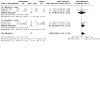
Comparison 5: Somatostatin analogues versus control (placebo or standard therapy), Outcome 2: GFR [mL/min/1.73 m2]
5.3. Analysis.

Comparison 5: Somatostatin analogues versus control (placebo or standard therapy), Outcome 3: Change in GFR [mL/min/1.73 m²]
5.4. Analysis.
Comparison 5: Somatostatin analogues versus control (placebo or standard therapy), Outcome 4: eGFR: descriptive data
| eGFR: descriptive data | |
| Study | Narrative Results |
| Temmerman 2012 | Quote: "In ADPKD pts, there was no significant difference in GFR between placebo and both treatment groups (LAN 90 or 120 mg) (Mann‐Whitney Rank Sum test: P = 0.09)" |
5.5. Analysis.

Comparison 5: Somatostatin analogues versus control (placebo or standard therapy), Outcome 5: Kidney failure
5.6. Analysis.

Comparison 5: Somatostatin analogues versus control (placebo or standard therapy), Outcome 6: Kidney failure or doubling of serum creatinine
5.7. Analysis.

Comparison 5: Somatostatin analogues versus control (placebo or standard therapy), Outcome 7: 30% or more decrease in GFR or kidney failure
5.8. Analysis.

Comparison 5: Somatostatin analogues versus control (placebo or standard therapy), Outcome 8: Acute kidney injury
Secondary outcomes
Death
DIPAK 1 2014 reported the effects of somatostatin analogues compared to placebo on death were uncertain (Analysis 5.9, 309 participants: RR 3.02, 95% CI 0.12 to 73.55; very low certainty evidence).
5.9. Analysis.

Comparison 5: Somatostatin analogues versus control (placebo or standard therapy), Outcome 9: Death
Pain
ALADIN 2 2019 reported there may be little or no difference in back or flank pain between somatostatin analogues and placebo (Analysis 5.10, 100 participants: RR 0.77, 95% CI 0.33 to 1.79; low certainty evidence).
5.10. Analysis.

Comparison 5: Somatostatin analogues versus control (placebo or standard therapy), Outcome 10: Back or flank pain
Quality of life
DIPAK 1 2014 reported there may be no difference between somatostatin analogue and placebo on health‐related QoL (Analysis 5.11, 305 participants: MD ‐0.02, 95% CI ‐0.12 to 0.08; low certainty evidence).
ALADIN 2 2019 reported somatostatin analogue had uncertain effects on depression and anxiety compared to placebo (Analysis 5.12, 100 participants: RR 0.19, 95% CI 0.01 to 3.91; very low certainty evidence).
5.11. Analysis.

Comparison 5: Somatostatin analogues versus control (placebo or standard therapy), Outcome 11: Health‐related quality of life
5.12. Analysis.

Comparison 5: Somatostatin analogues versus control (placebo or standard therapy), Outcome 12: Depression and anxiety
Blood pressure
-
Somatostatin analogues may have little or no effect on BP; however, the evidence is very uncertain.
SBP: Analysis 5.13 (2 studies, 91 participants: MD 0.79 mm Hg, 95% CI ‐3.54 to 5.13; I2 = 0%)
DBPL Analysis 5.14 (2 studies, 91 participants: MD ‐0.38 mm Hg, 95% CI ‐3.68 to 2.92; I2 = 0%)
MAP: Analysis 5.15 (ALADIN 2013, 79 participants: MD ‐0.10 mm Hg, 95% CI ‐3.66 to 3.46).
5.13. Analysis.
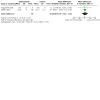
Comparison 5: Somatostatin analogues versus control (placebo or standard therapy), Outcome 13: Systolic blood pressure [mm Hg]
5.14. Analysis.

Comparison 5: Somatostatin analogues versus control (placebo or standard therapy), Outcome 14: Diastolic blood pressure [mm Hg]
5.15. Analysis.

Comparison 5: Somatostatin analogues versus control (placebo or standard therapy), Outcome 15: Mean arterial pressure [mm Hg]
Total kidney volume
Somatostatin analogues may decrease TKV volume compared to placebo (Analysis 5.16 (3 studies, 114 participants): MD ‐0.62 L, 95% CI ‐1.22 to ‐0.01; I2 = 11%; low certainty evidence).
In a pooled analysis using SMD including TKV or height‐adjusted (ht) TKV as per cent change, absolute change or final measure, somatostatin analogues probably decrease TKV volume compared to placebo (Analysis 5.17 (6 studies, 500 participants): SMD ‐0.33, 95% CI ‐0.51 to ‐0.16; I2 = 0%; moderate certainty evidence).
Somatostatin analogues may have little or no effect on cyst volume compared to placebo (Analysis 5.18 (2 studies, 82 participants): MD ‐0.50 L, 95% CI ‐1.18 to 0.18; I2 = 37%; low certainty evidence).
Somatostatin analogues had uncertain effects on total parenchymal volume compared to placebo (Analysis 5.19 (2 studies, 82 participants): MD ‐67.67 mL, 95% CI ‐249.45 to 114.12; I2 = 78%; very low certainty evidence).
5.16. Analysis.

Comparison 5: Somatostatin analogues versus control (placebo or standard therapy), Outcome 16: Total kidney volume [L]
5.17. Analysis.

Comparison 5: Somatostatin analogues versus control (placebo or standard therapy), Outcome 17: Total kidney volume (TKV), height‐adjusted TKV and absolute change (pooled)
5.18. Analysis.

Comparison 5: Somatostatin analogues versus control (placebo or standard therapy), Outcome 18: Cyst volume [L]
5.19. Analysis.
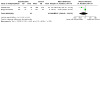
Comparison 5: Somatostatin analogues versus control (placebo or standard therapy), Outcome 19: Parenchymal volume [mL]
Urinary protein excretion
ALADIN 2013 reported somatostatin analogues versus placebo may have little or no effect on proteinuria (Analysis 5.20, 91 participants: MD ‐0.05 g/24 hours, 95% CI ‐0.17 to 0.07; low certainty evidence)
Somatostatin analogues versus placebo may have little or no effect on albuminuria (Analysis 5.21 (2 studies, 101 participants): MD ‐17.71 g/24 hours, 95% CI ‐86.96 to 51.55; I2 = 0%; low certainty evidence).
5.20. Analysis.

Comparison 5: Somatostatin analogues versus control (placebo or standard therapy), Outcome 20: Proteinuria [g/24 hours]
5.21. Analysis.

Comparison 5: Somatostatin analogues versus control (placebo or standard therapy), Outcome 21: Albuminuria [g/24 hours]
Adverse events
Compared to placebo, somatostatin analogues may increase serious adverse events (Analysis 5.22 (2 studies, 405 participants): RR 1.81, 95% CI 1.01 to 3.25; low certainty evidence).
Compared to placebo, somatostatin analogues probably increase alopecia (3 studies, 484 participants: RR 8.58, 95% CI 1.53 to 48.03; I2 = 0%), diarrhoea or abnormal faeces (4 studies, 496 participants: RR 5.59, 95% CI 2.05 to 15.23; I2 = 72%), dizziness (3 studies, 484 participants: RR 2.24, 95% CI 1.25 to 4.02; I2 = 0%), and fatigue (2 studies, 405 participants: RR 1.79 95% CI 1.21 to 2.67; I2 = 14%) (all moderate certainty evidence) (Analysis 5.23).
DIPAK 1 2014 reported increased chest pain with somatostatin analogues (Analysis 5.23.3, 305 participants: RR 5.96, 95% CI 1.36 to 26.19).
Compared to placebo, somatostatin analogues may have little to no effect on anaemia (3 studies, 484 participants: RR 1.65, 95% CI 0.28 to 9.72; I2 = 86%) or infection (3 studies, 484 participants: RR 0.86, 95% CI 0.59 to 1.24; I2 = 28%) (all low certainty evidence) (Analysis 5.23).
Somatostatin analogues had uncertain effects on epigastric pain, gastrointestinal symptoms, fever, headache, renal cyst infection, and UTI (Analysis 5.23).
DIPAK 1 2014 reported those treated with somatostatin analogues were withdrawn from the study due to adverse events more often than placebo (Analysis 5.24, 305 participants: RR 32.79, 95% CI 1.98 to 541.63; low certainty evidence).
5.22. Analysis.

Comparison 5: Somatostatin analogues versus control (placebo or standard therapy), Outcome 22: Serious adverse events
5.23. Analysis.

Comparison 5: Somatostatin analogues versus control (placebo or standard therapy), Outcome 23: Adverse events
5.24. Analysis.

Comparison 5: Somatostatin analogues versus control (placebo or standard therapy), Outcome 24: Withdrawal due to adverse events
No other secondary outcomes were reported.
mTOR inhibitors
Primary outcomes
Kidney function
mTOR inhibitors versus placebo
-
mTOR inhibitors versus placebo or no treatment probably makes little or no difference to eGFR (Analysis 6.1 (4 studies, 165 participants): MD 0.32 mL/min/1.73 m2, 95% CI ‐5.98 to 6.62; I2 = 34%; moderate certainty evidence).
Subgroup analysis by time frame (one year or less, or greater than one year) did not demonstrate any effect modification.
mTOR inhibitors versus placebo or no treatment may make little or no difference to kidney failure (need for KRT) (Analysis 6.3 (2 studies, 472 participants): RR 3.87, 95% CI 0.44 to 34.18; I2 = 0%; low certainty evidence) or the need for transplantation (Analysis 6.4 (Walz 2010, 431 participants): RR 1.01, 95% CI 0.06 to 16.11; low certainty evidence).
6.1. Analysis.

Comparison 6: mTOR inhibitors versus control (placebo, no treatment or standard therapy), Outcome 1: GFR [mL/min/1.73 m²]
6.3. Analysis.

Comparison 6: mTOR inhibitors versus control (placebo, no treatment or standard therapy), Outcome 3: Kidney failure
6.4. Analysis.

Comparison 6: mTOR inhibitors versus control (placebo, no treatment or standard therapy), Outcome 4: Received transplantation
mTOR inhibitors plus renin‐angiotensin‐aldosterone system (RAAS) inhibitors versus RAAS inhibitors alone
Soliman 2009 reported that mTOR inhibitors plus ARB versus ARB alone had uncertain effects on the doubling of SCr (Analysis 8.1, 16 participants: RR 0.33, 95% CI 0.04 to 2.56; very low certainty evidence).
RAPYD 2012 reported both high‐dose and low‐dose mTOR inhibitors plus RAAS inhibitors versus RAAS inhibitors alone had uncertain effects on GFR (Analysis 8.2.1, Analysis 8.2.2).
Soliman 2009 reported that mTOR inhibitors plus ARB versus ARB alone had uncertain effects on GFR (Analysis 8.2.3).
8.1. Analysis.

Comparison 8: mTOR inhibitors (mTORi) plus renin‐angiotensin system inhibitors (RAASi) versus RAASi alone, Outcome 1: Doubling of serum creatinine
8.2. Analysis.

Comparison 8: mTOR inhibitors (mTORi) plus renin‐angiotensin system inhibitors (RAASi) versus RAASi alone, Outcome 2: GFR
Secondary outcomes
Death
mTOR inhibitors versus placebo
Walz 2010 reported no difference in death could be determined due to very few events (Analysis 6.5).
6.5. Analysis.

Comparison 6: mTOR inhibitors versus control (placebo, no treatment or standard therapy), Outcome 5: Death
Blood pressure
mTOR inhibitors versus placebo
mTOR inhibitors had uncertain effects on BP (Analysis 6.6; Analysis 6.7; Analysis 6.8) (very low certainty evidence).
6.6. Analysis.

Comparison 6: mTOR inhibitors versus control (placebo, no treatment or standard therapy), Outcome 6: Systolic blood pressure [mm Hg]
6.7. Analysis.

Comparison 6: mTOR inhibitors versus control (placebo, no treatment or standard therapy), Outcome 7: Diastolic blood pressure [mm Hg]
6.8. Analysis.
Comparison 6: mTOR inhibitors versus control (placebo, no treatment or standard therapy), Outcome 8: Blood pressure: descriptive data
| Blood pressure: descriptive data | |
| Study | Description of outcome |
| SIRENA 2 2016 | Baseline SBP treatment: 138.3 (9.5), final SBP treatment: 132.8 (12.7) Baseline SBP placebo: 134.1(13.3), final SBP placebo: 127.9 (11.6) Baseline DBP treatment: 87.1 (8.3), final DBP treatment: 84.8 (7.3) Baseline DBP placebo: 85.9 (7.2) n = 16, final DBP placebo: 81.9 (6.4) n = 17 |
| Walz 2010 | Quote: "The change from baseline in the systolic blood pressure at 24 months was −2.0 mm Hg in the mTOR‐inhibitors group and −1.5 mm Hg in the placebo group (P = 0.76); the corresponding changes in diastolic blood pressure were −2.7 mm Hg and −2.6 mm Hg (P = 0.89)" |
mTOR inhibitors plus RAAS inhibitors versus RAAS inhibitors alone
mTOR inhibitors plus RAAS inhibitors had uncertain effects on BP (Analysis 8.3; Analysis 8.4) (very low certainty evidence).
8.3. Analysis.

Comparison 8: mTOR inhibitors (mTORi) plus renin‐angiotensin system inhibitors (RAASi) versus RAASi alone, Outcome 3: Mean arterial pressure [mm Hg]
8.4. Analysis.
Comparison 8: mTOR inhibitors (mTORi) plus renin‐angiotensin system inhibitors (RAASi) versus RAASi alone, Outcome 4: Blood pressure: descriptive data
| Blood pressure: descriptive data | |
| Study | Description of outcome |
| Soliman 2009 | The mean diastolic pressure decreased by 2.5 to 4.0 mm Hg in the ARB + mTOR group and increased by 0.5 to 1.5 mm Hg in the ARB alone group The mean systolic pressure decreased by 2.5 to 5.0 mm Hg in the ARB + mTOR group and increased by 1.0 to 2.5 mm Hg in the ARB alone group |
Total kidney volume
mTOR inhibitors versus placebo
mTOR inhibitors probably make little or no difference to TKV (Analysis 6.9 (4 studies 151 participants): MD ‐0.07 L, 95% CI ‐0.59 to 0.45; I2 = 0%; moderate certainty evidence). Studies that could not be included in the meta‐analysis (Analysis 6.11) demonstrated variability, with some studies indicating a decrease in TKV (Melemadathil 2013; Mora 2013).
-
The effects of mTOR inhibitors on other measures of kidney volume are unclear (all very low certainty evidence).
Per cent change in TKV (Analysis 6.10 (Braun 2014, 17 participants): ‐3.00%, 95% CI ‐7.83 to 1.83).
Cyst volume (Analysis 6.12 (SIRENA 2010, 15 participants): MD ‐55.00 mL, 95% CI ‐862.98 to 752.98).
Total parenchymal volume (Analysis 6.14 (SIRENA 2010, 15 participants): MD 15.00 mL, 95% CI ‐75.44 to 105.44).
Studies that could not be included in the meta‐analyses also demonstrated inconsistency (total parenchymal volume: Analysis 6.15; cyst volume: Analysis 6.13).
6.9. Analysis.

Comparison 6: mTOR inhibitors versus control (placebo, no treatment or standard therapy), Outcome 9: Total kidney volume [L]
6.11. Analysis.
Comparison 6: mTOR inhibitors versus control (placebo, no treatment or standard therapy), Outcome 11: Total kidney volume: descriptive data
| Total kidney volume: descriptive data | |
| Study | Description of outcome |
| Melemadathil 2013 | Quote: "...there was a statistically significant reduction in total kidney volume when mTOR treatment was extended for 1 year" |
| Mora 2013 | Quote: "...the mTOR group showed a kidney volume growth of 9,4 ±1,2mL/year compared with 11 ± 1.4 mL/year in control group" |
| Walz 2010 | Quote: "...among patients receiving mTOR‐inhibitors, the mean total kidney volume increased from 2028 ml to 2063 ml at 1 year and to 2176 ml at 2 years, and among those receiving placebo, it increased from 1911 ml to 2061 ml and to 2287 ml, respectively" |
6.10. Analysis.

Comparison 6: mTOR inhibitors versus control (placebo, no treatment or standard therapy), Outcome 10: Percent change in total kidney volume [L]
6.12. Analysis.

Comparison 6: mTOR inhibitors versus control (placebo, no treatment or standard therapy), Outcome 12: Cyst volume [mL]
6.14. Analysis.

Comparison 6: mTOR inhibitors versus control (placebo, no treatment or standard therapy), Outcome 14: Parenchymal volume [mL]
6.15. Analysis.
Comparison 6: mTOR inhibitors versus control (placebo, no treatment or standard therapy), Outcome 15: Parenchymal volume: descriptive data
| Parenchymal volume: descriptive data | |
| Study | Description of outcome |
| Melemadathil 2013 | Quote: "...there was a small but significant increase in renal parenchymal volume in patients receiving mTOR" |
| Walz 2010 | Quote: "The parenchymal volume increased by 26 ml at 1 year and by 56 ml at 2 years in the mTOR‐inhibitors group; the corresponding changes in the placebo group were 62 and 93 ml" |
6.13. Analysis.
Comparison 6: mTOR inhibitors versus control (placebo, no treatment or standard therapy), Outcome 13: Cyst volume: descriptive data
| Cyst volume: descriptive data | |
| Study | Description of outcome |
| Melemadathil 2013 | Quote: "...there was a statistically significant reduction in total cyst volume when mTOR treatment was extended for 1 year" |
| Walz 2010 | Quote: "The cyst volume increased by 76 ml at 1 year and 181 ml at 2 years in the mTOR‐inhibitors group and by 98 ml and 215 ml, respectively, in the placebo group" |
mTOR inhibitors plus RAAS inhibitors versus RAAS inhibitors alone
mTOR inhibitors plus RAAS inhibitors may make little or no difference to TKV (Analysis 8.5) and cyst volume (Analysis 8.6) across different doses of mTOR inhibitors and types of RAAS inhibitors (all low certainty evidence).
8.5. Analysis.

Comparison 8: mTOR inhibitors (mTORi) plus renin‐angiotensin system inhibitors (RAASi) versus RAASi alone, Outcome 5: Total kidney volume [L]
8.6. Analysis.

Comparison 8: mTOR inhibitors (mTORi) plus renin‐angiotensin system inhibitors (RAASi) versus RAASi alone, Outcome 6: Cyst volume [mL]
mTOR inhibitors plus somatostatin analogues versus somatostatin analogues alone
ELATE 2011 reported that mTOR inhibitors plus somatostatin analogues may make little or no difference to TKV (Analysis 7.1: descriptive data only).
7.1. Analysis.
Comparison 7: mTOR inhibitors plus somatostatin analogues versus somatostatin analogues alone, Outcome 1: Total kidney volume: descriptive data
| Total kidney volume: descriptive data | |
| Study | Description of outcome |
| ELATE 2011 | Quote: "The median kidney volume was not affected by octreotide and did not change significantly in the 6 patients through the course of the trial (from 798 mL (IQR 675–1960 mL) at baseline to 811 mL (IQR 653–1960 mL) after 48 weeks, p=0.75). Likewise, octreotide‐everolimus combination treatment (n=6) did not affect kidney volume over the course of 48 weeks (from 623 mL (IQR 483–1110 ml) to 602 mL (IQR 493–1259 mL), p=0.75). Change in kidney volume did not differ between treatment arms (p=1.00)" |
Urinary protein excretion
mTOR inhibitors versus placebo
mTOR inhibitors may make little or no difference to proteinuria (Analysis 6.16 (3 studies, 479 participants): SMD 0.00, 95% CI ‐0.83 to 0.83; I2 = 80%; low certainty evidence). Melemadathil 2013, which could not be combined in the meta‐analysis, reported that proteinuria was higher with mTOR inhibitors (Analysis 6.17), and SIRENA 2 2016 reported proteinuria may double with mTOR inhibitors (Analysis 6.18).
mTOR inhibitors may make little or no difference to albuminuria (Analysis 6.19 (3 studies, 148 participants): SMD 0.01, 95% CI ‐0.64 to 0.67; I2 = 64%; low certainty evidence).
6.16. Analysis.

Comparison 6: mTOR inhibitors versus control (placebo, no treatment or standard therapy), Outcome 16: Proteinuria
6.17. Analysis.
Comparison 6: mTOR inhibitors versus control (placebo, no treatment or standard therapy), Outcome 17: Proteinuria: descriptive data
| Proteinuria: descriptive data | |
| Study | Description of outcome |
| Melemadathil 2013 | Quote: "...there was a statistically significant increase in proteinuria in the mTOR arm as compared to the standard treatment group at the end of 6 months" |
6.18. Analysis.

Comparison 6: mTOR inhibitors versus control (placebo, no treatment or standard therapy), Outcome 18: Doubling of proteinuria
6.19. Analysis.

Comparison 6: mTOR inhibitors versus control (placebo, no treatment or standard therapy), Outcome 19: Albuminuria
mTOR inhibitors plus RAAS inhibitors versus RAAS inhibitors alone
RAPYD 2012 reported high‐dose mTOR inhibitors combined with RAAS inhibitors may increase proteinuria (Analysis 8.7.1, 35 participants: MD 0.50 g/24 hours, 95% CI 0.09 to 0.91; low certainty evidence) but not with low‐dose mTOR inhibitors (Analysis 8.7.2, 37 participants: MD ‐0.10 g/24 hours, 95% CI ‐0.29 to 0.09; low certainty evidence).
8.7. Analysis.

Comparison 8: mTOR inhibitors (mTORi) plus renin‐angiotensin system inhibitors (RAASi) versus RAASi alone, Outcome 7: Proteinuria [g/24 hours]
Adverse events
mTOR inhibitors versus placebo
mTOR inhibitors may make little or no difference to serious adverse events (Analysis 6.20 (2 studies, 71 participants): RR 1.03, 95% CI 0.43 to 2.45; I2 = 0%; low certainty evidence).
mTOR inhibitors probably increase angioedema (3 studies, 560 participants: RR 13.39, 95% CI 2.56 to 70.00; I2 = 0%), diarrhoea (4 studies, 601 participants: RR 1.73, 95% CI 1.28 to 2.33; I2 = 0%) and oral ulcers (4 studies, 590 participants: RR 6.82, 95% CI 4.47 to 10.39; I2 = 0%) (all moderate certainty evidence) (Analysis 6.21).
mTOR inhibitors may increase anaemia (Walz 2010, 431 participants: RR 3.41, 95% CI 1.79 to 6.51), hyperlipidaemia (Walz 2010, 431 participants: RR 5.68, 95% CI 2.23 to 14.43), and infection (5 studies, 631 participants: RR 1.15, 95% CI 1.02 to 1.31; I2 = 20%) (low certainty evidence) (Analysis 6.21).
mTOR inhibitors may make little or no difference to arrhythmias (SIRENA 2 2016, 41 participants: RR 0.95, 95% CI 0.27 to 3.30), dermatitis (2 studies, 71 participants: RR 2.77, 95% CI 0.48 to 15.98; I2 = 0%), nausea (Walz 2010, 431 participants: RR 1.69, 95% CI 0.85 to 3.37) or peripheral oedema (2 studies, 71 participants: RR 0.86, 95% CI 0.15 to 5.05; I2 = 62%) (all low certainty evidence) (Analysis 6.21).
6.20. Analysis.

Comparison 6: mTOR inhibitors versus control (placebo, no treatment or standard therapy), Outcome 20: Serious adverse events
6.21. Analysis.

Comparison 6: mTOR inhibitors versus control (placebo, no treatment or standard therapy), Outcome 21: Adverse events
mTOR inhibitors plus RAAS inhibitors versus RAAS inhibitors alone
The effect of mTOR inhibitors plus RAAS inhibitors on adverse events is unclear (Analysis 8.8; very low certainty evidence).
8.8. Analysis.

Comparison 8: mTOR inhibitors (mTORi) plus renin‐angiotensin system inhibitors (RAASi) versus RAASi alone, Outcome 8: Adverse events
No other secondary outcomes were reported.
Metformin
Primary outcomes
Kidney function
Metformin versus placebo
Metformin may make little or no difference to change in eGFR (Analysis 9.1 (2 studies, 142 participants): MD 2.87 mL/min/1.73 m2, 95% CI ‐0.29 to 5.92; I2 = 0%), rate of eGFR decline (Analysis 9.2), or annual rate of eGFR decline (Analysis 9.3) (low certainty evidence).
No events of kidney failure were recorded (Analysis 9.4).
9.1. Analysis.

Comparison 9: Metformin versus placebo, Outcome 1: Change in eGFR [mL/min/1.73 m2]
9.2. Analysis.

Comparison 9: Metformin versus placebo, Outcome 2: Rate of eGFR decline
9.3. Analysis.

Comparison 9: Metformin versus placebo, Outcome 3: Annual rate of eGFR decline
9.4. Analysis.
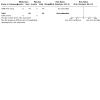
Comparison 9: Metformin versus placebo, Outcome 4: Kidney failure
No other primary outcomes were reported.
Secondary outcomes
Death
Metformin versus placebo
TAME‐PKD 2018 reported one death in the metformin group and none in the placebo group; hence, there is insufficient data to determine an effect (Analysis 9.5).
9.5. Analysis.

Comparison 9: Metformin versus placebo, Outcome 5: Death
Pain
Metformin versus placebo
There were too few events to determine metformin's impact across the spectrum of pain outcomes compared to placebo (Analysis 9.6).
9.6. Analysis.
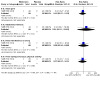
Comparison 9: Metformin versus placebo, Outcome 6: Pain
Quality of life
Metformin versus placebo
TAME‐PKD 2018 reported metformin may have little or no effect on SF‐36 physical component summary (Analysis 9.7.1, 84 participants: MD ‐1.90, 95% CI ‐4.93 to 1.13) and SF‐36 mental component summary (Analysis 9.7.2, 84 participants: MD 0.30, 95% CI ‐2.67 to 3.27) and (all low certainty evidence).
9.7. Analysis.

Comparison 9: Metformin versus placebo, Outcome 7: Quality of life score
Metformin versus hydrochlorothiazide versus placebo (cross‐over study)
Kramers 2020 reported that hydrochlorothiazide treatment in people who had received tolvaptan improved the QoL in seven of 13 participants. QoL was not significantly different from baseline during metformin (P = 0.90) or placebo treatment (P = 0.50) (low certainty evidence) (Analysis 10.1: descriptive data only).
10.1. Analysis.
Comparison 10: Metformin versus hydrochlorothiazide and placebo (cross‐over results), Outcome 1: Quality of life: descriptive data
| Quality of life: descriptive data | |
| Study | Narrative Results |
| Kramers 2020 | Seven (54%) participants experienced better quality of life during hydrochlorothiazide treatment as compared with baseline (P=0.001). Quality of life was not significantly different from baseline during metformin (P=0.90) or placebo treatment (P=0.50) |
Total kidney volume
Metformin versus placebo
Metformin may make little or no difference to the per cent change in htTKV (Analysis 9.8 (2 studies, 140 participants): MD 1.05%, 95% CI ‐1.73 to 3.83; I2 = 0%; low certainty evidence). Two studies were not reported in sufficient detail to be included in the meta‐analysis.
Chaudhary 2021 reported that at month 12, TKV increased by 0.11% in metformin‐treated participants compared to 1.01% in the control group.
Pasari 2019 reported metformin treatment resulted in significantly lower TKV, 4.26% and 9.51% in the metformin and placebo groups, respectively.
TAME‐PKD 2018 reported metformin may have little or no effect on the mean annual per cent change in htTKV (Analysis 9.9) and absolute change in htTKV (Analysis 9.10) but may increase height‐adjusted liver volume (Analysis 9.11).
9.8. Analysis.

Comparison 9: Metformin versus placebo, Outcome 8: Percent change in height‐adjusted total kidney volume
9.9. Analysis.

Comparison 9: Metformin versus placebo, Outcome 9: Mean annual percent change in height‐adjusted total kidney volume
9.10. Analysis.

Comparison 9: Metformin versus placebo, Outcome 10: Absolute change in height‐adjusted total kidney volume
9.11. Analysis.

Comparison 9: Metformin versus placebo, Outcome 11: Height‐adjusted liver volume
Adverse events
Metformin versus placebo
Metformin may make little or no difference to serious adverse events (Analysis 9.12 (2 studies, 148 participants): RR 1.16, 95% CI 0.26 to 5.18; I2 = 20%; low certainty evidence).
Metformin may increase diarrhoea (2 studies, 148 participants: RR 1.80, 95% CI 1.16 to 2.80; I2 = 0%) and nausea (2 studies, 148 participants: RR 1.92, 95% CI 1.10 to 3.36; I2 = 0%) (Analysis 9.13) (all low certainty evidence).
Metformin had uncertain effects on gastrointestinal tract symptoms, infection, hypoglycaemia, sustained oedema refractory to diuretics, UTI or cyst rupture (Analysis 9.13).
9.12. Analysis.
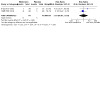
Comparison 9: Metformin versus placebo, Outcome 12: Serious adverse events
9.13. Analysis.

Comparison 9: Metformin versus placebo, Outcome 13: Adverse events
Bosutinib at different dosages and versus placebo
Primary outcomes
Tesar 2017 reported that, compared to placebo, "bosutinib increased mean serum creatinine in all groups at day 15; these remained stable over the 24‐month initial treatment period and then returned close to baseline after a 30‐day washout at the end of the treatment period" (low certainty evidence).
The effect on the per cent change in eGFR was unclear across all dosages of bosutinib due to the very low certainty evidence (Analysis 11.2).
11.2. Analysis.

Comparison 11: Bosutinib versus placebo, Outcome 2: eGFR change from baseline [%]
No other primary outcomes were reported.
Secondary outcomes
Tesar 2017 reported TKV was lower with all doses of bosutinib (200 mg, 400 mg and 600 mg) than placebo (Analysis 11.4: descriptive data only).
There were too few events to determine a difference between placebo and bosutinib for serious adverse events (Analysis 11.5).
There were more treatment‐adverse events in the 400 mg and 400/200 mg bosutinib groups compared to the 200 mg bosutinib and placebo groups. The most commonly reported adverse events were gastrointestinal, primarily diarrhoea and liver‐related (Analysis 11.6: descriptive data only) (low certainty evidence).
11.4. Analysis.
Comparison 11: Bosutinib versus placebo, Outcome 4: Total kidney volume: descriptive data
| Total kidney volume: descriptive data | ||
| Study | Intervention group | Control group |
| Tesar 2017 | 200 mg/d (n=23): median 1403.45 (range 730.45 to 4819.55) 400 mg/d (n=3): median 849.10 (range 823.30 to 2546.50) 600 mg/d (n=20): median 1313.78 (range 707.20 to 2636.45) | Control (N=30): median 1727.30 (range 832.45 to 3945.35) |
11.5. Analysis.

Comparison 11: Bosutinib versus placebo, Outcome 5: Serious adverse events
11.6. Analysis.
Comparison 11: Bosutinib versus placebo, Outcome 6: Adverse events: descriptive data
| Adverse events: descriptive data | |
| Study | Narrative results |
| Tesar 2017 | Quote: "Treatment‐emergent AEs (TEAEs; any causality) occurred more frequently with bosutinib 400 and 400/200 mg/d versus bosutinib 200 mg/d and placebo." Quote: "TEAEs (incidence ≥ 30% in any treatment group) were most commonly gastrointestinal, primarily diarrhea, which occurred more frequently with bosutinib versus placebo (200 mg/d, 45%; 400 mg/d, 84%; 400/200 mg/d, 75%; placebo, 20%). Liver‐related TEAEs were also more common with bosutinib versus placebo; these were primarily events of increased alanine aminotransferase (ALT) and aspartate aminotransferase (AST) and were generally of mild severity" |
No other secondary outcomes were reported.
Pioglitazone versus placebo
Primary outcome
Blazer‐Yost 2021 did not report any of our primary outcomes.
Secondary outcomes
Blazer‐Yost 2021 reported that in 15 participants, the mean per cent change in TKV with pioglitazone versus placebo was 4.3 ± 6.3% versus 7.85 ± 7.68%, respectively. The MD between the two 12‐month periods was −3.5% (95% CI −8.4 to –1.4, P = 0.146).
No other secondary outcomes were reported.
Antihypertensive therapies
Angiotensin‐converting‐enzyme inhibitors
Primary outcomes
Kidney function
ACEi versus placebo
Cadnapaphornchai 2005 reported that ACEi may make little or no difference to SCr (Analysis 13.1, 42 participants: MD ‐0.02 mg/dL, 95% CI ‐0.14 to 0.09; I2 = 23%; low certainty evidence).
The effect of ACEi on eGFR was unclear due to very low certainty evidence (Analysis 13.2 (2 studies, 103 participants): MD ‐3.41 mL/min/1.73 m2, 95% CI ‐15.83 to 9.01; I2 = 46%).
AIPRI 1996 reported that ACEi may make little or no difference to the doubling of SCr (Analysis 13.3, 64 participants: RR 1.01, 95% CI 0.45 to 2.28; low certainty evidence).
Kidney failure was not reported.
13.1. Analysis.

Comparison 13: Angiotenin‐converting‐enzyme inhibitors (ACEi) versus control (placebo or standard therapy), Outcome 1: Serum creatinine [mg/dL]
13.2. Analysis.

Comparison 13: Angiotenin‐converting‐enzyme inhibitors (ACEi) versus control (placebo or standard therapy), Outcome 2: GFR [mL/min/1.73 m²]
13.3. Analysis.

Comparison 13: Angiotenin‐converting‐enzyme inhibitors (ACEi) versus control (placebo or standard therapy), Outcome 3: Doubling of serum creatinine
ACEi versus CCB
Ecder 1999 reported that compared to CCB, the effect of ACEi was unclear on SCr due to very low certainty evidence (Analysis 14.1, 24 participants: MD 0.01 mg/dL, 95% CI ‐0.10 to 0.12).
Ecder 1999 reported that ACEi may decrease eGFR (Analysis 14.2, 24 participants: MD ‐13.00 mL/min/1.73 m2, 95% CI ‐17.56 to ‐8.44; low certainty evidence).
Doubling SCr and kidney failure were not reported.
14.1. Analysis.

Comparison 14: Angiotensin‐converting‐enzyme inhibitors (ACEi) versus calcium channel blockers (CCB), Outcome 1: Serum creatinine [mg/dL]
14.2. Analysis.

Comparison 14: Angiotensin‐converting‐enzyme inhibitors (ACEi) versus calcium channel blockers (CCB), Outcome 2: GFR [mL/min/1.73 m²]
ACEi versus ARB
Compared to ARB, ACEI may make little or no difference to SCr (Analysis 15.1 (2 studies, 52 participants): MD 0.00 mg/dL, 95% CI ‐0.09 to 0.10; I2 = 0%: low certainty evidence).
Ulusoy 2010 reported that ACEI may make little or no difference to eGFR (Analysis 15.2, 32 participants: MD ‐3.40 mL/min/1.73 m2, 95% CI ‐22.69 to 15.89; low certainty evidence).
Doubling SCr and kidney failure were not reported.
15.1. Analysis.

Comparison 15: Angiotensin‐converting‐enzyme inhibitors (ACEi) versus angiotensin receptor blockers (ARB), Outcome 1: Serum creatinine [mg/dL]
15.2. Analysis.

Comparison 15: Angiotensin‐converting‐enzyme inhibitors (ACEi) versus angiotensin receptor blockers (ARB), Outcome 2: GFR [mL/min/1.73 m²]
ACEi plus ARB versus ACEi alone
Compared to ACEi alone, ACEi plus ARB may have little or no effect on the mean annual change in eGFR (Analysis 16.2, (2 studies, 1043 participants): MD ‐0.02 mL/min/1.73 m2, 95% CI ‐0.30 to 0.26; I2 = 0%; low certainty evidence).
SCr, doubling SCr and kidney failure were not reported.
16.2. Analysis.

Comparison 16: Angiotensin‐converting‐enzyme inhibitors (ACEi) plus angiotensin receptor blockers (ARB) versus ACEi alone, Outcome 2: Annual change in eGFR [mL/min/1.73 m2]
ACEi versus beta‐blockers
Zeltner 2008 reported that compared to beta‐blockers, ACEi may make little or no difference to SCr (Analysis 17.1, 37 participants: MD 0.18 mg/dL, 95% CI ‐0.12 to 0.48; low certainty evidence).
The effect of ACEi on eGFR was unclear (Analysis 17.2 (2 studies, 65 participants): MD ‐8.06 mL/min/1.73 m2, 95% CI ‐29.62 to 13.50; I2 = 95%; very low certainty evidence).
Zeltner 2008 reported that the effect of ACEi on the need for KRT was very unclear due to the small number of events reported (Analysis 17.4, 37 participants: RR 0.39, 95% CI 0.02 to 8.97; very low certainty evidence).
Doubling of SCr was not reported.
17.1. Analysis.

Comparison 17: Angiotensin‐converting‐enzyme inhibitors (ACEi) versus beta‐blockers, Outcome 1: Serum creatinine [mg/dL]
17.2. Analysis.
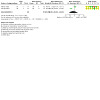
Comparison 17: Angiotensin‐converting‐enzyme inhibitors (ACEi) versus beta‐blockers, Outcome 2: GFR [mL/min/1.73 m²]
17.4. Analysis.

Comparison 17: Angiotensin‐converting‐enzyme inhibitors (ACEi) versus beta‐blockers, Outcome 4: Need for kidney replacement therapy
Secondary outcomes
Death
ACEi plus ARB versus ACEi alone
Compared to ACEi alone, ACEI plus ARB may make little or no difference to death (Analysis 16.3 (2 studies, 1043 participants): RR 0.84, 95% CI 0.26 to 2.72; I2 = 0%; low certainty evidence).
16.3. Analysis.

Comparison 16: Angiotensin‐converting‐enzyme inhibitors (ACEi) plus angiotensin receptor blockers (ARB) versus ACEi alone, Outcome 3: Death
Pain
ACEi plus ARB versus ACEi alone
Compared to ACEi alone, ACEi plus ARB probably makes little or no difference to back or flank pain (Analysis 16.4 (2 studies, 1044 participants): RR 0.36, 95% CI 0.05 to 2.33; I2 = 0%; moderate certainty evidence).
16.4. Analysis.

Comparison 16: Angiotensin‐converting‐enzyme inhibitors (ACEi) plus angiotensin receptor blockers (ARB) versus ACEi alone, Outcome 4: Back or flank pain
Quality of life
ACEi plus ARB versus ACEi alone
Compared to ACEi alone, ACEi plus ARB probably makes little or no difference to QoL SF‐36 physical component summary (Analysis 16.5.1 (2 studies, 1043 participants): MD ‐0.02, 95% CI ‐0.16 to 0.12) and SF‐36 mental component summary (Analysis 16.5.2 (2 studies, 1043 participants): MD 0.10, 95% CI ‐0.19 to 0.39) (all moderate certainty evidence).
16.5. Analysis.

Comparison 16: Angiotensin‐converting‐enzyme inhibitors (ACEi) plus angiotensin receptor blockers (ARB) versus ACEi alone, Outcome 5: Quality of life scores
Cardiovascular events
ACEi plus ARB versus ACEi alone
Compared to ACEi alone, ACEi plus ARB probably makes little or no difference to cardiovascular events (Analysis 16.6 (2 studies, 1044 participants): RR 0.94, 95% CI 0.41 to 2.15; I² = 46%; moderate certainty evidence).
16.6. Analysis.

Comparison 16: Angiotensin‐converting‐enzyme inhibitors (ACEi) plus angiotensin receptor blockers (ARB) versus ACEi alone, Outcome 6: Cardiovascular events
ACEi versus beta‐blockers
Zeltner 2008 reported that the effect of ACEi compared to beta‐blockers on cardiovascular events is unclear (Analysis 17.5, 37 participants: RR 1.18, 95% CI 0.08 to 17.42; very low certainty evidence).
17.5. Analysis.

Comparison 17: Angiotensin‐converting‐enzyme inhibitors (ACEi) versus beta‐blockers, Outcome 5: Cardiovascular events
Blood pressure
ACEi versus placebo
Cadnapaphornchai 2005 reported that the effect of ACEi on SBP was unclear (Analysis 13.4, 42 participants: MD ‐5.44 mm Hg, 95% CI ‐14.26 to 3.38; very low certainty evidence).
Cadnapaphornchai 2005 reported that compared to no treatment, ACEi may lower DBP (Analysis 13.5, 42 participants: MD ‐4.96 mm Hg, 95% CI ‐8.88 to ‐1.04; low certainty evidence).
van Dijk 2003 reported that compared to no treatment, ACEi may lower MAP (Analysis 13.6, 61 participants: MD ‐5.00 mm Hg, 95% CI ‐6.29 to ‐3.71) (low certainty evidence).
13.4. Analysis.

Comparison 13: Angiotenin‐converting‐enzyme inhibitors (ACEi) versus control (placebo or standard therapy), Outcome 4: Systolic blood pressure [mm Hg]
13.5. Analysis.

Comparison 13: Angiotenin‐converting‐enzyme inhibitors (ACEi) versus control (placebo or standard therapy), Outcome 5: Diastolic blood pressure [mm Hg]
13.6. Analysis.

Comparison 13: Angiotenin‐converting‐enzyme inhibitors (ACEi) versus control (placebo or standard therapy), Outcome 6: Mean arterial pressure [mm Hg]
ACEi versus CCB
Ecder 1999 reported that compared to CCB, ACEi may decrease SBP (Analysis 14.3, 24 participants: MD ‐5.00 mm Hg, 95% CI ‐8.62 to ‐1.38), DBP (Analysis 14.4, 24 participants: MD ‐3.00 mm Hg, 95% CI ‐5.40 to ‐0.60) and MAP (Analysis 14.5, 24 participants: MD ‐3.00 mm Hg, 95% CI ‐5.40 to ‐0.60) (all low certainty evidence).
14.3. Analysis.

Comparison 14: Angiotensin‐converting‐enzyme inhibitors (ACEi) versus calcium channel blockers (CCB), Outcome 3: Systolic blood pressure [mm Hg]
14.4. Analysis.

Comparison 14: Angiotensin‐converting‐enzyme inhibitors (ACEi) versus calcium channel blockers (CCB), Outcome 4: Diastolic blood pressure [mm Hg]
14.5. Analysis.

Comparison 14: Angiotensin‐converting‐enzyme inhibitors (ACEi) versus calcium channel blockers (CCB), Outcome 5: Mean arterial pressure [mm Hg]
ACEi versus ARB
Ulusoy 2010 reported that compared to ARB, ACEi may make little or no difference to SBP (Analysis 15.3, 32 participants: MD ‐3.50 mm Hg, 95% CI ‐9.75 to 2.75), DBP (Analysis 15.4, 32 participants: MD ‐1.80 mm Hg, 95% CI ‐5.23 to 1.63) or MAP (Analysis 15.5, 32 participants: MD ‐2.20 mm Hg, 95% CI ‐6.41 to 2.01) (low certainty evidence).
15.3. Analysis.
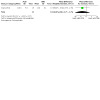
Comparison 15: Angiotensin‐converting‐enzyme inhibitors (ACEi) versus angiotensin receptor blockers (ARB), Outcome 3: Systolic blood pressure [mm Hg]
15.4. Analysis.

Comparison 15: Angiotensin‐converting‐enzyme inhibitors (ACEi) versus angiotensin receptor blockers (ARB), Outcome 4: Diastolic blood pressure [mm Hg]
15.5. Analysis.

Comparison 15: Angiotensin‐converting‐enzyme inhibitors (ACEi) versus angiotensin receptor blockers (ARB), Outcome 5: Mean arterial pressure [mm Hg]
ACEi versus beta‐blockers
Zeltner 2008 reported that compared to beta‐blockers, ACEi may have little or no effect on SBP (Analysis 17.6, 37 participants: MD ‐1.00 mm Hg, 95% CI ‐2.29 to 0.29; low certainty evidence).
Zeltner 2008 reported ACEi may increase DBP (Analysis 17.7, 37 participants: MD 1.00 mm Hg, 95% CI 0.35 to 1.65; low certainty evidence).
van Dijk 2003 reported ACEi may decrease MAP (Analysis 17.8, 28 participants: MD ‐3.00 mm Hg, 95% CI ‐4.92 to ‐1.08; low certainty evidence).
17.6. Analysis.
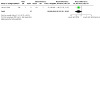
Comparison 17: Angiotensin‐converting‐enzyme inhibitors (ACEi) versus beta‐blockers, Outcome 6: Systolic blood pressure [mm Hg]
17.7. Analysis.

Comparison 17: Angiotensin‐converting‐enzyme inhibitors (ACEi) versus beta‐blockers, Outcome 7: Diastolic blood pressure [mm Hg]
17.8. Analysis.

Comparison 17: Angiotensin‐converting‐enzyme inhibitors (ACEi) versus beta‐blockers, Outcome 8: Mean arterial pressure [mm Hg]
Total kidney volume
ACEi versus placebo
Cadnapaphornchai 2005 reported that compared to no treatment, ACEi may make little or no difference to TKV (Analysis 13.7, 42 participants: MD ‐42.50 mL, 95% CI ‐115.68 to 30.67; low certainty evidence).
13.7. Analysis.

Comparison 13: Angiotenin‐converting‐enzyme inhibitors (ACEi) versus control (placebo or standard therapy), Outcome 7: Total kidney volume [mL]
ACEi plus ARB versus ACEi alone
HALT‐PKD Study B 2014 reported that compared to ACEi alone, ACEi plus ARB probably makes little or no difference to change in TKV (Analysis 16.7, 553 participants: MD ‐0.20%, 95% CI ‐0.87 to 0.47; moderate certainty evidence).
16.7. Analysis.

Comparison 16: Angiotensin‐converting‐enzyme inhibitors (ACEi) plus angiotensin receptor blockers (ARB) versus ACEi alone, Outcome 7: Total kidney volume change [%]
Hospital admissions
ACEi plus ARB versus ACEi alone
HALT‐PKD Study B 2014 reported that compared to ACEi alone, hospital admissions may be lower with ACEi plus ARB (Analysis 16.8, 485 participants: RR 0.78, 95% CI 0.68 to 0.90; low certainty evidence).
16.8. Analysis.

Comparison 16: Angiotensin‐converting‐enzyme inhibitors (ACEi) plus angiotensin receptor blockers (ARB) versus ACEi alone, Outcome 8: Hospitalisations
Urinary protein excretion
ACEi versus placebo
Compared to placebo, ACEI may make little or no difference to albuminuria (Analysis 13.8 (2 studies, 103 participants): SMD ‐0.12, 95% CI ‐0.51 to 0.26; I2 = 0%; low certainty evidence).
13.8. Analysis.

Comparison 13: Angiotenin‐converting‐enzyme inhibitors (ACEi) versus control (placebo or standard therapy), Outcome 8: Albuminuria
ACEi versus CCB
Ecder 1999 reported that compared to CCB, ACEi may decrease albuminuria (Analysis 14.6, 24 participants: MD ‐134.00 mg/g, 95% CI ‐176.01 to ‐91.99; low certainty evidence).
14.6. Analysis.

Comparison 14: Angiotensin‐converting‐enzyme inhibitors (ACEi) versus calcium channel blockers (CCB), Outcome 6: Albuminuria [mg/g]
ACEi plus ARB versus ACEi alone
Compared to ACEi alone, ACEi plus ARB may makes little or no difference to albuminuria (Analysis 16.9 (2 studies, 1042 participants): SMD ‐0.04, 95% CI ‐0.16 to 0.08; I2 = 0%; low certainty evidence).
16.9. Analysis.

Comparison 16: Angiotensin‐converting‐enzyme inhibitors (ACEi) plus angiotensin receptor blockers (ARB) versus ACEi alone, Outcome 9: Albuminuria
ACEi versus beta‐blockers
Compared to beta‐blockers, the effect of ACEi on albuminuria was unclear (Analysis 17.10 (2 studies, 65 participants) SMD ‐0.19, 95% CI ‐1.77 to 1.39; I2 = 89%; very low certainty evidence).
17.10. Analysis.

Comparison 17: Angiotensin‐converting‐enzyme inhibitors (ACEi) versus beta‐blockers, Outcome 10: Albuminuria
Adverse events
ACEi plus ARB versus ACEi alone
HALT‐PKD Study B 2014 reported that compared to ACEi alone, ACEi plus ARB may make little or no difference to adverse events (Analysis 16.10).
16.10. Analysis.

Comparison 16: Angiotensin‐converting‐enzyme inhibitors (ACEi) plus angiotensin receptor blockers (ARB) versus ACEi alone, Outcome 10: Adverse events
Angiotensin receptor blockers versus calcium channel blockers
Primary outcomes
Nutahara 2005 reported that compared to CCB, ARB may slightly decrease SCr (Analysis 18.1, 40 participants: MD ‐0.45 mg/dL, 95% CI ‐0.90 to 0.00; low certainty evidence).
Nutahara 2005 reported that compared to CCB, the effects of ARB on eGFR (Analysis 18.2, 31 participants: MD 6.30 mL/min/1.73 m2, 95% CI ‐8.49 to 21.09) and doubling of SCr (Analysis 18.3, 49 participants: RR 0.17, 95% CI 0.02 to 1.34) was unclear (all very low certainty evidence).
18.1. Analysis.

Comparison 18: Angiotensin receptor blockers (ARB) versus calcium channel blockers (CCB), Outcome 1: Serum creatinine [mg/dL]
18.2. Analysis.

Comparison 18: Angiotensin receptor blockers (ARB) versus calcium channel blockers (CCB), Outcome 2: GFR [mL/min/1.73 m²]
18.3. Analysis.

Comparison 18: Angiotensin receptor blockers (ARB) versus calcium channel blockers (CCB), Outcome 3: Doubling of serum creatinine
No other primary outcomes were reported.
Secondary outcomes
Nutahara 2005 reported that compared to CCB, ARB may decrease proteinuria (Analysis 18.4, 24 participants: MD ‐304.00 mg/day, 95% CI ‐578.54 to ‐29.46) and albuminuria (Analysis 18.5, 25 participants: MD ‐238.00 mg/day, 95% CI ‐394.61 to ‐81.39) (all low certainty evidence).
18.4. Analysis.

Comparison 18: Angiotensin receptor blockers (ARB) versus calcium channel blockers (CCB), Outcome 4: Proteinuria [mg/day]
18.5. Analysis.

Comparison 18: Angiotensin receptor blockers (ARB) versus calcium channel blockers (CCB), Outcome 5: Albuminuria [mg/day]
No other secondary outcomes were reported.
Spironolactone versus placebo
Nowak 2019 reported that compared to placebo, spironolactone may make little or no difference to change in eGFR (Analysis 19.1, 60 participants: MD ‐2.00 mL/min/1.73 m2, 95% CI ‐7.90 to 3.90; low certainty evidence).
19.1. Analysis.

Comparison 19: Spironolactone versus placebo, Outcome 1: Change in eGFR
No other primary outcomes were reported.
Secondary outcomes
Nowak 2019 reported spironolactone may reduce brachial SBP (median change ‐6 mm Hg, interquartile range (IQR) ‐15 to 1) compared to placebo (median change ‐2 mm Hg, IQR ‐7 to 10), P = 0.04, but there may be little or no effect on brachial DBP (median change ‐4 mm Hg, IQR ‐10 to 3) compared to placebo (median change ‐1 mm Hg, IQR ‐7 to 9) (P = 0.2) (low certainty evidence).
Nowak 2019 reported too few events to determine an effect on dizziness, muscle cramping or soreness, vision changes, increased urination, hyperkalaemia, fatigue, increased thirst, nausea and elevated AST/ALT (Analysis 19.4).
19.4. Analysis.

Comparison 19: Spironolactone versus placebo, Outcome 4: Adverse events
No other secondary outcomes were reported.
Low versus standard blood pressure targets
Low SBP/DBP targets were defined as 95/60 to 110/75 mm Hg, and standard targets as 120/70 to 130/80 mm Hg.
Primary outcomes
HALT‐PKD Study A 2014 reported that compared to standard BP targets, low BP targets probably had little or no effect on change in eGFR (Analysis 20.1, 557 participants: MD 0.10 mL/min/1.73 m2, 95% CI ‐0.32 to 0.52; moderate certainty evidence).
HALT‐PKD Study A 2014 reported that low BP targets may make little or no difference to the incidence of AKI (Analysis 20.2, 558 participants: RR 1.04, 95% CI 0.54 to 1.99; low certainty evidence).
20.1. Analysis.

Comparison 20: Low blood pressure (BP) target (95/60 to 110/75 mm Hg) versus standard BP target (120/70 to 130/80 mm Hg), Outcome 1: Change in eGFR [mL/min/1.7 3 m2]
20.2. Analysis.
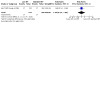
Comparison 20: Low blood pressure (BP) target (95/60 to 110/75 mm Hg) versus standard BP target (120/70 to 130/80 mm Hg), Outcome 2: Acute kidney injury
No other primary outcomes were reported.
Secondary outcomes
Death
HALT‐PKD Study A 2014 reported that compared to standard BP targets, the impact of low BP targets on death was uncertain (Analysis 20.3, 558 participants: RR 0.21, 95% CI 0.01 to 4.30; very low certainty evidence).
20.3. Analysis.

Comparison 20: Low blood pressure (BP) target (95/60 to 110/75 mm Hg) versus standard BP target (120/70 to 130/80 mm Hg), Outcome 3: Death
Quality of life
HALT‐PKD Study A 2014 reported that compared to standard BP targets, low BP targets may make little or no difference to the SF‐36 physical component summary (Analysis 20.4.1, 558 participants: MD 0.13, 95% CI ‐0.06 to 0.32) but may improve the SF‐36 mental component summary (Analysis 20.4.2, 558 participants: MD ‐0.23, 95% CI ‐0.45 to ‐0.01) (all low certainty evidence)
20.4. Analysis.

Comparison 20: Low blood pressure (BP) target (95/60 to 110/75 mm Hg) versus standard BP target (120/70 to 130/80 mm Hg), Outcome 4: Quality of life scores
Total kidney volume
HALT‐PKD Study A 2014 reported that compared to standard BP targets, the per cent annual increase in TKV was probably lower in the low BP target group (Analysis 20.5, 558 participants: MD ‐1.00%, 95% CI ‐1.67 to ‐0.33; moderate certainty evidence).
20.5. Analysis.

Comparison 20: Low blood pressure (BP) target (95/60 to 110/75 mm Hg) versus standard BP target (120/70 to 130/80 mm Hg), Outcome 5: Per cent annual change in total kidney volume [mL/cm]
Hospital admissions
HALT‐PKD Study A 2014 reported that compared to standard BP targets, low BP targets may slightly decrease hospital admission (Analysis 20.6, 558 participants: RR 0.80, 95% CI 0.65 to 0.99; low certainty evidence).
20.6. Analysis.

Comparison 20: Low blood pressure (BP) target (95/60 to 110/75 mm Hg) versus standard BP target (120/70 to 130/80 mm Hg), Outcome 6: All cause hospitalisation
Urinary protein excretion
HALT‐PKD Study A 2014 reported that low BP targets probably decrease albuminuria compared to standard BP targets (Analysis 20.7, 557 participants: MD ‐6.20 mg/day, 95% CI ‐8.95 to ‐3.45; moderate certainty evidence)
20.7. Analysis.

Comparison 20: Low blood pressure (BP) target (95/60 to 110/75 mm Hg) versus standard BP target (120/70 to 130/80 mm Hg), Outcome 7: Albuminuria [mg/24 hours]
Adverse events
HALT‐PKD Study A 2014 reported that compared to standard BP targets, low BP targets probably make little or no difference to serious adverse events (Analysis 20.8, 558 participants: RR 0.91, 95% CI 0.69 to 1.19; moderate certainty evidence).
20.8. Analysis.

Comparison 20: Low blood pressure (BP) target (95/60 to 110/75 mm Hg) versus standard BP target (120/70 to 130/80 mm Hg), Outcome 8: Serious adverse events
Other symptom management therapies
Antiplatelet agents versus placebo
Primary outcomes
Nakamura 2001d reported antiplatelet agents may have little or no effect on SCr (Analysis 21.1, 22 participants: MD ‐0.13 mg/dL, 95% CI ‐0.52 to 0.26; I2 = 69%; low certainty evidence).
Nakamura 2001d reported antiplatelet agents may have little or no effect on GFR (Analysis 21.2, 22 participants: MD 2.24 mL/min/1.73 m2, 95% CI ‐8.05 to 12.53; I2 = 0%; low certainty evidence).
21.1. Analysis.

Comparison 21: Antiplatelet agents versus placebo, Outcome 1: Serum creatinine [mg/dL]
21.2. Analysis.

Comparison 21: Antiplatelet agents versus placebo, Outcome 2: GFR [mL/min/1.73 m²]
No other primary outcomes were reported.
Secondary outcomes
Nakamura 2001d reported antiplatelet agents may have little or no effect on SBP (Analysis 21.3, 22 participants: MD 5.04 mm Hg, 95% CI ‐7.43 to 17.43; low certainty evidence).
Nakamura 2001d reported antiplatelet agents may have little or no effect on DBP (Analysis 21.4, 22 participants: MD 6.24 mm Hg, 95% CI‐3.27 to 15.74; low certainty evidence).
Nakamura 2001d reported antiplatelet agents had uncertain effects on albuminuria (Analysis 21.5, 22 participants: MD ‐60.53 µg/min, 95% CI ‐129.06 to 8.01; very low certainty evidence).
21.3. Analysis.

Comparison 21: Antiplatelet agents versus placebo, Outcome 3: Systolic blood pressure [mm Hg]
21.4. Analysis.

Comparison 21: Antiplatelet agents versus placebo, Outcome 4: Diastolic blood pressure [mm Hg]
21.5. Analysis.

Comparison 21: Antiplatelet agents versus placebo, Outcome 5: Albuminuria [µg/min]
Statins versus placebo
Primary outcomes
Compared to placebo, statin therapy had uncertain effects on change in eGFR (Analysis 22.1 (2 studies, 140 participants): SMD ‐1.28, 95% CI ‐3.96 to 1.40; I2 = 98%; very low certainty evidence).
Fassett 2010 and AIPRI 1996 reported no significant differences in eGFR between statin and placebo‐treated participants.
Cadnapaphornchai 2011 reported statin therapy may have no effect on 24‐hour CrCl in a paediatric population (Analysis 22.3, 81 participants: MD 0.00 mL/min/1.73 m2; 95% CI ‐10.12 to 10.12; low certainty evidence).
van Dijk 2001 reported statins increased eGFR in the first cross‐over period (Analysis 22.3).
22.1. Analysis.

Comparison 22: Statins versus control (placebo, standard therapy or no treatment), Outcome 1: Change in eGFR
22.3. Analysis.

Comparison 22: Statins versus control (placebo, standard therapy or no treatment), Outcome 3: Creatinine clearance [mL/min/1.73 m2]
No other primary outcomes were reported.
Secondary outcomes
Blood pressure
Compared to placebo, statins may have little or no effect on SBP (Analysis 22.4 (2 studies, 140 participants): MD 0.32 mm Hg, 95% CI ‐3.20 to 3.84; I2 = 0%; low certainty evidence).
Compared to placebo, statins may have little or no effect on DBP (Analysis 22.5 (2 studies, 140 participants): MD ‐1.17 mm Hg, 95% CI ‐3.84 to 1.50; I2 = 0%; low certainty evidence).
22.4. Analysis.

Comparison 22: Statins versus control (placebo, standard therapy or no treatment), Outcome 4: Systolic blood pressure [mm Hg]
22.5. Analysis.

Comparison 22: Statins versus control (placebo, standard therapy or no treatment), Outcome 5: Diastolic blood pressure [mm Hg]
Total kidney volume
Cadnapaphornchai 2011 reported that in a paediatric population, pravastatin therapy may decrease htTKV compared to placebo (Analysis 22.6, 91 participants: MD ‐8.00, 95% CI ‐9.24 to ‐6.76; low certainty evidence).
22.6. Analysis.

Comparison 22: Statins versus control (placebo, standard therapy or no treatment), Outcome 6: Change in height‐adjusted total kidney volume
Urinary protein excretion
Cadnapaphornchai 2011 reported that in a paediatric population, pravastatin therapy may have little to no effect on a > 20% increase in urine microalbuminuria excretion (Analysis 22.8, 91 participants: RR 1.21, 95% CI 0.76 to 1.93; low certainty evidence).
22.8. Analysis.

Comparison 22: Statins versus control (placebo, standard therapy or no treatment), Outcome 8: Urinary albumin excretion: > 20% increase
Adverse events
Adverse events of statin therapy were poorly reported, and the certainty of the evidence was very low. Data were only available regarding elevated liver enzymes (aspartate aminotransferase) in Cadnapaphornchai 2011 (Analysis 22.9, 91 participants: RR 0.86, 95% CI 0.06 to 13.29).
22.9. Analysis.

Comparison 22: Statins versus control (placebo, standard therapy or no treatment), Outcome 9: Adverse events
Eicosapentaenoic acid versus standard therapy
Primary outcomes
Higashihara 2008 reported that eicosapentaenoic acid versus standard therapy may have little or no effect on SCr (Analysis 23.1, 41 participants: RR 0.16 mg/dL, 95% CI ‐0.55 to 0.87; low certainty evidence).
Higashihara 2008 reported that eicosapentaenoic acid versus standard therapy may have little or no effect on eGFR (Analysis 23.2, 41 participants: MD 6.10 mL/min/1.73 m2, 95% CI ‐11.16 to 23.36; low certainty evidence).
23.1. Analysis.

Comparison 23: Eicosapentaenoic acids (EPA) versus standard therapy, Outcome 1: Serum creatinine [mg/dL]
23.2. Analysis.

Comparison 23: Eicosapentaenoic acids (EPA) versus standard therapy, Outcome 2: GFR [mL/min/1.73 m²]
No other primary outcomes were reported.
Secondary outcomes
Higashihara 2008 reported that eicosapentaenoic acid versus standard therapy may have little or no effect on TKV (Analysis 23.3, 41 participants: ‐209.00 mL, 95% CI ‐729.06 to 311.00; low certainty evidence).
Higashihara 2008 reported that eicosapentaenoic acid versus standard therapy may have little or no effect on albuminuria (Analysis 23.4, 41 participants: MD 82.40 mg/day, 95% CI ‐162.09 to 326.89; low certainty evidence).
23.3. Analysis.

Comparison 23: Eicosapentaenoic acids (EPA) versus standard therapy, Outcome 3: Total kidney volume [mL]
23.4. Analysis.

Comparison 23: Eicosapentaenoic acids (EPA) versus standard therapy, Outcome 4: Albuminuria [mg/day]
Dietary interventions and supplements
Prescribed water intake versus standard water intake
Primary outcomes
Kidney function
DRINK 2018 reported that compared to ad libitum water intake, prescribed water intake may increase SCr: ad libitum water increased SCr by 6 mmol/L and prescribed water decreased SCr by 9 mmol/L (P = 0.65).
PREVENT‐ADPKD 2018 reported that compared to ad libitum water intake, prescribed water intake probably makes little or no difference to doubling of SCr (Analysis 24.2, 184 participants: RR 1.33, 95% CI 0.31 to 5.97; moderate certainty evidence).
Compared to ad libitum water intake, prescribed water intake probably makes little or no difference in change in eGFR (Analysis 24.3 (2 studies, 226 participants): MD 0.07 mL/min/1.73 m2, 95% CI ‐0.96 to 1.10; I2 = 0 %; moderate certainty evidence).
PREVENT‐ADPKD 2018 reported that compared to ad libitum water intake, prescribed water intake may make little or no difference to those experiencing a > 25% decrease in eGFR (Analysis 24.5, 184 participants: RR 0.75, 95% CI 0.27 to 2.08; low certainty evidence).
-
PREVENT‐ADPKD 2018 reported that compared to ad libitum water intake, prescribed water intake may have little or no effect on kidney failure (Analysis 24.6, 184 participants: RR 1.00, 95% CI 0.14 to 6.95; low certainty evidence).
Subgroup analysis of study duration (one year or less, or greater than one year) did not demonstrate effect modification.
For a composite ADPKD disease progression outcome (including the rate of eGFR decline, MAP, UACR and kidney pain), PREVENT‐ADPKD 2018 reported that compared to ad libitum water intake, prescribed water intake may have little or no effect (Analysis 24.7: HR 0.91, 95% CI 0.73 to 1.13; low certainty evidence).
24.2. Analysis.

Comparison 24: Prescribed versus ad libitum water intake, Outcome 2: Doubling of serum creatinine
24.3. Analysis.

Comparison 24: Prescribed versus ad libitum water intake, Outcome 3: Change in eGFR
24.5. Analysis.

Comparison 24: Prescribed versus ad libitum water intake, Outcome 5: Decrease in eGFR: > 25%
24.6. Analysis.

Comparison 24: Prescribed versus ad libitum water intake, Outcome 6: Kidney failure
24.7. Analysis.

Comparison 24: Prescribed versus ad libitum water intake, Outcome 7: ADPKD disease progression
Secondary outcomes
Pain
PREVENT‐ADPKD 2018 reported that compared to ad libitum water intake, prescribed water intake may make little or no difference to pain (Analysis 24.8, 184 participants: RR 0.98, 95% CI 0.81 to 1.19; low certainty evidence).
24.8. Analysis.

Comparison 24: Prescribed versus ad libitum water intake, Outcome 8: Pain
Blood pressure
PREVENT‐ADPKD 2018 reported that compared to ad libitum water intake, prescribed water intake may have little or no effect on SBP (Analysis 24.9), DBP (Analysis 24.10), or MAP (Analysis 24.11: descriptive data only).
24.9. Analysis.
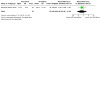
Comparison 24: Prescribed versus ad libitum water intake, Outcome 9: Systolic blood pressure [mm Hg]
24.10. Analysis.

Comparison 24: Prescribed versus ad libitum water intake, Outcome 10: Diastolic blood pressure [mm Hg]
24.11. Analysis.
Comparison 24: Prescribed versus ad libitum water intake, Outcome 11: Mean arterial pressure: descriptive data
| Mean arterial pressure: descriptive data | |
| Study | Narrative Results |
| DRINK 2018 | MAP, median (IQR) (mm Hg) Week 0: control= 95 (91–104) treatmet =102 (92–107) Week 8: control = 94 (88–102) treatment = 95 (90–111) P=0.33 |
Total kidney volume
PREVENT‐ADPKD 2018 reported that compared to ad libitum water intake, prescribed water intake probably has little or no effect on htTKV (Analysis 24.12, 184 participants: MD ‐16.00 mL, 95% CI ‐60.71 to 28.71; moderate certainty evidence) and annual per cent change in htTKV (Analysis 24.13, 184 participants: MD ‐1.00%, 95% CI ‐2.51 to 0.51; moderate certainty evidence).
24.12. Analysis.

Comparison 24: Prescribed versus ad libitum water intake, Outcome 12: Height‐adjusted total kidney volume [mL]
24.13. Analysis.

Comparison 24: Prescribed versus ad libitum water intake, Outcome 13: Annual rate of height‐adjusted total kidney volume [%]
Urinary protein excretion
PREVENT‐ADPKD 2018 reported that compared to ad libitum water intake, prescribed water intake may have little or no effect on UACR (Analysis 24.14; low certainty evidence).
24.14. Analysis.

Comparison 24: Prescribed versus ad libitum water intake, Outcome 14: UACR [mg/g]
Urine volume and urine osmolality
PREVENT‐ADPKD 2018 reported that compared to ad libitum water intake, prescribed water intake probably increases urine volume (Analysis 24.15, 184 participants: MD 633.00 mL, 95% CI 369.00 to 897.00; moderate certainty evidence) and urine osmolality (Analysis 24.16, 185 participants: MD ‐129.23 mOsmol/kg, 95% CI ‐220.20 to ‐38.26; moderate certainty evidence).
24.15. Analysis.

Comparison 24: Prescribed versus ad libitum water intake, Outcome 15: Urine volume [mL]
24.16. Analysis.

Comparison 24: Prescribed versus ad libitum water intake, Outcome 16: Urine osmolality [mOsmol/Kg]
Adverse events
PREVENT‐ADPKD 2018 reported that compared to ad libitum water intake, prescribed water intake may increase serious adverse events (Analysis 24.17, 184 participants: RR 1.61, 95% CI 1.04 to 2.48; low certainty evidence).
Prescribed water intake probably increases hyponatraemia (Analysis 24.18.2 (2 studies, 226 participants): RR 4.19, 95% CI 1.08 to 16.25; moderate certainty evidence).
Prescribed water intake may have little or no effect on UTI (Analysis 24.18.1 (2 studies, 226 participants): RR 1.08, 95% CI 0.55 to 2.15; I2 = 0%; low certainty evidence).
The effect of prescribed water intake is unclear for cyst rupture (Analysis 24.18.3), cyst infection (Analysis 24.18.4), nephrolithiasis (Analysis 24.18.5) and dysuria (Analysis 24.18.6) due to very few reported events.
24.17. Analysis.

Comparison 24: Prescribed versus ad libitum water intake, Outcome 17: Serious adverse events
24.18. Analysis.

Comparison 24: Prescribed versus ad libitum water intake, Outcome 18: Adverse events
Low osmolar diet
No primary outcomes were reported.
Secondary outcomes
Amro 2016 reported that compared to a normal diet, a low osmolar diet may decrease urine osmolality (Analysis 25.1, 32 participants: MD ‐187.00 mOsm/kg, 95% CI ‐331.57 to ‐42.43; low certainty evidence).
25.1. Analysis.

Comparison 25: Low osmolar diet versus control (no intervention), Outcome 1: Change in urine osmolality [mOsm/kg]
No other secondary outcomes were reported.
Curcumin versus placebo
Primary outcomes
Nowak 2020 reported no difference in change in eGFR between curcumin and placebo‐treated participants after 12 months (Analysis 26.1: descriptive data only).
26.1. Analysis.
Comparison 26: Curcumin versus placebo, Outcome 1: eGFR: descriptive data
| eGFR: descriptive data | |
| Study | Narrative Results |
| Nowak 2020 | There was no difference in change in eGFR at 12 months Baseline Treatment: 109±16 Final Treatment: 109±18 Baseline Control: 115±18 Final Control: 111±17 |
No other primary outcomes were reported.
Secondary outcomes
Nowak 2020 reported there may be little or no difference in TKV between curcumin and placebo (Analysis 26.2, 57 participants: MD 66 mL/m, 95% CI ‐141.35 to 273.55; low certainty evidence).
Nowak 2020 reported that compared to placebo, curcumin therapy may result in no difference in adverse events (Analysis 26.3, 68 participants: RR 0.89, 95% CI 0.39 to 2.03; low certainty evidence). Serious adverse events were not reported.
26.2. Analysis.

Comparison 26: Curcumin versus placebo, Outcome 2: Total kidney volume [mL]
26.3. Analysis.

Comparison 26: Curcumin versus placebo, Outcome 3: Adverse events
No other secondary outcomes were reported.
Vitamin D versus placebo
Primary outcomes
Vendramini 2021 reported that the effects of vitamin D on eGFR were unclear due to very low certainty evidence (Analysis 27.1).
27.1. Analysis.
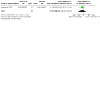
Comparison 27: Vitamin D versus placebo, Outcome 1: eGFR [mL/min/1.73 m2]
No other primary outcomes were reported.
Secondary outcomes
Vendramini 2021 reported that the effects of vitamin D on BP were unclear due to very low certainty evidence (Analysis 27.2; Analysis 27.3)
27.2. Analysis.
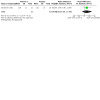
Comparison 27: Vitamin D versus placebo, Outcome 2: Systolic blood pressure [mm Hg]
27.3. Analysis.

Comparison 27: Vitamin D versus placebo, Outcome 3: Diastolic blood pressure [mm Hg]
No other secondary outcomes were reported.
Vitamin D versus traditional Chinese herbal medicine
Primary outcomes
Biao 1997 reported that compared to traditional Chinese medicine, vitamin D may decrease SCr (Analysis 28.1, 34 participants: MD ‐64 µmol/L, 95% CI ‐116.09 to ‐11.91) and may result in higher GFR (Analysis 28.2, 34 participants: MD 22.60 mL/min, 95% CI 0.92 to 44.28 (all low certainty evidence).
28.1. Analysis.
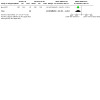
Comparison 28: Vitamin D versus traditional Chinese herbal medicine, Outcome 1: Serum creatinine [µmol/L]
28.2. Analysis.

Comparison 28: Vitamin D versus traditional Chinese herbal medicine, Outcome 2: GFR [mL/min]
No other primary or secondary outcomes were reported.
Niacinamide versus placebo
Primary outcomes
El Ters 2020 reported that compared to placebo, niacinamide may make little or no difference to eGFR (Analysis 29.1; descriptive data only).
29.1. Analysis.
Comparison 29: Niacinamide versus placebo, Outcome 1: eGFR: descriptive data
| eGFR: descriptive data | |
| Study | Narrative Results |
| El Ters 2020 | Placebo: eGFR annual change 0.032 Niacinamide: eGFR annual change ‐1.589 P=0.55 |
No other primary outcomes were reported.
Secondary outcomes
El Ters 2020 reported that compared to placebo, niacinamide may have little or no effect on back or abdominal pain (Analysis 29.2, 36 participants: MD ‐0.20, 95% CI ‐1.38 to 0.98; low certainty evidence).
El Ters 2020 reported that compared to placebo, niacinamide may have little or no effect on the per cent change in TKV (Analysis 29.4, 36 participants: MD ‐1.50%, 95% CI ‐6.05 to 3.05; low certainty evidence).
El Ters 2020 reported that the effects of niacinamide compared to placebo on adverse effects (Analysis 29.5) and QoL (Analysis 29.3) were unclear (very low certainty evidence).
29.2. Analysis.

Comparison 29: Niacinamide versus placebo, Outcome 2: Frequency scale of back or abdominal pain
29.4. Analysis.

Comparison 29: Niacinamide versus placebo, Outcome 4: Total kidney volume change [%]
29.5. Analysis.

Comparison 29: Niacinamide versus placebo, Outcome 5: Adverse events
29.3. Analysis.

Comparison 29: Niacinamide versus placebo, Outcome 3: Quality of life score
No other secondary outcomes were reported.
Discussion
Summary of main results
In this updated Cochrane review, 57 RCTs (8016 randomised participants) evaluating 18 therapeutic interventions in ADPKD were included.
No intervention had high certainty evidence for clinically important effects on death, kidney failure or patient‐important outcome measures such as QoL or pain. The V2R antagonist, tolvaptan, probably slows both the decline in eGFR (mean follow‐up of 20 months) and the increase of TKV (mean follow‐up of 36 months) in moderate certainty evidence. However, there was little or no evidence of benefit in preventing kidney failure or death from any cause. Tolvaptan therapy was also associated with adverse events, such as nocturia. Adherence to tolvaptan treatment was lower when compared to placebo, and a higher percentage of patients in the intervention arm discontinued studies due to adverse events.
Low BP targets (mean follow‐up of 60 months) and somatostatin analogues (mean follow‐up of 20 months) probably result in a smaller increase of TKV; however, there was no evidence of benefit in preserving kidney function, preventing kidney failure, or reducing death. Somatostatin analogues probably increase the risk of alopecia, diarrhoea or abnormal faeces, dizziness and fatigue. There was limited data for children.
Little evidence or inconclusive results were found for the impact of antihypertensive agents (ACEi, ARB, CCB, beta‐blockers), eicosapentaenoic acids, mTOR inhibitors, vitamin D compounds, prescribed water intake, low osmolar diets, metformin, niacinamide, curcumin, pioglitazone, spironolactone, bosutinib or antiplatelet agents on disease progression and patient outcomes. These treatments may be associated with undefined benefits in terms of kidney function and other secondary endpoints, such as BP or proteinuria.
Overall completeness and applicability of evidence
The completeness and applicability of the evidence varied largely depending on the therapeutic intervention. The majority of studies reported the progression of ADPKD through surrogate endpoints (e.g. change in kidney volume, BP control, change in eGFR). Hard clinical outcomes such as death or kidney failure were only marginally addressed and had insufficient data to draw definitive conclusions. Surrogate outcomes are useful proxies for clinical outcomes, particularly in slow‐progressing diseases such as ADPKD. However, the main disadvantage of using surrogate outcomes is that the favourable effects of interventions do not always translate into clear benefits for hard endpoints.
While eGFR is a useful outcome measure for treatment effectiveness, this parameter remains relatively stable in the early stages of ADPKD. Therefore, its utility as an outcome measure is diminished in populations of younger ADPKD patients with preserved eGFR. The Consortium for Radiologic Imaging for the Study of Polycystic Kidney Disease (Rule 2006) demonstrated that baseline kidney volume predicted the rate of TKV increase in ADPKD. Therefore, kidney volume was proposed as a surrogate endpoint of disease progression and has since been extensively used in studies. Despite this, the benefits of some interventions (e.g. mTOR inhibitors and somatostatin analogues) on kidney volumes have not corresponded with the benefits of slowing kidney function decline. This raises the question of whether these biomarkers are appropriate as outcomes for assessing the effectiveness of novel interventions in ADPKD when used in isolation.
Outcomes such as cyst pain and cardiovascular diseases have been identified as core outcomes for both clinicians and patients with ADPKD (Cho 2017). However, these outcomes have been poorly reported in clinical trials. Likewise, data on major patient‐centred outcomes, such as QoL, was also sparse.
Quality of the evidence
The quality of the evidence on interventions for slowing the progression of ADPKD was highly varied. Tolvaptan therapy has been evaluated in two large RCTs (REPRISE 2017; TEMPO 3:4 2011) and showed moderate certainty evidence of benefits for kidney function and volume preservation.
Some studies included in this review were of lower quality. Nine studies were published only as abstracts (Biao 1997; Chaudhary 2021; Melemadathil 2013; Mora 2013; Pasari 2019; Temmerman 2012; TEMPO 248 & 249 2005; TEMPO 250 2011; Watson 1999), and important information regarding methodology and patient outcomes was not reported. Eight of the included studies were cross‐over studies often conducted on very small populations (Al Therwani 2017; Blazer‐Yost 2021; Kramers 2020; Perrone 2020; Ruggenenti 2005; SIRENA 2010; Uchiyama 2021; van Dijk 2001), and it was not always possible to ascertain the results of each intervention.
Many studies focused on small cohorts and were not powered to observe significance in patient‐centred outcomes. These results are inconclusive and probably more useful for hypothesis‐setting for larger confirmation studies than for providing definite indications for clinical practice.
Furthermore, numerous studies did not provide adequate reporting or information on the blinding of patients, investigators, or both to allow us to properly assess the risks of bias. Limitations in study reporting and design markedly reduced confidence in the results.
The extreme heterogeneity in study length (ranging from single‐day interventions to 60 months) also should be addressed. Many studies were indeed designed to assess treatment effects in a very short time, as per their exploratory nature. Short‐term studies preclude interpretations of hard outcomes (death, kidney failure), particularly in slowly progressing conditions such as ADPKD. Performing cumulative outcome analyses with such study heterogeneity in the duration of follow‐up is potentially unreliable. Subgroup analyses were performed for primary outcomes based on follow‐up duration; however, these were limited by the small number of studies contributing to each outcome.
The applicability of findings is also limited by participant attrition in many studies. Although the overall drop‐out rate varied widely across the studies (1.6% to 33%), this rate was greater than 10% in 17 studies, which included many of the largest studies conducted on ADPKD patients. Furthermore, in many cases, drop‐outs were unbalanced among the study groups, being more frequently observed in the active rather than in the control arm. High dropout rates may introduce important attrition bias and limit the internal validity of findings. Per‐protocol analyses can be useful to bypass limitations related to high dropout rates. However, such approaches convey a high risk of bias due to the selection of patients and may provide clinically dubious information as they may overestimate the benefit or underestimate the harm of an intervention.
Potential biases in the review process
Despite using a systematic search of electronic databases, including the Cochrane Kidney and Transplant Group’s specialised register of studies and applying a standardised procedure for data extraction and analysis incorporating assessment of study methodology, the findings of our review should be interpreted with caution. The lack of studies pertaining to several interventions represents the key limitation. In many instances, the effect of a given intervention was addressed only in single studies, or results were reported in such a way as to prevent meta‐analyses. Furthermore, data on hard outcomes such as kidney failure and death were scarce.
Agreements and disagreements with other studies or reviews
After decades of symptomatic treatment for ADPKD, we now have several therapeutic interventions targeting ADPKD biology, arising from a wealth of experimental and non‐randomised studies (Chang 2012). Many of these have not demonstrated meaningful clinical benefit. Indeed, tolvaptan is the only agent to have gained international registration for use in ADPKD and to have demonstrated clear therapeutic benefits on kidney volume and function with large RCTs. International uptake and acceptance of tolvaptan has been widespread following its registration, first in Japan in 2014, Canada and Europe in 2015, and the USA and Australia in 2018. We have seen the number of prescriptions for tolvaptan increasing internationally. In Japan, tablet prescribing increased by more than three times from 2015 to 2017 (Inoue 2020). While somatostatin analogues have been registered for use in Italy since 2018, other countries have not followed suit based on the current available evidence.
A recent systematic review and network meta‐analysis of RCTs of therapeutic interventions for ADPKD patients reported similar results to those presented here (Tsukamoto 2022). They also found tolvaptan to be the only therapeutic agent to demonstrate a statistically significant benefit to change in kidney function while also reducing the growth of TKV. Metformin may preserve kidney function; however, this effect was not statistically significant. TKV was significantly reduced by somatostatin analogues, tyrosine kinase inhibitors, and mTOR inhibitors, although none of these agents preserved kidney function. An additional narrative review of current ADPKD therapies considered both tolvaptan and somatostatin to be current therapeutic treatments (Capuano 2022). However, they also concluded that the evidence for somatostatins was gathered from smaller populations, and results between trials were not as strong.
Authors' conclusions
Implications for practice.
Tolvaptan was the only therapeutic agent to demonstrate a therapeutic benefit on kidney function and kidney volume. However, there is still insufficient evidence to determine tolvaptan's impact on death and kidney failure, and therapy was associated with adverse events. The appropriateness of therapy should be assessed at an individual patient level and consider the risks and benefits of therapy.
Likewise, while blood pressure control with RAAS inhibitors and somatostatin analogues slowed the growth of kidney volume, they have not demonstrated meaningful benefits on important outcomes such as kidney function, kidney failure or death, and somatostatin analogues were associated with adverse events.
Implications for research.
Further research is needed to confirm the role of certain interventions in the management of ADPKD. Other interventions, such as metformin, require evaluation in larger clinical trials with sufficient sample sizes to determine efficacy. More conclusive data on the safety profiles of some agents and long‐term effects are needed. Future clinical research should also focus on core outcomes important to clinicians and consumers, such as those identified in the SONG‐PKD project (Cho 2017). Twenty‐three ongoing studies were identified in our search, including large RCTs with long‐term follow‐up, which may clarify the role of specific interventions in ADPKD management.
Feedback
Ongoing studies now complete,
Summary
For the review, 'Interventions for preventing the progression of autosomal dominant polycystic kidney disease' I was just extracting the research recommendations at the end of the review so they can be promoted for research funding. Part of extracting the research uncertainties or recommendations is to list any on‐going studies which might address the uncertainty, so that research funders know to wait for any on‐going research to complete. Going form this review, it lists several ongoing studies which are completed. Shouldn't these now be listed in the awaiting assessment section of the review
Reply
Thank you for your feedback. The ongoing studies have now been moved to "Studies awaiting classification" and the authors will assess these studies in a future update of this review.
Contributors
Mark Fenton ‐ Database of Uncertainties about the Effects of Treatments (DUETs); National Institute for Health and Clinical Excellence
Narelle Willis ‐ Managing Editor, Cochrane Kidney and Transplant
What's new
| Date | Event | Description |
|---|---|---|
| 2 October 2024 | New search has been performed | New studies added |
| 2 October 2024 | New citation required and conclusions have changed | New interventions added |
History
Protocol first published: Issue 1, 2013 Review first published: Issue 7, 2015
| Date | Event | Description |
|---|---|---|
| 3 September 2015 | Feedback has been incorporated | Ongoing studies now completed |
| 3 September 2015 | Amended | Two ongoing studies moved to studies awaiting assessment; one ongoing study move to excluded studies |
| 31 August 2015 | Amended | Correction of search dates |
Acknowledgements
We would like to thank the Cochrane Kidney and Transplant Group for their valued support during the preparation of the review.
We also wish to thank the following peer reviewers for their comments and feedback: Ana Cabrita MD (Nephrology Department, Algarve University Hospital Center, Faro, Portugal); Dr. Isaac D. Liu, MBBS MRCPCH PhD (Singapore); and two peer reviewers who wished to remain anonymous.
Appendices
Appendix 1. Electronic search strategies
| Database | Search terms |
| CENTRAL |
|
| MEDLINE |
|
| EMBASE |
|
Appendix 2. Risk of bias assessment tool
| Potential source of bias | Assessment criteria |
|
Random sequence generation Selection bias (biased allocation to interventions) due to inadequate generation of a randomised sequence |
Low risk of bias: Random number table; computer random number generator; coin tossing; shuffling cards or envelopes; throwing dice; drawing of lots; minimization (minimization may be implemented without a random element, and this is considered to be equivalent to being random). |
| High risk of bias: Sequence generated by odd or even date of birth; date (or day) of admission; sequence generated by hospital or clinic record number; allocation by judgement of the clinician; by preference of the participant; based on the results of a laboratory test or a series of tests; by availability of the intervention. | |
| Unclear: Insufficient information about the sequence generation process to permit judgement. | |
|
Allocation concealment Selection bias (biased allocation to interventions) due to inadequate concealment of allocations prior to assignment |
Low risk of bias: Randomisation method described that would not allow investigator/participant to know or influence intervention group before eligible participant entered in the study (e.g. central allocation, including telephone, web‐based, and pharmacy‐controlled, randomisation; sequentially numbered drug containers of identical appearance; sequentially numbered, opaque, sealed envelopes). |
| High risk of bias: Using an open random allocation schedule (e.g. a list of random numbers); assignment envelopes were used without appropriate safeguards (e.g. if envelopes were unsealed or non‐opaque or not sequentially numbered); alternation or rotation; date of birth; case record number; any other explicitly unconcealed procedure. | |
| Unclear: Randomisation stated but no information on method used is available. | |
|
Blinding of participants and personnel Performance bias due to knowledge of the allocated interventions by participants and personnel during the study |
Low risk of bias: No blinding or incomplete blinding, but the review authors judge that the outcome is not likely to be influenced by lack of blinding; blinding of participants and key study personnel ensured, and unlikely that the blinding could have been broken. |
| High risk of bias: No blinding or incomplete blinding, and the outcome is likely to be influenced by lack of blinding; blinding of key study participants and personnel attempted, but likely that the blinding could have been broken, and the outcome is likely to be influenced by lack of blinding. | |
| Unclear: Insufficient information to permit judgement | |
|
Blinding of outcome assessment Detection bias due to knowledge of the allocated interventions by outcome assessors. |
Low risk of bias: No blinding of outcome assessment, but the review authors judge that the outcome measurement is not likely to be influenced by lack of blinding; blinding of outcome assessment ensured, and unlikely that the blinding could have been broken. |
| High risk of bias: No blinding of outcome assessment, and the outcome measurement is likely to be influenced by lack of blinding; blinding of outcome assessment, but likely that the blinding could have been broken, and the outcome measurement is likely to be influenced by lack of blinding. | |
| Unclear: Insufficient information to permit judgement | |
|
Incomplete outcome data Attrition bias due to amount, nature or handling of incomplete outcome data. |
Low risk of bias: No missing outcome data; reasons for missing outcome data unlikely to be related to true outcome (for survival data, censoring unlikely to be introducing bias); missing outcome data balanced in numbers across intervention groups, with similar reasons for missing data across groups; for dichotomous outcome data, the proportion of missing outcomes compared with observed event risk not enough to have a clinically relevant impact on the intervention effect estimate; for continuous outcome data, plausible effect size (difference in means or standardized difference in means) among missing outcomes not enough to have a clinically relevant impact on observed effect size; missing data have been imputed using appropriate methods. |
| High risk of bias: Reason for missing outcome data likely to be related to true outcome, with either imbalance in numbers or reasons for missing data across intervention groups; for dichotomous outcome data, the proportion of missing outcomes compared with observed event risk enough to induce clinically relevant bias in intervention effect estimate; for continuous outcome data, plausible effect size (difference in means or standardized difference in means) among missing outcomes enough to induce clinically relevant bias in observed effect size; ‘as‐treated’ analysis done with substantial departure of the intervention received from that assigned at randomisation; potentially inappropriate application of simple imputation. | |
| Unclear: Insufficient information to permit judgement | |
|
Selective reporting Reporting bias due to selective outcome reporting |
Low risk of bias: The study protocol is available and all of the study’s pre‐specified (primary and secondary) outcomes that are of interest in the review have been reported in the pre‐specified way; the study protocol is not available but it is clear that the published reports include all expected outcomes, including those that were pre‐specified (convincing text of this nature may be uncommon). |
| High risk of bias: Not all of the study’s pre‐specified primary outcomes have been reported; one or more primary outcomes is reported using measurements, analysis methods or subsets of the data (e.g. subscales) that were not pre‐specified; one or more reported primary outcomes were not pre‐specified (unless clear justification for their reporting is provided, such as an unexpected adverse effect); one or more outcomes of interest in the review are reported incompletely so that they cannot be entered in a meta‐analysis; the study report fails to include results for a key outcome that would be expected to have been reported for such a study. | |
| Unclear: Insufficient information to permit judgement | |
|
Other bias Bias due to problems not covered elsewhere in the table |
Low risk of bias: The study appears to be free of other sources of bias. |
| High risk of bias: Had a potential source of bias related to the specific study design used; stopped early due to some data‐dependent process (including a formal‐stopping rule); had extreme baseline imbalance; has been claimed to have been fraudulent; had some other problem. | |
| Unclear: Insufficient information to assess whether an important risk of bias exists; insufficient rationale or evidence that an identified problem will introduce bias. |
Data and analyses
Comparison 1. Vasopressin type 2 receptor (V2R) antagonists versus control (placebo or standard therapy).
| Outcome or subgroup title | No. of studies | No. of participants | Statistical method | Effect size |
|---|---|---|---|---|
| 1.1 Serum creatinine [mg/dL] | 1 | 1154 | Mean Difference (IV, Random, 95% CI) | ‐0.01 [‐0.08, 0.06] |
| 1.2 Doubling of serum creatinine | 1 | 1444 | Risk Ratio (M‐H, Random, 95% CI) | 0.96 [0.73, 1.25] |
| 1.3 Mean change in eGFR [mL/min/1.73 m2] | 3 | 2758 | Mean Difference (IV, Random, 95% CI) | 1.26 [0.73, 1.78] |
| 1.3.1 Studies ≤ 1 year | 2 | 1452 | Mean Difference (IV, Random, 95% CI) | 1.59 [‐0.10, 3.28] |
| 1.3.2 Studies > 1 year | 1 | 1306 | Mean Difference (IV, Random, 95% CI) | 1.13 [0.25, 2.01] |
| 1.4 GFR: descriptive data | 0 | Other data | No numeric data | |
| 1.5 Death | 1 | 1370 | Risk Ratio (M‐H, Random, 95% CI) | 0.34 [0.01, 8.22] |
| 1.6 Pain | 4 | Risk Ratio (M‐H, Random, 95% CI) | Subtotals only | |
| 1.6.1 Kidney pain | 4 | 3076 | Risk Ratio (M‐H, Random, 95% CI) | 0.53 [0.28, 1.00] |
| 1.6.2 Back pain | 2 | 1457 | Risk Ratio (M‐H, Random, 95% CI) | 0.56 [0.35, 0.90] |
| 1.6.3 Pain in extremity | 1 | 91 | Risk Ratio (M‐H, Random, 95% CI) | 0.07 [0.00, 1.19] |
| 1.7 Systolic blood pressure [mm Hg] | 1 | 1422 | Mean Difference (IV, Random, 95% CI) | ‐3.00 [‐4.50, ‐1.50] |
| 1.8 Diastolic blood pressure [mm Hg] | 1 | 1422 | Mean Difference (IV, Random, 95% CI) | ‐1.40 [‐2.48, ‐0.32] |
| 1.9 Total kidney volume [mL/cm] | 1 | 1307 | Mean Difference (IV, Random, 95% CI) | ‐2.70 [‐3.24, ‐2.16] |
| 1.10 Height‐adjusted total kidney volume [mL/cm] | 1 | 113 | Mean Difference (IV, Random, 95% CI) | 0.09 [‐0.40, 0.59] |
| 1.10.1 12‐17 year olds | 1 | 57 | Mean Difference (IV, Random, 95% CI) | 0.70 [‐0.66, 2.06] |
| 1.10.2 4‐11 year olds | 1 | 56 | Mean Difference (IV, Random, 95% CI) | 0.00 [‐0.53, 0.53] |
| 1.11 Total kidney volume: descriptive data | 0 | Other data | No numeric data | |
| 1.12 Albuminuria [mg/mmol] | 1 | 1157 | Mean Difference (IV, Random, 95% CI) | ‐1.60 [‐3.95, 0.75] |
| 1.13 Spot urine osmolality [mOsm/kg] | 1 | Mean Difference (IV, Random, 95% CI) | Subtotals only | |
| 1.13.1 One week | 1 | 91 | Mean Difference (IV, Random, 95% CI) | ‐303.00 [‐383.66, ‐222.34] |
| 1.13.2 One month | 1 | 91 | Mean Difference (IV, Random, 95% CI) | ‐323.00 [‐426.47, ‐219.53] |
| 1.14 Urine specific gravity [mOsm/kg] | 1 | Mean Difference (IV, Random, 95% CI) | Subtotals only | |
| 1.14.1 One week | 1 | 91 | Mean Difference (IV, Random, 95% CI) | ‐0.01 [‐0.01, ‐0.00] |
| 1.14.2 One month | 1 | 91 | Mean Difference (IV, Random, 95% CI) | ‐0.01 [‐0.01, ‐0.01] |
| 1.15 Serious adverse events | 4 | 3076 | Risk Ratio (M‐H, Random, 95% CI) | 1.06 [0.68, 1.66] |
| 1.16 Adverse events | 5 | Risk Ratio (M‐H, Random, 95% CI) | Subtotals only | |
| 1.16.1 Headache | 4 | 2996 | Risk Ratio (M‐H, Random, 95% CI) | 1.05 [0.89, 1.24] |
| 1.16.2 Diarrhoea | 4 | 3076 | Risk Ratio (M‐H, Random, 95% CI) | 1.02 [0.66, 1.55] |
| 1.16.3 Dizziness | 3 | 1710 | Risk Ratio (M‐H, Random, 95% CI) | 1.24 [0.90, 1.72] |
| 1.16.4 Dry mouth | 4 | 2996 | Risk Ratio (M‐H, Random, 95% CI) | 5.13 [0.63, 41.71] |
| 1.16.5 Nausea | 3 | 1710 | Risk Ratio (M‐H, Random, 95% CI) | 0.69 [0.40, 1.16] |
| 1.16.6 Polyuria | 2 | 1457 | Risk Ratio (M‐H, Random, 95% CI) | 17.63 [2.41, 128.96] |
| 1.16.7 Nocturia | 2 | 1457 | Risk Ratio (M‐H, Random, 95% CI) | 7.81 [0.64, 95.51] |
| 1.16.8 Thirst | 4 | 3076 | Risk Ratio (M‐H, Random, 95% CI) | 5.30 [1.05, 26.70] |
| 1.16.9 Liver enzyme elevation | 3 | 2901 | Risk Ratio (M‐H, Random, 95% CI) | 2.08 [1.43, 3.02] |
| 1.16.10 Hypertension | 2 | 1541 | Risk Ratio (M‐H, Random, 95% CI) | 0.50 [0.21, 1.17] |
| 1.16.11 Upper respiratory tract infection | 2 | 1457 | Risk Ratio (M‐H, Random, 95% CI) | 0.66 [0.15, 2.99] |
| 1.16.12 Urinary tract infection | 1 | 1366 | Risk Ratio (M‐H, Random, 95% CI) | 0.15 [0.07, 0.30] |
| 1.16.13 Pollakiuria | 1 | 91 | Risk Ratio (M‐H, Random, 95% CI) | 17.06 [1.02, 284.67] |
| 1.16.14 Increased creatinine | 1 | 91 | Risk Ratio (M‐H, Random, 95% CI) | 2.69 [0.78, 9.29] |
| 1.16.15 Fatigue | 3 | 1632 | Risk Ratio (M‐H, Random, 95% CI) | 2.53 [1.65, 3.87] |
| 1.17 Withdrawal due to adverse events | 3 | 1632 | Risk Ratio (M‐H, Random, 95% CI) | 3.94 [2.34, 6.65] |
1.4. Analysis.
Comparison 1: Vasopressin type 2 receptor (V2R) antagonists versus control (placebo or standard therapy), Outcome 4: GFR: descriptive data
| GFR: descriptive data | |
| Study | Description of outcome |
| TEMPO 3:4 2011 | The slope of kidney function (as assessed by means of the reciprocal of the SCr level) from the end of dose escalation to month 36, favoured V2R antagonists, with a slope of −2.61 (mg/mL/year, as compared with −3.81 (mg/mL/year with placebo; the treatment effect was an increase of 1.20 (mg/mL/year (95% CI 0.62 to 1.78; P < 0.001) |
1.11. Analysis.
Comparison 1: Vasopressin type 2 receptor (V2R) antagonists versus control (placebo or standard therapy), Outcome 11: Total kidney volume: descriptive data
| Total kidney volume: descriptive data | |
| Study | Description of outcome |
| NOCTURNE 2020 | Quote: "The pooled tolvaptan treatment groups (MR+IR) (–2.07%, P = 0.0127), the tolvaptan MR 80 mg group (–2.55%, P = 0.0108), and the tolvaptan MR 50 mg group (–2.46%, P = 0.0155) each exhibited a significantly greater mean percent decrease in TKV from baseline to week 3 versus the placebo group (0.09%)" |
| TEMPO 3:4 2011 | TEMPO 3‐4 Quote: "Over the 3‐year period, total kidney volume increased by 2.8% per year (95% confidence interval [CI], 2.5 to 3.1) with V2R‐antagonists versus 5.5% per year (95% CI, 5.1 to 6.0) with placebo" TEMPO 4‐4 Early treated subjects were those who received tolvaptan therapy during TEMPO3:4, and delayed treated subjects took placebo during TEMPO3:4. TKV was measured from baseline of TEMPO3:4 until month 24 of TEMPO4:4, this time frame includes 36 months in TEMPO3:4, 13‐829 days off treatment and 24 months in TEMPO4:4. Quote: "TKV increased by 29.9% in early‐versus 31.6% in delayed‐treated subjects (P = 0.38)"... "TKV slopes in TEMPO 4:4 were higher in early‐ compared with delayed‐treated subjects (6.16 versus 4.96% per year; treatment difference 1.011, 95% CI, 1.00, 1.02, P = 0.05"). |
| TEMPO 3:4 2011 | |
Comparison 2. High versus low dose vasopressin type 2 receptor (V2R) antagonists.
| Outcome or subgroup title | No. of studies | No. of participants | Statistical method | Effect size |
|---|---|---|---|---|
| 2.1 Serum creatinine [mg/dL] | 1 | 46 | Mean Difference (IV, Random, 95% CI) | ‐0.12 [‐0.36, 0.12] |
| 2.2 Systolic blood pressure [mm Hg] | 1 | 46 | Mean Difference (IV, Random, 95% CI) | ‐9.00 [‐16.98, ‐1.02] |
| 2.3 Diastolic blood pressure [mm Hg] | 1 | 46 | Mean Difference (IV, Random, 95% CI) | ‐6.00 [‐11.21, ‐0.79] |
Comparison 3. Immediate release (IR) versus modified release (MR) tolvaptan.
| Outcome or subgroup title | No. of studies | No. of participants | Statistical method | Effect size |
|---|---|---|---|---|
| 3.1 Nocturia QoL Questionnaire | 0 | Other data | No numeric data | |
| 3.2 Adverse events | 1 | Risk Ratio (M‐H, Random, 95% CI) | Subtotals only | |
| 3.2.1 Any adverse event | 1 | 74 | Risk Ratio (M‐H, Random, 95% CI) | 1.25 [0.72, 2.16] |
| 3.2.2 Polyuria | 1 | 74 | Risk Ratio (M‐H, Random, 95% CI) | 2.15 [0.93, 4.99] |
| 3.2.3 Thirst | 1 | 74 | Risk Ratio (M‐H, Random, 95% CI) | 0.65 [0.09, 4.70] |
| 3.2.4 Nocturia | 1 | 74 | Risk Ratio (M‐H, Random, 95% CI) | 3.10 [0.85, 11.27] |
3.2. Analysis.
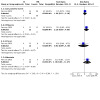
Comparison 3: Immediate release (IR) versus modified release (MR) tolvaptan, Outcome 2: Adverse events
Comparison 4. Trichlormethiazide plus tolvaptan versus tolvaptan alone.
| Outcome or subgroup title | No. of studies | No. of participants | Statistical method | Effect size |
|---|---|---|---|---|
| 4.1 eGFR change [mL/min/1.73 m2/month] | 1 | 10 | Mean Difference (IV, Random, 95% CI) | 1.02 [‐1.07, 3.11] |
| 4.2 Systolic blood pressure [mm Hg] | 1 | 10 | Mean Difference (IV, Random, 95% CI) | ‐4.10 [‐15.26, 7.06] |
| 4.3 Diastolic blood pressure [mm Hg] | 1 | 10 | Mean Difference (IV, Random, 95% CI) | ‐1.00 [‐8.93, 6.93] |
| 4.4 Quality of life scores | 1 | Mean Difference (IV, Random, 95% CI) | Subtotals only | |
| 4.4.1 KDQOL overall health rating | 1 | 10 | Mean Difference (IV, Random, 95% CI) | 3.70 [‐10.46, 17.86] |
| 4.4.2 SF‐36 physical component summary | 1 | 10 | Mean Difference (IV, Random, 95% CI) | 0.50 [‐11.84, 12.84] |
| 4.4.3 SF‐36 mental component summary | 1 | 10 | Mean Difference (IV, Random, 95% CI) | 2.40 [‐7.12, 11.92] |
| 4.5 Urinary albumin‐creatinine ratio [mg/g] | 1 | 10 | Mean Difference (IV, Random, 95% CI) | ‐4.60 [‐110.95, 101.75] |
Comparison 5. Somatostatin analogues versus control (placebo or standard therapy).
| Outcome or subgroup title | No. of studies | No. of participants | Statistical method | Effect size |
|---|---|---|---|---|
| 5.1 Serum creatinine [mg/dL] | 2 | 91 | Mean Difference (IV, Random, 95% CI) | ‐0.43 [‐0.86, ‐0.01] |
| 5.1.1 Duration ≤ 1 year | 1 | 12 | Mean Difference (IV, Random, 95% CI) | 0.10 [‐1.09, 1.29] |
| 5.1.2 Duration > 1 year | 1 | 79 | Mean Difference (IV, Random, 95% CI) | ‐0.51 [‐0.96, ‐0.06] |
| 5.2 GFR [mL/min/1.73 m2] | 4 | 180 | Mean Difference (IV, Random, 95% CI) | 4.11 [‐3.19, 11.41] |
| 5.2.1 Duration ≤ 1 year | 2 | 41 | Mean Difference (IV, Random, 95% CI) | ‐0.39 [‐17.74, 16.95] |
| 5.2.2 Duration > 1 year | 2 | 139 | Mean Difference (IV, Random, 95% CI) | 5.07 [‐2.97, 13.12] |
| 5.3 Change in GFR [mL/min/1.73 m²] | 3 | 404 | Mean Difference (IV, Random, 95% CI) | ‐0.10 [‐0.70, 0.50] |
| 5.3.1 Duration ≤ 1 year | 1 | 29 | Mean Difference (IV, Random, 95% CI) | 2.10 [‐10.01, 14.21] |
| 5.3.2 Duration > 1 year | 2 | 375 | Mean Difference (IV, Random, 95% CI) | ‐0.11 [‐0.71, 0.50] |
| 5.4 eGFR: descriptive data | 0 | Other data | No numeric data | |
| 5.5 Kidney failure | 2 | 405 | Risk Ratio (M‐H, Random, 95% CI) | 0.64 [0.16, 2.49] |
| 5.6 Kidney failure or doubling of serum creatinine | 1 | 100 | Risk Ratio (M‐H, Random, 95% CI) | 0.41 [0.21, 0.81] |
| 5.7 30% or more decrease in GFR or kidney failure | 1 | 305 | Risk Ratio (M‐H, Random, 95% CI) | 0.72 [0.43, 1.20] |
| 5.8 Acute kidney injury | 1 | 100 | Risk Ratio (M‐H, Random, 95% CI) | 0.77 [0.22, 2.70] |
| 5.9 Death | 1 | 309 | Risk Ratio (M‐H, Random, 95% CI) | 3.02 [0.12, 73.55] |
| 5.10 Back or flank pain | 1 | 100 | Risk Ratio (M‐H, Random, 95% CI) | 0.77 [0.33, 1.79] |
| 5.11 Health‐related quality of life | 1 | 305 | Mean Difference (IV, Random, 95% CI) | ‐0.02 [‐0.12, 0.08] |
| 5.12 Depression and anxiety | 1 | 100 | Risk Ratio (M‐H, Random, 95% CI) | 0.19 [0.01, 3.91] |
| 5.13 Systolic blood pressure [mm Hg] | 2 | 91 | Mean Difference (IV, Random, 95% CI) | 0.79 [‐3.54, 5.13] |
| 5.14 Diastolic blood pressure [mm Hg] | 2 | 91 | Mean Difference (IV, Random, 95% CI) | ‐0.38 [‐3.68, 2.92] |
| 5.15 Mean arterial pressure [mm Hg] | 1 | 79 | Mean Difference (IV, Random, 95% CI) | ‐0.10 [‐3.66, 3.46] |
| 5.16 Total kidney volume [L] | 3 | 114 | Mean Difference (IV, Random, 95% CI) | ‐0.62 [‐1.22, ‐0.01] |
| 5.17 Total kidney volume (TKV), height‐adjusted TKV and absolute change (pooled) | 6 | 500 | Std. Mean Difference (IV, Random, 95% CI) | ‐0.33 [‐0.51, ‐0.16] |
| 5.18 Cyst volume [L] | 2 | 82 | Mean Difference (IV, Random, 95% CI) | ‐0.50 [‐1.18, 0.18] |
| 5.19 Parenchymal volume [mL] | 2 | 82 | Mean Difference (IV, Random, 95% CI) | ‐67.67 [‐249.45, 114.12] |
| 5.20 Proteinuria [g/24 hours] | 1 | 79 | Mean Difference (IV, Random, 95% CI) | ‐0.05 [‐0.17, 0.07] |
| 5.21 Albuminuria [g/24 hours] | 2 | 91 | Mean Difference (IV, Random, 95% CI) | ‐17.71 [‐86.96, 51.55] |
| 5.22 Serious adverse events | 2 | 405 | Risk Ratio (M‐H, Random, 95% CI) | 1.81 [1.01, 3.25] |
| 5.23 Adverse events | 4 | Risk Ratio (M‐H, Random, 95% CI) | Subtotals only | |
| 5.23.1 Alopecia | 3 | 484 | Risk Ratio (M‐H, Random, 95% CI) | 8.58 [1.53, 48.03] |
| 5.23.2 Anaemia | 3 | 484 | Risk Ratio (M‐H, Random, 95% CI) | 1.65 [0.28, 9.72] |
| 5.23.3 Chest pain | 1 | 305 | Risk Ratio (M‐H, Random, 95% CI) | 5.96 [1.36, 26.19] |
| 5.23.4 Diarrhoea or abnormal faeces | 4 | 496 | Risk Ratio (M‐H, Random, 95% CI) | 5.59 [2.05, 15.23] |
| 5.23.5 Dizziness | 3 | 484 | Risk Ratio (M‐H, Random, 95% CI) | 2.24 [1.25, 4.02] |
| 5.23.6 Epigastric pain | 1 | 305 | Risk Ratio (M‐H, Random, 95% CI) | 4.97 [0.24, 102.62] |
| 5.23.7 Gastrointestinal symptoms | 1 | 100 | Risk Ratio (M‐H, Random, 95% CI) | 0.43 [0.14, 1.30] |
| 5.23.8 Fever | 1 | 305 | Risk Ratio (M‐H, Random, 95% CI) | 4.97 [0.24, 102.62] |
| 5.23.9 Headache | 1 | 100 | Risk Ratio (M‐H, Random, 95% CI) | 0.24 [0.03, 2.07] |
| 5.23.10 Infection | 3 | 484 | Risk Ratio (M‐H, Random, 95% CI) | 0.86 [0.59, 1.24] |
| 5.23.11 Renal cyst infection | 1 | 305 | Risk Ratio (M‐H, Random, 95% CI) | 0.99 [0.20, 4.84] |
| 5.23.12 Urinary tract infection | 1 | 305 | Risk Ratio (M‐H, Random, 95% CI) | 2.98 [0.12, 72.59] |
| 5.23.13 Fatigue | 2 | 405 | Risk Ratio (M‐H, Random, 95% CI) | 1.79 [1.21, 2.67] |
| 5.24 Withdrawal due to adverse events | 1 | 305 | Risk Ratio (M‐H, Random, 95% CI) | 32.79 [1.98, 541.63] |
Comparison 6. mTOR inhibitors versus control (placebo, no treatment or standard therapy).
| Outcome or subgroup title | No. of studies | No. of participants | Statistical method | Effect size |
|---|---|---|---|---|
| 6.1 GFR [mL/min/1.73 m²] | 4 | 165 | Mean Difference (IV, Random, 95% CI) | 0.32 [‐5.98, 6.62] |
| 6.1.1 Duration ≤ 1 year | 2 | 32 | Mean Difference (IV, Random, 95% CI) | 5.59 [‐12.45, 23.64] |
| 6.1.2 Duration > 1 year | 2 | 133 | Mean Difference (IV, Random, 95% CI) | ‐0.00 [‐8.32, 8.31] |
| 6.2 GFR: descriptive data | 0 | Other data | No numeric data | |
| 6.3 Kidney failure | 2 | 472 | Risk Ratio (M‐H, Random, 95% CI) | 3.87 [0.44, 34.18] |
| 6.4 Received transplantation | 1 | 431 | Risk Ratio (M‐H, Random, 95% CI) | 1.01 [0.06, 16.11] |
| 6.5 Death | 1 | 431 | Risk Ratio (M‐H, Random, 95% CI) | 2.03 [0.19, 22.20] |
| 6.6 Systolic blood pressure [mm Hg] | 2 | 112 | Mean Difference (IV, Random, 95% CI) | 2.48 [‐2.07, 7.03] |
| 6.7 Diastolic blood pressure [mm Hg] | 2 | 112 | Mean Difference (IV, Random, 95% CI) | 0.27 [‐3.30, 3.85] |
| 6.8 Blood pressure: descriptive data | 0 | Other data | No numeric data | |
| 6.9 Total kidney volume [L] | 4 | 151 | Mean Difference (IV, Random, 95% CI) | ‐0.07 [‐0.59, 0.45] |
| 6.10 Percent change in total kidney volume [L] | 1 | 17 | Mean Difference (IV, Random, 95% CI) | ‐3.00 [‐7.83, 1.83] |
| 6.11 Total kidney volume: descriptive data | 0 | Other data | No numeric data | |
| 6.12 Cyst volume [mL] | 1 | 15 | Mean Difference (IV, Random, 95% CI) | ‐55.00 [‐862.98, 752.98] |
| 6.13 Cyst volume: descriptive data | 0 | Other data | No numeric data | |
| 6.14 Parenchymal volume [mL] | 1 | 15 | Mean Difference (IV, Random, 95% CI) | 15.00 [‐75.44, 105.44] |
| 6.15 Parenchymal volume: descriptive data | 0 | Other data | No numeric data | |
| 6.16 Proteinuria | 3 | 479 | Std. Mean Difference (IV, Random, 95% CI) | ‐0.00 [‐0.83, 0.83] |
| 6.17 Proteinuria: descriptive data | 0 | Other data | No numeric data | |
| 6.18 Doubling of proteinuria | 1 | 33 | Risk Ratio (M‐H, Random, 95% CI) | 3.54 [1.19, 10.58] |
| 6.19 Albuminuria | 3 | 148 | Std. Mean Difference (IV, Random, 95% CI) | 0.01 [‐0.64, 0.67] |
| 6.20 Serious adverse events | 2 | 71 | Risk Ratio (M‐H, Random, 95% CI) | 1.03 [0.43, 2.45] |
| 6.21 Adverse events | 5 | Risk Ratio (M‐H, Random, 95% CI) | Subtotals only | |
| 6.21.1 Anaemia | 1 | 431 | Risk Ratio (M‐H, Random, 95% CI) | 3.41 [1.79, 6.51] |
| 6.21.2 Angioedema | 3 | 560 | Risk Ratio (M‐H, Random, 95% CI) | 13.39 [2.56, 70.00] |
| 6.21.3 Arrhythmias | 1 | 41 | Risk Ratio (M‐H, Random, 95% CI) | 0.95 [0.27, 3.30] |
| 6.21.4 Dermatitis | 2 | 71 | Risk Ratio (M‐H, Random, 95% CI) | 2.77 [0.48, 15.98] |
| 6.21.5 Diarrhoea | 4 | 601 | Risk Ratio (M‐H, Random, 95% CI) | 1.73 [1.28, 2.33] |
| 6.21.6 Dysmenorrhea | 1 | 41 | Risk Ratio (M‐H, Random, 95% CI) | 4.76 [0.61, 37.28] |
| 6.21.7 Gastrointestinal symptoms | 1 | 30 | Risk Ratio (M‐H, Random, 95% CI) | 0.40 [0.14, 1.17] |
| 6.21.8 Haematuria | 1 | 41 | Risk Ratio (M‐H, Random, 95% CI) | 0.27 [0.06, 1.16] |
| 6.21.9 Hyperlipidaemia | 1 | 431 | Risk Ratio (M‐H, Random, 95% CI) | 5.68 [2.23, 14.43] |
| 6.21.10 Infection | 5 | 631 | Risk Ratio (M‐H, Random, 95% CI) | 1.15 [1.02, 1.31] |
| 6.21.11 Nausea | 1 | 431 | Risk Ratio (M‐H, Random, 95% CI) | 1.69 [0.85, 3.37] |
| 6.21.12 Oral ulcers | 4 | 590 | Risk Ratio (M‐H, Random, 95% CI) | 6.82 [4.47, 10.39] |
| 6.21.13 Peripheral oedema | 2 | 71 | Risk Ratio (M‐H, Random, 95% CI) | 0.86 [0.15, 5.05] |
6.2. Analysis.
Comparison 6: mTOR inhibitors versus control (placebo, no treatment or standard therapy), Outcome 2: GFR: descriptive data
| GFR: descriptive data | |
| Study | Description of outcome |
| Walz 2010 | Quote: "The estimated GFR decreased by 8.9 ml per minute in the mTOR‐inhibitors group and 7.7 ml per minute in the placebo group (P = 0.15) over the 2‐year study period" |
Comparison 7. mTOR inhibitors plus somatostatin analogues versus somatostatin analogues alone.
| Outcome or subgroup title | No. of studies | No. of participants | Statistical method | Effect size |
|---|---|---|---|---|
| 7.1 Total kidney volume: descriptive data | 0 | Other data | No numeric data |
Comparison 8. mTOR inhibitors (mTORi) plus renin‐angiotensin system inhibitors (RAASi) versus RAASi alone.
| Outcome or subgroup title | No. of studies | No. of participants | Statistical method | Effect size |
|---|---|---|---|---|
| 8.1 Doubling of serum creatinine | 1 | 16 | Risk Ratio (M‐H, Random, 95% CI) | 0.33 [0.04, 2.56] |
| 8.2 GFR | 3 | Mean Difference (IV, Random, 95% CI) | Subtotals only | |
| 8.2.1 High‐dose mTORi | 1 | 35 | Mean Difference (IV, Random, 95% CI) | 6.80 [‐6.28, 19.88] |
| 8.2.2 Low‐dose mTORi | 1 | 34 | Mean Difference (IV, Random, 95% CI) | 3.80 [‐10.39, 17.99] |
| 8.2.3 ARB + mTORi | 1 | 16 | Mean Difference (IV, Random, 95% CI) | 9.60 [‐8.98, 28.18] |
| 8.3 Mean arterial pressure [mm Hg] | 2 | Mean Difference (IV, Random, 95% CI) | Subtotals only | |
| 8.3.1 High‐dose mTORi | 1 | 35 | Mean Difference (IV, Random, 95% CI) | 3.00 [‐2.89, 8.89] |
| 8.3.2 Low‐dose mTORi | 1 | 36 | Mean Difference (IV, Random, 95% CI) | ‐4.00 [‐8.63, 0.63] |
| 8.4 Blood pressure: descriptive data | 0 | Other data | No numeric data | |
| 8.5 Total kidney volume [L] | 3 | Mean Difference (IV, Random, 95% CI) | Subtotals only | |
| 8.5.1 High‐dose mTORi | 1 | 35 | Mean Difference (IV, Random, 95% CI) | ‐0.40 [‐0.84, 0.04] |
| 8.5.2 Low‐dose mTORi | 1 | 34 | Mean Difference (IV, Random, 95% CI) | ‐0.18 [‐0.61, 0.25] |
| 8.5.3 ARB + mTORi | 1 | 16 | Mean Difference (IV, Random, 95% CI) | ‐0.73 [‐1.06, ‐0.40] |
| 8.6 Cyst volume [mL] | 2 | Mean Difference (IV, Random, 95% CI) | Subtotals only | |
| 8.6.1 High‐dose mTORi | 1 | 35 | Mean Difference (IV, Random, 95% CI) | ‐44.00 [‐104.07, 16.07] |
| 8.6.2 Low‐dose mTORi | 1 | 34 | Mean Difference (IV, Random, 95% CI) | ‐28.00 [‐90.52, 34.52] |
| 8.7 Proteinuria [g/24 hours] | 2 | Mean Difference (IV, Random, 95% CI) | Subtotals only | |
| 8.7.1 High‐dose mTORi | 1 | 35 | Mean Difference (IV, Random, 95% CI) | 0.50 [0.09, 0.91] |
| 8.7.2 Low‐dose mTORi | 1 | 37 | Mean Difference (IV, Random, 95% CI) | ‐0.10 [‐0.29, 0.09] |
| 8.8 Adverse events | 2 | Risk Ratio (M‐H, Random, 95% CI) | Subtotals only | |
| 8.8.1 Anaemia | 1 | 53 | Risk Ratio (M‐H, Random, 95% CI) | 2.24 [0.11, 44.13] |
| 8.8.2 Hyperlipidaemia | 1 | 53 | Risk Ratio (M‐H, Random, 95% CI) | 10.29 [0.64, 164.71] |
| 8.8.3 Infection | 2 | 69 | Risk Ratio (M‐H, Random, 95% CI) | 2.04 [0.58, 7.17] |
| 8.8.4 Oral ulcers | 1 | 53 | Risk Ratio (M‐H, Random, 95% CI) | 7.61 [0.47, 124.35] |
Comparison 9. Metformin versus placebo.
| Outcome or subgroup title | No. of studies | No. of participants | Statistical method | Effect size |
|---|---|---|---|---|
| 9.1 Change in eGFR [mL/min/1.73 m2] | 2 | 142 | Mean Difference (IV, Random, 95% CI) | 2.82 [‐0.29, 5.92] |
| 9.1.1 Duration ≤ 1 year | 1 | 45 | Mean Difference (IV, Random, 95% CI) | 2.94 [‐1.93, 7.81] |
| 9.1.2 Duration > 1 year | 1 | 97 | Mean Difference (IV, Random, 95% CI) | 2.73 [‐1.30, 6.76] |
| 9.2 Rate of eGFR decline | 1 | 45 | Mean Difference (IV, Random, 95% CI) | 2.94 [‐1.93, 7.81] |
| 9.3 Annual rate of eGFR decline | 1 | 82 | Mean Difference (IV, Random, 95% CI) | 1.36 [‐0.70, 3.42] |
| 9.4 Kidney failure | 1 | 97 | Risk Ratio (M‐H, Random, 95% CI) | Not estimable |
| 9.5 Death | 1 | 97 | Risk Ratio (M‐H, Random, 95% CI) | 2.94 [0.12, 70.43] |
| 9.6 Pain | 1 | Risk Ratio (M‐H, Random, 95% CI) | Subtotals only | |
| 9.6.1 Back pain | 1 | 97 | Risk Ratio (M‐H, Random, 95% CI) | 0.82 [0.27, 2.50] |
| 9.6.2 Abdominal fullness | 1 | 97 | Risk Ratio (M‐H, Random, 95% CI) | 2.94 [0.12, 70.43] |
| 9.6.3 Pain interference on sleep | 1 | 97 | Risk Ratio (M‐H, Random, 95% CI) | 0.98 [0.14, 6.68] |
| 9.6.4 Pain during strenuous physical activity | 1 | 97 | Risk Ratio (M‐H, Random, 95% CI) | 0.73 [0.17, 3.11] |
| 9.7 Quality of life score | 1 | Mean Difference (IV, Random, 95% CI) | Subtotals only | |
| 9.7.1 SF‐36 physical component summary | 1 | 84 | Mean Difference (IV, Random, 95% CI) | ‐1.90 [‐4.93, 1.13] |
| 9.7.2 SF‐36 mental component summary | 1 | 84 | Mean Difference (IV, Random, 95% CI) | 0.30 [‐2.67, 3.27] |
| 9.8 Percent change in height‐adjusted total kidney volume | 2 | 140 | Mean Difference (IV, Random, 95% CI) | 1.05 [‐1.73, 3.83] |
| 9.9 Mean annual percent change in height‐adjusted total kidney volume | 1 | 73 | Mean Difference (IV, Random, 95% CI) | 1.71 [‐2.34, 5.76] |
| 9.10 Absolute change in height‐adjusted total kidney volume | 1 | 73 | Mean Difference (IV, Random, 95% CI) | ‐146.90 [‐381.70, 87.90] |
| 9.11 Height‐adjusted liver volume | 1 | 73 | Mean Difference (IV, Random, 95% CI) | 299.70 [65.36, 534.04] |
| 9.12 Serious adverse events | 2 | 148 | Risk Ratio (M‐H, Random, 95% CI) | 1.16 [0.26, 5.18] |
| 9.13 Adverse events | 2 | Risk Ratio (M‐H, Random, 95% CI) | Subtotals only | |
| 9.13.1 Any adverse event | 1 | 97 | Risk Ratio (M‐H, Random, 95% CI) | 1.58 [0.90, 2.79] |
| 9.13.2 Gastrointestinal tract symptoms | 1 | 97 | Risk Ratio (M‐H, Random, 95% CI) | 2.94 [0.12, 70.43] |
| 9.13.3 Infection | 2 | 148 | Risk Ratio (M‐H, Random, 95% CI) | 0.92 [0.50, 1.69] |
| 9.13.4 Hypoglycaemia < 70 mg/dL | 1 | 51 | Risk Ratio (M‐H, Random, 95% CI) | 0.96 [0.06, 14.55] |
| 9.13.5 Sustained oedema refractory to diuretics | 1 | 97 | Risk Ratio (M‐H, Random, 95% CI) | 0.78 [0.22, 2.74] |
| 9.13.6 Urinary tract infection or cyst rupture | 1 | 51 | Risk Ratio (M‐H, Random, 95% CI) | 0.48 [0.05, 4.98] |
| 9.13.7 Diarrhoea | 2 | 148 | Risk Ratio (M‐H, Random, 95% CI) | 1.80 [1.16, 2.80] |
| 9.13.8 Nausea | 2 | 148 | Risk Ratio (M‐H, Random, 95% CI) | 1.92 [1.10, 3.36] |
| 9.14 Dose completion | 2 | Risk Ratio (M‐H, Random, 95% CI) | Subtotals only | |
| 9.14.1 Completed full dose | 2 | 142 | Risk Ratio (M‐H, Random, 95% CI) | 0.85 [0.29, 2.52] |
| 9.14.2 Completed 50% dose | 1 | 45 | Risk Ratio (M‐H, Random, 95% CI) | 0.82 [0.67, 1.01] |
| 9.15 C‐reactive protein | 1 | 73 | Mean Difference (IV, Random, 95% CI) | 0.05 [‐0.05, 0.15] |
9.14. Analysis.

Comparison 9: Metformin versus placebo, Outcome 14: Dose completion
9.15. Analysis.

Comparison 9: Metformin versus placebo, Outcome 15: C‐reactive protein
Comparison 10. Metformin versus hydrochlorothiazide and placebo (cross‐over results).
| Outcome or subgroup title | No. of studies | No. of participants | Statistical method | Effect size |
|---|---|---|---|---|
| 10.1 Quality of life: descriptive data | 0 | Other data | No numeric data |
Comparison 11. Bosutinib versus placebo.
| Outcome or subgroup title | No. of studies | No. of participants | Statistical method | Effect size |
|---|---|---|---|---|
| 11.1 Change in serum creatinine: descriptive data | 0 | Other data | No numeric data | |
| 11.2 eGFR change from baseline [%] | 1 | Mean Difference (IV, Random, 95% CI) | Subtotals only | |
| 11.2.1 200 mg/d | 1 | 53 | Mean Difference (IV, Random, 95% CI) | ‐2.79 [‐11.84, 6.26] |
| 11.2.2 400 mg/d | 1 | 33 | Mean Difference (IV, Random, 95% CI) | ‐12.11 [‐26.05, 1.83] |
| 11.2.3 400 + 200 mg/d | 1 | 50 | Mean Difference (IV, Random, 95% CI) | ‐7.74 [‐18.33, 2.85] |
| 11.3 GFR: descriptive data | 0 | Other data | No numeric data | |
| 11.4 Total kidney volume: descriptive data | 0 | Other data | No numeric data | |
| 11.5 Serious adverse events | 1 | 169 | Risk Ratio (M‐H, Random, 95% CI) | 6.50 [0.37, 113.37] |
| 11.6 Adverse events: descriptive data | 0 | Other data | No numeric data |
11.1. Analysis.
Comparison 11: Bosutinib versus placebo, Outcome 1: Change in serum creatinine: descriptive data
| Change in serum creatinine: descriptive data | |
| Study | Narrative results |
| Tesar 2017 | Mean serum creatinine values were increased in all bosutinib groups at day 15; these remained stable over the 24‐ month initial treatment period and then returned close to baseline after a 30‐day washout at the end of this period. Small increases in serum creatinine were also observed with bosutinib 200 and 400/200mg/d at month 26 during the extended treatment period; these levels again returned close to baseline after a 30‐day washout at the end of this period. |
11.3. Analysis.
Comparison 11: Bosutinib versus placebo, Outcome 3: GFR: descriptive data
| GFR: descriptive data | |||
| Study | Intervention | Control | Description |
| Tesar 2017 | 200 mg /d: 85.01 ± 18.36 mL/min/1.73 m2 400 mg/d: 66.77 ± 10.63 mL/min/1.73 m2 600 mg/d: 84.31 ± 24.76 mL/min/1.73 m2 | Control: median 84.95 IQR 21.29 mL/min/1.73m2 | Quote: "eGFR declined from baseline over time for all treatment groups; there was a general trend toward dose‐dependent worsening of eGFR with increasing bosutinib dose that was partially reversible during the 30‐day washout after the initial treatment period. However, differences in eGFR from baseline at month 24 or 25/end of initial treatment period were not significant" |
Comparison 12. Pioglitazone versus placebo.
| Outcome or subgroup title | No. of studies | No. of participants | Statistical method | Effect size |
|---|---|---|---|---|
| 12.1 Total kidney volume: cross‐over descriptive results | 0 | Other data | No numeric data |
12.1. Analysis.
Comparison 12: Pioglitazone versus placebo, Outcome 1: Total kidney volume: cross‐over descriptive results
| Total kidney volume: cross‐over descriptive results | |
| Study | Narrative Results |
| Blazer‐Yost 2021 | The mean percent change in TKV with pioglitazone versus placebo was 4.3 ± 6.3% versus 7.85 ± 7.68%, respectively. The mean difference between the two periods was −3.5% (95% CI −8.4–1.4, P = 0.146). |
Comparison 13. Angiotenin‐converting‐enzyme inhibitors (ACEi) versus control (placebo or standard therapy).
| Outcome or subgroup title | No. of studies | No. of participants | Statistical method | Effect size |
|---|---|---|---|---|
| 13.1 Serum creatinine [mg/dL] | 2 | 42 | Mean Difference (IV, Random, 95% CI) | ‐0.02 [‐0.14, 0.09] |
| 13.2 GFR [mL/min/1.73 m²] | 3 | 103 | Mean Difference (IV, Random, 95% CI) | ‐3.41 [‐15.83, 9.01] |
| 13.3 Doubling of serum creatinine | 1 | 64 | Risk Ratio (M‐H, Random, 95% CI) | 1.01 [0.45, 2.28] |
| 13.4 Systolic blood pressure [mm Hg] | 2 | 42 | Mean Difference (IV, Random, 95% CI) | ‐5.44 [‐14.26, 3.38] |
| 13.5 Diastolic blood pressure [mm Hg] | 2 | 42 | Mean Difference (IV, Random, 95% CI) | ‐4.96 [‐8.88, ‐1.04] |
| 13.6 Mean arterial pressure [mm Hg] | 1 | 61 | Mean Difference (IV, Random, 95% CI) | ‐5.00 [‐6.29, ‐3.71] |
| 13.7 Total kidney volume [mL] | 2 | 42 | Mean Difference (IV, Random, 95% CI) | ‐42.50 [‐115.68, 30.67] |
| 13.8 Albuminuria | 3 | 103 | Std. Mean Difference (IV, Random, 95% CI) | ‐0.12 [‐0.51, 0.26] |
Comparison 14. Angiotensin‐converting‐enzyme inhibitors (ACEi) versus calcium channel blockers (CCB).
| Outcome or subgroup title | No. of studies | No. of participants | Statistical method | Effect size |
|---|---|---|---|---|
| 14.1 Serum creatinine [mg/dL] | 1 | 24 | Mean Difference (IV, Random, 95% CI) | 0.01 [‐0.10, 0.12] |
| 14.2 GFR [mL/min/1.73 m²] | 1 | 24 | Mean Difference (IV, Random, 95% CI) | ‐13.00 [‐17.56, ‐8.44] |
| 14.3 Systolic blood pressure [mm Hg] | 1 | 24 | Mean Difference (IV, Random, 95% CI) | ‐5.00 [‐8.62, ‐1.38] |
| 14.4 Diastolic blood pressure [mm Hg] | 1 | 24 | Mean Difference (IV, Random, 95% CI) | ‐3.00 [‐5.40, ‐0.60] |
| 14.5 Mean arterial pressure [mm Hg] | 1 | 24 | Mean Difference (IV, Random, 95% CI) | ‐3.00 [‐5.40, ‐0.60] |
| 14.6 Albuminuria [mg/g] | 1 | 24 | Mean Difference (IV, Random, 95% CI) | ‐134.00 [‐176.01, ‐91.99] |
Comparison 15. Angiotensin‐converting‐enzyme inhibitors (ACEi) versus angiotensin receptor blockers (ARB).
| Outcome or subgroup title | No. of studies | No. of participants | Statistical method | Effect size |
|---|---|---|---|---|
| 15.1 Serum creatinine [mg/dL] | 2 | 52 | Mean Difference (IV, Random, 95% CI) | 0.00 [‐0.09, 0.10] |
| 15.2 GFR [mL/min/1.73 m²] | 1 | 32 | Mean Difference (IV, Random, 95% CI) | ‐3.40 [‐22.69, 15.89] |
| 15.3 Systolic blood pressure [mm Hg] | 1 | 32 | Mean Difference (IV, Random, 95% CI) | ‐3.50 [‐9.75, 2.75] |
| 15.4 Diastolic blood pressure [mm Hg] | 1 | 32 | Mean Difference (IV, Random, 95% CI) | ‐1.80 [‐5.23, 1.63] |
| 15.5 Mean arterial pressure [mm Hg] | 1 | 32 | Mean Difference (IV, Random, 95% CI) | ‐2.20 [‐6.41, 2.01] |
Comparison 16. Angiotensin‐converting‐enzyme inhibitors (ACEi) plus angiotensin receptor blockers (ARB) versus ACEi alone.
| Outcome or subgroup title | No. of studies | No. of participants | Statistical method | Effect size |
|---|---|---|---|---|
| 16.1 eGFR [mL/min/1.73 m2] | 1 | Mean Difference (IV, Random, 95% CI) | Subtotals only | |
| 16.1.1 One year | 1 | 444 | Mean Difference (IV, Random, 95% CI) | 0.70 [‐1.69, 3.09] |
| 16.1.2 Two years | 1 | 429 | Mean Difference (IV, Random, 95% CI) | 0.40 [‐2.19, 2.99] |
| 16.1.3 Eight years | 1 | 17 | Mean Difference (IV, Random, 95% CI) | ‐1.60 [‐12.35, 9.15] |
| 16.2 Annual change in eGFR [mL/min/1.73 m2] | 2 | 1043 | Mean Difference (IV, Random, 95% CI) | ‐0.02 [‐0.30, 0.26] |
| 16.3 Death | 2 | 1043 | Risk Ratio (M‐H, Random, 95% CI) | 0.84 [0.26, 2.72] |
| 16.4 Back or flank pain | 2 | 1044 | Risk Ratio (M‐H, Random, 95% CI) | 0.36 [0.05, 2.33] |
| 16.5 Quality of life scores | 2 | Mean Difference (IV, Random, 95% CI) | Subtotals only | |
| 16.5.1 SF‐36 physical component summary | 2 | 1043 | Mean Difference (IV, Random, 95% CI) | ‐0.02 [‐0.16, 0.12] |
| 16.5.2 SF‐36 mental component summary | 2 | 1043 | Mean Difference (IV, Random, 95% CI) | 0.10 [‐0.19, 0.39] |
| 16.6 Cardiovascular events | 2 | 1044 | Risk Ratio (M‐H, Random, 95% CI) | 0.94 [0.41, 2.15] |
| 16.7 Total kidney volume change [%] | 1 | 553 | Mean Difference (IV, Random, 95% CI) | ‐0.20 [‐0.87, 0.47] |
| 16.8 Hospitalisations | 1 | 485 | Risk Ratio (M‐H, Random, 95% CI) | 0.78 [0.68, 0.90] |
| 16.9 Albuminuria | 2 | 1042 | Std. Mean Difference (IV, Random, 95% CI) | ‐0.04 [‐0.16, 0.08] |
| 16.10 Adverse events | 1 | Risk Ratio (M‐H, Random, 95% CI) | Subtotals only | |
| 16.10.1 Acute kidney injury | 1 | 486 | Risk Ratio (M‐H, Random, 95% CI) | 0.68 [0.41, 1.14] |
| 16.10.2 Cancer | 1 | 486 | Risk Ratio (M‐H, Random, 95% CI) | 1.28 [0.48, 3.37] |
| 16.10.3 Cardiovascular disorder | 1 | 486 | Risk Ratio (M‐H, Random, 95% CI) | 0.84 [0.38, 1.84] |
| 16.10.4 Gastrointestinal disorder | 1 | 486 | Risk Ratio (M‐H, Random, 95% CI) | 0.60 [0.32, 1.10] |
| 16.10.5 Headache | 1 | 486 | Risk Ratio (M‐H, Random, 95% CI) | 0.99 [0.14, 6.98] |
| 16.10.6 Hyperkalaemia | 1 | 486 | Risk Ratio (M‐H, Random, 95% CI) | 1.11 [0.76, 1.63] |
| 16.10.7 Nephrolithiasis or renal colic | 1 | 486 | Risk Ratio (M‐H, Random, 95% CI) | 0.25 [0.03, 2.20] |
| 16.10.8 Renal haemorrhage or haematuria | 1 | 486 | Risk Ratio (M‐H, Random, 95% CI) | 2.48 [0.49, 12.66] |
| 16.10.9 Stroke | 1 | 486 | Risk Ratio (M‐H, Random, 95% CI) | 1.32 [0.30, 5.85] |
16.1. Analysis.

Comparison 16: Angiotensin‐converting‐enzyme inhibitors (ACEi) plus angiotensin receptor blockers (ARB) versus ACEi alone, Outcome 1: eGFR [mL/min/1.73 m2]
Comparison 17. Angiotensin‐converting‐enzyme inhibitors (ACEi) versus beta‐blockers.
| Outcome or subgroup title | No. of studies | No. of participants | Statistical method | Effect size |
|---|---|---|---|---|
| 17.1 Serum creatinine [mg/dL] | 1 | 37 | Mean Difference (IV, Random, 95% CI) | 0.18 [‐0.12, 0.48] |
| 17.2 GFR [mL/min/1.73 m²] | 2 | 65 | Mean Difference (IV, Random, 95% CI) | ‐8.06 [‐29.62, 13.50] |
| 17.3 GFR: descriptive data | 0 | Other data | No numeric data | |
| 17.4 Need for kidney replacement therapy | 1 | 37 | Risk Ratio (M‐H, Random, 95% CI) | 0.39 [0.02, 8.97] |
| 17.5 Cardiovascular events | 1 | 37 | Risk Ratio (M‐H, Random, 95% CI) | 1.18 [0.08, 17.42] |
| 17.6 Systolic blood pressure [mm Hg] | 1 | 37 | Mean Difference (IV, Random, 95% CI) | ‐1.00 [‐2.29, 0.29] |
| 17.7 Diastolic blood pressure [mm Hg] | 1 | 37 | Mean Difference (IV, Random, 95% CI) | 1.00 [0.35, 1.65] |
| 17.8 Mean arterial pressure [mm Hg] | 1 | 28 | Mean Difference (IV, Random, 95% CI) | ‐3.00 [‐4.92, ‐1.08] |
| 17.9 Blood pressure: descriptive data | 0 | Other data | No numeric data | |
| 17.10 Albuminuria | 2 | 65 | Std. Mean Difference (IV, Random, 95% CI) | ‐0.19 [‐1.77, 1.39] |
17.3. Analysis.
Comparison 17: Angiotensin‐converting‐enzyme inhibitors (ACEi) versus beta‐blockers, Outcome 3: GFR: descriptive data
| GFR: descriptive data | |
| Study | Description of outcome |
| Watson 1999 | eGFR (Cockcroft‐Gault formula) significantly decreased in both groups over the 3 year period (ACEi: 19.3 mL/min/1.73 m2; beta‐blockers: 14.3 mL/min/1.73 m2) but there was no difference in the rate of decline between groups. |
17.9. Analysis.
Comparison 17: Angiotensin‐converting‐enzyme inhibitors (ACEi) versus beta‐blockers, Outcome 9: Blood pressure: descriptive data
| Blood pressure: descriptive data | |
| Study | Description of outcome |
| Watson 1999 | Good blood pressure control was achieved in both groups (ACEi: 132.6/84.6 mm Hg; beta‐blockers: 130.9/84.5 mm Hg) |
Comparison 18. Angiotensin receptor blockers (ARB) versus calcium channel blockers (CCB).
| Outcome or subgroup title | No. of studies | No. of participants | Statistical method | Effect size |
|---|---|---|---|---|
| 18.1 Serum creatinine [mg/dL] | 1 | 40 | Mean Difference (IV, Random, 95% CI) | ‐0.45 [‐0.90, ‐0.00] |
| 18.2 GFR [mL/min/1.73 m²] | 1 | 31 | Mean Difference (IV, Random, 95% CI) | 6.30 [‐8.49, 21.09] |
| 18.3 Doubling of serum creatinine | 1 | 49 | Risk Ratio (M‐H, Random, 95% CI) | 0.17 [0.02, 1.34] |
| 18.4 Proteinuria [mg/day] | 1 | 25 | Mean Difference (IV, Random, 95% CI) | ‐304.00 [‐578.54, ‐29.46] |
| 18.5 Albuminuria [mg/day] | 1 | 24 | Mean Difference (IV, Random, 95% CI) | ‐238.00 [‐394.61, ‐81.39] |
Comparison 19. Spironolactone versus placebo.
| Outcome or subgroup title | No. of studies | No. of participants | Statistical method | Effect size |
|---|---|---|---|---|
| 19.1 Change in eGFR | 1 | 60 | Mean Difference (IV, Random, 95% CI) | ‐2.00 [‐7.90, 3.90] |
| 19.2 Systolic blood pressure: descriptive data | 0 | Other data | No numeric data | |
| 19.3 Diastolic blood pressure: descriptive data | 0 | Other data | No numeric data | |
| 19.4 Adverse events | 1 | Risk Ratio (M‐H, Random, 95% CI) | Subtotals only | |
| 19.4.1 Dizziness | 1 | 61 | Risk Ratio (M‐H, Random, 95% CI) | 0.16 [0.01, 2.92] |
| 19.4.2 Muscle cramping/soreness | 1 | 61 | Risk Ratio (M‐H, Random, 95% CI) | 0.74 [0.13, 4.10] |
| 19.4.3 Vision changes | 1 | 61 | Risk Ratio (M‐H, Random, 95% CI) | 2.21 [0.21, 23.08] |
| 19.4.4 Increased urination | 1 | 61 | Risk Ratio (M‐H, Random, 95% CI) | 5.50 [0.27, 110.01] |
| 19.4.5 Hyperkalaemia | 1 | 61 | Risk Ratio (M‐H, Random, 95% CI) | 0.37 [0.02, 8.66] |
| 19.4.6 Fatigue | 1 | 61 | Risk Ratio (M‐H, Random, 95% CI) | 3.30 [0.14, 77.95] |
| 19.4.7 Increased thirst | 1 | 61 | Risk Ratio (M‐H, Random, 95% CI) | 0.37 [0.02, 8.66] |
| 19.4.8 Nausea | 1 | 61 | Risk Ratio (M‐H, Random, 95% CI) | 0.37 [0.02, 8.66] |
| 19.4.9 Elevated AST/ALT | 1 | 61 | Risk Ratio (M‐H, Random, 95% CI) | 0.37 [0.02, 8.66] |
19.2. Analysis.
Comparison 19: Spironolactone versus placebo, Outcome 2: Systolic blood pressure: descriptive data
| Systolic blood pressure: descriptive data | |
| Study | Narrative Results |
| Nowak 2019 | Change in brachial SBP at rest was −6 [IQR, −15, 1] mm Hg in the spironolactone group, compared with a change of 2 [IQR, −7, 10] mmHg in the placebo group |
19.3. Analysis.
Comparison 19: Spironolactone versus placebo, Outcome 3: Diastolic blood pressure: descriptive data
| Diastolic blood pressure: descriptive data | |
| Study | Narrative Results |
| Nowak 2019 | Spironolactone brachial DBP median change ‐4 [IQR ‐10, 3] mmHg compared to placebo median change ‐1 [IQR ‐7, 9] mmHg, P=0.2 (low certainty evidence). |
Comparison 20. Low blood pressure (BP) target (95/60 to 110/75 mm Hg) versus standard BP target (120/70 to 130/80 mm Hg).
| Outcome or subgroup title | No. of studies | No. of participants | Statistical method | Effect size |
|---|---|---|---|---|
| 20.1 Change in eGFR [mL/min/1.7 3 m2] | 1 | 557 | Mean Difference (IV, Random, 95% CI) | 0.10 [‐0.32, 0.52] |
| 20.2 Acute kidney injury | 1 | 558 | Risk Ratio (M‐H, Random, 95% CI) | 1.04 [0.54, 1.99] |
| 20.3 Death | 1 | 558 | Risk Ratio (M‐H, Random, 95% CI) | 0.21 [0.01, 4.30] |
| 20.4 Quality of life scores | 1 | Mean Difference (IV, Random, 95% CI) | Subtotals only | |
| 20.4.1 SF‐36 physical component summary | 1 | 558 | Mean Difference (IV, Random, 95% CI) | 0.13 [‐0.06, 0.32] |
| 20.4.2 SF‐36 mental component summary | 1 | 558 | Mean Difference (IV, Random, 95% CI) | ‐0.23 [‐0.45, ‐0.01] |
| 20.5 Per cent annual change in total kidney volume [mL/cm] | 1 | 558 | Mean Difference (IV, Random, 95% CI) | ‐1.00 [‐1.67, ‐0.33] |
| 20.6 All cause hospitalisation | 1 | 558 | Risk Ratio (M‐H, Random, 95% CI) | 0.80 [0.65, 0.99] |
| 20.7 Albuminuria [mg/24 hours] | 1 | 557 | Mean Difference (IV, Random, 95% CI) | ‐6.20 [‐8.95, ‐3.45] |
| 20.8 Serious adverse events | 1 | 558 | Risk Ratio (M‐H, Random, 95% CI) | 0.91 [0.69, 1.19] |
Comparison 21. Antiplatelet agents versus placebo.
| Outcome or subgroup title | No. of studies | No. of participants | Statistical method | Effect size |
|---|---|---|---|---|
| 21.1 Serum creatinine [mg/dL] | 2 | 22 | Mean Difference (IV, Random, 95% CI) | ‐0.13 [‐0.52, 0.26] |
| 21.2 GFR [mL/min/1.73 m²] | 2 | 22 | Mean Difference (IV, Random, 95% CI) | 2.24 [‐8.05, 12.53] |
| 21.3 Systolic blood pressure [mm Hg] | 2 | 22 | Mean Difference (IV, Random, 95% CI) | 5.04 [‐7.34, 17.43] |
| 21.4 Diastolic blood pressure [mm Hg] | 2 | 22 | Mean Difference (IV, Random, 95% CI) | 6.24 [‐3.27, 15.74] |
| 21.5 Albuminuria [µg/min] | 2 | 22 | Mean Difference (IV, Random, 95% CI) | ‐60.53 [‐129.06, 8.01] |
Comparison 22. Statins versus control (placebo, standard therapy or no treatment).
| Outcome or subgroup title | No. of studies | No. of participants | Statistical method | Effect size |
|---|---|---|---|---|
| 22.1 Change in eGFR | 2 | 140 | Std. Mean Difference (IV, Random, 95% CI) | ‐1.28 [‐3.96, 1.40] |
| 22.2 GFR: descriptive data | 0 | Other data | No numeric data | |
| 22.3 Creatinine clearance [mL/min/1.73 m2] | 1 | 91 | Mean Difference (IV, Random, 95% CI) | 0.00 [‐10.12, 10.12] |
| 22.4 Systolic blood pressure [mm Hg] | 2 | 140 | Mean Difference (IV, Random, 95% CI) | 0.32 [‐3.20, 3.84] |
| 22.5 Diastolic blood pressure [mm Hg] | 2 | 140 | Mean Difference (IV, Random, 95% CI) | ‐1.17 [‐3.84, 1.50] |
| 22.6 Change in height‐adjusted total kidney volume | 1 | 91 | Mean Difference (IV, Random, 95% CI) | ‐8.00 [‐9.24, ‐6.76] |
| 22.7 Proteinuria: descriptive data | 0 | Other data | No numeric data | |
| 22.8 Urinary albumin excretion: > 20% increase | 1 | 91 | Risk Ratio (M‐H, Random, 95% CI) | 1.21 [0.76, 1.93] |
| 22.9 Adverse events | 1 | Risk Ratio (M‐H, Random, 95% CI) | Subtotals only | |
| 22.9.1 Elevated AST | 1 | 91 | Risk Ratio (M‐H, Random, 95% CI) | 0.86 [0.06, 13.29] |
22.2. Analysis.
Comparison 22: Statins versus control (placebo, standard therapy or no treatment), Outcome 2: GFR: descriptive data
| GFR: descriptive data | |
| Study | Description of outcome |
| Fassett 2010 | There was a 23% reduction in the rate of GFR change in statins‐treated patients compared with controls, although not statistically significant |
| van Dijk 2001 | Compared to placebo, treatment with statins significantly increased GFR from 124 ± 4 mL/min to 132 ± 6 mL/min (p < 0.05) (cross‐over study) |
22.7. Analysis.
Comparison 22: Statins versus control (placebo, standard therapy or no treatment), Outcome 7: Proteinuria: descriptive data
| Proteinuria: descriptive data | |
| Study | Description of outcome |
| Fassett 2010 | Urinary protein excretion decreased by 2.8% in statins‐treated patients and increased by 21.2% in controls |
Comparison 23. Eicosapentaenoic acids (EPA) versus standard therapy.
| Outcome or subgroup title | No. of studies | No. of participants | Statistical method | Effect size |
|---|---|---|---|---|
| 23.1 Serum creatinine [mg/dL] | 1 | 41 | Mean Difference (IV, Random, 95% CI) | 0.16 [‐0.55, 0.87] |
| 23.2 GFR [mL/min/1.73 m²] | 1 | 41 | Mean Difference (IV, Random, 95% CI) | 6.10 [‐11.16, 23.36] |
| 23.3 Total kidney volume [mL] | 1 | 41 | Mean Difference (IV, Random, 95% CI) | ‐209.00 [‐729.06, 311.06] |
| 23.4 Albuminuria [mg/day] | 1 | 41 | Mean Difference (IV, Random, 95% CI) | 82.40 [‐162.09, 326.89] |
Comparison 24. Prescribed versus ad libitum water intake.
| Outcome or subgroup title | No. of studies | No. of participants | Statistical method | Effect size |
|---|---|---|---|---|
| 24.1 Serum creatinine: descriptive data | 0 | Other data | No numeric data | |
| 24.2 Doubling of serum creatinine | 1 | 184 | Risk Ratio (M‐H, Random, 95% CI) | 1.33 [0.31, 5.79] |
| 24.3 Change in eGFR | 2 | 226 | Mean Difference (IV, Random, 95% CI) | 0.07 [‐0.96, 1.10] |
| 24.3.1 Duration ≤ 1 year | 1 | 42 | Mean Difference (IV, Random, 95% CI) | 0.10 [‐5.11, 5.31] |
| 24.3.2 Duration > 1 year | 1 | 184 | Mean Difference (IV, Random, 95% CI) | 0.07 [‐0.98, 1.12] |
| 24.4 Annual rate of eGFR | 1 | 184 | Mean Difference (IV, Random, 95% CI) | 0.07 [‐0.98, 1.12] |
| 24.5 Decrease in eGFR: > 25% | 1 | 184 | Risk Ratio (M‐H, Random, 95% CI) | 0.75 [0.27, 2.08] |
| 24.6 Kidney failure | 1 | 184 | Risk Ratio (M‐H, Random, 95% CI) | 1.00 [0.14, 6.95] |
| 24.7 ADPKD disease progression | 1 | 184 | Hazard Ratio (IV, Random, 95% CI) | 0.91 [0.73, 1.13] |
| 24.8 Pain | 1 | 184 | Risk Ratio (M‐H, Random, 95% CI) | 0.98 [0.81, 1.19] |
| 24.9 Systolic blood pressure [mm Hg] | 1 | 184 | Mean Difference (IV, Random, 95% CI) | ‐1.40 [‐5.96, 3.16] |
| 24.10 Diastolic blood pressure [mm Hg] | 1 | 184 | Mean Difference (IV, Random, 95% CI) | ‐1.65 [‐4.68, 1.38] |
| 24.11 Mean arterial pressure: descriptive data | 0 | Other data | No numeric data | |
| 24.12 Height‐adjusted total kidney volume [mL] | 1 | 184 | Mean Difference (IV, Random, 95% CI) | ‐16.00 [‐60.71, 28.71] |
| 24.13 Annual rate of height‐adjusted total kidney volume [%] | 1 | 184 | Mean Difference (IV, Random, 95% CI) | ‐1.00 [‐2.51, 0.51] |
| 24.14 UACR [mg/g] | 1 | 184 | Mean Difference (IV, Random, 95% CI) | ‐8.94 [‐56.79, 38.91] |
| 24.15 Urine volume [mL] | 1 | 184 | Mean Difference (IV, Random, 95% CI) | 633.00 [369.00, 897.00] |
| 24.16 Urine osmolality [mOsmol/Kg] | 2 | 226 | Mean Difference (IV, Random, 95% CI) | ‐129.23 [‐220.20, ‐38.26] |
| 24.17 Serious adverse events | 1 | 184 | Risk Ratio (M‐H, Random, 95% CI) | 1.61 [1.04, 2.48] |
| 24.18 Adverse events | 2 | Risk Ratio (M‐H, Random, 95% CI) | Subtotals only | |
| 24.18.1 Urinary tract infection | 2 | 226 | Risk Ratio (M‐H, Random, 95% CI) | 1.08 [0.55, 2.15] |
| 24.18.2 Hyponatraemia | 2 | 226 | Risk Ratio (M‐H, Random, 95% CI) | 4.19 [1.08, 16.25] |
| 24.18.3 Cyst rupture | 1 | 184 | Risk Ratio (M‐H, Random, 95% CI) | 2.50 [0.50, 12.56] |
| 24.18.4 Cyst infection | 2 | 226 | Risk Ratio (M‐H, Random, 95% CI) | 1.01 [0.11, 9.52] |
| 24.18.5 Nephrolithiasis | 1 | 184 | Risk Ratio (M‐H, Random, 95% CI) | 0.33 [0.07, 1.61] |
| 24.18.6 Dysuria | 1 | 184 | Risk Ratio (M‐H, Random, 95% CI) | 0.86 [0.30, 2.45] |
| 24.19 Adherence | 1 | 184 | Risk Ratio (M‐H, Random, 95% CI) | 3.00 [1.84, 4.88] |
24.1. Analysis.
Comparison 24: Prescribed versus ad libitum water intake, Outcome 1: Serum creatinine: descriptive data
| Serum creatinine: descriptive data | |
| Study | Narrative Results |
| DRINK 2018 | SCr (mmol/L) Week 0: AW group= 91 (62–115) versus HW group = 94 (66–149) Week 8: AW group= 97 (61–124) versus HW group = 85 (65–135) P=0.65 |
24.4. Analysis.

Comparison 24: Prescribed versus ad libitum water intake, Outcome 4: Annual rate of eGFR
24.19. Analysis.

Comparison 24: Prescribed versus ad libitum water intake, Outcome 19: Adherence
Comparison 25. Low osmolar diet versus control (no intervention).
| Outcome or subgroup title | No. of studies | No. of participants | Statistical method | Effect size |
|---|---|---|---|---|
| 25.1 Change in urine osmolality [mOsm/kg] | 1 | 34 | Mean Difference (IV, Random, 95% CI) | ‐187.00 [‐331.57, ‐42.43] |
Comparison 26. Curcumin versus placebo.
| Outcome or subgroup title | No. of studies | No. of participants | Statistical method | Effect size |
|---|---|---|---|---|
| 26.1 eGFR: descriptive data | 0 | Other data | No numeric data | |
| 26.2 Total kidney volume [mL] | 1 | 57 | Mean Difference (IV, Random, 95% CI) | 66.00 [‐141.35, 273.35] |
| 26.3 Adverse events | 1 | 68 | Risk Ratio (M‐H, Random, 95% CI) | 0.89 [0.39, 2.03] |
Comparison 27. Vitamin D versus placebo.
| Outcome or subgroup title | No. of studies | No. of participants | Statistical method | Effect size |
|---|---|---|---|---|
| 27.1 eGFR [mL/min/1.73 m2] | 1 | 42 | Mean Difference (IV, Random, 95% CI) | ‐16.00 [‐54.11, 22.11] |
| 27.2 Systolic blood pressure [mm Hg] | 1 | 42 | Mean Difference (IV, Random, 95% CI) | 5.00 [‐2.96, 12.96] |
| 27.3 Diastolic blood pressure [mm Hg] | 1 | 42 | Mean Difference (IV, Random, 95% CI) | 1.00 [‐4.48, 6.48] |
Comparison 28. Vitamin D versus traditional Chinese herbal medicine.
| Outcome or subgroup title | No. of studies | No. of participants | Statistical method | Effect size |
|---|---|---|---|---|
| 28.1 Serum creatinine [µmol/L] | 1 | 34 | Mean Difference (IV, Random, 95% CI) | ‐64.00 [‐116.09, ‐11.91] |
| 28.2 GFR [mL/min] | 1 | 34 | Mean Difference (IV, Random, 95% CI) | 22.60 [0.92, 44.28] |
Comparison 29. Niacinamide versus placebo.
| Outcome or subgroup title | No. of studies | No. of participants | Statistical method | Effect size |
|---|---|---|---|---|
| 29.1 eGFR: descriptive data | 0 | Other data | No numeric data | |
| 29.2 Frequency scale of back or abdominal pain | 1 | 36 | Mean Difference (IV, Random, 95% CI) | ‐0.20 [‐1.38, 0.98] |
| 29.3 Quality of life score | 1 | 36 | Mean Difference (IV, Random, 95% CI) | ‐3.20 [‐9.35, 2.95] |
| 29.4 Total kidney volume change [%] | 1 | 36 | Mean Difference (IV, Random, 95% CI) | ‐1.50 [‐6.05, 3.05] |
| 29.5 Adverse events | 1 | Risk Ratio (M‐H, Random, 95% CI) | Subtotals only | |
| 29.5.1 Diarrhea | 1 | 36 | Risk Ratio (M‐H, Random, 95% CI) | 2.00 [0.42, 9.58] |
| 29.5.2 Nausea | 1 | 36 | Risk Ratio (M‐H, Random, 95% CI) | 0.80 [0.26, 2.50] |
| 29.5.3 Headache | 1 | 36 | Risk Ratio (M‐H, Random, 95% CI) | 1.00 [0.23, 4.31] |
Characteristics of studies
Characteristics of included studies [ordered by study ID]
AIPRI 1996.
| Study characteristics | ||
| Methods | Study design
|
|
| Participants | Study characteristics
Baseline characteristics
|
|
| Interventions | Intervention group
Control group
Duration of intervention
|
|
| Outcomes | Reported outcomes
|
|
| Notes | Additional information
|
|
| Risk of bias | ||
| Bias | Authors' judgement | Support for judgement |
| Random sequence generation (selection bias) | Unclear risk | Insufficient information to permit judgement |
| Allocation concealment (selection bias) | Unclear risk | Insufficient information to permit judgement |
| Blinding of participants and personnel (performance bias) All outcomes | Low risk | Double‐blind study |
| Blinding of outcome assessment (detection bias) All outcomes | Unclear risk | Insufficient information to permit judgement |
| Incomplete outcome data (attrition bias) All outcomes | High risk | Quote: "Sixty‐eight patients in the benazepril group and 61 in the placebo group did not complete the study be cause of death, other adverse events, lack of cooperation, or protocol violations" |
| Selective reporting (reporting bias) | Unclear risk | Insufficient information to permit judgement |
| Other bias | Unclear risk | Insufficient information to permit judgement |
Al Therwani 2017.
| Study characteristics | ||
| Methods | Study design
|
|
| Participants | Study characteristics
Baseline characteristics
|
|
| Interventions | Intervention group
Control group
Co‐interventions
|
|
| Outcomes | Reported outcomes
|
|
| Notes | Additional information
|
|
| Risk of bias | ||
| Bias | Authors' judgement | Support for judgement |
| Random sequence generation (selection bias) | Unclear risk | Insufficient information to permit judgement |
| Allocation concealment (selection bias) | Unclear risk | Insufficient information to permit judgement |
| Blinding of participants and personnel (performance bias) All outcomes | Low risk | Quote: "placebo were coated in identical gelatine capsules" Comment: double‐blind placebo controlled RCT |
| Blinding of outcome assessment (detection bias) All outcomes | Unclear risk | Insufficient information to permit judgement |
| Incomplete outcome data (attrition bias) All outcomes | Low risk | No other concerns identified |
| Selective reporting (reporting bias) | Low risk | No other concerns identified |
| Other bias | Unclear risk | Pharmaceutical funder, no statement confirming its role or evidence of its involvement in the study design |
ALADIN 2013.
| Study characteristics | ||
| Methods | Study design
|
|
| Participants | Study characteristics
Baseline characteristics
|
|
| Interventions | Intervention group
Control group
Duration of intervention
|
|
| Outcomes | Reported outcomes
|
|
| Notes | Additional information
|
|
| Risk of bias | ||
| Bias | Authors' judgement | Support for judgement |
| Random sequence generation (selection bias) | Low risk | Randomisation according to a computer‐generated randomisation list |
| Allocation concealment (selection bias) | Unclear risk | Insufficient information to permit judgement |
| Blinding of participants and personnel (performance bias) All outcomes | Unclear risk | Participants were blinded to treatment but study physicians and nurses were aware of the allocated group |
| Blinding of outcome assessment (detection bias) All outcomes | Low risk | Outcome assessors blinded to allocation |
| Incomplete outcome data (attrition bias) All outcomes | Low risk | 6/79 (7.5%) patients did not complete the study. Data were analysed on a modified ITT basis |
| Selective reporting (reporting bias) | Low risk | All defined outcomes were reported |
| Other bias | Low risk | The study was partly funded by Novartis; however, the authors state that "....the sponsor of the study had no role in study design, data collection, data analysis, data interpretation, or writing of the report. The corresponding author had full access to all the data in the study and had final responsibility for the decision to submit for publication" |
ALADIN 2 2019.
| Study characteristics | ||
| Methods | Study design
|
|
| Participants | Study characteristics
Baseline characteristics
|
|
| Interventions | Intervention group
Control group
Duration of intervention
Co‐interventions or additional treatments
|
|
| Outcomes | Reported outcomes
|
|
| Notes | Additional information
|
|
| Risk of bias | ||
| Bias | Authors' judgement | Support for judgement |
| Random sequence generation (selection bias) | Low risk | Quote: "Participants were randomly assigned to treatment groups 1:1 by an independent investigator (G. A. Giuliano see: ALADIN 2 Study Organization in S1 Appendix), using a web‐based, computer‐generated randomization list created using SAS (version 9.2), stratified by center and the presence or absence of risk factors with a random block size of 4 or 8.)" |
| Allocation concealment (selection bias) | Unclear risk | The appendix mentions randomisation paragraph 1 in the methods, but this provides no details about allocation concealment |
| Blinding of participants and personnel (performance bias) All outcomes | Low risk | The appendix mentions randomisation paragraph 1 in the methods, but this provides no details about allocation concealment |
| Blinding of outcome assessment (detection bias) All outcomes | Low risk | Quote: "All of the operators were blinded to patient treatment allocation" Comment: Blinding of outcome assessors for short‐term primary outcome |
| Incomplete outcome data (attrition bias) All outcomes | High risk | 1/3 of participants did not have a evaluable CT scan at 1 year |
| Selective reporting (reporting bias) | Low risk | No other concerns identified |
| Other bias | Low risk | Internal funding with drug provided by pharma with no influence in the trial |
Amro 2016.
| Study characteristics | ||
| Methods | Study design
|
|
| Participants | Study characteristics
Baseline characteristics
|
|
| Interventions | Intervention group
Control group
|
|
| Outcomes | Reported outcomes
|
|
| Notes | Additional information
|
|
| Risk of bias | ||
| Bias | Authors' judgement | Support for judgement |
| Random sequence generation (selection bias) | Low risk | Randomisation completed using R statistical software version 1.14.4 package “blockrand,” |
| Allocation concealment (selection bias) | Low risk | Allocation using printed cards in envelopes |
| Blinding of participants and personnel (performance bias) All outcomes | High risk | It was not possible to blind participants because the intervention group received specific water pre‐scriptions and counseling for sodium and protein reduction. |
| Blinding of outcome assessment (detection bias) All outcomes | Low risk | Technician was blinded to treatment assignments and the visit timeline |
| Incomplete outcome data (attrition bias) All outcomes | Low risk | Only one participant lost to follow‐up |
| Selective reporting (reporting bias) | Unclear risk | Protocol paper not published |
| Other bias | Low risk | No other concerns identified |
Biao 1997.
| Study characteristics | ||
| Methods | Study design
|
|
| Participants | Study characteristics
Baseline characteristics
|
|
| Interventions | Intervention group
Control group
Duration of intervention
|
|
| Outcomes | Reported outcomes
|
|
| Notes | Additional information
|
|
| Risk of bias | ||
| Bias | Authors' judgement | Support for judgement |
| Random sequence generation (selection bias) | Unclear risk | Insufficient information to permit judgement |
| Allocation concealment (selection bias) | Unclear risk | Insufficient information to permit judgement |
| Blinding of participants and personnel (performance bias) All outcomes | Unclear risk | Insufficient information to permit judgement |
| Blinding of outcome assessment (detection bias) All outcomes | Unclear risk | Insufficient information to permit judgement |
| Incomplete outcome data (attrition bias) All outcomes | Unclear risk | Insufficient information to permit judgement |
| Selective reporting (reporting bias) | Unclear risk | Insufficient information to permit judgement |
| Other bias | Unclear risk | Insufficient information to permit judgement |
Blazer‐Yost 2021.
| Study characteristics | ||
| Methods | Study design
|
|
| Participants | Study characteristics
Baseline characteristics
|
|
| Interventions | Intervention group
Control group
Duration of intervention
Co‐interventions or additional treatments
|
|
| Outcomes | Reported outcomes
|
|
| Notes | Additional information
|
|
| Risk of bias | ||
| Bias | Authors' judgement | Support for judgement |
| Random sequence generation (selection bias) | Low risk | Quote: "Patients were block randomized by an investigational pharmacist to placebo or pioglitazone" Comment: appropriate methods with no concerns |
| Allocation concealment (selection bias) | Low risk | Quote: "The investigational pharmacist distributed the medication to patients and performed pill counts upon return to ensure blinding of the patients and investigators, and both the pioglitazone and placebo were over encapsulated in an identical manner" Comment: appropriate methods |
| Blinding of participants and personnel (performance bias) All outcomes | Low risk | Double‐blind study |
| Blinding of outcome assessment (detection bias) All outcomes | Low risk | Quote: "Ultrasound images were analyzed by a single‐blind analyst" for MRI ". No contrast agents were utilized. Individuals involved in the acquisition and analysis of images were blinded regarding group assignment" |
| Incomplete outcome data (attrition bias) All outcomes | Low risk | Similar number of participants lost across groups and intention to treat analysis undertaken |
| Selective reporting (reporting bias) | Low risk | No obvious concerns with outcomes reported as indicated in the trial registration and protocol publication |
| Other bias | Low risk | No other concerns identified |
Braun 2014.
| Study characteristics | ||
| Methods | Study design
|
|
| Participants | Study characteristics
Baseline characteristics
|
|
| Interventions | Intervention group 1
Intervention group 2
Control group
Duration of intervention
Co‐interventions or additional treatments
|
|
| Outcomes | Reported outcomes
|
|
| Notes | Additional information
|
|
| Risk of bias | ||
| Bias | Authors' judgement | Support for judgement |
| Random sequence generation (selection bias) | Unclear risk | Quote: "Patients were randomly assigned in this pilot study to one of three groups" Comment: unclear methods about sequence generation |
| Allocation concealment (selection bias) | High risk | Open‐label allocation of treatment |
| Blinding of participants and personnel (performance bias) All outcomes | High risk | Open‐label allocation of treatment |
| Blinding of outcome assessment (detection bias) All outcomes | Unclear risk | Insufficient information to permit judgement |
| Incomplete outcome data (attrition bias) All outcomes | Low risk | > 80% completed the study and had data for the primary outcome |
| Selective reporting (reporting bias) | Low risk | No other concerns identified |
| Other bias | Low risk | No other concerns identified |
Brosnahan 2022.
| Study characteristics | ||
| Methods | Study design
|
|
| Participants | Study design
Baseline characteristics
|
|
| Interventions | Intervention group
Control group
Duration of intervention
|
|
| Outcomes | Reported outcomes
|
|
| Notes | Additional information
|
|
| Risk of bias | ||
| Bias | Authors' judgement | Support for judgement |
| Random sequence generation (selection bias) | Low risk | Quote: "The patients were categorized based on a block randomization scheme (ie, in block of 2 participants) and then a random number generator was used to assign the participants to either metformin or placebo" |
| Allocation concealment (selection bias) | Unclear risk | Insufficient information to permit judgement |
| Blinding of participants and personnel (performance bias) All outcomes | Low risk | Double‐blind study |
| Blinding of outcome assessment (detection bias) All outcomes | Unclear risk | Quote: "To ensure consistency, the volumetric measurements of TKV were performed on deidentified images by 1 reader (WW) who was blinded to the patients’ study assignments" Comment: independent data monitoring was involved but no information on other outcome monitoring, including co‐primary outcomes |
| Incomplete outcome data (attrition bias) All outcomes | Low risk | Small drop out rate that is consistent across study arms |
| Selective reporting (reporting bias) | Low risk | Justification of primary outcomes is provided |
| Other bias | Low risk | No other concerns identified |
Cadnapaphornchai 2005.
| Study characteristics | ||
| Methods | Study design
|
|
| Participants | Study characteristics
Baseline characteristics
|
|
| Interventions | Intervention group
Control group
Duration of intervention
|
|
| Outcomes | Reported outcomes
|
|
| Notes | Additional information
|
|
| Risk of bias | ||
| Bias | Authors' judgement | Support for judgement |
| Random sequence generation (selection bias) | Low risk | Computerised random number generator |
| Allocation concealment (selection bias) | Low risk | Block randomisation using a sealed, numbered envelope |
| Blinding of participants and personnel (performance bias) All outcomes | Unclear risk | Insufficient information to permit judgement |
| Blinding of outcome assessment (detection bias) All outcomes | Unclear risk | Insufficient information to permit judgement |
| Incomplete outcome data (attrition bias) All outcomes | High risk | 22/85 (26%) patients withdrew. Data were not analysed on ITT basis |
| Selective reporting (reporting bias) | Unclear risk | Insufficient information to permit judgement |
| Other bias | Unclear risk | Insufficient information to permit judgement |
Cadnapaphornchai 2005 borderline.
| Study characteristics | ||
| Methods | Study design
|
|
| Participants | Study characteristics
Baseline characteristics
|
|
| Interventions | Intervention group
Control group
Duration of intervention
|
|
| Outcomes | Reported outcomes
|
|
| Notes | Additional information
|
|
Cadnapaphornchai 2005 normotensive.
| Study characteristics | ||
| Methods | Study design
|
|
| Participants | Study characteristics
Baseline characteristics
|
|
| Interventions | Intervention group
Control group
Duration of intervention
|
|
| Outcomes | Reported outcomes
|
|
| Notes | Additional information
|
|
Cadnapaphornchai 2011.
| Study characteristics | ||
| Methods | Study design
|
|
| Participants | Study characteristics
Baseline characteristics
|
|
| Interventions | Intervention group
Control group
Duration of intervention
Co‐interventions
|
|
| Outcomes | Combined endpoint of 20% or greater change
Overall change
|
|
| Notes | Additional information
|
|
| Risk of bias | ||
| Bias | Authors' judgement | Support for judgement |
| Random sequence generation (selection bias) | Low risk | Participants were randomised in a double‐blind manner using randomisation codes |
| Allocation concealment (selection bias) | Low risk | Treatments labelled A or B, one being statin treatment and the other placebo. The research pharmacist chose which letter represented the statin treatment and placed the code in a sealed envelope |
| Blinding of participants and personnel (performance bias) All outcomes | Low risk | Double‐blind using placebo control |
| Blinding of outcome assessment (detection bias) All outcomes | Low risk | The images were de‐identified and TKV was measured by stereology by a single analyst who had no knowledge of the participant’s status |
| Incomplete outcome data (attrition bias) All outcomes | Low risk | Overall completion rate of 83% |
| Selective reporting (reporting bias) | Unclear risk | A priori protocol paper not located |
| Other bias | Low risk | No other concerns identified |
Chaudhary 2021.
| Study characteristics | ||
| Methods | Study design
|
|
| Participants | Study characteristics
Baseline characteristics
|
|
| Interventions | Intervention group
Control group
|
|
| Outcomes | Reported outcomes
|
|
| Notes | Additional information
|
|
| Risk of bias | ||
| Bias | Authors' judgement | Support for judgement |
| Random sequence generation (selection bias) | Unclear risk | Insufficient information provided within abstract about randomisation methods |
| Allocation concealment (selection bias) | Unclear risk | Insufficient information to make judgement |
| Blinding of participants and personnel (performance bias) All outcomes | High risk | Open‐label study |
| Blinding of outcome assessment (detection bias) All outcomes | Unclear risk | Insufficient information to make a judgement |
| Incomplete outcome data (attrition bias) All outcomes | Unclear risk | Abstact‐only publications; 70 participants recruited, results of 60 reported with explanation of withdrawals provided |
| Selective reporting (reporting bias) | Unclear risk | Insufficient information to make a judgement |
| Other bias | Unclear risk | Insufficient information to make a judgement |
DIPAK 1 2014.
| Study characteristics | ||
| Methods | Study design
|
|
| Participants | Study characteristics
Baseline characteristics
|
|
| Interventions | Intervention group
Control group
Duration of intervention
Co‐interventions or additional treatments
|
|
| Outcomes | Reported outcomes
|
|
| Notes | Additional information
|
|
| Risk of bias | ||
| Bias | Authors' judgement | Support for judgement |
| Random sequence generation (selection bias) | Low risk | Quote: "randomly assigned (1:1) to the lanreotide group, which received lanreotide and standard care, or to the control group, which received standard care alone. Randomization with a block size of 6 was performed centrally with the use of an interactive voice response system, with stratification according to sex, age (≤45 years or >45 years), and eGFR (≤45 mL/min/1.73m2 or >45 mL/min/1.73m2)." Comment: appropriate methods |
| Allocation concealment (selection bias) | Unclear risk | The appendix mentions randomisation paragraph 1 in the methods, but this provides no deals about allocation concealment |
| Blinding of participants and personnel (performance bias) All outcomes | High risk | Quote: "Because lanreotide is a gel, administration of this drug results in temporary injection infiltrates. Manufacturing a placebo that has a similar effect has not been possible from a technical point of view, which precluded execution of this trial as a double‐blinded randomized trial" Comment: open‐label trial but not possible to placebo‐controlled |
| Blinding of outcome assessment (detection bias) All outcomes | Low risk | Quote: "To minimize bias, efficacy end points will be assessed in a blinded fashion (eGFR and MRI kidney and liver volume measurements will be done centrally by personnel blinded for treatment allocation)." Comment: appropriate reporting identified in the protocol |
| Incomplete outcome data (attrition bias) All outcomes | Low risk | 15% of the trial participants didn't complete the trial, with more in the intervention group. However, ITT analysis undertaken in 153 for both primary efficacy and safety analyses |
| Selective reporting (reporting bias) | Low risk | All appropriate reporting of outcomes has occurred |
| Other bias | Low risk | No other concerns identified |
DRINK 2018.
| Study characteristics | ||
| Methods | Study design
|
|
| Participants | Study characteristics
Baseline characteristics
|
|
| Interventions | Intervention group
Control group
Duration of intervention
Co‐interventions or additional treatments
|
|
| Outcomes | Reported outcomes
|
|
| Notes | Additional information
|
|
| Risk of bias | ||
| Bias | Authors' judgement | Support for judgement |
| Random sequence generation (selection bias) | Low risk | Participants will be randomly assigned (1:1) to HW or AW water intake using a manual sealed envelope system |
| Allocation concealment (selection bias) | Low risk | Manual sealed envelope system prepared by the Cambridge Clinical Trials Unit statistician and to which the trial team will be blinded |
| Blinding of participants and personnel (performance bias) All outcomes | High risk | Open‐label, unblinded study |
| Blinding of outcome assessment (detection bias) All outcomes | Unclear risk | Insufficient information to permit judgement |
| Incomplete outcome data (attrition bias) All outcomes | Low risk | ITT all randomised participants included and low number of withdrawals |
| Selective reporting (reporting bias) | Low risk | Pre‐published protocol paper available. However, some secondary outcomes such as QoL not reported |
| Other bias | Low risk | No other concerns identified |
Ecder 1999.
| Study characteristics | ||
| Methods | Study design
|
|
| Participants | Study characteristics
Baseline characteristics
|
|
| Interventions | Intervention group
Control group
Duration of intervention
|
|
| Outcomes | Reported outcomes
|
|
| Notes | Additional information
|
|
| Risk of bias | ||
| Bias | Authors' judgement | Support for judgement |
| Random sequence generation (selection bias) | Unclear risk | Insufficient information to permit judgement |
| Allocation concealment (selection bias) | Unclear risk | Insufficient information to permit judgement |
| Blinding of participants and personnel (performance bias) All outcomes | Unclear risk | Insufficient information to permit judgement |
| Blinding of outcome assessment (detection bias) All outcomes | Unclear risk | Insufficient information to permit judgement |
| Incomplete outcome data (attrition bias) All outcomes | Unclear risk | Insufficient information to permit judgement |
| Selective reporting (reporting bias) | Unclear risk | Insufficient information to permit judgement |
| Other bias | Unclear risk | Insufficient information to permit judgement |
El Ters 2020.
| Study characteristics | ||
| Methods | Study design
|
|
| Participants | Study characteristics
Baseline characteristics
|
|
| Interventions | Intervention group
Control group
Duration of intervention
Co‐interventions or additional treatments
|
|
| Outcomes | Reported outcomes
|
|
| Notes | Additional information
|
|
| Risk of bias | ||
| Bias | Authors' judgement | Support for judgement |
| Random sequence generation (selection bias) | Low risk | Quote: "blocked randomization schedule that was generated by a statistician and shared only with the research pharmacy." Comment: appropriate methods with no concerns |
| Allocation concealment (selection bias) | Unclear risk | Insufficient information to permit judgement about how therapies were assigned following randomisation |
| Blinding of participants and personnel (performance bias) All outcomes | Low risk | Double‐blind study |
| Blinding of outcome assessment (detection bias) All outcomes | Low risk | Quote: "Three investigators independently measured the same set of images. Raters were blinded to intervention group and also timepoint, to mitigate observer bias." Comment: appropriate methods |
| Incomplete outcome data (attrition bias) All outcomes | Low risk | Similar number of participants lost across groups and intention to treat analysis undertaken |
| Selective reporting (reporting bias) | Low risk | No obvious concerns with outcomes reported as indicated in the trial registration and protocol publication |
| Other bias | Low risk | No other concerns identified |
ELATE 2011.
| Study characteristics | ||
| Methods | Study design
|
|
| Participants | Study characteristics
Baseline characteristics
|
|
| Interventions | Intervention group
Control group
Duration of intervention
|
|
| Outcomes | Reported outcomes
|
|
| Notes | Additional information
|
|
| Risk of bias | ||
| Bias | Authors' judgement | Support for judgement |
| Random sequence generation (selection bias) | Low risk | Computerised generated randomisation list |
| Allocation concealment (selection bias) | Low risk | Quote: "A computer generated randomisation list is made by an independent biostatistics unit using a permuted block design with a random block size of 4 to guarantee a balanced allocation" |
| Blinding of participants and personnel (performance bias) All outcomes | High risk | Open‐label study |
| Blinding of outcome assessment (detection bias) All outcomes | High risk | Open‐label study |
| Incomplete outcome data (attrition bias) All outcomes | Low risk | 5/39 (11%) patients dropped from the study. Unclear how many were ADPKD. The authors performed both ITT and per‐protocol analyses on the primary outcome measure |
| Selective reporting (reporting bias) | Unclear risk | Insufficient information to permit judgement |
| Other bias | Low risk | Quote: "Novartis provided the drug everolimus and partially funded the study. They did not have any influence on the execution of the trial or the preparation of the manuscript, since this was an investigator‐initiated trial" |
Fassett 2010.
| Study characteristics | ||
| Methods | Study design
|
|
| Participants | Study characteristics
Baseline characteristics
|
|
| Interventions | Intervention group
Control group
Duration of intervention
|
|
| Outcomes | Reported outcomes
|
|
| Notes | Additional information
|
|
| Risk of bias | ||
| Bias | Authors' judgement | Support for judgement |
| Random sequence generation (selection bias) | Low risk | Computer‐generated random number list |
| Allocation concealment (selection bias) | Low risk | Repeating blocks of 10 |
| Blinding of participants and personnel (performance bias) All outcomes | High risk | Open‐label study |
| Blinding of outcome assessment (detection bias) All outcomes | High risk | Open‐label study |
| Incomplete outcome data (attrition bias) All outcomes | Unclear risk | 11 of 60 (18%) were lost to follow‐up and their results were not included in analysis |
| Selective reporting (reporting bias) | Unclear risk | Insufficient information to permit judgement |
| Other bias | Unclear risk | Insufficient information to permit judgement |
HALT‐PKD Study A 2014.
| Study characteristics | ||
| Methods | Study design
|
|
| Participants | Study characteristics
Baseline characteristics
|
|
| Interventions | Intervention group
Control group
Co‐interventions
|
|
| Outcomes | Reported outcomes
|
|
| Notes | Additional information
|
|
| Risk of bias | ||
| Bias | Authors' judgement | Support for judgement |
| Random sequence generation (selection bias) | Low risk | Central randomisation by the data coordinating centre using random permuted blocks |
| Allocation concealment (selection bias) | Unclear risk | Insufficient information to permit judgement |
| Blinding of participants and personnel (performance bias) All outcomes | Low risk | Double‐blind with placebo control |
| Blinding of outcome assessment (detection bias) All outcomes | Unclear risk | Details of blinding of outcome assessment not provided |
| Incomplete outcome data (attrition bias) All outcomes | Low risk | Low number of withdrawals and utilisation of ITT analysis |
| Selective reporting (reporting bias) | Low risk | All outcomes specified in a priori protocol paper reported |
| Other bias | Low risk | Funded by the National Institute of Diabetes and Digestive and Kidney Diseases |
HALT‐PKD Study B 2014.
| Study characteristics | ||
| Methods | Study design
|
|
| Participants | Study characteristics
Baseline characteristics
|
|
| Interventions | Intervention group
Control group
Co‐interventions
|
|
| Outcomes | Reported outcomes
|
|
| Notes | Additional information
|
|
| Risk of bias | ||
| Bias | Authors' judgement | Support for judgement |
| Random sequence generation (selection bias) | Low risk | Central randomisation by the data coordinating center using random permuted blocks |
| Allocation concealment (selection bias) | Unclear risk | Insufficient information to permit judgement |
| Blinding of participants and personnel (performance bias) All outcomes | Low risk | Double‐blind with placebo controlled |
| Blinding of outcome assessment (detection bias) All outcomes | Unclear risk | Double‐blind design, unclear on blinding of outcome assessment |
| Incomplete outcome data (attrition bias) All outcomes | Low risk | Low number of drop‐outs, ITT analysis used |
| Selective reporting (reporting bias) | Low risk | All outcomes reported per a priori protocol paper |
| Other bias | Low risk | Study drugs were donated by Boehringer Ingelheim Pharmaceuticals and Merck. Neither company had any role in the design of the study, accrual or analysis of data, the preparation of the manuscript, or the decision to submit the manuscript for publication |
Higashihara 2008.
| Study characteristics | ||
| Methods | Study design
|
|
| Participants | Study characteristics
Baseline characteristics
|
|
| Interventions | Intervention group
Control group
Duration of intervention
|
|
| Outcomes | Reported outcomes
|
|
| Notes | Additional information
|
|
| Risk of bias | ||
| Bias | Authors' judgement | Support for judgement |
| Random sequence generation (selection bias) | High risk | Quote: "...using the dynamic balancing method to ensure equal distributions" |
| Allocation concealment (selection bias) | Unclear risk | Insufficient information to permit judgement |
| Blinding of participants and personnel (performance bias) All outcomes | Unclear risk | Insufficient information to permit judgement, presumably open‐label study |
| Blinding of outcome assessment (detection bias) All outcomes | Unclear risk | Insufficient information to permit judgement, presumably open‐label study |
| Incomplete outcome data (attrition bias) All outcomes | Low risk | No participants withdrew from study |
| Selective reporting (reporting bias) | Unclear risk | Insufficient information to permit judgement |
| Other bias | Unclear risk | Funding: Sponsored by Mochida Pharmaceutical Co. Ltd, unclear of their role in the trial |
Hogan 2010.
| Study characteristics | ||
| Methods | Study design
|
|
| Participants | Study characteristics
Baseline characteristics
|
|
| Interventions | Intervention group
Control group
Duration of intervention
|
|
| Outcomes | Reported outcomes
|
|
| Notes | Additional information
|
|
| Risk of bias | ||
| Bias | Authors' judgement | Support for judgement |
| Random sequence generation (selection bias) | Unclear risk | Quote: "Randomization assignment to octreotide or matching placebo treatment was independently managed by the research pharmacy" |
| Allocation concealment (selection bias) | Unclear risk | Insufficient information to permit judgement |
| Blinding of participants and personnel (performance bias) All outcomes | Low risk | Double‐blind study |
| Blinding of outcome assessment (detection bias) All outcomes | Unclear risk | Insufficient information to permit judgement |
| Incomplete outcome data (attrition bias) All outcomes | High risk | All patients completed the study but 13 were excluded from kidney outcomes (volume and function) assessment |
| Selective reporting (reporting bias) | Low risk | All defined outcomes were reported |
| Other bias | Low risk | Funding: Novartis supported the study. The sponsor was not involved in the study design, patient enrolment, data collection, interpretation, or manuscript preparation. The manuscript was prepared by the authors and reviewed by the sponsor |
Kramers 2020.
| Study characteristics | ||
| Methods | Study design
|
|
| Participants | Study characteristics
Baseline characteristics
|
|
| Interventions | Intervention 1
Intervention 2
Control
Duration of intervention
Co‐interventions or additional treatments
|
|
| Outcomes | Reported outcomes
|
|
| Notes | Additional information
|
|
| Risk of bias | ||
| Bias | Authors' judgement | Support for judgement |
| Random sequence generation (selection bias) | Low risk | Quote: "An independent pharmacist used a computer program to randomize participants in blocks of six, for the six possible treatment orders of the three treatments. The pharmacist was not involved in the further conduct of the study." Comment: appropriate methods with no concerns |
| Allocation concealment (selection bias) | Unclear risk | Quote:"The pharmacist was not involved in the further conduct of the study." Comment: while personnel was appropriate there is no reporting of the method used for allocation concealment |
| Blinding of participants and personnel (performance bias) All outcomes | Low risk | Quote: "All patients, investigators, and health care providers were blinded to treatment allocation.", "Double Blind" Comment: appropriate methods |
| Blinding of outcome assessment (detection bias) All outcomes | Unclear risk | Insufficient information to permit judgement |
| Incomplete outcome data (attrition bias) All outcomes | Low risk | No numbers lost to follow‐up |
| Selective reporting (reporting bias) | Unclear risk | No trial registration and limited methods provided in the protocol |
| Other bias | Low risk | No other concerns identified |
LOCKCYST 2009.
| Study characteristics | ||
| Methods | Study design
|
|
| Participants | Study characteristics
Baseline characteristics
|
|
| Interventions | Intervention group
Control group
Duration of intervention
|
|
| Outcomes | Reported outcomes
|
|
| Notes | Additional information
|
|
| Risk of bias | ||
| Bias | Authors' judgement | Support for judgement |
| Random sequence generation (selection bias) | Low risk | Computer‐generated random number list |
| Allocation concealment (selection bias) | Low risk | Quote: "Randomization was performed by an un‐blinded investigational pharmacist in blocks of 4, and the 2 treatment arms were allocated in a 1:1 ratio within each block" |
| Blinding of participants and personnel (performance bias) All outcomes | Low risk | Double‐blind study |
| Blinding of outcome assessment (detection bias) All outcomes | Low risk | Quote: "All CT scans were blinded to patient identity and date of birth as well as date of scan" |
| Incomplete outcome data (attrition bias) All outcomes | Low risk | Analyses were performed on an ITT basis. Only 2 participants withdrew |
| Selective reporting (reporting bias) | Unclear risk | Computer‐generated random number list |
| Other bias | Low risk | The study was sponsored by Ipsen. The authors state that "The sponsor of the study had no role in the study design, data collection, data analysis, interpretation of the study results, or writing of the manuscript" |
Melemadathil 2013.
| Study characteristics | ||
| Methods | Study design
|
|
| Participants | Study characteristics
Baseline characteristics
|
|
| Interventions | Intervention group
Control group
Duration of intervention
|
|
| Outcomes | Reported outcomes
|
|
| Notes | Additional information
|
|
| Risk of bias | ||
| Bias | Authors' judgement | Support for judgement |
| Random sequence generation (selection bias) | Unclear risk | Randomised 2:1. Sequence generation not defined |
| Allocation concealment (selection bias) | Unclear risk | Insufficient information to permit judgement |
| Blinding of participants and personnel (performance bias) All outcomes | High risk | Open‐label study |
| Blinding of outcome assessment (detection bias) All outcomes | High risk | Open‐label study |
| Incomplete outcome data (attrition bias) All outcomes | High risk | 6/40 (15%) patients in the mTOR group dropped or were lost to follow up. Unclear whether the study was analysed on ITT or PP basis |
| Selective reporting (reporting bias) | Unclear risk | Insufficient information to permit judgement |
| Other bias | Unclear risk | Insufficient information to permit judgement |
Mora 2013.
| Study characteristics | ||
| Methods | Study design
|
|
| Participants | Study characteristics
Baseline characteristics
|
|
| Interventions | Intervention group
Control group
Duration of intervention
|
|
| Outcomes | Reported outcomes
|
|
| Notes | Additional information
|
|
| Risk of bias | ||
| Bias | Authors' judgement | Support for judgement |
| Random sequence generation (selection bias) | Unclear risk | Insufficient information to permit judgement |
| Allocation concealment (selection bias) | Unclear risk | Insufficient information to permit judgement |
| Blinding of participants and personnel (performance bias) All outcomes | Unclear risk | Insufficient information to permit judgement |
| Blinding of outcome assessment (detection bias) All outcomes | Unclear risk | Insufficient information to permit judgement |
| Incomplete outcome data (attrition bias) All outcomes | Unclear risk | Insufficient information to permit judgement |
| Selective reporting (reporting bias) | Unclear risk | Insufficient information to permit judgement |
| Other bias | Unclear risk | Insufficient information to permit judgement |
Nakamura 2001d.
| Study characteristics | ||
| Methods | Study design
|
|
| Participants | Study characteristics
Baseline characteristics
|
|
| Interventions | Intervention group
Control group
Duration of intervention
|
|
| Outcomes | Reported outcomes
|
|
| Notes | Additional information
|
|
| Risk of bias | ||
| Bias | Authors' judgement | Support for judgement |
| Random sequence generation (selection bias) | Unclear risk | Insufficient information to permit judgement |
| Allocation concealment (selection bias) | Unclear risk | Insufficient information to permit judgement |
| Blinding of participants and personnel (performance bias) All outcomes | Low risk | Double‐blind study |
| Blinding of outcome assessment (detection bias) All outcomes | Unclear risk | Insufficient information to permit judgement |
| Incomplete outcome data (attrition bias) All outcomes | Unclear risk | Insufficient information to permit judgement |
| Selective reporting (reporting bias) | Unclear risk | Insufficient information to permit judgement |
| Other bias | Unclear risk | Insufficient information to permit judgement |
Nakamura 2001d hypertensive.
| Study characteristics | ||
| Methods | Study design
|
|
| Participants | Study characteristics
Baseline characteristics
|
|
| Interventions | Intervention group
Control group
Duration of intervention
|
|
| Outcomes | Reported outcomes
|
|
| Notes | Additional information
|
|
Nakamura 2001d normotensive.
| Study characteristics | ||
| Methods | Study design
|
|
| Participants | Study characteristics
Baseline characteristics
|
|
| Interventions | Intervention group
Control group
Duration of intervention
|
|
| Outcomes | Reported outcomes
|
|
| Notes | Additional information
|
|
Nakamura 2012a.
| Study characteristics | ||
| Methods | Study design
|
|
| Participants | Study characteristics
Baseline characteristics
|
|
| Interventions | Intervention group
Control group
Duration of intervention
|
|
| Outcomes | Reported outcomes
|
|
| Notes | Additional information
|
|
| Risk of bias | ||
| Bias | Authors' judgement | Support for judgement |
| Random sequence generation (selection bias) | Unclear risk | Insufficient information to permit judgement |
| Allocation concealment (selection bias) | Unclear risk | Insufficient information to permit judgement |
| Blinding of participants and personnel (performance bias) All outcomes | Low risk | Double‐blind study |
| Blinding of outcome assessment (detection bias) All outcomes | Unclear risk | Insufficient information to permit judgement |
| Incomplete outcome data (attrition bias) All outcomes | Unclear risk | Insufficient information to permit judgement |
| Selective reporting (reporting bias) | Unclear risk | Insufficient information to permit judgement |
| Other bias | Unclear risk | Insufficient information to permit judgement |
NOCTURNE 2020.
| Study characteristics | ||
| Methods | Study design
|
|
| Participants | Study characteristics
Baseline characteristics
|
|
| Interventions | Intervention group 1
Intervention group 2
Intervention group 3
Control group
Co‐interventions
|
|
| Outcomes | Reported outcomes
|
|
| Notes | Additional information
|
|
| Risk of bias | ||
| Bias | Authors' judgement | Support for judgement |
| Random sequence generation (selection bias) | Unclear risk | Quote: "subjects were randomized in a 1:1:1:1 ratio" Comment: insufficient information to permit judgement |
| Allocation concealment (selection bias) | Unclear risk | Insufficient information to permit judgement |
| Blinding of participants and personnel (performance bias) All outcomes | Low risk | Quote: "Study treatments were administered in a split regimen using a combination of MR capsules (tolvaptan or placebo) and IR tablets (tolvaptan or placebo) to achieve full blinding" Comment: double‐blind study |
| Blinding of outcome assessment (detection bias) All outcomes | Unclear risk | Insufficient information to permit judgement |
| Incomplete outcome data (attrition bias) All outcomes | Low risk | Similar number of participants lost across groups and ITT analysis undertaken. Reasons for withdrawals explained |
| Selective reporting (reporting bias) | Low risk | No obvious concerns with outcomes reported as indicated in the trial registration and protocol publication. However, there was no statistical testing done on the week 8 data. This was prespecified in the protocol |
| Other bias | Unclear risk | Industry funding was declared and no evidence of their involvement in the analysis |
Nowak 2019.
| Study characteristics | ||
| Methods | Study design
|
|
| Participants | Study characteristics
Baseline characteristics
|
|
| Interventions | Intervention group
Control group
Duration of intervention
Co‐interventions or additional treatments
|
|
| Outcomes | Reported outcomes
|
|
| Notes | Additional information
|
|
| Risk of bias | ||
| Bias | Authors' judgement | Support for judgement |
| Random sequence generation (selection bias) | Low risk | Randomisation using computer generated procedure run and was kept by a statistician |
| Allocation concealment (selection bias) | Unclear risk | Insufficient information to permit judgement |
| Blinding of participants and personnel (performance bias) All outcomes | Low risk | Quote: "All investigators, coordinators, analysts, and participants were blinded to group assignment, with only the nursing staff not affiliated with the study and the statistician aware of the randomization." |
| Blinding of outcome assessment (detection bias) All outcomes | Low risk | Quote: "All investigators, coordinators, analysts, and participants were blinded to group assignment, with only the nursing staff not affiliated with the study and the statistician aware of the randomization." |
| Incomplete outcome data (attrition bias) All outcomes | Low risk | 98% of study participants randomised to the study completed study and included in the analysis |
| Selective reporting (reporting bias) | Low risk | No other concerns identified |
| Other bias | Low risk | No other concerns identified |
Nowak 2020.
| Study characteristics | ||
| Methods | Study design
|
|
| Participants | Study characteristics
Baseline characteristics
|
|
| Interventions | Intervention group
Control group
Co‐interventions or additional treatments
|
|
| Outcomes | Reported outcomes
|
|
| Notes | Additional information
|
|
| Risk of bias | ||
| Bias | Authors' judgement | Support for judgement |
| Random sequence generation (selection bias) | Low risk | Quote: "After baseline measurements, randomization (curcumin or placebo) was performed by the statistician, using a computer‐generated blocked randomization sequence, with stratification by age group" Comment: appropriate methods with no concerns |
| Allocation concealment (selection bias) | Unclear risk | Quote: "The placebo was selected to be carrot powder, based on a similar texture and color to active powder" Comment: insufficient information to permit judgement about how therapies were assigned following randomisation |
| Blinding of participants and personnel (performance bias) All outcomes | Low risk | Double‐blind study |
| Blinding of outcome assessment (detection bias) All outcomes | Low risk | Quote: "Ultrasound images were analyzed by a single‐blind analyst" for MRI "No contrast agents were utilized. Individuals involved in the acquisition and analysis of images were blinded regarding group assignment" Comment: appropriate methods |
| Incomplete outcome data (attrition bias) All outcomes | Low risk | Three participants lost to follow up (4%). ITT analysis with all participants included |
| Selective reporting (reporting bias) | Low risk | No other concerns identified |
| Other bias | Low risk | No other concerns identified |
Nutahara 2005.
| Study characteristics | ||
| Methods | Study design
|
|
| Participants | Study characteristics
Baseline characteristics
|
|
| Interventions | Intervention group
Control group
Duration of intervention
|
|
| Outcomes | Reported outcomes
|
|
| Notes | Additional information
|
|
| Risk of bias | ||
| Bias | Authors' judgement | Support for judgement |
| Random sequence generation (selection bias) | High risk | Quote: "...using the dynamic balancing method to ensure equal distributions" |
| Allocation concealment (selection bias) | Unclear risk | Insufficient information to permit judgement |
| Blinding of participants and personnel (performance bias) All outcomes | Unclear risk | Insufficient information to permit judgement |
| Blinding of outcome assessment (detection bias) All outcomes | Unclear risk | Insufficient information to permit judgement |
| Incomplete outcome data (attrition bias) All outcomes | High risk | 12/49 (24.4%) patients analysed on ITT basis |
| Selective reporting (reporting bias) | Unclear risk | Insufficient information to permit judgement |
| Other bias | Unclear risk | Insufficient information to permit judgement |
Pasari 2019.
| Study characteristics | ||
| Methods | Study design
|
|
| Participants | Study characteristics
Baseline characteristics
|
|
| Interventions | Intervention group
Control group
Duration of intervention
Co‐interventions
|
|
| Outcomes | Reported outcomes
|
|
| Notes | Additional information
|
|
| Risk of bias | ||
| Bias | Authors' judgement | Support for judgement |
| Random sequence generation (selection bias) | Unclear risk | Insufficient information to permit judgement |
| Allocation concealment (selection bias) | Unclear risk | Insufficient information to permit judgement |
| Blinding of participants and personnel (performance bias) All outcomes | Unclear risk | Insufficient information to permit judgement |
| Blinding of outcome assessment (detection bias) All outcomes | Unclear risk | Insufficient information to permit judgement |
| Incomplete outcome data (attrition bias) All outcomes | High risk | 50 participants enrolled but only 40 completed the study. No details provided about dropouts |
| Selective reporting (reporting bias) | Unclear risk | Insufficient information to permit judgement |
| Other bias | Unclear risk | Insufficient information to permit judgement |
Perrone 2020.
| Study characteristics | ||
| Methods |
|
|
| Participants | Study characteristics
Baseline characteristics
|
|
| Interventions | Intervention group 1
Intervention group 2
Duration of intervention
Co‐interventions
|
|
| Outcomes | Reported outcomes
|
|
| Notes | Additional information
|
|
| Risk of bias | ||
| Bias | Authors' judgement | Support for judgement |
| Random sequence generation (selection bias) | Unclear risk | Quote: "Incomplete block randomization" Comment: insufficient information to permit judgement |
| Allocation concealment (selection bias) | Unclear risk | Insufficient information to permit judgement |
| Blinding of participants and personnel (performance bias) All outcomes | Low risk | Double‐blind study |
| Blinding of outcome assessment (detection bias) All outcomes | Unclear risk | Insufficient information to permit judgement |
| Incomplete outcome data (attrition bias) All outcomes | Low risk | All participants completed the trial |
| Selective reporting (reporting bias) | Low risk | No concerns with outcomes reported as indicated in the trial registration and protocol publication |
| Other bias | Unclear risk | No other concerns identified |
PREVENT‐ADPKD 2018.
| Study characteristics | ||
| Methods | Study design
|
|
| Participants | Study characteristics
Baseline characteristics
|
|
| Interventions | Intervention group
Control group
Duration of intervention
Co‐interventions or additional treatments
|
|
| Outcomes | Reported outcomes
|
|
| Notes | Additional information
|
|
| Risk of bias | ||
| Bias | Authors' judgement | Support for judgement |
| Random sequence generation (selection bias) | Low risk | Quote: "Randomization was performed centrally with a secure Web‐based server in variable permuted blocks of four using a validated list provided by the trial statistician" Comment: appropriate methods with no concerns |
| Allocation concealment (selection bias) | Low risk | Quote: "Randomisation and concealed allocation will be performed with a secure, web‐based randomisation service (Randomize. net)." Comment: appropriate methods with no concerns |
| Blinding of participants and personnel (performance bias) All outcomes | High risk | Blinding was not possible for the intervention |
| Blinding of outcome assessment (detection bias) All outcomes | Low risk | Quote: "To assess total kidney volume, left and right kidney MRI‐estimated volumes were quantified by blinded study personnel. Deidentified kidney images identified by MRI were encrypted and analyzed by the Imaging Core of the Mayo Translational PKD Center" Comment: appropriate methods for blinding outcome assessors |
| Incomplete outcome data (attrition bias) All outcomes | Low risk | Around 85% of completed the study with similar numbers in both arms. Intention to treat undertaken despite tolvaptan becoming available through public subsidy during the study (only 7 participants started during study) |
| Selective reporting (reporting bias) | Low risk | No obvious concerns with outcomes reported as indicated in the trial registration |
| Other bias | Low risk | No other concerns identified |
RAPYD 2012.
| Study characteristics | ||
| Methods | Study design
|
|
| Participants | Study characteristics
Baseline characteristics
|
|
| Interventions | Intervention group 1
Intervention group 2
Control group
Duration of intervention
|
|
| Outcomes | Reported outcomes
|
|
| Notes | Additional information
|
|
| Risk of bias | ||
| Bias | Authors' judgement | Support for judgement |
| Random sequence generation (selection bias) | Low risk | Randomisation by random number tables |
| Allocation concealment (selection bias) | Low risk | Block randomisation land adequately concealed |
| Blinding of participants and personnel (performance bias) All outcomes | High risk | Open‐label study |
| Blinding of outcome assessment (detection bias) All outcomes | High risk | Open‐label study |
| Incomplete outcome data (attrition bias) All outcomes | Low risk | 2/55 (3.6%) patients analysed on ITT basis |
| Selective reporting (reporting bias) | Unclear risk | Insufficient information to permit judgement |
| Other bias | Low risk | Medication supplied free of charge by Wyeth and Pfizer, no other involvement |
RAPYD 2012 high.
| Study characteristics | ||
| Methods | Study design
|
|
| Participants | Study characteristics
Baseline characteristics (whole group; not reported for high BP subgroup)
|
|
| Interventions | Intervention group 1
Intervention group 2
Control group
Duration of intervention
|
|
| Outcomes | Reported outcomes
|
|
| Notes | Additional information
|
|
RAPYD 2012 low.
| Study characteristics | ||
| Methods | Study design
|
|
| Participants | Study characteristics
Baseline characteristics (whole group; not reported for low BP subgroup)
|
|
| Interventions | Intervention group 1
Intervention group 2
Control group
Duration of intervention
|
|
| Outcomes | Reported outcomes
|
|
| Notes | Additional information
|
|
REPRISE 2017.
| Study characteristics | ||
| Methods | Study design
|
|
| Participants | Study characteristics
Baseline characteristics
|
|
| Interventions | Intervention group
Control group
Duration of intervention
Co‐interventions
|
|
| Outcomes | Reported outcomes
|
|
| Notes | Additional information
|
|
| Risk of bias | ||
| Bias | Authors' judgement | Support for judgement |
| Random sequence generation (selection bias) | Unclear risk | Insufficient information to permit judgement |
| Allocation concealment (selection bias) | Unclear risk | Insufficient information to permit judgement |
| Blinding of participants and personnel (performance bias) All outcomes | Low risk | Double‐blind study |
| Blinding of outcome assessment (detection bias) All outcomes | Unclear risk | Insufficient information to permit judgement. Registry information describes quadruple blinding but no mention of this in the primary study or protocol is provided |
| Incomplete outcome data (attrition bias) All outcomes | Low risk | 11% lost to follow‐up, with most included in the ITT analysis |
| Selective reporting (reporting bias) | Low risk | All pre‐specified outcomes were reported |
| Other bias | Low risk | No other obvious concerns |
Ruggenenti 2005.
| Study characteristics | ||
| Methods | Study design
|
|
| Participants | Study characteristics
Baseline characteristics
|
|
| Interventions | Intervention group
Control group
Duration of intervention
|
|
| Outcomes | Reported outcomes
|
|
| Notes | Additional information
|
|
| Risk of bias | ||
| Bias | Authors' judgement | Support for judgement |
| Random sequence generation (selection bias) | Low risk | Computer‐generated randomisation |
| Allocation concealment (selection bias) | Low risk | Blocks of four using a 1:1 allocation ratio |
| Blinding of participants and personnel (performance bias) All outcomes | Low risk | Double‐blind study |
| Blinding of outcome assessment (detection bias) All outcomes | Low risk | Outcome assessors analysing liver and kidney volumes were blinded to treatment |
| Incomplete outcome data (attrition bias) All outcomes | Low risk | All subjects completed the study |
| Selective reporting (reporting bias) | Unclear risk | Insufficient information to permit judgement |
| Other bias | Unclear risk | Insufficient information to permit judgement |
Schaefer 2019.
| Study characteristics | ||
| Methods | Study design
|
|
| Participants | Study characteristics
Baseline characteristics
|
|
| Interventions | Intervention group
Control group
Duration of intervention
Co‐interventions or additional treatments
|
|
| Outcomes | Reported outcomes
|
|
| Notes | Additional information
|
|
| Risk of bias | ||
| Bias | Authors' judgement | Support for judgement |
| Random sequence generation (selection bias) | Low risk | Quote: "Randomization was performed according to a computer‐generated randomization schedule supplied by the sponsor to the treatment‐blinded investigators and site staff" Comment: appropriate methods for sequence generation |
| Allocation concealment (selection bias) | Low risk | Quote: "The placebo was matched to the dosing of the intervention and Tolvaptan/placebo was administered with a recommended 240 mL of water within a 1‐hour period. Participants were also encouraged to drink plain water per thirst throughout the day and one to two glasses of water before bedtime to help maintain proper hydration status." Comment: methods to adjust for increased thirst to prevent concealment of intervention to participants and study personnel |
| Blinding of participants and personnel (performance bias) All outcomes | Low risk | Quote: "The blind in phase A will be maintained in this dense PK subpopulation via an Interactive Response System" Comment: double‐blind study |
| Blinding of outcome assessment (detection bias) All outcomes | Low risk | Quote: "Subsequent measurement of kidney dimensions and evaluation of height‐adjusted TKV will be performed at a central laboratory by individuals blinded to treatment assignment." Comment: primary outcome assessors will be blinded to treatment assignment |
| Incomplete outcome data (attrition bias) All outcomes | Low risk | Low lost to follow‐up and intention to treat analysis undertaken |
| Selective reporting (reporting bias) | Low risk | No concerns identified |
| Other bias | Unclear risk | No other concerns identified |
SIRENA 2010.
| Study characteristics | ||
| Methods | Study design
|
|
| Participants | Study characteristics
Baseline characteristics
|
|
| Interventions | Intervention group
Control group
Duration of intervention
|
|
| Outcomes | Reported outcomes
|
|
| Notes | Additional information
|
|
| Risk of bias | ||
| Bias | Authors' judgement | Support for judgement |
| Random sequence generation (selection bias) | Unclear risk | Insufficient information to permit judgement |
| Allocation concealment (selection bias) | Unclear risk | Insufficient information to permit judgement |
| Blinding of participants and personnel (performance bias) All outcomes | Unclear risk | Insufficient information to permit judgement |
| Blinding of outcome assessment (detection bias) All outcomes | Low risk | Quote: "Kidneys were first manually outlined on all acquired digital images by a trained operator (AC), who was blind to the treatment phase" |
| Incomplete outcome data (attrition bias) All outcomes | High risk | 6/21 patients withdrew. These patients were not included in final analyses |
| Selective reporting (reporting bias) | Unclear risk | Insufficient information to permit judgement |
| Other bias | Unclear risk | Wyeth‐Lederle S.p.A. supplied the study drug, role in the trial otherwise unclear |
SIRENA 2 2016.
| Study characteristics | ||
| Methods | Study design
|
|
| Participants | Study characteristics
Baseline characteristics
|
|
| Interventions | Intervention group
Control group
Duration of intervention
|
|
| Outcomes | Reported outcome
|
|
| Notes | Additional information
|
|
| Risk of bias | ||
| Bias | Authors' judgement | Support for judgement |
| Random sequence generation (selection bias) | Low risk | A computer–generated randomization list (1:1 ratio and four or eight random block size) |
| Allocation concealment (selection bias) | Low risk | Quote: "An independent investigator centrally randomized patients by telephone call." Comment: Appropriate methods |
| Blinding of participants and personnel (performance bias) All outcomes | High risk | Patients and their physicians were aware of treatment allocation |
| Blinding of outcome assessment (detection bias) All outcomes | Low risk | Outcome assessors were blinded |
| Incomplete outcome data (attrition bias) All outcomes | Low risk | 80% of participants completed the study with similar dropout rates in both arms |
| Selective reporting (reporting bias) | Low risk | No concerns identified |
| Other bias | Low risk | The study was aborted, with the extension phase not undertaken |
Soliman 2009.
| Study characteristics | ||
| Methods | Study design
|
|
| Participants | Study characteristics
Baseline characteristics
|
|
| Interventions | Intervention group
Control group
Duration of intervention
|
|
| Outcomes | Reported outcomes
|
|
| Notes | Additional information
|
|
| Risk of bias | ||
| Bias | Authors' judgement | Support for judgement |
| Random sequence generation (selection bias) | Unclear risk | Insufficient information to permit judgement |
| Allocation concealment (selection bias) | Unclear risk | Insufficient information to permit judgement |
| Blinding of participants and personnel (performance bias) All outcomes | High risk | Single‐blind study |
| Blinding of outcome assessment (detection bias) All outcomes | Low risk | Quote: "...observers were blinded to all clinical and radiologic data, as well as their first measurements and the results of the other observer" |
| Incomplete outcome data (attrition bias) All outcomes | Low risk | All participants completed the study |
| Selective reporting (reporting bias) | Unclear risk | Insufficient information to permit judgement |
| Other bias | Unclear risk | Insufficient information to permit judgement |
SUISSE ADPKD 2007.
| Study characteristics | ||
| Methods | Study design
|
|
| Participants | Study characteristics
Baseline characteristics
|
|
| Interventions | Intervention group
Control group
Duration of intervention
|
|
| Outcomes | Reported outcomes
|
|
| Notes | Additional information
|
|
| Risk of bias | ||
| Bias | Authors' judgement | Support for judgement |
| Random sequence generation (selection bias) | Low risk | Randomisation by biostatistics unit independent of study team |
| Allocation concealment (selection bias) | Low risk | Sealed sequentially numbered opaque envelopes were used |
| Blinding of participants and personnel (performance bias) All outcomes | High risk | Open‐label study |
| Blinding of outcome assessment (detection bias) All outcomes | Low risk | Quote: "Each observer was unaware of all clinical data and the findings of the other observer, and the measurements were performed in random order" |
| Incomplete outcome data (attrition bias) All outcomes | Low risk | 4/100 (4%) patients withdrew. These patients were analysed on an ITT basis |
| Selective reporting (reporting bias) | Low risk | All defined outcomes were reported |
| Other bias | Low risk | Quote: "Wyeth Switzerland (now Pfizer), provided the study drug and an unrestricted research grant. The company had no role in the design of the trial or in the collection, analysis, or interpretation of the data or the writing of the manuscript" |
TAME‐PKD 2018.
| Study characteristics | ||
| Methods | Study design
|
|
| Participants | Study characteristics
Baseline characteristics
|
|
| Interventions | Intervention group
Control group
Duration of intervention
|
|
| Outcomes | Reported outcomes
|
|
| Notes | Additional information
|
|
| Risk of bias | ||
| Bias | Authors' judgement | Support for judgement |
| Random sequence generation (selection bias) | Low risk | Quote: "Randomization was generated by the lead statistician at the data coordinating center, with participants assigned in a 1:1 ratio to receive metformin or matching placebo stratified by the clinical site." Comment: appropriate methods with no concerns |
| Allocation concealment (selection bias) | Low risk | Quote: "The schema was integrated into the web‐based data management system to which the clinical sites and investigational pharmacies had secure access" Comment: appropriate methods |
| Blinding of participants and personnel (performance bias) All outcomes | Low risk | Double‐blind study |
| Blinding of outcome assessment (detection bias) All outcomes | Unclear risk | Insufficient information to permit judgement |
| Incomplete outcome data (attrition bias) All outcomes | Low risk | Similar number of participants lost across groups and intention to treat analysis undertaken |
| Selective reporting (reporting bias) | Low risk | No obvious concerns with outcomes reported as indicated in the trial registration and protocol publication |
| Other bias | Unclear risk | No other concerns identified |
Temmerman 2012.
| Study characteristics | ||
| Methods | Study design
|
|
| Participants | Study characteristics
Baseline characteristics
|
|
| Interventions | Intervention group
Control group
Duration of intervention
|
|
| Outcomes | Reported outcomes
|
|
| Notes | Additional information
|
|
| Risk of bias | ||
| Bias | Authors' judgement | Support for judgement |
| Random sequence generation (selection bias) | Unclear risk | Insufficient information to permit judgement |
| Allocation concealment (selection bias) | Unclear risk | Insufficient information to permit judgement |
| Blinding of participants and personnel (performance bias) All outcomes | Unclear risk | Insufficient information to permit judgement |
| Blinding of outcome assessment (detection bias) All outcomes | Unclear risk | Insufficient information to permit judgement |
| Incomplete outcome data (attrition bias) All outcomes | Unclear risk | Insufficient information to permit judgement |
| Selective reporting (reporting bias) | Unclear risk | Insufficient information to permit judgement |
| Other bias | Unclear risk | Insufficient information to permit judgement |
TEMPO 248 & 249 2005.
| Study characteristics | ||
| Methods | Study design
|
|
| Participants | Study characteristics
Baseline characteristics
|
|
| Interventions | Intervention group
Control group
Duration of intervention
|
|
| Outcomes | Reported outcomes
|
|
| Notes | Additional information
|
|
| Risk of bias | ||
| Bias | Authors' judgement | Support for judgement |
| Random sequence generation (selection bias) | Unclear risk | Insufficient information to permit judgement |
| Allocation concealment (selection bias) | Unclear risk | Insufficient information to permit judgement |
| Blinding of participants and personnel (performance bias) All outcomes | Unclear risk | Insufficient information to permit judgement |
| Blinding of outcome assessment (detection bias) All outcomes | Unclear risk | Insufficient information to permit judgement |
| Incomplete outcome data (attrition bias) All outcomes | Unclear risk | Insufficient information to permit judgement |
| Selective reporting (reporting bias) | Unclear risk | Insufficient information to permit judgement |
| Other bias | Unclear risk | Sponsored by Otsuka pharmaceutical |
TEMPO 250 2011.
| Study characteristics | ||
| Methods | Study design
|
|
| Participants | Study characteristics
Baseline characteristics
|
|
| Interventions | Intervention group 1
Intervention group 2
Duration of intervention
|
|
| Outcomes | Reported outcomes
|
|
| Notes | Additional information
|
|
| Risk of bias | ||
| Bias | Authors' judgement | Support for judgement |
| Random sequence generation (selection bias) | Unclear risk | Insufficient information to permit judgement |
| Allocation concealment (selection bias) | Unclear risk | Insufficient information to permit judgement |
| Blinding of participants and personnel (performance bias) All outcomes | Unclear risk | Insufficient information to permit judgement |
| Blinding of outcome assessment (detection bias) All outcomes | Unclear risk | Insufficient information to permit judgement |
| Incomplete outcome data (attrition bias) All outcomes | Unclear risk | Insufficient information to permit judgement |
| Selective reporting (reporting bias) | Unclear risk | Insufficient information to permit judgement |
| Other bias | Unclear risk | Sponsored by Otsuka pharmaceutical |
TEMPO 3:4 2011.
| Study characteristics | ||
| Methods | Study design
|
|
| Participants | Study characteristics
Baseline characteristics
|
|
| Interventions | Intervention group
Control group
Duration of intervention
|
|
| Outcomes | Reported outcomes
|
|
| Notes | Additional information
|
|
| Risk of bias | ||
| Bias | Authors' judgement | Support for judgement |
| Random sequence generation (selection bias) | Unclear risk | Insufficient information to permit judgement |
| Allocation concealment (selection bias) | Low risk | Allocation was performed in a 2:1 ratio to receive tolvaptan or placebo, and with stratification |
| Blinding of participants and personnel (performance bias) All outcomes | Low risk | Double‐blind study |
| Blinding of outcome assessment (detection bias) All outcomes | Low risk | Blinded radiologists used proprietary software to measure the volume of both kidneys. |
| Incomplete outcome data (attrition bias) All outcomes | High risk | Data analysed on ITT basis. 221/961 (22.9%) and 67/483 (13.8%) patients, in the intervention and control group respectively, discontinued the study |
| Selective reporting (reporting bias) | Low risk | All selected outcomes were reported |
| Other bias | High risk | Supported by Otsuka Pharmaceuticals and Otsuka Pharmaceutical Development and Commercialization. The sponsor collected and analysed the data |
Tesar 2017.
| Study characteristics | ||
| Methods | Study design
|
|
| Participants | Study characteristics
Baseline characteristics
|
|
| Interventions | Intervention group 1
Intervention group 2
Intervention group 3
Control group
Duration of intervention
|
|
| Outcomes | Reported outcome
|
|
| Notes | Additional information
|
|
| Risk of bias | ||
| Bias | Authors' judgement | Support for judgement |
| Random sequence generation (selection bias) | Unclear risk | Quote: "Patients were stratified at randomization by baseline TKV 750–1500ml versus >=1500 ml (central imaging reader) and were concurrently randomized (1:1:1) to bosutinib 200, 400 mg/d, or placebo" Comment: insufficient information to permit judgement |
| Allocation concealment (selection bias) | Unclear risk | Insufficient information to permit judgement |
| Blinding of participants and personnel (performance bias) All outcomes | Low risk | Double‐blind study |
| Blinding of outcome assessment (detection bias) All outcomes | Unclear risk | Independent data board involved in monitoring the trial but no information on their assessment |
| Incomplete outcome data (attrition bias) All outcomes | High risk | 44% did not complete the intital treatment period. Similar number across groups |
| Selective reporting (reporting bias) | High risk | Quote: "The external data monitoring committee recommended a protocol amendment (October 7, 2013) to reduce bosutinib dose from 400 to 200 mg/d. Patients were then divided between the original bosutinib 400‐, 200‐mg/d, and placebo groups and an additional mixed 400/200‐mg/d group consisting of all patients originally randomized to 400 mg/d but reducing to 200 mg/d" Comment: concerns about changing of endpoints and the influence on results findings |
| Other bias | Unclear risk | Sponsored by Pfizer Inc. not obvious how funder may have influenced trial endpoint switching |
Uchiyama 2021.
| Study characteristics | ||
| Methods | Study design
|
|
| Participants | Study characteristics
Baseline characteristics
|
|
| Interventions | Intervention group
Control group
Duration of treatment; washout period
Co‐interventions
|
|
| Outcomes | Reported outcome
|
|
| Notes | Additional information
|
|
| Risk of bias | ||
| Bias | Authors' judgement | Support for judgement |
| Random sequence generation (selection bias) | Low risk | Quote: "block randomization with a block size of two using computer‐generated random numbers" Comment: appropriate methods with no concerns |
| Allocation concealment (selection bias) | Unclear risk | Insufficient information to permit judgement |
| Blinding of participants and personnel (performance bias) All outcomes | Low risk | Quote: "participants and CKD doctors were not blinded to group assignment considering that control of BP during the study period was extremely important, i.e., without knowing the allocation, a transient decrease or increase in BP was inevitable during 4 weeks before the first follow‐up of each trial when transitioning between the trial phases of treatment with and without trichlormethiazide. In our short‐term pilot study, we observed that variations in BP during the short period of 4 weeks might affect patient outcomes, including urinary volume, Uosm, and ADPKD‐associated parameters. Therefore, a blinded study design was not approved by the ethics committee in the present study" Comment: open‐label but justification provided |
| Blinding of outcome assessment (detection bias) All outcomes | Unclear risk | Independent data board involved in monitoring the trial but no information on their assessment |
| Incomplete outcome data (attrition bias) All outcomes | Low risk | All participants completed the trial |
| Selective reporting (reporting bias) | Low risk | No obvious concerns with outcomes reported as indicated in the trial registration and protocol publication |
| Other bias | Low risk | No other concerns identified |
Ulusoy 2010.
| Study characteristics | ||
| Methods | Study design
|
|
| Participants | Study characteristics
Baseline characteristics
|
|
| Interventions | Intervention group
Control group
Duration of intervention
|
|
| Outcomes | Reported outcomes
|
|
| Notes | Additional information
|
|
| Risk of bias | ||
| Bias | Authors' judgement | Support for judgement |
| Random sequence generation (selection bias) | Unclear risk | Insufficient information to permit judgement |
| Allocation concealment (selection bias) | Unclear risk | Insufficient information to permit judgement |
| Blinding of participants and personnel (performance bias) All outcomes | Unclear risk | Insufficient information to permit judgement |
| Blinding of outcome assessment (detection bias) All outcomes | Unclear risk | Insufficient information to permit judgement |
| Incomplete outcome data (attrition bias) All outcomes | Unclear risk | Insufficient information to permit judgement |
| Selective reporting (reporting bias) | Unclear risk | Insufficient information to permit judgement |
| Other bias | Unclear risk | Insufficient information to permit judgement |
van Dijk 2001.
| Study characteristics | ||
| Methods | Study design
|
|
| Participants | Study characteristics
Baseline characteristics
|
|
| Interventions | Intervention group
Control group
Duration of intervention
|
|
| Outcomes | Reported outcomes
|
|
| Notes | Additional information
|
|
| Risk of bias | ||
| Bias | Authors' judgement | Support for judgement |
| Random sequence generation (selection bias) | Unclear risk | Insufficient information to permit judgement |
| Allocation concealment (selection bias) | Unclear risk | Insufficient information to permit judgement |
| Blinding of participants and personnel (performance bias) All outcomes | Low risk | Double‐blind study |
| Blinding of outcome assessment (detection bias) All outcomes | Unclear risk | Insufficient information to permit judgement |
| Incomplete outcome data (attrition bias) All outcomes | Unclear risk | Insufficient information to permit judgement |
| Selective reporting (reporting bias) | Unclear risk | Insufficient information to permit judgement |
| Other bias | Unclear risk | Insufficient information to permit judgement |
van Dijk 2003.
| Study characteristics | ||
| Methods | Study design
|
|
| Participants | Study characteristics
Baseline characteristics
|
|
| Interventions | Intervention group
Control group
Duration of intervention
|
|
| Outcomes | Reported outcomes
|
|
| Notes | Additional information
|
|
| Risk of bias | ||
| Bias | Authors' judgement | Support for judgement |
| Random sequence generation (selection bias) | Unclear risk | Quote: "Randomization was performed for each patient in the pharmacy of our hospital" |
| Allocation concealment (selection bias) | Unclear risk | Insufficient information to permit judgement |
| Blinding of participants and personnel (performance bias) All outcomes | Unclear risk | The normotensive group (72) participated in a randomised double‐blind placebo‐controlled study while the hypertensive group (35) was randomised for open‐label |
| Blinding of outcome assessment (detection bias) All outcomes | Unclear risk | Insufficient information to permit judgement |
| Incomplete outcome data (attrition bias) All outcomes | Low risk | 10/72 normotensive and 7/35 hypertensive patients did not complete the 36 months follow‐up and were not included in the final analysis. Complete data were available in 89/106 (83.9%) patients |
| Selective reporting (reporting bias) | Unclear risk | Insufficient information to permit judgement |
| Other bias | Unclear risk | Quote: "Enalapril and placebo were provided by Merck, Sharp and Dohme" Otherwise unclear on sponsors and their role |
Vendramini 2021.
| Study characteristics | ||
| Methods | Study design
|
|
| Participants | Study characteristics
Baseline characteristics
|
|
| Interventions | Intervention group
Control group
Co‐interventions or additional treatments
|
|
| Outcomes | Reported outcomes
|
|
| Notes | Additional information
|
|
| Risk of bias | ||
| Bias | Authors' judgement | Support for judgement |
| Random sequence generation (selection bias) | Unclear risk | Insufficient information to permit judgement |
| Allocation concealment (selection bias) | Unclear risk | Insufficient information to permit judgement |
| Blinding of participants and personnel (performance bias) All outcomes | Unclear risk | Insufficient information to permit judgement |
| Blinding of outcome assessment (detection bias) All outcomes | Unclear risk | Insufficient information to permit judgement |
| Incomplete outcome data (attrition bias) All outcomes | Low risk | 2 patients lost to follow‐up from both arms ‐ unlikely to cause concern |
| Selective reporting (reporting bias) | Low risk | No obvious concerns with outcomes reported as indicated in the trial registration |
| Other bias | Low risk | No other concerns identified |
Walz 2010.
| Study characteristics | ||
| Methods | Study design
|
|
| Participants | Study characteristics
Baseline characteristics
|
|
| Interventions | Intervention group
Control group
Duration of intervention
|
|
| Outcomes | Reported outcomes
|
|
| Notes | Additional information
|
|
| Risk of bias | ||
| Bias | Authors' judgement | Support for judgement |
| Random sequence generation (selection bias) | Unclear risk | Insufficient information to permit judgement |
| Allocation concealment (selection bias) | Low risk | 1:1 ratio |
| Blinding of participants and personnel (performance bias) All outcomes | Low risk | Double‐blind study |
| Blinding of outcome assessment (detection bias) All outcomes | Unclear risk | Insufficient information to permit judgement |
| Incomplete outcome data (attrition bias) All outcomes | Low risk | 5/213 and 6/216 patients in the intervention and control groups respectively withdrew |
| Selective reporting (reporting bias) | Low risk | All defined outcomes were reported |
| Other bias | Unclear risk | Sponsor: Novartis Quote: "Data collection and management were the responsibility of the sponsor" |
Watson 1999.
| Study characteristics | ||
| Methods | Study design
|
|
| Participants | Study characteristics
Baseline characteristics
|
|
| Interventions | Intervention group
Control group
Duration of intervention
|
|
| Outcomes | Reported outcomes
|
|
| Notes | Additional information
|
|
| Risk of bias | ||
| Bias | Authors' judgement | Support for judgement |
| Random sequence generation (selection bias) | Unclear risk | Insufficient information to permit judgement |
| Allocation concealment (selection bias) | Unclear risk | Insufficient information to permit judgement |
| Blinding of participants and personnel (performance bias) All outcomes | Unclear risk | Insufficient information to permit judgement |
| Blinding of outcome assessment (detection bias) All outcomes | Unclear risk | Insufficient information to permit judgement |
| Incomplete outcome data (attrition bias) All outcomes | Unclear risk | Insufficient information to permit judgement |
| Selective reporting (reporting bias) | Unclear risk | Insufficient information to permit judgement |
| Other bias | Unclear risk | Insufficient information to permit judgement |
Zeltner 2008.
| Study characteristics | ||
| Methods | Study design
|
|
| Participants | Study characteristics
Baseline characteristics
|
|
| Interventions | Intervention group
Control group
Duration of intervention
|
|
| Outcomes | Reported outcomes
|
|
| Notes | Additional information
|
|
| Risk of bias | ||
| Bias | Authors' judgement | Support for judgement |
| Random sequence generation (selection bias) | Unclear risk | Insufficient information to permit judgement |
| Allocation concealment (selection bias) | Unclear risk | Insufficient information to permit judgement |
| Blinding of participants and personnel (performance bias) All outcomes | Low risk | Insufficient information to permit judgement |
| Blinding of outcome assessment (detection bias) All outcomes | Low risk | Outcome assessors (echo‐data) were blinded to patients |
| Incomplete outcome data (attrition bias) All outcomes | High risk | 7/23 (30.4%) and 2/23 (8.6%) of patients in the intervention and control group respectively withdrew |
| Selective reporting (reporting bias) | Low risk | All defined outcomes were reported |
| Other bias | Unclear risk | Quote: "This research was supported by Astra‐Zeneca who provided the study medication" |
ACEi: angiotensin‐converting enzyme inhibitor; ADPKD: autosomal dominant polycystic kidney disease; AKI: acute kidney injury; ARB: angiotensin receptor blockers; AST: aminotransferase; AVP: arginine vasopressin; BMI: body mass index; BP: blood pressure; CHF: congestive heart failure; CrCl: creatinine clearance; CVA: cerebrovascular accident; CVD: cardiovascular disease; DBP: diastolic BP; DM: diabetes mellitus; ECG: echocardiography; ESKD: end‐stage kidney disease; eGFR: estimated GFR; GFR: glomerular filtration rate; htTKV: height‐adjusted TKV; HbA1c: glycated haemoglobin; HD: haemodialysis; IHD: ischaemic heart disease; IM: intramuscular; IQR: interquartile range; IR: immediate release; ITT: intention‐to‐treat; LDL: low‐density lipoprotein; LVMI: KRT: kidney replacement therapy; left ventricular mass index; M/F: male/female; MAP: mean arterial pressure; MDRD: Modification of Diet in Renal Disease; mGFR: measured GFR; MI: myocardial infarction; MR: modified release; MRI: magnetic resonance imaging; mTOR: mammalian target of rapamycin; NMR: nuclear magnetic resonance; NSAID: nonsteroidal anti‐inflammatory drug; NYHA: New York Heart Association; PLD: polycystic liver disease; PP: per protocol; PVD: peripheral vascular disease; QoL: quality of life; RAS: renin‐angiotensin system; RCT: randomised control trial; SBP: systolic BP; SC: subcutaneous; SCr: serum creatinine; SD: standard deviation; TKV: total kidney volume; UACR: urinary albumin‐creatinine ratio; UAE: urinary albumin excretion; ULN: upper limit of normal; UPE: urinary protein excretion; UTI: urinary tract infection; WCC: white cell count
Characteristics of excluded studies [ordered by study ID]
| Study | Reason for exclusion |
|---|---|
| Davis 2018 | Wrong population: transplant recipients |
| Dinh 2023 | Wrong population: healthy volunteers |
| Doulton 2006 | Outcomes of interest not reported |
| Elue 2018 | Wrong intervention: smart bottle adherence |
| FALCON 2021 | Study terminated due to discontinuation of all bardoxolone CKD programs |
| Hogan 2016 | Wrong population: not all ADPKD |
| ISRCTN57653760 | Study terminated: halted in 2008 due to lack of funding; no results published |
| MANGROVE 2022 | Study terminated April 2023 |
| Nakamura 2005a | Outcomes of interest not reported |
| Naver 2023 | Wrong study design: before and after water intake |
| NCT05281328 | Wrong population: PLD with or without ADPKD |
ADPKD: autosomal dominant polycystic kidney disease; CKD: chronic kidney disease; PLD: polycystic liver disease; RCT: randomised controlled trial
Characteristics of studies awaiting classification [ordered by study ID]
BEET‐PKD 2022.
| Methods | Study design
|
| Participants | Study characteristics
|
| Interventions | Intervention group
Control group
Duration of intervention
|
| Outcomes | Planned outcomes
|
| Notes | Additional information
|
IMPROVE‐PKD 2023.
| Methods | Study design
|
| Participants | Study characteristics
Baseline characteristics
|
| Interventions | Intervention group
Control group
Duration of treatment
|
| Outcomes | Planned/reported outcomes
|
| Notes | Abstract‐only publications; no data available |
KETO‐ADPKD 2023.
| Methods | Study design
|
| Participants | Study design
|
| Interventions | Intervention group 1
Intervention group 2
Control group
|
| Outcomes | Planned outcomes
|
| Notes | Current status: completed, no published results |
Nowak 2021.
| Methods | Study design
|
| Participants | Study characteristics
|
| Interventions | Intervention group 1
Intervention group 2
|
| Outcomes | Planned outcomes
|
| Notes | Additional information
|
Rastogi 2023.
| Methods | Study design
|
| Participants | Study characteristics
Baseline characteristics
|
| Interventions | Intervention group
Control group
|
| Outcomes | Planned/reported outcomes
|
| Notes | Additional information
|
Staged‐PKD 2020.
| Methods | Study design
|
| Participants | Study characteristics
|
| Interventions | Intervention group
Control group
Duration of intervention
|
| Outcomes | Planned outcomes
|
| Notes | Additional information
|
Trillini 2023.
| Methods | Study design
|
| Participants | Study characteristics
Baseline characteristics
|
| Interventions | Pre‐intervention run‐in period
Intervention group
Control group
Washout period
|
| Outcomes | Planned/reported outcomes
|
| Notes | Additional information
|
WATER 2024.
| Methods | Study design
|
| Participants | Study characteristics
Baseline characteristics
|
| Interventions | Intervention group 1
Intervention group 2
Intervention group 3
Intervention group 4
Duration of treatment
|
| Outcomes | Planned/reported outcomes
|
| Notes | Additional information
|
ADPKD: autosomal dominant polycystic kidney disease; BMI: body mass index; BP: blood pressure; CrCl: creatinine clearance; DM: diabetes mellitus; GFR: glomerular filtration rate; htTKV: height‐adjusted TKV; RCT: randomised controlled trial; SCr: serum creatinine; TEAE: treatment‐emergent adverse events; TKV: total kidney volume; UPE: urinary protein excretion
Characteristics of ongoing studies [ordered by study ID]
CTRI/2022/05/042904.
| Study name | A clinical trial to study effect of a drug metformin in slowing progression of autosomal dominant polycystic kidney disease |
| Methods | Study design
|
| Participants | Study characteristics
|
| Interventions | Intervention group
Control group
Duration of treatment
|
| Outcomes | Planned outcomes
|
| Starting date | Planned first enrolment: 1 June 2022 |
| Contact information | Jasmine Sethi Email: jasmine227021@gmail.com |
| Notes | Current status: not yet recruiting |
CTRI/2022/09/045945.
| Study name | Tolvaptan versus water therapy in autosomal dominant polycystic kidney disease |
| Methods | Study design
|
| Participants | Study design
|
| Interventions | Intervention group
Control Intervention
|
| Outcomes | Planned outcomes
|
| Starting date | Planned start date: 1 October 2022 |
| Contact information | DR SMITA DIVYAVEER Email: divyaveer.ss@gmail.com |
| Notes | Current status: not yet recruiting |
Gan 2019.
| Study name | Yinang formulation versus placebo granules as a treatment for chronic kidney disease stages III–IV in patients with autosomal dominant polycystic kidney disease: study protocol for a double‐blind placebo‐controlled randomized clinical trial |
| Methods | Study design
|
| Participants | Study characteristics
|
| Interventions | Intervention group
Control group
Duration of intervention
|
| Outcomes | Planned outcomes
|
| Starting date | Protocol published 2019 |
| Contact information | Shengqiang Yu: Department of Nephrology, Shanghai Changzheng Hospital Affiliated to Second Military Medical University, 415 Fengyang Road, Shanghai, 200433, China |
| Notes | Analysis was planned for completion December 2020 |
Gitomer 2024.
| Study name | Statin therapy in patients with early stage ADPKD |
| Methods | Study design
|
| Participants | Study characteristics
|
| Interventions | Intervention group
Control group
Duration of intervention
|
| Outcomes | Planned outcomes
|
| Starting date | 31 August 2017 |
| Contact information | Michel Chonchol, MD University of Colorado, Denver |
| Notes | Additional information
|
GREASE II 2020.
| Study name | GREASE II. A phase II randomized, 12‐month, parallel‐group, superiority study to evaluate the efficacy of a modified Atkins Diet in autosomal dominant polycystic kidney disease patients |
| Methods | Study design
|
| Participants | Study characteristics
|
| Interventions | Intervention group
Control group
|
| Outcomes | Planned outcomes
|
| Starting date | Not reported |
| Contact information | Riccardo Magistroni: Riccardo.magistroni@unimore.it |
| Notes | Additional information
|
HYDRO‐PROTECT 2024.
| Study name | HYDROchlorothiazide to PROTECT polycystic kidney disease patients and improve their quality of life (HYDRO‐PROTECT) |
| Methods | Study design
|
| Participants | Study characteristics
|
| Interventions | Intervention group
Control group
Duration of intervention
|
| Outcomes | Planned outcomes
|
| Starting date | Planned: March 2024 |
| Contact information |
Name: Dr. E Meijer Email: esther.meijer@umcg.nl |
| Notes | Current status: not yet recruiting |
IMPEDE‐PKD 2021.
| Study name | Implementation of metformin theraPy to Ease DEcline of kidney function in PKD (IMPEDE‐PKD) |
| Methods | Study design
|
| Participants | Study characteristics
|
| Interventions | Intervention group
Control group
Duration of intervention
|
| Outcomes | Planned outcomes
|
| Starting date | December 2022 |
| Contact information | Misa Matsuyama, PhD: +61 437 759 894 Laura Robison, B.Sci (Hons): +61 427 911 414 impedepkd@uq.edu.au |
| Notes | Additional information
|
jRCT2011230055.
| Study name | Phase IIa clinical trial of tamibarotene in patients with autosomal dominant polycystic kidney disease |
| Methods | Study design
|
| Participants | Study characteristics
|
| Interventions | Intervention group
Control group
Duration of treatment
|
| Outcomes | Planned outcomes
|
| Starting date | Planned first enrolment: 12 December 2023 |
| Contact information | Ayuto Hayashi Email: info@regenephro.co.jp |
| Notes | Current recruitment status: pending |
NCT00345137.
| Study name | Effects of systemic NO‐inhibition on renal hemodynamics in patients with polycystic kidney disease and chronic glomerulonephritis |
| Methods | Study design
|
| Participants | Study characteristics
|
| Interventions | Intervention group
Control group
|
| Outcomes | Planned outcomes
|
| Starting date | 2006 |
| Contact information | Prof Erling B Pedersen, Dept. of Medicine, Holstebro Hospital, 7500 Holstebro, Denmark |
| Notes | Additional information
|
NCT01932450.
| Study name | Radiofrequency ablation for ADPKD blood pressure and disease progression control (RAFALE) |
| Methods | Study design
|
| Participants | Study characteristics
|
| Interventions | Intervention group 1
Intervention group 2
|
| Outcomes | Planned outcomes
|
| Starting date | August 2013 |
| Contact information | Name: Changlin Mei, MD Email: chlmei1954@126.com |
| Notes | Current status: unknown |
NCT02127437.
| Study name | Lanreotide In Polycystic Kidney Disease Study (LIPS) |
| Methods | Study design
|
| Participants | Study characteristics
|
| Interventions | Intervention group
Control group
|
| Outcomes | Planned outcomes
|
| Starting date | 19 September 2014 |
| Contact information | Principal Investigator: Dominique JOLY |
| Notes | Additional information
|
NCT05228574.
| Study name | Treatment of vascular stiffness in patients with autosomal dominant polycystic kidney disease |
| Methods | Study design
|
| Participants | Study characteristics
|
| Interventions | Intervention group
Control group
Duration of treatment
|
| Outcomes | Planned/reported outcomes
|
| Starting date | Actual: 11 March 2022 |
| Contact information | L. Xue, MSc Email: l.xue@erasmusmc.nl |
| Notes | Current status: recruiting |
NCT05460169.
| Study name | Effect of renal denervation in hypertensive patients with autosomal dominant polycystic kidney disease |
| Methods | Study design
|
| Participants | Study characteristics
|
| Interventions | Intervention group
Control group
|
| Outcomes | Planned/reported outcomes
|
| Starting date | Actual date: 14 June 2022 |
| Contact information | Roland E. Schmieder, MD Email: roland.schmieder@uk‐erlangen.de |
| Notes | Current status: recruiting |
NCT05510115.
| Study name | Feasibility of study of empagliflozin in patients with autosomal dominant polycystic kidney disease |
| Methods | Study design
|
| Participants | Study characteristics
|
| Interventions | Intervention group
Control group
|
| Outcomes | Planned/reported outcomes
|
| Starting date | Actual date: 18 November 2022 |
| Contact information | Michel B Chonchol, MD University of Colorado, Denver |
| Notes | Current status: recruiting |
NCT05521191.
| Study name | A phase 1b, double‐blind, placebo‐controlled, multiple ascending dose and an open‐label fixed‐dose study in patients with autosomal dominant polycystic kidney disease to evaluate the safety, tolerability, pharmacodynamics, and pharmacokinetics of RGLS8429 |
| Methods | Study design
|
| Participants | Study characteristics
|
| Interventions | Intervention group
Control group
Duration of treatment
|
| Outcomes | Planned/reported outcomes
|
| Starting date | Actual date: 6 October 2024 |
| Contact information | Name: Kristen Gillotti Email: kgillotti@regulusrx.com |
| Notes | Current status: recruiting |
NCT05870007.
| Study name | Atorvastatin and alkali therapy in patients with autosomal dominant polycystic kidney disease, a pilot trial for safety and feasibility |
| Methods | Study design
|
| Participants | Study characteristics
|
| Interventions | Intervention group 1
Intervention group 2
Control group
|
| Outcomes | Planned/reported outcomes
|
| Starting date | Estimated start date: May 2023 |
| Contact information | Not reported |
| Notes | Current status: enrolling by invitation |
NCT06289998.
| Study name | Phase IIa clinical trial of tamibarotene in patients with autosomal dominant polycystic kidney disease |
| Methods | Study design
|
| Participants | Study characteristics
|
| Interventions | Intervention group
Control group
Duration of treatment
|
| Outcomes | Planned/reported outcomes
|
| Starting date | Actual date: 22 December 2023 |
| Contact information | Ayuto Hayashi Email: info@regenephro.co.jp |
| Notes | Current status: recruiting |
NCT06291116.
| Study name | Safety of rotigotine in patients with autosomal dominant polycystic kidney disease (ETERNAL‐PKD) |
| Methods | Study design
|
| Participants | Study characteristics
|
| Interventions | Intervention group
Control group
Duration of treatment
|
| Outcomes | Planned/reported outcomes
|
| Starting date | Planned start date: 1 January 2025 |
| Contact information | Not reported |
| Notes | Current status: not yet recruiting |
NCT06391450.
| Study name | Study of empagliflozin in patients with autosomal dominant polycystic kidney disease (EMPA‐PKD) |
| Methods | Study design
|
| Participants | Study characteristics
|
| Interventions | Intervention group
Control group
Duration of treatment
|
| Outcomes | Planned/reported outcomes
|
| Starting date | Actual start date: 15 June 2024 |
| Contact information | Name: Elisabeth Bahlmann‐Kroll Email: studienzentrum@mh‐hannover.de |
| Notes | Current status: recruiting |
NCT06435858.
| Study name | Short‐term effects of an SGLT2 inhibitor on divalent ions in autosomal dominant polycystic kidney disease (SIDIA) |
| Methods | Study design
|
| Participants | Study characteristics
|
| Interventions | Intervention group
Control group
Duration of treatment
Washout period
|
| Outcomes | Planned/reported outcomes
|
| Starting date | Planned start date: 1 September 2024 |
| Contact information | Name: Patrick Hofmann, MD Email: hofmannpatrick@bluewin.ch |
| Notes | Current status: not yet recruiting |
NCT06496542.
| Study name | Renal oxygen consumption, insulin sensitivity, and daily caloric restriction in ADPKD (EXPLORE) |
| Methods | Study design
|
| Participants | Study characteristics
|
| Interventions | Intervention group
Control group
Duration of treatment
|
| Outcomes | Planned/reported outcomes
|
| Starting date | Actual start date: 13 January 2023 |
| Contact information | Name: Cortney Steele, PhD Email: cortney.steele@cuanschutz.edu |
| Notes | Current status: recruiting |
Steele 2023.
| Study name | Time restricted feeding in autosomal dominant polycystic kidney disease |
| Methods | Study design
|
| Participants | Study characteristics
|
| Interventions | Intervention group
Control group
|
| Outcomes | Planned outcomes
|
| Starting date | September 2020 |
| Contact information | Principal Investigator: Kristen Nowak, University of Colorado, Denver |
| Notes | Completed: 31 March 2023; no published results |
Vienna RAP 2015.
| Study name | Pulsed oral sirolimus in autosomal dominant polycystic kidney disease (RAP) |
| Methods | Study design
|
| Participants | Study characteristics
|
| Interventions | Intervention group
Control group
Duration of intervention
|
| Outcomes | Planned outcomes
|
| Starting date | April 2014 |
| Contact information | Markus Riegersperger, MD |
| Notes | Current status unknown (August 2024) |
ACEi: angiotensin‐converting‐enzyme inhibitors; ADPKD: autosomal dominant polycystic kidney disease; AKI: acute kidney injury; ARB: angiotensin receptor blocker; BMI: body mass index; BNP: b‐type natriuretic peptide; BP: blood pressure; BUN: blood urea nitrogen; CKD: chronic kidney disease; DM: diabetes mellitus; ECG: electrocardiogram; eGFR: estimated glomerular filtration rate; Hb: haemoglobin; HbA1c: glycolated Hb; HIV: human immunodeficiency virus; KRT: kidney replacement therapy; LVEF: left ventricular ejection fraction; LVMI: left ventricular mass index; MI: myocardial infarction; MRI: magnetic resonance imaging; NO: nitric oxide; NSAID: nonsteroidal anti‐inflammatory drug; NYHA: New York Heart Association; QoL: quality of life; RCT: randomised controlled trial; SC: subcutaneous; SCr: serum creatinine; TCM: Traditional Chinese Medicine; TKV: total kidney volume; UACR: urinary albumin‐creatinine ratio; UAE: urinary albumin excretion; ULN: upper limit of normal; UACR: urinary albumin‐creatinine ratio; UPCR: urinary protein‐creatinine ratio; UTI: urinary tract infection; WCC: white cell count; XR: extended release
Differences between protocol and review
No differences
Contributions of authors
Draft the protocol: DB, JC, GS
Study selection: DB, MR, KSP, DT, BC
Extract data from studies: DB, MR, KSP, DT, BC
Enter data into RevMan: DB, MR, KSP, DT, BC
Carry out the analysis: DB, MR, SG, GS, KSP, DT, BC
Interpret the analysis: DB, SG, GS, KSP, DT, BC
Draft the final review: DB, CZ, JC, SG, GS, KSP, DT, BC, AM
Disagreement resolution: SG, BC
Update the review: KSP, DT, BC, AM, SG
Sources of support
Internal sources
No sources of support provided
External sources
No sources of support provided
Declarations of interest
Kitty St Pierre: no relevant interests were disclosed
Brydee A Cashmore: no relevant interests were disclosed
Davide Bolignano: no relevant interests were disclosed
Carmine Zoccali: no relevant interests were disclosed
Marinella Ruospo: no relevant interests were disclosed
Jonathan C Craig: no relevant interests were disclosed
Giovanni FM Strippoli: no relevant interests were disclosed
Andrew J Mallett: no relevant interests were disclosed
Suetonia C Green: no relevant interests were disclosed
David J Tunnicliffe: no relevant interests were disclosed
New search for studies and content updated (conclusions changed)
References
References to studies included in this review
AIPRI 1996 {published data only}
- Apperloo AJ, Rensma PL. Effect of benazepril in chronic renal insufficiency. New England Journal of Medicine 1996;335(8):596-7. [MEDLINE: ] [DOI] [PubMed] [Google Scholar]
- Curren CG. Effect of benazepril in chronic renal insufficiency. New England Journal of Medicine 1996;335(8):596-7. [MEDLINE: ] [PubMed] [Google Scholar]
- Hogan TJ, Elliott WJ, Seto AH, Bakris GL. Antihypertensive treatment with and without benazepril in patients with chronic renal insufficiency: a US economic evaluation. Pharmacoeconomics 2002;20(1):37-47. [MEDLINE: ] [DOI] [PubMed] [Google Scholar]
- Locatelli F, Carbarns IR, Maschio G, Mann JF, Ponticelli C, Ritz E, et al. Long-term progression of chronic renal insufficiency in the AIPRI Extension Study. The Angiotensin-Converting-Enzyme Inhibition in Progressive Renal Insufficiency Study Group. Kidney International - Supplement 1997;63:S63-6. [MEDLINE: ] [PubMed] [Google Scholar]
- Locatelli F, Del Vecchio L, Andrulli S, Marai P, Tentori F. The role of underlying nephropathy in the progression of renal disease. Kidney International - Supplement 2000;75:S49-55. [MEDLINE: ] [PubMed] [Google Scholar]
- Mann JF, Maschio G, Alberti D, AIPRI investigators. Perspectives of ACE inhibition in progressive renal failure [abstract]. Nephrology 1997;3(Suppl 1):S39. [CENTRAL: CN-00461248] [Google Scholar]
- Maschio G, Alberti D, Janin G, Locatelli F, Mann J, Motolese M, et al. The use of benazepril in the treatment of progressive renal disease [abstract]. In: 13th International Congress of Nephrology; 1995 Jul 2-6; Madrid, Spain. 1995:65.
- Maschio G, Alberti D, Janin G, Locatelli F, Mann JF, Motolese F, et al. Effect of the angiotensin-converting-enzyme inhibitor benazepril on the progression of chronic renal insufficiency. The Angiotensin-Converting-Enzyme Inhibition in Progressive Renal Insufficiency Study Group. New England Journal of Medicine 1996;334(15):939-45. [MEDLINE: ] [DOI] [PubMed] [Google Scholar]
- Maschio G, Alberti D, Locatelli F, Mann JF, Motolese M, Ponticelli C, et al. Angiotensin-converting enzyme inhibitors and kidney protection: the AIPRI trial. The ACE Inhibition in Progressive Renal Insufficiency (AIPRI) Study Group. Journal of Cardiovascular Pharmacology 1999;33 Suppl 1:S16-20. [MEDLINE: ] [DOI] [PubMed] [Google Scholar]
- Maschio, G. Effect of benazepril in chronic renal insufficiency. New England Journal of Medicine 1996;335(8):596-7. [DOI] [PubMed] [Google Scholar]
- Hout BA, Simeon GP, McDonnell J, Mann JF. Economic evaluation of benazepril in chronic renal insufficiency. Kidney International - Supplement 1997;52(Suppl 63):S159-62. [MEDLINE: ] [PubMed] [Google Scholar]
ALADIN 2013 {published data only}
- Caroli A, Perico N, Perna A, Antiga L, Brambilla P, Pisani A, et al. Effect of longacting somatostatin analogue on kidney and cyst growth in autosomal dominant polycystic kidney disease (ALADIN): a randomised, placebo-controlled, multicentre trial. Lancet 2013;382(9903):1485-95. [MEDLINE: ] [DOI] [PubMed] [Google Scholar]
- Pisani A, Ruggenenti P, Remuzzi G, Riccio E, Sabbatini M. Long term effects of octreotide treatment in ADPKD patients with polycystic liver disease (a sub-group analysis of the ALADIN trial) [abstract no: SuO039]. Nephrology Dialysis Transplantation 2015;30(Suppl 3):iii62. [EMBASE: 72206414] [Google Scholar]
- Pisani A, Sabbatini M, Imbriaco M, Riccio E, Rubis N, Prinster A, et al. Long-term effects of octreotide on liver volume in patients with polycystic kidney and liver disease. Clinical Gastroenterology & Hepatology 2016;14(7):1022-30. [MEDLINE: ] [DOI] [PubMed] [Google Scholar]
- Spinelli L, Pisani A, Giugliano G, Trimarco B, Riccio E, Visciano B, et al. Left ventricular dysfunction in ADPKD and effects of octreotide-LAR: a cross-sectional and longitudinal substudy of the ALADIN trial. International Journal of Cardiology 2019;275:145-51. [MEDLINE: ] [DOI] [PubMed] [Google Scholar]
- Visciano B, Pisani A, Ruggenenti P, Perico N, Remuzzi G, Mozzillo GR, et al. Favorable effects of somatostatin analogue on left ventricular LV diastolic function in autosomal dominant polycystic kidney disease (ADPKD): a prospective randomized echocardiographic study [abstract no: TH-PO637]. Journal of the American Society of Nephrology 2012;23(Abstract Suppl):244A. [Google Scholar]
ALADIN 2 2019 {published data only}2011‐000138‐12
- Perico N, Ruggenenti P, Perna A, Caroli A, Trillini M, Sironi S, et al. Octreotide-LAR in later-stage autosomal dominant polycystic kidney disease (ALADIN 2): a randomized, double-blind, placebo-controlled, multicenter trial. PLoS Medicine 2019;16(4):e1002777. [MEDLINE: ] [DOI] [PMC free article] [PubMed] [Google Scholar]
Al Therwani 2017 {published data only}
- Al Therwani S, Malmberg ME, Rosenbaek JB, Bech JN, Pedersen EB. Effect of tolvaptan on renal handling of water and sodium, GFR and central hemodynamics in autosomal dominant polycystic kidney disease during inhibition of the nitric oxide system: a randomized, placebo-controlled, double blind, crossover study. BMC Nephrology 2017;18(1):268. [MEDLINE: ] [DOI] [PMC free article] [PubMed] [Google Scholar]
- Malmberg M, Sonderbaek R, Mose F, Jensen J, Ejlersen J, Pedersen E, et al. Effect of tolvaptan on renal plasma flow and glomerular filtration in polycystic kidney disease [abstract no: SP110]. Nephrology Dialysis Transplantation 2018;33(Suppl 1):i381. [EMBASE: 622605663] [Google Scholar]
- Malmberg ME, Sonderbaek RL, Mose FH, Jensen JJ, Ejlersen JA, Pedersen EB, et al. Acute tolvaptan treatment has no immediate effect on renal plasma flow or glomerular filtration rate in polycystic kidney disease [abstract no: SA-PO475]. Journal of the American Society of Nephrology 2018;29(Abstract Suppl):859. [EMBASE: 633735918] [Google Scholar]
Amro 2016 {published data only}
- Amro OW, Paulus JK, Noubary F, Perrone RD. Low osmolar diet and adjusted water intake for vasopressin suppression in ADPKD: a randomized controlled trial [abstract no: SA-PO1094]. Journal of the American Society of Nephrology 2015;26(Abstract Suppl):B3-4. [EMBASE: 641104294] [Google Scholar]
- Amro OW, Paulus JK, Noubary F, Perrone RD. Low osmolar diet and adjusted water intake for vasoprssin suppression in ADPKD [abstract no: PUB716]. Journal of the American Society of Nephrology 2015;26(Abstract Suppl):1054A. [EMBASE: 641104386] [Google Scholar]
- Amro OW, Paulus JK, Noubary F, Perrone RD. Low-osmolar diet and adjusted water intake for vasopressin reduction in autosomal dominant polycystic kidney disease: a pilot randomized controlled trial. American Journal of Kidney Diseases 2016;68(6):882-91. [MEDLINE: ] [DOI] [PMC free article] [PubMed] [Google Scholar]
Biao 1997 {published data only}
- Biao S. Clinical observation on adult polycystic kidney disease treated with calcitriol and 'qijudihuang mixt' [abstract no: P1057]. Nephrology 1997;3(Suppl 1):S338. [CENTRAL: CN-00460393] [Google Scholar]
Blazer‐Yost 2021 {published data only}
- Blazer-Yost BL, Bacallao RL, Erickson BJ, LaPradd ML, Edwards ME, Sheth N, et al. A randomized phase 1b cross-over study of the safety of low-dose pioglitazone for treatment of autosomal dominant polycystic kidney disease. Clinical Kidney Journal 2021;14(7):1738–46. [MEDLINE: ] [DOI] [PMC free article] [PubMed] [Google Scholar]
Braun 2014 {published data only}
- Braun WE, Schold JD, Spirko RA, Stephany BR, Herts BR. Two ranges of rapamycin for treatment of autosomal dominant polycystic kidney disease: 12-month open-label pilot study [abstract no: TH-PO617]. Journal of the American Society of Nephrology 2012;23(Abstract Suppl):240A. [DOI] [PMC free article] [PubMed] [Google Scholar]
- Braun WE, Schold JD, Stephany BR, Spirko RA, Herts BR. Low-dose rapamycin (sirolimus) effects in autosomal dominant polycystic kidney disease: an open-label randomized controlled pilot study. Clinical Journal of the American Society of Nephrology: CJASN 2014;9(5):881-8. [MEDLINE: ] [DOI] [PMC free article] [PubMed] [Google Scholar]
Brosnahan 2022 {published data only}
- Brosnahan GM, Wang W, Gitomer B, Struemph T, George D, You Z, et al. Metformin therapy in autosomal dominant polycystic kidney disease: a feasibility study. American Journal of Kidney Diseases 2022;79(4):518-26. [MEDLINE: ] [DOI] [PMC free article] [PubMed] [Google Scholar]
Cadnapaphornchai 2005 {published data only}
- Cadnapaphornchai MA, Fick-Brosnahan GM, Duley I, Johnson AM, Strain JD, DeGroff CG, et al. Design and baseline characteristics of participants in the study of antihypertensive therapy in children and adolescents with autosomal dominant polycystic kidney disease (ADPKD). Contemporary Clinical Trials 2005;26(2):211-22. [MEDLINE: ] [DOI] [PubMed] [Google Scholar]
- Cadnapaphornchai MA, McFann K, Strain JD, Masoumi A, Schrier RW. Prospective change in renal volume and function in children with ADPKD. Clinical Journal of the American Society of Nephrology: CJASN 2009;4(4):820-9. [MEDLINE: ] [DOI] [PMC free article] [PubMed] [Google Scholar]
Cadnapaphornchai 2005 borderline {published data only}
- Cadnapaphornchai MA, Fick-Brosnahan GM, Duley I, Johnson AM, Strain JD, DeGroff CG, et al. Design and baseline characteristics of participants in the study of antihypertensive therapy in children and adolescents with autosomal dominant polycystic kidney disease (ADPKD). Contemporary Clinical Trials 2005;26(2):211-22. [MEDLINE: ] [DOI] [PubMed] [Google Scholar]
- Cadnapaphornchai MA, McFann K, Strain JD, Masoumi A, Schrier RW. Prospective change in renal volume and function in children with ADPKD. Clinical Journal of the American Society of Nephrology: CJASN 2009;4(4):820-9. [MEDLINE: ] [DOI] [PMC free article] [PubMed] [Google Scholar]
Cadnapaphornchai 2005 normotensive {published data only}
- Cadnapaphornchai MA, Fick-Brosnahan GM, Duley I, Johnson AM, Strain JD, DeGroff CG, et al. Design and baseline characteristics of participants in the study of antihypertensive therapy in children and adolescents with autosomal dominant polycystic kidney disease (ADPKD). Contemporary Clinical Trials 2005;26(2):211-22. [MEDLINE: ] [DOI] [PubMed] [Google Scholar]
- Cadnapaphornchai MA, McFann K, Strain JD, Masoumi A, Schrier RW. Prospective change in renal volume and function in children with ADPKD. Clinical Journal of the American Society of Nephrology: CJASN 2009;4(4):820-9. [MEDLINE: ] [DOI] [PMC free article] [PubMed] [Google Scholar]
Cadnapaphornchai 2011 {published data only}
- Baliga M, Klawitter J, Christians U, Chonchol M, Gitomer BY, Cadnapaphornchai MA, et al. Identifying urine biomarkers of disease progression in pediatric autosomal dominant polycystic kidney disease patients [abstract no: SA-PO509]. Journal of the American Society of Nephrology 2018;29(Abstract Suppl):868. [EMBASE: 633732657] [Google Scholar]
- Cadnapaphornchai MA, George DM, Masoumi A, McFann K, Strain JD, Schrier RW. Effect of statin therapy on disease progression in pediatric ADPKD: design and baseline characteristics of participants. Contemporary Clinical Trials 2011;32(3):437-45. [MEDLINE: ] [DOI] [PMC free article] [PubMed] [Google Scholar]
- Cadnapaphornchai MA, George DM, McFann K, Wang W, Gitomer B, Strain JD, et al. Effect of pravastatin on total kidney volume, left ventricular mass index, and microalbuminuria in pediatric autosomal dominant polycystic kidney disease. Clinical Journal of the American Society of Nephrology: CJASN 2014;9(5):889-96. [MEDLINE: ] [DOI] [PMC free article] [PubMed] [Google Scholar]
- Klawitter J, McFann K, Pennington AT, Wang W, Klawitter J, Christians U, et al. Pravastatin therapy and biomarker changes in children and young adults with autosomal dominant polycystic kidney disease. Clinical Journal of The American Society of Nephrology: CJASN 2015;10(9):1534‐41. [PMID: ] [DOI] [PMC free article] [PubMed] [Google Scholar]
- Klawitter J, McFann K, Pennington AT, Wang W, Klawitter J, Christians U, et al. Pravastatin therapy and biomarker changes in children and young adults with autosomal dominant polycystic kidney disease. Clinical Journal of the American Society of Nephrology: CJASN 2015;10(9):1534-41. [MEDLINE: ] [DOI] [PMC free article] [PubMed] [Google Scholar]
- Nowak KL, You Z, Gitomer BY, Chonchol M, Cadnapaphornchai MA. Serum bicarbonate levels and total kidney volume in children and young adults with autosomal dominant polycystic kidney disease [abstract no: SA-PO605]. Journal of the American Society of Nephrology 2016;27(Abstract Suppl):769A. [EMBASE: 641132717] [Google Scholar]
- Wang W, Cadnapaphornchai MA, Chonchol M, Schrier RW, Gitomer BY. Pravastatin and angiogenesis in ADPKD [abstract no: SA-PO273]. Journal of the American Society of Nephrology 2013;24(Abstract Suppl):690A. [Google Scholar]
Chaudhary 2021 {published data only}
- Goswami MK, Chowdhury AR. Open-lebel randomized controlled study to evaluate the role of metformin to retard the progression of autosomal polycystic kidney disease and follow-up with magnetic resonance imaging. Indian Journal of Nephrology 2019;29(7 Suppl 1):S60. [EMBASE: 629910015] [Google Scholar]
- Roy Chaudhary A, Goswami M, Sen D, Sircar D, Pandey R. An open label randomized controlled study to evaluate the role of metformin to retard the progression of ADPKD [abstract no: POS-494]. Kidney International Reports 2021;6(4 Suppl):S213-4. [EMBASE: 2011683341] [Google Scholar]
DIPAK 1 2014 {published data only}
- Blijdorp CJ, Severs D, Musterd-Bhaggoe UM, Gansevoort RT, Zietse R, Hoorn EJ, et al. Serum bicarbonate is associated with kidney outcomes in autosomal dominant polycystic kidney disease. Nephrology Dialysis Transplantation 2021;36(12):2248-55. [MEDLINE: ] [DOI] [PMC free article] [PubMed] [Google Scholar]
- Casteleijn NF, Messchendorp AL, Spithoven EM, D'Agnolo HM, Drenth JP, Fijter JW, et al. The DIPAK 1 study: baseline characteristics and short-term treatment effects of lanreotide versus standard care in patients with later stage ADPKD [abstract no: SP011]. Nephrology Dialysis Transplantation 2016;31(Suppl 1):i90-1. [EMBASE: 72326114] [Google Scholar]
- D'Agnolo HM, Casteleijn NF, De Fijter HW, Messchendorp LA, Peters DJ, Salih M, et al. The association of combined total kidney and liver volume with gastrointestinal symptoms and pain in patients with later stage ADPKD [abstract no: SP018]. Nephrology Dialysis Transplantation 2016;31(Suppl 1):i92. [EMBASE: 72326120] [Google Scholar]
- D'Agnolo HM, Casteleijn NF, Gevers TJ, Fijter H, Gastel MD, Messchendorp AL, et al. The association of combined total kidney and liver volume with pain and gastrointestinal symptoms in patients with later stage autosomal dominant polycystic kidney disease. American Journal of Nephrology 2017;46(3):239-48. [MEDLINE: ] [DOI] [PubMed] [Google Scholar]
- Gansevoort RT, Drenth JP, Fijter JW, Meijer E, Pena MJ, Peters DJ, et al. Renoprotective efficacy and safety of the somatostatin analogue lanreotide in later stage ADPKD [abstract no: LB04]. Nephrology Dialysis Transplantation 2018;33(Suppl 1):1637. [Google Scholar]
- Kramers BJ, Koorevaar IW, Gansevoort RT, De Fijter JW, Peters DJ, Vart P, et al. High salt intake but not high protein intake leads to increased disease progression in ADPKD [abstract no: TH-PO846]. Journal of the American Society of Nephrology 2019;30(Abstract Suppl):340. [EMBASE: 633770723] [Google Scholar]
- Lantinga MA, D'Agnolo HM, Casteleijn NF, Fijter JW, Meijer E, Messchendorp AL, et al. Hepatic cyst infection during use of the somatostatin analog lanreotide in autosomal dominant polycystic kidney disease: an interim analysis of the randomized open-label multicenter DIPAK-1 study. Drug Safety 2017;40(2):153-67. [MEDLINE: ] [DOI] [PMC free article] [PubMed] [Google Scholar]
- Meijer E, Drenth JP, d'Agnolo H, Casteleijn NF, Fijter JW, Gevers TJ, et al. Rationale and design of the DIPAK 1 Study: a randomized controlled clinical trial assessing the efficacy of lanreotide to halt disease progression in autosomal dominant polycystic kidney disease. American Journal of Kidney Diseases 2014;63(3):446-55. [MEDLINE: ] [DOI] [PMC free article] [PubMed] [Google Scholar]
- Meijer E, Visser FW, Aerts RM, Blijdorp CJ, Casteleijn NF, D'Agnolo HM, et al. Effect of lanreotide on kidney function in patients with autosomal dominant polycystic kidney disease: the DIPAK 1 randomized clinical trial. JAMA 2018;320(19):2010-9. [MEDLINE: ] [DOI] [PMC free article] [PubMed] [Google Scholar]
- Messchendorp A, Meijer E, Visser F, Engels G, Van OW, Gansevoort R. Urinary biomarkers predict the rate of renal function loss in ADPKD [abstract no: FP044]. Nephrology Dialysis Transplantation 2018;33(Suppl 1):i61. [EMBASE: 622605186] [Google Scholar]
- Messchendorp AL, Kramers BJ, Spithoven EM, Stade K, Meijer E, Gansevoort RT, et al. Effect of a somatostatin analogue on the vasopressin pathway in patients with ADPKD. Kidney International Reports 2019;4(8):1170‐4. [PMID: ] [DOI] [PMC free article] [PubMed] [Google Scholar]
- Messchendorp AL, Kramers BJ, Stade K, Meijer E, Gansevoort RT. Effect of somatostatin analogues on the vasopressin pathway in patients with ADPKD [abstract no: SA-PO485]. Journal of the American Society of Nephrology 2018;29(Abstract Suppl):861. [EMBASE: 633736408] [Google Scholar]
- Aerts RM, Kievit W, D'Agnolo HM, Blijdorp CJ, Casteleijn NF, Dekker SE, et al. Lanreotide reduces liver growth in patients with autosomal dominant polycystic liver and kidney disease. Gastroenterology 2019;157(2):481-91. [MEDLINE: ] [DOI] [PubMed] [Google Scholar]
DRINK 2018 {published data only}16794957
- El-Damanawi R, Harris TM, Mader LB, Sandford RN, Wilkinson I, Karet FE, et al. Self-monitoring of urine specific gravity using study smartphone applications promotes adherence to high water therapy and facilitates remote data capture in the DRINK randomised trial [abstract no: TH-PO847]. Journal of the American Society of Nephrology 2019;30(Abstract Suppl):340. [EMBASE: 633770764] [Google Scholar]
- El-Damanawi R, Lee M, Harris T, Cowley LB, Bond S, Pavey H, et al. High water vs. ad libitum water intake for autosomal dominant polycystic kidney disease: a randomized controlled feasibility trial. Qjm 2020;113(4):258-65. [MEDLINE: ] [DOI] [PMC free article] [PubMed] [Google Scholar]
- El-Damanawi R, Lee M, Harris T, Mader LB, Bond S, Pavey H, et al. Randomised controlled trial of high versus ad libitum water intake in patients with autosomal dominant polycystic kidney disease: rationale and design of the DRINK feasibility trial. BMJ Open 2018;8(5):e022859. [MEDLINE: ] [DOI] [PMC free article] [PubMed] [Google Scholar]
- El-Damanawi R, Lee MC, Harris TM, Mader LB, Pavey H, Wilkinson I, et al. A randomised feasibility trial of high vs ad libitum water intake in autosomal polycystic kidney disease [abstract no: SA-PO483]. Journal of the American Society of Nephrology 2018;29(Abstract Suppl):861. [EMBASE: 633736360] [Google Scholar]
- El-Damanawi R, Lee MC, Harris TM, Mader LB, Sandford RN, Wilkinson I, et al. Pain in autosomal dominant polycystic kidney disease: Results from the DRINK randomised phase 2 trial [abstract no: PUB203]. Journal of the American Society of Nephrology 2019;30(Abstract Suppl):1126. [EMBASE: 633771800] [Google Scholar]
Ecder 1999 {published data only}
- Ecder T, Chapman AB, Brosnahan GM, Edelstein CL, Johnson AM, Schrier RW. Effect of antihypertensive therapy on renal function and urinary albumin excretion in hypertensive patients with autosomal dominant polycystic kidney disease. American Journal of Kidney Diseases 2000;35(3):427-32. [MEDLINE: ] [DOI] [PubMed] [Google Scholar]
- Ecder T, Edelstein CL, Chapman AB, Johnson AM, Tison L, Gill EA, et al. Reversal of left ventricular hypertrophy with angiotensin converting enzyme inhibition in hypertensive patients with autosomal dominant polycystic kidney disease. Nephrology Dialysis Transplantation 1999;14(5):1113-6. [MEDLINE: ] [DOI] [PubMed] [Google Scholar]
- Ecder T, McFann KK, Johnson AM, Chapman CB, Edelstein CL, Tison M, et al. Reversal of left ventricular hypertrophy in autosomal dominant polycystic kidney disease (ADPKD) patients with rigorous blood pressure (BP) control [abstract no: A2768]. Journal of the American Society of Nephrology 2001;12(Program & Abstracts):534A. [CENTRAL: CN-00550560] [Google Scholar]
- Schrier R, McFann K, Johnson A, Chapman A, Edelstein C, Brosnahan G, et al. Cardiac and renal effects of standard versus rigorous blood pressure control in autosomal-dominant polycystic kidney disease: results of a seven-year prospective randomized study. Journal of the American Society of Nephrology 2002;13(7):1733-9. [MEDLINE: ] [DOI] [PubMed] [Google Scholar]
ELATE 2011 {published data only}
- Chrispijn M, Drenth JP. Everolimus and long acting octreotide as a volume reducing treatment of polycystic livers (ELATE): study protocol for a randomized controlled trial. Trials [Electronic Resource] 2011;12:246. [MEDLINE: ] [DOI] [PMC free article] [PubMed] [Google Scholar]
- Chrispijn M, Gevers TJ, Hol JC, Monshouwer R, Dekker HM, Drenth JP. Everolimus does not further reduce polycystic liver volume when added to long acting octreotide: Results from a randomized controlled trial in polycystic liver disease patients [abstract no: 1386]. Journal of Hepatology 2013;58(Suppl 1):S557. [EMBASE: 71055656] [DOI] [PubMed] [Google Scholar]
- Chrispijn M, Gevers TJ, Hol JC, Monshouwer R, Dekker HM, Drenth JP. Everolimus does not further reduce polycystic liver volume when added to long acting octreotide: results from a randomized controlled trial. Journal of Hepatology 2013;59(1):153-9. [MEDLINE: ] [DOI] [PubMed] [Google Scholar]
El Ters 2020 {published data only}
- El Ters M, Zhou X, Lepping RJ, Lu P, Karcher RT, Mahnken JD, et al. Biological efficacy and safety of niacinamide in patients with ADPKD. KI Reports 2020;5(8):1271‐9. [PMID: ] [DOI] [PMC free article] [PubMed] [Google Scholar]
- El Ters M, Zhou X, Lepping RJ, Lu P, Mahnken JD, Brooks WM, et al. Biological efficacy and safety of niacinamide in patients with autosomal dominant polycystic kidney disease [abstract no: PO1579]. Journal of the American Society of Nephrology 2020;31:502‐3. [EMBASE: 633703682] [Google Scholar]
Fassett 2010 {published data only}12608000447358
- Fassett RG, Coombes JS, Packham D, Fairley KF, Kincaid-Smith P. Effect of pravastatin on kidney function and urinary protein excretion in autosomal dominant polycystic kidney disease. Scandinavian Journal of Urology & Nephrology 2010;44(1):56-61. [MEDLINE: ] [DOI] [PubMed] [Google Scholar]
- Kincaid-Smith P, Vincent J, Fairley K. Randomised controlled trial of HMG CO A reductase inhibitor in polycystic renal disease in man [abstract no: A1733]. Journal of the American Society of Nephrology 1997;8(Program & Abstracts):375A. [CENTRAL: CN-00446097] [Google Scholar]
HALT‐PKD Study A 2014 {published data only}
- Brosnahan GM, Abebe KZ, Moore CG, Rahbari-Oskoui FF, Bae KT, Grantham JJ, et al. Patterns of kidney function decline in autosomal dominant polycystic kidney disease: a post hoc analysis from the HALT-PKD trials. American Journal of Kidney Diseases 2018;71(5):666-76. [MEDLINE: ] [DOI] [PMC free article] [PubMed] [Google Scholar]
- Brosnahan GM, Abebe KZ, Rahbari-Oskoui FF, Patterson CG, Bae KT, Schrier RW, et al. Effect of statin therapy on the progression of autosomal dominant polycystic kidney disease. a secondary analysis of the HALT PKD trials. Current Hypertension Reviews 2017;13(2):109-20. [MEDLINE: ] [DOI] [PMC free article] [PubMed] [Google Scholar]
- Brosnahan GM, Abebe KZ, Rahbari-Oskovi FF, Moore CG, Bae KT, Schrier RW, et al. Effect of statins on the progression of autosomal dominant polycystic kidney disease ( the HALT PKD investigators) [abstract no: SA-PO877]. Journal of the American Society of Nephrology 2015;26(Abstract Suppl):834A. [EMBASE: 641103981] [Google Scholar]
- Brosnahan GM, Gitomer BY, Wang W, You Z, Nowak KL, Jalal DI, et al. Serum uric acid, total kidney volume and disease progression in autosomal dominant polycystic kidney disease (ADPKD): results from the HALT PKD trial [abstract no: SA-PO608]. Journal of the American Society of Nephrology 2016;27(Abstract Suppl):769-70A. [EMBASE: 641132743] [Google Scholar]
- Brosnahan GM, You Z, Wang W, Gitomer BY, Chonchol M. Serum uric acid and progression of autosomal dominant polycystic kidney disease: results from the HALT PKD Trials. Current Hypertension Reviews 2021;17(3):228-37. [PMID: ] [DOI] [PMC free article] [PubMed] [Google Scholar]
- Chapman AB, Abebe KZ, Perrone RD, Torres VE, Braun WE, Steinman TI, et al. HALT progression of polycystic kidney disease ( HALT PKD) trials: primary results of a 2x2 factorial trial in early stage CKD [abstract no: HI-OR02]. Journal of the American Society of Nephrology 2014;25(Abstract Suppl):B1. [Google Scholar]
- Chapman AB, Schrier RW, Torres VE, Perrone RD, Bae KT, Moxey-Mims MM, et al. HALT-PKD clinical trials, characteristics of baseline liver cystic volume [abstract no: F-PO1197]. Journal of the American Society of Nephrology 2010;21(Abstract Suppl):384A. [Google Scholar]
- Chapman AB, Torres VE, Perrone RD, Steinman TI, Bae KT, Miller JP, et al. The HALT polycystic kidney disease trials: design and implementation. Clinical Journal of The American Society of Nephrology: CJASN 2010;5(1):102-9. [MEDLINE: ] [DOI] [PMC free article] [PubMed] [Google Scholar]
- Chapman AB. Approaches to testing new treatments in autosomal dominant polycystic kidney disease: insights from the CRISP and HALT-PKD studies. Clinical Journal of The American Society of Nephrology: CJASN 2008;3(4):1197-204. [MEDLINE: ] [DOI] [PubMed] [Google Scholar]
- Chonchol M, Gitomer B, Isakova T, Cai X, Salusky I, Pereira R, et al. Fibroblast growth factor 23 and kidney disease progression in autosomal dominant polycystic kidney disease. Clinical Journal of the American Society of Nephrology: CJASN 2017;12(9):1461-69. [MEDLINE: ] [DOI] [PMC free article] [PubMed] [Google Scholar]
- Chonchol M, Gitomer BY, Cai X, Isakova T, Salusky IB, Pereira RC, et al. Fibroblast growth factor 23, renal progression and death in patients with autosomal dominant polycystic kidney disease [abstract no: SA-PO872]. Journal of the American Society of Nephrology 2015;26(Abstract Suppl):832A. [EMBASE: 641103795] [Google Scholar]
- Chonchol M, Gitomer BY, You M, Wolf S. High serum levels of fibroblast growth factor 23 are associated with decreased renal blood flow in early autosomal dominant polycystic kidney disease [abstract no: TH-PO549]. Journal of the American Society of Nephrology 2016;27(Abstract Suppl):218A. [EMBASE: 641135448] [Google Scholar]
- Gitomer BY, Wang W, Nowak KL, Hopp K, You Z, Brosnahan GM, et al. Circulating interleukin-6 level predicts decline in kidney function in autosomal dominant polycystic kidney disease [abstract no: FR-PO310]. Journal of the American Society of Nephrology 2017;28(Abstract Suppl):481. [EMBASE: 633699247] [Google Scholar]
- Gitomer BY, Wolf MS, Salusky IB, You Z, Chonchol M. Low serum levels of alkaline phosphatase are associated with greater total kidney volume in patients with early autosomal dominant polycystic kidney disease [abstract no: SA-PO957]. Journal of the American Society of Nephrology 2016;27(Abstract Suppl):854A. [EMBASE: 641132301] [Google Scholar]
- Hanudel MR, Salusky IB, Pereira RC, Wang W, You Z, Nowak KL, et al. Erythropoietin and fibroblast growth factor 23 in autosomal dominant polycystic kidney disease patients. KI Reports 2019;4(12):1742-8. [MEDLINE: ] [DOI] [PMC free article] [PubMed] [Google Scholar]
- Hogan MC, Abebe K, Torres VE, Chapman AB, Bae KT, Tao C, et al. Liver involvement in early autosomal-dominant polycystic kidney disease. Clinical Gastroenterology & Hepatology 2015;13(1):155-64. [MEDLINE: ] [DOI] [PMC free article] [PubMed] [Google Scholar]
- Hogan MC, Abebe KZ, Spillane S, Rahbari-Oskovi FF, Brosnahan GM, Moore CG, et al. Natural history of polycystic liver disease in the HALT ADPKD cohort [abstract no: SA-PO873]. Journal of the American Society of Nephrology 2015;26(Abstract Suppl):832-3A. [EMBASE: 641103813] [Google Scholar]
- Irazabal MV, Abebe KZ, Bae KT, Perrone RD, Chapman AB, Schrier RW, et al. Prognostic enrichment design in clinical trials for autosomal dominant polycystic kidney disease: the HALT-PKD clinical trial. Nephrology Dialysis Transplantation 2017;32(11):1857-65. [MEDLINE: ] [DOI] [PMC free article] [PubMed] [Google Scholar]
- Jovanovich AJ, You Z, Gitomer BY, Wolf MS, Chonchol M. Fibroblast growth factor 23 is not associated with incident acute kidney injury among HALT PKD study B participants [abstract no: TH-PO555]. Journal of the American Society of Nephrology 2016;27(Abstract Suppl):220A. [EMBASE: 641134739] [Google Scholar]
- Kim K, Trott JF, Gao G, Chapman A, Weiss RH. Plasma metabolites and lipids associate with kidney function and kidney volume in hypertensive ADPKD patients early in the disease course. BMC Nephrology 2019;20(1):66. [MEDLINE: ] [DOI] [PMC free article] [PubMed] [Google Scholar]
- Klawitter J, Reed-Gitomer BY, McFann K, Pennington A, Klawitter J, Abebe KZ, et al. Endothelial dysfunction and oxidative stress in polycystic kidney disease. American Journal of Physiology - Renal Physiology 2014;307(11):F1198-206. [MEDLINE: ] [DOI] [PMC free article] [PubMed] [Google Scholar]
- Miskulin D, Chapman A, Steinman T, Schrier R, Torres V, Perrone R, et al. Impact of autosomal dominant polycystic kidney disease on quality of life: results from the HALT-PKD study [abstract no: TH-PO052]. Journal of the American Society of Nephrology 2008;19(Abstracts Issue):123A. [CENTRAL: CN-00756923] [Google Scholar]
- Miskulin DC, Abebe KZ, Chapman AB, Perrone RD, Steinman TI, Torres VE, et al. Health-related quality of life in patients with autosomal dominant polycystic kidney disease and CKD stages 1-4: a cross-sectional study. American Journal of Kidney Diseases 2014;63(2):214-26. [MEDLINE: ] [DOI] [PMC free article] [PubMed] [Google Scholar]
- Nowak KL, You Z, Gitomer B, Brosnahan G, Torres VE, Chapman AB, et al. Overweight and obesity are predictors of progression in early autosomal dominant polycystic kidney disease. Journal of the American Society of Nephrology 2018;29(2):571-8. [MEDLINE: ] [DOI] [PMC free article] [PubMed] [Google Scholar]
- Nowak KL, You Z, Gitomer BY, Brosnahan GM, Torres VE, Chapman AB, et al. Overweight and obesity are predictors of progression in early autosomal dominant polycystic kidney disease [abstract no: PUB390]. Journal of the American Society of Nephrology 2017;28(Abstract Suppl):1063. [EMBASE: 633704227] [DOI] [PMC free article] [PubMed] [Google Scholar]
- Nowak KL, You Z, Wolf MS, Chonchol M, Gitomer BY. Low serum levels if 1,25-dihydroxyvitamin D, not 25-hydroxyvitamin D, are associated with greater total kidney volume (TKV) in patients with early autosomal dominant polycystic kidney disease (ADPKD) [abstract no: PUB249]. Journal of the American Society of Nephrology 2016;27(Abstract Suppl):961A. [CENTRAL: CN-01657744] [Google Scholar]
- Perrone RD, Abebe KZ, Czarnecki G, Hogan MC, Steinman TI, Spillane S, et al. Hyperkalemia in the HALT PKD trial [abstract no: TH-PO657]. Journal of the American Society of Nephrology 2015;26(Abstract Suppl):239a. [EMBASE: 641102090] [Google Scholar]
- Perrone RD, Abebe KZ, Schrier RW, Chapman AB, Torres VE, Bost J, et al. Cardiac magnetic resonance assessment of left ventricular mass in autosomal dominant polycystic kidney disease. Clinical Journal of The American Society of Nephrology: CJASN 2011;6(10):2508-15. [MEDLINE: ] [DOI] [PMC free article] [PubMed] [Google Scholar]
- Rahbari-Oskoui FF, Miskulin DC, Hogan MC, Fielder O, Torres VE, Bost JE, et al. Short-term reproducibility of ambulatory blood pressure monitoring in autosomal dominant polycystic kidney disease. Blood Pressure Monitoring 2011;16(2):47-54. [MEDLINE: ] [DOI] [PMC free article] [PubMed] [Google Scholar]
- Schrier R, Torres V, Chapman A, Perrone R, Miller JP, Meyers C, et al. Design of the HALT-PKD studies [abstract no: F-PO105]. Journal of the American Society of Nephrology 2005;16:361A. [CENTRAL: CN-00792560] [Google Scholar]
- Schrier RW, Abebe KZ, Perrone RD, Torres VE, Braun WE, Steinman TI, et al. Blood pressure in early autosomal dominant polycystic kidney disease. New England Journal of Medicine 2014;371(24):2255-66. [MEDLINE: ] [DOI] [PMC free article] [PubMed] [Google Scholar]
- Steele C, You Z, Gitomer BY, Brosnahan GM, Abebe KZ, Braun WE, et al. PKD1 compared to PKD2 genotype and cardiac hospitalizations in the halt progression of polycystic kidney disease studies. KI Reports 2022;7(1):117-20. [MEDLINE: ] [DOI] [PMC free article] [PubMed] [Google Scholar]
- Steinman TI, Schrier RW, Torres VE, Chapman AB, Perrone RD, Grantham JJ, et al. The HALT-PKD trials: selection of novel endpoints and study update [abstract no: PUB023]. Journal of the American Society of Nephrology 2007;18(Abstracts Issue):837A. [CENTRAL: CN-00691816] [Google Scholar]
- Torres VE, Abebe AZ, Schrier RW, Perrone RD, Chapman AB, Yu AS, et al. Effect of dietary salt of the progression of ADPKD in the HALT PKD clinical trials [abstract no: SA-PO615]. Journal of the American Society of Nephrology 2016;27(Abstract Suppl):771A. [EMBASE: 641132811] [Google Scholar]
- Torres VE, Abebe KZ, Chapman AB, Schrier RW, Braun WE, Steinman TI, et al. HALT progression of polycystic kidney disease trials: primary results of a randomized trial in moderately advanced stage CKD [abstract no: HI-OR01]. Journal of the American Society of Nephrology 2014;25(Abstract Suppl):1149A. [Google Scholar]
- Torres VE, Abebe KZ, Schrier RW, Perrone RD, Chapman AB, Yu AS, et al. Dietary salt restriction is beneficial to the management of autosomal dominant polycystic kidney disease. Kidney International 2017;91(2):493-500. [MEDLINE: ] [DOI] [PMC free article] [PubMed] [Google Scholar]
- Torres VE, Abebe KZ, Steinman TI, Moore CG, Perrone RD, Chapman AB, et al. Use of antidepressant medications during the HALT-PKD randomized trials [abstract no: PUB265]. Journal of the American Society of Nephrology 2015;26(Abstract Suppl):948A. [EMBASE: 641101219] [Google Scholar]
- Torres VE, Chapman AB, Perrone RD, Bae KT, Abebe KZ, Bost JE, et al. Analysis of baseline parameters in the HALT polycystic kidney disease trials. Kidney International 2012;81(6):577-85. [MEDLINE: ] [DOI] [PMC free article] [PubMed] [Google Scholar]
- Torres VE, Perrone RD, Abebe KZ, Bae KT, Czarnecki PG, Schrier RW, et al. Left ventricular mass in early autosomal dominant polycystic kidney disease [abstract no: FR-OR042]. Journal of the American Society of Nephrology 2015;26(Abstract Suppl):42A. [EMBASE: 641102865] [Google Scholar]
- Torres VE, Schrier RW, Chapman AB, Perrone RD, Bae KT, Moxey-Mims MM, et al. HALT-PKD clinical trials, analysis of baseline parameters [abstract no: F-PO1821]. Journal of the American Society of Nephrology 2010;21(Abstract Suppl):528A. [Google Scholar]
- Torres VE, Schrier RW, Chapman AB, Perrone RD, Miller JP, Meyer C, et al. HALT-PKD clinical trials, baseline parameters [abstract no: F-PO1679]. Journal of the American Society of Nephrology 2009;20(Abstract Suppl):499A. [Google Scholar]
- Torres VE, Schrier RW, Chapman AB, Perrone RD, Miskulin D, Steinman T, et al. Achievement and maintenance of blood pressure targets in HALT-PKD [abstract no: TH-PO051]. Journal of the American Society of Nephrology 2008;19(Abstracts Issue):123A. [CENTRAL: CN-00755104] [Google Scholar]
HALT‐PKD Study B 2014 {published data only}
- Torres VE, Abebe KZ, Chapman AB, Schrier RW, Braun WE, Steinman TI, et al. Angiotensin blockade in late autosomal dominant polycystic kidney disease. New England Journal of Medicine 2014;371(24):2267-76. [MEDLINE: ] [DOI] [PMC free article] [PubMed] [Google Scholar]
Higashihara 2008 {published data only}
- Higashihara E, Nutahara K, Horie S, Muto S, Hosoya T, Hanaoka K, et al. The effect of eicosapentaenoic acid on renal function and volume in patients with ADPKD. Nephrology Dialysis Transplantation 2008;23(9):2847-52. [MEDLINE: ] [DOI] [PubMed] [Google Scholar]
Hogan 2010 {published data only}
- Hogan M, Masyuk TV, Torres V, King BF, Kim BF, LaRusso NF. OctreotideLAR inhibits hepatorenal cystogenesis in the human polycystic liver diseases [abstract no: 55]. Hepatology 2009;50(Suppl 4):328A. [EMBASE: 70073470] [Google Scholar]
- Hogan MC, Masyuk TV, Page L, Holmes DR 3rd, Li X, Bergstralh EJ, et al. Somatostatin analog therapy for severe polycystic liver disease: results after 2 years. Nephrology Dialysis Transplantation 2012;27(9):3532-9. [MEDLINE: ] [DOI] [PMC free article] [PubMed] [Google Scholar]
- Hogan MC, Masyuk TV, Page LJ, Kubly VJ, Bergstralh EJ, Li X, et al. Randomized clinical trial of long-acting somatostatin for autosomal dominant polycystic kidney and liver disease. Journal of the American Society of Nephrology 2010;21(6):1052-61. [MEDLINE: ] [DOI] [PMC free article] [PubMed] [Google Scholar]
Kramers 2020 {published data only}6546
- Kramers B, Koorevaar I, Aapkes S, Dekkers C, Heerspink HL, Gansevoort R, et al. Both hydrochlorothiazide and metformin ameliorate aquaretic side-effects in ADPKD patients that are treated with tolvaptan [abstract no: SO001]. Nephrology Dialysis Transplantation 2020;35(Suppl 3):iii1. [EMBASE: 633421360] [Google Scholar]
- Kramers BJ, Koorevaar IW, Gastel MD, Goor H, Hallows KR, Heerspink HL, et al. Effects of hydrochlorothiazide and metformin on aquaresis and nephroprotection by a vasopressin V2 receptor antagonist in ADPKD: a randomized crossover trial. Clinical Journal of The American Society of Nephrology: CJASN 2022;17(4):507-17. [PMID: ] [DOI] [PMC free article] [PubMed] [Google Scholar]
LOCKCYST 2009 {published data only}
- Chrispijn M, Nevens F, Gevers TJ, Vanslembrouck R, Oijen MG, Coudyzer W, et al. The long-term outcome of patients with polycystic liver disease treated with lanreotide. Alimentary Pharmacology & Therapeutics 2012;35(2):266-74. [MEDLINE: ] [DOI] [PubMed] [Google Scholar]
- Chrispijn M, Keimpema L, Nevens F, Vanslembrouck R, Oijen MG, Hoffmann AD, et al. Growth of liver volume stops after one year of lanreotide in patients with polycystic livers [abstract no: 66]. Journal of Hepatology 2010;52(Suppl 1):S31. [EMBASE: 70130918] [Google Scholar]
- Keimpema L, Nevens F, Vanslembrouck R, Oijen MG, Hoffmann AL, Dekker HM, et al. Lanreotide reduces the volume of polycystic liver: A randomized, double-blind, placebo-controlled trial [abstract no: 56]. Hepatology 2009;50(Suppl 4):328A. [EMBASE: 70073471] [DOI] [PubMed] [Google Scholar]
- Keimpema L, Nevens F, Vanslembrouck R, Oijen MG, Hoffmann AL, Dekker HM, et al. Lanreotide reduces the volume of polycystic liver: a randomized, double-blind, placebo-controlled trial. Gastroenterology 2009;137(5):1661-8. [MEDLINE: ] [DOI] [PubMed] [Google Scholar]
Melemadathil 2013 {published data only}
- Melemadathil S, Kamal M. Efficacy and safety of sirolimus in reducing cyst volume in patients with autosomal dominant polycystic kidney disease [abstract no: SP010]. Nephrology Dialysis Transplantation 2013;28(Suppl 1):i81-2. [EMBASE: 71075211] [Google Scholar]
Mora 2013 {published data only}
- Mora FP, Codianni P, Liern M, Grammatico D, Vallejo G. Use of rapamycin to reduce the pathologic kidney volume growth in autosomal polycystic kidney disease [abstract no: P-SAT347]. Pediatric Nephrology 2013;28(8):1492. [EMBASE: 71127367] [Google Scholar]
Nakamura 2001d {published data only}
- Nakamura T, Ushiyama C, Takahashi Y, Tanaka A, Shimada N, Ebihara I, et al. Effect of dilazep dihydrochloride on urinary albumin excretion in patients with autosomal dominant polycystic kidney disease. Nephron 2001;88(1):80-2. [MEDLINE: ] [DOI] [PubMed] [Google Scholar]
Nakamura 2001d hypertensive {published data only}
- Nakamura T, Ushiyama C, Takahashi Y, Tanaka A, Shimada N, Ebihara I, et al. Effect of dilazep dihydrochloride on urinary albumin excretion in patients with autosomal dominant polycystic kidney disease. Nephron 2001;88(1):80-2. [MEDLINE: ] [DOI] [PubMed] [Google Scholar]
Nakamura 2001d normotensive {published data only}
- Nakamura T, Ushiyama C, Takahashi Y, Tanaka A, Shimada N, Ebihara I, et al. Effect of dilazep dihydrochloride on urinary albumin excretion in patients with autosomal dominant polycystic kidney disease. Nephron 2001;88(1):80-2. [MEDLINE: ] [DOI] [PubMed] [Google Scholar]
Nakamura 2012a {published data only}
- Nakamura T, Sato E, Fujiwara N, Kawagoe Y, Yamada S, Ueda Y, et al. Changes in urinary albumin excretion, inflammatory and oxidative stress markers in ADPKD patients with hypertension. American Journal of the Medical Sciences 2012;343(1):46-51. [MEDLINE: ] [DOI] [PubMed] [Google Scholar]
NOCTURNE 2020 {published data only}
- Oberdhan D, Sanon M, Agarwal I, Czerwiec FS, Perrone RD. Patient-reported disease burden and urinary impact in autosomal dominant polycystic kidney disease (ADPKD) [abstract no: SA-PO495]. Journal of the American Society of Nephrology 2018;29(Abstract Suppl):864. [EMBASE: 633731755] [Google Scholar]
- Perrone RD, Chapman AB, Oberdhan D, Czerwiec FS, Sergeyeva O, Ouyang J, et al. The NOCTURNE randomized trial comparing 2 tolvaptan formulations [Erratum in: Kidney Int Rep. 2020 Dec 02;5(12):2407-2408]. KI Reports 2020;5(6):801-12. [MEDLINE: ] [DOI] [PMC free article] [PubMed] [Google Scholar]
Nowak 2019 {published data only}
- Nowak KL, Gitomer B, Farmer-Bailey H, Wang W, Malaczewski M, Klawitter J, et al. Mineralocorticoid antagonism and vascular function in early autosomal dominant polycystic kidney disease: a randomized controlled trial. American Journal of Kidney Diseases 2019;74(2):213-23. [MEDLINE: ] [DOI] [PMC free article] [PubMed] [Google Scholar]
- Nowak KL, Gitomer BY, Farmer-Bailey H, Wang W, George D, Chonchol M, et al. Mineralocorticoid antagonism and vascular function in early autosomal dominant polycystic kidney disease: a randomized- controlled trial [abstract no: FR-PO304]. Journal of the American Society of Nephrology 2017;28(Abstract Suppl):479-80. [EMBASE: 633700139] [DOI] [PMC free article] [PubMed] [Google Scholar]
- Nowak KL, Wang W, Gitomer BY, Jovanovich AJ, Farmer-Bailey H, Chonchol M. Mineralocorticoid antagonism and vascular oxidative stress and inflammation in early autosomal dominant polycystic kidney disease: a randomized -controlled trial [abstract no: FR-PO200]. Journal of the American Society of Nephrology 2017;28(Abstract Suppl):451. [EMBASE: 633700627] [Google Scholar]
Nowak 2020 {published data only}
- Anonymous. Correction: Curcumin therapy to treat vascular dysfunction in children and young adults with with ADPKD: a randomized controlled trial. Clinical Journal of The American Society of Nephrology: CJASN 2022;17(6):877-8. [MEDLINE: ] [DOI] [PMC free article] [PubMed] [Google Scholar]
- Farmer-Bailey H, Cadnapaphornchai MA, You Z, George D, Wang W, Jovanovich A, et al. Curcumin therapy to treat vascular dysfunction in children and young adults with autosomal dominant polycystic kidney disease (ADPKD): Design and baseline characteristics of participants [abstract no: PO1580]. Journal of the American Society of Nephrology 2020;31(Abstract Suppl):503. [EMBASE: 633703722] [Google Scholar]
- Nowak KL, Farmer-Bailey H, Cadnapaphornchai MA, You Z, George D, Wang W, et al. Curcumin therapy to treat vascular dysfunction in children and young adults with autosomal dominant polycystic kidney disease: Design and baseline characteristics of participants. Contemporary Clinical Trials Communications 2020;19:100635. [MEDLINE: ] [DOI] [PMC free article] [PubMed] [Google Scholar]
- Nowak KL, Farmer-Bailey H, Wang W, You Z, Steele C, Cadnapaphornchai MA, et al. Curcumin therapy to treat vascular dysfunction in children and young adults with ADPKD: a randomized controlled trial. Clinical Journal of The American Society of Nephrology: CJASN 2022;17(2):240-50. [PMID: ] [DOI] [PMC free article] [PubMed] [Google Scholar]
- Nowak KL, Farmer-Bailey H, Wang W, You Z, Steele C, Cadnapaphornchai MA, et al. Curcumin therapy to treat vascular dysfunction in children and young adults with autosomal dominant polycystic kidney disease (ADPKD) [abstract no: PO1260]. Journal of the American Society of Nephrology 2021;32(Abstract Suppl):406. [EMBASE: 636331549] [Google Scholar]
- Steele C, You Z, Farmer-Bailey H, Gitomer BY, Chonchol M, Nowak KL. Overweight and obesity predict kidney growth in children and young adults with ADPKD [abstract no: PO1254]. Journal of the American Society of Nephrology 2021;32(Abstract Suppl):404-5. [EMBASE: 636331299] [Google Scholar]
Nutahara 2005 {published data only}
- Nutahara K, Higashihara E, Horie S, Kamura K, Tsuchiya K, Mochizuki T, et al. Calcium channel blocker versus angiotensin II receptor blocker in autosomal dominant polycystic kidney disease. Nephron 2005;99(1):c18-23. [MEDLINE: ] [DOI] [PubMed] [Google Scholar]
Pasari 2019 {published data only}
- Pasari A, Balwani M, Trivedi M, Patel M. Role of metformin in ADPKD patients [abstract no: SUN-200]. KI Reports 2019;4(7 Suppl):S242. [EMBASE: 2002179303] [Google Scholar]
Perrone 2020 {published data only}
- Perrone R, Chapman A, Oberdhan D, Czerwiec FS, Sergeyeva O, Ouyang J, et al. A phase 2 dose-ranging study comparing pharmacokinetics (PK), pharmacodynamics (PD), and tolerability of modified release (MR) vs immediate release (IR) tolvaptan (TLV) in autosomal dominant polycystic kidney disease (ADPKD) patients (PT) [abstract no: FP046]. Nephrology Dialysis Transplantation 2019;34(Suppl 1):A58. [EMBASE: 631306349] [Google Scholar]
- Perrone RD, Chapman AB, Oberdhan D, Czerwiec FS, Sergeyeva O, Ouyang J, et al. A randomized trial of modified-release versus immediate-release tolvaptan in ADPKD. KI Reports 2020;5(6):790-800. [MEDLINE: ] [DOI] [PMC free article] [PubMed] [Google Scholar]
PREVENT‐ADPKD 2018 {published data only}12614001216606
- Amin S, Sangadi I, Saravanabavan S, Munt A, Allman-Farinelli M, Badve S, et al. Experiences of participants enrolled in a randomized controlled trial of prescribed water intake in autosomal dominant polycystic kidney disease [abstract]. Nephrology 2022;27:48‐49. [DOI: 10.1111/nep.14099] [DOI] [Google Scholar]
- Mannix C, Rangan A, Zhang J, Rangan G, Wong AT. Seasonal changes in fluid intake in patients with autosomal dominant polycystic kidney disease [abstract]. Nephrology 2018;23(Suppl 3):64-5. [EMBASE: 623842073] [Google Scholar]
- Mannix C, Wong A, Zhang J, Badve SV, Boudville N, Harris DC, et al. Gender-specific differences in baseline fluid and solute intake in the PREVENT-ADPKD study [abstract no: SA-PO481]. Journal of the American Society of Nephrology 2018;29(Abstract Suppl):860. [EMBASE: 633736290] [Google Scholar]
- Mannix C, Wong A, Zhang J, Lee VW, Harris DC, Sud K, et al. Random daytime spot urine correlates with twenty-four hour urine osmolality in patients with autosomal dominant polycystic kidney disease [abstract no: SA-PO482]. Journal of the American Society of Nephrology 2018;29(Abstract Suppl):860-1. [EMBASE: 633736335] [Google Scholar]
- Rangan G, Allman-Farinelli M, Boudville N, Fernando M, Haloob I, Harris DC, et al. Long-term effect of increasing water intake on repeated self-assessed health-related quality of life (HRQoL) in autosomal dominant polycystic kidney disease. Clinical Kidney Journal 2024;17(7):sfae159. [DOI: 10.1093/ckj/sfae159] [EMBASE: 2033405207] [DOI] [PMC free article] [PubMed] [Google Scholar]
- Rangan GK, Wong AT, Munt A, Zhang JQ, Saravanabavan S, Louw S, et al. Prescribed water intake in autosomal dominant polycystic kidney disease. NEJM Evidence 2022;1(1):EVIDoa2100021. [PMID: ] [DOI] [PubMed] [Google Scholar]
- Sagar P, Asghar Vahedi F, Rangan G. Effect of increasing water intake for 3 years on repeated self-assessed health-related quality of life (HR-QoL) in autosomal dominant polycystic kidney disease (ADPKD) [abstract no: WCN23-0473]. KI Reports 2023;8(3 Suppl):S172. [DOI: 10.1016/j.ekir.2023.02.386] [EMBASE: 2023253080] [DOI] [Google Scholar]
- Wong A, Allman-Farinelli M, Erickson B, Foster S, Grantham J, Haloob I, et al. Randomised controlled trial to determine the efficacy of prescribed fluid intake to reduce progression in ADPKD (prevent-ADPKD) [abstract no: 008]. Nephrology 2016;21(Suppl 2):153. [EMBASE: 612313034] [Google Scholar]
- Wong AT, Mannix C, Grantham JJ, Allman-Farinelli M, Badve SV, Boudville N, et al. Randomised controlled trial to determine the efficacy and safety of prescribed water intake to prevent kidney failure due to autosomal dominant polycystic kidney disease (PREVENT-ADPKD) [Erratum in: BMJ Open. 2018 Aug 5;8(8):e018794corr1]. BMJ Open 2018;8(1):e018794. [MEDLINE: ] [DOI] [PMC free article] [PubMed] [Google Scholar]
- Wong AT, Mannix C, Zhang J, Harris DC, Lee VW, Sud K, et al. Characteristics of the screened study population in the prevent-ADPKD trial [abstract]. Nephrology 2017;22(Suppl 3):75. [EMBASE: 618236330] [Google Scholar]
- Zhang J, Mannix C, Rangan A, Wong AT, Rangan G. Dietary sodium intake is correlated with serum copeptin in early-stage autosomal dominant polycystic kidney disease [abstract]. Nephrology 2018;23(Suppl 3):48-9. [EMBASE: 623841873] [Google Scholar]
RAPYD 2012 {published data only}2007‐006557‐25
- Stallone G, Infante B, Bruno F, Bristogiannis C, Grandaliano G, Macarini L, et al. Rapamycin for treatment of type I autosomal dominant polycystic kidney disease (ADPKD) study: a randomized, controlled study [abstract no: SAO041]. Nephrology Dialysis Transplantation 2012;27(Suppl 2):ii46-7. [EMBASE: 70765435] [DOI] [PubMed] [Google Scholar]
- Stallone G, Infante B, Grandaliano G, Bristogiannis C, Macarini L, Mezzopane D, et al. Rapamycin for treatment of type I autosomal dominant polycystic kidney disease (RAPYD-study): a randomized, controlled study. Nephrology Dialysis Transplantation 2012;27(9):3560-7. [MEDLINE: ] [DOI] [PubMed] [Google Scholar]
RAPYD 2012 high {published data only}
- Stallone G, Infante B, Bruno F, Bristogiannis C, Grandaliano G, Macarini L, et al. Rapamycin for treatment of type I autosomal dominant polycystic kidney disease (ADPKD) study: a randomized, controlled study [abstract]. Nephrology Dialysis Transplantation 2012;27(Suppl 2):ii46-7. [EMBASE: 70765435] [DOI] [PubMed] [Google Scholar]
- Stallone G, Infante B, Grandaliano G, Bristogiannis C, Macarini L, Mezzopane D, et al. Rapamycin for treatment of type I autosomal dominant polycystic kidney disease (RAPYD-study): a randomized, controlled study. Nephrology Dialysis Transplantation 2012;27(9):3560-7. [MEDLINE: ] [DOI] [PubMed] [Google Scholar]
RAPYD 2012 low {published data only}
- Stallone G, Infante B, Bruno F, Bristogiannis C, Grandaliano G, Macarini L, et al. Rapamycin for treatment of type I autosomal dominant polycystic kidney disease (ADPKD) study: a randomized, controlled study [abstract]. Nephrology Dialysis Transplantation 2012;27(Suppl 2):ii46-7. [EMBASE: 70765435] [DOI] [PubMed] [Google Scholar]
- Stallone G, Infante B, Grandaliano G, Bristogiannis C, Macarini L, Mezzopane D, et al. Rapamycin for treatment of type I autosomal dominant polycystic kidney disease (RAPYD-study): a randomized, controlled study. Nephrology Dialysis Transplantation 2012;27(9):3560-7. [MEDLINE: ] [DOI] [PubMed] [Google Scholar]
REPRISE 2017 {published data only}
- Edwards ME, Chebib FT, Irazabal MV, Ofstie TG, Bungum LA, Metzger AJ, et al. Long-term administration of tolvaptan in autosomal dominant polycystic kidney disease [Erratum in: Clin J Am Soc Nephrol. 2019 Jun 7;14(6):910]. Clinical Journal of the American Society of Nephrology: CJASN 2018;13(8):1153-61. [MEDLINE: ] [DOI] [PMC free article] [PubMed] [Google Scholar]
- Torres VE, Chapman AB, Devuyst O, Gansevoort RT, Perrone RD, Koch G, et al. Tolvaptan in later-stage autosomal dominant polycystic kidney disease. New England Journal of Medicine 2017;377(20):1930-42. [MEDLINE: ] [DOI] [PubMed] [Google Scholar]
- Torres VE, Chapman AB, Devuyst O, Gansevoort RT, Perrone RD, Koch GG, et al. Tolvaptan slows eGFR decline in later-stage ADPKD [abstract no: SA-OR121]. Journal of the American Society of Nephrology 2017;28(Abstract Suppl):B1. [EMBASE: 633704426] [Google Scholar]
- Torres VE, Devuyst O, Chapman AB, Gansevoort RT, Perrone RD, Ouyang J, et al. Rationale and design of a clinical trial investigating tolvaptan safety and efficacy in autosomal dominant polycystic kidney disease. American Journal of Nephrology 2017;45(3):257-66. [MEDLINE: ] [DOI] [PMC free article] [PubMed] [Google Scholar]
- Torres VE, Gansevoort RT, Perrone RD, Chapman AB, Ouyang J, Lee J, et al. Tolvaptan in ADPKD patients with very low kidney function. KI Reports 2021;6(8):2171-8. [MEDLINE: ] [DOI] [PMC free article] [PubMed] [Google Scholar]
Ruggenenti 2005 {published data only}
- Caroli A, Antiga L, Cafaro M, Fasolini G, Remuzzi A, Remuzzi G, et al. Reducing polycystic liver volume in ADPKD: effects of somatostatin analogue octreotide. Clinical Journal of the American Society of Nephrology: CJASN 2010;5(5):783-9. [MEDLINE: ] [DOI] [PMC free article] [PubMed] [Google Scholar]
- Ruggenenti P, Remuzzi A, Ondei P, Fasolini G, Antiga L, Ene-Iordache B, et al. Safety and efficacy of long-acting somatostatin treatment in autosomal-dominant polycystic kidney disease. Kidney International 2005;68(1):206-16. [MEDLINE: ] [DOI] [PubMed] [Google Scholar]
Schaefer 2019 {published data only}2016‐000187‐42
- Mekahali D, Guay-Woodford L, Cadnapaphornchai MA, Greenbaum LA, Litwin M, Seeman T, et al. Randomized, placebo-controlled, phase 3B trial of tolvaptan in the treatment of children and adolescents with autosomal dominant polycystic kidney disease (ADPKD): 1-year data [abstract no: FC130]. Nephrology Dialysis Transplantation 2021;36(Suppl 1):i89. [EMBASE: 635917711] [Google Scholar]
- Mekahali D, Guay-Woodford L, Cadnapaphornchai MA, Greenbaum LA, Litwin M, Seeman T, et al. Randomized, placebo-controlled, phase 3B trial of tolvaptan in the treatment of children and adolescents with autosomal dominant polycystic kidney disease (ADPKD): 1-year data [abstract no: OP-22]. Pediatric Nephrology 2021;36(10):3293. [Google Scholar]
- Mekahli D, Guay-Woodford L, Cadnapaphornchai M, Greenbaum L, Litwin M, Seeman T, et al. Phase 3 trial of tolvaptan in pediatric autosomal dominant polycystic kidney disease (ADPKD): two years of data from an open-label extension [abstract]. Pediatric Nephrology 2023;38(Suppl 2):S46‐7. [DOI: 10.1007/s00467-023-06094-7] [EMBASE: 642728481] [DOI] [Google Scholar]
- Mekahli D, Guay-Woodford LM, Cadnapaphornchai MA, Goldstein SL, Dandurand A, Jiang H, et al. Estimating risk of rapid disease progression in pediatric patients with autosomal dominant polycystic kidney disease: a randomized trial of tolvaptan. Pediatric Nephrology 2024;39(5):1481‐90. [DOI: 10.1007/s00467-023-06239-8] [PMID: ] [DOI] [PMC free article] [PubMed] [Google Scholar]
- Mekahli D, Guay-Woodford LM, Cadnapaphornchai MA, Greenbaum LA, Litwin M, Seeman T, et al. Tolvaptan for children and adolescents with autosomal dominant polycystic kidney disease: randomized controlled trial. Clinical Journal of the American Society of Nephrology: CJASN 2023;18(1):36‐46. [DOI: 10.2215/CJN.0000000000000022] [PMID: ] [DOI] [PMC free article] [PubMed] [Google Scholar]
- Schaefer F, Mekahli D, Emma F, Gilbert RD, Bockenhauer D, Cadnapaphornchai MA, et al. Tolvaptan use in children and adolescents with autosomal dominant polycystic kidney disease: rationale and design of a two-part, randomized, double-blind, placebo-controlled trial. European Journal of Pediatrics 2019;178(7):1013-21. [MEDLINE: ] [DOI] [PMC free article] [PubMed] [Google Scholar]
- Schaefer FS, Mekahli D, Emma F, Gilbert RD, Bockenhaur D, Cadnapaphornchai MA, et al. Tolvaptan (TLV) in children and adolescents with autosomal dominant polycystic kidney disease (ADPKD): design of a two-part, randomized, double-blind, placebo (PBO)-controlled trial [abstract no: SA-PO479]. Journal of the American Society of Nephrology 2018;29(Abstract Suppl):860. [MEDLINE: ] [Google Scholar]
SIRENA 2010 {published data only}
- Perico N, Antiga L, Caroli A, Ruggenenti P, Fasolini G, Cafaro M, et al. Sirolimus therapy to halt the progression of ADPKD. Journal of the American Society of Nephrology 2010;21(6):1031-40. [MEDLINE: ] [DOI] [PMC free article] [PubMed] [Google Scholar]
- Tonshoff B. Sirolimus therapy in autosomal polycystic kidney disease [Sirolimus-therapie bei autosomal-dominanter polyzystischer nierendegeneration]. Nephrologe 2010;5(4):322‐3. [EMBASE: 50955871] [Google Scholar]
SIRENA 2 2016 {published data only}
- Ruggenenti P, Gentile G, Perico N, Perna A, Barcella L, Trillini M, et al. Effect of sirolimus on disease progression in patients with autosomal dominant polycystic kidney disease and CKD stages 3b-4. Clinical Journal of The American Society of Nephrology: CJASN 2016;11(5):785-94. [PMID: ] [DOI] [PMC free article] [PubMed] [Google Scholar]
Soliman 2009 {published data only}
- Soliman A, Zamil S, Lotfy A, Ismail E. Sirolimus produced S-shaped effect on adult polycystic kidneys after 2-year treatment. Transplantation Proceedings 2012;44(10):2936–9. [MEDLINE: ] [DOI] [PubMed] [Google Scholar]
- Soliman AR, Ismail E, Zamil S, Lotfy A. Sirolimus therapy for patients with adult polycystic kidney disease: a pilot study. Transplantation Proceedings 2009;41(9):3639–41. [MEDLINE: ] [DOI] [PubMed] [Google Scholar]
- Soliman AR, Ismail E. Sirolimus therapy for patients with adult polycystic kidney disease - a pilot study [abstract no: TH-PO053]. Journal of the American Society of Nephrology 2008;19(Abstracts Issue):123A. [CENTRAL: CN-00716073] [DOI] [PubMed] [Google Scholar]
SUISSE ADPKD 2007 {published data only}
- Braun M, Young J, Reiner CS, Poster D, Krauer F, Kistler AD, et al. Low-dose oral sirolimus and the risk of menstrual-cycle disturbances and ovarian cysts: analysis of the randomized controlled SUISSE ADPKD Trial. PLoS ONE [Electronic Resource] 2012;7(10):e45868. [MEDLINE: ] [DOI] [PMC free article] [PubMed] [Google Scholar]
- Braun M, Young J, Reiner CS, Poster D, Wuthrich RP, Serra AL. Ovarian toxicity from sirolimus. New England Journal of Medicine 2012;366(11):1062-4. [MEDLINE: ] [DOI] [PubMed] [Google Scholar]
- Serra A, Poster D, Kistler AD, Krauer F, Raina F, Voneckardstein A, et al. Safety, tolerability and adherence of sirolimus in autosomal dominant polycystic kidney disease [abstract no: 2.5]. Swiss Medical Weekly 2008;138(Suppl 167):4S. [CENTRAL: CN-01912317] [Google Scholar]
- Serra AL, Kistler AD, Poster D, Krauer F, Senn O, Raina S, et al. Safety and tolerability of sirolimus treatment in patients with autosomal dominant polycystic kidney disease. Nephrology Dialysis Transplantation 2009;24(11):3334-42. [MEDLINE: ] [DOI] [PubMed] [Google Scholar]
- Serra AL, Kistler AD, Poster D, Struker M, Wuthrich RP, Weishaupt D, et al. Clinical proof-of-concept trial to assess the therapeutic effect of sirolimus in patients with autosomal dominant polycystic kidney disease: SUISSE ADPKD study. BMC Nephrology 2007;8:13. [MEDLINE: ] [DOI] [PMC free article] [PubMed] [Google Scholar]
- Serra AL, Poster D, Kistler AD, Krauer F, Raina S, Young J, et al. Sirolimus and kidney growth in autosomal dominant polycystic kidney disease. New England Journal of Medicine 2010;363(9):820-9. [MEDLINE: ] [DOI] [PubMed] [Google Scholar]
- Serra AL, Poster D, Kistler AD, Wuthrich RP. Interim analysis of efficacy, safety and tolerability of sirolimus in patients with autosomal dominant polycystic kidney disease (ADPKD) [abstract no: SA064]. In: World Congress of Nephrology; 2009 May 22-26; Milan, Italy. 2009. [CENTRAL: CN-01912316]
TAME‐PKD 2018 {published data only}
- Hallows KR, Abebe KZ, Li H, Saitta B, Althouse AD, Bae KT, et al. Association of longitudinal urinary metabolic biomarkers with ADPKD severity and response to metformin in TAME-PKD clinical trial participants. KI Reports 2023;8(3):467‐77. [DOI: 10.1016/j.ekir.2022.11.019] [PMID: ] [DOI] [PMC free article] [PubMed] [Google Scholar]
- Hallows KR, Althouse AD, Li H, Saitta B, Abebe KZ, Bae KT, et al. Association of baseline urinary metabolic biomarkers with ADPKD severity in TAME-PKD clinical trial participants. Kidney360 2021;2(5):795-808. [MEDLINE: ] [DOI] [PMC free article] [PubMed] [Google Scholar]
- Perrone RD, Abebe KZ, Watnick T, Althouse A, Hallows KR, Lalama CM, et al. Primary results of the randomized trial of metformin administration in polycystic kidney disease (TAME PKD). Kidney International 2021;100(3):684-96. [MEDLINE: ] [DOI] [PMC free article] [PubMed] [Google Scholar]
- Seliger SL, Abebe KZ, Hallows KR, Miskulin D, Perrone RD, Watnick TJ, et al. Design and methods of a randomized controlled trial of metformin in ADPKD (TAME-PKD) [abstract no: PUB388]. Journal of the American Society of Nephrology 2017;28(Abstract Suppl):1063. [EMBASE: 633704216] [Google Scholar]
- Seliger SL, Abebe KZ, Hallows KR, Miskulin DC, Perrone RD, Watnick T, et al. A randomized clinical trial of metformin to treat autosomal dominant polycystic kidney disease. American Journal of Nephrology 2018;47(5):352-60. [MEDLINE: ] [DOI] [PMC free article] [PubMed] [Google Scholar]
- Seliger SL, Watnick T, Althouse AD, Perrone RD, Abebe KZ, Hallows KR, et al. Baseline characteristics and patient-reported outcomes of ADPKD patients in the multicenter TAME-PKD clinical trial. Kidney360 2020;1(12):1363-72. [MEDLINE: ] [DOI] [PMC free article] [PubMed] [Google Scholar]
Temmerman 2012 {published data only}
- Temmerman F, Vanslembrouck R, Coudyzer W, Bammens B, Laleman W, Cassiman D, et al. The reduction in liver volume in polycystic liver disease with lanreotide is dose dependent and is most pronounced in patients with the highest liver volume [abstract no: 1395]. Journal of Hepatology 2012;56(Suppl 2):S547. [EMBASE: 70749518] [Google Scholar]
TEMPO 248 & 249 2005 {published data only}
- Casteleijn NF, Messchendorp AL, Bae KT, Higashihara E, Kappert P, Torres V, et al. Polyuria due to vasopressin V2 receptor antagonism is not associated with increased ureter diameter in ADPKD patients. Clinical & Experimental Nephrology 2017;21(3):375-82. [MEDLINE: ] [DOI] [PMC free article] [PubMed] [Google Scholar]
- Chapman AB, Torres VE, Grantham JJ, Shoaf SS, Ouyang JJ, Czerwiec FS. A phase IIB pilot study of the safety and efficacy of tolvaptan, a vasopressin V2 receptor antagonist (V2RA), in patients with ADPKD [abstract no: F-FC139]. Journal of the American Society of Nephrology 2005;16:68A. [CENTRAL: CN-00653783] [Google Scholar]
- Grantham JJ, Chapman AB, Torres VE, Ouyang JJ, Shoaf SE, Czerwiec FS. Acute and chronic osmostasis after vasopressin V2 receptor inhibition with tolvaptan in ADPKD [abstract no: F-PO106]. Journal of the American Society of Nephrology 2005;16(October):361A. [CENTRAL: CN-00653784] [Google Scholar]
- Torres VE, Wang X, Ward CJ, Grantham JJ, Chapman AB, Ouyang JJ, et al. Urine aquaporin 2 and cyclic AMP responses to tolvaptan administration in autosomal dominant polycystic kidney disease [abstract no: F-PO108]. Journal of the American Society of Nephrology 2005;16(October):361A. [CENTRAL: CN-00653785] [Google Scholar]
TEMPO 250 2011 {published data only}
- Higashihara E, Torres VE, Chapman AB, Grantham JJ, Bae K, Watnick TJ, et al. Tolvaptan in autosomal dominant polycystic kidney disease: three years' experience. Clinical Journal of The American Society of Nephrology: CJASN 2011;6(10):2499-507. [MEDLINE: ] [DOI] [PMC free article] [PubMed] [Google Scholar]
- Torres VE, Grantham JJ, Chapman AB, Watnick T, Kedzierski K, Ouyang JJ, et al. Phase 2 open-label study to determine safety, tolerability and efficacy of split-dose tolvaptan in ADPKD [abstract no: SA-PO077]. Journal of the American Society of Nephrology 2007;18:361-2A. [CENTRAL: CN-00653786] [Google Scholar]
TEMPO 3:4 2011 {published data only}
- Casteleijn NF, Blais JD, Chapman AB, Czerwiec FS, Devuyst O, Higashihara E, et al. Tolvaptan and kidney pain in patients with autosomal dominant polycystic kidney disease: secondary analysis from a randomized controlled trial. American Journal of Kidney Diseases 2017;69(2):210-9. [MEDLINE: ] [DOI] [PMC free article] [PubMed] [Google Scholar]
- Casteleijn NF, Messchendorp AL, Bae KT, Higashihara E, Kappert P, Meijer E, et al. Vasopressin V2 receptor antagonism induced polyuria in ADPKD patients does not result in an increase in ureter width [abstract no: FP056]. Nephrology Dialysis Transplantation 2015;30(Suppl 3):iii83. [EMBASE: 72206477] [Google Scholar]
- Casteleijn NF, Messchendorp AL, Bae KT, Higashihara E, Kappert P, Torres V, et al. Polyuria due to vasopressin V2 receptor antagonism is not associated with increased ureter diameter in ADPKD patients. Clinical & Experimental Nephrology 2017;21(3):375-82. [MEDLINE: ] [DOI] [PMC free article] [PubMed] [Google Scholar]
- Cornec-Le Gall E, Blais JD, Irazabal MV, Devuyst O, Gansevoort RT, Perrone RD, et al. Can we further enrich autosomal dominant polycystic kidney disease clinical trials for rapidly progressive patients? Application of the PROPKD score in the TEMPO trial. Nephrology Dialysis Transplantation 2018;33(4):645-52. [MEDLINE: ] [DOI] [PMC free article] [PubMed] [Google Scholar]
- Dahl NK, Chebib FT, Rahbari-Oskoui FF, Japes H, Jiang H, Tracy LR, et al. Tolvaptan modifies patient risk class distribution over time in autosomal dominant polycystic kidney disease (ADPKD): an analysis of data from the TEMPO 3: 4 trial [abstract no: TH-PO413]. Journal of the American Society of Nephrology : JASN 2022;33:161. [CENTRAL: CN-02500387] [Google Scholar]
- Devuyst O, Chapman AB, Gansevoort RT, Grantham JJ, Higashihara E, Perrone RD, et al. Urine osmolality and outcome in ADPKD: Results from the TEMPO 3:4 trial [abstract no: SO014]. Nephrology Dialysis Transplantation 2014;29(Suppl 3):iii6. [EMBASE: 71491481] [Google Scholar]
- Devuyst O, Chapman AB, Gansevoort RT, Higashihara E, Perrone RD, Torres VE, et al. Urine osmolality, response to tolvaptan, and outcome in autosomal dominant polycystic kidney disease: results from the TEMPO 3:4 trial. Journal of the American Society of Nephrology 2017;28(5):1592-602. [MEDLINE: ] [DOI] [PMC free article] [PubMed] [Google Scholar]
- Devuyst O, Chapman AB, Shoaf SE, Czerwiec FS, Blais JD. Tolerability of aquaretic-related symptoms following tolvaptan for autosomal dominant polycystic kidney disease: results from TEMPO 3:4. KI Reports 2017;2(6):1132-40. [MEDLINE: ] [DOI] [PMC free article] [PubMed] [Google Scholar]
- Edwards ME, Chebib FT, Irazabal MV, Ofstie TG, Bungum LA, Metzger AJ, et al. Long-term administration of tolvaptan in autosomal dominant polycystic kidney disease. Clinical Journal of the American Society of Nephrology: CJASN 2018;13(8):1153-61. [MEDLINE: ] [DOI] [PMC free article] [PubMed] [Google Scholar]
- Gansevoort RT, Meijer E, Chapman AB, Czerwiec FS, Devuyst O, Grantham JJ, et al. Albuminuria and tolvaptan in autosomal-dominant polycystic kidney disease: results of the TEMPO 3:4 Trial. Nephrology Dialysis Transplantation 2016;31(11):1887-94. [MEDLINE: ] [DOI] [PMC free article] [PubMed] [Google Scholar]
- Gansevoort RT, Gastel MDA, Chapman AB, Blais JD, Czerwiec FS, Higashihara E, et al. Plasma copeptin levels predict disease progression and tolvaptan efficacy in autosomal dominant polycystic kidney disease. Kidney International 2019;96(1):159-69. [MEDLINE: ] [DOI] [PMC free article] [PubMed] [Google Scholar]
- Gobburu J, Ivaturi V, Wang X, Shoaf SE, Jadhav P, Perrone RD. Comparing effects of tolvaptan and Instruction to increase water consumption in ADPKD: post-hoc analysis of TEMPO 3:4. Kidney360 2023;4(12):1702-7. [DOI: 10.34067/KID.0000000000000302] [PMID: ] [DOI] [PMC free article] [PubMed] [Google Scholar]
- Grantham JJ, Chapman AB, Blais J, Czerwiec FS, Devuyst O, Gansevoort RT, et al. Tolvaptan suppresses monocyte chemotactic protein-1 excretion in autosomal-dominant polycystic kidney disease. Nephrology Dialysis Transplantation 2017;32(6):969-75. [MEDLINE: ] [DOI] [PMC free article] [PubMed] [Google Scholar]
- Hayek S, Roth S, Pao C, Zeier MG, Wei DC, Reiser J. Soluble urokinase plasminogen activator receptor levels predict renal function decline in autosomal dominant polycystic kidney disease [abstract no: SA-PO517]. Journal of the American Society of Nephrology 2018;29(Abstract Suppl):870. [EMBASE: 633733314] [DOI] [PMC free article] [PubMed] [Google Scholar]
- Heida JE, Gansevoort RT, Torres VE, Devuyst O, Perrone RD, Lee J, et al. The effect of tolvaptan on BP in polycystic kidney disease: a post hoc analysis of the TEMPO 3:4 trial. Journal of the American Society of Nephrology 2021;32(7):1801-12. [MEDLINE: ] [DOI] [PMC free article] [PubMed] [Google Scholar]
- Higashihara E, Fukuhara H, Ouyang J, Lee J, Nutahara K, Tanbo M, et al. Estimation of changes in kidney volume growth rate in ADPKD. KI Reports 2020;5(9):1459-71. [MEDLINE: ] [DOI] [PMC free article] [PubMed] [Google Scholar]
- Horie S, Muto S, Kawano H, Okada T, Shibasaki Y, Nakajima K, et al. Preservation of kidney function irrelevant of total kidney volume growth rate with tolvaptan treatment in patients with autosomal dominant polycystic kidney disease. Clinical & Experimental Nephrology 2021;25(5):467-78. [MEDLINE: ] [DOI] [PMC free article] [PubMed] [Google Scholar]
- Irazabal MV, Blais JD, Perrone RD, Gansevoort RT, Chapman AB, Devuyst O, et al. Prognostic enrichment design in clinical trials for autosomal dominant polycystic kidney disease: the TEMPO 3:4 clinical trial. KI Reports 2016;1(4):213-20. [MEDLINE: ] [DOI] [PMC free article] [PubMed] [Google Scholar]
- Ivaturi V, Gobburu J, Leslie B, Wang X, Jadhav P. Urine osmolality is a potential marker of longer-term efficacy of tolvaptan in ADPKD: a post-hoc analysis. Kidney360 2024;5:996-1001. [DOI: 10.34067/KID.0000000000000485] [EMBASE: 644471468] [DOI] [PMC free article] [PubMed] [Google Scholar]
- Janssens P, Jouret F, Bammens B, Liebau MC, Schaefer F, Dandurand A, et al. Implications of early diagnosis of autosomal dominant polycystic kidney disease: a post hoc analysis of the TEMPO 3:4 trial. Scientific Reports 2020;10(1):4294. [MEDLINE: ] [DOI] [PMC free article] [PubMed] [Google Scholar]
- Jiang H, Zhang Z. Evaluation of tolvaptan effect in autosomal dominant polycystic kidney disease (ADPKD) using inverse probability of censoring weighting for long-term extension data [abstract]. Journal of the American Society of Nephrology 2023;34:210. [EMBASE: 642703486] [Google Scholar]
- McEwan P, Bennett Wilton H, Ong AC, Orskov B, Sandford R, Scolari F, et al. A model to predict disease progression in patients with autosomal dominant polycystic kidney disease (ADPKD): the ADPKD Outcomes Model. BMC Nephrology 2018;19(1):37. [MEDLINE: ] [DOI] [PMC free article] [PubMed] [Google Scholar]
- Mochizuki T, Matsukawa M, Tanaka T, Jiang H. Initial eGFR changes predict response to tolvaptan in ADPKD. Kidney360 2024;5(4):522‐28. [DOI: 10.34067/KID.0000000000000404] [DOI] [PMC free article] [PubMed] [Google Scholar]
- Muto S, Kawano H, Higashihara E, Narita I, Ubara Y, Matsuzaki T, et al. The effect of tolvaptan on autosomal dominant polycystic kidney disease patients: a subgroup analysis of the Japanese patient subset from TEMPO 3:4 trial. Clinical & Experimental Nephrology 2015;19(5):867-77. [MEDLINE: ] [DOI] [PubMed] [Google Scholar]
- Muto S, Okada T, Shibasaki Y, Ibuki T, Horie S. Effect of tolvaptan in Japanese patients with autosomal dominant polycystic kidney disease: a post hoc analysis of TEMPO 3:4 and TEMPO Extension Japan. Clinical & Experimental Nephrology 2021;25(9):1003-10. [MEDLINE: ] [DOI] [PMC free article] [PubMed] [Google Scholar]
- Muto S, Okada T, Yasuda M, Tsubouchi H, Nakajima K, Horie S. Long-term safety profile of tolvaptan in autosomal dominant polycystic kidney disease patients: TEMPO Extension Japan Trial [Erratum in: Drug Healthc Patient Saf. 2018 Jul 16;10:67-68]. Drug Healthcare & Patient Safety 2017;9:93-104. [MEDLINE: ] [DOI] [PMC free article] [PubMed] [Google Scholar]
- Nowak KL, Steele C, Gitomer B, Wang W, Ouyang J, Chonchol MB. Overweight and obesity and progression of ADPKD. Clinical journal of the American Society of Nephrology 2021;16(6):908‐915. [DOI] [PMC free article] [PubMed] [Google Scholar]
- Nunna S, Betts KA, Kumar RK, Nie X, Fernandes A. Number needed to harm (NNH) analysis of tolvaptan in patients with autosomal dominant polycystic kidney disease (ADPKD) [abstract]. Journal of the American Society of Nephrology 2022;33:161. [EMBASE: 639546414] [Google Scholar]
- Raina R, DeCoy M, Chakraborty R, Kline T. Tolvaptan use in young adults with rapidly progressing autosomal dominant polycystic kidney disease [abstract no" SUN-370]. Kidney international reports 2020;5(3):S351. [Google Scholar]
- Shoaf SE, Ouyang J, Sergeyeva O, Estilo A, Li H, Leung D. A post hoc analysis of statin use in tolvaptan autosomal dominant polycystic kidney disease pivotal trials. Clinical Journal of the American Society of Nephrology: CJASN 2020;15(5):643-50. [MEDLINE: ] [DOI] [PMC free article] [PubMed] [Google Scholar]
- Torres VE, Chapman AB, Devuyst O, Gansevoort RT, Grantham JJ, Higashihara E, et al. Tolvaptan in patients with autosomal dominant polycystic kidney disease. New England Journal of Medicine 2012;367(25):2407-18. [MEDLINE: ] [DOI] [PMC free article] [PubMed] [Google Scholar]
- Torres VE, Chapman AB, Devuyst O, Gansevoort RT, Higashihara E, Perrone RD, et al. TEMPO 3/4: A phase 3 multicenter trial of tolvaptan in adult subjects with ADPKD [abstract no: F-PO1681]. Journal of the American Society of Nephrology 2009;20(Abstract Suppl):499A. [Google Scholar]
- Torres VE, Chapman AB, Devuyst O, Gansevoort RT, Higashihara E, Perrone RD, et al. Tolvaptan-treatment of ADPKD confers persistent EGFR improvement: Results from the TEMPO 4:4 extension trial [abstract no: SO016]. Nephrology Dialysis Transplantation 2014;29(Suppl 3):iii6. [EMBASE: 71491483] [Google Scholar]
- Torres VE, Chapman AB, Devuyst O, Gansevoort RT, Perrone RD, Dandurand A, et al. Multicenter, open-label, extension trial to evaluate the long-term efficacy and safety of early versus delayed treatment with tolvaptan in autosomal dominant polycystic kidney disease: the TEMPO 4:4 Trial. Nephrology Dialysis Transplantation 2018;33(3):477-89. [MEDLINE: ] [DOI] [PMC free article] [PubMed] [Google Scholar]
- Torres VE, Gansevoort RT, Perrone RD, Devuyst O, Chapman AB, Higashihara E, et al. Statins, ADPKD severity and progression in the TEMPO 3:4 ADPKD clinical trial [abstract no: SA-PO857]. Journal of the American Society of Nephrology 2015;26(Abstract Suppl):828A. [EMBASE: 641104277] [Google Scholar]
- Torres VE, Higashihara E, Devuyst O, Chapman AB, Gansevoort RT, Grantham JJ, et al. Effect of tolvaptan in autosomal dominant polycystic kidney disease by CKD stage: results from the TEMPO 3:4 Trial. Clinical Journal of the American Society of Nephrology: CJASN 2016;11(5):803-11. [MEDLINE: ] [DOI] [PMC free article] [PubMed] [Google Scholar]
- Torres VE, Meijer E, Bae KT, Chapman AB, Devuyst O, Gansevoort RT, et al. Rationale and design of the TEMPO (Tolvaptan Efficacy and Safety in Management of Autosomal Dominant Polycystic Kidney Disease and its Outcomes) 3-4 Study. American Journal of Kidney Diseases 2011;57(5):692-9. [MEDLINE: ] [DOI] [PubMed] [Google Scholar]
- Torres VE, Winklhofer F, Chapman AB, Watnick T, Kedzierski K, Ouyang J, et al. Phase 2 open-label study to determine long-term safety, tolerability and efficacy of split-dose tolvaptan in ADPKD [Abstract no: F-PO1670]. Journal of the American Society of Nephrology 2009;20(Abstract Suppl):497A. [Google Scholar]
- Watkins PB, Lewis JH, Kaplowitz N, Alpers DH, Blais JD, Smotzer DM, et al. Clinical Pattern of Tolvaptan-Associated Liver Injury in Subjects with Autosomal Dominant Polycystic Kidney Disease: analysis of Clinical Trials Database. Drug safety 2015;38(11):1103‐1113. [DOI] [PMC free article] [PubMed] [Google Scholar]
Tesar 2017 {published data only}
- Ciechanowski K, Tesar V, Pei YP, Barash I, Shannon M, Li R, et al. Efficacy and safety of bosutinib in autosomal dominant polycystic kidney disease: a phase 2, randomized, double-blind, placebo-controlled study [abstract no: SA-PO1093]. Journal of the American Society of Nephrology 2015;26(Abstract Suppl):B3. [EMBASE: 641104283] [Google Scholar]
- Tesar V, Ciechanowski K, Pei Y, Barash I, Shannon M, Li R, et al. Bosutinib versus placebo for autosomal dominant polycystic kidney disease. Journal of the American Society of Nephrology 2017;28(11):3404-13. [MEDLINE: ] [DOI] [PMC free article] [PubMed] [Google Scholar]
Uchiyama 2021 {published data only}000037550
- Uchiyama K, Ishibashi Y. The effect of trichlormethiazide in patients with autosomal dominant polycystic kidney disease using tolvaptan: a randomized cross-over controlled trial [abstract no: PO1543]. Journal of the American Society of Nephrology 2020;31(Abstract Suppl):492. [EMBASE: 633702850] [Google Scholar]
- Uchiyama K, Kitayama C, Yanai A, Ishibashi Y. The effect of trichlormethiazide in autosomal dominant polycystic kidney disease patients receiving tolvaptan: a randomized crossover controlled trial. Scientific Reports 2021;11(1):17666. [MEDLINE: ] [DOI] [PMC free article] [PubMed] [Google Scholar]
Ulusoy 2010 {published data only}
- Ulusoy S, Ozkan G, Orem C, Kaynar K, Kosucu P, Kiris A. A comparison of the effects of ramipril and losartan on blood pressure control and left ventricle hypertrophy in patients with autosomal dominant polycystic kidney disease. Renal Failure 2010;32(8):913-7. [MEDLINE: ] [DOI] [PubMed] [Google Scholar]
van Dijk 2001 {published data only}
- Dijk MA, Kamper AM, Veen S, Souverijn JH, Blauw GJ. Effect of simvastatin on renal function in autosomal dominant polycystic kidney disease. Nephrology Dialysis Transplantation 2001;16(11):2152-7. [MEDLINE: ] [DOI] [PubMed] [Google Scholar]
van Dijk 2003 {published data only}
- Dijk MA, Breuning MH, Duiser R, Es LA, Westendorp RG. No effect of enalapril on progression in autosomal dominant polycystic kidney disease. Nephrology Dialysis Transplantation 2003;18(11):2314-20. [MEDLINE: ] [DOI] [PubMed] [Google Scholar]
Vendramini 2021 {published data only}4X92FR
- Vendramini LC, Rodrigues FG, Dalboni MA, Carvalho Junior JT, Batista MDC, Nishiura JL, et al. Effects of cholecalciferol supplementation in Autosomal Dominant Polycystic Kidney Disease (ADPKD) patients. Human Nutrition & Metabolism 2021;24:200121. [DOI: 10.1016/j.hnm.2021.200121] [EMBASE: 2011301194] [DOI] [Google Scholar]
Walz 2010 {published data only}
- Walz G, Budde K, Mannaa M, Nurnberger J, Wanner C, Sommerer C, et al. Everolimus in patients with autosomal dominant polycystic kidney disease. New England Journal of Medicine 2010;363(9):830-40. [MEDLINE: ] [DOI] [PubMed] [Google Scholar]
Watson 1999 {published data only}
- Watson ML, Macnicol AM, Borg-Costanzi J, Vareesanghip K, Chauveau D, Cohen G, et al. A long-term comparison of the effects of renal function of BP control with either atenolol (A) or enalapril (E) in polycystic kidney disease (PKD) [abstract]. Journal of the American Society of Nephrology 1999;10(Program & Abstracts):428A. [CENTRAL: CN-01912322] [Google Scholar]
Zeltner 2008 {published data only}
- Mueller H, Schmieder RE, Zeltner R, Poliak R, Graf S, Schulze BD. Determinants for the treatment of hypertensive patients with autosomal dominant polycystic kidney disease (ADPKD): choice of drug versus blood pressure (BP) control [abstract no: F-PO211]. Journal of the American Society of Nephrology 2003;14(Nov):109A. [CENTRAL: CN-00653777] [Google Scholar]
- Zeltner R, Poliak R, Stiasny B, Schmieder RE, Schulze BD. Renal and cardiac effects of antihypertensive treatment with ramipril vs metoprolol in autosomal dominant polycystic kidney disease. Nephrology Dialysis Transplantation 2008;23(2):573-9. [MEDLINE: ] [DOI] [PubMed] [Google Scholar]
References to studies excluded from this review
Davis 2018 {published data only}
- Davis S, Gralla J, Chan L, Wiseman A, Edelstein CL. Effect of sirolimus on native total kidney volume after transplantation in patients with autosomal dominant polycystic kidney disease: a randomized controlled pilot study. Transplantation Proceedings 2018;50(5):1243-8. [MEDLINE: ] [DOI] [PubMed] [Google Scholar]
Dinh 2023 {published data only}
- Dinh A, Dishy V, Waggoner JR, Csonka D, Shi Y, Gonzalez-Villalobos RA, et al. First-in-human study of an mTORC1-selective inhibitor for the treatment of ADPKD [abstract]. Journal of the American Society of Nephrology 2023;34:206. [Google Scholar]
Doulton 2006 {published data only}
- Doulton TW, Saggar-Malik AK, He FJ, Carney C, Markandu ND, Sagnella GA, et al. The effect of sodium and angiotensin-converting enzyme inhibition on the classic circulating renin-angiotensin system in autosomal-dominant polycystic kidney disease patients. Journal of Hypertension 2006;24(5):939-45. [MEDLINE: ] [DOI] [PubMed] [Google Scholar]
Elue 2018 {published data only}
- Elue KI, Gwede M, Madhwala A, Kanabolo DL, McGill RL, Zisman AL, et al. Smart water bottle technology and adherence to fluid prescription in ADPKD patients [abstract no: SA-PO484]. Journal of the American Society of Nephrology 2018;29(Abstract Suppl):861. [EMBASE: 633736376] [Google Scholar]
FALCON 2021 {published data only}
- Chapman A, Appel GB, Block GA, Chin MP, Goldsberry A, Meyer CJ, et al. Trial design for phase 3 FALCON: evaluation of the safety, tolerability, and efficacy of bardoxolone methyl in patients with autosomal dominant polycystic kidney disease (ADPKD) [abstract no: 55]. American Journal of Kidney Diseases 2021;77(4):583. [EMBASE: 2011318927] [Google Scholar]
Hogan 2016 {published data only}
- Hogan MC, Masyuk TV, Ofstie TG, BanksC, Edwards ME, Irazabal MV, et al. Randomized, placebo controlled double blind clinical trial of the somatostatin analog pasireotide LAR for patients with ADPKD or ADPLD with severe liver involvement [abstract no: FR-OR001]. Journal of the American Society of Nephrology 2016;27(Abstract Suppl):34A. [EMBASE: 641131859] [Google Scholar]
- Hogan MC, Masyuk TV, Vaughan L, Banks C, Ofstie T, Edwards M, et al. Randomized, placebo controlled double blind clinical trial of the pan-somatostatin agonist pasireotide LAR for patients with ADPKD or ADPLD with severe liver involvement [abstract no: 346]. Hepatology 2016;64(1 Suppl 1):177‐8A. [EMBASE: 612595536] [Google Scholar]
ISRCTN57653760 {published data only}ISRCTN57653760
- O'Shaugnessy K. A rotation study through the main therapeutic classes of antihypertensive in patients with polycystic kidney disease and hypertension. www.isrctn.com/ISRCTN57653760 (accessed 2 August 2024).
MANGROVE 2022 {published data only}
- Gansevoort RT, Pisani A, Hueso M, Van den Bergh D, Hettema W, Muller K, et al. The MANGROVE Phase 2 Trial: study design and baseline characteristics of patients with autosomal dominant polycystic kidney disease [abstract]. Journal of the American Society of Nephrology 2022;33:154. [EMBASE: 639546967] [Google Scholar]
Nakamura 2005a {published data only}
- Nakamura T, Sugaya T, Kawagoe Y, Ueda Y, Osada S, Koide H. Candesartan reduces urinary fatty acid-binding protein excretion in patients with autosomal dominant polycystic kidney disease. American Journal of the Medical Sciences 2005;330(4):161-5. [MEDLINE: ] [DOI] [PubMed] [Google Scholar]
Naver 2023 {published data only}
- Naver SV, Jensen AM, Egfjord M, Ørskov B, Østergaard Mg, Blankholm AD, et al. Does hydration status influence kidney volume in autosomal dominant polycystic kidney disease? Clinical Nephrology 2023;100(5):195‐201. [DOI: 10.5414/CN110579] [DOI] [PubMed] [Google Scholar]
NCT05281328 {published data only}
- NCT05281328. A trial to assess the efficacy and safety of octreotide subcutaneous depot in patients With PLD. https://clinicaltrials.gov/ct2/show/NCT05281328 (registered: 7 March 2022).
References to studies awaiting assessment
BEET‐PKD 2022 {published data only}
- Sagar P, Munt A, Saravanabavan S, Elhindi J, Nguyen B, Chau K, et al. Recruitment for a double-blind, randomized, placebo-controlled trial to determine the effect of beetroot juice on reducing blood pressure in autosomal dominant polycystic kidney disease (BEET-PKD) [abstract]. Nephrology 2022;27(Suppl 1):74. [DOI: 10.1111/nep.14100] [EMBASE: 639448552] [DOI] [Google Scholar]
- Sagar PS, Munt A, Saravanabavan S, Vahedi FA, Elhindi J, Nguyen B, et al. Efficacy of beetroot juice on reducing blood pressure in hypertensive adults with autosomal dominant polycystic kidney disease (BEET-PKD): study protocol for a double-blind, randomised, placebo-controlled trial. Trials [Electronic Resource] 2023;24(1):482. [DOI: 10.1186/s13063-023-07519-2] [PMID: ] [DOI] [PMC free article] [PubMed] [Google Scholar]
IMPROVE‐PKD 2023 {published data only}
- Dumont A, Hamzaoui M, Guerrot D, Bellien J. Chronic dopamine receptor stimulation improves endothelial function and hemodynamics in autosomal dominant polycystic kidney disease [abstract no: P.138]. Artery Research 2023;29(Suppl 1):S43. [DOI: 10.1007/s44200-022-00028-8] [EMBASE: 640558674] [DOI] [Google Scholar]
- Dumont A, Hamzaoui M, Iacob M, Bertrand D, Remy-Jouet I, Hanoy M, et al. Chronic endothelial dopamine receptor stimulation improves endothelial function and hemodynamics in autosomal dominant polycystic kidney disease (IMPROVE-PKD) [abstract no: CO-001]. Fundamental & Clinical Pharmacology 2023;37(S1):7. [DOI: 10.1111/fcp.12905] [EMBASE: 641818499] [DOI] [PubMed] [Google Scholar]
KETO‐ADPKD 2023 {published data only}
- Cukoski S, Kuhn A, Lindemann CH, Arjune S, Meyer F, Schomig T, et al. Ketosis moderates the effect on kidney volume in dietary interventions for ADPKD-more insights on the KETO ADPKD trial [abstract no: 2160]. Nephrology Dialysis Transplantation 2024;39(Suppl 1):i1208. [DOI: 10.1093/ndt/gfae069.738] [DOI] [Google Scholar]
- Cukoski S, Lindemann CH, Arjune S, Todorova P, Brecht T, Kühn A, et al. Feasibility and impact of ketogenic dietary interventions in polycystic kidney disease: kETO-ADPKD-a randomized controlled trial. Cell Reports Medicine 2023;4(11):101283. [DOI: 10.1016/j.xcrm.2023.101283] [PMID: ] [DOI] [PMC free article] [PubMed] [Google Scholar]
Nowak 2021 {published data only}
- Nowak KL, Catenacci V, Kline TL, Wang W, You Z, Bing K, et al. Weight loss to slow cyst growth in autosomal dominant polycystic kidney disease (ADPKD) [abstract no: PO1251]. Journal of the American Society of Nephrology 2021;32:404. [EMBASE: 636331204] [Google Scholar]
Rastogi 2023 {published data only}
- Rastogi A, Fada G, Rahbari-Oskoui F, Park M, Dahl N, Perrone R, et al. Tesevatinib (KD019) vs placebo for ADPKD: results of the PH2B trial [abstract no: 348]. American Journal of Kidney Diseases 2023;81(4 Suppl 1):S102. [EMBASE: 2023257443] [Google Scholar]
Staged‐PKD 2020 {published data only}153922017‐004084‐12U1111‐1202‐0775
- Gansevoort RT, Hariri A, Minini P, Ahn C, Chapman AB, Horie S, et al. Venglustat, a novel glucosylceramide synthase inhibitor, in patients at risk of rapidly progressing ADPKD: primary results of a double-blind, placebo-controlled, phase 2/3 randomized clinical trial. American Journal of Kidney Diseases 2023;81(5):517‐27. [DOI: 10.1053/j.ajkd.2022.10.016] [DOI] [PubMed] [Google Scholar]
- Perrone RD, Hariri A, Minini P, Ahn C, Chapman AB, Horie S, et al. Staged-PKD: An enriched, seamless, two-stage study for venglustat assessment in ADPKD [abstract no: PO1577]. Journal of the American Society of Nephrology 2020;31(Abstract Suppl):502. [EMBASE: 633703645] [Google Scholar]
- Perrone RD, Hariri A, Minini P, Ahn C, Chapman AB, Horie S, et al. The STAGED-PKD 2-stage adaptive study with a patient enrichment strategy and treatment effect modeling for improved study design efficiency in patients with ADPKD. Kidney Medicine 2022;4(10):100538. [PMID: ] [DOI] [PMC free article] [PubMed] [Google Scholar]
- Perrone RD, Hariri A, Minini P, Chapman AB, Horie S, Knebelmann B, et al. Staged-PKD: patient enrichment and modeling-driven efficient ADPKD trial design [abstract no: PO1578]. Journal of the American Society of Nephrology 2020;31(Abstract Suppl):502. [EMBASE: 633703679] [Google Scholar]
Trillini 2023 {published data only}
- Trillini M, Caroli A, Perico N, Remuzzi A, Brambilla P, Villa G, et al. Effects of octreotide-long-acting release added-on tolvaptan in patients with autosomal dominant polycystic kidney disease: pilot, randomized, placebo-controlled, cross-over trial. Clinical Journal of the American Society of Nephrology: CJASN 2023;18(2):223‐33. [DOI: 10.2215/CJN.0000000000000049] [PMID: ] [DOI] [PMC free article] [PubMed] [Google Scholar]
WATER 2024 {published data only}
- Geertsema P, Koorevaar IW, Ipema K, Kramers BJ, Casteleijn NF, Gansevoort RT, et al. Effects of salt and protein intake on polyuria in tolvaptan-treated ADPKD patients: a randomized controlled trial [abstract]. Journal of the American Society of Nephrology 2023;34:208. [EMBASE: 642701251] [Google Scholar]
- Geertsema P, Koorevaar IW, Ipema KJ, Kramers BJ, Casteleijn NF, Gansevoort RT, et al. Effects of salt and protein intake on polyuria in V2RA-treated ADPKD patients. Nephrology Dialysis Transplantation 2024;39(4):707‐16. [DOI: 10.1093/ndt/gfad218] [PMID: ] [DOI] [PMC free article] [PubMed] [Google Scholar]
References to ongoing studies
CTRI/2022/05/042904 {published data only}2022/05/042904
- CTRI/2022/05/042904. A clinical trial to study effect of a drug metformin in slowing progression of autosomal dominant polycystic kidney disease. https://trialsearch.who.int/Trial2.aspx?TrialID=CTRI/2022/05/042904 (date accessed: 13 August 2024).
- Venkatasubramanian V, Sethi J. Metformin versus standard of care in slowing progression of autosomal dominant polycystic kidney disease and correlation with total kidney volume and plasma copeptin levels [abstract]. Indian Journal of Nephrology 2023;33(Suppl 1):S13. [EMBASE: 643425980] [Google Scholar]
CTRI/2022/09/045945 {published data only}2022/09/045945
- CTRI/2022/09/045945. Tolvaptan versus water therapy in autosomal dominant polycystic kidney disease. https://trialsearch.who.int/Trial2.aspx?TrialID=CTRI/2022/09/045945 (accessed August 2024).
Gan 2019 {published data only}16009914
- Gan J, Wu Y, Gong X, Ma Y, Yu S, Gao J. Yinang formulation versus placebo granules as a treatment for chronic kidney disease stages III-IV in patients with autosomal dominant polycystic kidney disease: study protocol for a double-blind placebo-controlled randomized clinical trial. Trials [Electronic Resource] 2019;20(1):481. [MEDLINE: ] [DOI] [PMC free article] [PubMed] [Google Scholar]
Gitomer 2024 {published data only}
- Gitomer BY, Wang W, George D, Coleman E, Nowak KL, Struemph T, et al. Statin therapy in patients with early-stage autosomal dominant polycystic kidney disease: design and baseline characteristics. Contemporary Clinical Trials 2024;137:107423. [DOI: 10.1016/j.cct.2023.107423] [PMID: ] [DOI] [PubMed] [Google Scholar]
- Gitomer BY, Wang W, George D, Nowak KL, Britz M, Klawitter J, et al. Baseline characteristics of participants in statin therapy in patients with early-stage ADPKD clinical trial [abstract]. Journal of the American Society of Nephrology 2023;34:209‐10. [EMBASE: 642701511] [Google Scholar]
GREASE II 2020 {published data only}
- Pezzuoli C, Testa F, Giovanella S, Ligabue G, Marchio M, Biagini G, Magistroni R. GREASE II: a phase ii randomized, 24-month, parallel-group, superiority study to evaluate the efficacy of a ketogenic diet in ADPKD patients [abstract no: 5187]. Nephrology Dialysis Transplantation 2023;38:i1134‐5. [DOI: 10.1093/ndt/gfad063d_5187] [EMBASE: 641942841] [DOI] [Google Scholar]
- Testa F, Marchio M, D'Amico R, Giovanella S, Ligabue G, Fontana F, et al. GREASE II. A phase II randomized, 12-month, parallel-group, superiority study to evaluate the efficacy of a Modified Atkins Diet in Autosomal Dominant Polycystic Kidney Disease patients. PharmaNutrition 2020;13:100206. [EMBASE: 2006974265] [Google Scholar]
HYDRO‐PROTECT 2024 {published data only}
- Bais T, Meijer E, Kramers BJ, Vart P, Vervloet M, Salih M, et al. HYDROchlorothiazide versus placebo to PROTECT polycystic kidney disease patients and improve their quality of life: study protocol and rationale for the HYDRO-PROTECT randomized controlled trial. Trials 2024;25(1):120. [DOI: 10.1186/s13063-024-07952-x] [DOI] [PMC free article] [PubMed] [Google Scholar]
IMPEDE‐PKD 2021 {published data only}
- Mallett A. Implementation of metformin theraPy to Ease DEcline of kidney function in PKD (IMPEDE-PKD). clinicaltrials.gov/ct2/show/NCT04939935 (first received 25 June 2021).
jRCT2011230055 {published data only}jRCT2011230055
- jRCT2011230055. Phase IIa study of tamibarotene in patients with ADPKD [Phase IIa clinical trial of tamibarotene in patients with autosomal dominant polycystic kidney disease]. https://trialsearch.who.int/Trial2.aspx?TrialID=JPRN-jRCT2011230055 (registered 22 December 2023).
NCT00345137 {published data only}
- Effects of systemic NO-inhibition on renal hemodynamics in patients with polycystic kidney disease and chronic glomerulonephritis [Phase 1 study of systemic effects of Ng-monomethyl-L-arginine on renal hemodynamics in patients with polycystic kidney disease and chronic glomerulonephritis]. www.clinicaltrials.gov/ct2/show/NCT00345137 (first posted 27 June 2006).
NCT01932450 {published data only}
- Radiofrequency ablation for ADPKD blood pressure and disease progression control (RAFALE) [A randomized, open-label study investigating the effect of bilateral renal artery sympathetic denervation by catheter-based radiofrequency ablation on blood pressure and disease progression in autosomal dominant polycystic kidney disease]. www.clinicaltrials.gov/ct2/show/NCT01932450 (first posted 30 August 2013).
NCT02127437 {published data only}
- Lanreotide In Polycystic Kidney Disease Study (LIPS). www.clinicaltrials.gov/study/NCT02127437 (first posted 30 April 2014).
NCT05228574 {published data only}
- NCT05228574. Treatment of vascular stiffness in ADPKD (TRAMPOLINE) [Treatment of vascular stiffness in patients with autosomal dominant polycystic kidney disease]. https://clinicaltrials.gov/show/NCT05228574 2022.
NCT05460169 {published data only}
- NCT05460169. Renal denervation in ADPKD- RDN-ADPKD study [Effect of renal denervation in hypertensive patients with autosomal dominant polycystic kidney disease]. https://clinicaltrials.gov/ct2/show/NCT05460169 2022.
NCT05510115 {published data only}
- NCT05510115. Feasibility of study of empagliflozin in patients with autosomal dominant polycystic kidney disease. https://clinicaltrials.gov/ct2/show/NCT05510115 (registered: 11 August 2022).
NCT05521191 {published data only}
- NCT05521191. A study of RGLS8429 in patients with autosomal dominant polycystic kidney disease [A phase 1b, double-blind, placebo-controlled, multiple ascending dose and an open-label fixed-dose study in patients with autosomal dominant polycystic kidney disease to evaluate the safety, tolerability, pharmacodynamics, and pharmacokinetics of RGLS8429]. https://clinicaltrials.gov/ct2/show/NCT05521191 (registered: 24 August 2022).
NCT05870007 {published data only}
- NCT05870007. Atorvastatin and alkali therapy in patients with autosomal dominant polycystic kidney disease [Atorvastatin and alkali therapy in patients with autosomal dominant polycystic kidney disease, a pilot trial for safety and feasibility]. https://clinicaltrials.gov/show/NCT05870007 (registered: 12 April 2023).
NCT06289998 {published data only}
- NCT06289998. Study of tamibarotene in patients With ADPKD [Phase IIa clinical trial of tamibarotene in patients with autosomal dominant polycystic kidney disease]. https://clinicaltrials.gov/ct2/show/NCT06289998 (registered 18 February 2024).
NCT06291116 {published data only}
- NCT06291116. Safety of rotigotine in patients with autosomal dominant polycystic kidney disease (ETERNAL-PKD). https://clinicaltrials.gov/ct2/show/NCT06291116 (registered 26 February 2024).
NCT06391450 {published data only}
- NCT06391450. Study of empagliflozin in patients with autosomal dominant polycystic kidney disease (EMPA-PKD). https://clinicaltrials.gov/ct2/show/NCT06391450 (registered 15 April 2024). [DOI] [PMC free article] [PubMed]
NCT06435858 {published data only}
- NCT06435858. Short-term effects of an SGLT2 inhibitor on divalent ions in autosomal dominant polycystic kidney disease (SIDIA). https://clinicaltrials.gov/ct2/show/NCT06435858 (registered 24 May 2024).
NCT06496542 {published data only}
- NCT06496542. Renal oxygen consumption, insulin sensitivity, and daily caloric restriction in ADPKD (EXPLORE). https://clinicaltrials.gov/ct2/show/NCT06496542 (registered 3 July 2024).
Steele 2023 {published data only}
- Steele C, Coleman ER, George D, Farmer-Bailey H, Ramanathan S, Gregory A, et al. Time-restricted feeding and autosomal dominant polycystic kidney disease: a pilot, randomized clinical trial [abstract]. Journal of the American Society of Nephrology 2023;34:206. [EMBASE: 642700858] [Google Scholar]
Vienna RAP 2015 {published data only}
- Riegersperger M, Herkner H, Sunder-Plassmann G. Pulsed oral sirolimus in advanced autosomal-dominant polycystic kidney disease (Vienna RAP Study): study protocol for a randomized controlled trial. Trials [Electronic Resource] 2015;16(1):182. [MEDLINE: ] [DOI] [PMC free article] [PubMed] [Google Scholar]
Additional references
Besse 2019
- Besse W, Chang AR, Luo JZ, Triffo WJ, Moore BS, Gulati A, et al. ALG9 Mutation Carriers Develop Kidney and Liver Cysts. Journal of the American Society of Nephrology 2019;30(11):2091-102. [DOI: 10.1681/ASN.2019030298] [PMID: ] [DOI] [PMC free article] [PubMed] [Google Scholar]
Capuano 2022
- Capuano I, Buonanno P, Riccio E, Amicone M, Pisani A. Therapeutic advances in ADPKD: the future awaits. Journal of Nephrology 2022;35(2):397-415. [DOI: ] [PMID: ] [DOI] [PubMed] [Google Scholar]
Chang 2012
- Chang MY, Ong AC. Mechanism-based therapeutics for autosomal dominant polycystic kidney disease: recent progress and future prospects. Nephron 2012;120(1):c25-34. [MEDLINE: ] [DOI] [PubMed] [Google Scholar]
Cho 2017
- Cho Y, Tong A, Craig JC, Mustafa RA, Chapman A, Perrone RD. Establishing a Core Outcome Set for Autosomal Dominant Polycystic Kidney Disease: Report of the Standardized Outcomes in Nephrology-Polycystic Kidney Disease (SONG-PKD) Consensus Workshop. American Journal of Kidney Diseases 2021;77(2):255-63. [DOI: 10.1053/j.ajkd.2020.05.024] [PMID: ] [DOI] [PubMed] [Google Scholar]
Cordido 2017
- Cordido A, Besada-Cerecedo L, Garcia-Gonzalez MA. The genetic and cellular basis of autosomal dominant polycystic kidney disease-a primer for clinicians. Frontiers in Pediatrics 2017;5:279. [DOI: 10.3389/fped.2017.00279] [PMID: ] [DOI] [PMC free article] [PubMed] [Google Scholar]
ERA‐EDTA 2011
- ERA-EDTA Registry. ERA-EDTA Registry Annual Report 2011. Academic Medical Center, Department of Medical Informatics, Amsterdam, The Netherlands, 2013. www.era-online.org/wp-content/uploads/2022/11/ERA-Registry-Annual-Report-2011.pdf (accessed 2 August 2024).
Gattone 2003
- Gattone VH 2nd, Wang X, Harris PC, Torres VE. Inhibition of renal cystic disease development and progression by a vasopressin V2 receptor antagonist. Nature Medicine 2003;9(10):1323–6. [MEDLINE: ] [DOI] [PubMed] [Google Scholar]
Gile 1995
- Gile RD, Cowley BD Jr, Gattone VH 2nd, O'Donnell MP, Swan SK, Grantham JJ. Effect of lovastatin on the development of polycystic kidney disease in the Han:SPRD rat. American Journal of Kidney Diseases 1995;26(3):501-7. [MEDLINE: ] [DOI] [PubMed] [Google Scholar]
GRADE 2008
- Guyatt GH, Oxman AD, Vist GE, Kunz R, Falck-Ytter Y, Alonso-Coello P, et al. GRADE: an emerging consensus on rating quality of evidence and strength of recommendations. BMJ 2008;336(7650):924-26. [PMID: ] [DOI] [PMC free article] [PubMed] [Google Scholar]
GRADE 2011
- Guyatt G, Oxman AD, Akl EA, Kunz R, Vist G, Brozek J, et al. GRADE guidelines: 1. Introduction-GRADE evidence profiles and summary of findings tables. Journal of Clinical Epidemiology 2011;64(4):383-94. [PMID: ] [DOI] [PubMed] [Google Scholar]
Grantham 2006
- Grantham JJ, Torres VE, Chapman AB, Guay-Woodford LM, Bae KT, King BF Jr, et al. Volume progression in polycystic kidney disease. New England Journal of Medicine 2006;354(20):2122–30. [MEDLINE: ] [DOI] [PubMed] [Google Scholar]
Grantham 2008
- Grantham JJ, Cook LT, Torres VE, Bost JE, Chapman AB, Harris PC, et al. Determinants of renal volume in autosomal-dominant polycystic kidney disease. Kidney International 2008;73(1):108–16. [MEDLINE: ] [DOI] [PMC free article] [PubMed] [Google Scholar]
Hanaoka 2000
- Hanaoka K, Guggino W. cAMP regulates cell proliferation and cyst formation in autosomal polycystic kidney disease cells. Journal of the American Society of Nephrology 2000;11(7):1179-87. [MEDLINE: ] [DOI] [PubMed] [Google Scholar]
Higgins 2003
- Higgins JP, Thompson SG, Deeks JJ, Altman DG. Measuring inconsistency in meta-analyses. BMJ 2003;327(7414):557-60. [MEDLINE: ] [DOI] [PMC free article] [PubMed] [Google Scholar]
Higgins 2022
- Higgins JP, Thomas J, Chandler J, Cumpston M, Li T, Page MJ, et al. Cochrane Handbook for Systematic Reviews of Interventions version 6.3 (updated February 2022). Cochrane, 2022. Available from www.training.cochrane.org/handbook.
Inoue 2020
- Inoue R, Nishi H, Inoue D, Honda K, Nangaku M. Regional variance of the early use of tolvaptan for autosomal dominant polycystic kidney disease. Kidney360 2020;1(8):740-5. [PMID: ] [DOI] [PMC free article] [PubMed] [Google Scholar]
Lewis 2014
- Lewis G, Maxwell AP. Polycystic kidney disease. In: Harber M, editors(s). Practical Nephrology . London: Springer, 2014. [DOI: 10.1007/978-1-4471-5547-8_41] [DOI] [Google Scholar]
Masyuk 2007
- Masyuk TV, Masyuk AI, Torres VE, Harris PC, Larusso NF. Octreotide inhibits hepatic cystogenesis in a rodent model of polycystic liver disease by reducing cholangiocyte adenosine 3’,5’-cyclic monophosphate. Gastroenterology 2007;132(3):1104-16. [MEDLINE: ] [DOI] [PubMed] [Google Scholar]
Nagao 2006
- Nagao S, Nishii K, Katsuyama M, Kurahashi H, Marunouchi T, Takahashi H, et al. Increased water intake decreases progression of polycystic kidney disease in the PCK rat. Journal of the American Society of Nephrology 2006;17(8):2220-7. [MEDLINE: ] [DOI] [PubMed] [Google Scholar]
Ogborn 2000
- Ogborn MR, Nitschmann E, Weiler HA, Bankovic-Calic N. Modification of polycystic kidney disease and fatty acid status by soy protein diet. Kidney International 2000;57(1):159-66. [MEDLINE: ] [DOI] [PubMed] [Google Scholar]
Qian 2008
- Qian Q, Du H, King BF, Kumar S, Dean PG, Cosio FG, et al. Sirolimus reduces polycystic liver volume in ADPKD patients. Journal of the American Society of Nephrology 2008;19(3):631-8. [MEDLINE: ] [DOI] [PMC free article] [PubMed] [Google Scholar]
Rangan 2013
- Rangan GK, Schwensen KG, Foster SL, Korgaonkar MS, Peduto A, Harris DC. Chronic effects of dietary vitamin D deficiency without increased calcium supplementation on the progression of experimental polycystic kidney disease. American Journal of Physiology - Renal Physiology 2013;305(4):F574-82. [DOI: 10.1152/ajprenal.00411.2012] [PMID: ] [DOI] [PubMed] [Google Scholar]
Rule 2006
- Rule AD, Torres VE, Chapman AB, Grantham JJ, Guay-Woodford LM, Bae KT, et al. Comparison of methods for determining renal function decline in early autosomal dominant polycystic kidney disease: the consortium of radiologic imaging studies of polycystic kidney disease cohort. Journal of the American Society of Nephrology 2006;17(3):854-62. [MEDLINE: ] [DOI] [PubMed] [Google Scholar]
Schrier 2009
- Schrier RW. Renal volume, renin-angiotensin-aldosterone system, hypertension, and left ventricular hypertrophy in patients with autosomal dominant polycystic kidney disease. Journal of the American Society of Nephrology 2009;20(9):1888-93. [MEDLINE: ] [DOI] [PubMed] [Google Scholar]
Schünemann 2022a
- Schünemann HJ, Higgins JP, Vist GE, Glasziou P, Akl EA, Skoetz N, et al. Chapter 14: Completing ‘Summary of findings’ tables and grading the certainty of the evidence. In: Higgins JP, Thomas J, Chandler J, Cumpston M, Li T, Page MJ, Welch VA (editors). Cochrane Handbook for Systematic Reviews of Interventions version 6.3 (updated February 2022). Cochrane, 2022. Available from www.training.cochrane.org/handbook.
Schünemann 2022b
- Schünemann HJ, Vist GE, Higgins JP, Santesso N, Deeks JJ, Glasziou P, et al. Chapter 15: Interpreting results and drawing conclusions. In: Higgins JP, Thomas J, Chandler J, Cumpston M, Li T, Page MJ, Welch VA (editors). Cochrane Handbook for Systematic Reviews of Interventions version 6.3 (updated February 2022). Cochrane, 2022. Available from www.training.cochrane.org/handbook.
Takiar 2011
- Takiar V, Nishio S, Seo-Mayer P, King JD Jr, Li H, Zhang L, Karihaloo A, et al. Activating AMP-activated protein kinase (AMPK) slows renal cystogenesis. Proceedings of the National Academy of Sciences of the United States of America 2011;108(6):2462-7. [DOI: 10.1073/pnas.1011498108] [PMID: ] [DOI] [PMC free article] [PubMed] [Google Scholar]
Torres 2007
- Torres VE, Harris PC, Pirson Y. Autosomal dominant polycystic kidney disease. Lancet 2007;369(9569):1287-301. [MEDLINE: ] [DOI] [PubMed] [Google Scholar]
Torres 2009
- Torres VE, Harris PC. Autosomal dominant polycystic kidney disease: the last 3 years. Kidney International 2009;76(2):149-68. [MEDLINE: ] [DOI] [PMC free article] [PubMed] [Google Scholar]
Tsukamoto 2022
- Tsukamoto S, Urate S, Yamada T, Azushima K, Yamaji T, Kinguchi S, et al. Comparative efficacy of pharmacological treatments for adults with autosomal dominant polycystic kidney disease: a systematic review and network meta-analysis of randomized controlled trials. Frontiers in Pharmacology 2022;13:885457. [DOI: 10.3389/fphar.2022.885457] [PMID: ] [DOI] [PMC free article] [PubMed] [Google Scholar]
USRDS 2008
- USRDS. Table A.1.7 Incident counts of reported ESRD: all patients by age, gender, race, ethnicity, & primary diagnosis. IN: US Renal Data Services. Table A.1, Incident counts of reported ESRD: all patients. www.usrds.org/2008/ref/A_incidence_08.pdf (last accessed 1 June 2015).
Wahl 2006
- Wahl PR, Serra AL, Le Hir M, Molle KD, Hall MN, Wüthrich RP. Inhibition of mTOR with sirolimus slows disease progression in Han:SPRD rats with autosomal dominant polycystic kidney disease (ADPKD). Nephrology Dialysis Transplantation 2006;21(3):598-604. [MEDLINE: ] [DOI] [PubMed] [Google Scholar]
Wu 2007
- Wu M, Wahl PR, Le Hir M, Wackerle-Men Y, Wüthrich RP, Serra AL. Everolimus retards cyst growth and preserves kidney function in a rodent model for polycystic kidney disease. Kidney & Blood Pressure Research 2007;30(4):253-9. [MEDLINE: ] [DOI] [PubMed] [Google Scholar]
Zhou 2013
- Zhou X, Fan LX, Sweeney WE Jr, Denu JM, Avner ED, Li X. Sirtuin 1 inhibition delays cyst formation in autosomal-dominant polycystic kidney disease. Journal of Clinical Investigation 2013;123(7):3084-98. [DOI: 10.1172/JCI64401] [PMID: ] [DOI] [PMC free article] [PubMed] [Google Scholar]
References to other published versions of this review
Bolignano 2013
- Bolignano D, Ruospo M, Zoccali C, Craig JC, Strippoli GF. Interventions for preventing the progression of autosomal dominant polycystic kidney disease. Cochrane Database of Systematic Reviews 2013, Issue 1. Art. No: CD010294. [DOI: 10.1002/14651858.CD010294] [DOI] [PMC free article] [PubMed] [Google Scholar]
Bolignano 2015
- Bolignano D, Palmer SC, Ruospo M, Zoccali C, Craig JC, Strippoli GF. Interventions for preventing the progression of autosomal dominant polycystic kidney disease. Cochrane Database of Systematic Reviews 2015, Issue 7. Art. No: CD010294. [DOI: 10.1002/14651858.CD010294.pub2] [DOI] [PMC free article] [PubMed] [Google Scholar]